Perspective

Embryonic Signaling Pathways Shape Colorectal Cancer Subtypes: Linking Gut Development to Tumor Biology


Diagnostic & Molecular Pathology, Department of Pathology & Laboratory Medicine, The Ottawa Hospital & University of Ottawa, General Campus, 501 Smyth Road, Ottawa, ON K1H 8L6, Canada
*
Author to whom correspondence should be addressed.
Pathophysiology 2025, 32(4), 52; https://doi.org/10.3390/pathophysiology32040052

Submission received: 5 August 2025 / Revised: 25 September 2025 / Accepted: 28 September 2025 / Published: 1 October 2025
(This article belongs to the Section Systemic Pathophysiology)

Abstract

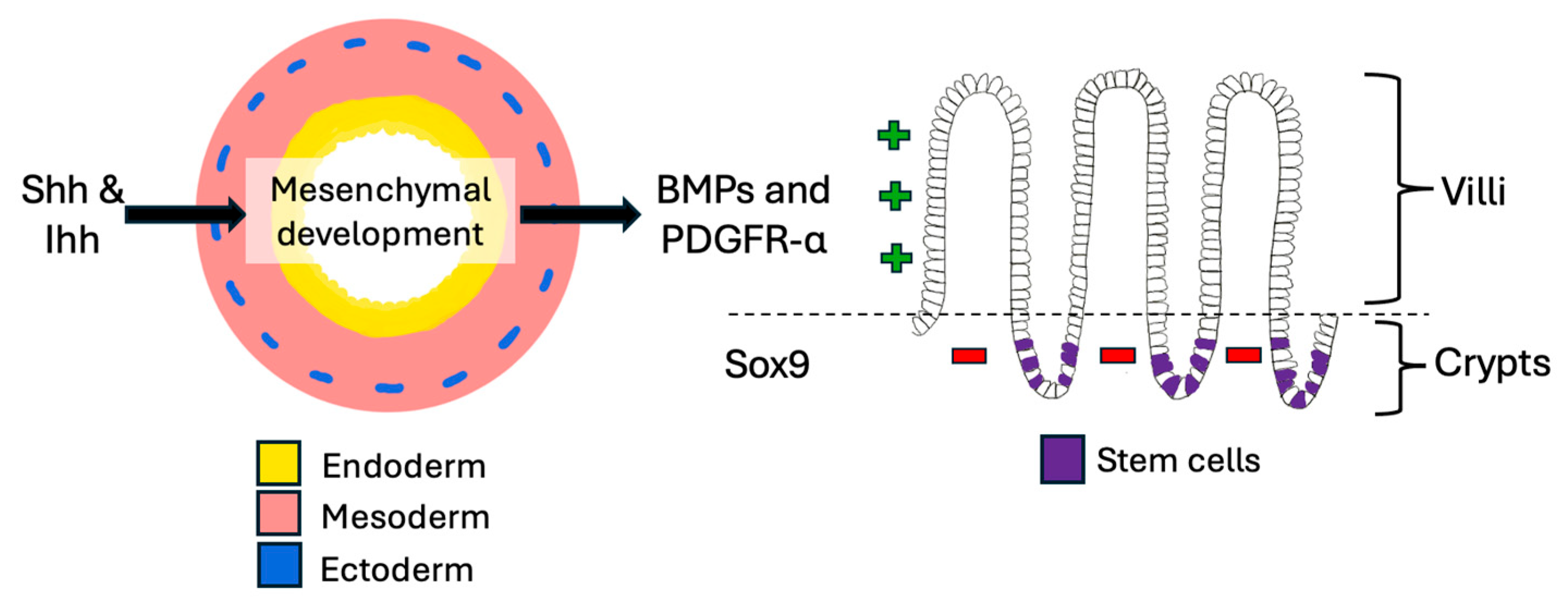
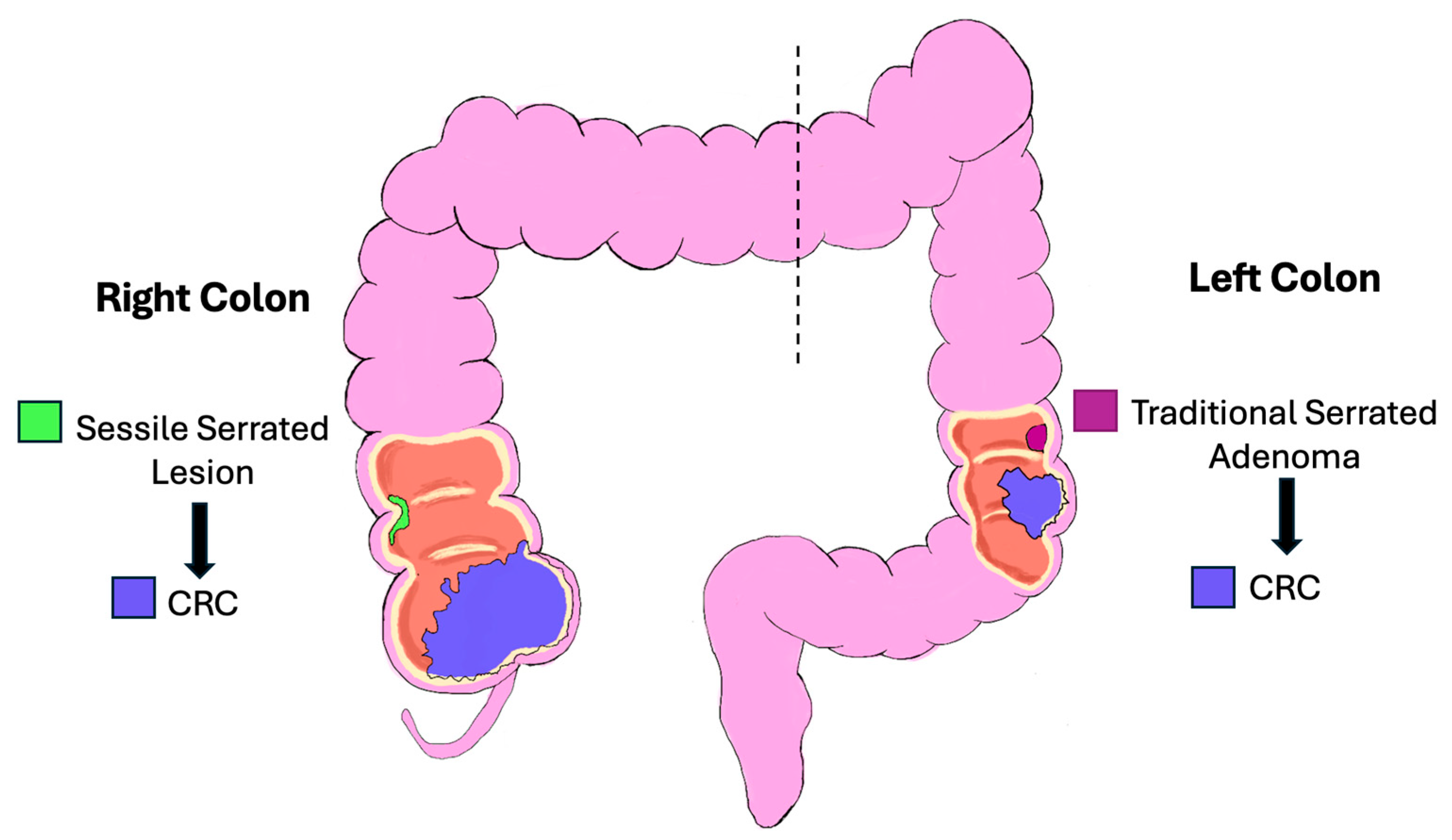
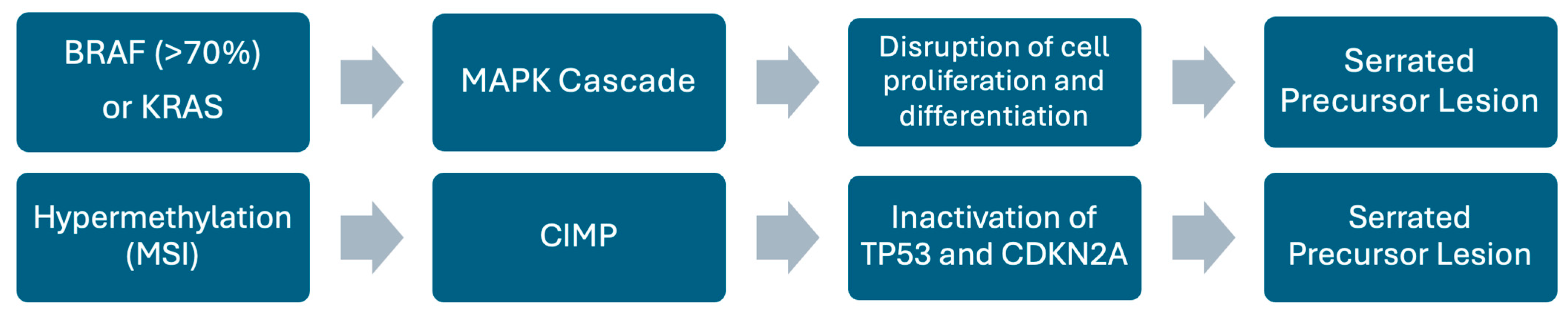
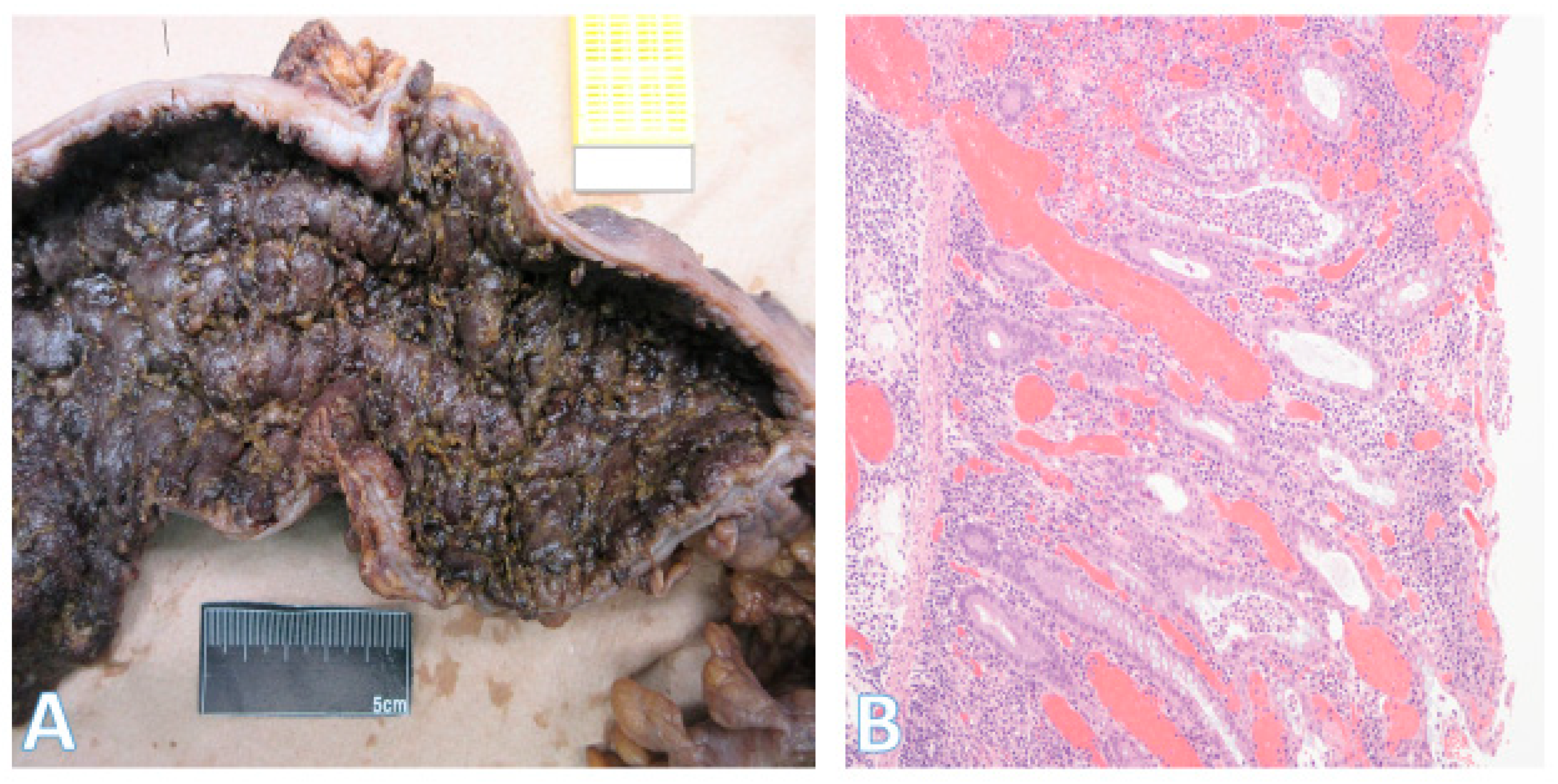
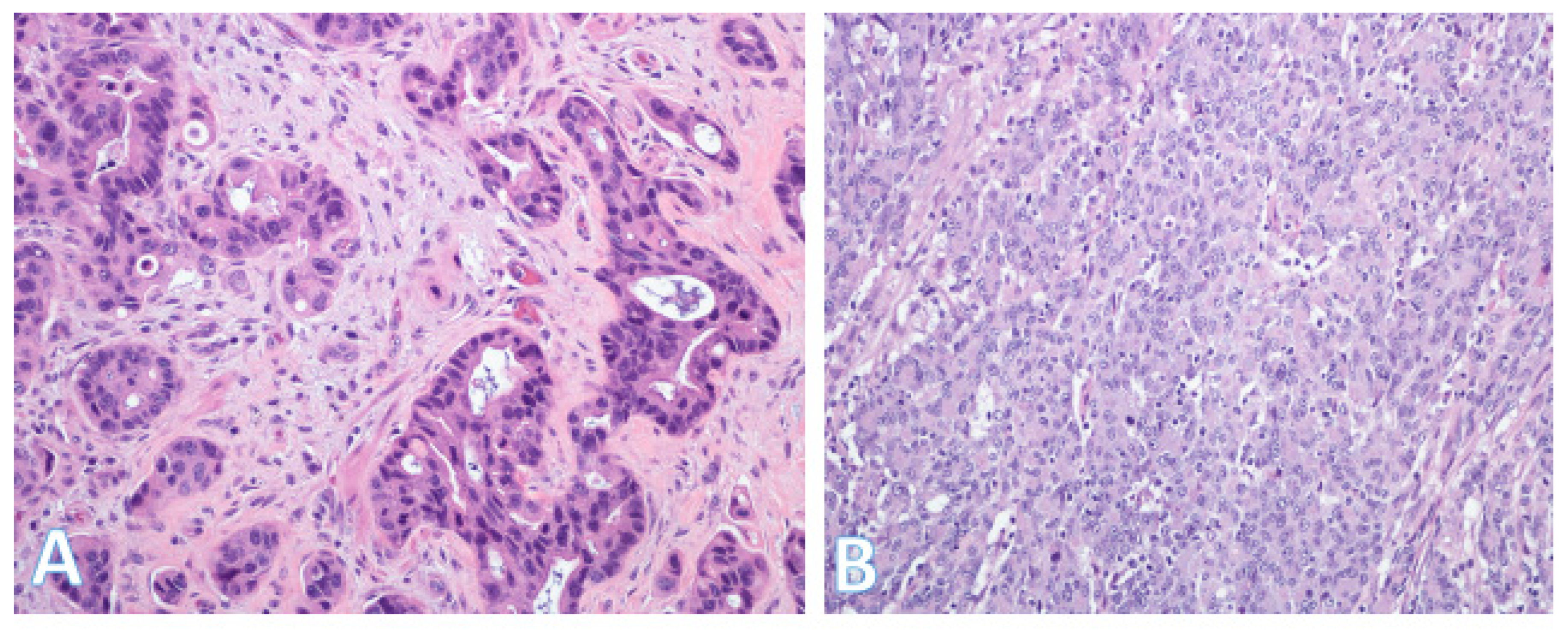
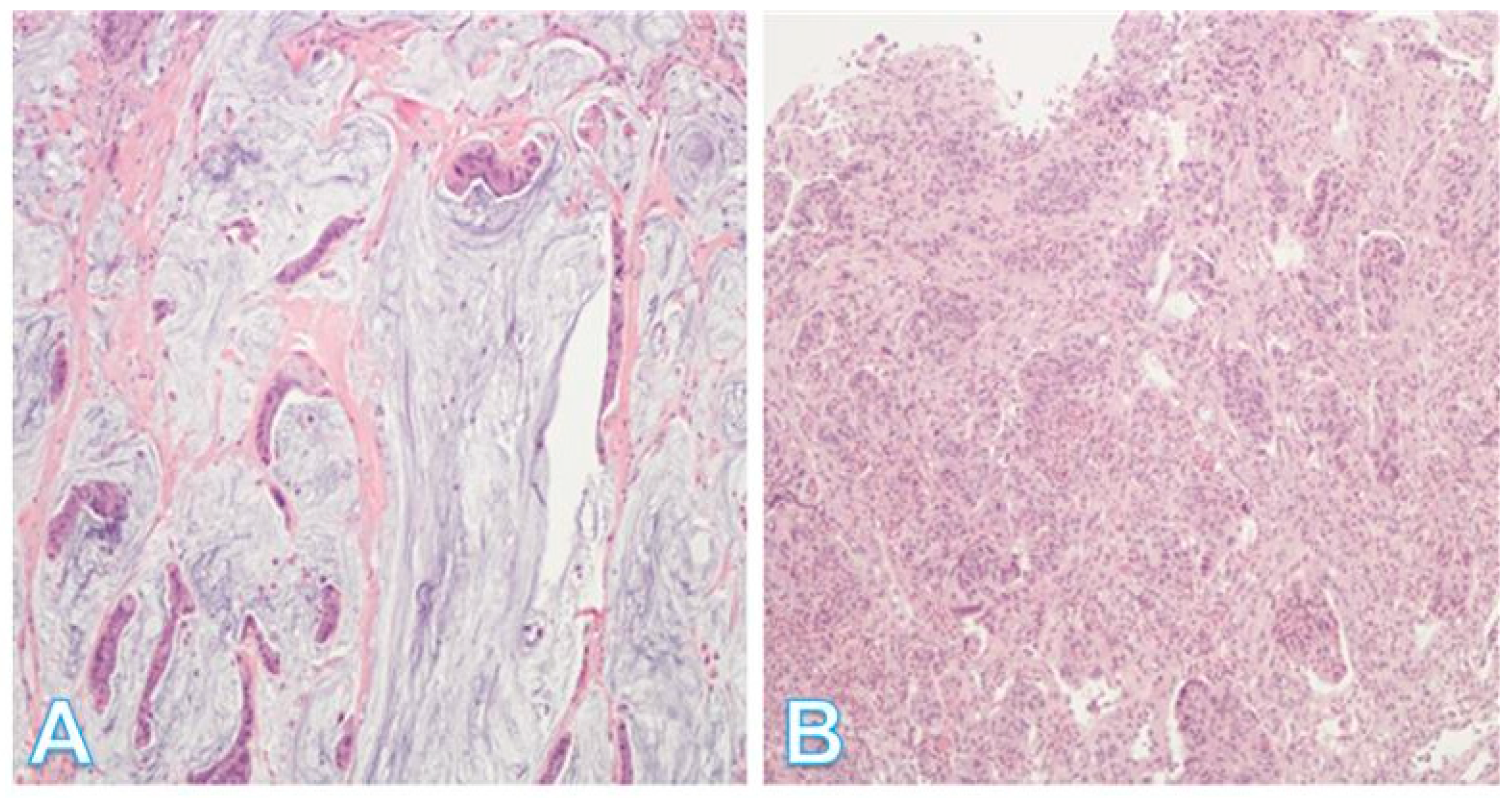
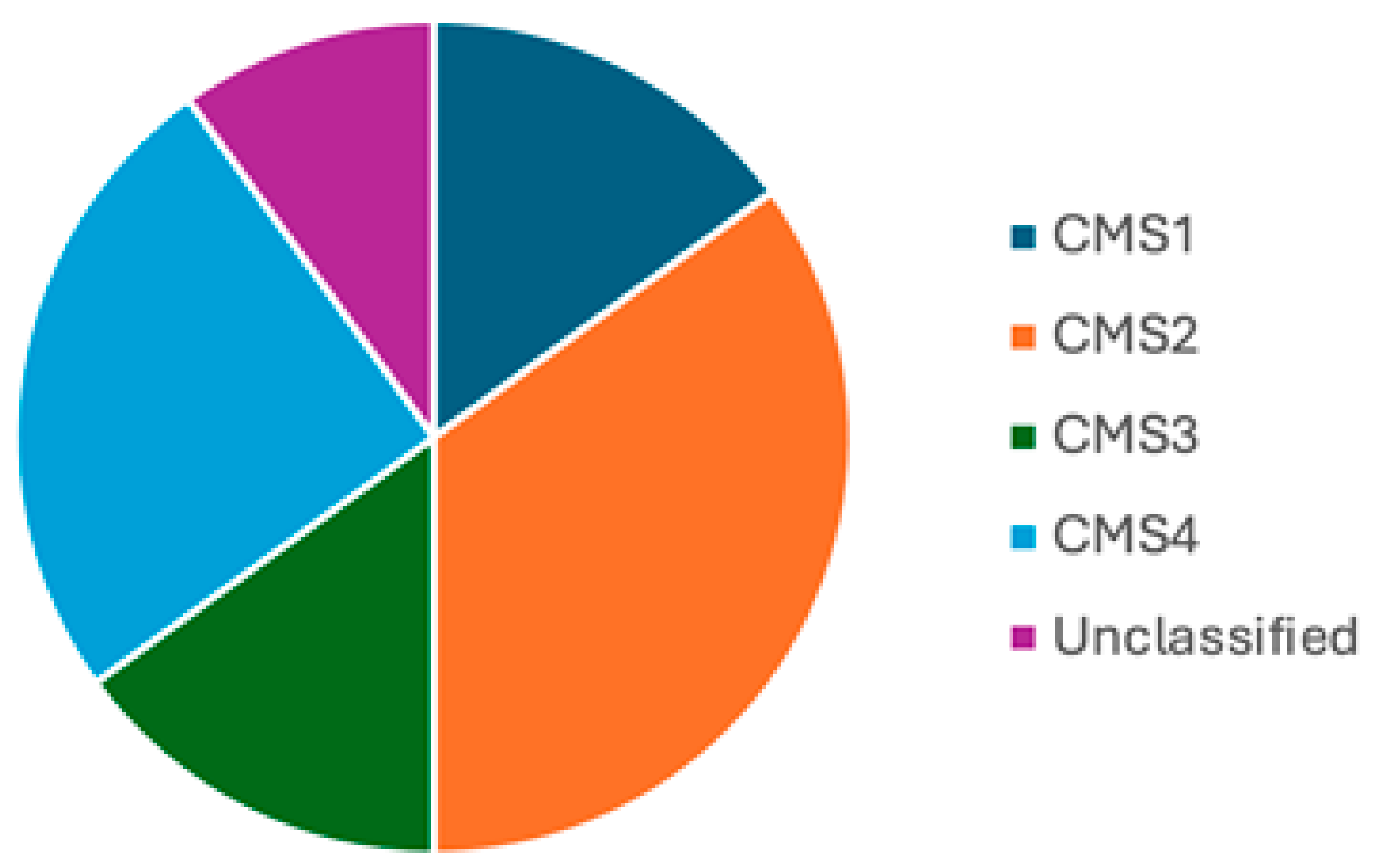
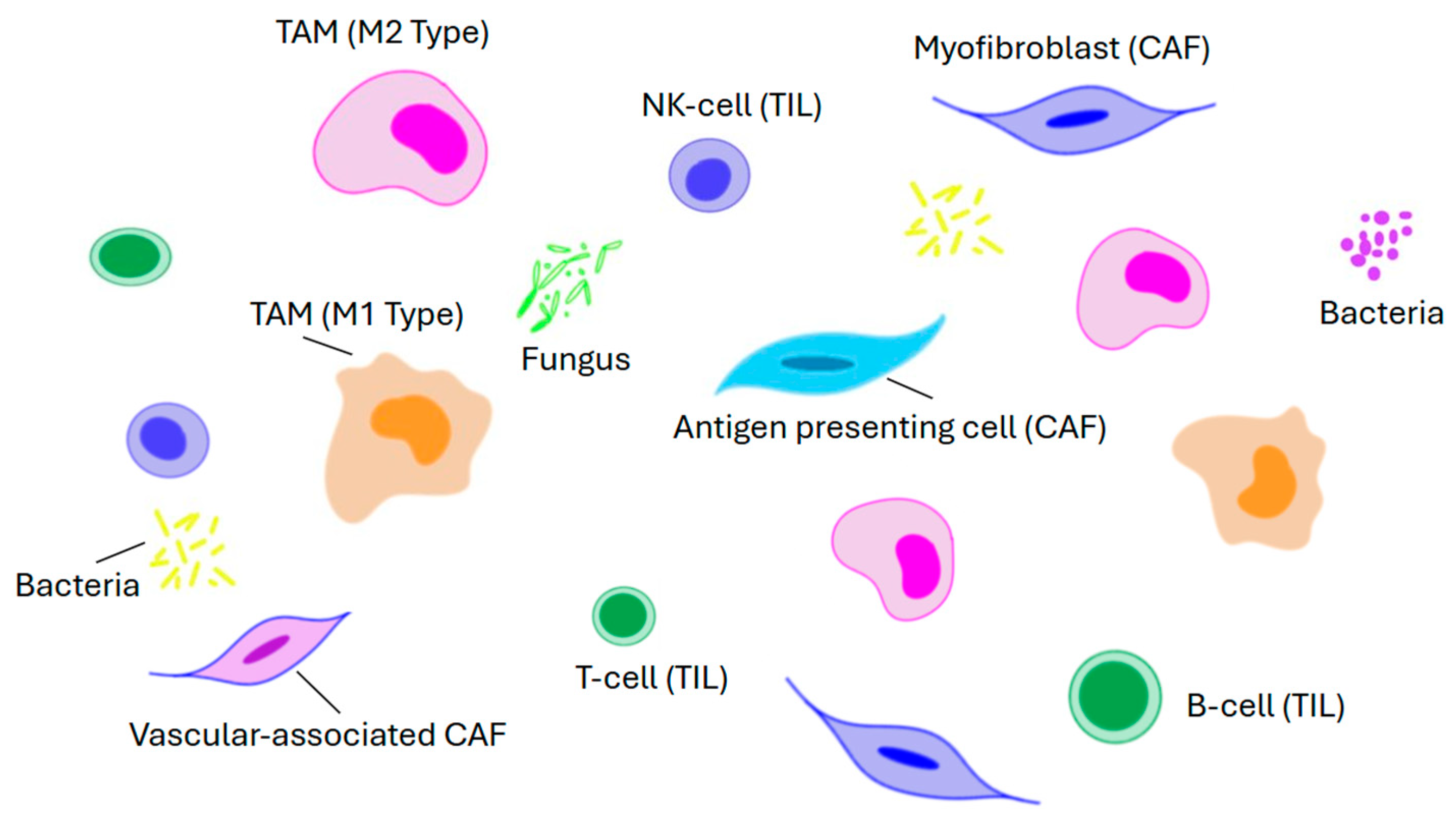
The morphogenesis of the primordial gut relies on signaling pathways such as Wnt, FGF, Notch, Hedgehog, and Hippo. Reciprocal crosstalk between the endoderm and mesoderm is integrated into the signaling pathways, resulting in craniocaudal patterning. These pathways are also involved in adult intestinal homeostasis including cell proliferation and specification of cell fate. Perturbations in this process can cause growth disturbances manifesting as adenomas, serrated lesions, and cancer. Significant differences have been observed between right and left colon cancers in the hindgut, and between the jejunoileum, appendix, and right colon in the midgut. The question is to what extent the embryology of the mid- and hindgut contributes to differences in the underlying tumor biology. This review examines the precursor lesions and consensus molecular subtypes (CMS) of colorectal cancer (CRC) to highlight the significance of embryology and tumor microenvironment (TME) in CRC. The three main precursor lesions, i.e., adenomas, serrated lesions, and inflammatory bowel disease-associated dysplasia, are linked to the CMS classification, which is based on transcriptomic profiling and clinical features. Both embryologic and micro-environmental underpinnings of the mid- and hindgut contribute to the differences in the tumors arising from them, and they may do so by recapitulating embryonic signaling cascades. This manifests in the range of CRC CMS and histologic cancer subtypes and in tumors that show multidirectional differentiation, the so-called stem cell carcinomas. Emerging evidence shows the limitations of CMS particularly in patients on systemic therapy who develop drug resistance. The focus is thus transitioning from CMS to specific components of the TME.
Keywords: colorectal cancer; right and left colon; mid- and hindgut; embryologic development; signaling pathways; precursor lesions; pathogenesis; consensus molecular subtypes; drug resistance; tumor micro-environment colorectal cancer; right and left colon; mid- and hindgut; embryologic development; signaling pathways; precursor lesions; pathogenesis; consensus molecular subtypes; drug resistance; tumor micro-environment