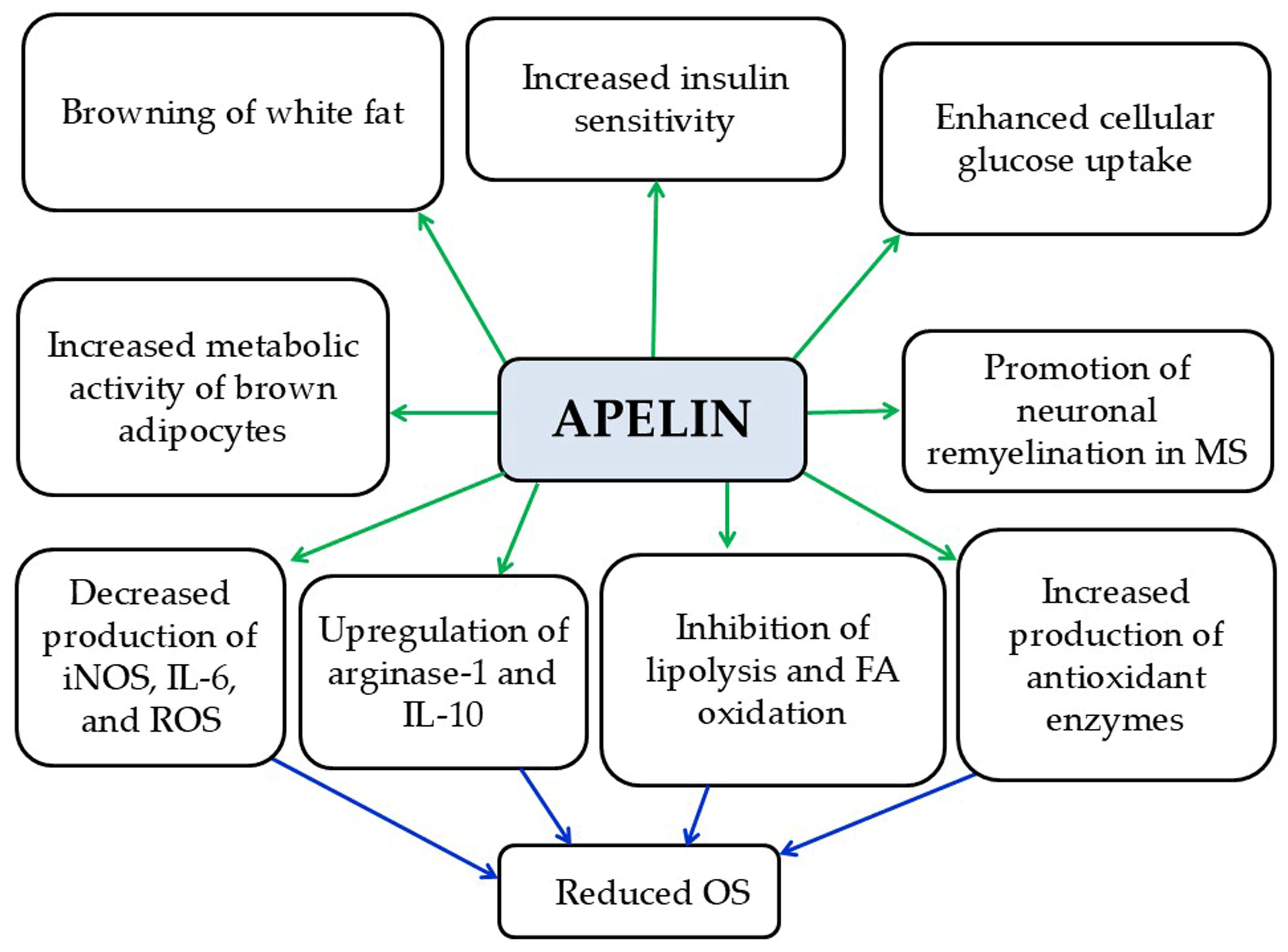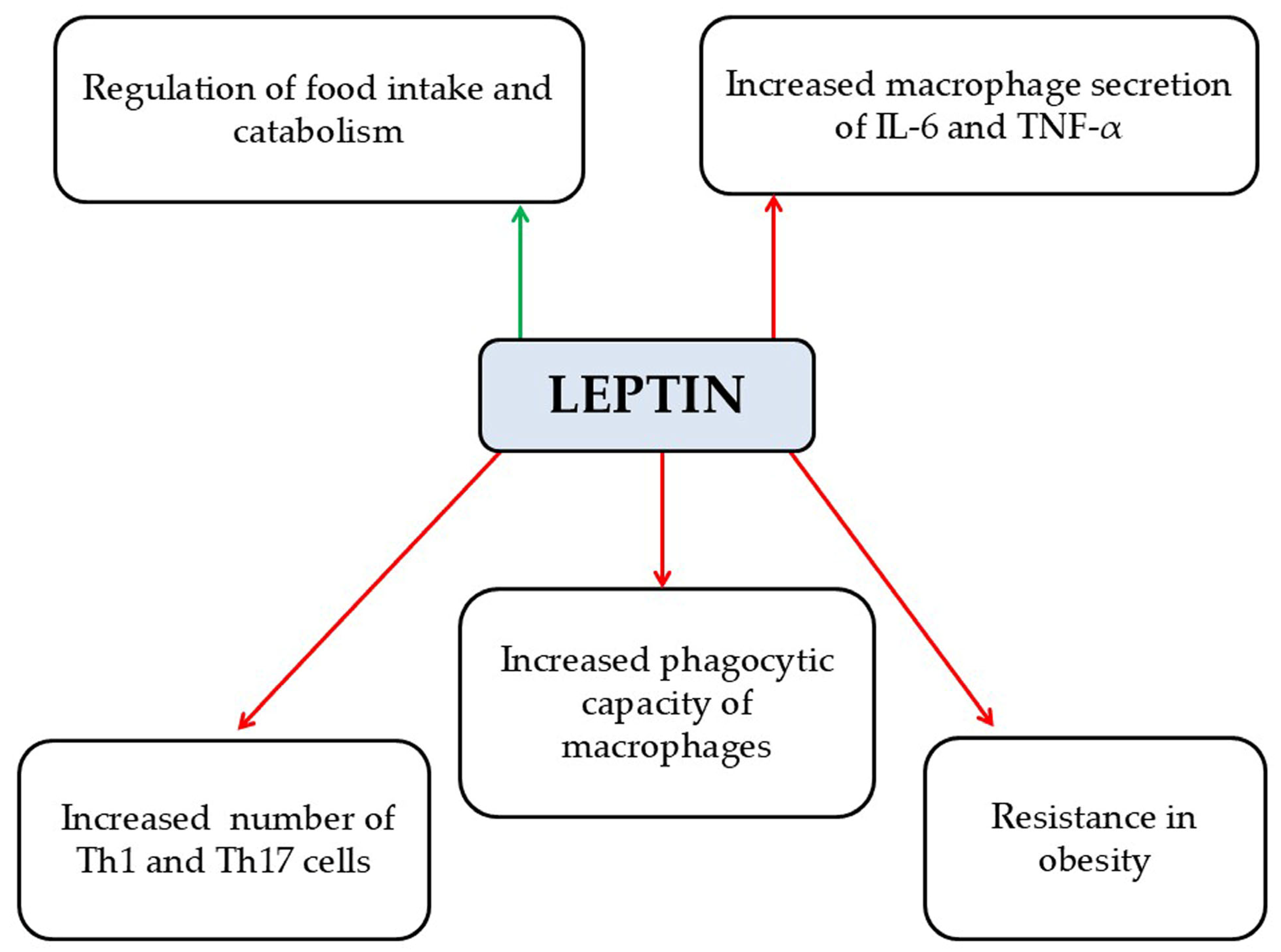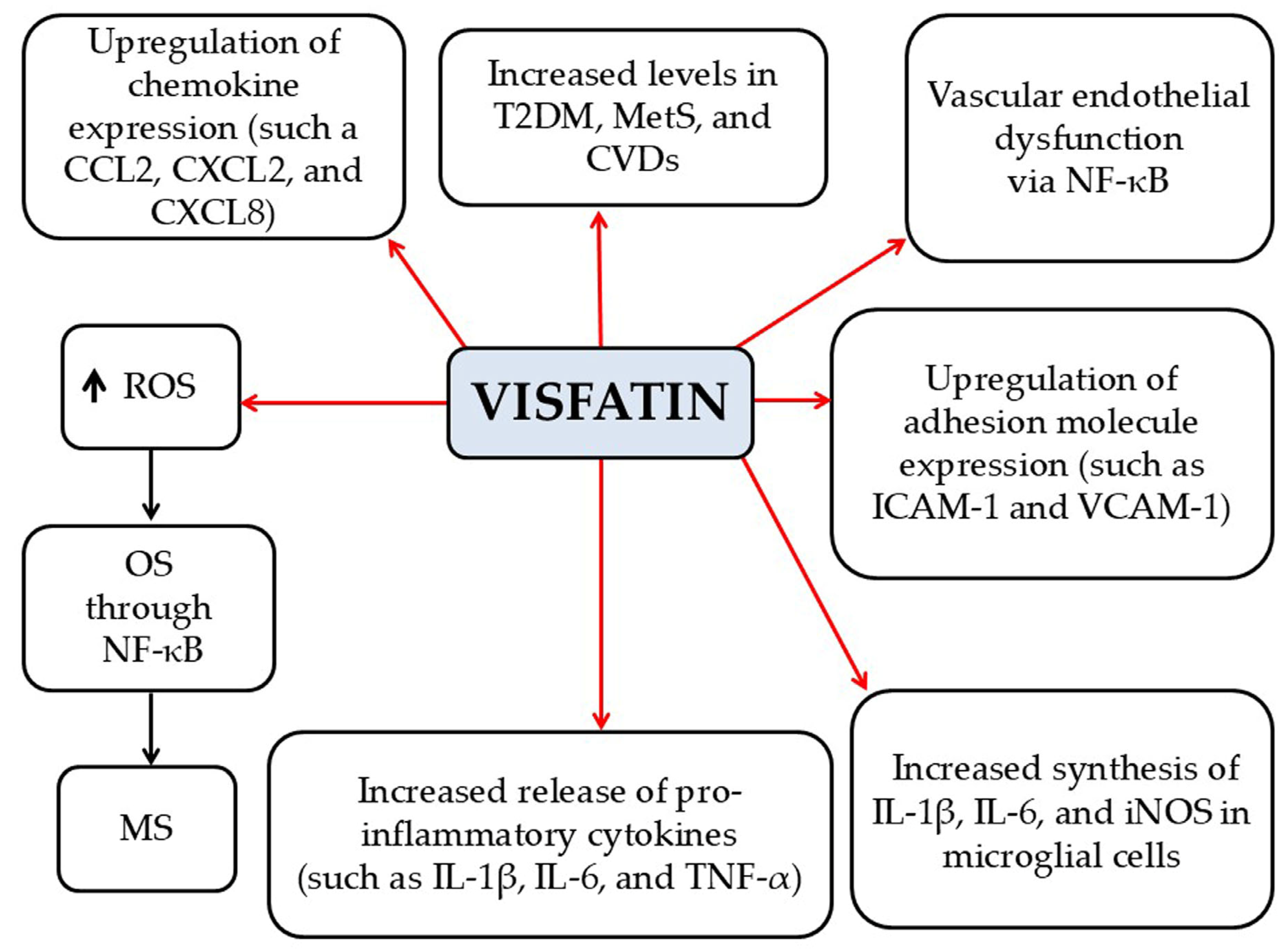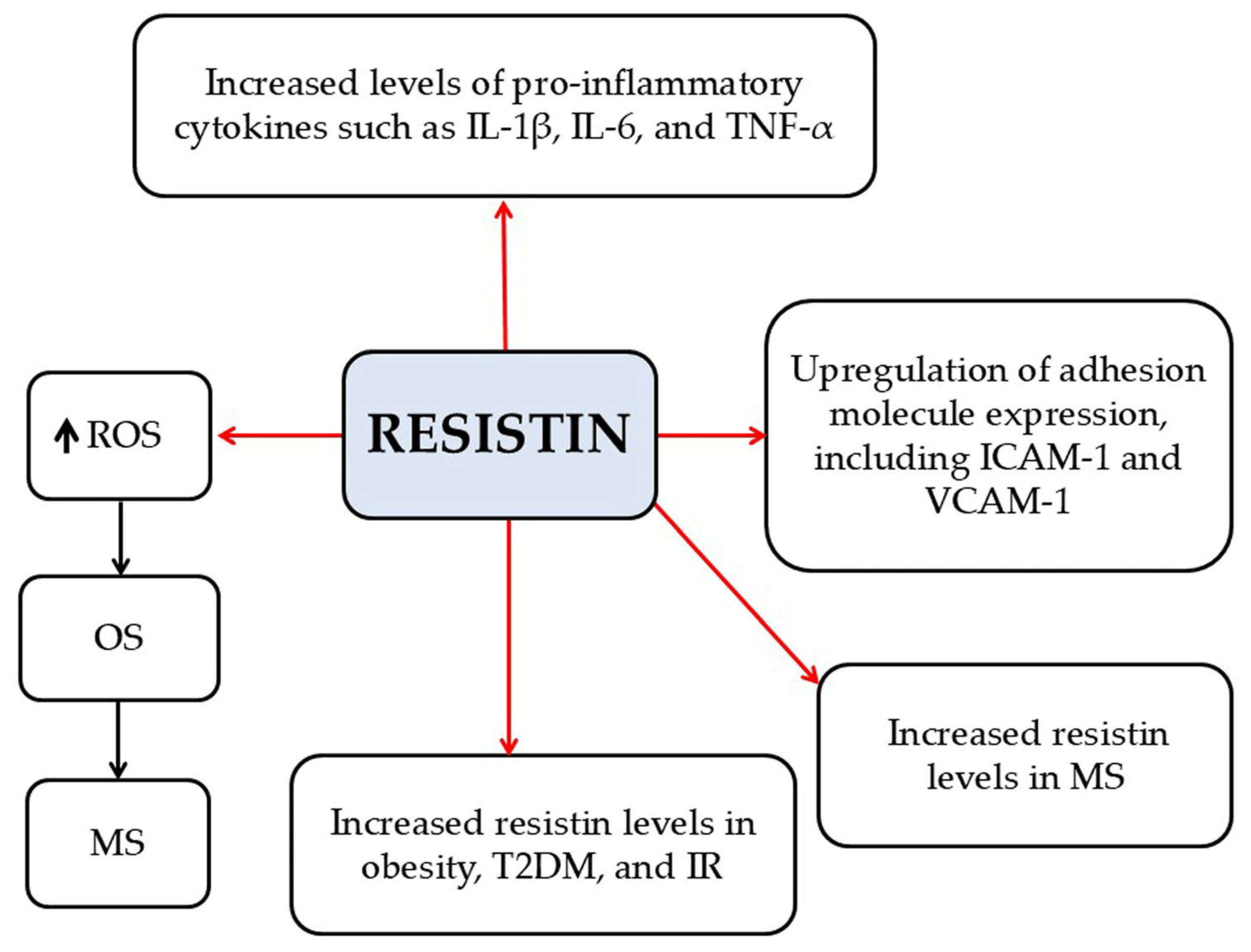
Review

Is Obesity a Modifiable Risk Factor in Multiple Sclerosis? Mechanistic Insights into Neuroinflammation and Oxidative Damage

by
Fani-Niki Varra
1,2,
Olga Pagonopoulou
3,
Michail Varras
4,*,
Viktoria-Konstantina Varra
5,6 and
Panagiotis Theodosis-Nobelos
1
1
Department of Pharmacy, School of Health Sciences, Frederick University, Nicosia 1036, Cyprus
2
Medical School, Democritus University of Thrace, 68100 Alexandroupolis, Greece
3
Laboratory of Neurophysiology, Medical School, Democritus University of Thrace, 68100 Alexandroupolis, Greece
4
Fourth Department of Obstetrics and Gynecology, ‘Elena Venizelou’ General and Maternity Hospital, 11521 Athens, Greece
5
Department of Pharmacy, School of Health Sciences, National and Kapodistrian University of Athens, Panepistimiopolis of Zographou, Zographou, 15771 Athens, Greece
6
Division of Aesthetics and Cosmetic Science, Department of Biomedical Sciences, School of Health and Welfare Sciences, University of West Attica, Aigaleo, 12243 Athens, Greece
*
Author to whom correspondence should be addressed.
Pathophysiology 2026, 33(1), 5; https://doi.org/10.3390/pathophysiology33010005

Submission received: 1 October 2025 / Revised: 9 January 2026 / Accepted: 9 January 2026 / Published: 13 January 2026

Abstract

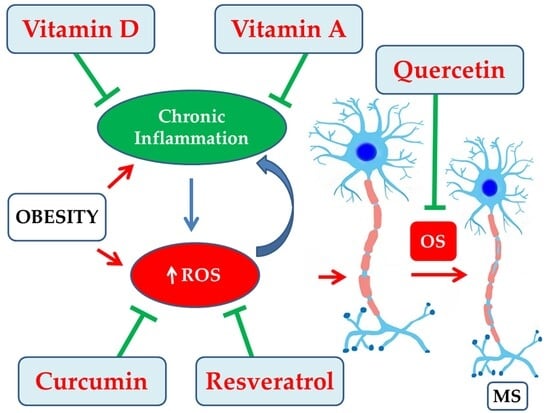
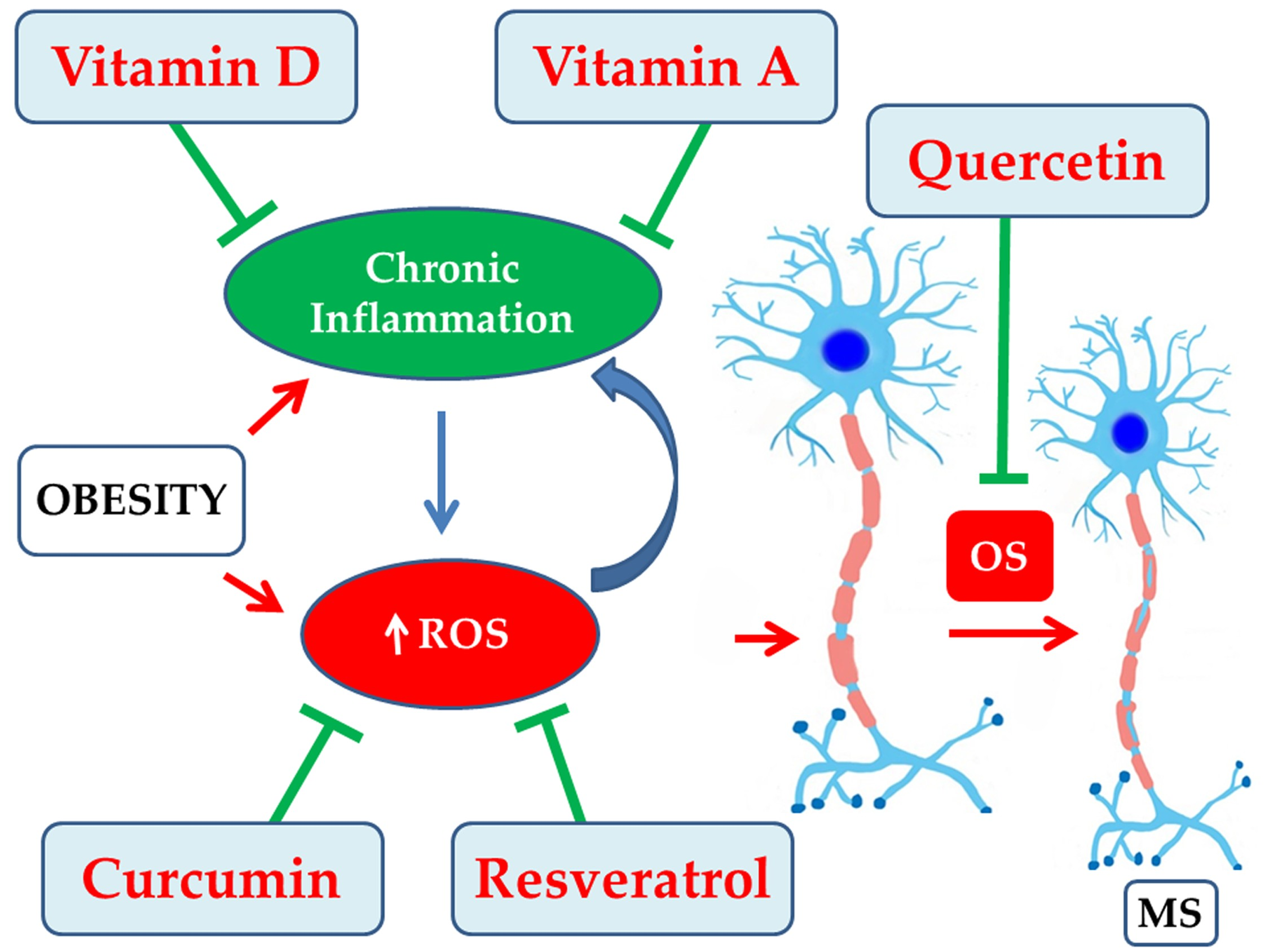
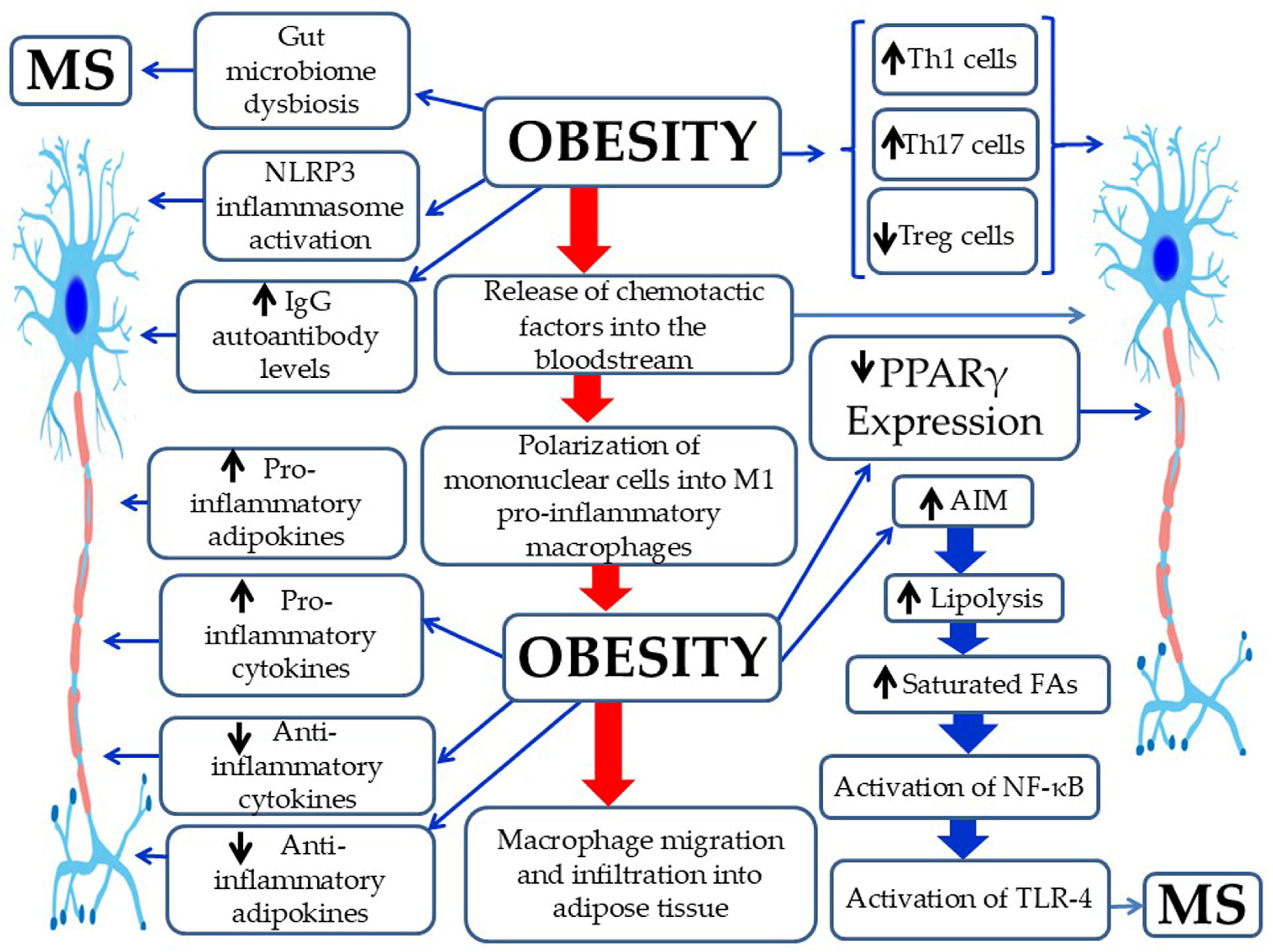
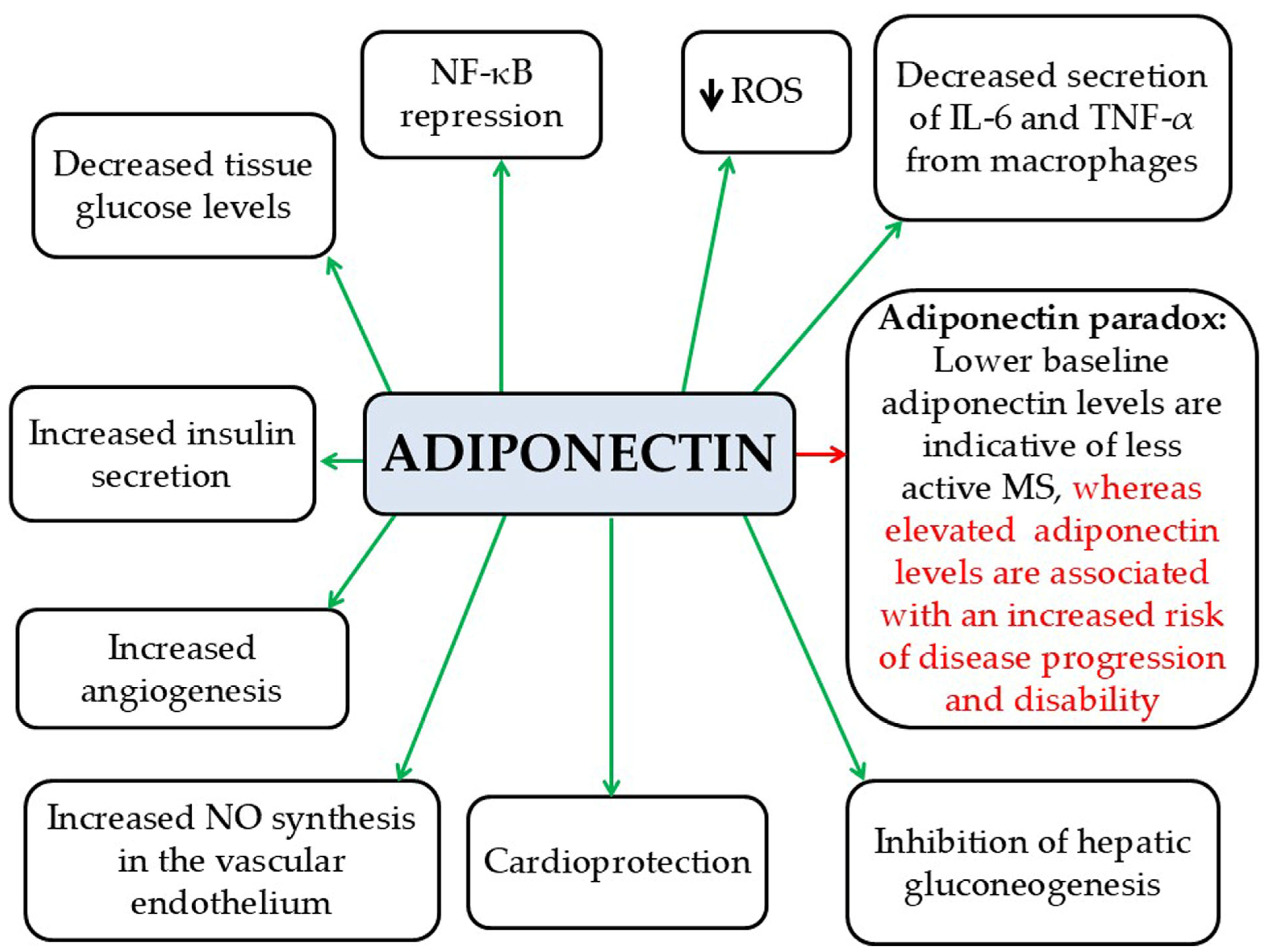
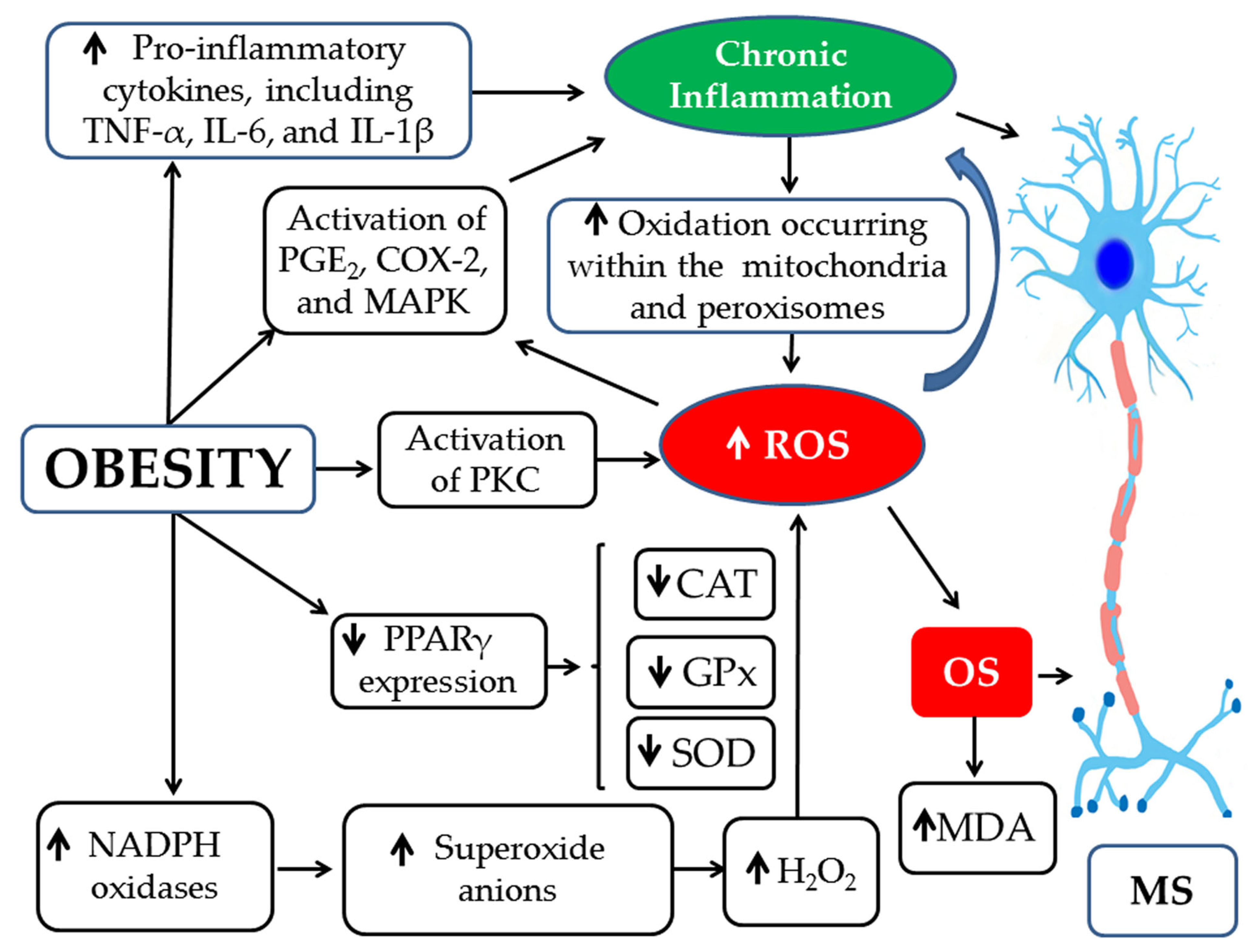
Introduction: Multiple sclerosis (MS) is a chronic autoimmune inflammatory disorder of the central nervous system (CNS) that leads to demyelination of CNS neurons and is influenced by genetic, environmental, and lifestyle factors, including diet and obesity. Methods: This review aims to analyze at the molecular level the relationship between obesity, as a chronic inflammatory condition, and the pathophysiology of MS, as a chronic autoimmune inflammatory disease, in order to understand the complex links between obesity and MS through a search of the PubMed and Google Scholar databases. Discussion: Chronic inflammation and OS are interconnected processes, causing a toxic state, which contributes to the development of CNS neuroinflammation and neuronal damage, resulting in neuronal demyelination and the onset of MS. Adipose tissue is a complex endocrine organ; in addition to being a lipid storage organ, it secretes cytokines and adipokines, which are involved in the regulation of hormones, metabolism, inflammation, and whole-body homeostasis. Obesity triggers chronic low-grade inflammation, disruption of the blood–brain barrier (BBB) and brain metabolism, infiltration of the CNS by immune cells, production of ROS, and generation of oxidative stress (OS). Anti-inflammatory and pro-inflammatory adipokines are also implicated in MS and obesity. Conclusions: Obesity affects MS through common underlying mechanisms and seems to be a modifiable risk factor. Antioxidant and anti-inflammatory compounds with multi-functional characteristics could be additional tools to slow the progression of MS and its promotion through obesity while also offering potential treatment options for both conditions via their multi-targeting characteristics.
Keywords: obesity; multiple sclerosis; oxidative stress; inflammation; cytokines; adipokines; antioxidants; natural antioxidants obesity; multiple sclerosis; oxidative stress; inflammation; cytokines; adipokines; antioxidants; natural antioxidants
Graphical Abstract