Abstract
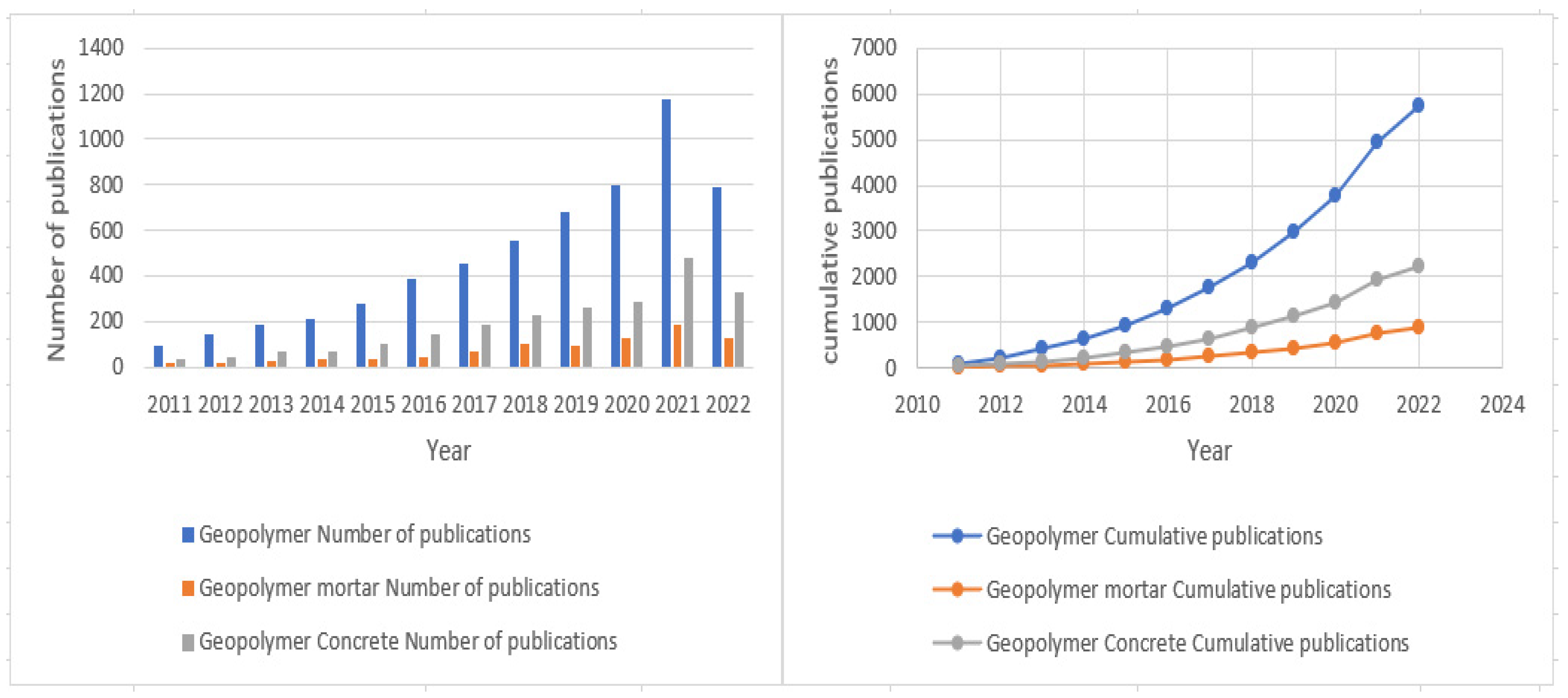
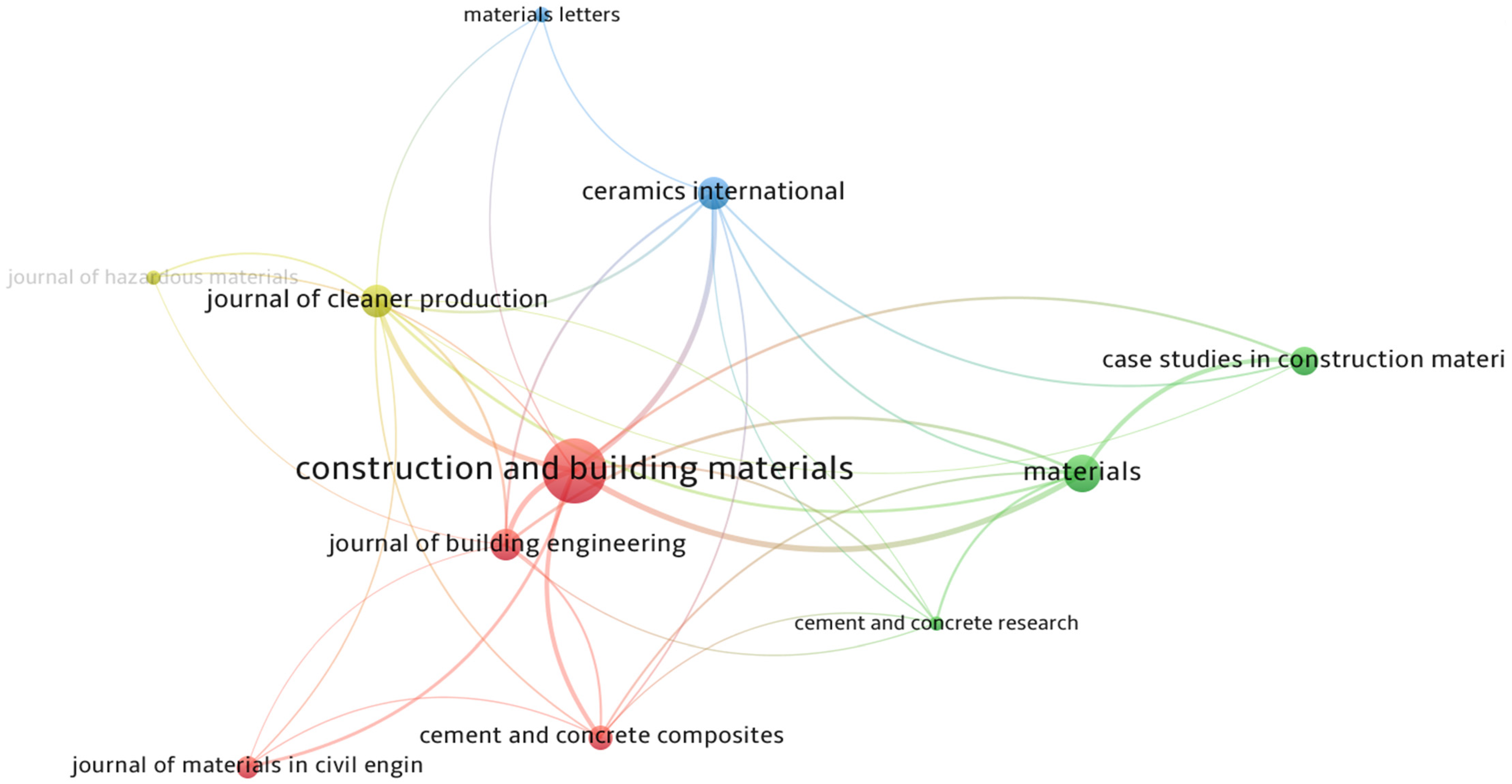
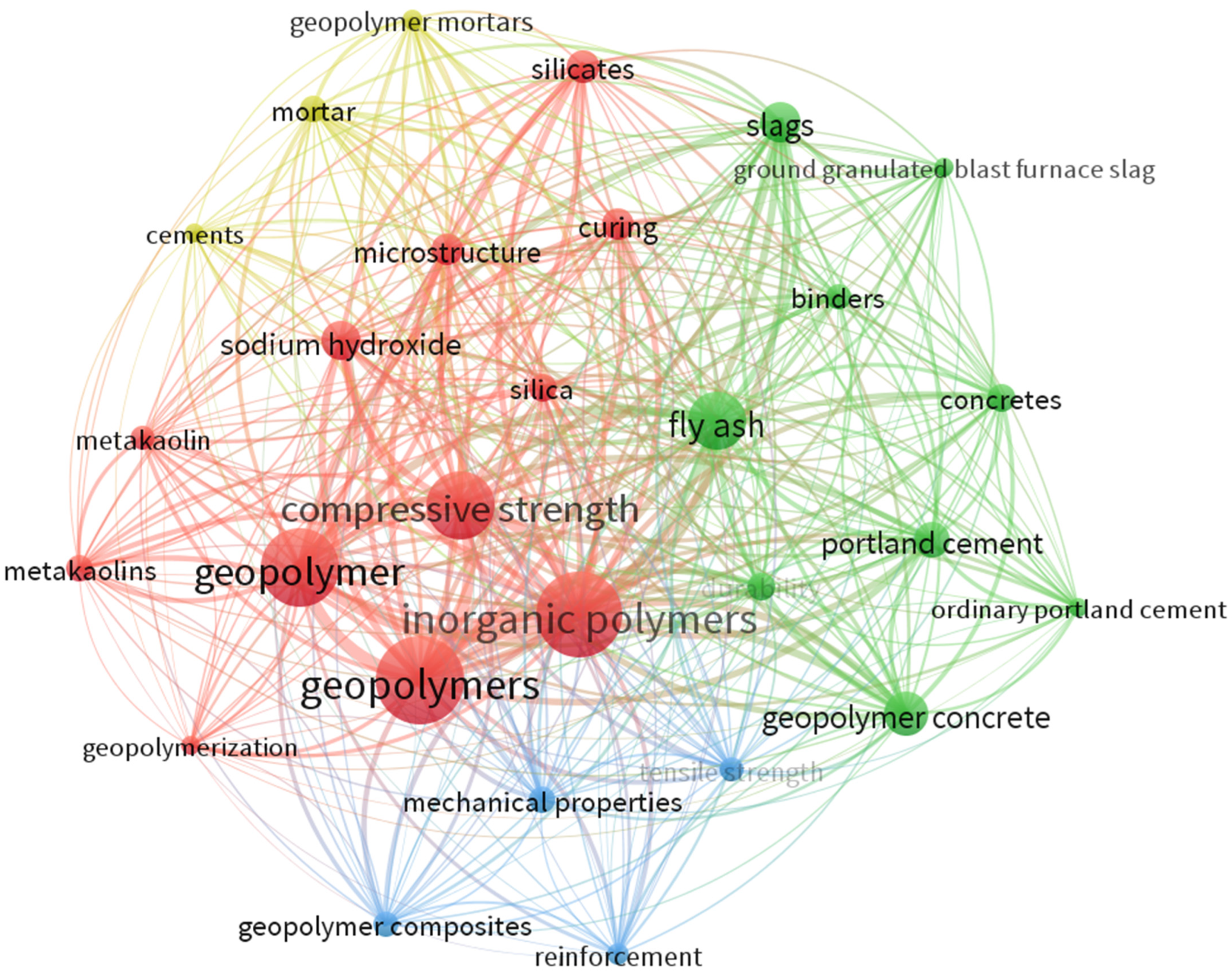
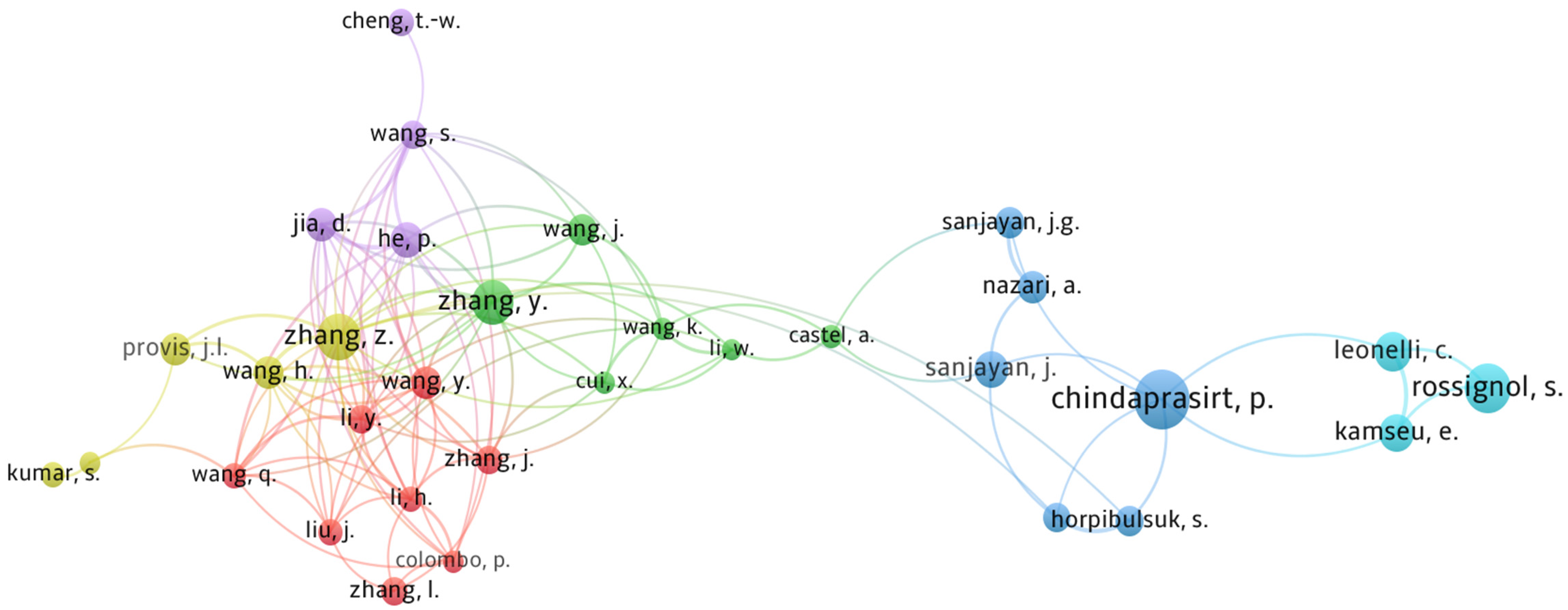
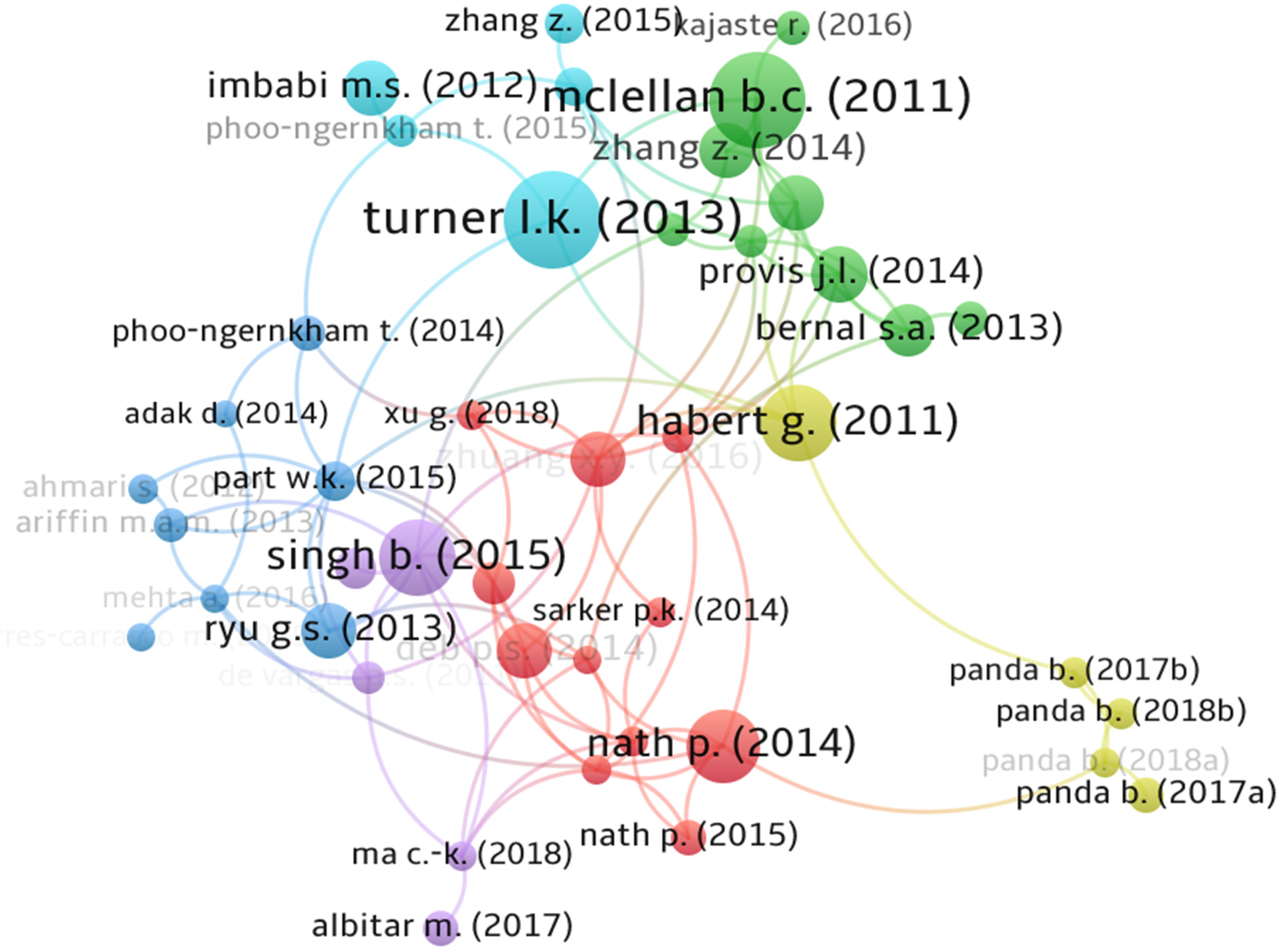
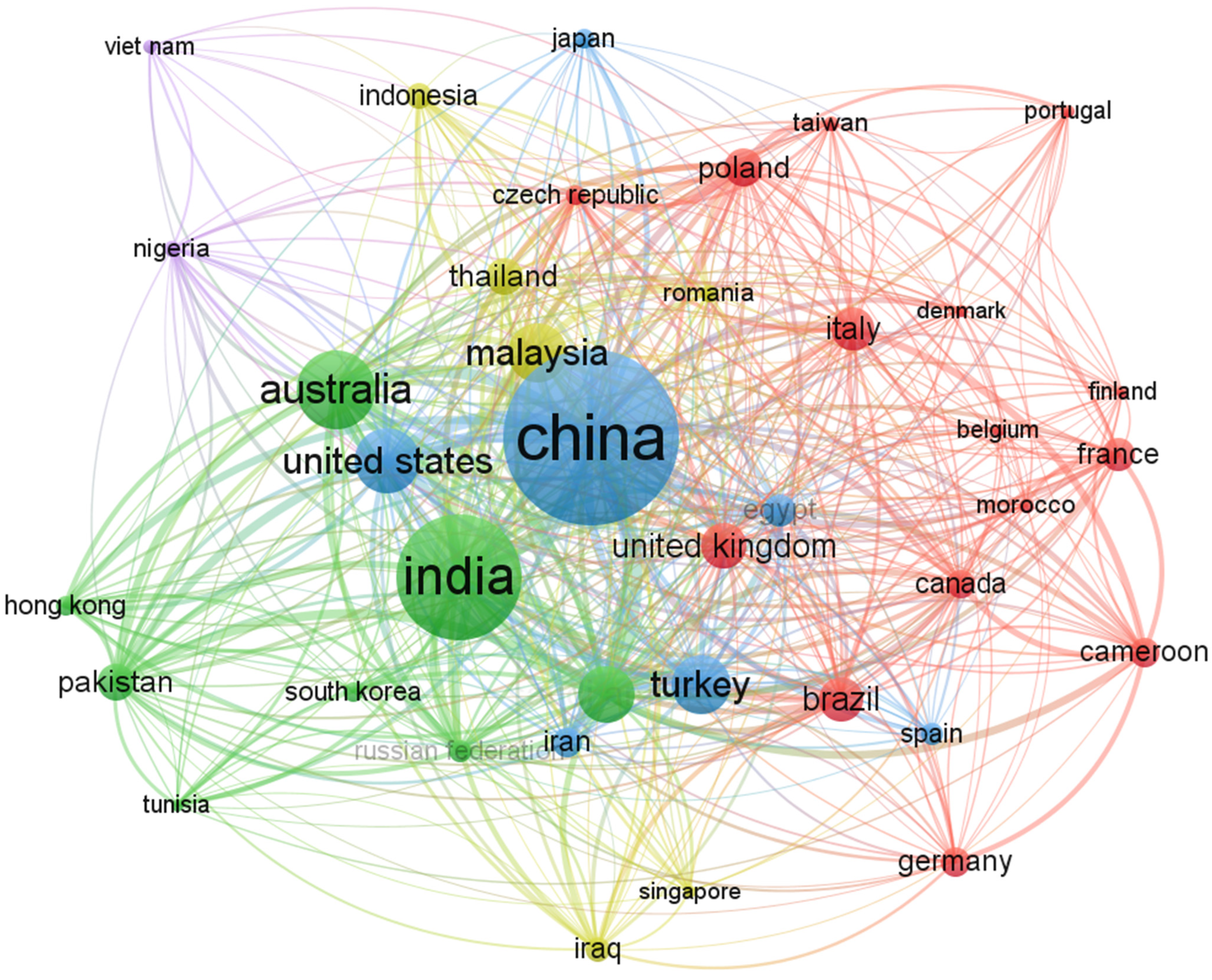
Geopolymer is an inorganic material formed through the chemical reaction of an aluminosilicate precursor and an alkaline or acidic activating solution. It is seen as a green new alternative binder to ordinary Portland cement (OPC) for sustainable infrastructure development. The strength of the unary or blended geopolymer product is dependent on the composition and properties of the polymeric gel influenced by the ratios of Al2O3/SiO2, CaO/SiO2, CaO/(SiO2 + Al2O3), Na2SiO3/NaOH, SiO2/Na2O, and liquid/binder (L/B). Essential scientific inquiry has been progressively addressed by utilizing expert assessment and research metrics. The network visualization of bibliometric co-occurrence and co-citations is of particular significance. The present study aims to highlight the trends and progress of the most influential publication sources, keywords, authors, articles, and countries in geopolymer research in the last 10 years. Bibliometric data were retrieved through Scopus and visualized in VOSviewer to create bibliometric networks. The yearly distribution and growth trends (April 2011–2022) of geopolymer, geopolymer mortar, and geopolymer concrete before (after) applying inclusion criteria were from 754 to 9887 (5186), 47 to 1374 (866), and 145 to 3721 (2253), respectively, attributed to the discoveries in more precursor materials such as laterite and the growing interest in fire and heat-resistant structures, water and wastewater treatment, cement and concrete, and brick manufacturing. The top three journals in terms of prestige for geopolymer publications were the Journal of Hazardous Materials with an impact factor equal to 14.224 and h-index equal to 307, Cement and Concrete Research with an impact factor equal to 11.958 and h-index equal to 239, and the Journal of Cleaner Production with an impact factor equal to 11.072 and h-index equal to 232. The top three journals in terms of average citation per document were Cement and Concrete Research (135.75), Materials and Design (75), and Cement and Concrete Composites (68.35). Keywords such as “geopolymers”, “inorganic polymer”, “geopolymer”, “compressive strength”, “fly ash”, and “geopolymer concrete” had the highest occurrences in publications. John Provis—University of Sheffield, Prinya Chindaprasirt—Khon Kaen University, and Jay Sanjayan—Swinburne University of Technology had the highest total citations of 6377, 5626, and 4311, respectively. The highest number of publications were from China, India, Australia, the United States of America, and Malaysia. The bibliometric findings from this study can act as a tool for academicians and policymakers to exchange research expertise, collaborate on novel geopolymer research, and create innovative joint ventures.