Article

tRNA-Derived RNA Fragments Are Novel Biomarkers for Diagnosis, Prognosis, and Tumor Subtypes in Prostate Cancer


1
Department of Cell Biology, The Children’s Hospital, Zhejiang University School of Medicine, Hangzhou 310058, China
2
Key Laboratory of Precision Medicine in Diagnosis and Monitoring Research of Zhejiang Province, Sir Run Run Shaw Hospital and Institute of Translational Medicine, Zhejiang University School of Medicine, Hangzhou 310016, China
3
Department of Urology, Sir Run Run Shaw Hospital and Institute of Translational Medicine, Zhejiang University School of Medicine, Hangzhou 310016, China
4
Zhejiang Provincial Key Laboratory of Precision Diagnosis and Therapy for Major Gynecological Diseases, Department of Gynecologic Oncology, Women’s Hospital and Institute of Translational Medicine, Zhejiang University School of Medicine, Hangzhou 310006, China
5
Cancer Center, Zhejiang University, Hangzhou 310013, China
6
Department of Physiology and Center of Systems Molecular Medicine, Medical College of Wisconsin, Milwaukee, WI 53226, USA
*
Authors to whom correspondence should be addressed.
Curr. Oncol. 2023, 30(1), 981-999; https://doi.org/10.3390/curroncol30010075

Submission received: 5 December 2022 / Revised: 30 December 2022 / Accepted: 6 January 2023 / Published: 10 January 2023

Abstract

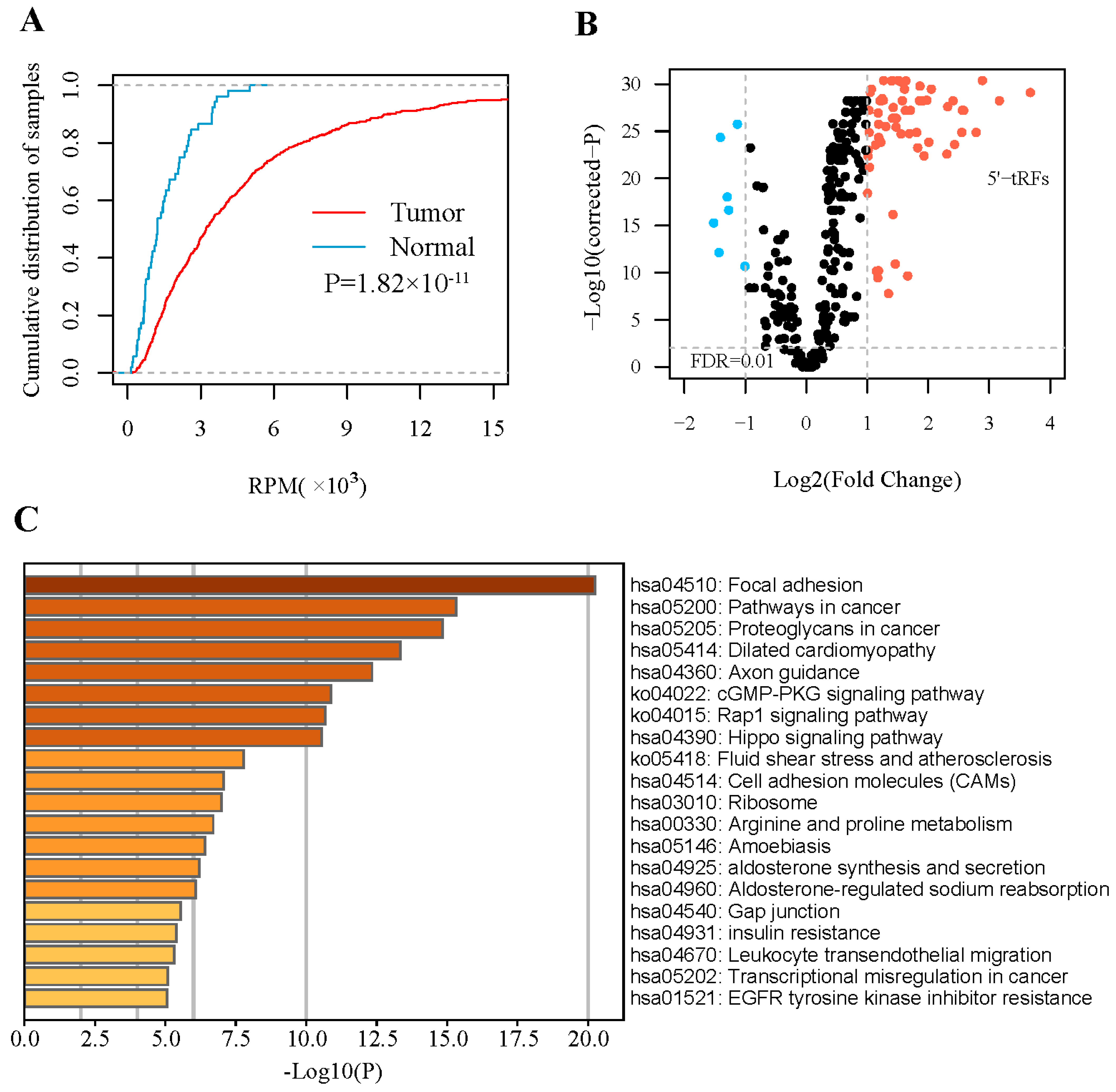
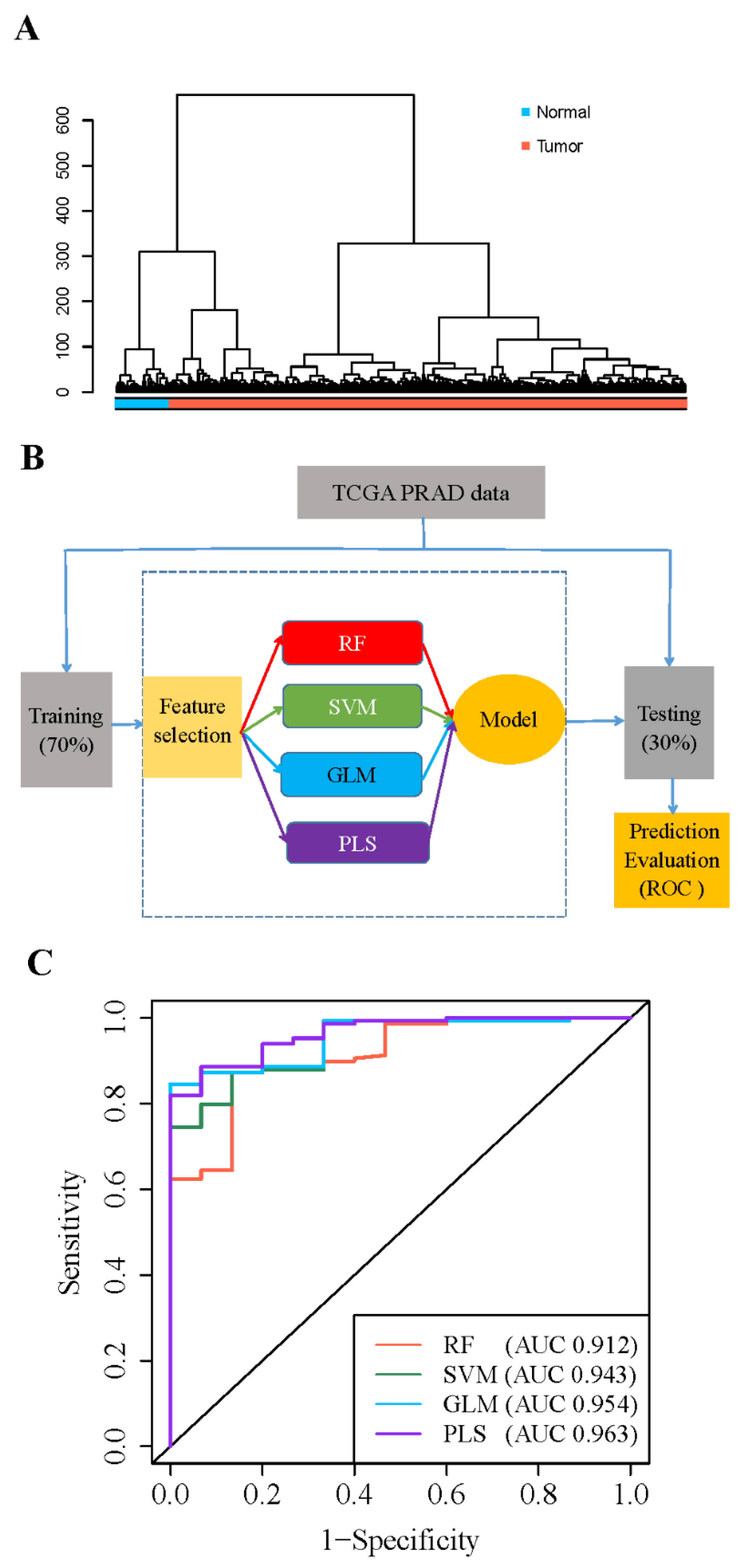
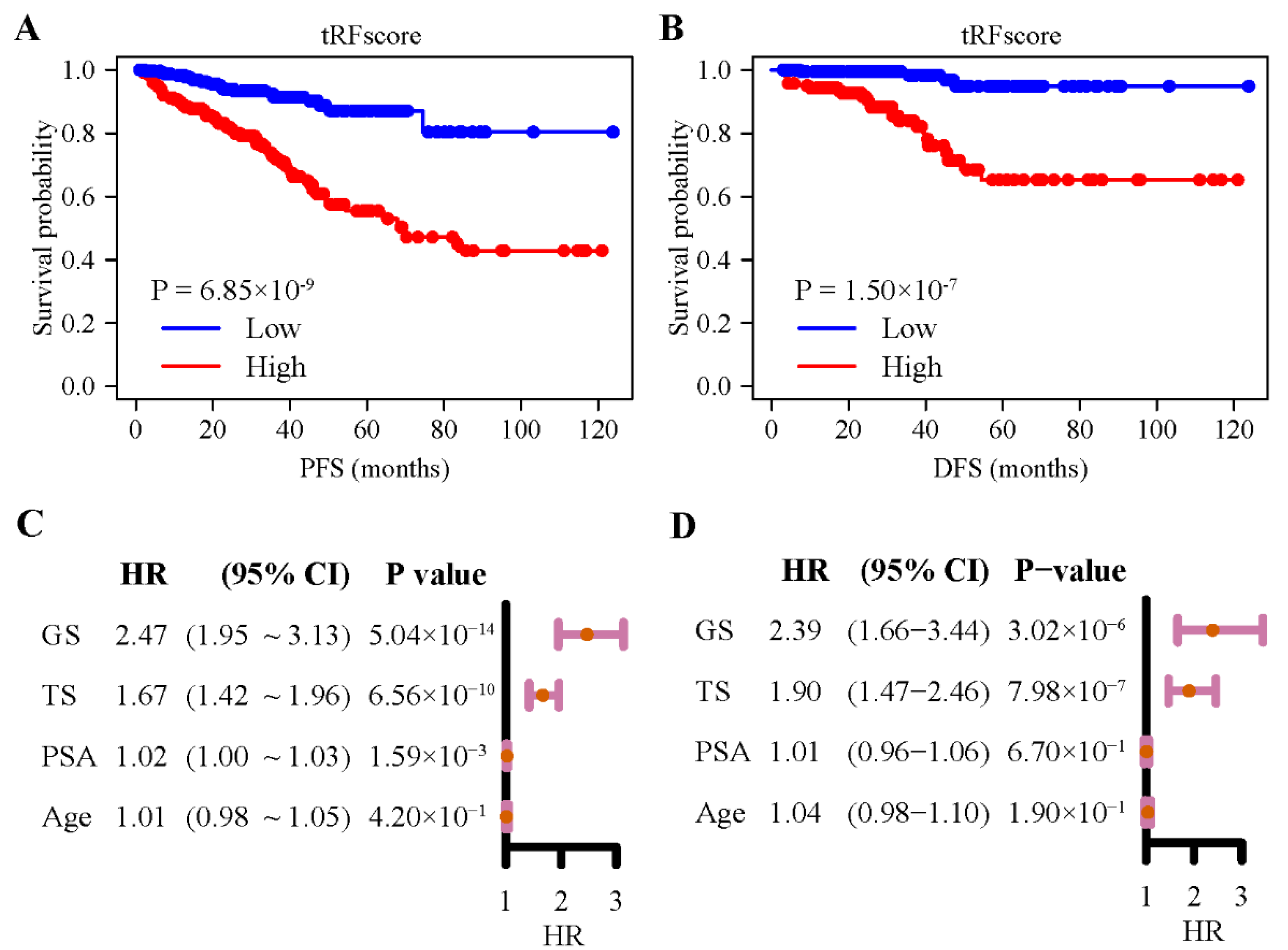
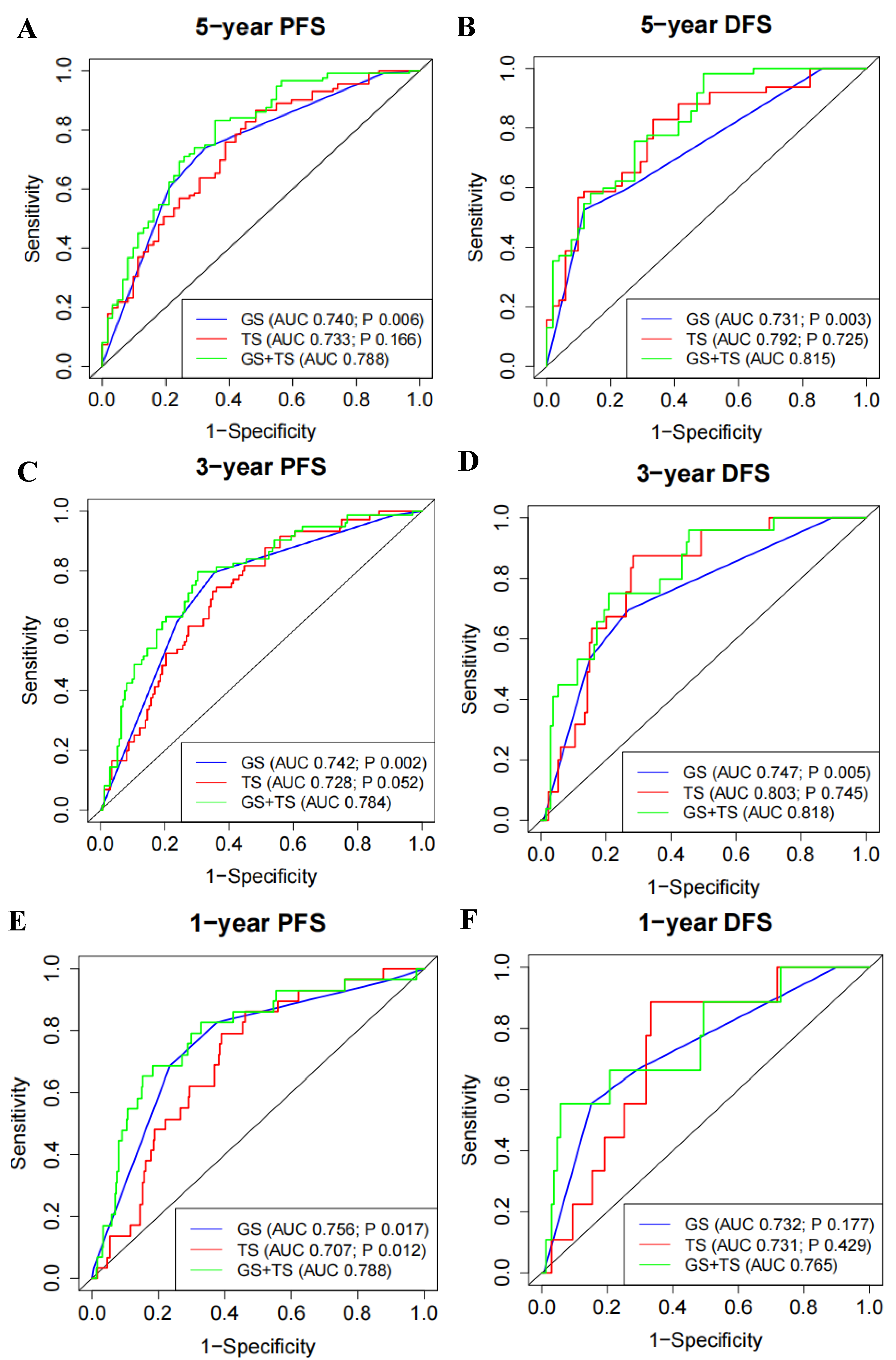
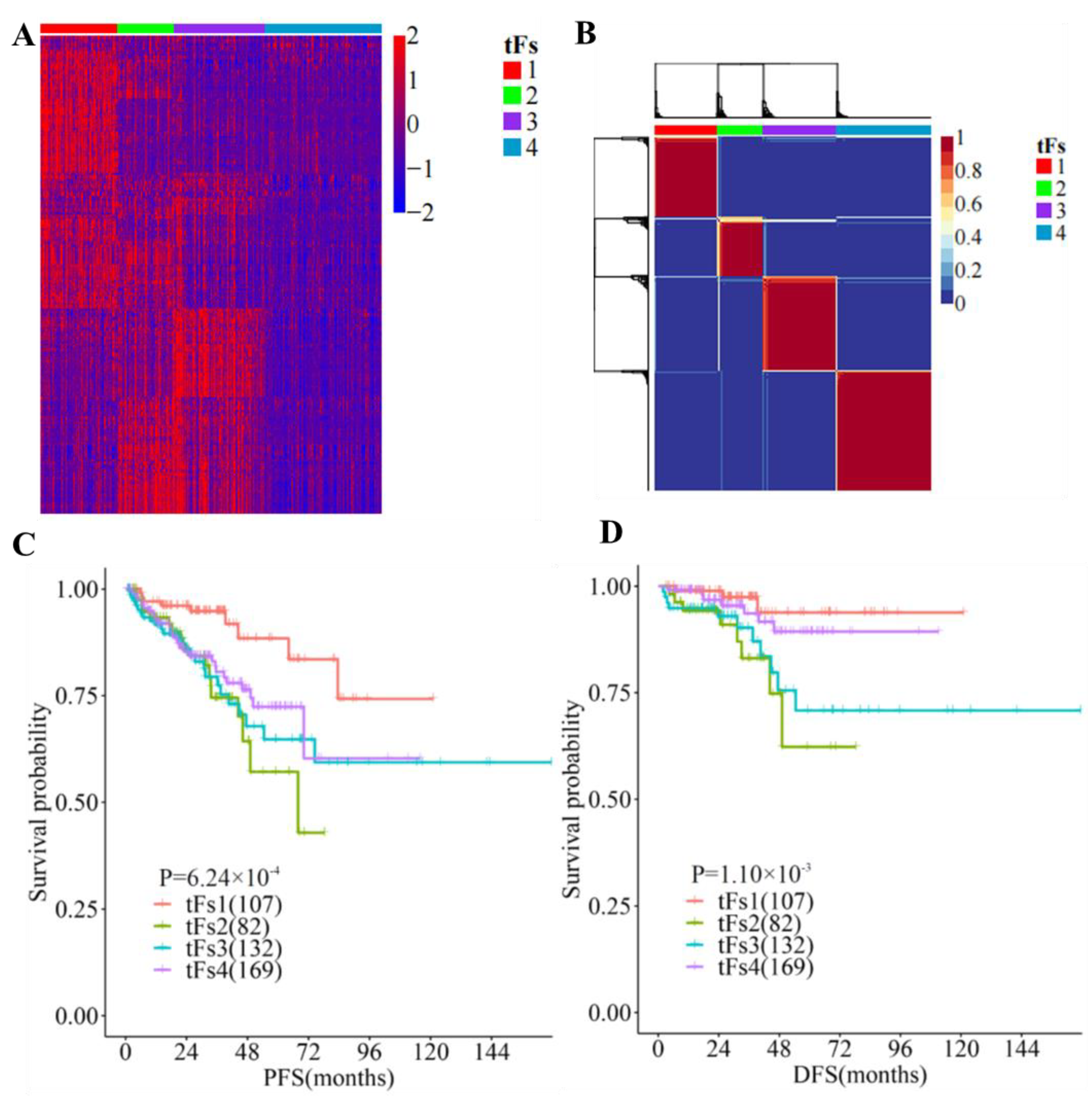
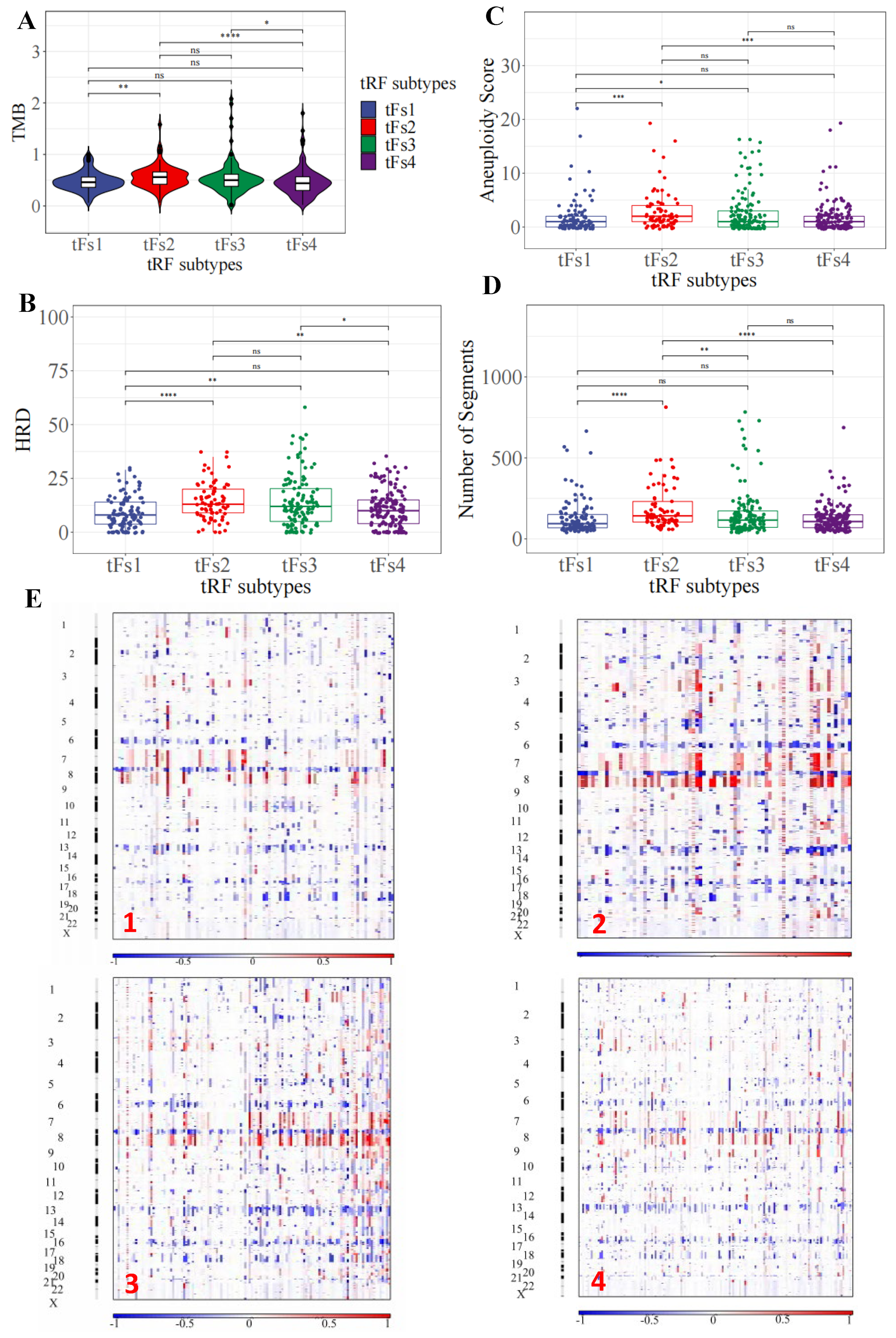
Background: tRNA-derived RNA fragments (tRFs) are a novel class of small ncRNA that are derived from precursor or mature tRNAs. Recently, the general relevance of their roles and clinical values in tumorigenesis, metastasis, and recurrence have been increasingly highlighted. However, there has been no specific systematic study to elucidate any potential clinical significance for these tRFs in prostate adenocarcinoma (PRAD), one of the most common and malignant cancers that threatens male health worldwide. Here, we investigate the clinical value of 5′-tRFs in PRAD. Methods: Small RNA sequencing data were analyzed to discover new 5′-tRFs biomarkers for PRAD. Machine learning algorithms were used to identify 5′-tRF classifiers to distinguish PRAD tumors from normal tissues. LASSO and Cox regression analyses were used to construct 5′-tRF prognostic predictive models. NMF and consensus clustering analyses were performed on 5′-tRF profiles to identify molecular subtypes of PRAD. Results: The overall levels of 5′-tRFs were significantly upregulated in the PRAD tumor samples compared to their adjacent normal samples. tRF classifiers composed of 13 5′-tRFs achieved AUC values as high as 0.963, showing high sensitivity and specificity in distinguishing PRAD tumors from normal samples. Multiple 5′-tRFs were identified as being associated with the PRAD prognosis. The tRF score, defined by a set of eight 5′-tRFs, was highly predictive of survival in PRAD patients. The combination of tRF and Gleason scores showed a significantly better performance than the Gleason score alone, suggesting that 5′-tRFs can offer PRAD patients additional and improved prognostic information. Four molecular subtypes of the PRAD tumor were identified based on their 5′-tRF expression profiles. Genetically, these 5′-tRFs PRAD tumor subtypes exhibited distinct genomic landscapes in tumor cells. Clinically, they showed marked differences in survival and clinicopathological features. Conclusions: 5′-tRFs are potential clinical biomarkers for the diagnosis, prognosis, and classification of tumor subtypes on a molecular level. These can help clinicians formulate personalized treatment plans for PRAD patients and may have similar potential applications for other disease types.
Keywords: prostate adenocarcinoma; tRNA-derived RNA fragments; tumor subtypes; biomarker; diagnosis; prognosis prostate adenocarcinoma; tRNA-derived RNA fragments; tumor subtypes; biomarker; diagnosis; prognosis