Article

The Environment–Economy Synergistic Improvement Effect of the “Two-Oriented Society” Pilot Area in China


1
School of Economics and Management, Yiwu Industrial & Commercial College, Yiwu 322000, China
2
Research Center of Internet and Industrial Development, Wenhua College, Wuhan 430074, China
3
School of Economics and Management, Yangtze University, Jingzhou 434023, China
*
Authors to whom correspondence should be addressed.
These authors contributed equally to this work.
Int. J. Environ. Res. Public Health 2023, 20(1), 852; https://doi.org/10.3390/ijerph20010852

Submission received: 24 August 2022 / Revised: 26 November 2022 / Accepted: 29 November 2022 / Published: 2 January 2023
(This article belongs to the Special Issue Circular Economy and Green Environment)

Abstract

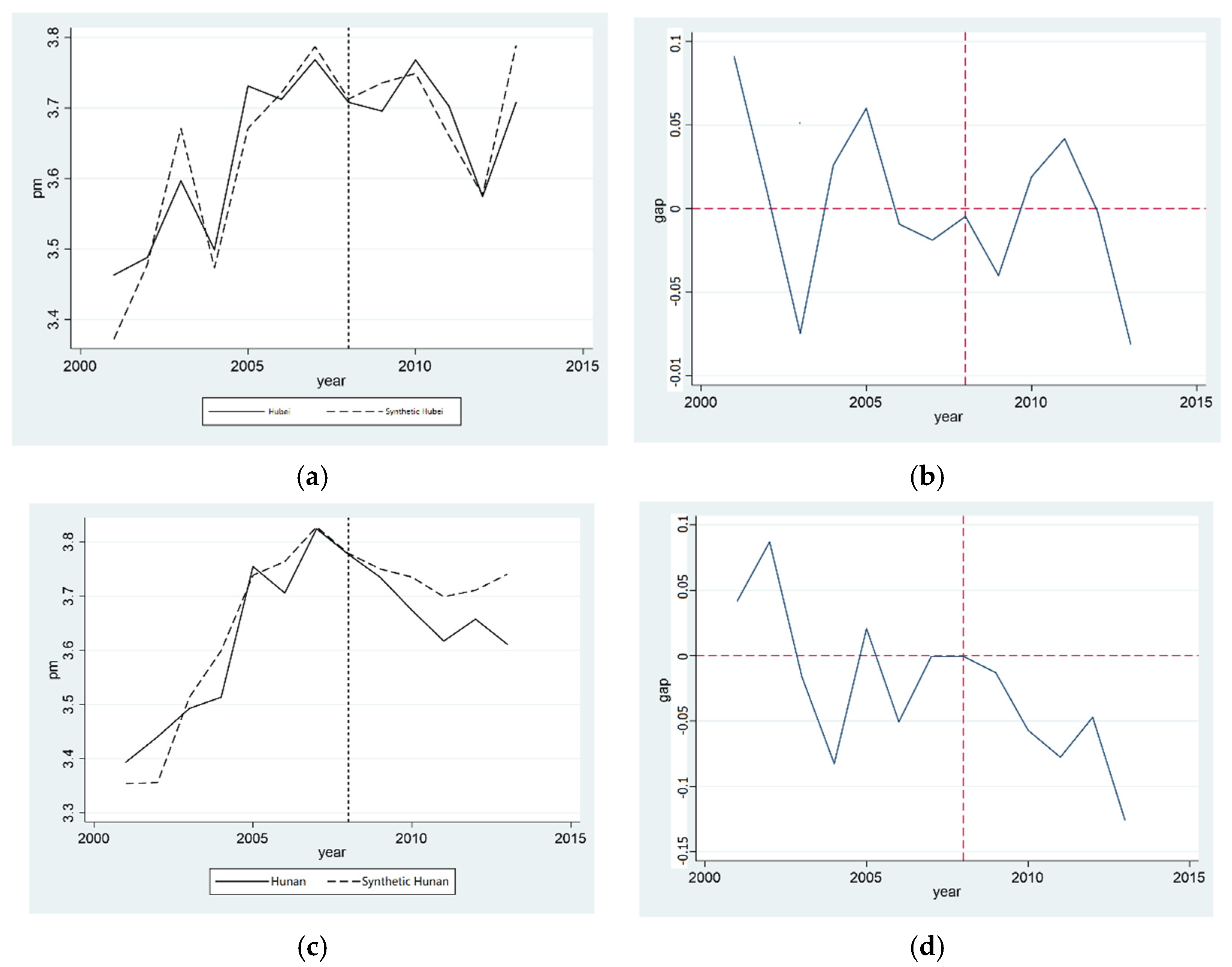
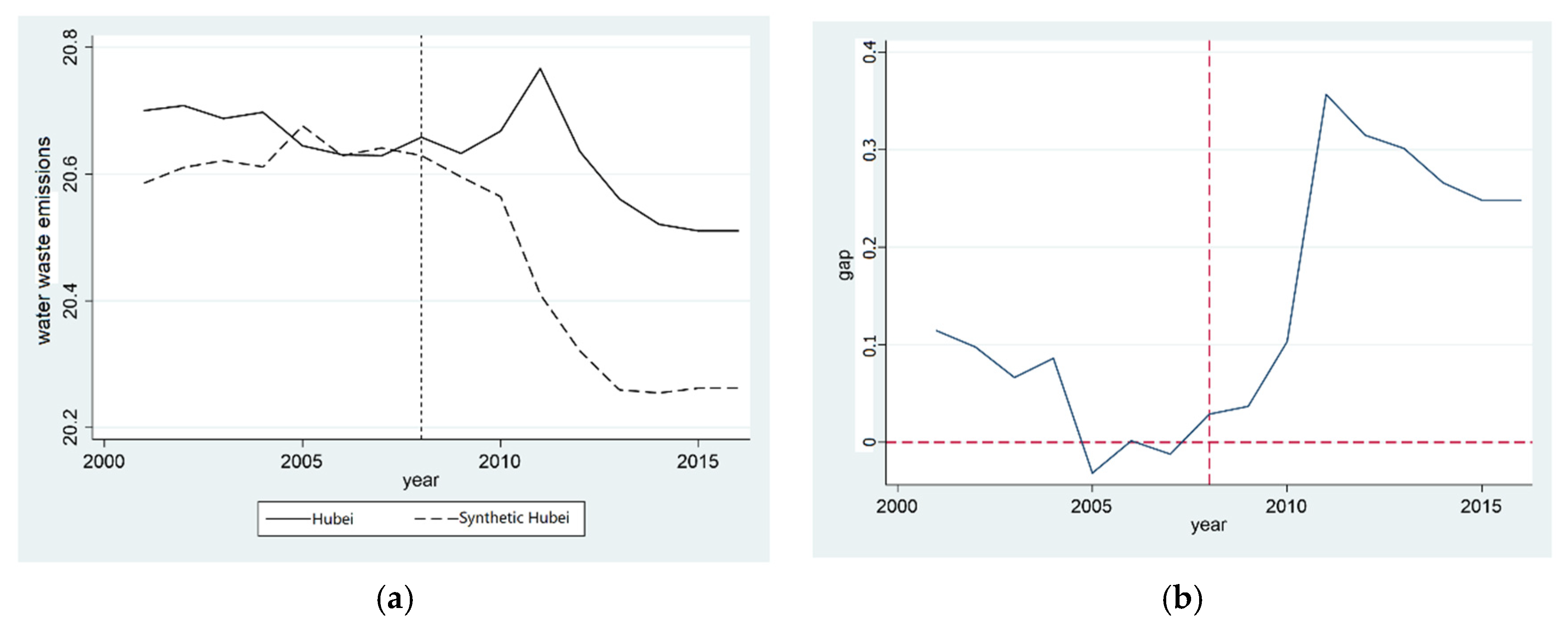
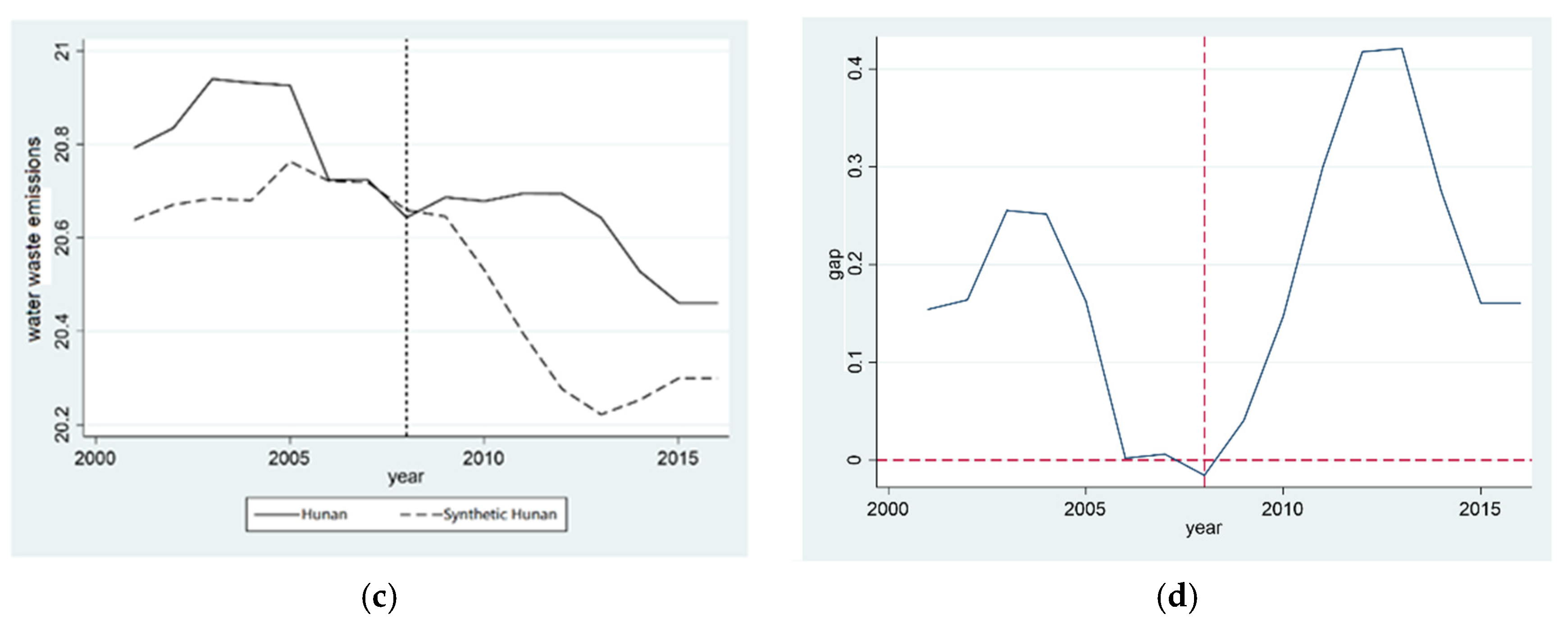
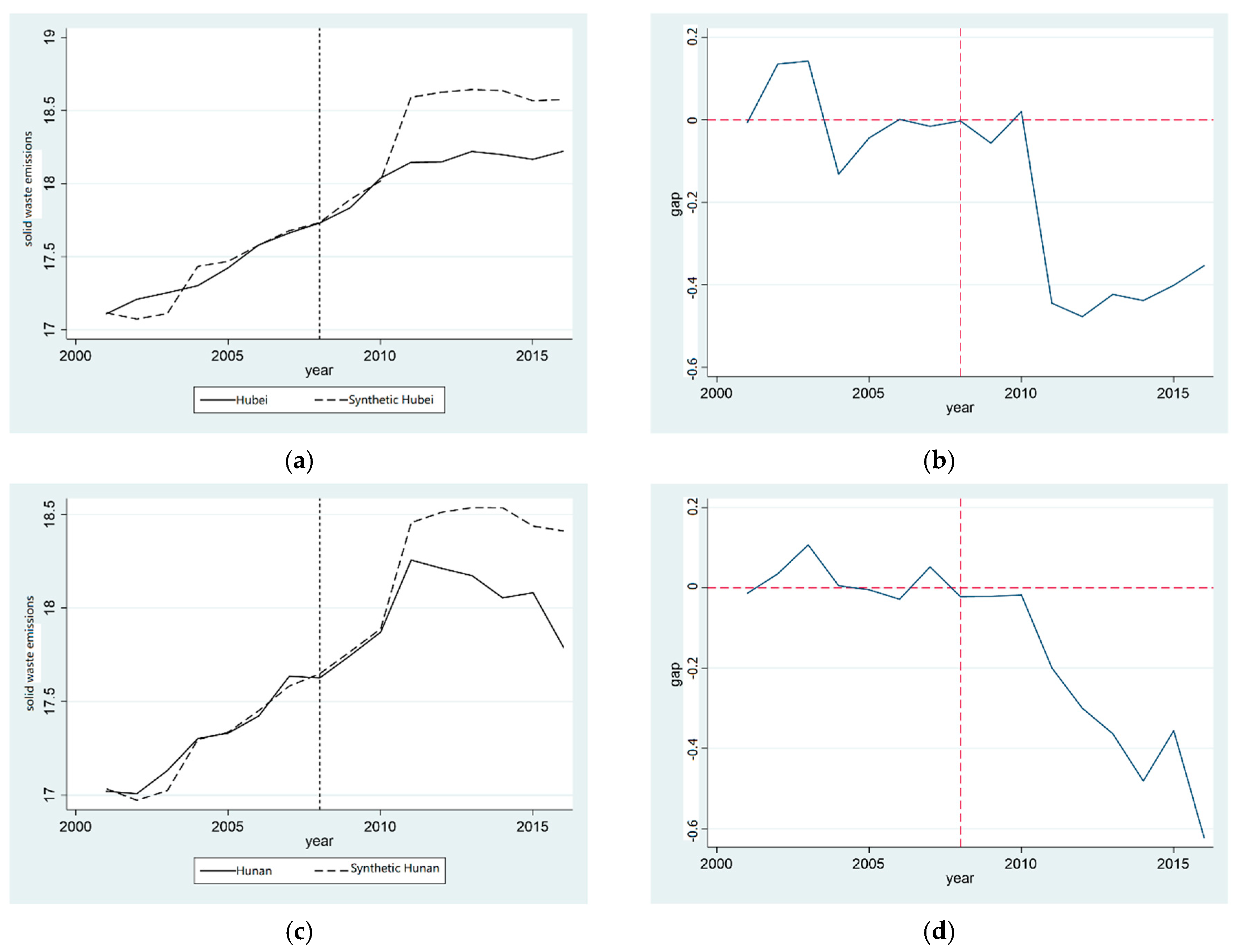
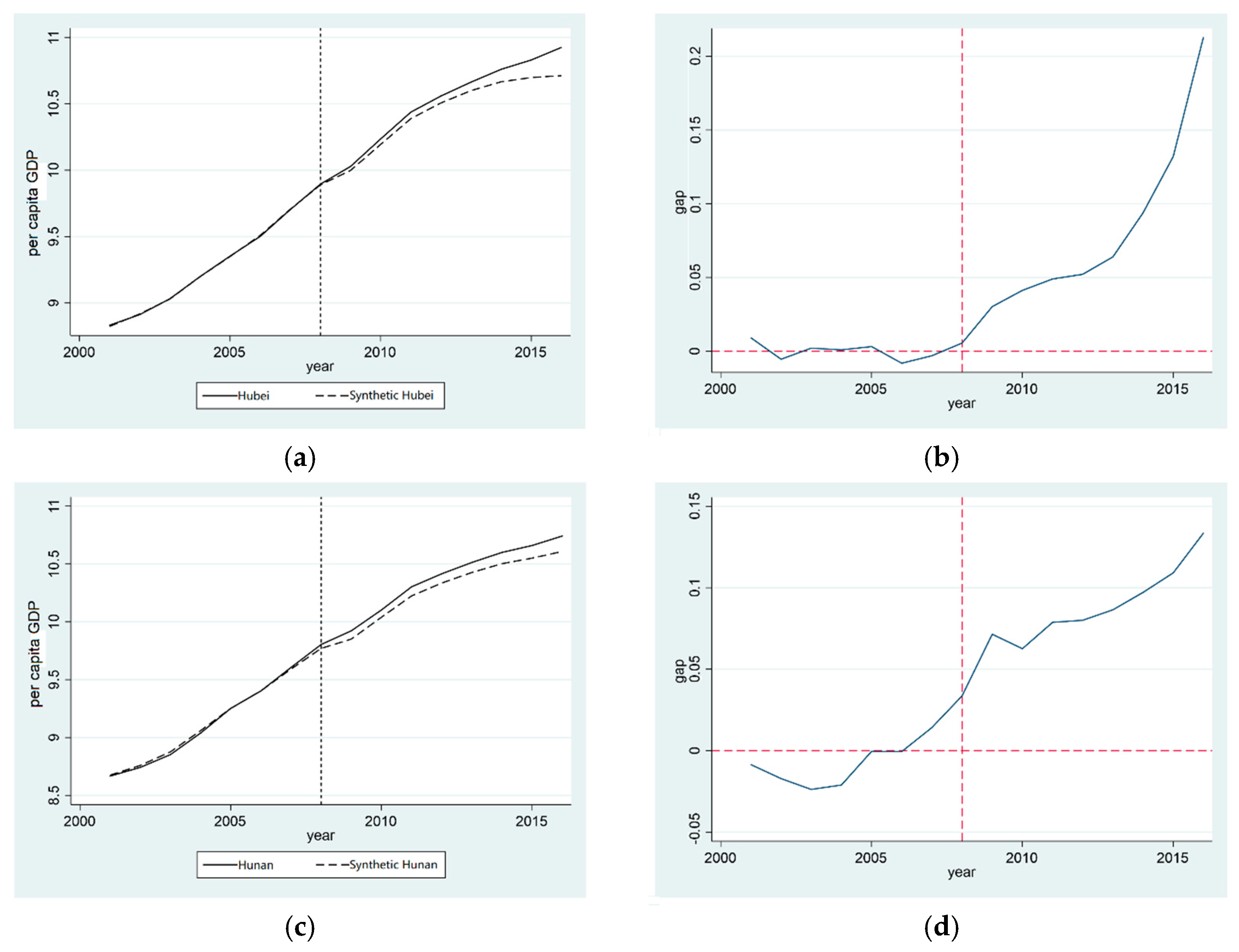
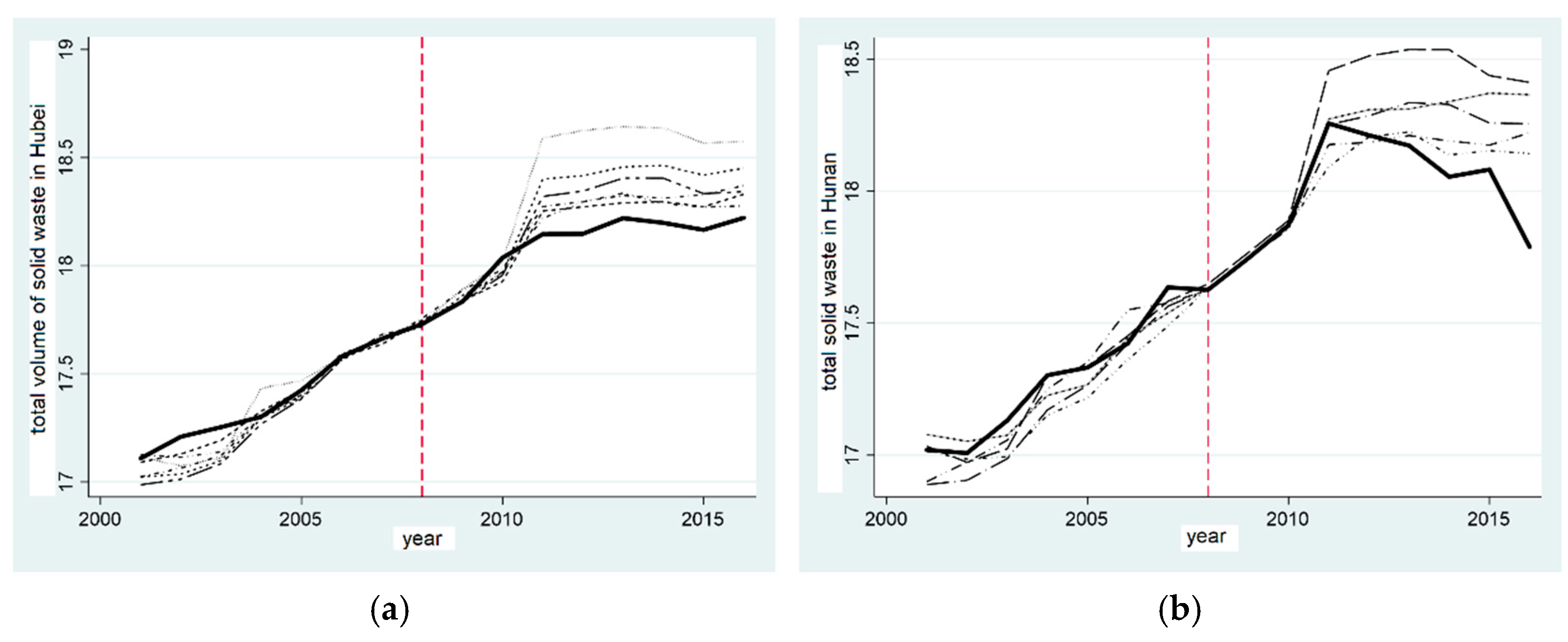
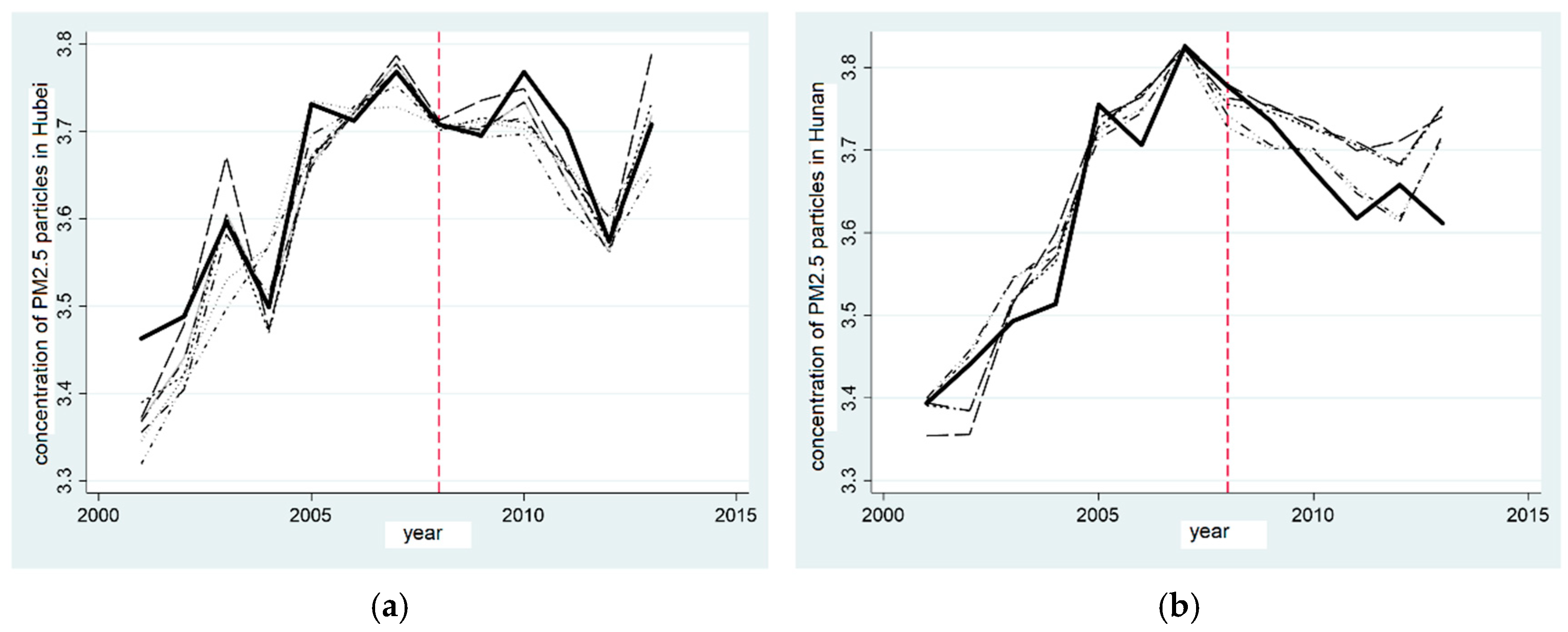
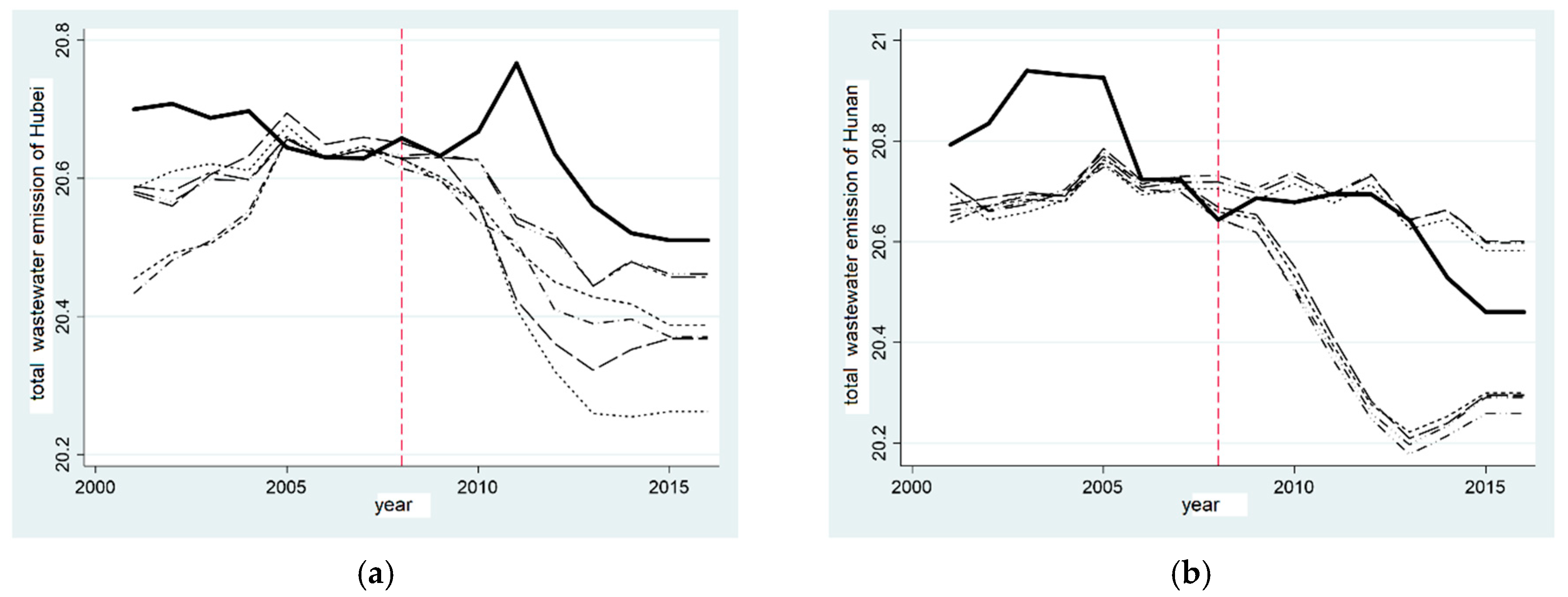
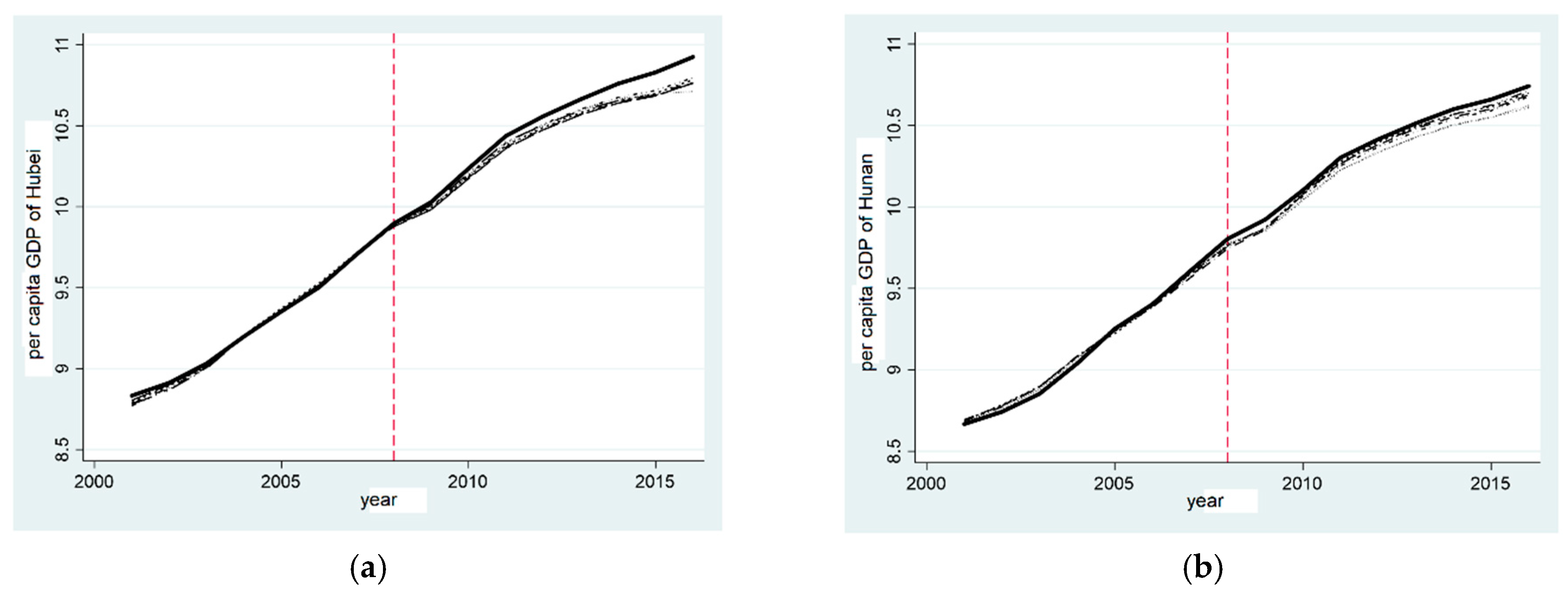
The establishment of the “two-oriented society” pilot zone is China’s effort to explore an economic–environmental synergistic growth approach, and it is an important basis on which to solve the dilemma between economic development and environmental protection in less developed countries. By constructing an inter-provincial panel dataset and taking the “two-oriented society” pilot area as a policy intervention event, a quasi-natural experiment was conducted to evaluate the observed differences in economic growth and pollutant emissions using counterfactual estimation. The results show that, during the policy intervention period, the emission of solid waste in Hubei and Hunan provinces was significantly reduced, and the level of haze particles in Hunan province was also remarkably suppressed; however, the environmental emission problems such as water pollution were not improved in comparison to the national level. At the same time, the economic growth rate of Hubei and Hunan provinces was clearly better than the counterfactual control group after the policy pilot, showing the economic promotion effect of the construction of the “two-oriented society” pilot zone. We conclude that the establishment of the “two-oriented society” provides a reference for a successful path to sustainable growth, and there is no absolute contradiction between economic growth and environmental friendliness.
Keywords: environment–economy synergistic improvement; “two-oriented society” pilot area; difference-in-differences; synthetic control method environment–economy synergistic improvement; “two-oriented society” pilot area; difference-in-differences; synthetic control method