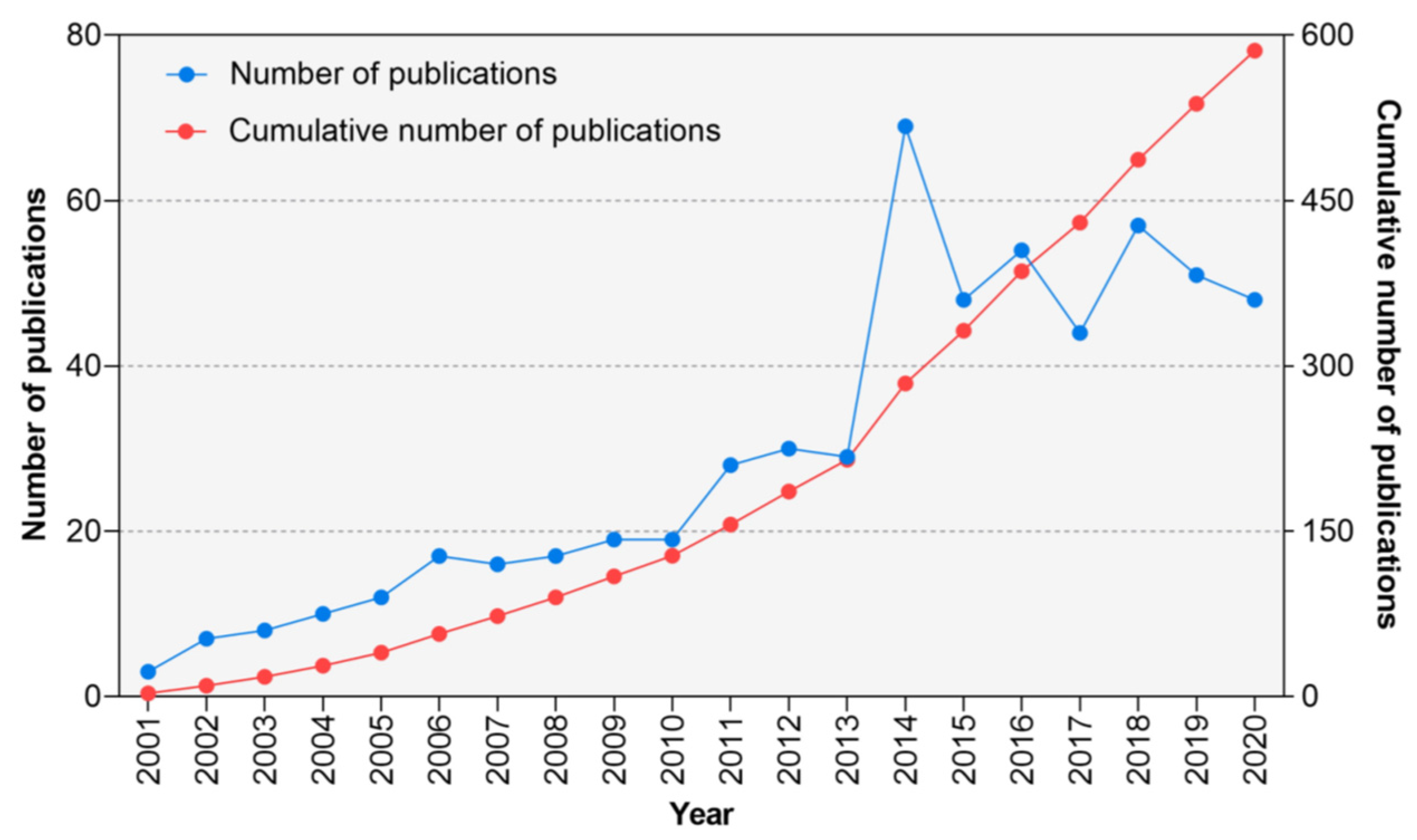
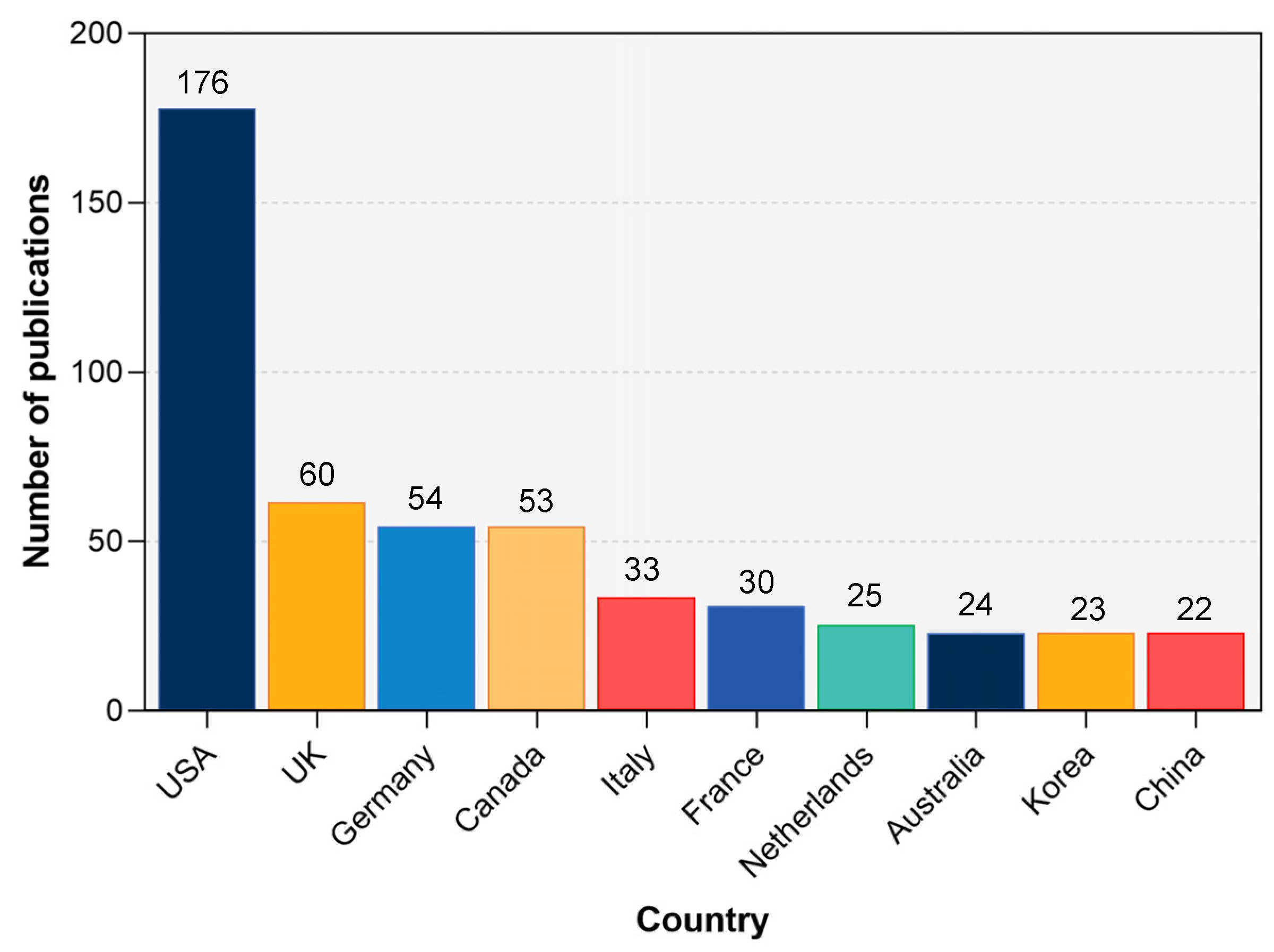
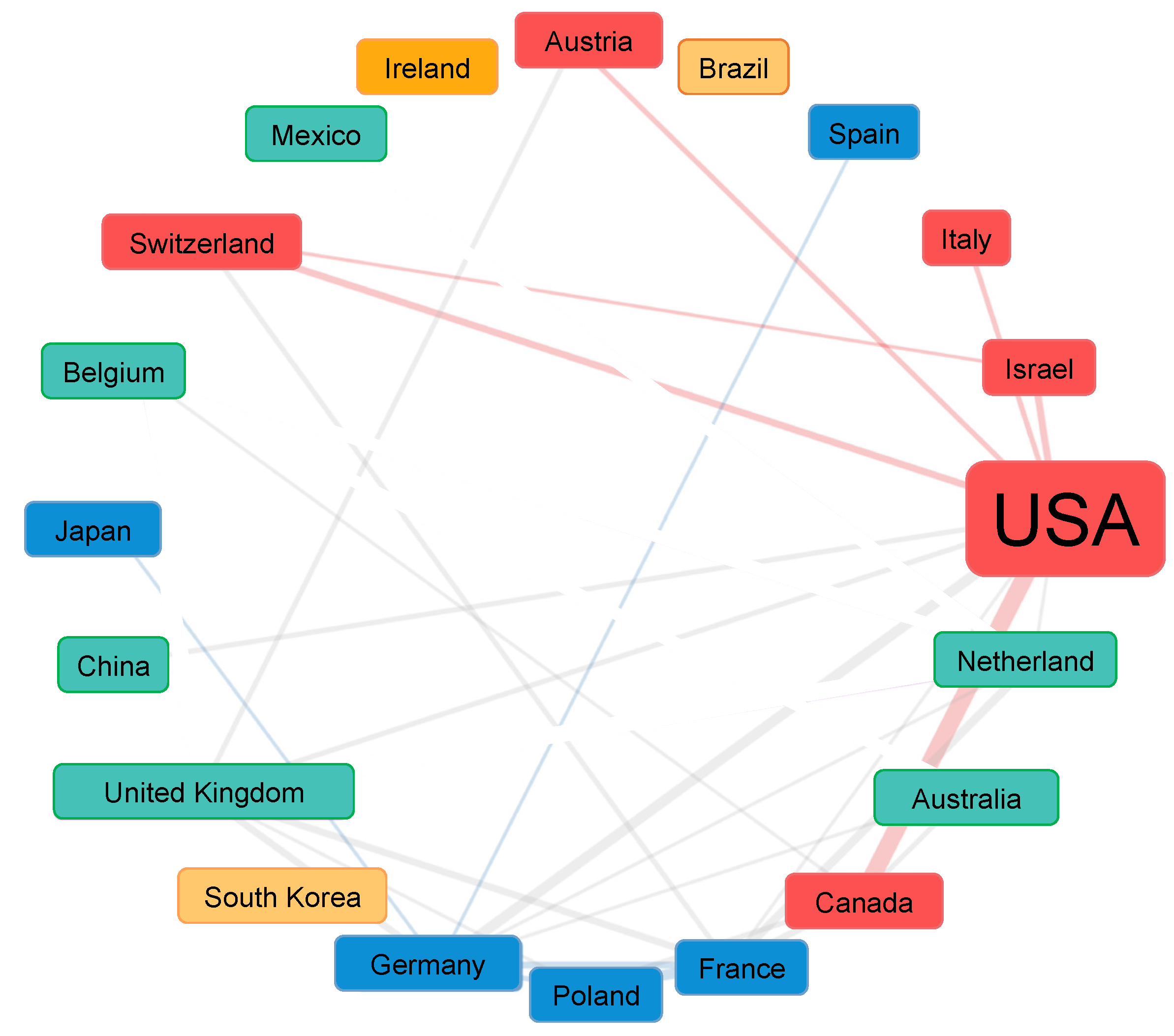
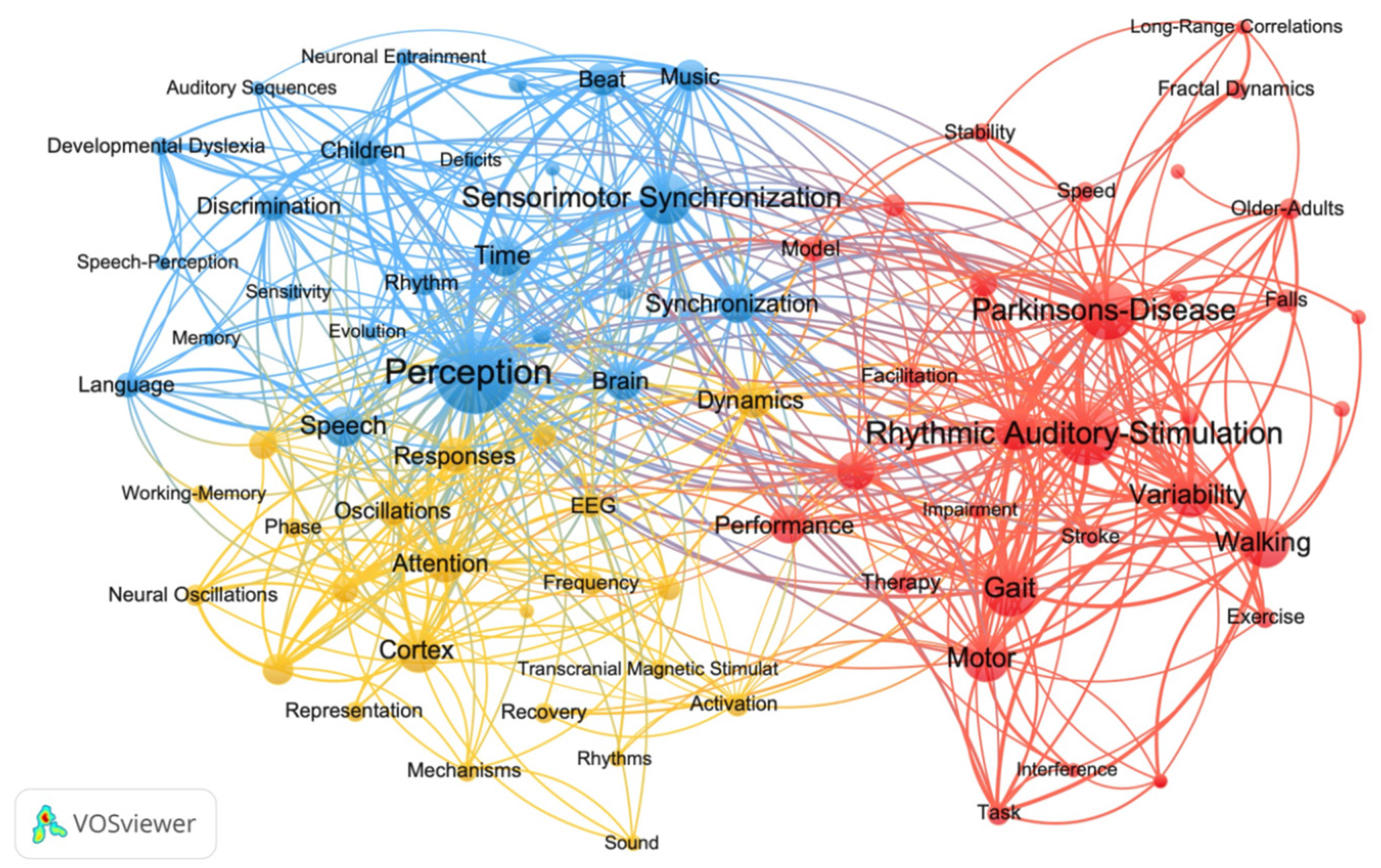
Mapping Research Trends from 20 Years of Publications in Rhythmic Auditory Stimulation


Abstract
Share and Cite
Zhang, M.; Li, F.; Wang, D.; Ba, X.; Liu, Z. Mapping Research Trends from 20 Years of Publications in Rhythmic Auditory Stimulation. Int. J. Environ. Res. Public Health 2023, 20, 215. https://doi.org/10.3390/ijerph20010215
Zhang M, Li F, Wang D, Ba X, Liu Z. Mapping Research Trends from 20 Years of Publications in Rhythmic Auditory Stimulation. International Journal of Environmental Research and Public Health. 2023; 20(1):215. https://doi.org/10.3390/ijerph20010215
Chicago/Turabian StyleZhang, Meiqi, Fang Li, Dongyu Wang, Xiaohong Ba, and Zhan Liu. 2023. "Mapping Research Trends from 20 Years of Publications in Rhythmic Auditory Stimulation" International Journal of Environmental Research and Public Health 20, no. 1: 215. https://doi.org/10.3390/ijerph20010215
APA StyleZhang, M., Li, F., Wang, D., Ba, X., & Liu, Z. (2023). Mapping Research Trends from 20 Years of Publications in Rhythmic Auditory Stimulation. International Journal of Environmental Research and Public Health, 20(1), 215. https://doi.org/10.3390/ijerph20010215