Article

Towards an Evidence-Based Model of Workplace Postvention

1
School of Allied Health, University of Western Australia, Crawley, WA 6009, Australia
2
Melbourne School of Population and Global Health, University of Melbourne, Melbourne, VIC 3010, Australia
3
School of Education, University of Tasmania, Hobart, TAS 7005, Australia
4
Social Work and Social Policy, University of Western Australia, Crawley, WA 6009, Australia
*
Author to whom correspondence should be addressed.
Int. J. Environ. Res. Public Health 2023, 20(1), 142; https://doi.org/10.3390/ijerph20010142

Submission received: 25 November 2022 / Revised: 17 December 2022 / Accepted: 20 December 2022 / Published: 22 December 2022

Abstract

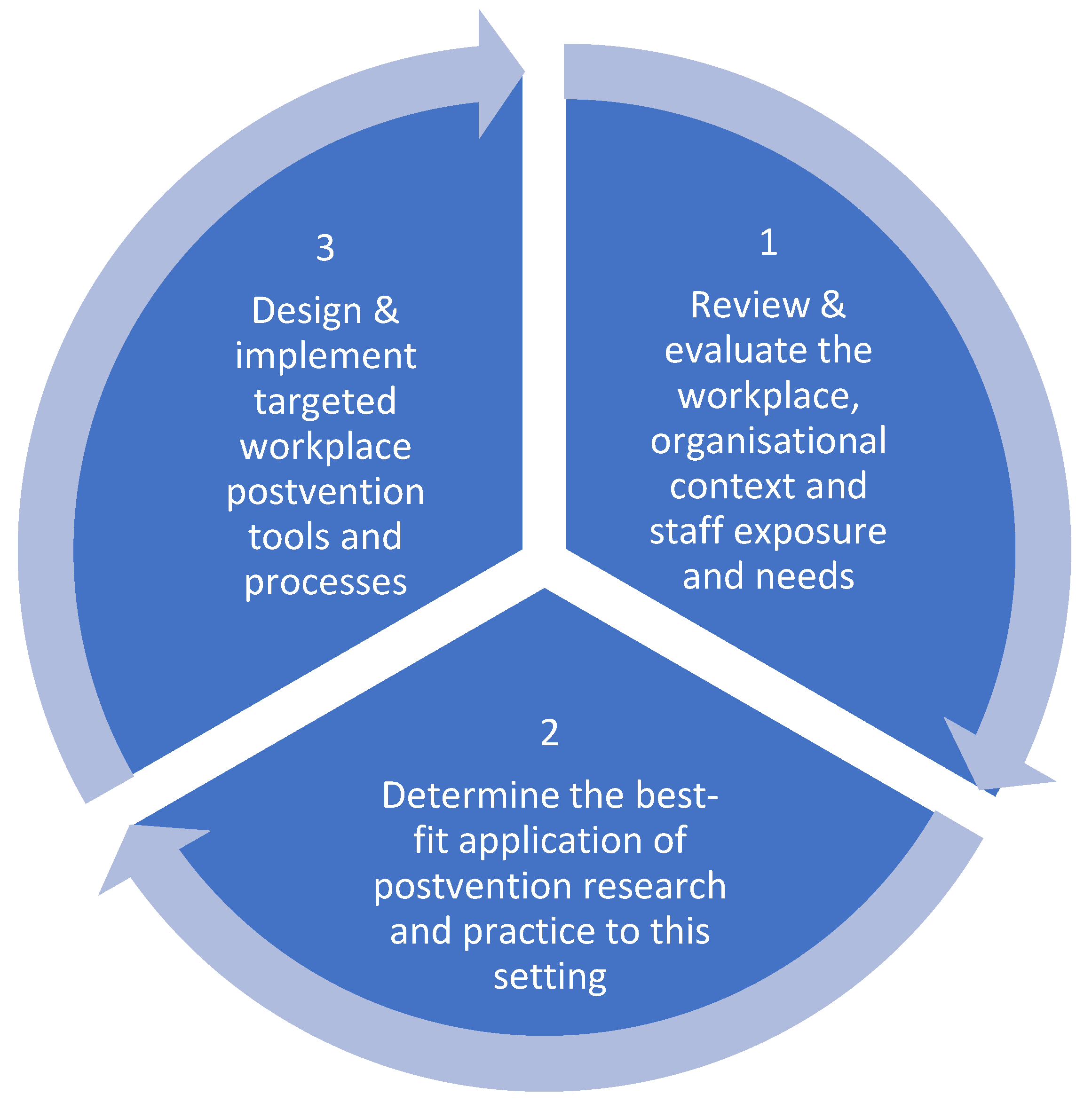
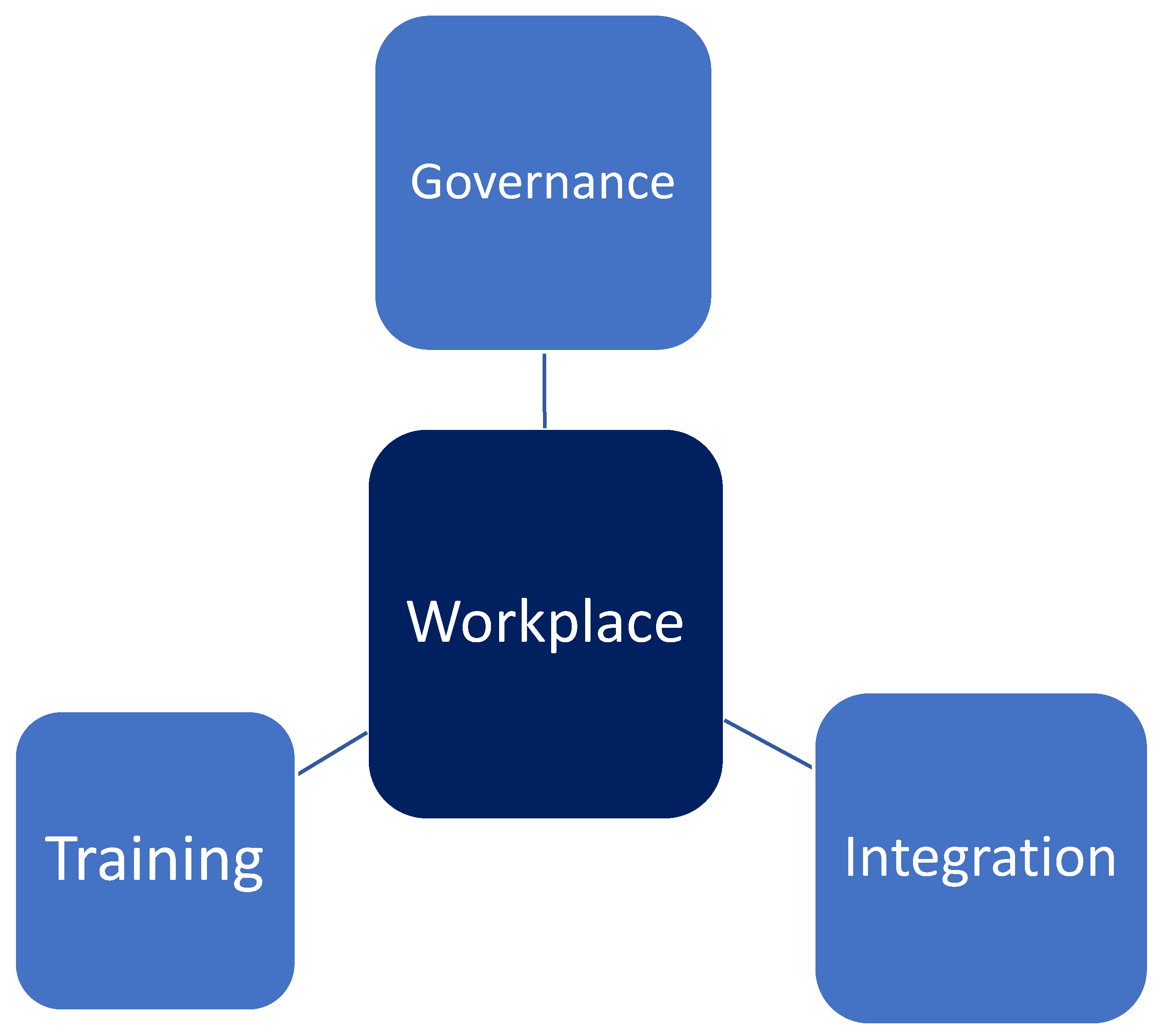
This instrumental case study explored what suicide postvention might offer workplaces using the example of a large metropolitan funeral company. A mixed methods approach was utilized to examine staff experiences with suicide bereavement funerals and responses to a bespoke postvention training package. Staff found funerals due to suicide difficult in terms of communication, engagement and emotionality. These challenges were commonly characterized by increased tension and concern. In the absence of a postvention informed approach, staff had developed individual ways to negotiate the identified challenges of this work. The introduction of a staff-informed postvention training package delivered improvements in staff confidence with communication, understanding and management of the impact of suicide bereavement, and increased willingness to share information about postvention services with families and mourners. The findings indicated that benefits of the training could be extended through organizational governance and integration of supports. The findings are used to inform a model of workplace postvention together with a methodology incorporating staff experience and organizational context.
Keywords: suicide; postvention; bereavement; funerals; workplaces; health and safety suicide; postvention; bereavement; funerals; workplaces; health and safety