Next Article in Journal
An Overview of Environmental Risk Factors for Food Allergy
Previous Article in Journal
Online Problem-Based Learning Intervention on Self-Directed Learning and Problem-Solving through Group Work: A Waitlist Controlled Trial
 
 
Correction published on 9 December 2024, see Int. J. Environ. Res. Public Health 2024, 21(12), 1636.
Article

Effects of Plant Communities on Human Physiological Recovery and Emotional Reactions: A Comparative Onsite Survey and Photo Elicitation Study

1
College of Landscape Architecture and Arts, Northwest A&F University, Xianyang 712100, China
2
College of Landscape Architecture, Tsinghua University, Beijing 100084, China
*
Author to whom correspondence should be addressed.
Int. J. Environ. Res. Public Health 2022, 19(2), 721; https://doi.org/10.3390/ijerph19020721

Submission received: 17 November 2021 / Revised: 31 December 2021 / Accepted: 6 January 2022 / Published: 10 January 2022 / Corrected: 9 December 2024

Abstract

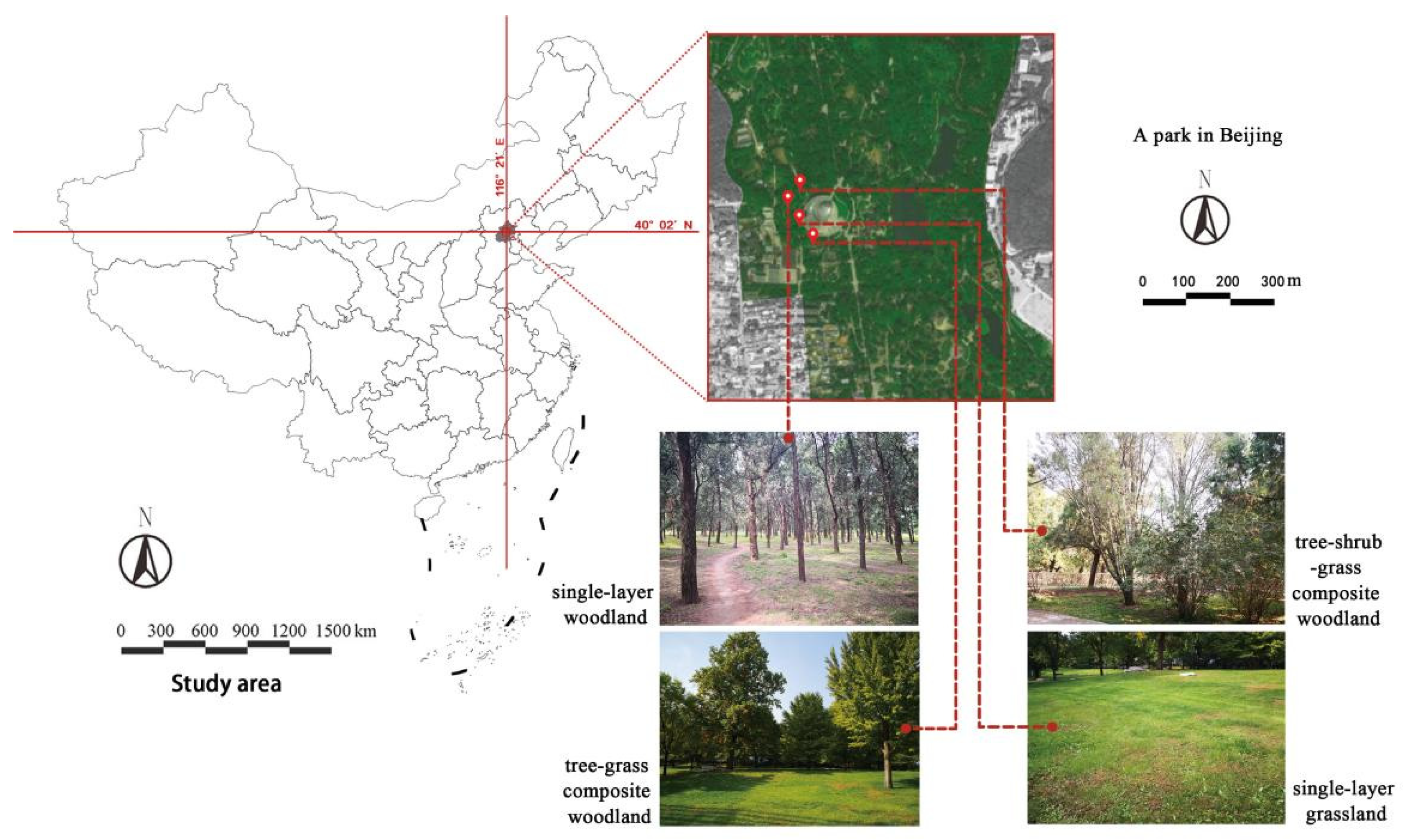
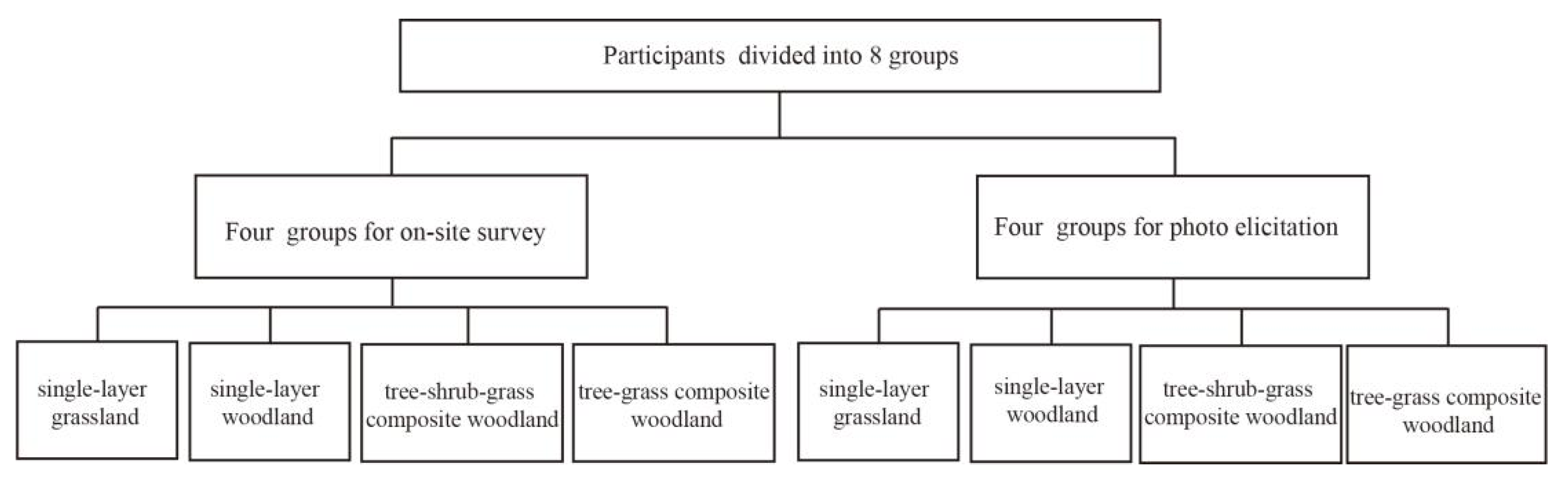
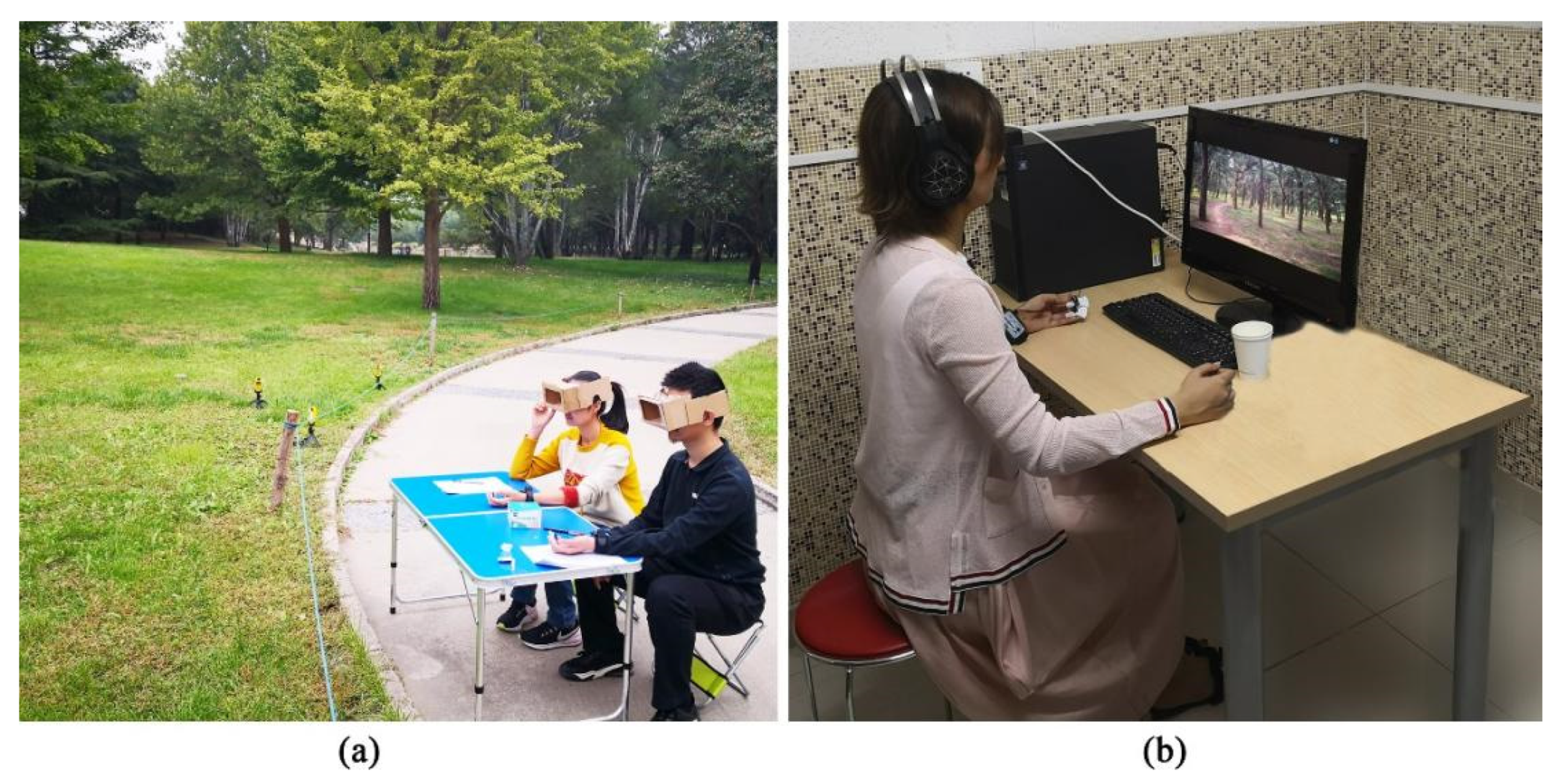
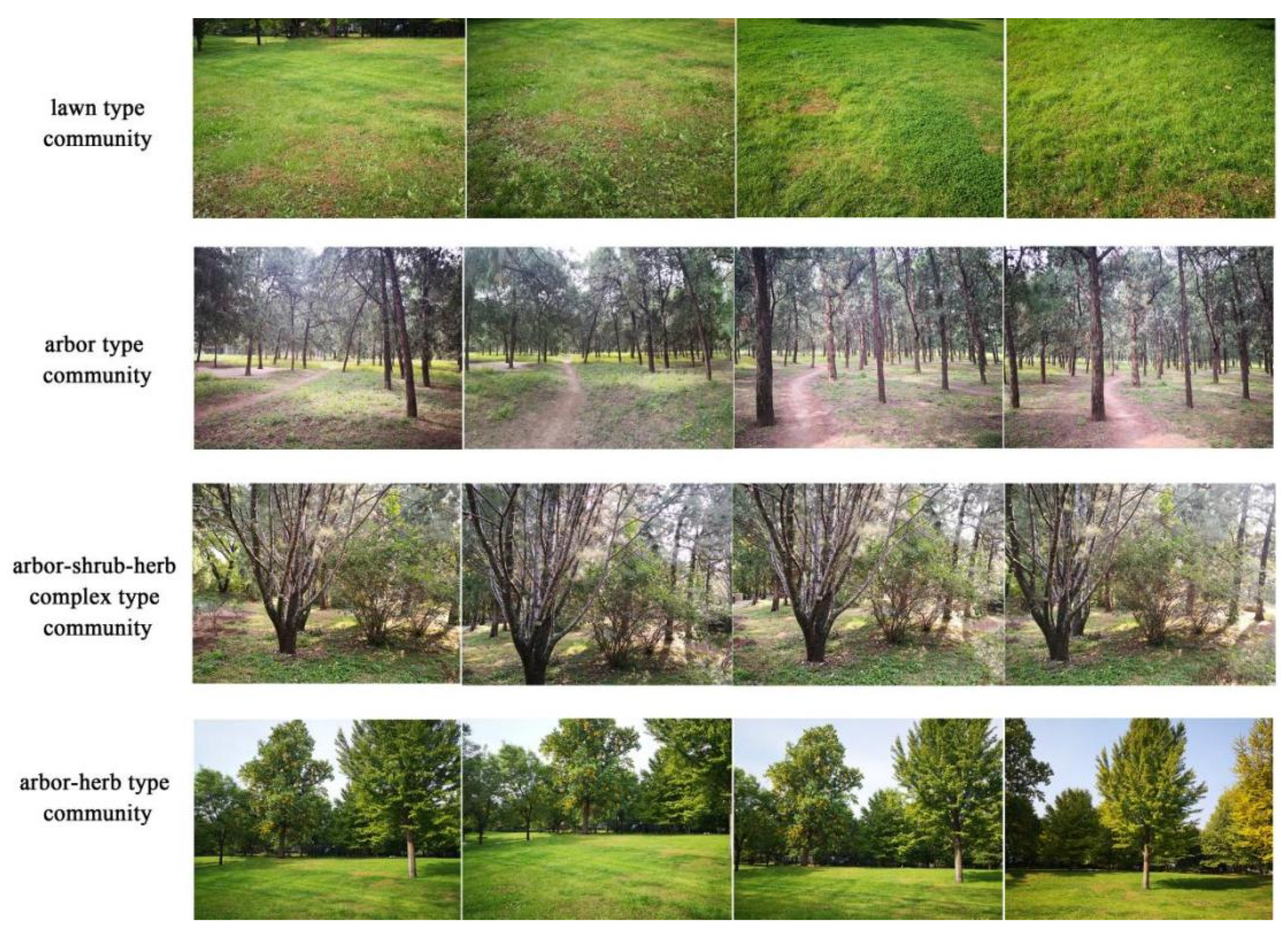
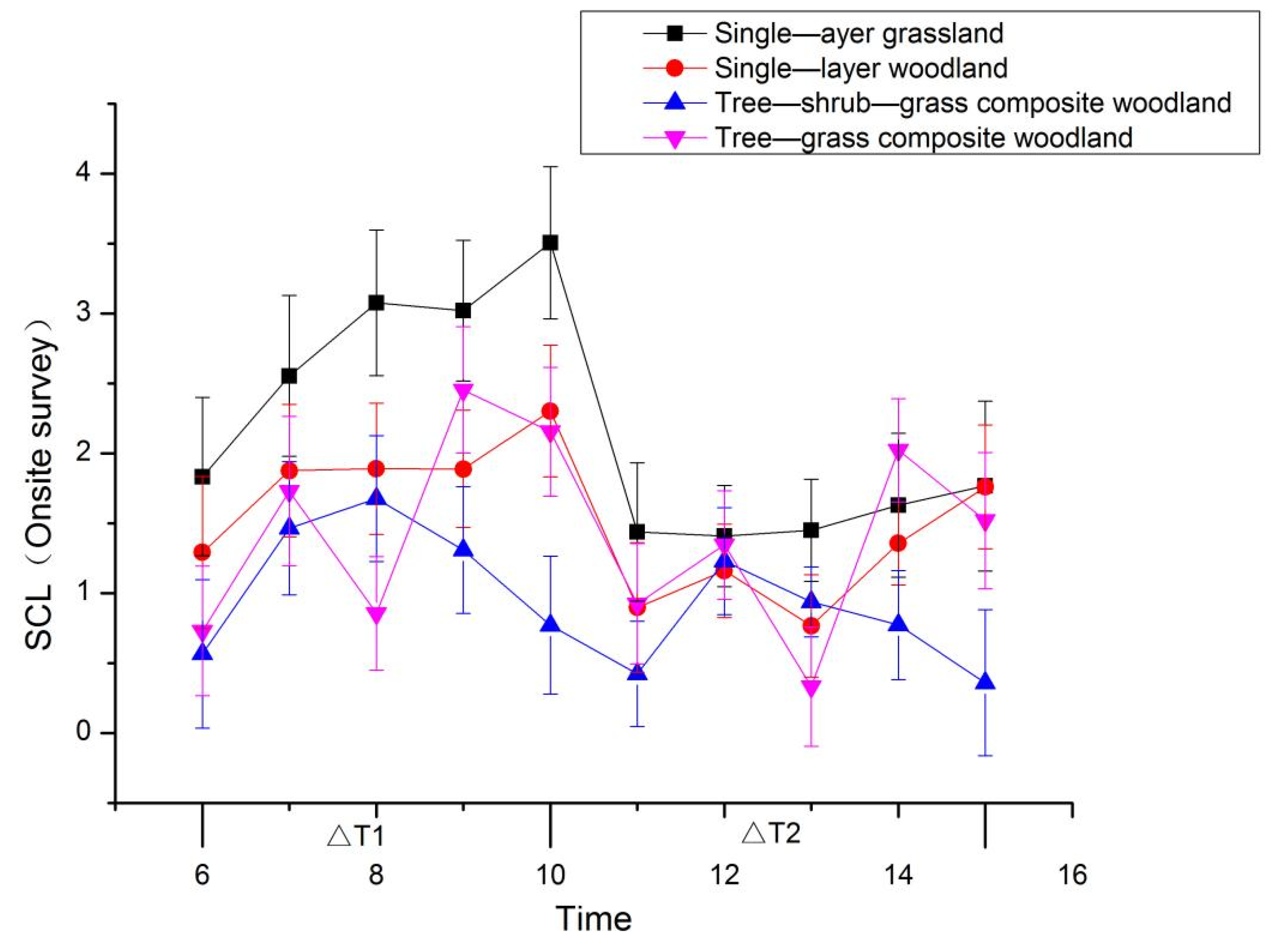
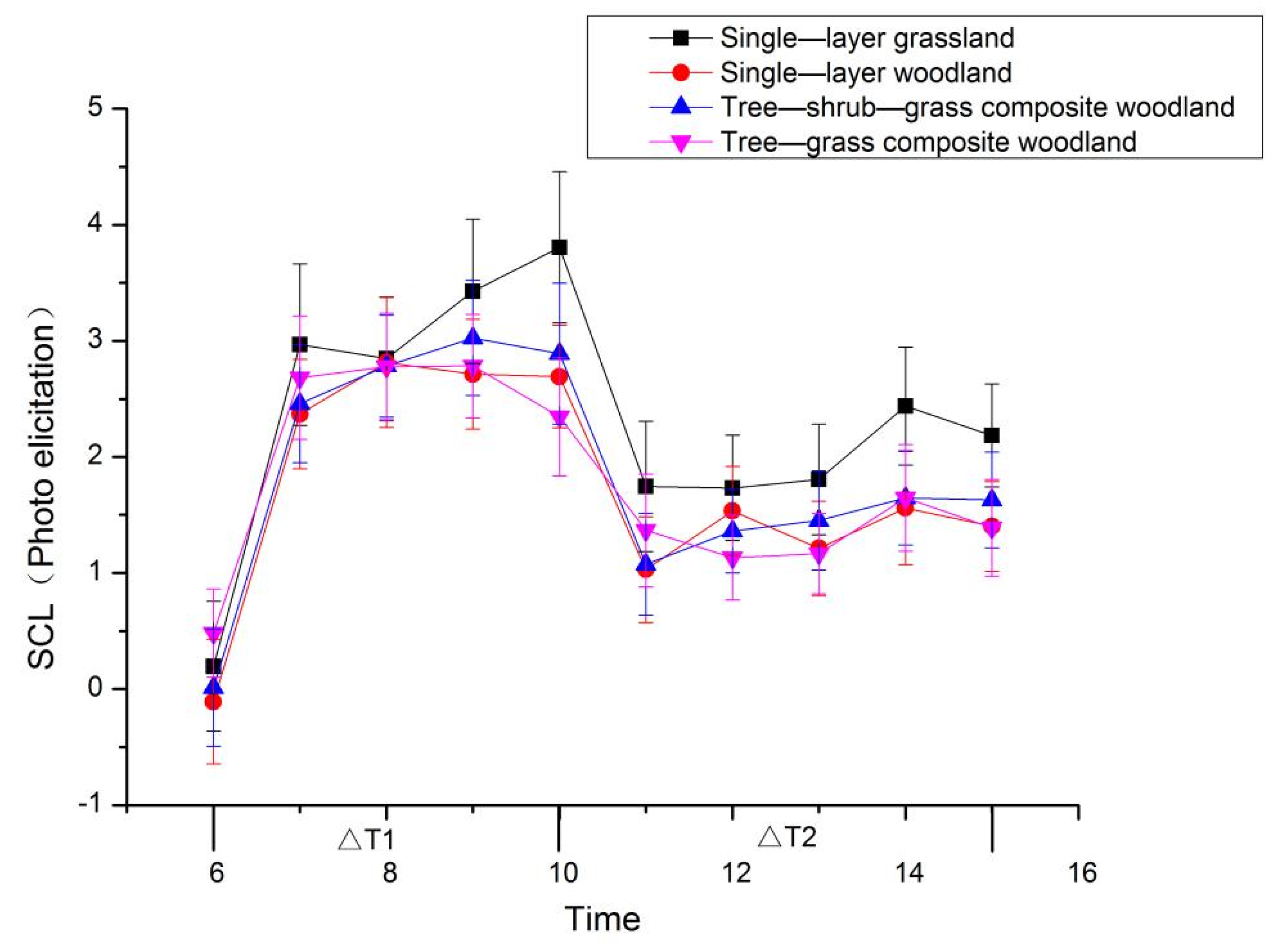
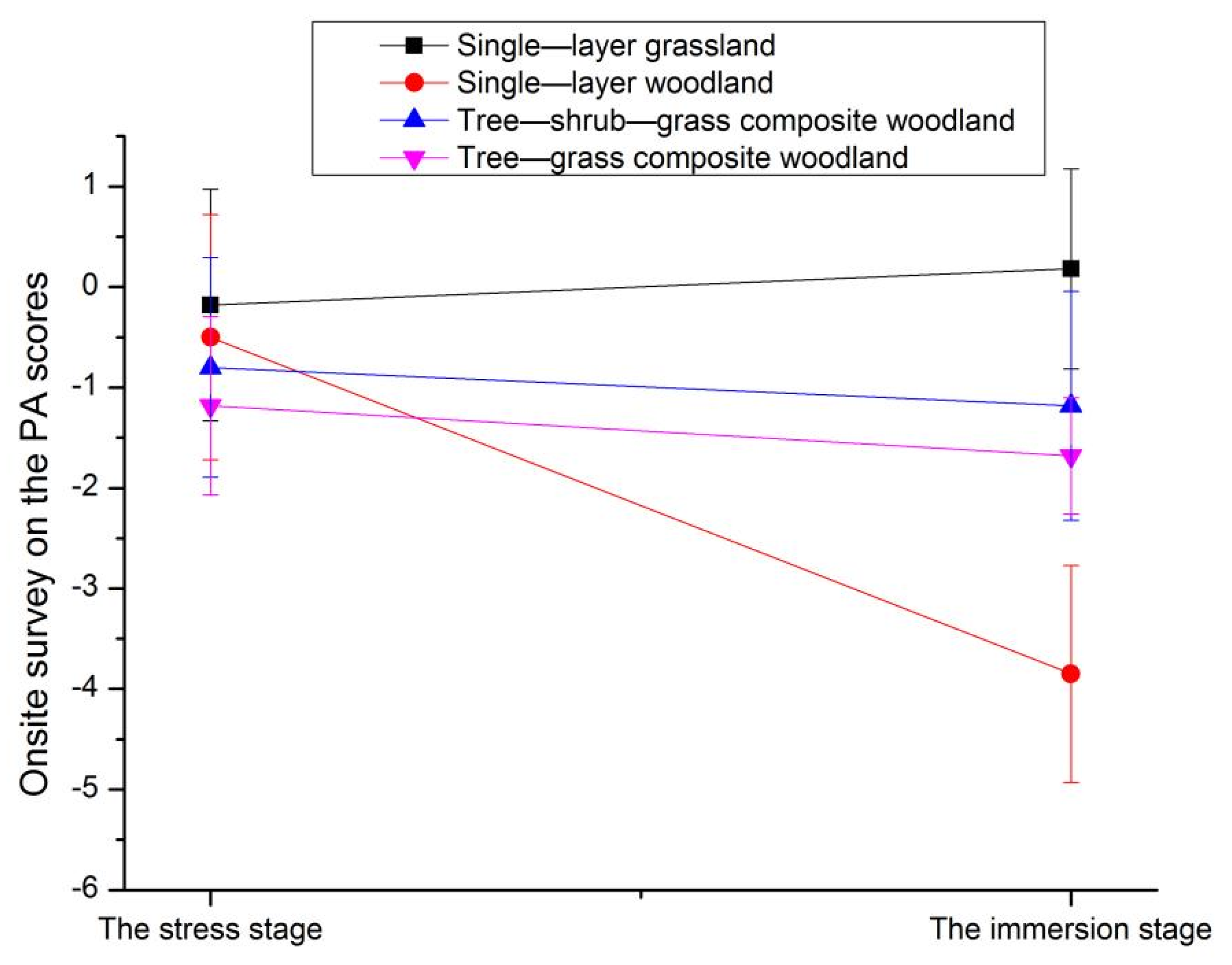
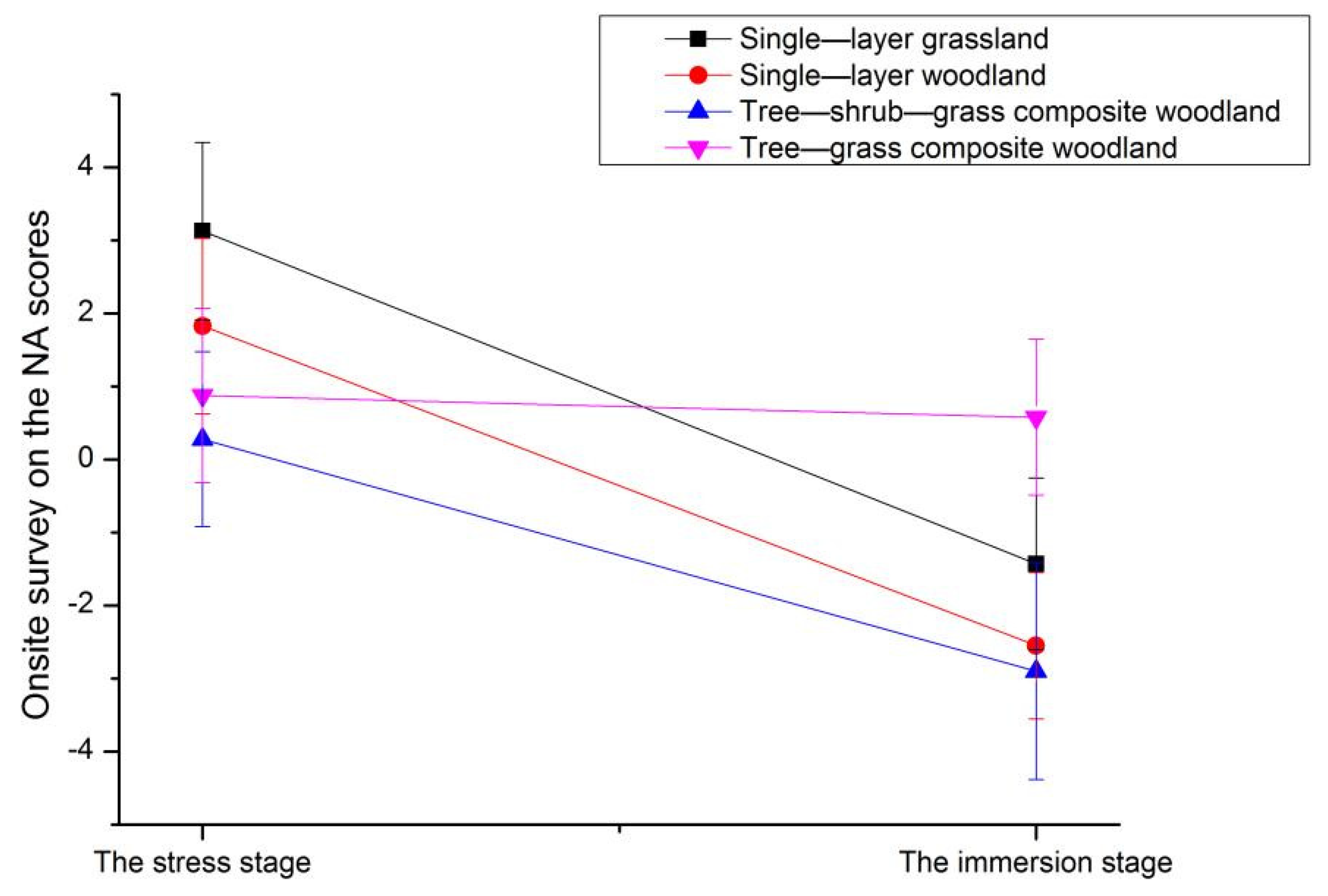
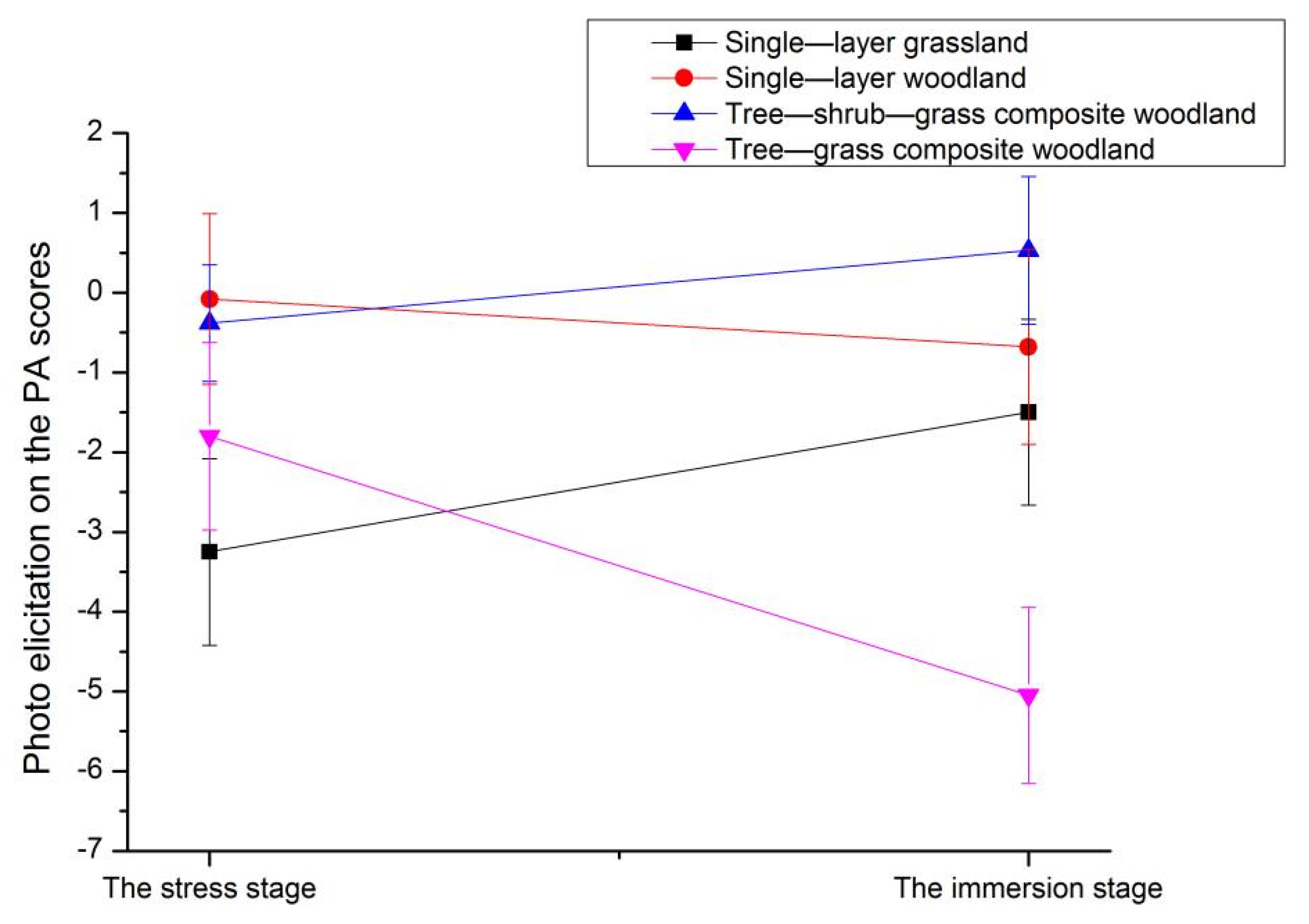
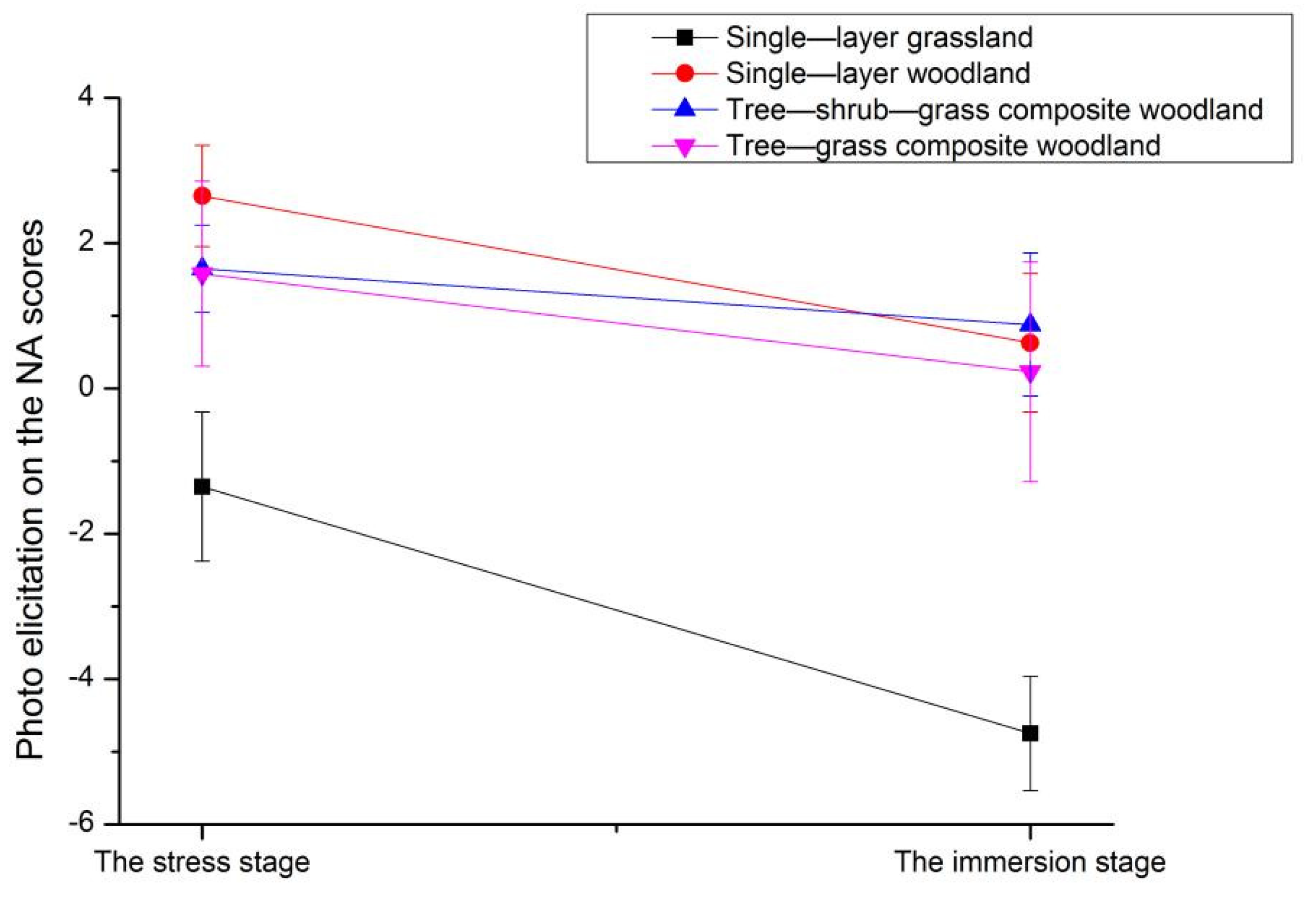
We investigated the effects on humans, in terms of skin conductance levels (SCLs) and positive and negative affect schedule (PANAS) scores, of plant communities that differed in their vegetation structure (single-layer woodland, tree-shrub-grass composite woodland, tree-grass composite woodland, and single-layer grassland) through two perceptual methods: onsite surveying and photo elicitation. The results showed that (1) the choice of perception method significantly impacted the PANAS scores of the participants but had no influence on the SCL and (2) viewing a single-layer grassland reduced the SCL (representing the physiological stress level) and improved the positive affect score. The recovery effects for the four vegetation communities were ranked in the order of single-layer grassland > tree-shrub-grass composite woodland > single-layer woodland > tree-grass composite woodland. (3) Gender and professional background significantly impacted the plant community perception methods and landscape experience, and negative affect scores were lower for male participants than for female participants. Participants without backgrounds in landscape design exhibited higher positive affect scores under photo elicitation. Based on the conclusions drawn above, the onsite survey is preferable between the two perception methods. It is recommended that in future landscape designs, combinations of plant community types should be reasonably matched through onsite perception. These research results can provide a scientific basis for the future design of landscapes based on perception experience.
Keywords: plant community; landscape perception; physical and emotional reaction; physical and mental; environmental restoration effect plant community; landscape perception; physical and emotional reaction; physical and mental; environmental restoration effect