

Abstract
The aim of this scoping review was to investigate the impact of footwear on worker physical task performance and injury risk. The review was guided by the Preferred Reporting Items for Systematic Reviews and Meta-Analyses extension for Scoping Reviews protocol and registered in the Open Science Framework. Key search terms were entered into five academic databases. Following a dedicated screening process and critical appraisal, data from the final articles informing this review were extracted, tabulated, and synthesised. Of 19,614 identified articles, 50 articles informed this review. Representing 16 countries, the most common populations investigated were military and firefighter populations, but a wide range of general occupations (e.g., shipping, mining, hairdressing, and healthcare workers) were represented. Footwear types included work safety boots/shoes (e.g., industrial, gumboots, steel capped, etc.), military and firefighter boots, sports shoes (trainers, tennis, basketball, etc.) and various other types (e.g., sandals, etc.). Occupational footwear was found to impact gait and angular velocities, joint ranges of motion, posture and balance, physiological measures (like aerobic capacity, heart rates, temperatures, etc.), muscle activity, and selected occupational tasks. Occupational footwear associated with injuries included boots, conventional running shoes, shoes with inserts, harder/stiffer outsoles or thin soles, and shoes with low comfort scores—although the findings were mixed. Occupational footwear was also linked to potentially causing injuries directly (e.g., musculoskeletal injuries) as well as leading to mechanisms associated with causing injuries (like tripping and slipping).
1. Introduction
Certain occupations exist that work in potentially dangerous environments, such as, but not limited to, construction workers [1], underground coal miners [2], and tactical professionals, inclusive of military personnel [3], firefighters [4], and law enforcement [5]. Due to these potentially hazardous environments, persons working in these occupations wear specialised personal protective equipment (PPE). Law enforcement officers and military personnel wearing body armour [6] and firefighters wearing self-contained breathing apparatus (SCBA) and heat resistant clothing [7] serve as examples. One of the key and most common components of any occupational PPE is footwear.
Occupational footwear consists of a variety of boots (e.g., safety, combat, or work) [8,9] and shoes that are constructed from an assortment of materials [10] and worn in an occupational setting. Footwear construction can even vary within occupations depending on the task at hand. For example, military personnel have a standard issue boot constructed of leather but may also wear boots made of out of a cotton and nylon blend more suited to a humid environment [11]. Despite these variations, standards exist (e.g., Australian/New Zealand standard [12]]) to ensure proper protection of the worker. These standards necessitate certain design requirements (e.g., higher shaft height, toe caps, increased stiffness) to prevent slipping, contact with hazardous materials, or injuries due to external objects [13].
One potential downside to this focus on occupational safety is the detraction from functionality or comfort [13] which can lead to a safety risk. This consideration of workplace physical functional impact is crucial as occupational footwear provides an interface between a worker’s feet and the ground they work on [13]. The interaction between an individual’s feet and their working surface can influence essential physical movement requirements and when this interaction is negatively impacted (e.g., loss of ankle range of motion [ROM], peripheral neuropathy, etc.), a multitude of variables (like balance and gait [13,14,15]]) can be affected. For example, sole hardness in footwear, can impact a worker’s gait patterns [16,17]. Considering the potential impact of occupation footwear on physical function there is a need to ensure that the boots are designed to mitigate injuries, not to become a cause of them. For example, a leading cause of injury in military, firefighters, and law enforcement is through slips, trips, and falls [5,18,19]. Considering this, movement at the ankle (the ‘ankle strategy’) is an important part of balance recovery [20,21]. As such, actions which may impact on the ankle strategy, for example, boot upper stiffness [13], may inadvertently increase slip, trip, and fall injury risk through preventing the regaining of balance.
While research has shown that various types and constructs of footwear can impact aspects of physical function, the culmination of these effects of physical occupational task performance and musculoskeletal injury risk remains unknown. Further, the impact of specific differences in the construction of occupational footwear (e.g., materials used, shaft length, etc.) on these outcomes is yet to be realised. These are vital components of information that can affect the future production of occupational footwear, potentially resulting in safer and more functional footwear. As such, the aims of this scoping review were to gather, review, and synthesise the available literature on occupational footwear in relation to their impact on task performance and musculoskeletal injury risk with the intent to inform future tactical population footwear development. With this intent in mind, tactical occupations can work in various environments including offices, vehicles, and across various terrains [22,23,24]. As such, the scope of this review was deliberately kept broad to capture as many relevant research articles as possible.
2. Materials and Methods
A scoping review was conducted to identify and synthesise findings from published academic works that have investigated the impact of occupational footwear on physical task performance and musculoskeletal injury risk. The literature review protocol was guided by the Preferred Reporting Items for Systematic Reviews and Meta-Analyses extension for Scoping Reviews (PRISMA-ScR) [25].
2.1. Protocol and Registration
The project and the protocol for this scoping review were registered with the Open Science Framework registry on the 13 October 2021 (accessible at https://osf.io/3y2je) (Maupin et al. 2021).
2.2. Eligibility Criteria, Information Sources, and Search Terms
A systematic search of key databases was conducted in October 2021. These databases, PubMed, Scopus, ProQuest, Elton B Stevens Company (EBSCO) (inclusive of SPORTDiscus and Cumulative Index to Nursing and Health Care Literature [CINAHL]), and Web of Science were searched using search terms derived from two themes: ‘occupation’ and ‘footwear’. An example search string for the PubMed database can be found in Table 1 with the search strategies for the other databases detailed in Supplementary File S1. Filters were utilised where available and included the following: published in English, published in the last 20 years, and human population. Identified studies were reviewed for duplicates and studies clearly not of relevance to this review (e.g., roller boots) were removed following which remaining studies were compared against specific inclusion and exclusion criteria (Table 2). At this point, excluded studies, and their reasons for exclusion were noted and are detailed in Supplementary File S2.
Table 1.
An example of the search string used in PubMed.
Table 2.
Inclusion and exclusion criteria.
2.3. Study Selection, Data Extraction, and Data Items
All articles identified in the initial search were imported into reference management software (Endnote X9, version X9.3.3, Clarivate Analytics, Philadelphia, United States), where duplicates were removed. Articles were then screened for relevance by title and abstract, with those that were clearly not relevant excluded at this stage. Remaining articles were obtained in full text for further assessment against the eligibility criteria to determine the final list of studies to inform the review. The screening process was conducted by one author (D.M.) and confirmed by a fellow author (R.P.) with consensus, where required, settled by a third author (R.O.). The results of the search, screening, and selection processes were documented in a PRISMA flow diagram [26]. Data pertaining to authors, occupational settings, footwear construction, impact on physical task performance or musculoskeletal injury risk, and key findings from each included study regarding the impact of the footwear, were extracted and tabulated. Data were extracted by one author (D.M.) and confirmed by fellow author (R.P.) with consensus, if required, settled by a third author (R.O.).
3. Results
The systematic search identified 19,614 records. After screening and selection procedures were undertaken, 50 studies were deemed eligible to inform this review. Figure 1 depicts the results of the systematic search and selection process, including a summary of reasons for exclusion of full text articles, which are further detailed in Supplementary File S2. The 50 articles to inform the review included 25 quasi-experimental studies [2,7,8,9,10,27,28,29,30,31,32,33,34,35,36,37,38,39,40,41,42,43,44,45,46], eight cross-sectional [47,48,49,50,51,52,53,54], four randomised control trials [55,56,57,58], three cohort studies [59,60,61], three narrative reviews [62,63,64], three systematic reviews [13,65,66], three conference abstracts [67,68,69], and one case–control study [70].
Figure 1.
PRISMA Flow diagram showing results of the search, screening, and selection process [26].
The included articles represented work from 16 countries, with nine population types, and 12 footwear types reported on. The countries from which the articles were drawn included 21 from the United States of America [8,10,30,32,36,40,41,42,43,45,49,50,52,53,54,56,58,61,63,64,65]; seven from Australia [2,7,13,31,47,48,59]; three from Germany [9,33,44]; two from Brazil [38,39], England [29,62], India [37,70], Poland [34,60], and Saudi Arabia [27,28]; and one from Denmark [46], France [68], Japan [51], Netherlands [57], New Zealand [66], Portugal [67], South Korea [35], and Switzerland [55]. Regarding population types, 13 articles discussed military populations [8,13,37,38,39,40,41,44,50,63,64,65,66], nine discussed firefighters [7,10,13,30,32,35,42,43,60], six discussed trade/industrial workers (ship, construction, factory, and hairdressing) [8,33,45,67,68,70], six discussed mine workers [2,31,36,47,48,59], five discussed automotive workers [9,49,52,53,54], five discussed hospital/healthcare workers [29,51,54,57,58], two discussed healthy adults [34,46], two discussed university workers [27,28], two discussed school food service workers [56,61] and one review [62] discussed a broad range of populations. The types of footwear discussed included 19 articles on work safety boots/shoes (light, medium, heavy duty; industrial, comfort, unstable, gumboots, steel capped) [2,9,13,27,28,29,31,33,36,45,47,48,49,52,53,54,59,61,70], 13 on military boots (minimalist, standard) [8,13,37,38,39,40,41,44,50,63,64,65,66], 13 on sports shoes (trainers, running, tennis, basketball) [8,10,29,40,43,44,45,46,51,55,58,61,67], nine on firefighter boots (pull-up bunker, leather, rubber) [7,10,13,30,32,35,42,43,60], four on unstable shoes [49,58,67,68], three on sandals/sandal like conditions [29,34,35], two on clogs [29,57], two on dress shoes [29,44], two on hiking boots [13,34], and one on Wellington boots [29], and slip resistant shoes [56]. One review [62] discussed a broad range of shoe types. Three articles included a barefoot condition as a comparative condition [37,41,68].
Following the extraction and synthesis of the information from the collected articles, several emerging themes were identified in regard to occupation footwear and their impact on gait mechanics, joint ranges of motion, posture and balance, physiological impact (e.g., thermal, aerobic capacity, etc.), muscle activity, and occupational tasks. An overview of the findings in the included studies are detailed below. For full results, including statistical findings (e.g., measurements, p-values, confidence intervals, and test statistics) where applicable, please refer to Table 3.
Table 3.
Characteristics and key findings of studies assessing occupational footwear and impact on task performance and musculoskeletal injury risk.
3.1. Impact of Footwear on Occupational Performance
Occupational footwear has been found to impact on and during task performance. These impacts occur during gait [2,7,9,10,37,38,39,40,41,42,43,44,45,46] and on joint ranges of motion [9,34,36,42,43,44], posture and balance [32,45,70], physiological measures (like aerobic capacity, heart rates, thermal properties, etc.) [8,27,28,30,35,60], muscle activity [27,31,33,46], and occupational tasks (like running to an emergency department or lifting loads) [27,28,57]. The ranges of footwear types to be discussed below as having these occupational impacts include boots [2,7,10,32,34,36,37,38,39,40,41,42,43,44,45], safety shoes [9,27,28], athletic shoes [44,45], general work shoes [45,70], low cut work shoes [45], military dress shoes [44], rocker soled shoes [46], low cut enclosed sandal type footwear [34], and thin sandals [35].
3.2. Occupational Footwear and Their Impact on Gait Mechanics
Fourteen articles [2,7,9,10,37,38,39,40,41,42,43,44,45,46] investigated the impact of occupational footwear on gait mechanics; notably spatiotemporal parameters of gait (i.e., stride length, stride frequency/cadence, support phases, etc.), angular velocities, and biomechanical forces (e.g., ground reaction forces (GRF), plantar pressure, etc.). The range of footwear types included boots [2,7,10,37,38,39,40,41,42,43,44,45], athletic shoes [44,45], a low cut work shoe [45], a military dress shoe [44], safety shoes [9], and a rocker soled shoe [46].
3.3. Spatiotemporal and Angular Velocities of Gait
The majority of articles investigating the impacts of occupational footwear on spatiotemporal parameters and angular velocities of gait had participants wearing boots for military personnel [37,44], firefighters [10], underground coal miners [2], or construction workers [45]. Other footwear included athletic shoes [44,45], a low cut work shoe [45], and a rocker soled shoe [46].
In studies including military personnel, the wearing of occupational boots had various significant impacts on their spatiotemporal parameters of gait. Comparing barefoot versus standard issue military boots, Majumdar et al. [37] found that wearing military boots resulted in longer step and stride lengths (p < 0.001), a slower cadence (p < 0.001), less total and double support times (p < 0.05), a longer swing phase (p < 0.05), and increased single support (p < 0.01). All findings were presented bilaterally except for single support which was presented only on the right side. Additionally, it was found that military boots had no significant impact on step width or forward velocity [37]. Similar to these findings, Schulze et al. [44] found that military issued ‘combat’ boots (mass ± 1135 g) and military leather dress shoes (mass ± 530 g) resulted in significantly increased stride lengths when compared to a barefoot condition (p < 0.001 and p = 0.006, respectively). Furthermore, while stride lengths also increased in comparison to outdoor athletic shoes (mass ± 500–720 g) the increase was greater for the military boot (p = 0.005). During this study, the participating soldiers wore approximately 21 kg worth of load (including a 15 kg backpack). Of note, neither weight nor load distribution of the worn loads were found to influence stride length. As such, the increase in stride length could be attributed to the wearing of the boots.
Park et al. [10] compared rubber (±3.15 kg) and leather (±3.20 kg) firefighter boots to running shoes (±0.71 kg) to analyse the impact of occupational footwear on gait. Compared to running shoes, the leather and rubber boots resulted in greater anterior-posterior displacement and stride time, and decreased centre of pressure velocity [10]. The leather boots had greater time in stance and double support phases compared to running shoes and rubber boots [10].
Svenningsen et al. [46] compared a shoe with a rocker sole (MBT, model 1997) to a control shoe (REG, Nike Free, model 3.0) across participants from various occupations, including, but not limited to, car mechanics, casino employees, a teacher, a chef, and a nurse. Participants carried 1 L plastic bottles inside a backpack equating to 10% of their body weight. The results found no significant differences between the two shoe types in regard to stride duration or stride frequency.
Simeonov et al. [45] compared six footwear styles, three athletic (a running shoe (±312 g), tennis shoe (±416 g), and basketball shoe (±472 g)) and three occupational (a low-cut work shoe (±642 g), work boot (±690 g) and safety boot (±768 g)) styles and their impacts on gait across various simulated (via virtual reality) environments. The four environments consisted of walking on ground level, and three environments that simulated a rooftop (level 25 cm wide plank, 25 cm wide plank tilted to 14° and 15 cm wide plank) [45]. The study found that trunk angular velocity was similar at ground level, but high cut shoes resulted in significantly lower (p < 0.05) angular velocity while walking on planks, with safety boots [45]. This angular velocity was less affected by a smaller plank width when wearing the safety (p = 0.0516) or work boots (p = 0.0005) compared to the low cut work shoe [45]. On a 15 cm plank, the rearfoot angular velocity was significantly less in high-cut shoes than in low cut shoes (p < 0.005), but this was not seen when on a 25 cm plank [45].
3.4. Biomechanical Forces
The majority of articles investigating biomechanical force impacts of occupational footwear had participants wearing boots for military personnel [38,39,40,41], firefighters [7], and underground coal miners [2]. One study investigated the impacts of three different types of safety shoes on plantar pressure [9].
In a military population, GRF was measured between two military boot styles: one made with polyurethane (PU) weighing 380 g, and another made with styrene-butadiene rubber (SBR) [38] weighing 561 g. GRF was measured in both an unloaded and loaded (15 kg) condition. Muniz et al. [38] found that the PU had a significantly (p = 0.04) higher instantaneous loading rate when unloaded (26.1 ± 4.3% body weight per second [BW/s]) and when loaded (27.8 ± 4.1 %BW/s) compared to SBR boots (24.5 ± 6.6 %BW/s unloaded, 25.1 ± 5.2 %BW/s loaded) [38]. There was also a significantly higher (p < 0.01) median power frequency in the PU boots (24.6 ± 2.8 Hertz [Hz] unloaded, 24.9 ± 2.2 Hz loaded) compared to SBR boots (21.8 ± 3.3 Hz unloaded, 22.4 ± 4.7 Hz loaded) [38], suggesting higher forces throughout the duration of the measured stride. No significant differences were found in the first peak force [38]. Muniz and Bini [39] likewise compared GRF between three boots, two utilising SBR and varying rear foot thickness (Boot 1 30 mm weighing 632 g, Boot 2 20.6 mm weighing 530 g) and a PU boot weighing 423 g [39]. However, unlike the previous study, Muniz and Bini [39] did not find any significant differences in loading rate. A principal component analysis was conducted and found that Boot 1 had greater vertical scores (one component), and anteroposterior scores (one component) compared to Boots 2 and 3, but lower mediolateral scores (two components) compared to Boot 2 [39]. It was also found that Boot 3 had the highest comfort rating, but only significantly better than Boot 1 (p = 0.01) [39].
Neugebauer and Lafiandra [40] attempted to create a model to predict GRF in military soldiers by comparing military boots to athletic shoes across a variety of external loads (0 kg, 14 kg, 27 kg, and 46 kg) at various speeds (ranging from 1.5 to 3.6 mph at 0.3 mph increments with the exception of the 46 kg load maximised at 3.0 mph). The authors reported that the hardness of footwear was not a significant predictor of maximum GRFs (p < 0.70), but that the type of footwear was a significant factor in their model [40]. However, despite the type of footwear being a significant factor, it did not improve the predictive model enough to warrant inclusion in the predictive formula (r2 = 0.892 vs. r2 = 0.891) [40].
Oliver et al. [41] compared drop landings in military cadets wearing standard issue military boots, tennis shoes, and while barefoot. No significant differences in knee valgus were found between conditions, but it was found that tennis shoes had significantly (p < 0.05) higher ground reaction force as a percentage of body weight (1880 ± 379%) when compared to barefoot (1646 ± 359%) and boots (1833 ± 438%) [41]. These results differed in a population of firefighters. Vu et al. [7] compared landing results (without and with a load of 9.5 kg) in a cohort of firefighters wearing standard issue boots compared to personnel athletic footwear. Landing in firefighting boots resulted in significantly (p < 0.05) higher vertical reaction forces (2.40 times body weight) than athletic shoes (2.14 times body weight) [7].
Investigating plantar pressure and comfort in underground coal mining, Dobson et al. [2] compared four boot types consisting of combinations of stiff and flexible shafts with stiff and flexible soles (mass ± 0.94–0.98 kg). The results differed regarding contact area and peak pressure. A stiff boot shaft resulted in greater contact area and time under the medial (p < 0.001) and middle metatarsals (p = 0.016), while a flexible sole resulted in greater peak pressures under the medial metatarsals (p < 0.001) [2]. When asked about boot preference, coal miners were more likely to select one with a flexible shaft and stiff sole (p = 0.008) [2].
Oschman et al. [9] compared the effects of various occupational footwear on plantar pressure in automotive workers. Their study compared three types of safety shoes: Shoe 1 was a steel safety cap shoe weighing 530 g, Shoe 2 was an aluminium safety cap shoe weighing 630 g, and Shoe 3 was a steel safety cap shoe with a rocker bottom weighing 720 g. Shoe 1 had greater plantar pressure in the rearfoot and one forefoot zone compared to Shoe 2 and Shoe 3, but less plantar pressure than the other two shoes throughout the midfoot [9]. Shoe 3 tended to have more plantar pressure in the rear and midfoot compared to Shoe 2 and less pressure in the forefoot [9]. Shoe 3, with the a rocker bottom, had a smaller centre of pressure (COP) range in the posterior-anterior direction compared to Shoes 1 and 2 [9]. Likewise, Shoe 3 had a similar 50th percentile COP in the medial lateral direction as Shoe 1, both of which were significantly less than Shoe 2 (p = 0.002, p < 0.001 respectively) [9]. Shoe 3 also had significantly less COP range in the medial-lateral direction as Shoe 1 (p = 0.022) and Shoe 2 (p = 0.001) [9].
3.5. Impact of Occupational Footwear on Joint ROM
Six articles [9,34,36,42,43,44] investigated the impacts of occupational footwear on the ROM across various joints (e.g., hip, knee, and ankle). The range of footwear types including boots [34,36,42,43,44], athletic shoes [44], low cut enclosed sandal type footwear [34], and safety shoes (steel safety cap, aluminium safety cap, and steel safety cap with rocker-bottom) [9]. The participants wore boots for the military personnel [44], firefighters [42,43], automotive workers [9], and general occupational population [34,36].
Schulze et al. [44] examined the impacts of military issued ‘combat’ boots (mass ± 1135 g), military leather dress shoes (mass ± 530 g), two types of outdoor athletic shoes (mass ± 500 and 720 g respectively) and indoor athletic shoes (mass ± 600 g) versus a barefoot control condition on joint ROM. At the knee, the different footwear was purported not to lead to a change in knee ROM in flexion-extension (i.e., total range across the knee), but resulted in a shift to greater ranges of knee flexion with fewer ranges of knee extension. This was also found when comparing the unloaded to the loaded (21 kg) condition (p < 0.043). At the ankle, a significant reduction in plantar flexion was found when boots were compared to barefoot (p < 0.001) and other footwear (p < 0.05) conditions. Still at the ankle, the equipment load was not found to influence ROM. No significant differences in hip ROM were found [44] until comparing loads which resulted in a reduction of extension and a significant increase in flexion (p = 0.005).
Park and associates analysed the impact of various firefighter boots on ROM in the lower limb [42,43]. In one study, comparisons were made between running shoes (mass ± 0.71 kg) and rubber boots (mass 3.15 kg) [43]. It was found that the rubber boots had significant impacts on the ROM throughout various lower limb joints during the gait cycle. For example, in the sagittal plane wearing rubber boots resulted in significantly more hip flexion (p < 0.001), knee flexion (p < 0.001), and less dorsiflexion (p < 0.001) and great toe flexion (p < 0.001) [43]. Wearing the rubber boots also resulted in greater inversion and rotation at the ankle (p < 0.026, and < 0.001 respectively) as well as adduction and rotation at the ball of the foot (p < 0.001 for both) [43]. Park et al. [42] also compared the impacts of three various boot (leather) heights (25.4 cm, 30.48 cm, and 35.56 cm) on ROM during walking and occupational tasks (duckwalking and ladder ascent/descent) [42]. Overall, this study found significantly less ROM in hip, knee, and ankle during gait with higher boots [42]. These ROM decrements were also found while completing various tasks [42]. For example, while duckwalking firefighters in higher boots had significantly lower knee (p = 0.002) and hip ROM (p = 0.006) when accounting for knee height. When accounting for leg length, firefighters with taller knee height had significantly smaller ankle ROM in high boots than low boots during ladder ascension (p = 0.025).
Irmańska and Tokarski [34] compared two types of boots (protective ankle boots and low-cut sandal-like protective footwear) in a cohort of young and old which included firefighters, drivers, and farmers (younger group) and farmers and security personnel (older group). Young workers were more likely to have greater talocrural ROM compared to their older counterparts [34]. The protective ankle boots only differed from the sandal-like footwear in left talocrural ROM during stair climbing for the young group [34]. As such, the ROM available at the ankle may meet a diminishing impact based on the age of the wearer (i.e., the older wearer with less ROM at the ankle is less impacted).
Kocher et al. [36] recruited workers from the National Institute of Occupational Safety and Health (specific industries were not provided). Authors of this study compared four boot styles: (1) hiking style boot with steel toe, (2) hiking style boot with steel toe and metatarsal guard, (3) wader style boot with steel toe, and (4) wader style boot with steel toe and metatarsal guard [36] while participants walked up and down ramps at up to 20° inclination/declination. The authors found that boot style had significant interactions with hip and knee ROM while descending (hip L, p = 0.005, hip R, p = 0.01, knee L, p = 0.004, knee R, p = 0.005), and ankle ROM while ascending (L, p < 0.001; R, p < 0.001) and descending (L, p < 0.001; R, p < 0.001) [36]. Regarding ROM, wader style boots consistently had less ROM than hiker style boots, except ascending hip ROM. Specifically, the wader style boots with the metatarsal guard were the most restrictive [36]. These restrictions were especially prominent at the ankle (ascending and descending) and at the knee when descending [36]. The wader style boots only had one significant difference between the two which was descending left hip ROM with the steel toe cap only configuration demonstrating greater ROM [36].
Oschman et al. [9] also compared the effects of various occupational footwear on ROM. Their study compared three types of safety shoes: Shoe 1 was a steel safety cap shoe, Shoe 2 was an aluminium safety cap shoe, and Shoe 3 was a steel safety cap shoe with rocker-bottom [9]. The results of their study found that Shoe 1 had significantly greater trunk inclination (measured by 50th percentile) during gait compared to Shoe 2 (p = 0.005) and Shoe 3 (p < 0.001). Shoe 3 had significantly less hip flexion (measured by 50th percentile) than both Shoe 1 (p = 0.001) and Shoe 2 (p = 0.046). Lastly, when participants were wearing Shoe 2, they moved through a greater knee ROM (measured as a difference between 95th and 5th percentiles) when compared to Shoe 1 (p = 0.008) and Shoe 3 (p < 0.001) [9].
3.6. Impact of Occupational Footwear on Posture and Balance
Three [32,45,70] articles reported on the impacts of occupational footwear on the wearer’s posture and balance. The range of footwear types included boots [32,45], athletic shoes [45], and general work shoes [45,70]. The participants included firefighters [32], hairdressers [70], and construction workers [45]. All three papers did, however, have a different focus. Only one study investigated the nature of footwear on posture and balance directly [32]. The remaining two studies investigated either the impacts of wearing a specific type of footwear over an 8-week period on posture and balance [70], or reported subjective responses from wearers in relation to their perceptions of stability while wearing one of six different types of footwear [45].
In a population of male firefighters, Garner et al. [32] compared the difference between rubber (~2.93 kg) and leather (~2.44 kg) firefighter boots during a Simulated Fire Stair Climb (SFSC) task conducted on a Stairmaster stepmill where firefighters stepped at a rate of 60 steps per minute wearing 34 kg of PPE. The results from their study suggested that rubber boots resulted in greater sway (anteroposterior and medial-lateral) parameters. The authors suggest that, based on the significant main effect and interactions, the leather boots maintained postural stability better than the rubber boots and that rubber boots may pose a postural risk for firefighters [32].
Sousa et al. [70] further compared the effects of unstable shoes (worn for 8 weeks) on postural control in a population of hairdressers. A control group wore their regular shoes while the intervention group wore the unstable shoes for the duration. The authors analysed various measures of balance and postural control including muscle activation, centre of pressure, and body oscillation, finding the unstable shoes resulted in a greater demand of postural control compared to a barefoot condition—even after the 8-week training period [70]. However, it was also noted that following the 8-week intervention period, those who were wearing the unstable shoes had more efficient and effective postural control when compared to the control group who wore the unstable shoes during the assessments but without the prolonged exposure [70].
Simeonov et al. [45] compared six footwear styles, three athletic (a running shoe (±312 g), tennis shoe (±416 g), and basketball shoe (±472 g)) and three occupational (a low-cut work shoe (±642 g), work boot (±690 g) and safety boot (±768 g)) styles. Of relevance to balance, the authors reported that the perceptions of instability among workers were similar regardless of the shoe when on ground level, but when simulating walking at roof height workers felt significantly (p < 0.05) more stable in high cut work shoes.
3.7. Impact of Occupational Footwear on Physiological Outcomes
Five [8,27,28,30,35] articles reported on the impacts of occupational footwear on various physiological measures (e.g., thermal, aerobic capacity/VO2 (energy cost), etc.). The range of footwear types included military footwear [8], firefighter boots [30,35], thin sandals [35], and leather safety shoes [27,28], across military [8], firefighter [30,35] and university worker [27,28] populations.
Pace et al. [8] compared the use of a minimalist style boot (Tactical Research MiniMil Ultra-Light Minimalist Tactical Military Boot TR101 weighing 500 g per boot) to standard issue military boots (Belleville 310 T Hot Weather Standard Tactical Boot weighing 801 g per boot). Both boots had shaft heights of 20.3 cm and 3–4 mm sole tread depth. Participants (including military and law enforcement personnel) completed four, 5 min treadmill exercise bouts with a 16 kg load at 5.75 km/h followed by two more 5 min bouts at a running intensity of 7.40 km/h. The authors reported significantly better respiratory exchange ratios (p < 0.01, Cohen’s d = 0.90), and decreased energy cost requirements (p < 0.05, Cohen’s d = 0.31) when participants ran in the minimalist boots. These improvements did not exist during the walking trials. This better performance in minimalist boots was also associated with decreased ratings of perceived breathing exertion when walking and running (p < 0.01, Cohen’s d = 0.43 and p < 0.05, Cohen’s d = 0.33, respectively), as well as decreased ratings of perceived lower limb exertion while running (p < 0.05, Cohen’s d = 0.69) [8].
Chiou [30] studied the physiological impact of firefighter boots on the wearer, comparing four boots of various mass and materials. All four boots met the National Fire Protection Association standards for structural firefighting and were pull-up bunker boots that were commercially available. The boots were: a hybrid upper with a combination of leather and fabric upper and less flexible soles weighing 2.05–2.48 kg, a leather upper with less flexible soles weighing 2.46–2.93 kg, a leather upper with more flexible soles weighing 2.56–3.10 kg, and a rubber upper with more flexible soles weighing 3.36–3.82 kg. It was found that, in general, heavier boot mass resulted in higher oxygen consumption (VO2), relative VO2, and VCO2 in wearers, suggesting a greater energy cost imparted by heavier boots. Conversely, there were significant decreases in VO2 for more flexible soles. The significant effects of boot mass and sole flexibility (p < 0.05) were consistent for both the male (n = 14) and female (n = 13) firefighter participants.
Furthermore, in a firefighter population, Lee et al. [35] assessed the impact of various parts of firefighter equipment, including boot wear versus no boot wear (wearing thin sandals), on heat production. Following a protocol whereby each trial began with a 10-min seated rest followed by 30 min on a treadmill (5.5 km/h, 1% slope) and a 20-min seated recovery. When firefighters were not wearing their boots (but wearing other PPE such as helmet, gloves, or a breathing apparatus), there were similar results in sweat rate, rectal temperature, skin temperature, and heart rate, when compared to the no thermal clothing and no equipment conditions [35]. Likewise, at the end of the treadmill exercise, VO2 impacts were smaller in no-boots trial than in any of the other boot conditions. As a result, the no-boots, no-equipment and no-thermal-clothing ranked as least thermal strenuous conditions. Thus, the authors concluded that wearing boots led to greater heat production as the distance of the foot from the body’s centre of mass makes heat distribution mechanically inefficient.
Al-ashaik et al. [27] compared light regular (mass = 0.9 kg, low cut, rubber sole), medium (mass = 1.05 kg, low cut, PU moulded sole) and heavy-duty (mass = 1.45 kg, high cut, PU sole) leather shoes across a group of university workers performing lifting tasks. Both working heart rates and incremental aural-canal temperature for participants wearing the heavy-duty safety shoes were higher than their working heart rates and temperature while wearing either the medium-duty or light safety shoes (p < 0.001) [27]. Alferdaws et al. [28] compared the same shoes in a similar population but found no significant differences in respiration rate, minute ventilation, or relative VO2 [28]. Light-duty shoes did result in significantly less discomfort than heavy-duty (p < 0.001) and medium-duty (p < 0.001) shoes [28].
3.8. Impacts of Occupational Footwear on Muscle Activity
Four studies [27,31,33,46] investigated the impacts of occupational footwear on muscle activity. The studies compared muscle activity across boot [31] and shoe types (based on shoe mass [27] or stability [46]) and level of cushioning [33].
Huebner et al. [33] compared various levels of heel cushioning in safety shoes previously worn by subjects and a test shoe with an interchangeable cushioning element in canteen workers. The impact of the cushioning in the test shoe was investigated through three conditions, being no cushioning (dummy insert), optimal cushioning (recommended), and too soft cushioning. Optimal cushioning was associated with one of four recommended body weight categories (provided by the manufacturer) being <57 kg, 58–79 kg, 80–91 kg, and >91 kg. The authors found that optimal cushioning was associated with decreased muscle activity per distance travelled (an indirect measure of energy expenditure), though this only occurred in the back musculature. Optimal cushioning also resulted in greater scores for the normalised mean range for leg muscles at preferred and fast walking speeds [33].
In the study by Al-Ashaik et al. [27] comparing light regular (mass = 0.9 kg), medium (mass = 1.05 kg,) and heavy-duty (mass = 1.45 kg,) leather shoes across a group of university workers performing lifting tasks, muscle activation for the biceps brachii, trapezius, anterior deltoid, and erector spinae were captured. For the biceps brachii, the percentage of a maximal voluntary contraction (%MVC) was significantly lower with the light regular safety shoes as compared to the heavy-duty safety shoes (p < 0.04) when performing 1 lift/minute in a temperature of 20 °C (Wet Bulb Globe Temperature (WBGT)). In addition, %MVC was again significantly lower wearing the medium safety shoes than when wearing the heavy safety shoes (p < 0.01) when performing 5 lifts/minute. However, in an environmental temperature of 30 °C (WBGT), the %MVC of the biceps brachii muscle was significantly lower while performing 1 lift/minute wearing the medium safety shoes than when wearing either the light (p < 0.002) or heavy-duty safety shoes (p < 0.022). The only other muscle group to interact with shoe type was the trapezius muscle, presenting with significantly lower %MVC when lifting while wearing light versus heavy safety shoes (p < 0.04). No interactions were found in %MVC for the anterior deltoid or erector spinae muscles.
Svenningsen et al. [46] compared an unstable shoe (shoe with a rocker sole) to a control shoe across participants from various occupations wearing backpacks. Participants walked on a treadmill at their preferred speed for two minutes in either shoe condition and in an unloaded or loaded (10% of their body weight) condition. The authors found that wearing unstable shoes resulted in significantly higher muscle activity in the longissimus thoracis (the largest erector spinae muscle) and iliocostalis muscles (immediately lateral to the longissimus) of the back when the electromyography (EMG) was expressed as the root mean squared (RMS). This result occurred both without and with load (p < 0.05). However, only the longissimus thoracis was significantly higher in the unstable shoe type when expressed as peak EMG.
Dobson et al. [31] compared four boot types (flexible shaft with stiff or flexible sole, and stiff shaft with stiff or flexible sole, mass ± 0.94–0.98 kg) and their impact on muscle activity (vastus lateralis, semitendinosus, tibialis anterior, peroneus longus, and gastrocnemius medialis) in participants who worked as underground coal miners or trade workers. The type of sole and shaft utilised did have significant impacts on various muscles and their peak activity and onsets [31]. This further varied depending on whether the participant was walking on gravel or soft surfaces [31]. It was noted that boots that were either all flexible or all stiff were likely to have higher muscle activity and earlier onsets, potentially leading to higher rates of fatigue, therefore suggesting a mixed construction may be a better option [31].
3.9. Impact of Occupational Footwear on Occupational Tasks
Only three studies were found to examine the direct impacts of occupational footwear on an occupational task [27,28,57]. In a running task, Elbers et al. [57] compared responses to an emergency call in a population of intensive care medical professionals wearing either small or large clogs. It was found that smaller size clogs resulted in a quicker response time when running 125 m from a coffee break room to the emergency department elevator. These results remained extant even when accounting for gender, age, height, own shoe size, or fitness [57]. Further, there no significant differences in adverse events (e.g., lost pocket items, pain when running, etc.) or comforts between the two sizes [57].
In a lifting task, the aforementioned study by Al-Ashaik et al. [27] compared light, medium, and heavy-duty leather safety shoes across a group of university workers. The authors found that the lighter leather shoes resulted in a higher mean weight lifted, significantly higher maximum acceptable weight of lift (MAWL) (p = 0.013), and significantly lower rating of perceived exertion (p < 0.01). These results were supported by Alferdaws et al. [28], comparing the same shoes in a similar population, who likewise found that MAWL was higher while wearing light duty shoes (p < 0.041).
3.10. Miscellaneous
Irmańska [60] compared three boots (novel liner with ventilation, novel liner with no ventilation, wool liner) in a cohort of firefighters. The average mass of a pair of boots with liners included was 3.5 kg. The firefighter participants were required to walk at a speed of 4–5 km/h for 5 min, ascend and descend stairs (17 ± 3 steps) for a maximum of 1 min, before kneeling/crouching for 1 min. Thermal (p < 0.05) and moisture (p < 0.01) sensations were more strongly reported by the participants while utilising the wool liner, but there were no significant differences between groups with walking or kneeling/crouching movements [60].
3.11. Impact of Occupational Footwear on Musculoskeletal Injury Risk
A total of 16 studies reported on the occupational footwear worn at the time of injury [29,47,48,49,50,51,52,53,54,59] or potential injuries/injury risks (e.g., tripping) [30,55,56,58,60,61] associated with footwear types. Populations included Army Reserve Officers [50], automotive workers [49,52,53,54], hospital workers [29,51,55,58], coal miners [47,48,59], firefighters [30,60], school district workers [56], and ship workers [61].
3.11.1. Occupational Footwear Worn at the Time of Injury
The occupational footwear worn at the time of injury was reported in ten studies [29,47,48,49,50,51,52,53,54,59]. Occupational populations included, Army Reserve Officers [50], automotive workers [49,52,53,54], nurses [29,51], and coal miners [47,48,59].
Scott and colleagues [50] surveyed injured recruits and the type of footwear worn at the time of injury. Of the 41 injuries recorded, seven injuries occurred when the recruits were wearing government issued boots, 17 while wearing conventional running shoes, and 17 while wearing ‘other’ types of footwear [50]. The results of a chi squared test showed that boot type (i.e., government issued boot and government-approved boot) was not significantly associated with injury (χ2 = 0.19, p = 0.91) [50].
Werner and colleagues [52,53,54] conducted three studies investigating various lower limb injuries (plantar fasciitis, hip pain, and foot and ankle disorders) in automotive workers. No significant associations between firmness of heel, insole, or shoe rotation and incidence of hip disorders were found [53]. Similarly, outer sole stiffness was not significantly associated with foot and ankle disorders but was associated with new onset foot and ankle disorders (middle tertile stiffness OR 8.2, 95% CI 1.01–65.6; upper tertile stiffness OR 18.9, 95% CI 2.2–165.8) [54]. Outer sole stiffness was likewise not associated with plantar fasciitis in this population, but workers who rotated shoes during the work week presented with reduced risk of plantar fasciitis (OR 0.30, 95% CI 0.1–0.7) [52]. Gell et al. [49] also compared the differences in footwear in automotive workers finding that there were significant differences in the footwear of workers who complained of lower limb fatigue at the end of the day. While limited survey data were available, the results suggest that workers who wore shoes with inserts or harder outsoles were more likely to report lower limb fatigue [49].
Tojo et al. [51] conducted a cross-sectional study of 636 nurses and reported that low shoe comfort score was associated with reported presence of foot and ankle pain (OR 2.12, 95% CI 1.13–3.50, p = 0.002), and presence of foot pain (OR 1.78, 95% CI 1.12–2.69, p = 0.006) and disabling foot pain (OR 1.76, 95% CI 1.01–3.11, p = 0.04) as measured by the Manchester Foot Pain and Disability Index. A medium comfort score was significantly associated with the presence of any foot or ankle pain [51]. Likewise a study by Anderson et al. [29] compared shoe comfort and pain in a population of nurses finding that greater footwear comfort lead to a decreased risk of hip/thigh pain (OR = 0.9, 95% CI 0.7–1.0), knee pain (OR = 0.9, 95% CI 0.7–0.9), and foot pain (OR = 0.8, 95% CI 0.7–0.9).
Dobson and colleagues conducted a series of studies analysing underground coal miners and their footwear [47,48,59]. In one study, the authors found that lower back, hip, ankle, and foot pain were significantly related to certain design characteristics (such as heel breadth, ball of foot girth, instep height, and toe angle, respectively) [59]. A second study by this research group analysed the impact of gumboot and leather lace-up boots finding no significant difference between the two in terms of presence of lower back, hip, knee, ankle, or foot pain [47]. Boot type was related to the type of foot condition workers were likely to report with gumboot wearers more likely to report ball of foot pain (p = 0.002), lateral malleolus pain (p = 0.040), and arch pain (p = 0.035) while leather boot wearers were more likely to report having corns (p = 0.034), navicular pain (p = 0.029), bunions (p = 0.035), sole pain (p = 0.006), heel pain (p = 0.028), and cuboid pain (p = 0.001) [47]. Additionally, it was found that participants with hip pain were more likely to rate their work boot fit as very poor, poor, or reasonable (p < 0.05), while those with foot pain were more likely to rate their boots as uncomfortable to indifferent (p < 0.001) [48].
3.11.2. Occupational Footwear and Injury Risk
The potential for occupational footwear to directly cause injuries [61], chaffing and discomfort [60], pain and disability [55,58], as well as mechanisms associated with causing injuries (like tripping [30] and slipping [56]) were investigated in firefighters [30,60], school district workers [56], hospital workers [55,58], and ship workers [61].
Talley et al. [61] aimed to calculate the probability of ship workers suffering an injury while at sea with the wearing of safety boots serving as a predictive factor. Of injured individuals, 42.1% suffered an injury while wearing a safety boot, but the use of safety boots was found to decrease the probability of injury on only one type of container ship (noted for having different union officers) [61]. The type of injuries were not specified so the potential role of safety boots in reducing either musculoskeletal injuries or workplace accident injuries is unclear [61]. Irmańska [60] compared three different types of liners (with ventilation, no ventilation, and standard wool) placed inside firefighters boots. The study found that using boots with wool liners were significantly more likely to result in complaints of chaffing (p < 0.05) and higher discomfort (p < 0.05).
Viera et al. [58], conducted a randomised control trial on the effects of unstable (rocker bottom) shoes versus regular occupation footwear in nurses. The use of unstable shoes resulted in significantly lower levels of pain at Week 4 (p = 0.016) and 6 (p < 0.001), as well as significantly reduced reports of disability at Week 6 (p = 0.020) [58]. Similarly, Arman et al. [55], examining the impact of unstable shoes via a randomised control trial of hospital workers, found a significant decreases in pain (p = 0.001 to 0.037) and a decrease, though not significant, in disability after a period of 6-weeks.
The injury mechanism of trips and slips were investigated in two studies [30,56]. Chiou et al. [30] studied how various firefighter boots may lead to tripping when navigating obstacles. The authors reported that heavier boots resulted in decreased trailing leg clearance (2.9–4.4 cm less clearance for every 1 kg increase for low and high obstacles (p < 0.003, p< 0.02 respectively), decreased distance away from obstacles before climbing over (p < 0.05), and increased lead heel contact velocity (p < 0.02) [30]. Bell et al. [56] examined the impact of providing, rather than recommending, slip resistant footwear for school district workers. The use of slip resistance footwear significantly decreased the probability of suffering a slipping injury (ORadj = 0.33, 95% CI 0.17–0.63) [56].
3.12. Systematic and Narrative Reviews
Included in this scoping review, three narrative reviews [62,63,64], and three systematic reviews [13,65,66] were identified and key findings were noted.
Dobson et al. [13] completed a systematic review assessing the impact of occupational footwear on gait, noting that 18 studies met their specific criteria. A cross-over between included studies of the review by Dobson et al. [13] and this current review is present, so specific results are only briefly mentioned. Dobson et al. [13] reported three main boot design features that impact gait, being shaft height, shaft stiffness, and boot mass, with boot mass being the most variable. Shaft height and stiffness were found to reduce ROM, particularly at the ankle and foot, potentially forcing workers to rely more heavily on other proximal joints, such as the hip [13]. However, a higher shaft height was reported to improve ankle stability and reduce the number of ankle injuries experienced by a population [13]. Boot mass likewise influenced certain parameters of gait with heavier boots increasing energy expenditure, heel contact velocities, and reducing trailing limb toe clearances.
Chander et al. [63] performed a narrative review discussing the potential benefits of a minimalist style boot in military personnel. The authors noted that construction elements of a boot (such as a lower heel height, thin and firm midsole, and lower mass) could improve postural stability, proprioception, and energy expenditure [63]. This review also self-cites conducted research by the authors noting that a minimalist boot performed better in reducing slip-induced falls, improved static and dynamic balance, and decreased muscular exertion—though these studies were conducted in the general population [63]. In their narrative review, Anderson et al. [62] noted that there are clear limitations in this area of research, including a lack of methodological standardisation due in part to a lack of detail in methodological reporting and a range of techniques used to measure the same variables. Their review also noted that a thin sole in nursing shoes was likely to increase the number of discomfort complaints for the back and lower limb, and that harder footwear increased the risk of lower extremity self-reported fatigue (RR = 2.6, 95% CI 1.3–5.3).
Yueng et al. [66] conducted a systematic review, reviewing 25 trials across a range of injury prevention topics. Two studies in their review compared standard issue leather military boots to “tropical” combat boots made with a cotton and nylon bend. No significant difference was found between the two boot types and soft-tissue injuries in the lower limbs [66]. Knapik et al. [65] conducted a systematic review of 16 studies comparing injuries before and after 1982 in the military, with 1982 signifying a change from boots to running shoes for physical training. The results of this study were then summarised and placed into historical context in a narrative review by the same lead author [64]. Overall the results of a χ2 analysis and meta-analysis showed no significant differences in injury incidence between the two time periods [65]. This result holds true even when comparing within sexes, and comparing overall injury incidence and lower extremity injury incidence [65].
3.13. Conference Abstracts
Three [67,68,69] conference abstracts were identified and included in this scoping review. Chorsiya et al. [67] published a conference abstract noting that shoe characteristics (such as toe cap, sole of shoe, mass of shoe) had significant interactions on the centre of pressure displacement, though further information and statistical results could not be found. Choukou and colleagues [68,69] likewise published two conference abstracts regarding unstable shoes versus barefoot, standard safety shoes, more comfortable safety shoes, and a safety shoe with a convex sole (unstable) meant to improve ergonomics. It was noted that the unstable shoes resulted in significantly higher pressures (anteroposterior magnitude, total area, length of centre of pressure, and velocity of centre of pressure (p < 0.05)) as compared to the other footwear [69]. The authors also found that the unstable shoes, resulted in greater toe off peak force (p < 0.05), and heel strike peak force (p < 0.05) with no difference in midstance peak force [68].
4. Discussion
The aims of this scoping review were to gather, review, and synthesise the available literature regarding the impact of occupational footwear on task performance and musculoskeletal injury risk to inform footwear design for tactical occupations. From an initial 19,614 identified articles, 50 articles met the criteria for review representing a wide range of occupational footwear types including boots, safety shoes, athletic shoes, general and low-cut work shoes, military dress shoes, rocker soled shoes, low cut enclosed sandal type footwear, and thin sandals. Generally, occupational footwear was found to impact gait and angular velocities, joint ranges of motion, posture and balance, physiological measures, muscle activity, and occupational tasks. Occupational footwear associated with injuries included boots, conventional running shoes, shoes with inserts, harder/stiffer outsoles or thin soles, and shoes with low comfort scores; although the findings were mixed. Occupational footwear was also linked to potentially causing injuries directly as well as leading to mechanisms associated with causing injuries.
4.1. Task Performance
The volume of evidence from this review suggests that occupational footwear can have significant impacts on physical task performance. The occupational footwear informing this research was typically found to impact gait by increasing step and stride length [37,44] slowing cadence [37], and decreasing support time [37]. More specifically, boots were found to increase stride lengths to a greater extent than athletic shoes [44], while leather boots led to greater time spent in the stance and double support phases of gait when compared to rubber boots and running shoes [10]. Factors that can increase stride length warrant consideration. For example, Pope et al. [71] found that forced increases in stride lengths were associated with pelvic stress fractures in female soldiers when undertaking formation load carriage sessions in boots.
GRFs were found to differ between two boot types in both an unloaded and a loaded (15 kg) condition with the PU boots recording higher instantaneous loading rates when compared to heavier (+181 g or +67% heavier) SBR boots potentially due to better cushioning in the SBR boots [38]. As such, even though PU boots weighed less, and presented with increased energy absorption and lower hardness, the offsets were insufficient to reduce impact. However, these results may not always be consistent as additional research by the same lead author [39] of the above study found no difference in GRF between the two boot types. A potential reason could be the findings of Neugebauer and Lafiandra [40] who noted that the hardness of footwear was not a significant predictor of maximum GRFs even though the type of footwear worn (military boots versus athletic shoes) was a significant factor in their model.
Overall, it appears that the use of occupational footwear results in higher GRF and greater plantar pressure. Factors contributing to GRF are of note given that GRF is associated with running injuries [72] and that running is a leading cause of injuries in military personnel [73,74]. Furthermore, increases in GRF also extend to the lumbopelvic region, with research by Vu et al. [7] finding various forces throughout the lumbopelvic region being significantly higher in firefighters wearing these boots. As such, increased GRFs impart increased load to the human body just as they increase energy expenditure [75,76]. As such increased GRFs may impact injury risk [77] and increase the workload requirements of everyday activities [75].
The evidence also noted the potential for occupational footwear, boots typically worn by tactical personnel, to negatively impact joint ROM, specifically at the ankle joint [42,43,44]. Greater boot shaft height and stiffness were found to reduce ROM, particularly at the ankle and foot, potentially forcing workers to rely more heavily on more proximal joints, such as the hip [13]. In a population of firefighters, rubber boots were found to significantly impact joint ROM throughout various lower limb joints during the gait cycle when compared to running shoes with a significant reduction in ankle dorsiflexion. Likewise, participants wearing wader style boots were consistently found to have less joint ROM than hiker style boots [36]. In an occupational task context, boot styles have been found to reduce ankle ROM during tasks like ascending ladders [42] and ascending and descending walkways [36]. Conversely, a higher shaft height has been reported to improve ankle stability and reduce the number of ankle injuries experienced by a population of Royal Marine recruits [13]. Whether or not the incidence of injuries higher up the kinetic chain (e.g., the knee) changed (e.g., increased) is not known as the original research by Riddell [78] could not be sourced. Of note, the work of Irzmańska and Tokarski [34], on the impacts of occupational boots on ankle ROM, suggests a diminishing impact of ankle ROM loss based on the age of the wearer whereby ROM loss may be greater in younger as opposed to older wearers (due to age related loss of ROM at the ankle).
Considering the aforementioned findings, loss of ROM at the ankle is a notable concern as the ankle (and its ROM) forms an integral part of the human body’s balance strategy. When reacting to an unexpected external force, the initial balance response is an ankle strategy, followed by a hip strategy, and finally a stepping strategy [20,21]. If ankle weight bearing dorsiflexion ROM is limited, the ability to maintain balance is impacted. This in turn could lead to an increased risk of a slip, trip and fall [42]. Noting that slips, trips, and falls are leading workplace injuries, notable so in military, firefighter, and law enforcement populations [5,18,19], occupational footwear that further increases this risk is of concern. Furthermore, limitations in ankle joint ROM may influence ROM requirements at more proximal joints [13,42,43]. This supposition is supported by the findings of Park et al. [43] who found increases in the knee and hip ROM with concomitant decreases in ankle ROM when firefighters wore rubber boots. Thus, more proximal joints and muscles supporting those joints could be exposed to greater workloads. Noting that muscle stressing is likewise a leading source of injury in tactical populations [18] the second order effects of reduced ankle ROM need to be considered (e.g., reduced ankle range, increasing the knee ROM requirement, increasing thigh muscle workload, leading to thigh muscle stressing).
There are, however, conflicting results regarding the impacts of occupational footwear on joint ROM at the knee and hip joints. Two studies found that occupational footwear resulted in greater flexion at the knee and hip, possibly to overcome the lack of ankle ROM [42,43] while a study by Kocher et al. [36] found decreases in knee ROM. These differences are potentially due to the boots worn in the study by Kocher et al. [36] which were slightly rolled down to allow for placement of gait analysing markers. When compared to being barefoot, Irmańska and Tokarski [34] found that footwear impacted ROM with low cut boots resulting in less knee and ankle joint ROM [34]. Apart from the type of footwear used in the studies, another potential reason for these differences lies in how ROM was measured. For example, in their study, Schulze et al. [44] found that different footwear did not to lead to a change in knee ROM in flexion-extension (i.e., total range across the knee), but resulted in a shift to greater ranges of knee flexion with fewer ranges of knee extension. Thus, knee ROM can be said to increase (if only looking at flexion) or remain the same (if considering the range between flexion and extension).
Little research was done on posture and balance. Firefighters performing an SFSC task were found to have an increased postural sway when wearing rubber (as opposed to leather) boots to the extent that the authors proposed that rubber boots may pose a postural risk for firefighters [32]. The protocol employed in this study by Garner et al. [32] assessed balance over 60 sec but without any load. The addition of load may exacerbate these impacts. A study comparing different types of body armour in police officers (2.1 to 6.4 kg) found that, when wearing body armour (regardless of type), postural sway increased significantly over 30 sec [6]. Given that police officers (and military personnel) may be required to stand in place for a period of time (e.g., vital asset protection) while wearing occupational loads (law enforcement 10 [79]–22kg [80]; military personnel 45+ kg) [80]), boots that increase postural sway may potentially exacerbate sway and as such balance (and energy) requirements associated with occupational load carriage.
Occupational footwear may, however, increase postural control. In a study comparing rocker style (unstable) shoes versus convention shoes, participants wearing the unstable shoes were found to demonstrate more efficient and effective postural control when compared to the control group following an 8-week intervention period [70]. In addition, in a study by Simeonov et al. [45] comparing athletic, work shoe, work boot, and safety boots the perceptions of instability among workers was similar regardless of shoe type when on ground level, but workers felt significantly more stable in high cut work shoes when simulating walking at roof height. These results suggest a potential learning and adaptability effect which should be noted in research undertaken with different occupational footwear and that the context in which research takes place could influence subjective feedback from participants.
Occupational footwear mass was found to have a notable impact on various physiological measures. In their study, Lee et al. [35] found that firefighter boots had the biggest impact on energy expenditure when compared to any other aspects of their PPE including the SCBA. More broadly, research supports that increases in boot mass have led to increases in energy costs [13,30]. These findings are echoed by the research of Pace et al. [8] who found the use of a minimalist style boot (lighter, shorter stack heigh, and minimal drop height from heel to forefoot) resulted in a significant decrease in VO2, respiratory exchange ratio, and perceived lower limb exertion while running as well as decreased ratings of perceived breathing exertion when walking and running. These findings are supported by previous research highlighting that loads carried on the feet generally incur the highest energy cost in both walking and running when compared to other modes of load carriage [81,82,83,84]. In an early study on the impact of boot mass on the energy costs of performing tasks, Soule and Goldman [81] observed increases in energy cost per kilogram of added boot mass that were up to four to six times those observed per kilogram of added body mass. These findings were supported by those of Holewijn, et al. [83] who reported oxygen costs per added kilogram of boot mass to be approximately two to five times greater than those associated with a kilogram of additional body mass. Chiou et al. [30] who, while likewise found a great energy cost imparted by heavier boots, found significant decreases in energy costs if more flexible soles were worn. As such, the research suggests that lighter boots with more flexible soles may reduce the energy costs of a given task.
However, these findings may be more common in boots. A study by Alferdaws et al. [28] comparing the physiological differences between three weighted shoes, did not find any significant differences in energy expenditure. Conversely, a similar study by Al-Ashaik et al. [27] using the same shoes in a similar population of university workers found significantly greater heart rates and ratings of perceived exertion in the heavier shoes. Both of these studies had relatively small sample sizes (n = 7 [27]; n = 10 [28]). As such, further research is required to elucidate the impacts of shoe (as opposed to boot) mass more clearly on the energy costs of performing physical tasks.
The mass of the occupational shoes may also contribute to a thermal effect. Given that the volume of evidence suggests heavier boots elicit greater energy costs, the thermal impacts of this increased work may contribute to heat gain. This supposition is supported by Al-ashaik et al. [27] who found higher aural-canal temperatures for participants who wore the heavier duty safety shoes. Subsequently, wearing boots has been found to have a thermal effect. Lee et al. [35] found sweat rates and body temperatures were significantly greater when firefighters wore their boots than other associated trial conditions (which included other PPE—including SCBA—with and without boots). Thus, the authors concluded that wearing boots led to greater heat production as the distance of the foot from the centred mass of the body makes heat distribution mechanically inefficient. These thermal effects are of importance when considering occupational environments. Soldiers, for example, can be deployed to varying climates, from cold alpine mountains to hot desert environments to humid tropical environments [22]. More locally, a police officer in one part of a country will face different daily temperatures than a police officer in another. Consider Australian police officers serving in the Northern Territory, where average annual temperatures range from 12 °C to 36 °C versus officers serving in Tasmania, where the mean annual temperatures range from −3 °C to 18 °C [85]. For the officers serving in Tasmania, increased heat production from the boots is less likely to be of concern and may even be of benefit.
Changes in muscle activity appear to not only be variable based on footwear mass, cushioning, sole and shaft, but also task and external temperature. In the three studies that compared the impacts of footwear on muscles of the lower back, the findings were variable. Huebner et al. [33] found a significant decrease in back musculature activity with increased shoe cushioning while conversely Svenningsen et al. [46] found a significant increase in back muscle activity when participants wore a rocker style (unstable shoe). When investigating the impacts of shoe mass, Al-Ashaik et al. [27] found no changes in back muscle activity (although the trapezius and biceps brachii muscle activity increased) during a specific lifting task. As such, if only looking at a specific muscle group, for example, the lower back which is a known site of injury in military [86], law enforcement [87], and fire and rescue personnel [18], cushioning in the footwear may decrease lower back muscle activity, wearing a rocker style shoe may increase activity, and, if performing a lifting task, the mass of the shoe may not impact on lower back muscle activation. Thus, the nature of the footwear (cushioning, stability, and mass) and the nature of the task (walking, lifting) produced varying results for a specific group of muscles. Of note, none of these three studies included boots. As such, the findings are expected to again vary. For example, with stiff boots found to reduce ankle joint range and increase hip joint range, when lifting an object, an increase in muscle activity may be required due to changes in joint range.
Of the two studies that included the quadriceps, hamstrings group, and gastrocnemius muscles, results were again variable as were footwear factors. For example, Dobson et al. [31] found that the type of sole and shaft utilised for a boot had significant impacts on the assessed muscles and their peak activity and onsets while walking [31]. Overall, the boots that were either all flexible or all stiff were likely to have higher muscle activity and earlier onsets of muscle engagement in preparation for initial foot-ground contact. Subsequently, in the study by Huebner et al. [33] which included walking with different shoe cushioning, muscle activity for the same muscles was not significantly different. Thus, a boot that has both flexible and stiff elements as a mixed construction (e.g., a stiff shaft with a flexible sole or a flexible shaft with a stiff sole) may be a better option than all flexible or all stiff [31] while differences in cushioning may not lead to changes in muscle activity.
The temperature in which tasks take place may also influence muscle activity patterns. In the study by Al-Ashaik et al. [27], biceps brachii muscle activity, for the same task wearing light to heavy shoes, differed following changes in climatic conditions (20 °C to 30 °C WBGT). Where the lighter shoes had the lower activity in the cooler condition (20 °C WBGT), the medium mass shoes had the lower activity (lower than light and heavy shoes) in the hotter condition (30 °C WBGT). This finding warrants consideration given that occupational footwear impacts are often only performed in one climate, while some populations, like firefighters, who are well represented in this review, will work in environments where the temperature reaches over 50 °C at 0.3 m above the floor [88].
Finally, muscle activity was found to vary when the subject was walking on gravel versus soft surfaces [31]. These findings are not surprising given research in military populations finding that load carriage task energy costs change depending on the type of terrain traversed. For example, leading work by Soule and Goldman [89], reviewing the energy costs for load carriage over sealed roads, dirt roads, light and heavy bush, swamp, and loose sand with loads of 8 kg, 20 kg, and 30 kg carried at speeds ranging from 2.4 km/h to 5.5 km/h, was used to create terrain coefficients based on energy costs. In increasing order of associated energy costs, the terrain coefficients were ranked as: sealed roads (1.0), dirt roads (1.1), light bush (1.2), heavy bush (1.5), swamp (1.8), and loose sand (2.1). As such, the terrain over which the individual wears their footwear will lead to different muscle activity and energy costs and thus bear consideration when types of occupational footwear are trialled.
While some studies [32] did use occupational tasks as an activity, the actual impacts of occupational footwear on actual occupational tasks themselves were limited. Smaller clogs resulted in quicker short distance run times of hospital staff to an emergency department elevator while lighter shoes were associated with a heavier average mass lifted and higher MAWL [27,28]. These limited results clearly highlight how little research has been done on the impact of occupational footwear on actual occupational task performance itself.
Overall, the volume of evidence from this review suggests that occupational footwear could have significant impacts on physical task performance both directly (e.g., running a short distance and lifting loads) and indirectly (e.g., reducing ROM, increasing GRF and energy and thermal costs). However, further research is needed to specifically examine occupational footwear impacts on actual occupational tasks given the findings of impacts of results based on thermal temperatures, terrain type, etc.
4.2. Injury Risk
Research associating occupational footwear with injuries is generally inconclusive. Studies in automotive workers found no relationships between lower limb injuries (plantar fasciitis, hip pain, and foot and ankle disorders) and firmness of heel, outer sole, or stiffness insole [53,54], although outer sole stiffness was associated with new onset foot and ankle disorders [54]. In nursing shoes, a thin sole was claimed to increase the number of discomfort complaints for the back and lower limb [62] while harder footwear was said to increase the risk of lower extremity self-reported fatigue [62]. Conversely, different types of boots worn did not impact injury risk [47,50,66] although boot type may influence the type of injuries reported. For example, gumboot wearers were more likely to have ball of foot pain, lateral malleolus pain, and arch pain while leather boot wearers were more likely on the other hand were significantly more likely to have navicular pain bunions sole pain heel pain and cuboid pain [47]. Considering this, with some injuries more prevalent than others in a given population (e.g., foot blisters being a common injury in military soldiers marching with load [90,91]) differences in injuries between shoe types may be impactful at an occupational level and may explain why a military study on injuries did find some differences in injuries between a leather boot and a hot weather boot [92].
Footwear comfort and fit were found to be associated with pain. In nurses low shoe comfort scores were associated with an increase in the reported presence of foot and ankle pain [29,51], knee pain [29] and hip/thigh pain [29]. Similarly, workers who rated their boot fit as very poor to reasonable were associated with an increased risk of hip pain while those who rate their boots as uncomfortable were associated with increased risks of foot pain [48]. Thus, relationships appear to exist between reported pain and footwear comfort and correct fit. Considering these findings, the use of rocker shoes (unstable shoes) in nurses has been found to reduce levels of pain and discomfort in nursing and hospital worker populations [55,58]. Conversely, boots with wool liners were found to be more likely to result in complaints of chaffing and higher discomfort when compared to boots without the liners [60].
When considering the mechanisms through which occupational footwear may contribute to injury risk, the research suggests that heavier footwear (in this case firefighter boots) may increase the risk of tripping over an obstacle [13,30,56]. These findings are of concern when considering that the occupational loads and general clothing carried and worn by firefighters can increase their risk of tripping over an object [93] The review did find means of mitigating the risk of slips, trips and falls in regards to occupational footwork and include the provision of slip resistant footwear (as opposed to recommendation to wear) [56] and the use of minimalist footwear which may reduce falls, and improve static and dynamic balance which may contribute to a fall [63]. Furthermore, minimalist shoes may decrease muscular exertion [63] which may in turn reduce muscle stressing injuries [18].
With regards to injury risk, the impacts of increases in stride length and GRFs, decreases (e.g., ankle) and resultant increases (e.g., knee and hip) in ROM, changes in balance strategies and requirements, impacts of physiological loads (e.g., HR and thermal), and changes in muscle activity may all contribute to increases in injury due to footwear worn. Therefore, if footwear is being developed for a specific occupation, understanding the most common natures and mechanisms of injury warrant consideration when determining the impacts of footwear on physical task performance and injury risk. Furthermore, second order effects that may impact physical task performance and mechanisms of injury (e.g., loss of ankle range leading to poor foot clearance and a subsequent injury reported as a trip) must be evaluated.
4.3. Limitations
One limitation of this review is the lack of research comparing occupational footwear to specific occupational task performances. While measures, such as energy expenditure and respiratory exchange ratios, etc., were measured and found to improve with the use of certain occupational footwear (in this case a minimalist style boot), it remains to be seen how this footwear affects actual physical task performance. Furthermore, of the 50 articles meeting the criteria for this review, only three articles investigated the impacts of footwear on occupational tasks specifically. Future research is necessary to compare occupational footwear impacts on actual physical task performances (e.g., victim drag or loaded march in a military context). Additionally, though it appears that occupational footwear may have a negative impact on variables that can contribute to occupational injury (e.g., GRF and ankle ROM), when analysing injury rates, few differences between footwear types are seen. The difficulty in elucidating injuries based on footwear type is noted by Cavanagh [94] who states that footwear effects on an injury can occur at a very subtle level.
5. Conclusions
The results of this scoping review suggest that occupational footwear can impact physical task performance and injury risk. However, the impacts largely depend on the type of footwear being worn, the conditions they are being worn in, and the outcome measures used. Consistent findings are a change in gait mechanics with occupational footwear, reduced ankle joint range of motion with a higher shaft height of stiffer materials and greater energy expenditure and poorer obstacle clearance with heavier footwear. These findings have the potential to increase the risk of injuries associated with slips and trips and muscle stress. Specifically, rubber boots tend to perform poorer than leather boots as do wader boots when compared to hiking boots and polyurethane boots when compared to styrene-butadiene boots. Occupationally, larger size clogs may negatively impact on the speed of running over a short distance while heavier shoes may reduce lifting capability. Further research, specifically focusing on the impacts of occupational footwear on actual occupational tasks is needed.
Supplementary Materials
The following supporting information can be downloaded at: https://www.mdpi.com/article/10.3390/ijerph191710703/s1, Supplementary File S1: Search Strategies. Supplementary File S2: Excluded Articles with Reasons.
Author Contributions
Conceptualization R.O.; methodology, R.O., B.S. and E.F.D.C.; search, D.M., R.P.; data analysis, D.M., R.P. and R.O.; resources, R.O.; data curation, R.P., D.M. and V.S.; validation, E.F.D.C. and V.S.; writing—original draft preparation, R.P. and D.M.; writing—review and editing, R.O., B.S., E.F.D.C. and V.S.; visualization, R.O.; supervision, R.O.; project administration, R.O.; funding acquisition, R.O. All authors have read and agreed to the published version of the manuscript.
Funding
This research was funded by Steel BlueTM.
Institutional Review Board Statement
Not applicable.
Informed Consent Statement
Not applicable.
Data Availability Statement
Not applicable.
Conflicts of Interest
The authors declare that they have no conflict of interest.
References
- Yang, L.; Branscum, A.; Smit, E.; Dreher, D.; Howard, K.; Kincl, L. Work-related injuries and illnesses and their association with hour of work: Analysis of the Oregon construction industry in the US using workers’ compensation accepted disabling claims, 2007–2013. J. Occup. Health 2020, 62, e12118. [Google Scholar] [CrossRef] [PubMed]
- Dobson, J.A.; Riddiford-Harland, D.L.; Bell, A.F.; Wegener, C.; Steele, J.R. Effect of shaft stiffness and sole flexibility on perceived comfort and the plantar pressures generated when walking on a simulated underground coal mining surface. Appl. Ergon. 2020, 84, 103024. [Google Scholar] [CrossRef] [PubMed]
- Schram, B.; Canetti, E.; Orr, R.; Pope, R. Injury rates in Female and Male Military Personnel: A Systematic Review and Meta-Analysis. In Proceedings of the World Physiotherapy Congress 2021, Online, 9–11 April 2021. [Google Scholar]
- Hilyer, J.; Brown, K.; Sirles, A.; Peoples, L. A flexibility intervention to reduce the incidence and severity of joint injuries among municipal firefighters. J. Occup. Med. 1990, 32, 631–637. [Google Scholar] [CrossRef]
- Lyons, K.; Stierli, M.; Hinton, B.; Pope, R.; Orr, R. Profiling lower extremity injuries sustained in a state police population: A retrospective cohort study. BMC Musculoskelet. Disord. 2021, 22, 115. [Google Scholar] [CrossRef]
- Orr, R.; Schram, B.; Pope, R. A comparison of military and law enforcement body armour. Int. J. Environ. Res. Public Health 2018, 15, 339. [Google Scholar] [CrossRef]
- Vu, V.; Walker, A.; Ball, N.; Spratford, W. Ankle restrictive firefighting boots alter the lumbar biomechanics during landing tasks. Appl. Ergon. 2017, 65, 123–129. [Google Scholar] [CrossRef]
- Pace, M.T.; Green, J.M.; Killen, L.G.; Swain, J.C.; Chander, H.; Simpson, J.D.; O’Neal, E.K. Minimalist style boot improves running but not walking economy in trained men. Ergonomics 2020, 63, 1329–1335. [Google Scholar] [CrossRef]
- Ochsmann, E.; Noll, U.; Ellegast, R.; Hermanns, I.; Kraus, T. Influence of different safety shoes on gait and plantar pressure: A standardized examination of workers in the automotive industry. J. Occup. Health 2016, 58, 404–412. [Google Scholar] [CrossRef]
- Park, H.; Kim, S.; Morris, K.; Moukperian, M.; Moon, Y.; Stull, J. Effect of firefighters’ personal protective equipment on gait. Appl Ergon. 2015, 48, 42–48. [Google Scholar] [CrossRef]
- Bensel, C.K. The Effects of Tropical and Leather Combat Boots on Lower Extremity Disorders Amoung US Marine Corps Recruits; United States Army Natick Research and Development Command: Natick, MA, USA, 1976. [Google Scholar]
- Standard, A.N.Z. Safety, Protective and Occupational Footwear. Part 1: Guide to Selection, Care and Use; AS/NZS: Sydney, Australia, 2010; Volume 2210. [Google Scholar]
- Dobson, J.A.; Riddiford-Harland, D.L.; Bell, A.F.; Steele, J.R. Work boot design affects the way workers walk: A systematic review of the literature. Appl. Ergon. 2017, 61, 53–68. [Google Scholar] [CrossRef]
- Tofthagen, C.; Overcash, J.; Kip, K. Falls in persons with chemotherapy-induced peripheral neuropathy. Supportive Care Cancer 2012, 20, 583–589. [Google Scholar] [CrossRef] [PubMed]
- Beaulieu, M.; Müller, M.; Bohnen, N. Peripheral neuropathy is associated with more frequent falls in Parkinson’s disease. Parkinsonism Relat. Disord. 2018, 54, 46–50. [Google Scholar] [CrossRef] [PubMed]
- Demura, T.; Demura, S. The effects of shoes with a rounded soft sole in the anterior–posterior direction on leg joint angle and muscle activity. Foot 2012, 22, 150–155. [Google Scholar] [CrossRef]
- Kersting, U.; Janshen, L.; Böhm, H.; Morey-Klapsing, G.; Brüggemann, G. Modulation of mechanical and muscular load by footwear during catering. Ergonomics 2005, 48, 380–398. [Google Scholar] [CrossRef]
- Orr, R.; Simas, V.; Canetti, E.; Schram, B. A profile of injuries sustained by firefighters: A critical review. Int. J. Environ. Res. Public Health 2019, 16, 3931. [Google Scholar] [CrossRef]
- Roy, T.C.; Faller, T.N.; Richardson, M.D.; Taylor, K.M. Characterization of limited duty neuromusculoskeletal injuries and return to duty times in the US Army during 2017–2018. Mil. Med. 2021, 187, e368–e376. [Google Scholar] [CrossRef]
- Rietdyk, S.; Patla, A.; Winter, D.; Ishac, M.; Little, C. Balance recovery from medio-lateral perturbations of the upper body during standing. J. Biomech. 1999, 32, 1149–1158. [Google Scholar] [CrossRef]
- Cheng, K.B. Does knee motion contribute to feet-in-place balance recovery? J. Biomech. 2016, 49, 1873–1880. [Google Scholar] [CrossRef]
- Orr, R.; Pope, R.; Lopes, T.J.A.; Leyk, D.; Blacker, S.; Bustillo-Aguirre, B.S.; Knapik, J.J. Soldier Load Carriage, Injuries, Rehabilitation and Physical Conditioning: An International Approach. Int. J. Environ. Res. Public Health 2021, 18, 4010. [Google Scholar] [CrossRef]
- Orr, R.; Hinton, B.; Wilson, A.; Pope, R.; Dawes, J. Investigating the routine dispatch tasks performed by police officers. Safety 2020, 6, 54. [Google Scholar] [CrossRef]
- Lentine, T.; Johnson, Q.; Lockie, R.; Joyce, J.; Orr, R.; Dawes, J. Occupational Challenges to the Development and Maintenance of Physical Fitness Within Law Enforcement Officers. Strength Cond. J. 2021, 43, 115–118. [Google Scholar] [CrossRef]
- Tricco, A.C.; Lillie, E.; Zarin, W.; O’Brien, K.K.; Colquhoun, H.; Levac, D.; Moher, D.; Peters, M.D.; Horsley, T.; Weeks, L. PRISMA extension for scoping reviews (PRISMA-ScR): Checklist and explanation. Ann. Intern. Med. 2018, 169, 467–473. [Google Scholar] [CrossRef]
- Moher, D.; Liberati, A.; Tetzlaff, J.; Altman, D.G. Preferred reporting items for systematic reviews and meta-analyses: The PRISMA statement. BMJ 2009, 339, b2535. [Google Scholar] [CrossRef] [PubMed]
- Al-Ashaik, R.A.; Ramadan, M.Z.; Al-Saleh, K.S.; Khalaf, T.M. Effect of safety shoes type, lifting frequency, and ambient temperature on subject’s MAWL and physiological responses. Int. J. Ind. Ergon. 2015, 50, 43–51. [Google Scholar] [CrossRef]
- Alferdaws, F.F.; Ramadan, M.Z. Effects of Lifting Method, Safety Shoe Type, and Lifting Frequency on Maximum Acceptable Weight of Lift, Physiological Responses, and Safety Shoes Discomfort Rating. Int. J. Environ. Res. Public Health 2020, 17, 3012. [Google Scholar] [CrossRef] [PubMed]
- Anderson, J.; Williams, A.E.; Nester, C. Musculoskeletal disorders, foot health and footwear choice in occupations involving prolonged standing. Int. J. Ind. Ergon. 2021, 81, 103079. [Google Scholar] [CrossRef]
- Chiou, S.S.; Turner, N.; Zwiener, J.; Weaver, D.L.; Haskell, W.E. Effect of boot weight and sole flexibility on gait and physiological responses of firefighters in stepping over obstacles. Hum. Factors 2012, 54, 373–386. [Google Scholar] [CrossRef]
- Dobson, J.A.; Riddiford-Harland, D.L.; Bell, A.F.; Wegener, C.; Steele, J.R. Effect of work boot shaft stiffness and sole flexibility on lower limb muscle activity and ankle alignment at initial foot-ground contact when walking on simulated coal mining surfaces: Implications for reducing slip risk. Appl. Ergon. 2019, 81, 102903. [Google Scholar] [CrossRef]
- Garner, J.C.; Wade, C.; Garten, R.; Chander, H.; Acevedo, E. The influence of firefighter boot type on balance. Int. J. Ind. Ergon. 2013, 43, 77–81. [Google Scholar] [CrossRef]
- Huebner, A.; Schenk, P.; Grassme, R.; Anders, C. Effects of heel cushioning elements in safety shoes on muscle-physiological parameters. Int. J. Ind. Ergon. 2015, 46, 12–18. [Google Scholar] [CrossRef]
- Irzmanska, E.; Tokarski, T. Human movement analysis in evaluation of the risk of falls in younger and older workers while wearing protective footwear. Measurement 2016, 91, 19–24. [Google Scholar] [CrossRef]
- Lee, J.-Y.; Kim, S.; Jang, Y.-J.; Baek, Y.-J.; Park, J. Component contribution of personal protective equipment to the alleviation of physiological strain in firefighters during work and recovery. Ergonomics 2014, 57, 1068–1077. [Google Scholar] [CrossRef] [PubMed]
- Kocher, L.M.; Pollard, J.P.; Whitson, A.E.; Nasarwanji, M.F. Effects of metatarsal work boots on gait during level and inclined walking. J. Appl. Biomech. 2020, 36, 284–291. [Google Scholar] [CrossRef]
- Majumdar, D.; Banerjee, P.K.; Majumdar, D.; Pal, M.; Kumar, R.; Selvamurthy, W. Temporal spatial parameters of gait with barefoot, bathroom slippers and military boots. Indian J. Physiol. Pharmacol. 2006, 50, 33–40. [Google Scholar] [PubMed]
- Muniz, A.M.S.; Sizenando, D.; Lobo, G.; Neves, E.B.; Gonçalves, M.; Marson, R.; Palhano, R.; Menegaldo, L.; Bini, R.R. Effects from loaded walking with polyurethane and styrene-butadiene rubber midsole military boots on kinematics and external forces: A statistical parametric mapping analysis. Appl. Ergon. 2021, 94, 103429. [Google Scholar] [CrossRef]
- Muniz, A.M.S.; Bini, R.R. Shock attenuation characteristics of three different military boots during gait. Gait Posture 2017, 58, 59–65. [Google Scholar] [CrossRef]
- Neugebauer, J.M.; Lafiandra, M. Predicting Ground Reaction Force from a Hip-Borne Accelerometer during Load Carriage. Med. Sci. Sports Exerc. 2018, 50, 2369–2374. [Google Scholar] [CrossRef]
- Oliver, G.D.; Stone, A.J.; Booker, J.M.; Plummer, H.A. A kinematic and kinetic analysis of drop landings in military boots. J. R. Army Med. Corps 2011, 157, 218–221. [Google Scholar] [CrossRef]
- Park, H.; Kakar, R.S.; Pei, J.; Tome, J.M.; Stull, J. Impact of Size of Fire boot and SCBA Cylinder on Firefighters’ Mobility. Cloth. Text. Res. J. 2019, 37, 103–118. [Google Scholar] [CrossRef]
- Park, H.; Trejo, H.; Miles, M.; Bauer, A.; Kim, S.; Stull, J. Impact of firefighter gear on lower body range of motion. Int. J. Cloth. Sci. Technol. 2015, 27, 315–334. [Google Scholar] [CrossRef]
- Schulze, C.; Lindner, T.; Woitge, S.; Schulz, K.; Finze, S.; Mittelmeier, W.; Bader, R. Influence of footwear and equipment on stride length and range of motion of ankle, knee and hip joint. Acta Bioeng. Biomech. 2014, 16, 45–51. [Google Scholar] [PubMed]
- Simeonov, P.; Hsiao, H.; Powers, J.; Ammons, D.; Amendola, A.; Kau, T.Y.; Cantis, D. Footwear effects on walking balance at elevation. Ergonomics 2008, 51, 1885–1905. [Google Scholar] [CrossRef] [PubMed]
- Svenningsen, F.P.; Kaalund, E.; Christenseen, T.; Helsinghoff, P.H.; Gregersen, N.Y.; Kersting, U.G.; Oliveira, A.S. Influence of anterior load carriage on lumbar muscle activation while walking in stable and unstable shoes. Hum. Mov. Sci. 2017, 56, 20–28. [Google Scholar] [CrossRef] [PubMed]
- Dobson, J.A.; Riddiford-Harland, D.L.; Bell, A.F.; Steele, J.R. Effect of work boot type on work footwear habits, lower limb pain and perceptions of work boot fit and comfort in underground coal miners. Appl. Ergon. 2017, 60, 146–153. [Google Scholar] [CrossRef]
- Dobson, J.A.; Riddiford-Harland, D.L.; Bell, A.F.; Steele, J.R. Are underground coal miners satisfied with their work boots? Appl. Ergon. 2018, 66, 98–104. [Google Scholar] [CrossRef]
- Gell, N.; Werner, R.A.; Hartigan, A.; Wiggermann, N.; Keyserling, W.M. Risk factors for lower extremity fatigue among assembly plant workers. Am. J. Ind. Med. 2011, 54, 216–223. [Google Scholar] [CrossRef]
- Scott, S.A.; Simon, J.E.; Van Der Pol, B.; Docherty, C.L. Risk Factors for Sustaining a Lower Extremity Injury in an Army Reserve Officer Training Corps Cadet Population. Mil. Med. 2015, 180, 910–916. [Google Scholar] [CrossRef]
- Tojo, M.; Yamaguchi, S.; Amano, N.; Ito, A.; Futono, M.; Sato, Y.; Naka, T.; Kimura, S.; Sadamasu, A.; Akagi, R.; et al. Prevalence and associated factors of foot and ankle pain among nurses at a university hospital in Japan: A cross-sectional study. J. Occup. Health 2018, 60, 132–139. [Google Scholar] [CrossRef]
- Werner, R.A.; Gell, N.; Hartigan, A.; Wiggerman, N.; Keyserling, W.M. Risk factors for plantar fasciitis among assembly plant workers. PM&R 2010, 2, 110–116. [Google Scholar] [CrossRef]
- Werner, R.A.; Gell, N.; Hartigan, A.; Wiggermann, N.; Keyserling, M. Risk factors for hip problems among assembly plant workers. J. Occup. Rehabil. 2011, 21, 84–89. [Google Scholar] [CrossRef]
- Werner, R.A.; Gell, N.; Hartigan, A.; Wiggermann, N.; Keyserling, W.M. Risk factors for foot and ankle disorders among assembly plant workers. Am. J. Ind. Med. 2010, 53, 1233–1239. [Google Scholar] [CrossRef]
- Armand, S.; Tavcar, Z.; Turcot, K.; Allet, L.; Hoffmeyer, P.; Genevay, S. Effects of unstable shoes on chronic low back pain in health professionals: A randomized controlled trial. Joint Bone Spine 2014, 81, 527–532. [Google Scholar] [CrossRef] [PubMed]
- Bell, J.L.; Collins, J.W.; Chiou, S. Effectiveness of a no-cost-to-workers, slip-resistant footwear program for reducing slipping-related injuries in food service workers: A cluster randomized trial. Scand. J. Work Environ. Health 2019, 45, 194–202. [Google Scholar] [CrossRef]
- Elbers, P.W.G.; de Grooth, H.J.; Girbes, A.R.J. The effect of small versus large clog size on emergency response time: A randomized controlled trial. J. Crit. Care 2020, 60, 116–119. [Google Scholar] [CrossRef] [PubMed]
- Vieira, E.R.; Brunt, D. Does wearing unstable shoes reduce low back pain and disability in nurses? A randomized controlled pilot study. Clin. Rehabil. 2016, 30, 167–173. [Google Scholar] [CrossRef]
- Dobson, J.A.; Riddiford-Harland, D.L.; Bell, A.F.; Steele, J.R. How do we fit underground coal mining work boots? Ergonomics 2018, 61, 1496–1506. [Google Scholar] [CrossRef] [PubMed]
- Irzmańska, E. The impact of different types of textile liners used in protective footwear on the subjective sensations of firefighters. Appl. Ergon. 2015, 47, 34–42. [Google Scholar] [CrossRef] [PubMed]
- Talley, W.K. Determinants of the Probability of Ship Injuries. Asian J. Shipp. Logist. 2009, 25, 171–188. [Google Scholar] [CrossRef]
- Anderson, J.; Williams, A.E.; Nester, C.J. A narrative review of musculoskeletal problems of the lower extremity and back associated with the interface between occupational tasks, feet, footwear and flooring. Musculoskelet. Care 2017, 15, 304–315. [Google Scholar] [CrossRef]
- Chander, H.; Knight, A.C.; Carruth, D. Does Minimalist Footwear Design Aid in Postural Stability and Fall Prevention in Ergonomics? Ergon. Des. 2019, 27, 22–25. [Google Scholar] [CrossRef]
- Knapik, J.J.; Pope, R.; Orr, R.; Grier, T. Injuries and Footwear (Part 1): Athletic Shoe History and Injuries in Relation to Foot Arch Height and Training in Boots. J. Spec. Oper. Med. 2015, 15, 102–108. [Google Scholar] [CrossRef]
- Knapik, J.J.; Jones, B.H.; Steelman, R.A. Physical training in boots and running shoes: A historical comparison of injury incidence in basic combat training. Mil. Med. 2015, 180, 321–328. [Google Scholar] [CrossRef] [PubMed]
- Yeung, S.S.; Yeung, E.W.; Gillespie, L.D. Interventions for preventing lower limb soft-tissue running injuries. Cochrane Database Syst. Rev. 2011, Cd001256. [Google Scholar] [CrossRef] [PubMed]
- Chorsiya, V.; Nag, P.K.; Dutta, P.; Nag, A. Influence of industrial safety shoe characteristics on postural stability. Occup. Environ. Med. 2018, 75, A318. [Google Scholar] [CrossRef]
- Choukou, M.A.; Ghouli, S.; Quinart, H.; Taiar, R. Effects of wearing safety shoes with convex soles on gait cycle. Ann. Phys. Rehabil. Med. 2013, 56, e26. [Google Scholar] [CrossRef]
- Choukou, M.A.; Ghouli, S.; Taiar, R. Postural adaptations to wearing safety shoes with convex soles. Ann. Phys. Rehabil. Med. 2013, 56, e161–e162. [Google Scholar] [CrossRef][Green Version]
- Sousa, A.S.; Macedo, R.; Santos, R.; Sousa, F.; Silva, A.; Tavares, J.M. Influence of prolonged wearing of unstable shoes on upright standing postural control. Hum. Mov. Sci. 2016, 45, 142–153. [Google Scholar] [CrossRef]
- Pope, R.P. Prevention of pelvic stress fractures in female army recruits. Mil. Med. 1999, 164, 370–373. [Google Scholar] [CrossRef]
- Johnson, C.D.; Tenforde, A.S.; Outerleys, J.; Reilly, J.; Davis, I.S. Impact-related ground reaction forces are more strongly associated with some running injuries than others. Am. J. Sports Med. 2020, 48, 3072–3080. [Google Scholar] [CrossRef]
- Kaufman, K.R.; Brodine, S.; Shaffer, R. Military training-related injuries: Surveillance, research, and prevention. Am. J. Prev. Med. 2000, 18, 54–63. [Google Scholar] [CrossRef]
- Zambraski, E.J.; Yancosek, K.E. Prevention and rehabilitation of musculoskeletal injuries during military operations and training. J. Strength Cond. Res. 2012, 26, S101–S106. [Google Scholar] [CrossRef] [PubMed]
- Gaddam, S.P.R. An Approach to Estimating Caloric Expenditure during Exercise Activity Using Non-Invasive Kinect Camera; University of Akron: Akron, OH, USA, 2016. [Google Scholar]
- Neugebauer, J.M.; Collins, K.H.; Hawkins, D.A. Ground reaction force estimates from ActiGraph GT3X+ hip accelerations. PLoS ONE 2014, 9, e99023. [Google Scholar]
- Maupin, D.; Schram, B.; Orr, R. Tracking training load and its implementation in tactical populations: A narrative review. Strength Cond. J. 2019, 41, 1–11. [Google Scholar] [CrossRef]
- Riddell, D. Changes in the incidence of medical conditions at the commando training centre, royal marines. J. R. Nav. Med. Serv. 1990, 76, 105–107. [Google Scholar] [CrossRef]
- Baran, K.; Dulla, J.; Orr, R.M.; Dawes, J.; Pope, R.R. Duty loads carried by LA Sheriff’s Department deputies. J. Aust. Strength Cond. 2018, 26, 34–38. [Google Scholar]
- Carlton, S.D.; Carbone, P.D.; Stierli, M.; Orr, R.M. The impact of occupational load carriage on the mobility of the tactical police officer. J. Aust. Strength Cond. 2014, 21, 32–37. [Google Scholar]
- Soule, R.G.; Goldman, R.F. Energy cost of loads carried on the head, hands, or feet. J. Appl. Physiol. 1969, 27, 687–690. [Google Scholar] [CrossRef]
- Martin, P.E. Mechanical and physiological responses to lower extremity loading during running. Med. Sci. Sports Exerc. 1985, 17, 427–433. [Google Scholar] [CrossRef]
- Holewijn, M.; Heus, R.; Wammes, L.J.A. Physiological strain due to load carrying in heavy footwear. Eur. J. Appl. Physiol. 1992, 65, 129–134. [Google Scholar] [CrossRef]
- Givoni, B.; Goldman, R. Predicting metabolic energy cost. J. Appl. Physiol. 1971, 30, 429–433. [Google Scholar] [CrossRef]
- Bureau of Meteorology. Average Annual & Monthly Maximum, Minimum, & Mean Temperature. Available online: http://www.bom.gov.au/jsp/ncc/climate_averages/temperature/index.jsp?maptype=1&period=an#maps (accessed on 5 November 2021).
- Molloy, J.M.; Pendergrass, T.L.; Lee, I.E.; Chervak, M.C.; Hauret, K.G.; Rhon, D.I. Musculoskeletal injuries and United States Army readiness part I: Overview of injuries and their strategic impact. Mil. Med. 2020, 185, e1461–e1471. [Google Scholar] [CrossRef] [PubMed]
- Lyons, K.; Radburn, C.; Orr, R.; Pope, R. A profile of injuries sustained by law enforcement officers: A critical review. Int. J. Environ. Res. Public Health 2017, 14, 142. [Google Scholar] [CrossRef] [PubMed]
- Walker, A.; Pope, R.; Schram, B.; Gorey, R.; Orr, R. The impact of occupational tasks on firefighter hydration during a live structural fire. Safety 2019, 5, 36. [Google Scholar] [CrossRef]
- Soule, R.G.; Goldman, R.F. Terrain coefficients for energy cost prediction. J. Appl. Physiol. 1972, 32, 706–708. [Google Scholar] [CrossRef]
- Orr, R.M.; Pope, R.; Johnston, V.; Coyle, J. Soldier occupational load carriage: A narrative review of associated injuries. Int. J. Inj. Control. Saf. Promot. 2014, 21, 388–396. [Google Scholar] [CrossRef]
- Orr, R.M.; Johnston, V.; Coyle, J.; Pope, R. Reported load carriage injuries of the Australian army soldier. J. Occup. Rehabil. 2015, 25, 316–322. [Google Scholar] [CrossRef] [PubMed]
- Bensel, C.K.; Kish, R.N. Lower Extremity Disorders among Men and Women in Army Basic Training and Effects of Two Types of Boots; United States Army Natick Research and Development Laboratories: Natick, MA, USA, 1983. [Google Scholar]
- Park, K.; Hur, P.; Rosengren, K.S.; Horn, G.P.; Hsiao-Wecksler, E.T. Changes in Kinetic and Kinematic Gait Parameters Due to Firefighting Air Bottle Configuration. In Proceedings of the North American Congress of Biomechanics and 32nd Annual Meeting of the American Society of Biomechanics, Ann Arbor, MI, USA, 5–9 August 2008. [Google Scholar]
- Cavanagh, P.R. The Running Shoe Book; Anderson World: Mountain View, CA, USA, 1980. [Google Scholar]
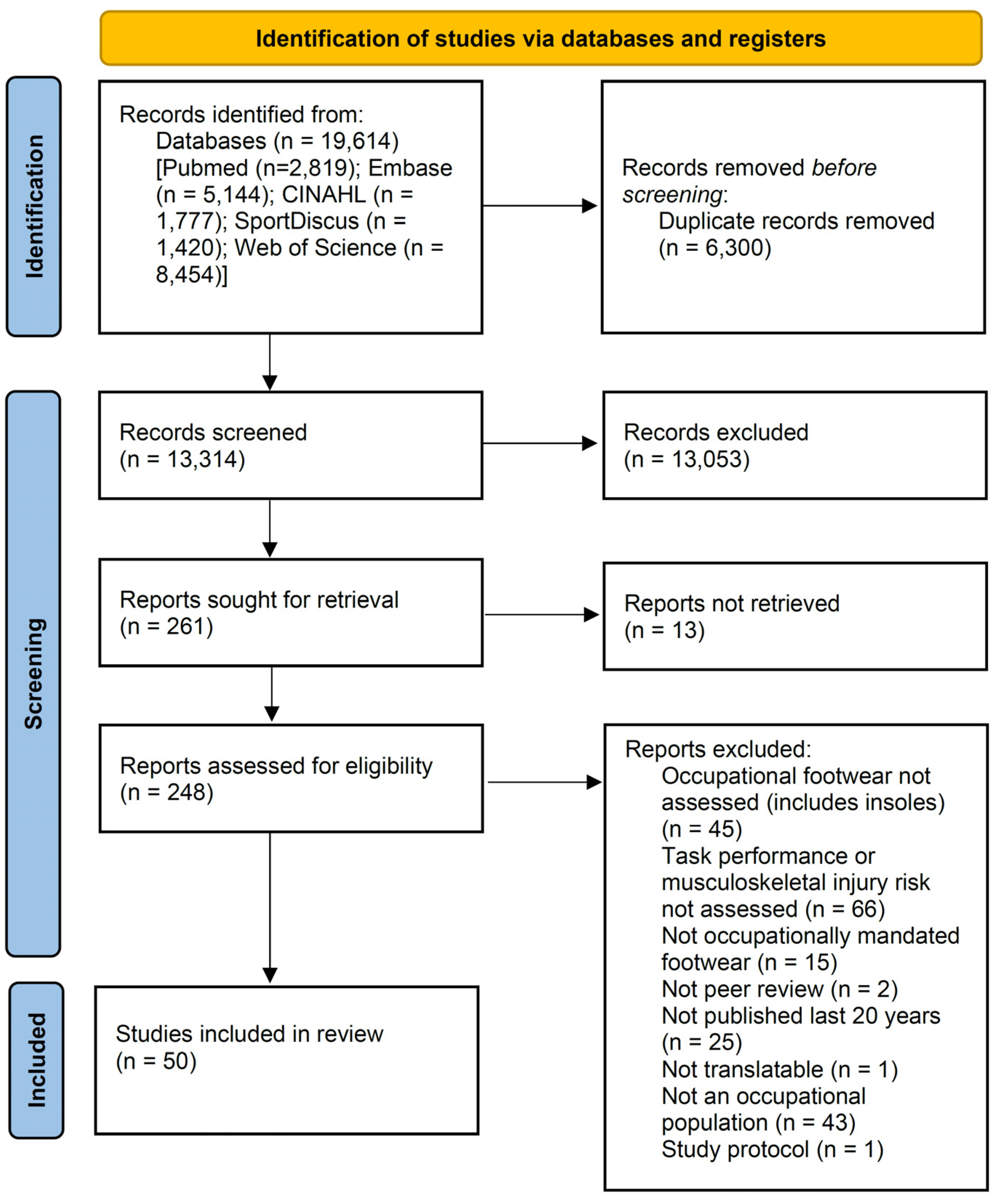
Publisher’s Note: MDPI stays neutral with regard to jurisdictional claims in published maps and institutional affiliations. |
© 2022 by the authors. Licensee MDPI, Basel, Switzerland. This article is an open access article distributed under the terms and conditions of the Creative Commons Attribution (CC BY) license (https://creativecommons.org/licenses/by/4.0/).



