Article

Effectiveness of Ergonomic Training to Decrease Awkward Postures during Dental Scaling Procedures: A Randomized Clinical Trial

by
Ana Virginia de Santana Sampaio Castilho
1,
Edgard Michel Crosato
2,
Silvia Helena de Carvalho Sales-Peres
1,
Gerson Aparecido Foratori Junior
1,
Adriana Rodrigues de Freitas Aznar
1,3,
Rogerio Leone Buchaim
4,5,
Daniela Vieira Buchaim
6,7,
Dayane Maria Braz Nogueira
8,
Eliana de Souza Bastos Mazuqueli Pereira
6,
Luis Carlos Paschoarelli
9 and
Eliel Soares Orenha
1,*
1
Department of Pediatric Dentistry, Orthodontics and Public Health, Bauru School of Dentistry (FOB/USP), University of São Paulo, Bauru 17012-901, SP, Brazil
2
Social Dentistry Department, School of Dentistry (FOUSP), University of São Paulo, São Paulo 05508-000, SP, Brazil
3
Dentistry Course, Faculty of the Center West of São Paulo (FACOP), Piratininga 17499-010, SP, Brazil
4
Department of Biological Sciences, Bauru School of Dentistry (FOB/USP), University of São Paulo, Bauru 17012-901, SP, Brazil
5
Graduate Program in Anatomy of Domestic and Wild Animals, Faculty of Veterinary Medicine and Animal Science, University of São Paulo (FMVZ/USP), São Paulo 05508-270, SP, Brazil
6
Postgraduate Program in Structural and Functional Interactions in Rehabilitation, Postgraduate Department, University of Marilia (UNIMAR), Marília 17525-902, SP, Brazil
7
Teaching and Research Coordination of the Medical School, Medical School, University Center of Adamantina (UniFAI), Adamantina 17800-000, SP, Brazil
8
Department of Prosthodontics and Periodontics, Bauru School of Dentistry (FOB/USP), University of São Paulo, Bauru 17012901, SP, Brazil
9
Department of Design, School of Architecture, Arts, Communication and Design, São Paulo State University (UNESP), Bauru 17033-360, SP, Brazil
*
Author to whom correspondence should be addressed.
Int. J. Environ. Res. Public Health 2021, 18(21), 11217; https://doi.org/10.3390/ijerph182111217

Submission received: 9 September 2021 / Revised: 18 October 2021 / Accepted: 20 October 2021 / Published: 26 October 2021
(This article belongs to the Special Issue Ergonomics in Dentistry)

Abstract

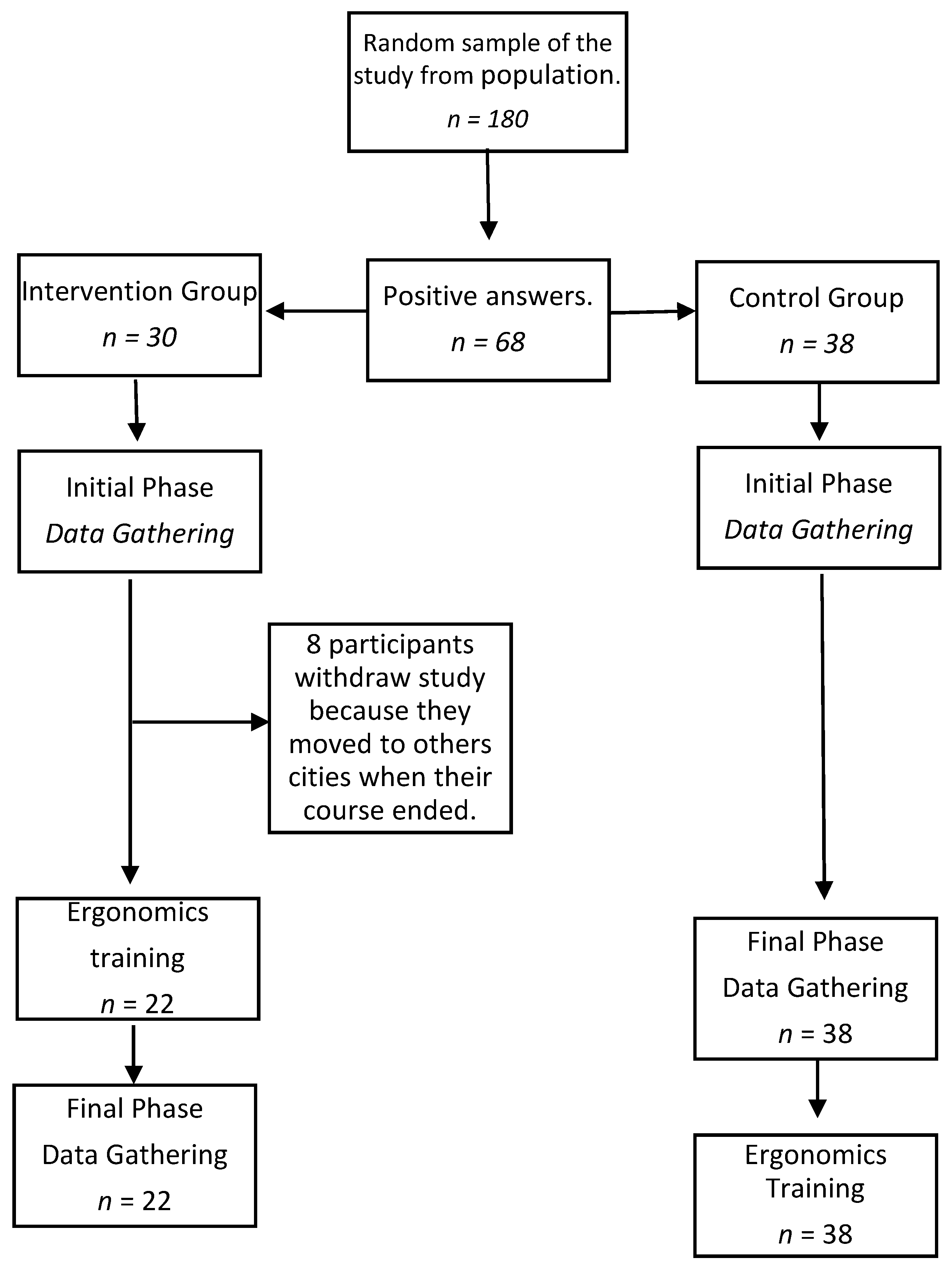
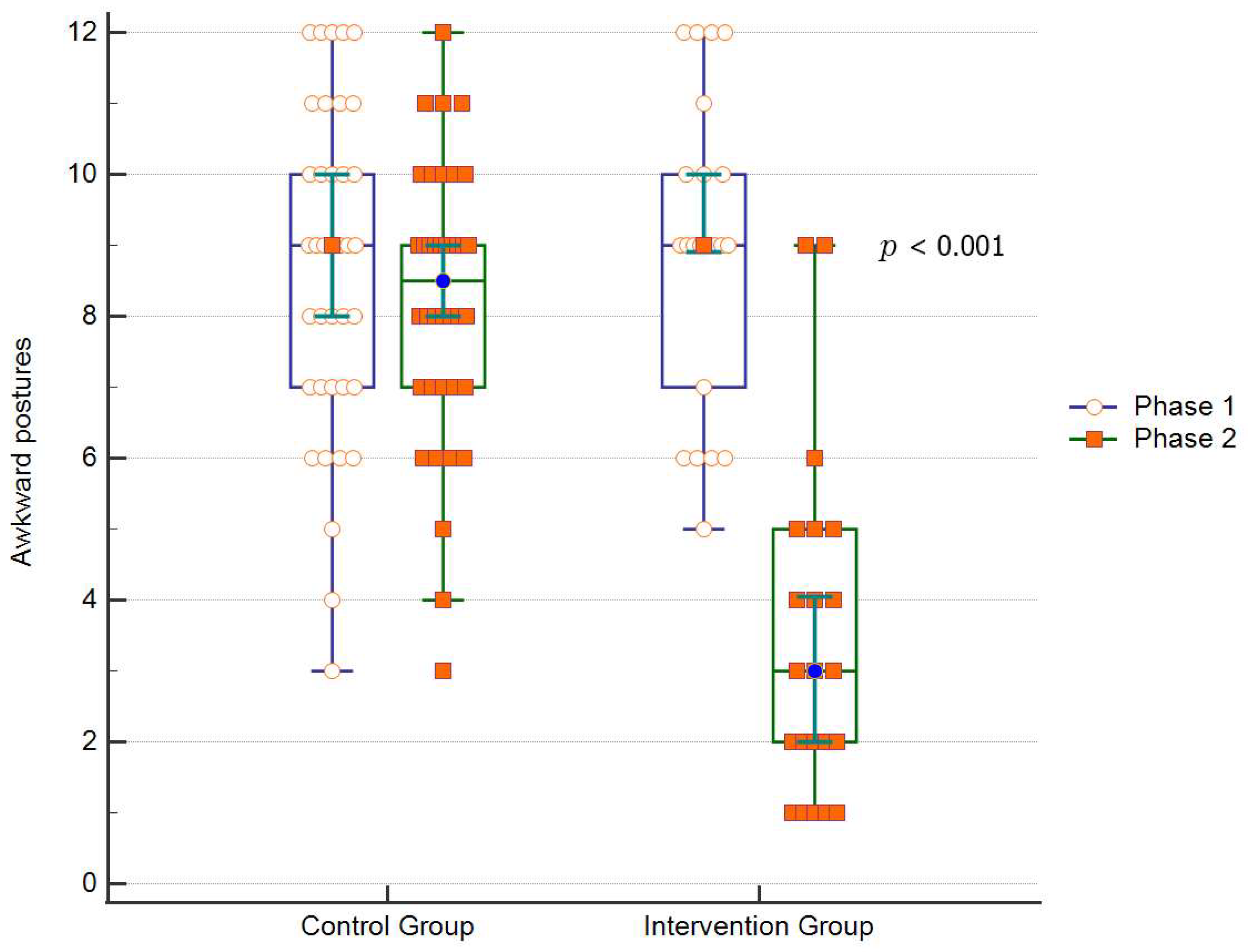
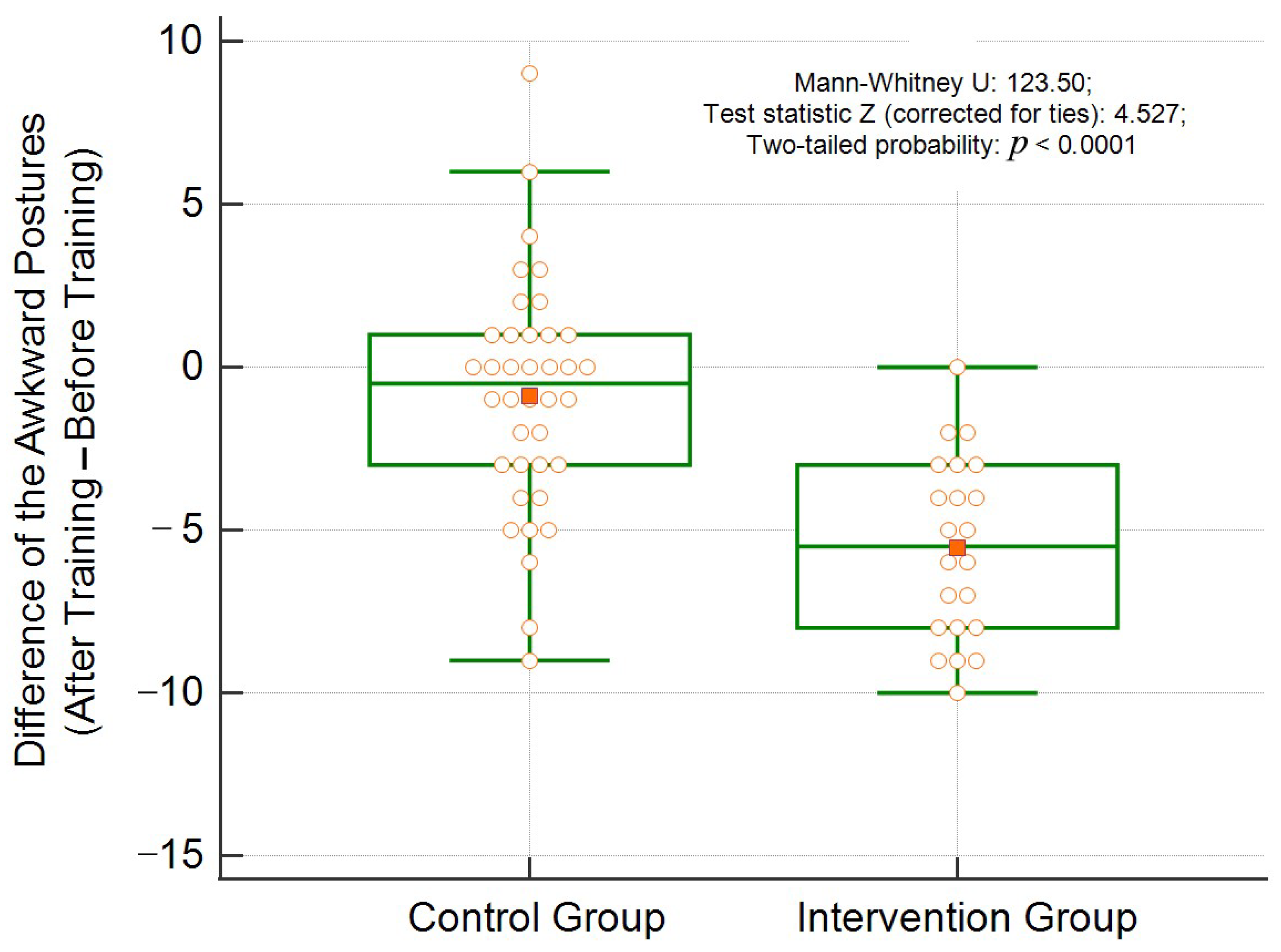
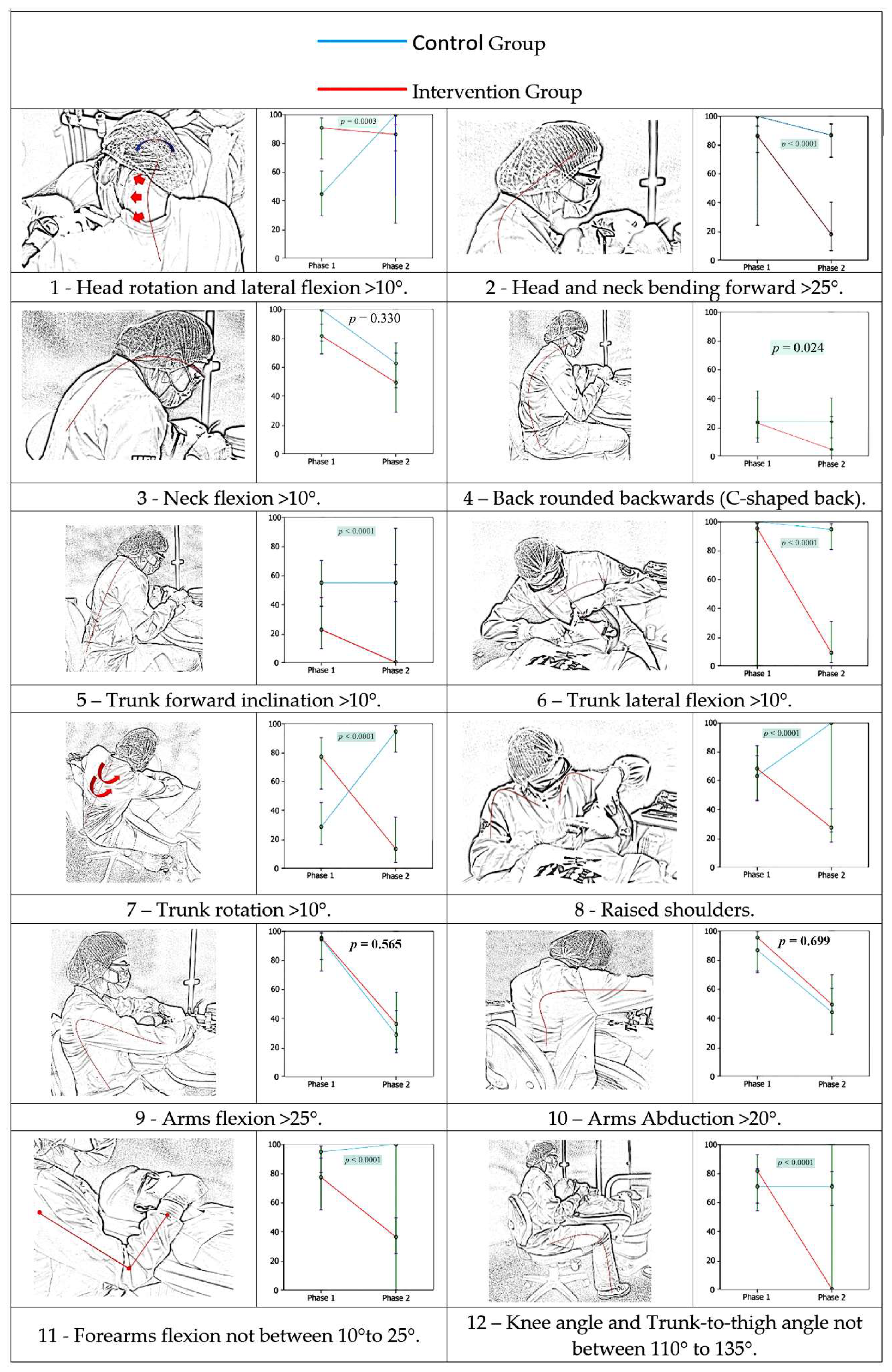
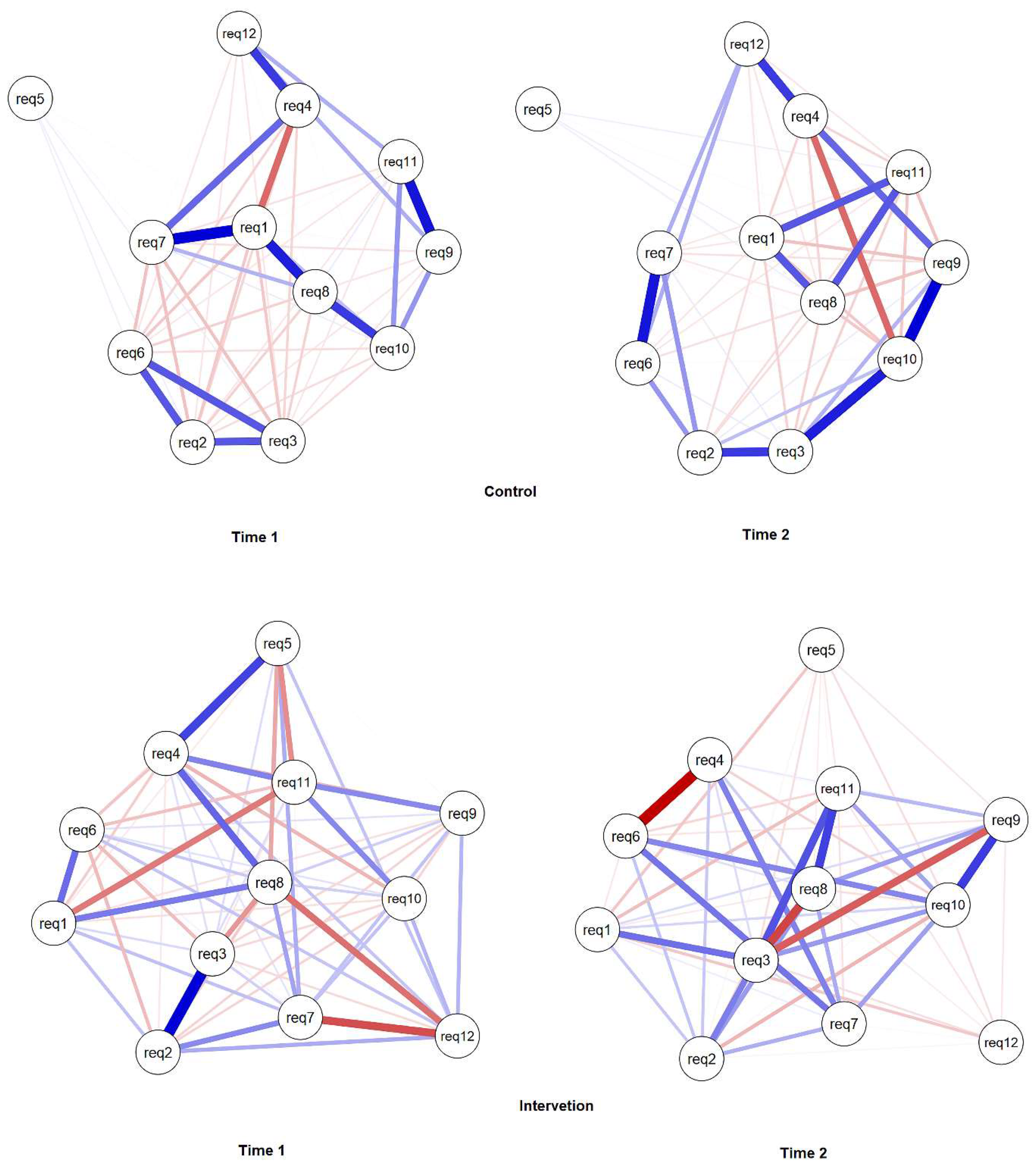
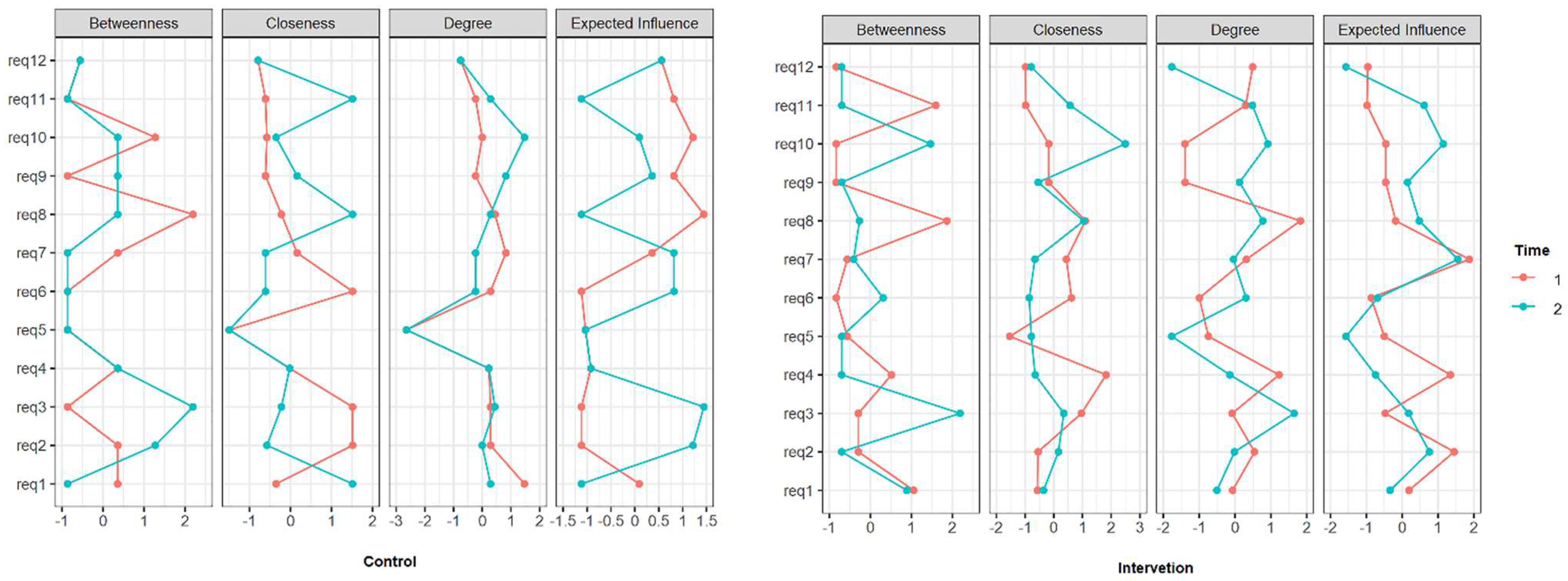
Studies demonstrate that there is a lack of effective ergonomic principles for adopting a neutral posture during the execution of dental procedures. ISO 11.226:2000 Standard, Corr. 1:2006 has been thoroughly evaluated and adapted to the way that dentists work by the European Society of Dental Ergonomics (ESDE). However, after 15 years, no studies that showed strong evidence of effectiveness in reducing the prevalence of awkward posture in applying its parameters within the scope of dental practice were found. The aim of this study was to verify the effectiveness of applying the ergonomic parameters proposed by the European Society of Dental Ergonomics (ESDE) and ISO 11226 in reducing the prevalence of the main awkward postures adopted by female dental surgeons during the execution of dental scaling on a dental mannequin. A randomized clinical trial was carried out with sixty dental surgeons randomly assigned to two groups: the intervention group, who received instructions and theoretical and practical ergonomic training; and the control group, who received the same training only at the end of the study. For data analysis, Software IBM SPSS 27 and RStudio was used. Descriptive statistics were performed to verify the effectiveness of the intervention, and generalized linear models (specifically, generalized estimated equation models) were used. Poisson distribution was carried out with log link function and network analyses. Sixty female dental surgeons participated in the study. Twenty-two were distributed in the intervention group and thirty-eight in the control group. It was found that ergonomic training enabled a 63% reduction in the prevalence of awkward postures and that there was a statistically significant difference (p < 0.001) only in the intervention group. The analyses showed that the estimated marginal means of postures not recommended in the groups’ initial control, final control, initial intervention, and final intervention were 8.6, 8.2, 9.0, and 3.4, respectively. The relationship of networks analyses of the variables is shown with different profiles in the control and intervention groups, but the same pattern between the groups only vary in the strength and direction of the correlations. It was concluded that the ergonomic training based on the parameters of ISO 11226 and DIN EN 1005-4, and its adaptations to the dental practice provided by the European Society of Dental Ergonomics, as well as recent studies, contributed significantly to reducing the prevalence of awkward postures adopted by female dentists during the simulation of the basic periodontal procedures; however, it was not effective enough to improve the posture of the head and neck.
Keywords: dental ergonomics; training; awkward postures; dental scaling dental ergonomics; training; awkward postures; dental scaling