Therapeutic Potential of Anti-Obesity Drugs in Obesity-Associated Female Reproductive Dysfunction: Translating Mechanistic Evidence into Personalized Clinical Strategies
Abstract
1. Introduction
2. Search Strategy
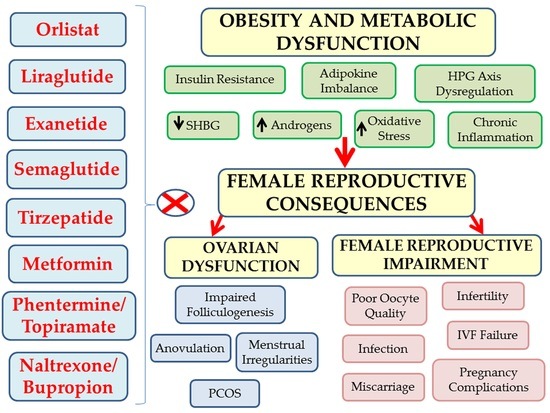
3. Mechanistic Insights into Obesity-Related Female Reproductive Dysfunction
4. Impact of FDA-Approved Long-Term Anti-Obesity Medications on Female Reproductive Health
4.1. Orlistat
4.2. Liraglutide
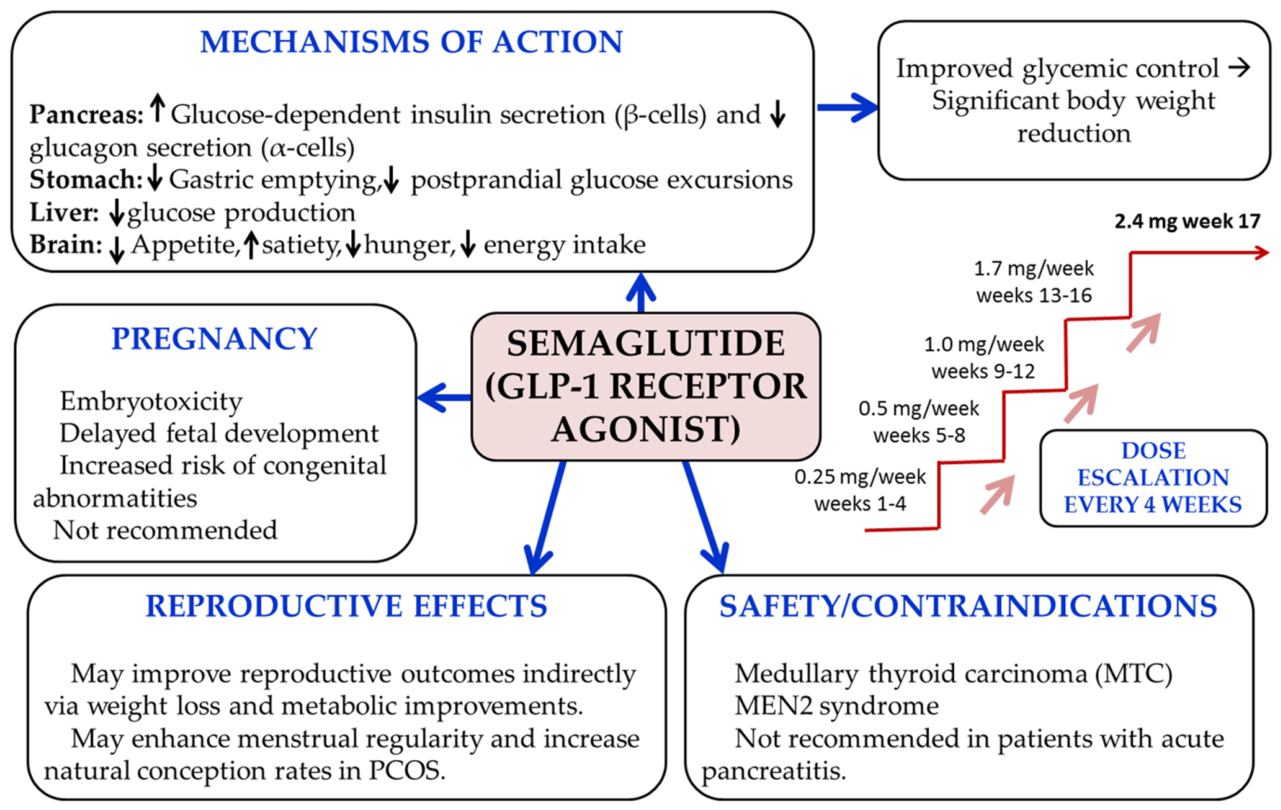
4.3. Semaglutide
4.4. Phentermine and Topiramate Combination (Qsymia)
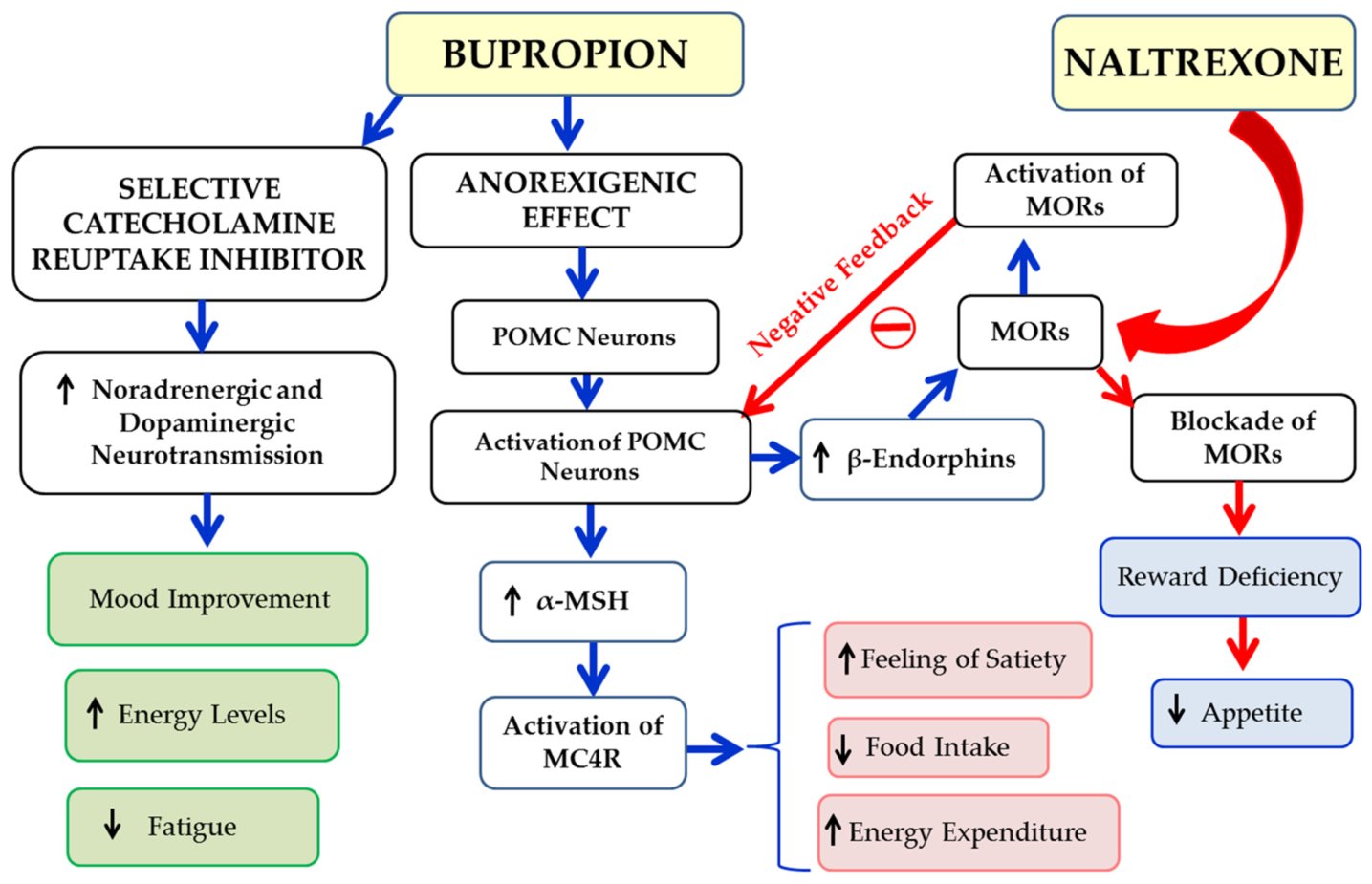
4.5. Bupropion and Naltrexone Combination (Contrave)
5. Off-Label Prescribing of Anti-Obesity Medications
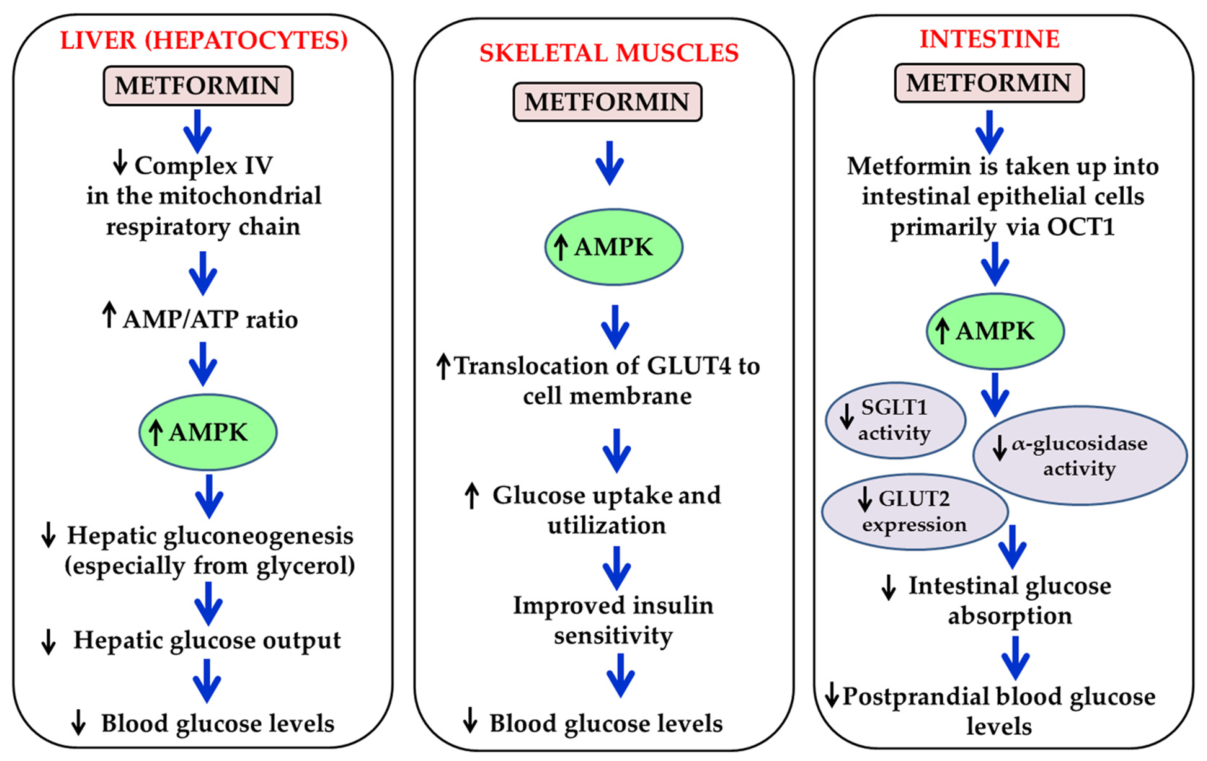
5.1. Metformin
5.2. Exenatide
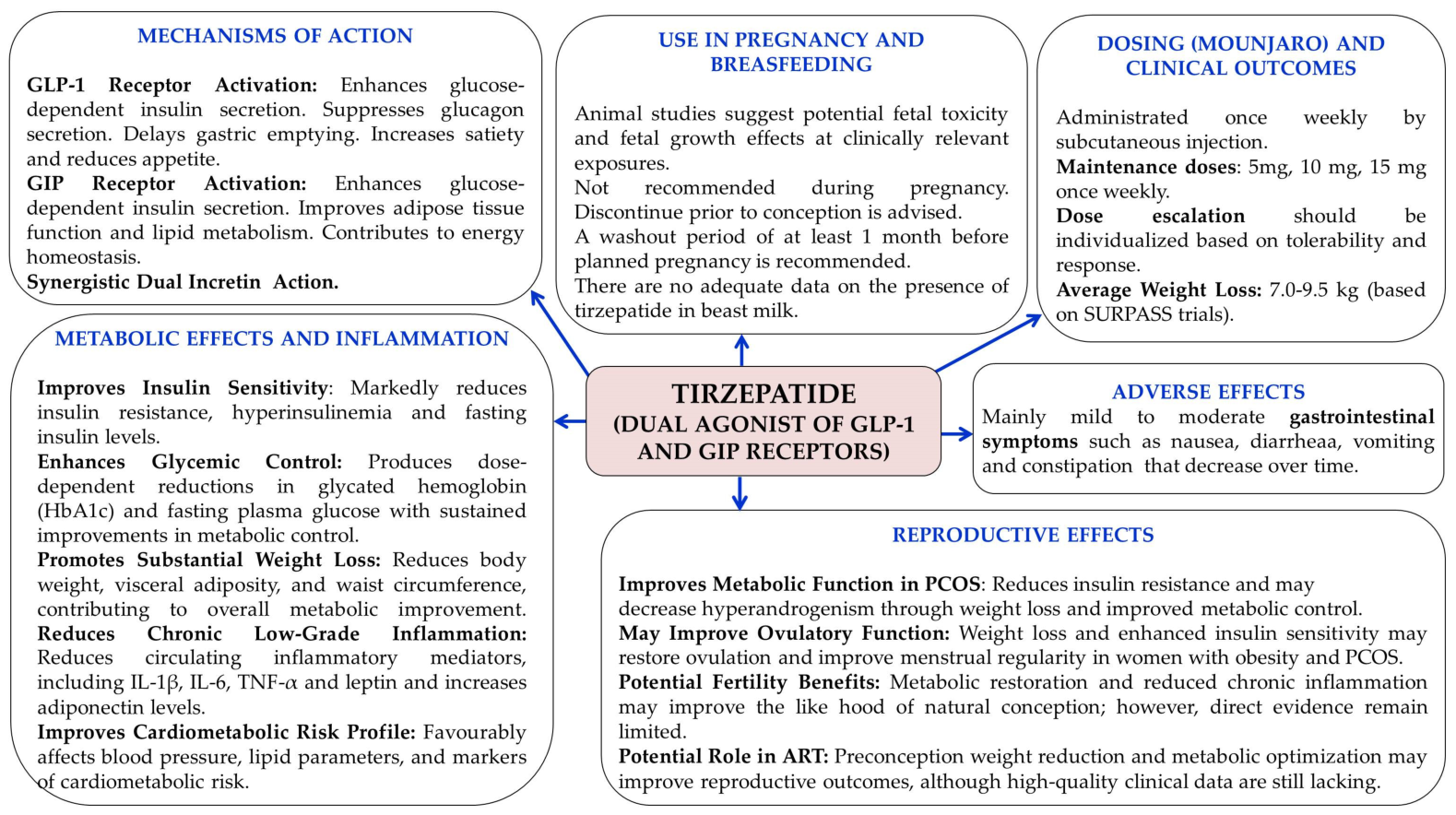
5.3. Tirzepatide
6. Integrating Mechanistic Knowledge into Personalized Therapy
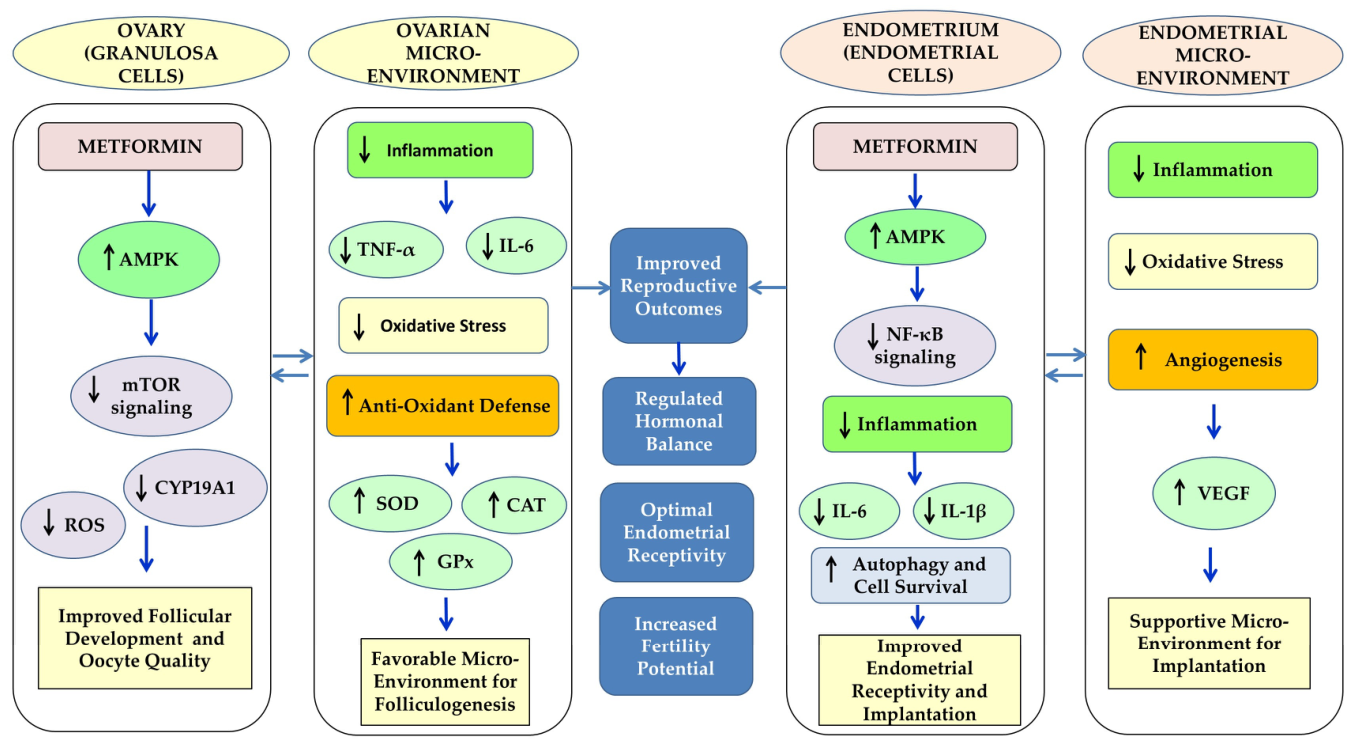
6.1. Molecular and Cellular Characterization of the Ovarian Microenvironment, Endometrial Receptivity, and Embryo Implantation
6.2. Phenotype-Based Personalization of Anti-Obesity Pharmacotherapy
6.3. Navigating the Incretin Fertility Paradox

| Phase | Duration/Timing | Physiological and Therapeutic Goals | Teratogenic Risks and Safety Concerns | Clinical Strategies and Action Plan |
|---|---|---|---|---|
| Phase 1: Metabolic and Weight Optimization | Approximately 3–6 months or individualized according to weight-loss goals. | Achieve clinically meaningful weight loss (≥5–10%), improve insulin sensitivity, reduce hyperandrogenism, and restore ovulatory function [168,186]. | GLP-1 receptor agonists are contraindicated during pregnancy. Effective contraception should be used during treatment. Tirzepatide may reduce oral contraceptive absorption during dose escalation because of delayed gastric emptying [54,203,204]. | Initiate GLP-1 receptor agonist therapy when indicated; provide structured lifestyle intervention; ensure reliable contraception; monitor weight, menstrual regularity and ovulatory function. |
| Phase 2: Washout Before Conception | Follow product-specific recommendations; for semaglutide, discontinue at least 2 months before planned conception. | Allow adequate drug elimination before conception [205,206] while maintaining metabolic improvements through lifestyle interventions [194]. | Weight regain and deterioration of insulin resistance (IR) may occur after treatment discontinuation [200,201]. | Discontinue GLP-1-based therapy before conception; continue nutritional counseling and physical activity; metformin may be continued in women with PCOS [186]. |
| Phase 3: The Active Conception Window | After completion of the recommended washout period until spontaneous conception or ART. | Preserve metabolic benefits while optimizing ovulation, endometrial function and embryo development [194]. | Anti-obesity medications remain contraindicated throughout conception attempts and pregnancy. Evidence for “ovulatory rebound” or increased multiple pregnancy risk is currently lacking. | Confirm discontinuation of GLP-1 therapy before ovarian stimulation or conception; optimize nutrition, physical activity and glycemic control; continue pregnancy-compatible therapies when indicated. |
| Phase 4: Gestational Surveillance | Throughout pregnancy. | Maintain maternal metabolic health and minimize obesity-related obstetric complications [205]. | Anti-obesity medications should not be restarted during pregnancy. Obesity increases the risk of gestational diabetes, hypertensive disorders and cesarean delivery [206]. | Manage weight through nutrition, physical activity and routine obstetric care; insulin remains the preferred treatment when pharmacologic glycemic control is required during pregnancy [207]. |
6.4. Current Knowledge Gaps and Future Research Directions
| Major Research Area | Specific Unresolved Research Question | Current Knowledge Gap | Proposed Methodological Approach/Study Design | Potential Clinical and Translational Impact |
|---|---|---|---|---|
| Transgenerational Epigenomics | Does rapid weight loss via GLP-1 receptor agonists affect the epigenetic profile of the oocyte and the long-term health of the offspring? | Although metabolic improvement is beneficial, the effects of GLP-1RA-induced weight loss on oocyte DNA methylation, histone modifications and embryonic developmental programming remain largely unexplored [178,208,209,210]. | Prospective longitudinal cohorts evaluating follicular-fluid biomarkers, granulosa-cell transcriptomics, and long-term follow-up of offspring after maternal preconception GLP-1RA exposure. | Clarifying whether pharmacological metabolic optimization before conception improves reproductive outcomes without adversely affecting developmental programming. |
| ART Outcome Optimization | What is the ideal BMI target and optimal kinetic threshold for discontinuing anti-obesity medications before starting an in vitro fertilization (IVF) cycle? | Current reproductive and obesity guidelines provide no evidence-based recommendations regarding BMI targets, percentage weight loss, or optimal discontinuation interval before ovarian stimulation [186,194]. | Multicenter prospective studies and randomized controlled trials comparing different discontinuation strategies before IVF treatment. | Development of standardized preconception protocols aimed at maximizing oocyte competence, embryo quality and live birth while minimizing unnecessary treatment interruption. |
| Incretin Comparative Superiority | Does tirzepatide (dual GLP-1/GIP receptor agonist) outperform semaglutide (selective GLP-1RA) in directly improving endometrial receptivity? | Whether tirzepatide exerts direct ovarian or endometrial effects independent of its profound metabolic and weight-loss effects remains unknown, as mechanistic studies evaluating its actions on reproductive tissues are currently lacking [8]. | Head-to-head mechanistic clinical trials including endometrial transcriptomics (RNA-seq), follicular-fluid metabolomics and reproductive outcomes. | Identification of drug-specific reproductive effects that could support precision medicine approaches for women with obesity undergoing fertility treatment. |
7. Conclusions and Clinical Implications
| Drug/Class | Study | Study Design | Sample Size | Population | Drug and Dose | Duration | Weight-Loss Outcomes | Reproductive Outcomes | Major Limitations |
|---|---|---|---|---|---|---|---|---|---|
| Orlistat | XENDOS (Torgerson et al., 2004) [69] | RCT | 3305 | Adults with obesity | Orlistat 120 mg TID | 4 years | Mean weight loss 2.4%; improved insulin sensitivity and cardiometabolic profile | Reproductive outcomes not evaluated. | Not fertility-focused; mixed-sex population |
| Vosnakis et al., 2013 [70] | Prospective study | 61 PCOS and 20 controls | Obese women with PCOS | Orlistat 120 mg TID | 24 weeks | Significant weight and BMI reduction | ↑ SHBG, ↑ LH, ↓ testosterone, ↑ AMH. | Small sample; no pregnancy endpoint | |
| Kumar et al., 2014 [71] | RCT | 90 | Women with PCOS | Orlistat 120 mg BID | 3 months | ~7.8 kg weight loss | Pregnancy rate 40%; ovulation 33.3%. | Short follow-up | |
| Tong et al., 2022 [72] | Controlled study | 58 | Women undergoing embryo transfer | Orlistat | IVF cycles | Not primary endpoint | Higher clinical pregnancy; no live birth benefit. | Small IVF cohort | |
| Wang et al., 2021 [74] | Double-blind RCT | 877 | Overweight/obese infertile women before IVF | Orlistat | 4–12 weeks | Greater weight loss than placebo | No improvement in live birth or pregnancy rates. | Short intervention | |
| FIT-PLESE (Legro et al., 2022) [75] | RCT | 379 | Women with obesity and unexplained infertility | Lifestyle and orlistat | Preconception | Greater weight loss | No increase in live birth rate. | Multifactorial intervention | |
| Liraglutide (GLP-1 RA) | SCALE (Pi-Sunyer et al., 2015) [79] | RCT | 3731 | Adults with obesity | Liraglutide 3.0 mg/day | 56 weeks | 63% lost ≥5%; 33% lost ≥10% body weight | Reproductive outcomes not evaluated. | General obesity trial |
| Nylander et al., 2017 [80] | Double-blind RCT | 72 | Overweight women with PCOS | Liraglutide 1.8 mg/day | 26 weeks | Mean weight loss 5.2 kg | Improved menstrual regularity, ↓ ovarian volume, ↑ SHBG, ↓ testosterone. | Small study | |
| Salamun et al., 2018 [81] | Open-label RCT | 28 | Infertile obese women with PCOS | Metformin ± liraglutide 1.2 mg/day | 12 weeks | Similar weight loss in both groups | Pregnancy per embryo transfer 85.7% vs. 28.6%; higher cumulative pregnancy rate. | Small sample; combination therapy. | |
| Semaglutide (GLP-1 RA) | STEP 1 (Wilding et al., 2021) [164] | RCT | 1961 | Adults with obesity or overweight without diabetes | Semaglutide 2.4 mg once weekly | 68 weeks | Approximately 15% body weight reduction | Reproductive outcomes not assessed. | Obesity trial; fertility endpoints not evaluated. |
| OASIS 1 (Knop et al., 2023) [89] | RCT | 667 | Adults with obesity or overweight | Oral semaglutide 50 mg daily | 68 weeks | Mean weight loss 15.1% | Reproductive outcomes not assessed. | General obesity population | |
| Carmina and Longo, 2023 [93] | Prospective observational study unresponsive to lifestyle intervention | 27 | Obese women with PCOS | Semaglutide 0.5 mg weekly | 6 months | Significant weight reduction (approximately 11.5 kg) | Normalization of menstrual cycles in most responders. | Small sample size; no control group | |
| Chen et al., 2025 [94] | RCT | 120 | Overweight/obese PCOS | Semaglutide 1 mg weekly + metformin 1000 mg BID | 16 weeks | Greater weight loss than metformin alone | Improved menstrual regularity, ovulatory function and higher natural pregnancy rate (35% vs. 15%). | Single-center study; relatively short follow-up | |
| Phentermine/Topiramate | Khera et al. 2016 [100] | Systematic review & meta-analysis of RCTs | 29,018 | Adults with obesity | Standard approved doses | ~1 year | Greatest weight loss (~8.8 kg) among approved medications | No direct fertility outcomes. | No reproductive endpoints; pregnancy contraindicated |
| Naltrexone/Bupropion | Greenway et al. (COR-I), 2010 [180] | RCT | 1742 | Adults with obesity or overweight with comorbidities | Naltrexone SR 32 mg and bupropion SR 360 mg daily | 56 weeks | Mean weight loss 6.1% vs. 1.3% with placebo | No reproductive outcomes evaluated. | Not designed to assess fertility |
| Apovian et al. (COR-II), 2013 [108] | RCT | 1496 | Adults with obesity or overweight | Naltrexone SR 32 mg and bupropion SR 360 mg daily | 56 weeks | Significant weight loss compared with placebo | No reproductive or hormonal outcomes reported. | General obesity population | |
| Metformin | Legro et al., 2007 [219] | RCT | 626 | Infertile women with PCOS | Metformin 1000 mg twice daily | ~6 months | Modest weight reduction | Improved ovulation but lower live birth rate than clomiphene; combination therapy most effective. | Weight loss modest |
| Exenatide (GLP-1 RA) | Elkind-Hirsch et al., 2008 [220] | RCT | 60 | Women with obesity and PCOS | Exenatide 10 μg BID vs. metformin | 24 weeks | Greater weight loss than metformin | Improved menstrual cyclicity and ovulation. | Small sample size |
| Ye et al., 2023 [148]. | Systematic review and meta-analysis | 9 RCTs (785 women) | Overweight/obese women with PCOS | Exenatide 5–10 μg twice daily | 12–24 weeks | Exenatide significantly reduced body weight and BMI compared with metformin | Exenatide was associated with higher spontaneous pregnancy rates, improved ovulation rates and improved menstrual regularity compared with metformin. | Based mainly on relatively small RCTs | |
| Tirzepatide (Dual GIP/GLP-1 Receptor Agonist) | SURMOUNT-1 (Jastreboff et al., 2022) [174] | RCT | 2539 | Adults with obesity or overweight without diabetes | Tirzepatide 5, 10 or 15 mg once weekly | 72 weeks | Mean weight loss 15–21% depending on dose | Reproductive outcomes not assessed. | Fertility not evaluated |
| SURMOUNT-3 (Wadden et al., 2023) [221] | RCT | 806 | Adults with obesity following intensive lifestyle intervention | Tirzepatide 10–15 mg weekly | 72 weeks | Additional mean weight loss of 18.4% after lifestyle intervention | No reproductive outcomes assessed. | Obesity study only | |
| SURMOUNT-4 (Aronne et al., 2024) [222]. | RCT | 783 | Adults with obesity or overweight | Tirzepatide 10–15 mg weekly | 88 weeks | Sustained weight loss; withdrawal resulted in weight regain | Reproductive outcomes not evaluated. | No fertility-specific endpoints |
Author Contributions
Funding
Data Availability Statement
Conflicts of Interest
References
- Varra, F.N.; Varras, M.; Varra, V.K.; Theodosis-Nobelos, P. Molecular and pathophysiological relationship between obesity and chronic inflammation in the manifestation of metabolic dysfunctions and their inflammation-mediating treatment options (Review). Mol. Med. Rep. 2024, 29, 95. [Google Scholar] [CrossRef] [Scilit] [PubMed]
- Varra, F.N.; Theodosis-Nobelos, P.; Varra, V.K.; Varras, M. Mechanistic Insights into Antioxidant Interventions Targeting Obesity-Induced Oxidative Stress in the Pathogenesis and Complications of Type 2 Diabetes Mellitus. Curr. Issues Mol. Biol. 2025, 47, 1063. [Google Scholar] [CrossRef] [Scilit] [PubMed]
- Varra, F.N.; Varras, M.; Varra, V.K.; Theodosis-Nobelos, P. Mechanisms Linking Obesity with Non-Alcoholic Fatty Liver Disease (NAFLD) and Cardiovascular Diseases (CVDs)—The Role of Oxidative Stress. Curr. Issues Mol. Biol. 2025, 47, 766. [Google Scholar] [CrossRef] [Scilit] [PubMed]
- Zheng, L.; Yang, L.; Guo, Z.; Yao, N.; Zhang, S.; Pu, P. Obesity and its impact on female reproductive health: Unraveling the connections. Front. Endocrinol. 2024, 14, 1326546. [Google Scholar] [CrossRef] [Scilit] [PubMed]
- Barber, T.M.; Hanson, P.; Weickert, M.O.; Franks, S. Obesity and Polycystic Ovary Syndrome: Implications for Pathogenesis and Novel Management Strategies. Clin. Med. Insights Reprod. Health 2019, 13, 1179558119874042. [Google Scholar] [CrossRef] [Scilit] [PubMed]
- Ouyang, X.; Zhou, Q.; Tang, H.; Li, L. Pathogenesis and treatment of obesity-related polycystic ovary syndrome. J. Ovarian Res. 2025, 18, 258. [Google Scholar] [CrossRef] [Scilit] [PubMed]
- Chao, A.M.; Taylor, S.; Moore, M.; Amaro, A.; Wadden, T.A. Evolving Approaches for Pharmacological Therapy of Obesity. Annu. Rev. Pharmacol. Toxicol. 2024, 65, 169–189. [Google Scholar] [CrossRef] [Scilit] [PubMed]
- Voros, C.; Chatzinikolaou, F.; Papapanagioutou, I.; Polykalas, S.; Mavrogianni, D.; Koulakmanidis, A.-M.; Athanasiou, D.; Kanaka, V.; Bananis, K.; Athanasiou, A.; et al. A Systematic Review on GLP-1 Receptor Agonists in Reproductive Health: Integrating IVF Data, Ovarian Physiology and Molecular Mechanisms. Int. J. Mol. Sci. 2026, 27, 759. [Google Scholar] [CrossRef] [Scilit] [PubMed]
- Chen, Y.; Wang, R.; Zhang, N.; Xu, L. The dual burden of obesity: Decoding metabolism and female reproductive endocrinology. Front. Physiol. 2025, 16, 1627607. [Google Scholar] [CrossRef] [Scilit] [PubMed]
- Shetty, S.; Bannur Karunakara, M.; Kristipati, R.R.; Kalthur, G.; Kumari, S. Role of Liraglutide in weight management and reproductive health in women with obesity and PCOS-A critical review of the evidence. F1000Research 2015, 14, 979. [Google Scholar] [CrossRef] [Scilit]
- Sills, E.S.; Harrity, C.; Chu, H.I.; Wang, J.-W.; Yang, F.; Wood, S.H. Semaglutide and human reproduction: Caution at the intersection of energy balance, ovarian function, and follicular development. Reprod. Biol. Endocrinol. 2025, 23, 116. [Google Scholar] [CrossRef] [Scilit] [PubMed]
- Varra, F.N.; Varras, M.; Varra, V.K.; Theodosis-Nobelos, P. Anti-obesity treatments with anti-inflammatory and antioxidant potential and their effects on obesity-related metabolic and cardiovascular disorders: A narrative review. Curr. Rev. Clin. Exp. Pharmacol. 2026, 21, 97–116. [Google Scholar] [CrossRef] [Scilit] [PubMed]
- Niwińska, K.E.; Borowski, M.; Leśniak, J.A.; Leśniak, N.M.; Patrzykąt, K.M.; Zakrzewska, A.M.; Popielarska, K.; Michalak, J.A.; Augustyn, M.; Midera, A. The Impact of GLP-1 Analogues and Tirzepatide on Female Fertility: Mechanisms, Clinical Evidence, and Implications. J. Educ. Health Sport 2026, 87, 67444. [Google Scholar] [CrossRef] [Scilit]
- Cerón Saldívar, H.I. Reproduction and Anti-Obesity Medications: A Review of Current Evidence. J. Reprod. 2023, 22, 65–75. [Google Scholar] [CrossRef] [Scilit]
- Magzoub, R.; Kheirelseid, E.A.H.; Perks, C.; Lewis, S. Does metformin improve reproduction outcomes for non-obese, infertile women with polycystic ovary syndrome? Meta-analysis and systematic review. Eur. J. Obstet. Gynecol. Reprod. Biol. 2022, 271, 38–62. [Google Scholar] [CrossRef] [Scilit] [PubMed]
- Shpakov, A.O. Improvement Effect of Metformin on Female and Male Reproduction in Endocrine Pathologies and Its Mechanisms. Pharmaceuticals 2021, 14, 42. [Google Scholar] [CrossRef] [Scilit] [PubMed]
- Devi Anala, A.; Hussain Saifudeen, I.S.; Ibrahim, M.; Nanda, M.; Naaz, N.; Atkin, S.l. The Potential Utility of Tirzepatide for the Management of Polycystic Ovary Syndrome. J. Clin. Med. 2023, 12, 4575. [Google Scholar] [CrossRef] [Scilit] [PubMed]
- Goldberg, A.; Graca, S.; Liu, J.; Rao, V.; Witchel, S.F.; Pena, A.; Li, R.; Mousa, A.; Tay, C.T.; Pattuwage, L.; et al. Anti-obesity pharmacological agents for polycystic ovary syndrome: A systematic review and meta-analysis to inform the 2023 international evidence-based guideline. Obes. Rev. 2024, 25, e13704. [Google Scholar] [CrossRef] [Scilit] [PubMed]
- Etrusco, A.; Mikuš, M.; D’Amato, A.; Barra, F.; Planinić, P.; Goluža, T.; Buzzaccarini, G.; Marušić, J.; Tešanović, M.; Laganà, A.S. Incretin Hormone Secretion in Women with Polycystic Ovary Syndrome: Roles of Obesity, Insulin Sensitivity and Treatment with Metformin and GLP-1s. Biomedicines 2024, 12, 653. [Google Scholar] [CrossRef] [Scilit] [PubMed]
- Kyrou, I.; Randeva, H.S.; Tsigos, C.; Kaltsas, G.; Weickert, M.O.; Feingold, K.R.; Anawalt, B.; Blackman, M.R.; Boyce, A.; Chrousos, G.; et al. (Eds.) Clinical problems caused by obesity. In Endotext; MDText.com, Inc.: South Dartmouth, MA, USA, 2018. [Google Scholar]
- Venkatesh, S.S.; Ferreira, T.; Benonisdottir, S.; Rahmioglu, N.; Becker, C.M.; Granne, I.; Zondervan, K.T.; Holmes, M.V.; Lindgren, C.M.; Wittemans, L.B.L. Obesity and risk of female reproductive conditions: A mendelianl randomization study. PLoS Med. 2022, 19, e1003679. [Google Scholar] [CrossRef] [Scilit] [PubMed]
- Bourebaba, N.; Ngo, T.H.; Śmieszek, A.; Bourebaba, L.; Marycz, K. Sex hormone binding globulin as a potential drug candidate for liver-related metabolic disorders treatment. Biomed. Pharmacother. 2022, 153, 113261. [Google Scholar] [CrossRef] [Scilit] [PubMed]
- Blasco, B.V.; García-Jaménez, J.; Bodoano, I.; Gutiérrez-Rojas, L. Obesity and depression: Its prevalence and influence as a prognostic factor: A systematic review. Psychiatry Investig. 2020, 17, 715–724. [Google Scholar] [CrossRef] [Scilit] [PubMed]
- Manfredi-Lozano, M.; Roa, J.; Tena-Semrere, M. Connecting metabolism and gonadal function: Novel central neuropeptide pathways involved in the metabolic control of puberty and fertility. Front. Neuroendocrinol. 2018, 48, 37–49. [Google Scholar] [CrossRef] [Scilit] [PubMed]
- Huang, A.; Reinehr, T.; Roth, C. Connections between obesity and puberty. Curr. Opin. Endocr. Metab. Res. 2020, 14, 160–168. [Google Scholar] [CrossRef] [Scilit] [PubMed]
- Cena, H.; Chiovato, L.; Nappi, R.E. Obesity, polycystic ovary syndrome, and infertility: A new avenue for GLP-1 receptor agonists. J. Clin. Endocrinol. Metab. 2020, 105, e2695–e2709. [Google Scholar] [CrossRef] [Scilit] [PubMed]
- Mahutte, N.; Kamga-Ngade, C.; Sharma, A.; Sylvestre, C. Obesity and reproduction. J. Obstet. Gynecol. Can. 2018, 40, 950–966. [Google Scholar] [CrossRef] [Scilit]
- Armstrong, A.; Berger, M.; Al-Safi, Z. Obesity and reproduction. Curr. Opin. Obest Gynecol. 2022, 34, 184–189. [Google Scholar] [CrossRef] [Scilit]
- Evans, M.C.; Lord, R.A.; Anderson, G.M. Multiple leptin signaling pathways in the control of metabolism and fertility: A means to different ends? Int. J. Mol. Sci. 2021, 22, 9210. [Google Scholar] [CrossRef] [Scilit]
- Hotkamp, K.; Mika, C.; Grzella, I.; Heer, M.; Pak, H.; Heberbrand, J.; Herpertz-Dahlmann, B. Preproductive function during weight gain in anorexia revrosa. Leptin represents a metabolic gate to gonadotropin secretion. J. Neural Trasm. 2003, 110, 427–435. [Google Scholar]
- Westerman, R.; Kuhnt, A.K. Metabolic risk factors and fertility disorders: A narrative review of the female perspective. Reprod. Biomed. Soc. Online 2022, 14, 66–74. [Google Scholar] [CrossRef] [Scilit] [PubMed]
- Pérez-Pérez, A.; Sánchez-Jiménez, F.; Maymó, J.; Dueñas, J.L.; Varone, C.; Sánchez-Margalet, V. Role of leptin in female reproduction. Clin. Chem. Lab. Med. 2015, 53, 15–28. [Google Scholar] [CrossRef] [Scilit] [PubMed]
- Bernardi, L.A.; Carnthon, M.R.; de Chavez, P.J.; Ikhena, D.E.; Neff, L.M.; Baird, D.D.; Marsh, E.E. Relationship between obesity and anti-Müllerian hormone in reproductive-aged African-American women. Obesity 2017, 25, 229–235. [Google Scholar] [PubMed]
- Merhi, Z.; Bazzi, A.A.; Bonney, E.A.; Buyuk, E. Role of adiponectin in ovarian follicular development and ovarian reserve. Biomed. Rep. 2019, 10, 337–342. [Google Scholar] [PubMed]
- HogenEsch, E.; Boots, C.; Bernardi, L.A. Aneuploidy rates are not higher in women with obesity: Is it worth the “weight” to delay in vitro fertilization until body mass index decreases? Fertil. Steril. 2021, 116, 339–340. [Google Scholar] [CrossRef] [Scilit] [PubMed]
- Pasquali, R.; Pelusi, C.; Genghini, S.; Cacciari, M.; Gambineri, A. Obestity and reproductive disorders in women. Hum. Reprod. Update 2003, 9, 359–372. [Google Scholar] [CrossRef] [Scilit] [PubMed]
- Ostinelli, G.; Laforest, S.; Denham, S.G.; Gauthier, M.F.; Drolet-Labelle, V.; Scott, E.; Hould, F.S.; Marceau, S.; Homer, N.Z.M.; Bégin, C.; et al. Increased adipose tissue indices of androgen catabolism and aromatization in women with metabolic dysfunction. J. Clin. Endocrinol. Metab. 2022, 107, e3330–e3342. [Google Scholar] [CrossRef] [Scilit] [PubMed]
- Barber, T.M. Why are women with polycystic ovary syndrome obese? Br. Med. Bull. 2022, 143, 4–15. [Google Scholar] [CrossRef] [Scilit] [PubMed]
- Witchel, S.F.; Oberfield, S.E.; Peña, A.S. Polycystic ovary syndrome: Pathophysiology, presentation, and treatment with emphasis on adolescent girls. J. Endocr. Soc. 2019, 3, 1545–1573. [Google Scholar] [CrossRef] [Scilit] [PubMed]
- Jahromi, B.N.; Borzou, N.; Parsanezhad, M.E.; Envar, Z.; Ghaemmaghami, P.; Sebetian, S. Associations of insulin resistance, sex hormone-binding globulin, triglyceride, and hormonal profiles in polycystic ovary syndrome: A cross-sectional study. Int. J. Reprod. Biomed. 2021, 19, 653–662. [Google Scholar] [CrossRef] [Scilit] [PubMed]
- Xing, C.; Zhang, J.; Zhao, H.; He, B. Effect of sex hormone-binding globulin on polycystic ovary syndrome: Mechanisms, manifestations, genetics and treatment. Int. J. Womens Health 2022, 14, 91–105. [Google Scholar] [CrossRef] [Scilit] [PubMed]
- Unluhizarci, K.; Karaca, Z.; Kelestimur, F. Role of insulin and insulin resistance in androgen excess disorders. World J. Diabetes 2021, 12, 616–629. [Google Scholar] [CrossRef] [Scilit] [PubMed]
- Amiri, M.; Tehrani, F.R. Potential adverse effects of female and male obesity on fertility: A narrative review. Int. J. Endocrinol. Metab. 2020, 18, e101776. [Google Scholar] [CrossRef] [Scilit] [PubMed]
- Yilmaz, N.; Kilic, S.; Kanat-Pektas, M.; Gykerman, C.; Mollamahmutoglu, L. The relationship between obesity and fecundity. J. Womens Health 2009, 18, 633–636. [Google Scholar] [CrossRef] [Scilit]
- Van der Steeg, J.W.; Steures, P.; Eijkemans, M.J.; Habbema, J.D.; Hompes, P.G.; Burggraaff, J.M.; Oosterhuis, G.J.E.; Bossuyt, P.M.; van der Veen, F.; Mol, B.W. Obesity affects spontaneous pregnancy changes in subfertility ovulatory women. Hum. Reprod. 2008, 23, 324–328. [Google Scholar] [CrossRef] [Scilit] [PubMed]
- Narice, B.F.; Metwally, M. Evidence-based assisted reproduction in obese women. Obes. Gynecol. 2020, 1, 127–133. [Google Scholar] [CrossRef] [Scilit]
- Ikedionwu, C.A.; Dongarwar, D.; Yusuf, K.K.; Ibrahimi, S.; Salinas-Miranda, A.A.; Salihu, H.M. Prepregnancy maternal obesity, macrosomia, and risk of stillbirth: A population-based study. Eur. J. Obstet. Gynecol. Reprod. Biol. 2020, 252, 1–6. [Google Scholar] [CrossRef] [Scilit] [PubMed]
- Liu, B.; Xu, G.; Sun, Y.; Du, Y.; Gao, R.; Snetselaar, L.G.; Santillan, M.K.; Bao, W. Association between maternal prepregnancy obesity and preterm birth according to maternal age and race or ethnicity: A population-based study. Lancet Diabetes Endocrinol. 2019, 7, 707–714. [Google Scholar] [CrossRef] [Scilit] [PubMed]
- Olson, K.N.; Redman, L.M.; Sones, J.L. Obestiy “complements” preeclampsia. Physiol. Genom. 2019, 51, 73–76. [Google Scholar] [CrossRef] [Scilit]
- LeBlanc, E.S.; Smith, N.X.; Vesco, K.K.; A Hillier, T.; Stevens, V.J. Weight loss prior to pregnancy and early gestational glycemia: Prepare, a randomized clinical trial. J. Clin. Endocrinol. Metab. 2021, 106, e5001–e5010. [Google Scholar] [CrossRef] [Scilit] [PubMed]
- Cavalcante, M.B.; Sarno, M.; Peixoto, A.B.; Júnior, E.A.; Barini, R. Obesity and recurrent miscarriage: A systematic review and meta-analysis. J. Obstet. Gynecol. Res. 2019, 45, 30–38. [Google Scholar]
- Aydogan Mathyk, B.; Quaas, A.M. Obesity and IVF: Weighing in on the evidence. J. Assist. Reprod. Genet. 2021, 38, 343–345. [Google Scholar] [CrossRef] [Scilit] [PubMed]
- Shen, X.; Xie, Y.; Chen, D.; Guo, W.; Feng, G.; Jiang, W.; Long, H.; Lyu, Q.; Jin, W.; Kuang, Y.; et al. Effect of female and male body mass index on cumulative live birth rates in the freeze-all strategy. J. Clin. Endocrinol. Metab. 2021, 107, e1467–e1476. [Google Scholar] [CrossRef] [Scilit]
- Gonzalez, M.B.; Rodker, R.L.; Rose, R.D. Obestiy and oocyte quality: Significant implications for ART and emerging mechanistic insights. Biol. Reprod. 2022, 106, 338–350. [Google Scholar] [CrossRef] [Scilit] [PubMed]
- Broughton, D.E.; Moley, K.H. Obesity and female infertility: Potential mediators of obesity’s impact. Fertil. Steril. 2017, 107, 840–847. [Google Scholar] [CrossRef] [Scilit] [PubMed]
- Lainez, N.M.; Coss, D. Obesity, neuroinflammation, and reproductive function. Endocrinology 2019, 160, 2719–2736. [Google Scholar] [CrossRef] [Scilit] [PubMed]
- Li, Q.; Wang, Q.; Xu, W.; Ma, Y.; Wang, Q.; Eatman, D.; You, S.; Zou, J.; Champion, J.; Zhao, L.; et al. C-reactive protein causes adult-onset obesity through chronic inflammatory mechanism. Front. Cell Dev. Biol. 2020, 8, 18. [Google Scholar] [CrossRef] [Scilit] [PubMed]
- Herzberger, E.H.; Miller, N.; Ghetler, Y.; Yaniv, R.T.; Neumark, E.; Shulman, A.; Wiser, A. A prospective study of C-reactive protein in patients with obesity during IVF. Hum. Fertil. 2021, 24, 182–187. [Google Scholar]
- Catalano, P.M.; Shankar, K. Obesity and pregnancy: Mechanisms of short term and long term adverse consequences for mother and child. Br. Med. J. 2017, 356, j1. [Google Scholar] [CrossRef] [Scilit]
- Gonzalez, M.B.; Lane, M.; Knight, E.J.; Bobker, R.L. Inflammatory markers in human follicular fluid correlate with lipid levels and body mass index. J. Reprod. Immunol. 2018, 130, 25–29. [Google Scholar] [CrossRef] [Scilit] [PubMed]
- Song, J.; Xiang, S.; Pang, C.; Guo, J.; Sun, Z. Metabolomic alterations of follicular fluid of obese women undergoing in-vitro fertilization treatment. Sci. Rep. 2020, 10, 5968. [Google Scholar] [CrossRef] [Scilit] [PubMed]
- Balen, A.H.; Platteau, P.; Andersen, A.N.; Devroey, P.; Sørensen, P.; Helmgaard, L.; Arce, J.C. The influence of body weight on response to ovulation induction with gonadotrophins in 335 women with World Health Organization group II anovulatory infertility. BJOG Int. J. Obstet. Gynaecol. 2006, 113, 1195–1202. [Google Scholar] [CrossRef] [Scilit]
- Isa, A.M.; Abu-Rafea, B.; Alasiri, S.A.; Binsaleh, S.; Ismail, K.H.; Vilos, G.A. Age, body mass index, and number of previous trials: Are they prognosticators of intra-uterine-insemination for infertility treatment? Int. J. Fertil. Steril. 2014, 8, 255–260. [Google Scholar] [CrossRef] [Scilit] [PubMed]
- Bellver, J.; Marín, C.; Lathi, R.B.; Murugappan, G.; Labarta, E.; Vidal, C.; Giles, J.; Cabanillas, S.; Marzal, A.; Galliano, D.; et al. Obetity affects endometrial receptivity by displacing the window implantation. Reprod. Sci. 2021, 28, 3171–3180. [Google Scholar] [CrossRef] [Scilit] [PubMed]
- Yang, T.; Zhao, J.; Liu, F.; Li, Y. Lipid metabolism and endometrial receptivity. Hum. Reprod. Update 2022, 28, 858–889. [Google Scholar] [CrossRef] [Scilit] [PubMed]
- Wei, S.; Schmidt, M.D.; Dwyer, T.; Norman, R.J.; Venn, A.J. Obesity and menstrual irregularity: Assocations with SHBG, testosterone, and insulin. Obesity 2009, 17, 1070–1076. [Google Scholar] [CrossRef] [Scilit] [PubMed]
- Nuako, A.; Tu, L.; Reyes, K.J.C.; Chhabria, S.M.; Standord, F.C. Pharmacologic Treatment of Obesity in Reproductive Aged Women. Curr. Obstet. Gynecol. Rep. 2023, 12, 138–146. [Google Scholar] [CrossRef] [Scilit] [PubMed]
- Duah, J.; Seifer, D.B. Medical therapy to treat obesity and optimize fertility in women of reproductive age: A narrative review. Reprod. Biol. Endocrinol. 2025, 23, 2. [Google Scholar] [CrossRef] [Scilit] [PubMed]
- Torgerson, J.S.; Hauptman, J.; Boldrin, M.N.; Sjöström, L. XENical in the prevention of diabetes in obese subjects (XENDOS) study: A randomized study of orlistat as an adjunct to lifestyle changes for the prevention of type 2 diabetes in obese patients. Diabetes Care 2004, 27, 155–161. [Google Scholar] [CrossRef] [Scilit] [PubMed]
- Vosnakis, C.; Georgopoulos, N.A.; Rousso, D.; Mavromatidis, G.; Katsikis, I.; Roupas, N.D.; Mamali, I.; Panidis, D. Diet, physical exercise and Orlistat administration increase serum anti-Mullerian hormone (AMH) levels in women with polycystic ovary syndrome (PCOS). Gynecol. Endocrinol. 2013, 29, 242–245. [Google Scholar] [PubMed]
- Kumar, P.; Arora, S. Orlistat in polycystic ovarian syndrome reduces weight with improvement in lipid profile and pregnancy rates. J. Hum. Reprod. Sci. 2014, 7, 255–261. [Google Scholar] [CrossRef] [Scilit] [PubMed]
- Tong, J.; Xiang, L.; Niu, Y.; Zhang, T. Effect of orlistat intervention on in vitro fertilization/intracytoplasmic sperm injection outcome in overweight/obese infertile women. Gynecol. Endocrinol. 2022, 38, 253–257. [Google Scholar] [CrossRef] [Scilit] [PubMed]
- Al-Qahwajy, M.A.A.; Eissa, A.K.A.; Taha, W.S.; Abdelmoaty, M.A. QRLISTAT (the lipase inhibitor) therapy in overweight and obese sub-fertile women. Al-Azhar Med. J. 2022, 51, 927–938. [Google Scholar] [CrossRef] [Scilit]
- Wang, Z.; Zhao, J.; Ma, X.; Sun, Y.; Hao, G.; Yang, A.; Ren, W.; Jin, L.; Lu, Q.; Wu, G.; et al. Effect of Orlistat on Live Birth Rate in Overweight or Obese Women Undergoing IVF-ET: A Randomized Clinical Trial. J. Clin. Endocrinol. Metab. 2021, 106, e3533–e3545.75. [Google Scholar] [CrossRef] [Scilit] [PubMed]
- Legro, R.S.; Hansen, K.R.; Diamond, M.P.; Steiner, A.Z.; Coutifaris, C.; Cedars, M.I.; Hoeger, K.M.; Usadi, R.; Johnstone, E.B.; Haisenleder, D.J.; et al. Effects of preconception lifestyle intervention in infertile women with obesity: The FIT-PLESE randomized controlled trial. PLoS Med. 2022, 19, e1003883. [Google Scholar] [CrossRef] [Scilit] [PubMed]
- Várbíró, S.; Takács, I.; Tűű, L.; Nas, K.; Sziva, R.E.; Hetthéssy, J.R.; Török, M. Effects of Vitamin D on Fertility, Pregnancy and Polycystic Ovary Syndrome-A Review. Nutrients 2022, 14, 1649. [Google Scholar] [CrossRef] [Scilit] [PubMed]
- Pavli, P.; Triantafyllidou, O.; Kapantais, E.; Vlahos, N.F.; Valsamakis, G. Infertility Improvement after Medical Weight Loss in Women and Men: A Review of the Literature. Int. J. Mol. Sci. 2024, 25, 1909. [Google Scholar] [CrossRef] [Scilit] [PubMed]
- Maselli, D.; Atieh, H.; Clark, M.M.; Eckert, D.; Taylor, A.; Carlson, P.; Burton, D.D.; Busciglio, I.; Harmsen, W.S.; Vella, A.; et al. Effects of Liraglutide on Gastrointestinal Functions and Weight in Obesity: A Randomized Clinical and Pharmacogenomic Trial. Obesity 2022, 30, 1608–1620. [Google Scholar] [CrossRef] [Scilit] [PubMed]
- Pi-Sunyer, X.; Astrup, A.; Fujioka, K.; Greenway, F.; Halpern, A.; Krempf, M.; Lau, D.C.W.; Le Roux, C.W.; Ortiz, R.V.; Jensen, C.B.; et al. A randomized, controlled trial of 3.0 mg of liraglutide in weight management. N. Engl. J. Med. 2015, 373, 11–22. [Google Scholar] [CrossRef] [Scilit] [PubMed]
- Nylander, M.; Frossing, S.; Clausen, H.V.; Kistorp, C.; Faber, J.; Skouby, S.O. Effects of liraglutide on ovarian dysfunction in polycystic ovary syndrome: A randomized clinical trial. Reprod. Biomed. Online 2017, 35, 121–127. [Google Scholar] [CrossRef] [Scilit] [PubMed]
- Salamun, V.; Jensterle, M.; Janez, A.; Bokal, E.V. Liraglutide increases IVF pregnancy rates in obese PCOS women with poor response to first-line reproductive treatments: A pilot randomized study. Eur. J. Endocrinol. 2018, 179, 1–11. [Google Scholar] [CrossRef] [Scilit] [PubMed]
- Knudsen, L.B.; Lau, J. The Discovery and Development of Liraglutide and Semaglutide. Front. Endocrinol. 2019, 10, 155. [Google Scholar] [CrossRef] [Scilit] [PubMed]
- Mahapatra, M.K.; Karuppasamy, M.; Sahoo, B.M. Semaglutide, a glucagon like peptide-1 receptor agonist with cardiovascular benefits for management of type 2 diabetes. Rev. Endocr. Metab. Disord. 2022, 23, 521–539. [Google Scholar] [CrossRef] [Scilit] [PubMed]
- Weiskirchen, R.; Lonardo, A. Semaglutide from Bench to Bedside: The Experimental Journey Towards a Transformative Therapy for Diabetes, Obesity and Metabolic Liver Disorders. Med. Sci. 2025, 13, 265. [Google Scholar] [CrossRef] [Scilit] [PubMed]
- Papakonstantinou, I.; Tsioufis, K.; Katsi, V. Spotlight on the Mechanism of Action of Semaglutide. Curr. Issues Mol. Biol. 2024, 46, 14514–14541. [Google Scholar] [CrossRef] [Scilit] [PubMed]
- Miles, K.E.; Kerr, J.L. Semaglutide for the Treatment of Type 2 Diabetes Mellitus. J. Pharm. Technol. 2018, 34, 281–289. [Google Scholar] [CrossRef] [Scilit] [PubMed]
- Salvador, R.; Moutinho, C.G.; Sousa, C.; Vinha, A.F.; Carvalho, M.; Matos, C. Semaglutide as a GLP-1 Agonist: A Breakthrough in Obesity Treatment. Pharmaceuticals 2025, 18, 399. [Google Scholar] [CrossRef] [Scilit] [PubMed]
- Gao, X.; Hua, X.; Wang, X.; Xu, W.; Zhang, Y.; Shi, C.; Gu, M. Efficacy and safety of semaglutide on weight loss in obese or overweight patients without diabetes: A systematic review and meta-analysis of randomized controlled trials. Front. Pharmacol. 2022, 13, 935823. [Google Scholar] [CrossRef] [Scilit] [PubMed]
- Knop, F.K.; Aroda, V.R.; Vale, R.D.D.; Holst-Hansen, T.; Laursen, P.N.; Rosenstock, J.; Rubino, D.M.; Garvey, W.T.; OASIS 1 Investigators. Oral semaglutide 50 mg taken once per day in adults with overweight or obesity (OASIS 1): A randomised, double-blind, placebo-controlled, phase 3 trial. Lancet 2023, 402, 705–719. [Google Scholar] [CrossRef] [Scilit] [PubMed]
- Ferrara, F.; Bazzani, D.; Crivelli, B.; Danieli, E.; Gazzola, P.; Guarnieri, G.; Handschin, G.; Lauria, C.; Marchetti, C.; Sbraga, E.; et al. Progress and challenges in obesity pharmacotherapy: Semaglutide as a milestone. Naunyn Schmiedebergs Arch. Pharmacol. 2025, 398, 15257–15267. [Google Scholar] [CrossRef] [Scilit] [PubMed]
- Mandal, L.; Andersen, L.U.; Luef, B.M.; Tanvig, M.H.; Vinter, C.A. Impact of semaglutide exposure on fetal and neonatal outcomes in pregnant women: A systematic review. Eur. J. Obstet. Gynecol. Reprod. Biol. 2026, 137, 114836. [Google Scholar] [CrossRef] [Scilit] [PubMed]
- Diab, H.; Fuquay, T.; Datta, P.; Bickel, U.; Thompson, J.; Krutsch, K. Subcutaneous Semaglutide during Breastfeeding: Infant Safety Regarding Drug Transfer into Human Milk. Nutrients 2024, 16, 2886. [Google Scholar] [CrossRef] [Scilit] [PubMed]
- Carmina, E.; Longo, R.A. Semaglutide Treatment of Excessive Body Weight in Obese PCOS Patients Unresponsive to Lifestyle Programs. J. Clin. Med. 2023, 12, 5921. [Google Scholar] [CrossRef] [Scilit] [PubMed]
- Chen, H.; Lei, X.; Yang, Z.; Xu, Y.; Liu, D.; Wang, C.; Du, H. Effects of combined metformin and semaglutide therapy on body weight, metabolic parameters, and reproductive outcomes in overweight/obese women with polycystic ovary syndrome: A prospective, randomized, controlled, open-label clinical trial. Reprod. Biol. Endocrinol. 2025, 23, 108. [Google Scholar] [CrossRef] [Scilit] [PubMed]
- Merhi, Z. GLP-1 receptor agonists and sexual function in women and men: A narrative review of emerging evidence and the need for further research. Sex. Med. Rev. 2026, 14, qeag015. [Google Scholar] [CrossRef] [Scilit] [PubMed]
- Lau, J.; Bloch, P.; Schäffer, L.; Pettersson, I.; Spetzler, J.; Kofoed, J.; Madsen, K.; Knudsen, L.B.; McGuire, J.; Steensgaard, D.B.; et al. Discovery of the Once-Weekly Glucagon-Like Peptide-1 (GLP-1) Analogue Semaglutide. J. Med. Chem. 2015, 58, 7370–7380. [Google Scholar] [CrossRef] [Scilit] [PubMed]
- Nauck, M.A.; Quast, D.R.; Wefers, J.; Meier, J.J. GLP-1 receptor agonists in the treatment of type 2 diabetes—State-of-the-art. Mol. Metab. 2021, 46, 101102. [Google Scholar] [CrossRef] [Scilit] [PubMed]
- Yang, X.D.; Yang, Y.Y. Clinical Pharmacokinetics of Semaglutide: A Systematic Review. Drug Des. Devel Ther. 2024, 18, 2555–2570. [Google Scholar] [CrossRef] [Scilit] [PubMed]
- La Vignera, S.; Condorelli, R.A. Benefits of Incretin Therapy on Ovarian Function: A Scientific Literature Review. Int. J. Mol. Sci. 2026, 27, 4752. [Google Scholar] [CrossRef] [Scilit] [PubMed]
- Khera, R.; Murad, M.H.; Chandar, A.K.; Dulai, P.S.; Wang, Z.; Prokop, L.J.; Loomba, R.; Camilleri, M.; Singh, S. Association of pharmacological treatments for obesity with weight loss and adverse events: A systematic review and meta-analysis. J. Am. Med. Assoc. 2016, 315, 2424–2434. [Google Scholar] [CrossRef] [Scilit]
- Billes, S.K.; Sinnayah, P.; Cowley, M.A. Naltrexone/bupropion for obesity: An investigational combination pharmacotherapy for weight loss. Pharmacol. Res. 2014, 84, 1–11. [Google Scholar] [CrossRef] [Scilit] [PubMed]
- Gadde, K.M.; Parker, C.B.; Maner, L.G.; Wagner, H.R.; Logue, E.J.; Drezner, M.K.; Krishnan, K.R.R. Bupropion for weight loss: An investigation of efficacy and tolerability in overweight and obese women. Obes. Res. 2001, 9, 544–551. [Google Scholar] [CrossRef] [Scilit] [PubMed]
- Fulton, S.; Décarie-Spain, L.; Fioramonti, X.; Guiard, B.; Nakajima, S. The menace of obesity to depression and anxiety prevalence. Trends Endocrinol. Metab. 2022, 33, 18–35. [Google Scholar] [CrossRef] [Scilit] [PubMed]
- Abdalla, M.A.; Deshmukh, H.; Atkin, S.; Sathyapalan, T. A review of therapeutic options for managing the metabolic aspects of polycystic ovary syndrome. Ther. Adv. Endocrinol. Metab. 2020, 11, 2042018820938305. [Google Scholar] [CrossRef] [Scilit] [PubMed] [PubMed Central]
- Ahmed, M.I.; Duleba, A.J.; El Shahat, O.; Ibrahim, M.E.; Salem, A. Naltrexone treatment in clomiphene resistant women with polycystic ovary syndrome. Hum. Reprod. 2008, 23, 2564–2569. [Google Scholar] [CrossRef] [Scilit] [PubMed]
- Fulghesu, A.M.; Ciampelli, M.; Belosi, C.; Apa, R.; Guido, M.; Caruso, A.; Mancuso, S.; Lanzoneal, A. Naltrexone effect on pulsatile GnRH therapy for ovulation induction in polycystic ovary syndrome: A pilot prospective study. J. Endocrinol. Investig. 2001, 24, 483–490. [Google Scholar] [CrossRef] [Scilit]
- Wadden, T.A.; Foreyt, J.P.; Foster, G.D.; Hill, J.O.; Klein, S.; O’Neil, P.M.; Perri, M.G.; Pi-Sunyer, F.X.; Rock, C.L.; Erickson, J.S.; et al. Weight loss with naltrexone SR/bupropion SR combination therapy as an adjunct to behavior modification: The COR-BMOD trial. Obesity 2011, 19, 110–120. [Google Scholar] [CrossRef] [Scilit] [PubMed]
- Apovian, C.M.; Aronne, L.; Rubino, D.; Still, C.; Wyatt, H.; Burns, C.; Kim, D.; Dunayevich, E.; COR-II Study Group. A randomized, phase 3 trial of naltrexone SR/bupropion SR on weight and obesity-related risk factors (COR-II). Obesity 2013, 21, 935–943. [Google Scholar] [CrossRef] [Scilit] [PubMed]
- Hollander, P.; Gupta, A.K.; Plodkowski, R.; Greenway, F.; Bays, H.; Burns, C.; Klassen, P.; Fujioka, K.; COR-Diabetes Study Group. Effects of naltrexone sustained-release/bupropion sustained-release combination therapy on body weight and glycemic parameters in overweight and obese patients with type 2 diabetes. Diabetes Care 2013, 36, 4022–4029. [Google Scholar] [CrossRef] [Scilit] [PubMed]
- Liu, Y.; Han, F.; Xia, Z.; Sun, P.; Rohani, P.; Amirhalingam, P.; Sohouli, M.H. The effects of bupropion alone and combined with naltrexone on weight loss: A systematic review and meta-regression analysis of randomized controlled trials. Diabetol. Metab. Syndr. 2024, 16, 93. [Google Scholar] [CrossRef] [Scilit] [PubMed]
- Yuan, L.; Wu, H.; Huang, W.; Bi, Y.; Qin, A.; Yang, Y. The function of metformin in endometrial receptivity (ER) of patients with polycyclic ovary syndrome (PCOS): A systematic review and meta-analysis. Reprod. Biol. Endocrinol. 2021, 19, 89. [Google Scholar] [CrossRef] [Scilit] [PubMed]
- Diamanti-Kandarakis, E.; Christakou, C.D.; Kandaraki, E.; Economou, F.N. Metformin: An old medication of new fashion: Evolving new molecular mechanisms and clinical implications in polycystic ovary syndrome. Eur. J. Endocrinol. 2010, 162, 193–212. [Google Scholar] [CrossRef] [Scilit] [PubMed]
- Kai, Y.; Kawano, Y.; Yamamoto, H.; Narahara, H. A possible role for AMP-activated protein kinase activated by metformin and AICAR in human granulosa cells. Reprod. Biol. Endocrinol. 2015, 13, 27. [Google Scholar] [CrossRef] [Scilit] [PubMed]
- Feure, M.; Bertoldo, M.J.; Khoueiry, R.; Bongrani, A.; Brion, F.; Giulivi, C.; Dupont, J.; Froment, P. Metformin in Reproductive Biology. Front. Endocrinol. 2018, 9, 675. [Google Scholar] [CrossRef] [Scilit] [PubMed]
- Mahamed, R.R.; Maganhin, C.C.; Sasso, G.R.S.; de Jesus Simões, M.; Baracat, M.C.P.; Baracat, E.C.; Soares, J.M. Metformin improves ovarian follicle dynamics by reducing theca cell proliferation and CYP-17 expression in an androgenized rat model. J. Ovarian Res. 2018, 11, 18. [Google Scholar] [CrossRef] [Scilit] [PubMed]
- Xiao, N.; Wang, J.; Wang, T.; Xiong, X.; Zhou, J.; Su, X.; Peng, J.; Yang, C.; Li, X.; Lin, G.; et al. Metformin abrogates pathological TNF-α-producing B cells through mTOR-dependent metabolic reprogramming in polycystic ovary syndrome. eLife 2022, 11, e74713. [Google Scholar] [CrossRef] [Scilit] [PubMed]
- Ullah, A.; Chen, Y.; Zhang, F.; Shen, B. Beyond glycemic control: Molecular mechanisms of metformin in modulating cytokine networks in polycystic ovary syndrome. Front. Endocrinol. 2026, 17, 1749906. [Google Scholar] [CrossRef] [Scilit] [PubMed]
- Zhai, J.; Yao, G.-D.; Wang, J.-Y.; Yang, Q.-L.; Wu, L.; Chang, Z.-Y.; Sun, Y.-P. Metformin Regulates Key MicroRNAs to Improve Endometrial Receptivity Through Increasing Implantation Marker Gene Expression in Patients with PCOS Undergoing IVF/ICSI. Reprod. Sci. 2019, 26, 1439–1448. [Google Scholar] [CrossRef] [Scilit] [PubMed]
- Kimber-Trojnar, Ż.; Dłusk, D.F.; Wierzchowska-Opoka, M.; Ruszała, M.; Leszczyńska-Gorzelak, B. Metformin as a Potential Treatment Option for Endometriosis. Cancers 2022, 14, 577. [Google Scholar] [CrossRef] [Scilit] [PubMed]
- Nie, P.; Wang, M.; Mo, Y.; Zhou, H.; Zha, Q.; Lash, G.E.; Li, P. Metformin in gynecological disorders: Pathogenic insights and therapeutic implications. Front. Pharmacol. 2025, 16, 1526709. [Google Scholar] [CrossRef] [Scilit] [PubMed]
- Cheng, J.; Li, C.; Ying, Y.; Lv, J.; Qu, X.; McGowan, E.; Lin, Y.; Zhu, X. Metformin Alleviates Endometriosis and Potentiates Endometrial Receptivity via Decreasing VEGF and MMP9 and Increasing Leukemia Inhibitor Factor and HOXA10. Front. Pharmacol. 2022, 13, 750208. [Google Scholar] [CrossRef] [Scilit] [PubMed]
- Palomba, S.; Falbo, A.; La Sala, G.B. Effects of metformin in women with polycystic ovary syndrome treated with gonadotrophins for in vitro fertilisation and intracytoplasmic sperm injection cycles: A systematic review and meta-analysis of randomised controlled trials. BJOG Int. J. Obstet. Gynaecol. 2013, 120, 267–276. [Google Scholar] [CrossRef] [Scilit] [PubMed]
- Morin-Paunen, L.; Rantala, A.S.; Unkila-Kallio, L.; Titinen, A.; Hippeläinen, M.; Perheentupa, A.; Tinkanen, H.; Bloigu, R.; Puukka, K.; Ruokonen, A.; et al. Metformin improves pregnancy and live-birth rates in women with polycystic ovary syndrome (PCOS): A multicenter, double-blind, placebo-controlled randomized trial. J. Clin. Endocrinol. Metab. 2012, 97, 1492–1500. [Google Scholar] [CrossRef] [Scilit] [PubMed]
- Lentferink, Y.E.; Knibbe, C.A.J.; Van Der Vorst, M.M.J. Efficacy of metformin treatment with respect to weight reduction in children and adults with obesity: A systematic review. Drugs 2018, 78, 1887–1901. [Google Scholar] [CrossRef] [Scilit] [PubMed]
- Jensterle, M.; Kravos, N.A.; Goriĉar, K.; Janez, A. Short-term effectiveness of low dose liraglutide in combination with metformin versus high dose liraglutide alone in treatment of obese PCOS: Randomized trial. BMC Endocr. Disord. 2017, 17, 5. [Google Scholar] [CrossRef] [Scilit] [PubMed]
- Tso, L.O.; Costello, M.F.; Albuquerque, L.E.T.; Andriolo, R.B.; Marjoribanks, J.; MacEdo, C.R. Metformin treatment before and during in vitro fertilization or intracytoplasmic sperm injection in women with polycystic ovary syndrome: Summary of a cochrane review. Fertil. Steril. 2015, 104, 542–544. [Google Scholar] [CrossRef] [Scilit] [PubMed]
- Abdalmageed, O.S.; Farghaly, T.A.; Abdelaleem, A.A.; Abdelmagied, A.E.; Ali, M.K.; Abbas, A.M. Impact of Metformin on IVF Outcomes in Overweight and ObeseWomenWith Polycystic Ovary Syndrome: A Randomized Double-Blind Controlled Trial. Reprod. Sci. 2019, 26, 1336–1342. [Google Scholar] [CrossRef] [Scilit] [PubMed]
- Misso, M.L.; Costello, M.F.; Garrubba, M.; Wong, J.; Hart, R.; Rombauts, L.; Melder, A.M.; Norman, R.J.; Teede, H.J. Metformin versus clomiphene citrate for infertility in non-obese women with polycystic ovary syndrome: A systematic review and meta-analysis. Hum. Reprod. 2013, 19, 2–11. [Google Scholar] [CrossRef] [Scilit] [PubMed]
- Agrawal, A.; Mahey, R.; Kachhawa, G.; Khadgawat, R.; Vanamail, P.; Kriplani, A. Comparison of metformin plus myoinositol vs metformin alone in PCOS women undergoing ovulation induction cycles: Randomized controlled trial. Gynecol. Endocrinol. 2019, 35, 511–514. [Google Scholar] [CrossRef] [Scilit] [PubMed]
- Dukhovny, S.; Van Bennekom, C.M.; Gagnon, D.R.; Hernandez Diaz, S.; Parker, S.E.; Anderka, M.; Werler, M.M.; Mitchell, A.A. Metformin in the first trimester and risks for specific birth defects in the National Birth Defects Prevention Study. Birth Defects Res. 2018, 110, 579–586. [Google Scholar] [CrossRef] [Scilit] [PubMed]
- Notaro, A.L.G.; Neto, F.T.L. The use of metformin in women with polycystic ovary syndrome: An updated review. J. Assist. Reprod. Genet. 2022, 39, 573–579. [Google Scholar] [CrossRef] [Scilit] [PubMed] [PubMed Central]
- Tran, K.L.; Park, Y.I.; Pandya, S.; Muliyil, N.J.; Jensen, B.D.; Huyh, K.; Nguyen, Q.T. Overview of Glucagon-Like Peptide-1 Receptor Agonists for the Treatment of Patients with Type 2 Diabetes. Am. Health Drug Benefits 2017, 10, 178–188. [Google Scholar] [PubMed]
- Khun Yap, M.K.; Misuan, N. Exendin-4 from Heloderma suspectum venom: From discovery to its latest application as type II diabetes combatant. Basic Clin. Pharmacol. Toxicol. 2019, 124, 513–527. [Google Scholar] [CrossRef] [Scilit] [PubMed]
- Underwood, C.R.; Garibay, P.; Knudsen, L.B.; Hartrup, S.; Peters, G.H.; Rudolph, R.; Reedtz-Runge, S. Crystal Structure of Glucagon-like Peptide-1 in Complex with the Extracellular Domain of the Glucagon-like Peptide-1 Receptor. J. Biol. Chem. 2009, 285, 723–730. [Google Scholar] [CrossRef] [Scilit] [PubMed]
- Fehse, F.; Trautmann, M.; Holst, J.J.; Halseth, A.E.; Nanayakkara, N.; Nielsen, L.L.; Fineman, M.S.; Kim, D.D.; Nauck, M.A. Exenatide augments first- and second-phase insulin secretion in response to intravenous glucose in subjects with type 2 diabetes. J. Clin. Endocrinol. Metab. 2005, 90, 5991–5997. [Google Scholar] [CrossRef] [Scilit] [PubMed]
- Voronova, V.; Zhudenkov, K.; Pendand, R.C.; Boulton, D.W.; Helmlinger, G.; Peskov, K. Exenatide effects on gastric emptying rate and the glucose rate of appearance in plasma: A quantitative assessment using an integrative systems pharmacology model. Diabetes Obes. Metab. 2018, 20, 2034–2038. [Google Scholar] [CrossRef] [Scilit] [PubMed]
- van Bloemendaal, L.; Ten Kulve, J.S.; la Fleur, S.E.; Ijzerman, R.G.; Diamant, M. Effects of glucagon-like peptide 1 on appetite and body weight: Focus on the CNS. J. Endocrinol. 2014, 221, T1–T16. [Google Scholar] [CrossRef] [Scilit] [PubMed]
- Segal, J.B.; Dy, S.M.; Millman, E.A.; Herbert, R.; Bass, E.B.; Wu, A. Diffusion into use of exenatide for glucose control in diabetes mellitus: A retrospective cohort study of a new therapy. Clin. Ther. 2007, 29, 1784–1794. [Google Scholar] [CrossRef] [Scilit] [PubMed]
- Bridges, A.; Bistas, K.G.; Jacobs, T.F. Exenatide. In StatPearls; StatPearls Publishing: Treasure Island, FL, USA, 2023. Available online: https://www.ncbi.nlm.nih.gov/books/NBK518981/ (accessed on 19 April 2026).
- McCormack, P.L. Exenatide twice daily: A review of its use in the management of patients with type 2 diabetes mellitus. Drugs 2014, 74, 325–351. [Google Scholar] [CrossRef] [Scilit] [PubMed]
- Hu, Y.; Son, X.; Hamiti, S.; Ma, Y.; Yusufu, M.; Wang, X.; Zhang, K.; Guo, Y. Comparison of exenatide alone or combined with metformin versus metformin in the treatment of polycystic ovaries: A systematic review and meta-analysis. BMC Endocr. Disord. 2023, 23, 250. [Google Scholar] [CrossRef] [Scilit] [PubMed]
- Rosenstock, J.; Klaff, L.J.; Schwartz, S.; Northrup, J.; Holcombe, J.H.; Wilhelm, K.; Trautmann, M. Effects of exenatide and lifestyle modification on body weight and glucose tolerance in obese subjects with and without pre-diabetes. Diabetes Care 2010, 33, 1173–1175. [Google Scholar] [CrossRef] [Scilit] [PubMed]
- Lundkvist, P.; Sjöström, C.D.; Amini, S.; Pereira, M.J.; Johnsson, E.; Eriksson, J.W. Dapagliflozin once-daily and exenatide once-weekly dual therapy: A 24-week randomized, placebo-controlled, phase II study examining effects on body weight and prediabetes in obese adults without diabetes. Diabetes Obes. Metab. 2017, 19, 49–60. [Google Scholar] [CrossRef] [Scilit] [PubMed]
- Basolo, A.; Burkholder, J.; Osgood, K.; Graham, A.; Bundrick, S.; Frankl, J.; Piaggi, P.; Thearle, M.S.; Krakoff, J. Exenatide has a pronounced effect on energy intake but not energy expenditure in nondiabetic subjects with obesity: A randomized, double-blind, placebocontrolled trial. Metabolism 2018, 85, 116–125. [Google Scholar] [CrossRef] [Scilit] [PubMed]
- Ma, R.-L.; Deng, Y.; Wang, Y.-F.; Zhu, S.-Y.; Ding, X.-S.; Sun, A.-J. Short-Term Combined Treatment with Exenatide and Metformin for Overweight/Obese Women with Polycystic Ovary Syndrome. Chin. Med. J. 2021, 134, 2882–2889. [Google Scholar] [CrossRef] [Scilit] [PubMed]
- van Ruiten, C.C.; Veltman, D.J.; Nieuwdorp, M.; IJzerman, R.G. Brain Activation in Response to Low-Calorie Food Pictures: An Explorative Analysis of a Randomized Trial with Dapagliflozin and Exenatide. Front. Endocrinol. 2022, 13, 863592. [Google Scholar] [CrossRef] [Scilit]
- Liu, X.; Zhang, Y.; Zheng, S.-Y.; Lin, R.; Xie, Y.-J.; Chen, H.; Zheng, Y.; Liu, E.; Chen, L.; Yan, J.; et al. Efficacy of exenatide on weight loss, metabolic parameters and pregnancy in overweight/obese polycystic ovary syndrome. Clin. Endocrinol. 2017, 87, 767–774. [Google Scholar] [CrossRef] [Scilit] [PubMed]
- Ye, Z.-R.; Yan, C.-Q.; Liao, N.; Wen, S.-H. The Effectiveness and Safety of Exenatide Versus Metformin in Patients with Polycystic Ovary Syndrome: A Meta-Analysis of Randomized Controlled Trials. Reprod. Sci. 2023, 30, 2349–2361. [Google Scholar] [CrossRef] [Scilit] [PubMed]
- Li, R.; Mai, T.; Zheng, S.; Zhang, Y. Effect of metformin and exenatide on pregnancy rate and pregnancy outcomes in overweight or obese infertility PCOS women: Long-term follow-up of an RCT. Arch. Gynecol. Obstet. 2022, 306, 1711–1721. [Google Scholar] [CrossRef] [Scilit] [PubMed]
- Karagiannis, T.; Avgerinos, I.; Liakos, A.; Prato, S.D.; Matthews, D.R.; Tsapas, A.; Bekiari, E. Management of type 2 diabetes with the dual GIP/GLP-1 receptor agonist tirzepatide: A systematic review and meta-analysis. Diabetologia 2022, 65, 1251–1261. [Google Scholar] [CrossRef] [Scilit] [PubMed]
- Nauck, M.A.; D‘Alessio, D.A. Tirzepatide, a dual GIP/GLP-1 receptor co-agonist for the treatment of type 2 diabetes with unmatched effectiveness regrading glycaemic control and body weight reduction. Cardiovasc. Diabetol. 2022, 21, 169. [Google Scholar] [CrossRef] [Scilit] [PubMed]
- Cho, Y.K.; Lee, Y.L.; Jung, C.H. The Cardiovascular Effect of Tirzepatide: A Glucagon-Like Peptide-1 and Glucose-Dependent Insulinotropic Polypeptide Dual Agonist. J. Lipid Atheroscler. 2023, 12, 213–222. [Google Scholar] [CrossRef] [Scilit] [PubMed]
- Alsalim, W.; Lindgren, O.; Ahrén, B.A. Glucose-dependent insulinotropic polypeptide and glucagon-like peptide-1 secretion in humans: Characteristics and regulation. J. Diabetes. Investig. 2023, 14, 354–361. [Google Scholar] [CrossRef] [Scilit] [PubMed]
- Frías, J.P.; Davies, M.J.; Rosenstock, J.; Pérez Manghi, F.C.; Fernández Landó, L.; Bergman, B.K.; Liu, B.; Cui, X.; Brown, K.; SURPASS-2 Investigators. Tirzepatide versus Semaglutide Once Weekly in Patients with Type 2 Diabetes. N. Engl. J. Med. 2021, 385, 503–515. [Google Scholar] [CrossRef] [Scilit] [PubMed]
- Tchang, B.G.; Mihai, A.C.; Stefanski, A.; García-Pérez, L.-E.; Mojdami, D.; Jouravskaya, I.; Gurbuz, S.; Taylor, R.; Karanikas, C.A.; Dunn, J.P. Body weight reduction in women treated with tirzepatide by reproductive stage: A post hoc analysis from the SURMOUNT program. Obesity 2025, 33, 851–860. [Google Scholar] [CrossRef] [Scilit] [PubMed]
- Muller, D.R.P.; Stenvers, D.J.; Malekzadeh, A.; Holleman, F.; Painter, R.C.; Siegelaar, S.E. Effects of GLP-1 agonists and SGLT2 inhibitors during pregnancy and lactation on offspring outcomes: A systematic review of the evidence. Front. Endocrinol. 2023, 14, 1215356. [Google Scholar] [CrossRef] [Scilit] [PubMed]
- Varughese, M.S.; O’Mahony, F.; Varadhan, L. GLP-1 receptor agonist therapy and pregnancy: Evolving and emerging evidence. Clin. Med. 2025, 25, 100298. [Google Scholar] [CrossRef] [Scilit] [PubMed]
- Ozbek, L.; Shah, E.; Al-Shiab, R.; Inal, A.; Guldan, M.; Afsar, B.; Covic, A.; Kanbay, M. Safety of GLP-1 and Dual GLP-1/GIP Receptor Agonists in Preconception, Pregnancy, and Lactation: A Systematic Review of Maternal, Fetal, and Neonatal Outcomes. Diabetes Obes. Metab. 2026, 28, 4503–4528. [Google Scholar] [CrossRef] [Scilit] [PubMed]
- Ziyadeh, F.; Saliba, S.; Bacha, D.S.; Mauer, Y.; Griebeler, M.L.; Burguera, B. Update on antiobesity pharmacotherapy in adults: Current and emerging options. Clevel. Clin. J. Med. 2006, 93, 36–46. [Google Scholar] [CrossRef] [Scilit] [PubMed]
- Morin-Papunen, L.; Vauhkonen, I.; Koivunen, R.; Ruokonen, A.; Martikainen, H.; Tapanainen, J.S. Metformin versus ethinyl estradiol-cyproterone acetate in the treatment of nonobese women with polycystic ovary syndrome: A randomized study. J. Clin. Endocrinol. Metab. 2003, 88, 148–156. [Google Scholar] [CrossRef] [Scilit] [PubMed]
- Diamanti-Kandarakis, E.; Economou, F.; Palimeri, S.; Christakou, C. Metformin in polycystic ovary syndrome. Ann. N. Y. Acad. Sci. 2010, 1205, 192–198. [Google Scholar] [CrossRef] [Scilit] [PubMed]
- Nestler, J.E. Metformin for the treatment of the polycystic ovary syndrome. N. Engl. J. Med. 2008, 358, 47–54. [Google Scholar] [CrossRef] [Scilit] [PubMed]
- Palomba, S.; Falbo, A.; Zullo, F.; Orio, F., Jr. Evidence-based and potential benefits of metformin in the polycystic ovary syndrome: A comprehensive review. Endocr. Rev. 2009, 30, 1–50. [Google Scholar] [CrossRef] [Scilit] [PubMed]
- Wilding, J.P.H.; Batterham, R.L.; Calanna, S.; Davies, M.; Van Gaal, L.F.; Lingrav, I.; McGowan, B.M.; Rosenstock, J.; Tran, M.T.; Wadden, T.A.; et al. Once-Weekly Semaglutide in Adults with Overweight or Obesity. N. Engl. J. Med. 2021, 384, 989–1002. [Google Scholar] [CrossRef] [Scilit] [PubMed]
- Couldwell, M.; Tidwell, A.J.; Taylor, A.E. Effect of GLP1 Agonists on Reproduction. J. Clin. Endocrinol. Metab. 2025, 110, 3009–3024. [Google Scholar] [CrossRef] [Scilit] [PubMed]
- Malhotra, R.; Garcia de Paredes, J.; Smith, A.; Chemrinski, A.; Doshi, D.; Morelli, S.S. Obesity Epidemic and Its Impact on Female Fertility: Current Understanding and Future Directions. Cureus 2025, 17, e87283. [Google Scholar] [CrossRef] [Scilit] [PubMed]
- Andreas, E.; Winstanley, Y.E.; Robker, R.L. Effect of obesity on the ovarian follicular environment and developmental competence of the oocyte. Curr. Opin. Endocr. Metab. Res. 2021, 18, 152–158. [Google Scholar] [CrossRef] [Scilit]
- Shi, M.; Sirard, M.-A. Metabolism of fatty acids in follicular cells, oocytes, and blastocysts. Reprod. Fertil. 2022, 3, R96–R108. [Google Scholar] [CrossRef] [Scilit] [PubMed]
- Meulders, B.; Marei, W.F.A.; Loier, L.; Leroy, L.M.R. Lipotoxicity and Oocyte Quality in Mammals: Pathogenesis, Consequences, and Reversibility. Annu. Rev. Anim. Biosci. 2025, 13, 233–254. [Google Scholar] [CrossRef] [Scilit] [PubMed]
- Roberts, R.; Markande, A.; Kasaven, L.; Williams, S.C.; Faris, R.; Bracewell-Milnes, T.; Thum, Y.; Nicopoullos, J.; Jones, B.P. Obesity and Female Reproductive Health; Is There a Role for Glucagon-Like Peptide-1 Receptor Agonists? Obes. Rev. 2026, 27, e70015. [Google Scholar] [CrossRef] [Scilit] [PubMed]
- Luna-Marco, C.; de Marañon, A.M.; Hermo-Argibay, A.; Rodriguez-Hernandez, Y.; Hermenejildo, J.; Fernandez-Reyes, M.; Apostolova, N.; Vila, J.; Sola, E.; Morillas, C.; et al. Effects of GLP-1 receptor agonists on mitochondrial function, inflammatory markers and leukocyte-endothelium interactions in type 2 diabetes. Redox Biol. 2023, 66, 102849. [Google Scholar] [CrossRef] [Scilit] [PubMed]
- Reppo, I.; Jakobson, M.; Volke, V. Effects of Semaglutide and Empagliflozin on Inflammatory Markers in Patients with Type 2 Diabetes. Int. J. Mol. Sci. 2023, 24, 5714. [Google Scholar] [CrossRef] [Scilit] [PubMed]
- Tavares, A.C.M.; Martins, M.Y.M.; de Souza, G.F.; Lima, E.M.; Rocha, C.A.; de Souza, L.C.; Simões, J.M.L.; de Araújo, N.O.; Cavalcante, M.B. Immunological effects of GLP-1 analogs on female reproduction: Therapeutic perspectives for infertility and recurrent pregnancy loss. J. Reprod. Immunol. 2025, 169, 104538. [Google Scholar] [CrossRef] [Scilit] [PubMed]
- Jastreboff, A.M.; Aronne, L.J.; Ahmad, N.N.; Wharton, S.; Connery, L.; Alves, B.; Kiyosue, A.; Zhang, S.; Liu, B.; Bunck, M.C.; et al. Tirzepatide Once Weekly for the Treatment of Obesity. N. Engl. J. Med. 2022, 387, 205–216. [Google Scholar] [CrossRef] [Scilit] [PubMed]
- Aamir, A.B.; Latif, R.; Alqoofi, J.F.; Almazoq, F.A.; Fallatah, J.O.; Hassan, G.A.; Al Abu Saab, F.A.A. Comparative Efficacy of Tirzepatide vs. Semaglutide in Reducing Body Weight in Humans: A Systematic Review and Meta-Analysis of Clinical Trials and Real-World Data. J. Clin. Med. Res. 2025, 17, 285–296. [Google Scholar] [CrossRef] [Scilit] [PubMed]
- Srivastava, G.; Apovian, C.M. Current pharmacotherapy for obesity. Nat. Rev. Endocrinol. 2018, 14, 12–24. [Google Scholar] [CrossRef] [Scilit] [PubMed]
- Ghandi, S.; Aflatoonian, A.; Tabibnejad, N.; Sojoodi Moghaddam, M.H. The effects of metformin or orlistat on obese women with polycystic ovary syndrome: A prospective randomized open-label study. J. Assist. Reprod. Genet. 2011, 28, 591–596. [Google Scholar] [CrossRef] [Scilit] [PubMed]
- Forslund, M.; Wändell, P.; Forsberg, L.; Österberg, M.; Dagerhamn, J.; Wernersson, E.; Fredriksson, M.K.; Ringborg, A.; Hirschberg, A.L. GLP-1 receptor agonist treatment in women with polycystic ovary syndrome—A systematic review and meta-analysis. Eur.J. Endocrinol. 2026, 194, S25–S39. [Google Scholar] [CrossRef] [Scilit] [PubMed]
- Gonnella, F.; Konstantinidou, F.; Donato, M.; Gatta, D.M.P.; Peserico, A.; Barboni, B.; Stuppia, L.; Nothnick, W.B.; Gatta, V. The Molecular Link between Obesity and the Endometrial Environment: A Starting Point for Female Infertility. Int. J. Mol. Sci. 2024, 25, 6855. [Google Scholar] [CrossRef] [Scilit] [PubMed]
- Greenway, F.L.; Fujioka, K.; Plodkowski, R.A.; Mudaliar, S.; Guttaauria, M.; Erickson, J.; Kim, D.D.; Dunayevich, E. Effect of naltrexone plus bupropion on weight loss in overweight and obese adults (COR-I): A multicentre, randomised, double-blind, placebo-controlled, phase 3 trial. Lancet 2010, 376, 595–605. [Google Scholar] [CrossRef] [Scilit] [PubMed]
- Chatzis, P.; Tziomalos, K.; Pratilas, G.C.; Makris, V.; Sotiriadis, A.; Dinas, K. The Role of Antiobesity Agents in the Management of Polycystic Ovary Syndrome. Folia Medica 2018, 60, 512–520. [Google Scholar] [CrossRef] [Scilit] [PubMed]
- Koufakis, T.; Busetto, L. From one-size-fits-all to phenotype-based pharmacotherapy: How far are we in obesity management? Curr. Opin. Pharmacol. 2026, 86, 102589. [Google Scholar] [CrossRef] [Scilit] [PubMed]
- Steenackers, N.; Toumassian, J.; Deleus, E.; Mertens, A.; Lannoo, M.; Pazmino, S.; van Laar, A.D.E.; Van der Schueren, B.; Vangoitsenhoven, R. Pharmacotherapy for obesity: Are we ready to select, tailor and combine pharmacotherapy to achieve more ambitious goals? Front. Endocrinol. 2025, 16, 1569468. [Google Scholar] [CrossRef] [Scilit] [PubMed]
- Tuccinardi, D.; Masi, D.; Watanabe, M.; Buffi, V.Z.; De Domenico, F.; Berti, S.; Cipriani, V.; Manco, M.; Manfrini, S.; Pagotto, U. Precision obesity medicine: A phenotype-guided framework for pharmacologic therapy across the lifespan. J. Endocrinol. Investig. 2025, 48, 2761–2798. [Google Scholar] [CrossRef] [Scilit] [PubMed]
- Prosperi, S.; Chiarelli, F. Insulin resistance, metabolic syndrome and polycystic ovaries: An intriguing conundrum. Front. Endocrinol. 2025, 16, 1669716. [Google Scholar] [CrossRef] [Scilit] [PubMed]
- Teede, H.J.; Tay, C.T.; Laven, J.J.E.; Dokras, A.; Moran, L.J.; Pitonen, T.T.; Costello, M.F.; Boivin, J.; Redman, L.M.; A Boyle, J.; et al. Recommendations from the 2023 International Evidence-based Guideline for the Assessment and Management of Polycystic Ovary Syndrome. J. Clin. Endocrinol. Metab. 2023, 108, 2447–2469. [Google Scholar] [CrossRef] [Scilit] [PubMed]
- Liu, S.; Wang, R.; Yu, W.; Shi, C.; Wang, X.; Liu, A.; Zhang, L. Natural Products in the Metabolic and Endocrine Modulation of Polycystic Ovary Syndrome: Current Perspectives. Nutrients 2026, 18, 964. [Google Scholar] [CrossRef] [Scilit] [PubMed]
- Hoteit, B.H.; Kotaich, J.; Ftouni, H.; Hazime, F.; Safawi, A.; Masri, R.; Marwani, M. The dual impact of GLP-1 receptor agonists on metabolic and reproductive health in polycystic ovary syndrome: Insights from human and animal trials. Ther. Adv. Endocrinol. Metab. 2025, 16, 20420188251383064. [Google Scholar] [CrossRef] [Scilit] [PubMed]
- Matuszewski, W.; Wołos- Kłosowicz, K.; Włodarczyk, P.; Waśniewska, P.; Modzelewski, R.; Górny, J.M.; Szklarz, M.; Madeksza, M.; Juranek, J. Beyond Glycemic Control: GLP-1RA–Based Therapies and Emerging Targets Beyond the Metabolic Axis. J. Clin. Med. 2026, 15, 2786. [Google Scholar] [CrossRef] [Scilit] [PubMed]
- Ling, J.; Wang, T.; Huang, W.; Zhen, Y.; Zhang, M.; Fang, X.; Song, W.; Du, X. Combined liraglutide and metformin therapy in overweight or obese women with polycystic ovary syndrome: A systematic review and meta-analysis. Diabetes Obes. Metab. 2025, 27, 6139–6153. [Google Scholar] [CrossRef] [Scilit] [PubMed]
- Acosta, A.; Camilleri, M.; Dayyeh, B.A.; Calderon, G.; Gonzalez, D.; McRae, A.; Rossini, W.; Singh, S.; Burton, D.; Clark, M.M. Selection of Antiobesity Medications Based on Phenotypes Enhances Weight Loss: A Pragmatic Trial in an Obesity Clinic. Obesity 2021, 29, 662–671. [Google Scholar] [CrossRef] [Scilit] [PubMed]
- Gregor, M.F.; Hotamisligil, G.S. Inflammatory mechanisms in obesity. Annu. Rev. Immunol. 2011, 29, 415–445. [Google Scholar] [CrossRef] [Scilit] [PubMed]
- Tek, C. Naltrexone HCI/bupropion HCI for chronic weight management in obese adults: Patient selection and perspectives. Patient Prefer. Adherence 2016, 10, 751–759. [Google Scholar] [CrossRef] [Scilit] [PubMed]
- Jeong, H.G.; Chao, S.; Ryu, K.-J.; Kim, T.; Park, H. Effect of weight loss before in vitro fertilization in women with obesity or overweight and infertility: A systematic review and meta-analysis. Sci. Rep. 2024, 14, 6153. [Google Scholar] [CrossRef] [Scilit] [PubMed]
- Practice Committee of the American Society for Reproductive Medicine. Obesity and reproduction: A committee opinion. Fertil. Steril. 2021, 116, 1266–1285. [Google Scholar] [CrossRef] [Scilit] [PubMed]
- Alfaiz, A.S. GLP-1 receptor agonists and preconception planning: Bridging the gap between obesity treatment and reproductive safety, a narrative review. Ann. Med. Surg. 2025, 87, 8597–8603. [Google Scholar] [CrossRef] [Scilit] [PubMed]
- Frederick, T.W.; Camilleri, M.; Acosta, A. Pharmacotherapy for Obesity: Recent Updates. Clin. Pharmacol. 2025, 17, 305–327. [Google Scholar] [CrossRef] [Scilit] [PubMed]
- Abedi, M.M.; Patni, M.M.; Shajahan, A.N.B.; Dube, R.; Khadeeja, L.; Alabid, I.; Kharoufeh, A.; Kar, S.S.; George, B.T.; Bahutair, S.N.; et al. GLP-1 Receptor Agonists, Fertility Restoration, and Reproductive Safety in Women of Reproductive Age: A Narrative Review. J. Clin. Med. 2026, 15, 3204. [Google Scholar] [CrossRef] [Scilit] [PubMed]
- Wang, Z.; Van Faassen, M.; Groen, H.; Cantineau, A.E.P.; Van Oers, A.; Van der Veen, A.; Hawley, J.M.; Keevil, B.G.; Kema, I.P.; Hoek, A. Resumption of ovulation in anovulatory women with PCOS and obesity is associated with reduction of 11β-hydroxyandrostenedione concentrations. Hum. Reprod. 2024, 39, 1078–1088. [Google Scholar] [CrossRef] [Scilit] [PubMed]
- Parker, C.H.; Slattery, C.; Brennan, D.J.; le Roux, C.W. Glucagon-like peptide 1 (GLP-1) receptor agonists’ use during pregnancy: Safety data from regulatory clinical trials. Diabetes Obes. Metab. 2025, 27, 4102–4108. [Google Scholar] [CrossRef] [Scilit] [PubMed]
- Blundell, J.; Finlayson, G.; Axelsen, M.; Flint, A.; Gibbons, C.; Kvist, T.; Hjerpsted, J.B. Effects of once-weekly semaglutide on appetite, energy intake, control of eating, food preference and body weight in subjects with obesity. Diabetes Obes. Metab. 2017, 19, 1242–1251. [Google Scholar] [CrossRef] [Scilit] [PubMed]
- Budini, B.; Luo, B.; Tam, M.; Stead, I.; Lee, A.; Akrami, A.; Vidal-Puig, A.; Park, A. Trajectory of weight regain after cessation of GLP-1 receptor agonists: A systematic review and nonlinear meta-regression. eClinicalMedicine 2026, 93, 103796. [Google Scholar] [CrossRef] [Scilit] [PubMed]
- Wan, K.-W.; Dai, Z.-H.; Lei, E.F.C.; Wong, P.-S.; Wang, Y.-Y.; Yu, A.P.; Lin, F.-C.; Huang, W.Y.; Duncane, W.C.; Chan, K.Y.; et al. Effects of pharmacological, lifestyle, and combined interventions on body composition and metabolic health in women with excess adiposity and polycystic ovary syndrome: A systematic review and network meta-analysis of randomised controlled trials. Lancet Obstet. Gynaecol. Womens Health 2026, 2, e535–e549. [Google Scholar] [CrossRef] [Scilit]
- Kettner, J.; Donnelly, E.; Maes, M. Glucagon-like Peptide-1 Receptor Agonists and Reproductive Health: Current Evidence and Clinical Implications. J. Pharm. Pract. 2026, 39, 239–250. [Google Scholar] [CrossRef] [Scilit] [PubMed]
- Zipursky, J.S.; Bogler, T.; Maxwell, C. Glucagon-like peptide-1 receptor agonists during pregnancy and lactation. Can. Med. Assoc. J. 2024, 196, E1413. [Google Scholar] [CrossRef] [Scilit] [PubMed]
- International Association of Diabetes and Pregnancy Study Groups Consensus Panel; Metzger, B.E.; Gabbe, S.G.; Persson, B.; Buchanan, T.A.; Catalano, P.A.; Damm, P.; Dyer, A.R.; de Leiva, A.; Hod, M.; et al. International association of diabetes and pregnancy study groups recommendations on the diagnosis and classification of hyperglycemia in pregnancy. Diabetes Care 2010, 33, 676–682. [Google Scholar] [CrossRef] [Scilit] [PubMed]
- Almutairi, F.S.; Alsaykan, A.M.; Almatrood, A.A. Obesity Prevalence and Its Impact on Maternal and Neonatal Outcomes in Pregnant Women: A Systematic Review. Cureus 2024, 16, e75262. [Google Scholar] [CrossRef] [Scilit] [PubMed]
- American Diabetes Association Professional Practice Committee; ElSayed, N.A.; McCoy, R.G.; Aleppo, G.; Balapattabi, K.; Beverly, E.A.; Early, K.B.; Bruemmer, D.; Ebekozien, O.; Echouffo-Tcheugui, J.B.; et al. 2. Diagnosis and Classification of Diabetes: Standards of Care in Diabetes-2025. Diabetes Care 2025, 48, S27–S49. [Google Scholar] [CrossRef] [Scilit] [PubMed]
- Fleming, T.P.; Watkins, A.J.; Velazquez, M.A.; Mathers, J.C.; Prentice, A.M.; Stephenson, J.; Barker, M.; Saffery, R.; Yajnik, C.S.; Eckert, J.J.; et al. Origins of lifetime health around the time of conception: Causes and consequences. Lancet 2018, 391, 1842–1852. [Google Scholar] [CrossRef] [Scilit] [PubMed]
- Lane, M.; Rodker, R.; Robertson, S.A. Parenting from before conception. Science 2014, 345, 756–760. [Google Scholar] [CrossRef] [Scilit] [PubMed]
- Zhang, X.-G.; Yang, L.-L.; Feng, X.; Zhang, Y.W.; Guo, L.; Huang, S.X.; Meng, T.-G.; Li, P.-Y.; Chen, L.-N.; Su, R.-B.; et al. Maternal obesity disrupts epigenetic reprogramming via peroxisomal-dependent phospholipid-methyl uncoupling during zygotic genome activation. Nat. Commun. 2026, 17, 4706. [Google Scholar] [CrossRef] [Scilit] [PubMed]
- Hinte, L.C.; Castellano-Castillo, D.; Ghosh, A.; Melrose, K.; Gasser, E.; Noé, F.; Massier, L.; Dong, H.; Sun, W.; Hoffmann, A.; et al. Adipose tissue retains an epigenetic memory of obesity after weight loss. Nature 2024, 636, 457–465. [Google Scholar] [CrossRef] [Scilit] [PubMed]
- Woldemariam, S.; Dorner, T.E.; Wiesinger, T.; Stein, K.V. Multi-omics approaches for precision obesity management. Wien. Klin. Wochenschr. 2023, 135, 113–124. [Google Scholar] [CrossRef] [Scilit] [PubMed]
- Jensterle, M.; Janez, A.; Fliers, E.; DeVries, J.H.; Vrtacnik-Bokal, E.; Siegellar, S.E. The role of glucagon-like peptide-1 in reproduction: From physiology to therapeutic perspective. Hum. Reprod. Update 2019, 25, 504–517. [Google Scholar] [CrossRef] [Scilit] [PubMed]
- Fuentes-Mendoza, J.M.; Concepción-Zavaleta, M.J.; Mendoza-Godoy, J.J.; Concepción-Urteaga, L.; Paz-Ibarra, J.; Coronado-Arroyo, J.C. Beyond metabolism: Sexual dysfunction and weight-loss drugs. Sex. Med. Rev. 2026, 14, qeaf074. [Google Scholar] [CrossRef] [Scilit] [PubMed]
- Bakken, I.J.; Ruiz, P.L.; Furu, K.; Gulseth, H.L.; Sveen, K.A.; Nøkleby, K.; Meyer, H.E.; Kjerpeseth, L.J.; Karlstad, Ø. Clinical Characteristics of Users of Weight Loss Drugs: Population-Based Case-Control Study. Diabetes Obes. Metab. 2026, 28, 6312–6323. [Google Scholar] [CrossRef] [Scilit] [PubMed]
- Pérez López, G. GLP-1 receptor agonists and GIP/GLP-1 co-agonists in the treatment of obesity in adolescents and the elderly. Med. Clin. 2025, 165, 107122. [Google Scholar] [CrossRef] [Scilit] [PubMed]
- Thomsen, R.W.; Mailhac, A.; Løhde, J.B.; Pottegård, A. Real-world evidence on the utilization, clinical and comparative effectiveness, and adverse effects of newer GLP-1RA-based weight-loss therapies. Diabetes Obes. Metab. 2025, 27, 66–88. [Google Scholar] [CrossRef] [Scilit] [PubMed]
- Legro, R.S.; Barnhart, H.X.; Schlaff, W.D.; Carr, B.R.; Diamond, M.P.; Carson, S.A.; Steinkampf, M.P.; Coutifaris, C.; McGovern, P.G.; Cataldo, N.A.; et al. Clomiphene, Metformin, or Both for Infertility in the Polycystic Ovary Syndrome. N. Engl. J. Med. 2007, 356, 551–566. [Google Scholar] [CrossRef] [Scilit] [PubMed]
- Elkind-Hirsch, K.; Marrioneaux, O.; Bhushan, M.; Vernor, D.; Bhushan, R. Comparison of Single and Combined treatment with exenatide and metformin on menstrual cyclicity in overweight women with polycystic ovary syndrome. J. Clin. Endocrinol. Metab. 2008, 93, 2670–2678. [Google Scholar] [CrossRef] [Scilit] [PubMed]
- Wadden, T.A.; Chao, A.M.; Machineni, S.; Kushner, R.; Ard, J.; Srivastava, G.; Halpern, B.; Zhang, S.; Chen, J.; Bunck, M.C.; et al. Tirzepatide after intensive lifestyle intervention in adults with overweight or obesity: The SURMOUNT-3 phase 3 trial. Nat. Med. 2023, 29, 2909–2918. [Google Scholar] [CrossRef] [Scilit] [PubMed]
- Aronne, L.J.; Sattar, N.; Horn, D.B.; Bays, H.E.; Wharton, S.; Lin, W.-Y.; Ahmad, N.N.; Zhang, S.; Liao, R.; Bunck, M.C.; et al. Continued Treatment with Tirzepatide for Maintenance of Weight Reduction in Adults with Obesity: The SURMOUNT-4 Randomized Clinical Trial. J. Am. Med. Assoc. 2024, 331, 38–48. [Google Scholar] [CrossRef] [Scilit] [PubMed]




| Drug Class/Agent | Primary Molecular Targets | Effects on Follicular Fluid and Oocyte Quality | Impact on Granulosa and Theca Cells | Endometrial Receptivity and Embryo Implantation |
|---|---|---|---|---|
| Metformin (Biguanide) | AMPK activation; inhibition of mitochondrial complex I [14]. | May indirectly improve the follicular microenvironment by reducing hyperinsulinemia, oxidative stress, and metabolic dysfunction associated with obesity and insulin resistance [161,162,163]. | Reduces ovarian androgen production by normalizing insulin–theca cell interactions and modulating steroidogenesis, including CYP17A1 expression, thereby improving ovulatory function [14,16,111,112,161,162,163]. | May indirectly improve endometrial function through restoration of systemic metabolic homeostasis and insulin sensitivity [111,118,163]; evidence for direct effects on implantation remains limited [123,163]. |
| GLP-1RAs (Semaglutide, Liraglutide, Exenatide) | GLP-1 receptor agonism; systemic improvement of insulin sensitivity, body weight and inflammatory status [170,171,172,173]. | May indirectly reduce follicular lipotoxicity, oxidative stress and mitochondrial dysfunction through metabolic improvement [167,168,169]; evidence for direct ovarian effects is limited [170]. | May indirectly improve follicular function by reducing hyperinsulinemia and systemic inflammation [171]; direct regulation of granulosa-cell apoptosis or intra-follicular cytokine signaling in humans remains unconfirmed [165]. | May indirectly enhance endometrial receptivity through improved metabolic homeostasis and reduced systemic inflammation; direct endometrial effects remain insufficiently established [173]. |
| Dual GLP-1/GIP Agonists (Tirzepatide) | Synergistic GLP-1 and GIP receptor activation; enhancement of systemic metabolic regulation and adipose tissue lipid handling [13,174,175]. | May indirectly improve the follicular microenvironment by reducing lipotoxicity and metabolic dysfunction secondary to marked weight loss and improved glycemic control [174,175]; direct ovarian effects remain unconfirmed [13]. | Improves insulin resistance and may indirectly reduce ovarian hyperandrogenism through systemic metabolic improvement [174,175]; direct effects on granulosa or theca cells have not been established [13]. | Whether the enhanced metabolic effects of tirzepatide translate into improved endometrial receptivity or implantation remains uncertain, and direct reproductive evidence is currently lacking [13]. |
| Orlistat (Gastric & Pancreatic Lipase Inhibitor) | Reversible inhibition of gastrointestinal lipases, reducing dietary fat absorption, postprandial lipid exposure, and circulating triglyceride levels [67]. | May indirectly improve the ovarian metabolic environment by reducing systemic lipid exposure; direct effects on ovarian physiology remain unestablished [177,178]. | Νo established direct cellular mechanisms [177,178]. | Indirect improvement through metabolic control and weight reduction; no direct evidence for implantation effects [179]. |
| Naltrexone/Bupropion | μ-opioid receptor antagonism; POMC neuron activation [12]. | Indirect improvement through weight loss [12,180]; no demonstrated direct ovarian effects [181]. | No convincing evidence of direct effects on granulosa or theca cells [181]. | No direct evidence regarding endometrial receptivity; benefits are presumed secondary to weight reduction [68]. |
| Patient Phenotype | Clinical and Metabolic Characteristics | Primary Mechanism of Reproductive Dysfunction | Proposed Pharmacotherapy | Clinical Rationale and Therapeutic Goals |
|---|---|---|---|---|
| Phenotype 1 (Metabolic/PCOS) | PCOS; severe insulin resistance; clinical or biochemical hyperandrogenism; central adiposity; acanthosis nigricans [185,186]. | Severe insulin resistance and hyperinsulinemia reduce hepatic SHBG synthesis, increase ovarian androgen production, and contribute to chronic anovulation [187]. | GLP-1 receptor agonist (e.g., semaglutide) or dual GLP-1/GIP receptor agonist (e.g., tirzepatide) + metformin (off-label combination) [188,189]. | Maximizes insulin sensitization and promotes weight loss, reduces hyperandrogenism, and may improve ovulatory function, although its direct effects on the ovary remain incompletely understood [163,186,190]. |
| Phenotype 2 (Behavioral/Central Obesity) | Central adiposity; binge or emotional eating; mild metabolic impairment [191]. | Chronic low-grade inflammation and neuroendocrine dysregulation affecting the hypothalamic–pituitary–ovarian axis [192]. | Naltrexone/bupropion [191]. | Improves appetite regulation and food craving; reproductive benefits are expected to occur indirectly through sustained weight loss [180]. |
| Phenotype 3 (Early Intervention before ART) | BMI 30–35 kg/m2; intermittent anovulation; planned IVF/ART cycles [193]. | Obesity-associated impairment of oocyte competence and endometrial function [194]. | Liraglutide [195]. | Facilitates preconception weight reduction before ART. Treatment should be discontinued before attempting conception [195]. |
| Phenotype 4 (Lipid-Driven Obesity) | Dyslipidemia; high dietary fat intake; contraindications or intolerance to GLP-1RAs [196] | Lipotoxicity and oxidative stress within the ovarian microenvironment [197]. | Orlistat [196]. | Reduces dietary fat absorption and promotes weight loss, potentially decreasing systemic lipotoxicity [196]; evidence for direct ovarian effects remains limited. |
Disclaimer/Publisher’s Note: The statements, opinions and data contained in all publications are solely those of the individual author(s) and contributor(s) and not of MDPI and/or the editor(s). MDPI and/or the editor(s) disclaim responsibility for any injury to people or property resulting from any ideas, methods, instructions or products referred to in the content. |
© 2026 by the authors. Published by MDPI on behalf of the Lithuanian University of Health Sciences. Licensee MDPI, Basel, Switzerland. This article is an open access article distributed under the terms and conditions of the Creative Commons Attribution (CC BY) license.
Share and Cite
Varra, F.-N.; Theodosis-Nobelos, P.; Varra, V.-K.; Varras, M. Therapeutic Potential of Anti-Obesity Drugs in Obesity-Associated Female Reproductive Dysfunction: Translating Mechanistic Evidence into Personalized Clinical Strategies. Medicina 2026, 62, 1445. https://doi.org/10.3390/medicina62081445
Varra F-N, Theodosis-Nobelos P, Varra V-K, Varras M. Therapeutic Potential of Anti-Obesity Drugs in Obesity-Associated Female Reproductive Dysfunction: Translating Mechanistic Evidence into Personalized Clinical Strategies. Medicina. 2026; 62(8):1445. https://doi.org/10.3390/medicina62081445
Chicago/Turabian StyleVarra, Fani-Niki, Panagiotis Theodosis-Nobelos, Viktoria-Konstantina Varra, and Michail Varras. 2026. "Therapeutic Potential of Anti-Obesity Drugs in Obesity-Associated Female Reproductive Dysfunction: Translating Mechanistic Evidence into Personalized Clinical Strategies" Medicina 62, no. 8: 1445. https://doi.org/10.3390/medicina62081445
APA StyleVarra, F.-N., Theodosis-Nobelos, P., Varra, V.-K., & Varras, M. (2026). Therapeutic Potential of Anti-Obesity Drugs in Obesity-Associated Female Reproductive Dysfunction: Translating Mechanistic Evidence into Personalized Clinical Strategies. Medicina, 62(8), 1445. https://doi.org/10.3390/medicina62081445