The Role of Internal Medicine or Hospitalist Co-Management in Surgical Specialties: Implications for Adult and Elderly Plastic Surgery Patients

 ,
,  ,
, 

Abstract
1. Introduction
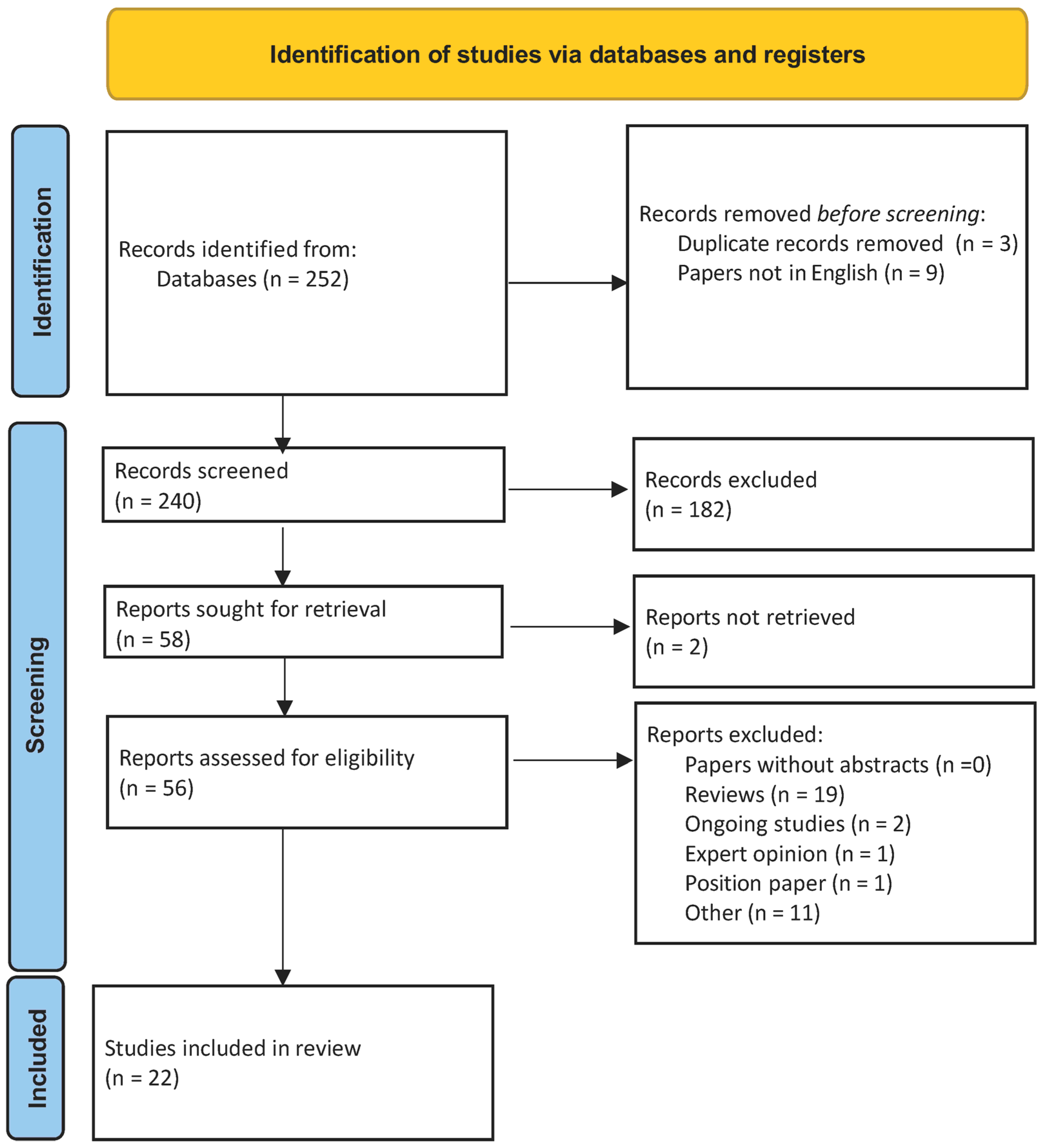
2. Materials and Methods
3. Results
4. Discussion
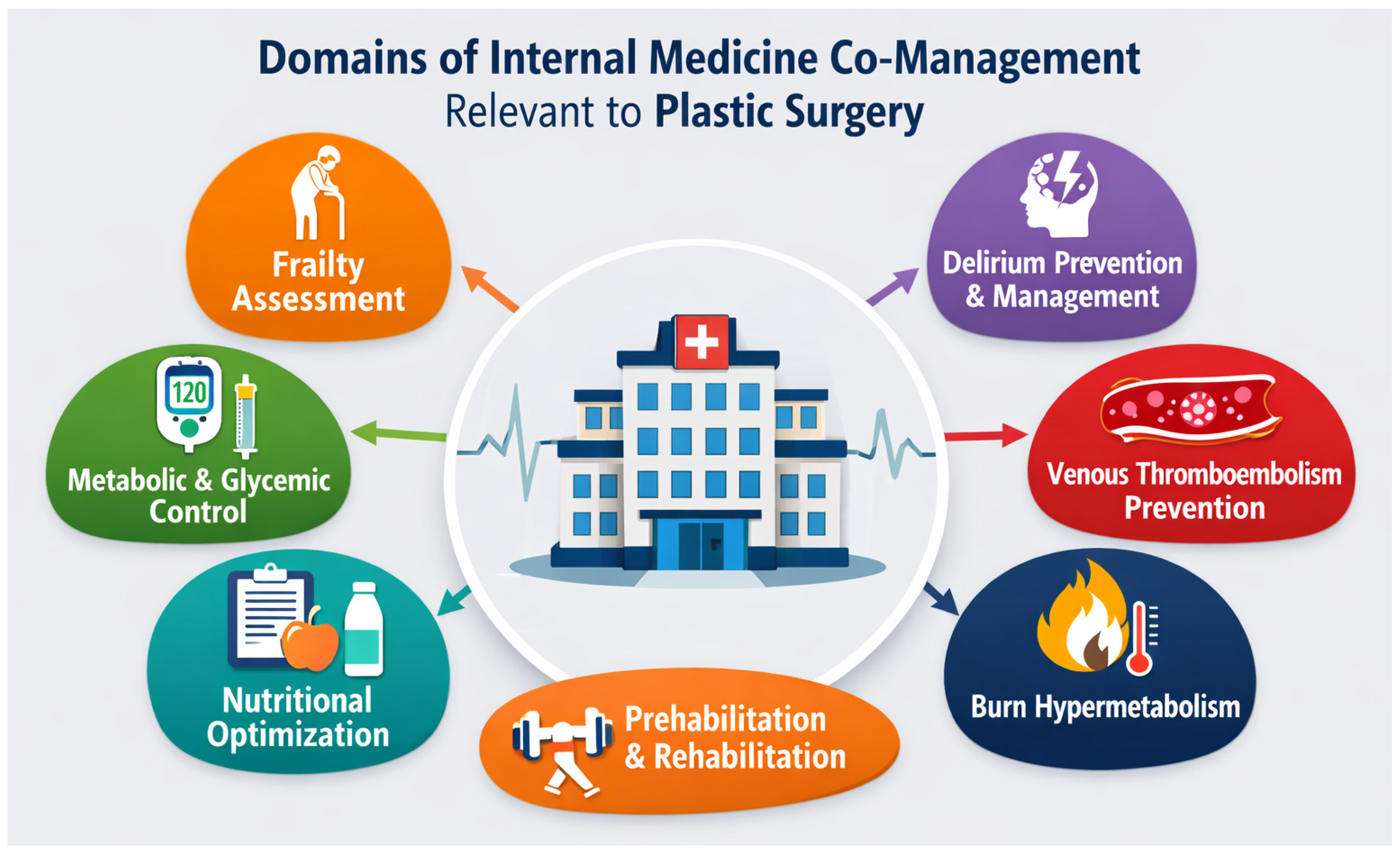
4.1. Increasing Medical Complexity in Modern Surgical Populations
4.2. Orthopedic Surgery as a Precedent for Co-Management Models
4.3. Multidisciplinary Integration and Extension of Orthogeriatric Models
4.4. Postoperative Delirium as a Target of Co-Management
4.5. Thromboembolic Risk in Plastic and Reconstructive Surgery
4.6. Metabolic Dysregulation and Wound Healing
4.7. Nutritional Management and Burn Care
4.8. Prehabilitation and Rehabilitation Pathways
4.9. Evidence from Other Surgical Specialties and Patient Selection
5. Proposed Clinical Framework for Internal Medicine Co-Management in Plastic Surgery
5.1. A Tiered Model of Co-Management May Be Considered
- Consultative Model—The IMS provides targeted consultation upon request for specific medical concerns (e.g., uncontrolled diabetes, exacerbation of heart failure, and anticoagulation management).
- Shared-Care Model—The IMS and plastic surgeons conduct joint rounds in high-risk patients, sharing responsibility for medical management and pharmacologic adjustments.
- Integrated Perioperative Model—IMS involvement commences preoperatively, including risk stratification, medication reconciliation, and metabolic optimization, and continues through postoperative monitoring and discharge planning.
5.2. Practical Clinical Scenarios in Plastic Surgery
5.3. Organizational and Implementation Considerations
- Explicit criteria for patient referral or automatic activation of co-management
- Clearly delineated responsibilities regarding prescribing authority and shared orders
- Structured communication pathways between teams
- Outcome-monitoring systems, including complication rates, readmissions, and duration of hospitalization
6. Limitations and Future Directions
7. Conclusions
Supplementary Materials
Author Contributions
Funding
Informed Consent Statement
Data Availability Statement
Conflicts of Interest
Abbreviations
| IMS | Internal Medicine Specialists |
| IM | Internal Medicine |
| ICU | Intensive Care Unit |
| LoS | Length of Hospital Stay |
| TTS | Time to Surgery |
| VTE | Venous Thromboembolism |
| MDA | Multidimensional Assessment |
| AHRQ | Agency for Healthcare Research and Quality |
| ENT | Ear–Nose–Throat Surgery |
| PHS | Perioperative Hospitalist Service |
| PSM | Post-Sternotomy Mediastinitis |
| SCM | Surgical Co-management |
| SSD | Subsyndromal Delirium |
References
- Tan, Y.Y.; Liaw, F.; Warner, R.; Myers, S.; Ghanem, A. Enhanced Recovery Pathways for Flap-Based Reconstruction: Systematic Review and Meta-Analysis. Aesthetic Plast. Surg. 2021, 45, 2096–2115. [Google Scholar] [CrossRef] [Scilit]
- De Vincentis, A.; Behr, A.U.; Bellelli, G.; Bravi, M.; Castaldo, A.; Cricelli, C.; Galluzzo, L.; Iolascon, G.; Maggi, S.; Martini, E.; et al. Management of hip fracture in the older people: Rationale and design of the Italian consensus on the orthogeriatric co-management. Aging Clin. Exp. Res. 2020, 32, 1393–1399. [Google Scholar] [CrossRef] [Scilit]
- Vitiello, R.; Bellieni, A.; Oliva, M.S.; Di Capua, B.; Fusco, D.; Careri, S.; Colloca, G.F.; Perisano, C.; Maccauro, G.; Lillo, M. The importance of geriatric and surgical co- management of elderly in muscoloskeletal oncology: A literature review. Orthop. Rev. 2020, 12, 8662. [Google Scholar] [CrossRef] [Scilit] [PubMed]
- Van Grootven, B.; Mendelson, D.A.; Deschodt, M. Impact of geriatric co-management programmes on outcomes in older surgical patients: Update of recent evidence. Curr. Opin. Anaesthesiol. 2020, 33, 114–121. [Google Scholar] [CrossRef] [Scilit]
- Montero Ruiz, E.; Rebollar Merino, Á.; Rivera Rodríguez, T.; García Sánchez, M.; Agudo Alonso, R.; Barbero Allende, J.M. Effect of comanagement with internal medicine on hospital stay of patients admitted to the Service of Otolaryngology. Acta Otorrinolaringol. Esp. 2015, 66, 264–268. [Google Scholar] [CrossRef] [Scilit]
- Fernández-de-Velasco, D.; Villamor-Jiménez, C.; Carnero-Alcázar, M.; Sánchez-Del-Hoyo, R.; Pérez-Camargo, D.; Montero-Cruces, L.; Torres-Maestro, B.; Giraldo, M.A.; Reguillo-Lacruz, F.J.; Campelos-Fernández, P.; et al. Co-Management Reduces Mortality in Post-Sternotomy Mediastinitis. Surg. Infect. 2022, 23, 873–879. [Google Scholar] [CrossRef] [Scilit]
- Giannotti, C.; Massobrio, A.; Carmisciano, L.; Signori, A.; Napolitano, A.; Pertile, D.; Soriero, D.; Muzyka, M.; Tagliafico, L.; Casabella, A.; et al. Effect of Geriatric Comanagement in Older Patients Undergoing Surgery for Gastrointestinal Cancer: A Retrospective, Before-and-After Study. J. Am. Med. Dir. Assoc. 2022, 23, 1868.e9–1868.e16. [Google Scholar] [CrossRef] [Scilit]
- Shahrokni, A.; Tin, A.L.; Sarraf, S.; Alexander, K.; Sun, S.; Kim, S.J.; McMillan, S.; Yulico, H.; Amirnia, F.; Downey, R.J.; et al. Association of Geriatric Comanagement and 90-Day Postoperative Mortality Among Patients Aged 75Years and Older With Cancer. JAMA Netw. Open 2020, 3, E209265. [Google Scholar] [CrossRef] [Scilit] [PubMed]
- Thillainadesan, J.; Aitken, S.J.; Monaro, S.R.; Cullen, J.S.; Kerdic, R.; Hilmer, S.N.; Naganathan, V. Geriatric Comanagement of Older Vascular Surgery Inpatients Reduces Hospital-Acquired Geriatric Syndromes. J. Am. Med. Dir. Assoc. 2022, 23, 589–595.e6. [Google Scholar] [CrossRef] [Scilit] [PubMed]
- Iberti, C.T.; Briones, A.; Gabriel, E.; Dunn, A.S. Hospitalist-vascular surgery comanagement: Effects on complications and mortality. Hosp. Pract. 2016, 44, 233–236. [Google Scholar] [CrossRef] [Scilit] [PubMed]
- McMillan, S.; Kim, S.J.; Tin, A.L.; Downey, R.J.; Vickers, A.J.; Korc-Grodzicki, B.; Shahrokni, A. Association of frailty with 90-day postoperative mortality & geriatric comanagement among older adults with cancer. Eur. J. Surg. Oncol. 2020, 48, 903–908. [Google Scholar]
- Mudge, A.M.; McRae, P.; Donovan, P.J.; Reade, M.C. Multidisciplinary quality improvement programme for older patients admitted to a vascular surgery ward. Intern. Med. J. 2020, 50, 741–748. [Google Scholar] [CrossRef] [Scilit]
- Roberts, H.J.; Rogers, S.E.; Ward, D.T.; Kandemir, U. Protocol-based interdisciplinary co-management for hip fracture care: 3 years of experience at an academic medical center. Arch. Orthop. Trauma. Surg. 2022, 142, 1491–1497. [Google Scholar] [CrossRef] [Scilit]
- Pollmann, C.T.; Mellingsæter, M.R.; Neerland, B.E.; Straume-Næsheim, T.; Årøen, A.; Watne, L.O. Orthogeriatric co-management reduces incidence of delirium in hip fracture patients. Osteoporos. Int. 2021, 32, 2225–2233. [Google Scholar] [CrossRef] [Scilit] [PubMed]
- Bellas, N.; Stohler, S.; Staff, I.; Majk, K.; Lewis, C.; Davis, S.; Kumar, M. Impact of Preoperative Specialty Consults on Hospitalist Comanagement of Hip Fracture Patients. J. Hosp. Med. 2020, 15, 16–21. [Google Scholar] [CrossRef] [Scilit] [PubMed]
- Tadros, R.O.; Faries, P.L.; Malik, R.; Vouyouka, A.G.; Ting, W.; Dunn, A.; Marin, M.L.; Briones, A. The effect of a hospitalist comanagement service on vascular surgery inpatients. J. Vasc. Surg. 2015, 61, 1550–1555. [Google Scholar] [CrossRef] [Scilit]
- Tsunemitsu, A.; Tsutsumi, T.; Inokuma, S.; Imanaka, Y. Effects of hospitalist co- management for hip fractures. J. Orthop. Sci. 2024, 29, 278–285. [Google Scholar] [CrossRef] [Scilit]
- Kim, E.S.; Ohn, J.H.; Lim, Y.; Lee, J.; Kim, H.W.; Kim, S.-W.; Ryu, J.; Park, H.-S.; Cho, J.H.; Oh, J.J.; et al. Effect of Active Surgical Co-Management by Medical Hospitalists in Urology Inpatient Care: A Retrospective Cohort Study. Yonsei Med. J. 2023, 64, 558–565. [Google Scholar] [CrossRef] [Scilit]
- Fitzgerald, S.J.; Palmer, T.C.; Kraay, M.J. Improved Perioperative Care of Elective Joint Replacement Patients: The Impact of an Orthopedic Perioperative Hospitalist. J. Arthroplast. 2018, 33, 2387–2391. [Google Scholar] [CrossRef] [Scilit] [PubMed]
- De Bueck, U.; Kohlhof, H.; Wirtz, D.C.; Lukas, A. Effects of an Integrated Geriatric-Orthopedic Co-management (InGerO) on the Treatment of Older Orthopedic Patients with Native and Periprosthetic Joint Infections. Z. Orthop. Unf. 2024, 162, 272–282. [Google Scholar]
- Marchán-López, Á.; Lora-Tamayo, J.; de la Calle, C.; Roldán, L.J.; Gómez, L.M.M.; de la Fuente, I.S.; Fernández, M.C.; Lagares, A.; Lumbreras, C.; Reyne, A.G. Impact of a Hospitalist Co-Management Program on Medical Complications and Length of Stay in Neurosurgical Patients. Jt. Comm. J. Qual. Patient Saf. 2024, 50, 318–325. [Google Scholar] [CrossRef] [Scilit]
- Stier, G.; Ramsingh, D.; Raval, R.; Shih, G.; Halverson, B.; Austin, B.; Soo, J.; Ruckle, H.; Martin, R. Anesthesiologists as perioperative hospitalists and outcomes in patients undergoing major urologic surgery: A historical prospective, comparative effectiveness study. Perioper. Med. 2018, 7, 13. [Google Scholar] [CrossRef] [Scilit]
- Dufour, H.; Rousseau-Ventos, D. Optimizing medical postoperative care: Role of the hospitalist in a department of adult neurosurgery. Prospective comparativeobservational study. Neurochirurgie 2020, 66, 16–23. [Google Scholar] [CrossRef] [Scilit]
- Qato, K.; Ilyas, N.; Bahroloomi, D.; Conway, A.; Pamoukian, V.; Carroccio, A.; Giangola, G. Hospitalist Co-Management of a Vascular Surgery Service Improves Quality Outcomes and Reduces Cost. Ann. Vasc. Surg. 2022, 80, 12–17. [Google Scholar] [CrossRef] [Scilit]
- Adogwa, O.; Elsamadicy, A.A.; Vuong, V.D.; Moreno, J.; Cheng, J.; Karikari, I.O.; Bagley, C.A. Geriatric comanagement reduces perioperative complications and shortens duration of hospital stay after lumbar spine surgery: A prospective single- institution experience. J. Neurosurg. Spine 2017, 27, 670–675. [Google Scholar] [CrossRef] [Scilit]
- Gosch, M.; Hoffmann-Weltin, Y.; Roth, T.; Blauth, M.; Nicholas, J.A.; Kammerlander, C. Orthogeriatric co-management improves the outcome of long-term care residents with fragility fractures. Arch. Orthop. Trauma. Surg. 2016, 136, 1403–1409. [Google Scholar] [CrossRef] [Scilit]
- Antonelli, I.R.; Gemma, A.; Capparella, O. Orthogeriatric Unit: A thinking process and a working model. Aging Clin. Exp. Res 2008, 20, 109–112. [Google Scholar]
- Pioli, G.; Giusti, A.; Barone, A. Orthogeriatric care for thee lderly with hip fractures: Where are we? Aging Clin. Exp. Res. 2008, 20, 113–122. [Google Scholar] [CrossRef] [Scilit] [PubMed]
- Frondin, C.; Lunardelli, M.L. Ortogeriatria un modello di assistenza ai pazienti anziani con frattura di femore. Ital. J. Med. 2010, 4, 105–110. [Google Scholar] [CrossRef] [Scilit]
- Aw, D.; Sahota, O. Orthogeriatrics Moving Forward Age and Ageing. Age Ageing 2014, 43, 301–305. [Google Scholar] [CrossRef] [Scilit]
- Shenning, K.; Deiner, G. Post operative delirium in geriatric patient. Anestesiol. Clin. 2015, 33, 505–516. [Google Scholar] [CrossRef] [Scilit] [PubMed]
- Kazmierski, J.; Kowman, M.; Banach, M.; Fendler, W.; Okonski, P.; Banys, A.; Jaszewski, R.; Rysz, J.; Sobow, T.; Kloszewska, I. The use of DSM-IV and ICD-10 criteria and diagnostic scales for delirium among cardiac surgery patients: Results from the IPDACS study. J. Neuropsychiatry Clin. Neurosci. 2010, 22, 426–432. [Google Scholar] [CrossRef]
- van der Mast, R.C.; Roest, F.H. Delirium after cardiac surgery: A critical review. J. Psychosom. Res. 1996, 41, 13–30. [Google Scholar] [CrossRef] [Scilit]
- Taxis, J.; Spoerl, S.; Broszio, A.; Eichberger, J.; Grau, E.; Schuderer, J.; Ludwig, N.; Gottsauner, M.; Spanier, G.; Bundscherer, A.; et al. Postoperative Delirium after Reconstructive Surgery in the Head and Neck Region. J. Clin. Med. 2022, 11, 6630. [Google Scholar] [CrossRef] [Scilit] [PubMed]
- Ishibashi-Kanno, N.; Takaoka, S.; Nagai, H. Postoperative delirium after reconstructive surgery for oral tumor: A retrospective clinical study. Int. J. Oral Maxillofac. Surg. 2020, 49, 1143–1148. [Google Scholar] [CrossRef] [Scilit]
- Kuwahara, M.; Yurugi, S.; Mashiba, K.; Iioka, H.; Niitsuma, K.; Noda, T. Postoperative delirium in plastic or dermatologic surgery. Eur. J. Plast. Surg. 2008, 31, 171–174. [Google Scholar] [CrossRef] [Scilit]
- American Psychiatric Association. Diagnostic and Statistical Manual of Mental Disorders; American Psychiatric Association: Arlington, VA, USA, 2013. [Google Scholar]
- Ely, E.W.; Margolin, R.; Francis, J.; May, L.R.; Truman, B.R.; Dittus, R.; Speroff, T.; Gautam, S.; Bernard, G.R.; Inouye, S.K. Evaluation of delirium in critically ill patients: Validation of the Confusion Assessment Method for the Intensive Care Unit (CAM- ICU). Crit. Care Med. 2001, 29, 1370–1379. [Google Scholar] [CrossRef] [Scilit]
- Albert, M.S.; Levkoff, S.E.; Reilly, C.; Liptzin, B.; Pilgrim, D.; Cleary, P.D.; Evans, D.; Rowe, J.W. The delirium symptom interview: An interview for the detection of delirium symptoms in hospitalized patients. J. Geriatr. Psychiatry Neurol. 1992, 5, 14–21. [Google Scholar] [CrossRef] [Scilit]
- Maldonado, J.R. Neuropathogenesis of delirium: Review of current etiologic theories and common pathways. Am. J. Geriatr. Psychiatry 2013, 21, 1190–1222. [Google Scholar] [CrossRef] [Scilit]
- Cerejeira, J.; Firmino, H.; Vaz-Serra, A.; Mukaetova-Ladinska, E.B. The neuroin-flammatory hypothesis of delirium. Acta Neuropathol. 2010, 119, 737–754. [Google Scholar] [CrossRef] [Scilit] [PubMed]
- DeVito, R.G.; Craft, L.; Campbell, C.A.; Stranix, J.T. Optimizing perioperative outcomes in autologous breast reconstruction. Gland Surg. 2023, 12, 508–515. [Google Scholar] [CrossRef] [Scilit] [PubMed] [PubMed Central]
- Desborough, J.P. The stress response to trauma and surgery. Br. J. Anaesth. 2000, 85, 109–117. [Google Scholar] [CrossRef] [Scilit]
- Young, L.H.; Wackers, F.J.T.; Chyun, D.A.; Davey, J.A.; Barrett, E.J.; Taillefer, R.; Heller, G.V.; Iskandrian, A.E.; Wittlin, S.D.; Filipchuk, N.; et al. DIAD Investigators. Cardiac outcomes after screening for asymptomatic coronary artery disease in patients with type 2 diabetes: The DIAD study: A randomized controlled trial. JAMA 2009, 301, 1547–1555. [Google Scholar] [CrossRef] [Scilit]
- Douketis, J.D.; Spyropoulos, A.C.; Spencer, F.A.; Mayr, M.; Jaffer, A.K.; Eckman, M.H.; Dunn, A.S.; Kunz, R. Perioperative management of antithrombotic therapy: Antithrombotic Therapy and Prevention of Thrombosis, 9th ed: American College of Chest Physicians Evidence-Based Clinical Practice Guidelines. Chest 2012, 141, e326S–e350S. [Google Scholar] [CrossRef] [Scilit] [PubMed]
- Dhatariya, K.; Levy, N.; Kilvert, A.; Watson, B.; Cousins, D.; Flanagan, D.; Hilton, L.; Jairam, C.; Leyden, K.; Lipp, A.; et al. NHS Diabetes guideline for the perioperative management of the adult patient with diabetes. Diabet. Med. 2012, 29, 420–433. [Google Scholar] [CrossRef] [Scilit]
- Barker, P.; Creasey, P.E.; Dhatariya, K.; Levy, N.; Lipp, A.; Nathanson, M.H.; Penfold, N.; Watson, B.; Woodcock, T. Peri-operative management of the surgical patient with diabetes. Anaesthesia 2015, 70, 1427–1440. [Google Scholar] [PubMed]
- Kjærgaard, K.; Wheler, J.; Dihge, L.; Christiansen, P.; Borgquist, S.; Cronin-Fenton, D. Impact of type 2 diabetes on complications after primary breast cancer surgery: Danish population-based cohort study. Br. J. Surg. 2024, 111, znae072. [Google Scholar] [CrossRef] [Scilit] [PubMed] [PubMed Central]
- Braga, M.; Ljungqvist, O.; Soeters, P.; Fearon, K.; Weimann, A.; Bozzetti, F. ESPEN Guidelines on parenteral nutrition: Surgery. Clin. Nutr. 2009, 28, 378–386. [Google Scholar] [CrossRef] [Scilit]
- Clark, A.; Imran, J.; Madni, T.; Wolf, S.E. Nutrition and metabolism in burn patients. Burn. Trauma. 2017, 5, 11. [Google Scholar] [CrossRef] [Scilit] [PubMed]
- Fiser, C.; Crystal, J.S.; Tevis, S.E.; Kesmodel, S.; E Rojas, K. Treatment and Survivorship Interventions to Prevent Poor Body Image Outcomes in Breast Cancer Survivors. Breast Cancer 2021, 13, 701–709. [Google Scholar] [CrossRef] [Scilit]
- Yang, A.; Sokolof, J.; Gulati, A. The effect of preoperative exercise on upper extremity recovery following breast cancer surgery: A systematic review. Int. J. Rehabil. Res. 2018, 41, 189–196. [Google Scholar] [CrossRef] [Scilit]
- Toohey, K.; Hunter, M.; McKinnon, K.; Casey, T.; Turner, M.; Taylor, S.; Paterson, C. A systematic review of multimodal prehabilitation in breast cancer. Breast Cancer Res. Treat. 2023, 197, 1–37. [Google Scholar] [CrossRef] [Scilit]
- Doganay, E.; Moorthy, K. Prehabilitation for esophagectomy. J. Thorac. Dis. 2019, 11, S632–S638. [Google Scholar] [CrossRef] [Scilit] [PubMed]
- Hijazi, Y.; Gondal, U.; Aziz, O. A systematic review of prehabilitation programs in abdominal cancer surgery. Int. J. Surg. 2017, 39, 156–162. [Google Scholar] [CrossRef] [Scilit]
- Loewen, I.; Jeffery, C.C.; Rieger, J.; Constantinescu, G. Prehabilitation in head and neck cancer patients: A literature review. J. Otolaryngol. Head Neck Surg. 2021, 50, 2. [Google Scholar] [CrossRef] [Scilit]
- Schneider, S.; Armbrust, R.; Spies, C.; du Bois, A.; Sehouli, J. Prehabilitation programs and ERAS protocols in gynecological oncology: A comprehensive review. Arch. Gynecol. Obstet. 2020, 301, 315–326. [Google Scholar] [CrossRef] [Scilit]
- Sykes, K.J.; Gibbs, H.; Farrokhian, N.; Arthur, A.; Flynn, J.; Shnayder, Y.; Kakarala, K.; Nallani, R.; Smith, J.B.; Penn, J.; et al. Pilot randomized, controlled, preoperative intervention for nutrition trial in head and neck cancer. Head Neck 2023, 45, 156–166. [Google Scholar] [CrossRef] [Scilit] [PubMed]
- Palackic, A.; Suman, O.E.; Porter, C.; Murton, A.J.; Crandall, C.G.; Rivas, E. Rehabilitative Exercise Training for Burn Injury. Sports Med. 2021, 51, 2469–2482. [Google Scholar] [CrossRef] [Scilit] [PubMed] [PubMed Central]
- de Sire, A.; Losco, L.; Lippi, L.; Spadoni, D.; Kaciulyte, J.; Sert, G.; Ciamarra, P.; Marcasciano, M.; Cuomo, R.; Bolletta, A.; et al. Surgical Treatment and Rehabilitation Strategies for Upper and Lower Extremity Lymphedema: A Comprehensive Review. Medicina 2022, 58, 954. [Google Scholar] [CrossRef] [Scilit] [PubMed] [PubMed Central]
- Gianesini, S.; Tessari, M.; Bacciglieri, P.; Malagoni, A.M.; Menegatti, E.; Occhionorelli, S.; Basaglia, N.; Zamboni, P. A specifically designed aquatic exercise protocol to reduce chronic lower limb edema. Phlebology 2017, 32, 594–600. [Google Scholar] [CrossRef] [Scilit]
- Szolnoky, G.; Tuczai, M.; Macdonald, J.M.; Dosa-Racz, E.; Barsony, K.; Balogh, M.; Szabad, G.; Dobozy, A.; Kemeny, L. Adjunctive role of manual lymph drainage in the healing of venous ulcers: A comparative pilot study. Lymphology 2018, 51, 148–159. [Google Scholar]
- Brix, B.; Apich, G.; Rössler, A.; Walbrodt, S.; Goswami, N. Effects of physical therapy on hyaluronan clearance and volume regulating hormones in lower limb lymphedema patients: A pilot study. Sci. Prog. 2021, 104, 36850421998485. [Google Scholar] [CrossRef] [Scilit]
- Fernández-Guarino, M.; Bacci, S.; Pérez González, L.A.; Bermejo-Martínez, M.; Cecilia-Matilla, A.; Hernández-Bule, M.L. The Role of Physical Therapies in Wound Healing and Assisted Scarring. Int. J. Mol. Sci. 2023, 24, 7487. [Google Scholar] [CrossRef] [Scilit]
- Finnerty, C.C.; Jeschke, M.G.; Branski, L.K.; Barret, J.P.; Dziewulski, P.; Herndon, D.N. Hypertrophic scarring: The greatest unmet challenge after burn injury. Lancet 2016, 388, 1427–1436. [Google Scholar] [CrossRef] [Scilit] [PubMed]
- Auerbach, A.D.; Watcher, R.; Cheng, Q.; Maselli, J.; McDermott, M.; Vittinghoff, E.; Berger, M.S. Comanagement of Surgical Patients Between Neurosurgeons and Hospitalists. Arch. Intern. Med. 2010, 170, 2004–2010. [Google Scholar] [CrossRef] [Scilit]
- Levin, D.; Glasheen, J.J. Achieving Comanagement’s Potential Requires System Redesign and Hospitalist-Focused Training. Arch. Intern. Med. 2011, 171, 1299–1300. [Google Scholar] [CrossRef] [Scilit]
- Cheng, H.Q. Co-management Hospitalist Services for Neurosurgery. Neurosurg. Clin. N. Am. 2015, 26, 295–300. [Google Scholar] [CrossRef] [Scilit]
- O’Malley, P. Surgical Comanagement: Can We Afford To Do This? Arch. Intern. Med. 2010, 170, 1965. [Google Scholar] [CrossRef] [Scilit]
- Watcher, B. Hospitalist Co-Management of Neurosurgery Patients: The Inside Story of a Winning Intervention. Watcher’s World, 23 December 2010. Available online: https://blog.hospitalmedicine.org/hospitalist-co-management-of-neurosurgery-patients-the-inside-story-of-a-winning-intervention/ (accessed on 4 March 2026).
- Watcher, R.M. Hospitalist Workload. The Search for the Magic Number. JAMA Intern. Med. 2014, 174, 794–795. [Google Scholar] [CrossRef] [Scilit] [PubMed]
- Gesensway, D. Neurosurgery: The last comanagement frontier. Today’s Hospitalist, December 2010. Available online: https://todayshospitalist.com/neurosurgery-the-last-comanagement-frontier/ (accessed on 4 March 2026).
- Genther, D.; Gourin, C.G. Effect of comorbidity on short- term outcomes and cost of care after head and neck cancer surgery in the elderly. Head Neck 2015, 37, 685–693. [Google Scholar] [CrossRef] [Scilit] [PubMed]
- Makary, M.A.; Segev, D.L.; Pronovost, P.J.; Syin, D.; Bandeen-Roche, K.; Patel, P.; Takenaga, R.; Devgan, L.; Holzmueller, C.G.; Tian, J.; et al. Frailty as a predictor of surgical outcomes in older patients. J. Am. Coll. Surg. 2010, 210, 901–908. [Google Scholar] [CrossRef] [Scilit] [PubMed]
- Turner, G.; Clegg, A. Best practice guidelines for the management of frailty: A British Geriatrics Society, Age UK and Royal College of General Practitioners report. Age Ageing 2014, 43, 744–747. [Google Scholar] [CrossRef] [Scilit]
- Stuck, A.J.; Hegger, M.; Hammer, A.; Minder, C.E.; Beck, J.C. Home visits to pre-vent nursing home admissions and functional decline in elderly people: Systematic review and meta-regression analysis. J. Amer Med. Assoc. 2002, 287, 1022–1028. [Google Scholar] [CrossRef] [Scilit]
- Pilotto, A.; Ferrucci, L.; Franceschi, M.; D’AMbrosio, L.P.; Scarcelli, C.; Cascavilla, L.; Paris, F.; Placentino, G.; Seripa, D.; Dallapiccola, B.; et al. Development and validation of a multidimensional prognostic index for one-year mortality from comprehensive geriatric assessment in hospitalized older patients. Rejuvenation Res. 2008, 11, 151–161. [Google Scholar] [CrossRef] [Scilit] [PubMed]
- Page, M.J.; McKenzie, J.E.; Bossuyt, P.M.; Boutron, I.; Hoffmann, T.C.; Mulrow, C.D.; Shamseer, L.; Tetzlaff, J.M.; Akl, E.A.; Brennan, S.E.; et al. The PRISMA 2020 statement: An updated guideline for reporting systematic reviews. BMJ 2021, 372, n71. [Google Scholar] [CrossRef] [Scilit] [PubMed]



| Authors | Year | St | N. of Patients | Specialty | Outcome | Results |
|---|---|---|---|---|---|---|
| Montero Ruiz E et al. [5] | 2014 | Retrospective Observational Study | 1629 | ENT | Mortality, hospital stay length, and costs | Reduced LoS and costs |
| Fernández-de-Velasco D et al. [6] | 2022 | Observational retrospective cohort study | 91 | Cardiac Surgery (Post-sternotomy mediastinitis treatment with multidisciplinary management) | Impact of the co-management model of care vs. the standard model in patients diagnosed with PSM: survival time and treatment failure rate | A co-management care model reduced overall mortality in patients diagnosed with post-sternotomy mediastinitis |
| Giannotti C et al. [7] | 2022 | Single-center, nonrandomized, before-and-after study, | 207 (107 control group; 90 co-management group) | Urology | Significant reduction in grade I-V complications and in 1-year readmissions in the co-management group; no difference in terms of 1-year mortality | |
| Shahrokni A et al. [8] | 2020 | Retrospective cohort study | 1892 undergoing surgical treatment for cancer (872 control group; 1020 co-management group) | Oncologic Surgery | 90-day mortality; adverse surgical outcomes | Geriatric comanaged patients were associated with significantly lower 90-day postoperative mortality; adverse surgical events were not significantly different between groups |
| Thillainadesan J et al. [9] | 2022 | Monocentric pre-post study co-management intervention | 302 (150 patients in the preintervention group and 152 patients in the postintervention group) | Vascular Surgery | Hospital-acquired geriatric syndromes, delirium, and LoS | Significant reductions in hospital-acquired geriatric syndromes (delirium and cardiac and infective complications) after implementing geriatric co-management; LoS unchanged |
| Iberti C T et al. [10] | 2016 | Monocentric pre-post study | Vascular Surgery | In-hospital mortality, length of stay, 30-day readmission rate, pain scores, and patient safety metrics | After two years of implementation, the co-management service reduced complications, mortality, and pain scores among high-risk vascular surgery patients | |
| McMillan S [11] | 2021 | Monocentric observational | 1687 (931 co-managed patients) | Oncologic Surgery | Mortality | Geriatric co-management was associated with lower 90-day postoperative mortality regardless of the degree of frailty |
| Mudge AM [12] | 2020 | Monocentric prospective pre-post intervention | 235 surgical patients (112 pre-intervention 123 post-intervention) | Vascular Surgery | Primary: LoS, delirium, and functional decline. Secondary: medical complications and discharge destination. | In the post-intervention group, LoS reduction significantly reduced, with associated non-significant delirium and functional decline reduction |
| Roberts HJ et al. [13] | 2022 | Monocentric, retrospective pre- and post-co-management intervention | 517 surgical patients (313 pre-intervention, 204 post-intervention) | Orthopedic Surgery (hip surgery) | Mortality, readmission rate, hospital-stay length, and surgical management time | Significant reduction in time from admission to surgical management and in LoS. The percentage of patients whose surgeries were performed under spinal anesthesia increased. No difference in 90-day readmission rate or mortality at 30 days, 90 days, or 1 year between groups. |
| Pollmann CT et al. [14] | 2021 | Single-center, prospective observational study | Usual care group: n = 94; orthogeriatric group: n = 103 | Orthopedic Surgery | No delirium/SSD/delirium | Odds ratio for the development of SSD/delirium was lower in the orthogeriatric group |
| Bellas N et al. [15] | 2020 | Single-center, retrospective cohort study | 491 surgical patients of whom 177 were comanaged | Orthopedic Surgery (hip surgery) | TTS, LoS, and postoperative complications | Majority of preoperative specialty consults did not meaningfully influence management and may have potentially increased morbidity by delaying surgery |
| Tadros RO et al. [16] | 2015 | Monocentric, retrospective pre- and post-co-management intervention | 517 surgical patients (515 pre-intervention, 544 post-intervention) | Vascular Surgery | Mortality, patient safety, pain | Significant decrease in in-hospital mortality rates, patient safety, as measured by AHRQ, and improved pain scores. Resident surveys demonstrated perceived improvement in patient care and education |
| Tsunemitsu A et al. [17] | 2024 | Single-center retrospective cohort study | Conventional group: 332 patients; the co-management group: 418 patients | Orthopedic Surgery (hip surgery) | Co-management significantly reduced time to surgery and improved adherence to osteoporosis treatment and deep vein thrombosis prophylaxis guidelines, while length of stay, complications, and 30-day readmission rates did not differ significantly between groups. | |
| Kim ES et al. [18] | 2023 | Single-center, retrospective cohort study | 525 patients. passive surgical co-management group (n = 205), patients in the active SCM group (n = 320) | Urology | Clinical outcomes and perceptions of patients | Compared with passive SCM, active SCM was associated with a significantly shorter duration of co-management and trends toward shorter urology ward stays and fewer 30-day readmissions, with no differences in ICU transfers, in-hospital mortality, or inpatient care scores. |
| Fitzgerald SJ et al. [19] | 2018 | Monocentric, retrospective pre- and post-co-management intervention | Pre-co-management cohort: 1100 patients; co-management cohort: 1119 patients. | Orthopedic Surgery | LoS, ICU admissions, cases with complications, % mortality, 30-day readmission rate, and Hospital Consumer Assessment of Healthcare Providers and Systems scores | Statistically significant improvements in mean hospital LoS for total knee replacement, percentage of total knee replacement patients discharged home, and percentage of patients discharged home for primary total hip arthroplasty, complication rate, and 30-day readmission rate. |
| De Bueck U et al. [20] | 2024 | Monocentric, retrospective pre- and post-co-management intervention | 59 patients “with” and 63 “without” geriatric co-management | Orthopedic Surgery (Native and Periprosthetic Joint Infections) | Delirium, pain, mobility, postoperative complications, and renal function | In the co-management group, delirium detection was higher, pain at discharge was lower, transfer ability improved more, and renal function was more frequently assessed, suggesting orthogeriatric co-management enhances recognition of medical issues in orthopedic patients. |
| Marchán-López Á et al. [21] | 2024 | Single-center, prospective cohort study | Pre co-management group: 227; co-management group: 475 | Neurosurgery | Complications measured by the Accordion Severity Grading System, in-hospital mortality, and length of stay | Hospitalist co-management was associated with a reduced incidence of complications and length of stay in neurosurgical patients but there was no difference in in-hospital mortality. |
| Stier G et al. [22] | 2018 | Monocentric, retrospective pre- and post-co-management intervention | Pre co-management group: 163; co-management group: 261 | Anesthesiology in surgical settings | Length of stay, complications | Significant reductions in length of stay (p < 0.05) were demonstrated for all surgical procedures. Significant reductions in complication rates and ileus observed |
| Dufour H et al. [23] | 2020 | Monocentric, prospective | 229-patients | Neurosurgery | Hospital stay, complications | Reduction in the rates of complications, requests for specialist opinion, and hospital stay |
| Qato K et al. [24] | 2022 | Monocentric, pre- and post-co-management intervention | 1062 patients, 520 pre-co-management, and 542 post-co-management | Vascular Surgery | Length of stay, complications, mortality | Decreased length of stay, re-admission, and mortality |
| Adogwa O et al. [25] | 2017 | Monocentric, retrospective | 100 cases were retrospectively reviewed after initiation of the co-management protocol; 25 immediately preceding cases | Neurosurgery- lumbar spine surgery | Perioperative complications and clinical outcomes | In the co-managed cohort, the mean length of in-hospital stay and the mean duration of time between surgery and patient mobilization were shorter. In the co-managed cohort, the number of steps ambulated on the day of discharge was 2-fold higher |
| Gosch M et al. [26] | 2016 | Single-center, prospective cohort study | 265 patients | Orthopedic Surgery (fragility fractures) | Mortality and functional outcome | One-year mortality was 29.4% in this cohort, significantly lower than in comparable trials. |
| Specialty | n | % |
|---|---|---|
| Orthopedic surgery | 8 | 36% |
| Vascular surgery | 6 | 27% |
| Neurosurgery | 4 | 18% |
| Oncologic surgery | 3 | 14% |
| Urology | 2 | 9% |
| ENT surgery | 1 | 4.5% |
| Cardiac surgery | 1 | 4.5% |
| Anesthesiology-led perioperative care | 1 | 4.5% |
Disclaimer/Publisher’s Note: The statements, opinions and data contained in all publications are solely those of the individual author(s) and contributor(s) and not of MDPI and/or the editor(s). MDPI and/or the editor(s) disclaim responsibility for any injury to people or property resulting from any ideas, methods, instructions or products referred to in the content. |
© 2026 by the authors. Published by MDPI on behalf of the Lithuanian University of Health Sciences. Licensee MDPI, Basel, Switzerland. This article is an open access article distributed under the terms and conditions of the Creative Commons Attribution (CC BY) license.
Share and Cite
Quaglia, D.; Bocin, E.; Robiony, M.; Alessandri Bonetti, M.; De Francesco, F.; Riccio, M.; Parodi, P.C.; Zingaretti, N. The Role of Internal Medicine or Hospitalist Co-Management in Surgical Specialties: Implications for Adult and Elderly Plastic Surgery Patients. Medicina 2026, 62, 579. https://doi.org/10.3390/medicina62030579
Quaglia D, Bocin E, Robiony M, Alessandri Bonetti M, De Francesco F, Riccio M, Parodi PC, Zingaretti N. The Role of Internal Medicine or Hospitalist Co-Management in Surgical Specialties: Implications for Adult and Elderly Plastic Surgery Patients. Medicina. 2026; 62(3):579. https://doi.org/10.3390/medicina62030579
Chicago/Turabian StyleQuaglia, Davide, Elena Bocin, Massimo Robiony, Mario Alessandri Bonetti, Francesco De Francesco, Michele Riccio, Pier Camillo Parodi, and Nicola Zingaretti. 2026. "The Role of Internal Medicine or Hospitalist Co-Management in Surgical Specialties: Implications for Adult and Elderly Plastic Surgery Patients" Medicina 62, no. 3: 579. https://doi.org/10.3390/medicina62030579
APA StyleQuaglia, D., Bocin, E., Robiony, M., Alessandri Bonetti, M., De Francesco, F., Riccio, M., Parodi, P. C., & Zingaretti, N. (2026). The Role of Internal Medicine or Hospitalist Co-Management in Surgical Specialties: Implications for Adult and Elderly Plastic Surgery Patients. Medicina, 62(3), 579. https://doi.org/10.3390/medicina62030579