Article

Bioactivity-Guided Isolation and Antihypertensive Activity of Citrullus colocynthis Polyphenols in Rats with Genetic Model of Hypertension


by
Neelam Iftikhar
1,
Abdullah Ijaz Hussain
1,2,*,
Tabinda Fatima
3,
Bader Alsuwayt
4 and
Abdullah K. Althaiban
4
1
Natural Product and Synthetic Chemistry Laboratory, Department of Chemistry, Government College University Faisalabad, Faisalabad 38000, Pakistan
2
Central Hi-Tech Laboratory, Government College University Faisalabad, Faisalabad 38000, Pakistan
3
Department of Pharmaceutical Chemistry, College of Pharmacy, University of Hafr Al Batin, Hafar Al Batin 39524, Saudi Arabia
4
Department of Pharmacy Practice, College of Pharmacy, University of Hafr Al Batin, Hafar Al Batin 39524, Saudi Arabia
*
Author to whom correspondence should be addressed.
Medicina 2023, 59(10), 1880; https://doi.org/10.3390/medicina59101880

Submission received: 8 September 2023 / Revised: 10 October 2023 / Accepted: 16 October 2023 / Published: 23 October 2023
(This article belongs to the Section Cardiology)

Abstract

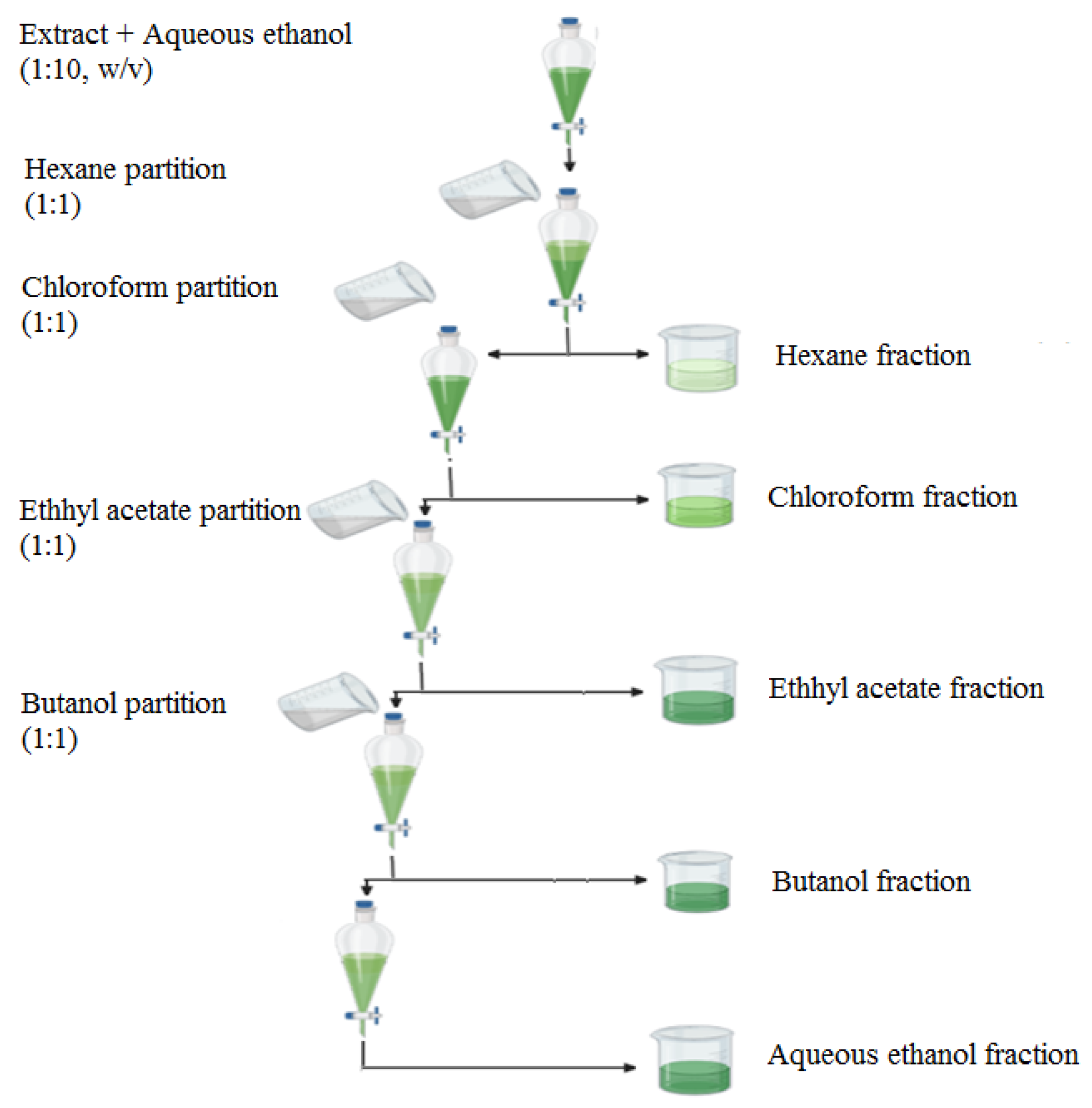
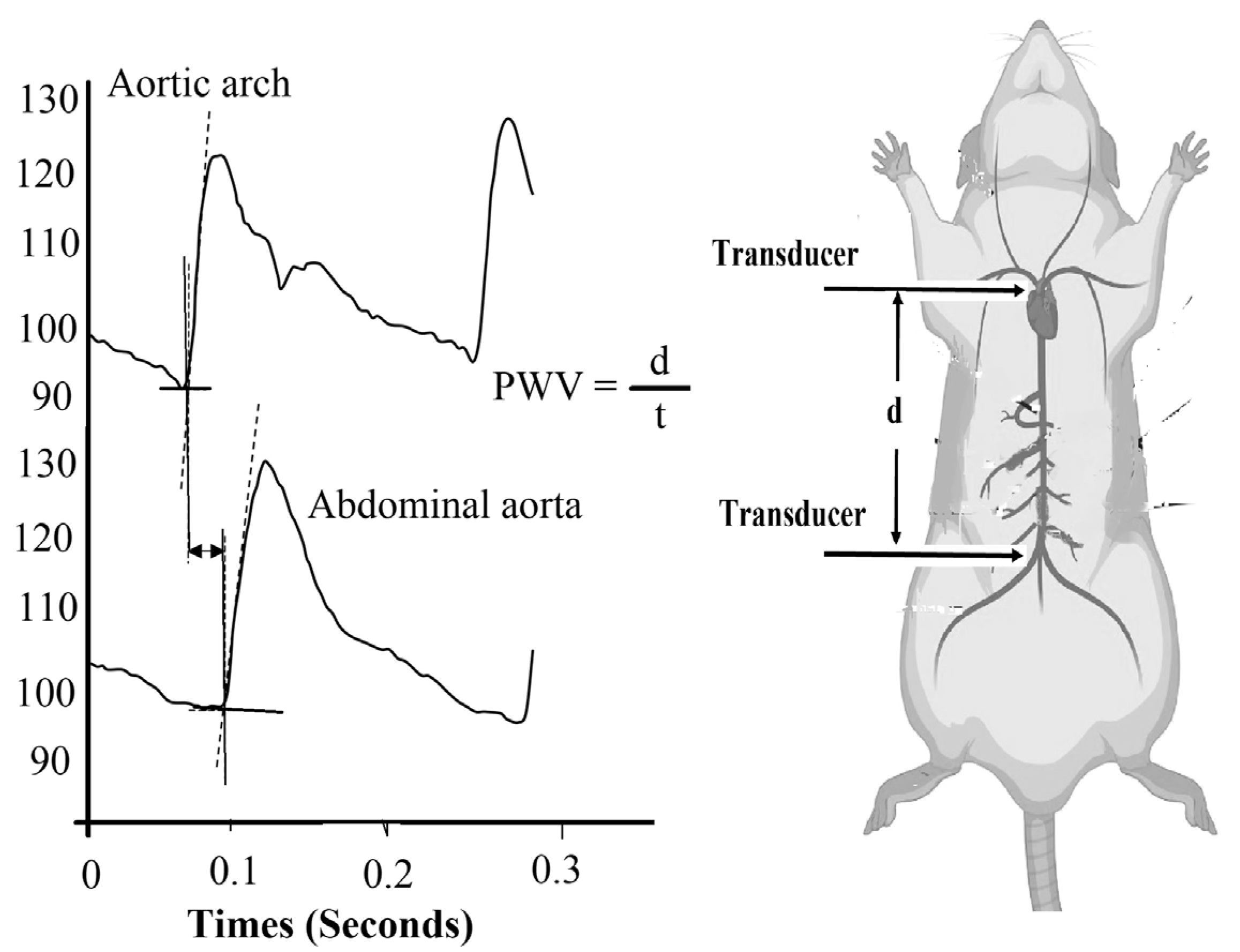
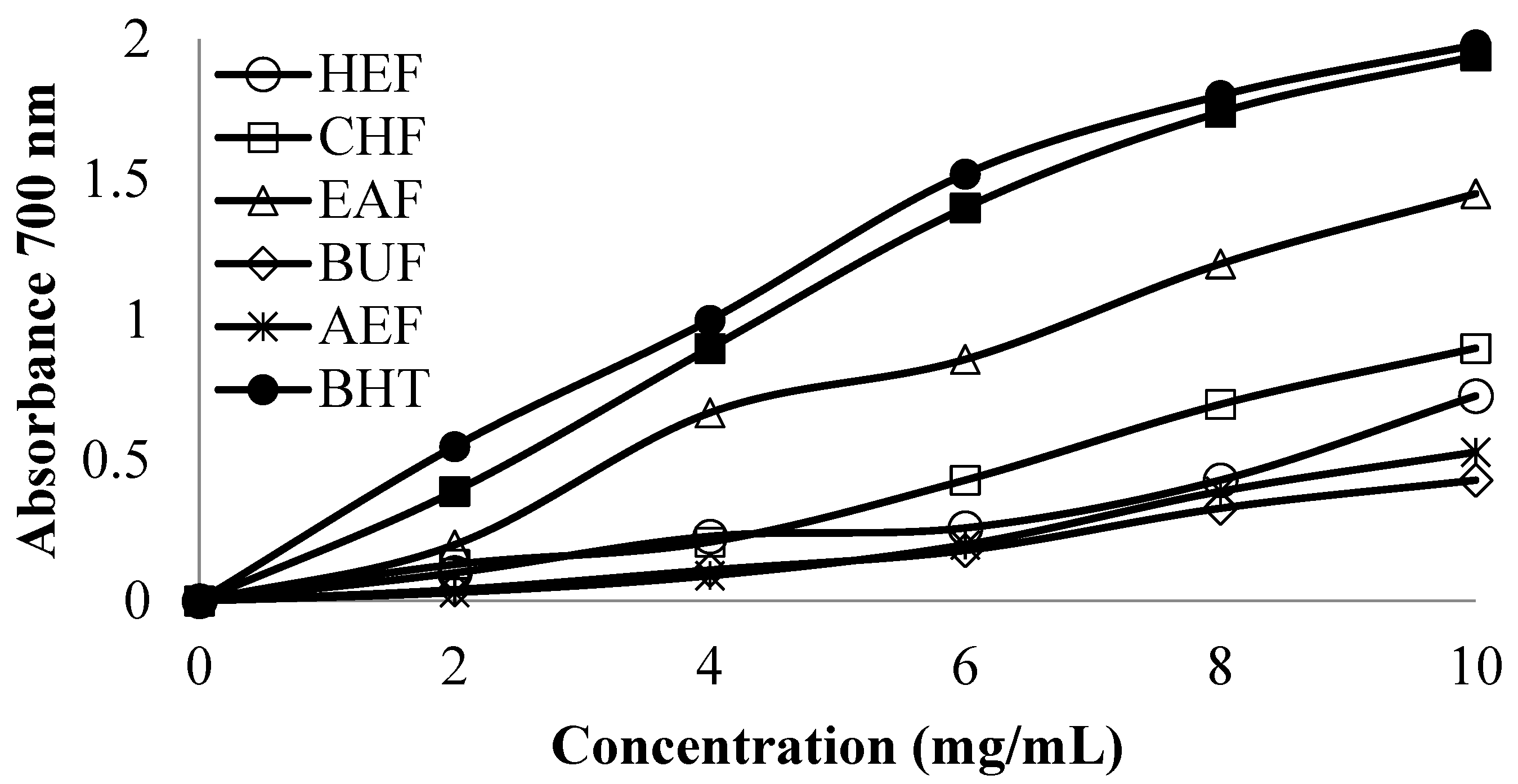
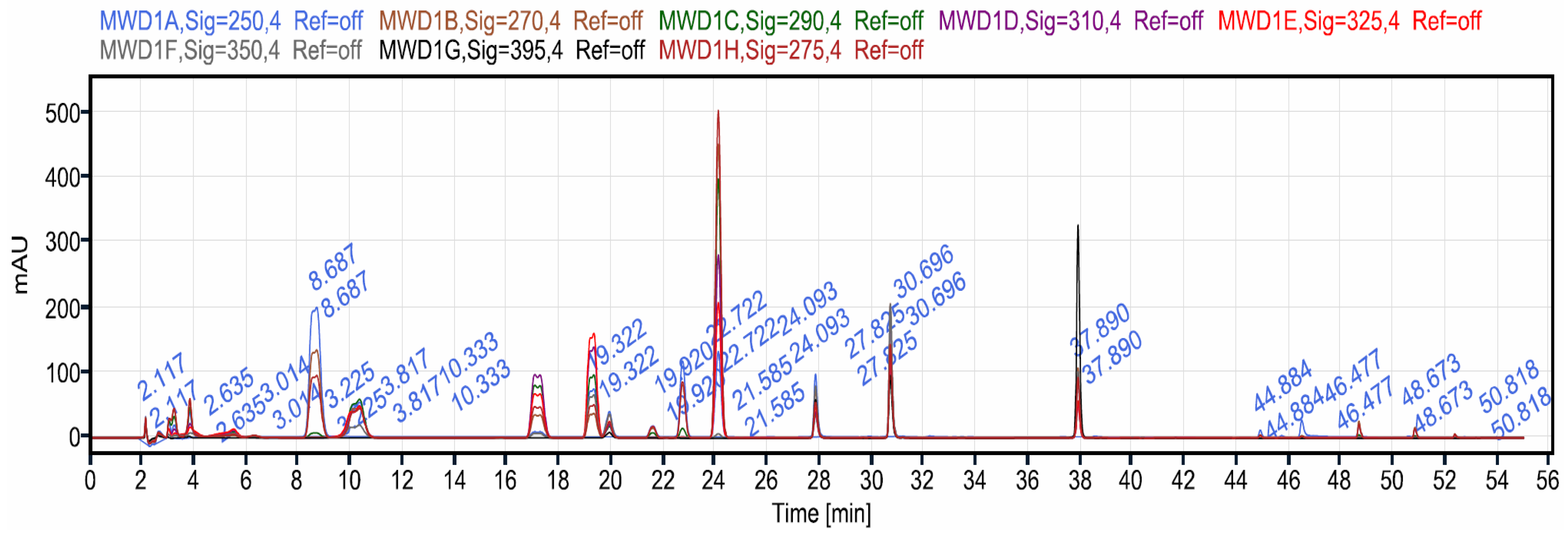
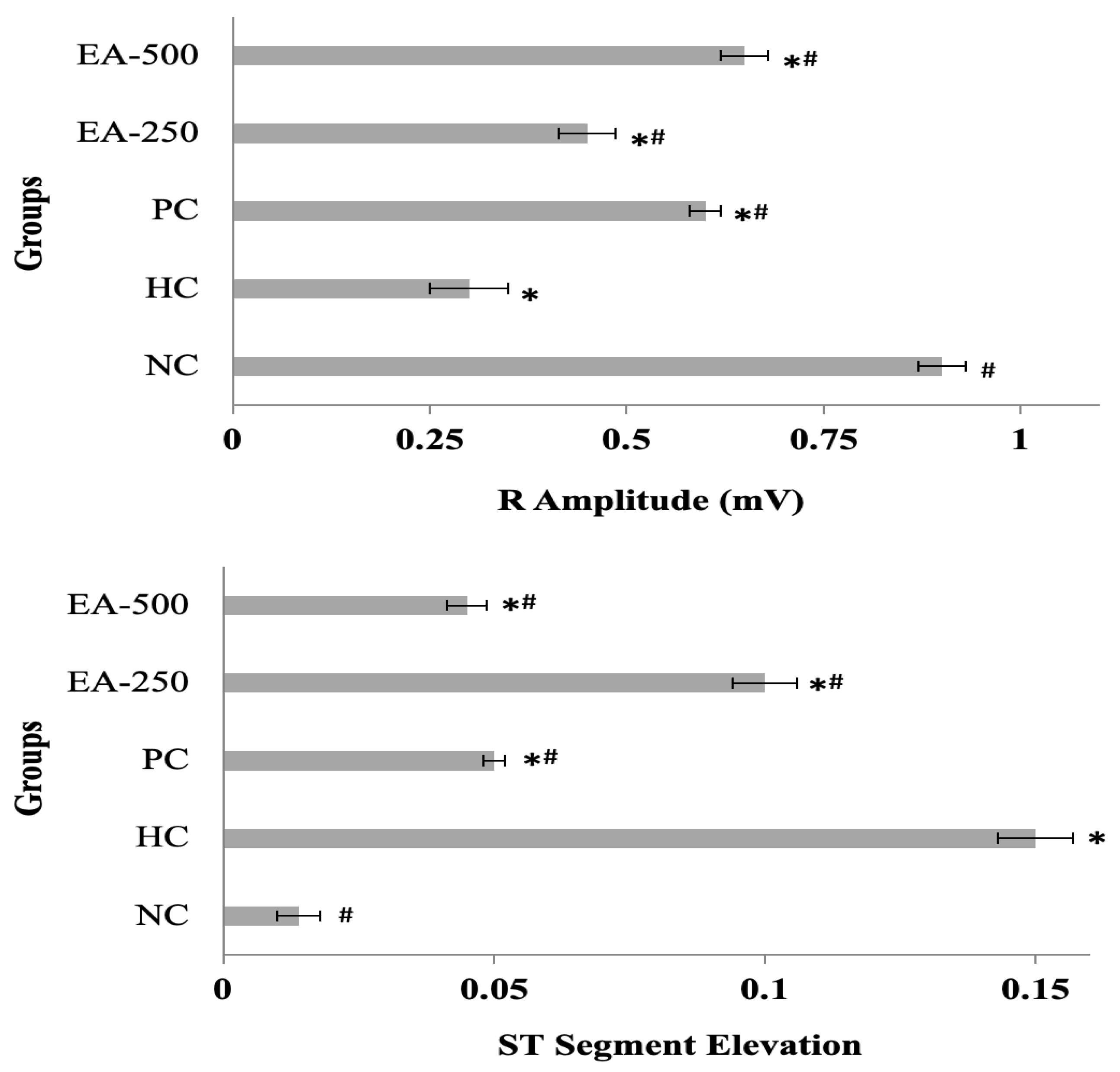
Background and Objectives: Citrullus colocynthis belongs to the Cucurbitaceae family and is a wild medicinal plant used in folk literature to treat various diseases. The purpose of the current study was to explore the antihypertensive and antioxidant potentials of Citrullus colocynthis (CC) polyphenol-rich fractions using a spontaneous hypertensive rat (SHR) model. Materials and Methods: The concentrated aqueous ethanol extract of CC fruit was successively fractioned using solvents of increasing polarity, i.e., hexane, chloroform, ethyl acetate and n-butanol. The obtained extracts were analyzed for total phenolic content (TPC), total flavonoid content (TFC) and total flavonol content (TOF). Moreover, the CC extracts were further evaluated for radical scavenging capacity using 2,2-diphenyl-1-picrylhydrazyl (DPPH) and 2,2-azino-bis-3-ethylbenzothiazoline-6-sulfonic acid (ABTS) assays and antioxidant activity using inhibition of linoleic acid peroxidation and determination of reducing potential protocols. The phytochemical components were characterized by HPLC–MWD–ESI–MS in positive ionization mode. Results: The results showed that ethyl acetate fraction (EAF) exhibited a higher content of phenolic compounds in term of TPC (289 mg/g), TFC (7.6 mg/g) and TOF (35.7 mg/g). EAF showed higher antioxidant and DPPH and ABTS scavenging activities with SC50 values of 6.2 and 79.5 µg/mL, respectively. LCMS analysis revealed that twenty polyphenol compounds were identified in the EAF, including phenolic acids and flavonoids, mainly myricetin and quercetin derivatives. The in vivo antihypertensive activity of EAF of CC on SHR revealed that it significantly decreased the mean arterial pressure (MAP), systolic blood pressure (SBP), diastolic blood pressures (DBP) and pulse pressure (PP) as compared to normal and hypertensive control groups. Moreover, EAF of CC significantly reduced the oxidative stress in the animals in a dose-dependent manner by normalizing the levels of superoxide dismutase (SOD), malondialdehyde (MDA), reduced glutathione (GSH), nitric oxide (NOx) and total antioxidant capacity (TAC). Furthermore, the treatment groups, especially the 500 mg of EAF per kg body weight (EA-500) group, significantly (p ≤ 0.05) improved the electrocardiogram (ECG) pattern and pulse wave velocity (PWV). Conclusion: It was concluded that the EAF of CC is a rich source of polyphenols and showed the best antioxidant activity and antihypertensive potential in SHR.
Keywords: quercetin; ferulic acid; pulse wave velocity; polyphenols; gradient elusion; pulse pressure; SHR quercetin; ferulic acid; pulse wave velocity; polyphenols; gradient elusion; pulse pressure; SHR