Article

Is Bilateral Facial Paralysis an Indicator of Respiratory Outcome in Guillain–Barré Syndrome?


Inönü University, Faculty of Medicine, Department of Pediatric Neurology, 44060 Malatya, Turkey
*
Author to whom correspondence should be addressed.
Medicina 2019, 55(5), 177; https://doi.org/10.3390/medicina55050177

Submission received: 7 February 2019 / Revised: 31 March 2019 / Accepted: 16 May 2019 / Published: 21 May 2019

Abstract

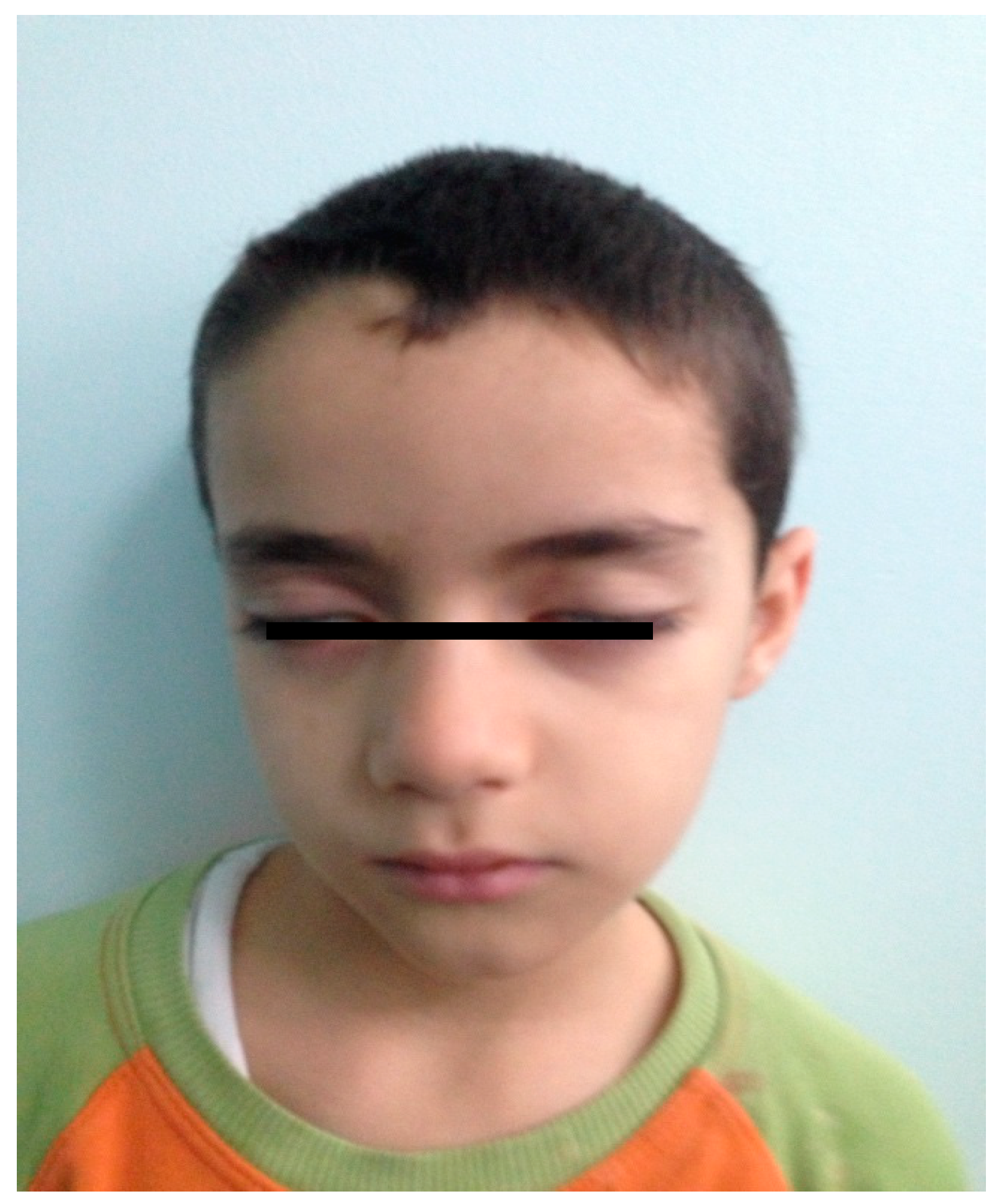
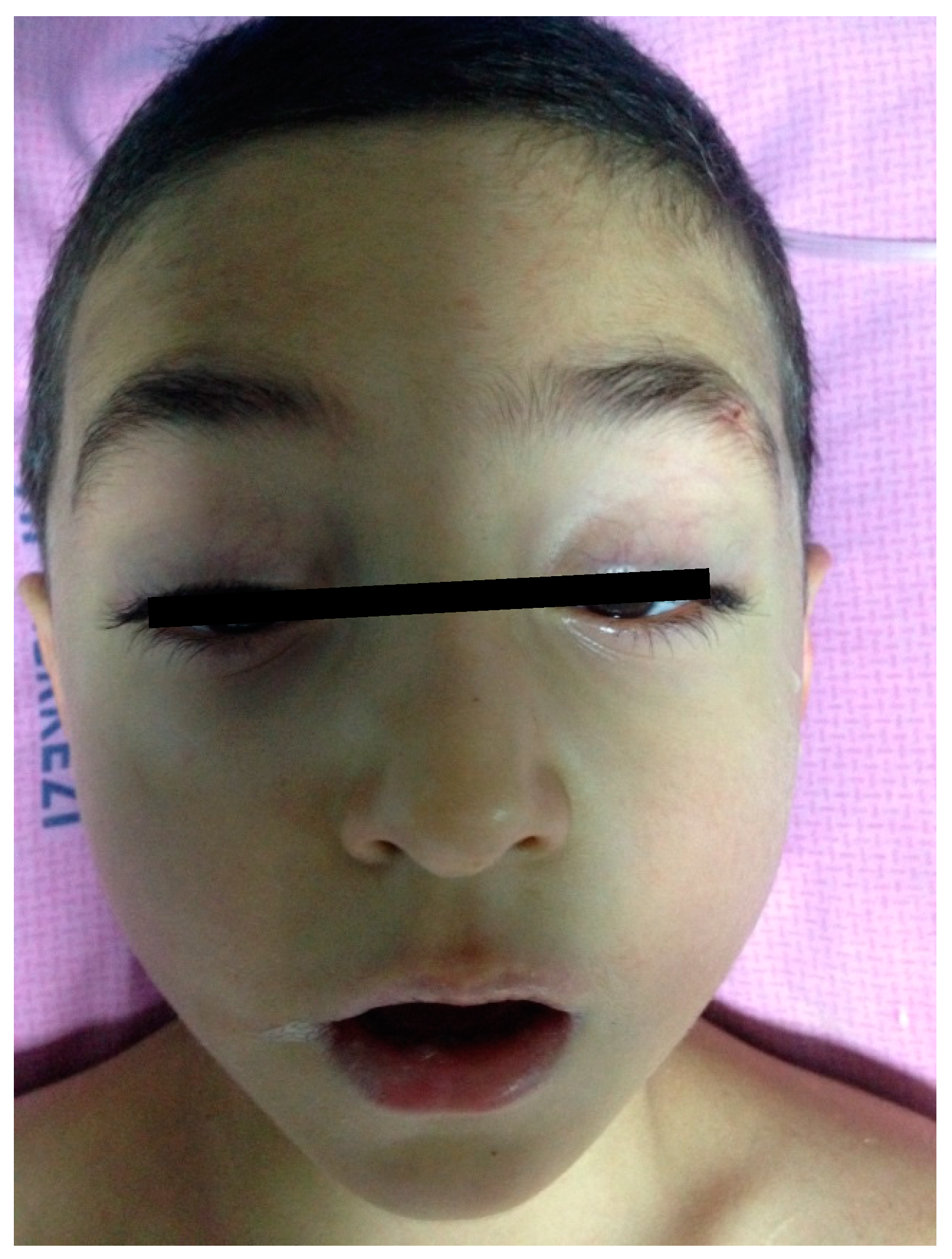
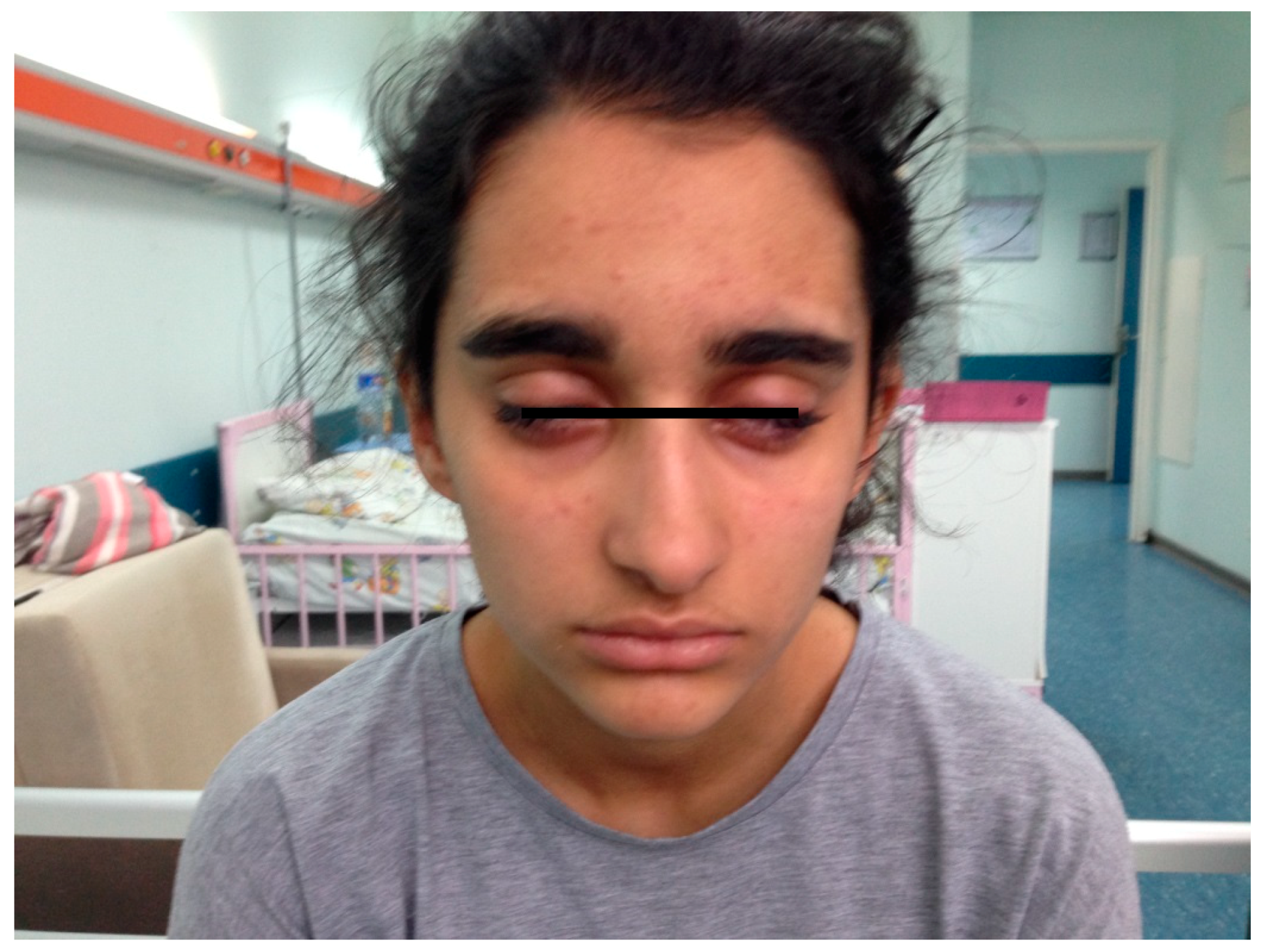
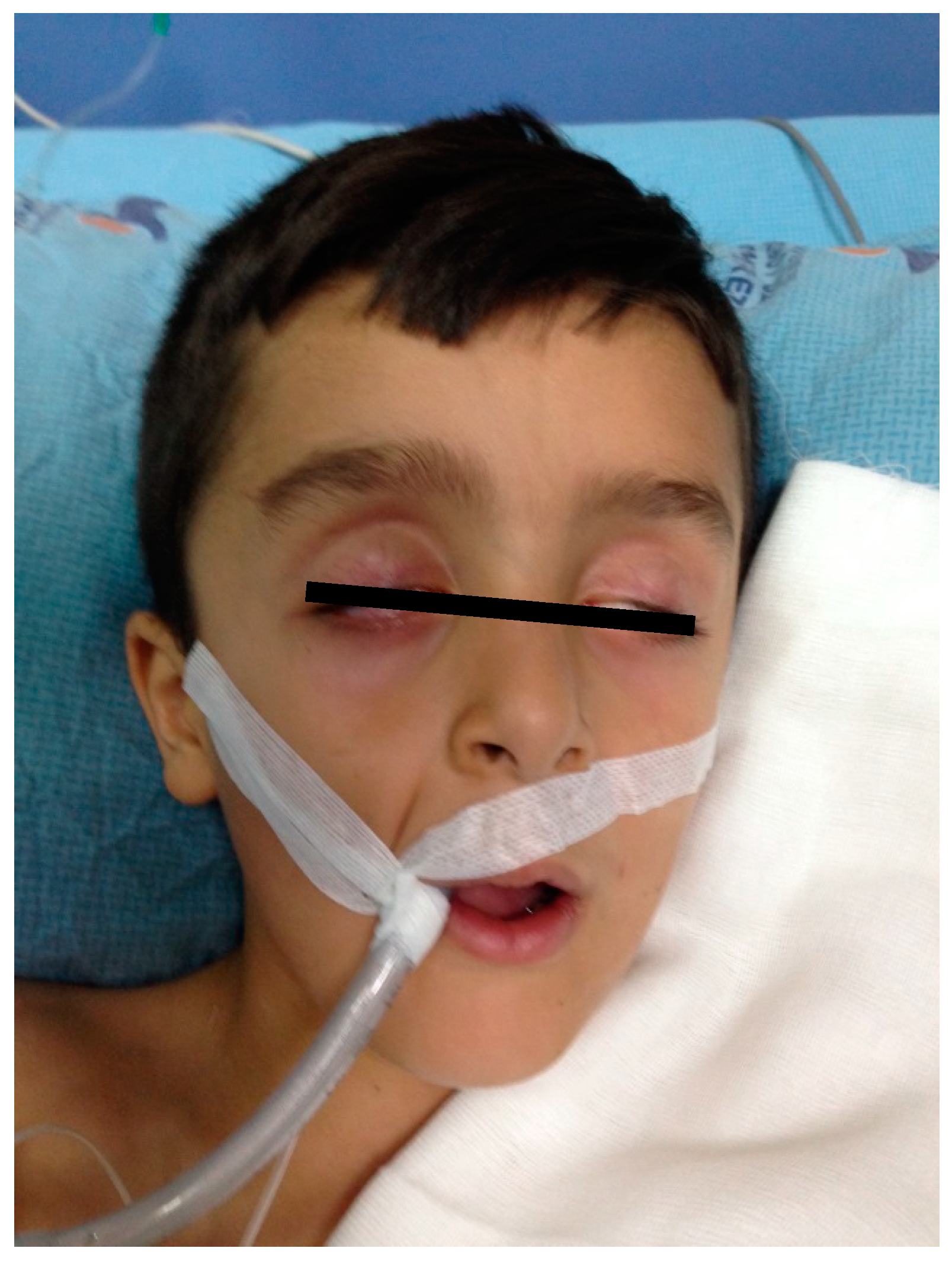
Background and objectives: Bilateral facial paralysis is a rare and specific clinical manifestation of various neurological disorders. Bilateral facial paralysis has been reported as an essential feature of Guillain–Barré syndrome (GBS) for many years. We aim to describe the incidence of bilateral facial paralysis and prognosis in our GBS patients. Materials and Methods: A retrospective chart review of all patients with GBS and bilateral facial paralysis who were treated at the Inönü University Medical Faculty was performed. Results: A total of 45 cases of GBS were reviewed. Four out of 45 patients (8.8%) had associated bilateral facial paralysis. Only one of the patients also had acute multiple cranial neuropathies. All patients experienced sudden deterioration and respiratory distress. In one of our patients who had multiple cranial neuropathies, serum antiganglioside antibody assay was performed, and anti-GQ1b IgG antibody positivity was observed. The cerebrospinal fluid had albuminocytological dissociation in all patients, and axonal involvement was present in nerve conduction studies (NCS). Three patients improved with immunotherapy; one patient died due to cardiac arrest after resistant hypotension. Conclusion: Bilateral facial paralysis is a rare condition in children. We wanted to emphasize bilateral facial involvement and poor prognosis in our GBS patients.
Keywords: bilateral facial paralysis; Guillain–Barré syndrome; respiratory outcome bilateral facial paralysis; Guillain–Barré syndrome; respiratory outcome