
GPCR-Mediated Cell Intelligence: A Potential Mechanism for Survival and Long-Term Health



Abstract
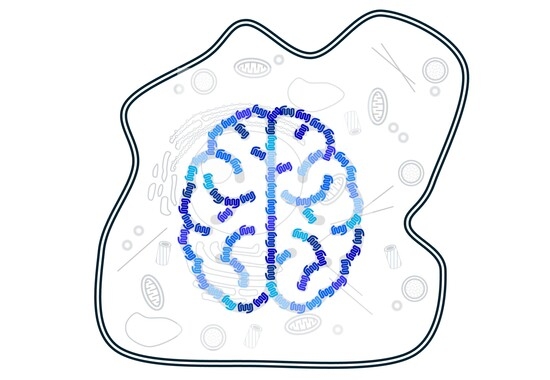
1. Introduction
2. Defining Cell Intelligence (CI)
3. The Origins of Cellular Intelligence (CI)
3.1. Evolution of CI
3.2. CI Development in Diverse GPCRs
3.3. CI and the Sensation of Stress
3.4. Systems Integration of GPCR Mechanisms
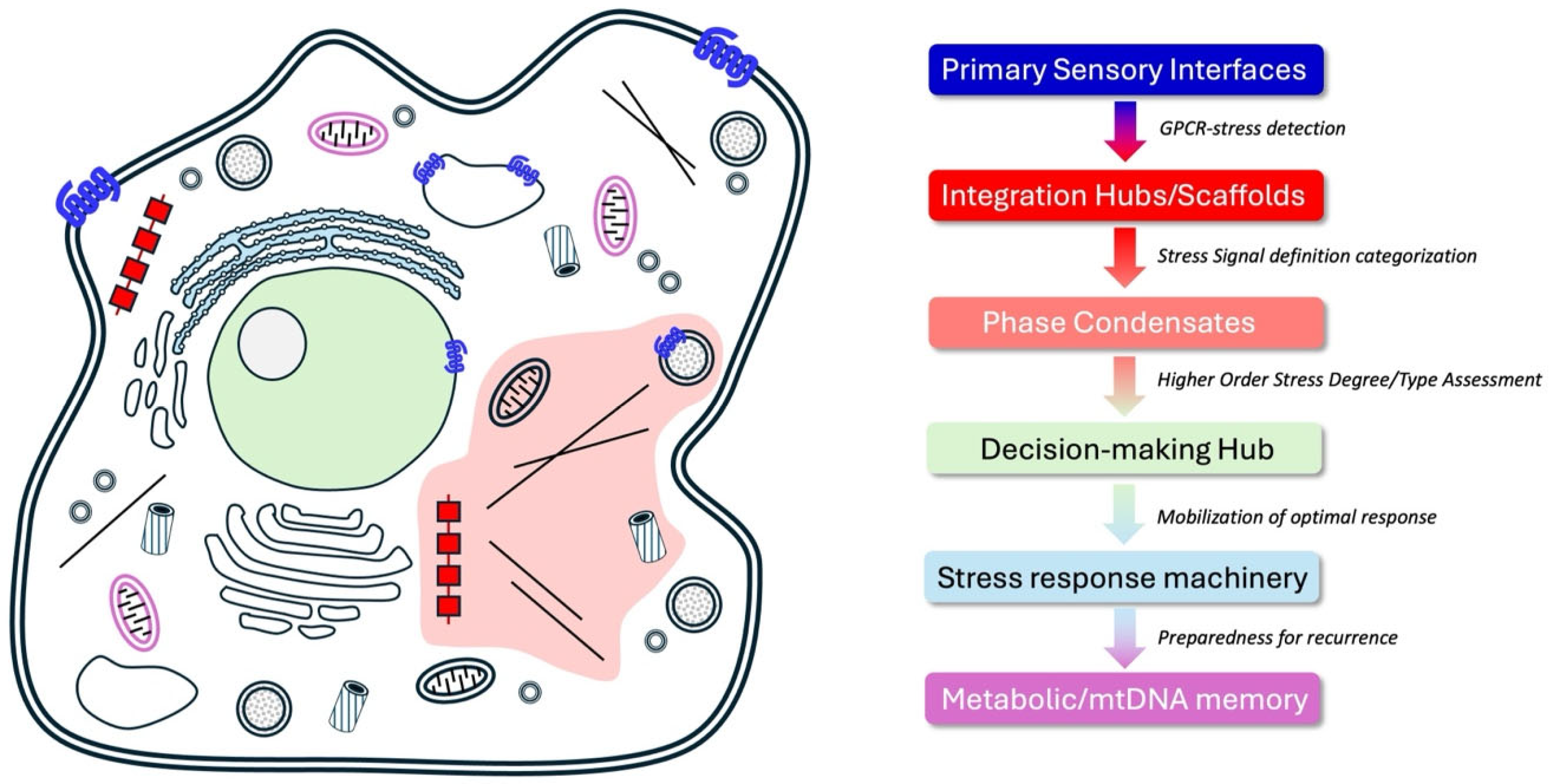
4. Spatial Organization of Cellular Intelligence (CI)
5. Emerging Role of Phase Separation in the Spatial Organization of Cellular Intelligence
6. Reactive and Adaptive Responses: Decision-Making Under Stress
7. Short- and Long-Term Memory Processes: Learning from Stress
8. Implications for Long-Term Disease: When Intelligence Fails
9. How GPCRs Generate and Mediate the Phenomenon of Cell Intelligence
10. GPCR Networks as Sensory Hubs of Cellular Intelligence
10.1. β-Arrestin Dynamics
10.2. GRK Encoded Protein Phosphorylation
10.3. GPCR Sensory Hubs in Neurometabolic Diseases
11. GPCRs as Game-Theory Strategists: Cellular Nash Equilibria in the Repeated Stress Game
12. GPCR Networks in Cellular Memory Formation
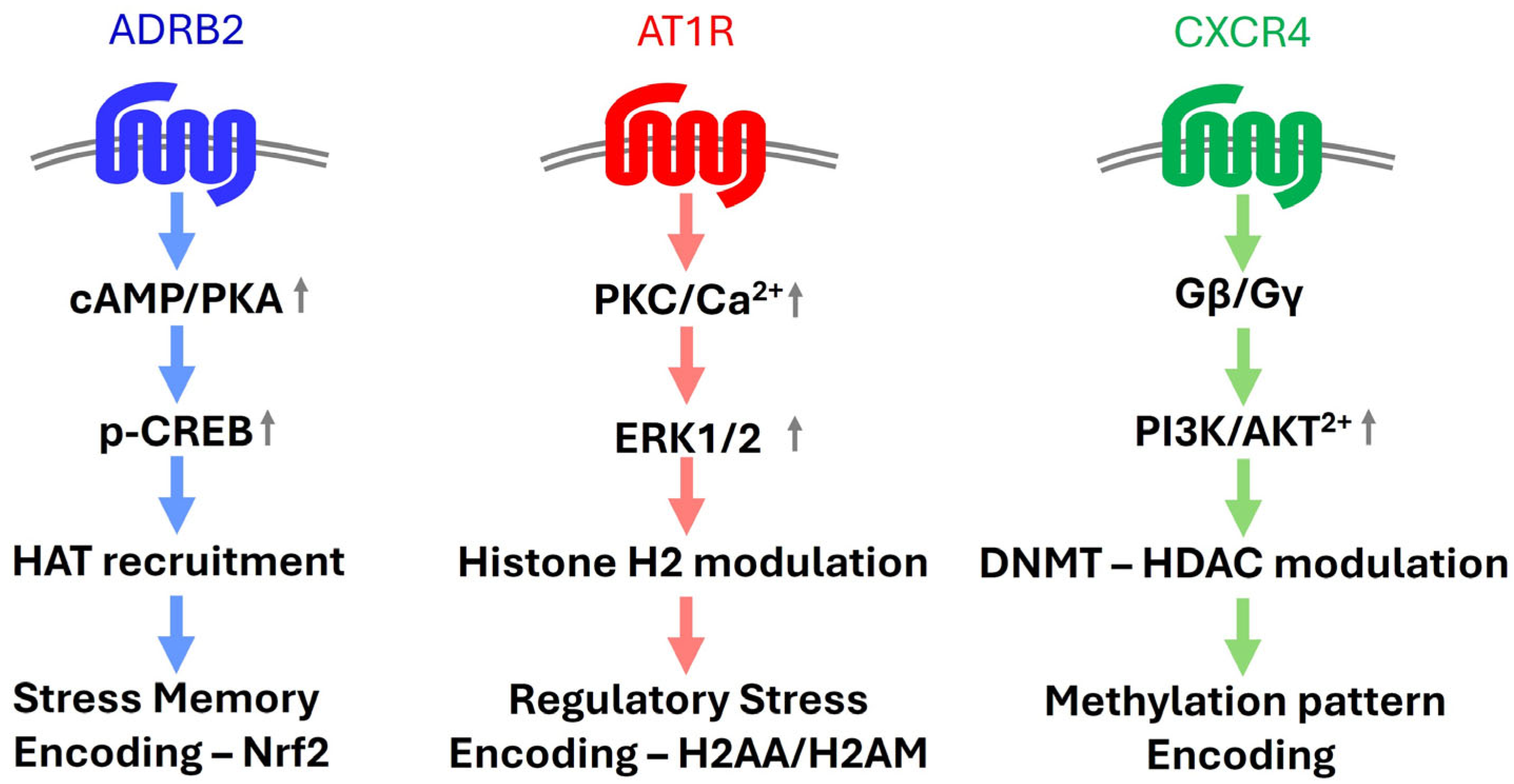
13. GPCR Signaling and Epigenetics in Cellular Stress and CI
14. Future Directions
14.1. GPCR Adaptor Dysfunction
14.2. Exploiting Cellular Intelligence and GPCR Networks
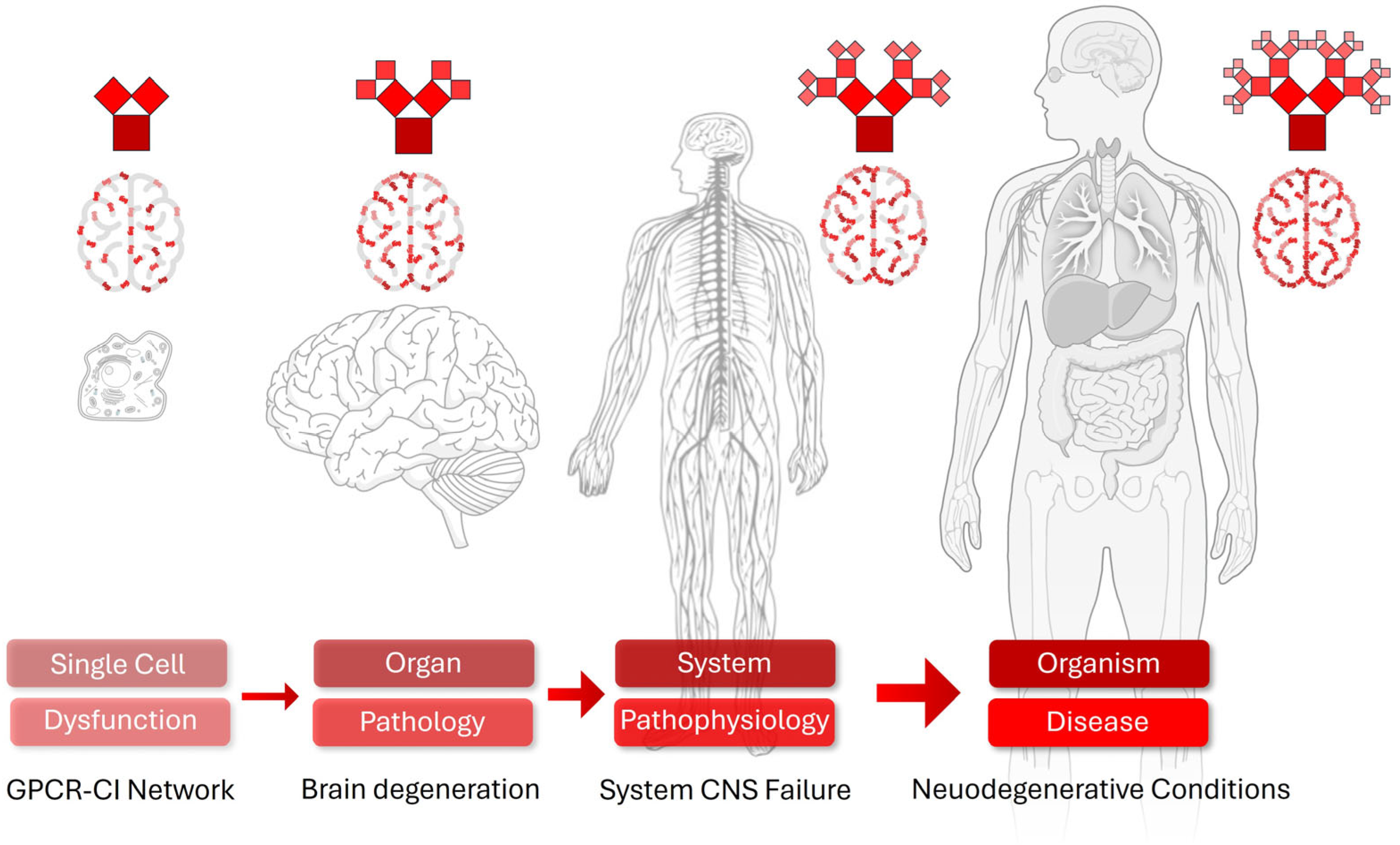
14.3. Cellular Fractals of Disease
15. Conclusions
Author Contributions
Funding
Institutional Review Board Statement
Informed Consent Statement
Data Availability Statement
Conflicts of Interest
References
- Hoeijmakers, J.H.J. DNA damage, aging, and cancer. N. Engl. J. Med. 2009, 361, 1475–1485, Correction in N. Engl. J. Med. 2009, 361, 1914, https://doi.org/10.1056/NEJMx090056. [Google Scholar] [CrossRef]
- Medzhitov, R. Inflammation 2010: New adventures of an old flame. Cell 2010, 140, 771–776. [Google Scholar] [CrossRef] [PubMed]
- Pierce, K.L.; Premont, R.T.; Lefkowitz, R.J. Seven-transmembrane receptors. Nat. Rev. Mol. Cell Biol. 2002, 3, 639–650. [Google Scholar] [CrossRef]
- Rosenbaum, D.M.; Rasmussen, S.G.; Kobilka, B.K. The structure and function of G-protein-coupled receptors. Nature 2009, 459, 356–363. [Google Scholar] [CrossRef] [PubMed] [PubMed Central]
- Lefkowitz, R.J.; Shenoy, S.K. Transduction of receptor signals by ß-arrestins. Science 2005, 308, 512–517. [Google Scholar] [CrossRef] [PubMed]
- Wallace, D.C. A mitochondrial paradigm of metabolic and degenerative diseases, aging, and cancer: A dawn for evolutionary medicine. Annu. Rev. Genet. 2005, 39, 359–407. [Google Scholar] [CrossRef]
- Leysen, H.; Walter, D.; Christiaenssen, B.; Vandoren, R.; Harputluoğlu, İ.; Van Loon, N.; Maudsley, S. GPCRs Are Optimal Regulators of Complex Biological Systems and Orchestrate the Interface between Health and Disease. Int. J. Mol. Sci. 2021, 22, 13387. [Google Scholar] [CrossRef]
- Ma, Q. Role of Nrf2 in oxidative stress and toxicity. Annu. Rev. Pharmacol. Toxicol. 2013, 53, 401–426. [Google Scholar] [CrossRef] [PubMed]
- Jackson, S.P.; Bartek, J. The DNA-damage response in human biology and disease. Nature 2009, 461, 1071–1078. [Google Scholar] [CrossRef]
- Hardie, D.G.; Ross, F.A.; Hawley, S.A. AMPK: A nutrient and energy sensor that maintains energy homeostasis. Nat. Rev. Mol. Cell Biol. 2012, 13, 251–262. [Google Scholar] [CrossRef]
- Jaenisch, R.; Bird, A. Epigenetic regulation of gene expression: How the genome integrates intrinsic and environmental signals. Nat. Genet. 2003, 33, 245–254. [Google Scholar] [CrossRef]
- Netea, M.G.; Joosten, L.A.B.; Latz, E.; Mills, K.H.G.; Natoli, G.; Stunnenberg, H.G.; O’neill, L.A.J.; Xavier, R.J. Trained immunity: A program of innate immune memory in health and disease. Science 2016, 352, aaf1098. [Google Scholar] [CrossRef]
- Sharma, S.; Kelly, T.K.; Jones, P.A. Epigenetics in cancer. Carcinogenesis 2010, 31, 27–36. [Google Scholar] [CrossRef]
- Jones, P.A.; Baylin, S.B. The Epigenomics of Cancer. Cell 2007, 128, 683–692. [Google Scholar] [CrossRef] [PubMed]
- Chadwick, W.; Maudsley, S. The Devil is in the Dose: Complexity of Receptor Systems and Responses. In Hormesis; Springer: Berlin/Heidelberg, Germany, 2010; pp. 95–108. [Google Scholar] [CrossRef]
- Lyon, P. The cognitive cell: Bacterial behavior reconsidered. Front. Microbiol. 2015, 6, 264. [Google Scholar] [CrossRef] [PubMed]
- Shalaeva, D.N.; Galperin, M.Y.; Mulkidjanian, A.Y. Eukaryotic G protein-coupled receptors as descendants of prokaryotic sodium-translocating rhodopsins. Biol. Direct 2015, 10, 63. [Google Scholar] [CrossRef] [PubMed] [PubMed Central]
- Fang, B.; Zhao, L.; Du, X.; Liu, Q.; Yang, H.; Li, F.; Sheng, Y.; Zhao, W.; Zhong, H. Studying the rhodopsin-like G protein-coupled receptors by atomic force microscopy. Cytoskeleton 2021, 78, 400–416. [Google Scholar] [CrossRef] [PubMed]
- Maudsley, S.; Martin, B.; Luttrell, L.M. The origins of diversity and specificity in G protein-coupled receptor signaling. J. Pharmacol. Exp. Ther. 2005, 314, 485–494. [Google Scholar] [CrossRef] [PubMed] [PubMed Central]
- Maudsley, S.; Patel, S.A.; Park, S.-S.; Luttrell, L.M.; Martin, B. Functional signaling biases in G protein-coupled receptors: Game theory and receptor dynamics. Mini-Rev. Med. Chem. 2012, 12, 831–840. [Google Scholar] [CrossRef] [PubMed] [PubMed Central]
- Shenoy, S.K.; Lefkowitz, R.J. β-arrestin-mediated receptor trafficking and signal transduction. Trends Pharmacol. Sci. 2011, 32, 521–533. [Google Scholar] [CrossRef]
- Maudsley, S.; Leysen, H.; van Gastel, J.; Martin, B. Systems Pharmacology: Enabling Multidimensional Therapeutics. In Comprehensive Pharmacology; Kenakin, T., Ed.; Elsevier: Amsterdam, The Netherlands, 2022; pp. 725–769. ISBN 9780128208762. [Google Scholar] [CrossRef]
- McLatchie, L.M.; Fraser, N.J.; Main, M.J.; Wise, A.; Brown, J.; Thompson, N.; Solari, R.; Lee, M.G.; Foord, S.M. RAMPs regulate the transport and ligand specificity of the calcitonin-receptor-like receptor. Nature 1998, 393, 333–339. [Google Scholar] [CrossRef]
- Maudsley, S.; Zamah, A.M.; Rahman, N.; Blitzer, J.T.; Luttrell, L.M.; Lefkowitz, R.J.; Hall, R.A. Platelet-derived growth factor receptor association with Na+/H+ exchanger regulatory factor potentiates receptor activity. Mol. Cell. Biol. 2000, 20, 8352–8363. [Google Scholar] [CrossRef]
- Chadwick, W.; Martin, B.; Chapter, M.C.; Park, S.-S.; Wang, L.; Daimon, C.M.; Brenneman, R.; Maudsley, S. GIT2 acts as a potential keystone protein in functional hypothalamic networks associated with age-related phenotypic changes in rats. PLoS ONE 2012, 7, e36975. [Google Scholar] [CrossRef] [PubMed] [PubMed Central]
- Martin, B.; Chadwick, W.; Janssens, J.; Premont, R.T.; Schmalzigaug, R.; Becker, K.G.; Lehrmann, E.; Wood, W.H.; Zhang, Y.; Siddiqui, S.; et al. GIT2 Acts as a Systems-Level Coordinator of Neurometabolic Activity and Pathophysiological Aging. Front. Endocrinol. 2016, 6, 191. [Google Scholar] [CrossRef]
- Maudsley, S.; Siddiqui, S.; Martin, B. Systems analysis of arrestin pathway functions. Prog. Mol. Biol. Transl. Sci. 2013, 118, 431–467. [Google Scholar] [CrossRef] [PubMed]
- Nguyen Dinh Cat, A.; Montezano, A.C.; Burger, D.; Touyz, R.M. Angiotensin II, NADPH oxidase and redox signaling in the vasculature. Antioxid. Redox Signal. 2013, 19, 1110–1120. [Google Scholar] [CrossRef] [PubMed]
- Cekic, C.; Linden, J. Purinergic regulation of the immune system. Nat. Rev. Immunol. 2016, 16, 177–192. [Google Scholar] [CrossRef]
- van Gastel, J.; Leysen, H.; Santos-Otte, P.; Hendrickx, J.O.; Azmi, A.; Martin, B.; Maudsley, S. The RXFP3 receptor is functionally associated with cellular responses to oxidative stress and DNA damage. Aging 2019, 11, 11268–11313. [Google Scholar] [CrossRef] [PubMed]
- Leysen, H.; Walter, D.; Clauwaert, L.; Hellemans, L.; van Gastel, J.; Vasudevan, L.; Martin, B.; Maudsley, S. The Relaxin-3 Receptor, RXFP3, Is a Modulator of Aging-Related Disease. Int. J. Mol. Sci. 2022, 23, 4387. [Google Scholar] [CrossRef] [PubMed] [PubMed Central]
- Rakesh, K.; Yoo, B.; Kim, I.-M.; Salazar, N.; Kim, K.-S.; Rockman, H.A. β-Arrestin–biased agonism of the angiotensin receptor induced by mechanical stress. Sci. Signal. 2010, 3, ra46. [Google Scholar] [CrossRef] [PubMed] [PubMed Central]
- Noma, T.; Lemaire, A.; Prasad, S.V.N.; Barki-Harrington, L.; Tilley, D.G.; Chen, J.; Le Corvoisier, P.; Violin, J.D.; Wei, H.; Lefkowitz, R.J.; et al. β-Arrestin–mediated β1-adrenergic receptor transactivation of the EGFR confers cardioprotection. J. Clin. Investig. 2007, 117, 2445–2458. [Google Scholar] [CrossRef] [PubMed] [PubMed Central]
- Hjälm, G.; MacLeod, R.J.; Kifor, O.; Chattopadhyay, N.; Brown, E.M. Filamin-A binds to the carboxyl-terminal tail of the calcium-sensing receptor, an interaction that participates in CaR-mediated activation of mitogen-activated protein kinase. J. Biol. Chem. 2001, 276, 34880–34887. [Google Scholar] [CrossRef] [PubMed]
- Takeuchi, O.; Akira, S. Pattern Recognition Receptors and Inflammation. Cell 2010, 140, 805–820. [Google Scholar] [CrossRef]
- Belgnaoui, S.M.; Fryrear, K.A.; Nyalwidhe, J.O.; Guo, X.; Semmes, O.J. β-arrestin-dependent signaling by chemokine receptors. J. Biol. Chem. 2010, 285, 39746–39756. [Google Scholar] [CrossRef]
- Veglio, F.; di Cella, S.M.; Schiavone, D.; Paglieri, C.; Rabbia, F.; Mulatero, P.; Chiandussi, L. Peripheral adrenergic system and hypertension. Clin. Exp. Hypertens. 2001, 23, 3–14. [Google Scholar] [CrossRef]
- Jablonka, E.; Lamb, M.J. Evolution in Four Dimensions: Genetic, Epigenetic, Behavioral, and Symbolic Variation in the History of Life; The MIT Press: Cambridge, MA, USA, 2005; pp. 1–462. ISBN 9780262600699. [Google Scholar]
- Maudsley, S.; Pierce, K.L.; Zamah, A.M.; Miller, W.E.; Ahn, S.; Daaka, Y.; Lefkowitz, R.J.; Luttrell, L.M. The β2-adrenergic receptor mediates extracellular signal-regulated kinase activation via assembly of a multi-receptor complex with the epidermal growth factor receptor. J. Biol. Chem. 2000, 275, 9572–9580. [Google Scholar] [CrossRef]
- Benians, A.; Leaney, J.L.; Tinker, A. Agonist unbinding from receptor dictates the nature of deactivation kinetics of G protein-gated K + channels. Proc. Natl. Acad. Sci. USA 2003, 100, 6239–6244. [Google Scholar] [CrossRef]
- Kang, J.; Shi, Y.; Xiang, B.; Qu, B.; Su, W.; Zhu, M.; Zhang, M.; Bao, G.; Wang, F.; Zhang, X.; et al. A nuclear function of β-Arrestin1 in GPCR signaling: Regulation of histone acetylation and gene transcription. Cell 2005, 123, 833–847, Erratum in Cell 2006, 124, 645. [Google Scholar] [CrossRef] [PubMed]
- Lee, H.-C.; Wei, Y.-H. Mitochondrial alterations, cellular response to oxidative stress and defective degradation of proteins in aging. Biogerontology 2001, 2, 231–244. [Google Scholar] [CrossRef] [PubMed]
- Hetz, C. The unfolded protein response: Controlling cell fate decisions. Nat. Rev. Mol. Cell Biol. 2012, 13, 89–102. [Google Scholar] [CrossRef]
- Chadwick, W.; Mitchell, N.; Martin, B.; Maudsley, S. Therapeutic targeting of the endoplasmic reticulum in alzheimers disease. Curr. Alzheimer Res. 2012, 9, 110–119. [Google Scholar] [CrossRef] [PubMed] [PubMed Central]
- Maudsley, S.; Davidson, L.; Pawson, A.J.; Freestone, S.H.; de Maturana, R.L.; Thomson, A.A.; Millar, R.P. Gonadotropin-releasing hormone functionally antagonizes testosterone activation of the human androgen receptor in prostate cells through focal adhesion complexes involving Hic-5. Neuroendocrinology 2006, 84, 285–300. [Google Scholar] [CrossRef] [PubMed]
- Liu, Z.; Qin, Z.; Liu, Y.; Xia, X.; He, L.; Chen, N.; Hu, X.; Peng, X. Liquid–liquid phase separation: Roles and implications in future cancer treatment. Int. J. Biol. Sci. 2023, 19, 4139–4156. [Google Scholar] [CrossRef] [PubMed] [PubMed Central]
- Anderson, P.J.; Xiao, P.; Zhong, Y.; Kaakati, A.; Alfonso-DeSouza, J.; Zhang, T.; Zhang, C.; Yu, K.; Qi, L.; Ding, W.; et al. β-Arrestin Condensates Regulate G Protein-Coupled Receptor Function. bioRxiv 2025. [Google Scholar] [CrossRef] [PubMed] [PubMed Central]
- Zhao, Y.; Xiao, K. A Mass Spectrometry-Based Structural Assay for Activation-Dependent Conformational Changes in β-Arrestins. Methods Mol. Biol. 2019, 1957, 293–308. [Google Scholar] [CrossRef] [PubMed]
- Gould, M.L.; Nicholson, H.D. Changes in receptor location affect the ability of oxytocin to stimulate proliferative growth in prostate epithelial cells. Reprod. Fertil. Dev. 2019, 31, 1166–1179. [Google Scholar] [CrossRef] [PubMed]
- Reversi, A.; Rimoldi, V.; Brambillasca, S.; Chini, B. Effects of cholesterol manipulation on the signaling of the human oxytocin receptor. Am. J. Physiol. Integr. Comp. Physiol. 2006, 291, R861–R869. [Google Scholar] [CrossRef] [PubMed]
- Wippich, F.; Bodenmiller, B.; Trajkovska, M.G.; Wanka, S.; Aebersold, R.; Pelkmans, L. Dual specificity kinase DYRK3 couples stress granule condensation/dissolution to mTORC1 signaling. Cell 2013, 152, 791–805. [Google Scholar] [CrossRef] [PubMed]
- Cho, H.S.; Park, Y.H.; Moon, S.; Park, C.; Jung, H.S.; Namkoong, S. Targeting the NTF2-like domain of G3BP1: Novel modulators of intracellular granule dynamics. Biochem. Biophys. Res. Commun. 2024, 697, 149497. [Google Scholar] [CrossRef] [PubMed]
- Ash, P.E.A.; Lei, S.; Shattuck, J.; Boudeau, S.; Carlomagno, Y.; Medalla, M.; Mashimo, B.L.; Socorro, G.; Al-Mohanna, L.F.A.; Jiang, L.; et al. TIA1 potentiates tau phase separation and promotes generation of toxic oligomeric tau. Proc. Natl. Acad. Sci. USA 2021, 118, e2014188118. [Google Scholar] [CrossRef] [PubMed] [PubMed Central]
- Islam, M.; Shen, F.; Regmi, D.; Petersen, K.; Karim, R.U.; Du, D. Tau liquid–liquid phase separation: At the crossroads of tau physiology and tauopathy. J. Cell. Physiol. 2022, 239, 30853. [Google Scholar] [CrossRef] [PubMed] [PubMed Central]
- Feric, M.; Vaidya, N.; Harmon, T.S.; Mitrea, D.M.; Zhu, L.; Richardson, T.M.; Kriwacki, R.W.; Pappu, R.V.; Brangwynne, C.P. Coexisting Liquid Phases Underlie Nucleolar Subcompartments. Cell 2016, 165, 1686–1697. [Google Scholar] [CrossRef] [PubMed] [PubMed Central]
- Lafontaine, D.L.J.; Riback, J.A.; Bascetin, R.; Brangwynne, C.P. The nucleolus as a multiphase liquid condensate. Nat. Rev. Mol. Cell Biol. 2020, 22, 165–182. [Google Scholar] [CrossRef] [PubMed]
- Abdelmohsen, K.; Srikantan, S.; Tominaga, K.; Kang, M.-J.; Yaniv, Y.; Martindale, J.L.; Yang, X.; Park, S.-S.; Becker, K.G.; Subramanian, M.; et al. Growth Inhibition by miR-519 via Multiple p21-Inducing Pathways. Mol. Cell. Biol. 2012, 32, 2530–2548. [Google Scholar] [CrossRef]
- Maudsley, S.; Davidson, L.; Pawson, A.J.; Chan, R.; de Maturana, R.L.; Millar, R.P. Gonadotropin-releasing hormone (GnRH) antagonists promote proapoptotic signaling in peripheral reproductive tumor cells by activating a Gαi-coupling state of the type I GnRH receptor. Cancer Res. 2004, 64, 7533–7544. [Google Scholar] [CrossRef]
- Kroemer, G.; Mariño, G.; Levine, B. Autophagy and the integrated stress response. Mol. Cell 2010, 40, 280–293. [Google Scholar] [CrossRef]
- Elmore, S. Apoptosis: A review of programmed cell death. Toxicol. Pathol. 2007, 35, 495–516. [Google Scholar] [CrossRef]
- Mattson, M.P.; Meffert, M.K. Roles for NF-κB in nerve cell survival, plasticity, and disease. Cell Death Differ. 2006, 13, 852–860. [Google Scholar] [CrossRef]
- Chadwick, W.; Keselman, A.; Park, S.-S.; Zhou, Y.; Wang, L.; Brenneman, R.; Martin, B.; Maudsley, S. Repetitive peroxide exposure reveals pleiotropic mitogen-activated protein kinase signaling mechanisms. J. Signal Transduct. 2010, 2011, 636951. [Google Scholar] [CrossRef]
- Richter, K.; Haslbeck, M.; Buchner, J. The heat shock response: Life on the verge of death. Mol. Cell 2010, 40, 253–266. [Google Scholar] [CrossRef]
- Liu, Y.; Zhou, J.; Zhang, N.; Wu, X.; Zhang, Q.; Zhang, W.; Li, X.; Tian, Y. Two sensory neurons coordinate the systemic mitochondrial stress response via GPCR signaling in C. elegans. Dev. Cell 2022, 57, 2469–2482.e5. [Google Scholar] [CrossRef] [PubMed]
- Suofu, Y.; Li, W.; Jean-Alphonse, F.G.; Jia, J.; Khattar, N.K.; Li, J.; Baranov, S.V.; Leronni, D.; Mihalik, A.C.; He, Y.; et al. Dual role of mitochondria in producing melatonin and driving GPCR signaling to block cytochrome c release. Proc. Natl. Acad. Sci. USA 2017, 114, E7997–E8006. [Google Scholar] [CrossRef] [PubMed] [PubMed Central]
- Wu, D.; Casey, P.J. GPCR-Gα13 Involvement in Mitochondrial Function, Oxidative Stress, and Prostate Cancer. Int. J. Mol. Sci. 2024, 25, 7162. [Google Scholar] [CrossRef] [PubMed] [PubMed Central]
- Barrangou, R.; Fremaux, C.; Deveau, H.; Richards, M.; Boyaval, P.; Moineau, S.; Romero, D.A.; Horvath, P. Crispr provides acquired resistance against viruses in prokaryotes. Science 2007, 315, 1709–1712. [Google Scholar] [CrossRef]
- Ling, C.; Groop, L. Epigenetics: A molecular link between environmental factors and type 2 diabetes. Diabetes 2009, 58, 2718–2725. [Google Scholar] [CrossRef]
- Halliwell, B. Oxidative stress and neurodegeneration: Where are we now? J. Neurochem. 2006, 97, 1634–1658. [Google Scholar] [CrossRef]
- Gilman, A.G. G proteins: Transducers of receptor-generated signals. Annu. Rev. Biochem. 1987, 56, 615–649. [Google Scholar] [CrossRef]
- Engelhardt, S.; Rochais, F. G proteins: More than transducers of receptor-generated signals? Circ. Res. 2007, 100, 1109–1111. [Google Scholar] [CrossRef] [PubMed]
- Janssens, J.; Etienne, H.; Idriss, S.; Azmi, A.; Martin, B.; Maudsley, S. Systems-Level G Protein-Coupled Receptor Therapy Across a Neurodegenerative Continuum by the GLP-1 Receptor System. Front. Endocrinol. 2014, 5, 142. [Google Scholar] [CrossRef] [PubMed] [PubMed Central]
- Wootten, D.; Christopoulos, A.; Marti-Solano, M.; Babu, M.M.; Sexton, P.M. Mechanisms of signalling and biased agonism in G protein-coupled receptors. Nat. Rev. Mol. Cell Biol. 2018, 19, 638–653. [Google Scholar] [CrossRef]
- Martin, B.; Brenneman, R.; Golden, E.; Walent, T.; Becker, K.G.; Prabhu, V.V.; Wood, W., III; Ladenheim, B.; Cadet, J.-L.; Maudsley, S. Growth factor signals in neural cells: Coherent patterns of interaction control multiple levels of molecular and phenotypic responses. J. Biol. Chem. 2009, 284, 2493–2511. [Google Scholar] [CrossRef] [PubMed] [PubMed Central]
- Ma, M.; Jiang, W.; Zhou, R. DAMPs and DAMP-sensing receptors in inflammation and diseases. Immunity 2024, 57, 752–771. [Google Scholar] [CrossRef] [PubMed]
- van Gastel, J.; Leysen, H.; Boddaert, J.; Vangenechten, L.; Luttrell, L.M.; Martin, B.; Maudsley, S. Aging-related modifications to G protein-coupled receptor signaling diversity. Pharmacol. Ther. 2021, 223, 107793. [Google Scholar] [CrossRef] [PubMed]
- Santos-Otte, P.; Leysen, H.; van Gastel, J.; Hendrickx, J.O.; Martin, B.; Maudsley, S. G Protein-Coupled Receptor Systems and Their Role in Cellular Senescence. Comput. Struct. Biotechnol. J. 2019, 17, 1265–1277. [Google Scholar] [CrossRef] [PubMed] [PubMed Central]
- Zhang, J.; Barak, L.S.; Winkler, K.E.; Caron, M.G.; Ferguson, S.S. A central role for beta-arrestins and clathrin-coated vesicle-mediated endocytosis in beta2-adrenergic receptor resensitization. Differential regulation of receptor resensitization in two distinct cell types. J. Biol. Chem. 1997, 272, 27005–27014. [Google Scholar] [CrossRef] [PubMed]
- Cheng, L.; Xia, F.; Li, Z.; Shen, C.; Yang, Z.; Hou, H.; Sun, S.; Feng, Y.; Yong, X.; Tian, X.; et al. Structure, function and drug discovery of GPCR signaling. Mol. Biomed. 2023, 4, 46. [Google Scholar] [CrossRef] [PubMed] [PubMed Central]
- Gomes, A.A.S.; Di Michele, M.; Roessner, R.A.; Damian, M.; Bisch, P.M.; Sibille, N.; Louet, M.; Banères, J.-L.; Floquet, N. Lipids modulate the dynamics of GPCR: β-arrestin interaction. Nat. Commun. 2025, 16, 4982. [Google Scholar] [CrossRef] [PubMed] [PubMed Central]
- Zhang, M.; Chen, T.; Lu, X.; Lan, X.; Chen, Z.; Lu, S. G protein-coupled receptors (GPCRs): Advances in structures, mechanisms and drug discovery. Signal Transduct. Target. Ther. 2024, 9, 88. [Google Scholar] [CrossRef] [PubMed]
- Sulon, S.M.; Benovic, J.L. Targeting G protein-coupled receptor kinases (GRKs) to G protein-coupled receptors. Curr. Opin. Endocr. Metab. Res. 2021, 16, 56–65. [Google Scholar] [CrossRef] [PubMed] [PubMed Central]
- Kotliar, I.B.; Lorenzen, E.; Schwenk, J.M.; Hay, D.L.; Sakmar, T.P. Elucidating the Interactome of G Protein-Coupled Receptors and Receptor Activity-Modifying Proteins. Pharmacol. Rev. 2022, 75, 1–34. [Google Scholar] [CrossRef] [PubMed] [PubMed Central]
- Maharana, J.; Banerjee, R.; Yadav, M.K.; Sarma, P.; Shukla, A.K. Emerging structural insights into GPCR–β-arrestin interaction and functional outcomes. Curr. Opin. Struct. Biol. 2022, 75, 102406. [Google Scholar] [CrossRef] [PubMed] [PubMed Central]
- Muneta-Arrate, I.; Di Pizio, A.; Selent, J.; Diez-Alarcia, R. The complexity of G protein-coupled receptor (GPCR) modulation and signalling. Br. J. Pharmacol. 2025, 182, 3039–3043. [Google Scholar] [CrossRef] [PubMed]
- Gurevich, V.V.; Gurevich, E.V. GPCR Signaling Regulation: The Role of GRKs and Arrestins. Front. Pharmacol. 2019, 10, 125. [Google Scholar] [CrossRef] [PubMed] [PubMed Central]
- Musi, C.A.; Agrò, G.; Santarella, F.; Iervasi, E.; Borsello, T. JNK3 as Therapeutic Target and Biomarker in Neurodegenerative and Neurodevelopmental Brain Diseases. Cells 2020, 9, 2190. [Google Scholar] [CrossRef] [PubMed] [PubMed Central]
- Li, H.; Qiao, Z.; Xiao, X.; Cao, X.; Li, Z.; Liu, M.; Jiao, Q.; Chen, X.; Du, X.; Jiang, H. G protein-coupled receptors: A golden key to the treasure-trove of neurodegenerative diseases. Clin. Nutr. 2025, 46, 155–168. [Google Scholar] [CrossRef] [PubMed]
- Maparu, K.; Chatterjee, D.; Kaur, R.; Kalia, N.; Kuwar, O.K.; Attri, M.; Singh, S. Molecular crosstalk between GPCR and receptor tyrosine-protein kinase in neuroblastoma: Molecular mechanism and therapeutic implications. Med. Oncol. 2025, 42, 131. [Google Scholar] [CrossRef] [PubMed]
- Singh, A.; Shadangi, S.; Rana, S. G-protein coupled receptors in neuroinflammation, neuropharmacology, and therapeutics. Biochem. Pharmacol. 2025, 242, 117301. [Google Scholar] [CrossRef] [PubMed]
- Kee, T.R.; Khan, S.A.; Neidhart, M.B.; Masters, B.M.; Zhao, V.K.; Kim, Y.K.; Percy, K.C.M.; Woo, J.-A.A. The multifaceted functions of β-arrestins and their therapeutic potential in neurodegenerative diseases. Exp. Mol. Med. 2024, 56, 129–141. [Google Scholar] [CrossRef] [PubMed] [PubMed Central]
- Ripoll, L.; von Zastrow, M.; Blythe, E.E. Intersection of GPCR trafficking and cAMP signaling at endomembranes. J. Cell Biol. 2025, 224, e202409027. [Google Scholar] [CrossRef] [PubMed] [PubMed Central]
- Cai, Z.; Kong, W. Advances in GPCRs: Structure, mechanisms, disease, and pharmacology. Am. J. Physiol.-Cell Physiol. 2024, 326, C1291–C1292. [Google Scholar] [CrossRef] [PubMed]
- Kalogriopoulos, N.A.; Tei, R.; Yan, Y.; Klein, P.M.; Ravalin, M.; Cai, B.; Soltesz, I.; Li, Y.; Ting, A.Y. Synthetic GPCRs for programmable sensing and control of cell behaviour. Nature 2024, 637, 230–239, Erratum in Nature 2025, 638, E2. [Google Scholar] [CrossRef]
- Kumari, P.; Inoue, A.; Chapman, K.; Lian, P.; Rosenbaum, D.M. Molecular mechanism of fatty acid activation of FFAR1. Proc. Natl. Acad. Sci. USA 2023, 120, e2219569120. [Google Scholar] [CrossRef] [PubMed] [PubMed Central]
- Tan, X.; Jiao, P.-L.; Sun, J.-C.; Wang, W.; Ye, P.; Wang, Y.-K.; Leng, Y.-Q.; Wang, W.-Z. β-Arrestin1 Reduces Oxidative Stress via Nrf2 Activation in the Rostral Ventrolateral Medulla in Hypertension. Front. Neurosci. 2021, 15, 657825. [Google Scholar] [CrossRef] [PubMed] [PubMed Central]
- Perry-Hauser, N.; Maudsley, S.; Berchiche, Y.A.; Slosky, L.M. Editorial: GPCRs: Signal transduction. Front. Mol. Biosci. 2024, 11, 1403161. [Google Scholar] [CrossRef] [PubMed] [PubMed Central]
- Maudsley, S.; Martin, B.; Janssens, J.; Etienne, H.; Jushaj, A.; van Gastel, J.; Willemsen, A.; Chen, H.; Gesty-Palmer, D.; Luttrell, L.M. Informatic deconvolution of biased GPCR signaling mechanisms from in vivo pharmacological experimentation. Methods 2016, 92, 51–63. [Google Scholar] [CrossRef] [PubMed] [PubMed Central]
- Caniceiro, A.B.; Orzeł, U.; Rosário-Ferreira, N.; Filipek, S.; Moreira, I.S. Leveraging Artificial Intelligence in GPCR Activation Studies: Computational Prediction Methods as Key Drivers of Knowledge. Methods Mol. Biol. 2025, 2870, 183–220. [Google Scholar] [CrossRef] [PubMed]
- Smith, J.M.; Price, G.R. The Logic of Animal Conflict. Nature 1973, 246, 15–18. [Google Scholar] [CrossRef]
- Axelrod, R.; Hamilton, W.D. The evolution of cooperation. Science 1981, 211, 1390–1396. [Google Scholar] [CrossRef] [PubMed]
- Nowak, M.A. Five rules for the evolution of cooperation. Science 2006, 314, 1560–1563. [Google Scholar] [CrossRef] [PubMed] [PubMed Central]
- Hauser, A.S.; Attwood, M.M.; Rask-Andersen, M.; Schiöth, H.B.; Gloriam, D.E. Trends in GPCR drug discovery: New agents, targets and indications. Nat. Rev. Drug Discov. 2017, 16, 829–842. [Google Scholar] [CrossRef] [PubMed] [PubMed Central]
- Blaschke, T.F.; Amara, S.G.; Meyer, U.A. Introduction to the Theme “New Insights, Strategies, and Therapeutics for Common Diseases”. Annu. Rev. Pharmacol. Toxicol. 2022, 62, 19–24. [Google Scholar] [CrossRef]
- Gurevich, V.V.; Gurevich, E.V. Mechanisms of Arrestin-Mediated Signaling. Curr. Protoc. 2023, 3, e821. [Google Scholar] [CrossRef] [PubMed]
- Jean-Charles, P.-Y.; Kaur, S.; Shenoy, S.K. G Protein–Coupled Receptor Signaling Through β-Arrestin–Dependent Mechanisms. J. Cardiovasc. Pharmacol. 2017, 70, 142–158. [Google Scholar] [CrossRef] [PubMed] [PubMed Central]
- Yung, C.; Sha, D.; Li, L.; Chin, L.-S. Parkin Protects Against Misfolded SOD1 Toxicity by Promoting Its Aggresome Formation and Autophagic Clearance. Mol. Neurobiol. 2015, 53, 6270–6287. [Google Scholar] [CrossRef] [PubMed]
- Xiao, S.; Peng, K.; Li, C.; Long, Y.; Yu, Q. The role of sphingosine-1-phosphate in autophagy and related disorders. Cell Death Discov. 2023, 9, 380. [Google Scholar] [CrossRef]
- Beaulieu, M.; Geiger, R.E.; Reim, E.; Zielke, L.; Fischer, K. Reproduction alters oxidative status when it is traded-off against longevity. Evolution 2015, 69, 1786–1796, Erratum in Evolution 2016, 70, 955–956. [Google Scholar] [CrossRef]
- Bergeron, V.; Ghislain, J.; Poitout, V. The P21-activated kinase PAK4 is implicated in fatty-acid potentiation of insulin secretion downstream of free fatty acid receptor 1. Islets 2016, 8, 157–164. [Google Scholar] [CrossRef] [PubMed] [PubMed Central]
- Teng, D.; Zhou, Y.; Tang, Y.; Liu, G.; Tu, Y. Mechanistic Studies on the Stereoselectivity of FFAR1 Modulators. J. Chem. Inf. Model. 2022, 62, 3664–3675. [Google Scholar] [CrossRef]
- Howland, K.K.; Brock, A. Cellular barcoding tracks heterogeneous clones through selective pressures and phenotypic transitions. Trends Cancer 2023, 9, 591–601. [Google Scholar] [CrossRef]
- Velloso, J.P.; Kovacs, A.S.; Pires, D.E.; Ascher, D.B. AI-driven GPCR analysis, engineering, and targeting. Curr. Opin. Pharmacol. 2024, 74, 102427. [Google Scholar] [CrossRef]
- Eichel, K.; von Zastrow, M. Subcellular Organization of GPCR Signaling. Trends Pharmacol. Sci. 2018, 39, 200–208. [Google Scholar] [CrossRef]
- Jing, N.; Zhang, K.; Chen, X.; Liu, K.; Wang, J.; Xiao, L.; Zhang, W.; Ma, P.; Xu, P.; Cheng, C.; et al. ADORA2A-driven proline synthesis triggers epigenetic reprogramming in neuroendocrine prostate and lung cancers. J. Clin. Investig. 2023, 133, 168670. [Google Scholar] [CrossRef] [PubMed] [PubMed Central]
- Akçay, E.; Roughgarden, J. The evolution of payoff matrices: Providing incentives to cooperate. Proc. R. Soc. B Biol. Sci. 2010, 278, 2198–2206. [Google Scholar] [CrossRef] [PubMed] [PubMed Central]
- Bond, R.A.; Garcia-Rojas, E.Y.L.; Hegde, A.; Walker, J.K.L. Therapeutic Potential of Targeting ß-Arrestin. Front. Pharmacol. 2019, 10, 124. [Google Scholar] [CrossRef] [PubMed] [PubMed Central]
- Chadwick, W.; Zhou, Y.; Park, S.-S.; Wang, L.; Mitchell, N.; Stone, M.D.; Becker, K.G.; Martin, B.; Maudsley, S. Minimal peroxide exposure of neuronal cells induces multifaceted adaptive responses. PLoS ONE 2010, 5, e14352. [Google Scholar] [CrossRef] [PubMed] [PubMed Central]
- Brighton, P.J.; Rana, S.; Challiss, R.J.; Konje, J.C.; Willets, J.M. Arrestins differentially regulate histamine- and oxytocin-evoked phospholipase C and mitogen-activated protein kinase signalling in myometrial cells. Br. J. Pharmacol. 2010, 162, 1603–1617. [Google Scholar] [CrossRef] [PubMed] [PubMed Central]
- Netea, M.G.; Qunitin, J.; van der Meer, J.W.M. Trained immunity: A memory for innate host defense. Cell Host Microbe 2011, 19, 355–361. [Google Scholar] [CrossRef]
- Chibnik, L.B.; White, C.C.; Mukherjee, S.; Raj, T.; Yu, L.; Larson, E.B.; Montine, T.J.; Keene, C.D.; Sonnen, J.; Schneider, J.A.; et al. Serotonin 5-HT2A receptor signaling in psychiatric disorders. Mol. Psychiatry 2017, 22, 1235–1244. [Google Scholar] [CrossRef]
- Molinaro, A.; Caesar, R.; L’HOmme, L.; Koh, A.; Ståhlman, M.; Staels, B.; Bäckhed, F. FFAR4 signaling modulates mitochondrial dynamics in response to oxidative stress. Mol. Metab. 2019, 23, 82–87. [Google Scholar] [CrossRef]
- Wu, L.; Zhou, M.; Li, T.; Dong, N.; Yi, L.; Zhang, Q.; Mi, M. GLP-1 regulates exercise endurance and skeletal muscle remodeling via GLP-1R/AMPK pathway. Biochim. Biophys. Acta. Mol. Cell Res. 2022, 1869, 119300, Epub 2022 May 27. [Google Scholar] [CrossRef] [PubMed]
- Ushio-Fukai, M.; Alexander, R.W. Reactive oxygen species as mediators of angiogenesis signaling. Mol. Cell. Biochem. 2004, 264, 85–97. [Google Scholar] [CrossRef] [PubMed]
- Hirasawa, A.; Tsumaya, K.; Awaji, T.; Katsuma, S.; Adachi, T.; Yamada, M.; Sugimoto, Y.; Miyazaki, S.; Tsujimoto, G. Free fatty acids regulate insulin secretion from pancreatic β cells through GPR120. Nat. Med. 2004, 11, 90–94. [Google Scholar] [CrossRef]
- Busillo, J.M.; Benovic, J.L. Regulation of CXCR4 signaling. Biochim. et Biophys. Acta (BBA)-Biomembr. 2007, 1768, 952–963. [Google Scholar] [CrossRef]
- Jones, P.A. Functions of DNA methylation: Islands, start sites, gene bodies and beyond. Nat. Rev. Genet. 2012, 13, 484–492. [Google Scholar] [CrossRef]
- Xiao, C.; Sharp, J.A.; Kawahara, M.; Davalos, A.R.; Difilippantonio, M.J.; Hu, Y.; Li, W.; Cao, L.; Buetow, K.; Ried, T.; et al. Chromatin modifications and their function. Cell 2007, 128, 977–989. [Google Scholar] [CrossRef]
- Bartel, D.P. MicroRNAs: Target recognition and regulatory functions. Cell 2009, 136, 215–233. [Google Scholar] [CrossRef]
- Choi, S.I.; Lim, K.-H.; Seong, B.L. Chaperoning roles of macromolecules interacting with proteins in vivo. Int. J. Mol. Sci. 2011, 12, 1979–1990. [Google Scholar] [CrossRef] [PubMed] [PubMed Central]
- Feil, R.; Fraga, M.F. Epigenetics and the environment: Emerging patterns and implications. Nat. Rev. Genet. 2012, 13, 97–109. [Google Scholar] [CrossRef] [PubMed]
- Nestler, E.J. Epigenetic mechanisms of drug addiction. Neuropharmacology 2014, 76, 259–268. [Google Scholar] [CrossRef] [PubMed]
- Li, Y.; He, J.; Sui, S.; Hu, X.; Zhao, Y.; Li, N. Clenbuterol upregulates histone demethylase JHDM2a via the β2-adrenoceptor/cAMP/PKA/p-CREB signaling pathway. Cell. Signal. 2012, 24, 2297–2306. [Google Scholar] [CrossRef] [PubMed]
- Jagannathan, R.; Kaveti, S.; Desnoyer, R.W.; Willard, B.; Kinter, M.; Karnik, S.S. AT1 receptor induced alterations in histone H2A reveal novel insights into GPCR control of chromatin remodeling. PLoS ONE 2010, 5, e12552. [Google Scholar] [CrossRef] [PubMed] [PubMed Central]
- Pascal, T.A.; Abrol, R.; Mittal, R.; Wang, Y.; Prasadarao, N.V.; Goddard, W.A. Phosphatidylinositol 3-kinase signaling regulates DNA methylation. J. Biol. Chem. 2010, 285, 37753–37761. [Google Scholar] [CrossRef] [PubMed]
- Diaz, M.; Garde, E.; Lopez-Bermejo, A.; de Zegher, F.; Ibañez, L. Differential DNA methylation profile in infants born small-for-gestational-age: Association with markers of adiposity and insulin resistance from birth to age 24 months. BMJ Open Diabetes Res. Care 2020, 8, e001402. [Google Scholar] [CrossRef] [PubMed] [PubMed Central]
- Eggert, D.; Dash, P.K.; Gorantla, S.; Dou, H.; Schifitto, G.; Maggirwar, S.B.; Dewhurst, S.; Poluektova, L.; Gelbard, H.A.; Gendelman, H.E. Epigenetic regulation of chemokine receptor expression. J. Immunol. 2009, 184, 746–756. [Google Scholar] [CrossRef] [PubMed]
- Neves, S.R.; Ram, P.T.; Iyengar, R. G protein pathways. Science 2002, 296, 1636–1639. [Google Scholar] [CrossRef]
- Hanahan, D.; Weinberg, R.A. Hallmarks of cancer: The next generation. Cell 2011, 144, 646–674. [Google Scholar] [CrossRef] [PubMed]
- Fischer, A. Epigenetic memory: The Lamarckian brain. EMBO J. 2014, 33, 945–967. [Google Scholar] [CrossRef]
- Jones, P.A.; Issa, J.-P.J.; Baylin, S. Targeting the cancer epigenome for therapy. Nat. Rev. Genet. 2016, 17, 630–641. [Google Scholar] [CrossRef]
- Stuart, T.; Satija, R. Integrative single-cell analysis. Nat. Rev. Genet. 2019, 20, 257–272. [Google Scholar] [CrossRef]
- Capote, L.A.; Perez, R.M.; Lymperopoulos, A. GPCR signaling and cardiac function. Eur. J. Pharmacol. 2015, 763, 143–148. [Google Scholar] [CrossRef]
- Sun, Y.; Cheng, Z.; Ma, L.; Pei, G. Beta-arrestin2 is critically involved in CXCR4-mediated chemotaxis, and this is mediated by its enhancement of p38 MAPK activation. J. Biol. Chem. 2002, 277, 49212–49219. [Google Scholar] [CrossRef] [PubMed]
- Huang, P.; Chen, C.; Cao, D.; Huang, M.; Liu-Chen, L.-Y. Modulation of mGluR signaling in Alzheimer’s disease. Neuropharmacology 2021, 202, 108860. [Google Scholar] [CrossRef] [PubMed]
- Violin, J.D.; Lefkowitz, R.J. β-Arrestin-biased ligands at seven-transmembrane receptors. Trends Pharmacol. Sci. 2007, 28, 416–422. [Google Scholar] [CrossRef] [PubMed]
- Trapnell, C. Defining cell types and states with single-cell genomics. Genome Res. 2015, 25, 1491–1498. [Google Scholar] [CrossRef]
- Kitano, H. Systems Biology: A Brief Overview. Science 2002, 295, 1662–1664. [Google Scholar] [CrossRef]
- Hilton, I.B.; Gersbach, C.A. Enabling functional genomics with genome engineering. Nat. Rev. Genet. 2020, 21, 171–186. [Google Scholar] [CrossRef] [PubMed]
- Aguilar, F.M.; Pavillard, L.E.; Giampieri, F.; Bullon, P.; Cordero, M.D. Adenosine Monophosphate (AMP)-Activated Protein Kinase: A New Target for Nutraceutical Compounds. Int. J. Mol. Sci. 2017, 18, 288. [Google Scholar] [CrossRef]
- Irannejad, R.; Tomshine, J.C.; Tomshine, J.R.; Chevalier, M.; Mahoney, J.P.; Steyaert, J.; Rasmussen, S.G.F.; Sunahara, R.K.; El-Samad, H.; Huang, B.; et al. Conformational biosensors reveal GPCR signalling from endosomes. Nature 2013, 495, 534–538. [Google Scholar] [CrossRef]
- Hlavacek, W.S.; Faeder, J.R. Modeling signaling networks with rule-based approaches. Nat. Rev. Mol. Cell Biol. 2009, 10, 811–821. [Google Scholar] [CrossRef]
- Joesch, M.; Schnell, B.; Raghu, S.V.; Reiff, D.F.; Borst, A. Biased ligands at angiotensin II receptors. Nature 2010, 468, 951–955. [Google Scholar] [CrossRef]
- Drucker, D.J. Mechanisms of Action and Therapeutic Application of Glucagon-like Peptide-1. Cell Metab. 2018, 27, 740–756. [Google Scholar] [CrossRef] [PubMed]
- Torres-Rico, M.; Arasmou-Idrovo, M.S.; Marín-Rodríguez, B.; Pascual-Guerra, J. Fractal dimension reveals cellular morpho-logical changes as early biomarkers in neurodegenerative diseases: A narrative review. NeuroMarkers 2025, 2, 100108. [Google Scholar]
- Peavy, G.M.; Jacobson, M.W.; Salmon, D.P.; Gamst, A.C.; Patterson, T.L.; Goldman, S.M.; Mills, P.J.; Khandrika, S.; Galasko, D. The influence of chronic stress on dementia-related diagnostic change in older adults. Alzheimer Dis. Assoc. Disord. 2012, 26, 260–266. [Google Scholar] [CrossRef] [PubMed] [PubMed Central]
- Ávila-Villanueva, M.; Gómez-Ramírez, J.; Maestú, F.; Venero, C.; Ávila, J.; Fernández-Blázquez, M.A. The Role of Chronic Stress as a Trigger for the Alzheimer Disease Continuum. Front. Aging Neurosci. 2020, 12, 561504. [Google Scholar] [CrossRef] [PubMed] [PubMed Central]
- Yashin, A.I.; Wu, D.; Arbeev, K.; Bagley, O.; Akushevich, I.; Duan, M.; Yashkin, A.; Ukraintseva, S. Interplay between stress-related genes may influence Alzheimer’s disease development: The results of genetic interaction analyses of human data. Mech. Ageing Dev. 2021, 196, 111477. [Google Scholar] [CrossRef] [PubMed] [PubMed Central]
- Rezayof, A.; Sardari, M.; Hashemizadeh, S. Cellular and molecular mechanisms of stress-induced memory impairment. Explor. Neurosci. 2022, 1, 100–119. [Google Scholar] [CrossRef]
- Wallensten, J.; Ljunggren, G.; Nager, A.; Wachtler, C.; Bogdanovic, N.; Petrovic, P.; Carlsson, A.C. Stress, depression, and risk of dementia—A cohort study in the total population between 18 and 65 years old in Region Stockholm. Alzheimer’s Res. Ther. 2023, 15, 161. [Google Scholar] [CrossRef] [PubMed] [PubMed Central]
- Bizzarri, M.; Giuliani, A.; Cucina, A.; D’anselmi, F.; Soto, A.; Sonnenschein, C. Fractal analysis in a systems biology approach to cancer. Semin. Cancer Biol. 2011, 21, 175–182. [Google Scholar] [CrossRef] [PubMed] [PubMed Central]
- Goldberger, A.L.; Amaral, L.A.N.; Hausdorff, J.M.; Ivanov, P.C.; Peng, C.-K.; Stanley, H.E. Fractal dynamics in physiology: Alterations with disease and aging. Proc. Natl. Acad. Sci. USA 2002, 99, 2466–2472. [Google Scholar] [CrossRef] [PubMed] [PubMed Central]
- Lambrou, G.I.; Zaravinos, A. Fractal Dimensions of In Vitro Tumor Cell Proliferation. J. Oncol. 2015, 2015, 698760. [Google Scholar] [CrossRef]
- Baish, J.W.; Jain, R.K. Fractals and Cancer. Cancer Res. 2000, 60, 3683–3688. [Google Scholar] [PubMed]
- Zhang, Z.; Lee, K.C.M.; Siu, D.M.D.; Lo, M.C.K.; Lai, Q.T.K.; Lam, E.Y.; Tsia, K.K. Morphological profiling by high-throughput single-cell biophysical fractometry. Commun. Biol. 2023, 6, 449. [Google Scholar] [CrossRef] [PubMed] [PubMed Central]
- Lemberger, T. Systems biology in human health and disease. Mol. Syst. Biol. 2007, 3, 136. [Google Scholar] [CrossRef] [PubMed] [PubMed Central]



Disclaimer/Publisher’s Note: The statements, opinions and data contained in all publications are solely those of the individual author(s) and contributor(s) and not of MDPI and/or the editor(s). MDPI and/or the editor(s) disclaim responsibility for any injury to people or property resulting from any ideas, methods, instructions or products referred to in the content. |
© 2026 by the authors. Licensee MDPI, Basel, Switzerland. This article is an open access article distributed under the terms and conditions of the Creative Commons Attribution (CC BY) license.
Share and Cite
Craig, C.J.; Boeringer, T.; Pardo, M.; Del Pozo, A.; Maudsley, S. GPCR-Mediated Cell Intelligence: A Potential Mechanism for Survival and Long-Term Health. Curr. Issues Mol. Biol. 2026, 48, 127. https://doi.org/10.3390/cimb48020127
Craig CJ, Boeringer T, Pardo M, Del Pozo A, Maudsley S. GPCR-Mediated Cell Intelligence: A Potential Mechanism for Survival and Long-Term Health. Current Issues in Molecular Biology. 2026; 48(2):127. https://doi.org/10.3390/cimb48020127
Chicago/Turabian StyleCraig, Carter J., Tabitha Boeringer, Mia Pardo, Ashley Del Pozo, and Stuart Maudsley. 2026. "GPCR-Mediated Cell Intelligence: A Potential Mechanism for Survival and Long-Term Health" Current Issues in Molecular Biology 48, no. 2: 127. https://doi.org/10.3390/cimb48020127
APA StyleCraig, C. J., Boeringer, T., Pardo, M., Del Pozo, A., & Maudsley, S. (2026). GPCR-Mediated Cell Intelligence: A Potential Mechanism for Survival and Long-Term Health. Current Issues in Molecular Biology, 48(2), 127. https://doi.org/10.3390/cimb48020127