
Article

Implications of Activating the ANT2/mTOR/PGC-1α Feedback Loop: Insights into Mitochondria-Mediated Injury in Hypoxic Myocardial Cells

1
Key Laboratory of Molecular Biology in High Cancer Incidence Coastal Chaoshan Area of Guangdong Higher Education Institutes, Department of Cell Biology and Genetics, Shantou University Medical College, Shantou 515041, China
2
Beijing Key Laboratory for Separation and Analysis in Biomedicine and Pharmaceuticals, School of Medical Technology, Beijing Institute of Technology, Beijing 100081, China
3
NHC Key Laboratory of Medical Immunology, Peking University, Beijing 100191, China
4
Key Laboratory of Molecular Immunology, Chinese Academy of Medical Sciences, Beijing 100191, China
*
Author to whom correspondence should be addressed.
Curr. Issues Mol. Biol. 2023, 45(11), 8633-8651; https://doi.org/10.3390/cimb45110543
Submission received: 18 September 2023 / Revised: 20 October 2023 / Accepted: 23 October 2023 / Published: 27 October 2023
(This article belongs to the Special Issue A Focus on Molecular Basis in Cardiac Diseases)

Abstract

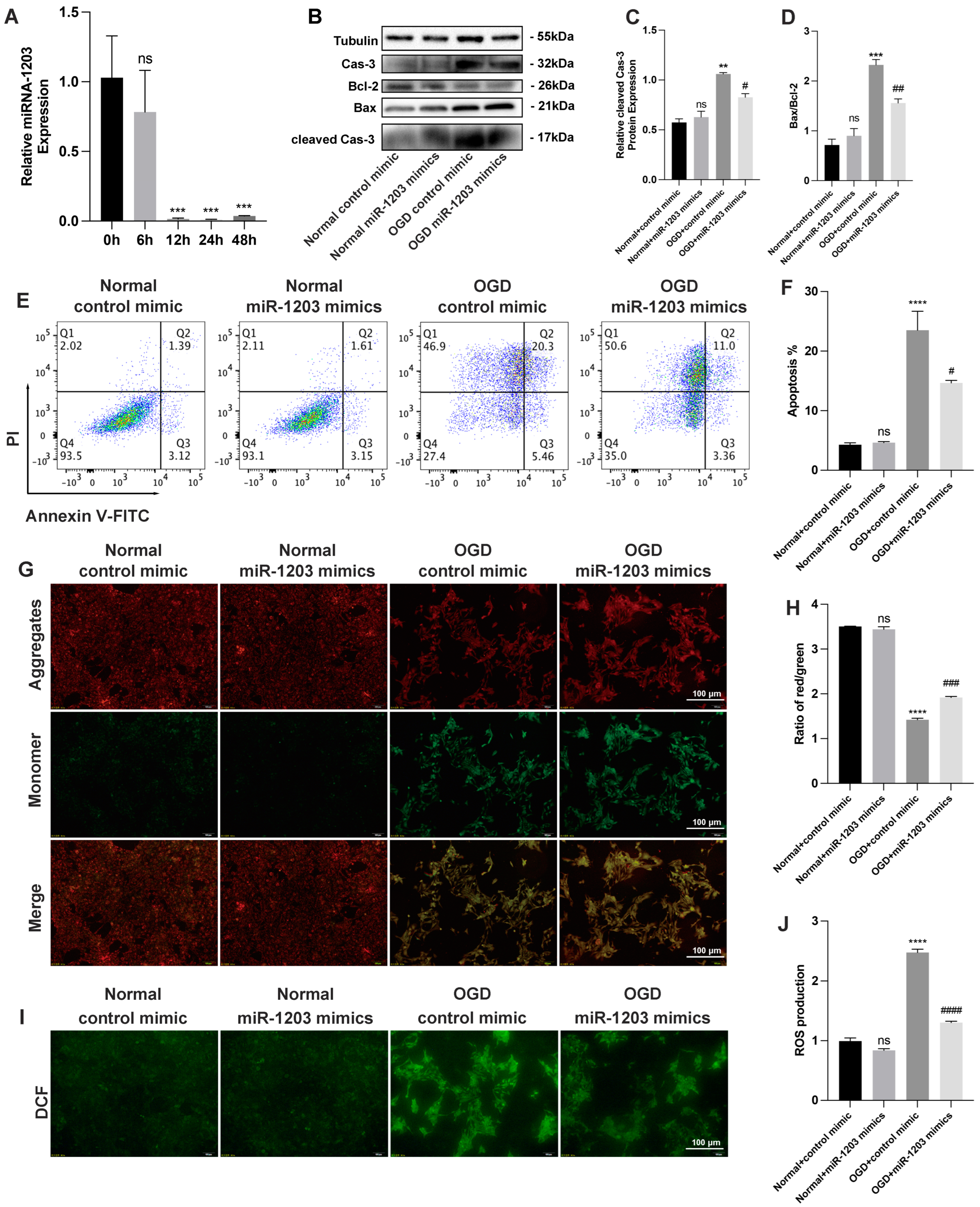
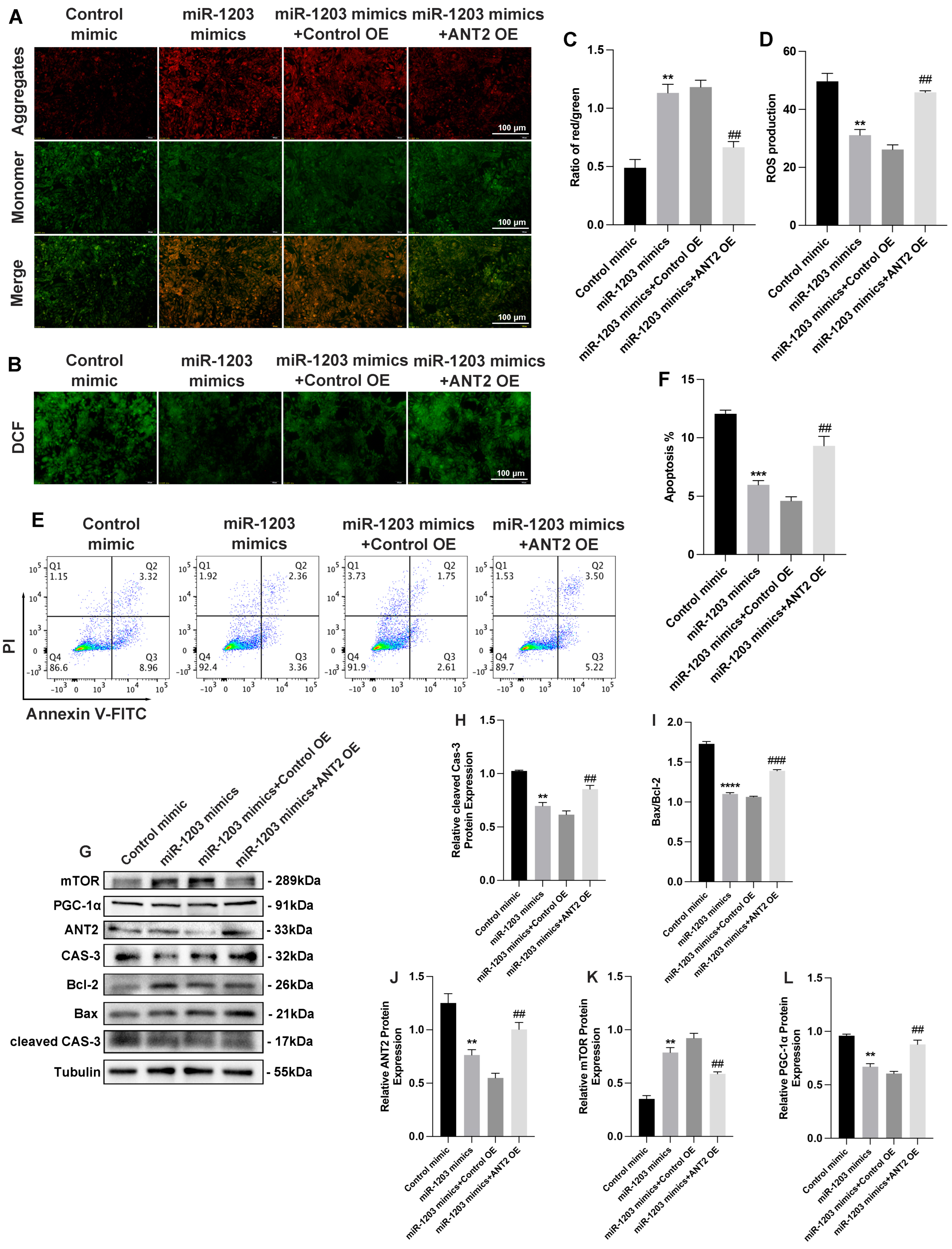
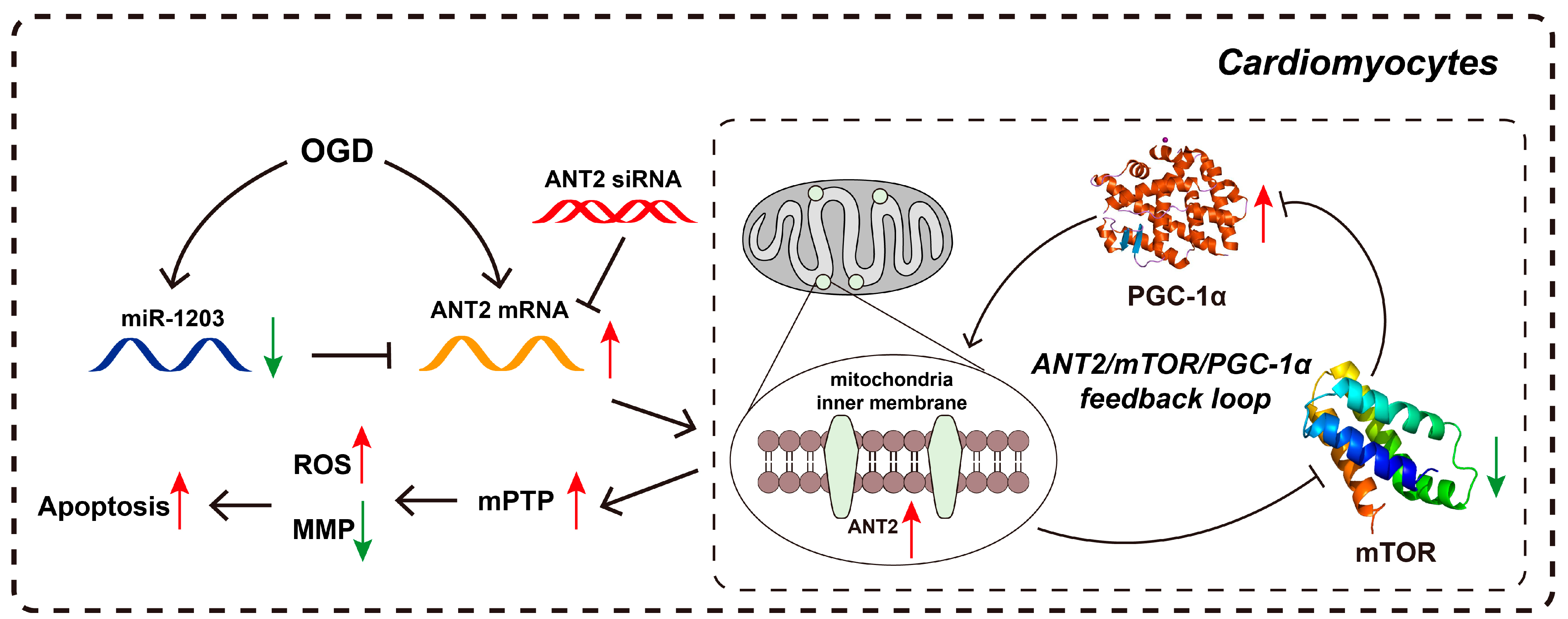
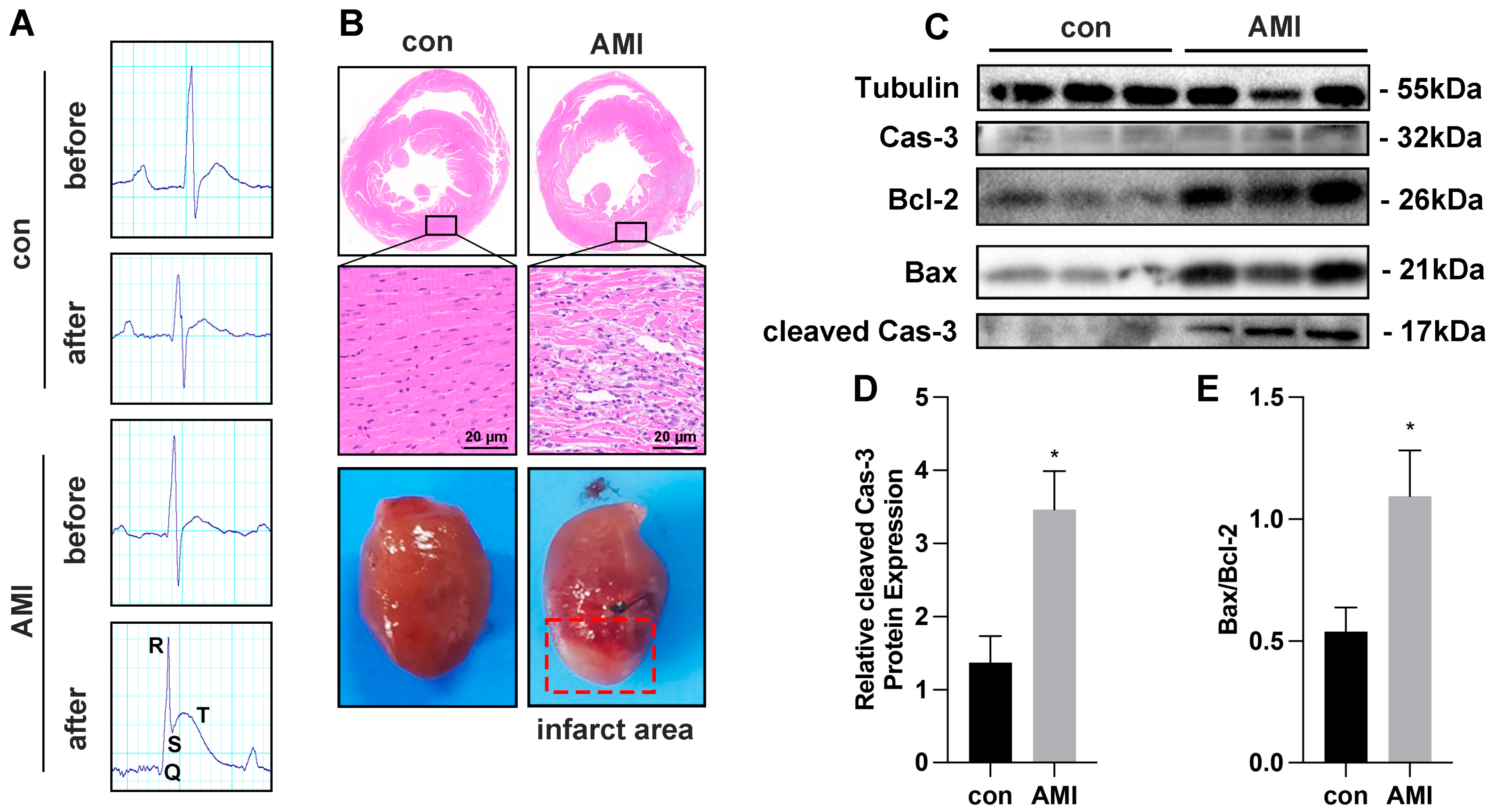
Mitochondrial dysfunction is known to play a critical role in the development of cardiomyocyte death during acute myocardial infarction (AMI). However, the exact mechanisms underlying this dysfunction are still under investigation. Adenine nucleotide translocase 2 (ANT2) is a key functional protein in mitochondria. We aimed at exploring the potential benefits of ANT2 inhibition against AMI. We utilized an oxygen–glucose deprivation (OGD) cell model and an AMI mice model to detect cardiomyocyte injury. We observed elevated levels of reactive oxygen species (ROS), disrupted mitochondrial membrane potential (MMP), and increased apoptosis due to the overexpression of ANT2. Additionally, we discovered that ANT2 is involved in myocardial apoptosis by activating the mTOR (mechanistic target of rapamycin kinase)-dependent PGC-1α (PPARG coactivator 1 alpha) pathway, establishing a novel feedback loop during AMI. In our experiments with AC16 cells under OGD conditions, we observed protective effects when transfected with ANT2 siRNA and miR-1203. Importantly, the overexpression of ANT2 counteracted the protective effect resulting from miR-1203 upregulation in OGD-induced AC16 cells. All these results supported that the inhibition of ANT2 could alleviate myocardial cell injury under OGD conditions. Based on these findings, we propose that RNA interference (RNAi) technology, specifically miRNA and siRNA, holds therapeutic potential by activating the ANT2/mTOR/PGC-1α feedback loop. This activation could help mitigate mitochondria-mediated injury in the context of AMI. These insights may contribute to the development of future clinical strategies for AMI.
Keywords: acute myocardial infarction; oxygen–glucose deprivation; adenine nucleotide translocase 2; RNA interference; microRNA acute myocardial infarction; oxygen–glucose deprivation; adenine nucleotide translocase 2; RNA interference; microRNA