LINC01770 Is Associated with Stem-like Features and Aggressive Traits in Breast Cancer Cells Through a Putative miR-335-5p/OCT4 Axis
 ,
,  and
and
Abstract
1. Introduction
2. Results
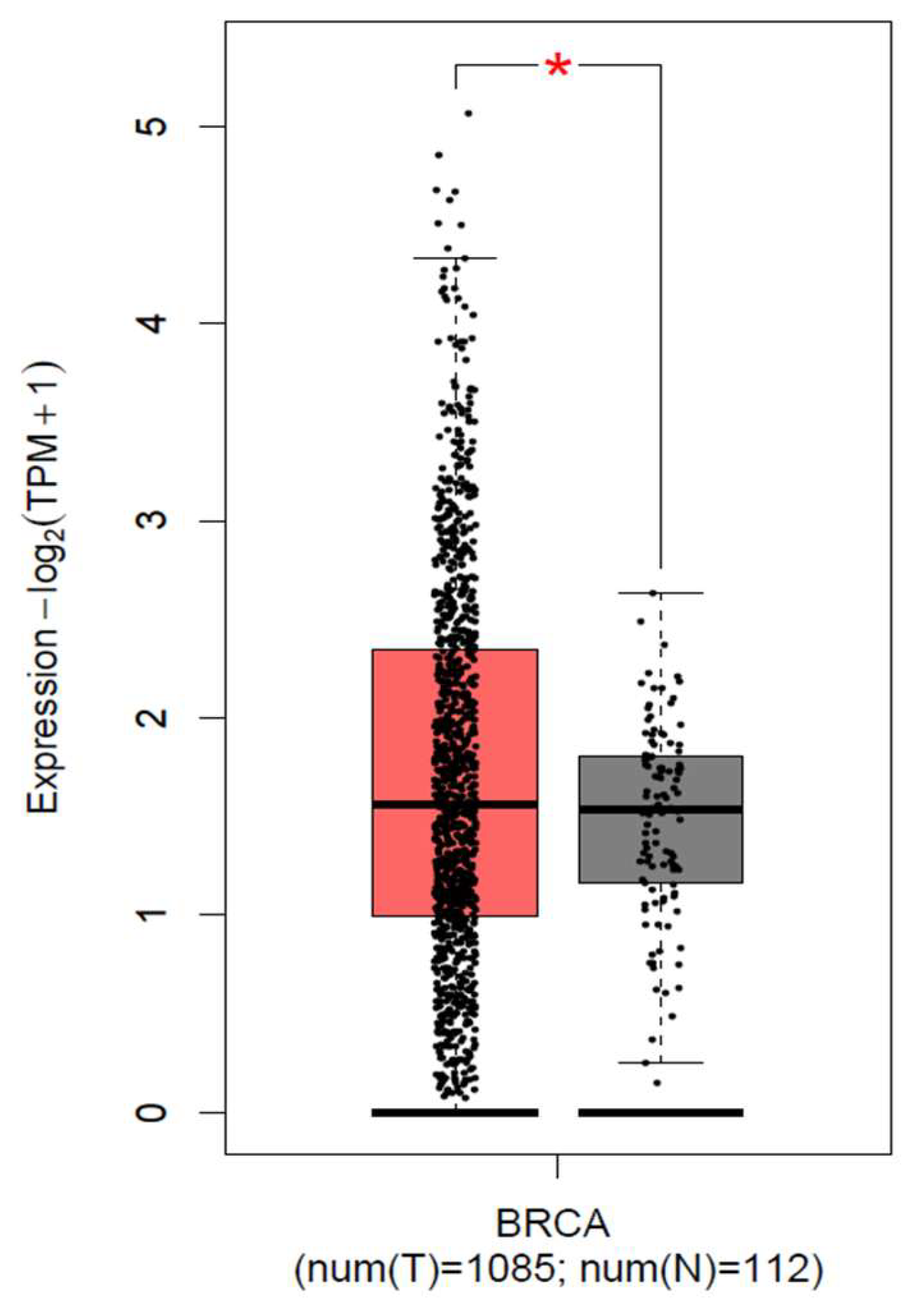
2.1. LINC01770 Expression in Breast Cancer Tissues
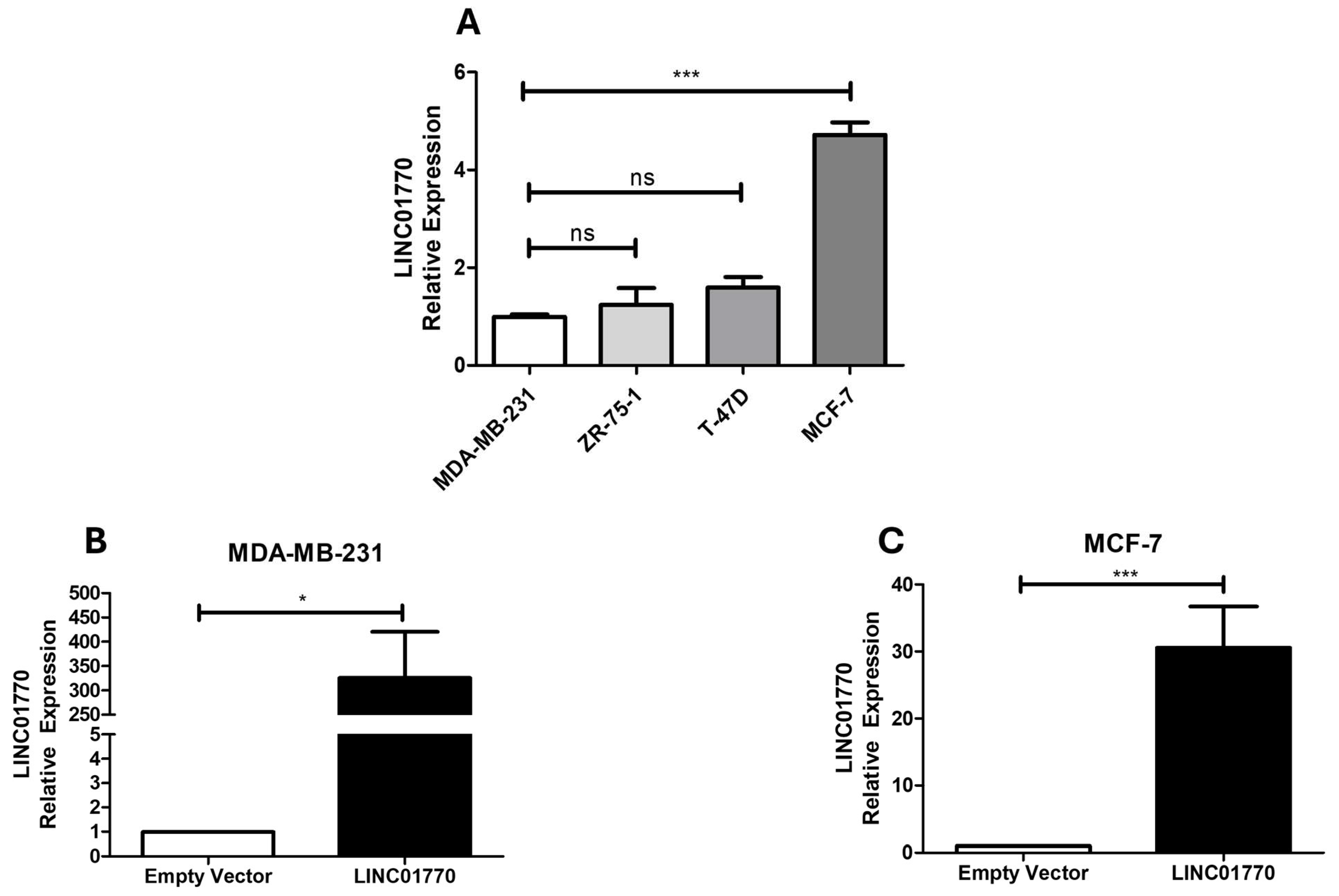
2.2. Baseline Expression of LINC01770 and Lentiviral Transduction Efficiency in Breast Cancer Cell Lines
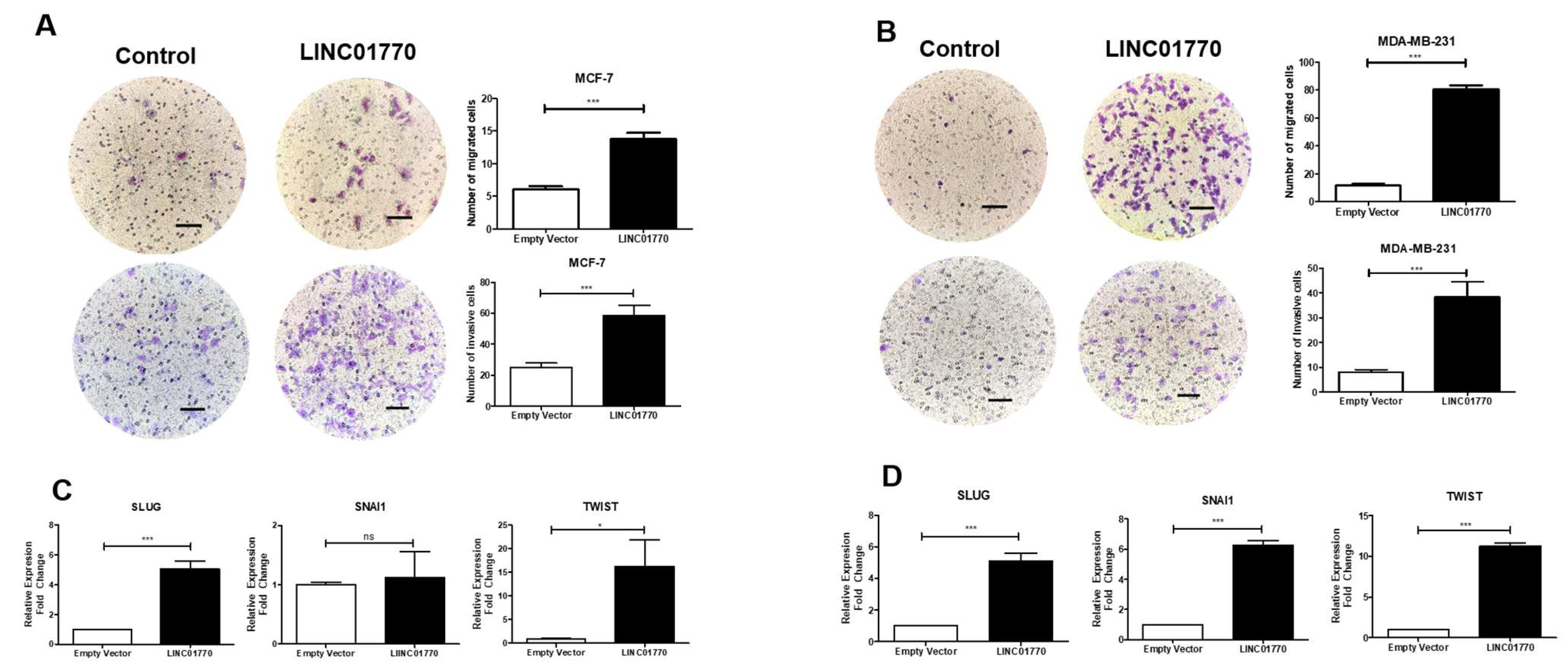
2.3. LINC01770 Promotes Migration, Invasion, and the Expression of Epithelial–Mesenchymal Transition Genes in BC Cell Lines
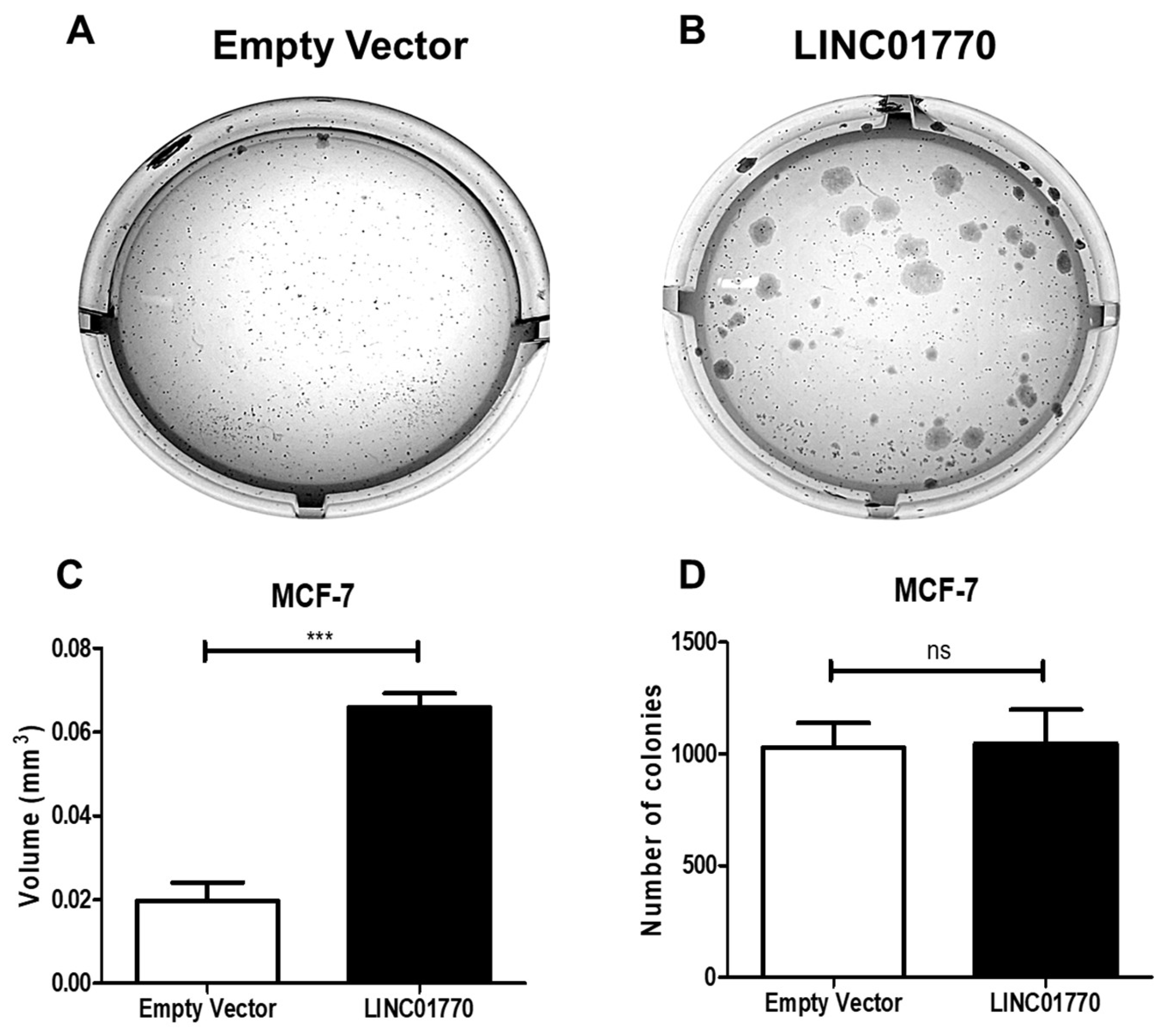
2.4. LINC01770 Promotes Anchorage-Independent Growth in BC Cells
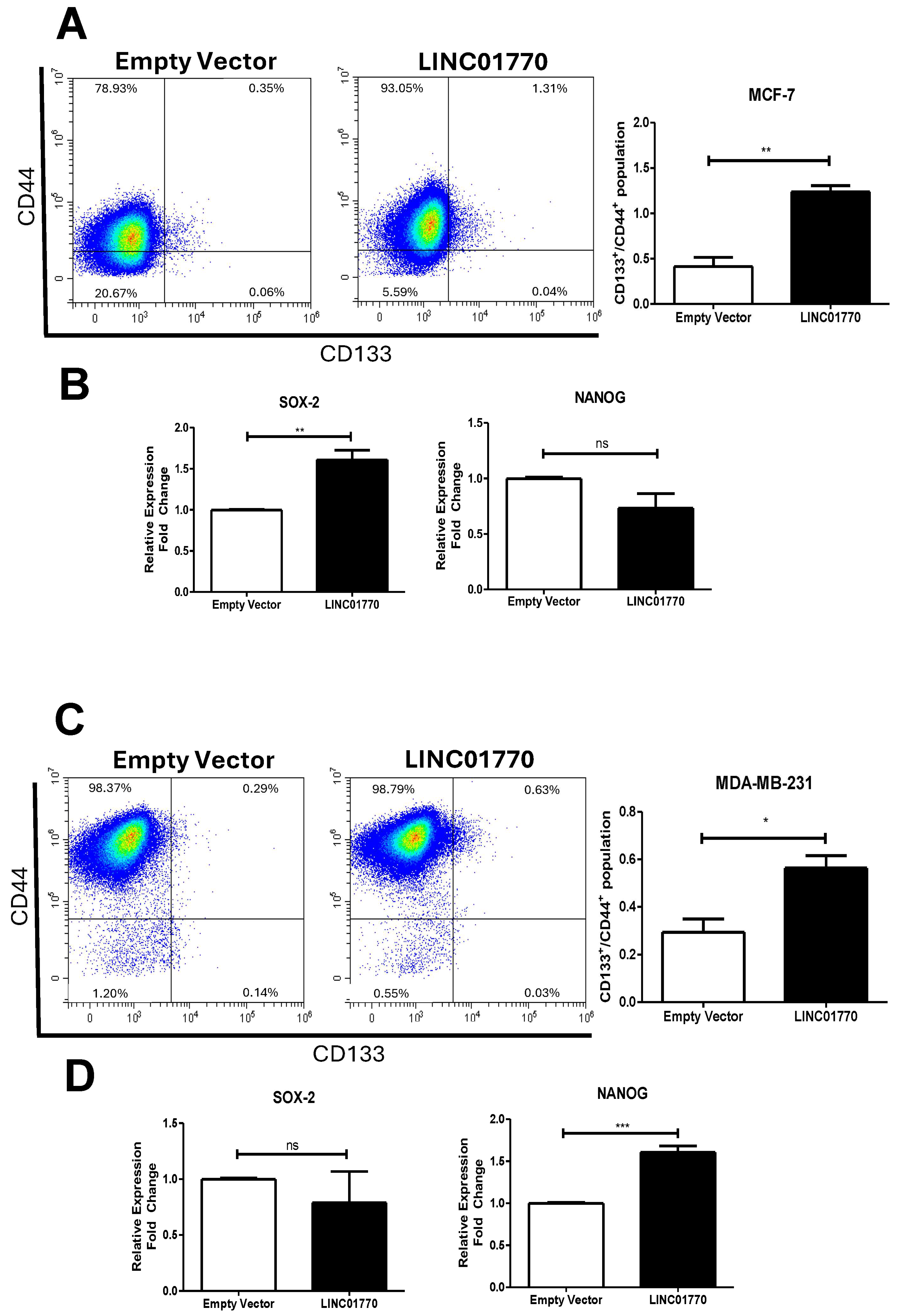
2.5. LINC01770 Promotes CD133+/CD44+ Cell Population in BC Cells
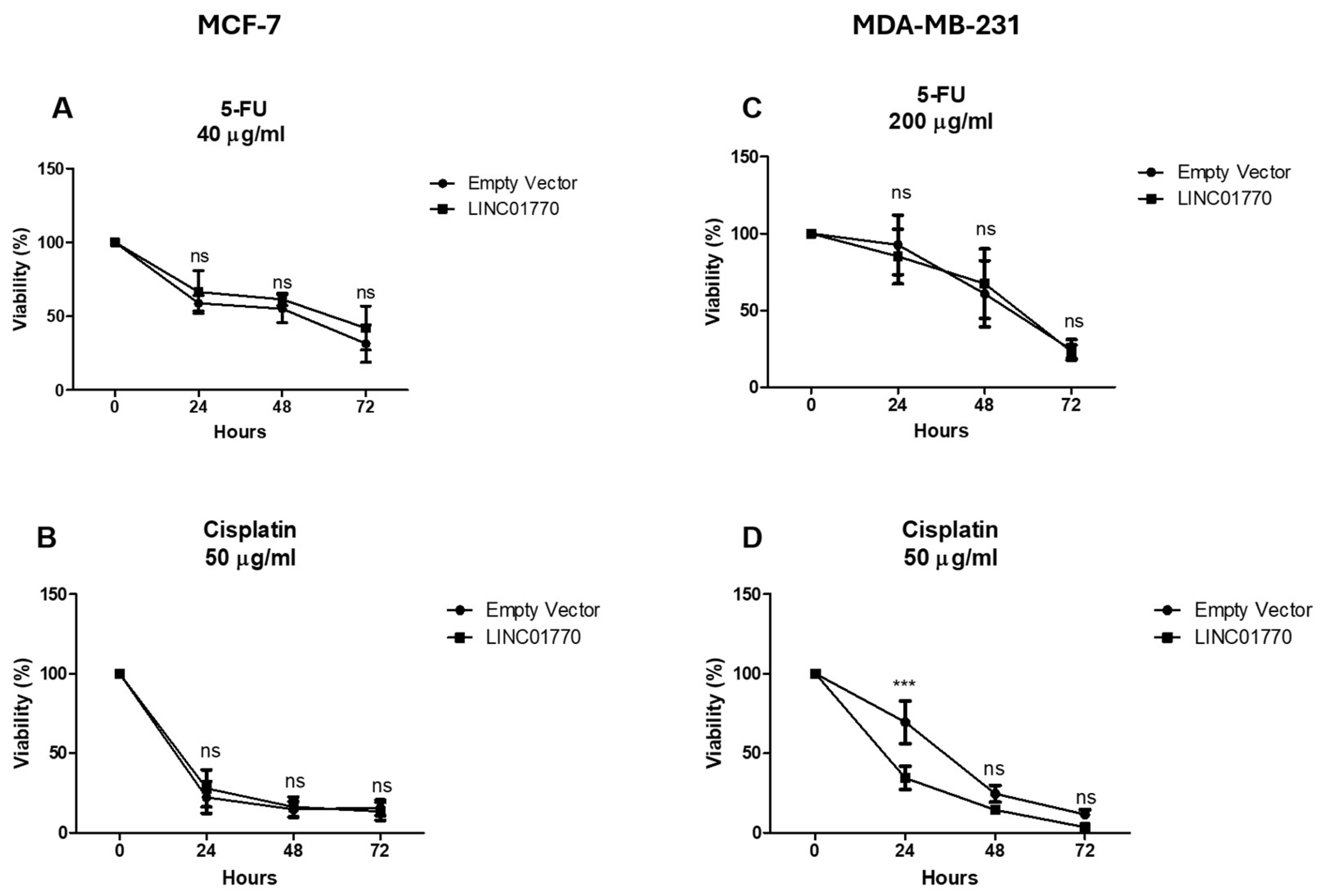
2.6. LINC01770 Does Not Promote Resistance to 5-Fluorouracil and Cisplatin in BC Cells
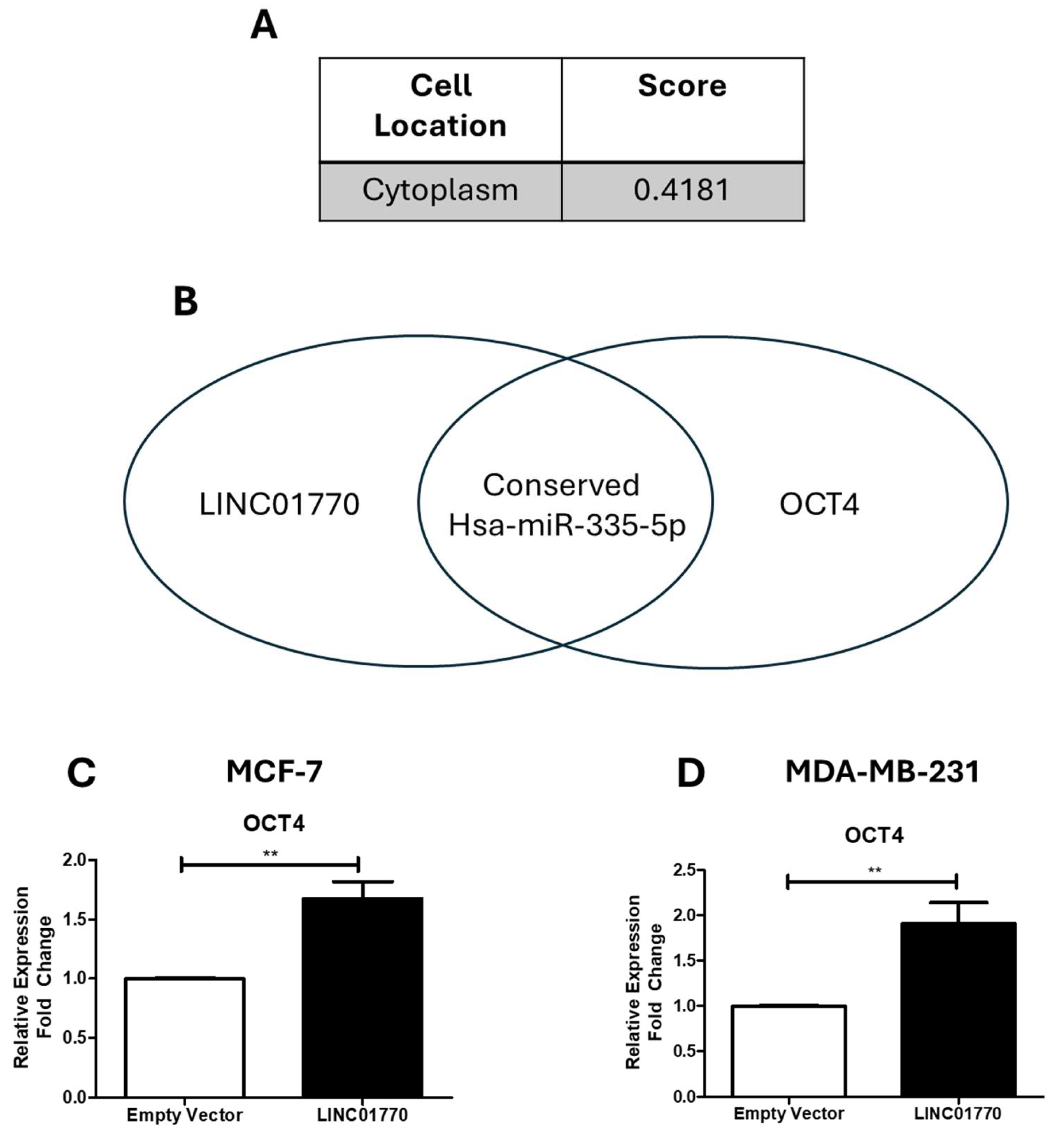
2.7. LINC01770 Induces Cell Aggressiveness via the LINC01770/miR-335-5p/OCT4 Axis
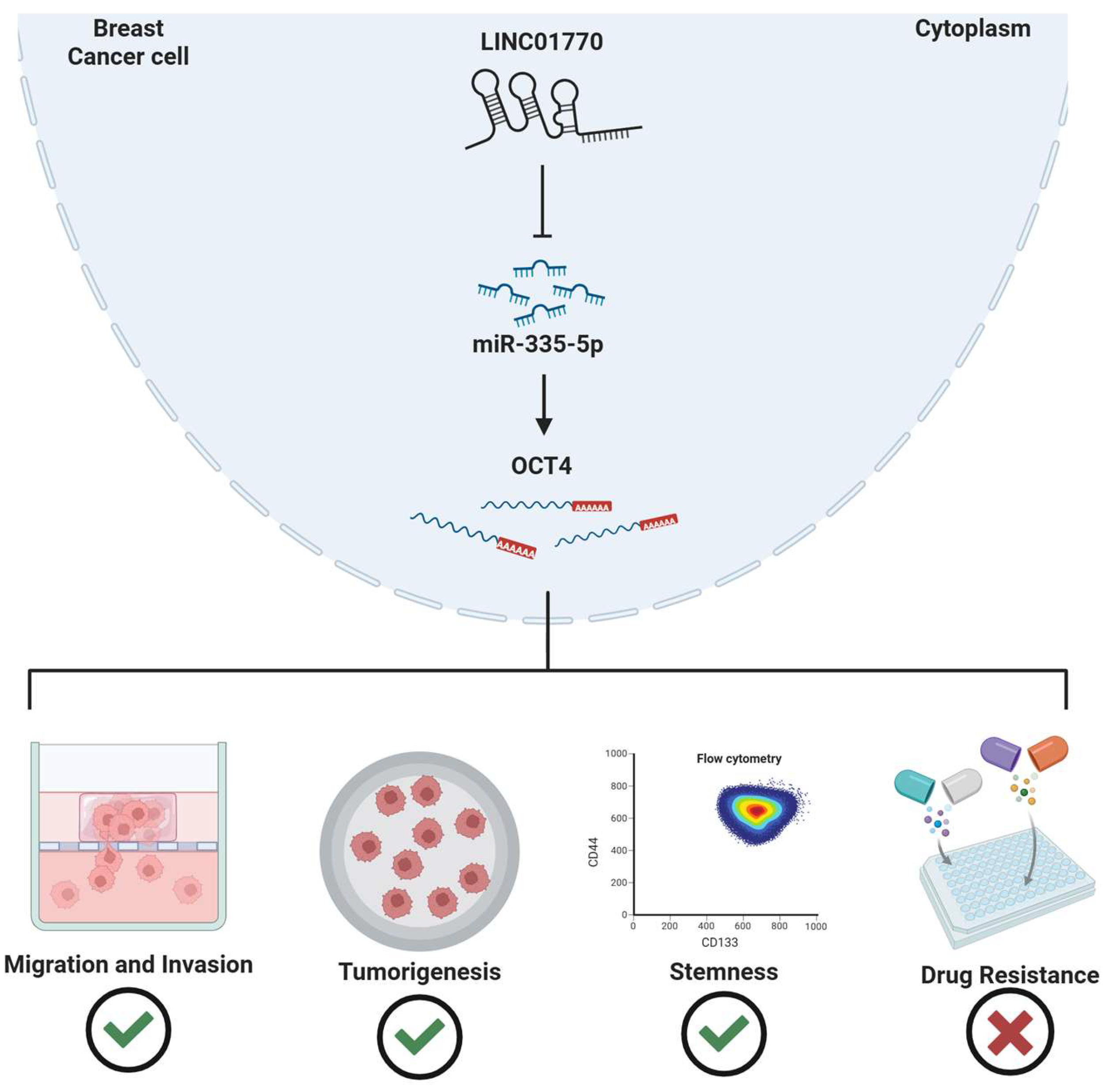
2.8. LINC01770 Induces Cell Aggressiveness via the Putative LINC01770/miR-335-5p/OCT4 Axis
3. Discussion
4. Materials and Methods
4.1. Cell Line Culture
4.2. Lentiviral Transduction
4.3. RT-qPCR
4.4. CD133+/44+ Populations by Flow Cytometry
4.5. Soft Agar Assay
4.6. Cell Migration
4.7. Cell Invasion
4.8. Viability Assay for Drug Resistance
4.9. In Silico and Bioinformatic Analyses
4.10. Statistical Analysis
5. Conclusions
Supplementary Materials
Author Contributions
Funding
Institutional Review Board Statement
Informed Consent Statement
Data Availability Statement
Acknowledgments
Conflicts of Interest
References
- Bray, F.; Laversanne, M.; Sung, H.; Ferlay, J.; Siegel, R.L.; Soerjomataram, I.; Jemal, A. Global cancer statistics 2022: GLOBOCAN estimates of incidence and mortality worldwide for 36 cancers in 185 countries. CA Cancer J. Clin. 2024, 74, 229–263. [Google Scholar] [CrossRef] [PubMed]
- Guo, L.; Kong, D.; Liu, J.; Zhan, L.; Luo, L.; Zheng, W.; Zheng, Q.; Chen, C.; Sun, S. Breast cancer heterogeneity and its implication in personalized precision therapy. Exp. Hematol. Oncol. 2023, 12, 3. [Google Scholar] [CrossRef]
- Xiong, X.; Zheng, L.W.; Ding, Y.; Chen, Y.F.; Cai, Y.W.; Wang, L.P.; Huang, L.; Liu, C.C.; Shao, Z.M.; Yu, K.D. Breast cancer: Pathogenesis and treatments. Signal Transduct. Target. Ther. 2025, 10, 49. [Google Scholar] [CrossRef] [PubMed]
- Slack, F.J.; Chinnaiyan, A.M. The Role of Non-coding RNAs in Oncology. Cell 2019, 179, 1033–1055. [Google Scholar] [CrossRef] [PubMed]
- Fang, Y.; Fullwood, M.J. Roles, Functions, and Mechanisms of Long Non-coding RNAs in Cancer. Genom. Proteom. Bioinform. 2016, 14, 42–54. [Google Scholar] [CrossRef] [PubMed]
- Yang, Q.H.; Fu, Y.Q.; Feng, W.L.; Mao, J.F.; Xu, N.; Liu, Q.; Yan, Q.J.; Yang, H.J.; Zhang, X.P. LncRNA-MALAT1 promotes triple-negative breast cancer progression and function as ceRNA to target REEP5 by sponging miR-106a-5p. Eur. J. Med. Res. 2025, 30, 159. [Google Scholar] [CrossRef] [PubMed]
- Deng, L.; Wang, J.; Song, J.; Wu, Q.; Gong, Z.; Hou, L. Long noncoding RNA SNHG1 promotes breast cancer progression by regulating the miR-641/RRS1 axis. Sci. Rep. 2024, 14, 3265. [Google Scholar] [CrossRef] [PubMed]
- Tripathi, R.; Soni, A.; Varadwaj, P.K. Integrated analysis of dysregulated lncRNA expression in breast cancer cell identified by RNA-seq study. Noncoding RNA Res. 2016, 1, 35–42. [Google Scholar] [CrossRef] [PubMed]
- Xu, Q.; Wen, X.; Huang, C.; Lin, Z.; Xu, Z.; Sun, C.; Li, L.; Zhang, S.; Song, S.; Lou, J.; et al. RRFERV stabilizes TEAD1 expression to mediate nasopharyngeal cancer radiation resistance rendering tumor cells vulnerable to ferroptosis. Int. J. Surg. 2025, 111, 450–466. [Google Scholar] [CrossRef] [PubMed]
- Sznurkowska, M.K.; Aceto, N. The gate to metastasis: Key players in cancer cell intravasation. FEBS J. 2022, 289, 4336–4354. [Google Scholar] [CrossRef] [PubMed]
- Sadri, M.; Shafaghat, Z.; Roozbehani, M.; Dorfaki, M.; Kheiri, F.; Heidari, S.; Mahmoudi, A.; Faraji, F. Targeting cancer stem cells as the most aggressive and tumor-initiating cells. Transl. Oncol. 2026, 65, 102669. [Google Scholar] [CrossRef] [PubMed]
- Munro, M.J.; Wickremesekera, S.K.; Peng, L.; Tan, S.T.; Itinteang, T. Cancer stem cells in colorectal cancer: A review. J. Clin. Pathol. 2018, 71, 110–116. [Google Scholar] [CrossRef] [PubMed]
- Sandoval-Bórquez, A.; Polakovicova, I.; Carrasco-Véliz, N.; Lobos-González, L.; Riquelme, I.; Carrasco-Avino, G.; Bizama, C.; Norero, E.; Owen, G.I.; Roa, J.C.; et al. MicroRNA-335-5p is a potential suppressor of metastasis and invasion in gastric cancer. Clin. Epigenet. 2017, 9, 114. [Google Scholar] [CrossRef] [PubMed]
- Ye, L.; Wang, F.; Wu, H.; Yang, H.; Yang, Y.; Ma, Y.; Xue, A.; Zhu, J.; Chen, M.; Wang, J.; et al. Functions and Targets of miR-335 in Cancer. OncoTargets Ther. 2021, 14, 3335–3349. [Google Scholar] [CrossRef] [PubMed]
- Weidenfeld, K.; Barkan, D. EMT and Stemness in Tumor Dormancy and Outgrowth: Are They Intertwined Processes? Front. Oncol. 2018, 8, 381. [Google Scholar] [CrossRef] [PubMed]
- Walcher, L.; Kistenmacher, A.K.; Suo, H.; Kitte, R.; Dluczek, S.; Strauß, A.; Blaudszun, A.R.; Yevsa, T.; Fricke, S.; Kossatz-Boehlert, U. Cancer Stem Cells-Origins and Biomarkers: Perspectives for Targeted Personalized Therapies. Front. Immunol. 2020, 11, 1280. [Google Scholar] [CrossRef] [PubMed]
- Ordaz-Ramos, A.; Tellez-Jimenez, O.; Vazquez-Santillan, K. Signaling pathways governing the maintenance of breast cancer stem cells and their therapeutic implications. Front. Cell Dev. Biol. 2023, 11, 1221175. [Google Scholar] [CrossRef] [PubMed]
- Zhao, L.; Lou, G.; Li, A.; Liu, Y. lncRNA MALAT1 modulates cancer stem cell properties of liver cancer cells by regulating YAP1 expression via miR-375 sponging. Mol. Med. Rep. 2020, 22, 1449–1457. [Google Scholar] [CrossRef] [PubMed]
- Wang, J.; Liu, X.; Li, P.; Shu, Y.; Zhong, X.; Gao, Z.; Yang, J.; Jiang, Y.; Zhou, X.; Yang, G. Long noncoding RNA HOTAIR regulates the stemness of breast cancer cells via activation of the NF-κB signaling pathway. J. Biol. Chem. 2022, 298, 102630. [Google Scholar] [CrossRef] [PubMed]
- Jolly, M.K.; Jia, D.; Boareto, M.; Mani, S.A.; Pienta, K.J.; Ben-Jacob, E.; Levine, H. Coupling the modules of EMT and stemness: A tunable ‘stemness window’ model. Oncotarget 2015, 6, 25161–25174. [Google Scholar] [CrossRef] [PubMed]
- Pradella, D.; Naro, C.; Sette, C.; Ghigna, C. EMT and stemness: Flexible processes tuned by alternative splicing in development and cancer progression. Mol. Cancer 2017, 16, 8. [Google Scholar] [CrossRef] [PubMed]
- Liao, T.T.; Yang, M.H. Revisiting epithelial-mesenchymal transition in cancer metastasis: The connection between epithelial plasticity and stemness. Mol. Oncol. 2017, 11, 792–804. [Google Scholar] [CrossRef] [PubMed]
- Hong, D.; Fritz, A.J.; Zaidi, S.K.; van Wijnen, A.J.; Nickerson, J.A.; Imbalzano, A.N.; Lian, J.B.; Stein, J.L.; Stein, G.S. Epithelial-to-mesenchymal transition and cancer stem cells contribute to breast cancer heterogeneity. J. Cell Physiol. 2018, 233, 9136–9144. [Google Scholar] [CrossRef] [PubMed]
- Quinn, H.M.; Vogel, R.; Popp, O.; Mertins, P.; Lan, L.; Messerschmidt, C.; Landshammer, A.; Lisek, K.; Château-Joubert, S.; Marangoni, E.; et al. YAP and β-Catenin Cooperate to Drive Oncogenesis in Basal Breast Cancer. Cancer Res. 2021, 81, 2116–2127. [Google Scholar] [CrossRef] [PubMed]
- Park, H.W.; Kim, Y.C.; Yu, B.; Moroishi, T.; Mo, J.S.; Plouffe, S.W.; Meng, Z.; Lin, K.C.; Yu, F.X.; Alexander, C.M.; et al. Alternative Wnt Signaling Activates YAP/TAZ. Cell 2015, 162, 780–794. [Google Scholar] [CrossRef] [PubMed]
- Xu, X.; Zhang, M.; Xu, F.; Jiang, S. Wnt signaling in breast cancer: Biological mechanisms, challenges and opportunities. Mol. Cancer 2020, 19, 165. [Google Scholar] [CrossRef] [PubMed]
- Zhang, S.; Xiao, X.; Yi, Y.; Wang, X.; Zhu, L.; Shen, Y.; Lin, D.; Wu, C. Tumor initiation and early tumorigenesis: Molecular mechanisms and interventional targets. Signal Transduct. Target. Ther. 2024, 9, 149. [Google Scholar] [CrossRef] [PubMed]
- Yang, Y.; Wang, F.; Huang, H.; Zhang, Y.; Xie, H.; Men, T. lncRNA SLCO4A1-AS1 promotes growth and invasion of bladder cancer through sponging miR-335-5p to upregulate OCT4. OncoTargets Ther. 2019, 12, 1351–1358. [Google Scholar] [CrossRef] [PubMed]
- Ji, Y.Y.; Song, Y.; Wang, A.N. MiR-335-5p inhibits proliferation of Huh-7 liver cancer cells via targeting the Oct4/Akt pathway. Eur. Rev. Med. Pharmacol. Sci. 2021, 25, 1853–1860. [Google Scholar] [CrossRef] [PubMed]
- Guo, X.; Yu, L.; Zhang, Z.; Dai, G.; Gao, T.; Guo, W. miR-335 negatively regulates osteosarcoma stem cell-like properties by targeting POU5F1. Cancer Cell Int. 2017, 17, 29. [Google Scholar] [CrossRef] [PubMed]
- Suyal, G.; Pandey, P.; Saraya, A.; Sharma, R. Tumour suppressor role of microRNA-335-5p in esophageal squamous cell carcinoma by targeting TTK (Mps1). Exp. Mol. Pathol. 2022, 124, 104738. [Google Scholar] [CrossRef] [PubMed]
- Mohiuddin, I.S.; Wei, S.J.; Kang, M.H. Role of OCT4 in cancer stem-like cells and chemotherapy resistance. Biochim. Biophys. Acta Mol. Basis Dis. 2020, 1866, 165432. [Google Scholar] [CrossRef] [PubMed]
- Zhang, Q.; Han, Z.; Zhu, Y.; Chen, J.; Li, W. The Role and Specific Mechanism of OCT4 in Cancer Stem Cells: A Review. Int. J. Stem Cells 2020, 13, 312–325. [Google Scholar] [CrossRef] [PubMed]
- Pérez-Moreno, P.; Riquelme, I.; Bizama, C.; Vergara-Gómez, L.; Tapia, J.C.; Brebi, P.; García, P.; Roa, J.C. LINC00662 Promotes Aggressive Traits by Modulating OCT4 Expression through miR-335-5p in Gallbladder Cancer Cells. Int. J. Mol. Sci. 2024, 25, 6740. [Google Scholar] [CrossRef] [PubMed]
- Untergasser, A.; Cutcutache, I.; Koressaar, T.; Ye, J.; Faircloth, B.C.; Remm, M.; Rozen, S.G. Primer3—New capabilities and interfaces. Nucleic Acids Res. 2012, 40, e115. [Google Scholar] [CrossRef] [PubMed]
- Tomayko, M.M.; Reynolds, C.P. Determination of subcutaneous tumor size in athymic (nude) mice. Cancer Chemother. Pharmacol. 1989, 24, 148–154. [Google Scholar] [CrossRef] [PubMed]



| Gene | Forward Primer | Reverse Primer |
|---|---|---|
| NANOG | 5′-CATGAGTGTGGATCCAGCTTG | 5′-CCTGAATAAGCAGATCCATGG |
| OCT-4 | 5′-AGGTATTCAGCCAAACGACCA | 5′-TCGATACTGGTTCGCTTTCTC |
| SOX-2 | 5′-AGCTACAGCATGATGCAGGA | 5′-GAGTAGGACATGCTGTAGGT |
| SLUG | 5′-TCATCTTTGGGGCGATGAG | 5′-CAATGCATGGGGGTCTGAA |
| SNAI1 | 5′-CTTCCAGCAGCCCTACGAC | 5′-GACAGATCCCAGATGAGCA |
| TWIST | 5′-GCATCACTATGGACTTTCTCTATT | 5′-GCCAGTTTGATCCCAGTATT |
| GAPDH | 5′-GAGTCAACGGATTTGGTCGT | 5′-GACAAGCTTCCCGTTCTCAG |
| LINC01770 | 5′-GCAAGCTGTACCACTTCGAG | 5′-GACCAGCTCACAGAGGAACA |
Disclaimer/Publisher’s Note: The statements, opinions and data contained in all publications are solely those of the individual author(s) and contributor(s) and not of MDPI and/or the editor(s). MDPI and/or the editor(s) disclaim responsibility for any injury to people or property resulting from any ideas, methods, instructions or products referred to in the content. |
© 2026 by the authors. Licensee MDPI, Basel, Switzerland. This article is an open access article distributed under the terms and conditions of the Creative Commons Attribution (CC BY) license.
Share and Cite
Gasson, J.; Böhmwald, A.; Muñoz, J.P.; Retamal, M.A.; Pérez-Moreno, P. LINC01770 Is Associated with Stem-like Features and Aggressive Traits in Breast Cancer Cells Through a Putative miR-335-5p/OCT4 Axis. Pharmaceuticals 2026, 19, 1039. https://doi.org/10.3390/ph19071039
Gasson J, Böhmwald A, Muñoz JP, Retamal MA, Pérez-Moreno P. LINC01770 Is Associated with Stem-like Features and Aggressive Traits in Breast Cancer Cells Through a Putative miR-335-5p/OCT4 Axis. Pharmaceuticals. 2026; 19(7):1039. https://doi.org/10.3390/ph19071039
Chicago/Turabian StyleGasson, Javier, Antonia Böhmwald, Juan P. Muñoz, Mauricio A. Retamal, and Pablo Pérez-Moreno. 2026. "LINC01770 Is Associated with Stem-like Features and Aggressive Traits in Breast Cancer Cells Through a Putative miR-335-5p/OCT4 Axis" Pharmaceuticals 19, no. 7: 1039. https://doi.org/10.3390/ph19071039
APA StyleGasson, J., Böhmwald, A., Muñoz, J. P., Retamal, M. A., & Pérez-Moreno, P. (2026). LINC01770 Is Associated with Stem-like Features and Aggressive Traits in Breast Cancer Cells Through a Putative miR-335-5p/OCT4 Axis. Pharmaceuticals, 19(7), 1039. https://doi.org/10.3390/ph19071039