Review

Fagonia cretica L. and Redox Homeostasis: An Integrative Review of Phytochemistry, Redox-Sensitive Signaling, and Pharmacological Potential

by
Asad Abbas
1,
Saeed Vohra
2,
Ralf Weiskirchen
3,*,
Hameeza Mushtaq
1,
Adnan Amjad
1,
Arooma Tabassum
4,
Shehnshah Zafar
1,
Anis Ahmad Chaudhary
5,
Abdulrahman Mohammed Alhudhaibi
5 and
Bipindra Pandey
6,*
1
Department of Human Nutrition, Faculty of Food Science and Nutrition, Bahauddin Zakariya University, Multan 60800, Pakistan
2
Department of Anatomy and Physiology, College of Medicine, Imam Mohammad Ibn Saud Islamic University, Riyadh 11623, Saudi Arabia
3
Institute of Molecular Pathobiochemistry, Experimental Gene Therapy and Clinical Chemistry (IFMPEGKC), RWTH University Hospital Aachen, D-52074 Aachen, Germany
4
Department of Chemistry, Government College University, Lahore 54000, Pakistan
5
Department of Biology, College of Science, Imam Mohammad Ibn Saud Islamic University (IMSIU), Riyadh 11623, Saudi Arabia
6
Department of Pharmacy, Madan Bhandari Academy of Health Sciences, Hetauda 44107, Nepal
*
Authors to whom correspondence should be addressed.
Pharmaceuticals 2026, 19(7), 1036; https://doi.org/10.3390/ph19071036
Submission received: 11 June 2026 / Revised: 28 June 2026 / Accepted: 1 July 2026 / Published: 3 July 2026

Abstract

Redox homeostasis is the balance between oxidative processes and antioxidant defenses and is fundamental to cellular integrity. This review critically synthesizes current evidence on the phytochemical composition, redox-modulating mechanisms, and therapeutic bioactivities of Fagonia cretica L. (F. cretica), with the aim of evaluating its translational potential as a natural antioxidant and anticancer agent. F. cretica has emerged as a phytochemically rich candidate containing highly bioactive secondary metabolite for redox-targeted therapeutic applications. Its diverse secondary metabolite profile, including alkaloids, flavonoids, tannins, saponins, terpenoids, glycosides, and phenolic compounds, confers broad biological activity. Bioactive constituents, particularly kaempferol, catechin, quercetin, and arbutin, directly neutralize reactive oxygen species (ROS) and modulate inflammatory pathways through inhibition of COX-1, COX-2, and nitric oxide production. These compounds influence important major ROS-sensitive redox signaling pathways: activation of the Keap1/Nrf2/ARE axis to upregulate cytoprotective genes such as HO-1, NQO1, and GCL, suppression of the NF-κB pathway to attenuate pro-inflammatory cytokine transcription, including TNF-α, IL-1β, and IL-6, and interference with the MAPK-PI3K/Akt cascade to disrupt aberrant cancer cell survival and proliferation. Bioactive compound-rich extracts of F. cretica exhibit anticancer activity in MCF-7 breast cancer cells by inducing DNA damage, cell cycle arrest, and apoptotic signaling through the FOXO3a/p53 pathways. Similar effects have been reported in colorectal (HCT-116) and prostate (PC-3) cancer cells through DNA (cytosine-5)-methyltransferase 1 (DNMT1) downregulation, oxidative stress induction, and ER-β activation. Moreover, these extracts demonstrate cytotoxic effects in HepG2 and Caco-2 intestinal cancer cells, often associated with topoisomerase inhibition and caspase activation. Despite encouraging preclinical evidence, systematic studies encompassing pharmacokinetic profiling, toxicological characterization, and human clinical trials remain essential to translate these findings into safe, evidence-based therapeutic applications.

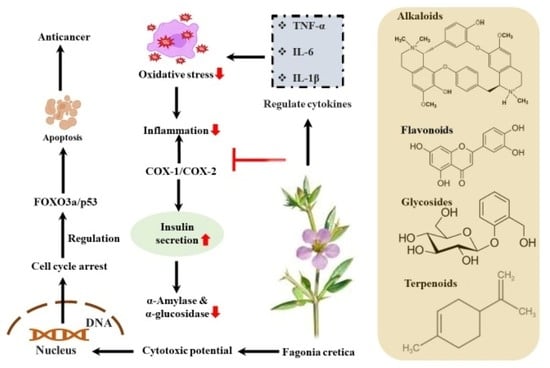
Graphical Abstract

1. Introduction

Redox homeostasis is a biological process that maintains the balance between the production of reactive oxygen species (ROS) and antioxidant defenses in cells [1]. ROS are continually formed as byproducts of normal aerobic metabolism, such as superoxide (O2), hydrogen peroxide (H2O2), and hydroxyl radicals (OH•) [2,3]. At the physiological level, these molecules act as messengers in intracellular signaling pathways involved in cell proliferation, cell death, immune system regulation, and metabolic homeostasis [4]. Cells detect and respond to changes in intracellular ROS levels through several redox-sensitive signaling pathways. Among the most extensively studied are the Keap1/Nrf2/ARE pathway, which regulates cytoprotective antioxidant genes, the NF-κB signaling pathway, which controls inflammatory gene expression, and signaling cascades involving MAPK and PI3K/Akt that influence cell survival and proliferation. Oxidation of Keap1 cysteine residues results in the release of Nrf2, leading to the transcription of more than 200 cytoprotective genes, including GCL, HO-1, and NQO1 [5]. Elevated ROS levels can promote activation of the NF-κB signaling pathway through redox-dependent modulation of upstream kinases such as IκB kinase (IKK). Activation of this pathway leads to nuclear translocation of NF-κB and subsequent transcription of pro-inflammatory cytokines, including TNF-α, IL-1β, and IL-6 [6,7]. ROS can also influence cell survival pathways by modulating redox-sensitive signaling proteins. For example, ROS may transiently oxidize the catalytic cysteine residue of the tumor suppressor phosphatase PTEN, resulting in reversible inhibition of its phosphatase activity. This redox-dependent modification can enhance PI3K/Akt signaling and promote cellular survival and proliferation under certain physiological or pathological conditions. However, this regulatory mechanism is highly context-dependent and reversible, reflecting the dynamic nature of intracellular redox signaling [8]. This delicate equilibrium becomes disturbed when an imbalance occurs, either through chronic overproduction of ROS leading to oxidative stress or through excessive antioxidant activity leading to reductive stress. Consequently, cells are progressively damaged, forming the basis of the pathogenesis of major diseases including cancer, cardiovascular diseases, type 2 diabetes, and liver diseases [7].
Medicinal plants have long been recognized as important sources of bioactive compounds with the potential to influence redox biology, a property that extends beyond simple free-radical scavenging. F. cretica is a spiny, xerophytic shrub belonging to the family Zygophyllaceae, occuring throughout the Mediterranean Basin, North Africa, the Arabian Peninsula, and parts of the Indian subcontinent, typically in arid and semi-arid environments [9]. It is well established in traditional medicine systems such as Ayurveda, Unani, and regional ethnobotanical practices, having been used for centuries to treat inflammatory diseases, liver disorders, skin diseases, fever, and cancer [10]. These traditional uses provide a strong historical basis for current pharmacological research. Phytochemical analyses have shown that F. cretica is rich in structurally complex secondary metabolites. These include flavonoids such as quercetin, kaempferol, luteolin, apigenin, and rutin, triterpenoid saponins and glycosides, including oleanane- and ursane-type glycosides such as hederagenin-, oleanolic acid-, and 27-hydroxyoleanolic acid-based glycosides. Moreover, alkaloids such as harmine and harmaline, iridoid glycosides, phenolic acids such as gallic acid, caffeic acid, and chlorogenic acid, are included, as well as sterols and tannins [11]. Importantly, many of these constituents possess the ability to interact with redox-sensitive molecular targets, suggesting that F. cretica may represent a promising botanical candidate for further investigation within the emerging paradigm of precision redox medicine.
The pharmacological properties attributed to the bioactive compounds of Fagonia species are increasingly being elucidated through studies of specific molecular mechanisms related to redox regulation. Suggested replacement: At the broader phytochemical level, flavonoids and saponins from medicinal plants have been reported to influence apoptosis-related redox signaling in cancer models, including mitochondrial membrane depolarization, cytochrome c release, caspase activation, and suppression of NF-κB-mediated anti-apoptotic signaling. These findings provide mechanistic background for interpreting redox-active phytochemicals; however, they should not be interpreted as compound-specific evidence for F. cretica unless the cited studies directly examined F. cretica water extracts, fractions, or isolated constituents [12,13]. These effects are consistent with selective pro-oxidant cytotoxicity that exploits the increased ROS vulnerability of malignant cells. The hepatoprotective activity of F. cretica has been associated with inhibition of CYP2E1-mediated oxidative metabolism, reduction in lipid peroxidation products such as 4-HNE and MDA, restoration of hepatic glutathione reserves, and inhibition of TGF-β-induced activation of hepatic stellate cells. Together, these actions interrupt the redox-inflammatory pathway that drives the progression from steatosis to fibrosis and cirrhosis [14]. Anti-inflammatory effects include suppression of the NF-κB pathway and a subsequent decrease in the secretion of TNF-α, IL-1β, and IL-6, as well as inhibition of COX-2 and modulation of the NLRP3 inflammation, thereby disrupting the ROS–inflammation feed-forward cycle responsible for maintaining chronic tissue injury [15]. The antioxidant activity of F. cretica compounds appears to be mediated partly by direct radical scavenging, attributed to the phenolic hydroxyl groups [16,17], but is primarily mediated indirectly through activation of the Nrf2 pathway. This activation leads to upregulation of endogenous antioxidant enzymes such as heme oxygenase-1 (HO-1), thioredoxin reductase, NQO1, and the glutathione synthesis enzymes GCL and GSS [18,19]. This hormetic mechanism enhances antioxidant capacity in cells far more effectively than simple radical scavenging and is now recognized as a principal mechanism of action for many plant polyphenols.
Therefore, a review that addresses these gaps and critically integrates current knowledge on F. cretica within the modern framework of redox homeostasis is warranted. The present review provides a comprehensive overview of the phytochemical profile of F. cretica, the molecular mechanisms by which its principal bioactive compounds influence redox-sensitive pathways in cancer, liver disorders, inflammatory diseases, and antioxidant systems, and a critical evaluation of the quality and translational relevance of existing experimental evidence. This review also highlights key research gaps that must be addressed to advance the field. These include conducting mechanistic studies at the level of individual compounds, employing validated redox biomarker panels, developing pharmacological models tailored to specific disease stages, performing comprehensive toxicological assessments, and designing well-structured in vivo studies. The aim of this review is to provide a scientifically grounded framework for the future development of F. cretica pharmacology and to clarify its true therapeutic potential, as well as the challenges that must be addressed before the medicinal potential of this plant can be responsibly translated into clinical applications.

2. Literature Search Strategy and Evidence Sources

The literature included in this narrative review was identified through searches of major scientific databases, including PubMed/MEDLINE, Scopus, Web of Science, ScienceDirect, and Google Scholar. The databases were searched from their inception up to January 2026. Search terms included ‘Fagonia cretica’, ‘Fagonia’, ‘phytochemistry’, ‘saponins’, ‘flavonoids’, ‘phenolics’, ‘triterpenoids’, ‘redox homeostasis’, ‘oxidative stress’, ‘antioxidant’, ‘anti-inflammatory’, ‘anticancer’, ‘antidiabetic’, ‘hepatoprotective’, and ‘antimicrobial’, combined using Boolean operators where appropriate. The thematic scope included studies reporting nutritional composition, phytochemical characterization, redox-sensitive signaling, and pharmacological activities of F. cretica. Studies were included if they reported original experimental findings or directly relevant review evidence on F. cretica or clearly identified constituents of the species. Studies were excluded if they did not concern F. cretica, lacked extract- or compound-level information, were duplicate records, were conference abstracts without accessible data, or involved multi-plant preparations without separable F. cretica-specific findings. General mechanistic studies on flavonoids, saponins, or redox signaling were used only as contextual evidence and were not treated as species-specific evidence for F. cretica.

3. Redox Homeostasis as a Central Regulator of Human Health

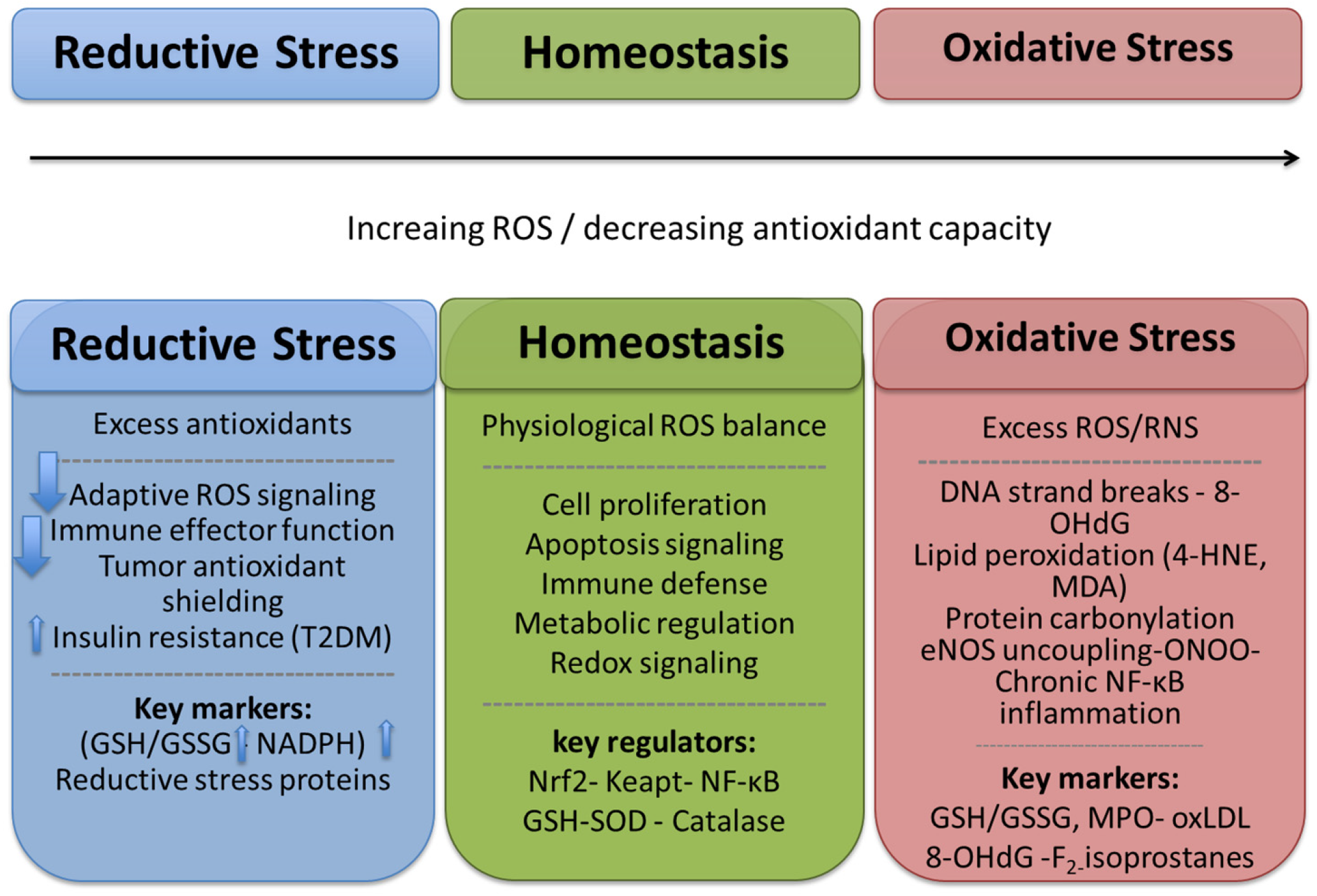
Redox homeostasis is defined as the dynamic balance between ROS, such as superoxide (O2), hydrogen peroxide (H2O2), and hydroxyl radicals (OH•), and cellular antioxidant defenses, including thioredoxin (Trx), superoxide dismutase (SOD), and catalase (CAT) [20]. Physiological levels of ROS are essential for intracellular signaling processes that regulate cell proliferation, apoptosis, immune activation, and metabolic homeostasis (Figure 1).
There are three commonly studied pathways that detect redox perturbations: (1) ROS oxidize Keap1, leading to the release of Nrf2, which activates the transcription of cytoprotective genes, including GCL, HO-1, and NQO1; (2) ROS activate IκB kinase, thereby releasing NF-κB to drive the expression of TNF-α, IL-1β, and IL-6, creating a self-sustaining inflammatory loop; and (3) ROS can also modulate signaling pathways by reversibly oxidizing redox-sensitive proteins such as PTEN and other protein tyrosine phosphatases. Oxidation of critical cysteine residues can transiently inhibit their phosphatase activity, thereby enhancing downstream signaling through pathways such as PI3K/Akt that regulate cell survival and proliferation [21,22].
Moreover, cellular redox balance exists along a continuum ranging from reductive stress to oxidative stress, with redox homeostasis representing the optimal physiological equilibrium between ROS production and antioxidant defense systems. Reductive stress results from excessive antioxidant activity and diminished ROS signaling, leading to impaired immune function, insulin resistance, and altered cellular metabolism. In contrast, oxidative stress occurs when the generation of ROS and reactive nitrogen species (RNS) exceeds the antioxidant capacity, causing DNA damage, lipid peroxidation, protein carbonylation, endothelial nitric oxide synthase (eNOS) uncoupling, and chronic NF-κB-mediated inflammation [23]. Under normal conditions, redox homeostasis supports cell proliferation, apoptosis signaling, immune defense, metabolic regulation, and intracellular signaling pathways [24,25]. Key biomarkers associated with these states include the GSH/GSSG ratio, NADPH, Nrf2, 8-hydroxy-2′-deoxyguanosine (8-OHdG), F2-isoprostanes, myeloperoxidase (MPO), malondialdehyde (MDA), and oxidized low-density lipoprotein (LDL).

4. Nutritional Composition of F. cretica

The nutritional profile of F. cretica exhibits a balanced distribution of macronutrients, structural carbohydrates, and essential micronutrients, indicating its potential role in supporting fundamental physiological processes and maintaining metabolic homeostasis. It contains moisture (10.41%), crude fiber (14.57%), protein (9.34%), and lipids (4.63%). It also contains carbohydrates, including glucose, sucrose, soluble sugars, and polysaccharides, with a total carbohydrate content of 622.4 mg/g dry weight. Its energy value is 327.99 kcal/100 g, suggesting a moderate caloric content. The carbohydrate content suggests its potential utility in providing both rapid and sustained energy, thereby supporting ATP generation and metabolic demands. Its energy value of 327.99 kcal/100 g further reinforces its contribution to dietary energy intake [26].
The mineral composition of F. cretica also contributes to its nutritional significance. Essential elements such as potassium (12.09 mg/g), sodium (13.09 mg/g), calcium (10.69 mg/g), and magnesium (7.19 mg/g) occur in substantial quantities and play important roles in osmotic balance, neuromuscular function, and enzyme activation. Trace elements such as iron (1.13 mg/g), zinc (0.07 mg/g), copper (0.31 mg/g), and manganese (0.09 mg/g) serve as essential cofactors for numerous enzymatic systems [26]. These minerals are important components of endogenous antioxidant defense mechanisms, including the activation of key enzymes such as superoxide dismutase (SOD), catalase, and glutathione-related pathways, thereby indirectly contributing to the regulation of ROS. Owing to its rich nutrient composition, F. cretica may be considered a promising functional food ingredient.
F. cretica contains a wide array of phytoconstituents, including active antioxidant compounds. The total phenolic content (TPC) and total flavonoid content (TFC) were reported as 2.4 mg GAE/g and 0.18 mg GAE/g, respectively, while the antioxidant activity was estimated to be 1.40 mg AEAC/g. The presence of these bioactive compounds suggests potential antioxidant activity capable of counteracting oxidative stress [27].
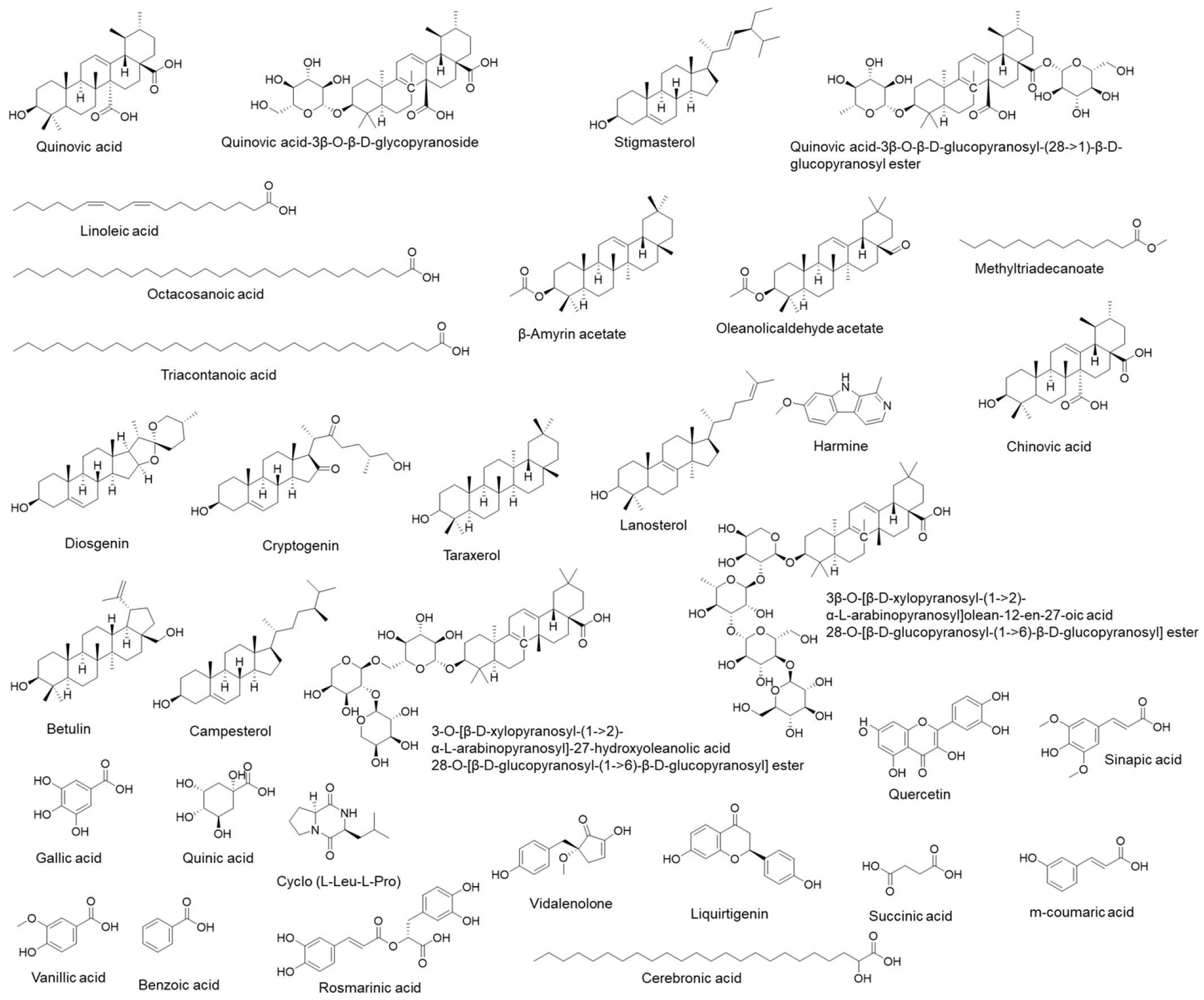
F. cretica is a nutritious, edible, and medicinal herb containing alkaloids (3.32–4.43 mg/g), tannins (6.66–12.44 mg/g), total phenolics (4.38–9.62 mg/g), saponins (5.87–8.14 mg/g), and flavonoids (5.11–7.16 mg/g). The plant also exhibits significant antioxidant activity of approximately 1.40 mg/g [26]. It is a rich source of various bioactive molecules of medicinal importance. The active constituents of F. cretica include alkaloids, fatty acids, triterpenoids, and steroids. The major bioactive constituents include quinovic acid and its derivatives, such as quinovic acid-3β-O-β-D-glycopyranoside and quinovic acid-3β-O-β-D-glucopyranosyl-(28→1)-β-D-glucopyranosyl ester. Sterols and related compounds reported in the plant include stigmasterol, linoleic acid, octacosanoic acid, methyl triadecanoate, β-amyrin acetate, taraxerol, oleanolic aldehyde acetate, and triacontanoic acid. Other important bioactive molecules include diosgenin, cryptogenin, lanosterol, harmine, betulin, and campesterol. These compounds are associated with antioxidant, anti-inflammatory, and antimicrobial activities [28,29,30].
The aqueous extract of F. cretica contains phenolic acids and flavonoids. HPLC analysis by Kamran et al. revealed the presence of quercetin (7.82 ppm), gallic acid (2.43 ppm), vanillic acid (5.64 ppm), benzoic acid (8.66 ppm), m-coumaric acid (0.97 ppm), and sinapic acid (1.64 ppm). These compounds possess antioxidant, anti-inflammatory, and antimicrobial activities, which may contribute to the therapeutic effects of the herb [31].
Similarly, the methanolic extract of F. cretica is rich in phenolic acids and flavonoids. HPLC analysis detected quercetin (8.28 ppm), gallic acid (2.52 ppm), vanillic acid (6.72 ppm), benzoic acid (11.21 ppm), m-coumaric acid (2.14 ppm), cinnamic acid (4.25 ppm), and sinapic acid (2.01 ppm) [31]. These compounds have been reported to possess potent antioxidant, anti-inflammatory, and antibacterial effects, demonstrating the pharmaceutical potential of the extract (Table 1 and Figure 2). Variations in extraction solvent, plant part, geographical origin, and phytochemical composition may substantially affect the redox-modulating efficacy of F. cretica. Aqueous, methanolic, ethanolic, and other solvent-based extracts, as well as nanoparticle-based preparations, differ in their phenolic, flavonoid, saponin, alkaloid, and triterpenoid contents, which may influence antioxidant capacity, enzyme inhibition, inflammatory signaling, and cytotoxic effects. Therefore, future studies should clearly report botanical authentication, plant part used, extraction solvent, extraction yield, marker compounds, dosage, assay conditions, and redox-specific biomarkers to improve reproducibility and facilitate mechanistic interpretation.

5. Health Promoting Mechanisms via Redox Homeostasis

5.1. Antioxidant Mechanism

NADPH oxidases, specifically nicotinamide adenine dinucleotide phosphate oxidase 2 (NOX2) and nicotinamide adenine dinucleotide phosphate oxidase 4 (NOX4), are among the most important vascular ROS-producing enzymes in cardiovascular disease and are stimulated by angiotensin II, oscillatory shear stress, LDL, and hyperglycemia [33]. The driving pathological event is kinetic because superoxide is a highly reactive species that reacts three times more rapidly with endothelial nitric oxide (NO) than with SOD to produce peroxynitrite (ONOO). Peroxynitrite oxidizes the eNOS cofactor tetrahydrobiopterin (BH4) and promotes eNOS uncoupling, converting eNOS into a net superoxide producer and creating a self-amplifying vascular oxidative cycle [34]. The consequences include endothelial dysfunction (impaired vasorelaxation and increased vascular cell adhesion molecule-1 (VCAM-1), intercellular adhesion molecule-1 (ICAM-1), and E-selectin expression), macrophage uptake of oxidized LDL via scavenger receptors leading to foam cell formation and atherogenesis, and cardiac remodeling characterized by increased activation of matrix metalloproteinases (MMPs), cardiomyocyte apoptosis, and mitochondrial ROS-mediated pathological hypertrophy [35,36]. The succinate–Complex II–reverse electron transport mechanism produces a surge of mitochondrial ROS during ischemia–reperfusion, which can paradoxically exacerbate injury upon reperfusion of the coronary arteries [37]. MPO is both a mechanistic driver and an independent clinical predictor of cardiovascular events. In contrast, dietary polyphenols reduce cardiovascular risk via Nrf2-mediated hormesis rather than direct radical scavenging, which may explain their limited efficacy in cardiovascular trials where antioxidant vitamins are administered individually in high doses [38].
Phytochemicals of F. cretica include flavonoids (quercetin, kaempferol, luteolin, apigenin), alkaloids (harmine, vasicine, sphaerophysine), triterpenoid saponins (oleanolic acid and ursolic acid derivatives), phenolic acids (gallic acid, ferulic acid, protocatechuic acid), and diverse terpenoids [28,29,30]. These compounds can interact with ROS, including superoxide anions and hydroxyl radicals, and may contribute to the reduction in oxidative damage. However, in biological systems their antioxidant effects are believed to arise primarily from modulation of endogenous defense mechanisms rather than direct scavenging of all ROS species [39]. At the mechanistic level, the antioxidant properties of F. cretica are closely linked to activation of the body’s endogenous cellular defense systems, particularly the nuclear factor erythroid 2–related factor 2 (Nrf2) signaling pathway [40]. Under oxidative or electrophilic stress conditions, certain phytochemicals can modify cysteine residues within the Keap1 protein or interfere with the Keap1-Nrf2 interaction. This process stabilizes Nrf2 and allows its translocation to the nucleus, where it activates antioxidant response element (ARE)-dependent gene expression. In the nucleus, Nrf2 binds to antioxidant response elements (ARE) in DNA, promoting the expression of phase II detoxifying and antioxidant enzymes such as superoxide dismutase (SOD), catalase (CAT), glutathione peroxidase (GPx), and heme oxygenase-1 (HO-1). This coordinated enzymatic response enhances intracellular antioxidant capacity, reduces lipid peroxidation, and restores redox balance [41]. Additionally, F. cretica suppresses ROS-mediated activation of pro-inflammatory and pro-apoptotic pathways, including NF-κB signaling, thereby indirectly reducing oxidative stress-induced inflammation and cellular injury. Through this dual mechanism—direct radical scavenging and indirect activation of the Nrf2–ARE antioxidant defense system—the plant protects cells from oxidative stress–induced damage, which is a key mechanism underlying chronic diseases such as cancer, diabetes, and neurodegenerative disorders [42]. At the cellular and molecular levels, F. cretica phytochemicals appear to modulate redox homeostasis through complementary antioxidant and context-dependent pro-oxidant mechanisms. Phenolic acids and flavonoids may directly reduce ROS through electron- or hydrogen-donating activity, whereas electrophilic phytochemicals may influence Keap1 cysteine residues, stabilize Nrf2, and promote ARE-dependent transcription of antioxidant enzymes. This response enhances the activity of SOD, CAT, GPx, HO-1, NQO1, and glutathione-related defense systems, thereby reducing lipid peroxidation and oxidative macromolecular damage. In malignant cells, flavonoid- and saponin-rich fractions may increase ROS levels beyond the apoptotic threshold, causing mitochondrial dysfunction, cytochrome c release, and caspase-dependent apoptosis [40,41].
Recent studies have demonstrated that F. cretica possesses a wide range of pharmacological properties owing to its rich phytochemical composition, including flavonoids, phenolics, tannins, and saponins. Nanotechnology-based approaches have further enhanced its therapeutic outcomes. For example, PEGylated nanocomposites containing F. cretica aqueous extract have shown substantial reductions in oxidative stress, ROS levels, and DNA damage in CCl4-induced hepatotoxic rats, significantly improving hepatoprotective effects compared with conventional treatments [43]. The high polysaccharide and dietary fiber contents also suggest a potential role in maintaining redox homeostasis through enhancement of endogenous antioxidant defenses, reduction in ROS accumulation, suppression of oxidative stress-induced inflammatory signaling, and preservation of mitochondrial function. These effects may collectively protect cellular macromolecules and maintain physiological redox balance. Similarly, green-synthesized nanoparticles, including silver, selenium, and zinc oxide nanoparticles produced using F. cretica extract, have exhibited strong antioxidant, antimicrobial, and antidiabetic activities. These effects are attributed to enzyme inhibition (α-amylase and α-glucosidase) and improved metabolic profiles in diabetic models [44]. In combination with Withania coagulans, F. cretica has demonstrated synergistic effects in lowering hyperuricemia by inhibiting xanthine oxidase, promoting uric acid excretion, modulating gut microbiota, and suppressing inflammatory pathways such as TLR4/MyD88/NF-κB and IL-17 in metabolic disorders [45]. Anticancer studies have also shown that F. cretica ethanolic extracts possess potent cytotoxic and antiproliferative activities in cancer cell lines such as HepG2 and MCF-7 by inducing apoptosis, inhibiting topoisomerase enzyme activity, and modulating signaling pathways including TNF-α and TGF-β [17]. Additionally, its extracts exhibit anti-inflammatory activity through inhibition of COX-1/COX-2 and suppression of nitric oxide production. Advances in extraction techniques, such as the use of deep eutectic solvents, have further improved the yield and antioxidant potential of its bioactive flavonoids, making the process more efficient and sustainable [46]. Furthermore, F. cretica has been shown to modulate drug-metabolizing enzymes (CYP3A4 and UGT2B7), suggesting a potential role in influencing drug metabolism in diabetic patients [31].

5.2. Anti-Inflammatory Mechanism

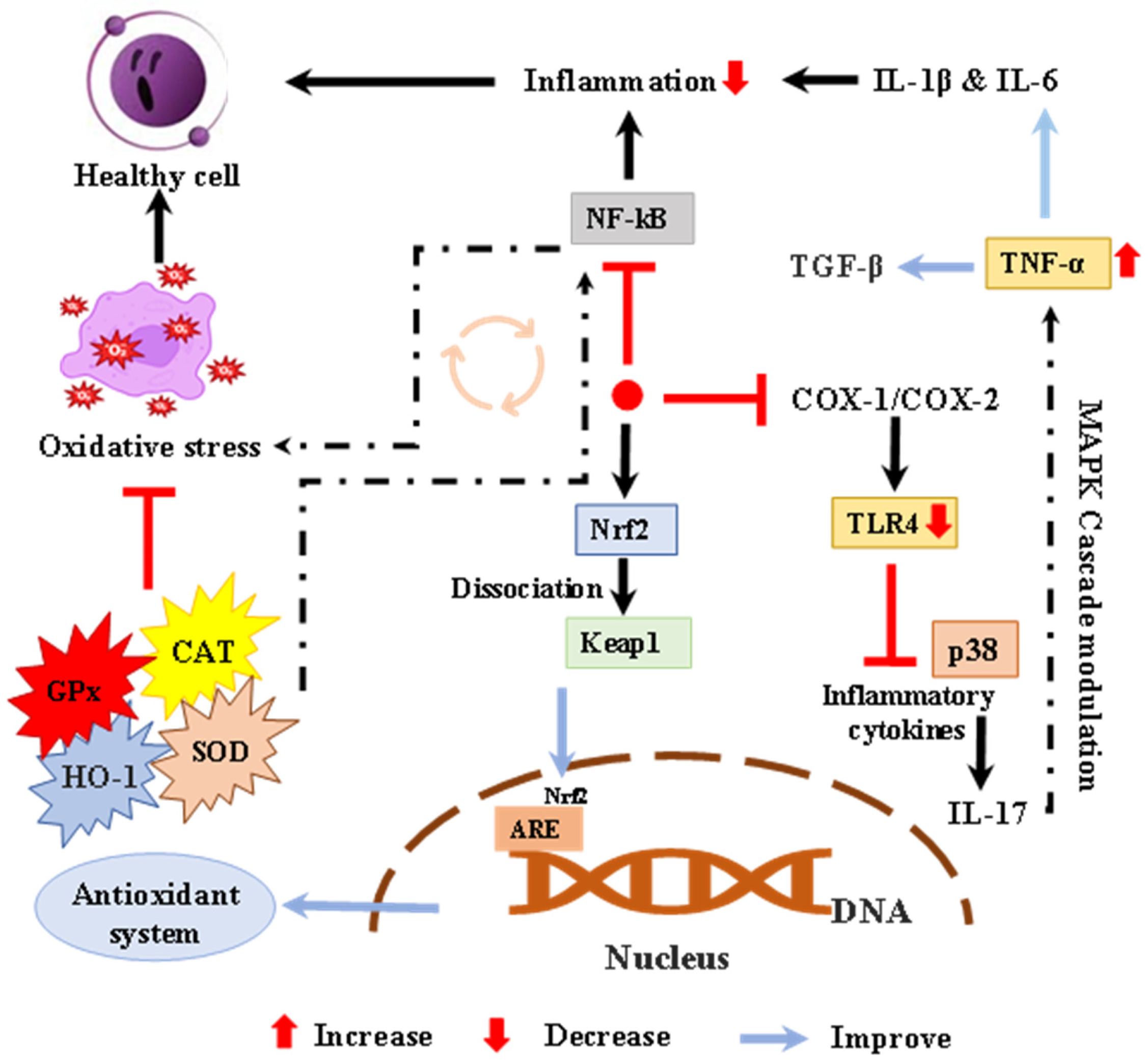
F. cretica has demonstrated notable anti-inflammatory potential due to its rich phytochemical profile, including flavonoids (quercetin-like compounds), phenolics, saponins, and alkaloids. Its anti-inflammatory activity is mainly mediated through inhibition of key pro-inflammatory signaling pathways, particularly the NF-κB and MAPK (mitogen-activated protein kinase) pathways. Under inflammatory stimulation, such as lipopolysaccharide (LPS) exposure or oxidative stress, NF-κB normally translocates from the cytoplasm to the nucleus, promoting the transcription of inflammatory mediators such as TNF-α, IL-1β, IL-6, COX-2, and iNOS [47]. Bioactive-rich fractions of F. cretica ethanolic extracts suppress the phosphorylation and activation of IKK, thereby preventing the degradation of IκBα and blocking NF-κB nuclear translocation. This results in reduced expression of pro-inflammatory cytokines and enzymes responsible for prostaglandin and nitric oxide production. In parallel, its phytoconstituents modulate the MAPK cascade (ERK, JNK, and p38 pathways), further downregulating inflammatory gene expression and attenuating macrophage activation [31]. Additionally, the plant exhibits strong antioxidant activity by enhancing endogenous antioxidant enzymes such as SOD, CAT, and GPx while reducing ROS generation. This indirectly suppresses inflammation, since oxidative stress is a major trigger of inflammatory signaling. Some studies also suggest modulation of the NLRP3 inflammasome pathway, leading to reduced activation of caspase-1 and decreased maturation of IL-1β [48]. Overall, F. cretica exerts a multitargeted anti-inflammatory effect through suppression of NF-κB/MAPK signaling, inhibition of cytokine release, downregulation of COX-2/iNOS expression, and reduction in oxidative stress, making it a promising natural therapeutic candidate for inflammatory disorders. The redox-sensitive signaling pathways reported or mechanistically implicated for F. cretica include the Keap1/Nrf2/ARE antioxidant pathway, NF-κB-mediated inflammatory signaling, MAPK cascades involving ERK, JNK, and p38, PI3K/Akt/mTOR-related survival and metabolic signaling, TLR4/MyD88/NF-κB inflammatory signaling, NLRP3 inflammasome activation, and apoptosis-associated p53/FOXO3a/caspase pathways. These pathways provide a mechanistic framework linking the phytochemical profile of F. cretica with antioxidant, anti-inflammatory, anticancer, hepatoprotective, and antidiabetic effects [47,48].
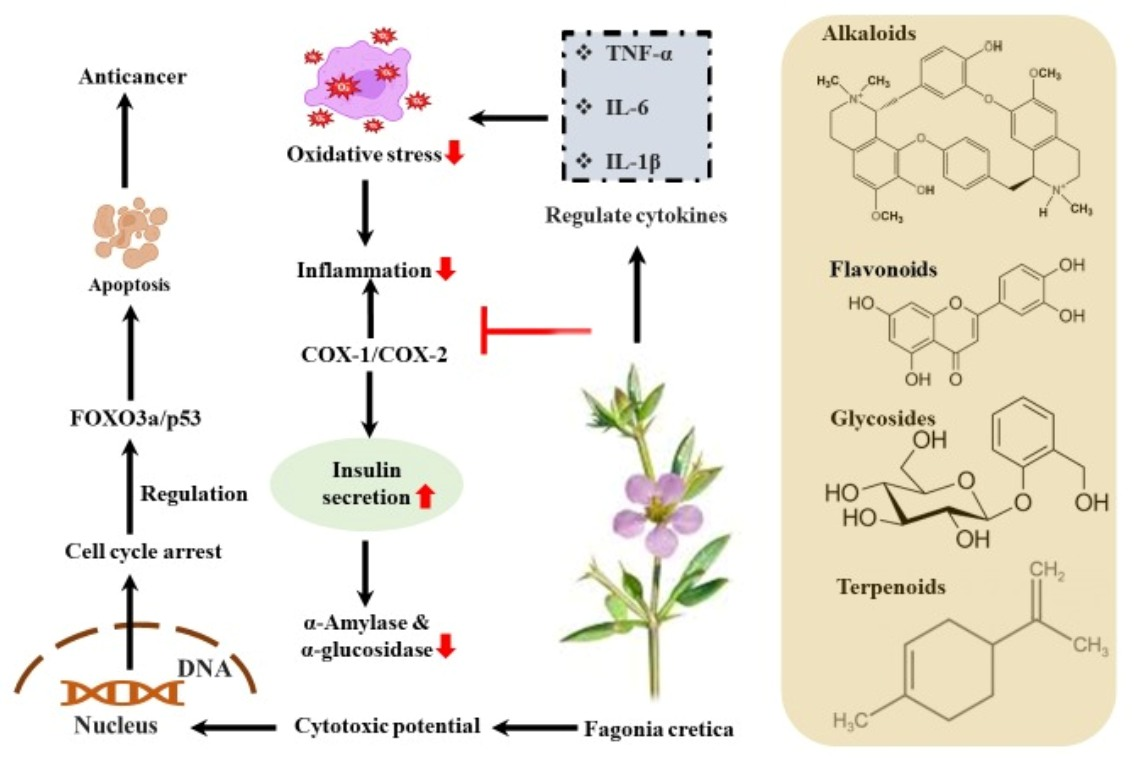
Recent literature highlights the diverse pharmacological potential of F. cretica, particularly in metabolic, inflammatory, and cytotoxic diseases. The presence of quinovic acid glycosides, triterpenoids (β-amyrin acetate, taraxerol, betulin, and oleanolic derivatives), phytosterols (stigmasterol, campesterol, diosgenin, and lanosterol), and bioactive fatty acids suggests a significant capacity to maintain redox homeostasis [28,29]. These compounds may act synergistically through ROS scavenging, activation of endogenous antioxidant defense pathways, suppression of oxidative stress-induced inflammatory signaling, and preservation of mitochondrial integrity [49]. In another study, F. cretica different solvent extract exhibited potent antioxidant, anti-inflammatory, and cytotoxic activities, including significant inhibition of COX-1 and COX-2 enzymes, induction of apoptosis through caspase-9 activation, and strong cytotoxic effects against cancer cell lines (HepG2, MCF-7, and Caco-2). Metabolic and in silico analyses further confirmed the presence of bioactive compounds with high binding affinity to inflammation- and cancer-related targets [50]. Additionally, earlier research on indigenous medicinal plants reported that F. cretica possesses notable anticoagulant activity, along with anti-inflammatory and analgesic properties, supporting its traditional medicinal use [27,51]. The integrated antioxidant and anti-inflammatory signaling network proposed for F. cretica is illustrated in Figure 3. The presence of phenolic compounds (2.4 mg GAE/g) and flavonoids (0.18 mg GAE/g), together with measurable antioxidant activity (1.40 mg AEAC/g), suggests a potential role in maintaining redox homeostasis [26]. These bioactive constituents may exert free radical-scavenging effects, enhance endogenous antioxidant defense systems, attenuate oxidative stress-induced inflammatory signaling, and protect cellular macromolecules from oxidative damage, thereby contributing to overall cellular and metabolic homeostasis.

5.3. Anti-Cancer Mechanism

The relationship between redox biology and cancer is complex and highly stage-dependent. During tumor initiation, excessive ROS can induce oxidative DNA damage, genomic instability, and oncogenic mutations. However, during tumor progression, many cancer cells adapt to oxidative stress by activating antioxidant pathways such as Nrf2, which enables them to maintain ROS levels that promote proliferation while avoiding apoptotic cell death [20,52]. During later stages of progression, tumor cells take advantage of the constitutive activation of Nrf2—often due to mutations in either Nrf2 or Keap1—to increase the production of glutathione. This maintains moderately elevated ROS levels that support proliferative signaling via the MAPK/PI3K–Akt pathway without triggering apoptotic cell death signaling [53]. This adaptive antioxidant reprogramming contributes directly to resistance to chemotherapy and radiotherapy. Therefore, pro-oxidant interventions, such as radiation, anthracyclines, platinum-based agents, photodynamic therapy, and induction of ferroptosis, must be integrated into rational therapeutic strategies that override tumor antioxidant defenses while simultaneously targeting Nrf2 activity and glutathione synthesis [54].
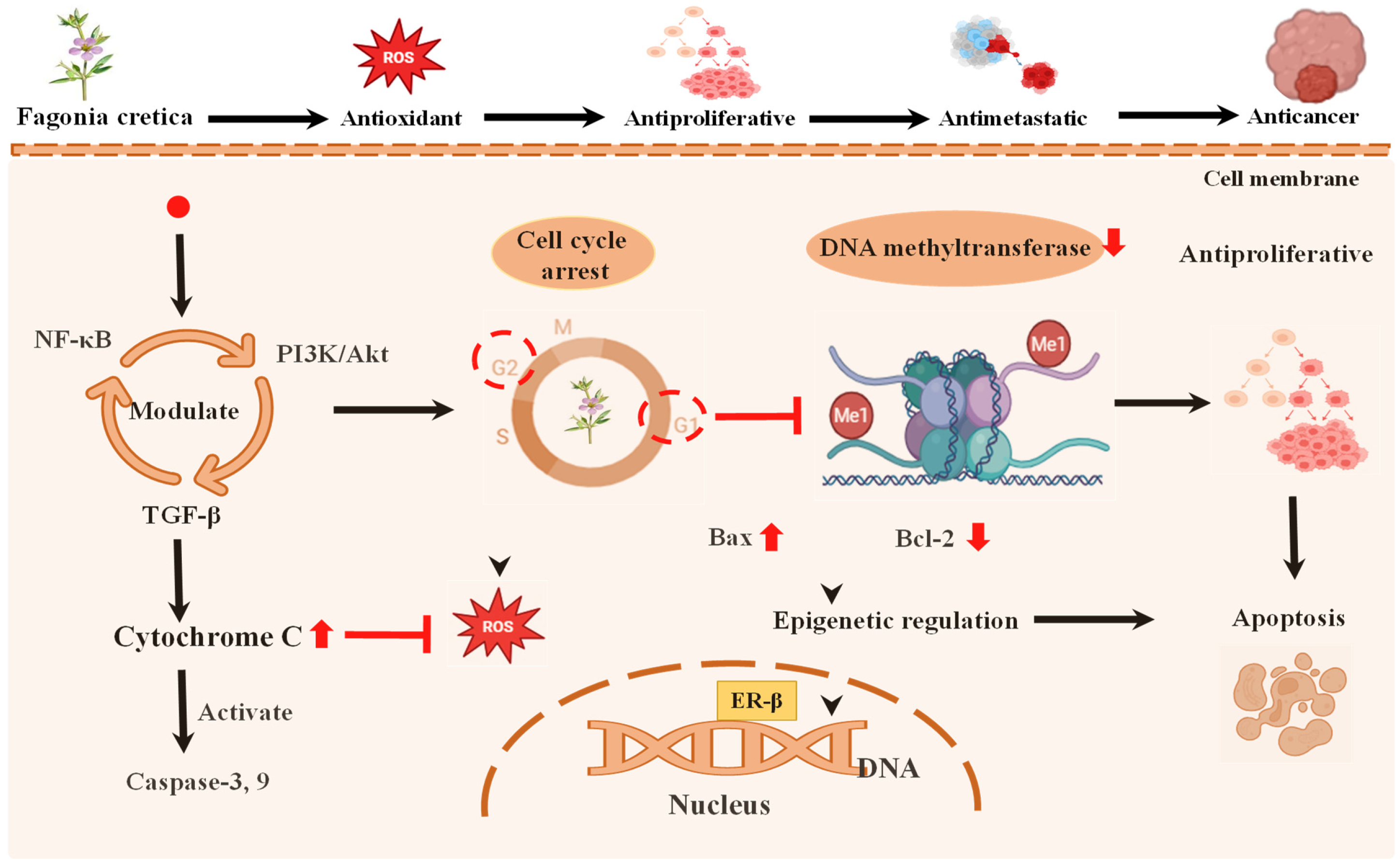
The anticancer activities of F. cretica have been evaluated in various cancer models, and its bioactive compounds exhibit cytotoxic and antiproliferative mechanisms that involve modulation of cellular redox status. It should be noted that the majority of the available data are derived from in vitro cell line studies and computational analyses. Therefore, these findings should be regarded as preliminary and mechanistically hypothesis-generating rather than clinically definitive. Phytochemical analysis of ethanolic extracts of F. cretica has revealed a variety of bioactive compounds with antiproliferative potential against HepG2 liver cancer cells, as demonstrated by Arshad et al. using a combined in vitro and in silico approach. HepG2 cells were selected as an appropriate model because hepatocellular carcinoma (HCC) is associated with increased basal oxidative stress levels and dysregulated antioxidant signaling. Therefore, compounds that further disrupt cellular redox balance may sensitize these cells to apoptosis [17]. Extracts of F. cretica exert inhibitory effects on the proliferation of colorectal and prostate cancer cells by inducing oxidative stress, downregulating the expression of DNA methyltransferase 1 (DNMT1), and upregulating the expression of estrogen receptor beta (ER-β) [55]. The induction of oxidative stress as a mechanism is particularly significant because it directly links redox-active phytochemicals to tumor cell death. The downregulation of DNMT1 also suggests that the extract may influence epigenetic regulation in cancer cells, either as a direct effect of the extract or as a consequence of oxidative stress. Ahmed et al. reported that silver nanoparticles synthesized from methanolic extracts of F. cretica can induce apoptosis in cancer cells in a dose-dependent manner. Both the crude extract and the nanoparticle formulation were cytotoxic, although the nanoparticle formulation showed greater potency [56]. Antiproliferative and antioxidant activities of F. cretica have also been reported in both in vitro and in vivo studies, along with physicochemical characterization, efficacy evaluation, and preliminary safety assessment [4]. Simultaneous measurement of antiproliferative and antioxidant activity may be methodologically valuable because it highlights the dual behavior of plant-derived antioxidants: cytoprotective in normal cells while exerting pro-oxidant effects in cancer cells.
The anti-inflammatory and cytotoxic activities of F. cretica were further investigated by Mohamed and colleagues using metabolic profiling, in vitro cytotoxicity assays, and in silico target prediction from Egyptian desert populations of the plant [27]. The extract demonstrated anticancer activity, and its biological profile was attributed largely to anti-inflammatory mechanisms. Pharmacologically, there is a strong link between anti-inflammatory and anticancer activity because chronic inflammation contributes to tumor cell survival through NF-κB-mediated survival signaling. Consequently, agents that inhibit NF-κB signaling may exert both anti-inflammatory and anticancer effects. In silico tools were used to identify potential molecular targets. However, these findings should be considered hypothesis-generating and require experimental validation. The crude methanolic extract of F. cretica has also been shown to modulate the expression of TGF-β receptors and SMAD genes in human cancer cell lines, suggesting potential interference with TGF-β signaling pathways associated with tumor invasion and metastasis in advanced cancers [57]. The relatively high concentrations of phenolics (4.38–9.62 mg GAE/g), flavonoids (5.11–7.16 mg/g), tannins (6.66–12.44 mg/g), alkaloids (3.32–4.43 mg/g), and saponins (5.87–8.14 mg/g), together with measurable antioxidant activity (1.40 mg/g), indicate a substantial capacity to maintain redox homeostasis [26]. These phytochemicals may act synergistically through ROS scavenging, activation of endogenous antioxidant defense systems, suppression of oxidative stress-induced inflammatory pathways, and protection of cellular biomolecules and mitochondrial function from oxidative damage.
The use of F. cretica water extracts for nanoparticle synthesis has also been explored as a strategy to improve anticancer drug delivery. Kiani et al. synthesized zinc oxide nanoparticles using extracts from F. cretica and demonstrated anticancer activity, which they attributed to the combined pro-oxidant effects of zinc oxide nanoparticles and the phytochemical coating derived from the plant extract [58]. Studies on Fagonia-mediated nanoparticles further indicate that green-synthesized nanoparticles exhibit consistent anticancer activity in cell-based assays [59,60]. Although these findings are promising, nanoparticle-based approaches introduce additional variables, such as particle size, surface charge, and stability, that must be carefully characterized before biological effects can be confidently attributed to the plant-derived compounds rather than the nanoparticle carrier itself. The major redox-linked anticancer mechanisms discussed in this section are summarized in Figure 4.
Water-extract fractions and acid hydrolysates from Libyan populations of F. cretica showed cytotoxic activity against cancer cell lines, and saponin glycosides were proposed as possible contributors to this activity. However, because the active preparations were fractionated mixtures, the observed cytotoxicity should be attributed to the tested fractions rather than to a single compound class. Separately, quinovic acid glycosides may be discussed as triterpenoid glycosides, whereas betulin and taraxerol are free triterpenes, diosgenin is a steroidal sapogenin, and harmine is an alkaloid. These metabolites should therefore not be described collectively as saponins [11]. Quinovic acid glycosides, betulin, diosgenin, taraxerol, and harmine have been associated with anticancer activities through the modulation of multiple molecular pathways involved in tumor progression [29,30]. These compounds can induce apoptosis, inhibit uncontrolled cell proliferation, and suppress oxidative stress-induced DNA damage that contributes to carcinogenesis. Furthermore, their antioxidant and anti-inflammatory properties reduce ROS-mediated activation of NF-κB and other pro-survival signaling pathways. The combined effects on cell cycle regulation, mitochondrial function, and inflammatory mediators may contribute to the prevention and suppression of cancer development.
The available evidence suggests that extracts and compounds from F. cretica possess cytotoxic and antiproliferative properties mediated by the induction of oxidative stress, activation of apoptosis, epigenetic modifications, and disruption of inflammatory and growth factor signaling pathways [27,55]. These mechanisms are biologically plausible and consistent with the redox pharmacology of flavonoid-rich plant extracts. However, it is important to note that the current evidence base has several limitations. Most studies rely on crude or partially characterized extracts rather than isolated compounds. The observed biological effects cannot be attributed to a single molecule. Additionally, in vitro doses and concentrations often do not correspond to tissue concentrations achievable in vivo according to pharmacokinetic constraints. There are also inconsistencies in the reporting of positive and negative controls, and many proposed mechanisms have not yet been validated in vivo. These limitations do not invalidate the reported findings, but they highlight the need for further research. Future investigations should include compound-level mechanistic studies, comprehensive in vivo pharmacological assessments using validated redox biomarkers, and well-designed clinical investigations before the anticancer potential of F. cretica can be responsibly translated into therapeutic recommendations (Table 2).

5.4. Hepatoprotective Mechanism

Hepatic diseases (including NAFLD, NASH, cirrhosis, and hepatocellular carcinoma (HCC)) represent a model system that mechanistically demonstrates how chronic redox imbalance contributes to progressive fibrogenesis and malignant transformation. The physiological ROS load of hepatocytes is among the highest of all cell types, as ROS are produced simultaneously through CYP2E1 activity, peroxisomal beta-oxidation, mitochondrial respiratory leakage, and Kupffer cell NADPH oxidase [69,70,71]. Initially, caloric excess leads to steatosis, a process in which ROS generated by fatty acid peroxidation activate NF-κB signaling, resulting in the generation of 4-HNE and MDA. These reactive products form adducts with hepatic proteins and DNA and activate hepatic stellate cells, thereby promoting fibrogenesis [72]. A second hit involving ROS-mediated NF-κB activation further increases 4-HNE and MDA production, which subsequently drives stellate cell activation toward myofibroblast differentiation and collagen deposition. This process promotes disease progression from steatohepatitis to fibrosis and cirrhosis and eventually to HCC [73]. CYP2E1-mediated ROS production selectively depletes mitochondrial GSH, while acetaldehyde–protein adducts enhance inflammatory cascades in alcohol-related liver disease [74]. The stage-dependent nature of redox-based therapies is well illustrated by the Nrf2 pathway. Although strong hepatoprotective effects are observed in early NAFLD, the same Nrf2 activation in established HCC can result in tumor antioxidant shielding and therapy resistance. This highlights the need for stage-specific targeting of the Nrf2 pathway, such as the use of Nrf2 activators (e.g., sulforaphane and bardoxolone methyl) in early metabolic disease, compartment-specific antioxidants (e.g., MitoQ), and pro-oxidant ferroptosis-based strategies in advanced malignancy.
F. cretica exhibits hepatoprotective effects mainly through antioxidant, anti-inflammatory, and anti-apoptotic mechanisms. Its bioactive compounds activate the Nrf2 pathway, which enhances antioxidant enzymes (SOD, CAT, and GPx) and reduces oxidative stress by lowering ROS levels and lipid peroxidation in liver cells [16]. At the same time, it inhibits the NF-κB signaling pathway, leading to decreased release of pro-inflammatory cytokines such as TNF-α, IL-1β, and IL-6, thereby reducing hepatic inflammation. Additionally, it protects hepatocytes by modulating the mitochondrial apoptosis pathway (↑ Bcl-2, ↓ Bax), preventing cytochrome c release and caspase activation. It may also support liver regeneration by activating the PI3K/Akt survival pathway [17]. Furthermore, F. cretica helps maintain hepatocyte membrane integrity by preventing toxin-induced damage caused by drugs, alcohol, or oxidative stress. It also reduces hepatic lipid accumulation, thereby improving liver metabolic function and reducing the risk of steatosis [75]. The combined action of these pathways promotes detoxification, cellular repair, and the restoration of normal liver architecture. Overall, its hepatoprotective effects result from the combined reduction in oxidative damage, suppression of inflammation, and prevention of hepatocyte death [59].
Recent studies have highlighted the considerable therapeutic potential of F. cretica in various disease models due to its abundant phytochemical composition and diverse biological activities. For example, PEGylated nanocomposites containing F. cretica methanolic extract and silymarin were reported in Scientific Reports to alleviate oxidative stress, reduce ROS, and decrease DNA damage in CCl4-induced hepatotoxic rats, demonstrating stronger hepatoprotective effects than conventional silymarin treatment [43]. The presence of quinovic acid derivatives, β-amyrin acetate, taraxerol, betulin, stigmasterol, and campesterol suggests substantial hepatoprotective potential through attenuation of oxidative stress and inflammation. These bioactive compounds enhance antioxidant defense systems, reduce ROS generation, and inhibit lipid peroxidation in hepatic tissues. In addition, triterpenoids and phytosterols suppress NF-κB-mediated inflammatory signaling and protect hepatocytes from oxidative injury. Their ability to preserve mitochondrial integrity and stabilize cellular membranes further contributes to the maintenance of liver function and prevention of hepatic damage [28,30]. Moreover, both in vitro and in vivo studies have demonstrated the antiproliferative and antioxidant effects of F. cretica, including tumor regression, increased body weight, and no significant adverse effects on liver or kidney function in cancer models [16]. The cytotoxic and anti-inflammatory actions of F. cretica have also been associated with inhibition of COX enzymes, induction of apoptotic proteins (such as caspase-9), and strong binding affinity of its metabolites to cancer-related molecular targets [27]. In addition, biosynthesized selenium nanoparticles (SeNPs) derived from F. cretica have demonstrated promising antidiabetic properties by lowering blood glucose levels, inhibiting α-glucosidase and α-amylase, and improving biochemical parameters in diabetic mice [46].

5.5. Antidiabetic Mechanisms

Insulin resistance and type 2 diabetes result from bidirectional mitochondrial redox dysfunction, in which the signaling molecule H2O2 can be protective at physiological levels but becomes destructive when produced in excess for prolonged periods [76]. Inactivation of protein tyrosine phosphatase 1B (PTP1B) by moderate levels of H2O2 is a physiologically documented redox amplification mechanism that leads to increased phosphorylation of the insulin receptor and IRS-1 [77]. However, during chronic overnutrition, excessive substrate flux through mitochondrial Complexes I and III overwhelms MnSOD and peroxiredoxin-3, resulting in the accumulation of cytoplasmic superoxide. This process drives three compounding consequences: first, diacylglycerol and ceramide accumulation activates PKCθ and PKCε, triggering phosphorylation of IRS-1 at inhibitory serine residues and thereby reducing insulin signaling. Second, NF-κB stimulates adipose tissue secretion of paracrine cytokines such as TNF-α and IL-6, which inhibit IRS-1 signaling in skeletal muscle and liver. Third, non-enzymatic glycation of proteins and lipids generates advanced glycation end products (AGE), which bind to the receptor for AGE (RAGE), maintaining NF-κB activation in a pathological feed-forward loop [78]. Unlike many other cell types, pancreatic β-cells possess relatively low levels of catalase and glutathione peroxidase. Consequently, glucose-induced endoplasmic reticulum stress and mitochondrial ROS production lead to irreversible β-cell apoptosis, ultimately resulting in the transition to overt diabetes. Plasma F2-isoprostanes, urinary 8-OHdG, the erythrocyte GSH/GSSG ratio, and HbA1c as an integrated measure of glycemic control and protein glycation are recognized as clinically validated redox biomarkers [79].
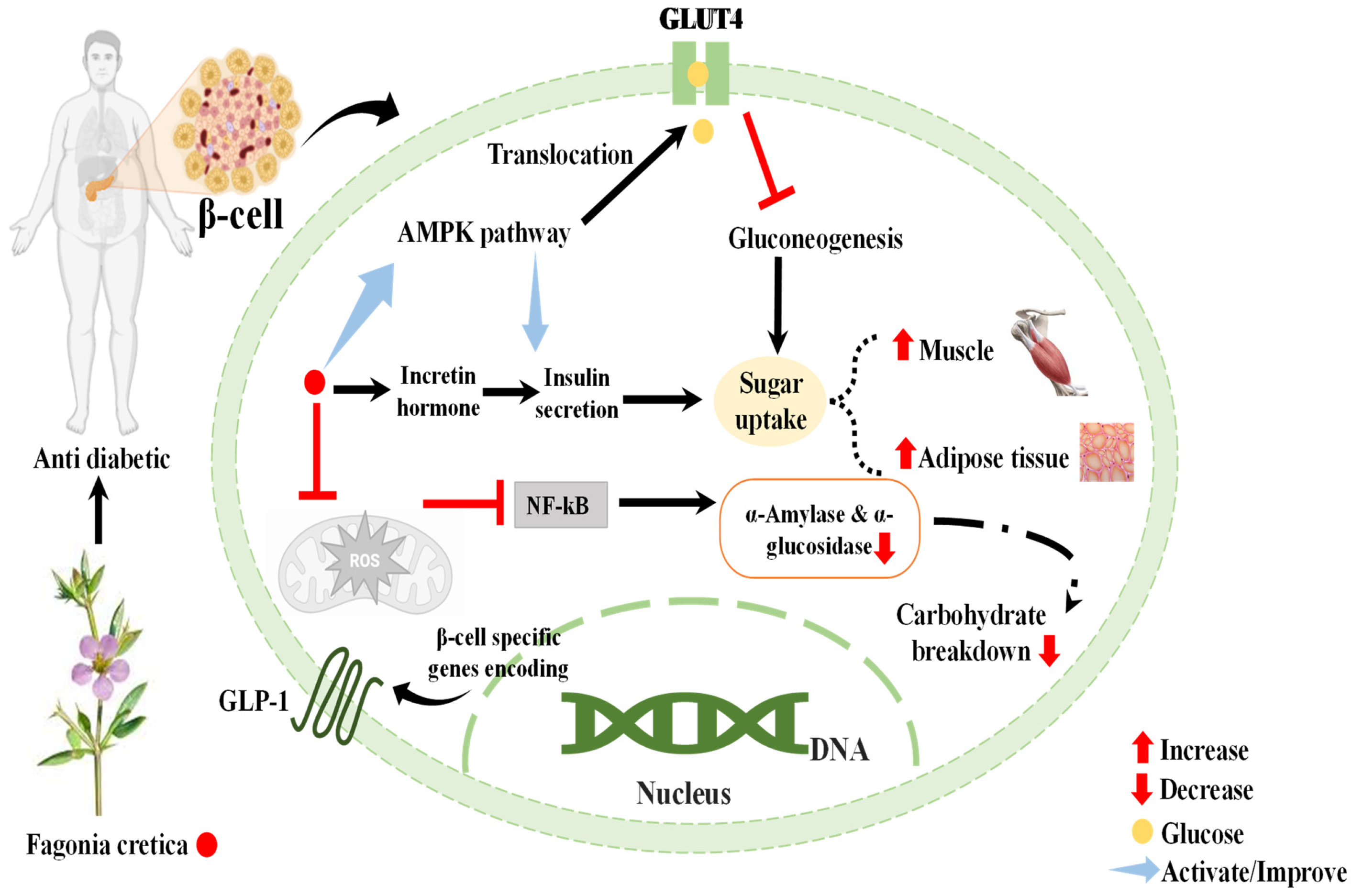
F. cretica exhibits significant potential in the management of diabetes through a multifaceted mechanism involving glucose regulation, insulin sensitization, and metabolic modulation. Its bioactive compounds, including flavonoids, saponins, and polyphenols, help maintain blood glucose balance by enhancing insulin release from pancreatic β-cells and improving insulin sensitivity in peripheral tissues [46]. A key mechanism involves activation of the AMPK pathway, which facilitates glucose uptake in muscle and adipose tissues via GLUT4 translocation while simultaneously inhibiting hepatic gluconeogenesis, thereby lowering blood glucose levels [80]. Furthermore, F. cretica mitigates diabetes-associated oxidative stress by increasing antioxidant enzyme activity (SOD, catalase, and glutathione) and reducing ROS, thereby protecting pancreatic cells from oxidative damage. It also suppresses inflammatory signaling pathways, including NF-κB, thereby reducing chronic inflammation associated with insulin resistance [81]. In addition, the plant inhibits digestive enzymes such as α-amylase and α-glucosidase, resulting in slower carbohydrate digestion and reduced postprandial glucose spikes. Components of the saponin fraction and β-sitosterol from F. cretica are predicted to modulate the PI3K/Akt/mTOR signaling pathway through PTEN stabilization, direct inhibition of Akt kinase, and activation of AMPK. AMPK functions as a metabolic sensor that antagonizes mTORC1 activity during energy-deficient states. Importantly, inhibition of mTOR promotes autophagy, a cellular housekeeping process that removes oxidatively damaged organelles (mitophagy) and protein aggregates, thereby reducing the overall oxidative stress burden [26]. In summary, the antidiabetic effects of F. cretica arise from a combination of mechanisms involving insulin secretion, glucose uptake, digestive enzyme inhibition, antioxidant protection, and anti-inflammatory regulation [82].
F. cretica has shown considerable potential for diabetes management through several complementary mechanisms, as demonstrated by in vitro, in vivo, and molecular studies. The plant effectively inhibits key enzymes involved in carbohydrate digestion, particularly α-glucosidase (IC50 = 4.62 µg/mL), thereby reducing postprandial glucose absorption. It also inhibits α-amylase, especially in nanoparticle-based formulations [46,83]. Furthermore, F. cretica enhances incretin-mediated insulin secretion by activating the TGR5 receptor and promoting the release of glucagon-like peptide-1 (GLP-1), while simultaneously inhibiting dipeptidyl peptidase-4 (DPP-4), thereby prolonging incretin activity [30,84]. In vivo studies using streptozotocin-induced diabetic models have shown that administration of F. cretica methanolic extract at doses of 250–500 mg/kg significantly reduced blood glucose levels (by up to 45%) and protected pancreatic β-cells from damage [83]. Additionally, biosynthesized nanoparticles (AgNPs and SeNPs) enhanced antidiabetic efficacy by improving lipid profiles, liver and kidney function, and reducing oxidative stress, highlighting their role in systemic metabolic regulation [46]. The presence of bioactive compounds such as flavonoids (quercetin and kaempferol), triterpenoids, and saponins further supports the plant’s multitarget antidiabetic activity, including modulation of drug-metabolizing enzymes (CYP3A4 and UGT2B7), which may influence therapeutic outcomes in diabetic patients [31]. The proposed antidiabetic and anti-inflammatory signaling mechanisms are summarized in Figure 5.

5.6. Antimicrobial Activities

F. cretica water extract demonstrates antimicrobial properties primarily due to its rich phytochemical composition, which includes flavonoids, phenolics, saponins, tannins, and alkaloids. These compounds inhibit the growth of bacteria and fungi through multiple mechanisms. The antimicrobial action begins with disruption of the microbial cell wall and membrane integrity. Saponins and tannins interact with membrane lipids and proteins, increasing membrane permeability and causing leakage of essential intracellular components. This leads to the loss of ions and metabolites and ultimately results in microbial cell death [85]. Flavonoids and phenolic compounds also contribute to antimicrobial activity by inhibiting nucleic acid synthesis through interference with DNA gyrase and topoisomerase, thereby blocking DNA replication and protein synthesis in microbes. In addition, these bioactive compounds interfere with microbial energy metabolism by inhibiting key enzymatic systems involved in ATP production [86]. At the molecular signaling level, oxidative damage induced by plant metabolites increases ROS levels within microbial cells, resulting in oxidative stress–mediated damage to proteins, lipids, and DNA [17].
Recent research highlights the considerable antimicrobial, antioxidant, and biomedical potential of F. cretica, particularly in combating multidrug-resistant (MDR) pathogens and in the development of nanoparticle-based therapeutics. A clinical study investigating MDR biofilm-forming isolates from diabetic foot ulcers reported that nanoparticles synthesized using F. cretica and Withania coagulans exhibited strong antimicrobial activity against resistant bacterial and fungal isolates, suggesting potential applications in the treatment of chronic wounds [87]. Similarly, green-synthesized zinc oxide nanoparticles (ZnO NPs) produced using F. cretica water extract demonstrated significant antibacterial activity against both Gram-positive and Gram-negative bacteria, along with notable antioxidant capacity, indicating their environmental compatibility and biomedical relevance [88]. Phytochemical investigations have also revealed that F. cretica contains several bioactive compounds, including gallic acid, quinic acid, liquiritigenin, and rosmarinic acid, which contribute to its activity against MDR gastrointestinal pathogens [33]. Furthermore, nanoparticle synthesis using plant extracts has been shown to enhance biological activities, including antioxidant, antimicrobial, cytotoxic, and antidiabetic effects, highlighting the potential of medicinal plants as valuable sources of functional nanomaterials [59].

5.7. Antidepressant Activity

F. cretica has been investigated for its potential antidepressant effects, primarily due to its high content of flavonoids, phenolics, and saponins, which may influence central nervous system signaling and oxidative balance. The plant’s antidepressant activity is mainly associated with the modulation of monoaminergic neurotransmission and neuroinflammatory pathways. Bioactive compounds present in F. cretica are believed to increase the availability of key neurotransmitters such as serotonin (5-HT), dopamine, and norepinephrine, either by enhancing their synthesis or by inhibiting their reuptake, thereby improving mood and reducing depressive symptoms [89]. Additionally, F. cretica may reduce neuroinflammation by inhibiting the NF-κB signaling pathway, which leads to decreased production of pro-inflammatory cytokines such as TNF-α and IL-1β, both of which are closely associated with the pathophysiology of depression. Concurrently, its strong antioxidant properties may mitigate oxidative stress in brain tissues by enhancing endogenous antioxidant enzymes (SOD, CAT, and GPx) and reducing ROS, thereby protecting neuronal cells from damage [58].
One study evaluating the pharmacological effects of five indigenous Pakistani medicinal plants, including F. cretica, using in vivo rat models reported significant biological activities. Among the plants tested, F. cretica demonstrated a pronounced anticoagulant effect by markedly prolonging clotting time, suggesting potential blood-thinning properties. Additionally, it contributed to the overall anti-inflammatory outcomes of the study by exhibiting moderate inhibition of inflammation in dose-dependent assays (Table 3).
These findings indicate that F. cretica contains bioactive phytochemicals such as flavonoids, tannins, and saponins that may modulate pain, inflammation, and coagulation pathways. The study therefore highlights the potential of F. cretica as a multifunctional medicinal plant warranting further pharmacological and therapeutic investigation [51]. Overall, the experimental evidence supporting the redox-related pharmacological activity of F. cretica is derived mainly from in vitro assays, animal models, nanoparticle-based formulations, and computational studies, as shown in Table 2 and Table 3. Antioxidant evidence includes radical-scavenging assays, reduced ROS generation, decreased lipid peroxidation, and increased antioxidant enzyme activity. Anti-inflammatory evidence includes inhibition of COX-1/COX-2, nitric oxide production, NF-κB activation, and pro-inflammatory cytokine expression. Anticancer evidence includes cytotoxicity against HepG2, MCF-7, Caco-2, HCT-116, and PC3 cells, with reported mechanisms involving apoptosis, topoisomerase inhibition, oxidative stress induction, DNMT1 downregulation, ER-β activation, and p53/FOXO3a signaling. Antidiabetic evidence includes α-amylase and α-glucosidase inhibition, improved glucose control in diabetic models, β-cell protection, and reduced oxidative stress.

6. Limitations and Future Directions

Despite the growing pharmacological interest in F. cretica, a fundamental limitation of the existing literature lies in the incomplete and inconsistent phytochemical characterization of its bioactive constituents across different geographical accessions, plant parts, and extraction methodologies. Most studies have utilized either crude extracts or partially fractionated preparations, making it difficult to identify the specific molecular entities responsible for the observed antioxidant, anti-inflammatory, or cytotoxic effects, particularly those containing defined redox-active pharmacophores. Although flavonoids, saponins, alkaloids, and iridoids have been generally identified, comprehensive structure–activity relationship (SAR) analyses linking individual compounds to their ability to influence the Nrf2–Keap1 axis, NF-κB signaling, or the GSH/GSSG redox couple are largely absent from the current literature. This limitation is particularly important given the growing recognition that antioxidant bioactivity is not uniform but highly context-dependent and influenced by factors such as dosage, cellular redox environment, and the specific oxidative stress pathway involved. Without detailed mechanistic insights at the compound level, it is difficult to determine whether the biological effects observed in F. cretica aqueous extracts result from true redox modulation, nonspecific cytotoxicity, hormetic low-dose pro-oxidant activation of adaptive pathways, or simple radical scavenging without meaningful intracellular effects. Moreover, the lack of validated pharmacokinetic data—including oral bioavailability, metabolic transformation, tissue distribution, and blood–brain barrier permeability of major bioactive molecules—means that in vitro antioxidant activity assays, commonly performed using DPPH, ABTS, and FRAP methods, cannot be reliably extrapolated to in vivo or clinical settings. This represents a critical gap that significantly limits the interpretive value of published findings.
Another major methodological limitation in current research on F. cretica is the excessive reliance on simple chemical antioxidant assays such as DPPH, ABTS, and FRAP. These assays measure radical-scavenging activity under artificial, non-physiological conditions and do not provide meaningful insight into intracellular redox regulation. Consequently, they fail to capture the potential of bioactive compounds to influence the Nrf2–Keap1 pathway, regulate GSH/GSSG ratios, or activate enzymatic antioxidant defenses such as SOD, catalase, and glutathione peroxidase. Furthermore, the absence of validated intracellular redox biomarkers, particularly 8-OHdG as a marker of oxidative DNA damage, F2-isoprostanes as indicators of lipid peroxidation, and protein carbonyls as markers of oxidative protein modification, means that current studies cannot determine whether the reported biological effects represent true restoration of redox homeostasis or nonspecific chemical reactivity lacking intracellular relevance. Additionally, most in vitro experiments are conducted in single cancer cell lines under standard atmospheric oxygen levels that do not reflect the hypoxic, inflammatory, or metabolically dysregulated microenvironments present in diseased tissues, thereby limiting the biological validity and translational applicability of the reported results.
A major obstacle to the clinical application of F. cretica research is the near absence of comprehensive in vivo studies and human clinical data evaluating its safety, efficacy, and redox-specific pharmacodynamics in major diseases such as cancer, cardiovascular disease, type 2 diabetes, and liver disorders. Existing animal studies are further limited by the use of non-standardized extract preparations, the absence of pharmacokinetic analyses, and the failure to consider the context-dependent effects of antioxidant interventions. This issue is particularly critical in oncology, where antioxidants may shield tumor cells from oxidative damage, promote metastasis, and reduce the effectiveness of pro-oxidant chemotherapeutic agents. In addition, the toxicological profile of F. cretica bioactive compounds remains poorly characterized, with limited data available regarding hepatotoxicity, genotoxicity, and potential interactions with cytochrome P450 enzymes that could influence the metabolism of co-administered drugs or endogenous redox-sensitive cofactors such as glutathione and tetrahydrobiopterin. Without systematic investigation using validated redox biomarker panels, disease stage-specific animal models, and well-designed clinical trials, the therapeutic application of F. cretica within a precision redox medicine framework remains premature. Consequently, the risk of adverse outcomes from inappropriate antioxidant use—particularly in patients with active cancer or those undergoing oxidative stress-based therapies—cannot currently be excluded. The translational potential of F. cretica-derived compounds remains promising but preliminary. Current evidence supports further investigation of standardized extracts or isolated marker compounds as redox-modulating candidates in diseases characterized by oxidative stress and chronic inflammation. However, clinical use cannot yet be recommended because standardized formulations, dose–response data, pharmacokinetic profiles, bioavailability, toxicity, herb–drug interaction studies, and controlled clinical trials are still insufficient. Translational development should therefore prioritize quality-controlled extracts, validated redox biomarkers, disease-stage-specific models, and comprehensive safety evaluation before progressing toward clinical application.

7. Conclusions

In conclusion, current evidence suggests that F. cretica L. is a phytochemically diverse medicinal plant with potential biological activities mediated through redox-sensitive signaling pathways. Experimental studies indicate that its bioactive constituents may influence oxidative stress responses, inflammatory signaling, metabolic regulation, and cancer cell survival pathways. However, most available data originate from in vitro experiments or limited animal studies using non-standardized extracts. Future investigations should therefore focus on the isolation of active compounds, standardized extraction procedures, pharmacokinetic characterization, and validation of redox-specific biomarkers in well-designed in vivo models and clinical studies. Such efforts will be essential to determine whether the promising pharmacological properties attributed to F. cretica can be translated into safe and effective therapeutic strategies.

Author Contributions

Conceptualization, A.A. (Asad Abbas) and R.W.; methodology, A.T. and H.M.; software, S.Z. and B.P.; validation, S.V., A.A. (Adnan Amjad) and A.A.C.; formal analysis, R.W. and A.M.A.; investigation, B.P., A.T. and H.M.; resources, A.A. (Adnan Amjad); data curation, A.A. (Asad Abbas) and A.M.A.; writing—original draft preparation, A.A. (Asad Abbas), S.V., A.A.C., A.T. and B.P.; writing—review and editing, A.A. (Asad Abbas), R.W. and A.M.A.; visualization, A.A. (Asad Abbas); supervision, A.A. (Adnan Amjad); project administration, A.A. (Adnan Amjad); funding acquisition, R.W. All authors have read and agreed to the published version of the manuscript.

Funding

This work was supported and funded by the Deanship of Scientific Research at Imam Mohammad Ibn Saud Islamic University (IMSIU) (grant number IMSIU-DDRSP2601).

Institutional Review Board Statement

Not applicable.

Informed Consent Statement

Not applicable.

Data Availability Statement

No new data were created or analyzed in this study. Data sharing is not applicable to this article.

Acknowledgments

During the preparation of this work, the authors used ChatGPT (OpenAI, GPT-5.3-chat) to revise the English of the manuscript and improve readability. The authors subsequently reviewed and edited the text and take full responsibility for the content of the publication.

Conflicts of Interest

The authors declare no conflicts of interest.

Abbreviations

The following abbreviations are used in this manuscript:
ABCG2ATP-binding cassette subfamily G member 2
ABTS2,2′-Azino-bis(3-ethylbenzothiazoline-6-sulfonic acid)
AGEsAdvanced glycation end products
AgNPsSilver nanoparticles
AMPKAdenosine monophosphate-activated protein kinase
AREAntioxidant response element
BaxBcl-2-associated X protein
Bcl-2B-cell lymphoma 2
BH4Tetrahydrobiopterin
CATCatalase
CCl4Carbon tetrachloride
COX-1Cyclooxygenase-1
COX-2Cyclooxygenase-2
CYP2E1Cytochrome P450 2E1
CYP3A4Cytochrome P450 3A4
DMBA7,12-Dimethylbenz[a]anthracene
DNMT1DNA methyltransferase 1
DNADeoxyribonucleic acid
DPP-4Dipeptidyl peptidase-4
DPPH2,2-Diphenyl-1-picrylhydrazyl
eNOSEndothelial nitric oxide synthase
ER-βEstrogen receptor beta
ERKExtracellular signal-regulated kinase
FADDFas-associated death domain
FOXO3aForkhead box O3a
FRAPFerric reducing antioxidant power
GCLGlutamate-cysteine ligase
GLP-1Glucagon-like peptide-1
GLUT4Glucose transporter type 4
GPxGlutathione peroxidase
GSHReduced glutathione
GSH/GSSGReduced glutathione/oxidized glutathione ratio
GSSGlutathione synthetase
GSSGOxidized glutathione
HbA1cGlycated hemoglobin
HCCHepatocellular carcinoma
HCECHuman corneal epithelial cells
HepG2Human hepatocellular carcinoma cell line
HO-1Heme oxygenase-1
HPLCHigh-performance liquid chromatography
IC50Half-maximal inhibitory concentration
IKKIκB kinase
IL-1βInterleukin-1 beta
IL-6Interleukin-6
IL-17Interleukin-17
iNOSInducible nitric oxide synthase
IRS-1Insulin receptor substrate-1
JNKc-Jun N-terminal kinase
Keap1Kelch-like ECH-associated protein 1
MAPKMitogen-activated protein kinase
MCF-7Michigan Cancer Foundation-7 breast cancer cell line
MDAMalondialdehyde
MDRMultidrug-resistant
MMPMatrix metalloproteinase
MPOMyeloperoxidase
MTT3-(4,5-Dimethylthiazol-2-yl)-2,5-diphenyltetrazolium bromide
MyD88Myeloid differentiation primary response 88
NADPHNicotinamide adenine dinucleotide phosphate
NAFLDNon-alcoholic fatty liver disease
NASHNon-alcoholic steatohepatitis
NF-κBNuclear factor kappa-light-chain-enhancer of activated B cells
NONitric oxide
NOX2NADPH oxidase 2
NOX4NADPH oxidase 4
NQO1NAD(P)H quinone oxidoreductase 1
Nrf2Nuclear factor erythroid 2-related factor 2
ONOO−Peroxynitrite
PC3Human prostate cancer cell line
PI3K/AktPhosphoinositide 3-kinase/protein kinase B pathway
PTENPhosphatase and tensin homolog
PTP1BProtein tyrosine phosphatase 1B
RAGEReceptor for advanced glycation end products
RNARibonucleic acid
RNSReactive nitrogen species
ROSReactive oxygen species
SARStructure–activity relationship
SeNPsSelenium nanoparticles
SMADSmall mothers against decapentaplegic protein
SODSuperoxide dismutase
STZStreptozotocin
TFCTotal flavonoid content
TGF-βTransforming growth factor beta
TGR5Takeda G-protein-coupled receptor 5
TLR4Toll-like receptor 4
TNF-αTumor necrosis factor alpha
TPCTotal phenolic content
TRAILTumor necrosis factor-related apoptosis-inducing ligand
TrxThioredoxin
UGT2B7UDP-glucuronosyltransferase 2B7
VCAM-1Vascular cell adhesion molecule-1
ZnO NPsZinc oxide nanoparticles
4-HNE4-Hydroxynonenal
8-OHdG8-Hydroxy-2′-deoxyguanosine

References

  1. Le Gal, K.; Schmidt, E.E.; Sayin, V.I. Cellular redox homeostasis. Antioxidants 2021, 10, 1377. [Google Scholar] [CrossRef] [PubMed]
  2. de la Lastra, J.M.P.; Andrés, C.M.C.; Munguira, E.B.; Juan, C.A.; Pérez-Lebeña, E. Pathophysiology of reactive oxygen species (ROS). Arch. Toxicol. 2026, 100, 475–513. [Google Scholar] [CrossRef] [PubMed]
  3. Alfei, S.; Schito, G.C.; Schito, A.M.; Zuccari, G. Reactive oxygen species (ROS)-mediated antibacterial oxidative therapies: Available methods to generate ROS and a novel option proposal. Int. J. Mol. Sci. 2024, 25, 7182. [Google Scholar] [CrossRef] [PubMed]
  4. Yuan, J.; Ofengeim, D. A guide to cell death pathways. Nat. Rev. Mol. Cell Biol. 2024, 25, 379–395. [Google Scholar] [CrossRef] [PubMed]
  5. Tossetta, G.; Fantone, S.; Marzioni, D.; Mazzucchelli, R. Role of natural and synthetic compounds in modulating NRF2/KEAP1 signaling pathway in prostate cancer. Cancers 2023, 15, 3037. [Google Scholar] [CrossRef] [PubMed]
  6. Chandrasekaran, P.; Weiskirchen, R. The role of obesity in type 2 diabetes mellitus—An overview. Int. J. Mol. Sci. 2024, 25, 1882. [Google Scholar] [CrossRef] [PubMed]
  7. Lonardo, A.; Weiskirchen, R. Insulin resistance at the crossroads of metabolic inflammation, cardiovascular disease, organ failure and cancer. Biomolecules 2025, 15, 1745. [Google Scholar] [CrossRef] [PubMed]
  8. Stefani, C.; Miricescu, D.; Stanescu-Spinu, I.-I.; Nica, R.I.; Greabu, M.; Totan, A.R.; Jinga, M. Growth factors, PI3K/AKT/mTOR and MAPK signaling pathways in colorectal cancer pathogenesis: Where are we now? Int. J. Mol. Sci. 2021, 22, 10260. [Google Scholar] [CrossRef] [PubMed]
  9. Spampinato, G.; Musarella, C.M.; Cano-Ortiz, A.; Signorino, G. Habitat, occurrence and conservation status of the Saharo-Macaronesian and Southern-Mediterranean element Fagonia cretica L. (Zygophyllaceae) in Italy. J. Arid Land 2018, 10, 140–151. [Google Scholar] [CrossRef]
  10. Fatima, I.; Munawar, M.; Iqbal, S.; Sadaf, Z. Ethno-medicinal uses of wild herbs and shrubs of Tehsil Yazman, Punjab, Pakistan. Pak. J. Agric. Sci. 2019, 56, 723–734. [Google Scholar] [CrossRef]
  11. Alamami, A.; Elshibani, F.; Elremali, N.; Daboub, A.; Zaed, S.B.; Bumadian, M. The species of genus Fagonia in Libya: A comprehensive review. J. Pharmacogn. Phytochem. 2022, 11, 28–37. [Google Scholar] [CrossRef]
  12. Shenoy, T.N.; Salam, A.A.A. Therapeutic potential of dietary bioactive compounds against anti-apoptotic Bcl-2 proteins in breast cancer. Crit. Rev. Food Sci. Nutr. 2025, 65, 4915–4940. [Google Scholar] [CrossRef] [PubMed]
  13. Jubaidi, F.F.; Zainalabidin, S.; Taib, I.S.; Hamid, Z.A.; Budin, S.B. The potential role of flavonoids in ameliorating diabetic cardiomyopathy via alleviation of cardiac oxidative stress, inflammation and apoptosis. Int. J. Mol. Sci. 2021, 22, 5094. [Google Scholar] [CrossRef] [PubMed]
  14. Li, Z.; Li, Y.; Zhu, J.; Zheng, Z.; Xie, W.; Xu, C. Response mechanism of hepatorenal metabolic barrier function to drugs and environmental poisons and intervention strategy of natural products. Front. Pharmacol. 2026, 17, 1763782. [Google Scholar] [CrossRef] [PubMed]
  15. Asaduzzaman, M.; Nahar, L.; Biswas, M.S.; Rahman, M.M. Molecular mechanisms of anti-inflammatory and immunomodulatory activities of key phytochemicals: A comprehensive review. J. Trop. Med. 2026, 2026, 9906781. [Google Scholar] [CrossRef]
  16. Kashif, M.; Abbas, A.; Nasir, A.; Rehman, A.U.; Rehman, E.; Kazi, M.; Jamal, M.A. Exploring the antiproliferative and antioxidant effects of Fagonia cretica thereof: An in vitro and in vivo evaluation. Microsc. Res. Tech. 2025, 88, 1893–1903. [Google Scholar] [CrossRef] [PubMed]
  17. Arshad, F.; Altaf, A.; Arshad, A.R.; Kiran, A.; Sarwar, M.; Sharif, S.; Maqbool, T.; Abujamel, T.S.; Haque, A.; Naseer, M.I. Phytochemical profiling and anticancer potential of Fagonia cretica L. extracts on liver cancer (HepG2) cells using in vitro and in silico approaches. Anti-Cancer Agents Med. Chem. 2026, 26, 394–412. [Google Scholar] [CrossRef] [PubMed]
  18. Lin, L.; Wu, Q.; Lu, F.; Lei, J.; Zhou, Y.; Liu, Y.; Zhu, N.; Yu, Y.; Ning, Z.; She, T.; et al. Nrf2 signaling pathway: Current status and potential therapeutic targetable role in human cancers. Front. Oncol. 2023, 13, 1184079. [Google Scholar] [CrossRef] [PubMed]
  19. Punziano, C.; Trombetti, S.; Cesaro, E.; Grosso, M.; Faraonio, R. Antioxidant systems as modulators of ferroptosis: Focus on transcription factors. Antioxidants 2024, 13, 298. [Google Scholar] [CrossRef] [PubMed]
  20. Xing, F.; Hu, Q.; Qin, Y.; Xu, J.; Zhang, B.; Yu, X.; Wang, W. The relationship of redox with hallmarks of cancer: The importance of homeostasis and context. Front. Oncol. 2022, 12, 862743. [Google Scholar] [CrossRef] [PubMed]
  21. Verza, F.A.; Da Silva, G.C.; Nishimura, F.G. The impact of oxidative stress and the NRF2–KEAP1–ARE signaling pathway on anticancer drug resistance. Oncol. Res. 2025, 33, 1819–1834. [Google Scholar] [CrossRef] [PubMed]
  22. Vendramini-Costa, D.B.; Carvalho, J.E. Molecular link mechanisms between inflammation and cancer. Curr. Pharm. Des. 2012, 18, 3831–3852. [Google Scholar] [CrossRef] [PubMed]
  23. Pérez-Torres, I.; Guarner-Lans, V.; Rubio-Ruiz, M.E. Reductive stress in inflammation-associated diseases and the pro-oxidant effect of antioxidant agents. Int. J. Mol. Sci. 2017, 18, 2098. [Google Scholar] [CrossRef] [PubMed]
  24. He, L.; He, T.; Farrar, S.; Ji, L.; Liu, T.; Ma, X. Antioxidants maintain cellular redox homeostasis by elimination of reactive oxygen species. Cell. Physiol. Biochem. 2017, 44, 532–553. [Google Scholar] [CrossRef] [PubMed]
  25. Sadiq, I.Z. Free radicals and oxidative stress: Signaling mechanisms, redox basis for human diseases, and cell cycle regulation. Curr. Mol. Med. 2023, 23, 13–35. [Google Scholar] [CrossRef] [PubMed]
  26. El Zayat, M. Proximate composition, mineral content and secondary metabolites of three medicinal wild Fagonia species. Food Biol. 2020, 9, 1–6. [Google Scholar] [CrossRef]
  27. Mohamed, E.I.; Elwekeel, A.H.; Mohamed, D.E.A.; Zaki, M.A.; Hassan, M.H. Validating anti-inflammatory and cytotoxic properties of Fagonia cretica L. through metabolic, in vitro, and in silico profiling. BMC Complement. Med. Ther. 2024, 24, 411. [Google Scholar] [CrossRef] [PubMed]
  28. Anjum, M.I.; Ahmed, E.; Jabbar, A.; Malik, A.; Ashraf, M.; Moazzam, M.; Rasool, M.A. Antimicrobial constituents from Fagonia cretica. J. Chem. Soc. Pak. 2007, 29, 634–639. [Google Scholar]
  29. Khare, C.P. Indian Medicinal Plants; Springer: New Delhi, India, 2007; Volume 1, p. 259. [Google Scholar] [CrossRef]
  30. Saleem, S.; Jafri, L.; ul Haq, I.; Chang, L.C.; Calderwood, D.; Green, B.D.; Mirza, B. Plants Fagonia cretica and Hedera nepalensis K. Koch contain natural compounds with potent dipeptidyl peptidase-4 (DPP-4) inhibitory activity. J. Ethnopharmacol. 2014, 156, 26–32. [Google Scholar] [CrossRef] [PubMed]
  31. Kamran, S.; Anwar, R.; Noor, A.; Ullah, M.I.; Bagalagel, A.A.; Aldurdunji, M.M.; Ishtiaq, S. Metabolic profiling and investigation of the modulatory effect of Fagonia cretica aerial parts on hepatic CYP3A4 and UGT2B7 enzymes in streptozotocin-induced diabetic model. Antioxidants 2023, 12, 119. [Google Scholar] [CrossRef] [PubMed]
  32. Tabassum, T.; Rahman, H.; Tawab, A.; Murad, W.; Hameed, H.; Shah, S.A.R.; Alshiekheid, M.A.; Alzahrani, K.J.; Banjer, H.J.; Alshiekheid, M.A. Fagonia cretica: Identification of compounds in bioactive gradient high-performance liquid chromatography fractions against multidrug-resistant human gut pathogens. Trop. Biomed. 2022, 39, 185–190. [Google Scholar] [CrossRef] [PubMed]
  33. Drummond, G.R.; Selemidis, S.; Griendling, K.K.; Sobey, C.G. Combating oxidative stress in vascular disease: NADPH oxidases as therapeutic targets. Nat. Rev. Drug Discov. 2011, 10, 453–471. [Google Scholar] [CrossRef] [PubMed]
  34. Venkatesan, S.; Smirne, C.; Aquino, C.I.; Surico, D.; Remorgida, V.; Pour, M.M.O.; Pirisi, M.; Grossini, E. Nitric oxide signaling in cardiovascular physiology and pathology: Mechanisms, dysregulation, and therapeutic frontiers. Int. J. Mol. Sci. 2026, 27, 629. [Google Scholar] [CrossRef] [PubMed]
  35. Singh, V.; Kaur, R.; Kumari, P.; Pasricha, C.; Singh, R. ICAM-1 and VCAM-1: Gatekeepers in various inflammatory and cardiovascular disorders. Clin. Chim. Acta 2023, 548, 117487. [Google Scholar] [CrossRef] [PubMed]
  36. Dri, E.; Lampas, E.; Lazaros, G.; Lazarou, E.; Theofilis, P.; Tsioufis, C.; Tousoulis, D. Inflammatory mediators of endothelial dysfunction. Life 2023, 13, 1420. [Google Scholar] [CrossRef] [PubMed]
  37. Perrelli, M.G.; Pagliaro, P.; Penna, C. Ischemia/reperfusion injury and cardioprotective mechanisms: Role of mitochondria and reactive oxygen species. World J. Cardiol. 2011, 3, 186–200. [Google Scholar] [CrossRef] [PubMed]
  38. Ramachandra, C.J.A.; Ja, K.P.M.M.; Chua, J.; Cong, S.; Shim, W.; Hausenloy, D.J. Myeloperoxidase as a multifaceted target for cardiovascular protection. Antioxid. Redox Signal. 2020, 32, 1135–1149. [Google Scholar] [CrossRef] [PubMed]
  39. Lalhminghlui, K.; Jagetia, G.C. Evaluation of the free-radical scavenging and antioxidant activities of Chilauni, Schima wallichii Korth in vitro. Future Sci. OA 2018, 4, FSO272. [Google Scholar] [CrossRef] [PubMed]
  40. Patergiannakis, I.S.; Georgiou-Siafis, S.K.; Papadopoulou, L.C.; Pappas, I.S. Natural Nrf2 activators modulate antioxidant gene expression and apoptosis in leukemic K-562 cells. Med. Oncol. 2025, 42, 396. [Google Scholar] [CrossRef] [PubMed]
  41. Sivalingam, A.M.; Pandian, A.; Rengarajan, S.; Boopathy, N.; Selvaraj, K.R.N. A comparative study of in vivo toxicity in zebrafish embryos synthesized CuO nanoparticles characterized from Salacia reticulata. Environ. Geochem. Health 2024, 46, 311. [Google Scholar] [CrossRef] [PubMed]
  42. Hashim, G.M.; Shahgolzari, M.; Hefferon, K.; Yavari, A.; Venkataraman, S. Plant-derived anti-cancer therapeutics and biopharmaceuticals. Bioengineering 2024, 12, 7. [Google Scholar] [CrossRef] [PubMed]
  43. Waqas, M.; Saif, M.S.; Batool, S.; Ahmed, M.M.; Tariq, T.; Hussain, R.; Mustafa, G.; Ghorbanpour, M.; Hasan, M. Green PEGylated-Sily@ZnFe2O4 nanocomposites for amelioration of ROS and DNA damage in rat liver. Sci. Rep. 2025, 15, 28461. [Google Scholar] [CrossRef] [PubMed]
  44. Khan, J.; Asaf, S.; Lubna; Abdelbacki, A.M.M.; Jan, R.; Kim, K.-M. Green extraction of flavonoids using deep eutectic solvents. Molecules 2025, 30, 813. [Google Scholar] [CrossRef] [PubMed]
  45. Naveed, M.; Atta, A.; Rui, B.; Khan, I.; Xue, Q.; Zhou, M.; He, X.; Walayat, B.; Alam, H.; Xu, Y.; et al. Combination of Withania coagulans and Fagonia cretica ameliorates hyperuricemia. Phytomedicine 2025, 145, 157079. [Google Scholar] [CrossRef] [PubMed]
  46. Khan, H.A.; Ghufran, M.; Shams, S.; Jamal, A.; Khan, A.; Awan, Z.A.; Khan, M.I. Green synthesis of silver nanoparticles from plant Fagonia cretica and evaluating its anti-diabetic activity through indepth in-vitro and in-vivo analysis. Front. Pharmacol. 2023, 14, 1194809. [Google Scholar] [CrossRef] [PubMed]
  47. Sheth, D.B.; Patel, V.T.; Manek, R.A. Evaluation of effect of ethanolic extract of Fagonia cretica plant against experimentally induced ulcerative colitis in mice. J. Adv. Sci. Res. 2020, 11, 131–141. [Google Scholar]
  48. Cretella, A.B.M.; da Silva Soley, B.; Pawloski, P.L.; Ruziska, R.M.; Scharf, D.R.; Ascari, J.; Cabrini, D.A.; Otuki, M.F. Expanding the anti-inflammatory potential of Moringa oleifera: Topical effect of seed oil on skin inflammation and hyperproliferation. J. Ethnopharmacol. 2020, 254, 112708. [Google Scholar] [CrossRef] [PubMed]
  49. Pereira, A.G.; Echave, J.; Jorge, A.O.S.; Nogueira-Marques, R.; Yuksek, E.N.; Barciela, P.; Perez-Vazquez, A.; Chamorro, F.; Oliveira, M.B.P.P.; Carpena, M.; et al. Antioxidants as nutraceuticals of phytochemical nature (plant natural foods) in disease prevention and therapy. Foods 2025, 14, 1749. [Google Scholar] [CrossRef] [PubMed]
  50. Sajid, B.; Alia, E.; Rizwana, K.; Uzma, S.; Alamgeer, A.; Hafiz, M.I. Phytochemical screening and antimicrobial activity of Fagonia cretica plant extracts against selected microbes. J. Pharm. Res. 2011, 4, 962–963. [Google Scholar]
  51. Ismail, H.; Rasheed, A.; Haq, I.U.; Jafri, L.; Ullah, N.; Dilshad, E.; Sajid, M.; Mirza, B. Five indigenous plants of Pakistan with pharmacological activities. Evid.-Based Complement. Altern. Med. 2017, 2017, 7849501. [Google Scholar] [CrossRef] [PubMed]
  52. Sutkowy, P.; Czeleń, P. Redox balance in cancer in the context of tumor prevention and treatment. Biomedicines 2025, 13, 1149. [Google Scholar] [CrossRef] [PubMed]
  53. Islam, M.A.; Medha, M.M.; Nahar, A.U.; Al Fahad, M.A.; Siraj, M.A.; Seidel, V. Cancer protective role of selected dietary polyphenols via modulating Keap1/Nrf2/ARE and interconnected signaling pathways. Nutr. Cancer 2023, 75, 1065–1102. [Google Scholar] [CrossRef] [PubMed]
  54. Bansal, M.P. ROS, redox regulation, and anticancer therapy. In Redox Regulation and Therapeutic Approaches in Cancer; Springer Nature: Singapore, 2023; pp. 311–409. [Google Scholar] [CrossRef]
  55. Kirti, A.; Tiwari, M. Fagonia cretica inhibits proliferation of colorectal and prostate cancer cells through DNMT1 downregulation, oxidative stress induction, and ER-beta activation. J. Ethnopharmacol. 2025, 355, 120741. [Google Scholar] [CrossRef] [PubMed]
  56. Ahmed, W.; Mansoor, Q.; Ahmad, M.S.; Zainab, T.; Shah, M.A. TRAIL-mediated apoptosis ruling and anticancer trigger by fine-tuned nanospheres of Fagonia cretica methanolic extracts as novel cancer regime. Sci. Rep. 2023, 13, 671. [Google Scholar] [CrossRef] [PubMed]
  57. Jabeen, A.; Mansoor, Q.; Zainab, T.; Farooqi, A.A.; Qayyum, M.; Mansha, A.; Shakeel, A.; Ahmad, M.S. Natural plant extracts mediated expression regulation of TGF-β receptors and SMAD genes in human cancer cell lines. Mol. Biol. Rep. 2022, 49, 4171–4178. [Google Scholar] [CrossRef] [PubMed]
  58. Kiani, B.H.; Ikram, F.; Fatima, H.; Alhodaib, A.; Haq, I.U.; Ur-Rehman, T.; Naz, I. Comparative evaluation of biomedical and phytochemical applications of zinc nanoparticles by using Fagonia cretica extracts. Sci. Rep. 2022, 12, 10024. [Google Scholar] [CrossRef] [PubMed]
  59. Nayila, I.; Sharif, S.; Lodhi, M.S.; Aman, F.; Zaheer, S.; Sajid, A. Unveiling the therapeutic prospective of active phytochemicals from Fagonia species and potential role of its green synthesized nanoparticles. Pak. J. Bot. 2024, 56, 2295–2303. [Google Scholar] [CrossRef] [PubMed]
  60. Sheikh, F.; Naz, I.; Rahman, L.; Younis, T.; Shinwari, Z.K.; Faisal, R. Genus Fagonia-mediated nanoparticles and their therapeutic potential: A review. Pak. J. Bot. 2024, 56, 1623–1629. [Google Scholar] [CrossRef] [PubMed]
  61. Lam, M. Cytotoxic Activity of F. cretica Against Human Breast Cancer Cells; Aston University: Birmingham, UK, 2012. [Google Scholar]
  62. Walbi, I.A.; Alshabi, A.M.; Alkahtani, S.A.; Shaikh, I.A.; Abdel-Wahab, B.A.; Khateeb, M.M.; Habeeb, M.S.; Orabi, M.A.A.; Shettar, A.K.; Hoskeri, J.H.; et al. A preliminary cytotoxicity study of Fagonia arabica against breast (MCF-7), oral (KB-3-1), and lung cancer (A-549) cell lines: A study supported by molecular marker analysis using dual staining dyes. Separations 2023, 10, 110. [Google Scholar] [CrossRef]
  63. Sher, A.; Tabassum, S.; Nashrullah, F.; Rizvi, A.S.; Amin, F.; Begum, S.; Jabeen, F. Phytochemical profiling and anticancer effect of Fagonia arabica on MCF-7 breast cancer cells. NUST J. Nat. Sci. 2025, 10, 1–10. [Google Scholar] [CrossRef]
  64. Almutairi, M.H.; Khan, S.; Fozia, F.; Aslam, M.; Ahmad, I.; Sillanpää, M.; Almutairi, B.O.; Ziaullah, Z. Green chemistry approach to synthesize titanium dioxide nanoparticles using Fagonia cretica extract, novel strategy for developing antimicrobial and antidiabetic therapies. Green Process. Synth. 2024, 13, 20240134. [Google Scholar] [CrossRef]
  65. Aboelhassan, D.; Ghaly, I.; Ibrahim, N.; Shaffie, N.; Eshak, M.; Abdallah, A.; Farag, I. Ameliorative role of ethanolic extract of Fagonia cretica on BPA-induced genetic alterations and histological changes in liver and kidney tissues of rats. Adv. Anim. Vet. Sci. 2022, 10, 1693–1705. [Google Scholar] [CrossRef]
  66. Allah, J.; Mohamed, O.A. Antimicrobial Activity, Toxicological, Hematological and Biochemical Effects of F. cretica in Sudan; Omer Musa Ezz-Eldeen University: Omdurman, Sudan, 2013. [Google Scholar]
  67. Ansari, J.A.; Rastogi, N.; Ahmad, M.K.; Mahdi, A.A.; Khan, A.R.; Thakur, R.; Waseem, M.; Srivastava, V.K.; Mishra, D.P.; Fatima, N.; et al. ROS mediated pro-apoptotic effects of Tinospora cordifolia on breast cancer cells. Front. Biosci. (Elite Ed.) 2017, 9, 89–100. [Google Scholar] [CrossRef] [PubMed]
  68. Saleem, S. Biological Evaluation, Isolation and Characterization of Compounds from F. cretica; Quaid-i-Azam University: Islamabad, Pakistan, 2015. [Google Scholar]
  69. Mooli, R.G.R.; Mukhi, D.; Ramakrishnan, S.K. Oxidative stress and redox signaling in the pathophysiology of liver diseases. Compr. Physiol. 2022, 12, 3167–3192. [Google Scholar] [CrossRef]
  70. Sharma, P.; Nandave, M.; Nandave, D.; Yadav, S.; Vargas-De-La-Cruz, C.; Singh, S.; Tandon, R.; Ramniwas, S.; Behl, T. Reactive oxygen species (ROS)-mediated oxidative stress in chronic liver diseases and its mitigation by medicinal plants. Am. J. Transl. Res. 2023, 15, 6321–6341. [Google Scholar] [PubMed]
  71. Arroyave-Ospina, J.C.; Wu, Z.; Geng, Y.; Moshage, H. Role of oxidative stress in the pathogenesis of non-alcoholic fatty liver disease: Implications for prevention and therapy. Antioxidants 2021, 10, 174. [Google Scholar] [CrossRef] [PubMed]
  72. Massart, J.; Begriche, K.; Hartman, J.H.; Fromenty, B. Role of mitochondrial cytochrome P450 2E1 in healthy and diseased liver. Cells 2022, 11, 288. [Google Scholar] [CrossRef] [PubMed]
  73. Smirne, C.; Croce, E.; Di Benedetto, D.; Cantaluppi, V.; Comi, C.; Sainaghi, P.P.; Minisini, R.; Grossini, E.; Pirisi, M. Oxidative stress in non-alcoholic fatty liver disease. Livers 2022, 2, 30–76. [Google Scholar] [CrossRef]
  74. Albano, E. Oxidative stress in alcoholic liver disease. In Studies on Hepatic Disorders; Springer International Publishing: Cham, Switzerland, 2015; pp. 215–239. [Google Scholar] [CrossRef]
  75. Ipsen, D.H.; Lykkesfeldt, J.; Tveden-Nyborg, P. Molecular mechanisms of hepatic lipid accumulation in non-alcoholic fatty liver disease. Cell. Mol. Life Sci. 2018, 75, 3313–3327. [Google Scholar] [CrossRef] [PubMed]
  76. Čater, M.; Križančić Bombek, L. Protective role of mitochondrial uncoupling proteins against age-related oxidative stress in type 2 diabetes mellitus. Antioxidants 2022, 11, 1473. [Google Scholar] [CrossRef] [PubMed]
  77. Teimouri, M.; Hosseini, H.; ArabSadeghabadi, Z.; Babaei-Khorzoughi, R.; Gorgani-Firuzjaee, S.; Meshkani, R. The role of protein tyrosine phosphatase 1B (PTP1B) in the pathogenesis of type 2 diabetes mellitus and its complications. J. Physiol. Biochem. 2022, 78, 307–322. [Google Scholar] [CrossRef] [PubMed]
  78. Handy, R.M.; Holloway, G.P. Insights into the development of insulin resistance: Unraveling the interaction of physical inactivity, lipid metabolism and mitochondrial biology. Front. Physiol. 2023, 14, 1151389. [Google Scholar] [CrossRef] [PubMed]
  79. Vela-Guajardo, J.E.; Garza-González, S.; García, N. Glucolipotoxicity-induced oxidative stress is related to mitochondrial dysfunction and apoptosis of pancreatic β-cell. Curr. Diabetes Rev. 2021, 17, 46–56. [Google Scholar] [CrossRef]
  80. Tajik Kord, M.; Pourrajab, F.; Hekmatimoghaddam, S. Ginger extract increases GLUT-4 expression preferentially through AMPK than PI3K signalling pathways in C2C12 muscle cells. Diabetes Metab. Syndr. Obes. 2020, 13, 3231–3238. [Google Scholar] [CrossRef] [PubMed]
  81. Feng, Y.; Ren, Y.; Zhang, X.; Yang, S.; Jiao, Q.; Li, Q.; Jiang, W. Metabolites of traditional Chinese medicine targeting PI3K/AKT signaling pathway for hypoglycemic effect in type 2 diabetes. Front. Pharmacol. 2024, 15, 1373711. [Google Scholar] [CrossRef] [PubMed]
  82. Singh, A.K.; Kumar, P.; Rajput, V.D.; Mishra, S.K.; Tiwari, K.N.; Singh, A.K.; Pandey, A.K.; Minkina, T. Phytochemicals, antioxidant, anti-inflammatory studies, and identification of bioactive compounds using GC-MS of ethanolic novel polyherbal extract. Appl. Biochem. Biotechnol. 2023, 195, 4447–4468. [Google Scholar] [CrossRef] [PubMed]
  83. Nazir, I.; Ur Rahman, N.; Alvi, Z.; Hafizur Rahman, M.; Sendker, J.; Zhang, T.; Frankish, N.; Sheridan, H. Antidiabetic activities of an LC/MS fingerprinted aqueous extract of Fagonia cretica L. in preclinical models. Planta Med. 2017, 83, 1141–1148. [Google Scholar] [CrossRef] [PubMed]
  84. Jafri, L.; Saleem, S.; Calderwood, D.; Gillespie, A.; Mirza, B.; Green, B.D. Naturally-occurring TGR5 agonists modulating glucagon-like peptide-1 biosynthesis and secretion. Peptides 2016, 78, 51–58. [Google Scholar] [CrossRef] [PubMed]
  85. Zulfiqar, H.; Zafar, A.; Rasheed, M.N.; Ali, Z.; Mehmood, K.; Mazher, A.; Mahmood, N.; Hasan, M. Synthesis of silver nanoparticles using Fagonia cretica and their antimicrobial activities. Nanoscale Adv. 2019, 1, 1707–1713. [Google Scholar] [CrossRef] [PubMed]
  86. van Eijk, E.; Wittekoek, B.; Kuijper, E.J.; Smits, W.K. DNA replication proteins as potential targets for antimicrobials in drug-resistant bacterial pathogens. J. Antimicrob. Chemother. 2017, 72, 1275–1284. [Google Scholar] [CrossRef] [PubMed]
  87. Kainat, S.; Sohail, M.; Rafique, S.; Mustafa, M.; Ejaz, U. Prevalence of multidrug-resistant biofilm-forming pathogens in diabetic foot ulcers and antimicrobial activity of nanoparticles. J. Infect. Dev. Ctries. 2025, 19, 1055–1065. [Google Scholar] [CrossRef] [PubMed]
  88. Hussain, R.; Zafar, A.; Hasan, M.; Tariq, T.; Saif, M.S.; Waqas, M.; Tariq, F.; Anum, M.; Anjum, S.I.; Shu, X. Casting zinc oxide nanoparticles using F. cretica for microbial arrest. Appl. Biochem. Biotechnol. 2023, 195, 264–282. [Google Scholar] [CrossRef] [PubMed]
  89. Ramos-da-Silva, L.; Carlson, P.T.; Silva-Costa, L.C.; Martins-de-Souza, D.; de Almeida, V. Molecular mechanisms associated with antidepressant treatment on major depression. Complex Psychiatry 2021, 7, 49–59. [Google Scholar] [CrossRef] [PubMed]
Figure 1. Redox homeostasis as a central regulator of human health.
Pharmaceuticals 19 01036 g001
Figure 2. Major bioactive phytoconstituents present in the F. cretica [28,29,30,31,32].
Pharmaceuticals 19 01036 g002
Figure 3. Anti-inflammatory and antioxidant mechanisms of F. cretica bioactive compounds involving coordinated Nrf2–NF-κB–TLR4 signaling in redox homeostasis and inflammation resolution. This figure illustrates how redox-active bioactive compounds restore cellular oxidative balance through three coordinated mechanisms. These compounds suppress nuclear factor kappa-B (NF-κB) activation, thereby blocking the inflammatory feed-forward loop and reducing pro-inflammatory cytokines, including tumor necrosis factor-alpha (TNF-α) and transforming growth factor-beta (TGF-β). Simultaneously, downregulation of toll-like receptor 4 (TLR4) reduces p38 mitogen-activated protein kinase (p38 MAPK) phosphorylation, thereby attenuating innate immune-driven inflammation. Most critically, these compounds activate the Nrf2–Keap1 antioxidant pathway, enabling nuclear factor erythroid 2-related factor 2 (Nrf2) to translocate to the nucleus and bind to the antioxidant response element (ARE). This interaction upregulates key cytoprotective enzymes, including heme oxygenase-1 (HO-1), superoxide dismutase (SOD), catalase (CAT), and glutathione peroxidase (GPx). Together, these enzymes neutralize reactive oxygen species, restore the reduced glutathione/oxidized glutathione (GSH/GSSG) redox balance, and decrease oxidative damage markers such as malondialdehyde (MDA) and 8-hydroxy-2′-deoxyguanosine (8-OHdG), thereby restoring redox homeostasis. Directional arrows indicate elevated pathological parameters (↑), therapeutically reduced markers (↓), and restored antioxidant responses (→).
Pharmaceuticals 19 01036 g003
Figure 4. Redox homeostasis-mediated anticancer mechanisms of bioactive compounds of F. cretica through regulation of oxidative stress, cell cycle arrest, epigenetic modulation, and apoptosis. The figure illustrates the anticancer mechanisms of these bioactive compounds through modulation of redox homeostasis, oxidative stress, apoptotic signaling, and epigenetic regulation. Bioactive compounds regulate intracellular reactive oxygen species (ROS) levels and suppress oxidative stress-mediated oncogenic pathways, including nuclear factor kappa B (NF-κB), phosphoinositide 3-kinase/protein kinase B (PI3K/Akt), and transforming growth factor-beta (TGF-β) signaling, thereby reducing inflammation, proliferation, and tumor progression. These compounds arrest the cell cycle at various checkpoints, including the gap 1 (G1), synthesis (S), gap 2 (G2), and mitotic (M) phases, thereby preventing the uncontrolled proliferation of cancer cells. At the same time, suppression of DNA (deoxyribonucleic acid) methyltransferase activity contributes to epigenetic regulation and the reactivation of tumor suppressor genes. The mitochondrial apoptotic pathway is triggered by an increase in Bcl-2-associated X protein (Bax) and a decrease in B-cell lymphoma 2 (Bcl-2) expression, resulting in the release of cytochrome c and activation of cysteine-aspartic protease-3 (caspase-3) and cysteine-aspartic protease-9 (caspase-9), which ultimately induce apoptosis. Additionally, transcriptional regulation mediated by estrogen receptor beta (ER-β) further contributes to the inhibition of cancer progression.
Pharmaceuticals 19 01036 g004
Figure 5. Molecular mechanisms underlying the antidiabetic and anti-inflammatory effects of F. cretica through modulation of ROS, glucose uptake, and NF-κB signaling. The bioactive compounds of F. cretica enhance glucose uptake and improve insulin sensitivity while suppressing ROS-mediated inflammatory pathways in pancreatic β-cells and peripheral tissues. The extract reduces the production of ROS and decreases NF-κB signaling, thereby lowering inflammation and cellular damage. Furthermore, inhibition of α-amylase and α-glucosidase activities reduces carbohydrate digestion and glucose absorption, resulting in improved glycemic control. Collectively, these mechanisms support β-cell protection, maintenance of cellular DNA integrity, and overall metabolic homeostasis.
Pharmaceuticals 19 01036 g005
Table 1. Nutritional composition, mineral profile, phytochemical classes, and major bioactive constituents of Fagonia cretica L. 1.
CategoryCompositionReported Biological ActivitiesReferences
Nutritional compositionMoisture (10.41%), ash (9.22 ± 0.77%), crude fiber (14.57%), lipids (4.63%), protein (9.34%), total carbohydrates (622.4 mg/g), total soluble sugars (29.68 mg/g), polysaccharides
(133.47 mg/g), glucose (1.13 mg/g), sucrose (9.67 mg/g), energy value (327.99 kcal/100 g)
Supports cellular metabolism and physiological energy requirements; contributes to redox balance through nutritional antioxidant support (general nutritional function only, not a direct pharmacological claim)[26]
Mineral compositionNa (13.09 mg/g), K (12.09 mg/g), Ca (10.69 mg/g), Mg (7.19 mg/g), Fe (1.13 mg/g), Cu
(0.31 mg/g), Mn (0.09 mg/g), Zn (0.07 mg/g)
Functions as enzymatic cofactors and supports antioxidant enzyme systems (e.g., SOD, catalase)[26]
Total phenolics and flavonoidsTotal phenolic content (2.4 mg GAE/g), flavonoid content (0.18 mg GAE/g)Associated with radical-scavenging capacity and reduction in oxidative stress markers in vitro[27]
Phenolic compounds (phenolic acids and flavonoids)Gallic acid, quercetin, vanillic acid, benzoic acid, m-coumaric acid, sinapic acid, cinnamic acid, rosmarinic acid (0.97–11.21 ppm range across different extracts)Strong antioxidant and anti-inflammatory potential; free radical scavenging; NF-κB modulation and redox regulation (literature-supported)[31,32]
Flavonoid fraction (quantified content)Total flavonoids (0.18 mg GAE/g) and quercetin (7.82–8.28 ppm in extracts)Contributes to antioxidant activity and inhibition of oxidative stress–induced cellular damage[27,31]
Saponins (triterpenoid glycosides)Oleanane-type triterpenoid saponins (glycosylated quinovic/oleanolic acid derivatives; 5.87–8.14 mg/g)Reported membrane interaction, antimicrobial and cytotoxic potential at compound-class level[27]
Free triterpenes and sterolsQuinovic acid derivatives, β-amyrin acetate, taraxerol, oleanolic aldehyde acetate, betulin, diosgenin, cryptogenin, stigmasterol, campesterol, lanosterolAntioxidant, membrane-stabilizing, and anti-lipid peroxidation activities; potential involvement in redox signaling (e.g., Nrf2-associated pathways)[28,29,30]
Fatty acids and lipid-derived compoundsLinoleic acid, triacontanoic acidContribute to membrane integrity and lipid metabolism; reported anti-lipid peroxidation potential[28,29,30]
Alkaloids and nitrogenous compoundsHarmine (part of isolated phytochemical fraction)Reported bioactivity includes antioxidant and neuroactive potential based on literature evidence[28,29,30]
Low-molecular-weight metabolites (aqueous extract profile)Succinic acid, quinic acid, cyclo(L-Leu-L-Pro), liquiritigenin, cerebronic acidReported antioxidant, anti-inflammatory, hepatoprotective, cardioprotective, and anti-fibrotic activities (compound-based evidence)[32]
1 Quantitative values are presented as reported in the cited studies. Percentage values refer to g/100 g of plant material, mg/g values refer to milligrams per gram of plant material, and ppm values refer to concentrations detected in the analyzed extract by HPLC. The basis of expression, such as dry weight, fresh weight, or extract weight, is specified where available; NR indicates that the original study did not report the basis of expression.
Table 2. Preclinical anticancer evidence for Fagonia cretica L. extracts, fractions, and nanoformulations.
Type of DrugType of StudyType of CancerCancer Cell LineMechanismReference
Ethanolic extract, hexane extractIn vitro, In silicoLiver cancerHepG2Cytotoxic activity, apoptotic induction, inhibition of TNF-α and TGF-β[17]
Alcoholic extractmetabolic, in vitro, and in silico profilingLiver cancer breast cancer, intestinal cancerHepG2, MCF-7, Caco-2COX-2, COX-1, and nitric oxide inhibition, impact on apoptotic markers (topoisomerase I and caspase 9 enzymes), effect on anti-inflammatory (COX-2 and COX-1) and cytotoxicity (topoisomerases I, IIα, and IIβ)[27]
Aqueous extractIn vitro, in vivoBreast cancerMCF-7Performed scavenging activity through MTT assay, regress tumor, possesses anticancer, antioxidant, and cytotoxic properties[4]
Aqueous extractIn vitroBreast cancerMCF-7, MDA-MB-231F. cretica extract induces DNA damage, causing G0/G1 cell cycle arrest and apoptosis via p53 (p21, BAX).
p53-deficient cells, activates FOXO3a, leading to growth inhibition and cell death.
[61]
Methanolic extract, aqueous extractIn vitroBreast cancer, hepatocellular carcinoma, laryngeal carcinomaMCF-7, Hep-2, HUH-7, HCECTRAIL-mediated extrinsic apoptotic pathway—upregulation of TRAIL, DR4, DR5, FADD, and TP53 genes, caspase-dependent apoptosis via death receptor signaling, no change in cFLAR (anti-apoptotic inhibitor remained suppressed)[57]
Ethanolic extractIn vitro, in silicoColorectal prostateHCT-116, PC3Induces antiproliferative and antiapoptotic effects through increased ROS production[55]
Methanolic extract, aqueous extractIn vitroBreast, lung, oralMCF-7, A549, KB-3-1, L929 (normal, non-cancerous control)Apoptosis induction via: ROS-mediated oxidative stress, DNA damage, cell necrosis[62]
Methanolic extractIn vitroHepatocellular carcinoma, breast cancerHUH, MCF-7Antiproliferative effect, downregulated TGFβR1, TGFβR2, TGFβR3 and SMAD3 expression, decreased SMURF1/2 expression[57]
Methanolic extractIn vitroBreast cancerMCF-7Apoptosis induction via upregulation of Caspase-1, -3, -7, and -9, down regulation of Wnt-3a and β-catenin[63]
Aqueous extractIn vitroLiver cancerHepG-2ROS-mediated cytotoxicity inducing oxidative stress, cell membrane damage[64]
Ethanolic extractIn vivoBreast cancerMCF-7, MDA-MB-231Decreases p-53 and increases FOXO3a, inhibits upregulation of IkBα and COX-1 genes in liver[65]
Ethanolic extract, chloroformic extractIn vitro, in vivoBreast cancerMCF-7, MDA-MB-231Induces cell cycle arrest and apoptosis, increases WBC count, increases platelet count[66]
Chloroform fractionIn vitroBreast cancerMCF-7, MDA-MB-231Induces ROS-mediated apoptosis, loss of mitochondrial membrane potential, activation of Caspase-3[67]
Crude extractIn vitroBreast cancer, cervical cancerMCF-7, MDA-MB-231 HeLa, MCF-10ACell cycle arrest, apoptosis, activation of p53, Bax, p21[68]
Abbreviations used: A549, human lung adenocarcinoma cell line; BAX, Bcl-2-associated X protein; Caco-2, human colorectal adenocarcinoma cell line; cFLAR, CASP8 and FADD-like apoptosis regulator; COX-1, cyclooxygenase-1; COX-2, cyclooxygenase-2; DNA, deoxyribonucleic acid; DR4, death receptor 4 (TNFRSF10A); DR5, death receptor 5 (TNFRSF10B); FADD, Fas-associated death domain protein; FOXO3a, forkhead box O3a; G0/G1, gap 0/gap 1 phase of the cell cycle; HCEC, human corneal epithelial cells; HCT-116, human colorectal carcinoma cell line; HeLa, human cervical adenocarcinoma cell line; Hep-2, human laryngeal carcinoma cell line; HepG2, human hepatocellular carcinoma cell line; HUH-7, human hepatocellular carcinoma cell line; IκBα, inhibitor of nuclear factor kappa-B alpha; KB-3-1, human oral epidermoid carcinoma cell line; L929, mouse fibroblast cell line; MCF-10A, human non-tumorigenic mammary epithelial cell line; MCF-7, human breast adenocarcinoma cell line; MDA-MB-231, human triple-negative breast cancer cell line; MTT, 3-(4,5-dimethylthiazol-2-yl)-2,5-diphenyltetrazolium bromide assay; NO, nitric oxide; p21, cyclin-dependent kinase inhibitor 1A (CDKN1A); p53, tumor protein p53; PC3, human prostate adenocarcinoma cell line; ROS, reactive oxygen species; SMAD3, mothers against decapentaplegic homolog 3; SMURF1, SMAD-specific E3 ubiquitin protein ligase 1; SMURF2, SMAD-specific E3 ubiquitin protein ligase 2; TGF-β, transforming growth factor-beta; TGFβR1, transforming growth factor-beta receptor 1; TGFβR2, transforming growth factor-beta receptor 2; TGFβR3, transforming growth factor-beta receptor 3; TNF-α, tumor necrosis factor-alpha; TRAIL, tumor necrosis factor-related apoptosis-inducing ligand; WBC, white blood cells; Wnt-3a, wingless-related integration site 3a protein.
Table 3. Summary of antidiabetic, hepatoprotective, antimicrobial, and related pharmacological evidence for F. cretica.
ModelFormulation/
Intervention
DoseKey FindingsMechanismStudy
Anti-diabetic and hepatoprotectiveIn vitroLeaves extract62–1000 µg/mL↓ Glucose (105 mg/dL), strong enzyme inhibitionα-amylase and α-glucosidase inhibition, antioxidant[46]
STZ-induced diabetic miceLeaves AgNPs5, 10, 15, and 20 mg/kg
In vitroUnfractionated extract; solvent NS plant part NSNot specifiedDPP-4 inhibition
(IC50 38.1 µg/mL)
Incretin preservation[30]
Cell lineUnfractionated extract; solvent NS; plant part NS.125 and 250 µg/mL↑ GLP-1 secretionTGR5 activation[84]
STZ ratsExtract of aerial parts500 mg/kgModulated drug-metabolizing enzymesCYP3A4 ↓, UGT2B7 ↑[31]
In vitroSolvent extract of aerial partsNot specified52.6% antidiabetic activityAntioxidant, protein kinase inhibition[58]
In vitroAlcoholic extract of dried aerial partsNot specifiedStrong antioxidant and anti-inflammatoryIndirect insulin sensitivity improvement[27]
In vitroLeaf extractNot specifiedEnhanced hepatocyte survival and tissue regenerationActivation of PI3K/Akt pathway, modulation of mitochondrial apoptosis (↑ Bcl-2, ↓ Bax, ↓ caspase activation)[17]
Animal model, clinical studyDietary intervention pharmacological agentsNot specifiedImbalance of homeostasis, mitochondrial oxidation increasesIncreased expression and translocation of transporters (like CD36) from the cytoplasm to the plasma membrane[75]
In vivo liver injury modelsExtracts of Fagonia speciesNot specifiedReduced inflammation, improved liver function and membrane integrityInhibition of NF-κB pathway → ↓ TNF-α, ↓ IL-1β, ↓ IL-6, reduced lipid accumulation and hepatocyte damage[59]
AntioxidantCCl4-induced hepatotoxic ratsPlant extract1500 µg/kgReduced ROS, TBARS, DNA damage, increased SOD, CAT, PODAntioxidant activity, hepatoprotection[43]
Hyperuricemic mice and cell linesUnfractionated extract; solvent NS; plant part NS.Withania coagulans
(200 mg/kg), F. cretica (200 mg/kg)
↓ Uric acid, reduced inflammation, improved gut microbiotaUpregulation of ABCG2 and SLC2A9, inhibition of TLR4/MyD88/NF-κB, IL-17 pathways[45]
MCF-7 cell line and rats (treated with 80 mg DMBA/kg)Aqueous extract100, 200 and 250 µg/mL; 60 and 120 mg/kgTumor regression, antioxidant activity, improved body weightCytotoxic activity and ROS scavenging[16]
MCF-7, HepG2, Caco-2Alcoholic extract6.9 ± 0.53 µg/mLstrong cytotoxicity, COX inhibition, apoptosis inductionCOX-1, COX-2 inhibition, caspase-9 activation, topoisomerase inhibition[27]
In vitroEthanolic extract0.5 µg/mL to 1000 µg/mLHighest antioxidant activity, extracts scavenged DPPHScavenging of secondary metabolites, flavonoids, polyphenols (such as kaempferol-3-rhamnoside)[39]
In vitro/biochemical assaysEthanolic extract200 µL/mLReduction in oxidative stress and lipid peroxidationIncreased expression of SOD, CAT, GPx, and HO-1 → restoration of redox balance and cellular protection[41]
Anti-inflammatoryExperimentally induced ulcerative colitis in miceEthanolic extract100, 200 and 400 mg/kg↓ colon inflammation, tissue injury, and disease severityInhibition of NF-κB signaling → suppression of TNF-α, IL-1β, IL-6, COX-2, iNOS via blocking IKK activation, preventing of NF-κB nuclear translocation[47]
Animal modelEthanolic extract100, 200 and 400 mg/kgAcute inflammation, chronic inflammation, neutrophil activityMOSO and OA depend on the activation of glucocorticoid receptors (GC)[49]
Phytochemical/mechanistic review evidenceAqueous methanolic ethanolicNot specifiedAnti-inflammatory and antioxidant potentialEnhancement of antioxidant enzymes (SOD, CAT, GPx), reduction in ROS, and overall suppression of inflammation-related signaling pathways[50]
Sprague Dawley ratsUnfractionated extract; solvent NS; plant part NS.50, 100 and 200 mg/kgAntinociceptive, anti-inflammatory, anticoagulant activitiesReduction in inflammation via histamine pathways, modulation of pain and coagulation pathways[51]
Anti-microbialIn vitroEthanolic extractNot specified *Successful synthesis of highly crystalline, spherical Ag NPs with an average size of 16 nm. Significant antibacterial activity against P. vulgaris, E. coli, and K. pneumoniae. Ag NPs outperformed commercial ciprofloxacin in these strains.Induction of ROS (30% higher than control), leading to oxidative stress, DNA/RNA damage, and inhibition of protein synthesis[85]
In vitroAqueous F. cretica extract used as a reducing/stabilizing agent for nanoparticle synthesis; plant part NSNot specified *Green-synthesized ZnO NPs showed strong antibacterial and antioxidant activityPhenolic groups, amino acids, and amide linkages in the plant extract act as reducing and stabilizing agents to convert zinc acetate into ZnO NPs.[88]
In vitroUnfractionated extract; solvent NS; plant part NS, gradient HPLC fractionsNot specified *Identified compounds (gallic acid, quinic acid, liquirtigenin, rosmarinic acid), active against GI pathogensThe antibacterial effect is attributed to secondary metabolites identified in the bioactive fractions, such as gallic acid, rosmarinic acid, and liquirtigenin.[32]
Abbreviation used: Bax, Bcl-2-associated X protein; Bcl-2, B-cell lymphoma 2; COX-2, Cyclooxygenase-2; CYP3A4, Cytochrome P450 3A4; DMBA, 7, 12-dimethylbenz[a]anthracene; DPP-4 inhibition, Dipeptidyl peptidase-4; GLP-1, Glucagon-like peptide-1; IL-1, Interleukin-1; MOSO, M. Oleifera seed oil; NS, Not specified; PI3K/Akt, Phosphoinositide 3-kinase; ROS, Reactive oxygen species; TGR5 activation, Takeda G-protein-coupled receptor 5; TNF, Tumor necrosis factor; UGT2B7, UDP-glucuronosyltransferase 2; ZnO NPs, Zinc oxide nanoparticle. * In these studies, the authors tested the extracts in bioassays without defining precise concentrations; ↓ expression or concentration downregulated; ↑ expression or concentration upregulated.
Disclaimer/Publisher’s Note: The statements, opinions and data contained in all publications are solely those of the individual author(s) and contributor(s) and not of MDPI and/or the editor(s). MDPI and/or the editor(s) disclaim responsibility for any injury to people or property resulting from any ideas, methods, instructions or products referred to in the content.