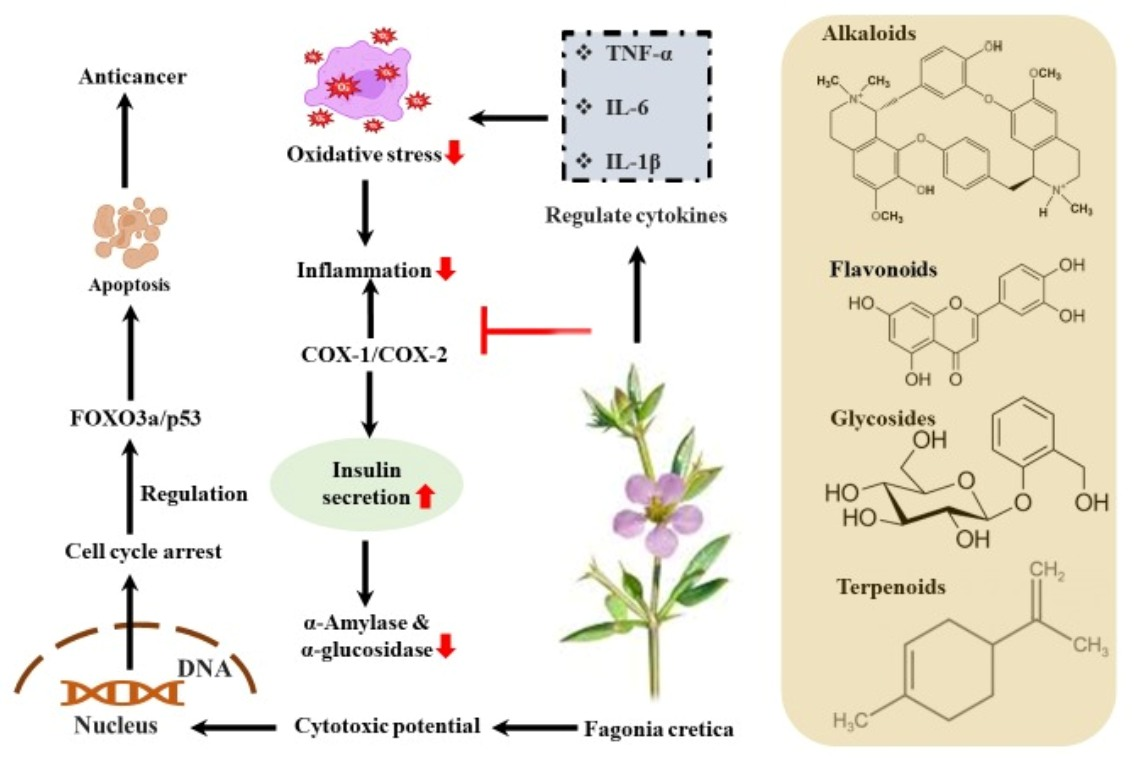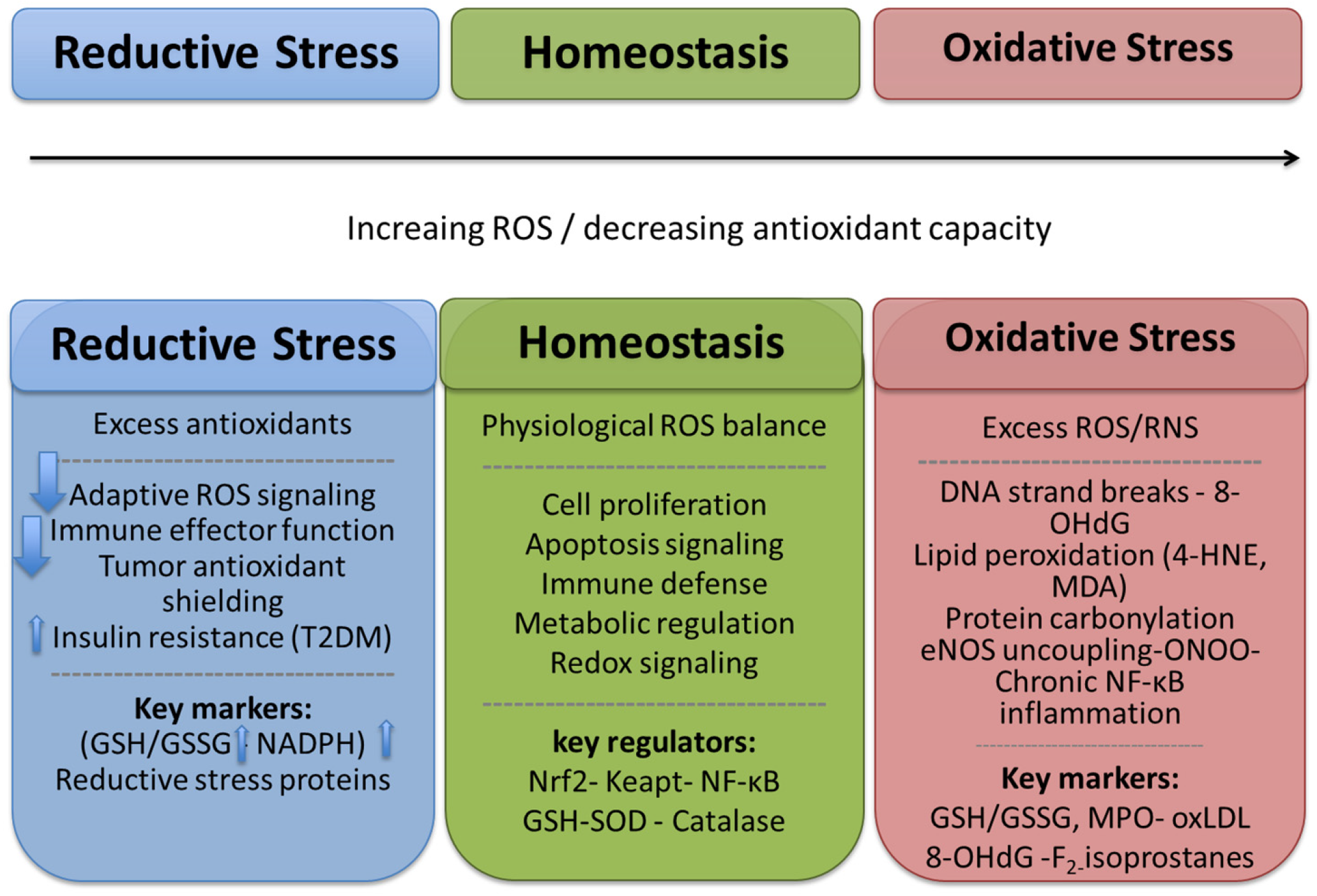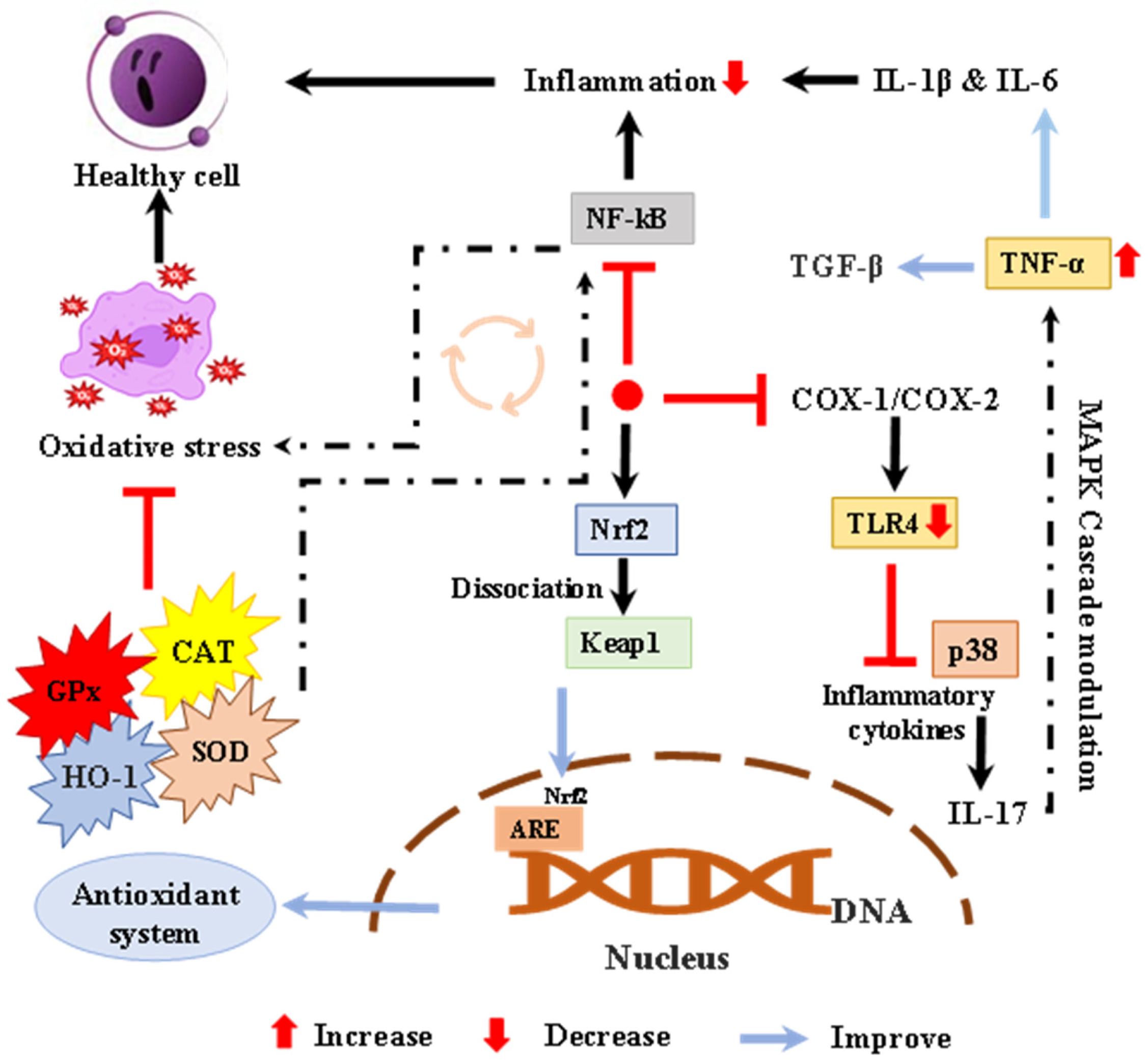
Fagonia cretica L. and Redox Homeostasis: An Integrative Review of Phytochemistry, Redox-Sensitive Signaling, and Pharmacological Potential
 ,
,  ,
,  , , and
Abstract
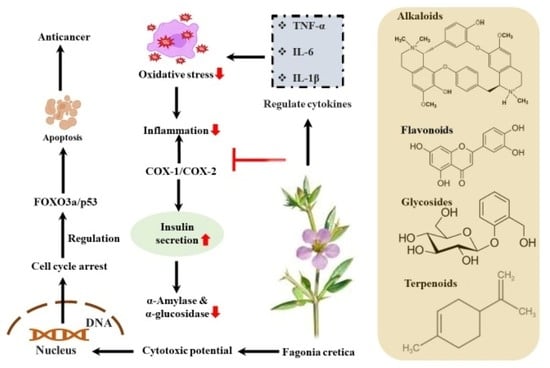
1. Introduction
2. Literature Search Strategy and Evidence Sources
3. Redox Homeostasis as a Central Regulator of Human Health
4. Nutritional Composition of F. cretica
5. Health Promoting Mechanisms via Redox Homeostasis
5.1. Antioxidant Mechanism
5.2. Anti-Inflammatory Mechanism
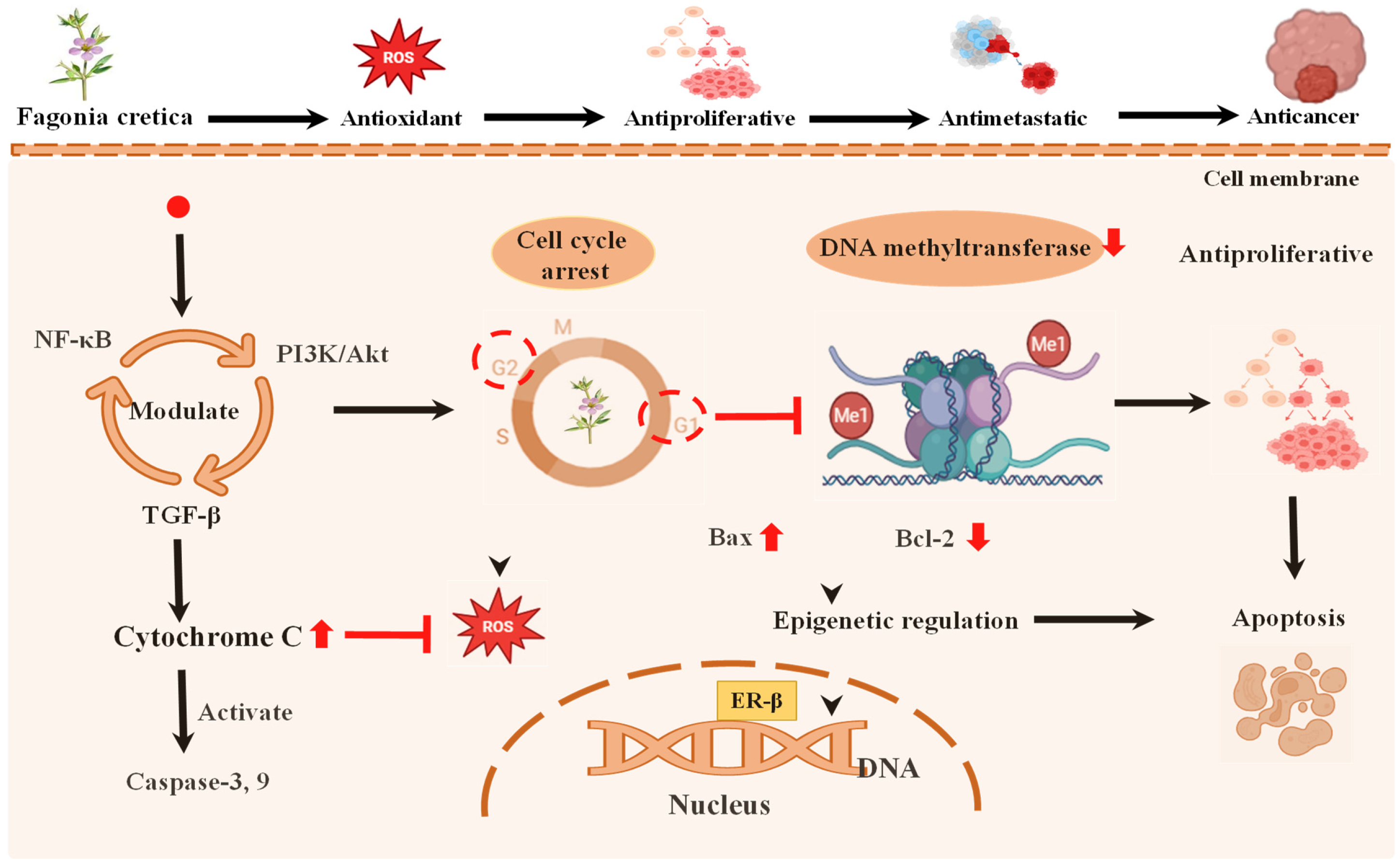
5.3. Anti-Cancer Mechanism
5.4. Hepatoprotective Mechanism
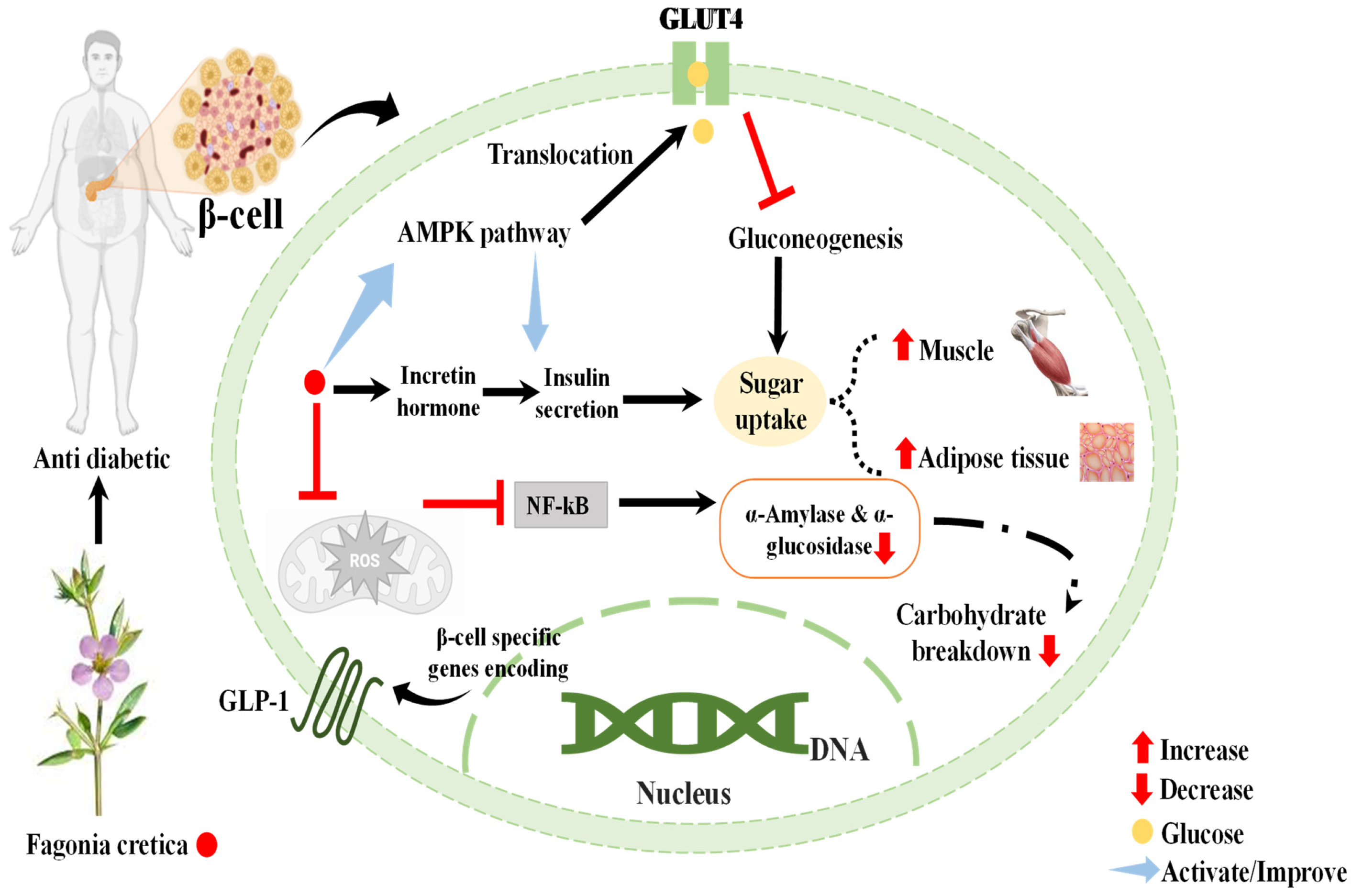
5.5. Antidiabetic Mechanisms
5.6. Antimicrobial Activities
5.7. Antidepressant Activity
6. Limitations and Future Directions
7. Conclusions
Author Contributions
Funding
Institutional Review Board Statement
Informed Consent Statement
Data Availability Statement
Acknowledgments
Conflicts of Interest
Abbreviations
| ABCG2 | ATP-binding cassette subfamily G member 2 |
| ABTS | 2,2′-Azino-bis(3-ethylbenzothiazoline-6-sulfonic acid) |
| AGEs | Advanced glycation end products |
| AgNPs | Silver nanoparticles |
| AMPK | Adenosine monophosphate-activated protein kinase |
| ARE | Antioxidant response element |
| Bax | Bcl-2-associated X protein |
| Bcl-2 | B-cell lymphoma 2 |
| BH4 | Tetrahydrobiopterin |
| CAT | Catalase |
| CCl4 | Carbon tetrachloride |
| COX-1 | Cyclooxygenase-1 |
| COX-2 | Cyclooxygenase-2 |
| CYP2E1 | Cytochrome P450 2E1 |
| CYP3A4 | Cytochrome P450 3A4 |
| DMBA | 7,12-Dimethylbenz[a]anthracene |
| DNMT1 | DNA methyltransferase 1 |
| DNA | Deoxyribonucleic acid |
| DPP-4 | Dipeptidyl peptidase-4 |
| DPPH | 2,2-Diphenyl-1-picrylhydrazyl |
| eNOS | Endothelial nitric oxide synthase |
| ER-β | Estrogen receptor beta |
| ERK | Extracellular signal-regulated kinase |
| FADD | Fas-associated death domain |
| FOXO3a | Forkhead box O3a |
| FRAP | Ferric reducing antioxidant power |
| GCL | Glutamate-cysteine ligase |
| GLP-1 | Glucagon-like peptide-1 |
| GLUT4 | Glucose transporter type 4 |
| GPx | Glutathione peroxidase |
| GSH | Reduced glutathione |
| GSH/GSSG | Reduced glutathione/oxidized glutathione ratio |
| GSS | Glutathione synthetase |
| GSSG | Oxidized glutathione |
| HbA1c | Glycated hemoglobin |
| HCC | Hepatocellular carcinoma |
| HCEC | Human corneal epithelial cells |
| HepG2 | Human hepatocellular carcinoma cell line |
| HO-1 | Heme oxygenase-1 |
| HPLC | High-performance liquid chromatography |
| IC50 | Half-maximal inhibitory concentration |
| IKK | IκB kinase |
| IL-1β | Interleukin-1 beta |
| IL-6 | Interleukin-6 |
| IL-17 | Interleukin-17 |
| iNOS | Inducible nitric oxide synthase |
| IRS-1 | Insulin receptor substrate-1 |
| JNK | c-Jun N-terminal kinase |
| Keap1 | Kelch-like ECH-associated protein 1 |
| MAPK | Mitogen-activated protein kinase |
| MCF-7 | Michigan Cancer Foundation-7 breast cancer cell line |
| MDA | Malondialdehyde |
| MDR | Multidrug-resistant |
| MMP | Matrix metalloproteinase |
| MPO | Myeloperoxidase |
| MTT | 3-(4,5-Dimethylthiazol-2-yl)-2,5-diphenyltetrazolium bromide |
| MyD88 | Myeloid differentiation primary response 88 |
| NADPH | Nicotinamide adenine dinucleotide phosphate |
| NAFLD | Non-alcoholic fatty liver disease |
| NASH | Non-alcoholic steatohepatitis |
| NF-κB | Nuclear factor kappa-light-chain-enhancer of activated B cells |
| NO | Nitric oxide |
| NOX2 | NADPH oxidase 2 |
| NOX4 | NADPH oxidase 4 |
| NQO1 | NAD(P)H quinone oxidoreductase 1 |
| Nrf2 | Nuclear factor erythroid 2-related factor 2 |
| ONOO− | Peroxynitrite |
| PC3 | Human prostate cancer cell line |
| PI3K/Akt | Phosphoinositide 3-kinase/protein kinase B pathway |
| PTEN | Phosphatase and tensin homolog |
| PTP1B | Protein tyrosine phosphatase 1B |
| RAGE | Receptor for advanced glycation end products |
| RNA | Ribonucleic acid |
| RNS | Reactive nitrogen species |
| ROS | Reactive oxygen species |
| SAR | Structure–activity relationship |
| SeNPs | Selenium nanoparticles |
| SMAD | Small mothers against decapentaplegic protein |
| SOD | Superoxide dismutase |
| STZ | Streptozotocin |
| TFC | Total flavonoid content |
| TGF-β | Transforming growth factor beta |
| TGR5 | Takeda G-protein-coupled receptor 5 |
| TLR4 | Toll-like receptor 4 |
| TNF-α | Tumor necrosis factor alpha |
| TPC | Total phenolic content |
| TRAIL | Tumor necrosis factor-related apoptosis-inducing ligand |
| Trx | Thioredoxin |
| UGT2B7 | UDP-glucuronosyltransferase 2B7 |
| VCAM-1 | Vascular cell adhesion molecule-1 |
| ZnO NPs | Zinc oxide nanoparticles |
| 4-HNE | 4-Hydroxynonenal |
| 8-OHdG | 8-Hydroxy-2′-deoxyguanosine |
References
- Le Gal, K.; Schmidt, E.E.; Sayin, V.I. Cellular redox homeostasis. Antioxidants 2021, 10, 1377. [Google Scholar] [CrossRef] [PubMed]
- de la Lastra, J.M.P.; Andrés, C.M.C.; Munguira, E.B.; Juan, C.A.; Pérez-Lebeña, E. Pathophysiology of reactive oxygen species (ROS). Arch. Toxicol. 2026, 100, 475–513. [Google Scholar] [CrossRef] [PubMed]
- Alfei, S.; Schito, G.C.; Schito, A.M.; Zuccari, G. Reactive oxygen species (ROS)-mediated antibacterial oxidative therapies: Available methods to generate ROS and a novel option proposal. Int. J. Mol. Sci. 2024, 25, 7182. [Google Scholar] [CrossRef] [PubMed]
- Yuan, J.; Ofengeim, D. A guide to cell death pathways. Nat. Rev. Mol. Cell Biol. 2024, 25, 379–395. [Google Scholar] [CrossRef] [PubMed]
- Tossetta, G.; Fantone, S.; Marzioni, D.; Mazzucchelli, R. Role of natural and synthetic compounds in modulating NRF2/KEAP1 signaling pathway in prostate cancer. Cancers 2023, 15, 3037. [Google Scholar] [CrossRef] [PubMed]
- Chandrasekaran, P.; Weiskirchen, R. The role of obesity in type 2 diabetes mellitus—An overview. Int. J. Mol. Sci. 2024, 25, 1882. [Google Scholar] [CrossRef] [PubMed]
- Lonardo, A.; Weiskirchen, R. Insulin resistance at the crossroads of metabolic inflammation, cardiovascular disease, organ failure and cancer. Biomolecules 2025, 15, 1745. [Google Scholar] [CrossRef] [PubMed]
- Stefani, C.; Miricescu, D.; Stanescu-Spinu, I.-I.; Nica, R.I.; Greabu, M.; Totan, A.R.; Jinga, M. Growth factors, PI3K/AKT/mTOR and MAPK signaling pathways in colorectal cancer pathogenesis: Where are we now? Int. J. Mol. Sci. 2021, 22, 10260. [Google Scholar] [CrossRef] [PubMed]
- Spampinato, G.; Musarella, C.M.; Cano-Ortiz, A.; Signorino, G. Habitat, occurrence and conservation status of the Saharo-Macaronesian and Southern-Mediterranean element Fagonia cretica L. (Zygophyllaceae) in Italy. J. Arid Land 2018, 10, 140–151. [Google Scholar] [CrossRef]
- Fatima, I.; Munawar, M.; Iqbal, S.; Sadaf, Z. Ethno-medicinal uses of wild herbs and shrubs of Tehsil Yazman, Punjab, Pakistan. Pak. J. Agric. Sci. 2019, 56, 723–734. [Google Scholar] [CrossRef]
- Alamami, A.; Elshibani, F.; Elremali, N.; Daboub, A.; Zaed, S.B.; Bumadian, M. The species of genus Fagonia in Libya: A comprehensive review. J. Pharmacogn. Phytochem. 2022, 11, 28–37. [Google Scholar] [CrossRef]
- Shenoy, T.N.; Salam, A.A.A. Therapeutic potential of dietary bioactive compounds against anti-apoptotic Bcl-2 proteins in breast cancer. Crit. Rev. Food Sci. Nutr. 2025, 65, 4915–4940. [Google Scholar] [CrossRef] [PubMed]
- Jubaidi, F.F.; Zainalabidin, S.; Taib, I.S.; Hamid, Z.A.; Budin, S.B. The potential role of flavonoids in ameliorating diabetic cardiomyopathy via alleviation of cardiac oxidative stress, inflammation and apoptosis. Int. J. Mol. Sci. 2021, 22, 5094. [Google Scholar] [CrossRef] [PubMed]
- Li, Z.; Li, Y.; Zhu, J.; Zheng, Z.; Xie, W.; Xu, C. Response mechanism of hepatorenal metabolic barrier function to drugs and environmental poisons and intervention strategy of natural products. Front. Pharmacol. 2026, 17, 1763782. [Google Scholar] [CrossRef] [PubMed]
- Asaduzzaman, M.; Nahar, L.; Biswas, M.S.; Rahman, M.M. Molecular mechanisms of anti-inflammatory and immunomodulatory activities of key phytochemicals: A comprehensive review. J. Trop. Med. 2026, 2026, 9906781. [Google Scholar] [CrossRef]
- Kashif, M.; Abbas, A.; Nasir, A.; Rehman, A.U.; Rehman, E.; Kazi, M.; Jamal, M.A. Exploring the antiproliferative and antioxidant effects of Fagonia cretica thereof: An in vitro and in vivo evaluation. Microsc. Res. Tech. 2025, 88, 1893–1903. [Google Scholar] [CrossRef] [PubMed]
- Arshad, F.; Altaf, A.; Arshad, A.R.; Kiran, A.; Sarwar, M.; Sharif, S.; Maqbool, T.; Abujamel, T.S.; Haque, A.; Naseer, M.I. Phytochemical profiling and anticancer potential of Fagonia cretica L. extracts on liver cancer (HepG2) cells using in vitro and in silico approaches. Anti-Cancer Agents Med. Chem. 2026, 26, 394–412. [Google Scholar] [CrossRef] [PubMed]
- Lin, L.; Wu, Q.; Lu, F.; Lei, J.; Zhou, Y.; Liu, Y.; Zhu, N.; Yu, Y.; Ning, Z.; She, T.; et al. Nrf2 signaling pathway: Current status and potential therapeutic targetable role in human cancers. Front. Oncol. 2023, 13, 1184079. [Google Scholar] [CrossRef] [PubMed]
- Punziano, C.; Trombetti, S.; Cesaro, E.; Grosso, M.; Faraonio, R. Antioxidant systems as modulators of ferroptosis: Focus on transcription factors. Antioxidants 2024, 13, 298. [Google Scholar] [CrossRef] [PubMed]
- Xing, F.; Hu, Q.; Qin, Y.; Xu, J.; Zhang, B.; Yu, X.; Wang, W. The relationship of redox with hallmarks of cancer: The importance of homeostasis and context. Front. Oncol. 2022, 12, 862743. [Google Scholar] [CrossRef] [PubMed]
- Verza, F.A.; Da Silva, G.C.; Nishimura, F.G. The impact of oxidative stress and the NRF2–KEAP1–ARE signaling pathway on anticancer drug resistance. Oncol. Res. 2025, 33, 1819–1834. [Google Scholar] [CrossRef] [PubMed]
- Vendramini-Costa, D.B.; Carvalho, J.E. Molecular link mechanisms between inflammation and cancer. Curr. Pharm. Des. 2012, 18, 3831–3852. [Google Scholar] [CrossRef] [PubMed]
- Pérez-Torres, I.; Guarner-Lans, V.; Rubio-Ruiz, M.E. Reductive stress in inflammation-associated diseases and the pro-oxidant effect of antioxidant agents. Int. J. Mol. Sci. 2017, 18, 2098. [Google Scholar] [CrossRef] [PubMed]
- He, L.; He, T.; Farrar, S.; Ji, L.; Liu, T.; Ma, X. Antioxidants maintain cellular redox homeostasis by elimination of reactive oxygen species. Cell. Physiol. Biochem. 2017, 44, 532–553. [Google Scholar] [CrossRef] [PubMed]
- Sadiq, I.Z. Free radicals and oxidative stress: Signaling mechanisms, redox basis for human diseases, and cell cycle regulation. Curr. Mol. Med. 2023, 23, 13–35. [Google Scholar] [CrossRef] [PubMed]
- El Zayat, M. Proximate composition, mineral content and secondary metabolites of three medicinal wild Fagonia species. Food Biol. 2020, 9, 1–6. [Google Scholar] [CrossRef]
- Mohamed, E.I.; Elwekeel, A.H.; Mohamed, D.E.A.; Zaki, M.A.; Hassan, M.H. Validating anti-inflammatory and cytotoxic properties of Fagonia cretica L. through metabolic, in vitro, and in silico profiling. BMC Complement. Med. Ther. 2024, 24, 411. [Google Scholar] [CrossRef] [PubMed]
- Anjum, M.I.; Ahmed, E.; Jabbar, A.; Malik, A.; Ashraf, M.; Moazzam, M.; Rasool, M.A. Antimicrobial constituents from Fagonia cretica. J. Chem. Soc. Pak. 2007, 29, 634–639. [Google Scholar]
- Khare, C.P. Indian Medicinal Plants; Springer: New Delhi, India, 2007; Volume 1, p. 259. [Google Scholar] [CrossRef]
- Saleem, S.; Jafri, L.; ul Haq, I.; Chang, L.C.; Calderwood, D.; Green, B.D.; Mirza, B. Plants Fagonia cretica and Hedera nepalensis K. Koch contain natural compounds with potent dipeptidyl peptidase-4 (DPP-4) inhibitory activity. J. Ethnopharmacol. 2014, 156, 26–32. [Google Scholar] [CrossRef] [PubMed]
- Kamran, S.; Anwar, R.; Noor, A.; Ullah, M.I.; Bagalagel, A.A.; Aldurdunji, M.M.; Ishtiaq, S. Metabolic profiling and investigation of the modulatory effect of Fagonia cretica aerial parts on hepatic CYP3A4 and UGT2B7 enzymes in streptozotocin-induced diabetic model. Antioxidants 2023, 12, 119. [Google Scholar] [CrossRef] [PubMed]
- Tabassum, T.; Rahman, H.; Tawab, A.; Murad, W.; Hameed, H.; Shah, S.A.R.; Alshiekheid, M.A.; Alzahrani, K.J.; Banjer, H.J.; Alshiekheid, M.A. Fagonia cretica: Identification of compounds in bioactive gradient high-performance liquid chromatography fractions against multidrug-resistant human gut pathogens. Trop. Biomed. 2022, 39, 185–190. [Google Scholar] [CrossRef] [PubMed]
- Drummond, G.R.; Selemidis, S.; Griendling, K.K.; Sobey, C.G. Combating oxidative stress in vascular disease: NADPH oxidases as therapeutic targets. Nat. Rev. Drug Discov. 2011, 10, 453–471. [Google Scholar] [CrossRef] [PubMed]
- Venkatesan, S.; Smirne, C.; Aquino, C.I.; Surico, D.; Remorgida, V.; Pour, M.M.O.; Pirisi, M.; Grossini, E. Nitric oxide signaling in cardiovascular physiology and pathology: Mechanisms, dysregulation, and therapeutic frontiers. Int. J. Mol. Sci. 2026, 27, 629. [Google Scholar] [CrossRef] [PubMed]
- Singh, V.; Kaur, R.; Kumari, P.; Pasricha, C.; Singh, R. ICAM-1 and VCAM-1: Gatekeepers in various inflammatory and cardiovascular disorders. Clin. Chim. Acta 2023, 548, 117487. [Google Scholar] [CrossRef] [PubMed]
- Dri, E.; Lampas, E.; Lazaros, G.; Lazarou, E.; Theofilis, P.; Tsioufis, C.; Tousoulis, D. Inflammatory mediators of endothelial dysfunction. Life 2023, 13, 1420. [Google Scholar] [CrossRef] [PubMed]
- Perrelli, M.G.; Pagliaro, P.; Penna, C. Ischemia/reperfusion injury and cardioprotective mechanisms: Role of mitochondria and reactive oxygen species. World J. Cardiol. 2011, 3, 186–200. [Google Scholar] [CrossRef] [PubMed]
- Ramachandra, C.J.A.; Ja, K.P.M.M.; Chua, J.; Cong, S.; Shim, W.; Hausenloy, D.J. Myeloperoxidase as a multifaceted target for cardiovascular protection. Antioxid. Redox Signal. 2020, 32, 1135–1149. [Google Scholar] [CrossRef] [PubMed]
- Lalhminghlui, K.; Jagetia, G.C. Evaluation of the free-radical scavenging and antioxidant activities of Chilauni, Schima wallichii Korth in vitro. Future Sci. OA 2018, 4, FSO272. [Google Scholar] [CrossRef] [PubMed]
- Patergiannakis, I.S.; Georgiou-Siafis, S.K.; Papadopoulou, L.C.; Pappas, I.S. Natural Nrf2 activators modulate antioxidant gene expression and apoptosis in leukemic K-562 cells. Med. Oncol. 2025, 42, 396. [Google Scholar] [CrossRef] [PubMed]
- Sivalingam, A.M.; Pandian, A.; Rengarajan, S.; Boopathy, N.; Selvaraj, K.R.N. A comparative study of in vivo toxicity in zebrafish embryos synthesized CuO nanoparticles characterized from Salacia reticulata. Environ. Geochem. Health 2024, 46, 311. [Google Scholar] [CrossRef] [PubMed]
- Hashim, G.M.; Shahgolzari, M.; Hefferon, K.; Yavari, A.; Venkataraman, S. Plant-derived anti-cancer therapeutics and biopharmaceuticals. Bioengineering 2024, 12, 7. [Google Scholar] [CrossRef] [PubMed]
- Waqas, M.; Saif, M.S.; Batool, S.; Ahmed, M.M.; Tariq, T.; Hussain, R.; Mustafa, G.; Ghorbanpour, M.; Hasan, M. Green PEGylated-Sily@ZnFe2O4 nanocomposites for amelioration of ROS and DNA damage in rat liver. Sci. Rep. 2025, 15, 28461. [Google Scholar] [CrossRef] [PubMed]
- Khan, J.; Asaf, S.; Lubna; Abdelbacki, A.M.M.; Jan, R.; Kim, K.-M. Green extraction of flavonoids using deep eutectic solvents. Molecules 2025, 30, 813. [Google Scholar] [CrossRef] [PubMed]
- Naveed, M.; Atta, A.; Rui, B.; Khan, I.; Xue, Q.; Zhou, M.; He, X.; Walayat, B.; Alam, H.; Xu, Y.; et al. Combination of Withania coagulans and Fagonia cretica ameliorates hyperuricemia. Phytomedicine 2025, 145, 157079. [Google Scholar] [CrossRef] [PubMed]
- Khan, H.A.; Ghufran, M.; Shams, S.; Jamal, A.; Khan, A.; Awan, Z.A.; Khan, M.I. Green synthesis of silver nanoparticles from plant Fagonia cretica and evaluating its anti-diabetic activity through indepth in-vitro and in-vivo analysis. Front. Pharmacol. 2023, 14, 1194809. [Google Scholar] [CrossRef] [PubMed]
- Sheth, D.B.; Patel, V.T.; Manek, R.A. Evaluation of effect of ethanolic extract of Fagonia cretica plant against experimentally induced ulcerative colitis in mice. J. Adv. Sci. Res. 2020, 11, 131–141. [Google Scholar]
- Cretella, A.B.M.; da Silva Soley, B.; Pawloski, P.L.; Ruziska, R.M.; Scharf, D.R.; Ascari, J.; Cabrini, D.A.; Otuki, M.F. Expanding the anti-inflammatory potential of Moringa oleifera: Topical effect of seed oil on skin inflammation and hyperproliferation. J. Ethnopharmacol. 2020, 254, 112708. [Google Scholar] [CrossRef] [PubMed]
- Pereira, A.G.; Echave, J.; Jorge, A.O.S.; Nogueira-Marques, R.; Yuksek, E.N.; Barciela, P.; Perez-Vazquez, A.; Chamorro, F.; Oliveira, M.B.P.P.; Carpena, M.; et al. Antioxidants as nutraceuticals of phytochemical nature (plant natural foods) in disease prevention and therapy. Foods 2025, 14, 1749. [Google Scholar] [CrossRef] [PubMed]
- Sajid, B.; Alia, E.; Rizwana, K.; Uzma, S.; Alamgeer, A.; Hafiz, M.I. Phytochemical screening and antimicrobial activity of Fagonia cretica plant extracts against selected microbes. J. Pharm. Res. 2011, 4, 962–963. [Google Scholar]
- Ismail, H.; Rasheed, A.; Haq, I.U.; Jafri, L.; Ullah, N.; Dilshad, E.; Sajid, M.; Mirza, B. Five indigenous plants of Pakistan with pharmacological activities. Evid.-Based Complement. Altern. Med. 2017, 2017, 7849501. [Google Scholar] [CrossRef] [PubMed]
- Sutkowy, P.; Czeleń, P. Redox balance in cancer in the context of tumor prevention and treatment. Biomedicines 2025, 13, 1149. [Google Scholar] [CrossRef] [PubMed]
- Islam, M.A.; Medha, M.M.; Nahar, A.U.; Al Fahad, M.A.; Siraj, M.A.; Seidel, V. Cancer protective role of selected dietary polyphenols via modulating Keap1/Nrf2/ARE and interconnected signaling pathways. Nutr. Cancer 2023, 75, 1065–1102. [Google Scholar] [CrossRef] [PubMed]
- Bansal, M.P. ROS, redox regulation, and anticancer therapy. In Redox Regulation and Therapeutic Approaches in Cancer; Springer Nature: Singapore, 2023; pp. 311–409. [Google Scholar] [CrossRef]
- Kirti, A.; Tiwari, M. Fagonia cretica inhibits proliferation of colorectal and prostate cancer cells through DNMT1 downregulation, oxidative stress induction, and ER-beta activation. J. Ethnopharmacol. 2025, 355, 120741. [Google Scholar] [CrossRef] [PubMed]
- Ahmed, W.; Mansoor, Q.; Ahmad, M.S.; Zainab, T.; Shah, M.A. TRAIL-mediated apoptosis ruling and anticancer trigger by fine-tuned nanospheres of Fagonia cretica methanolic extracts as novel cancer regime. Sci. Rep. 2023, 13, 671. [Google Scholar] [CrossRef] [PubMed]
- Jabeen, A.; Mansoor, Q.; Zainab, T.; Farooqi, A.A.; Qayyum, M.; Mansha, A.; Shakeel, A.; Ahmad, M.S. Natural plant extracts mediated expression regulation of TGF-β receptors and SMAD genes in human cancer cell lines. Mol. Biol. Rep. 2022, 49, 4171–4178. [Google Scholar] [CrossRef] [PubMed]
- Kiani, B.H.; Ikram, F.; Fatima, H.; Alhodaib, A.; Haq, I.U.; Ur-Rehman, T.; Naz, I. Comparative evaluation of biomedical and phytochemical applications of zinc nanoparticles by using Fagonia cretica extracts. Sci. Rep. 2022, 12, 10024. [Google Scholar] [CrossRef] [PubMed]
- Nayila, I.; Sharif, S.; Lodhi, M.S.; Aman, F.; Zaheer, S.; Sajid, A. Unveiling the therapeutic prospective of active phytochemicals from Fagonia species and potential role of its green synthesized nanoparticles. Pak. J. Bot. 2024, 56, 2295–2303. [Google Scholar] [CrossRef] [PubMed]
- Sheikh, F.; Naz, I.; Rahman, L.; Younis, T.; Shinwari, Z.K.; Faisal, R. Genus Fagonia-mediated nanoparticles and their therapeutic potential: A review. Pak. J. Bot. 2024, 56, 1623–1629. [Google Scholar] [CrossRef] [PubMed]
- Lam, M. Cytotoxic Activity of F. cretica Against Human Breast Cancer Cells; Aston University: Birmingham, UK, 2012. [Google Scholar]
- Walbi, I.A.; Alshabi, A.M.; Alkahtani, S.A.; Shaikh, I.A.; Abdel-Wahab, B.A.; Khateeb, M.M.; Habeeb, M.S.; Orabi, M.A.A.; Shettar, A.K.; Hoskeri, J.H.; et al. A preliminary cytotoxicity study of Fagonia arabica against breast (MCF-7), oral (KB-3-1), and lung cancer (A-549) cell lines: A study supported by molecular marker analysis using dual staining dyes. Separations 2023, 10, 110. [Google Scholar] [CrossRef]
- Sher, A.; Tabassum, S.; Nashrullah, F.; Rizvi, A.S.; Amin, F.; Begum, S.; Jabeen, F. Phytochemical profiling and anticancer effect of Fagonia arabica on MCF-7 breast cancer cells. NUST J. Nat. Sci. 2025, 10, 1–10. [Google Scholar] [CrossRef]
- Almutairi, M.H.; Khan, S.; Fozia, F.; Aslam, M.; Ahmad, I.; Sillanpää, M.; Almutairi, B.O.; Ziaullah, Z. Green chemistry approach to synthesize titanium dioxide nanoparticles using Fagonia cretica extract, novel strategy for developing antimicrobial and antidiabetic therapies. Green Process. Synth. 2024, 13, 20240134. [Google Scholar] [CrossRef]
- Aboelhassan, D.; Ghaly, I.; Ibrahim, N.; Shaffie, N.; Eshak, M.; Abdallah, A.; Farag, I. Ameliorative role of ethanolic extract of Fagonia cretica on BPA-induced genetic alterations and histological changes in liver and kidney tissues of rats. Adv. Anim. Vet. Sci. 2022, 10, 1693–1705. [Google Scholar] [CrossRef]
- Allah, J.; Mohamed, O.A. Antimicrobial Activity, Toxicological, Hematological and Biochemical Effects of F. cretica in Sudan; Omer Musa Ezz-Eldeen University: Omdurman, Sudan, 2013. [Google Scholar]
- Ansari, J.A.; Rastogi, N.; Ahmad, M.K.; Mahdi, A.A.; Khan, A.R.; Thakur, R.; Waseem, M.; Srivastava, V.K.; Mishra, D.P.; Fatima, N.; et al. ROS mediated pro-apoptotic effects of Tinospora cordifolia on breast cancer cells. Front. Biosci. (Elite Ed.) 2017, 9, 89–100. [Google Scholar] [CrossRef] [PubMed]
- Saleem, S. Biological Evaluation, Isolation and Characterization of Compounds from F. cretica; Quaid-i-Azam University: Islamabad, Pakistan, 2015. [Google Scholar]
- Mooli, R.G.R.; Mukhi, D.; Ramakrishnan, S.K. Oxidative stress and redox signaling in the pathophysiology of liver diseases. Compr. Physiol. 2022, 12, 3167–3192. [Google Scholar] [CrossRef]
- Sharma, P.; Nandave, M.; Nandave, D.; Yadav, S.; Vargas-De-La-Cruz, C.; Singh, S.; Tandon, R.; Ramniwas, S.; Behl, T. Reactive oxygen species (ROS)-mediated oxidative stress in chronic liver diseases and its mitigation by medicinal plants. Am. J. Transl. Res. 2023, 15, 6321–6341. [Google Scholar] [PubMed]
- Arroyave-Ospina, J.C.; Wu, Z.; Geng, Y.; Moshage, H. Role of oxidative stress in the pathogenesis of non-alcoholic fatty liver disease: Implications for prevention and therapy. Antioxidants 2021, 10, 174. [Google Scholar] [CrossRef] [PubMed]
- Massart, J.; Begriche, K.; Hartman, J.H.; Fromenty, B. Role of mitochondrial cytochrome P450 2E1 in healthy and diseased liver. Cells 2022, 11, 288. [Google Scholar] [CrossRef] [PubMed]
- Smirne, C.; Croce, E.; Di Benedetto, D.; Cantaluppi, V.; Comi, C.; Sainaghi, P.P.; Minisini, R.; Grossini, E.; Pirisi, M. Oxidative stress in non-alcoholic fatty liver disease. Livers 2022, 2, 30–76. [Google Scholar] [CrossRef]
- Albano, E. Oxidative stress in alcoholic liver disease. In Studies on Hepatic Disorders; Springer International Publishing: Cham, Switzerland, 2015; pp. 215–239. [Google Scholar] [CrossRef]
- Ipsen, D.H.; Lykkesfeldt, J.; Tveden-Nyborg, P. Molecular mechanisms of hepatic lipid accumulation in non-alcoholic fatty liver disease. Cell. Mol. Life Sci. 2018, 75, 3313–3327. [Google Scholar] [CrossRef] [PubMed]
- Čater, M.; Križančić Bombek, L. Protective role of mitochondrial uncoupling proteins against age-related oxidative stress in type 2 diabetes mellitus. Antioxidants 2022, 11, 1473. [Google Scholar] [CrossRef] [PubMed]
- Teimouri, M.; Hosseini, H.; ArabSadeghabadi, Z.; Babaei-Khorzoughi, R.; Gorgani-Firuzjaee, S.; Meshkani, R. The role of protein tyrosine phosphatase 1B (PTP1B) in the pathogenesis of type 2 diabetes mellitus and its complications. J. Physiol. Biochem. 2022, 78, 307–322. [Google Scholar] [CrossRef] [PubMed]
- Handy, R.M.; Holloway, G.P. Insights into the development of insulin resistance: Unraveling the interaction of physical inactivity, lipid metabolism and mitochondrial biology. Front. Physiol. 2023, 14, 1151389. [Google Scholar] [CrossRef] [PubMed]
- Vela-Guajardo, J.E.; Garza-González, S.; García, N. Glucolipotoxicity-induced oxidative stress is related to mitochondrial dysfunction and apoptosis of pancreatic β-cell. Curr. Diabetes Rev. 2021, 17, 46–56. [Google Scholar] [CrossRef]
- Tajik Kord, M.; Pourrajab, F.; Hekmatimoghaddam, S. Ginger extract increases GLUT-4 expression preferentially through AMPK than PI3K signalling pathways in C2C12 muscle cells. Diabetes Metab. Syndr. Obes. 2020, 13, 3231–3238. [Google Scholar] [CrossRef] [PubMed]
- Feng, Y.; Ren, Y.; Zhang, X.; Yang, S.; Jiao, Q.; Li, Q.; Jiang, W. Metabolites of traditional Chinese medicine targeting PI3K/AKT signaling pathway for hypoglycemic effect in type 2 diabetes. Front. Pharmacol. 2024, 15, 1373711. [Google Scholar] [CrossRef] [PubMed]
- Singh, A.K.; Kumar, P.; Rajput, V.D.; Mishra, S.K.; Tiwari, K.N.; Singh, A.K.; Pandey, A.K.; Minkina, T. Phytochemicals, antioxidant, anti-inflammatory studies, and identification of bioactive compounds using GC-MS of ethanolic novel polyherbal extract. Appl. Biochem. Biotechnol. 2023, 195, 4447–4468. [Google Scholar] [CrossRef] [PubMed]
- Nazir, I.; Ur Rahman, N.; Alvi, Z.; Hafizur Rahman, M.; Sendker, J.; Zhang, T.; Frankish, N.; Sheridan, H. Antidiabetic activities of an LC/MS fingerprinted aqueous extract of Fagonia cretica L. in preclinical models. Planta Med. 2017, 83, 1141–1148. [Google Scholar] [CrossRef] [PubMed]
- Jafri, L.; Saleem, S.; Calderwood, D.; Gillespie, A.; Mirza, B.; Green, B.D. Naturally-occurring TGR5 agonists modulating glucagon-like peptide-1 biosynthesis and secretion. Peptides 2016, 78, 51–58. [Google Scholar] [CrossRef] [PubMed]
- Zulfiqar, H.; Zafar, A.; Rasheed, M.N.; Ali, Z.; Mehmood, K.; Mazher, A.; Mahmood, N.; Hasan, M. Synthesis of silver nanoparticles using Fagonia cretica and their antimicrobial activities. Nanoscale Adv. 2019, 1, 1707–1713. [Google Scholar] [CrossRef] [PubMed]
- van Eijk, E.; Wittekoek, B.; Kuijper, E.J.; Smits, W.K. DNA replication proteins as potential targets for antimicrobials in drug-resistant bacterial pathogens. J. Antimicrob. Chemother. 2017, 72, 1275–1284. [Google Scholar] [CrossRef] [PubMed]
- Kainat, S.; Sohail, M.; Rafique, S.; Mustafa, M.; Ejaz, U. Prevalence of multidrug-resistant biofilm-forming pathogens in diabetic foot ulcers and antimicrobial activity of nanoparticles. J. Infect. Dev. Ctries. 2025, 19, 1055–1065. [Google Scholar] [CrossRef] [PubMed]
- Hussain, R.; Zafar, A.; Hasan, M.; Tariq, T.; Saif, M.S.; Waqas, M.; Tariq, F.; Anum, M.; Anjum, S.I.; Shu, X. Casting zinc oxide nanoparticles using F. cretica for microbial arrest. Appl. Biochem. Biotechnol. 2023, 195, 264–282. [Google Scholar] [CrossRef] [PubMed]
- Ramos-da-Silva, L.; Carlson, P.T.; Silva-Costa, L.C.; Martins-de-Souza, D.; de Almeida, V. Molecular mechanisms associated with antidepressant treatment on major depression. Complex Psychiatry 2021, 7, 49–59. [Google Scholar] [CrossRef] [PubMed]




| Category | Composition | Reported Biological Activities | References |
|---|---|---|---|
| Nutritional composition | Moisture (10.41%), ash (9.22 ± 0.77%), crude fiber (14.57%), lipids (4.63%), protein (9.34%), total carbohydrates (622.4 mg/g), total soluble sugars (29.68 mg/g), polysaccharides (133.47 mg/g), glucose (1.13 mg/g), sucrose (9.67 mg/g), energy value (327.99 kcal/100 g) | Supports cellular metabolism and physiological energy requirements; contributes to redox balance through nutritional antioxidant support (general nutritional function only, not a direct pharmacological claim) | [26] |
| Mineral composition | Na (13.09 mg/g), K (12.09 mg/g), Ca (10.69 mg/g), Mg (7.19 mg/g), Fe (1.13 mg/g), Cu (0.31 mg/g), Mn (0.09 mg/g), Zn (0.07 mg/g) | Functions as enzymatic cofactors and supports antioxidant enzyme systems (e.g., SOD, catalase) | [26] |
| Total phenolics and flavonoids | Total phenolic content (2.4 mg GAE/g), flavonoid content (0.18 mg GAE/g) | Associated with radical-scavenging capacity and reduction in oxidative stress markers in vitro | [27] |
| Phenolic compounds (phenolic acids and flavonoids) | Gallic acid, quercetin, vanillic acid, benzoic acid, m-coumaric acid, sinapic acid, cinnamic acid, rosmarinic acid (0.97–11.21 ppm range across different extracts) | Strong antioxidant and anti-inflammatory potential; free radical scavenging; NF-κB modulation and redox regulation (literature-supported) | [31,32] |
| Flavonoid fraction (quantified content) | Total flavonoids (0.18 mg GAE/g) and quercetin (7.82–8.28 ppm in extracts) | Contributes to antioxidant activity and inhibition of oxidative stress–induced cellular damage | [27,31] |
| Saponins (triterpenoid glycosides) | Oleanane-type triterpenoid saponins (glycosylated quinovic/oleanolic acid derivatives; 5.87–8.14 mg/g) | Reported membrane interaction, antimicrobial and cytotoxic potential at compound-class level | [27] |
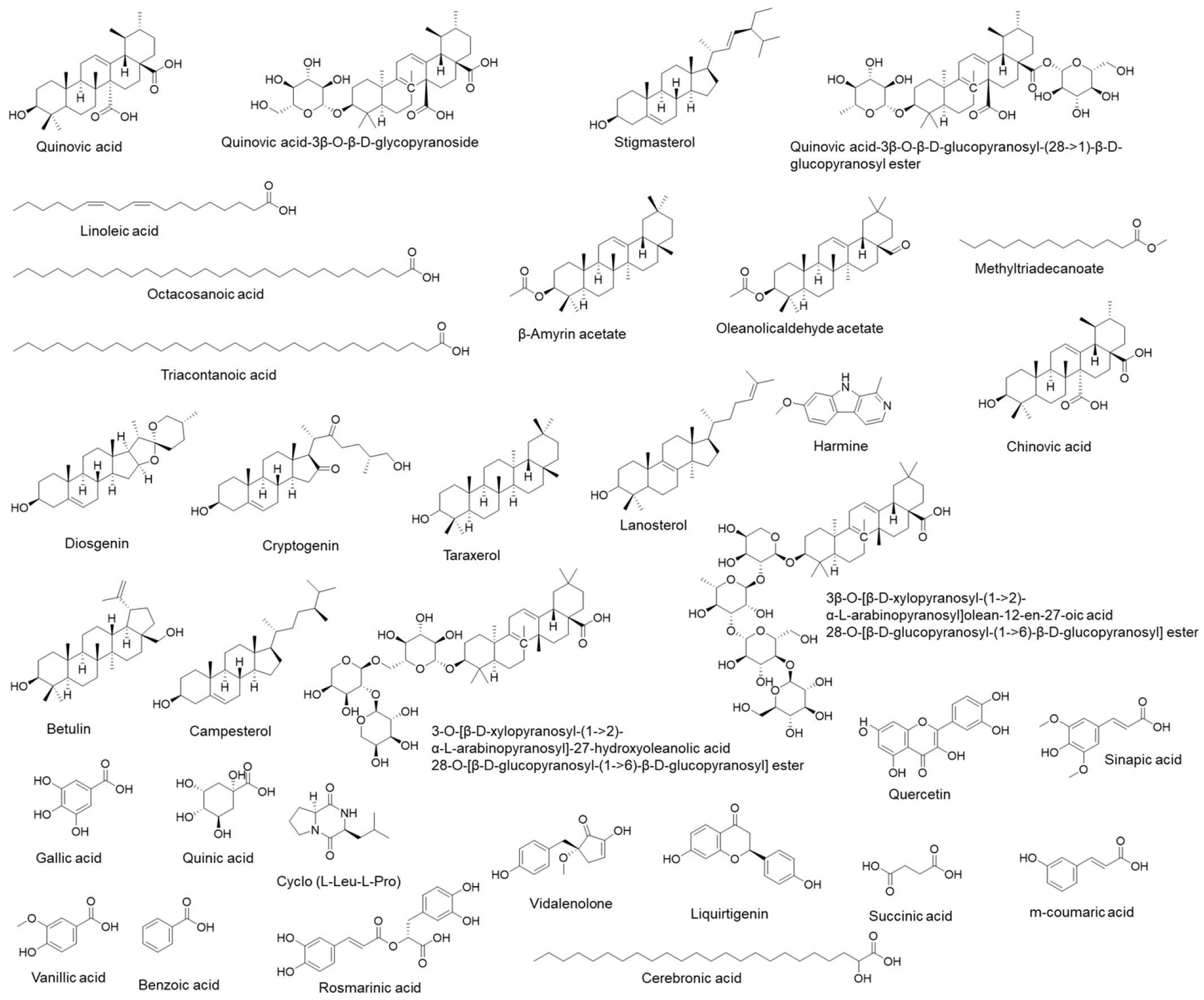
| Free triterpenes and sterols | Quinovic acid derivatives, β-amyrin acetate, taraxerol, oleanolic aldehyde acetate, betulin, diosgenin, cryptogenin, stigmasterol, campesterol, lanosterol | Antioxidant, membrane-stabilizing, and anti-lipid peroxidation activities; potential involvement in redox signaling (e.g., Nrf2-associated pathways) | [28,29,30] |
| Fatty acids and lipid-derived compounds | Linoleic acid, triacontanoic acid | Contribute to membrane integrity and lipid metabolism; reported anti-lipid peroxidation potential | [28,29,30] |
| Alkaloids and nitrogenous compounds | Harmine (part of isolated phytochemical fraction) | Reported bioactivity includes antioxidant and neuroactive potential based on literature evidence | [28,29,30] |
| Low-molecular-weight metabolites (aqueous extract profile) | Succinic acid, quinic acid, cyclo(L-Leu-L-Pro), liquiritigenin, cerebronic acid | Reported antioxidant, anti-inflammatory, hepatoprotective, cardioprotective, and anti-fibrotic activities (compound-based evidence) | [32] |
| Type of Drug | Type of Study | Type of Cancer | Cancer Cell Line | Mechanism | Reference |
|---|---|---|---|---|---|
| Ethanolic extract, hexane extract | In vitro, In silico | Liver cancer | HepG2 | Cytotoxic activity, apoptotic induction, inhibition of TNF-α and TGF-β | [17] |
| Alcoholic extract | metabolic, in vitro, and in silico profiling | Liver cancer breast cancer, intestinal cancer | HepG2, MCF-7, Caco-2 | COX-2, COX-1, and nitric oxide inhibition, impact on apoptotic markers (topoisomerase I and caspase 9 enzymes), effect on anti-inflammatory (COX-2 and COX-1) and cytotoxicity (topoisomerases I, IIα, and IIβ) | [27] |
| Aqueous extract | In vitro, in vivo | Breast cancer | MCF-7 | Performed scavenging activity through MTT assay, regress tumor, possesses anticancer, antioxidant, and cytotoxic properties | [4] |
| Aqueous extract | In vitro | Breast cancer | MCF-7, MDA-MB-231 | F. cretica extract induces DNA damage, causing G0/G1 cell cycle arrest and apoptosis via p53 (p21, BAX). p53-deficient cells, activates FOXO3a, leading to growth inhibition and cell death. | [61] |
| Methanolic extract, aqueous extract | In vitro | Breast cancer, hepatocellular carcinoma, laryngeal carcinoma | MCF-7, Hep-2, HUH-7, HCEC | TRAIL-mediated extrinsic apoptotic pathway—upregulation of TRAIL, DR4, DR5, FADD, and TP53 genes, caspase-dependent apoptosis via death receptor signaling, no change in cFLAR (anti-apoptotic inhibitor remained suppressed) | [57] |
| Ethanolic extract | In vitro, in silico | Colorectal prostate | HCT-116, PC3 | Induces antiproliferative and antiapoptotic effects through increased ROS production | [55] |
| Methanolic extract, aqueous extract | In vitro | Breast, lung, oral | MCF-7, A549, KB-3-1, L929 (normal, non-cancerous control) | Apoptosis induction via: ROS-mediated oxidative stress, DNA damage, cell necrosis | [62] |
| Methanolic extract | In vitro | Hepatocellular carcinoma, breast cancer | HUH, MCF-7 | Antiproliferative effect, downregulated TGFβR1, TGFβR2, TGFβR3 and SMAD3 expression, decreased SMURF1/2 expression | [57] |
| Methanolic extract | In vitro | Breast cancer | MCF-7 | Apoptosis induction via upregulation of Caspase-1, -3, -7, and -9, down regulation of Wnt-3a and β-catenin | [63] |
| Aqueous extract | In vitro | Liver cancer | HepG-2 | ROS-mediated cytotoxicity inducing oxidative stress, cell membrane damage | [64] |
| Ethanolic extract | In vivo | Breast cancer | MCF-7, MDA-MB-231 | Decreases p-53 and increases FOXO3a, inhibits upregulation of IkBα and COX-1 genes in liver | [65] |
| Ethanolic extract, chloroformic extract | In vitro, in vivo | Breast cancer | MCF-7, MDA-MB-231 | Induces cell cycle arrest and apoptosis, increases WBC count, increases platelet count | [66] |
| Chloroform fraction | In vitro | Breast cancer | MCF-7, MDA-MB-231 | Induces ROS-mediated apoptosis, loss of mitochondrial membrane potential, activation of Caspase-3 | [67] |
| Crude extract | In vitro | Breast cancer, cervical cancer | MCF-7, MDA-MB-231 HeLa, MCF-10A | Cell cycle arrest, apoptosis, activation of p53, Bax, p21 | [68] |
| Model | Formulation/ Intervention | Dose | Key Findings | Mechanism | Study | |
|---|---|---|---|---|---|---|
| Anti-diabetic and hepatoprotective | In vitro | Leaves extract | 62–1000 µg/mL | ↓ Glucose (105 mg/dL), strong enzyme inhibition | α-amylase and α-glucosidase inhibition, antioxidant | [46] |
| STZ-induced diabetic mice | Leaves AgNPs | 5, 10, 15, and 20 mg/kg | ||||
| In vitro | Unfractionated extract; solvent NS plant part NS | Not specified | DPP-4 inhibition (IC50 38.1 µg/mL) | Incretin preservation | [30] | |
| Cell line | Unfractionated extract; solvent NS; plant part NS. | 125 and 250 µg/mL | ↑ GLP-1 secretion | TGR5 activation | [84] | |
| STZ rats | Extract of aerial parts | 500 mg/kg | Modulated drug-metabolizing enzymes | CYP3A4 ↓, UGT2B7 ↑ | [31] | |
| In vitro | Solvent extract of aerial parts | Not specified | 52.6% antidiabetic activity | Antioxidant, protein kinase inhibition | [58] | |
| In vitro | Alcoholic extract of dried aerial parts | Not specified | Strong antioxidant and anti-inflammatory | Indirect insulin sensitivity improvement | [27] | |
| In vitro | Leaf extract | Not specified | Enhanced hepatocyte survival and tissue regeneration | Activation of PI3K/Akt pathway, modulation of mitochondrial apoptosis (↑ Bcl-2, ↓ Bax, ↓ caspase activation) | [17] | |
| Animal model, clinical study | Dietary intervention pharmacological agents | Not specified | Imbalance of homeostasis, mitochondrial oxidation increases | Increased expression and translocation of transporters (like CD36) from the cytoplasm to the plasma membrane | [75] | |
| In vivo liver injury models | Extracts of Fagonia species | Not specified | Reduced inflammation, improved liver function and membrane integrity | Inhibition of NF-κB pathway → ↓ TNF-α, ↓ IL-1β, ↓ IL-6, reduced lipid accumulation and hepatocyte damage | [59] | |
| Antioxidant | CCl4-induced hepatotoxic rats | Plant extract | 1500 µg/kg | Reduced ROS, TBARS, DNA damage, increased SOD, CAT, POD | Antioxidant activity, hepatoprotection | [43] |
| Hyperuricemic mice and cell lines | Unfractionated extract; solvent NS; plant part NS. | Withania coagulans (200 mg/kg), F. cretica (200 mg/kg) | ↓ Uric acid, reduced inflammation, improved gut microbiota | Upregulation of ABCG2 and SLC2A9, inhibition of TLR4/MyD88/NF-κB, IL-17 pathways | [45] | |
| MCF-7 cell line and rats (treated with 80 mg DMBA/kg) | Aqueous extract | 100, 200 and 250 µg/mL; 60 and 120 mg/kg | Tumor regression, antioxidant activity, improved body weight | Cytotoxic activity and ROS scavenging | [16] | |
| MCF-7, HepG2, Caco-2 | Alcoholic extract | 6.9 ± 0.53 µg/mL | strong cytotoxicity, COX inhibition, apoptosis induction | COX-1, COX-2 inhibition, caspase-9 activation, topoisomerase inhibition | [27] | |
| In vitro | Ethanolic extract | 0.5 µg/mL to 1000 µg/mL | Highest antioxidant activity, extracts scavenged DPPH | Scavenging of secondary metabolites, flavonoids, polyphenols (such as kaempferol-3-rhamnoside) | [39] | |
| In vitro/biochemical assays | Ethanolic extract | 200 µL/mL | Reduction in oxidative stress and lipid peroxidation | Increased expression of SOD, CAT, GPx, and HO-1 → restoration of redox balance and cellular protection | [41] | |
| Anti-inflammatory | Experimentally induced ulcerative colitis in mice | Ethanolic extract | 100, 200 and 400 mg/kg | ↓ colon inflammation, tissue injury, and disease severity | Inhibition of NF-κB signaling → suppression of TNF-α, IL-1β, IL-6, COX-2, iNOS via blocking IKK activation, preventing of NF-κB nuclear translocation | [47] |
| Animal model | Ethanolic extract | 100, 200 and 400 mg/kg | Acute inflammation, chronic inflammation, neutrophil activity | MOSO and OA depend on the activation of glucocorticoid receptors (GC) | [49] | |
| Phytochemical/mechanistic review evidence | Aqueous methanolic ethanolic | Not specified | Anti-inflammatory and antioxidant potential | Enhancement of antioxidant enzymes (SOD, CAT, GPx), reduction in ROS, and overall suppression of inflammation-related signaling pathways | [50] | |
| Sprague Dawley rats | Unfractionated extract; solvent NS; plant part NS. | 50, 100 and 200 mg/kg | Antinociceptive, anti-inflammatory, anticoagulant activities | Reduction in inflammation via histamine pathways, modulation of pain and coagulation pathways | [51] | |
| Anti-microbial | In vitro | Ethanolic extract | Not specified * | Successful synthesis of highly crystalline, spherical Ag NPs with an average size of 16 nm. Significant antibacterial activity against P. vulgaris, E. coli, and K. pneumoniae. Ag NPs outperformed commercial ciprofloxacin in these strains. | Induction of ROS (30% higher than control), leading to oxidative stress, DNA/RNA damage, and inhibition of protein synthesis | [85] |
| In vitro | Aqueous F. cretica extract used as a reducing/stabilizing agent for nanoparticle synthesis; plant part NS | Not specified * | Green-synthesized ZnO NPs showed strong antibacterial and antioxidant activity | Phenolic groups, amino acids, and amide linkages in the plant extract act as reducing and stabilizing agents to convert zinc acetate into ZnO NPs. | [88] | |
| In vitro | Unfractionated extract; solvent NS; plant part NS, gradient HPLC fractions | Not specified * | Identified compounds (gallic acid, quinic acid, liquirtigenin, rosmarinic acid), active against GI pathogens | The antibacterial effect is attributed to secondary metabolites identified in the bioactive fractions, such as gallic acid, rosmarinic acid, and liquirtigenin. | [32] |
Disclaimer/Publisher’s Note: The statements, opinions and data contained in all publications are solely those of the individual author(s) and contributor(s) and not of MDPI and/or the editor(s). MDPI and/or the editor(s) disclaim responsibility for any injury to people or property resulting from any ideas, methods, instructions or products referred to in the content. |
© 2026 by the authors. Licensee MDPI, Basel, Switzerland. This article is an open access article distributed under the terms and conditions of the Creative Commons Attribution (CC BY) license.
Share and Cite
Abbas, A.; Vohra, S.; Weiskirchen, R.; Mushtaq, H.; Amjad, A.; Tabassum, A.; Zafar, S.; Chaudhary, A.A.; Alhudhaibi, A.M.; Pandey, B. Fagonia cretica L. and Redox Homeostasis: An Integrative Review of Phytochemistry, Redox-Sensitive Signaling, and Pharmacological Potential. Pharmaceuticals 2026, 19, 1036. https://doi.org/10.3390/ph19071036
Abbas A, Vohra S, Weiskirchen R, Mushtaq H, Amjad A, Tabassum A, Zafar S, Chaudhary AA, Alhudhaibi AM, Pandey B. Fagonia cretica L. and Redox Homeostasis: An Integrative Review of Phytochemistry, Redox-Sensitive Signaling, and Pharmacological Potential. Pharmaceuticals. 2026; 19(7):1036. https://doi.org/10.3390/ph19071036
Chicago/Turabian StyleAbbas, Asad, Saeed Vohra, Ralf Weiskirchen, Hameeza Mushtaq, Adnan Amjad, Arooma Tabassum, Shehnshah Zafar, Anis Ahmad Chaudhary, Abdulrahman Mohammed Alhudhaibi, and Bipindra Pandey. 2026. "Fagonia cretica L. and Redox Homeostasis: An Integrative Review of Phytochemistry, Redox-Sensitive Signaling, and Pharmacological Potential" Pharmaceuticals 19, no. 7: 1036. https://doi.org/10.3390/ph19071036
APA StyleAbbas, A., Vohra, S., Weiskirchen, R., Mushtaq, H., Amjad, A., Tabassum, A., Zafar, S., Chaudhary, A. A., Alhudhaibi, A. M., & Pandey, B. (2026). Fagonia cretica L. and Redox Homeostasis: An Integrative Review of Phytochemistry, Redox-Sensitive Signaling, and Pharmacological Potential. Pharmaceuticals, 19(7), 1036. https://doi.org/10.3390/ph19071036