

Roles of Uridine Diphosphoglucuronosyltransferase 2B Enzymes in Cancer Susceptibility and Treatment: A Review

 , , ,
, , ,  , and
, and
Abstract
1. Introduction
2. UGT2B Structural Characteristics
2.1. UGT2B Substrates with Oncological Relevance

| UGT Isoform(s) | Substrates | Inducers | Inhibitors | Oncology Relevance | References |
|---|---|---|---|---|---|
| UGT2B4 | Hyodeoxycholic acid (HDCA), catechol estrogens, codeine, morphine, canagliflozin, carvedilol, clopidogrel carboxylate, propranolol | Fenofibric acid, Chenodeoxycholic acid | Clotrimazole, methadone | Important in bile acid and endogenous steroid detoxification | [28,29,30,31,32,33,34,35] |
| UGT2B7 | Androsterone, catechol estrogens, estriol, steroids, fatty acids, 4 OH tamoxifen, endoxifen, epirubicin, letrozole, hydroxycotinine, HDCA, 6α-hydroxyprogesterone, 21-hydroxyprogesterone, 11α-hydroxyprogesterone, zidovudine, morphine, hydromorphone, codeine, buprenorphine, ketoprofen, all-trans retinoic acid, efavirenz, R-oxazepam, carvedilol, clopidogrel carboxylate, propranolol, lamotrigine, chloramphenicol, asciminib | Dexamethasone, rifampin | Tetrahydrocannabinol (THC) and cannabidiol (CBD), mefenamic acid, licoagrochalcone A, glycycoumarin, crizotinib, ceritinib, asciminib, everolimus, bromophenols, fluconazole, flavone O-glycosides, methadone | Metabolism of endogenous steroids and bile acids Pharmacokinetics of letrozole and tamoxifen Drug interactions of oncology context—crizotinib, ceritinib, asciminib, everolimus, cannabidiol and morphine | [24,27,28,29,30,34,36,37,38,39,40,41,42,43,44,45,46,47,48,49,50,51,52,53,54,55,56,57,58,59] |
| UGT2B10 | Cotinine, nicotine, NNAL, amitriptyline, imipramine, clomipramine, trimipramine, medetomidine, clozapine, olanzapine, dexmedetomidine | Aflatoxin B1 | lorazepam, mycophenolic acid, fluconazole, amitriptyline, doxepin, mianserin, desloratadine, loratadine | N-glucuronidation; polymorphisms affect nicotine dependence and smoking behavior | [60,61,62,63,64,65,66,67] |
| UGT2B15 | Sorafenib, dasatinib, imatinib, 4 OH tamoxifen, DHT, androsterone, 5αandrostane 3α, 17βdiol, androsterone, 16α-hydroxyprogesterone, S-oxazepam, lorazepam, rofecoxib, acetaminophen, hydroxyphenytoin (R isomer), morphine, dabigatran, bisphenol A | Naftopidil, Aflatoxin B1 | CBD, 11-OH-THC, and THC, entrectinib, tucatinib, fedratinib, pexidartinib, calcitriol | Prostate androgen clearance; variants linked to prostate cancer | [23,24,36,38,46,67,68,69,70,71,72,73,74,75,76,77,78] |
| UGT2B17 | Testosterone, DHT, androsterone, 5αandrostane 3α,17βdiol, 16α-hydroxyprogesterone, 3hydroxycotinine, exemestane, fludarabine, vorinostat, morphine, clopidogrel carboxylate, diclofenac, asciminib | Exemestane, 17-hydroyexemestane, Aflatoxin B1 | Imatinib, tucatinib, asciminib, curcumin, salicylic acid, calcitriol | Glucuronidation of 17dihydroexemestane High UGT2B17 in leukemic cells inactivates fludarabine, contributing to drug resistance UGT2B17*2 genotype is associated with reduced glucuronidation of vorinostat | [24,29,51,67,75,78,79,80,81,82,83,84,85,86,87] |
2.2. The UGT2B Inhibitors and Inducers
3. Genetic Factors Influencing the UGT2B Genes, Expression and Function
4. UGT 2B Family and Their Role in Various Cancers
4.1. UGT 2B and Prostate Cancer
4.2. UGT 2B and Breast Cancer
4.3. UGT2B and Lung Cancer
4.4. UGT2B and Esophageal Cancers
4.5. UGT2B and Bladder Cancer
4.6. UGT2B and Colorectal Cancers
4.7. UGT2B and Papillary Thyroid Cancer
4.8. UGT2B and Endometrial Cancer
4.9. UGT2B and Ovarian Cancer
| Authors | Country; Population/Ethnicity | Cancer Type | Study Design | Sample Size (Cases/Controls) | Enzymes/Gene Variant/RS IDs Studied | Genotyping Method | Adjustment for Confounders (Age, Smoking, BMI, Family History) | Inferences | |
|---|---|---|---|---|---|---|---|---|---|
| 1 | MacLeod et al. 2000 [100] | USA; African American and Caucasian | PCa | Case–control study | 64/64 | UGT2B15 D85Y polymorphism | Allele-specific polymerase chain reaction (PCR) method | Controls matched by age, race, and residence country | Prostate cancer patients showed a significant excess of homozygosity for the D85 allele |
| 2 | Gsur et al. 2002 [110] | Austria; Caucasian | PCa | Case–control study (Controls: BPH patients) | 190/190 | UGT2B15(D85Y) | Oligonucleotide ligation assay | Controls matched on age | No association observed between UGT2B15(D85Y) polymorphism and PCa risk |
| 3 | Hajdinjak et al. 2004 [101] | Slovenia; Slovenian Caucasian | PCa | Association study (Case–control) | 206/178 (Controls: women blood donors) | UGT2B15 D85Y | RFLP assay | Correlation confirmed after age adjustment. | D85Y polymorphism correlates with differentiation of PCa. Comparing controls to patients with Gleason score 7 and above, DD homozygosity frequency difference was significant |
| 4 | Park et al. 2004 [102] | USA (H. Lee Moffitt Cancer Center); White men | PCa | Hospital-based Case–control study (age-matched) | 155/155 | UGT2B15 Asp85Tyr (D85Y) polymorphism | Allelic-specific PCR analysis | Adjusted for age, alcohol consumption, and smoking pack-years. | The UGT2B15 Asp85/Asp85 (D/D) genotype increased risk; Overall (Asp/Asp vs. Tyr/Tyr ref) |
| 5 | Sparks et al. 2004 [121] | USA (Western Washington State); Caucasian and Asian women | BC (Risk of ER- or PR- tumor/Hormone concentrations) | Prospective cohort study (Cross-sectional analysis of cancer cases) | 163 Cases | UGT1A1 ((TA)6/(TA)7); UGT2B4 (Asp458Glu); UGT2B7 (His268Tyr); UGT2B15 (Asp85Tyr); | oligonucleotide ligation assay | Logistic regression adjusted for age, menopausal status, BMI, smoking, and parity. Hormone analyses adjusted for age, tamoxifen use, BMI, smoking, alcohol use, and race. | UGT2B15 (Hom. variant Asp85Tyr vs. Wild-type ref) associated with reduced risk of ER-tumor |
| 6 | Lin et al. 2005 [132] | China (Shanghai); Chinese Han (Benzidine-exposed workers) | BCa | Case–control study (Cohort comparison) | 36/218 (Controls: healthy general population) | UGT2B7 802C>T (His268Tyr) | PCR-based procedure | None explicitly stated in OR calculations. | T/T genotype carriers at elevated bladder cancer risk compared to healthy controls |
| 7 | Okugi et al. 2006 [103] | Japan; Japanese population (Familial PCa) | PCa | Case–control study | 102/117 (Controls: healthy age-matched males) | UGT2B15, CAG repeat length of androgen receptor (AR), CYP17, 5 alpha reductase type II (SRD5A2), PSA promoter genes | PCR-based RFLP method | Controls age-matched; adjusted in logistic regression. | Analysis showed DD genotype significantly increased PC risk. Presence of Y allele (D/Y + Y/Y vs. D/D ref) was protective. The combination of UGT2B15 and CYP17 identified higher-risk individuals |
| 8 | Park et al. 2006 [104] | USA (Florida, Arkansas); Caucasian and African American men | PCa | Case–control study | 420/487 (293 Caucasians cases/367 controls; 127 AA cases/120 controls) | UGT2B17 deletion polymorphism (CNV) | PCR analysis | Adjusted for race, age, and pack-years. | UGT2B17 null genotype significantly increased risk, primarily in Caucasians |
| 9 | Gallagher et al. 2007 [113] | USA (Arkansas); Caucasian | PCa | Case–control study | 411/397 | UGT2B17 gene deletion polymorphism (CNV) | High-throughput real-time PCR with allelic discrimination | Adjusted for age (continuous), smoking pack-years (continuous), and family history of prostate cancer (categorical). | No association detected between the UGT2B17 gene deletion polymorphism and prostate cancer risk in Caucasians |
| 10 | Karypidis et al. 2008 [105] | Sweden; Caucasian men | PCa | Population-based case–control study | 176/161 | UGT2B17 deletion polymorphism (del/ins, del/del) | Real-time PCR (used for gene expression analysis, genotyping method for CNV not explicitly stated) | Adjusted for age. | Deletion carriers showed increased risk (Del/ins + Del/del vs. Ins/ins ref) |
| 11 | Park et al. 2007 [106] | USA (Tampa, FL); White men (primarily) | PCa | Hospital-based Case–control study | 356/363 (primarily White) | UGT2B17 null polymorphism; HSD3B1 367N>T | Dideoxy DNA sequencing (examining PCR-amplified DNA) | Adjusted for age and family history of prostate cancer. | UGT2B17 null genotype was associated with increased PC risk; Combined UGT2B17 null with HSD3B1 367Asn/Asn was also determined to high risk |
| 12 | Zimmermann et al. 2008 [133] | Germany; Caucasian | Bca | Case–control study (Clinical cases vs. Urological controls) | 211/210 | UGT2B7 c.802C>T (His268Tyr) | PCR-RFLP procedure | Stratified by smoking status; Mantel–Haenszel estimates adjusted for smoking. | No relevant association observed between UGT2B7 genotypes and increased bladder cancer occurrence in Caucasians; T/T carriers (vs. C/C ref) |
| 13 | Olsson et al. 2008 [111] | Sweden; Swedish men (CAPS study) | PCa | Population-based case–control study followed for mortality | 2779 Cases/1722 Controls | UGT2B17 deletion (Del/Del genotype) | Not explicitly detailed in excerpt | Matched by age and geographical region. | No association found with PC risk or PC death (Del/Del vs. Insertion ref) |
| 14 | Van der Logt et al. 2009 [137] | Netherlands; Caucasian (Dutch) | CRC (Sporadic) | Case–control study | 411/600 | UGT2B7 H268Y polymorphism (*1 and *2 alleles) | Dual-color real-time PCR assay | ORs adjusted for age and gender. | No overall difference in genotype distributions |
| 15 | Setlur et al. 2010 [112] | Austria; Caucasian (Tyrol screening program) | PCa | Case–control study | 221/205 | CNV of UGT2B17 and UGT2B28. | Affymetrix Genome-Wide Human SNP Array 6.0. | Adjusted for age | No association between UGT2B CNVs and PCA risk. HSD3B1 rs6428830 (AA vs. GG ref) was significantly high risk. Combination of HSD3B1 and SRD5A1 risk alleles also significant |
| 16 | Hu et al. 2010 [114] | Australia; Australian population-based (Caucasian) | PCa (Incident cases) | Case–control study | 826/731 | UGT2B17-155G/A SNP, FOXA1 binding site (promoter) | Multiplex PCR | Regression models adjusted for age and laboratory assay | The UGT2B7-155A allele shows higher promoter activity than the -155G allele in prostate cancer (LNCaP) cells; the -155G allele weakens FOXA1 binding, reducing promoter stimulation and expression; despite affecting androgen metabolism, the –155G/A polymorphism shows no association with prostate cancer risk |
| 17 | Haakensen et al. 2010 [123] | Norway/USA (Oslo); Women (Caucasian) | BC (Mammographic Density correlates) | Gene expression analysis of breast biopsies (Cohort with cross-sectional analysis) | 64 Cancer Patients/79 Healthy Controls | UGT2B7, UGT2B10 (rs1828705), UGT2B11 (Expression/SNPs) | GWAS (Illumina Human-1 109K BeadChip); candidate gene study (iPlex, Sequenom MassARRAY) | Linear regression predicting MD adjusted for age (forced), BMI, current hormone therapy, age at first birth, and parity. | UGT2B10 expression was a significant, independent predictor of MD in women influenced by female hormones. Down-regulation of UGT2B7, UGT2B10, UGT2B11 expression associated with higher MD. |
| 18 | Nadeau et al. 2011 [107] | Canada (Quebec) and Asia; Caucasian and Asian men | PCa (Biochemical Recurrence—BCR) | Cohort study (evaluating outcomes after prostatectomy) | 846 total men (526 Caucasians; 320 Asians) | CNV of UGT2B17, UGT2B28 | Not explicitly specified in excerpt (CNV analysis performed) | Multivariate Cox regression adjusted for age, PSA, Gleason score, T stage, Nodal status, hormonotherapy, and UGT2B17/UGT2B28 status. | Deletion copies of UGT2B genes increased the risk of PSA recurrence (BCR) in Caucasians (1 deletion vs. 0 ref). In Asians UGT2B17 (2 deletions vs. ≤1 deletion ref) posed significant risk. Combined UGT2B17 + UGT2B28 (≥2 deletions vs. ≤1 deletion ref) posed risk in both Caucasians and Asians. |
| 19 | Sun et al. 2011 [118] | USA, Barbados, Nigeria; African ancestry | BC | Case–control study | 1261/825 | UGT2B4 tag SNP rs13129471 (upstream region) | Custom Taqman assay | Not explicitly listed in excerpt for odds ratio calculation | SNP rs13129471 (A allele) associated with increased breast cancer risk; overall (Heterozygote vs. G/G ref) |
| 20 | Parmar et al. 2011 [141] | Austria (TIGER cohort) | BC | Pharmacogenetic study (PGt) based on a retrospective cohort | 745 total BC patients (205 epirubicin-treated) | UGT2B7 His268Tyr polymorphism (802 C>T) | Validated TaqMan® SNP Genotyping Assay via Real-time PCR | Tumor size, age at diagnosis, nodal status, histological grade | BC patients carrying the UGT2B7 (Tyr/Tyr) genotype may derive the greatest benefit from adjuvant epirubicin-based chemotherapy, demonstrating longer invasive disease-free survival. This effect was more pronounced when subsequent tamoxifen treatment was administered. |
| 21 | Sun et al. 2012 [142] | USA, Barbados, Nigeria; African ancestry | BC | Case–control study (Combined 3 populations) | 1287/851 | UGT2B15 D85Y (rs1902023); UGT2B15 T523K (rs4148269); UGT2B7 H268Y (rs7439366) | Commercial TaqMan assays | Adjusted for population indicator variable in logistic regression. | Lack of association between common UGT2B nonsynonymous SNPs and breast cancer in populations of African ancestry |
| 22 | Aschebrook-Kilfoy et al. 2012 [138] | USA; European ancestry | Papillary Thyroid Cancer (PTC) | Nested case–control study within a cohort (USRT) + hospital cases (UTMDACC) | 344/452 | 1647 tagging SNPs in 132 genes/regions; UGT2B7 SNPs (rs7657426, rs4986993, rs9650592, rs7606254, rs194243, rs7387059, rs7837181, rs3924192, rs3924194, rs975612, rs11681809, rs15561) | Custom-designed iSelect Infinium assay (Tagging SNPs) | Adjusted for gender, age, and year of birth. Interaction analyses adjusted for alcohol or tobacco use. | UGT2B7, SOD1, CYP8B1, MTF2, GSTT1, DHRS9 and FMO3 were associated with PTC. All of genetic regions not significant after multiple comparison correction. |
| 23 | Dura et al. 2012 [131] | Netherlands; Caucasian | Esophageal Cancer (ESCC, EAC) | Case–control study | 351 (85 ESCC, 260 EAC)/592 | UGT1A1; UGT1A6, UGT1A7, UGT1A8; UGT2B4; UGT2B7; UGT2B17 (Enzyme activity/Genotype groups) | Various PCR-based assays (e.g., PCR-RFLP, real-time PCR) | Matched for age, ethnicity, gender. Stratified by histology. | UGT2B4 high- and medium-activity genotypes are protective against ESCC; UGT1A8 high-activity genotype decreased ESCC risk; UGT1A1 high-activity genotype increased ESCC risk; haplotype UGT2B7 + UGT2B17 mutation (011) reduced ESCC risk |
| 24 | Eskandari-Nasab et al. 2012 [124] | Iran; Iranian population | BC | Case–control study | 236/203 (expression assay in 62 breast cancerous and 62 adjacent noncancerous tissue) | UGT2B17 null genotype (CNV); | multiplex PCR assay; PCR allele-specific amplification; quantitative reverse transcriptase PCR | Logistic regression adjusted for age | UGT2B17 null genotype significantly increased cancer risk; DHFR 19 bp ins/del polymorphism showed no association; NGX6 mRNA levels were significantly lower in cancerous tissue |
| 25 | Vidal et al. 2013 [108] | USA; African American and Caucasian (Multiethnic) | PCa | Hospital-based case–control study | 233/342 | UGT2B15 (rs4148269, rs3100, rs9994887, rs13112099, rs7686914, rs7696472, rs1580083, rs1960773); UGT2B17 (rs7435827, rs7686008, rs7671342, rs59678213); Cis acting at UGT2B15 and UGT2B17 (rs17147338, rs2168047); Cis acting at UGT2B17 (rs6822259) | Sequenom-iPlex Genotyping | Adjusted for age, race, and BMI. | Six UGT2B15 SNPs (rs4148269, rs3100, rs9994887, rs7686914, rs7696472, and rs13112099) and a cis acting (rs17147338) associated with increased PC risk |
| 26 | Angstadt et al. 2013 [134] | USA (Pennsylvania); Caucasian | CRC | Population-based case–control study | 665/621 | UGT2B17, UGT2B28 (CNVs) | TaqMan Copy Number Assays (Custom and Predesigned) using 7900-HT real-time PCR in quadruplicate. | Multivariate models adjusted for age, sex, BMI, first degree family history, NSAID use, and physical activity. | UGT2B17 (0/0) genotype showed decreased overall CRC risk, specifically in rectal cancer and in males. No association found for UGT2B28. |
| 27 | Gruber et al. 2013 [125] | Austria; Austrian Caucasian | Lung Cancer | Retrospective case–control study | 453/449 | UGT2B17 (CNV) | Conventional PCR followed by sequencing verification | Adjusted for gender, smoking status, and histologic subtype. | No significant association observed between UGT2B17 CNV and lung cancer risk or outcome |
| 28 | Grant et al. 2013 [109] | USA (Durham, NC); Black and White men | Pca | Hospital-based case–control study | UGT2B15D85Y: 92 Cases/297 Controls; UGT2B17 CNV: 148 Cases/201 Controls | UGT2B17 CNV, rs7434408; UGT2B15 D85Y (rs1902023); UGT2B7 (rs7435335) | Sequenom-iPlex | Adjusted for age and race. | UGT2B15 D85/D85 (G/G) homozygosity associated with increased risk (G/G vs. T/T ref); UGT2B17 CNV, two-copy genotype associated with higher androstane-3a,17b-diol-glucuronide levels in Whites but not in Blacks |
| 29 | Vulsteke et al. 2013 [143] | Leuven, Belgium | BC | Retrospective cohort study | 1012 female breast cancer cases who received 3–6 cycles of FEC as neoadjuvant or adjuvant therapy | Twenty-six SNPs in 16 genes, including UGT2B7 (rs7668282) | Sequenom MassARRAY | Primary growth factor use, age, BMI, and number of planned cycles | UGT2B7 rs7668282 C-allele carriers were also associated with prolonged grade 4 or deep neutropenia |
| 30 | Scherer et al. 2014 [144] | Multi-site (CCFR); Caucasian | CRC | Matched case–sibling control study (CCFR) | 1584/2516 (Unaffected sibling controls) | Total of 35 functional polymorphisms including UGT familz member genes UGT2B15; UGT2B4; UGT1A3; UGT1A6 | TaqMan assays | Adjusted for age, sex; BMI, pack-years, and physical activity were also adjusted for NSAID interaction | UGT2B15, TG heterozygotes and G alleles had increased CRC risk (vsTT); individuals homozygous for the UGT2B15 minor allele, who used aspirin, had higher CRC risk (vs T/T non-users); Ibuprofen users homozygous for UGT2B4 major alleles had increased risk (vs. major alleles homozygous, non-users) |
| 31 | Angstadt et al. 2014 [145] | USA (Pennsylvania); Caucasian | CRC | Population-based case–control study | 857/932 (UGT2B analysis) | 9 UGT1A and 5 UGT2B genes. Analysis included 85 SNPs in UGT1A and 12 SNPs along with one deletion/insertion polymorphism in UGT2B | Illumina GoldenGate genotyping assay | Multivariate models adjusted for age, sex, BMI, family history, NSAID use, and physical activity. | UGT1A10 exon 1 (T-G haplotype; rs17864678, rs10929251) decreased colon cancer risk both proximal and distal; UGT1A 3′ flanking region (C-T-G haplotype; rs7578153; rs10203853; rs6728940) increased CRC risk in males; UGT2B15 haplotype (rs4148269, K523T + rs6837575) increased rectal cancer risk overall and in females; UGT1A shared exon haplotype (A-G-T; rs6717546, rs1500482, rs7586006) with high NSAID use and decreased CRC risk |
| 32 | Hu et al. 2015 [15] | Southwest China; Chinese Han | Esophageal Squamous Cell Carcinoma (ESCC) | Case–control study investigating Copy Number Variations (CNVs) | 404/402 | CNV of UGT2B28, UGT2B17, and other genes e.g., PLEC | Custom Multiplex AccuCopy Kit | Adjusted for age, gender, smoking/drinking status, and family cancer history. | Copy number loss of UGT2B28 conferred increased ESCC risk (UGT2B28 Deletion carriers vs. 2 copies as ref) associated with decreased UGT2B28 mRNA expression in tumor tissues; PLEC copy number gain also increased ESCC risk; Concordant germline and somatic CNV alterations observed for PLEC, UGT2B17, and UGT2B28, but not for other loci |
| 33 | Habibi et al. 2017 [115] | Iran; Iranian population | PCa and Benign Prostatic Hyperplasia (BPH) | Case–control study (PC vs. BPH vs. Controls) | 120 (PC)/120 (Healthy Controls)/120 (BPH) | UGT2B15 D85Y (rs1902023); CNV of UGT2B17 and UGT2B28 loci | PCR-RFLP for UGT2B15 D85Y | Questionnaire covered smoking, BMI, PSA level (no explicit adjustment used in ORs provided). | No association found between UGT2B15 D85Y, UGT2B17 CNV, or UGT2B28 CNV and PC risk. UGT2B17 deletion genotypes significantly more frequent in BPH vs. healthy controls |
| 34 | Grant et al. 2017 [68] | USA (Duke University/VA Medical Center); Black (48%) and Non-black (52%) men | PCa (Biochemical Recurrence—BCR) | Cohort study (evaluation post-prostatectomy) | 190 total patients | UGT2B15, UGT2B17, and UGT2B28 (Expression levels, measured by percent positive cells and H-score) | Immunohistochemical detection (IHC) | Adjusted for PSA, age, pathological Gleason score, race, positive surgical margins, extracapsular extension, and seminal vesicle invasion (Cox model). | UGT2B17 overexpression (High vs. Low ref) was associated with BCR risk. Crude HR = 1.638 (95% CI 1.050, 2.557). Adjusted HR = 1.547 (95% CI 0.985, 2.433) |
| 35 | AL-Eitan et al. 2019 [120] | Jordan; Jordanian–Arab population | BC | Case–control study | 218/219 | UGT2B7 (rs28365062, rs4348159); | Not explicitly stated | Modified Bonferroni procedure applied. Crude ORs provided. | No significant association found between the investigated UGT2B7 SNPs and BC risk. rs4348159 (TT vs. CC ref): OR = 1.08 (95% CI 0.41–2.88). |
| 36 | He et al. 2018 [119] | China (Zhengzhou); Chinese Han | BC | Retrospective case–control study | 672/670 | UGT2B7 tagSNPs (rs12233719, rs4356975, rs7435335, rs7441774) | MALDI-TOF MS | Adjusted for conventional risk factors (e.g., age, BMI, menopausal status, family history) via multiple logistic regression. | UGT2B7 rs7441774 G allele associated with increased breast cancer risk. GG genotype: adjusted OR = 1.63 (95% CI 1.18–2.26) |
| 37 | Grant et al. 2019 [140] | Multi-site (AACES, OCAC); African Ancestry (AA) women | Epithelial Ovarian Cancer (EOC) and High-Grade Serous Ovarian Cancer (HGSOC) | Combined case–control study (pooled from consortia: GAME-ON project) | EOC: 755/1235 (Total N = 1990). HGSOC: 537/1235 (Total N = 1772). | Several SNPs in VDR, UGT2B, UGT1A, UGT2A1/2,22 SNPs in UGT2B4 and 1 SNP of UGT2B10 | Illumina OncoArray (533,631 SNP array), followed by imputation (Minimac3) to 1000 Genomes Phase 3 v5 reference set. | Adjusted for two principal components (PCs) of ancestry using logistic regression. | African American OncoArray analysis showed SNPs of UGT2B4 and UGT2B10 associated with EOC. Bayesian False Discovery Probability analysis confirmed significant SNP associations with epithelial ovarian cancer (EOC) in the UGT2A1/2 region (rs10017134) and with high-grade serous ovarian cancer (HGSOC) in the EGFR (rs114972508) and UGT2A1/2 (rs1017134) regions |
| 38 | Qian et al. 2021 [126] | China (Shenyang, Tianjin); Never-smoking Chinese women (Han ethnic) | Non-small cell lung cancer (NSCLC) | Two-stage, case–control study | Training: 417/368; Validation: 282/282 | UGT2B7 rs12233719 (G>T); UGT2B7 rs7439366 | TaqMan method | Multivariate logistic regression adjusted by age and family history of cancer. | UGT2B7 rs12233719 T allele associated with increased NSCLC risk |
| 39 | Zhao et al. 2020 [139] | China (Xuzhou Central Hospital); (likely Chinese Han) | Endometrial Cancer (EC) | Case–control study | 100 EC patients/100 healthy subjects | UGT1A8 rs1042597; UGT2B7 rs7439366 | PCR followed by ABI sequencing. | Subjects were excluded based on narrow BMI range (18.5–24.99), menarche age (12–16 y), and smoking history. Age difference was assessed and found non-significant. | The distribution of genotypes for both SNPs was significantly different between cases and controls. UGT1A8 rs1042597: Genotype frequencies (CC, CG, GG) significantly differed. UGT2B7 rs7439366: Genotype frequencies (CC, CT, TT) significantly differed. Allele frequencies (C/T) significantly differed (C allele higher in cases, 59% vs. 43.5%). The study infers that these polymorphisms may influence altered circulating hormones and EC risk |
| Authors | Country; Population/Ethnicity | Cancer Type | Study Design | Sample Size (Cases/Controls) | Enzymes/Gene Variant/RS IDs Studied | Genotyping Method | Adjustment for Confounders (Age, Smoking, BMI, Family History) | Inferences | |
|---|---|---|---|---|---|---|---|---|---|
| 1 | Parmar et al. 2011 [141] | Austria; Austrian Caucasian (TIGER cohort) | BC (Adjuvant treatment outcome) | Pharmacogenetic cohort study | 745 total patients (205 received epirubicin) | UGT2B7 His268Tyr (c.802 C>T) | TaqMan assays (Real Time PCR System 7300) | Adjusted for tumor size, age at diagnosis, nodal status, and histological grade (Cox model). | The UGT2B7 His268Tyr (802 C>T) was associated with shorter invasive disease-free survival after epirubicin treatment. (Tyr/Tyr vs. His allele carriers ref) |
| 2 | Ahern et al. 2011 [146] | Denmark (Jutland Peninsula); Caucasian women | BC (Recurrence in Tamoxifen-treated survivors) | Nested case–control study within a population-based cohort | ER+/TAM+ Group: 541/541; ER−/TAM− Group: 300/300 | UGT2B15*2 (rs1902023, 85 D>Y); UGT2B7*2 (rs7439366, 268 H>Y); UGT1A8*3 (rs17863762, 277 C>Y) | Applied Biosystems kits (C-27028164-10, C-34418788-20) and custom TaqMan kit for proxy SNP (rs7434332) | Adjusted for tumor stage, menopausal status, adjuvant systemic chemotherapy/radiotherapy, type of surgery, time to recurrence, and histologic grade. | No association found between UGT polymorphisms and breast cancer recurrence risk in either tamoxifen-treated or non-tamoxifen-treated groups; UGT2B15*2 (Two variant alleles vs. 2 normal alleles ref) |
| 3 | Sawyer et al. 2016 [147] | Not specified (Multi-center study) | Early stage BC receiving epirubicin (FEC regimen) | Prospective pharmacogenetic study | 132 women enrolled (26 CC, 63 CT, 37 TT) | UGT2B7c.-161 C>T germline SNP (rs7668258) | PSQ 96 HSA genotyping system (pyrosequencing) | Not available | The CC genotype showed significantly reduced epirubicin clearance compared with those with CT or TT genotypes. Also, CC homozygotes were at an increased risk of grade 3 to 4 leukopenia compared with TT homozygotes or heterozygotes; TT homozygotes or heterozygotes had an increased risk of early recurrence |
| 4 | Li et al. 2019 [148] | Wuhan, China (Chinese BC patients) | BC | Prospective cohort study | 427 BC patients (141 CC, 196 CT, 90 TT) | UGT2B7-161 single-nucleotide polymorphism (C>T, rs7668258) | PCR amplification followed by pyrosequencing on the PSQTM96MA System | Age, BMI, smoking, hypertension, TNM stage, cumulative dose of epirubicin, administration of trastuzumab, cTnI, NT-proBNP | The UGT2B7-161 T allele independently predicts a low occurrence of cardiotoxicity in BC patients undergoing EC-D adjuvant chemotherapy. Cardiotoxicity rate was lowest in the TT group (1.1%). |
| 5 | Joy et al. 2021 [149] | Canada (Caucasian 87%) | Early stage BC | Prospective dose-tailoring study (intrapatient dose escalation trial) | 45 early-stage BC patients (10 CC, 21 CT, 14 TT genotypes) | UGT2B7-161 promoter polymorphism (C>T, rs7668258) | PSQ 96 HSA genotyping system (Pyrosequencing AB) | None specified for primary toxicity/survival, though PK covariates such as body weight, height, body surface area, lean body mass, age, and liver function are considered in the model | Pharmacogenetically guided epirubicin dosing (escalating doses for CT/TT genotypes) is feasible and well-tolerated, as leukopenia rates remained comparable across all genotypes after dose escalation. |
| 6 | Jian Li et al. 2022 [150] | Shenzhen, China (Chinese HER-2 positive BC patients) | HER-2 positive BC | Cohort study/Exploratory study | 50 patients (24 CC, 15 CT, 11 TT) and 30 healthy controls | UGT2B7-161 single-nucleotide polymorphism (rs7668258) | PCR kit and the 7900HT PCR instrument; ABI 3730XL sequencer | Logistic Multivariate Regression included UGT2B7-161 genotypes, BMI, hyperurecemia and cardiac troponin I (cTnI) | The UGT2B7-161 SNP is a potential predictive factor for cardiotoxicity (assessed by myocardial work decreased events using PSL) in HER-2 positive BC patients receiving dual-targeted therapy. The CC genotype had a significantly higher incidence of myocardial work decrease events (41.7%) compared to CT + TT (12.5%). The BMI, and cTnI were also other independent factors affecting the occurrence of myocardial toxicity |
| 7 | Kruger et al. 2026 [59] | South Africa; Women of Mixed and African Ancestry receiving tamoxifen | BC | Observational pharmacogenetic association study in tamoxifen-treated cohort | 166 breast cancer patients (no separate controls reported) | UGT2B7: rs7439366 UGT2B15: rs4148269 | Mass spectrometry-based genotyping assay Sanger DNA sequencing Polymerase chain reaction (PCR)-based genotyping TaqMan real-time PCR copy number assay Copy number variation (CNV) genotyping assay Real-time quantitative PCR (qPCR) platform | Logistic regression and Bonferroni correction | . Musculoskeletal complaints associated with UGT2B7 rs7439366 and CYP3A4 rs2242480. Gynecological symptoms associated with SULT1A2*2, SULT1E1 rs3736599, and UGT2B15 rs4148269. Hot flashes showed no significant pharmacogenetic association. Findings support the relevance of pharmacogenetic variability in tamoxifen tolerability in African populations. |
5. UGT2B Polymorphisms Clinical Implications and Pharmacogenomics
6. UGT2B and Cancer-Tissue Studies
7. Non-Canonical Functions Independent of Metabolic Roles
8. Future Directions
9. Conclusions
Supplementary Materials
Author Contributions
Funding
Institutional Review Board Statement
Informed Consent Statement
Data Availability Statement
Acknowledgments
Conflicts of Interest
References
- Rowland, A.; Miners, J.O.; Mackenzie, P.I. The UDP-Glucuronosyltransferases: Their Role in Drug Metabolism and Detoxification. Int. J. Biochem. Cell Biol. 2013, 45, 1121–1132. [Google Scholar] [CrossRef] [PubMed]
- Guillemette, C.; Lévesque, É.; Rouleau, M. Pharmacogenomics of Human Uridine Diphospho-Glucuronosyltransferases and Clinical Implications. Clin. Pharmacol. Ther. 2014, 96, 324–339. [Google Scholar] [CrossRef] [PubMed]
- Allain, E.P.; Rouleau, M.; Lévesque, E.; Guillemette, C. Emerging Roles for UDP-Glucuronosyltransferases in Drug Resistance and Cancer Progression. Br. J. Cancer 2020, 122, 1277–1287. [Google Scholar] [CrossRef] [PubMed]
- Turgeon, D.; Carrier, J.S.; Lévesque, E.; Hum, D.W.; Bélanger, A. Relative Enzymatic Activity, Protein Stability, and Tissue Distribution of Human Steroid-Metabolizing UGT2B Subfamily Members. Endocrinology 2001, 142, 778–787. [Google Scholar] [CrossRef] [PubMed]
- Ohno, S.; Nakajin, S. Determination of mRNA Expression of Human UDP-Glucuronosyltransferases and Application for Localization in Various Human Tissues by Real-Time Reverse Transcriptase-Polymerase Chain Reaction. Drug Metab. Dispos. Biol. Fate Chem. 2009, 37, 32–40. [Google Scholar] [CrossRef] [PubMed]
- Barbier, O.; Lapointe, H.; El Alfy, M.; Hum, D.W.; Bélanger, A. Cellular Localization of Uridine Diphosphoglucuronosyltransferase 2B Enzymes in the Human Prostate by in Situ Hybridization and Immunohistochemistry. J. Clin. Endocrinol. Metab. 2000, 85, 4819–4826. [Google Scholar] [CrossRef] [PubMed]
- Chouinard, S.; Pelletier, G.; Bélanger, A.; Barbier, O. Cellular Specific Expression of the Androgen-Conjugating Enzymes UGT2B15 and UGT2B17 in the Human Prostate Epithelium. Endocr. Res. 2004, 30, 717–725. [Google Scholar] [CrossRef] [PubMed]
- Bélanger, A.; Hum, D.W.; Beaulieu, M.; Lévesque, E.; Guillemette, C.; Tchernof, A.; Bélanger, G.; Turgeon, D.; Dubois, S. Characterization and Regulation of UDP-Glucuronosyltransferases in Steroid Target Tissues. J. Steroid Biochem. Mol. Biol. 1998, 65, 301–310. [Google Scholar] [CrossRef] [PubMed]
- Zhou, L.; Montalvo, A.D.; Collins, J.M.; Wang, D. Quantitative Analysis of the UDP-glucuronosyltransferase Transcriptome in Human Tissues. Pharmacol. Res. Perspect. 2023, 11, e01154. [Google Scholar] [CrossRef] [PubMed]
- Wassenaar, C.A.; Conti, D.V.; Das, S.; Chen, P.; Cook, E.H.; Ratain, M.J.; Benowitz, N.L.; Tyndale, R.F. UGT1A and UGT2B Genetic Variation Alters Nicotine and Nitrosamine Glucuronidation in European and African American Smokers. Cancer Epidemiol. Biomark. Prev. 2015, 24, 94–104. [Google Scholar] [CrossRef] [PubMed]
- Lévesque, E.; Ménard, V.; Laverdière, I.; Bellemare, J.; Barbier, O.; Girard, H.; Guillemette, C. Extensive Splicing of Transcripts Encoding the Bile Acid-Conjugating Enzyme UGT2B4 Modulates Glucuronidation. Pharmacogenet. Genom. 2010, 20, 195–210. [Google Scholar] [CrossRef] [PubMed]
- Hu, D.G.; Marri, S.; Hulin, J.-A.; McKinnon, R.A.; Mackenzie, P.I.; Meech, R. The Somatic Mutation Landscape of UDP-Glycosyltransferase (UGT) Genes in Human Cancers. Cancers 2022, 14, 5708. [Google Scholar] [CrossRef] [PubMed]
- Chen, X.; Li, D.; Wang, N.; Yang, M.; Liao, A.; Wang, S.; Hu, G.; Zeng, B.; Yao, Y.; Liu, D.; et al. Bioinformatic Analysis Suggests That UGT2B15 Activates the Hippo-YAP Signaling Pathway Leading to the Pathogenesis of Gastric Cancer. Oncol. Rep. 2018, 40, 1855–1862. [Google Scholar] [CrossRef] [PubMed]
- Sun, C.; Southard, C.; Huo, D.; Hernandez, R.D.; Witonsky, D.B.; Olopade, O.I.; Di Rienzo, A. SNP Discovery, Expression and Cis-Regulatory Variation in the UGT2B Genes. Pharmacogenomics J. 2012, 12, 287–296. [Google Scholar] [CrossRef] [PubMed]
- Hu, L.; Wu, Y.; Guan, X.; Liang, Y.; Yao, X.; Tan, D.; Bai, Y.; Xiong, G.; Yang, K. Germline Copy Number Loss of UGT2B28 and Gain of PLEC Contribute to Increased Human Esophageal Squamous Cell Carcinoma Risk in Southwest China. Am. J. Cancer Res. 2015, 5, 3056–3071. [Google Scholar] [PubMed]
- Iyer, L.; Hall, D.; Das, S.; Mortell, M.A.; Ramírez, J.; Kim, S.; Di Rienzo, A.; Ratain, M.J. Phenotype-Genotype Correlation of in Vitro SN-38 (Active Metabolite of Irinotecan) and Bilirubin Glucuronidation in Human Liver Tissue with UGT1A1 Promoter Polymorphism. Clin. Pharmacol. Ther. 1999, 65, 576–582. [Google Scholar] [CrossRef] [PubMed]
- Ando, Y.; Saka, H.; Ando, M.; Sawa, T.; Muro, K.; Ueoka, H.; Yokoyama, A.; Saitoh, S.; Shimokata, K.; Hasegawa, Y. Polymorphisms of UDP-Glucuronosyltransferase Gene and Irinotecan Toxicity: A Pharmacogenetic Analysis. Cancer Res. 2000, 60, 6921–6926. [Google Scholar] [PubMed]
- Lazarus, P.; Sun, D. Potential Role of UGT Pharmacogenetics in Cancer Treatment and Prevention: Focus on Tamoxifen and Aromatase Inhibitors. Drug Metab. Rev. 2010, 42, 182–194. [Google Scholar] [CrossRef] [PubMed]
- Dellinger, R.W.; Matundan, H.H.; Ahmed, A.S.; Duong, P.H.; Meyskens, F.L.M. Anti-Cancer Drugs Elicit Re-Expression of UDP-Glucuronosyltransferases in Melanoma Cells. PLoS ONE 2012, 7, e47696. [Google Scholar] [CrossRef] [PubMed]
- Liu, W.; Li, J.; Zhao, R.; Lu, Y.; Huang, P. The Uridine Diphosphate (UDP)-Glycosyltransferases (UGTs) Superfamily: The Role in Tumor Cell Metabolism. Front. Oncol. 2023, 12, 1088458. [Google Scholar] [CrossRef] [PubMed]
- Riedy, M.; Wang, J.Y.; Miller, A.P.; Buckler, A.; Hall, J.; Guida, M. Genomic Organization of the UGT2b Gene Cluster on Human Chromosome 4q13. Pharmacogenetics 2000, 10, 251–260. [Google Scholar] [CrossRef] [PubMed]
- Turgeon, D.; Carrier, J.S.; Lévesque, E.; Beatty, B.G.; Bélanger, A.; Hum, D.W. Isolation and Characterization of the Human UGT2B15 Gene, Localized within a Cluster of UGT2B Genes and Pseudogenes on Chromosome 4. J. Mol. Biol. 2000, 295, 489–504. [Google Scholar] [CrossRef] [PubMed]
- Hanioka, N.; Naito, T.; Narimatsu, S. Human UDP-Glucuronosyltransferase Isoforms Involved in Bisphenol A Glucuronidation. Chemosphere 2008, 74, 33–36. [Google Scholar] [CrossRef] [PubMed]
- Bowalgaha, K.; Elliot, D.J.; Mackenzie, P.I.; Knights, K.M.; Miners, J.O. The Glucuronidation of Delta4-3-Keto C19- and C21-Hydroxysteroids by Human Liver Microsomal and Recombinant UDP-Glucuronosyltransferases (UGTs): 6alpha- and 21-Hydroxyprogesterone Are Selective Substrates for UGT2B7. Drug Metab. Dispos. Biol. Fate Chem. 2007, 35, 363–370. [Google Scholar] [CrossRef] [PubMed]
- Robin, S.; Hassine, K.B.; Muthukumaran, J.; Jurkovic Mlakar, S.; Krajinovic, M.; Nava, T.; Uppugunduri, C.R.S.; Ansari, M. A Potential Implication of UDP-Glucuronosyltransferase 2B10 in the Detoxification of Drugs Used in Pediatric Hematopoietic Stem Cell Transplantation Setting: An in Silico Investigation. BMC Mol. Cell Biol. 2022, 23, 5. [Google Scholar] [CrossRef] [PubMed]
- Ahire, D.; Mariasoosai, C.; Naji-Talakar, S.; Natesan, S.; Prasad, B. Promiscuity and Quantitative Contribution of UGT2B17 in Drug and Steroid Metabolism Determined by Experimental and Computational Approaches. J. Chem. Inf. Model. 2024, 64, 483–498. [Google Scholar] [CrossRef] [PubMed]
- Precht, J.C.; Schroth, W.; Klein, K.; Brauch, H.; Krynetskiy, E.; Schwab, M.; Mürdter, T.E. The Letrozole Phase 1 Metabolite Carbinol as a Novel Probe Drug for UGT2B7. Drug Metab. Dispos. Biol. Fate Chem. 2013, 41, 1906–1913. [Google Scholar] [CrossRef] [PubMed]
- Ohno, A.; Saito, Y.; Hanioka, N.; Jinno, H.; Saeki, M.; Ando, M.; Ozawa, S.; Sawada, J. Involvement of Human Hepatic UGT1A1, UGT2B4, and UGT2B7 in the Glucuronidation of Carvedilol. Drug Metab. Dispos. Biol. Fate Chem. 2004, 32, 235–239. [Google Scholar] [CrossRef] [PubMed]
- Kahma, H.; Filppula, A.M.; Neuvonen, M.; Tarkiainen, E.K.; Tornio, A.; Holmberg, M.T.; Itkonen, M.K.; Finel, M.; Neuvonen, P.J.; Niemi, M.; et al. Clopidogrel Carboxylic Acid Glucuronidation Is Mediated Mainly by UGT2B7, UGT2B4, and UGT2B17: Implications for Pharmacogenetics and Drug-Drug Interactions. Drug Metab. Dispos. Biol. Fate Chem. 2018, 46, 141–150. [Google Scholar] [CrossRef] [PubMed]
- Hanioka, N.; Hayashi, K.; Shimizudani, T.; Nagaoka, K.; Koeda, A.; Naito, S.; Narimatsu, S. Stereoselective Glucuronidation of Propranolol in Human and Cynomolgus Monkey Liver Microsomes: Role of Human Hepatic UDP-Glucuronosyltransferase Isoforms, UGT1A9, UGT2B4 and UGT2B7. Pharmacology 2008, 82, 293–303. [Google Scholar] [CrossRef] [PubMed]
- Barbier, O.; Duran-Sandoval, D.; Pineda-Torra, I.; Kosykh, V.; Fruchart, J.-C.; Staels, B. Peroxisome Proliferator-Activated Receptor Alpha Induces Hepatic Expression of the Human Bile Acid Glucuronidating UDP-Glucuronosyltransferase 2B4 Enzyme. J. Biol. Chem. 2003, 278, 32852–32860. [Google Scholar] [CrossRef] [PubMed]
- Lapham, K.; Ferguson, N.; Niosi, M.; Goosen, T.C. Clotrimazole Identified as a Selective UGT2B4 Inhibitor Using Canagliflozin-2′-O-Glucuronide Formation as a Selective UGT2B4 Probe Reaction. Drug Metab. Dispos. Biol. Fate Chem. 2024, 52, 1083–1093. [Google Scholar] [CrossRef] [PubMed]
- Pillot, T.; Ouzzine, M.; Fournel-Gigleux, S.; Lafaurie, C.; Radominska, A.; Burchell, B.; Siest, G.; Magdalou, J. Glucuronidation of Hyodeoxycholic Acid in Human Liver. Evidence for a Selective Role of UDP-Glucuronosyltransferase 2B4. J. Biol. Chem. 1993, 268, 25636–25642. [Google Scholar] [PubMed]
- Gelston, E.A.; Coller, J.K.; Lopatko, O.V.; James, H.M.; Schmidt, H.; White, J.M.; Somogyi, A.A. Methadone Inhibits CYP2D6 and UGT2B7/2B4 in Vivo: A Study Using Codeine in Methadone- and Buprenorphine-Maintained Subjects. Br. J. Clin. Pharmacol. 2012, 73, 786–794. [Google Scholar] [CrossRef] [PubMed]
- Court, M.H.; Krishnaswamy, S.; Hao, Q.; Duan, S.X.; Patten, C.J.; Von Moltke, L.L.; Greenblatt, D.J. Evaluation of 3′-Azido-3′-Deoxythymidine, Morphine, and Codeine as Probe Substrates for UDP-Glucuronosyltransferase 2B7 (UGT2B7) in Human Liver Microsomes: Specificity and Influence of the UGT2B7*2 Polymorphism. Drug Metab. Dispos. Biol. Fate Chem. 2003, 31, 1125–1133. [Google Scholar] [CrossRef] [PubMed]
- Sun, D.; Sharma, A.K.; Dellinger, R.W.; Blevins-Primeau, A.S.; Balliet, R.M.; Chen, G.; Boyiri, T.; Amin, S.; Lazarus, P. Glucuronidation of Active Tamoxifen Metabolites by the Human UDP Glucuronosyltransferases. Drug Metab. Dispos. Biol. Fate Chem. 2007, 35, 2006–2014. [Google Scholar] [CrossRef] [PubMed]
- Bae, S.K.; Jeong, Y.-J.; Lee, C.; Liu, K.-H. Identification of Human UGT Isoforms Responsible for Glucuronidation of Efavirenz and Its Three Hydroxy Metabolites. Xenobiotica Fate Foreign Compd. Biol. Syst. 2011, 41, 437–444. [Google Scholar] [CrossRef] [PubMed]
- Court, M.H.; Duan, S.X.; Guillemette, C.; Journault, K.; Krishnaswamy, S.; Von Moltke, L.L.; Greenblatt, D.J. Stereoselective Conjugation of Oxazepam by Human UDP-Glucuronosyltransferases (UGTs): S-Oxazepam Is Glucuronidated by UGT2B15, While R-Oxazepam Is Glucuronidated by UGT2B7 and UGT1A9. Drug Metab. Dispos. Biol. Fate Chem. 2002, 30, 1257–1265. [Google Scholar] [CrossRef] [PubMed]
- Cheng, Z.; Rios, G.R.; King, C.D.; Coffman, B.L.; Green, M.D.; Mojarrabi, B.; Mackenzie, P.I.; Tephly, T.R. Glucuronidation of Catechol Estrogens by Expressed Human UDP-Glucuronosyltransferases (UGTs) 1A1, 1A3, and 2B7. Toxicol. Sci. Off. J. Soc. Toxicol. 1998, 45, 52–57. [Google Scholar] [CrossRef] [PubMed]
- Coffman, B.L.; Rios, G.R.; King, C.D.; Tephly, T.R. Human UGT2B7 Catalyzes Morphine Glucuronidation. Drug Metab. Dispos. Biol. Fate Chem. 1997, 25, 1–4. [Google Scholar] [PubMed]
- Petrenaite, V.; Öhman, I.; Jantzen, F.P.T.; Ekström, L. Effect of UGT1A4, UGT2B7, UGT2B15, UGT2B17 and ABC1B Polymorphisms on Lamotrigine Metabolism in Danish Patients. Epilepsy Res. 2022, 182, 106897. [Google Scholar] [CrossRef] [PubMed]
- Barbier, O.; Turgeon, D.; Girard, C.; Green, M.D.; Tephly, T.R.; Hum, D.W.; Bélanger, A. 3′-Azido-3′-Deoxythimidine (AZT) Is Glucuronidated by Human UDP-Glucuronosyltransferase 2B7 (UGT2B7). Drug Metab. Dispos. Biol. Fate Chem. 2000, 28, 497–502. [Google Scholar] [PubMed]
- Innocenti, F.; Iyer, L.; Ramírez, J.; Green, M.D.; Ratain, M.J. Epirubicin Glucuronidation Is Catalyzed by Human UDP-Glucuronosyltransferase 2B7. Drug Metab. Dispos. Biol. Fate Chem. 2001, 29, 686–692. [Google Scholar] [PubMed]
- Chen, M.; LeDuc, B.; Kerr, S.; Howe, D.; Williams, D.A. Identification of Human UGT2B7 as the Major Isoform Involved in the O-Glucuronidation of Chloramphenicol. Drug Metab. Dispos. Biol. Fate Chem. 2010, 38, 368–375. [Google Scholar] [CrossRef] [PubMed]
- Coates, S.; Bardhi, K.; Zhao, M.; Lazarus, P. UGT2B7-Mediated Drug–Drug Interaction between Cannabinoids and Hydromorphone. Drug Metab. Dispos. 2025, 53, 100135. [Google Scholar] [CrossRef] [PubMed]
- Bardhi, K.; Coates, S.; Chen, G.; Lazarus, P. Cannabinoid-Induced Stereoselective Inhibition of R-S-Oxazepam Glucuronidation: Cannabinoid-Oxazepam Drug Interactions. Pharmaceutics 2024, 16, 243. [Google Scholar] [CrossRef] [PubMed]
- Ji, J.-Z.; Huang, B.-B.; Gu, T.-T.; Tai, T.; Zhou, H.; Jia, Y.-M.; Mi, Q.-Y.; Zhang, M.-R.; Xie, H.-G. Human UGT2B7 Is the Major Isoform Responsible for the Glucuronidation of Clopidogrel Carboxylate. Biopharm. Drug Dispos. 2018, 39, 88–98. [Google Scholar] [CrossRef] [PubMed]
- Yu, H.; Lee, S.H.; Kim, J.H.; Kim, S.J.; Kang, H.E. Dexamethasone-Mediated Regulation of CYP3A4 and UGTs in Human Hepatoma HuH-7 Cells. Fundam. Clin. Pharmacol. 2026, 40, e70089. [Google Scholar] [CrossRef] [PubMed]
- Zhai, X.-F.; Wang, Z.; Fu, X.-J.; Fan, J.-J.; Yi, Y.; Cao, J.; Zhao, J.-Q.; Jin, C.-Y. Rational Design of an Isoform-Specific Fluorogenic Probe for Human UGT2B7: Enabling Functional Analysis and Inhibitor Screening. Anal. Chem. 2026, 98, 13056–13068. [Google Scholar] [CrossRef] [PubMed]
- Yin, H.; Wang, X.; Wang, Z.; Wang, Z.; Lv, X.; Jiang, L.; Cao, J.; Liu, Y. Inhibition of Four Anaplastic Lymphoma Kinase Inhibitors on the Activity of Human UDP-Glucuronosyltransferases and Prediction of Drug-Drug Interactions. Chem. Res. Toxicol. 2026, 39, 417–426. [Google Scholar] [CrossRef] [PubMed]
- Loisios-Konstantinidis, I.; Huth, F.; Hoch, M.; Einolf, H.J. Physiologically Based Pharmacokinetic Modeling and Simulations in Lieu of Clinical Pharmacology Studies to Support the New Drug Application of Asciminib. Pharmaceutics 2025, 17, 1266. [Google Scholar] [CrossRef] [PubMed]
- Du, Z.; Wang, G.; Cao, Y.-F.; Hu, C.-M.; Yang, K.; Liu, Y.-Z.; Zhang, C.-Z.; Zhang, W.-H.; Zhu, Z.-T.; Sun, H.-Z.; et al. Everolimus-Inhibited Multiple Isoforms of UDP-Glucuronosyltransferases (UGTs). Xenobiotica Fate Foreign Compd. Biol. Syst. 2018, 48, 452–458. [Google Scholar] [CrossRef] [PubMed]
- Wang, F.; Wang, S.; Yang, K.; Liu, Y.-Z.; Yang, K.; Chen, Y.; Fang, Z.-Z. Inhibition of UDP-Glucuronosyltransferases (UGTs) by Bromophenols (BPs). Chemosphere 2020, 238, 124645. [Google Scholar] [CrossRef] [PubMed]
- Coates, S.; Bardhi, K.; Prasad, B.; Lazarus, P. Evaluation of the Drug-Drug Interaction Potential of Cannabidiol Against UGT2B7-Mediated Morphine Metabolism Using Physiologically Based Pharmacokinetic Modeling. Pharmaceutics 2024, 16, 1599. [Google Scholar] [CrossRef] [PubMed]
- Xu, T.; Lv, Y.; Cui, Y.; Liu, D.; Xu, T.; Lu, B.; Yang, X. Properties of Dietary Flavone Glycosides, Aglycones, and Metabolites on the Catalysis of Human Endoplasmic Reticulum Uridine Diphosphate Glucuronosyltransferase 2B7 (UGT2B7). Nutrients 2023, 15, 4941. [Google Scholar] [CrossRef] [PubMed]
- Vourvahis, M.; Davis, J.; Wang, R.; Layton, G.; Choo, H.W.; Chong, C.-L.; Tawadrous, M. Effect of Rifampin and Rifabutin on the Pharmacokinetics of Lersivirine and Effect of Lersivirine on the Pharmacokinetics of Rifabutin and 25-O-Desacetyl-Rifabutin in Healthy Subjects. Antimicrob. Agents Chemother. 2012, 56, 4303–4309. [Google Scholar] [CrossRef] [PubMed]
- Gall, W.E.; Zawada, G.; Mojarrabi, B.; Tephly, T.R.; Green, M.D.; Coffman, B.L.; Mackenzie, P.I.; Radominska-Pandya, A. Differential Glucuronidation of Bile Acids, Androgens and Estrogens by Human UGT1A3 and 2B7. J. Steroid Biochem. Mol. Biol. 1999, 70, 101–108. [Google Scholar] [CrossRef] [PubMed]
- Mackenzie, P.; Little, J.M.; Radominska-Pandya, A. Glucosidation of Hyodeoxycholic Acid by UDP-Glucuronosyltransferase 2B7. Biochem. Pharmacol. 2003, 65, 417–421. [Google Scholar] [CrossRef] [PubMed]
- Kruger, B.; Chimusa, E.; Abera, A.; Singh, J.; Shamley, D.; Dandara, C. SULT and UGT Genetic Variants Modulate Side Effect Profiles in South African Breast Cancer Patients Treated with Tamoxifen. Genes 2026, 17, 252. [Google Scholar] [CrossRef] [PubMed]
- Zhou, D.; Guo, J.; Linnenbach, A.J.; Booth-Genthe, C.L.; Grimm, S.W. Role of Human UGT2B10 in N-Glucuronidation of Tricyclic Antidepressants, Amitriptyline, Imipramine, Clomipramine, and Trimipramine. Drug Metab. Dispos. Biol. Fate Chem. 2010, 38, 863–870. [Google Scholar] [CrossRef] [PubMed]
- Kaivosaari, S.; Toivonen, P.; Aitio, O.; Sipilä, J.; Koskinen, M.; Salonen, J.S.; Finel, M. Regio- and Stereospecific N-Glucuronidation of Medetomidine: The Differences between UDP Glucuronosyltransferase (UGT) 1A4 and UGT2B10 Account for the Complex Kinetics of Human Liver Microsomes. Drug Metab. Dispos. Biol. Fate Chem. 2008, 36, 1529–1537. [Google Scholar] [CrossRef] [PubMed]
- Pardiñas, A.F.; Nalmpanti, M.; Pocklington, A.J.; Legge, S.E.; Medway, C.; King, A.; Jansen, J.; Helthuis, M.; Zammit, S.; MacCabe, J.; et al. Pharmacogenomic Variants and Drug Interactions Identified Through the Genetic Analysis of Clozapine Metabolism. Am. J. Psychiatry 2019, 176, 477–486. [Google Scholar] [CrossRef] [PubMed]
- Erickson-Ridout, K.K.; Zhu, J.; Lazarus, P. Olanzapine Metabolism and the Significance of UGT1A448V and UGT2B1067Y Variants. Pharmacogenet. Genom. 2011, 21, 539–551. [Google Scholar] [CrossRef] [PubMed]
- Guan, Y.; Li, B.; Zhang, Y.; Luo, H.; Wang, X.; Bai, X.; Zheng, Z.; Huang, Y.; Wei, W.; Huang, M.; et al. Pharmacogenetic and Pharmacokinetic Factors for Dexmedetomidine-Associated Hemodynamic Instability in Pediatric Patients. Front. Pharmacol. 2024, 15, 1515523. [Google Scholar] [CrossRef] [PubMed]
- Bennani, Y.; Ben Hassine, K.; Gencaslan, M.; Boudal-Khoshbeen, M.; Samer, C.; Ansari, M.; Daali, Y.; Satyanarayana Uppugunduri, C.R. In Vitro Screening of UGT2B10 in Silico Prioritized Putative Ligands from Drugs Used in the Pediatric Hematopoietic Stem Cell Transplantation Setting. Pharmacol. Res. Perspect. 2024, 12, e70011. [Google Scholar] [CrossRef] [PubMed]
- Pattanawongsa, A.; Nair, P.C.; Rowland, A.; Miners, J.O. Human UDP-Glucuronosyltransferase (UGT) 2B10: Validation of Cotinine as a Selective Probe Substrate, Inhibition by UGT Enzyme-Selective Inhibitors and Antidepressant and Antipsychotic Drugs, and Structural Determinants of Enzyme Inhibition. Drug Metab. Dispos. Biol. Fate Chem. 2016, 44, 378–388. [Google Scholar] [CrossRef] [PubMed]
- Hanioka, N.; Nonaka, Y.; Saito, K.; Negishi, T.; Okamoto, K.; Kataoka, H.; Narimatsu, S. Effect of Aflatoxin B1 on UDP-Glucuronosyltransferase mRNA Expression in HepG2 Cells. Chemosphere 2012, 89, 526–529. [Google Scholar] [CrossRef] [PubMed]
- Grant, D.J.; Chen, Z.; Howard, L.E.; Wiggins, E.; De Hoedt, A.; Vidal, A.C.; Carney, S.T.; Squires, J.; Magyar, C.E.; Huang, J.; et al. UDP-Glucuronosyltransferases and Biochemical Recurrence in Prostate Cancer Progression. BMC Cancer 2017, 17, 463. [Google Scholar] [CrossRef] [PubMed]
- Liu, Y.; Ramírez, J.; Ratain, M.J. Inhibition of Paracetamol Glucuronidation by Tyrosine Kinase Inhibitors. Br. J. Clin. Pharmacol. 2011, 71, 917–920. [Google Scholar] [CrossRef] [PubMed]
- Nakajima, M.; Yamanaka, H.; Fujiwara, R.; Katoh, M.; Yokoi, T. Stereoselective Glucuronidation of 5-(4′-Hydroxyphenyl)-5-Phenylhydantoin by Human UDP-Glucuronosyltransferase (UGT) 1A1, UGT1A9, and UGT2B15: Effects of UGT-UGT Interactions. Drug Metab. Dispos. Biol. Fate Chem. 2007, 35, 1679–1686. [Google Scholar] [CrossRef] [PubMed]
- Chung, J.-Y.; Cho, J.-Y.; Yu, K.-S.; Kim, J.-R.; Jung, H.-R.; Lim, K.-S.; Jang, I.-J.; Shin, S.-G. Effect of the UGT2B15 Genotype on the Pharmacokinetics, Pharmacodynamics, and Drug Interactions of Intravenous Lorazepam in Healthy Volunteers. Clin. Pharmacol. Ther. 2005, 77, 486–494. [Google Scholar] [CrossRef] [PubMed]
- Park, J.-W.; Kim, J.-M.; Bang, Y.Y.; Kim, K.-A.; Yu, S.; Park, J.-Y. UGT2B15 Single Nucleotide Polymorphism Reduces Dabigatran Acylglucuronide Formation in Humans. Front. Pharmacol. 2025, 15, 1507915. [Google Scholar] [CrossRef] [PubMed]
- He, X.; Hesse, L.M.; Hazarika, S.; Masse, G.; Harmatz, J.S.; Greenblatt, D.J.; Court, M.H. Evidence for Oxazepam as an in Vivo Probe of UGT2B15: Oxazepam Clearance Is Reduced by UGT2B15 D85Y Polymorphism but Unaffected by UGT2B17 Deletion. Br. J. Clin. Pharmacol. 2009, 68, 721–730. [Google Scholar] [CrossRef] [PubMed]
- Yin, H.; Wang, Z.; Lv, X.; Wang, Z.; Wang, Y.; Fan, W.; Li, S.; Jiang, L.; Cao, J.; Liu, Y. Inhibition of Human UDP-Glucuronosyltransferase Enzyme by Entrectinib: Implications for Drug-Drug Interactions. Chem. Biol. Interact. 2024, 395, 111023. [Google Scholar] [CrossRef] [PubMed]
- Lv, X.; Wang, Z.; Wang, Z.; Yin, H.; Xia, Y.; Jiang, L.; Liu, Y. Drug-Drug Interaction Potentials of Tucatinib Inhibition of Human UDP-Glucuronosyltransferases. Chem. Biol. Interact. 2023, 381, 110574. [Google Scholar] [CrossRef] [PubMed]
- Wang, Z.; Lv, X.; Yin, H.; Jiang, L.; Ji, Y.; Zhang, X.; Qv, C.; Liu, Y. Inhibition of UDP-Glucuronosyltransferases by Fedratinib, Implying a High Risk of Drug-Drug Interactions. Chem. Biol. Interact. 2026, 430, 111994. [Google Scholar] [CrossRef] [PubMed]
- Wang, Z.; Lv, X.; Yin, H.; Jiang, L.; Li, W.; Liu, Y. High Risk of Drug-Drug Interactions Caused by Pexidartinib via UDP-Glucuronosyltransferases Inhibition. Chem. Res. Toxicol. 2026, 39, 229–235. [Google Scholar] [CrossRef] [PubMed]
- Kaeding, J.; Bélanger, J.; Caron, P.; Verreault, M.; Bélanger, A.; Barbier, O. Calcitrol (1alpha,25-Dihydroxyvitamin D3) Inhibits Androgen Glucuronidation in Prostate Cancer Cells. Mol. Cancer Ther. 2008, 7, 380–390. [Google Scholar] [CrossRef] [PubMed]
- Kang, S.P.; Ramirez, J.; House, L.; Zhang, W.; Mirkov, S.; Liu, W.; Haverfield, E.; Ratain, M.J. A Pharmacogenetic Study of Vorinostat Glucuronidation. Pharmacogenet. Genom. 2010, 20, 638–641. [Google Scholar] [CrossRef] [PubMed]
- Wong, N.-S.; Seah, E.Z.; Wang, L.-Z.; Yeo, W.-L.; Yap, H.-L.; Chuah, B.; Lim, Y.-W.; Ang, P.C.; Tai, B.-C.; Lim, R.; et al. Impact of UDP-Gluconoryltransferase 2B17 Genotype on Vorinostat Metabolism and Clinical Outcomes in Asian Women with Breast Cancer. Pharmacogenet. Genom. 2011, 21, 760–768. [Google Scholar] [CrossRef] [PubMed]
- Sun, D.; Chen, G.; Dellinger, R.W.; Sharma, A.K.; Lazarus, P. Characterization of 17-Dihydroexemestane Glucuronidation: Potential Role of the UGT2B17 Deletion in Exemestane Pharmacogenetics. Pharmacogenet. Genom. 2010, 20, 575–585. [Google Scholar] [CrossRef] [PubMed]
- Ahire, D.; Heyward, S.; Prasad, B. Intestinal Metabolism of Diclofenac by Polymorphic UGT2B17 Correlates with Its Highly Variable Pharmacokinetics and Safety across Populations. Clin. Pharmacol. Ther. 2023, 114, 161–172. [Google Scholar] [CrossRef] [PubMed]
- Allain, E.P.; Rouleau, M.; Vanura, K.; Tremblay, S.; Vaillancourt, J.; Bat, V.; Caron, P.; Villeneuve, L.; Labriet, A.; Turcotte, V.; et al. UGT2B17 Modifies Drug Response in Chronic Lymphocytic Leukaemia. Br. J. Cancer 2020, 123, 240–251. [Google Scholar] [CrossRef] [PubMed]
- Zhang, N.; Liu, Y.; Jeong, H. Drug-Drug Interaction Potentials of Tyrosine Kinase Inhibitors via Inhibition of UDP-Glucuronosyltransferases. Sci. Rep. 2015, 5, 17778. [Google Scholar] [CrossRef] [PubMed]
- Bachhav, N.; Singh, D.K.; Shaffer, G.; Amory, J.K.; Prasad, B. Curcumin Enhances the Oral Bioavailability of Testosterone by Inhibiting Its Intestinal Metabolism. Drug Metab. Dispos. Biol. Fate Chem. 2025, 53, 100144. [Google Scholar] [CrossRef] [PubMed]
- Salhab, H.; Naughton, D.P.; Barker, J. Potential Assessment of UGT2B17 Inhibition by Salicylic Acid in Human Supersomes In Vitro. Molecules 2021, 26, 4410. [Google Scholar] [CrossRef] [PubMed]
- Chanawong, A.; Mackenzie, P.I.; McKinnon, R.A.; Hu, D.G.; Meech, R. Exemestane and Its Active Metabolite 17-Hydroexemestane Induce UDP-Glucuronosyltransferase (UGT) 2B17 Expression in Breast Cancer Cells. J. Pharmacol. Exp. Ther. 2017, 361, 482–491. [Google Scholar] [CrossRef] [PubMed]
- Oda, S.; Fujiwara, R.; Kutsuno, Y.; Fukami, T.; Itoh, T.; Yokoi, T.; Nakajima, M. Targeted Screen for Human UDP-Glucuronosyltransferases Inhibitors and the Evaluation of Potential Drug-Drug Interactions with Zafirlukast. Drug Metab. Dispos. Biol. Fate Chem. 2015, 43, 812–818. [Google Scholar] [CrossRef] [PubMed]
- Barbier, O.; Torra, I.P.; Sirvent, A.; Claudel, T.; Blanquart, C.; Duran-Sandoval, D.; Kuipers, F.; Kosykh, V.; Fruchart, J.-C.; Staels, B. FXR Induces the UGT2B4 Enzyme in Hepatocytes: A Potential Mechanism of Negative Feedback Control of FXR Activity. Gastroenterology 2003, 124, 1926–1940. [Google Scholar] [CrossRef] [PubMed]
- Yang, Q.; Bai, Y.; Qin, G.-Q.; Jia, R.-Y.; Zhu, W.; Zhang, D.; Fang, Z.-Z. Inhibition of UDP-Glucuronosyltransferases (UGTs) by Polycyclic Aromatic Hydrocarbons (PAHs) and Hydroxy-PAHs (OH-PAHs). Environ. Pollut. 2020, 263, 114521. [Google Scholar] [CrossRef] [PubMed]
- Zhan, H.; Zhang, S.; Li, L.; Chen, Z.; Cai, Y.; Huang, J.; Wu, D.; Huang, B.; Wu, B.; Liu, X. Naftopidil Enantiomers Suppress Androgen Accumulation and Induce Cell Apoptosis via the UDP-Glucuronosyltransferase 2B15 in Benign Prostate Hyperplasia. J. Steroid Biochem. Mol. Biol. 2022, 221, 106117. [Google Scholar] [CrossRef] [PubMed]
- Zhu, L.; Lv, H.; Xiao, L.; Hou, Y.; Li, W.; Ge, G.; Ai, C. Diverse Effects of α-/β-Estradiol on Catalytic Activities of Human UDP-Glucuronosyltransferases (UGT). J. Steroid Biochem. Mol. Biol. 2023, 225, 106196. [Google Scholar] [CrossRef] [PubMed]
- Guillemette, C.; Lévesque, E.; Harvey, M.; Bellemare, J.; Menard, V. UGT Genomic Diversity: Beyond Gene Duplication. Drug Metab. Rev. 2010, 42, 24–44. [Google Scholar] [CrossRef] [PubMed]
- Neumann, E.; Mehboob, H.; Ramírez, J.; Mirkov, S.; Zhang, M.; Liu, W. Age-Dependent Hepatic UDP-Glucuronosyltransferase Gene Expression and Activity in Children. Front. Pharmacol. 2016, 7, 437. [Google Scholar] [CrossRef] [PubMed]
- Zhang, H.; Bastian, J.R.; Zhao, W.; Chen, H.; Shaik, I.H.; Chaphekar, N.; Caritis, S.N.; Venkataramanan, R. Pregnancy Alters CYP- and UGT-Mediated Metabolism of Buprenorphine. Ther. Drug Monit. 2020, 42, 264–270. [Google Scholar] [CrossRef] [PubMed]
- Schulze, J.J.; Lorentzon, M.; Ohlsson, C.; Lundmark, J.; Roh, H.-K.; Rane, A.; Ekström, L. Genetic Aspects of Epitestosterone Formation and Androgen Disposition: Influence of Polymorphisms in CYP17 and UGT2B Enzymes. Pharmacogenet. Genom. 2008, 18, 477–485. [Google Scholar] [CrossRef] [PubMed]
- Lampe, J.W.; Bigler, J.; Bush, A.C.; Potter, J.D. Prevalence of Polymorphisms in the Human UDP-Glucuronosyltransferase 2B Family: UGT2B4(D458E), UGT2B7(H268Y), and UGT2B15(D85Y). Cancer Epidemiol. Biomark. Prev. 2000, 9, 329–333. [Google Scholar]
- Zhou, J.; Zhang, J.; Xie, W. Xenobiotic Nuclear Receptor-Mediated Regulation of UDP-Glucuronosyl-Transferases. Curr. Drug Metab. 2005, 6, 289–298. [Google Scholar] [CrossRef] [PubMed]
- Labriet, A.; Allain, E.P.; Rouleau, M.; Audet-Delage, Y.; Villeneuve, L.; Guillemette, C. Post-Transcriptional Regulation of UGT2B10 Hepatic Expression and Activity by Alternative Splicing. Drug Metab. Dispos. 2018, 46, 514–524. [Google Scholar] [CrossRef] [PubMed]
- MacLeod, S.L.; Nowell, S.; Plaxco, J.; Lang, N.P. An Allele-Specific Polymerase Chain Reaction Method for the Determination of the D85Y Polymorphism in the Human UDP-Glucuronosyltransferase 2B15 Gene in a Case-Control Study of Prostate Cancer. Ann. Surg. Oncol. 2000, 7, 777–782. [Google Scholar] [CrossRef] [PubMed]
- Hajdinjak, T.; Zagradisnik, B. Prostate Cancer and Polymorphism D85Y in Gene for Dihydrotestosterone Degrading Enzyme UGT2B15: Frequency of DD Homozygotes Increases with Gleason Score. Prostate 2004, 59, 436–439. [Google Scholar] [CrossRef] [PubMed]
- Park, J.; Chen, L.; Shade, K.; Lazarus, P.; Seigne, J.; Patterson, S.; Helal, M.; Pow-Sang, J. Asp85tyr Polymorphism in the Udp-Glucuronosyltransferase (UGT) 2B15 Gene and the Risk of Prostate Cancer. J. Urol. 2004, 171, 2484–2488. [Google Scholar] [CrossRef] [PubMed]
- Okugi, H.; Nakazato, H.; Matsui, H.; Ohtake, N.; Nakata, S.; Suzuki, K. Association of the Polymorphisms of Genes Involved in Androgen Metabolism and Signaling Pathways with Familial Prostate Cancer Risk in a Japanese Population. Cancer Detect. Prev. 2006, 30, 262–268. [Google Scholar] [CrossRef] [PubMed]
- Park, J.; Chen, L.; Ratnashinge, L.; Sellers, T.A.; Tanner, J.-P.; Lee, J.-H.; Dossett, N.; Lang, N.; Kadlubar, F.F.; Ambrosone, C.B.; et al. Deletion Polymorphism of UDP-Glucuronosyltransferase 2B17 and Risk of Prostate Cancer in African American and Caucasian Men. Cancer Epidemiol. Biomark. Prev. 2006, 15, 1473–1478. [Google Scholar] [CrossRef] [PubMed]
- Karypidis, A.-H.; Olsson, M.; Andersson, S.-O.; Rane, A.; Ekström, L. Deletion Polymorphism of the UGT2B17 Gene Is Associated with Increased Risk for Prostate Cancer and Correlated to Gene Expression in the Prostate. Pharmacogenomics J. 2008, 8, 147–151. [Google Scholar] [CrossRef] [PubMed]
- Park, J.Y.; Tanner, J.-P.; Sellers, T.A.; Huang, Y.; Stevens, C.K.; Dossett, N.; Shankar, R.A.; Zachariah, B.; Heysek, R.; Pow-Sang, J. Association between Polymorphisms in HSD3B1 and UGT2B17 and Prostate Cancer Risk. Urology 2007, 70, 374–379. [Google Scholar] [CrossRef] [PubMed]
- Nadeau, G.; Bellemare, J.; Audet-Walsh, É.; Flageole, C.; Huang, S.-P.; Bao, B.-Y.; Douville, P.; Caron, P.; Fradet, Y.; Lacombe, L.; et al. Deletions of the Androgen-Metabolizing UGT2B Genes Have an Effect on Circulating Steroid Levels and Biochemical Recurrence after Radical Prostatectomy in Localized Prostate Cancer. J. Clin. Endocrinol. Metab. 2011, 96, E1550–E1557. [Google Scholar] [CrossRef] [PubMed]
- Vidal, A.C.; Tucker, C.; Schildkraut, J.M.; Richardson, R.M.; McPhail, M.; Freedland, S.J.; Hoyo, C.; Grant, D.J. Novel Associations of UDP-Glucuronosyltransferase 2B Gene Variants with Prostate Cancer Risk in a Multiethnic Study. BMC Cancer 2013, 13, 556. [Google Scholar] [CrossRef] [PubMed]
- Grant, D.J.; Hoyo, C.; Oliver, S.D.; Gerber, L.; Shuler, K.; Calloway, E.; Gaines, A.R.; McPhail, M.; Livingston, J.N.; Richardson, R.M.; et al. Association of Uridine Diphosphate-Glucuronosyltransferase 2B Gene Variants with Serum Glucuronide Levels and Prostate Cancer Risk. Genet. Test. Mol. Biomark. 2013, 17, 3–9. [Google Scholar] [CrossRef] [PubMed]
- Gsur, A.; Preyer, M.; Haidinger, G.; Schatzl, G.; Madersbacher, S.; Marberger, M.; Vutuc, C.; Micksche, M. A Polymorphism in the UDP-Glucuronosyltransferase 2B15 Gene (D85Y) Is Not Associated with Prostate Cancer Risk. Cancer Epidemiol. Biomark. Prev. 2002, 11, 497–498. [Google Scholar]
- Olsson, M.; Lindström, S.; Häggkvist, B.; Adami, H.-O.; Bälter, K.; Stattin, P.; Ask, B.; Rane, A.; Ekström, L.; Grönberg, H. The UGT2B17 Gene Deletion Is Not Associated with Prostate Cancer Risk. Prostate 2008, 68, 571–575. [Google Scholar] [CrossRef] [PubMed]
- Setlur, S.R.; Chen, C.X.; Hossain, R.R.; Ha, J.S.; Van Doren, V.E.; Stenzel, B.; Steiner, E.; Oldridge, D.; Kitabayashi, N.; Banerjee, S.; et al. Genetic Variation of Genes Involved in Dihydrotestosterone Metabolism and the Risk of Prostate Cancer. Cancer Epidemiol. Biomark. Prev. 2010, 19, 229–239. [Google Scholar] [CrossRef] [PubMed]
- Gallagher, C.J.; Kadlubar, F.F.; Muscat, J.E.; Ambrosone, C.B.; Lang, N.P.; Lazarus, P. The UGT2B17 Gene Deletion Polymorphism and Risk of Prostate Cancer. A Case-Control Study in Caucasians. Cancer Detect. Prev. 2007, 31, 310–315. [Google Scholar] [CrossRef] [PubMed]
- Hu, D.G.; Gardner-Stephen, D.; Severi, G.; Gregory, P.A.; Treloar, J.; Giles, G.G.; English, D.R.; Hopper, J.L.; Tilley, W.D.; Mackenzie, P.I. A Novel Polymorphism in a Forkhead Box A1 (FOXA1) Binding Site of the Human UDP Glucuronosyltransferase 2B17 Gene Modulates Promoter Activity and Is Associated with Altered Levels of Circulating Androstane-3α,17β-Diol Glucuronide. Mol. Pharmacol. 2010, 78, 714–722. [Google Scholar] [CrossRef] [PubMed]
- Habibi, M.; Mirfakhraie, R.; Khani, M.; Rakhshan, A.; Azargashb, E.; Pouresmaeili, F. Genetic Variations in UGT2B28, UGT2B17, UGT2B15 Genes and the Risk of Prostate Cancer: A Case-Control Study. Gene 2017, 634, 47–52. [Google Scholar] [CrossRef] [PubMed]
- Kpoghomou, M.-A.; Kalembo, F.W.; Soatiana, J.E.; Bishwajit, G.; Sheng, W. UGT2B17 Status and Risk of Prostate Cancer: A Meta-Analysis. Open J. Prev. Med. 2013, 3, 329–337. [Google Scholar] [CrossRef]
- Cai, L.; Huang, W.; Chou, K.-C. Prostate Cancer with Variants in CYP17 and UGT2B17 Genes: A Meta-Analysis. Protein Pept. Lett. 2012, 19, 62–69. [Google Scholar] [CrossRef] [PubMed]
- Sun, C.; Huo, D.; Southard, C.; Nemesure, B.; Hennis, A.; Cristina Leske, M.; Wu, S.-Y.; Witonsky, D.B.; Olopade, O.I.; Di Rienzo, A. A Signature of Balancing Selection in the Region Upstream to the Human UGT2B4 Gene and Implications for Breast Cancer Risk. Hum. Genet. 2011, 130, 767–775. [Google Scholar] [CrossRef] [PubMed]
- He, B.-X.; Qiao, B.; Lam, A.K.-Y.; Zhao, X.-L.; Zhang, W.-Z.; Liu, H. Association between UDP-Glucuronosyltransferase 2B7 tagSNPs and Breast Cancer Risk in Chinese Females. Clin. Exp. Pharmacol. Physiol. 2018, 45, 437–443. [Google Scholar] [CrossRef] [PubMed]
- Al-Eitan, L.N.; Rababa’h, D.M.; Alghamdi, M.A.; Khasawneh, R.H. Association between ESR1, ESR2, HER2, UGT1A4, and UGT2B7 Polymorphisms and Breast Cancer in Jordan: A Case-Control Study. BMC Cancer 2019, 19, 1257. [Google Scholar] [CrossRef] [PubMed]
- Sparks, R.; Ulrich, C.M.; Bigler, J.; Tworoger, S.S.; Yasui, Y.; Rajan, K.B.; Porter, P.; Stanczyk, F.Z.; Ballard-Barbash, R.; Yuan, X.; et al. UDP-Glucuronosyltransferase and Sulfotransferase Polymorphisms, Sex Hormone Concentrations, and Tumor Receptor Status in Breast Cancer Patients. Breast Cancer Res. BCR 2004, 6, R488. [Google Scholar] [CrossRef] [PubMed]
- Yong, M.; Schwartz, S.M.; Atkinson, C.; Makar, K.W.; Thomas, S.S.; Newton, K.M.; Aiello Bowles, E.J.; Holt, V.L.; Leisenring, W.M.; Lampe, J.W. Associations between Polymorphisms in Glucuronidation and Sulfation Enzymes and Mammographic Breast Density in Premenopausal Women in the United States. Cancer Epidemiol. Biomark. Prev. 2010, 19, 537–546. [Google Scholar] [CrossRef] [PubMed]
- Haakensen, V.D.; Biong, M.; Lingjærde, O.C.; Holmen, M.M.; Frantzen, J.O.; Chen, Y.; Navjord, D.; Romundstad, L.; Lüders, T.; Bukholm, I.K.; et al. Expression Levels of Uridine 5′-Diphospho-Glucuronosyltransferase Genes in Breast Tissue from Healthy Women Are Associated with Mammographic Density. Breast Cancer Res. BCR 2010, 12, R65. [Google Scholar] [CrossRef] [PubMed]
- Eskandari-Nasab, E.; Hashemi, M.; Rezaei, H.; Fazaeli, A.; Mashhadi, M.A.; Moghaddam, S.S.; Arbabi, F.; Jahantigh, M.; Taheri, M. Evaluation of UDP-Glucuronosyltransferase 2B17 (UGT2B17) and Dihydrofolate Reductase (DHFR) Genes Deletion and the Expression Level of NGX6 mRNA in Breast Cancer. Mol. Biol. Rep. 2012, 39, 10531–10539. [Google Scholar] [CrossRef] [PubMed]
- Gruber, M.; Le, T.; Filipits, M.; Gsur, A.; Mannhalter, C.; Jäger, U.; Vanura, K. UDP-Glucuronosyltransferase 2B17 Genotype and the Risk of Lung Cancer among Austrian Caucasians. Cancer Epidemiol. 2013, 37, 625–628. [Google Scholar] [CrossRef] [PubMed]
- Qian, Y.; Xie, L.; Li, L.; Feng, T.; Zhu, T.; Wang, R.; Yang, Y.; Zhou, B.; Yu, H.; Qian, B. Association between Sex Hormones Regulation-Related SNP Rs12233719 and Lung Cancer Risk among Never-Smoking Chinese Women. Cancer Med. 2021, 10, 1880–1888. [Google Scholar] [CrossRef] [PubMed]
- Lazarus, P.; Zheng, Y.; Runkle, E.A.; Muscat, J.E.; Wiener, D. Genotype-Phenotype Correlation between the Polymorphic UGT2B17 Gene Deletion and NNAL Glucuronidation Activities in Human Liver Microsomes. Pharmacogenet. Genom. 2005, 15, 769–778. [Google Scholar] [CrossRef] [PubMed]
- McQuaid, K.R.; Laine, L.; Fennerty, M.B.; Souza, R.; Spechler, S.J. Systematic Review: The Role of Bile Acids in the Pathogenesis of Gastro-Oesophageal Reflux Disease and Related Neoplasia. Aliment. Pharmacol. Ther. 2011, 34, 146–165. [Google Scholar] [CrossRef] [PubMed]
- Wang, Q.-M.; Yuan, L.; Qi, Y.-J.; Ma, Z.-Y.; Wang, L.-D. Estrogen Analogues: Promising Target for Prevention and Treatment of Esophageal Squamous Cell Carcinoma in High Risk Areas. Med. Sci. Monit. Int. Med. J. Exp. Clin. Res. 2010, 16, HY19–HY22. [Google Scholar]
- Lian, X.; Baranova, A.; Ngo, J.; Yu, G.; Cao, H. UGT2B17 and miR-224 Contribute to Hormone Dependency Trends in Adenocarcinoma and Squamous Cell Carcinoma of Esophagus. Biosci. Rep. 2019, 39, BSR20190472. [Google Scholar] [CrossRef] [PubMed]
- Dura, P.; Salomon, J.; Te Morsche, R.H.M.; Roelofs, H.M.J.; Kristinsson, J.O.; Wobbes, T.; Witteman, B.J.M.; Tan, A.C.I.T.L.; Drenth, J.P.H.; Peters, W.H.M. High Enzyme Activity UGT1A1 or Low Activity UGT1A8 and UGT2B4 Genotypes Increase Esophageal Cancer Risk. Int. J. Oncol. 2012, 40, 1789–1796. [Google Scholar] [CrossRef] [PubMed]
- Lin, G.-F.; Guo, W.-C.; Chen, J.-G.; Qin, Y.-Q.; Golka, K.; Xiang, C.-Q.; Ma, Q.-W.; Lu, D.-R.; Shen, J.-H. An Association of UDP-Glucuronosyltransferase 2B7 C802T (His268Tyr) Polymorphism with Bladder Cancer in Benzidine-Exposed Workers in China. Toxicol. Sci. Off. J. Soc. Toxicol. 2005, 85, 502–506. [Google Scholar] [CrossRef] [PubMed]
- Zimmermann, A.; Blaszkewicz, M.; Roth, G.; Seidel, T.; Dietrich, H.; Schutschkow, O.; Bolt, H.M.; Golka, K. UDP-Glucuronosyltransferase 2B7 C802T (His268Tyr) Polymorphism in Bladder Cancer Cases. J. Toxicol. Environ. Health A 2008, 71, 911–914. [Google Scholar] [CrossRef] [PubMed]
- Angstadt, A.Y.; Berg, A.; Zhu, J.; Miller, P.; Hartman, T.J.; Lesko, S.M.; Muscat, J.E.; Lazarus, P.; Gallagher, C.J. The Effect of Copy Number Variation in the Phase II Detoxification Genes UGT2B17 and UGT2B28 on Colorectal Cancer Risk. Cancer 2013, 119, 2477–2485. [Google Scholar] [CrossRef] [PubMed]
- Shen, M.-L.; Xiao, A.; Yin, S.-J.; Wang, P.; Lin, X.-Q.; Yu, C.-B.; He, G.-H. Associations between UGT2B7 Polymorphisms and Cancer Susceptibility: A Meta-Analysis. Gene 2019, 706, 115–123. [Google Scholar] [CrossRef] [PubMed]
- Yoshida, T.; Kobayashi, T.; Itoda, M.; Muto, T.; Miyaguchi, K.; Mogushi, K.; Shoji, S.; Shimokawa, K.; Iida, S.; Uetake, H.; et al. Clinical Omics Analysis of Colorectal Cancer Incorporating Copy Number Aberrations and Gene Expression Data. Cancer Inform. 2010, 9, 147–161. [Google Scholar] [CrossRef] [PubMed]
- van der Logt, E.M.J.; te Morsche, R.H.M.; Groenendaal, N.; Roelofs, H.M.J.; de Metz, M.; van der Stappen, J.W.; Nagengast, F.M.; Peters, W.H.M. Genetic Polymorphism in UDP-Glucuronosyltransferase 2B7 and Colorectal Cancer Risk. Oncol. Res. 2009, 17, 323–329. [Google Scholar] [CrossRef] [PubMed]
- Aschebrook-Kilfoy, B.; Neta, G.; Brenner, A.V.; Hutchinson, A.; Pfeiffer, R.M.; Sturgis, E.M.; Xu, L.; Wheeler, W.; Doody, M.M.; Chanock, S.J.; et al. Common Genetic Variants in Metabolism and Detoxification Pathways and the Risk of Papillary Thyroid Cancer. Endocr. Relat. Cancer 2012, 19, 333–344. [Google Scholar] [CrossRef] [PubMed]
- Zhao, F.; Wang, X.; Wang, Y.; Zhang, J.; Lai, R.; Zhang, B.; Zhou, X. The Function of Uterine UDP-Glucuronosyltransferase 1A8 (UGT1A8) and UDP-Glucuronosyltransferase 2B7 (UGT2B7) Is Involved in Endometrial Cancer Based on Estrogen Metabolism Regulation. Horm. Athens Greece 2020, 19, 403–412. [Google Scholar] [CrossRef] [PubMed]
- Grant, D.J.; Manichaikul, A.; Alberg, A.J.; Bandera, E.V.; Barnholtz-Sloan, J.; Bondy, M.; Cote, M.L.; Funkhouser, E.; Moorman, P.G.; Peres, L.C.; et al. Evaluation of Vitamin D Biosynthesis and Pathway Target Genes Reveals UGT2A1/2 and EGFR Polymorphisms Associated with Epithelial Ovarian Cancer in African American Women. Cancer Med. 2019, 8, 2503–2513. [Google Scholar] [CrossRef] [PubMed]
- Parmar, S.; Stingl, J.C.; Huber-Wechselberger, A.; Kainz, A.; Renner, W.; Langsenlehner, U.; Krippl, P.; Brockmöller, J.; Haschke-Becher, E. Impact of UGT2B7 His268Tyr Polymorphism on the Outcome of Adjuvant Epirubicin Treatment in Breast Cancer. Breast Cancer Res. BCR 2011, 13, R57. [Google Scholar] [CrossRef] [PubMed]
- Sun, C.; Huo, D.; Nemesure, B.; Hennis, A.; Leske, M.C.; Wu, S.-Y.; Niu, Q.; Olopade, O.I.; Di Rienzo, A. Lack of Association between Common UGT2B Nonsynonymous Single-Nucleotide Polymorphisms and Breast Cancer in Populations of African Ancestry. Int. J. Cancer 2012, 130, 2740–2742. [Google Scholar] [CrossRef] [PubMed]
- Vulsteke, C.; Lambrechts, D.; Dieudonné, A.; Hatse, S.; Brouwers, B.; van Brussel, T.; Neven, P.; Belmans, A.; Schöffski, P.; Paridaens, R.; et al. Genetic Variability in the Multidrug Resistance Associated Protein-1 (ABCC1/MRP1) Predicts Hematological Toxicity in Breast Cancer Patients Receiving (Neo-)Adjuvant Chemotherapy with 5-Fluorouracil, Epirubicin and Cyclophosphamide (FEC). Ann. Oncol. 2013, 24, 1513–1525. [Google Scholar] [CrossRef] [PubMed]
- Scherer, D.; Koepl, L.M.; Poole, E.M.; Balavarca, Y.; Xiao, L.; Baron, J.A.; Hsu, L.; Coghill, A.E.; Campbell, P.T.; Kleinstein, S.E.; et al. Genetic Variation in UGT Genes Modify the Associations of NSAIDs with Risk of Colorectal Cancer: Colon Cancer Family Registry. Genes. Chromosomes Cancer 2014, 53, 568–578. [Google Scholar] [CrossRef] [PubMed]
- Angstadt, A.Y.; Hartman, T.J.; Lesko, S.M.; Muscat, J.E.; Zhu, J.; Gallagher, C.J.; Lazarus, P. The Effect of UGT1A and UGT2B Polymorphisms on Colorectal Cancer Risk: Haplotype Associations and Gene-Environment Interactions. Genes. Chromosomes Cancer 2014, 53, 454–466. [Google Scholar] [CrossRef] [PubMed]
- Ahern, T.P.; Christensen, M.; Cronin-Fenton, D.P.; Lunetta, K.L.; Søiland, H.; Gjerde, J.; Garne, J.P.; Rosenberg, C.L.; Silliman, R.A.; Sørensen, H.T.; et al. Functional Polymorphisms in UDP-Glucuronosyl Transferases and Recurrence in Tamoxifen-Treated Breast Cancer Survivors. Cancer Epidemiol. Biomark. Prev. 2011, 20, 1937–1943. [Google Scholar] [CrossRef] [PubMed]
- Sawyer, M.B.; Pituskin, E.; Damaraju, S.; Bies, R.R.; Vos, L.J.; Prado, C.M.M.; Kuzma, M.; Scarfe, A.G.; Clemons, M.; Tonkin, K.; et al. A Uridine Glucuronosyltransferase 2B7 Polymorphism Predicts Epirubicin Clearance and Outcomes in Early-Stage Breast Cancer. Clin. Breast Cancer 2016, 16, 139–144.e1-3. [Google Scholar] [CrossRef] [PubMed]
- Li, H.; Hu, B.; Guo, Z.; Jiang, X.; Su, X.; Zhang, X. Correlation of UGT2B7 Polymorphism with Cardiotoxicity in Breast Cancer Patients Undergoing Epirubicin/Cyclophosphamide-Docetaxel Adjuvant Chemotherapy. Yonsei Med. J. 2019, 60, 30–37. [Google Scholar] [CrossRef] [PubMed]
- Joy, A.A.; Vos, L.J.; Pituskin, E.; Cook, S.F.; Bies, R.R.; Vlahadamis, A.; King, K.; Basi, S.K.; Meza-Junco, J.; Mackey, J.R.; et al. Uridine Glucuronosyltransferase 2B7 Polymorphism-Based Pharmacogenetic Dosing of Epirubicin in FEC Chemotherapy for Early-Stage Breast Cancer. Clin. Breast Cancer 2021, 21, e584–e593. [Google Scholar] [CrossRef] [PubMed]
- Li, J.; Luo, H.; Liu, Y.-Y.; Chen, L.-X.; Zhu, M.-Q.; Deng, Q.-T.; Zhu, D.-M.; Wang, Z.-M.; Xu, J.-F. Value of UGT2B7-161 Single Nucleotide Polymorphism in Predicting the Risk of Cardiotoxicity in HER-2 Positive Breast Cancer Patients Who Underwent Pertuzumab Combined with Trastuzumab Therapy by PSL. Pharmacogenomics Pers. Med. 2022, 15, 215–225. [Google Scholar] [CrossRef] [PubMed]
- Ning, M.; Tao, Y.; Hu, X.; Guo, L.; Ni, J.; Hu, J.; Shen, H.; Chen, Y. Roles of UGT2B7 C802T Gene Polymorphism on the Efficacy of Morphine Treatment on Cancer Pain among the Chinese Han Population. Niger. J. Clin. Pract. 2019, 22, 1319–1323. [Google Scholar] [CrossRef] [PubMed]
- Sutiman, N.; Lim, J.S.L.; Muerdter, T.E.; Singh, O.; Cheung, Y.B.; Ng, R.C.H.; Yap, Y.S.; Wong, N.S.; Ang, P.C.S.; Dent, R.; et al. Pharmacogenetics of UGT1A4, UGT2B7 and UGT2B15 and Their Influence on Tamoxifen Disposition in Asian Breast Cancer Patients. Clin. Pharmacokinet. 2016, 55, 1239–1250. [Google Scholar] [CrossRef] [PubMed]
- Gil, A.; Dominguez-Cejudo, M.Á.; Molina-Pinelo, S.; Pascual, J.; Rodríguez-Alonso, B.; Rodríguez De La Borbolla, M.; Benavent Viñuales, M.; Cejuela Solís, M.; Falcon, A.; Miras, I.; et al. Unveiling the Relationship between the UGT2B Gene Family and Neoadjuvant Treatment Response in Patients with HER2-Positive Breast Cancer. J. Clin. Oncol. 2024, 42, e12651. [Google Scholar] [CrossRef]
- Gruber, M.; Bellemare, J.; Hoermann, G.; Gleiss, A.; Porpaczy, E.; Bilban, M.; Le, T.; Zehetmayer, S.; Mannhalter, C.; Gaiger, A.; et al. Overexpression of Uridine Diphospho Glucuronosyltransferase 2B17 in High-Risk Chronic Lymphocytic Leukemia. Blood 2013, 121, 1175–1183. [Google Scholar] [CrossRef] [PubMed]
- Rouleau, M.; Villeneuve, L.; Allain, E.P.; McCabe-Leroux, J.; Tremblay, S.; Nguyen Van Long, F.; Uchil, A.; Joly-Beauparlant, C.; Droit, A.; Guillemette, C. Non-Canonical Transcriptional Regulation of the Poor Prognostic Factor UGT2B17 in Chronic Lymphocytic Leukemic and Normal B Cells. BMC Cancer 2024, 24, 410. [Google Scholar] [CrossRef] [PubMed]
- Patel, Y.M.; Stram, D.O.; Wilkens, L.R.; Park, S.-S.L.; Henderson, B.E.; Le Marchand, L.; Haiman, C.A.; Murphy, S.E. The Contribution of Common Genetic Variation to Nicotine and Cotinine Glucuronidation in Multiple Ethnic/Racial Populations. Cancer Epidemiol. Biomark. Prev. 2015, 24, 119–127. [Google Scholar] [CrossRef] [PubMed]
- Murphy, S.E.; Park, S.-S.L.; Thompson, E.F.; Wilkens, L.R.; Patel, Y.; Stram, D.O.; Le Marchand, L. Nicotine N-Glucuronidation Relative to N-Oxidation and C-Oxidation and UGT2B10 Genotype in Five Ethnic/Racial Groups. Carcinogenesis 2014, 35, 2526–2533. [Google Scholar] [CrossRef] [PubMed]
- Margaillan, G.; Lévesque, É.; Guillemette, C. Epigenetic Regulation of Steroid Inactivating UDP-Glucuronosyltransferases by microRNAs in Prostate Cancer. J. Steroid Biochem. Mol. Biol. 2016, 155, 85–93. [Google Scholar] [CrossRef] [PubMed]
- Wijayakumara, D.D.; Mackenzie, P.I.; McKinnon, R.A.; Hu, D.G.; Meech, R. Regulation of UDP-Glucuronosyltransferase 2B15 by miR-331-5p in Prostate Cancer Cells Involves Canonical and Noncanonical Target Sites. J. Pharmacol. Exp. Ther. 2018, 365, 48–59. [Google Scholar] [CrossRef] [PubMed]
- Jones, N.R.; Lazarus, P. UGT2B Gene Expression Analysis in Multiple Tobacco Carcinogen-Targeted Tissues. Drug Metab. Dispos. 2014, 42, 529–536. [Google Scholar] [CrossRef] [PubMed]
- Wijayakumara, D.D.; Mackenzie, P.I.; McKinnon, R.A.; Hu, D.G.; Meech, R. Regulation of UDP-Glucuronosyltransferases UGT2B4 and UGT2B7 by MicroRNAs in Liver Cancer Cells. J. Pharmacol. Exp. Ther. 2017, 361, 386–397. [Google Scholar] [CrossRef] [PubMed]
- Dates, C.R.; Fahmi, T.; Pyrek, S.J.; Yao-Borengasser, A.; Borowa-Mazgaj, B.; Bratton, S.M.; Kadlubar, S.A.; Mackenzie, P.I.; Haun, R.S.; Radominska-Pandya, A. Human UDP-Glucuronosyltransferases: Effects of Altered Expression in Breast and Pancreatic Cancer Cell Lines. Cancer Biol. Ther. 2015, 16, 714–723. [Google Scholar] [CrossRef] [PubMed]
- Pâquet, S.; Fazli, L.; Grosse, L.; Verreault, M.; Têtu, B.; Rennie, P.S.; Bélanger, A.; Barbier, O. Differential Expression of the Androgen-Conjugating UGT2B15 and UGT2B17 Enzymes in Prostate Tumor Cells during Cancer Progression. J. Clin. Endocrinol. Metab. 2012, 97, E428-432. [Google Scholar] [CrossRef] [PubMed]
- Hu, D.G.; Rogers, A.; Mackenzie, P.I. Epirubicin Upregulates UDP Glucuronosyltransferase 2B7 Expression in Liver Cancer Cells via the P53 Pathway. Mol. Pharmacol. 2014, 85, 887–897. [Google Scholar] [CrossRef] [PubMed]
- Wijayakumara, D.D.; Hu, D.G.; Meech, R.; McKinnon, R.A.; Mackenzie, P.I. Regulation of Human UGT2B15 and UGT2B17 by miR-376c in Prostate Cancer Cell Lines. J. Pharmacol. Exp. Ther. 2015, 354, 417–425. [Google Scholar] [CrossRef] [PubMed]
- Dluzen, D.F.; Sutliff, A.K.; Chen, G.; Watson, C.J.W.; Ishmael, F.T.; Lazarus, P. Regulation of UGT2B Expression and Activity by miR-216b-5p in Liver Cancer Cell Lines. J. Pharmacol. Exp. Ther. 2016, 359, 182–193. [Google Scholar] [CrossRef] [PubMed]
- Shafiee-Kermani, F.; Carney, S.T.; Jima, D.; Utin, U.C.; Farrar, L.B.; Oputa, M.O.; Hines, M.R.; Kinyamu, H.K.; Trotter, K.W.; Archer, T.K.; et al. Expression of UDP Glucuronosyltransferases 2B15 and 2B17 Is Associated with Methylation Status in Prostate Cancer Cells. Epigenetics 2021, 16, 289–299. [Google Scholar] [CrossRef] [PubMed]
- Ménard, V.; Lévesque, E.; Chen, S.; Eap, O.; Joy, M.S.; Ekström, L.; Rane, A.; Guillemette, C. Expression of UGT2B7 Is Driven by Two Mutually Exclusive Promoters and Alternative Splicing in Human Tissues: Changes from Prenatal Life to Adulthood and in Kidney Cancer. Pharmacogenet. Genom. 2013, 23, 684–696. [Google Scholar] [CrossRef] [PubMed]
- Margaillan, G.; Rouleau, M.; Fallon, J.K.; Caron, P.; Villeneuve, L.; Turcotte, V.; Smith, P.C.; Joy, M.S.; Guillemette, C. Quantitative Profiling of Human Renal UDP-Glucuronosyltransferases and Glucuronidation Activity: A Comparison of Normal and Tumoral Kidney Tissues. Drug Metab. Dispos. Biol. Fate Chem. 2015, 43, 611–619. [Google Scholar] [CrossRef] [PubMed]
- Matsumoto, J.; Nishimoto, A.; Watari, S.; Ueki, H.; Shiromizu, S.; Iwata, N.; Takeda, T.; Ushio, S.; Kajizono, M.; Fujiyoshi, M.; et al. Significance of UGT1A6, UGT1A9, and UGT2B7 Genetic Variants and Their mRNA Expression in the Clinical Outcome of Renal Cell Carcinoma. Mol. Cell. Biochem. 2023, 478, 1779–1790. [Google Scholar] [CrossRef] [PubMed]
- Belledant, A.; Hovington, H.; Garcia, L.; Caron, P.; Brisson, H.; Villeneuve, L.; Simonyan, D.; Têtu, B.; Fradet, Y.; Lacombe, L.; et al. The UGT2B28 Sex-Steroid Inactivation Pathway Is a Regulator of Steroidogenesis and Modifies the Risk of Prostate Cancer Progression. Eur. Urol. 2016, 69, 601–609. [Google Scholar] [CrossRef] [PubMed]
- Feng, T.; Xie, N.; Gao, L.; Jia, Q.; Kung, S.H.Y.; Morova, T.; Li, Y.; Wang, L.; Fazli, L.; Lacombe, L.; et al. Noncanonical Functions of UGT2B17 Promote Castration-Resistant Prostate Cancer Progression. J. Clin. Invest. 2025, 136, e196495. [Google Scholar] [CrossRef] [PubMed]
- Sarfstein, R.; Nagaraj, K.; Parikh, S.; Levy, C.; Laron, Z.; Benayahu, D.; Werner, H. Identification of UDP-Glucuronosyltransferase 2B15 (UGT2B15) as a Target for IGF1 and Insulin Action. Cells 2022, 11, 1627. [Google Scholar] [CrossRef] [PubMed]
- Wagner, A.; Rouleau, M.; Villeneuve, L.; Le, T.; Peltier, C.; Allain, É.P.; Beaudoin, C.; Tremblay, S.; Courtier, F.; Nguyen Van Long, F.; et al. A Non-Canonical Role for the Glycosyltransferase Enzyme UGT2B17 as a Novel Constituent of the B Cell Receptor Signalosome. Cells 2023, 12, 1295. [Google Scholar] [CrossRef] [PubMed]
- Rouleau, M.; Tourancheau, A.; Girard-Bock, C.; Villeneuve, L.; Vaucher, J.; Duperré, A.-M.; Audet-Delage, Y.; Gilbert, I.; Popa, I.; Droit, A.; et al. Divergent Expression and Metabolic Functions of Human Glucuronosyltransferases through Alternative Splicing. Cell Rep. 2016, 17, 114–124. [Google Scholar] [CrossRef] [PubMed]
- Blunt, M.D.; Koehrer, S.; Dobson, R.; Larrayoz, M.; Wilmore, S.; Hayman, A.; Parnell, J.; Smith, L.; Davies, A.; Johnson, P.W.; et al. The Dual Syk/JAK Inhibitor Cerdulatinib Antagonises B-Cell Receptor and Microenvironmental Signaling in Chronic Lymphocytic Leukemia. Clin. Cancer Res. Off. J. Am. Assoc. Cancer Res. 2017, 23, 2313–2324. [Google Scholar] [CrossRef] [PubMed]
- Cerami, E.; Niehaus, A.; Gao, J.; Dogrusoz, U.; Gross , B.E.; Sumer, S.O.; Aksoy, B.A.; Jacobsen, A.; Byrne, C.J.; Heuer, M.L.; et al. The cBio Cancer Genomics Portal: An Open Platform for Exploring Multidimensional Cancer Genomics Data. Cancer Discov. 2012, 2, 401–404. [Google Scholar] [CrossRef] [PubMed]
- Ford, G.R.; Niehaus, A.; Joubert, F.; Pepper, M.S. Pharmacogenetics of CYP2A6, CYP2B6, and UGT2B7 in the Context of HIV Treatments in African Populations. J. Pers. Med. 2022, 12, 2013. [Google Scholar] [CrossRef] [PubMed]
- Božina, T.; Karačić, E.; Ganoci, L.; Čuković-Čavka, S.; Palić, J.; Božina, N.; Šimičević, L. UGT2B7 c.-161C>T Polymorphism Frequency in Croatian Population. Arch. Ind. Hyg. Toxicol. 2022, 73, 303–307. [Google Scholar] [CrossRef] [PubMed]
- Bertholim-Nasciben, L.; Scliar, M.O.; Debortoli, G.; Thiruvahindrapuram, B.; Scherer, S.W.; Duarte, Y.A.O.; Zatz, M.; Suarez-Kurtz, G.; Parra, E.J.; Naslavsky, M.S. Characterization of Pharmacogenomic Variants in a Brazilian Admixed Cohort of Elderly Individuals Based on Whole-Genome Sequencing Data. Front. Pharmacol. 2023, 14, 1178715. [Google Scholar] [CrossRef] [PubMed]
- Hwang, M.-S.; Lee, S.-J.; Kim, W.-Y.; Jeong, H.-E.; Shin, J.-G. Genetic Variations in UDP-Glucuronosyltransferase 2B15 in a Korean Population. Drug Metab. Pharmacokinet. 2014, 29, 105–109. [Google Scholar] [CrossRef] [PubMed]
- Mehlotra, R.K.; Bockarie, M.J.; Zimmerman, P.A. Prevalence of UGT1A9 and UGT2B7 Nonsynonymous Single Nucleotide Polymorphisms in West African, Papua New Guinean, and North American Populations. Eur. J. Clin. Pharmacol. 2007, 63, 1–8. [Google Scholar] [CrossRef] [PubMed]
- Kim, J.Y.; Cheong, H.S.; Park, B.L.; Kim, L.H.; Namgoong, S.; Kim, J.O.; Kim, H.D.; Kim, Y.H.; Chung, M.W.; Han, S.Y.; et al. Comprehensive Variant Screening of the UGT Gene Family. Yonsei Med. J. 2014, 55, 232–239. [Google Scholar] [CrossRef] [PubMed]
- Roco, A.; Quiñones, L.; Agúndez, J.A.G.; García-Martín, E.; Squicciarini, V.; Miranda, C.; Garay, J.; Farfán, N.; Saavedra, I.; Cáceres, D.; et al. Frequencies of 23 Functionally Significant Variant Alleles Related with Metabolism of Antineoplastic Drugs in the Chilean Population: Comparison with Caucasian and Asian Populations. Front. Genet. 2012, 3, 229. [Google Scholar] [CrossRef] [PubMed]
- John, S.; Klumsathian, S.; Own-Eium, P.; Charoenyingwattana, A.; Eu-Ahsunthornwattana, J.; Sura, T.; Dejsuphong, D.; Sritara, P.; Vathesatogkit, P.; Thongchompoo, N.; et al. Thai Pharmacogenomics Database -2 (TPGxD-2) Sequel to TPGxD-1, Analyzing Genetic Variants in 26 Non-VIPGx Genes within the Thai Population. Clin. Transl. Sci. 2024, 17, e70019. [Google Scholar] [CrossRef] [PubMed]
- Wilson, W.; Pardo-Manuel de Villena, F.; Lyn-Cook, B.D.; Chatterjee, P.K.; Bell, T.A.; Detwiler, D.A.; Gilmore, R.C.; Valladeras, I.C.; Wright, C.C.; Threadgill, D.W.; et al. Characterization of a Common Deletion Polymorphism of the UGT2B17 Gene Linked to UGT2B15. Genomics 2004, 84, 707–714. [Google Scholar] [CrossRef] [PubMed]
- Hwang, M.-S.; Lee, S.-J.; Jeong, H.-E.; Lee, S.; Yoo, M.-A.; Shin, J.-G. Genetic Variations in UDP-Glucuronosyltransferase 2B7 Gene (UGT2B7) in a Korean Population. Drug Metab. Pharmacokinet. 2010, 25, 398–402. [Google Scholar] [CrossRef] [PubMed]
- Bhasker, C.R.; McKinnon, W.; Stone, A.; Lo, A.C.; Kubota, T.; Ishizaki, T.; Miners, J.O. Genetic Polymorphism of UDP-Glucuronosyltransferase 2B7 (UGT2B7) at Amino Acid 268: Ethnic Diversity of Alleles and Potential Clinical Significance. Pharmacogenetics 2000, 10, 679–685. [Google Scholar] [CrossRef] [PubMed]

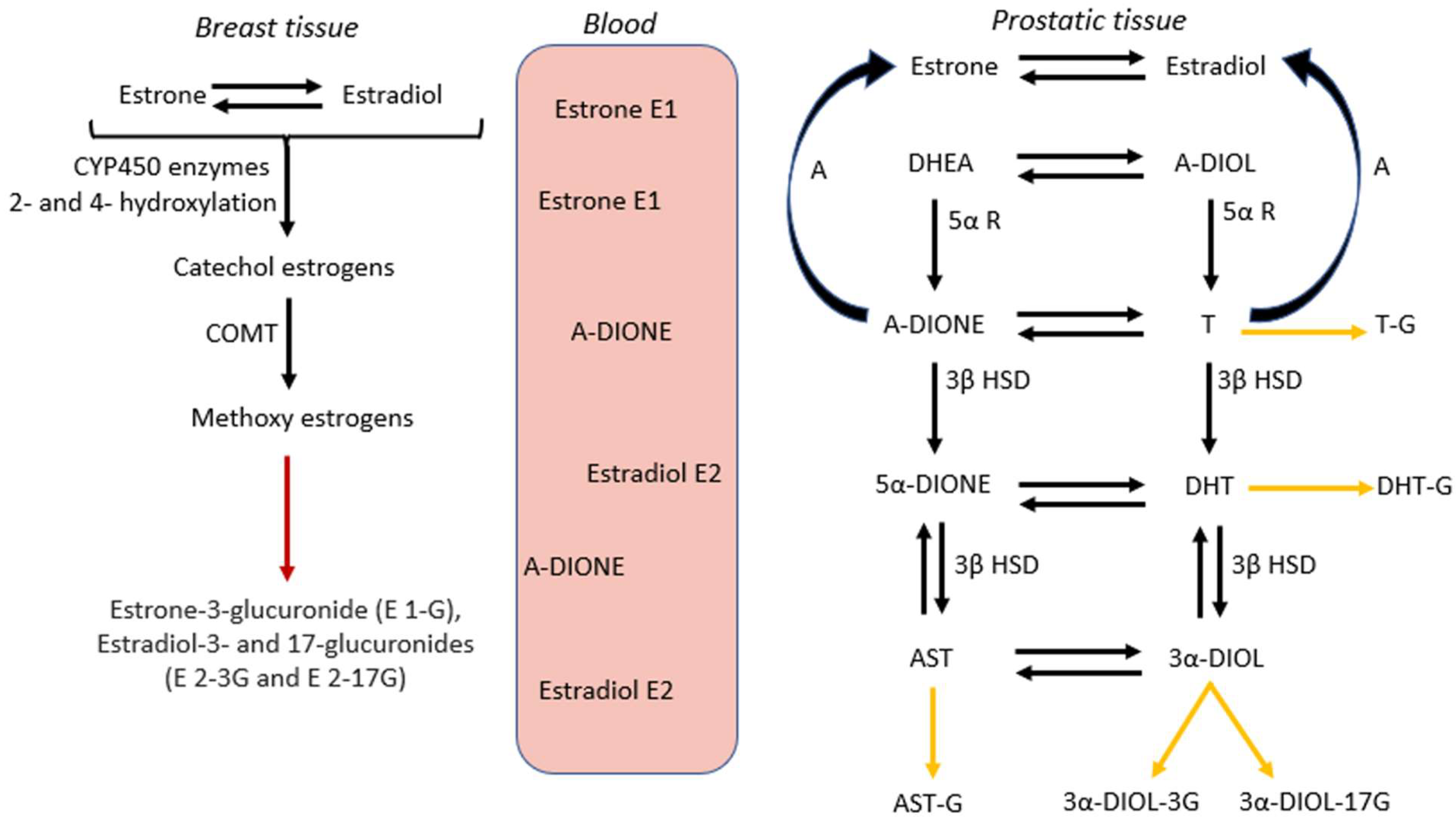
Disclaimer/Publisher’s Note: The statements, opinions and data contained in all publications are solely those of the individual author(s) and contributor(s) and not of MDPI and/or the editor(s). MDPI and/or the editor(s) disclaim responsibility for any injury to people or property resulting from any ideas, methods, instructions or products referred to in the content. |
© 2026 by the authors. Licensee MDPI, Basel, Switzerland. This article is an open access article distributed under the terms and conditions of the Creative Commons Attribution (CC BY) license.
Share and Cite
Srinivasamurthy, S.K.; Samuel, V.P.; Hakim, T.H.M.; George, B.T.; Bernardt, G.V.; Kamath, A.; Uppugunduri, C.R.S. Roles of Uridine Diphosphoglucuronosyltransferase 2B Enzymes in Cancer Susceptibility and Treatment: A Review. Pharmaceuticals 2026, 19, 1016. https://doi.org/10.3390/ph19071016
Srinivasamurthy SK, Samuel VP, Hakim THM, George BT, Bernardt GV, Kamath A, Uppugunduri CRS. Roles of Uridine Diphosphoglucuronosyltransferase 2B Enzymes in Cancer Susceptibility and Treatment: A Review. Pharmaceuticals. 2026; 19(7):1016. https://doi.org/10.3390/ph19071016
Chicago/Turabian StyleSrinivasamurthy, Suresh Kumar, Vijaya Paul Samuel, Tarig Hakim Merghani Hakim, Biji Thomas George, Grisilda Vidya Bernardt, Ashwin Kamath, and Chakradhara Rao Satyanarayana Uppugunduri. 2026. "Roles of Uridine Diphosphoglucuronosyltransferase 2B Enzymes in Cancer Susceptibility and Treatment: A Review" Pharmaceuticals 19, no. 7: 1016. https://doi.org/10.3390/ph19071016
APA StyleSrinivasamurthy, S. K., Samuel, V. P., Hakim, T. H. M., George, B. T., Bernardt, G. V., Kamath, A., & Uppugunduri, C. R. S. (2026). Roles of Uridine Diphosphoglucuronosyltransferase 2B Enzymes in Cancer Susceptibility and Treatment: A Review. Pharmaceuticals, 19(7), 1016. https://doi.org/10.3390/ph19071016