


Abstract
Background: Neglected diseases caused by protozoan parasites remain a major public health burden, particularly in low- and middle-income countries. Among the chemical motifs explored in antiparasitic drug discovery, guanidine-containing compounds have attracted considerable attention due to their strong cationic character, high capacity for hydrogen bonding, and versatility in interacting with biological targets. Methodology: This review summarizes advances reported in the last decade regarding guanidine derivatives with activity against pathogens associated with Chagas disease, human African trypanosomiasis, Leishmaniasis, tuberculosis, toxoplasmosis, dengue and schistosomiasis. Results: Evidence gathered from synthetic, natural, and drug-repurposing studies indicates that the guanidine, guanidine-containing and guanidine-related compounds contribute to modulating biological activity by changing electrostatic interactions, hydrogen-bonding networks, and physicochemical properties, with enzymes, nucleic acids, and membrane-associated targets essential for parasite survival. Across the analyzed studies, several emerging structure–activity relationship trends were identified, including the contribution of polycationic or dicationic architectures, the influence of halogenated or lipophilic substituents, and the dependence of biological activity on the complete molecular framework, including heterocyclic systems, macrocycles, peptide conjugates, hybrid scaffolds, and repurposed drugs. In addition to direct antiparasitic effects, certain guanidine-containing and guanidine-related compounds demonstrate immunomodulatory or host-protective properties, expanding the therapeutic relevance of this class. Despite promising in vitro results, protonation trapping, efflux pump susceptibility, and pharmacokinetic limitations such as poor oral absorption, high polarity, plasma protein binding and limited membrane permeability remain significant challenges for clinical translation. Nonetheless, the integration of medicinal chemistry, computational modeling, and biological screening continues to accelerate the identification of optimized scaffolds. Conclusions: Overall, guanidine-based compounds constitute a promising scaffold for the development of new therapeutic strategies targeting neglected parasitic diseases, and further structural optimization may enable the emergence of candidates with improved efficacy, selectivity, and drug-like properties.
1. Introduction
Neglected tropical diseases (NTDs) are a heterogeneous group of infectious conditions that disproportionately affect populations in low- and middle-income countries where access to healthcare, sanitation, and effective pharmacological treatments is limited. These diseases are caused by a broad range of pathogens, including parasites, bacteria, viruses and fungi, and frequently involve complex transmission cycles mediated by vectors or animal reservoirs. Despite their significant health and socioeconomic impact, NTDs have historically received limited investment in research and development (R&D), largely due to the low commercial incentives for the pharmaceutical industry. As a result, the therapeutic arsenal available for many of these infections remains scarce and inadequate, often relying on old drugs characterized by limited efficacy, toxicity, restricted efficacy in chronic stages of infection, or emerging resistance [1,2,3,4,5,6].
From a global health perspective, NTDs constitute a major burden, affecting more than one billion people worldwide, with approximately 1.4–1.5 billion individuals requiring preventive or therapeutic interventions each year. The number of annual deaths and of disability-adjusted life years (DALYs) varies depending on the source of information and on the number of diseases considered in the study, but there is a consensus that collectively, these diseases are responsible for more than 100,000 deaths annually and between 12 and 20 million DALYs, underscoring their substantial contribution to global morbidity. Their epidemiology is strongly associated with socioeconomic vulnerability, environmental factors, and limited healthcare infrastructure, conditions that perpetuate a persistent cycle of poverty and disease in endemic regions (Figure 1) [2,3,4,5,6].
Figure 1.
Schematic overview of neglected tropical diseases and their global relevance. The information summarized in the figure is based on the epidemiological sources cited in the Introduction and is intended as a conceptual representation rather than a primary quantitative dataset.
The World Health Organization (WHO) recognizes a group of NTDs, which include Chagas disease, human African trypanosomiasis, leishmaniasis, lymphatic filariasis, schistosomiasis, onchocerciasis, leprosy, rabies, and soil-transmitted helminthiases, among others. Arboviral infections such as dengue and, in some contexts, chikungunya, are also frequently discussed within the broader framework of neglected or emerging diseases affecting vulnerable tropical and subtropical populations. These diseases represent critical challenges for medicinal chemistry and drug discovery, since the development of safer, more effective, and accessible treatments remains essential to achieving the WHO roadmap goals for control, elimination, or eradication of NTDs by 2030 (Figure 1) [1,2].
Within this context, medicinal chemistry plays a central role in expanding the pipeline of candidate compounds for NTDs through strategies such as ligand-based and structure-based drug design, high-throughput screening, and rational scaffold optimization [7,8,9,10,11]. In addition to de novo drug discovery, drug repurposing has emerged as an attractive complementary approach, as it allows the identification of new therapeutic applications for existing compounds with previously characterized pharmacokinetic and safety profiles, thereby reducing development time, cost, and attrition rates [12,13,14,15,16]. Such strategies have proven particularly valuable for neglected diseases, where limited funding and market incentives restrict traditional drug discovery efforts.
Among the various chemical scaffolds investigated for antiparasitic drug discovery, guanidine-containing compounds have attracted increasing attention due to their versatile physicochemical and biological properties [17,18,19,20]. The guanidine moiety is characterized by strong basicity, high nucleophilicity, and the capacity to establish multiple hydrogen-bonding and electrostatic interactions with biological targets, which can contribute to binding interactions toward enzymes, proteins, and nucleic acids [21,22]. In addition to their biological relevance, guanidines are also valuable synthetic building blocks and can be incorporated into diverse structural frameworks, including heterocycles, acyclic derivatives, polymeric systems, and natural products, allowing extensive chemical diversification and fine modulation of physicochemical and pharmacological properties. This synthetic versatility supports their use in medicinal chemistry programs aimed at generating structurally diverse heterocycles and hybrid scaffolds for antiparasitic drug discovery [23,24,25,26].
Historically, guanidine, guanidine-containing and guanidine-related compounds, including amidine and biguanide motifs, have been associated with numerous biologically active molecules, including antimicrobial agents, antiparasitic drugs, and enzyme inhibitors [27,28,29,30,31,32,33,34,35,36]. Notably, the guanidine motif (R2N-(C=NR)-NR2) is also present in the chemical structure of several clinically commercial drugs across different pharmacological classes. Representative examples include the antidiabetic metformin (a biguanide), the histamine H2 receptor antagonist cimetidine, the antihypertensives pinacidil and guanabenz, the antivirals rilpivirine and zanamivir, and the kinase inhibitors used to treat cancer, imatinib and nilotinib (Figure 2). The presence of guanidinium functionality in these therapeutics highlights its pharmacological versatility and its ability to engage in strong electrostatic and hydrogen-bonding interactions with biological targets.
Figure 2.
Example of commercial drugs containing guanidine, guanidine-containing and guanidine-related compounds, including amidines, and biguanides.
In the field of trypanosomatid research, for example, some cationic compounds containing guanidinium or related functionalities have been investigated for their ability to interact with parasite DNA, interfere with polyamine-associated metabolism, and inhibit key enzymatic pathways [7,37,38]. Similarly, selected guanidine-containing or guanidine-related compounds have been explored either as direct antiparasitic agents or as components of control strategies targeting vectors or intermediate hosts (vector/ecological control approaches) [39,40]. These observations have stimulated growing interest in the rational design and evaluation of guanidinic molecules as potential therapeutic agents against neglected parasitic diseases, particularly within medicinal chemistry programs focused on the discovery and optimization of small-molecule antiparasitic agents [8,17,18,39,41,42].
Over the past decade, advances in medicinal chemistry, computational modeling, high-throughput screening, and drug repurposing strategies have accelerated the identification of guanidine-based compounds with promising antiparasitic profiles. Importantly, the accumulation of biological data has enabled the identification of emerging structure–activity relationship (SAR) trends, highlighting how electronic and steric effects, substitution patterns, cationic character, and molecular flexibility influence antiparasitic potency and selectivity. At the same time, these studies have revealed recurring pharmacokinetic challenges associated with highly basic molecules, including protonation trapping, efflux pump susceptibility, limited membrane permeability, limited plasma protein binding, and suboptimal bioavailability, which remain important considerations for the development of clinically viable candidates [43,44,45,46].
Given the expanding body of literature in this field, a comprehensive synthesis of recent findings is both timely and necessary. In this context, the present review summarizes and critically analyzes advances reported between 2015 and 2025 concerning guanidine-containing and guanidine-related compounds with activity against pathogens associated with major neglected tropical diseases (NTDs). Throughout this review, the terms guanidine, guanidinium, guanidino, biguanide, amidine, nitroguanidine, etc., are used according to their structural meaning. When compounds contain related but non-identical nitrogen-rich motifs, they are discussed as guanidine-related or amidine/biguanide-related compounds rather than as classical guanidine derivatives. Particular emphasis is placed on medicinal chemistry strategies employed in the design and synthesis of these molecules, their biological evaluation, proposed mechanisms of action, and emerging structure–activity relationship (SAR) trends that may inform future drug discovery efforts. By integrating evidence from synthetic derivatives, natural products, and repositioned drugs, this review provides a coherent overview of how the guanidine motif continues to contribute to the identification of new antiparasitic agents and highlights perspectives for future research in this area.
2. Results and Discussion
2.1. Guanidine Derivatives Targeting Trypanossoma cruzi
Chagas disease is caused by the protozoan Trypanosoma cruzi and remains one of the most relevant trypanosomatid infections worldwide. More than 25 million individuals live in areas at risk of infection, with approximately 7 million infected globally, and the disease is considered by the WHO to present a significant mortality risk [47]. Transmission occurs mainly through contact with the feces or urine of infected triatomine insects during blood feeding [48]. Although historically concentrated in Latin America, population mobility has resulted in cases being reported in regions such as Europe and Japan [49].
Clinically, the disease may progress to severe chronic manifestations, including cardiomegaly and megacolon in approximately 30% of patients [50]. Diagnosis often occurs during the chronic phase, further complicating treatment [51]. Current chemotherapy relies essentially on nifurtimox and benznidazole (Figure 3), both associated with adverse effects and limited efficacy in chronic infection, which underscores the urgent need for alternative therapeutic strategies [52,53]. In parallel, vector control programs have contributed to reducing transmission in some regions, although the emergence of insecticide resistance among triatomines has renewed interest in identifying new prophylactic approaches [54,55].
Figure 3.
Chemical structure of the commercial drugs Nifurtimox and Benznidazole, used in the treatment of Chagas disease.
Drug repurposing has emerged as a valuable strategy to accelerate the identification of new antiparasitic agents [56,57]. In this context, Juarez-Saldivar et al. [58] performed a virtual screening of FDA-approved drugs targeting T. cruzi triosephosphate isomerase (TcTIM), an essential enzyme in glucose metabolism whose parasite homolog differs significantly from the human enzyme [59].
Using a structure-based docking approach with the crystal structure of TcTIM (PDB id 1SUX), a library of 1467 approved drugs was screened, leading to the selection of eight candidates for in vitro evaluation. Among these, three compounds contained guanidine moieties in their structures: imatinib, chlorhexidine, and nilotinib. Docking studies suggested possible binding modes within the active site of TcTIM, including hydrophobic contacts with Tyr102 (B), Ile109 (A), and Phe75 (A), π-stacking interactions involving Tyr103 (B) and Phe75 (A), and hydrogen bonds with Tyr102 (B). Although these residues are known to play a role in binding the ligand to TcTIM, these computational results should be interpreted as hypotheses for potential target engagement and not as direct evidence of binding or as quantitative predictors of the observed biological activity [60]. Among the guanidine-containing molecules, chlorhexidine displayed the most extensive interaction network, forming four hydrogen bonds with Tyr102 (B) and Thr70 (A). Figure 4 shows the chemical structures of these compounds along with their respective affinity values obtained in the protein-ligand interactions.
Figure 4.
Selected commercial drugs containing guanidine moiety with their respective affinity values against the T. cruzi triosephosphate isomerase enzyme (TcTIM) (PDB id 1SUX).
Subsequent in vitro assays evaluated trypomastigote lysis against INC-5 and NINOA strains of T. cruzi, as well as cytotoxicity in murine macrophages (J774.A1). Chlorhexidine exhibited the highest activity among the guanidine derivatives, with LC50 values of 23.10 and 9.69 µM for the INC-5 and NINOA strains, respectively, representing a potency approximately 11–22 times greater than benznidazole and nifurtimox. However, the compound showed moderate cytotoxicity, with a CC50 value of 39.85 µM. The activity profile was attributed not only to the multiple hydrogen-bond donor sites present in chlorhexidine, but also to its cationic bis-biguanide architecture, which may favor electrostatic interactions with negatively charged biological surfaces, membrane-associated disruption mechanisms, and/or stabilizing interactions with enzymatic targets [61].
Arginase has also been investigated as a potential molecular target in trypanosomatid parasites [62]. This enzyme catalyzes the conversion of arginine to ornithine in the final step of the urea cycle [63]. Ornithine subsequently serves as a precursor for polyamine biosynthesis in non-hepatic tissues [64]. Arginine is also a substrate for nitric oxide synthase (NOS), which plays an important role in immune response modulation [65]. Trypanosomatid parasites such as Trypanosoma cruzi and Trypanosoma brucei appear to upregulate arginase expression and activity, leading to reduced arginine availability and consequently decreased nitric oxide production. The regulation of this process involves multiple and complex pathways, which have the potential to weaken host immune responses while simultaneously promoting polyamine synthesis, which is essential for parasite growth and differentiation [66]. Therefore, the development of arginase inhibitors represents a promising strategy in the search for novel antitrypanosomal agents.
Based on known arginase inhibitors, Guo, Chen, and Seto [66] identified three key structural regions: a 4-guanidinobenzyl fragment that mimics the side chain of L-arginine; a leaving group capable of interacting with nucleophilic residues in the arginase active site; and a carboxylate group responsible for hydrogen bonding within the catalytic pocket. Guided by these features, two inhibitors (1 and 2, Figure 5) were designed and initially evaluated through molecular docking studies using the crystal structure of the arginase–ABH complex (ABH: an arginine boronic acid analog; PDB ID: 2AEB) and the AutoDock Vina software version 1.2.0.
Figure 5.
Chemical structures and synthetic approach of the proposed arginase inhibitors.
Docking studies indicated that compound 1 exhibited a binding mode similar to that of the reference inhibitor ABH, forming hydrogen bonds between its guanidinium group and residues His126, Asp128, Asp232, and Asp234, as well as interactions between the carboxylate group and residues Asn130, Ser137, and Asn139. Compound 2 displayed a comparable binding orientation but with fewer favorable interactions.
The inhibitory activity of compounds 1 and 2 was evaluated through arginase catalytic assays using a DTNB (5,5-dithio-bis-(2-nitrobenzoic acid)) colorimetric method with thioarginine as substrate. The inhibition constants obtained for compound 1 (Ki = 275 and 322 µM for arginase I and II, respectively) and compound 2 (Ki = 382 and 437 µM) were substantially lower than those observed for the substrate thioarginine (1.4 and 1.5 mM), likely due to the increased hydrophobicity of the inhibitors. Compound 1 exhibited slightly improved inhibitory potency compared with compound 2, in agreement with the docking results. Further mechanistic studies demonstrated that both inhibitors act as irreversible arginase inactivators through covalent modification of residue Thr135. These findings provide valuable insights for the design of improved arginase inhibitors with potential antitrypanosomal activity [66].
Some guanidine-containing derivatives, particularly aromatic or polycationic molecules with suitable geometry and charge distribution, are recognized for their antiprotozoal potential, which can be caused most frequently through interactions with the parasite’s DNA, by enzyme inhibition, membrane association, by effects on transporters, or by host-mediated responses [67,68]. Based on this premise, Doganc et al. [38] performed an antiparasitic screening of a series of guanidinobenzimidazole derivatives, followed by in silico analyses to evaluate their interaction profiles with DNA. The stability of DNA–ligand complexes was further investigated through molecular dynamics simulations. In these studies, several pathogenic protozoa were tested for their in vitro susceptibility to the guanidinobenzimidazole derivatives, including T. cruzi.
A series of guanidino-2-phenyl-1H-benzoimidazole derivatives was synthesized, and in vitro assays against the T. cruzi Tulahuen C4 strain were performed using benznidazole as the reference drug. None of the synthesized compounds showed greater potency than benznidazole (IC50 = 0.757 µg/mL), although compound 4 exhibited moderate activity (IC50 = 8.57 µg/mL) and low cytotoxicity toward rat skeletal myoblast L6 cells (CC50 = 44.6 µg/mL, Alamar Blue assay). Due to the limited biological activity observed, further in silico studies aimed at elucidating the mechanism of action against T. cruzi were not pursued by the authors. Additionally, in vitro assays against T. b. rhodesiense STIB900 revealed that compounds 3 (IC50 = 6.04 µg/mL), 4 (IC50 = 3.8 µg/mL), and 5 (IC50 = 5.62 µg/mL) (Figure 6) were the most active derivatives, although still significantly less potent than the reference drug melarsoprol (IC50 = 0.003 µg/mL). The relatively higher activity of compound 4 may be attributed to the presence of a nitrogen-containing aromatic heterocycle as a substituent, in contrast to most compounds in the series [38].
Figure 6.
Guanidino-2-phenyl-1H-benzoimidazole derivatives with antitrypanosomal activity.
Natural guanidine alkaloids have also been investigated as potential antitrypanosomal agents. Santos et al. [69] evaluated guanidine-containing alkaloids isolated from the marine sponge Monanchora arbuscula (Figure 7). These compounds were obtained from a methanolic extract of the sponge and tested in vitro against trypomastigote forms of T. cruzi.
Figure 7.
Guanidine alkaloids isolated from Monanchora arbuscula.
Although compounds 6 and 7–10 displayed higher activity than the reference drug benznidazole (IC50 = 441 µM), structure–activity relationship analysis suggested that the presence of two tricyclic guanidine systems contributes to improved biological activity. In particular, enhanced potency was observed when larger aliphatic carbon chains were attached to one of these tricyclic systems at carbon 27, while only one of the cyclic systems contained a cationic guanidinium group (monocationic compound 9). The IC50 values indicated that these derivatives were at least 54-fold more potent than benznidazole, with compounds 9 and 10 displaying the highest selectivity indices based on cytotoxicity assays in LLC-MK2 monkey kidney cells [69].
Encouraged by the antitrypanosomal activity observed for natural guanidine alkaloids, Martins et al. [70] synthesized a series of 18 guanidine derivatives and evaluated their activity against trypomastigote forms of T. cruzi. The IC50 values ranged from 0.9 to 88.5 µM, with seven compounds showing higher potency than the reference drug benznidazole (IC50 = 16 µM) (Figure 8). Cytotoxicity was evaluated in mammalian NCTC (clone 929) cells.
Figure 8.
Chemical structures and biological evaluation of synthetic guanidine alkaloids.
Compound 17 exhibited the highest potency, being approximately 17-fold more active than benznidazole, although it also displayed high cytotoxicity (CC50 = 2 µM). Among the active derivatives, compounds 12–15 showed the most favorable toxicity profiles. Structure–activity relationship analysis indicated that the presence of a tricyclic guanidine system linked to an ester-containing side chain contributes to enhanced anti-T. cruzi activity, particularly in compounds with longer carbon chains attached to the ester carbonyl group (13 and 14). In compound 15, the presence of an oxygenated silicon-containing moiety in this side chain also appeared to increase potency. Interestingly, a similar silicon-oxide group is present in the most potent derivative (17), although in this case, the presence of an allylic ester may have contributed to its increased toxicity [70].
During infection, the presence of T. cruzi triggers a cascade of immune responses in the host, many of which involve autoimmune and inflammatory processes that can severely affect cardiac muscle tissue [71]. At the same time, an effective inflammatory response is required for the control of parasitemia during the acute phase of infection [72]. Consequently, therapeutic strategies aimed at mitigating T. cruzi infection must achieve a balance between controlling parasite proliferation and preventing excessive immune-mediated tissue damage [73].
The guanidine-containing antidiabetic drug metformin (Figure 9), known for its anti-inflammatory and immunomodulatory effects, was therefore evaluated by Baigorri et al. [72] for its impact on Chagas disease pathology in macrophages from rats infected with T. cruzi. The results suggest that metformin may modulate immune and inflammatory responses in infected peritoneal macrophages, leading to reduced parasitemia and protective effects on cardiac tissue in infected rats (these findings do not establish a clinically validated direct antiparasitic effect, and should be interpreted as model-dependent evidence). However, hepatic dysfunction was exacerbated by metformin treatment. This effect may explain the absence of significant differences in survival rates between treated and untreated infected animals [72].
Figure 9.
Proposed immunological and inflammatory effects associated with T. cruzi infection and metformin treatment in an experimental rat model.
Given the challenges associated with developing safe and effective drugs against T. cruzi, alternative strategies have also been explored to interrupt the parasite’s life cycle. In addition to difficulties in chemotherapy, increasing resistance of triatomine vectors to single-component insecticides has stimulated the evaluation of new vector control approaches. In this context, Tahir et al. [74] investigated the insecticidal efficacy of a topical formulation composed of dinotefuran, pyriproxyfen, and permethrin (DPP), in which dinotefuran is a neonicotinoid insecticide with a nitroguanidine moiety(Figure 10). The tri-insecticide formulation was administered at doses equivalent to the minimum recommended doses for dogs (64 mg/kg dinotefuran + 0.6 mg/kg pyriproxyfen + 46.6 mg/kg permethrin).
Figure 10.
Components of the DPP tri-insecticide formulation.
Topical application of the DPP formulation effectively prevented blood feeding by Triatoma infestans on treated rats. In untreated animals, feeding rates exceeded 94.3% throughout four weeks of observation, whereas in treated groups this value remained below 19.3% during the first three weeks, increasing to approximately 55% only after the fourth week. Moreover, insects feeding on treated animals exhibited strong toxic responses, with insecticidal efficacy exceeding 96% within 24 h of exposure during the first three weeks and high mortality rates throughout the study period. Comparative analyses with other insecticide classes suggested that the strong insecticidal effect of the formulation results primarily from the rapid activity of dinotefuran, which may have had its action potentiated by the presence of permethrin in the formulation.
These findings highlight the potential of guanidine-containing compounds not only as therapeutic agents but also as components of integrated strategies to control Chagas disease transmission. The application of such formulations in other important hosts within the parasite transmission cycle, such as dogs, may contribute to interrupting the epidemiological cycle of the disease.
2.2. Guanidine Derivatives Active Against Trypanosoma brucei
Human African Trypanosomiasis (HAT), also known as sleeping sickness, is caused by a subspecies of Trypanosoma brucei and remains endemic in approximately 20 countries in sub-Saharan Africa. T. b. gambiense is responsible for most chronic infections in West and Central Africa, whereas T. b. rhodesiense causes acute disease in Eastern and Southern Africa [75,76]. Transmission occurs through the bite of infected tsetse flies and is associated with high morbidity and mortality [77,78]. Global health programs aim to eliminate the disease as a public health problem by 2030 [79]. Current treatment relies on drugs such as pentamidine, suramin, eflornithine, nifurtimox, fexinidazole, and melarsoprol (Figure 11). However, toxicity and emerging resistance limit their effectiveness [80,81]. Consequently, new chemotypes continue to be explored.
Figure 11.
Commercial drugs used in the treatment of African trypanosomiasis.
Compounds bearing multiple guanidinium groups often display enhanced antitrypanosomal activity due to their dicationic character. Based on this knowledge, Ríos Martínez et al. [82] synthesized bis(2-aminoimidazoline) derivatives based on the lead compound 18 and investigated the influence of halogen substitution on the pKa values and on the biological activity. Fluorinated and chlorinated derivatives generally showed improved potency against both wild-type (WT) and resistant (B48) strains of T. b. brucei. For example, compounds 20, 22, and 26 displayed reduced IC50 values compared with the parent structure. The authors believe that the increased lipophilicity resulting from halogen substitution may also contribute to improved membrane permeation; however, experimental data were not presented in the study. It is important to point out that these effects may reflect a combination of inductive electronic modulation, changes in pKa, altered lipophilicity, conformational effects, binding-site complementarity, and, in some cases, possible halogen-bonding interactions. Notably, compound 25 exhibited superior activity against the resistant strain relative to pentamidine [82] (Figure 12).
Figure 12.
Dicationic guanidine derivatives synthesized by Ríos Martínez et al. [82].
Further SAR insights were provided by Varghese et al. [83], who examined a series of acylguanidine derivatives in which substituent effects were explored across three structural regions. Substitutions at the meta and para positions of region A were generally well tolerated, particularly for electron-donating or halogen groups. In region B, a 2-ethyl aniline substituent proved optimal, whereas modifications to shorter or longer alkyl chains reduced potency. In region C, a morpholine ring connected through a two-carbon linker was essential for activity; increasing linker length or replacing morpholine diminished potency. The oxygen atom within morpholine likely contributes as a hydrogen-bond acceptor or participates in acid–base interactions with the molecular target. Figure 13 shows the chemical structure and the in vitro antitrypanosome results against strain 427 of T. b. brucei of the most promising compounds (compounds 28–36).
Figure 13.
Chemical structures and biological results of guanidine derivatives 27–36 studied by Varghese et al. [83].
As previously mentioned, drug repurposing has emerged as a widely used strategy in the search for new antitrypanosomal agents, as it can significantly reduce development costs and shorten the time required for drug discovery [84]. At physiological pH, bisguanidines generally exist in a diprotonated form, a characteristic that may favor electrostatic interactions with biological targets and contribute to their antitrypanosomal activity [85,86]. Based on these considerations, Sola et al. [77] synthesized a series of guanidinylated huprine and tacrine derivatives derived from aminoalkyl-huprines and aminoalkyl-tacrines (39, 40, 44, 45, and 46—Figure 14), together with other nitrogen-containing analogs. The biological activity of these compounds was evaluated in vitro against bloodstream forms of Trypanosoma brucei, while their cytotoxicity was assessed in L6 mammalian cells.
Figure 14.
Huprino-guanidine and tacrino-guanidine derivatives with anti-Trypanosoma activity.
Regarding the structure–activity relationship, the introduction of a guanidine moiety in compounds 39 and 40 significantly increased their antitrypanosomal activity compared with their corresponding amine precursors (37 and 38). Furthermore, elongation of the carbon spacer between the nitrogen atoms in compound 40 resulted in an additional improvement in biological activity. A similar trend was observed for compounds 44–46, in which the presence of the guanidinyl group was also associated with enhanced antitrypanosomal potency. Overall, these guanidinylated derivatives exhibited higher activity than the reference drug nifurtimox (IC50 = 4.4 µM). However, most compounds showed moderate cytotoxicity toward L6 mammalian cells, with the exception of compound 44, which displayed a more favorable toxicity profile.
Enzymatic targets within the folate pathway have also attracted attention. Pteridine reductase is an essential enzyme in trypanosomatids and represents a promising target for drug development [87,88]. Landi et al. [89] designed cycloguanine-derived inhibitors that interact with the enzyme’s substrate binding pocket. Compounds 47 and 48 (Figure 15) demonstrated high activity, with IC50 values of 0.692 µM and 0.186 µM, respectively. Docking studies indicated that halogen substituents contributed to interactions with residues such as Trp221, Leu209, and Ser207, while diguanidine groups stabilized hydrogen bonding within the active site. Despite promising enzymatic inhibition, both compounds exhibited cytotoxicity toward A549 cells (EC50 = 0.31 and 11.0 µM, respectively).
Figure 15.
Cycloguanine-based guanidine derivatives are potential inhibitors of T. brucei pteridine reductase (TbPTR).
Subsequent optimization efforts generated additional guanidine-containing scaffolds targeting both pteridine reductase (TbPTR) and dihydrofolate reductase (TbDHFR) [89]. Two series: 2-guanidinobenzimidazoles (51–57) and 2-aminotriazino [1,2-a]benzimidazoles (58–64) were synthesized and evaluated (Figure 16). The more flexible series (51–57) displayed stronger enzymatic inhibition, particularly against TbDHFR. Compound 57 showed a Ki of 9 nM and high selectivity relative to the human isoform, while also inhibiting T. cruzi DHFR. In cellular assays, derivatives bearing lipophilic substituents such as Cl, CF3, or CH3 exhibited the highest activity, with compounds 54 (IC50 = 2.91 µM) and 53 (IC50 = 7.8 µM) outperforming reference antifolates such as pyrimethamine and cycloguanil.
Figure 16.
Bi− and tricyclic bisguanidine derivatives are potential inhibitors of T. brucei pteridine reductase (TbPTR) and of dihydrofolate reductase (TbDHFR).
Subsequent optimization efforts led to the development of additional guanidine-containing scaffolds targeting both pteridine reductase (TbPTR) and dihydrofolate reductase (TbDHFR) [89]. Two series were synthesized and evaluated: 2-guanidinobenzimidazoles (51–57) and 2-aminotriazino[1,2-a]benzimidazoles (58–64) (Figure 16). The more flexible series 51–57 displayed stronger enzymatic inhibition, particularly against TbDHFR. Among them, compound 57 showed a Ki value of 9 nM and high selectivity over the human isoform, while also inhibiting T. cruzi DHFR. Docking analyses indicated that these compounds bind to TbPTR by occupying the active site of all subunits of the protein tetramer. The guanidino–benzimidazole moiety is positioned within the biopterin-binding region, allowing a π–π interaction with Phe97, while nitrogen atoms form hydrogen bonds with Tyr174, Ser95, and the NADP(H) cofactor, which act as key anchoring interactions. Substituents on the aromatic ring are oriented toward a hydrophobic region of the active site; in compound 57, the –CH3 groups likely interact with residues in this pocket. Although some conserved interactions with pyrimethamine were observed, the absence of halogen substituents prevents the formation of a halogen bond with Trp221.
In vitro biological assays revealed that, except for compound 60, the derivatives were not cytotoxic toward the human THP-1 cell line. Overall, compounds from series 51–57 showed higher anti-T. brucei activity than those from series 58–64, particularly when lipophilic substituents (Cl, CF3, or CH3) were present. The most active compounds were the dichlorinated derivatives 54 (IC50 = 2.91 µM) and 53 (IC50 = 7.8 µM), which were more potent than the antifolate drugs pyrimethamine, cycloguanil, and methotrexate, although still less active than pentamidine. In contrast, the absence of substituents (as observed in 51) or the presence of a polar group (5-OCH3 in 56) resulted in loss of activity. The partial discrepancy between enzymatic inhibition and cellular activity may reflect differences in cellular uptake, intracellular exposure, or incomplete engagement of both TbPTR and TbDHFR. Therefore, impaired dual inhibition of the folate pathway should be considered a plausible hypothesis rather than a demonstrated mechanism [89].
Karaaslan et al. [90] designed and developed a series of 2-anilinobenzimidazoles containing mono/di-amidino moieties capable of forming cationic groups, inspired by the chemical structure of the reference drug pentamidine (Figure 17). These compounds were evaluated for in vitro antiparasitic activity against bloodstream trypomastigote forms of T. b. rhodesiense STIB900, as well as for cytotoxicity in rat L6 myoblast cells.
Figure 17.
Mono/di amidino 2-anilinobenzimidazoles-based derivatives against T. brucei rhodesiense.
The results highlighted the importance of the presence of two amidinium groups in the 2-anilinobenzimidazole core guanidinyl derivatives (compounds (65–70), which likely become dicationic at physiological pH. The loss of one of these amidinium groups, as observed for the mono-amidinium derivatives (71–74 and 75–77), resulted in a significant reduction in anti-T. b. rhodesiense potency. Among the dicationic compounds, 65, 67, and 69 were the most active, displaying IC50 values in the nanomolar range, with compounds 65 and 69 showing equipotency relative to the reference drug melarsoprol. The selectivity indices of the di-amidinium compounds were also markedly higher (SI ranging from 2060 to 22,600) compared with the mono-amidinium derivatives (SI ranging from 1.0 to 7.7).
The dicationic profile of compounds is also considered important for anti-T. brucei activity in bis(2-aminoimidazoline) derivatives. Their positive charge allows high-affinity interactions with the minor groove of parasite DNA, particularly at adenine–thymine (AT)-rich sequences, thereby interfering with DNA-dependent enzymatic processes [91]. Based on this rationale, Millan et al. [92] investigated the affinity of two bis(2-aminoimidazolium) compounds (78 and 79, Figure 18) for AT-rich sequences of kinetoplast DNA, in addition to evaluating their antitrypanosomal activity against bloodstream forms of T. brucei in both in vitro assays and in vivo studies using the STIB900 mouse model of acute infection.
Figure 18.
Chemical structures of bis(2-aminoimidazolium) compounds.
In vitro assays against T. b. brucei strain 427WT showed that compounds 78 (IC50 = 0.83 µM) and 79 (IC50 = 0.220 µM) were 52- and 14-fold less potent, respectively, than isometamidium (IC50 = 0.016 µM). The authors suggest that there is a possibility that these compounds exert their biological effects through binding to kinetoplast DNA, thereby interfering with the parasite cell cycle and inhibiting its growth and division. Transmission electron microscopy further revealed that the interaction of compounds 78 and 79 with kinetoplast DNA leads to its destruction after 24 h of exposure at a concentration of 5 µM [92].
In vivo studies demonstrated complete curative activity for compound 78 at doses of 4 × 5 mg/kg/day (i.p.) and 4 × 50 mg/kg/day (oral), and for compound 79 at 4 × 20 mg/kg/day (i.p.) in early stages of human African trypanosomiasis. The authors suggest that the antitrypanosomal activity of these compounds may be associated with their affinity for AT-rich regions of parasite DNA, as confirmed by surface plasmon resonance (SPR) biosensor experiments. Compound 79 was also shown to inhibit the binding of high-mobility group proteins HMGA1a and HMGB1 to DNA, thereby disrupting chromatin organization and gene expression. Additionally, binding of other DNA-dependent proteins may be impaired by the formation of stable complexes between the dicationic compounds and the DNA double helix. Crystallization studies of the DNA–compound 78 complex demonstrated that the dicationic guanidinium nitrogens are essential for minor-groove binding through hydrogen-bond formation with adenine and thymine nucleotides. Computational modeling further indicated a similar interaction pattern for compound 79 [92].
Structure–Activity Relationship Considerations for Antitrypanosomal Guanidines
Analysis of the studies discussed above reveals consistent structure–activity relationship (SAR) trends for guanidine-containing compounds active against Trypanosoma species. Despite the structural diversity of the evaluated scaffolds, the guanidine moiety emerges as a key pharmacophoric element contributing to antitrypanosomal activity.
Overall, cationic character plays an important role; mono- and, particularly, poly-guanidinium systems enhance biological activity by promoting electrostatic interactions with negatively charged biological targets, including enzyme active sites and parasite DNA. This behavior is especially evident for dicationic and bisguanidine derivatives, which often display improved potency and, in some cases, activity against resistant strains. In addition, substituent electronic effects significantly influence activity. The incorporation of electron-withdrawing groups, especially halogens such as fluorine and chlorine, frequently leads to enhanced potency. This effect is likely associated with both electronic modulation and increased lipophilicity, which may improve membrane permeability and interactions within hydrophobic regions of target proteins.
Molecular architecture is another critical parameter. The spatial arrangement between guanidine groups and aromatic or heterocyclic scaffolds, as well as the length and flexibility of linker units, strongly affects biological activity. Optimal spacer lengths enable appropriate positioning of cationic centers for interaction with key residues, whereas excessive rigidity or flexibility may reduce binding efficiency. Furthermore, hydrogen-bonding capacity is a key determinant of target affinity. The guanidine group acts as a strong hydrogen-bond donor and is consistently involved in stabilizing interactions within enzyme active sites and nucleic acid grooves, contributing to ligand recognition and binding stabilization.
Finally, pharmacokinetic limitations remain a major challenge. Although the high polarity and basicity of guanidinium groups favor target interactions, they may impair membrane permeability and oral bioavailability. For late-stage human African trypanosomiasis, central nervous system exposure would also need to be demonstrated experimentally, particularly because highly cationic compounds are not generally expected to cross the blood–brain barrier efficiently.
Taken together, these studies indicate preliminary and scaffold-dependent SAR tendencies for guanidine-containing and guanidine-related compounds with antitrypanosomal activity. Cationic charge distribution, electronic modulation, molecular architecture and geometry, hydrogen-bonding capacity, and lipophilicity, alongside critical pharmacokinetic constraints, may contribute to activity, but the available data remain insufficient to establish universal SAR rules across structurally diverse compound classes. And strategic optimization of these parameters is essential for the successful development of clinically viable antitrypanosomal agents.
2.3. Guanidine-Containing Compounds with Antileishmanial Activity
Leishmaniases comprise a group of parasitic diseases caused by different species of Leishmania. According to the Pan American Health Organization [93], epidemiological data from the Americas indicate a decrease in the number of cases from 67,949 in 2005 to 34,954 in 2023. This reduction has been observed in most countries, except for Argentina, Costa Rica, Ecuador, Guyana, Mexico, and Suriname, where the number of cases increased in 2023. However, despite this overall decline, there is growing concern regarding the increase in Leishmania infantum, the agent that causes visceral leishmaniasis, in countries across the Americas and in border regions of Southern Cone countries. Therefore, leishmaniases remain a public health concern, and considering that current treatment relies mainly on the administration of pentavalent antimonials and amphotericin B, both associated with low efficacy and significant toxicity, the development of new therapeutic alternatives remains necessary [94].
Guanidine-containing molecules have emerged as relevant scaffolds in medicinal chemistry programs targeting neglected diseases, including leishmaniasis. Over the last decade, multiple studies have investigated the antileishmanial potential of these compounds, revealing a diversity of structural classes and mechanisms of action.
Firdessa et al. [95] evaluated the antileishmanial activity of the antiseptic polyhexamethylene biguanide (PHMB) (Figure 19) against Leishmania major. The compound displayed IC50 values of 0.41 µM for promastigotes and 4.0 µM for amastigotes. However, despite this apparent potency, PHMB showed poor selectivity, with a CC50 of 4 µM in bone marrow-derived macrophages and an SI close to 1, indicating that it should be regarded as a high-potency but poorly selective hit rather than as a directly suitable antileishmanial lead.
Figure 19.
Guanidine derivatives with antileishmanial activity. * indicates that the structure is polymeric, and that the units between brackets are repeated.
Martins et al. [70] investigated synthetic analogs of marine guanidine alkaloids against Leishmania infantum. The compounds 80 and 81 (Figure 19) showed the most promising activity against intracellular amastigotes, with IC50 values of 5 µM and 2 µM, respectively, and selectivity indices of 25 and 20. In addition, these molecules were associated with the modulation of the anti-inflammatory response in infected macrophages.
Subsequent efforts focused on the identification of optimized guanidine scaffolds through library-based screening approaches. Using mixture-based combinatorial libraries, Giulianotti et al. [96] identified bicyclic guanidines as promising antileishmanial chemotypes. Structural refinement led to a series of 27 analogs, among which compounds 82 and 83 (Figure 19) exhibited potent activity against Leishmania donovani promastigotes (IC50 = 0.3 µM) with high selectivity indices (89 and 69, respectively).
A complementary strategy based on high-throughput screening was later described by Corman et al. [97]. Through a target-free fluorometric platform combined with combinatorial chemistry, 2,4-diaminoquinazoline derivatives were identified as potential leads. Among these compounds, molecule 84 (Figure 19) demonstrated strong activity against L. donovani amastigotes (IC50 = 0.37 µM), being more active than the reference drug miltefosine.
Further diversification of guanidine-containing scaffolds was achieved through the development of guanidinobenzimidazole derivatives. Doganc et al. [38] synthesized a series of monocationic analogs starting from 2-nitro-1,4-phenylenediamine through a four-step synthetic route (Figure 20). The compounds were evaluated against several protozoan parasites, including Plasmodium falciparum, Trypanosoma brucei rhodesiense, Trypanosoma cruzi, and Leishmania donovani. Although limited activity was observed against T. cruzi and L. donovani, the most active compound (85—Figure 20) showed an IC50 of 7.7 µg/mL against L. donovani amastigotes.
Figure 20.
Synthesis of guanidinobenzimidazoles, including compound 85 described by Doganc et al. [38].
Additional optimization of benzimidazole-based derivatives was reported by Ferreira et al. [98], who investigated a series of 2-aminobenzimidazoles against Leishmania infantum. After initial in vitro screening, the most promising candidates were compounds 86 and 87 (Figure 19) with IC50 values of 4.10 µM and 0.53 µM, respectively, against amastigotes.
Continued exploration of guanidine-based structures led to the evaluation of benzoylguanidine derivatives. Santiago-Silva et al. [99] synthesized nine N1,N2-disubstituted, benzoylguanidines similarly to those obtained by do Espírito Santo et al. [100] and assessed their activity against Leishmania amazonensis. Compounds 88 and 89 (Figure 19) exhibited IC50 values of 90.8 µM and 68.4 µM against promastigotes and selectivity indices of 5.5 and 12.5, respectively. Although less potent than amphotericin B, these molecules reduced macrophage infection rates and presented favorable in silico ADME-Tox predictions, suggesting potential for further structural optimization.
Other studies have incorporated the guanidine functionality into distinct pharmacophoric frameworks. Lin et al. [101] described N6-modified 7-deazapurine nucleoside analogs, among which compound 90 (Figure 19) showed activity against Leishmania infantum intracellular amastigotes with an EC50 of 21.4 µM and a selectivity index greater than 2.99.
Similarly, aminoguanidine-derived hydrazones were investigated by de Aquino et al. [102] against Leishmania chagasi amastigotes. Within this series, compound 91 (Figure 19) showed the highest potency, presenting an IC50 value of 0.6 µM in amastigotes and a selectivity index of 52.5.
Further structural optimization of guanidine-containing scaffolds was described by Das et al. [103], who investigated 2-aminoquinazoline derivatives against Leishmania donovani. Among the evaluated compounds, 92 (Figure 19) displayed the highest activity, with an IC50 of 2.57 µM against promastigotes. Comparative analysis indicated that the presence of a guanidine moiety enhanced the antileishmanial activity.
Additional scaffold exploration was reported by Francesconi et al. [88], who evaluated amino-dihydrotriazine derivatives against Leishmania infantum. Among the evaluated molecules, compound 93 (Figure 19) exhibited the best activity, with an IC50 value of 6.62 µM against L. infantum promastigotes.
Our group also makes extensive contributions to the drug design and discovery process of new guanidine derivatives as potential antileishmania agents. In one of our first publications, and in parallel with screening-based discovery approaches, Do Espírito Santo et al. [101] reported the synthesis of ten trisubstituted guanidines. The synthesis was carried out in two steps, first through the obtention of thiourea intermediates by the reaction of benzoyl thiocyanates with anilines, followed by guanidine formation, reacting the thioureas with benzylamine through Bi(NO3)3·5H2O catalysis (Figure 21). Among the synthesized compounds, 94 (Figure 22) displayed the most promising profile against Leishmania amazonensis amastigotes, with an IC50 of 5.6 µM and a selectivity index of 131.8. Subsequent in vivo experiments in BALB/c mice revealed a 60% reduction in parasite burden at a dose of 0.25 mg/kg/day.
Figure 21.
Synthesis of guanidine derivatives according to Espírito Santo et al. [100].
Figure 22.
Guanidine derivatives and their bioconjugates with antileishmanial activity were synthesized by our group.
Beyond direct antiparasitic activity, guanidine derivatives have also been explored as inhibitors of parasite virulence factors. In this context, Moreira et al. [104] investigated the inhibitory activity of some tri-substituted guanidines published by do Espirito Santo et al. (2019) and demonstrated that some of them can inhibit the cysteine protease LmCPB2.8ΔCTE from Leishmania major. Among the evaluated molecules, 95 (Figure 22) inhibited approximately 73% of enzyme activity, with an IC50-CPB of 6.0 µM, while showing no activity against mammalian cathepsins B and L and no detectable hepatotoxicity or nephrotoxicity in vivo.
Continuing the investigation of the biological potential of trisubstituted guanidines published by do Espirito Santo et al. [100], Almeida et al. [105] evaluated the antileishmanial activity of compounds 94, 95, and 96 (Figure 22) against Leishmania infantum. These compounds displayed IC50 values against promastigotes of 12.7, 24.4, and 23.6 µM and against amastigotes of 26.1, 21.1, and 18.6 µM, respectively. Notably, 96 increased nitrite production in peripheral blood mononuclear cells, suggesting a potential immunomodulatory component.
Additional evaluation of trisubstituted guanidines against Leishmania (Viannia) braziliensis further supported their therapeutic potential. Dos Anjos et al. [106] reported IC50 values of 5.4 µM and 5.9 µM against promastigotes and 5.0 µM and 4.3 µM against amastigotes for 94 and 95 (Figure 22), respectively. Importantly, no cytotoxicity was observed in human cell lines (HEK-293, CaCo-2, and A549) at concentrations above 500 µM.
Conjugation strategies have also been explored by our group in order to enhance cellular uptake and biological activity. Costa et al. [107] modified compound 94 to enable conjugation with antimicrobial peptides, generating guanidine–peptide bioconjugates. A carboxylic acid group was incorporated into the para portion of benzylamine, subsequently allowing the production of two bioconjugates, GVL1-TSHa and GVL1-(p-Bt), reacting with the N-terminal end of the antimicrobial peptides TSHa (FLSGIVGMLGKLF) and p-Bt [(KKYRYHLKPF)2K-NH2]. Among these, GVL1-TSHa (97) (Figure 22) demonstrated pronounced activity against Leishmania amazonensis, with IC50 values of 5.4 µM (promastigotes) and 0.33 µM (amastigotes) and a selectivity index of 6060. The activity against amastigotes was comparable to amphotericin B but with markedly higher selectivity.
More recently, using the same peptide–guanidine bioconjugation approach, De Souza et al. [108] reported the development of a new bioconjugate with TAT peptide (YGRKKRRQRRR), the GVL1-TAT (98) bioconjugate (Figure 22). Although the TAT peptide alone showed no activity against L. amazonensis or L. infantum, the conjugate exhibited high potency, showing IC50 values of 5.35 µM (promastigotes) and 0.80 µM (amastigotes) with SI > 1250 against L. amazonensis, whereas IC50 values of 1.20 µM and 3.80 µM with SI > 526 against L. infantum. These findings suggest that bioconjugation improves intracellular delivery of the guanidine pharmacophore.
Finally, in our most recent work, and using the molecular hybridization strategy, Dos Anjos et al. [109] developed acridine–guanidine hybrids by replacing the benzoyl moiety of previously reported trisubstituted guanidines with an acridine scaffold. This modification resulted in compounds with enhanced activity. The most active molecule, 99 (Figure 22), displayed an IC50 value of 0.53 µM against both axenic and intramacrophagic amastigotes of Leishmania (Viannia) braziliensis, with a selectivity index of 347, highlighting the potential of this hybrid strategy for antileishmanial drug development.
Structure–Activity Relationship Considerations for Antileishmanial Guanidines
Analysis of the reported studies reveals several recurring structure–activity relationship (SAR) trends associated with guanidine-containing antileishmanial compounds. Although the evaluated scaffolds differ substantially in size, polarity, and architecture, the guanidine functionality often contributes to biological activity by modulating charge distribution, hydrogen-bonding capacity, and target recognition. Nevertheless, activity is frequently determined by the complete molecular scaffold, including heterocyclic frameworks, peptide conjugates, nucleoside-like structures, acridine hybrids, and other pharmacophoric elements. One consistent observation is the importance of cationic character. Highly protonated guanidine or biguanide groups may promote, in select compounds, electrostatic interactions with negatively charged biological targets, including parasite membranes, phospholipids, and acidic residues in enzymatic binding sites. Early results obtained with polyhexamethylene biguanide support this hypothesis, as strong activity was observed despite limited selectivity [95]. These findings suggest that electrostatic interactions contribute significantly to the initial antiparasitic effect. However, it is important to highlight that this is not a universal mechanism, and other guanidine-containing antileishmanial scaffolds may act through enzyme inhibition, DNA-associated interactions, intracellular transport processes, immunomodulation, or scaffold-specific mechanisms.
Another relevant trend concerns structural rigidity and scaffold organization. The identification of bicyclic guanidines through mixture-based libraries demonstrated that conformational restriction may enhance potency and selectivity [96]. Similar observations arise from heterocyclic derivatives such as guanidinobenzimidazoles and 2-aminobenzimidazoles, in which the heteroaromatic framework likely contributes to improved molecular recognition and intracellular stability.
Substitution patterns around the guanidine core also appear to strongly influence activity. Trisubstituted guanidines reported in several studies demonstrated favorable potency and selectivity profiles [100,105,106]. These derivatives suggest that appropriate steric and electronic modulation of the guanidine substituents may improve interactions with parasite targets while reducing toxicity toward host cells.
In addition, hybridization with other pharmacophores has emerged as an effective strategy to enhance activity. For example, incorporation of guanidine motifs into quinazoline and nucleoside-like scaffolds produced compounds with measurable antileishmanial effects [97,101,103]. These findings indicate that guanidine functionality can be successfully integrated into structurally diverse frameworks without loss of activity.
Another important SAR insight arises from conjugation strategies designed to improve intracellular delivery. Guanidine–peptide bioconjugates displayed markedly enhanced selectivity and potency compared with the parent molecules [107,108]. This behavior suggests that cellular uptake and subcellular localization represent key determinants of efficacy for guanidine-based compounds.
More recently, molecular hybridization approaches have provided further evidence of the versatility of this scaffold. Replacement of aromatic fragments with extended heteroaromatic systems, such as acridine, significantly improved potency against Leishmania (Viannia) braziliensis [109]. Such results indicate that increasing π-surface interactions and potential DNA or enzyme binding may contribute to enhanced activity.
Taken together, the available data suggest that antileishmanial activity in guanidine-containing compounds is influenced by a combination of factors, including cationic charge distribution, scaffold rigidity, substituent pattern, and cellular delivery mechanisms.
2.4. Guanidine-Containing Compounds with Antitubercular Activity
Tuberculosis remains among the leading causes of mortality worldwide, and currently available treatments show limited efficacy against latent or persistent bacterial populations. Consequently, therapy requires prolonged multidrug regimens frequently associated with systemic toxicity, which contributes to poor adherence and treatment discontinuation. These factors have accelerated the emergence of multidrug-resistant (MDR-TB) and extensively drug-resistant (XDR-TB) strains [44]. In this context, guanidine-containing compounds have attracted considerable interest as scaffolds for the development of new antitubercular agents. Structure–activity relationship (SAR) analyses indicate that the intrinsic basicity of the guanidinium group allows protonation under physiological conditions, generating cationic centers capable of establishing electrostatic interactions with negatively charged components of bacterial membranes. In the context of M. tuberculosis, these interactions may contribute to cell-envelope association, uptake, or target engagement, but should not be interpreted as evidence of a generalized membrane-disruptive mechanism [110].
Natural products further illustrate the pharmacological potential of guanidine-derived functionalities. As an example, the depsipeptide teixobactin 100 (Figure 23) showed a MIC of 0.125 μg/mL against M. tuberculosis H37Rv and a PD50 of 0.2 mg/kg in mice. Its antitubercular mechanism of action is associated with its binding to lipid II (peptidoglycan precursor, lipid III (teichoic acid precursor), and lipid pyrophosphate precursors of the bacterial cell wall through peptide backbone, including β-shett aggregation, and the unusual amino acid L-allo-enduracididine, a cyclic guanidine-containing residue. This interaction targets non-protein components of the cell wall biosynthetic machinery, thereby reducing the likelihood of resistance development. However, the structural complexity of teixobactin limits large-scale synthesis, and simplified analogs incorporating the same pharmacophoric motif have therefore been proposed as promising alternatives for drug design [111,112].
Figure 23.
Guanidine derivatives with antitubercular activity.
Beyond natural products, synthetic architectures incorporating multiple guanidinium groups have demonstrated notable activity against Mycobacterium tuberculosis. Preorganization of these functionalities within macrocyclic or planar frameworks appears to increase local cationic density and strengthen interactions with bacterial targets. For example, a tetra-para-guanidinocalixarene derivative 101 (Figure 23) adopts a three-dimensional cone conformation that facilitates membrane interaction and exhibits a MIC of 1 μg/mL against both the drug-sensitive H37Rv strain and the isoniazid-resistant MYC5165 strain of M. tuberculosis, with a selectivity index of 256 in human fibroblasts [113]. Compared to compound 101, the tetra-guanidinium benzene derivative 102 (Figure 23) with a planar two-dimensional architecture produced an approximately eightfold increase in potency against resistant strains (MIC = 0.1 μM) together with reduced cytotoxicity (SI = 377). These findings suggest that modulation of conformational rigidity and spatial distribution of guanidinium groups may enhance antimycobacterial potency by altering cationic density, binding affinity, and permeability-related properties, rather than by acting on undefined mutated membrane targets [114].
The ability of guanidine moieties to mimic purines and essential cofactors such as NADH or folate also contributes to their biological relevance. When embedded within heterocyclic frameworks, including dihydropyrazolopyrimidines and dihydropyridopyrimidinones, these functionalities can occupy enzymatic active sites and enhance antimycobacterial activity. For instance, a 3,4-dimethoxyphenyl-substituted dihydropyridopyrimidinone derivative 103 (Figure 23) mimics key nitrogen-containing heterocycles involved in metabolic pathways, conferring selectivity toward slow-growing mycobacteria and enabling inhibition of efflux pumps associated with antimicrobial resistance. Nevertheless, additional structural optimization is required to improve solubility and potency against multidrug-resistant strains [44].
Similarly, the 4-chlorophenyl dihydropyrazolopyrimidine 104 (Figure 23) reported by Siddiqui et al. [115] exhibited low-micromolar activity (MIC = 0.02 μg/mL) against M. tuberculosis H37Rv, presenting a selectivity index greater than 500 in Vero cells, indicating that para- or ortho-substitution with strong electron-withdrawing groups may enhance biological performance within this class. In parallel, 2,4-diaminopyrimidine derivatives 105 (Figure 23) structurally related to ceritinib have demonstrated in vivo antimycobacterial activity (without exhibiting toxic effects until 300 mg/kg) through inhibition of dihydrofolate reductase (DHFR), a key enzyme in folate biosynthesis. This inhibition is a result of a broader interaction network involving hydrogen bonds with active-site residues, interactions with the NADPH-associated binding region, and aromatic contacts, which is also influenced by the interactions between the NH group of the piperidine substituent and the pyrimidine core within the enzyme active site [116].
Targeting enzymes involved in lipid biosynthesis has also emerged as a productive strategy for the development of guanidine-derived antimycobacterial agents. Enzymes such as β-ketoacyl-ACP synthase III (FabH) and enoyl-ACP reductase (InhA), both essential for the formation of long-chain fatty acids in the mycobacterial cell wall, represent validated molecular targets. Ishmetova et al. [117] demonstrated FabH inhibition by triazolotetrazines functionalized with pyridine amidines 106 (Figure 23), designed to mimic structural features of isoniazid [118]. Compound 106 showed an MIC value of 2.52 μg/mL against the M. tuberculosis H37Rv strain. In a related study, thiadiazolylhydrazone derivatives 107 (Figure 23) displayed activity against the H37Rv strain (31.54% inhibition at 50 μg/mL) while maintaining cellular safety in RAW 264.7 macrophages [118].
Complementary in silico investigations conducted by Sabarees et al. [119] suggested that active 1,8-cineole derivatives functionalized with L-arginine 108 (Figure 23) may use the de guanidinium group to engage hydrogen-bonding interactions within the NADH-dependent InhA active site, supporting activity against resistant strains. Compound 108 showed an MIC value of 1.6 µg/mL against M. tuberculosis H37Rv, and a binding affinity of –8.92 kcal/mol—PDB ID:2H9I [11].
Likewise, thiourea derivatives bearing aminoguanidine and bioactive thiadiazolylhydrazone fragments 109 and 110 (Figure 23) (MICs of 822.12 and 426.66 µM, respectively, against M. tuberculosis H37Rv) demonstrated that substitution with bulky hydrophobic rings, such as naphthyl groups, may enhance anchoring within the hydrophobic pocket of InhA, while the guanidinium moiety stabilizes the enzyme–ligand complex through cation–π or hydrogen-bonding interactions with Tyr158 (IFD score of −11.54 kcal/mol and −12.61 kcal/mol, respectively—PDB-ID: 4TZK) [110].
Conversely, β-carboline derivatives with a terminal guanidinio group 111 (Figure 23) had a reduced activity (MIC= 27.8 µg/mL against M. tuberculosis H37Rv), compared to other results mentioned, thus suggesting that condensed or heterocycle-integrated guanidine motifs may provide more favorable bioactivity profiles than flexible terminal groups [120].
Structure–Activity Relationship Considerations for Antitubercular Guanidines
Collectively, the available data reveal several consistent SAR patterns within guanidine-based antitubercular agents. First, protonatable guanidinium groups contribute to enhanced interactions with negatively charged membrane components and enzymatic residues, improving antimycobacterial potency. Second, spatial organization of multiple guanidine units, either in macrocyclic systems or planar aromatic frameworks, modulates cationic density and influences both activity and cytotoxicity.
Incorporation of guanidine motifs within heterocyclic scaffolds capable of mimicking purines or cofactors facilitates engagement with enzymatic targets such as DHFR, FabH, and InhA. Finally, hydrophobic substituents and electron-withdrawing aromatic groups frequently enhance binding affinity and biological activity, particularly against resistant strains.
2.5. Guanidine-Containing Compounds Investigated for Toxoplasma gondii
Current chemotherapy for toxoplasmosis relies primarily on the combination of pyrimethamine and sulfadiazine, which target two different enzymes within the folate biosynthetic pathway (dihydrofolate reductase (DHFR) and dihydropteroate synthase (DHPS)). Despite clinical utility, this regimen is associated with substantial toxicity, including bone marrow suppression, gastrointestinal disturbances, and systemic hypersensitivity reactions. In addition, these drugs act predominantly against tachyzoites, while latent bradyzoites within tissue cysts remain largely unaffected, enabling disease reactivation in immunocompromised individuals. Consequently, the identification of new chemical entities with improved selectivity and activity against multiple parasite stages remains a priority [121].
Within this context, guanidine-containing molecules have emerged as promising scaffolds for anti-Toxoplasma gondii drug discovery. Guanidine motifs are already present in several bioactive structures and frequently enhance interactions with biological targets through strong hydrogen bonding and electrostatic contacts.
A recent study by Arafa et al. [122] explored pharmacophore hybridization strategies derived from clinically used antifolates and demonstrated that incorporation of a guanidinium functionality was associated with improved antiparasitic activity relative to selected analogs containing only nitrogen heterocycles. The optimized compounds 112 (Figure 24) displayed nanomolar activity against tachyzoites (IC50 = 18 nM; SI = 29), highlighting the pharmacological relevance of this functional group.
Figure 24.
Guanidine derivatives with anti-Toxoplasma gondii activity.
Biguanide-based systems represent another important subclass. Some biguanides, such as 113 and 114 (Figure 24), can act as prodrugs that are metabolically converted into dihydrotriazine derivatives capable of inhibiting DHFR with nanomolar potency. The active metabolite 115 (Figure 24) inhibits T. gondii growth in culture (IC50 = 20 nM), exhibits strong enzymatic DHFR inhibition, with an IC50 value of 0.0065 μM against the target enzyme, and also reduces parasite burden in vivo at 1.25 mg/kg/day. The prodrug strategy increases aqueous solubility and enables oral administration, although some attenuation of biological potency has been reported, requiring higher dosing [45,46].
Further support for the relevance of guanidine-containing DHFR inhibitors was provided by Hopper et al. [123], who reported compounds with nanomolar potency and selectivity indices greater than 300. Structure–activity relationship analysis indicated that linking the 2,4-diamonopyrimidine moiety of pyrimethamine through the 5′-position to a 4-phenylpiperazine fragment enhanced selectivity toward T. gondii DHFR over the human enzyme [124]. The authors attributed these improvements to the favorable interactions pattern within the parasite DHFR active site, including hydrogen bonds with key residues interactions involving the NADPH-associated binding region, and optimized positioning of aromatic substituents within hydrophobic pockets. This design strategy enabled the development of three pyrimidine derivatives (compounds 116, 117 and 118) (Figure 24) exhibiting IC50 values below 5 nM, high selectivity, and pharmacokinetic properties compatible with oral drug development [123].
Drug repurposing has also been explored as an accelerated strategy for toxoplasmosis therapy. The guanabenz derivative (2,6-dichlorophenyl-N-guanidine) 119 (Figure 24) is notable for its ability to cross the blood–brain barrier and significantly reduce tissue cyst burden in the central nervous system. In murine models, treatment at 5 mg/kg once daily reduced cyst levels by approximately 69%, while doses up to 32 mg administered twice daily were considered safe. Mechanistically, guanabenz interferes with parasite translational control by inhibiting GADD34-mediated dephosphorylation of T. gondii eIF2α, thereby inducing cellular stress and impairing the viability of both tachyzoites and bradyzoites. However, clinical application is limited by its original pharmacological activity as an α2-adrenergic receptor agonist used for hypertension, which may cause severe hypotension in normotensive individuals. Consequently, the development of 2,6-dichlorophenyl-N-guanidine derivatives that retain eIF2α-mediated antiparasitic activity while minimizing adrenergic effects represents a rational direction for future research [121].
Additional nitrogen-rich scaffolds have also been described. For example, phenylthiazole derivative 120 (Figure 24) displayed activity in the micromolar range (IC50 = 2.1 μM) and showed a favorable safety profile, including cytotoxicity in Vero cells above 64 μg/mL and well tolerance in murine models (Caenorhabditis elegans) exposed to 40 μg/mL for four days [125,126]. These findings suggest a potentially less host-toxic mechanism of action and support continued exploration of structurally diverse guanidine-derived chemotypes.
Structure–Activity Relationship Considerations for Anti-T. gondii Guanidines
Collectively, the reported studies suggest several emerging SAR trends for guanidine-containing anti-T. gondii agents. First, incorporation of a guanidinium functionality appears to enhance target engagement and antiparasitic potency, likely due to strengthened electrostatic and hydrogen-bond interactions within enzyme active sites. Second, hybridization with antifolate-related scaffolds, particularly diaminopyrimidines, has been associated in selected studies with improved DHFR inhibition and parasite selectivity. Extension of the scaffold with hydrophobic substituents such as phenyl-piperazine groups can further increase affinity for the parasite enzyme relative to the human homolog. Finally, prodrug strategies and scaffold diversification may be useful approaches to modulate solubility, oral exposure, tissue distribution, and safety profiles, but these effects are compound-specific and require experimental pharmacokinetic and toxicological validation.
2.6. Compounds Bearing Guanidine Moieties Against Dengue
Dengue is a seasonal endemic disease that primarily affects tropical and subtropical regions. The World Health Organization estimates that approximately 400 million infections occur annually [127]. The etiological agent is the dengue virus (DENV), which comprises four serotypes (DEN-1–4) and is transmitted to humans by the female mosquito Aedes aegypti [128]. Clinical manifestations range from mild flu-like symptoms to severe forms such as dengue hemorrhagic fever and dengue shock syndrome, which may be fatal [129,130]. Although no specific antiviral therapy is currently available and treatment remains largely symptomatic, a prophylactic vaccine, Qdenga, produced by Takeda Pharmaceutical Company, has recently been introduced [131,132].
Within this context, guanidine-related scaffolds, especially biguanides, have attracted attention due to their pleiotropic pharmacological properties. Metformin (Figure 25), a hypoglycemic drug belonging to the biguanide class, has been widely reported to exhibit anti-inflammatory, immunomodulatory, anticancer, cardioprotective, vasoprotective, and antimicrobial effects [133,134,135]. Clinical observations reported by Htun et al. [136] indicate that diabetic adults receiving metformin therapy present a reduced risk of developing severe dengue. Among 223 evaluated patients, 131 (58.7%) were treated with metformin and 92 (41.3%) were not. Metformin use was associated with an approximately 40% reduction in the risk of severe dengue according to the WHO criteria (aRR = 0.60; 95% CI: 0.37–0.98; p = 0.04), with a clear inverse dose–response relationship (aRR = 0.69; 95% CI: 0.49–0.98; p = 0.04). These findings suggest a potential protective role of metformin against disease progression in individuals with diabetes mellitus.
Figure 25.
Guanidine-containing and guanidine-related compounds investigated against the dengue virus. Percentage inhibition values are shown with the corresponding test concentration when available and should be interpreted as screening data unless supported by IC50 or Ki determination.
Complementary mechanistic insights were provided by Farfan-Morales et al. [137], who demonstrated that metformin exerts antiviral activity against several flaviviruses, including dengue virus. In cellular models, metformin inhibited infection by ZIKV, DENV, and YFV in a dose-dependent manner. However, the IC50 value reported for DENV was in the millimolar range (IC50 = 3.82 mM), indicating modest in vitro potency and suggesting that the observed effect is more consistent with host metabolic or immunomodulatory modulation than with direct classical antiviral activity. In vivo experiments further demonstrated that metformin produced a modest improvement in the course of DENV infection, increasing both median and mean survival from 13 to 15 days (p < 0.05) while attenuating severe clinical signs. These observations indicate that, despite structural similarities between flaviviruses, the antiviral response to metformin is virus-specific.
Another biguanide derivative investigated in the context of dengue is moroxydine (Figure 25), a heterocyclic biguanide characterized by the linkage of an external nitrogen atom to a diethylene-oxy bridge forming a morpholine ring. Although moroxydine has historically been reported to display broad antiviral activity, including limited reports involving dengue virus, it is not recognized as a clinically validated antiviral therapy for DENV.
Although moroxydine has historically been reported to display broad antiviral activity, including against adenovirus, influenza, herpesvirus, hepatitis viruses, paramyxoviruses, papillomaviruses, and dengue viruses [138], it is not recognized as a clinically validated antiviral therapy for DENV. Despite its low toxicity and broad antiviral activity, its clinical use gradually declined due to the absence of modern in vivo studies and randomized clinical trials. At present, moroxydine is mainly employed in veterinary medicine, although renewed interest has emerged due to activity against avian influenza and viral pathogens affecting aquatic organisms [139].
Beyond biguanides, small guanidine-containing molecules have also been explored as direct antiviral agents targeting dengue virus proteins. Naresh et al. [140] described the compound (2E, 2’E)-2,2’-(((carbonylbis(azanedidiyl))bis(4,1-phenylene))bis(ethan-1-yl-1-ylidene))bis(hydrazinecarboximidamide) 121 (Figure 25) as an inhibitor of dengue virus replication, displaying CC50 and IC50 of 13 and 500 μM, respectively. Despite demonstrating antiviral activity, its lack of selectivity (cytotoxicity exceeding antiviral activity) indicates that 121 is not a promising lead compound. Mechanistic studies indicated that 121 competes with the ligand n-octyl-β-D-glucoside (β-OG) within the hydrophobic pocket of the viral envelope protein E. STD-NMR experiments showed displacement of characteristic β-OG signals (0.8 and 1.3 ppm) in the presence of 121, suggesting interaction with the hydrophobic pocket of the dengue virus envelope protein E. Structural analyses revealed intermolecular interactions with residues Gly200, Asp203, Gly271, Ser274, Thr48, Thr280, and Ala50, as well as hydrophobic contacts with Leu207. Although these data do not themselves establish a functional mechanism of viral entry or fusin inhibition, its identify 121 as a lead compound.
Targeting viral proteases has also proven to be a productive strategy for the development of guanidine-based antivirals. In the study conducted by Sundermann et al. [141], the authors synthesized a series of di-basic esters, amides, and carbamates using a dibasic 4-guanidinobenzoate derivative derived from camostat as a prototype. These compounds possess broad-spectrum serine protease and micromolar dengue protease inhibitory activity. Although some compounds, such as molecules 122–125, showed inhibitory activity greater than 50% for DENV protease (Figure 25), these results were inferior to that of the prototype (DENV inhibition = 98.1%), demonstrating that the presence of the 4-guanidinobenzoate scaffold is essential for maintaining the anti-Dengue potential of these derivatives. However, because IC50 or Ki values were not determined for all compounds, percentage inhibition values were interpreted only as preliminary screening outcomes and were not used for direct potency ranking.
Consistent with these findings, Abdullah et al. [142] reported in their review several guanidinium-containing inhibitors of the dengue NS2B-NS3 protease. These compounds should be classified primarily as peptide-based or peptidomimetic competitive inhibitors, rather than as conventional drug-like small molecules, because their design derives from substrate-recognition elements of the protease.
Considering only the references published between 2015 and 2025, it was observed that in the work by Kouretova et al. [143], the authors described a peptide-based inhibitor of the dengue NS3 protease containing a guanidinium moiety. The guanidinium-peptide bioconjugate 126 (Figure 25), studied by the Kouretova group, a modified variant, 4-(guanidinomethyl)-phenylacetyl-Lys-Lys-Arg-NH2, was able to promote competitive inhibition of dengue virus protease (DENV2), exhibiting a Ki value at a low micromolar level (Ki = 1.22 μM).
Further structural refinement was achieved by Braun et al. [144], who developed macrocyclized substrate analogs incorporating strategically positioned guanidine groups at the P1 region to inhibit flaviviral NS2B-NS3 proteases, including those from Zika, West Nile, and dengue serotype 4. Structural studies demonstrated that conversion of the P1 amino group into a fully protonated guanidine, as observed in the compound, significantly improved anchoring within the S1 pocket through electrostatic interactions with Asp129. Comparison with non-guanidinylated analogs revealed more than a 300-fold decrease in Ki, highlighting the essential role of the guanidine moiety. Additional contacts with the carbonyl group of Gly159 and intramolecular stabilization of the macrocyclic scaffold further contributed to the subnanomolar affinity observed for derivatives such as compound 127 (Ki = 1.6 nM) (Figure 25). The marked decrease in Ki observed after guanidinium-containing modifications suggests a major contribution of the guanidine group to binding within this specific peptidomimetic series, although it does not establish an absolute requirement for guanidine across all dengue antiviral chemotypes.
Structure–Activity Relationship Considerations for Anti-Dengue Guanidines
Across the reported studies, several consistent SAR patterns can be identified. The presence of a protonated guanidinium group frequently contributes to potency in selected dengue-active scaffolds by supporting hydrogen-bonding and electrostatic contacts, but it should not be considered universally essential because activity remains highly scaffold- and target-dependent. The spatial positioning and accessibility of the guanidine moiety significantly influence inhibitory potency, particularly in protease inhibitors. Increased basicity and proper orientation of the guanidinium group enhance binding to catalytic pockets such as S1, while removal or substitution of this functionality results in substantial loss of activity. Nonetheless, target engagement by guanidinium-containing dengue inhibitors cannot be explained solely by electrostatic attraction. Binding also depends on pocket geometry, desolvation effects, specific hydrogen-bond networks, hydrophobic complementarity, and the spatial orientation imposed by the complete molecular scaffold. Finally, macrocyclization and scaffold rigidification appear to stabilize binding conformations and promote high affinity toward viral enzymes.
2.7. Guanidine-Containing Compounds with Antischistosomal Activity
Schistosomiasis is classified as an endemic disease by the WHO and affects millions of individuals living in regions with inadequate sanitation and limited access to clean water [145]. The disease is caused by the helminth Schistosoma mansoni, whose heteroxenous life cycle involves freshwater snails of the genus Biomphalaria as intermediate hosts and humans as definitive hosts. Acute infection may be present with fever, myalgia, and abdominal pain, whereas chronic disease is associated with hepatomegaly and rectal bleeding. Pharmacological treatment relies primarily on Praziquantel, which has remained the only widely validated therapy since 1973 [146,147]. Praziquantel belongs to the pyrazinoisoquinoline class and is considered a low-cost drug with well-established efficacy and safety. Nevertheless, it shows limited activity against immature parasite stages, and the potential emergence of resistance has stimulated efforts to identify alternative therapeutic strategies [148,149]. In this context, guanidine derivatives occupy a relevant position in nitrogen heterocycle chemistry due to their pronounced nucleophilicity and their capacity to generate functionalized polycyclic systems with diverse biological activities. Within drug discovery programs targeting schistosomiasis, the guanidine group may influence biological activity mainly through its high basicity, cationic character under physiological conditions, and ability to participate in hydrogen-bonding and electrostatic interactions with biological targets.
An illustrative example was reported by Abed Bakhotmah [150], who employed guanidine as a key precursor in the synthesis of fluorinated pyrazolo[3,4-d]pyrimidines functionalized with phosphorus or nitrated aroyl groups (Figure 26). These compounds were evaluated against Biomphalaria alexandrina, the intermediate host of schistosomiasis, allowing systematic investigation of how structural variation influences molluscicidal activity. Biological evaluation revealed that compounds 129 and 130, directly derived from 1-heteroaryl guanidine (128), showed low molluscicidal activity, producing only 20–30% mortality at 100 ppm.
Figure 26.
Synthesis of 1-heteroaryl guanidines (129 and 30), triphenylphosphine derivatives (131 and 132), hydroxyphosphinimino-pyrimidines derivatives (133 and 134), and aroyl amidopyrimidines derivatives (135 and 136) as molluscicidal agents.
In contrast, compounds in which the guanidine moiety participated in the formation of N=PPh3 or N=P–OH systems (compounds 131–134) displayed enhanced efficacy, reaching 50–100% mortality at the same concentration. Notably, compound 133, in which the guanidine core was converted to an N=P–OH functionality, exhibited the highest activity, producing 100% mortality at 100 ppm, 30% at 50 ppm, and 20% at 25 ppm, matching the inhibitory activity of the Baylucide (positive control). Derivatization of compounds 129 and 130 with 3,5-dinitrobenzamide substituents (compounds 135 and 136) resulted in derivatives with moderate activity (50% and 30% mortality at 100 ppm, respectively). Collectively, these observations indicate that the presence of N=P-containing fragments may alter the electronic distribution of the scaffold, modulating the bioactivity.
Additional insights into guanidine-containing systems were provided by de Oliveira Melo et al. [151], who evaluated polyhexamethylene biguanide hydrochloride (PHMB) (Figure 27), a polymeric guanidine derivative previously reported to exhibit antimicrobial and antileishmanial activity. The study demonstrated that PHMB exerts toxicity against Biomphalaria glabrata across multiple developmental stages, with embryos showing the highest sensitivity. Control embryos exhibited low mortality (15 ± 5%) and high hatching rates (85 ± 5%), whereas PHMB reduced hatching to 9 ± 8% at 1.0 mg/L and 6 ± 5% at 1.6 mg/L, with complete inhibition (100%) at concentrations ≥2.0 mg/L. A concentration-dependent lethal toxicity profile was also observed, with LC50 values of 0.98 mg/L for embryos, 1.43 mg/L for newly hatched snails, and 1.49 mg/L for adults. Behavioral alterations associated with toxic stress were also observed, including shell retraction, lethargy, and excessive mucus secretion at concentrations as low as 1.6 mg/L. Although low LC50 values indicate measurable molluscicidal activity, these values should be interpreted cautiously and contextualized relative to standard molluscicides, environmental toxicity benchmarks, and non-target organism effects before any practical relevance can be inferred.
Figure 27.
Guanidine derivatives with antischistosomal activity. * indicates that the structure is polymeric, and that the units between brackets are repeated.
Host-directed therapeutic strategies involving guanidine-related compounds have also been explored. Salama et al. [152] evaluated the effects of metformin (MET) (Figure 27) in mice infected with Schistosoma mansoni. Treatment with praziquantel (PZQ) significantly reduced parasite burden, decreasing total worm numbers in 81.9%, whereas the combination PZQ/MET achieved an 83.5% reduction, comparable to praziquantel alone. Metformin alone did not significantly reduce worm burden but markedly decreased egg counts. In the liver, substantial reductions were observed with MET, PZQ, and PZQ/MET, while in the intestine, PZQ eliminated eggs completely and MET produced a pronounced reduction. The study concluded that although metformin does not directly affect adult worms, it significantly reduces egg production and attenuates inflammatory and fibrotic responses, particularly when combined with praziquantel. This effect should be interpreted primarily as a host-directed metabolic or immunomodulatory response rather than as evidence of direct antischistosomal activity against the parasite.
More direct antischistosomal activity has been reported for small guanidine derivatives. Lotz et al. [43] investigated compounds containing a symmetrical aminoguanidine core (Figure 27) and demonstrated that structural integrity of this motif is critical for activity within this scaffold series. Among the 80 compounds evaluated, 26 stood out, and 15 of them exhibited low EC50 values against both Newly Transformed Schistosomula (NTS) (1.12–4.63 μM) and adult Schistosoma mansoni worms (2.78–9.47 μM), indicating that subtle structural variations around the guanidine core significantly influence potency.
For the substituent groups on the phenyl rings (R1 and R2), it was observed that substitution by electron-withdrawing groups in the para position (e.g., –CF3, –OCF3, –F) is favorable for activity. Methyl substituents adjacent to the guanidine group (R3 and R4) markedly enhanced activity. For instance, compound 138 showed 68% inhibition in NTS, whereas the methylated analog 139 reached 96%, reducing the EC50 from 6.23 μM to 1.67 μM. A similar trend was observed for compounds 140 and 141, with the methylated derivative 141 achieving 99% inhibition in adults and an EC50 of 2.78 μM compared with 64% inhibition and an EC50 of 5.12 μM for the non-methylated analog. In this series, the guanidine core also proved sensitive to modification of the imine atom: substitution with oxygen (in compound 143) drastically reduced activity to 15%, demonstrating that the N–C(=NH)–NH arrangement is essential for the mechanism of action. Strongly electron-withdrawing substituents on the phenyl rings, including cyano, nitro, trifluoromethoxy, and difluoromethoxy groups, were associated with increased activity within this scaffold series. The presence of these electron-withdrawing substituents associated with the guanidine moiety modulates electronic distribution, acidity/basicity, lipophilicity, and binding-site complementarity, thereby influencing the biological activity. This effect was observed in compounds 137 and 142, which achieved 100% inhibition in NTS and EC50 values of 1.25 μM and 1.12 μM, respectively. Despite the potent in vitro activity, the best compounds (37 and 141) failed to significantly reduce parasite burden in vivo, with reductions below 20%.
Although some derivatives displayed encouraging in vitro activity, their failure to reduce parasite burden by more than 20% in vivo indicates a major translational limitation and/or pharmacokinetic constraints associated with guanidine moieties, including high basicity, strong physiological ionization, low solubility, and potentially limited intestinal permeability. This discrepancy suggests that inadequate bioavailability, metabolic instability, limited tissue exposure, or insufficient parasite-site accumulation may compromise efficacy despite favorable in vitro profiles.
Structure–Activity Relationship Considerations for Anti-Schistosoma Guanidines
Taken together, the available evidence indicates that guanidine-containing compounds represent a versatile structural class for the development of antischistosomal and molluscicidal agents. Their activity spans multiple biological levels, ranging from direct toxicity against the intermediate snail host to modulation of parasite biology and host inflammatory responses. From a structure–activity perspective, several trends emerge. First, preservation of a guanidinium-like arrangement is often important in small-molecule series in which cationic and hydrogen-bonding interactions contribute to target recognition, but masked guanidines, prodrug forms, and bioisosteric replacements may also be viable depending on the scaffold and biological context. Second, electronic modulation of the guanidine group, either through interaction with phosphorus atoms or through electron-withdrawing substituents on adjacent aromatic rings, significantly enhances potency. Steric optimization around the guanidine core, such as methyl substitution, can substantially increase activity against both schistosomula and adult worms.
3. Materials and Methods
3.1. Search Strategy
A comprehensive literature search was conducted using two major scientific databases: PubMed and Web of Science. Because this review was designed as a narrative medicinal chemistry review rather than a systematic review, the search was complemented by manual screening of relevant references cited in the selected articles. The search was restricted to studies published between January 2015 and December 2025, in order to capture the most recent advances in the field of guanidine-based compounds applied to neglected diseases. The search strategy combined the term “guanidine” or “guanidines” with disease-specific keywords using Boolean operators. The following combinations were employed: (a) (guanidines AND (leishmaniasis OR Leishmania); (b) (guanidines AND (Chagas disease OR Trypanosoma cruzi); (c) (guanidines AND (human African trypanosomiasis OR Trypanosoma brucei); (d) (guanidines AND (tuberculosis OR Mycobacterium tuberculosis); (e) (guanidines AND (toxoplasmosis OR Toxoplasma gondii); (f) (guanidines AND (dengue OR Aedes aegypti); (g) (guanidines AND (schistosomiasis OR Schistosoma). Unlike other NTDs, the search for articles related to dengue also considered the vector-related term (Aedes aegypti). Only articles that specifically addressed insecticidal or vector control strategies were included.
This article is a narrative medicinal chemistry review and was not designed as a systematic review. Therefore, PRISMA-based article selection, quantitative screening metrics, and formal risk-of-bias assessment were not applied.
3.2. Eligibility Criteria
Studies were considered eligible if they met the following inclusion criteria: (a) reported at least a structurally identifiable guanidine, guanidinium, guanidino, guanidine-containing, or guanidine-related moieties that were relevant to the medicinal chemistry discussion, SAR interpretation, biological activity, or proposed mechanism of action. Compounds in which such motifs were merely peripheral and not chemically or pharmacologically discussed were not emphasized in the analysis; (b) presented experimental biological activity data (in vitro and/or in vivo) against pathogens associated with neglected tropical diseases (NTDs); (c) were original research articles, including studies involving synthetic compounds, natural products, or drug repurposing approaches; (d) were published in peer-reviewed journals within the defined time frame.
Dengue-related studies were included because dengue is an emerging and neglected arboviral disease of major relevance in tropical and subtropical regions, although it was analyzed separately from protozoan and helminthic NTDs.
Exclusion criteria included: (a) duplicate records; (b) review articles used as primary sources of biological activity; (c) patents without peer-reviewed experimental validation; (d), preprints not subjected to peer review; (e) studies lacking experimental biological data; (f) studies lacking chemical structures or sufficient biological data, and docking-only studies without experimental biological validation; (g) reports not clearly specifying the chemical structure or the presence of a guanidine functional group; (h) studies not directly related to the targeted NTD pathogens. Review articles were consulted only for contextual background or to identify original primary studies.
3.3. Study Selection and Data Synthesis
The selection process was performed through an initial screening of titles and abstracts, followed by full-text evaluation of potentially relevant articles. From the selected studies, relevant data were systematically extracted, including: chemical structure and classification of guanidine derivatives, synthetic or natural origin, target pathogen, type of biological assay, reported activity (e.g., IC50, EC50), selectivity indices when available, and proposed mechanisms of action.
In this review, IC50 values are used preferentially for enzyme or target inhibition assays when reported by the original authors, whereas EC50 values are used for cellular efficacy assays. When the original study used a different terminology, the original designation was preserved, and the assay context was specified to avoid ambiguity.
The level of evidence was explicitly distinguished throughout the review. Computational docking and molecular modeling results were interpreted as hypothesis-generating data; enzymatic inhibition values were treated separately from cellular IC50 or EC50 values; cytotoxicity data were reported with the corresponding mammalian model; and in vivo efficacy was discussed only when animal model data were available.
The collected data were qualitatively analyzed with a focus on identifying recurring medicinal chemistry strategies and emerging structure–activity relationship (SAR) trends. Particular attention was given to the influence of structural features such as substitution patterns, degree of cationic character, molecular flexibility, and lipophilicity on biological activity and selectivity. The results were organized according to disease type and chemical class to provide a coherent and comparative overview of guanidine-based compounds across different neglected diseases.
SAR analysis was performed qualitatively and by scaffold class. A formal quantitative SAR comparison or meta-analysis was not performed because the included studies used heterogeneous chemical structures, heterogeneous biological models, parasite species or strains, developmental forms, assay endpoints, concentration units, exposure times, and cytotoxicity models. Therefore, SAR conclusions were interpreted as scaffold-specific tendencies rather than universal structure–activity rules.
4. Conclusions
Neglected diseases caused by protozoan parasites remain a major global health challenge, particularly in low- and middle-income regions where access to effective treatment and vector control strategies is limited. Within this context, the studies compiled in this review highlight the guanidine, guanidine-containing, guanidine-based compounds and related biguanides or amidinepharmacophores as a versatile and biologically privileged structural motif for the discovery of new antiprotozoal agents. Across different disease models, including schistosomiasis, Chagas disease, human African trypanosomiasis, schistosomiasis, tuberculosis and leishmaniasis, the presence of guanidinic, amidinic, or biguanidinic fragments repeatedly emerges as an important characteristic for biological activity, either through direct antiparasitic effects or through interference with key biochemical pathways involved in parasite survival and/or in the host–parasite interaction.
From a medicinal chemistry perspective, the collected evidence reveals several trends in the structure–activity relationship (SAR), which may contribute to the drug design process.
First, the cationic character of guanidinium groups favors electrostatic and hydrogen-bond interactions with biological targets such as enzymes, nucleic acids, and membrane components. This feature is particularly relevant, for example, in trypanosomatids, where guanidinium-containing molecules can interact with DNA minor grooves, metabolic enzymes, or redox pathways essential for parasite viability. Certain aromatic dicationic or polycationic compounds with appropriate geometry and charge distribution, such as diamidines (e.g., pentamidine-like compounds), may interact with AT-rich DNA minor grooves or kinetoplast DNA.
Second, poly-guanidinium architectures or dicationic systems may improve bioactivity through the enhancement of electrostatic interactions, membrane association, and target engagement in selected systems. However, these same properties can also increase cytotoxicity, reduce selectivity, impair passive permeability, compromise oral bioavailability, and limit clinical translation. Therefore, future optimization should aim to balance cationic character with drug-like physicochemical properties and experimentally validated mechanisms of action.
Third, peripheral substituents, such as halogens, aromatic heterocycles, or lipophilic fragments, play an important role in modulating lipophilicity, pKa, conformational effects, electronic distribution, membrane permeability, and target affinity. In several studies, fluorinated, chlorinated, or lipophilic substitutions improved potency, whereas excessive polarity often limited in vivo performance due to pharmacokinetic constraints.
At the same time, the review also highlights important drug-development challenges associated with guanidine derivatives. Their high basicity, strong ionization under physiological conditions, and sometimes limited membrane permeability may compromise oral bioavailability and tissue distribution. Consequently, future optimization strategies should focus not only on improving potency but also on balancing physicochemical properties such as lipophilicity, solubility, and metabolic stability. Approaches including prodrug design, scaffold hybridization, and rational modification of substituent patterns may help overcome these limitations.
Another important observation emerging from recent studies is the growing integration of multidisciplinary approaches in antiprotozoal drug discovery. Virtual screening, molecular docking, enzymatic assays, and phenotypic screening models have collectively accelerated the identification of promising guanidine-based candidates. In addition, strategies such as drug repositioning and vector-targeted interventions expand the therapeutic landscape beyond conventional antiparasitic chemotherapy.
Overall, the findings summarized in this review reinforce that guanidine, guanidine-containing, guanidine-based, and related biguanides or amidine motifs constitute a strategically valuable chemical class for the development of new therapies against neglected parasitic diseases, in selected scaffolds. However, their contribution is scaffold-dependent and should not be interpreted as a universal determinant of antiparasitic or antimicrobial activity. Continued exploration of their structural diversity by rational drug design, combined with advances in computational chemistry, molecular biology, molecular parasitology, and pharmacokinetic optimization, is likely to yield new candidates capable of addressing the limitations of current treatments. In this sense, guanidine-based scaffolds represent a promising yet insufficiently explored chemical space for the design of next-generation antiparasitic agents with improved efficacy, selectivity, and clinical potential.
In summary, this review highlights the chemical versatility of guanidine-, guanidinium-, guanidine-containing, and guanidine-related scaffolds (as amidines, biguanides, etc.) in the discovery of compounds active against neglected and emerging infectious diseases. Rather than acting as universal pharmacophores, these motifs contribute to biological activity in a scaffold- and context-dependent manner by modulating charge distribution, hydrogen-bonding capacity, lipophilicity, target recognition, and physicochemical behavior. However, clinical translation remains limited by recurrent challenges such as excessive polarity, poor oral absorption, limited membrane permeability, protonation-dependent trapping, potential efflux susceptibility, plasma protein binding, and toxicity associated with highly cationic systems. Future studies should therefore prioritize scaffold-specific optimization, balanced physicochemical properties, validated mechanisms of action, standardized biological assays, and integrated medicinal chemistry strategies combining synthetic design, computational modeling, pharmacokinetic evaluation, and in vivo efficacy assessment.
Author Contributions
Conceptualization, E.H.Z., F.J.B.M.-J. and E.R.P.G.; investigation, L.R.d.A., N.C.S.C., R.S.A.d.A., M.M.L.d.R. and V.G.B.; data curation, E.H.Z., K.A.d.F.R. and E.M.C.; writing—original draft preparation, L.R.d.A., R.S.A.d.A., M.M.L.d.R. and V.G.B.; writing—review and editing, E.H.Z., E.M.C., K.A.d.F.R., F.J.B.M.-J. and E.R.P.G.; supervision, E.M.C., F.J.B.M.-J. and E.R.P.G. project administration, F.J.B.M.-J. and E.R.P.G.; All authors have read and agreed to the published version of the manuscript.
Funding
This study was funded by the Conselho Nacional de Desenvolvimento Científico e Tecnológico (CNPq) from Brazil, grant number #316996/2023-8. This study was financed in part by the Coordenaçãoo de Aperfeiçoamento de Pessoal de Nível Superior (CAPES), finance code 001. CAPES also funded a Postdoctoral fellowship to R.S.A.A., grant number#88887.177732/2025-00 for RSAA. This study was funded by Paraiba State Research Foundation (FAPESQ-PB) through the PRONEX program, grant number #030/2023. This work was funded by Fundação de Amparo à Pesquisa do Estado de São Paulo (FAPESP) through FAPESP APR grant number #2021/02595-8 and PhD scholarship number #2025/01056-7 to L.R.A.).
Institutional Review Board Statement
Not applicable.
Informed Consent Statement
Not applicable.
Data Availability Statement
No new data were created or analyzed in this study. Data sharing is not applicable.
Acknowledgments
The authors would like to thank all institutions involved in this work.
Conflicts of Interest
The authors declare no conflicts of interest.
References
- World Health Organization. Global Report on Neglected Tropical Diseases 2025: Stronger Together, Towards 2030; WHO: Geneva, Switzerland, 2025; Available online: https://www.who.int/teams/control-of-neglected-tropical-diseases/global-report-on-neglected-tropical-diseases-2025 (accessed on 4 March 2026).
- World Health Organization. Ending the Neglect to Attain the Sustainable Development Goals: A Roadmap for Neglected Tropical Diseases 2021–2030; WHO: Geneva, Switzerland, 2021; Available online: https://www.who.int/publications/i/item/9789240010352 (accessed on 4 March 2026).
- Ahmed, R. The burden of neglected tropical diseases: Global control programmes, research gaps and socioeconomic impact. Prem. J. Public Health 2025, 4, 100022. [Google Scholar] [CrossRef] [Scilit]
- Branda, F.; Smith, A.; Lopez, M.; Chen, H.; Kumar, S. Assessing the burden of neglected tropical diseases: Socioeconomic drivers, health infrastructure, and gaps in therapeutic resources. Viruses 2024, 17, 29. [Google Scholar] [CrossRef] [Scilit]
- Lin, Y.; Long, Q.; Sun, J.; Zhao, L.; Wang, P. Global trends, health inequalities, and projections in the burden of neglected tropical diseases and malaria (1990–2021). Sci. Rep. 2025, 15, 20958. [Google Scholar] [CrossRef] [Scilit]
- Kioko, U.; Mwangi, J.; Adeyemi, O.; Njeri, C.; Otieno, P. Strengthening the sustainability of neglected tropical disease programmes: Integrating into routine health service delivery. PLoS Negl. Trop. Dis. 2025, 19, e0012371. [Google Scholar] [CrossRef] [Scilit]
- Ferreira, L.L.G.; Moraes, J.; Andricopulo, A.D. Approaches to advance drug discovery for neglected tropical diseases. Drug Discov. Today 2022, 27, 2278–2287. [Google Scholar] [CrossRef] [Scilit]
- Silva-Júnior, E.F.; Zhan, P. Recent advances in medicinal chemistry of Neglected Tropical Diseases (NTDs). Eur. J. Med. Chem. 2023, 259, 115714. [Google Scholar] [CrossRef] [Scilit]
- Mali, S.N.; Saied, E.M.; dos Santos, C.B.R.; Cruz, J.N. Editorial: Medicinal chemistry for neglected tropical diseases using in-vitro, in-vivo and in silico approaches. Front. Chem. 2025, 13, 1056789. [Google Scholar] [CrossRef] [Scilit] [PubMed]
- An, Q.; Huang, L.; Wang, C.; Wang, D.; Tu, Y. New strategies to enhance the efficiency and precision of drug discovery. Front. Pharmacol. 2025, 16, 1550158. [Google Scholar] [CrossRef] [Scilit] [PubMed]
- Ja’afaru, S.C.; Uzairu, A.; Hossain, S.; Ullah, M.H.; Sallau, M.S.; Ndukwe, G.I.; Ibrahim, M.T.; Bayil, I.; Moin, A.T. Computer-aided discovery of novel SmDHODH inhibitors: Ligand- and structure-based approaches for schistosomiasis. PLoS Negl. Trop. Dis. 2024, 18, e0012453. [Google Scholar] [CrossRef] [Scilit]
- Zhan, P.; Yu, B.; Ouyang, L. Drug repurposing: An effective strategy to accelerate contemporary drug discovery. Drug Discov. Today 2022, 27, 1785–1788. [Google Scholar] [CrossRef] [Scilit]
- Zhang, S.; Zhang, R.; Zheng, L.; Liu, Y.; Fan, Q.; Liu, Y.; Ning, X.; Zhang, Y.; Chen, Y.; Liu, H. Drug repurposing: A promising drug discovery strategy for infectious diseases. Mol. Divers. 2025, 29, 241–271. [Google Scholar] [CrossRef] [Scilit]
- Al Khzem, A.H.; Wali, S.M. Drug Repurposing as an Effective Drug Discovery Strategy: A Critical Review. Drug Des. Dev. Ther. 2025, 19, 12019–12034. [Google Scholar] [CrossRef] [Scilit]
- Mentis, A.F.A. Drug repurposing for neglected and zoonotic diseases. Trends Pharmacol. Sci. 2024, 45, 1100–1103. [Google Scholar] [CrossRef] [Scilit]
- Hu, S.S.; Batool, Z.; Zheng, X.; Yang, Y.; Ullah, A.; Shen, B. Exploration of innovative drug repurposing strategies for human protozoan diseases: Advances, challenges, and opportunities. J. Pharm. Anal. 2025, 15, 101084. [Google Scholar] [CrossRef] [Scilit] [PubMed]
- Alonso-Moreno, C.; Antinolo, A.; Carrillo-Hermosilla, F.; Otero, A. Guanidines: From classical approaches to efficient catalytic syntheses. Chem. Soc. Rev. 2014, 43, 3406–3425. [Google Scholar] [CrossRef] [Scilit] [PubMed]
- Ebada, F.V.S.S.; Proksch, P. Chemical and pharmacological significance of natural guanidines from marine invertebrates. Mini-Rev. Med. Chem. 2011, 11, 225–246. [Google Scholar] [CrossRef] [Scilit]
- Yamada, T.; Liu, X.; Englert, U.; Yamane, H.; Dronskowski, R. Solid-state structure of free base guanidine achieved at last. Chem. Eur. J. 2009, 15, 5651–5655. [Google Scholar] [CrossRef] [Scilit]
- Choi, H.; Kim, K.-J.; Lee, D.G. Antifungal activity of the cationic antimicrobial polymer polyhexamethylene guanidine hydrochloride and its mode of action. Fungal Biol. 2017, 121, 53–60. [Google Scholar] [CrossRef] [Scilit]
- Gomes, A.R.; Varela, C.L.; Pires, A.S.; Tavares-da-Silva, E.J.; Roleira, F.M.F. Synthetic and natural guanidine derivatives as antitumor and antimicrobial agents: A review. Bioorg. Chem. 2023, 138, 106600. [Google Scholar] [CrossRef] [Scilit]
- Castagnolo, D.; Schenone, S.; Botta, M. Guanylated diamines, triamines, and polyamines: Chemistry and biological properties. Chem. Rev. 2011, 111, 5247–5300. [Google Scholar] [CrossRef] [Scilit] [PubMed]
- Drozdov, V.M.; Kotov, V.M. Guanidine: A simple molecule with great potential: From catalysts to biocides and molecular glues. Ineos Open 2021, 3, 200–213. [Google Scholar] [CrossRef] [Scilit]
- De Assunção, L.P.; Marinho, E.R.; Proença, F.P. Guanidine: Studies on the reaction with ethyl N-(2-amino-1,2-dicyanovinyl)formimidate. Arkivoc 2010, 5, 82–91. [Google Scholar] [CrossRef] [Scilit]
- Han, H.; Zhu, J.; Wu, D.-Q.; Li, F.-X.; Wang, X.-L.; Yu, J.Y.; Qin, X.-H. Inherent guanidine nanogels with durable antibacterial and bacterially antiadhesive properties. Adv. Funct. Mater. 2018, 28, 1806594. [Google Scholar] [CrossRef] [Scilit]
- Yu, H.; Liu, L.; Yang, H.; Zhou, R.; Che, C.; Li, X.; Li, C.; Luan, S.; Yin, J.; Shi, H. Water-insoluble polymeric guanidine derivative and application in the preparation of antibacterial coating of catheter. ACS Appl. Mater. Interfaces 2018, 10, 39257−39267. [Google Scholar] [CrossRef] [Scilit]
- Kim, S.H.; Semenya, D.; Castagnolo, D. Antimicrobial drugs bearing guanidine moieties: A review. Eur. J. Med. Chem. 2021, 216, 113293. [Google Scholar] [CrossRef] [Scilit]
- Blaszczyk, R.; Brezinska, J.; Dymek, B.; Stanczak, P.S.; Mazurkiewicz, M.; Olczak, J.; Nowicka, J.; Dzwonek, K.; Zagozdzon, A.; Golab, J.; et al. Discovery and pharmacokinetics of sulfamides and guanidines as potent human arginase 1 inhibitors. ACS Med. Chem. Lett. 2020, 11, 433–438. [Google Scholar] [CrossRef] [Scilit]
- Popolo, A.; Adessa, S.; Pinto, A.; Autore, G.; Marzocco, S. L-Arginine and its metabolites in kidney and cardiovascular disease. Amino Acids 2014, 46, 2271–2286. [Google Scholar] [CrossRef] [Scilit]
- Eguiluz, A.D.B.; Orlandi, C.B.C.; Do Espírito Santo, R.D.; Zampieri, E.H.; Dos Anjos, L.R.; Giannini, M.J.S.M.; Fusco-Almeida, A.M.; Valentini, S.R.; Zanelli, C.F.; de Souza-Moreira, T.M.; et al. Antifungal activity of guanidine compounds. Braz. J. Microbiol. 2025, 56, 1049–1059, Erratum in Braz J Microbiol. 2025 56, 1443. https://doi.org/10.1007/s42770-025-01668-z. [Google Scholar] [CrossRef] [Scilit]
- Baugh, M.F.; Liu, C.; Hu, X.; Zhou, X.; Ma, Y.; Leung, P.H.M.; Xin, J.H.; Fei, B. Guanidine-containing double-network silks with enhanced tensile and antibacterial property. Int. J. Biol. Macromol. 2023, 244, 125470. [Google Scholar] [CrossRef] [Scilit]
- Nabil, S.; El-Rahman, S.N.A.; Al-Jameel, S.S.; Elsharif, A.M. Conversion of curcumin into heterocyclic compounds as potent anti-diabetic and anti-histamine agents. Biol. Pharm. Bull. 2018, 41, 1071–1077. [Google Scholar] [CrossRef] [Scilit] [PubMed]
- Stevens, A.J.; Abraham, R.; Young, K.A.; Russel, C.C.; McCluskey, S.N.; Baker, J.R.; Rusdi, B.; Page, S.w.; O´Handley, R.; O´Dea, M.; et al. Antigiardial Activity of Novel Guanidine Compounds. ChemMedChem 2022, 17, e202200341. [Google Scholar] [CrossRef] [Scilit]
- Kim, H.-Y.; Kim, M.-S.; Kim, S.-H.; Joen, D.; Lee, K. Protective effects of nintedanib against polyhexamethylene guanidine phosphate-induced lung fibrosis in mice. Molecules 2018, 23, 1974. [Google Scholar] [CrossRef] [Scilit] [PubMed]
- Zaman, H.; Saeed, A.; Azam, U.; Shabir, G.; Irfan, M.; Farag, B.; El-Seedi, H.R. Novel Guanidine Derivatives as Mechanistic Scaffolds for Anticancer Agents: Synthesis, Characterization, DNA-Binding, and Computational Studies. RSC Adv. 2025, 15, 31548–31563. [Google Scholar] [CrossRef] [Scilit] [PubMed]
- Krzywik, J.; Maj, E.; Nasulewicz-Goldeman, A.; Mozga, W.; Wietrzyk, J.; Huczyński, A. Synthesis and antiproliferative screening of novel doubly modified colchicines containing urea, thiourea, and guanidine moieties. Bioorg. Med. Chem. Lett. 2021, 47, 128197. [Google Scholar] [CrossRef] [Scilit]
- Pérez-Pertejo, Y.; García-Estrada, C.; Martínez-Valladares, M.; Murugesan, S.; Reguera, R.M.; Balaña-Fouce, R. Polyamine Metabolism for Drug Intervention in Trypanosomatids. Pathogens 2024, 13, 79. [Google Scholar] [CrossRef] [Scilit]
- Doganc, F.; Celik, I.; Eren, G.; Kaiser, M.; Brun, R.; Goker, H. Synthesis, in vitro antiprotozoal activity, molecular docking and molecular dynamics studies of some new monocationic guanidinobenzimidazoles. Eur. J. Med. Chem. 2021, 221, 113545. [Google Scholar] [CrossRef] [Scilit] [PubMed]
- Sączewski, F.; Balewski, Ł. Biological activities of guanidine compounds, 2008—2012 update. Expert Opin. Ther. Pat. 2013, 23, 965–995. [Google Scholar] [CrossRef] [Scilit] [PubMed]
- Arafa, R.K.; Ismail, M.A.; Munde, M.; Wilson, W.D.; Wenzler, T.; Brun, R.; Boykin, D.W. Novel linear triaryl guanidines, N-substituted guanidines and potential prodrugs as antiprotozoal agents. Eur. J. Med. Chem. 2008, 43, 2901–2908. [Google Scholar] [CrossRef] [Scilit]
- Mishra, A.; Batra, S. Thiourea and guanidine derivatives as antimalarial and antimicrobial agents. Curr. To. Med. Chem. 2013, 13, 2011–2025. [Google Scholar] [CrossRef] [Scilit]
- Krollenbrock, A.; Li, Y.; Kelly, J.X.; Riscoe, M.K. Robenidine Analogues are Potent Antimalarials in Drug-Resistant Plasmodium falciparum. ACS Infect. Dis. 2021, 7, 1956–1968. [Google Scholar] [CrossRef] [Scilit]
- Lotz, C.N.; Krollenbrock, A.; Imhof, L.; Riscoe, M.; Keiser, J. Robenidine derivatives as potential antischistosomal drug candidates. Int. J. Parasitol. Drugs Drug Resist. 2024, 25, 100546. [Google Scholar] [CrossRef] [Scilit]
- Agre, N.; Degani, M.; Gupta, A.; Bhakta, S.; Ray, M.K. Synthesis and mycobacterial evaluation of 5-substituted-6-acetyl-2-amino-7-methyl-5,8-dihydropyrido[2,3-d]pyrimidin-4(3H)-one derivatives. Arch. Pharm. 2019, 352, e1900068. [Google Scholar] [CrossRef] [Scilit]
- Mui, E.J.; Jacobus, D.; Milhous, W.K.; Schiehser, G.; Hsu, H.; Roberts, C.W.; Kirisits, M.J.; McLeod, R. Triazine Inhibits Toxoplasma gondii Tachyzoites In Vitro and In Vivo. Antimicrob. Agents Chemother. 2005, 49, 3463–3467. [Google Scholar] [CrossRef] [Scilit] [PubMed]
- Mui, E.J.; Schiehser, G.A.; Milhous, W.K.; Hsu, H.; Roberts, C.W.; Kirisits, M.; Muench, S.; Rice, D.; Dubey, J.P.; Fowble, J.W.; et al. Novel Triazine JPC-2067-B Inhibits Toxoplasma gondii In Vitro and In Vivo. PLoS Negl. Trop. Dis. 2008, 2, e190. [Google Scholar] [CrossRef] [Scilit] [PubMed]
- Cavalli, A.; Bolognesi, M.L.; Minarini, A.; Rosini, M.; Tumiatti, V.; Recanatini, M.; Melchiorre, C. Multi-target-directed ligands to combat neurodegenerative diseases. J. Med. Chem. 2008, 51, 347–372. [Google Scholar] [CrossRef] [Scilit]
- WHO—World Health Organization. Chagas Disease (American Trypanosomiasis). 2016. Available online: http://www.who.int/mediacentre/factsheets/fs340/en/ (accessed on 22 December 2025).
- WHO—World Health Organization. Chagas Disease (Also Known as American Trypanosomiasis). 2025. Available online: http://www.who.int/news-room/fact-sheets/detail/chagas-disease-(american-trypanosomiasis) (accessed on 22 December 2025).
- Tempone, A.G.; Sartorelli, P.; Mady, C.; Fernandes, F. Natural products to anti-trypanosomal drugs: An overview of new drug prototypes for american trypanosomiasis. Cardiovasc. Hematol. Agents Med. Chem. 2007, 5, 222–235. [Google Scholar] [CrossRef] [Scilit]
- Echavarría, N.G.; Echeverría, L.E.; Stewart, M.; Gallego, C.; Saldarriaga, C. Chagas disease: Chronic chagas cardiomyopathy. Curr. Probl. Cardiol. 2021, 46, 100507. [Google Scholar] [CrossRef] [Scilit]
- Pérez-Molina, J.A.; Molina, I. Chagas disease. Lancet 2018, 391, 82–94. [Google Scholar] [CrossRef] [Scilit] [PubMed]
- Hussain, H.; Al-Harrasi, A.; Al-Rawahi, A.; Green, I.R.; Gibbons, S. Fruitful decade for antileishmanial compounds from 2002 to late 2011. Chem. Rev. 2014, 114, 10369–10428. [Google Scholar] [CrossRef] [Scilit]
- Abad-Franch, F.; Diotaiuti, L.; Gurgel-Gonçalves, R.; Gürtler, R.E. Certifying the interruption of chagas disease transmission by native vectors: Cui bono? Mem. Inst. Oswaldo Cruz. 2013, 108, 251–254. [Google Scholar] [CrossRef] [Scilit]
- Gomez, M.B.; Pessoa, G.D.C.; Rosa, A.C.L.; Echeverria, J.E.; Diotaiuti, L.G. Inheritance and heritability of deltamethrin resistance under laboratory conditions of Triatoma infestans from Bolivia. Parasit. Vectors. 2015, 8, 595. [Google Scholar] [CrossRef] [Scilit]
- Grewal, J.S.; Catta-Preta, C.M.C.; Brown, E.; Anand, J.; Mottram, J.C. Evaluation of clan CD C11 peptidase PNT1 and other Leishmania mexicana cysteine peptidases as potential drug targets. Biochimie 2019, 166, 150–160. [Google Scholar] [CrossRef] [Scilit]
- Beltran-Hortelano, I.; Alcolea, V.; Font, M.; Pérez-Silanes, S. Examination of multiple Trypanosoma cruzi targets in a new drug discovery approach for Chagas disease. Bioorg. Med. Chem. 2022, 58, 116577. [Google Scholar] [CrossRef] [Scilit]
- Juarez-Saldivar, A.; Gómez-Escobedo, R.; Corral-Ruiz, G.; Chacón-Vargas, K.F.; Horta-Montaño, V.; Sanchez-Torres, L.; Vazquez-Jimenez, L.K.; Nogueda-Torres, B.; Rivera, G. Repositioning FDA-approved drug against chagas disease and cutaneous leishmaniosis by structure-based virtual screening. Arch. Med. Res. 2024, 55, 102958. [Google Scholar] [CrossRef] [Scilit]
- Gao, X.G.; Maldonado, E.; Pérez-Montfort, R.; Garza-Ramos, G.; Gómez-Puyou, M.T.; Gómez-Puyou, A.; Rodríguez-Romero, A. Crystal structure of triosephosphate isomerase from Trypanosoma cruzi in hexane. Proc. Natl. Acad. Sci. USA 1999, 96, 10062–10067. [Google Scholar] [CrossRef] [Scilit]
- Kurkcuoglu, Z.; Findik, D.; Akten, E.D.; Doruker, P. How an inhibitor bound to subunit interface alters triosephosphate isomerase dynamics. Biophys. J. 2015, 109, 1169–1178. [Google Scholar] [CrossRef] [Scilit]
- Juárez-Saldivar, A.; Schroeder, M.; Salentin, S.; Haupt, V.J.; Saavedra, E.; Vázquez, C.; Reyes-Espinosa, F.; Herrera-Mayorga, V.; Villalobos-Rocha, J.C.; García-Pérez, C.A.; et al. Computational drug repositioning for chagas disease using protein-ligand interaction profiling. Int. J. Mol. Sci. 2020, 21, 4270. [Google Scholar] [CrossRef] [Scilit]
- D’antonio, E.L.; Ullman, B.; Roberts, S.C.; Dixit, U.G.; Wilson, M.E.; Hai, Y.; Christianson, D.W. Crystal structure of arginase from Leishmania mexicana and implications for the inhibition of polyamine biosynthesis in parasitic infections. Arch. Biochem. Biophys. 2013, 535, 163–176. [Google Scholar] [CrossRef] [Scilit]
- Maarsingh, H.; Zaagsma, J.; Meurs, H. Arginase: A key enzyme in the pathophysiology of allergic asthma opening novel therapeutic perspectives. Br. J. Pharmacol. 2009, 158, 652–664. [Google Scholar] [CrossRef] [Scilit]
- Wu, G.; Morris, S.M., Jr. Arginine metabolism: Nitric oxide and beyond. Biochem. J. 1998, 336, 1–17. [Google Scholar] [CrossRef] [Scilit]
- Elms, S.; Chen, F.; Wang, Y.; Qian, J.; Askari, B.; Yu, Y.; Pandey, D.; Iddings, J.; Caldwell, R.B.; Fulton, D.J.R. Insights into the arginine paradox: Evidence against the importance of subcellular location of arginase and eNOS. Am. J. Physiol. Heart Circ. Physiol. 2013, 305, H651–H666. [Google Scholar] [CrossRef] [Scilit]
- Guo, X.; Chen, Y.; Seto, C.T. Rational design of novel irreversible inhibitors for human arginase. Bioorg. Med. Chem. 2018, 26, 3939–3946. [Google Scholar] [CrossRef] [Scilit]
- Arafa, R.K.; Brun, R.; Wenzler, T.; Tanious, F.A.; Wilson, W.D.; Stephens, C.E.; Boykin, D.W. Synthesis, DNA affinity, and antiprotozoal activity of fused ring dicationic compounds and their prodrugs. J. Med. Chem. 2005, 48, 5480–5488. [Google Scholar] [CrossRef] [Scilit]
- Saczewski, F.; Balewski, Ł. Biological activities of guanidine compounds. Expert Opin. Ther. Pat. 2009, 19, 1417–1448. [Google Scholar] [CrossRef] [Scilit]
- Santos, M.F.C.; Harper, P.M.; Williams, D.E.; Mesquita, J.T.; Pinto, É.G.; Costa-Silva, T.A.; Hadju, E.; Ferreira, A.G.; Santos, R.A.; Murphy, P.J.; et al. Anti-parasitic guanidine and pyrimidine alkaloids from the marine sponge Monanchora arbuscula. J. Nat. Prod. 2015, 78, 1101–1112. [Google Scholar] [CrossRef] [Scilit]
- Martins, L.F.; Mesquita, J.T.; Pinto, E.G.; Costa-Silva, T.A.; Borborema, S.E.T.; Galisteo Junior, A.J.; Neves, B.J.; Andrade, C.H.; Al Shuhaib, Z.; Bennett, E.L.; et al. Analogues of marine guanidine alkaloids are in vitro effective against Trypanosoma cruzi and selectively eliminate Leishmania (L.) infantum intracellular amastigotes. J. Nat. Prod. 2016, 79, 2202–2210. [Google Scholar] [CrossRef] [Scilit]
- Alba-Alvarado, M.C.; Torres-Gutiérrez, E.; Reynoso-Ducoing, O.A.; Zenteno-Galindo, E.; Cabrera-Bravo, M.; Guevara-Gómez, Y.; Salazar-Schettino, P.M.; Rivera-Fernández, N.; Bucio-Torres, M.I. Immunopathological mechanisms underlying cardiac damage in chagas disease. Pathogens 2023, 12, 335. [Google Scholar] [CrossRef] [Scilit]
- Baigorri, R.E.; Brugo, M.B.; Hellriegel, F.; Viano, M.E.; Mazzocco, Y.L.; Ana, Y.; Fontanari, C.; Vazquez-Vignale, M.; Aoki, M.P.; Rodriguez-Galán, M.C.; et al. Metformin improves CD8+ T cell responses and parasitemia control via macrophage modulation during Trypanosoma cruzi infection. J. Leukoc. Biol. 2025, 117, qiaf134. [Google Scholar] [CrossRef] [Scilit]
- Andrade, D.V.; Gollob, K.J.; Dutra, W.O. Acute chagas disease: New global challenges for an old neglected disease. PLoS Negl. Trop. Dis. 2014, 8, e3010. [Google Scholar] [CrossRef] [Scilit]
- Tahir, D.; Davoust, B.; Varloud, M.; Berenger, J.-M.; Raoult, D.; Almeras, L.; Parola, P. Assessment of the anti-feeding and insecticidal effects of the combination of dinotefuran, permethrin and pyriproxyfen (Vectra® 3D) against Triatoma infestans on rats. Med. Vet. Entomol. 2017, 31, 132–139. [Google Scholar] [CrossRef] [Scilit]
- Babokhov, P.; Sanyaolu, A.O.; Oyibo, W.A.; Fagbenro-Beyioku, A.F.; Iriemenam, N.C. A current analysis of chemotherapy strategies for the treatment of human African trypanosomiasis. Pathog. Glob. Health 2013, 107, 242–252. [Google Scholar] [CrossRef] [Scilit]
- Büscher, P.; Cecchi, G.; Jamonneau, V.; Priotto, G. Human african trypanosomiasis. Lancet 2017, 390, 2397–2409. [Google Scholar] [CrossRef] [Scilit]
- Sola, I.; Artigas, A.; Taylor, M.C.; Pérez-Areales, F.J.; Viayna, E.; Clos, M.V.; Pérez, B.; Wright, C.W.; Kelly, J.M.; Muñoz-Torrero, D. Synthesis and biological evaluation of N-cyanoalkyl-, N-aminoalkyl-, and N-gunidinoalkyl-substituted 4-aminoquinoline derivatives as potent, selective, brain permeable antitrypanosomal agents. Bioorg. Med. Chem. 2016, 24, 5162–5171. [Google Scholar] [CrossRef] [Scilit]
- Pereira, M.A.; Santos-Gomes, G. Parasitic infection and immunity—A special biomedicines issue. Biomedicines 2022, 10, 2547. [Google Scholar] [CrossRef] [Scilit]
- WHO—World Health Organization. Trypanosomiasis, Human African (Sleeping Sickness). 2023. Available online: https://www.who.int/news-room/fact-sheets/detail/trypanosomiasis-human-african-(sleeping-sickness) (accessed on 3 February 2026).
- Fairlamb, A.H.; Horn, D. Melarsoprol resistance in african trypanosomiasis. Trends Parasitol. 2018, 34, 481–492. [Google Scholar] [CrossRef] [Scilit]
- Kasozi, K.I.; Macleod, E.T.; Ntulume, I.; Welburn, S.C. An update on african trypanocide pharmaceutics and resistance. Front. Vet. Sci. 2022, 9, 828111. [Google Scholar] [CrossRef] [Scilit]
- Ríos-Martínez, C.; Martínez, J.J.N.; Ebiloma, G.U.; Koning, H.P.; Alkorta, I.; Dardonville, C. Lowering the pKa of a bisimidazoline lead with halogen atoms results in improved activity and selectivity against Trypanosoma brucei in vitro. Eur. J. Med. Chem. 2015, 101, 806–817. [Google Scholar] [CrossRef] [Scilit]
- Varghese, S.; Srivastava, A.; Wong, S.W.; Le, T.; Pitcher, N.; Mesnard, M.; Lallemand, C.; Rahmani, R.; Moawad, S.R.; Huang, F.; et al. Novel aroyl guanidine anti-trypanosomal compounds that exert opposing effects on parasite energy metabolism. Eur. J. Med. Chem. 2024, 268, 116162. [Google Scholar] [CrossRef] [Scilit]
- Carrillo, A.K.; Guiguemde, W.A.; Guy, R.K. Evaluation of histone deacetylase inhibitors (HDACi) as therapeutic leads for human African trypanosomiasis (HAT). Bioorg. Med. Chem. 2015, 23, 5151–5155. [Google Scholar] [CrossRef] [Scilit]
- Wenzler, T.; Yang, S.; Patrick, D.A.; Braissant, O.; Ismail, M.A.; Tidwell, R.R.; Boykin, D.W.; Wang, M.Z.; Brun, R. In vitro and in vivo evaluation of 28DAP010, a novel diamidine for treatment of second-stage African sleeping sickness. Antimicrob. Agents Chemother. 2014, 58, 4452–4463. [Google Scholar] [CrossRef] [Scilit]
- McKeever, C.; Kaiser, M.; Rozas, I. Aminoalkyl derivatives of guanidine diaromatic minor groove binders with antiprotozoal activity. J. Med. Chem. 2013, 56, 700–711. [Google Scholar] [CrossRef] [Scilit]
- Vickers, T.J.; Beverley, S.M. Folate metabolic pathways in Leishmania. Essays Biochem. 2011, 51, 63–80. [Google Scholar] [CrossRef] [Scilit]
- Francesconi, V.; Rizzo, M.; Pozzi, C.; Tagliazucchi, L.; Simo, C.U.K.; Saporito, G.; Landi, G.; Mangani, S.; Carbone, A.; Schenone, S.; et al. Identification of innovative folate inhibitors leveraging the amino dihydrotriazine motif from cycloguanil for their potential as anti-Trypanosoma brucei agents. ACS Infect. Dis. 2024, 10, 2755–2774. [Google Scholar] [CrossRef] [Scilit]
- Landi, G.; Linciano, P.; Borsari, C.; Bertolacini, C.P.; Moraes, C.B.; Cordeiro-Da-Silva, A.; Gul, S.; Witt, G.; Kuzikov, M.; Costi, M.P.; et al. Structural insights into the development of cycloguanil derivatives as Trypanosoma brucei pteridine-reductase-1 inhibitors. ACS Infect. Dis. 2019, 5, 1105–1114. [Google Scholar] [CrossRef] [Scilit]
- Karaaslan, C.; Kaiser, M.; Brun, R.; Göker, H. Synthesis and potent antiprotozoal activity of mono/di amidino 2-anilinobenzimidazoles versus Plasmodium falciparum and Trypanosoma brucei rhodesiense. Bioorg. Med. Chem. 2016, 24, 4038–4044. [Google Scholar] [CrossRef] [Scilit]
- Wilson, W.D.; Tanious, F.A.; Mathis, A.; Tevis, D.; Hall, J.E.; Boykin, D.W. Antiparasitic compounds that target DNA. Biochimie 2008, 90, 999–1014. [Google Scholar] [CrossRef] [Scilit]
- Millan, C.R.; Acosta-Reyes, F.J.; Lagartera, L.; Ebiloma, G.U.; Lemgruber, L.; Martínez, J.J.N.; Saperas, N.; Dardonville, C.; Koning, H.P.; Campos, J.L. Functional and structural analysis of AT-specific minor groove binders that disrupt DNA-protein interactions and cause disintegration of the Trypanosoma brucei kinetoplast. Nucleic Acids Res. 2017, 45, 8378–8391. [Google Scholar] [CrossRef] [Scilit]
- Leishmaniasis: Epidemiological Report for the Americas. No. 13, December 2024. Available online: https://iris.paho.org/handle/10665.2/63165 (accessed on 20 March 2026).
- Viana, M.T.B.; dos Santos, V.M. Desafios da terapêutica da leishmaniose: Limitações atuais e perspectivas futuras. Braz. J. Implantol. Health Sci. 2024, 6, 3501–3518. [Google Scholar] [CrossRef] [Scilit]
- Firdessa, R.; Good, L.; Amstalden, M.C.; Chindera, K.; Kamaruzzaman, N.F.; Schultheis, M.; Röger, B.; Hecht, N.; Oelschlaeger, T.A.; Meinel, L.; et al. Pathogen-and host-directed antileishmanial effects mediated by polyhexanide (PHMB). PLoS Negl. Trop. Dis. 2015, 9, e0004041. [Google Scholar] [CrossRef] [Scilit]
- Giulianotti, M.A.; Vesely, B.A.; Azhari, A.; Souza, A.; LaVoi, T.; Houghten, R.A.; Kyle, D.E.; Leahy, J.W. Identification of a hit series of antileishmanial compounds through the use of mixture-based libraries. ACS Med. Chem. Lett. 2017, 8, 802–807. [Google Scholar] [CrossRef] [Scilit]
- Corman, H.N.; Shoue, D.A.; Norris-Mullins, B.; Melancon, B.J.; Morales, M.A.; McDowell, M.A. Development of a target-free high-throughput screening platform for the discovery of antileishmanial compounds. Int. J. Antimicrob. Agents 2019, 54, 496–501. [Google Scholar] [CrossRef] [Scilit]
- Ferreira, R.A.A.; Junior, C.D.O.R.; Martinez, P.D.G.; Koovits, P.J.; Soares, B.M.; Ferreira, L.L.G.; Michelan-Duarte, S.; Chelucci, R.C.; Andricopulo, A.D.; Galuppo, M.K.; et al. 2-aminobenzimidazoles for leishmaniasis: From initial hit discovery to in vivo profiling. PLoS Negl. Trop. Dis. 2021, 15, e0009196. [Google Scholar] [CrossRef] [Scilit]
- Santiago-Silva, K.M.D.; Bortoleti, B.T.D.S.; Brito, T.D.O.; Costa, I.C.; Lima, C.H.D.S.; Macedo, F., Jr.; Miranda-Sapla, M.M.; Pavanelli, W.R.; Bispo, M.D.L.F. Exploring the antileishmanial activity of N 1, N 2-disubstituted-benzoylguanidines: Synthesis and molecular modeling studies. J. Biomol. Struct. Dyn. 2022, 40, 11495–11510. [Google Scholar] [CrossRef] [Scilit]
- do Espírito Santo, R.D.; Velásquez, Á.M.A.; Passianoto, L.V.G.; Sepulveda, A.A.L.; da Costa Clementino, L.; Assis, R.P.; Baviera, A.M.; Kalaba, P.; dos Santos, F.N.; Éberlin, M.N.; et al. N, N′, N ″-trisubstituted guanidines: Synthesis, characterization and evaluation of their leishmanicidal activity. Eur. J. Med. Chem. 2019, 171, 116–128. [Google Scholar] [CrossRef] [Scilit]
- Lin, C.; Batista, D.D.G.J.; Mazzeti, A.L.; Girão, R.D.; de Oliveira, G.M.; Karalic, I.; Hulpia, F.; Soeiro, M.D.N.C.; Maes, L.; Caljon, G.; et al. N6-modification of 7-deazapurine nucleoside analogues as anti-Trypanosoma cruzi and anti-Leishmania agents: Structure-activity relationship exploration and in vivo evaluation. Eur. J. Med. Chem. 2022, 231, 114165. [Google Scholar] [CrossRef] [Scilit]
- de Aquino, T.M.; França, P.H.B.; Rodrigues, É.E.E.S.; Nascimento, I.J.S.; Santos-Júnior, P.F.S.; Aquino, P.G.V.; Santos, M.S.; Queiroz, A.C.; Araújo, M.V.; Alexandre-Moreira, M.S.; et al. Synthesis, antileishmanial activity and in silico studies of Aminoguanidine Hydrazones (AGH) and Thiosemicarbazones (TSC) against Leishmania chagasi amastigotes. Med. Chem. 2022, 18, 151–169. [Google Scholar] [CrossRef] [Scilit]
- Das, N.; Roy, J.; Patra, B.; Saunders, E.; Sarkar, D.; Goon, S.; Sinha, B.P.; Roy, S.; Roy, S.; Sarif, J.; et al. Hit-to-lead optimization of 2-aminoquinazolines as anti-microbial agents against Leishmania donovani. Eur. J. Med. Chem. 2024, 269, 116256. [Google Scholar] [CrossRef] [Scilit]
- Moreira, V.P.; da Silva Mela, M.F.; dos Anjos, L.R.; Saraiva, L.F.; Arenas Velásquez, A.M.; Kalaba, P.; Fabisiková, A.; Clementino, L.D.C.; Aufy, M.; Studenik, C.; et al. Novel Selective and Low-Toxic Inhibitor of Lm CPB2. 8ΔCTE (CPB) One Important Cysteine Protease for Leishmania Virulence. Biomolecules 2022, 12, 1903. [Google Scholar] [CrossRef] [Scilit]
- Almeida, F.S.; Moreira, V.P.; Silva, E.D.S.; Cardoso, L.L.; de Sousa Palmeira, P.H.; Cavalcante-Silva, L.H.A.; de Araújo, D.A.M.; do Amaral, I.P.G.; González, E.R.P.; Keesen, T.S.L. Leishmanicidal activity of guanidine derivatives against Leishmania infantum. Trop. Med. Infect. Dis. 2023, 8, 141. [Google Scholar] [CrossRef] [Scilit] [PubMed]
- dos Anjos, L.R.; de Souza, V.M.R.; Machado, Y.A.A.; Partite, V.M.; Aufy, M.; Dias Lopes, G.; Studenik, C.; Alves, C.R.; Lubec, G.; González, E.R.P.; et al. Evidence of guanidines potential against Leishmania (Viannia) braziliensis: Exploring in vitro effectiveness, toxicities and of innate immunity response effects. Biomolecules 2023, 14, 26. [Google Scholar] [CrossRef] [Scilit]
- Costa, N.C.S.; dos Anjos, L.R.; de Souza, J.V.M.; Brasil, M.C.O.A.; Moreira, V.P.; Graminha, M.A.S.; Lubec, G.; González, E.R.P.; Cilli, E.M. Development of new leishmanicidal compounds via bioconjugation of antimicrobial peptides and antileishmanial guanidines. ACS Omega 2023, 8, 34008–34016. [Google Scholar] [CrossRef] [Scilit]
- de Souza, J.V.M.; Costa, N.C.S.; Brasil, M.C.O.A.; dos Anjos, L.R.; de Menezes, R.P.B.; Zampieri, E.H.; de Lima, J.S.; Velasquez, A.M.A.; Scotti, L.; Scotti, M.T.; et al. Guanidines Conjugated with Cell-Penetrating Peptides: A New Approach for the Development of Antileishmanial Molecules. Molecules 2025, 30, 264. [Google Scholar] [CrossRef] [Scilit] [PubMed]
- dos Anjos, L.R.; de Souza, J.M.S.; dos Santos, A.L.S.; Fabisikova, A.; Klemm-Abraham, M.; Zehl, M.; Rodrigues, K.A.F.; González, E.R.P. Study of the Antileishmanial Activity of Novel Guanidine and Hybrid Acridine–Guanidine Compounds. Eur. J. Med. Chem. 2025, 1, 117651. [Google Scholar] [CrossRef] [Scilit] [PubMed]
- Tapera, M.; Kekeçmuhammed, H.; Sahin, K.; Krishna, V.S.; Lherbet, C.; Homberset, H.; Chebaiki, M.; Tønjum, T.; Mourey, L.; Zorlu, Y.; et al. Synthesis, characterization, anti-tuberculosis activity and molecular modeling studies of thiourea derivatives bearing aminoguanidine moiety. J. Mol. Struct. 2022, 1270, 133899. [Google Scholar] [CrossRef] [Scilit]
- Qi, Y.K.; Tang, X.; Wei, N.N.; Pang, C.J.; Du, S.S.; Wang, K. Discovery, synthesis, and optimization of teixobactin, a novel antibiotic without detectable bacterial resistance. J. Pept. Sci. 2022, 28, e3428. [Google Scholar] [CrossRef] [Scilit]
- Ling, L.L.; Schneider, T.; Peoples, A.J.; Spoering, A.L.; Engels, I.; Conlon, B.P.; Mueller, A.; Schäberle, T.F.; Hughes, D.E.; Epstein, S.; et al. A new antibiotic kills pathogens without detectable resistance. Nature 2015, 517, 455–459. [Google Scholar] [CrossRef] [Scilit]
- Mourer, M.; Dibama, M.H.; Constant, P.; Daffé, M.; Regnouf-de-Vains, J.B. Synthesis and investigation of the antimycobacterial activity of guanidinium-modified compounds. Bioorg. Med. Chem. 2012, 20, 2035–2041. [Google Scholar] [CrossRef] [Scilit]
- Massimba-Dibama, H.; Mourer, M.; Constant, P.; Daffé, M.; Regnouf-de-Vains, J.B. Guanidinium compounds with sub-micromolar activities against Mycobacterium tuberculosis: Synthesis, characterization and biological evaluations. Bioorg. Med. Chem. 2015, 23, 5410–5418. [Google Scholar] [CrossRef] [Scilit]
- Siddiqui, A.B.; Trivedi, A.R.; Kataria, V.B.; Shah, V.H. 4,5-Dihydro-1H-pyrazolo[3,4-d]pyrimidine containing phenothiazines as antitubercular agents. Bioorg. Med. Chem. Lett. 2014, 24, 1493–1495. [Google Scholar] [CrossRef] [Scilit]
- Liu, P.; Yang, Y.; Tang, Y.; Yang, T.; Sang, Z.; Liu, Z.; Zhang, T.; Luo, Y. Design and synthesis of novel pyrimidine derivatives as potent antitubercular agents. Eur. J. Med. Chem. 2019, 163, 169–182. [Google Scholar] [CrossRef] [Scilit] [PubMed]
- Ishmetova, R.I.; Ignatenko, N.K.; Gerasimova, N.A.; Belyaev, D.V.; Butorin, I.I.; Konovalova, O.A.; Khramtsova, E.E.; Dianov, D.V.; Evstigneeva, N.P.; Vakhrusheva, D.V.; et al. 3,6-Disubstituted derivatives of 1,2,4,5-tetrazine with pyridinyl amidine moieties and condensed systems on their basis: Synthesis, docking, and antibacterial activity. Russ. Chem. Bull. 2024, 73, 1686–1697. [Google Scholar] [CrossRef] [Scilit]
- Doğan, H.; Doğan, Ş.D.; Gündüz, M.G.; Krishna, V.S.; Lherbet, C.; Sriram, D.; Şahin, O.; Sarıpınar, E. Discovery of hydrazone containing thiadiazoles as Mycobacterium tuberculosis growth and enoyl acyl carrier protein reductase (InhA) inhibitors. Eur. J. Med. Chem. 2020, 188, 112035. [Google Scholar] [CrossRef] [Scilit] [PubMed]
- Sabarees, G.; Gouthaman, S.; Alagarsamy, V.; Velmurugan, V.; Solomon, V.R. Isolation, functionalization, in silico investigation, and synthesis of 1,8-cineole analog as antitubercular agent targeting InhA. Russ. J. Bioorg. Chem. 2023, 49, 390–402. [Google Scholar] [CrossRef] [Scilit]
- Moreira, F.M.F.; Croda, J.; Sarragiotto, M.H.; Foglio, M.A.; Ruiz, A.L.T.G.; Carvalho, J.E.; Formagio, A.S.N. Synthesis, in vitro antiproliferative and anti-Mycobacterium tuberculosis activities of novel β-carboline derivatives. J. Braz. Chem. Soc. 2016, 27, 1398–1405. [Google Scholar] [CrossRef] [Scilit]
- Benmerzouga, I.; Checkley, L.A.; Ferdig, M.T.; Arrizabalaga, G.; Wek, R.C.; Sullivan, W.J., Jr. Guanabenz Repurposed as an Antiparasitic with Activity against Acute and Latent Toxoplasmosis. Antimicrob. Agents Chemother. 2015, 59, 6939–6945. [Google Scholar] [CrossRef] [Scilit]
- Arafa, F.M.; Osman, D.H.; Tolba, M.M.; Rezki, N.; Aouad, M.R.; Hagar, M.; Osman, M.; Said, H. Sulfadiazine analogs: Anti-Toxoplasma in vitro study of sulfonamide triazoles. Parasitol. Res. 2023, 122, 2353–2365. [Google Scholar] [CrossRef] [Scilit]
- Hopper, A.T.; Brockman, A.; Wise, A.; Gould, J.; Barks, J.; Radke, J.B.; Sibley, L.D.; Zou, Y.; Thomas, S. Discovery of Selective Toxoplasma gondii Dihydrofolate Reductase Inhibitors for the Treatment of Toxoplasmosis. J. Med. Chem. 2019, 62, 1562–1576. [Google Scholar] [CrossRef] [Scilit]
- Welsch, M.E.; Zhou, J.; Gao, Y.; Yan, Y.; Porter, G.; Agnihotri, G.; Li, Y.; Lu, H.; Chen, Z.; Thomas, S.B. Discovery of potent and selective leads against Toxoplasma gondii dihydrofolate reductase via structure-based design. ACS Med. Chem. Lett. 2016, 7, 1124–1129. [Google Scholar] [CrossRef] [Scilit]
- Singh, D.; Sleda, M.A.; Pandey, A.; Malwal, S.R.; Chen, Y.; Zhou, R.; Adewole, F.; Sadowska, K.; Onajole, O.K.; Moreno, S.N.J. Activity of Carbazole, Aminoguanidine and Diamine Anti-infectives against Toxoplasma gondii. bioRxiv 2025. status (preprint). [Google Scholar] [CrossRef] [Scilit]
- Mohammad, H.; Eldesouky, H.E.; Hazbun, T.; Mayhoub, A.S.; Seleem, M.N. Identification of a Phenylthiazole Small Molecule with Dual Antifungal and Antibiofilm Activity Against Candida albicans and Candida auris. Sci. Rep. 2019, 9, 18941. [Google Scholar] [CrossRef] [Scilit]
- Behrouz, S.; Kühl, N.; Klein, C.D. N-sulfonyl peptide-hybrids as a new class of dengue virus protease inhibitors. Eur. J. Med. Chem. 2023, 251, 115227. [Google Scholar] [CrossRef] [Scilit]
- Timiri, A.K.; Sinha, B.N.; Jayaprakash, V. Progress and prospects on dengue virus protease inhibitors. Eur. J. Med. Chem. 2016, 117, 125–143. [Google Scholar] [CrossRef] [Scilit]
- Chu, J.J.H.; Lee, R.C.H.; Ang, M.J.Y.; Wang, W.-L.; Lim, H.A.; Wee, J.L.K.; Joy, J.; Hill, J.; Chia, C.S.B. Antiviral activities of 15 dengue NS2B–NS3 protease inhibitors using a human cell-based assay. Antivir. Res. 2015, 118, 68–74. [Google Scholar] [CrossRef] [Scilit] [PubMed]
- Murtuja, S.; Shilkar, D.; Sarkar, B.; Sinha, B.N.; Jayaprakash, V. A short survey of dengue protease inhibitor development in the past 6 years (2015–2020) with an emphasis on similarities between DENV and SARS-CoV-2 proteases. Bioorg. Med. Chem. 2021, 49, 116415. [Google Scholar] [CrossRef] [Scilit]
- Oliveira, I.M.; Pinheiro, R.; Ortega, F.; Santana, E.S. Elementos de desinformação na percepção pública sobre a vacina contra a dengue no Brasil. Cad. Saúde Pública 2025, 41, e00097124. [Google Scholar] [CrossRef] [Scilit]
- Sarker, A.; Rathore, A.S.; Khalid, F.; Gupta, R.D. Structure-guided affinity maturation of antibody against dengue virus envelope protein. J. Biol. Chem. 2022, 298, 101772. [Google Scholar] [CrossRef] [Scilit] [PubMed]
- Campbell, J.M.; Bellman, S.M.; Stephenson, M.D.; Lisy, K. Metformin reduces all-cause mortality and diseases of ageing independent of its effect on diabetes control: A systematic review. Ageing Res. Rev. 2017, 40, 31–44. [Google Scholar] [CrossRef] [Scilit] [PubMed]
- Halabitska, I.; Petakh, P.; Lushchak, O.; Kamyshna, I.; Oksenych, V. Metformin in antiviral therapy: Evidence and perspectives. Front. Pharmacol. 2024, 15, 1938. [Google Scholar] [CrossRef] [Scilit]
- Targosz-Korecka, M.; Malek-Zietek, K.E.; Kloska, D.; Rajfur, Z. Metformin attenuates adhesion between cancer and endothelial cells via glycocalyx recovery. Biochim. Biophys. Acta Gen. Subj. 2020, 1864, 129533. [Google Scholar] [CrossRef] [Scilit]
- Htun, H.L.; Yeo, T.W.; Tam, C.C.; Pang, J.; Leo, Y.S.; Lye, D.C. Metformin use and severe dengue in diabetic adults. Sci. Rep. 2018, 8, 3344. [Google Scholar] [CrossRef] [Scilit]
- Farfan-Morales, C.N.; Cordero-Rivera, C.D.; Osuna-Ramos, J.F.; Monroy-Muñoz, I.E.; De Jesús-González, L.A.; Muñoz-Medina, J.E.; Hurtado-Monzón, A.M.; Reyes-Ruiz, J.M.; Del Ángel, R.M. The antiviral effect of metformin on Zika and dengue virus infection. Sci. Rep. 2021, 11, 8743. [Google Scholar] [CrossRef] [Scilit]
- Ashton-Martin, T.F. Treatment of dengue fever with Vironil. Med. J. Aust. 1972, 1, 1003–1004. [Google Scholar] [CrossRef] [Scilit]
- Grytsai, O.; Myrgorodska, I.; Rocchi, S.; Ronco, C.; Benhida, R. Biguanide drugs: Past success stories and promising future for drug discovery. Eur. J. Med. Chem. 2021, 224, 113726. [Google Scholar] [CrossRef] [Scilit]
- Naresh, P.; Pottabatula, S.S.; Jubie, S. Dengue virus entry/fusion inhibition by small bioactive molecules: A critical review. Curr. Drug Targets 2022, 23, 484–497. [Google Scholar] [CrossRef] [Scilit]
- Sundermann, T.R.; Benzin, C.V.; Dražić, T. Synthesis and structure–activity relationships of flaviviral protease inhibitors. Eur. J. Med. Chem. 2019, 176, 187–194. [Google Scholar] [CrossRef] [Scilit]
- Abdullah, A.A.; Lee, Y.K.; Chin, S.P.; Lim, S.K.; Lee, V.S.; Othman, R.; Othman, S.; Rahman, N.A.; Yusof, R.; Heh, C.H. Discovery of dengue virus inhibitors. Curr. Med. Chem. 2020, 27, 4945–5036. [Google Scholar] [CrossRef] [Scilit] [PubMed]
- Kouretova, J.; Hammamy, M.Z.; Epp, A.; Hardes, K.; Kallis, S.; Zhang, L.; Hilgenfeld, R.; Bartenschlager, R.; Steinmetzer, T. Effects of NS2B–NS3 protease and furin inhibition on West Nile and dengue virus replication. J. Enzym. Inhib. Med. Chem. 2017, 32, 712–721. [Google Scholar] [CrossRef] [Scilit]
- Braun, N.J.; Quek, J.P.; Huber, S.; Kouretova, J.; Rogge, D. Structure-based macrocyclization of substrate analogue NS2B–NS3 protease inhibitors of Zika, West Nile and dengue viruses. ChemMedChem 2020, 15, 1439–1452. [Google Scholar] [CrossRef] [Scilit]
- Adeyemo, S.C.; Are-daniel, O.O.; Adeleke, F.Y.; Olabode, E.D.; Maleka, A.S.; Akintade, O.J.; Ajayi, A.R.; Abdelsalam, H.M.; Nafiu, R.; Usman, Y. Barriers in the control of schistosomiasis with mass distribution of praziquantel in Bauchi State, Nigeria: A phenomenological study. Discov. Health Syst. 2025, 4, 1. [Google Scholar] [CrossRef] [Scilit]
- Abokwara, A.; Madubueze, C.E.; Chirove, F. Understanding schistosomiasis transmission: A systematic review of mathematical models. Sci. Afr. 2025, 30, e03077. [Google Scholar] [CrossRef] [Scilit]
- Buonfrate, D.; Ferrari, T.C.A.; Adegnika, A.A.; Stothard, J.R.; Gobbi, F.G. Human schistosomiasis. Lancet 2025, 405, 658–670. [Google Scholar] [CrossRef] [Scilit]
- Filomeno, C.E.S.; Costa-Silva, M.; Corrêa, C.L.; Neves, R.H.; Machado-Silva, R. A high-fat diet and schistosomiasis mansoni cause histological changes in mice livers. Braz. J. Health Biomed. Sci. 2022, 21, 101–110. [Google Scholar] [CrossRef] [Scilit]
- Maillard, D.; Spangenberg, T.; Sylla, Y. From small molecule to drug product: The chemical journey of praziquantel. In Praziquantel; Springer: Cham, Switzerland, 2026; pp. 65–84. [Google Scholar] [CrossRef] [Scilit]
- Abed Bakhotmah, D. Synthesis of fluorine and phosphorus compounds bearing an amino pyrimidine-substituted pyrazolo[3,4-d]pyrimidine moiety as molluscicidal agents against some snails. Polycycl. Aromat. Compd. 2019, 41, 897–905. [Google Scholar] [CrossRef] [Scilit]
- de Oliveira Melo, A.; Santos, D.B.; Silva, L.D.; Rocha, T.L.; Bezerra, J.C.B. Molluscicidal activity of polyhexamethylene biguanide hydrochloride on Biomphalaria glabrata. Chemosphere 2019, 216, 365–371. [Google Scholar] [CrossRef] [Scilit]
- Salama, W.M.; El-Naggar, S.A.; Harras, S.F.; El-Said, K.S. Adjuvant effect of metformin with praziquantel in Schistosoma mansoni-infected mice. Trop. Biomed. 2021, 38, 205–213. [Google Scholar] [CrossRef] [Scilit]
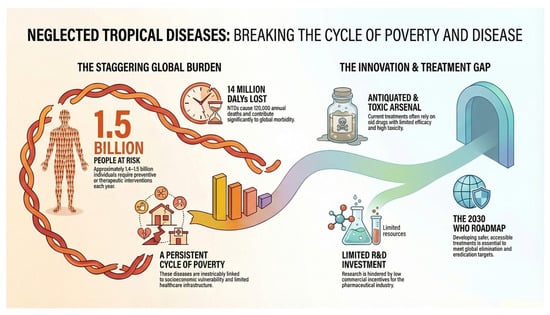
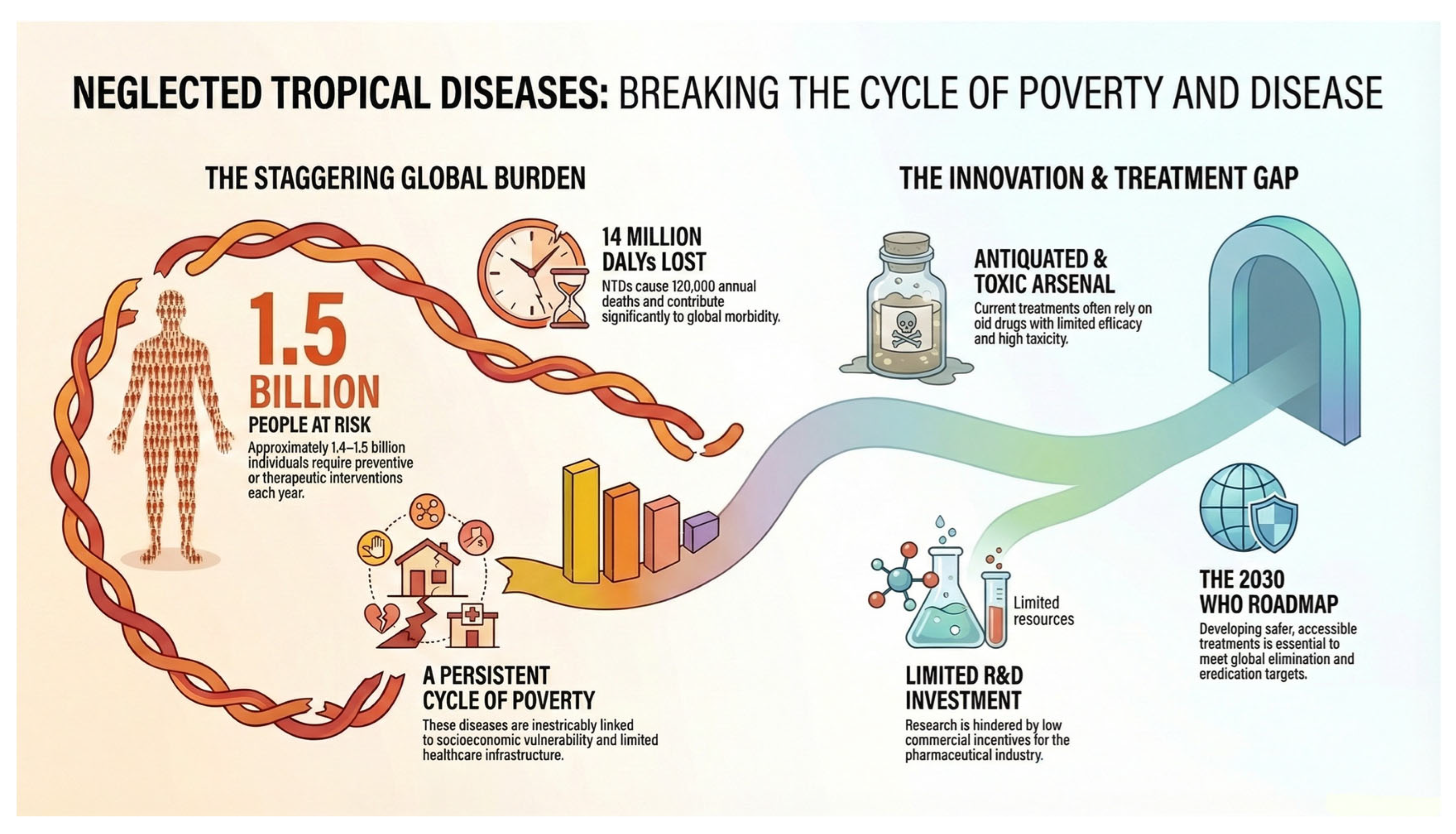
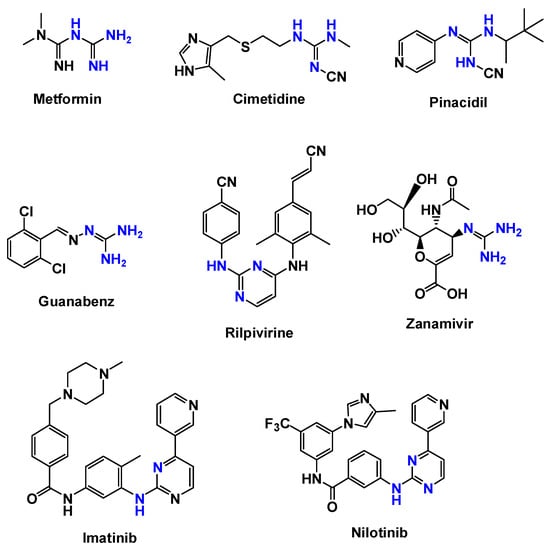
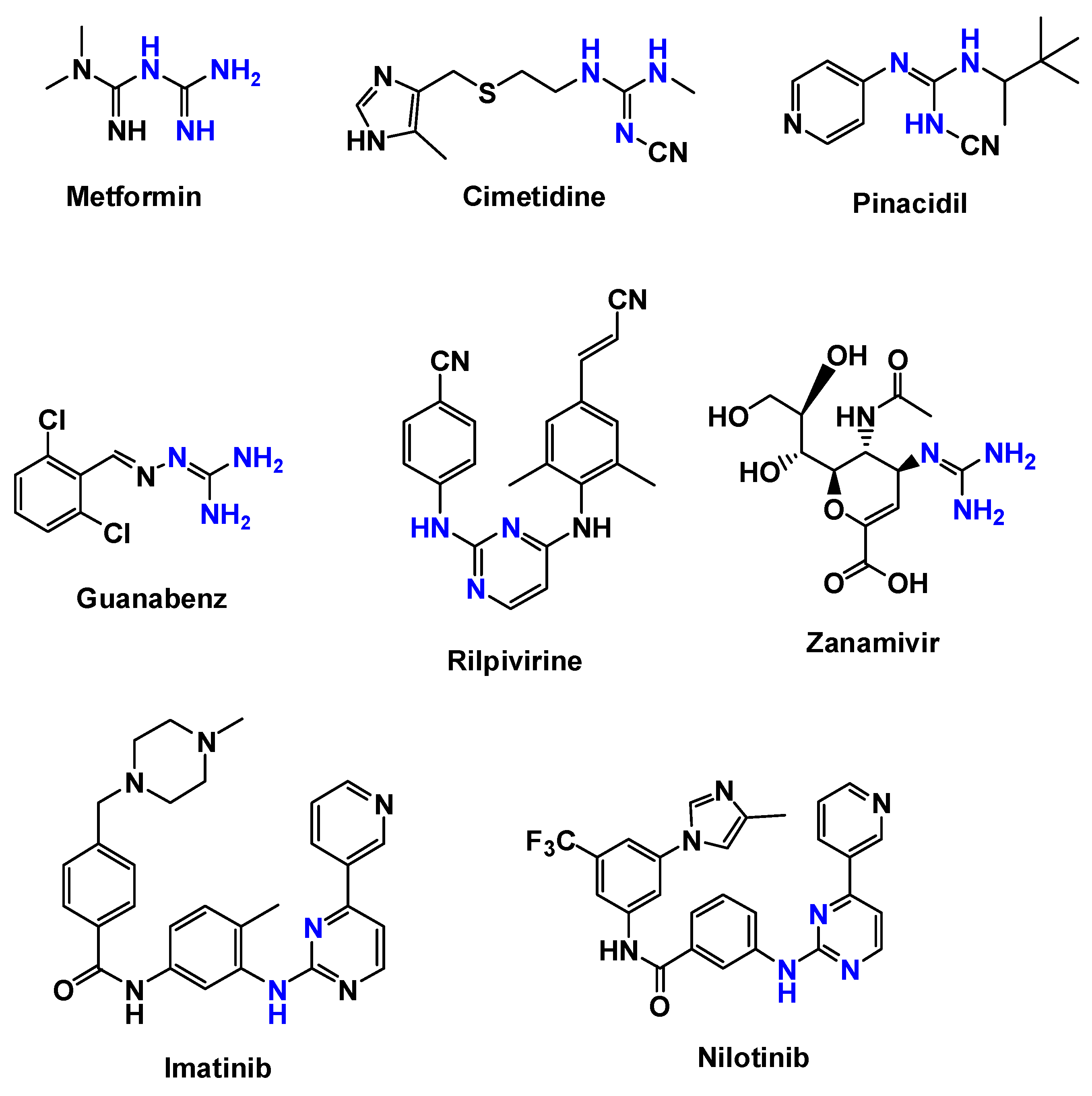
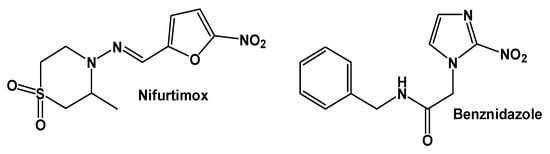
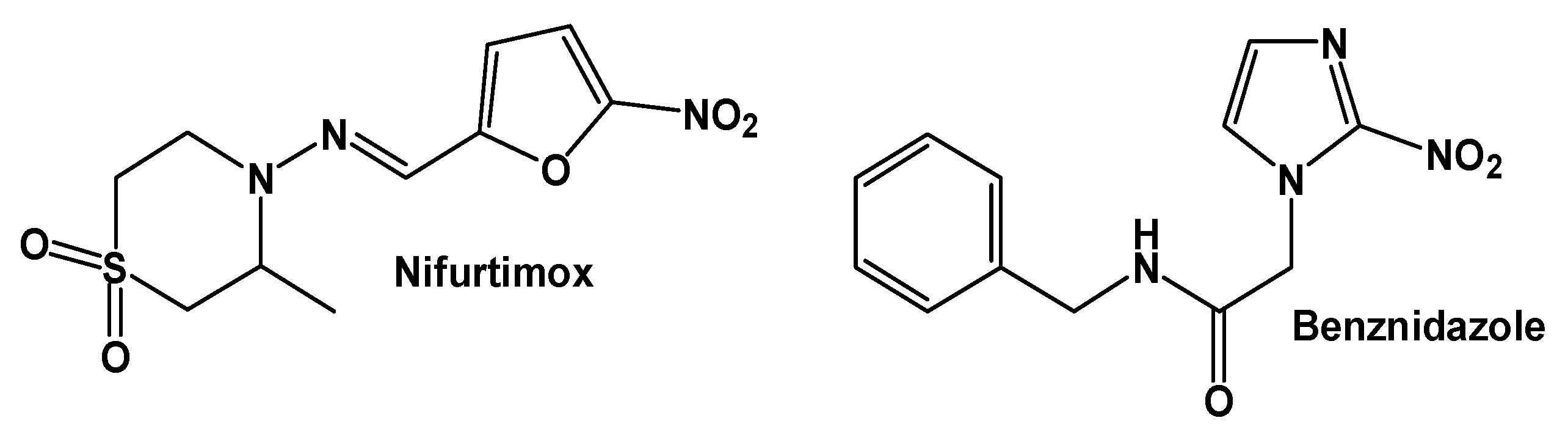
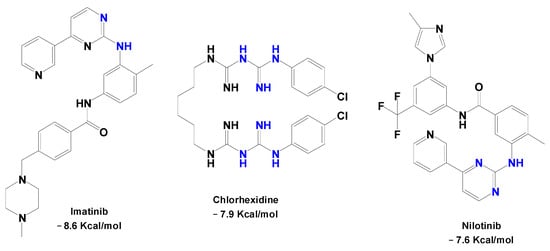
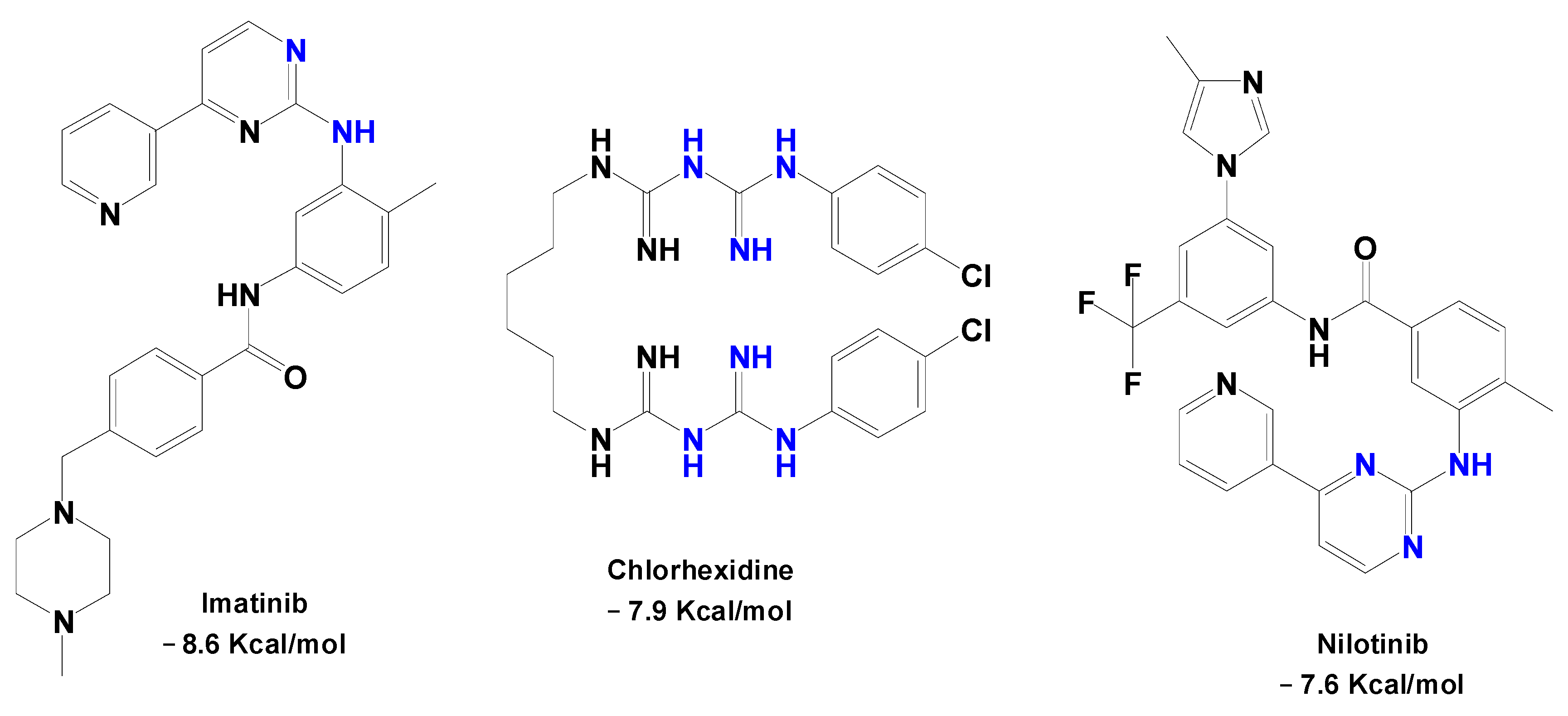
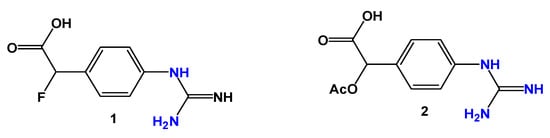
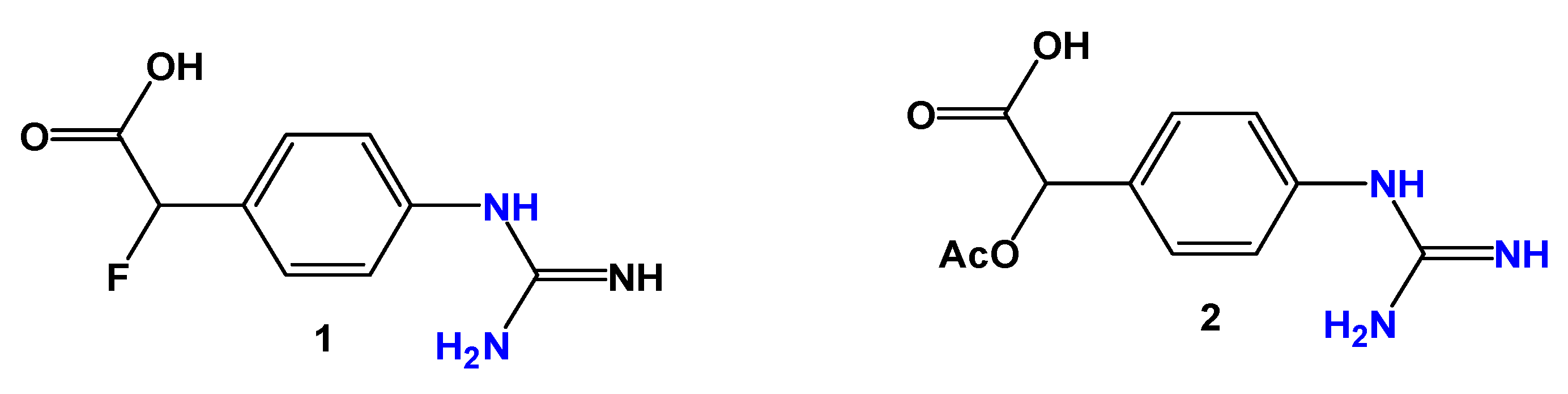
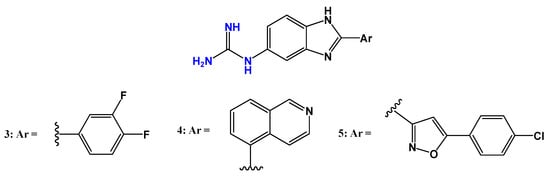
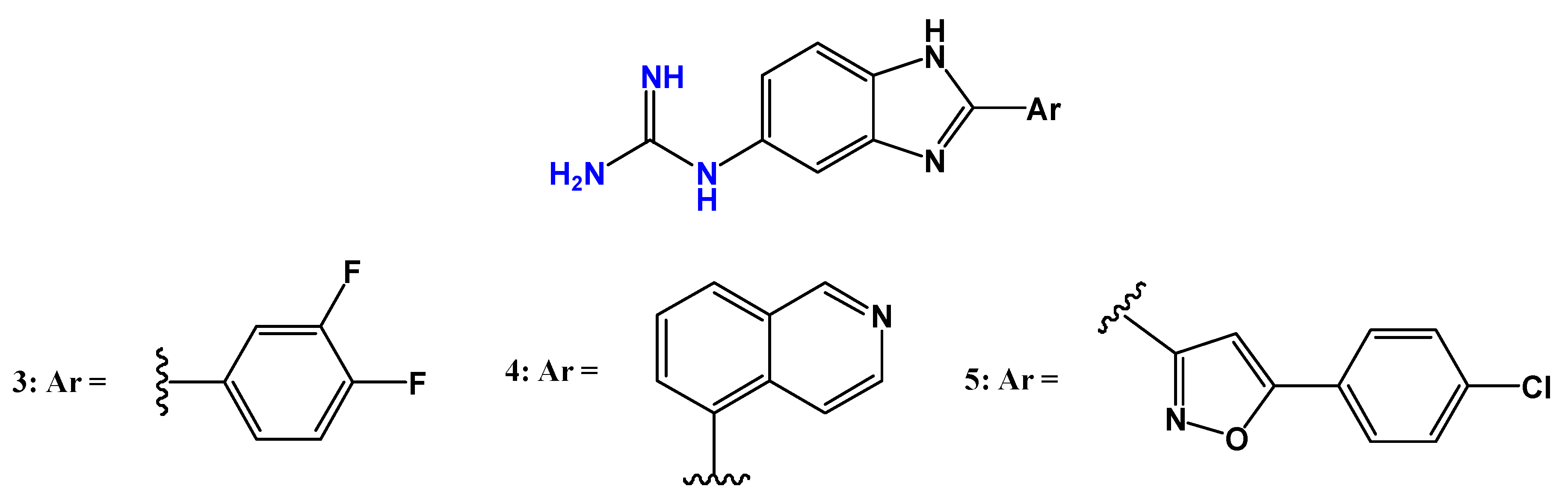
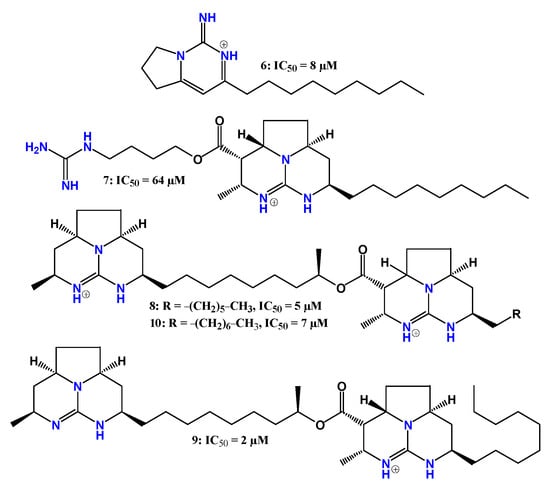
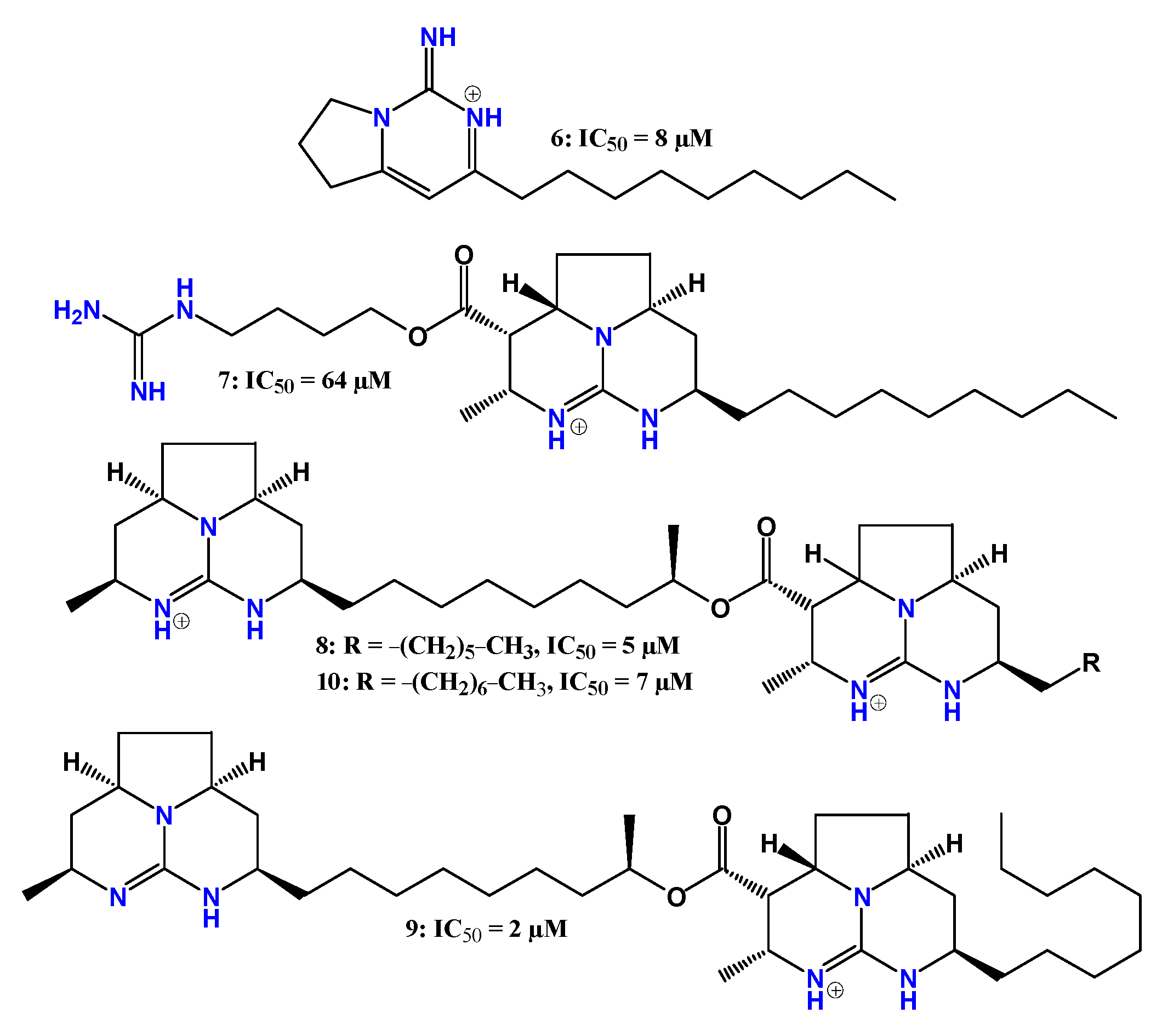
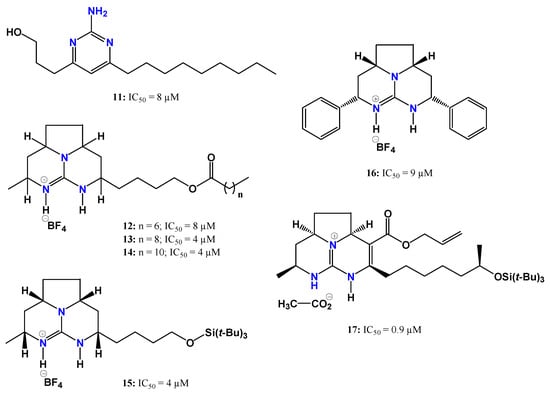
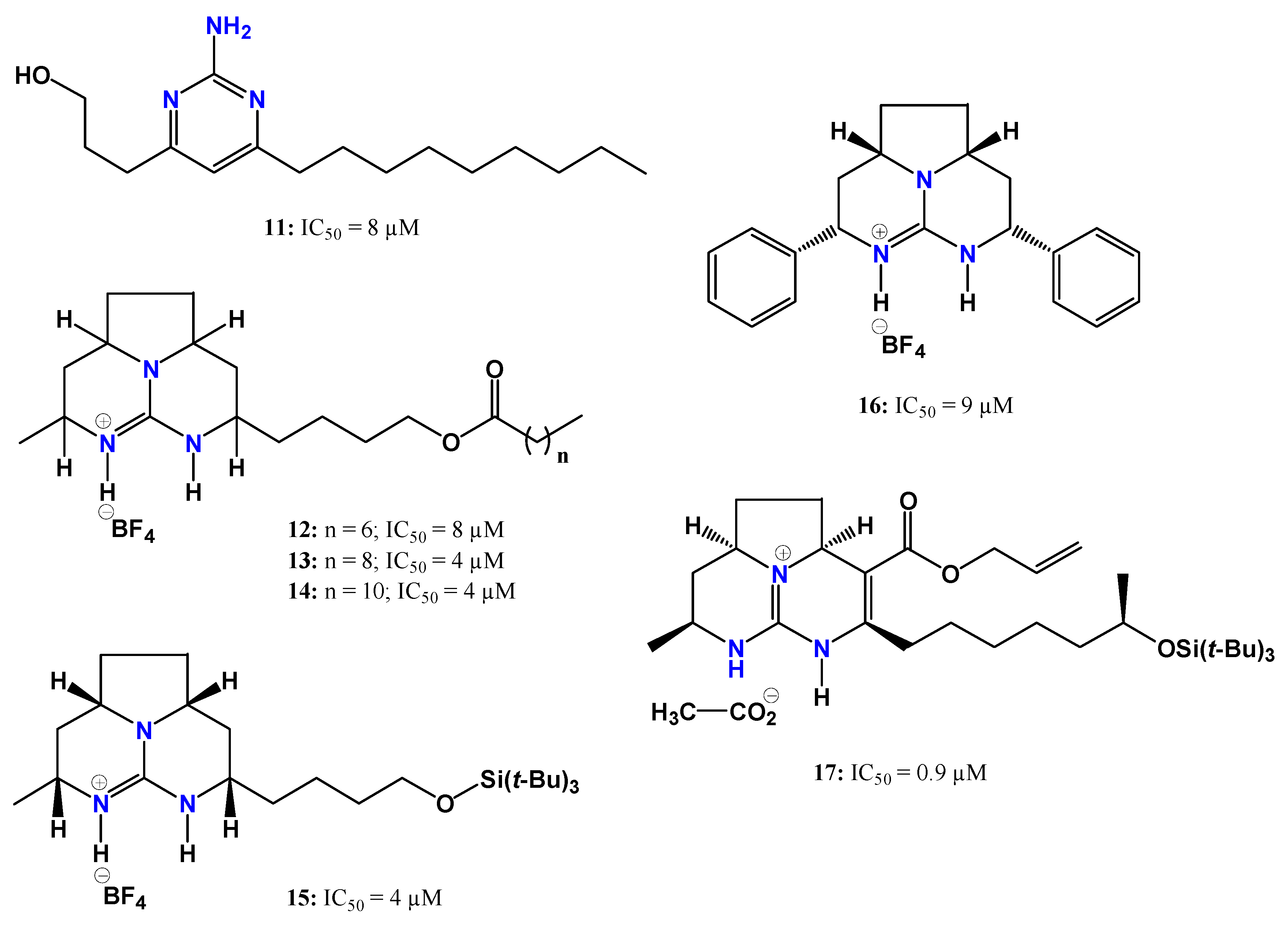
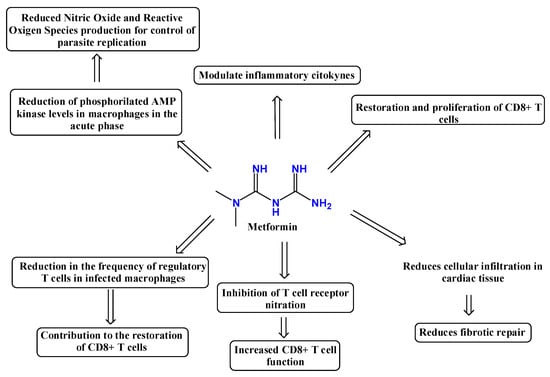
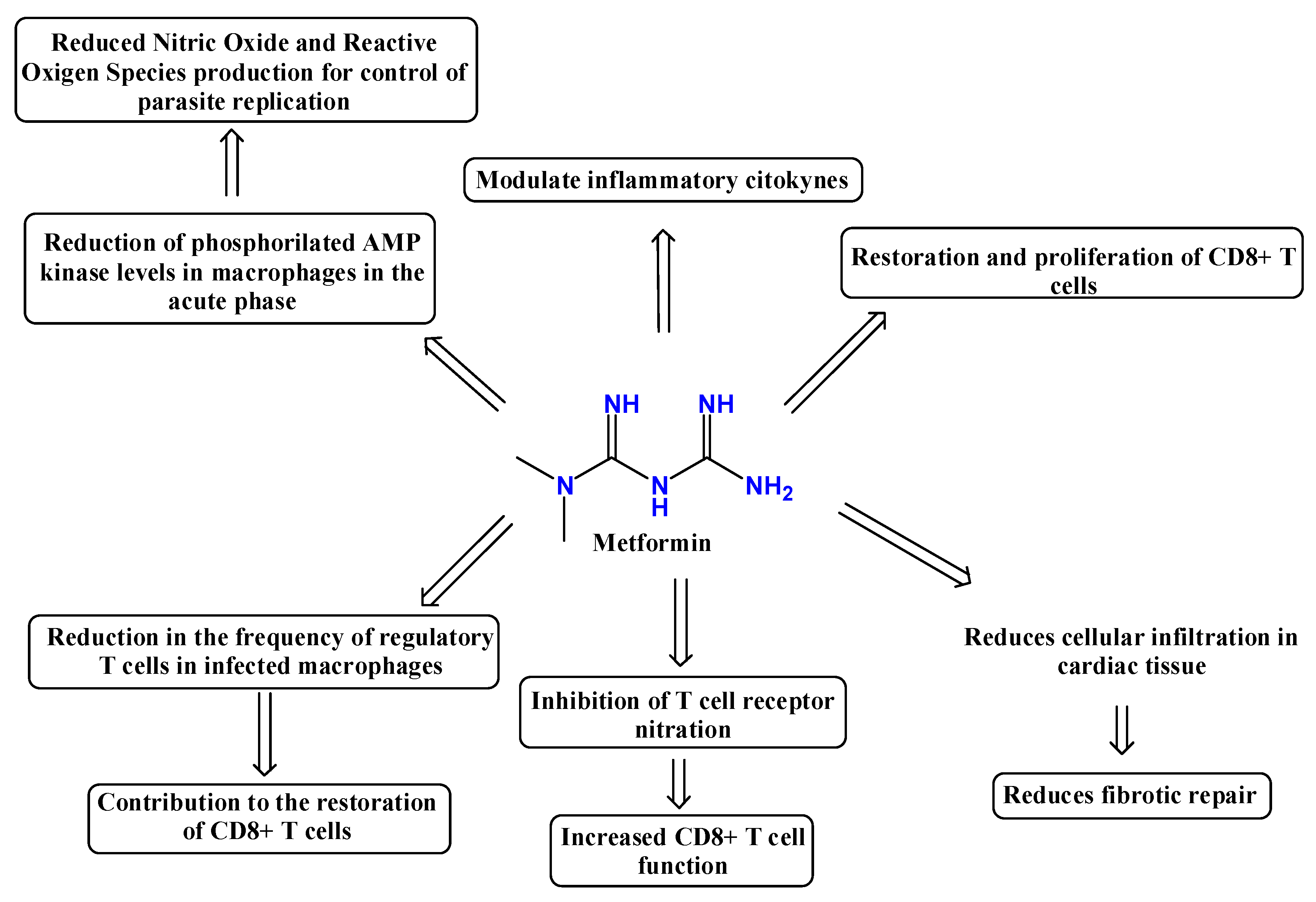


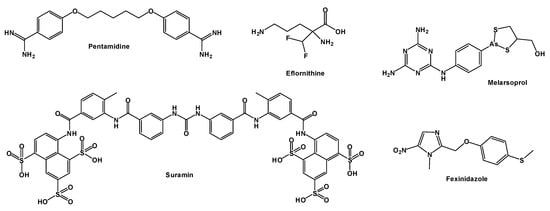
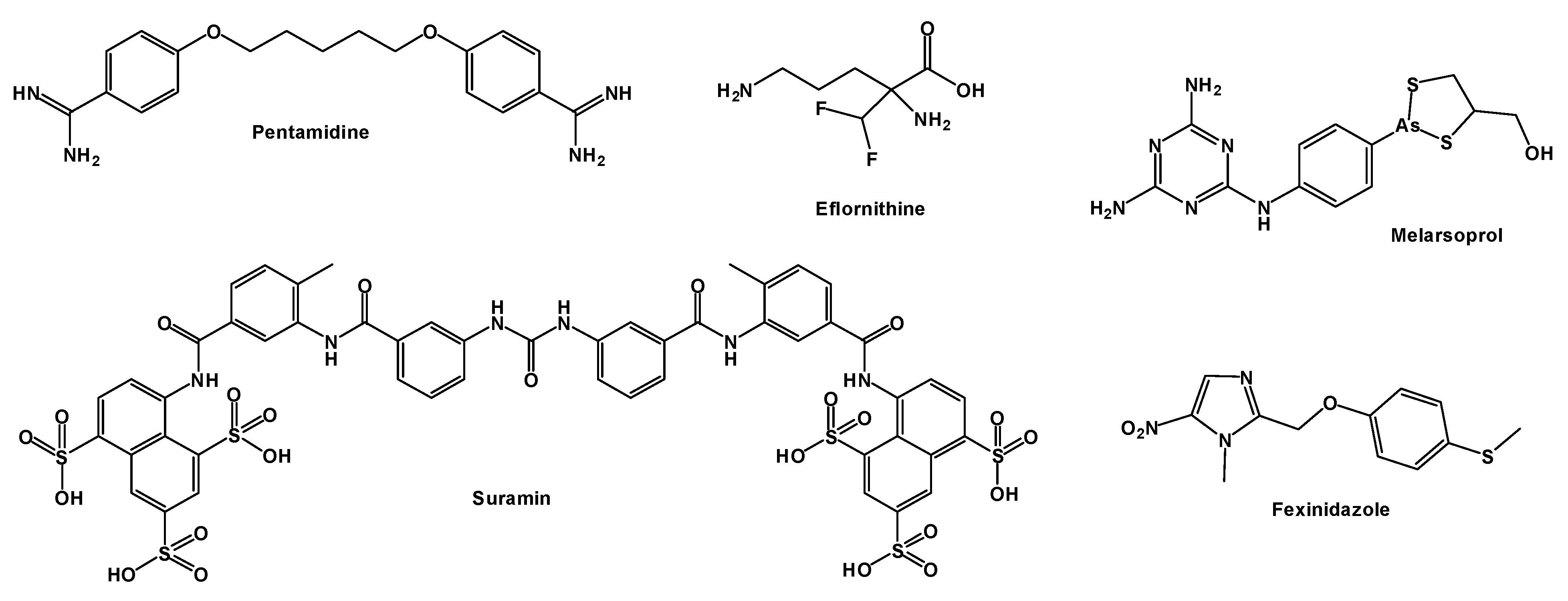
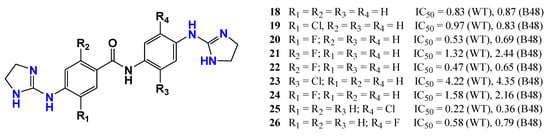
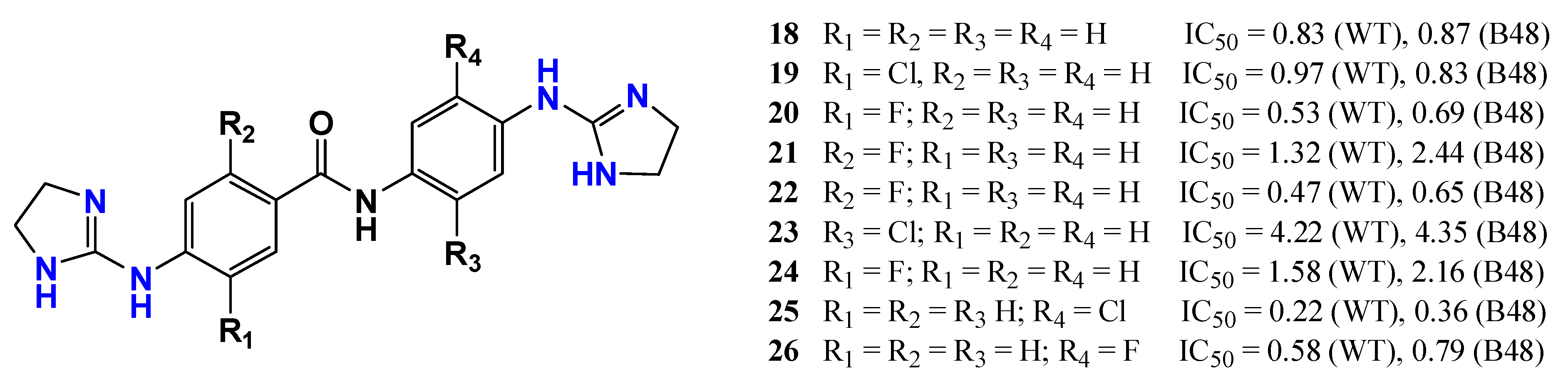
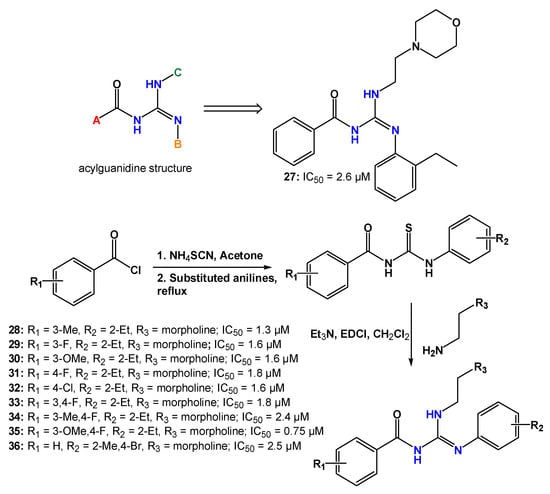
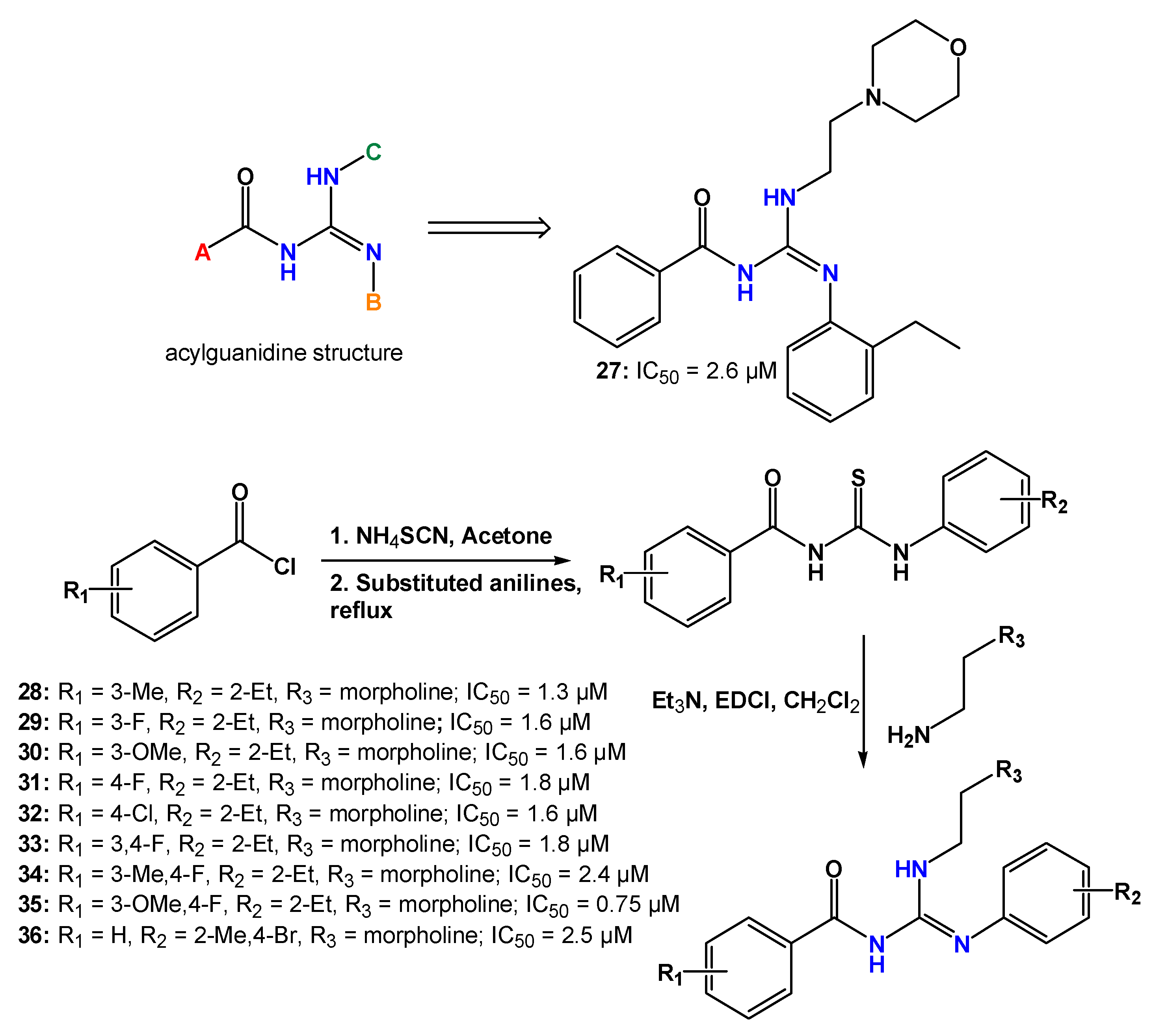
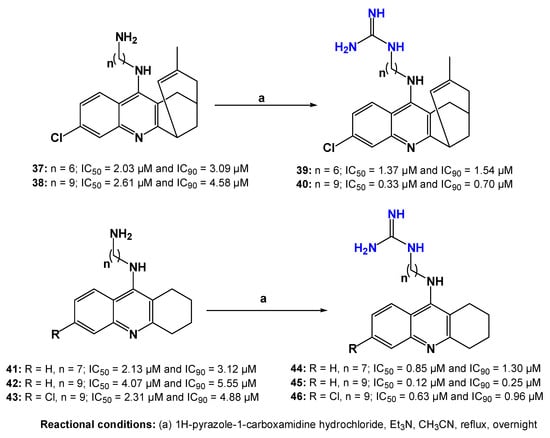
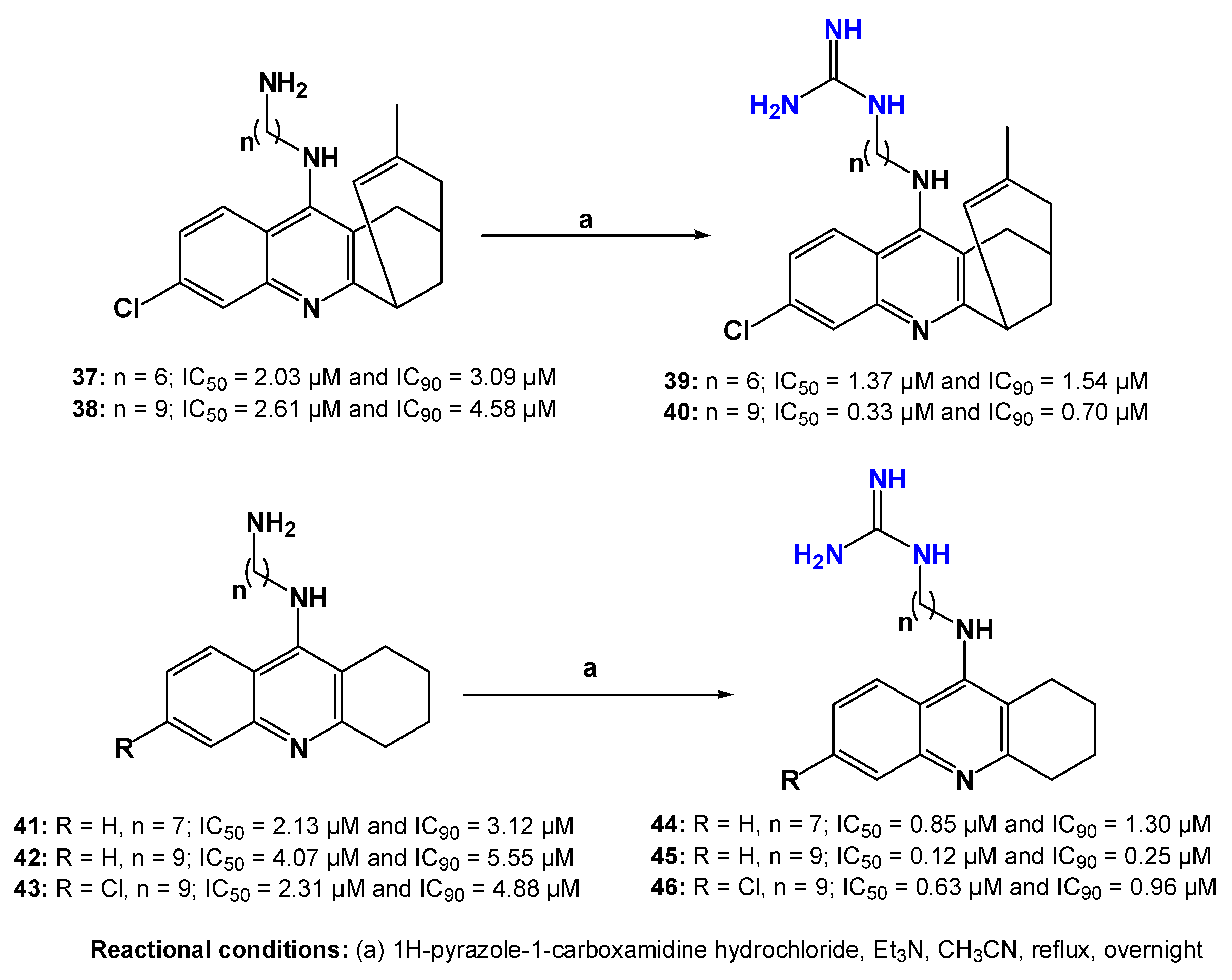
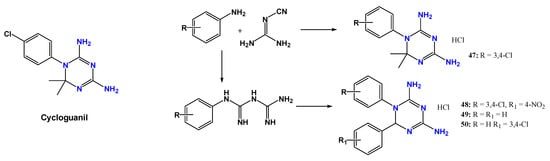
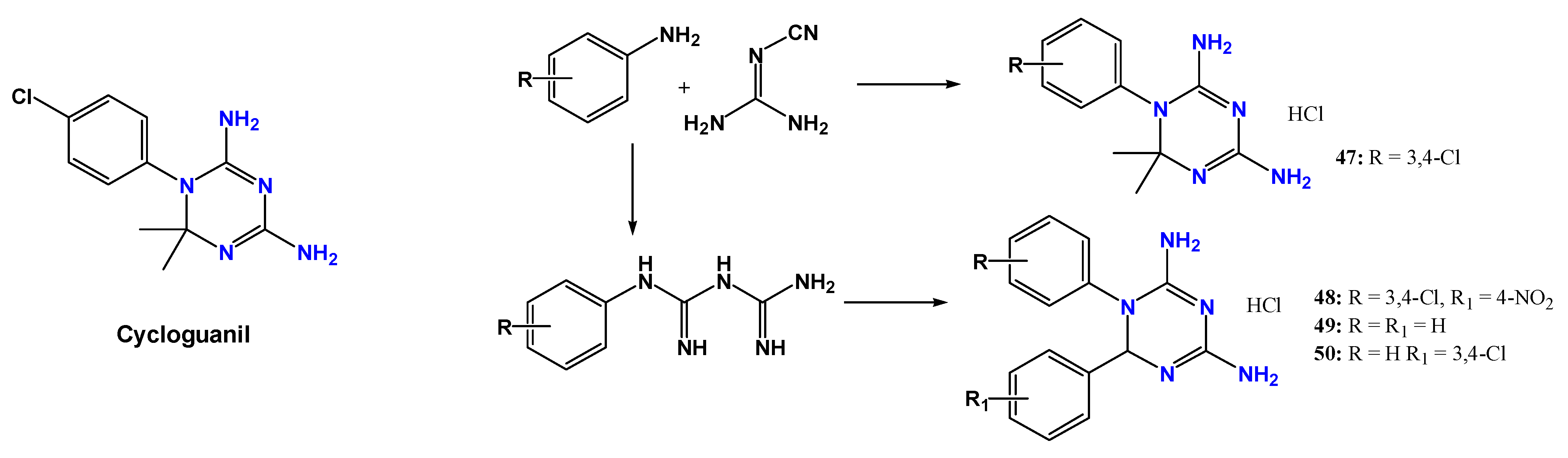
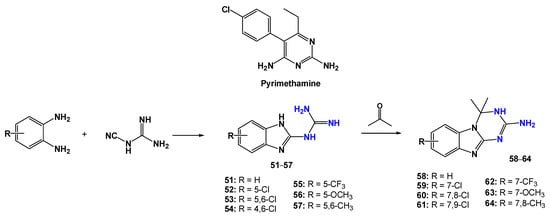
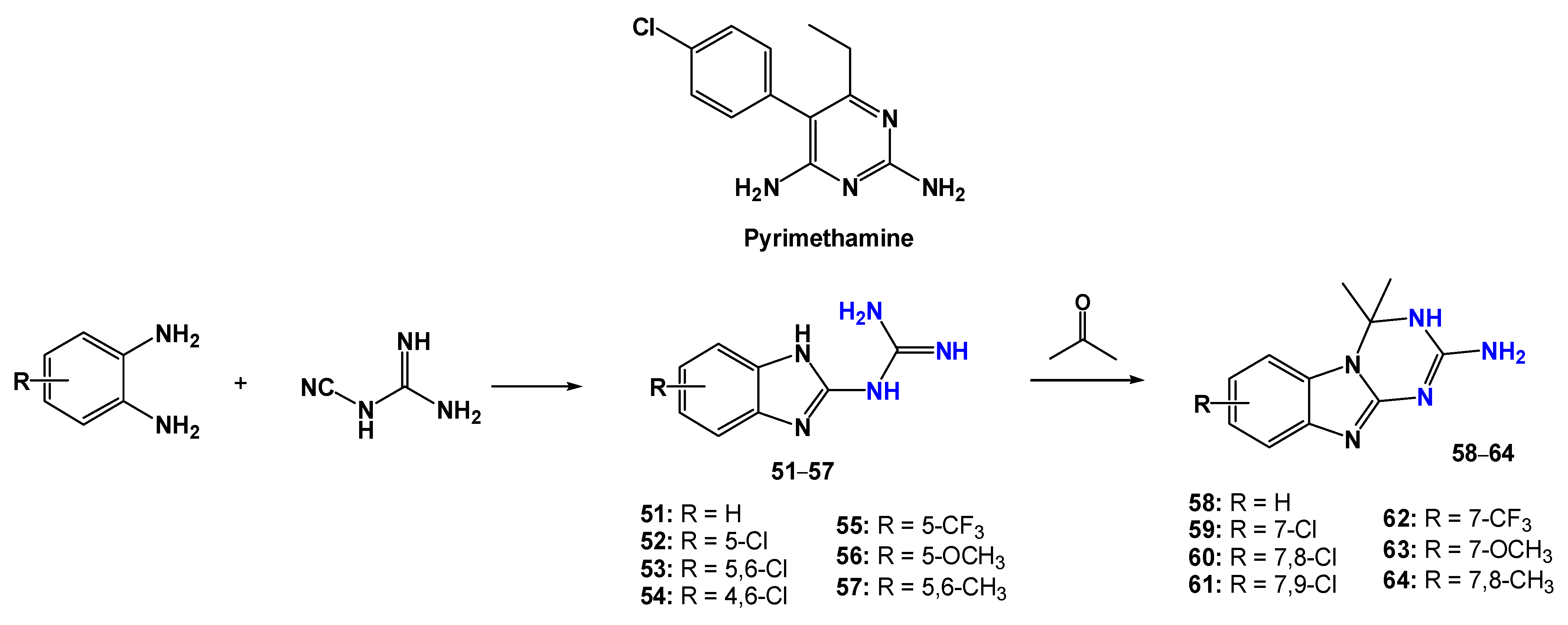
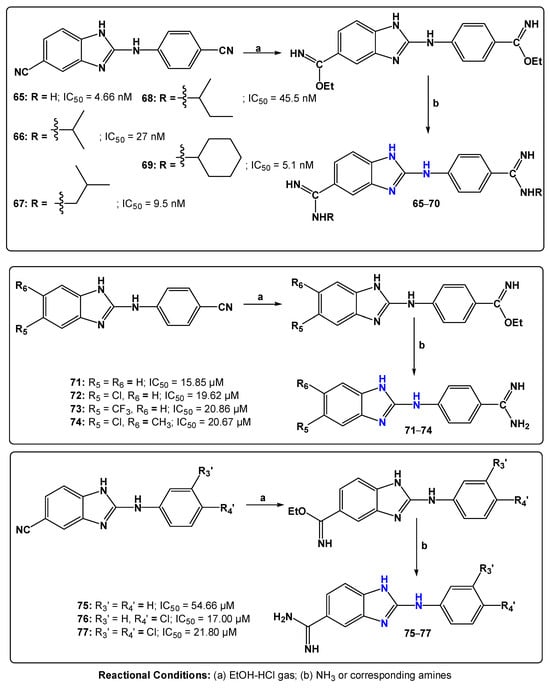
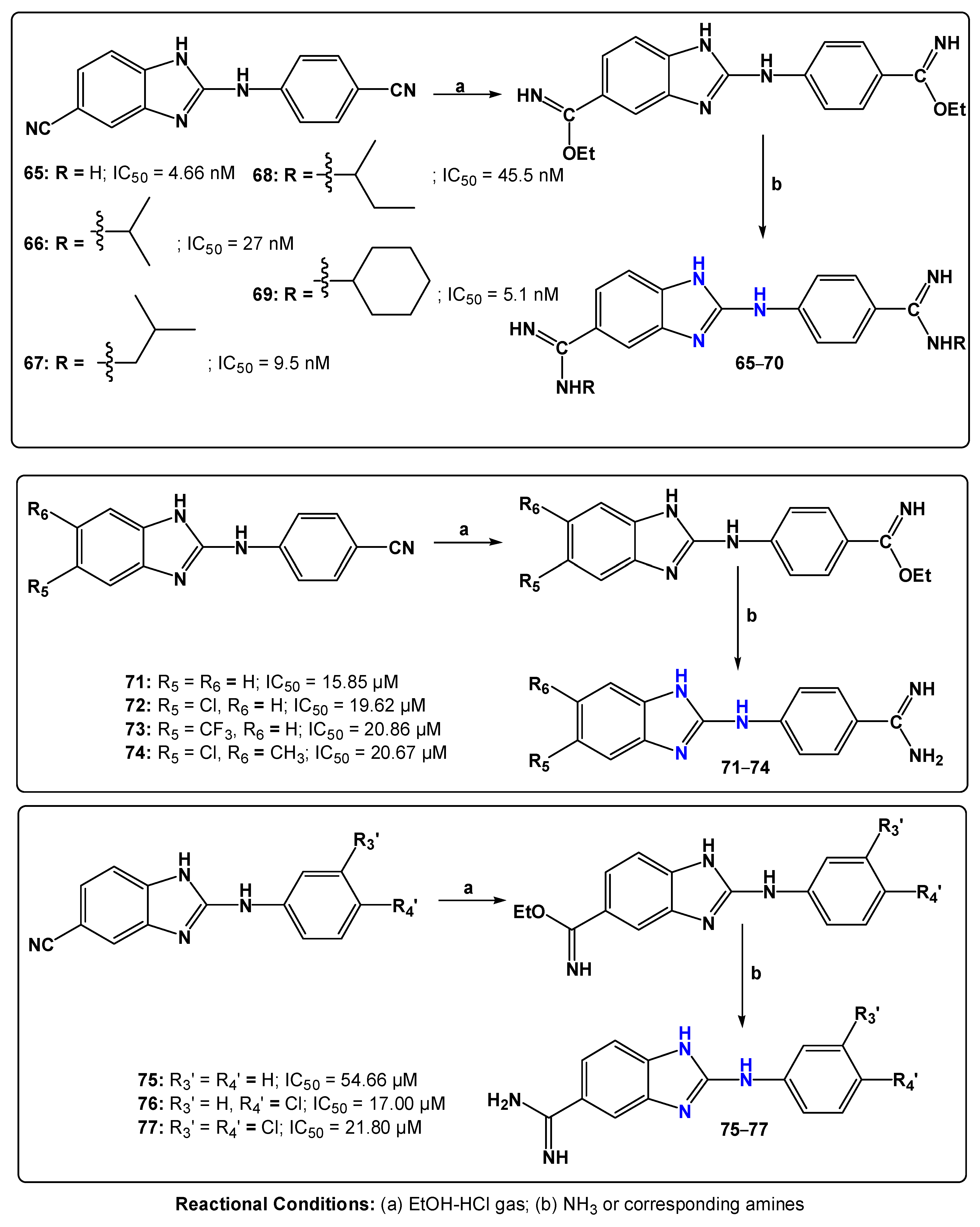
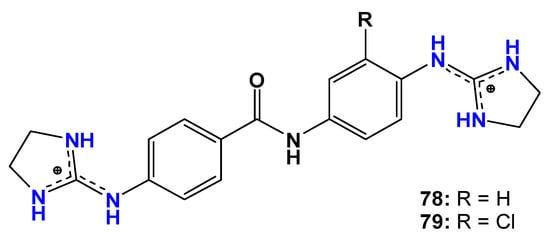
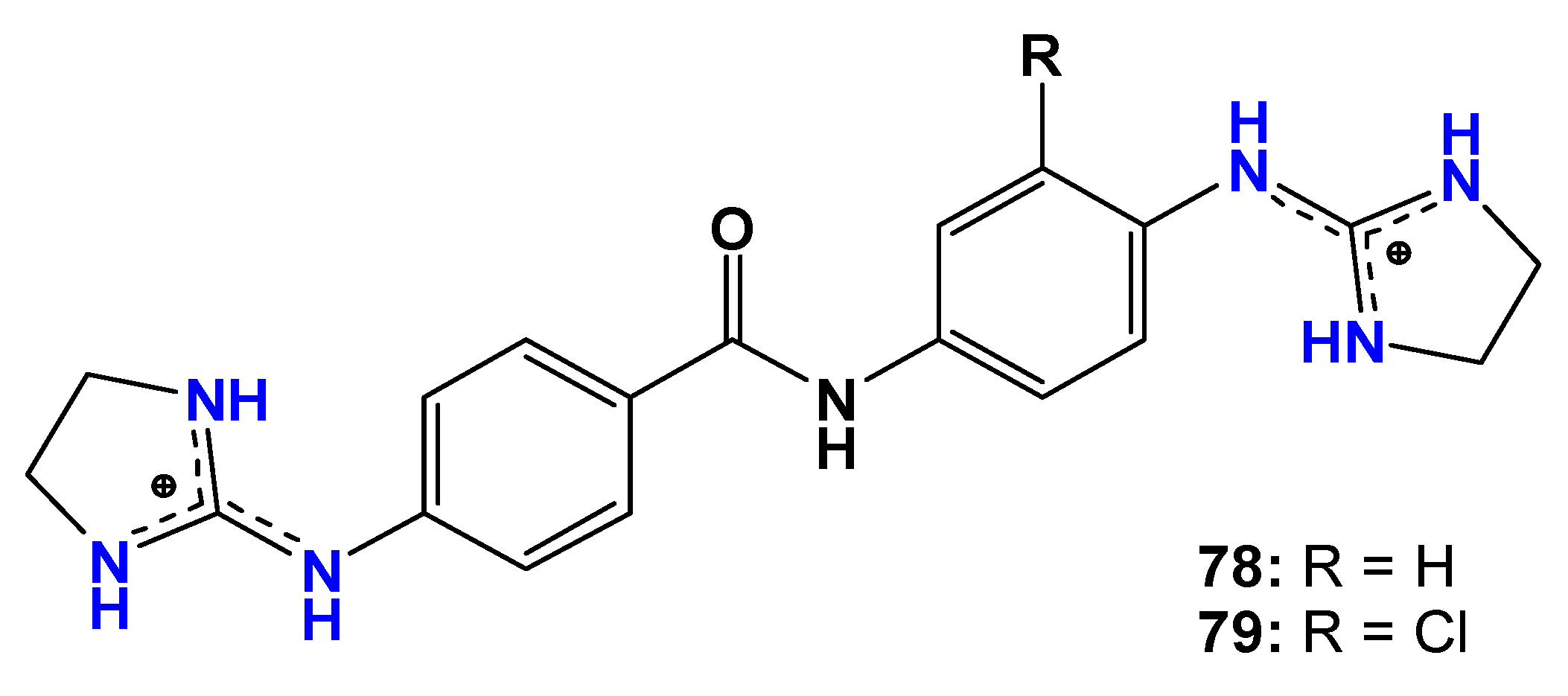
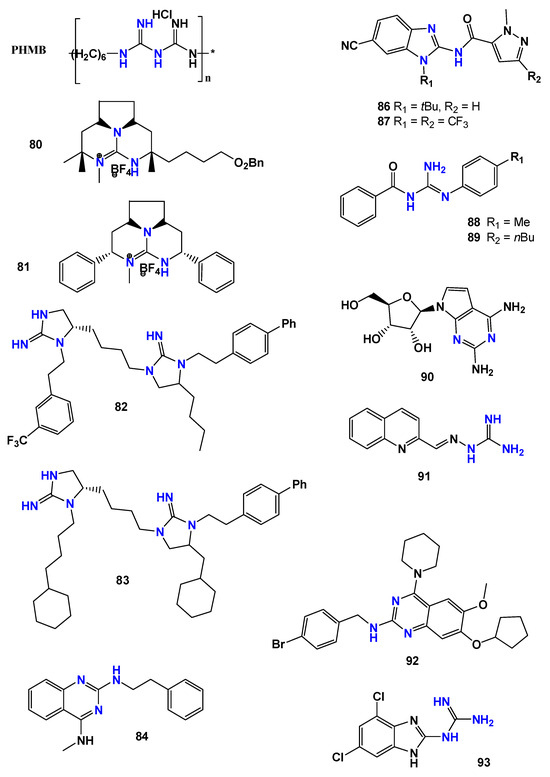
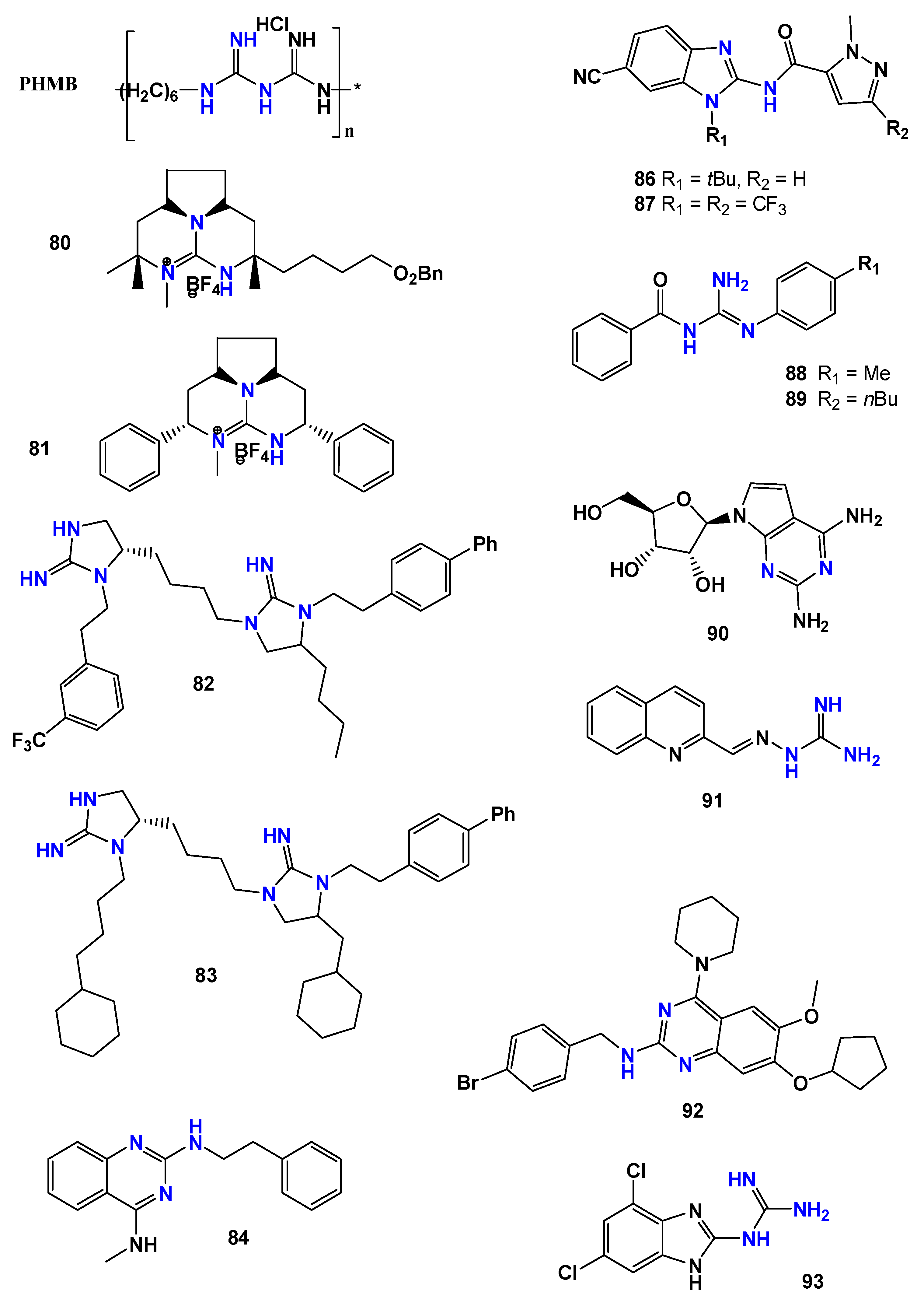
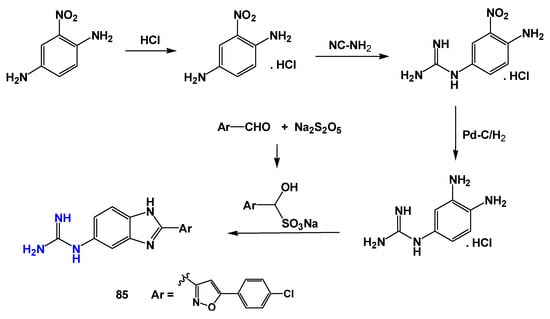
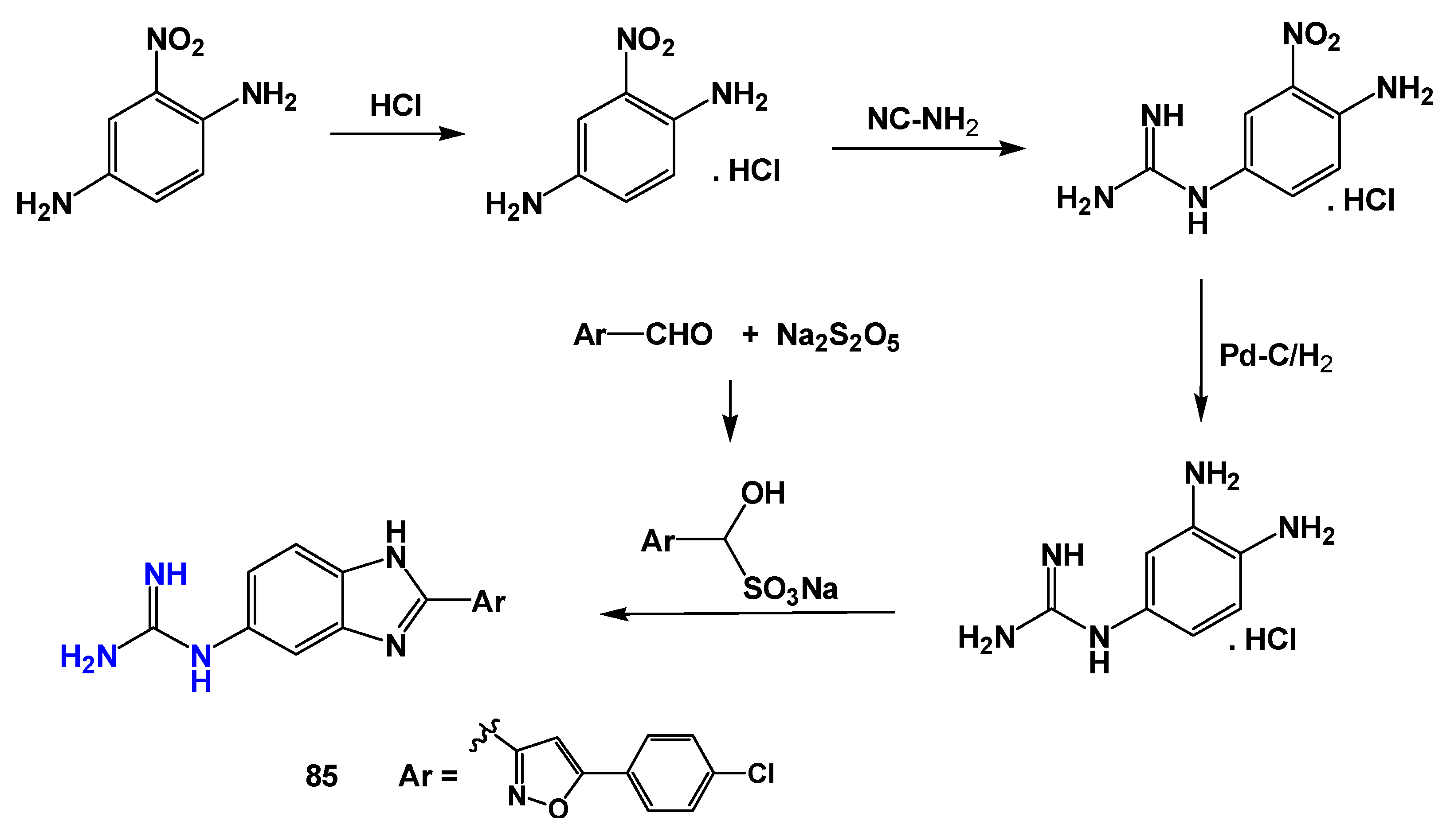
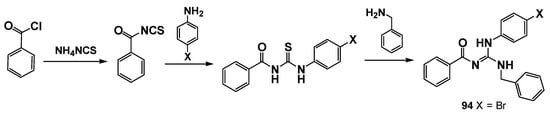
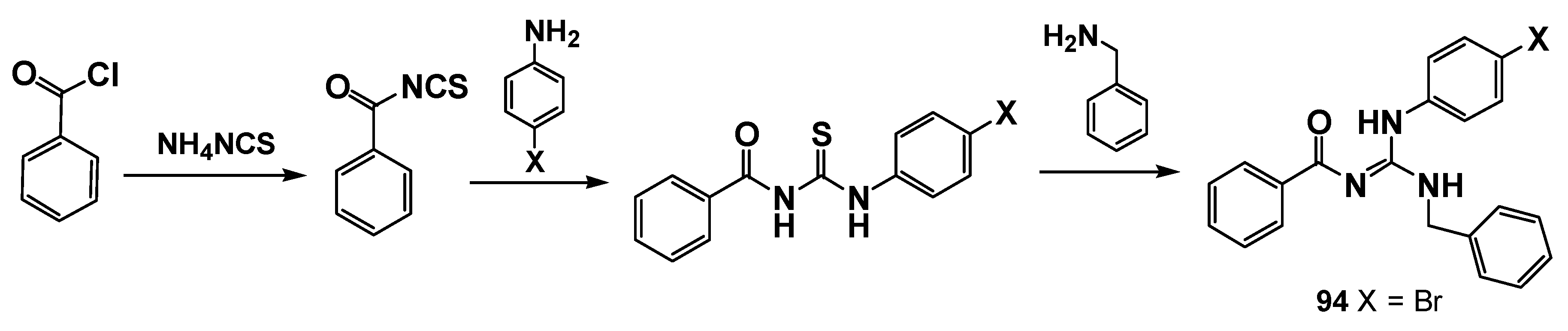
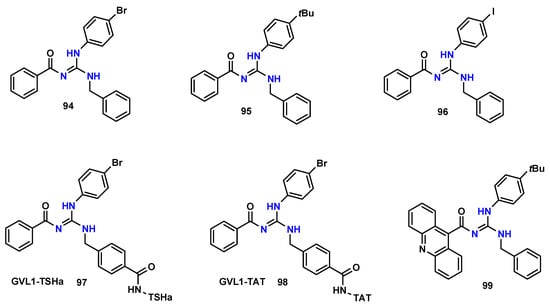
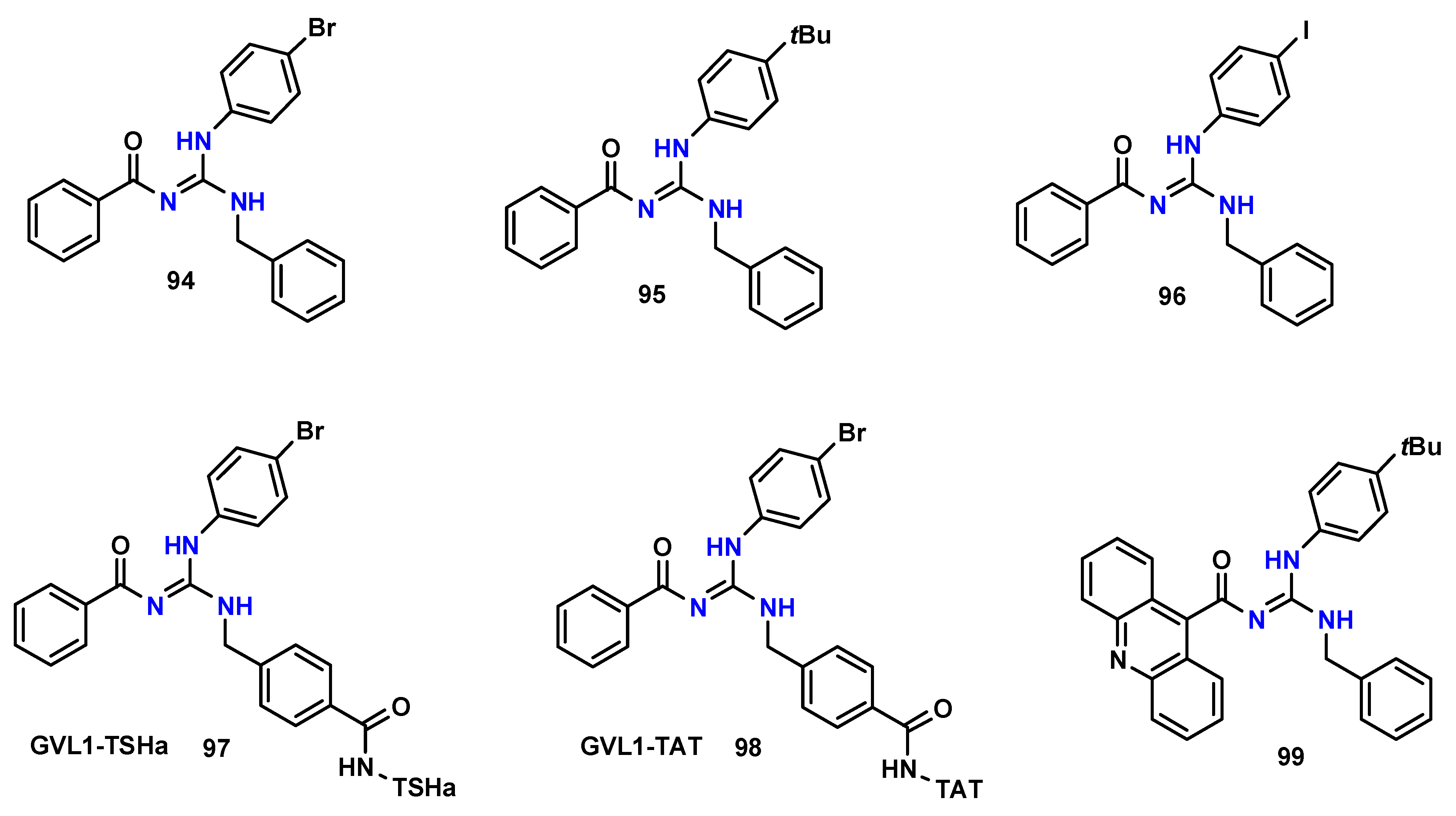
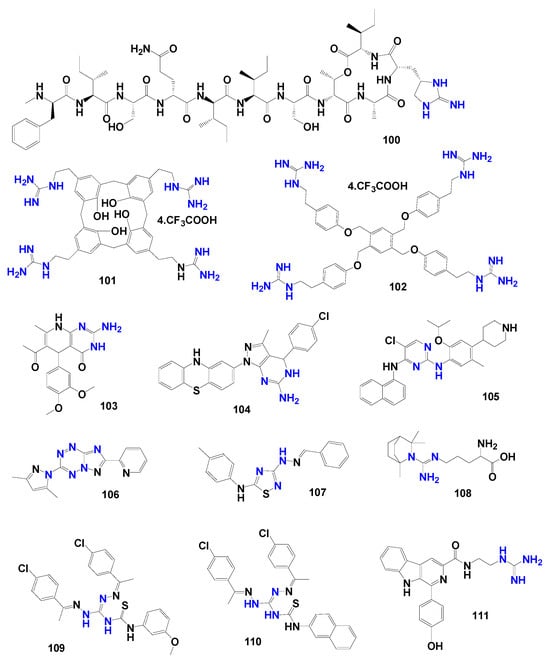
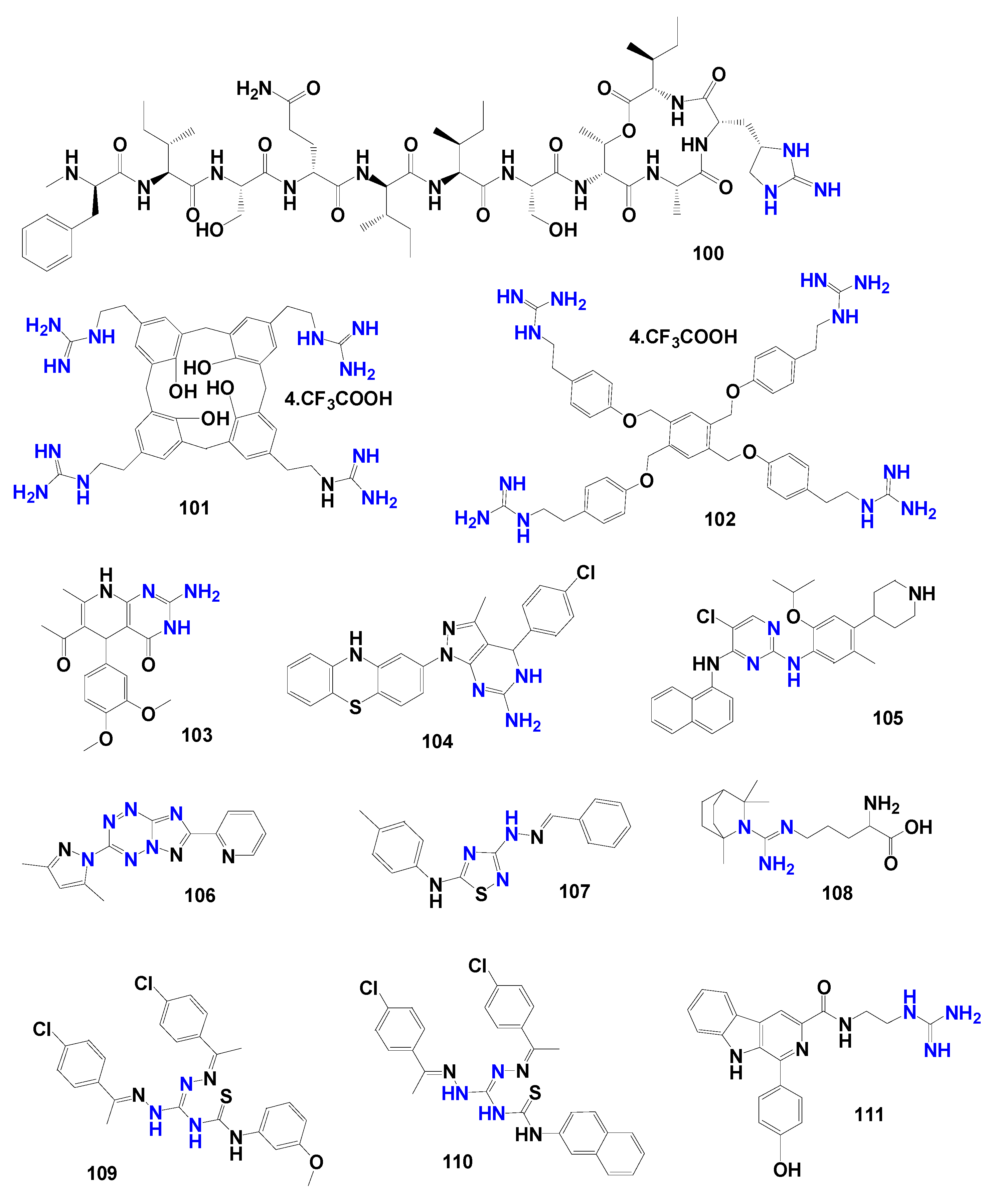
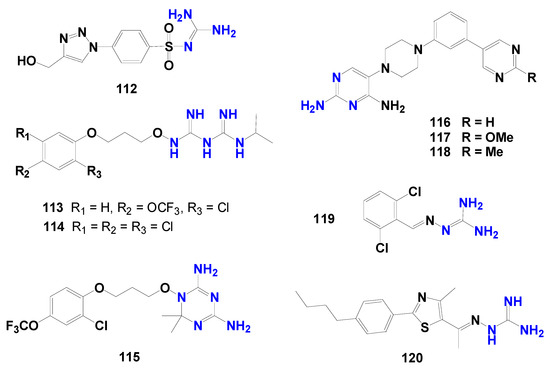
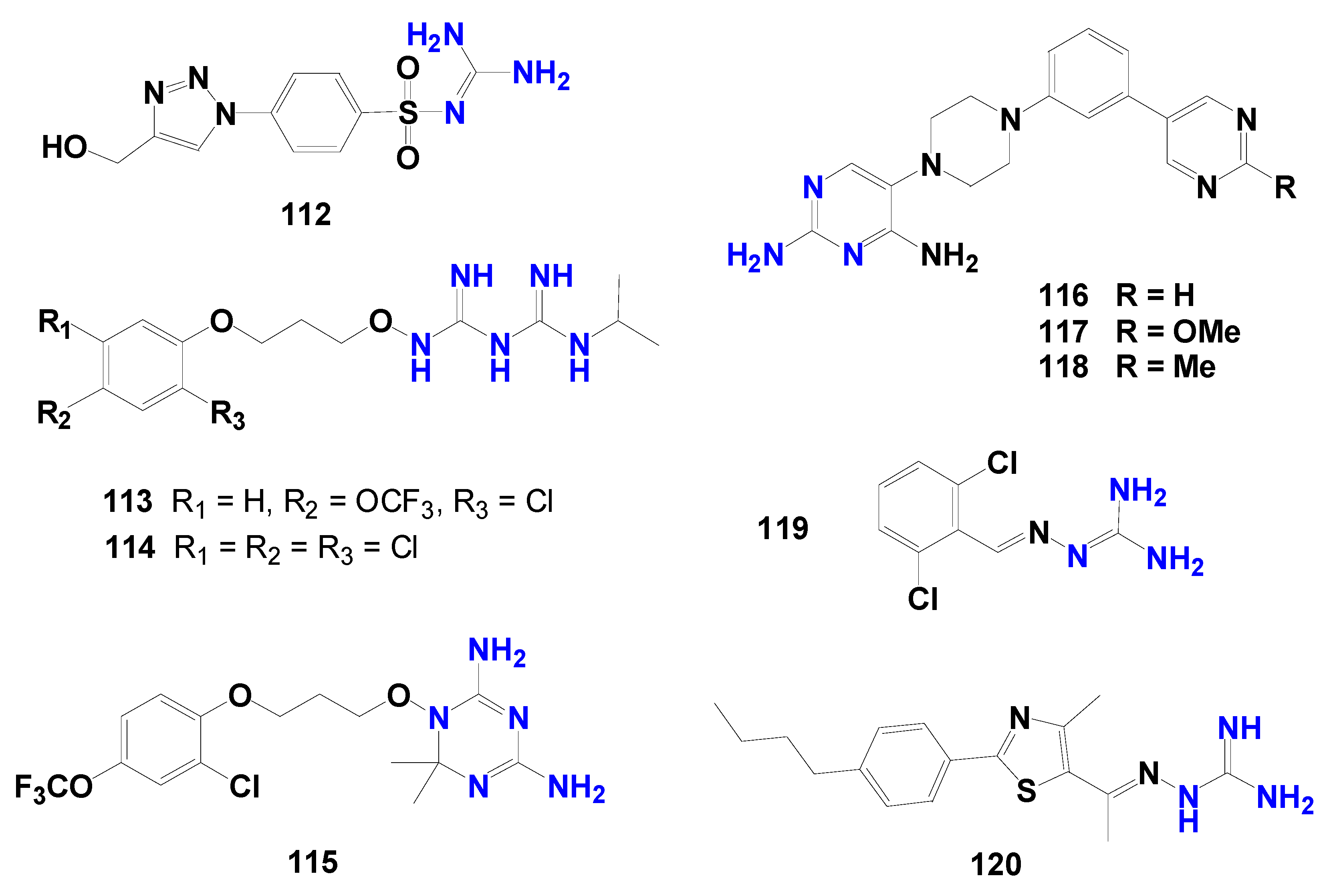
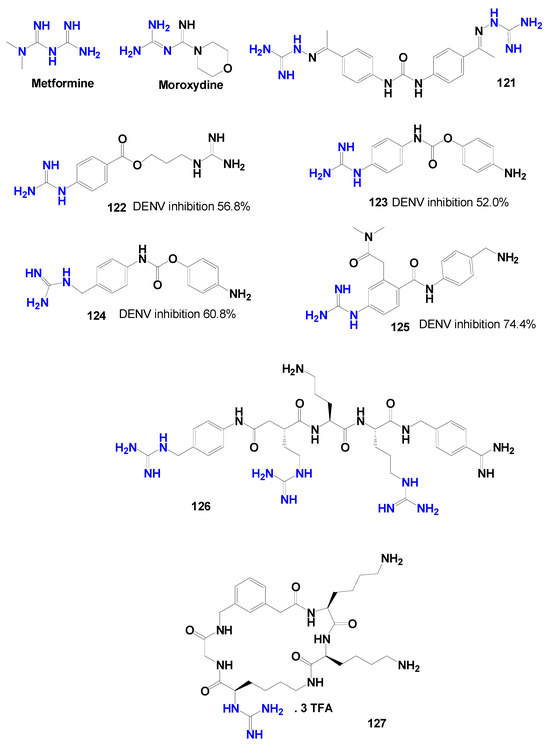
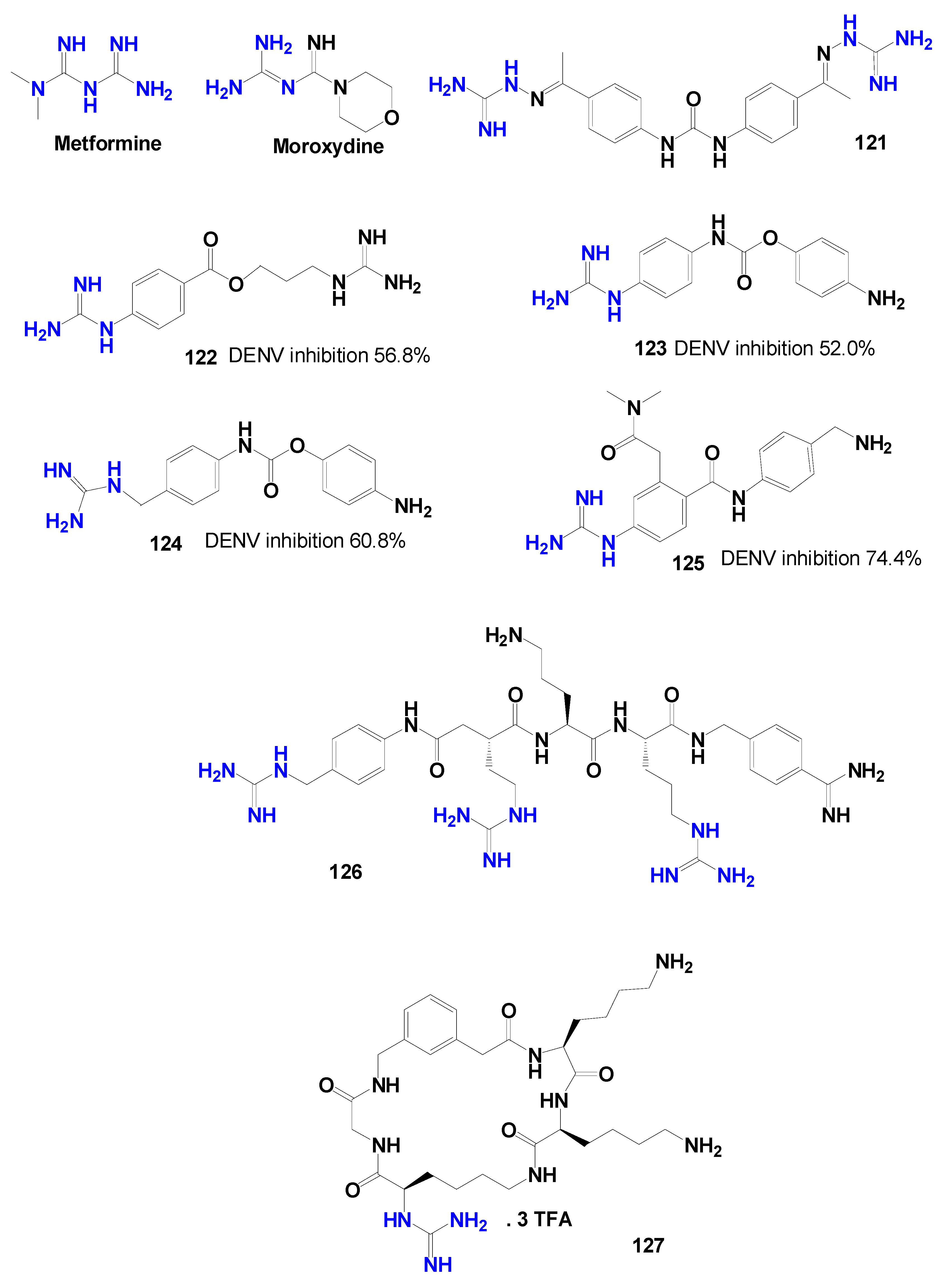
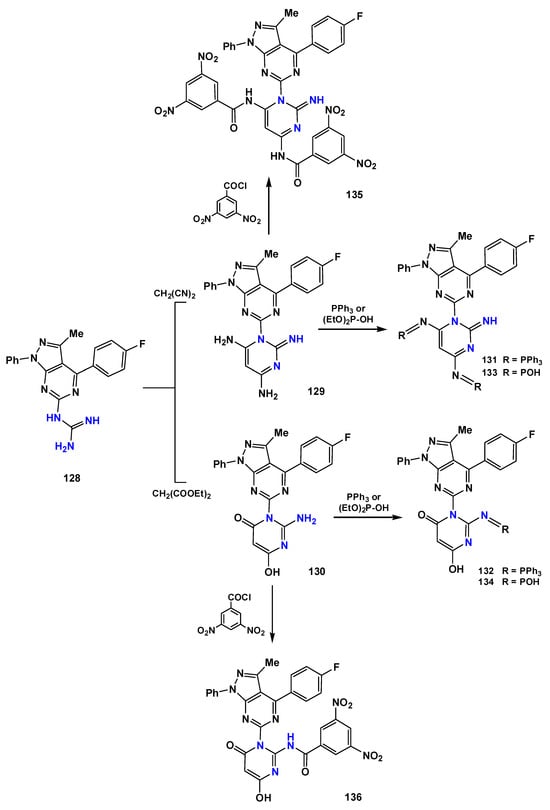
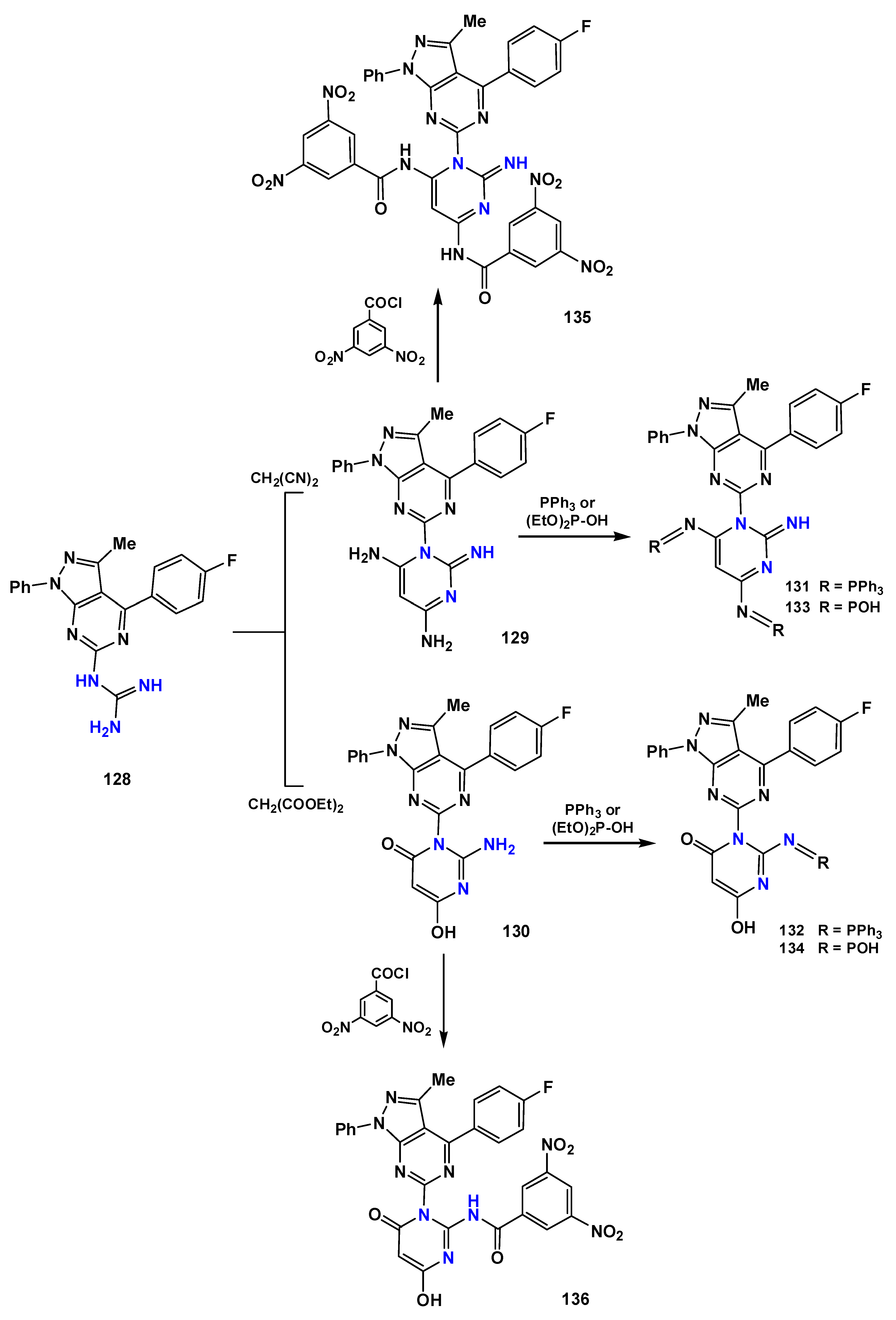
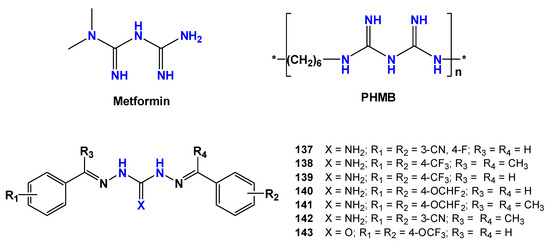
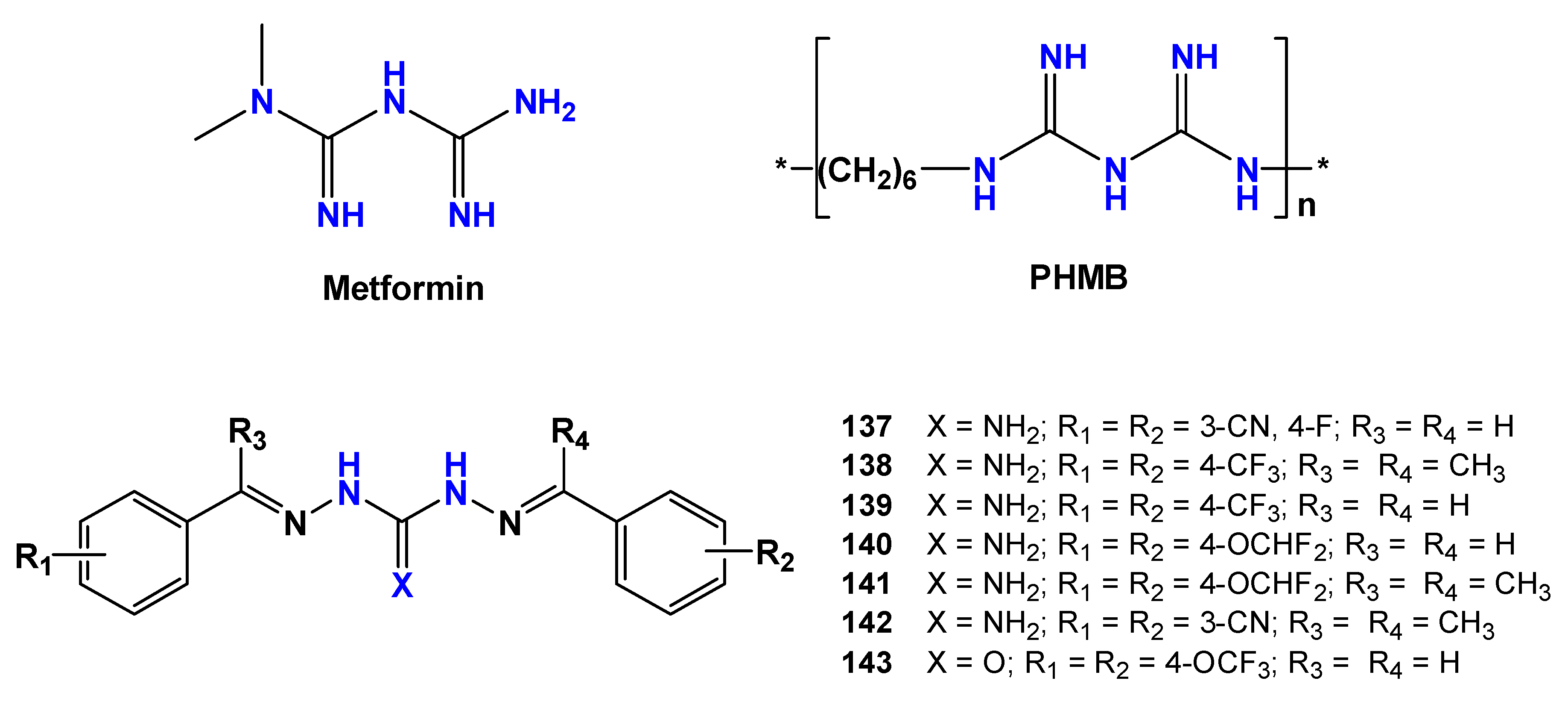
Disclaimer/Publisher’s Note: The statements, opinions and data contained in all publications are solely those of the individual author(s) and contributor(s) and not of MDPI and/or the editor(s). MDPI and/or the editor(s) disclaim responsibility for any injury to people or property resulting from any ideas, methods, instructions or products referred to in the content. |
© 2026 by the authors. Licensee MDPI, Basel, Switzerland. This article is an open access article distributed under the terms and conditions of the Creative Commons Attribution (CC BY) license.