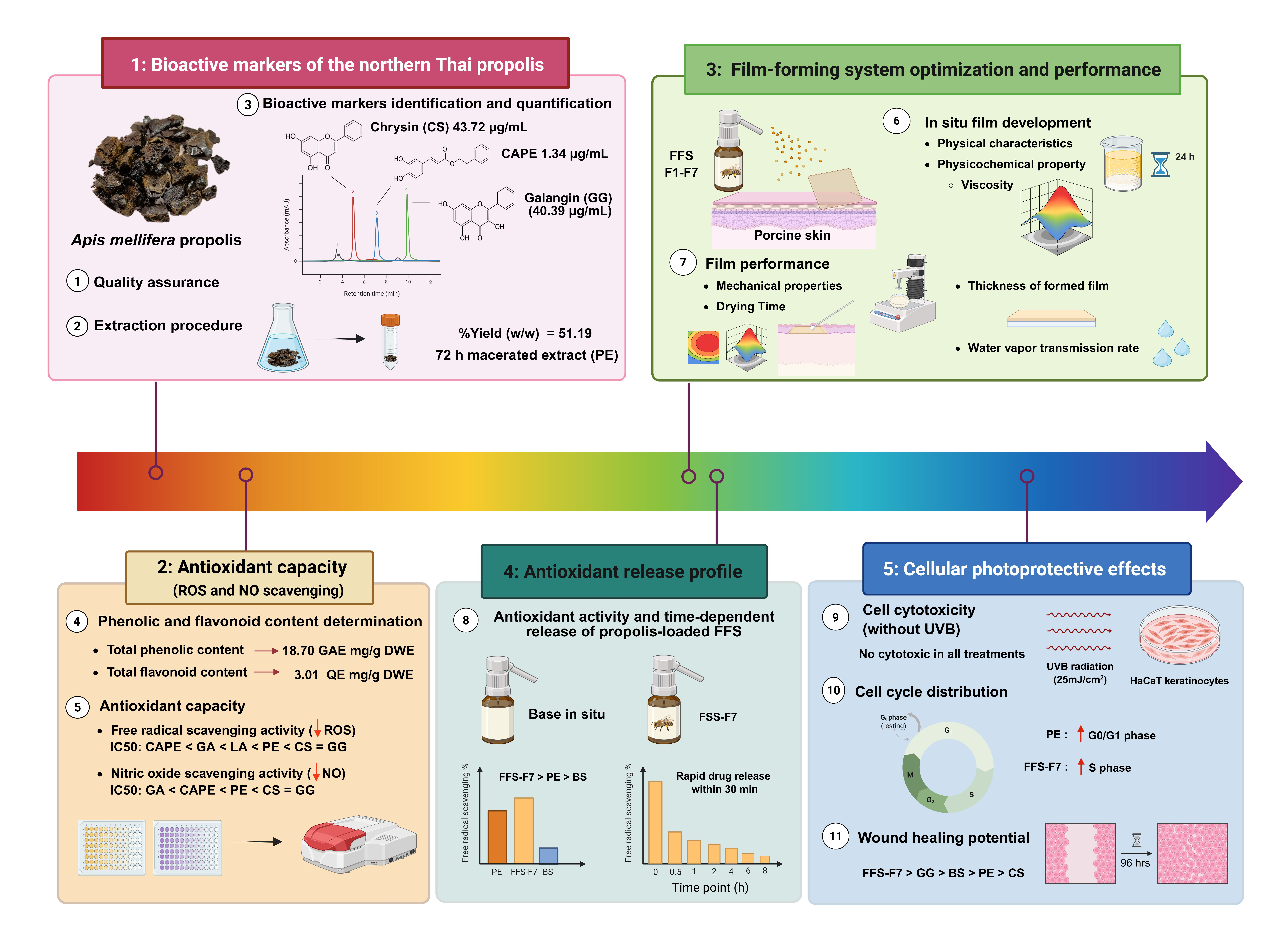
In Situ Thai Apis mellifera Propolis Film as Potential Protective Phytopharmaceuticals Against UVB-Induced HaCaT Keratinocyte Damage

 , , and
Abstract
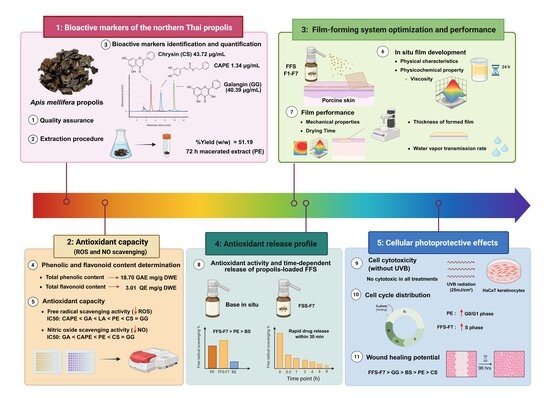
1. Introduction
2. Results
2.1. Extraction Yield, Total Phenolic Content, and Total Flavonoid Content of the Propolis Extract
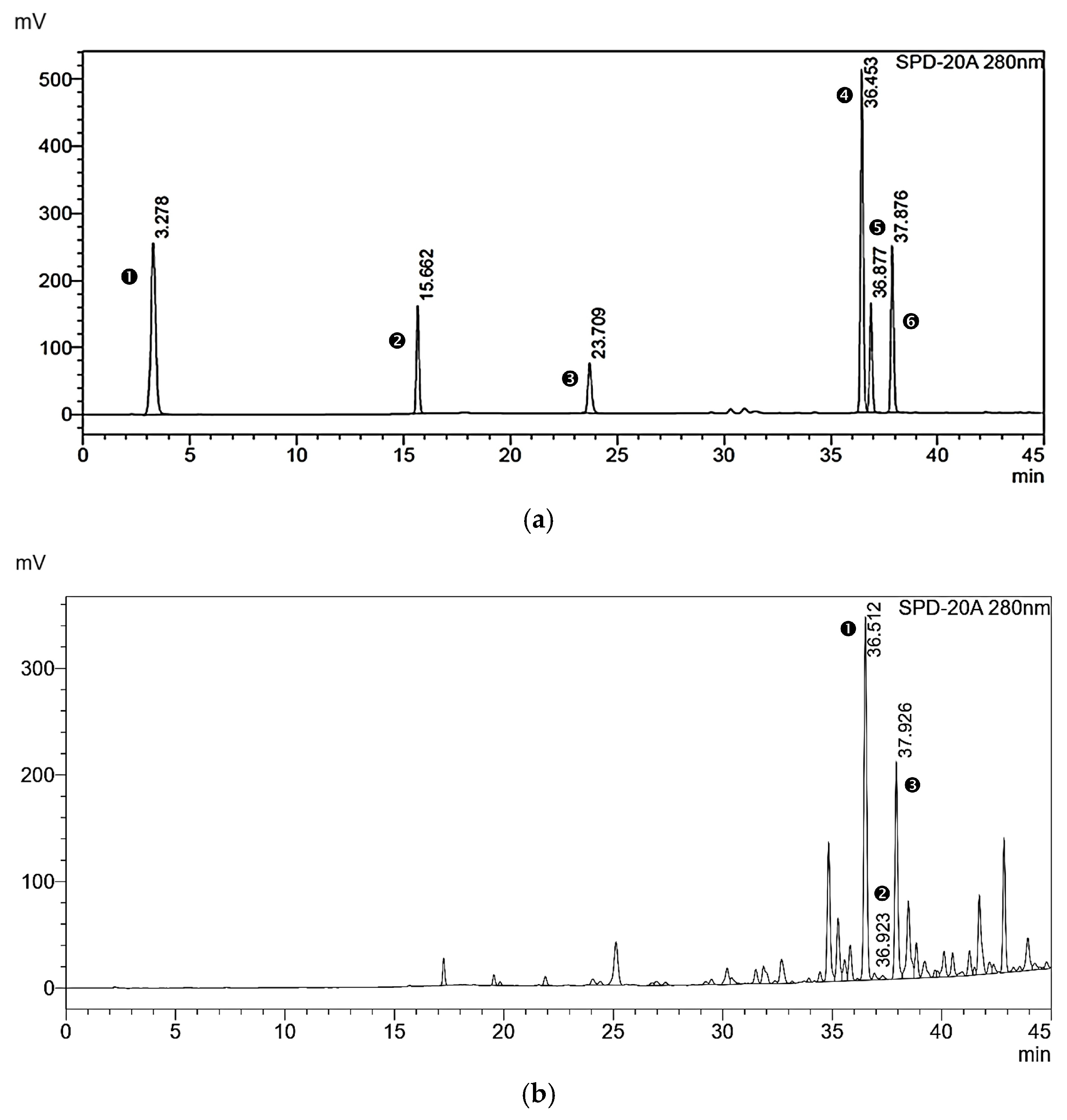
2.2. Targeted Phenolic and Flavonoid Compounds in Thai Apis mellifera Propolis Extract
2.3. Antioxidant and Nitric Oxide Scavenging Activities of Propolis Extract
2.4. Development of FFS
2.4.1. FFS Formulation and Preparation
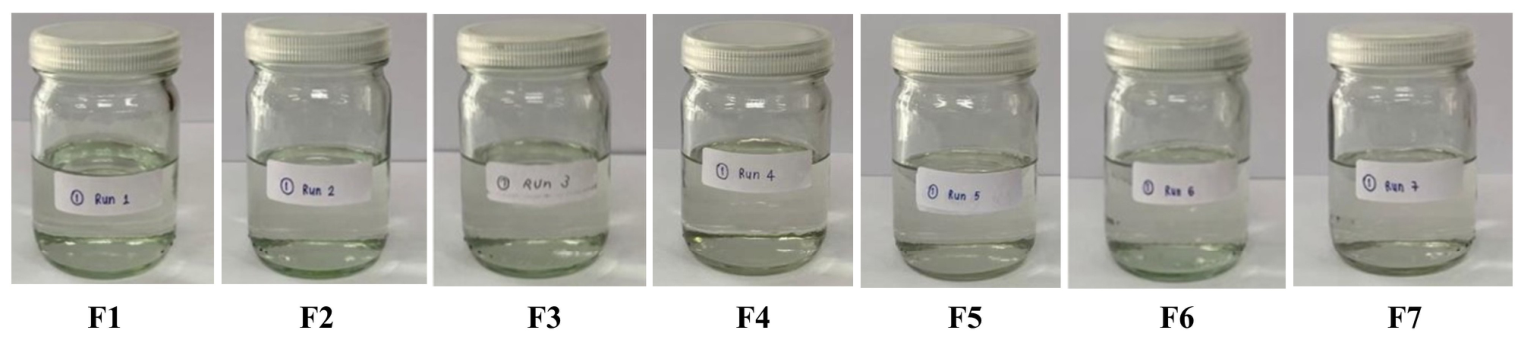
2.4.2. Evaluation of FFS Solution: Apparent Stability (24 H Assessment), pH, and Viscosity
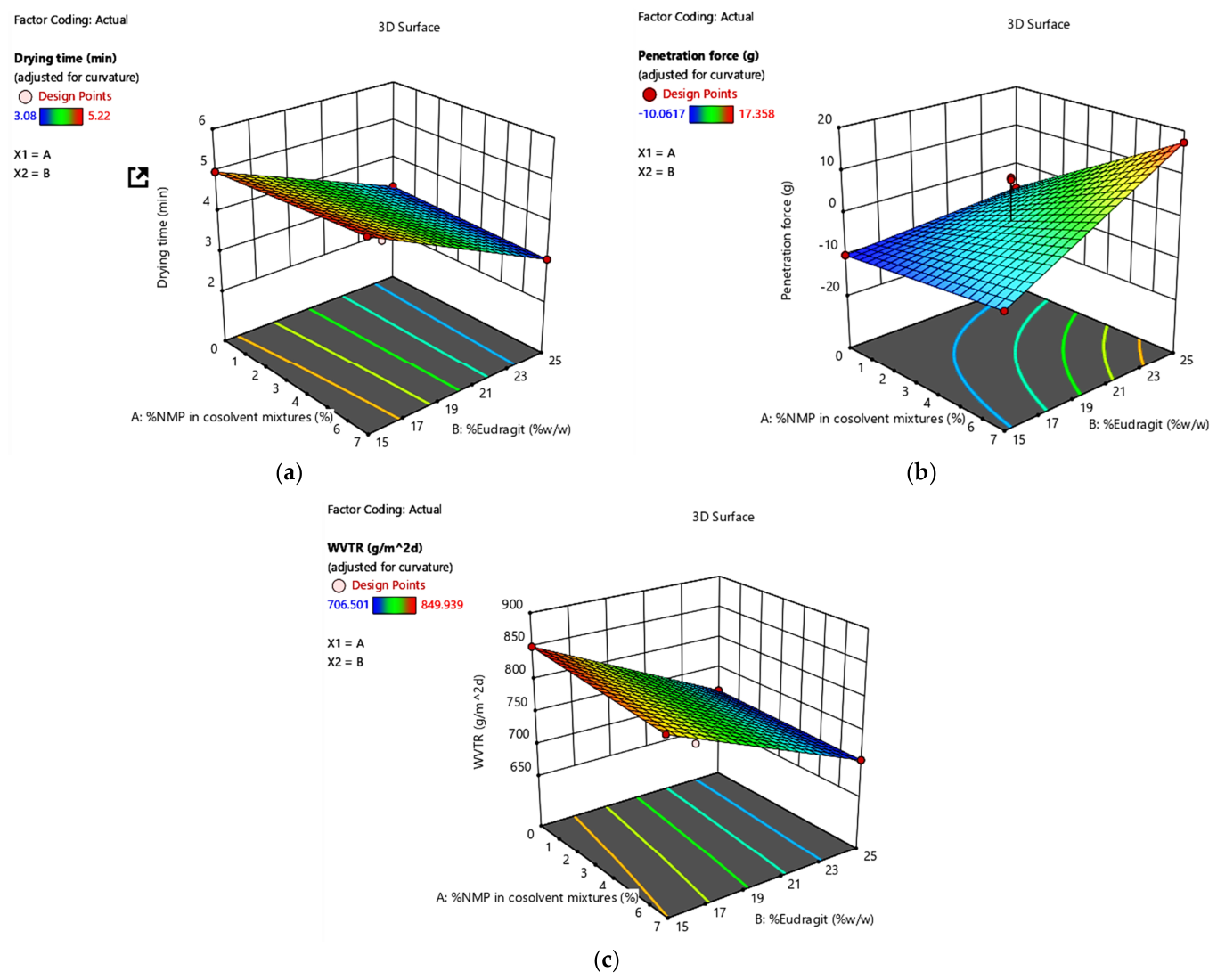
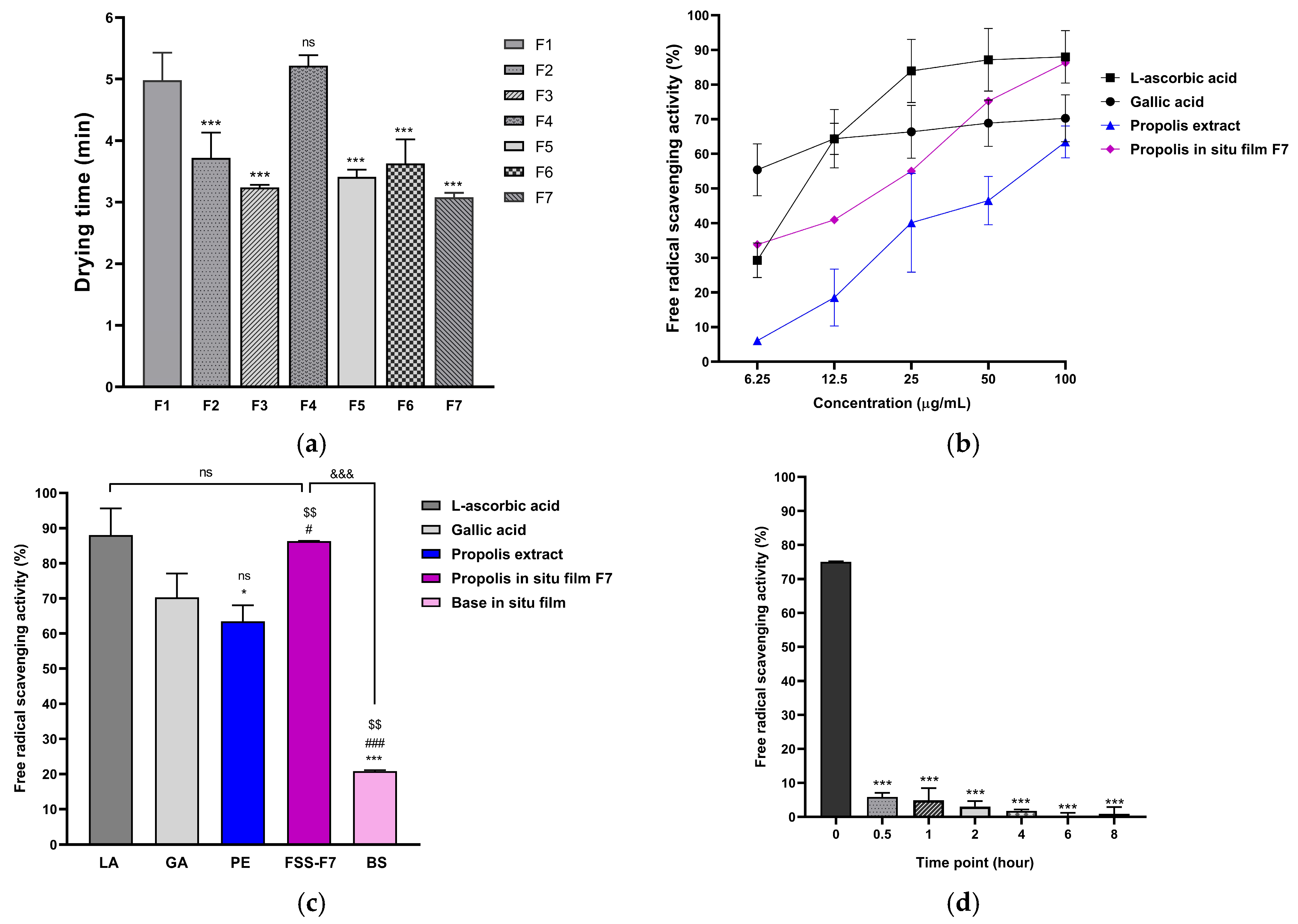
2.4.3. Film-Forming Behavior (Drying Time) and Post-Drying Stickiness Evaluation
2.4.4. Mechanical Properties Evaluation
2.4.5. Water Vapor Transmission Rate (WVTR)
2.5. Antioxidant Activity of Propolis-Loaded FFS and Antioxidant Release Profile (Antioxidant Activity over Time)
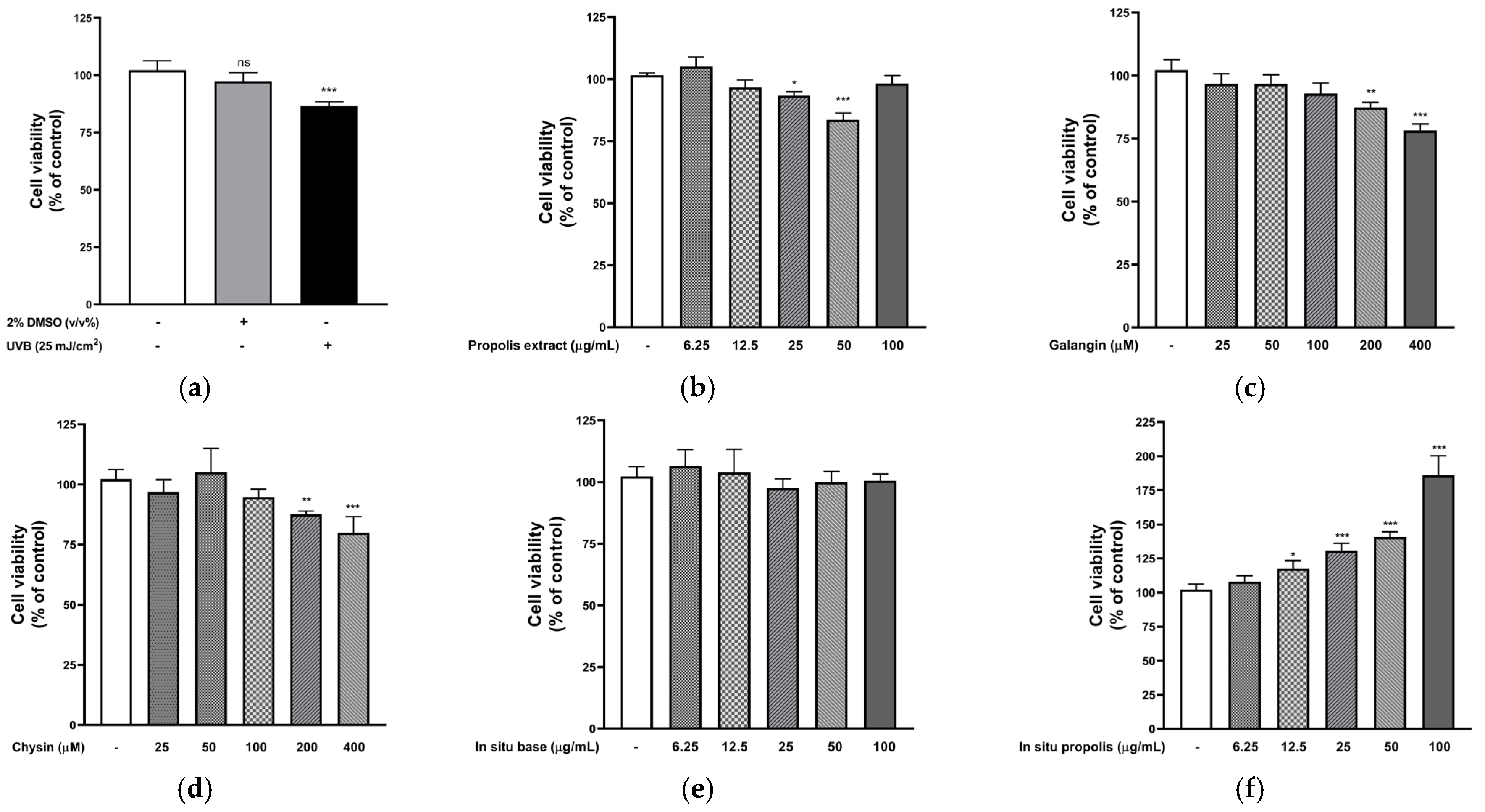
2.6. Cytotoxicity of UVB, Vehicle, Propolis Extract, FFS, and Reference Markers on HaCaT Keratinocytes
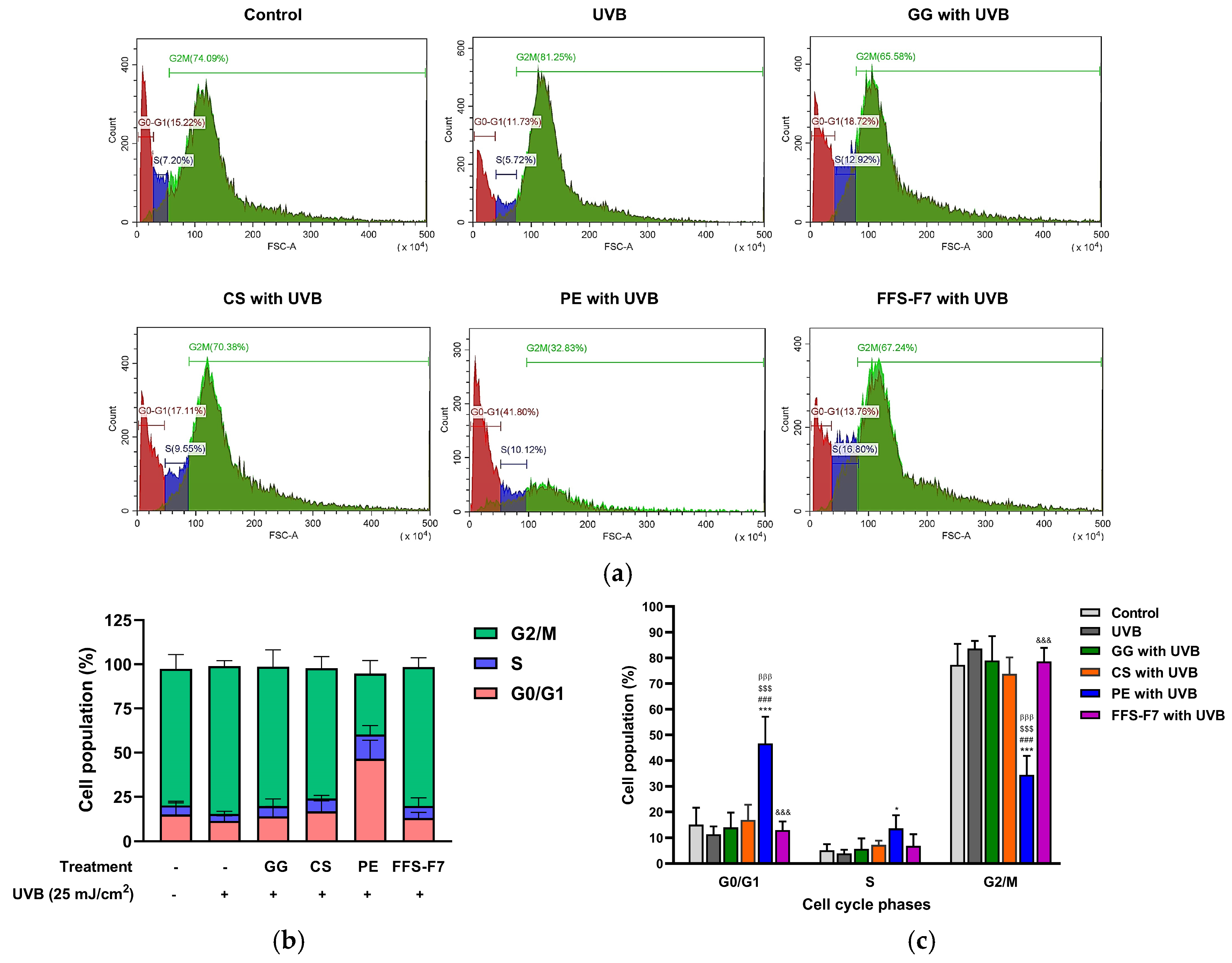
2.7. Propolis Suppresses UVB-Induced DNA Damage Through Cell Cycle Arrest
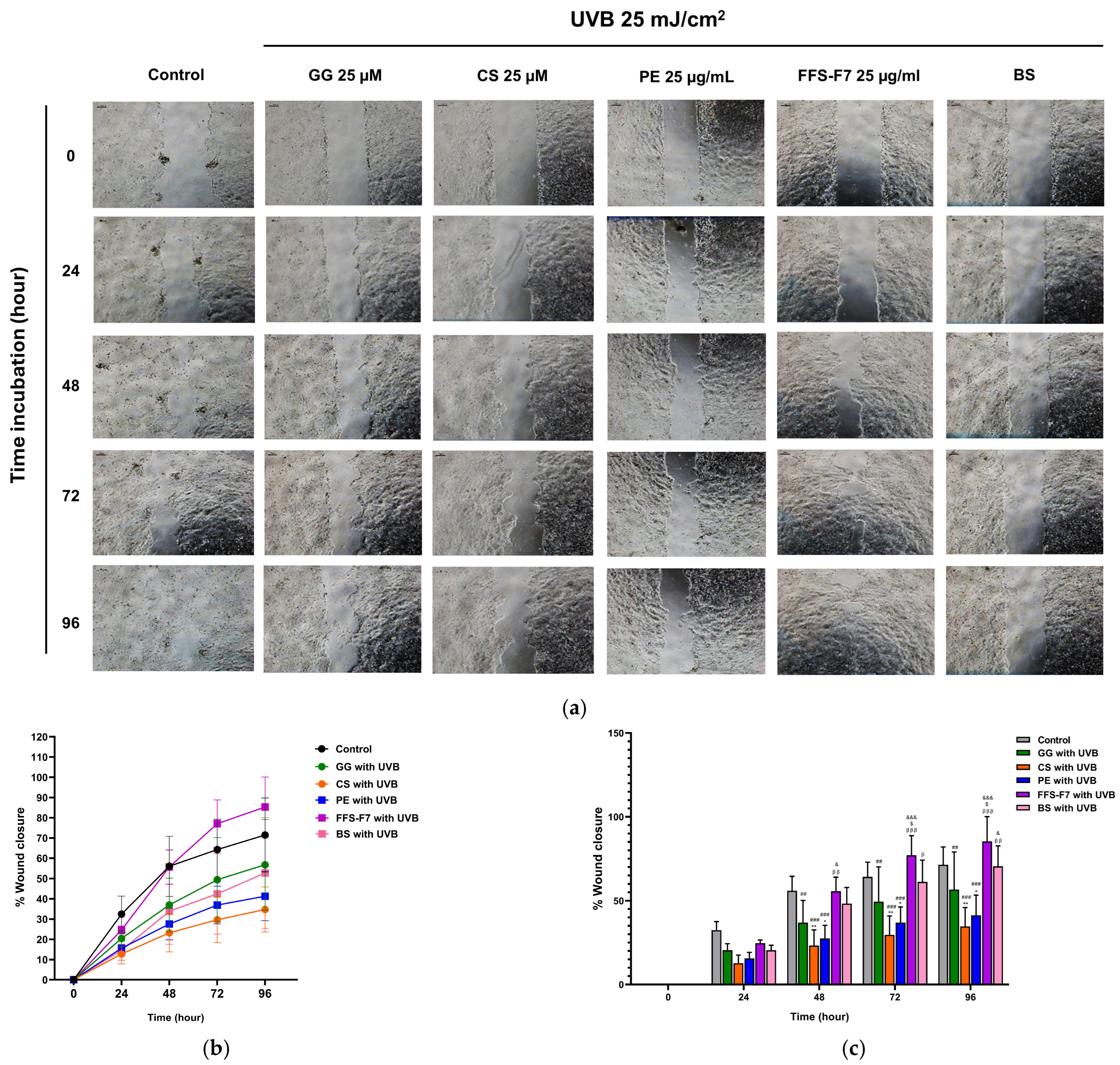
2.8. Propolis-Loaded FFS Enhances Wound Healing in UVB-Induced HaCaT Cells
3. Discussion
4. Materials and Methods
4.1. Chemicals, Reagents, Equipment, and Tools
4.2. Sample Collection and Quality Assessment
4.3. Propolis Extract Preparation
4.4. Determination of Total Phenolic and Flavonoid Contents
4.5. Identification of Bioactive Markers in Propolis Extract Using Reversed-Phase High-Performance Liquid Chromatography
4.6. Determination of Antioxidants by DPPH Radical Scavenging Activity
4.7. Determination of Anti-Inflammation by Nitric Oxide Scavenging Activity
4.8. Propolis-Loaded FFS Formulation and Evaluation
4.8.1. FFS Formulation and Preparation
4.8.2. Evaluation of FFS Solution: Apparent Stability (24 h Assessment), pH, and Viscosity
4.8.3. Film-Forming Behavior (Drying Time) and Post-Drying Stickiness Evaluation
4.8.4. Mechanical Properties Evaluation
4.8.5. Water Vapor Transmission Rate (WVTR)
4.8.6. Antioxidant Activity and Time-Dependent Release of Propolis-Loaded FFS
4.9. Cell Culture and Treatments
4.10. Cell Viability Assay
4.11. Cell Cycle Analysis Using Flow Cytometry
4.12. Wound-Healing Assay
4.13. Statistical Analysis
5. Conclusions
Supplementary Materials
Author Contributions
Funding
Institutional Review Board Statement
Informed Consent Statement
Data Availability Statement
Acknowledgments
Conflicts of Interest
References
- Bray, F.; Laversanne, M.; Sung, H.; Ferlay, J.; Siegel, R.L.; Soerjomataram, I.; Jemal, A. Global cancer statistics 2022: GLOBOCAN estimates of incidence and mortality worldwide for 36 cancers in 185 countries. CA Cancer J. Clin. 2024, 74, 229–263. [Google Scholar] [CrossRef]
- Omer, H. Radiobiological effects and medical applications of non-ionizing radiation. Saudi J. Biol. Sci. 2021, 28, 5585–5592. [Google Scholar] [CrossRef]
- Cadet, J.; Douki, T. Formation of UV-induced DNA damage contributing to skin cancer development. Photochem. Photobiol. Sci. 2018, 17, 1816–1841. [Google Scholar] [CrossRef]
- Bray, F.N.; Simmons, B.J.; Wolfson, A.H.; Nouri, K. Acute and chronic cutaneous reactions to ionizing radiation therapy. Dermatol. Ther. 2016, 6, 185–206. [Google Scholar] [CrossRef] [PubMed]
- Flament, F.; Bazin, R.; Laquieze, S.; Rubert, V.; Simonpietri, E.; Piot, B. Effect of the sun on visible clinical signs of aging in Caucasian skin. Clin. Cosmet. Investig. Dermatol. 2013, 6, 221–232. [Google Scholar] [CrossRef]
- Clay, D.E.; Fox, D.T. DNA damage responses during the cell cycle: Insights from model organisms and beyond. Genes 2021, 12, 1882. [Google Scholar] [CrossRef] [PubMed]
- Schuch, N.J.; Menck, C.F.M.; Garcia, C.C.M. Sunlight damage to cellular DNA: Focus on oxidatively generated lesions. Free Radic. Biol. Med. 2017, 107, 110–124. [Google Scholar] [CrossRef] [PubMed]
- Aleshin, V.A.; Artiukhov, A.V.; Oppermann, H.; Kazantsev, A.V.; Lukashev, N.V.; Bunik, V.I. Mitochondrial impairment may increase cellular NAD(P)H: Resazurin oxidoreductase activity, perturbing the NAD(P)H-based viability assays. Cells 2015, 4, 427–451. [Google Scholar] [CrossRef]
- Tottoli, E.M.; Dorati, R.; Genta, I.; Chiesa, E.; Pisani, S.; Conti, B. Skin wound healing process and new emerging technologies for skin wound care and regeneration. Pharmaceutics 2020, 12, 735. [Google Scholar] [CrossRef]
- Zullkiflee, N.; Taha, H.; Usman, A. Propolis: Its role and efficacy in human health and diseases. Molecules 2022, 27, 6120. [Google Scholar] [CrossRef]
- Hossain, R.; Quispe, C.; Khan, R.A.; Saikat, A.S.M.; Ray, P.; Ongalbek, D.; Yeskaliyeva, B.; Jain, D.; Smeriglio, A.; Trombetta, D.; et al. Propolis: An update on its chemistry and pharmacological applications. Chin. Med. 2022, 17, 100. [Google Scholar] [CrossRef]
- Rivera-Yanez, N.; Rivera-Yanez, C.R.; Pozo-Molina, G.; Mendez-Catala, C.F.; Mendez-Cruz, A.R.; Nieto-Yanez, O. Biomedical properties of propolis on diverse chronic diseases and its potential applications and health benefits. Nutrients 2020, 13, 78. [Google Scholar] [CrossRef] [PubMed]
- Mountford-McAuley, R.; Prior, J.; Clavijo McCormick, A. Factors affecting propolis production. J. Apic. Res. 2023, 62, 162–170. [Google Scholar] [CrossRef]
- Huang, S.; Zhang, C.P.; Wang, K.; Li, G.Q.; Hu, F.L. Recent advances in the chemical composition of propolis. Molecules 2014, 19, 19610–19632. [Google Scholar] [CrossRef]
- Bankova, V. Chemical diversity of propolis and the problem of standardization. J. Ethnopharmacol. 2005, 100, 114–117. [Google Scholar] [CrossRef]
- Mirajkar, R.N.; Madgulkar, A.R.; Harne, A.G.; Dhage, S.L. In situ film forming systems. Int. J. Pharm. Pharm. Res. 2022, 24, 389–405. [Google Scholar]
- Hangargekar, P.; Birajdar, A.; Joshi, A.; Jha, D.; Yawalkar, D. Formulation and Evaluation of Safe Herbal Mosquito Repellent Roll-On and Liquid Spray. Sci. Pharm. Sci. 2023, 7, 8–14. [Google Scholar] [CrossRef]
- Baki, G. Introduction to Cosmetic Formulation and Technology, 2nd ed.; John Wiley & Sons: Hoboken, NJ, USA, 2022. [Google Scholar]
- Wichaiyo, S.; Tachiki, K.; Igaue, T. Pyroxylin-based liquid bandage forms a mechanically active protective film to facilitate skin wound healing in mice. Biomed. Pharmacother. 2024, 179, 117307. [Google Scholar] [CrossRef]
- Bakhrushina, E.O.; Shumkova, M.M.; Sergienko, F.S.; Novozhilova, E.V.; Demina, N.B. Spray film-forming systems as promising topical in situ systems: A review. Saudi Pharm. J. 2023, 31, 154–169. [Google Scholar] [CrossRef] [PubMed]
- Beipackzettel. Axiron 30 mg/1.5 mL. Available online: https://beipackzetteln.de/axiron-30mg15ml (accessed on 2 February 2026).
- Chamsai, B.; Soodvilai, S.; Opanasopit, P.; Samprasit, W. Topical film-forming chlorhexidine gluconate sprays for antiseptic application. Pharmaceutics 2022, 14, 1124. [Google Scholar] [CrossRef] [PubMed]
- San Miguel, B.; Ehrbar, M.; Ghayor, C.; Textor, M.; Weber, F. Enhanced bone regeneration by a bioresorbable and bioactive PLGA membrane. Eur. Cells Mater. 2006, 11, 5. [Google Scholar]
- Rowe, R.C.; Sheskey, P.J.; Quinn, M.E. Handbook of Pharmaceutical Excipients, 6th ed.; Pharmaceutical Press: London, UK, 2009. [Google Scholar]
- Jongkhajornpong, P.; Santanirand, P.; Lekhanont, K.; Chuckpaiwong, V.; Vallibhakara, S.A.-O. Anti-fungal effect of N-butyl cyanoacrylate glue in ophthalmic application: An experimental study. Med. Assoc. Thail. 2018, 101, 383–387. [Google Scholar]
- Umar, A.K.; Butarbutar, M.; Sriwidodo, S.; Wathoni, N. Film-forming sprays for topical drug delivery. Drug Des. Dev. Ther. 2020, 14, 2909–2925. [Google Scholar] [CrossRef]
- Suran, J.; Cepanec, I.; Masek, T.; Radic, B.; Radic, S.; Tlak Gajger, I.; Vlainic, J. Propolis extract and its bioactive compounds-from traditional to modern extraction technologies. Molecules 2021, 26, 2930. [Google Scholar] [CrossRef]
- Mukaide, K.; Honda, S.; Vongsak, B.; Kumazawa, S. Prenylflavonoids from propolis collected in Chiang Mai, Thailand. Phytochem. Lett. 2021, 43, 88–93. [Google Scholar] [CrossRef]
- Lee, Y.; Shin, D.H.; Kim, J.H.; Hong, S.; Choi, D.; Kim, Y.J.; Kwak, M.K.; Jung, Y. Caffeic acid phenethyl ester-mediated Nrf2 activation and IkappaB kinase inhibition are involved in NFkappaB inhibitory effect: Structural analysis for NFkappaB inhibition. Eur. J. Pharmacol. 2010, 643, 21–28. [Google Scholar] [CrossRef]
- Madduma Hewage, S.R.; Piao, M.J.; Kim, K.C.; Cha, J.W.; Han, X.; Choi, Y.H.; Chae, S.; Hyun, J.W. Galangin (3,5,7-trihydroxyflavone) shields human keratinocytes from ultraviolet B-induced oxidative stress. Biomol. Ther. 2015, 23, 165–173. [Google Scholar] [CrossRef] [PubMed]
- Wu, N.L.; Fang, J.Y.; Chen, M.; Wu, C.J.; Huang, C.C.; Hung, C.F. Chrysin protects epidermal keratinocytes from UVA- and UVB-induced damage. J. Agric. Food Chem. 2011, 59, 8391–8400. [Google Scholar] [CrossRef] [PubMed]
- Prior, R.L.; Wu, X.; Schaich, K. Standardized methods for the determination of antioxidant capacity and phenolics in foods and dietary supplements. J. Agric. Food Chem. 2005, 53, 4290–4302. [Google Scholar] [CrossRef]
- Yaylaci Karahalil, F.; Bakirhan, F.; Kara, Y. In vitro determination of nitric oxide synthase inhibition, antioxidant capacity and phenolic content of various natural products (bee and herbal products). Chem. Biodivers. 2024, 21, e202301330. [Google Scholar] [CrossRef]
- Yoshino, Y.; Marunaka, K.; Kobayashi, M.; Matsunaga, H.; Shu, S.; Matsunaga, T.; Ikari, A. protective effects of ethanol extract of Brazilian green propolis and apigenin against weak ultraviolet ray-B-induced barrier dysfunction via suppressing nitric oxide production and mislocalization of claudin-1 in HaCaT cells. Int. J. Mol. Sci. 2021, 22, 10326. [Google Scholar] [CrossRef] [PubMed]
- Lukić, M.; Pantelić, I.; Savić, S.D. Towards Optimal pH of the Skin and Topical Formulations: From the Current State of the Art to Tailored Products. Cosmetics 2021, 8, 69. [Google Scholar] [CrossRef]
- Kidani, N.; Hirotsune, N. NBCA: Basic Knowledge. J. Neuroendovasc. Ther. 2025, 19, ra.2024-0055. [Google Scholar] [CrossRef]
- Cruz Jorge, E.Y.; Navarro Martínez, N.M.; González, M.J.; Carriles, Y.R.; Robino, L.; Brito, R.Á.; Scavone, P. Novel properties of poly(n-butyl cyanoacrylate) as antibacterial and antibiofilms nanoparticles. J. Drug Deliv. Sci. Technol. 2025, 113, 107330. [Google Scholar] [CrossRef]
- Chantadee, T.; Sirirak, J.; Hoshino, T.; Phaechamud, T. Augmentative molecular aspect for phase inversion of vancomycin hydrochloride-loaded fatty acid in situ forming matrices. Mater. Des. 2021, 199, 109429. [Google Scholar] [CrossRef]
- Chantadee, T.; Santimaleeworagun, W.; Phorom, Y.; Phaechamud, T. Mixed Solvent-Lauric Acid Solvent-Exchange Induced In Situ Forming Gel. Key Eng. Mater. 2019, 819, 195–201. [Google Scholar] [CrossRef]
- Lertsuphotvanit, N.; Sirirak, J.; Tamdee, P.; Tuntarawongsa, S.; Phaechamud, T.; Chantadee, T. Ways to Assess and Regulate the Performance of a Bi-Mechanism-Induced Borneol-Based In Situ Forming Matrix. Pharmaceutics 2023, 15, 2053. [Google Scholar] [CrossRef]
- Wattanaphrayan, N. Development of Film-Forming Solutions Containing Kaempferia parviflora Extract for Aphthous Ulcers. Master’s Thesis, Naresuan University, Phitsanulok, Thailand, 2020. Available online: https://nuir.lib.nu.ac.th/dspace/handle/123456789/5586 (accessed on 30 March 2026).
- Kim, S.-J.; Ahn, Y.; Kim, J.F.; Nam, S.-E.; Park, H.; Cho, Y.H.; Baek, K.-Y.; Park, Y.-I. Effect of solvent on crosslinking of a polyimide membrane using the liquid-phase crosslinking process for CO2/CH4 separation. Sep. Purif. Technol. 2021, 260, 118213. [Google Scholar] [CrossRef]
- Ujang, Z.; Abdul Rashid, A.H.; Suboh, S.K.; Halim, A.S.; Lim, C.K. Physical properties and biocompatibility of oligochitosan membrane film as wound dressing. J. Appl. Biomater. Funct. Mater. 2014, 12, 155–162. [Google Scholar] [CrossRef] [PubMed]
- Abdullah, H.M.; Farooq, M.; Adnan, S.; Masood, Z.; Saeed, M.A.; Aslam, N.; Ishaq, W. Development and evaluation of reservoir transdermal polymeric patches for controlled delivery of diclofenac sodium. Polym. Bull. 2023, 80, 6793–6818. [Google Scholar] [CrossRef]
- Thewanjutiwong, S.; Phokasem, P.; Disayathanoowat, T.; Juntrapirom, S.; Kanjanakawinkul, W.; Chaiyana, W. Development of film-forming gel formulations containing royal jelly and honey aromatic water for cosmetic applications. Gels 2023, 9, 816. [Google Scholar] [CrossRef] [PubMed]
- Rosseto, H.C.; de Toledo, L.d.A.S.; Said dos Santos, R.; de Francisco, L.M.B.; Vecchi, C.F.; Esposito, E.; Cortesi, R.; Bruschi, M.L. Design of propolis-loaded film forming systems for topical administration: The effect of acrylic acid derivative polymers. J. Mol. Liq. 2021, 322, 114514. [Google Scholar] [CrossRef]
- Cezarotto, V.S.; Franceschi, E.P.; Stein, A.C.; Emanuelli, T.; Maurer, L.H.; Sari, M.H.M.; Ferreira, L.M.; Cruz, L. Nanoencapsulation of Vaccinium ashei leaf extract in Eudragit® RS100-based nanoparticles increases its in vitro antioxidant and in vivo antidepressant-like actions. Pharmaceuticals 2023, 16, 84. [Google Scholar] [CrossRef]
- Deckbar, D.; Jeggo, P.A.; Lobrich, M. Understanding the limitations of radiation-induced cell cycle checkpoints. Crit. Rev. Biochem. Mol. Biol. 2011, 46, 271–283. [Google Scholar] [CrossRef]
- Gentile, M.; Latonen, L.; Laiho, M. Cell cycle arrest and apoptosis provoked by UV radiation-induced DNA damage are transcriptionally highly divergent responses. Nucleic Acids Res. 2003, 31, 4779–4790. [Google Scholar] [CrossRef]
- Karapetsas, A.; Voulgaridou, G.P.; Konialis, M.; Tsochantaridis, I.; Kynigopoulos, S.; Lambropoulou, M.; Stavropoulou, M.I.; Stathopoulou, K.; Aligiannis, N.; Bozidis, P.; et al. Propolis extracts inhibit UV-induced photodamage in human experimental in vitro skin models. Antioxidants 2019, 8, 125. [Google Scholar] [CrossRef]
- Kim, H.B.; Yoo, B.S. Propolis inhibits UVA-induced apoptosis of human keratinocyte HaCaT cells by scavenging ROS. Toxicol. Res. 2016, 32, 345–351. [Google Scholar] [CrossRef]
- Altabbal, S.; Athamnah, K.; Rahma, A.; Wali, A.F.; Eid, A.H.; Iratni, R.; Al Dhaheri, Y. Propolis: A detailed insight of its anticancer molecular mechanisms. Pharmaceuticals 2023, 16, 450. [Google Scholar] [CrossRef]
- Campos, J.F.; Dos Santos, H.F.; Bonamigo, T.; de Campos Domingues, N.L.; de Picoli Souza, K.; Dos Santos, E.L. Stingless bee propolis: New insights for anticancer drugs. Oxid. Med. Cell. Longev. 2021, 2021, 2169017. [Google Scholar] [CrossRef]
- Smith, J.; Tho, L.M.; Xu, N.; Gillespie, D.A. The ATM-Chk2 and ATR-Chk1 pathways in DNA damage signaling and cancer. Adv. Cancer Res. 2010, 108, 73–112. [Google Scholar] [CrossRef] [PubMed]
- Liu, H.; Li, H.; Zhao, P.; Du, R.; Gao, Y. Collagen type III resists UVB induced photoaging of HaCaT cells by regulating mTOR signaling pathway. J. Photochem. Photobiol. B 2025, 267, 113153. [Google Scholar] [CrossRef]
- Frederiksen, K.; Guy, R.H.; Petersson, K. Formulation considerations in the design of topical, polymeric film-forming systems for sustained drug delivery to the skin. Eur. J. Pharm. Biopharm. 2015, 91, 9–15. [Google Scholar] [CrossRef]
- Herbal Product Act, B.E.2562 (2019). Available online: https://en.fda.moph.go.th/cat2-health-products/herbal-product-act-be2562-2019#:~:text=Herbal%20Product%20Act%2C%20B.E.2562%20(2019)&text=Herbal%20Product%20Act%2C%20B.E.2562%20(2019),Administration%2C%20Ministry%20of%20Public%20Health (accessed on 30 March 2026).
- Thai Herbal Pharmacopoeia. Available online: https://laws.fda.moph.go.th/media.php?id=483615603467362304&name=6.%20%E0%B8%9E%E0%B8%A3%E0%B8%B0%E0%B8%A3%E0%B8%B2%E0%B8%8A%E0%B8%9A%E0%B8%B1%E0%B8%8D%E0%B8%8D%E0%B8%B1%E0%B8%95%E0%B8%B4%E0%B8%9C%E0%B8%A5%E0%B8%B4%E0%B8%95%E0%B8%A0%E0%B8%B1%E0%B8%93%E0% (accessed on 30 March 2026).
- Wang, X.; Sankarapandian, K.; Cheng, Y.; Woo, S.O.; Kwon, H.W.; Perumalsamy, H.; Ahn, Y.J. Relationship between total phenolic contents and biological properties of propolis from 20 different regions in South Korea. BMC Complement. Altern. Med. 2016, 16, 65. [Google Scholar] [CrossRef]
- Phumat, P.; Chaichit, S.; Potprommanee, S.; Preedalikit, W.; Sainakham, M.; Poomanee, W.; Chaiyana, W.; Kiattisin, K. Influence of Benincasa hispida Peel Extracts on Antioxidant and Anti-Aging Activities, including Molecular Docking Simulation. Foods 2023, 12, 3555. [Google Scholar] [CrossRef]
- Zhang, Y.; Cao, C.; Yang, Z.; Jia, G.; Liu, X.; Li, X.; Cui, Z.; Li, A. Simultaneous determination of 20 phenolic compounds in propolis by HPLC-UV and HPLC-MS/MS. J. Food Compos. Anal. 2023, 115, 104877. [Google Scholar] [CrossRef]
- Thamsermsang, O.; Akarasereenont, P.; Laohapand, T.; Panich, U. IL-1beta-induced modulation of gene expression profile in human dermal fibroblasts: The effects of Thai herbal Sahatsatara formula, piperine and gallic acid possessing antioxidant properties. BMC Complement. Altern. Med. 2017, 17, 32. [Google Scholar] [CrossRef] [PubMed]
- Khammitham, T.; Leelapornpisid, P.; Chansakaow, S.; Leelapornpisid, W.; Poomanee, W. Cleistocalyx nervosum var. paniala extract: Anti-acne, anti-oxidant, anti-inflammatory activities and safety for cosmeceutical applications. Nat. Life Sci. Commun. 2023, 22, 1–22. [Google Scholar] [CrossRef]
- Vij, N.; Saudagar, R. Formulation, development and evaluation of film-forming gel for prolonged dermal delivery of terbinafine hydrochloride. Int. J. Chem. Tech. Res. 2017, 10, 282–299. [Google Scholar]
- Wu, P.; Fisher, A.C.; Foo, P.P.; Queen, D.; Gaylor, J.D.S. In vitro assessment of water vapour transmission of synthetic wound dressings. Biomaterials 1995, 16, 171–175. [Google Scholar] [CrossRef]
- Lagu, I.J.L.; Nyamai, D.W.; Njeru, S.N. Phytochemical analysis, in-vitro and in-silico study of antiproliferative activity of ethyl acetate fraction of Launaea cornuta (Hochst. ex Oliv. & Hiern) C. Jeffrey against human cervical cancer cell line. Front. Pharmacol. 2024, 15, 1399885. [Google Scholar] [CrossRef]
- Ligasova, A.; Frydrych, I.; Koberna, K. Basic methods of cell cycle analysis. Int. J. Mol. Sci. 2023, 24, 3674. [Google Scholar] [CrossRef]
- Pozarowski, P.; Darzynkiewicz, Z. Analysis of cell cycle by flow cytometry. Methods Mol. Biol. 2004, 281, 301–311. [Google Scholar] [CrossRef] [PubMed]
- Buachan, P.; Chularojmontri, L.; Wattanapitayakul, S.K. Selected activities of Citrus maxima Merr. fruits on human endothelial cells: Enhancing cell migration and delaying cellular aging. Nutrients 2014, 6, 1618–1634. [Google Scholar] [CrossRef] [PubMed]
- Wiegand, C.; Hipler, U.C.; Elsner, P.; Tittelbach, J. Keratinocyte and fibroblast wound healing in vitro is repressed by non-optimal conditions but the reparative potential can be improved by water-filtered infrared A. Biomedicines 2021, 9, 1802. [Google Scholar] [CrossRef] [PubMed]

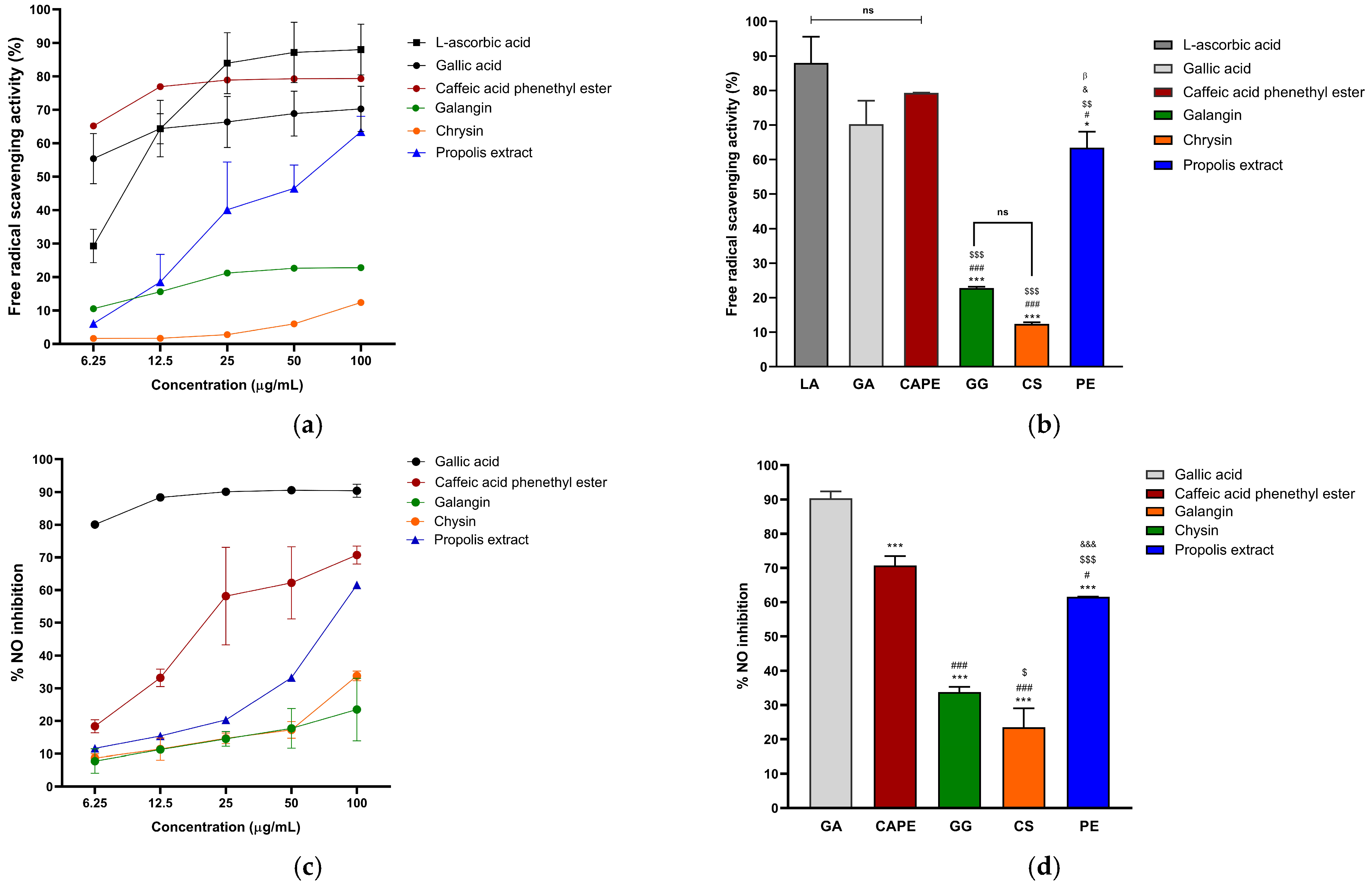



| Name | % Yields (w/w) | Total Phenolic Content (GAE mg/g DWE) | Total Flavonoid Content (QE mg/g DWE) | DPPH Assay IC50 (µg/mL) | NO Assay IC50 (µg/mL) |
|---|---|---|---|---|---|
| L-ascorbic acid | - | - | - | 9.75 | - |
| Gallic acid | - | - | - | 8.53 | 5.17 |
| Caffeic acid phenethyl ester | - | - | - | 6.61 | 20.72 |
| Chrysin | - | - | - | >100 | >100 |
| Galangin | - | - | - | >100 | >100 |
| Propolis extract | 51.19 | 18.70 ± 0.65 | 3.01 ± 0.05 | 54.02 | 81.72 |
| Compound Name | Amount (µg/mL) | %RSD | % w/w | Calibration Curve | R2 |
|---|---|---|---|---|---|
| Phenolic markers | |||||
| Gallic acid | ND | - | - | - | |
| p-coumaric acid | ND | - | - | - | - |
| Caffeic acid phenethyl ester | 1.34 ± 0.01 | 0.81 | 1.34 | y = 35627x + 18161 | 0.9997 |
| Flavonoid markers | |||||
| Quercetin | ND | - | - | - | - |
| Chrysin | 43.72 ± 0.06 | 0.15 | 43.72 | y = 69542x + 18471 | 0.9996 |
| Galangin | 40.39 ± 0.08 | 0.19 | 40.39 | y = 45117x + 423 | 0.9997 |
| Formulation Code | Physical Properties | Film-Forming Characteristics | pH | Drying Time (min) (Mean ± SD) | |
|---|---|---|---|---|---|
| Physical Appearance | Film-Forming Appearance | ||||
| F1 | Clear Homogeneous Absence of sediment and phase separation | Clear Homogeneous Smooth Flexible, conforming to the surface | Transparency Homogeneity Smooth texture Non-sticky property | 6.0 | 4.98 ± 0.45 |
| F2 | 7.0 | 3.72 ± 0.41 | |||
| F3 | 6.0 | 3.24 ± 0.04 | |||
| F4 | 6.0 | 5.22 ± 0.17 | |||
| F5 | 6.0 | 3.41 ± 0.12 | |||
| F6 | 6.0 | 3.63 ± 0.39 | |||
| F7 | 6.0 | 3.08 ± 0.07 | |||
| F8 | Tubid liquid | Turbid film | Translucent Smooth texture Non-sticky property | 5.5 | 36.22 ± 2.03 |
| F9 | 5.5 | 15.44 ± 0.74 | |||
| F10 | 5.5 | 6.82 ± 0.33 | |||
| F11 | 5.5 | 5.95 ± 0.20 | |||
| F12 | 5.5 | 16.08 ± 0.91 | |||
| F13 | 5.5 | 39.28 ± 1.99 | |||
| F14 | 5.5 | 15.23 ± 0.56 | |||
| Name | G0/G1 | S | G2/M |
|---|---|---|---|
| Control* | 15.02 ± 6.61 | 5.15 ± 2.41 | 77.31 ± 8.13 |
| UVB | 11.43 ± 2.89 | 3.97 ± 1.38 | 83.63 ± 2.99 |
| GG with UVB | 13.98 ± 5.70 | 5.74 ± 4.03 | 79.00 ± 9.45 |
| CS with UVB | 16.84 ± 5.92 | 7.29 ± 1.65 | 73.77 ± 6.41 |
| PE with UVB | 46.65 ± 10.40 | 13.63 ± 5.05 | 34.48 ± 7.35 |
| FFS-F7 with UVB | 13.04 ± 3.19 | 6.84 ± 4.54 | 78.60 ± 5.27 |
| Time (min) | Percentage of Solvent | Flow Rate (mL/min) | |
|---|---|---|---|
| Solvent A | Solvent B | ||
| 0.00 | 0 | 100 | 0.8 |
| 0.01 | 80 | 20 | 0.8 |
| 8.00 | 70 | 30 | 0.8 |
| 12.00 | 50 | 50 | 0.8 |
| 20.00 | 50 | 50 | 0.8 |
| 25.00 | 40 | 60 | 0.8 |
| 35.00 | 25 | 75 | 0.8 |
| 45.00 | 0 | 100 | 0.8 |
| Condition | Variables | Level | ||
|---|---|---|---|---|
| [−1] | [0] | [+1] | ||
| Without n-butyl cyanoacrylate preparations | Independent Variables | |||
| Eudragit® RS 100 (%w/w) | 15.00 | 20.00 | 25.00 | |
| %NMP in cosolvent mixtures * | 0.00 | 3.50 | 7.00 | |
| Dependent Variables | ||||
| Penetration force (g) | Maximize | |||
| Drying time (min) | Minimize | |||
| Water Vapor Transmission Rate (g/m2d) | In range | |||
| With n-butyl cyanoacrylate preparations | Independent Variables | |||
| Eudragit® RS 100 (%w/w) | 14.95 | 19.95 | 24.95 | |
| %NMP in cosolvent mixtures * | 0.00 | 3.50 | 7.00 | |
| Dependent Variables | ||||
| Penetration force (g) | Maximize | |||
| Drying time (min) | Minimize | |||
| Water Vapor Transmission Rate (g/m2d) | In range | |||
| No. | Propolis (%w/w) | Eudragit® RS 100 (%w/w) | n-Butyl Cyanoacrylate (%w/w) | Ethanol (%w/w) | NMP (%w/w) | DMSO (%w/w) | Total (%w/w) |
|---|---|---|---|---|---|---|---|
| F1 | 0.50 | 15.00 | 0.00 | 60.00 | 0.00 | 24.50 | 100.00 |
| F2 | 0.50 | 20.00 | 0.00 | 60.00 | 0.68 | 18.82 | 100.00 |
| F3 | 0.50 | 25.00 | 0.00 | 60.00 | 0.00 | 14.50 | 100.00 |
| F4 | 0.50 | 15.00 | 0.00 | 60.00 | 1.72 | 22.79 | 100.00 |
| F5 | 0.50 | 20.00 | 0.00 | 60.00 | 0.68 | 18.82 | 100.00 |
| F6 | 0.50 | 20.00 | 0.00 | 60.00 | 0.68 | 18.82 | 100.00 |
| F7 | 0.50 | 25.00 | 0.00 | 60.00 | 1.02 | 13.49 | 100.00 |
| F8 | 0.50 | 24.95 | 0.05 | 60.00 | 0.00 | 14.50 | 100.00 |
| F9 | 0.50 | 19.95 | 0.05 | 60.00 | 0.68 | 18.82 | 100.00 |
| F10 | 0.50 | 14.95 | 0.05 | 60.00 | 0.00 | 24.50 | 100.00 |
| F11 | 0.50 | 14.95 | 0.05 | 60.00 | 1.72 | 22.79 | 100.00 |
| F12 | 0.50 | 19.95 | 0.05 | 60.00 | 0.68 | 18.82 | 100.00 |
| F13 | 0.50 | 24.95 | 0.05 | 60.00 | 1.02 | 13.49 | 100.00 |
| F14 | 0.50 | 19.95 | 0.05 | 60.00 | 0.68 | 18.82 | 100.00 |
Disclaimer/Publisher’s Note: The statements, opinions and data contained in all publications are solely those of the individual author(s) and contributor(s) and not of MDPI and/or the editor(s). MDPI and/or the editor(s) disclaim responsibility for any injury to people or property resulting from any ideas, methods, instructions or products referred to in the content. |
© 2026 by the authors. Licensee MDPI, Basel, Switzerland. This article is an open access article distributed under the terms and conditions of the Creative Commons Attribution (CC BY) license.
Share and Cite
Chantadee, T.; Chatsirisupachai, A.; Phrutivorapongkul, A.; Chansakaow, S.; Sirilun, S.; Thamsermsang, O. In Situ Thai Apis mellifera Propolis Film as Potential Protective Phytopharmaceuticals Against UVB-Induced HaCaT Keratinocyte Damage. Pharmaceuticals 2026, 19, 680. https://doi.org/10.3390/ph19050680
Chantadee T, Chatsirisupachai A, Phrutivorapongkul A, Chansakaow S, Sirilun S, Thamsermsang O. In Situ Thai Apis mellifera Propolis Film as Potential Protective Phytopharmaceuticals Against UVB-Induced HaCaT Keratinocyte Damage. Pharmaceuticals. 2026; 19(5):680. https://doi.org/10.3390/ph19050680
Chicago/Turabian StyleChantadee, Takron, Anyamanee Chatsirisupachai, Ampai Phrutivorapongkul, Sunee Chansakaow, Sasithorn Sirilun, and Onusa Thamsermsang. 2026. "In Situ Thai Apis mellifera Propolis Film as Potential Protective Phytopharmaceuticals Against UVB-Induced HaCaT Keratinocyte Damage" Pharmaceuticals 19, no. 5: 680. https://doi.org/10.3390/ph19050680
APA StyleChantadee, T., Chatsirisupachai, A., Phrutivorapongkul, A., Chansakaow, S., Sirilun, S., & Thamsermsang, O. (2026). In Situ Thai Apis mellifera Propolis Film as Potential Protective Phytopharmaceuticals Against UVB-Induced HaCaT Keratinocyte Damage. Pharmaceuticals, 19(5), 680. https://doi.org/10.3390/ph19050680