Article

Rosemary Aqueous Extract as a Natural Alternative to Retinol for Skin Aging Intervention

Unilever R&D Shanghai, 66 Linxin Road, Shanghai 200335, China
*
Author to whom correspondence should be addressed.
Pharmaceuticals 2026, 19(3), 378; https://doi.org/10.3390/ph19030378
Submission received: 28 January 2026 / Revised: 23 February 2026 / Accepted: 25 February 2026 / Published: 27 February 2026
(This article belongs to the Special Issue Natural Products for Skin Applications)

Abstract

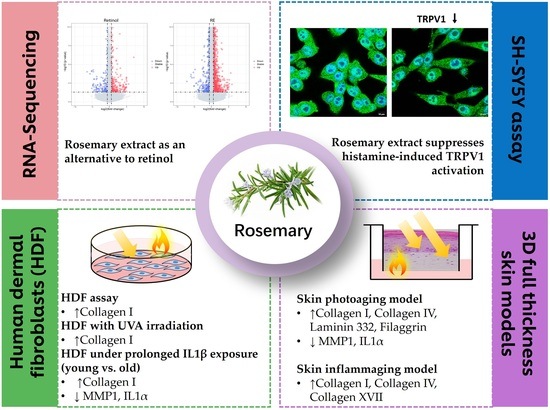
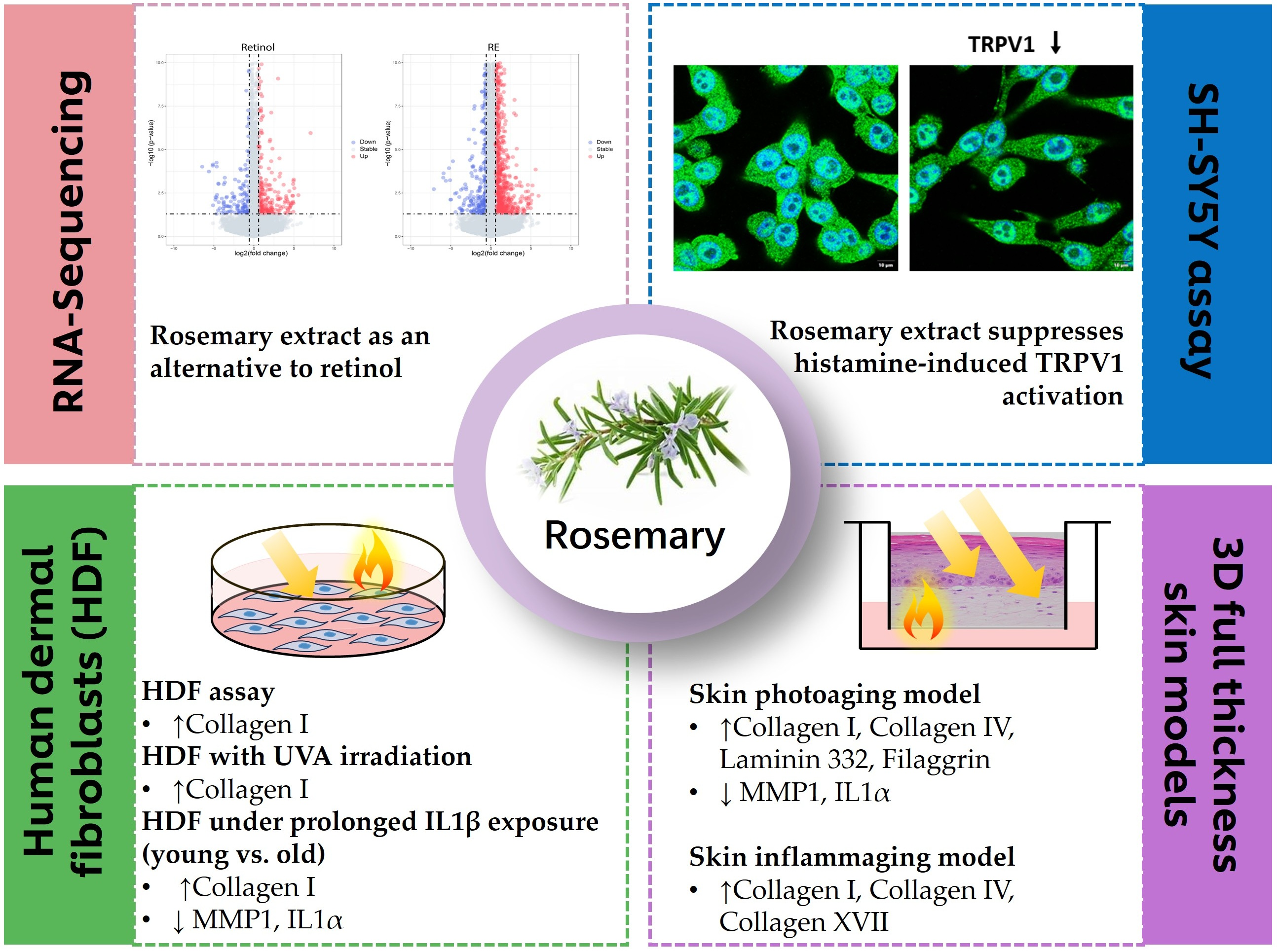
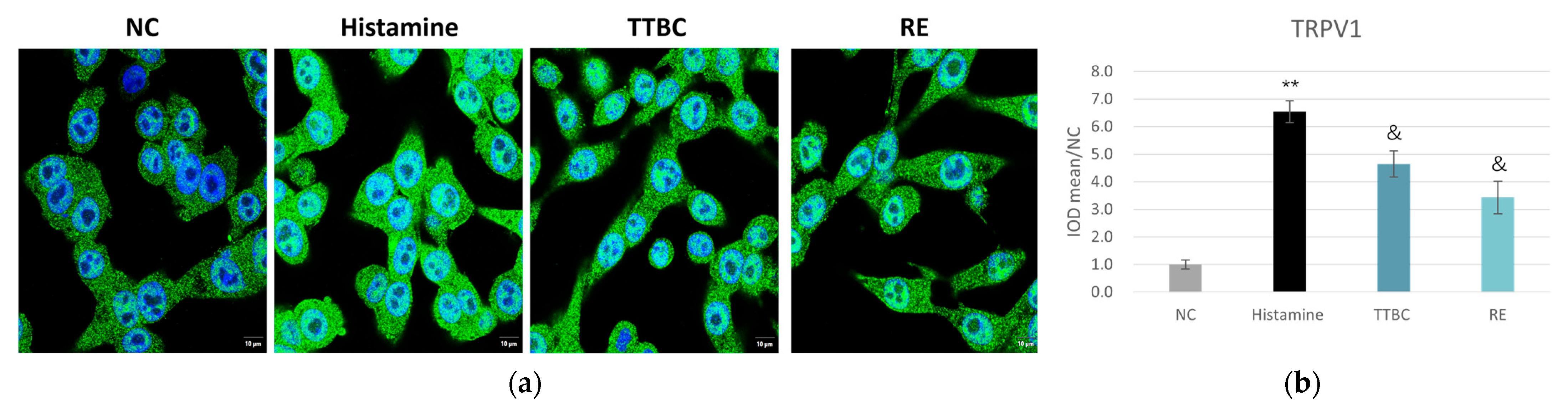
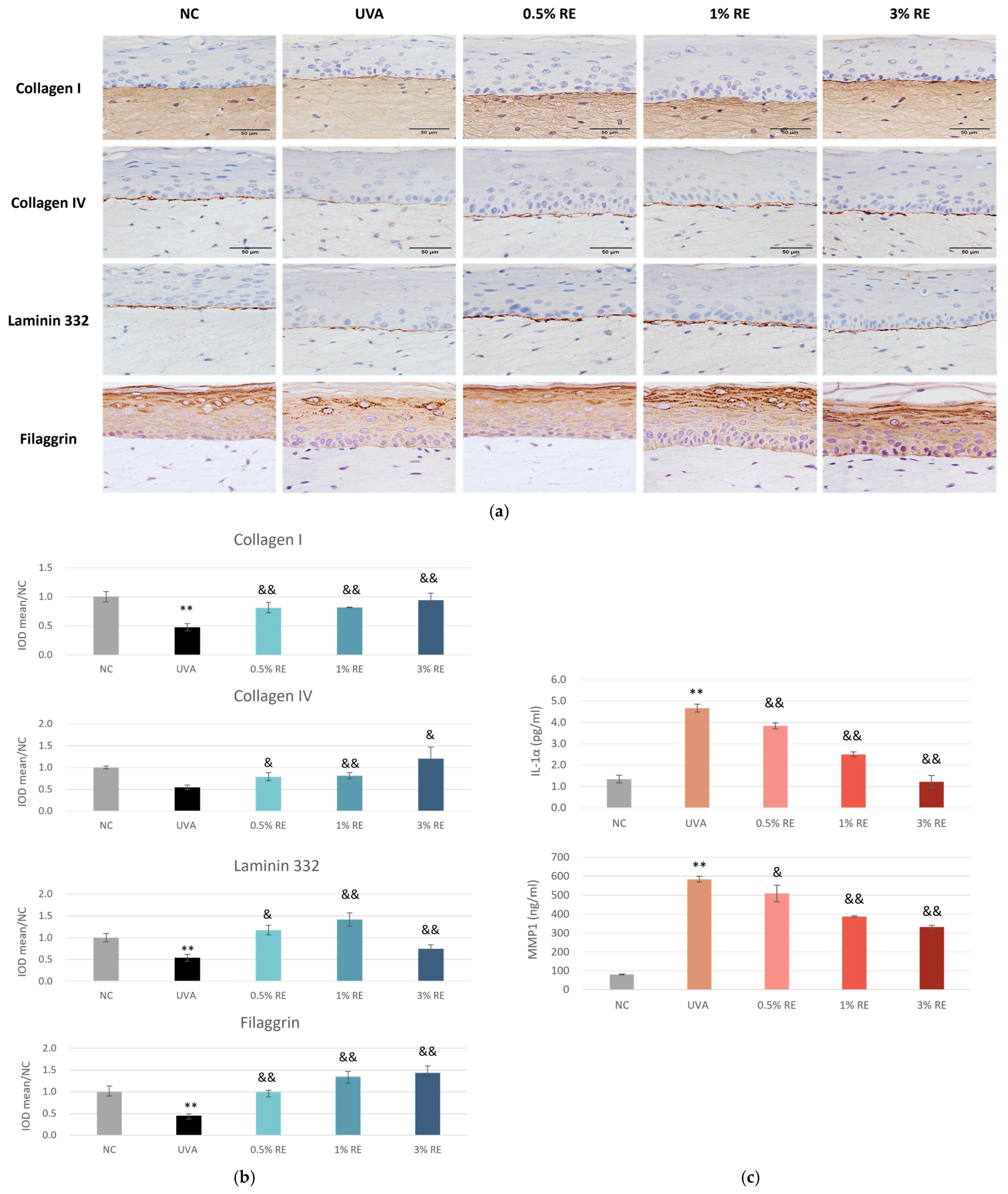
Background/Objectives: Retinoids are the gold standard for topical anti-aging treatments; however, their application is frequently limited by skin irritation and poor tolerability, particularly in sensitive or aged populations. Consequently, there is a growing demand for plant-based alternatives that offer comparable efficacy with an improved safety profile. The present study aims to explore the effects of rosemary aqueous extract (RE) on skin aging and its potential as a safe and effective alternative to retinol. Methods: Comparative RNA sequencing was employed to analyze the transcriptomic profiles of RE and retinol in human dermal fibroblasts (HDFs). Efficacy of collagen synthesis was evaluated using in vitro 2D and 3D skin models. As aging is associated with chronic inflammation, the responses of HDFs from young versus elderly donors under chronic IL-1β stimulation were compared, and a novel inflammaging model combining repetitive UVA irradiation with chronic cytokine (IL-1β and TNF-α) stimulation was utilized. Potential for neurogenic irritation was assessed by measuring transient receptor potential vanilloid subtype 1 (TRPV1) expression in SH-SY5Y neuronal cells. Results: RE was revealed to regulate gene expression in a pattern analogous to retinol, while also modulating distinct pathways related to wound healing and oxidative stress. RE not only enhanced collagen I synthesis but also protected against UVA-induced damage by preserving epidermal thickness, restoring the dermal-epidermal junction (DEJ), and reducing inflammation. Furthermore, RE demonstrated protective effects in the inflammaging model, effectively countering the synergistic damage caused by combined intrinsic and extrinsic stressors. Notably, RE downregulated TRPV1 expression in SH-SY5Y cells, suggesting a potential of reducing skin itching sensation. Conclusions: These findings position RE as a multifaceted anti-aging ingredient that not only represents a promising candidate for a retinol alternative, but also in the context of inflammaging and sensitive skin conditions, highlighting its potential impact on the future of anti-aging skincare.
Keywords: Rosmarinus officinalis; retinol; anti-aging; inflammaging; collagen; dermal-epidermal junction; TRPV1 Rosmarinus officinalis; retinol; anti-aging; inflammaging; collagen; dermal-epidermal junction; TRPV1
Graphical Abstract