Design, Synthesis, and Structure–Activity Relationships of Substituted Phenyl Cyclobutylureas as Potential Modulators of Inflammatory Responses

 ,
,  , ,
, , 
Abstract
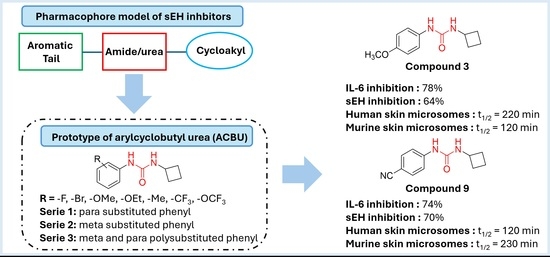
1. Introduction
2. Results and Discussion
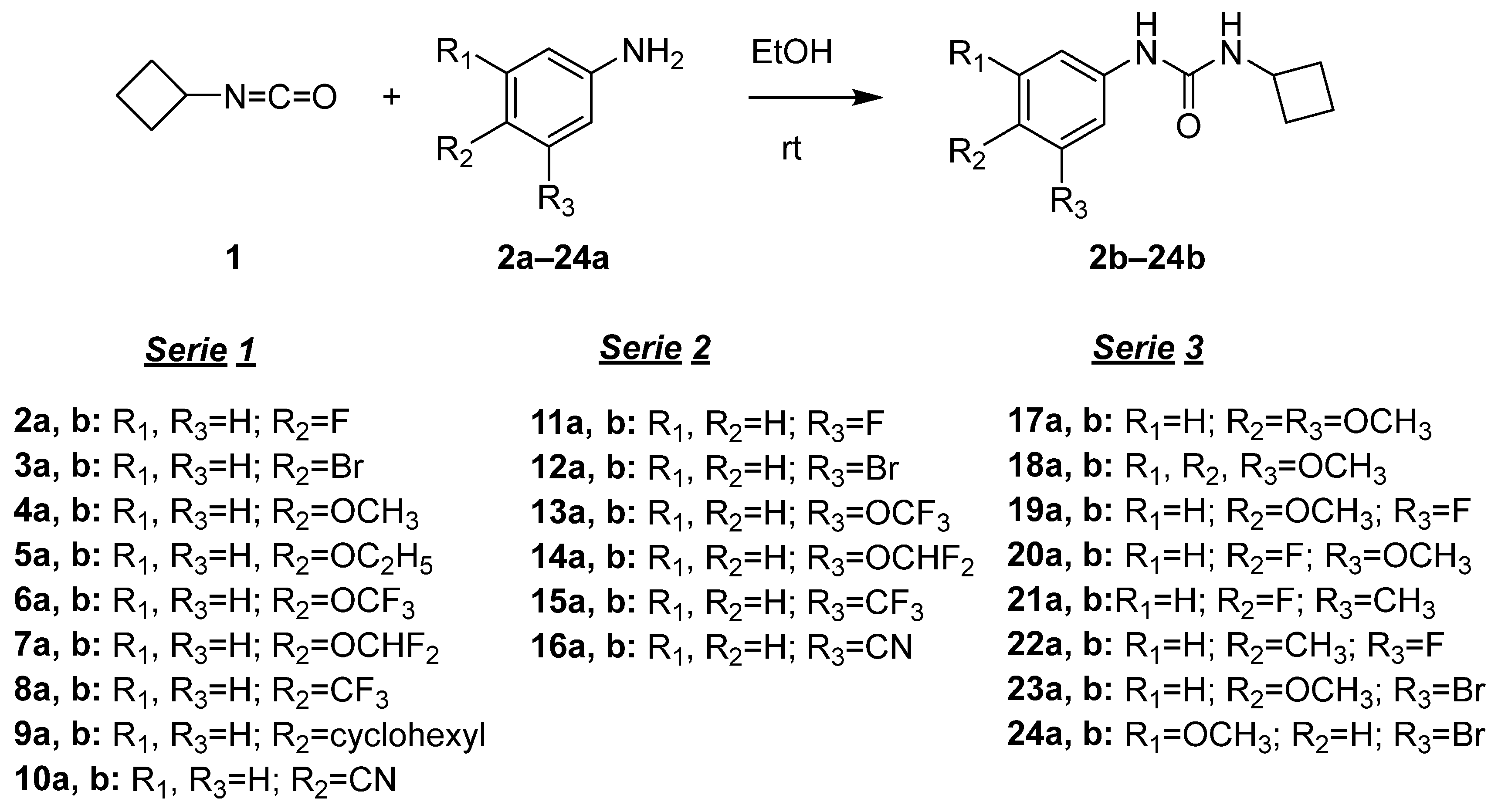
2.1. Design and Synthesis of ACBUs Derivatives
2.2. Evaluation of the Antiproliferative Activity in HaCaT Cells
2.3. Evaluation of the Antiproliferative Activity in HDFn Cells
2.4. Evaluation of IL-6 Production Inhibition
2.5. Evaluation of Cell Death via Annexin v/Propidium Iodide (PI) Staining
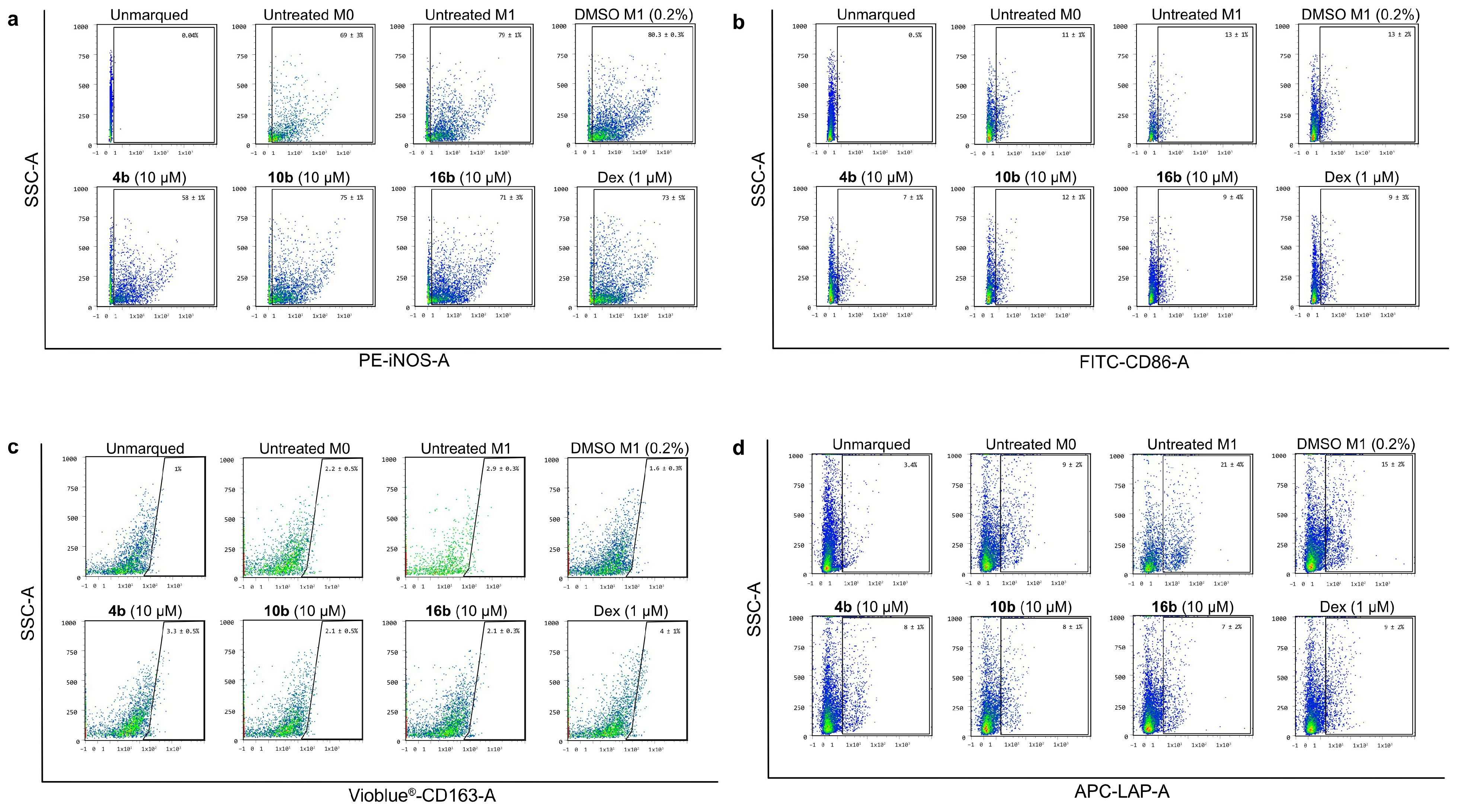
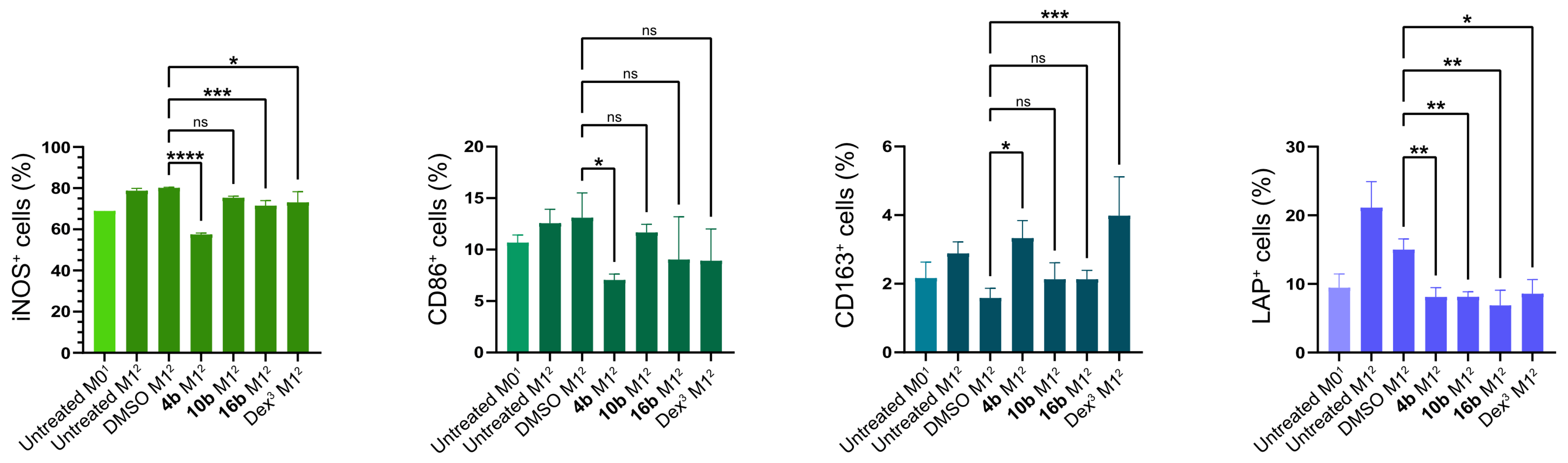
2.6. Flow Cytometry Analysis of THP1-Derived M1 Macrophage-Activation Markers iNOS, CD86, and CD163
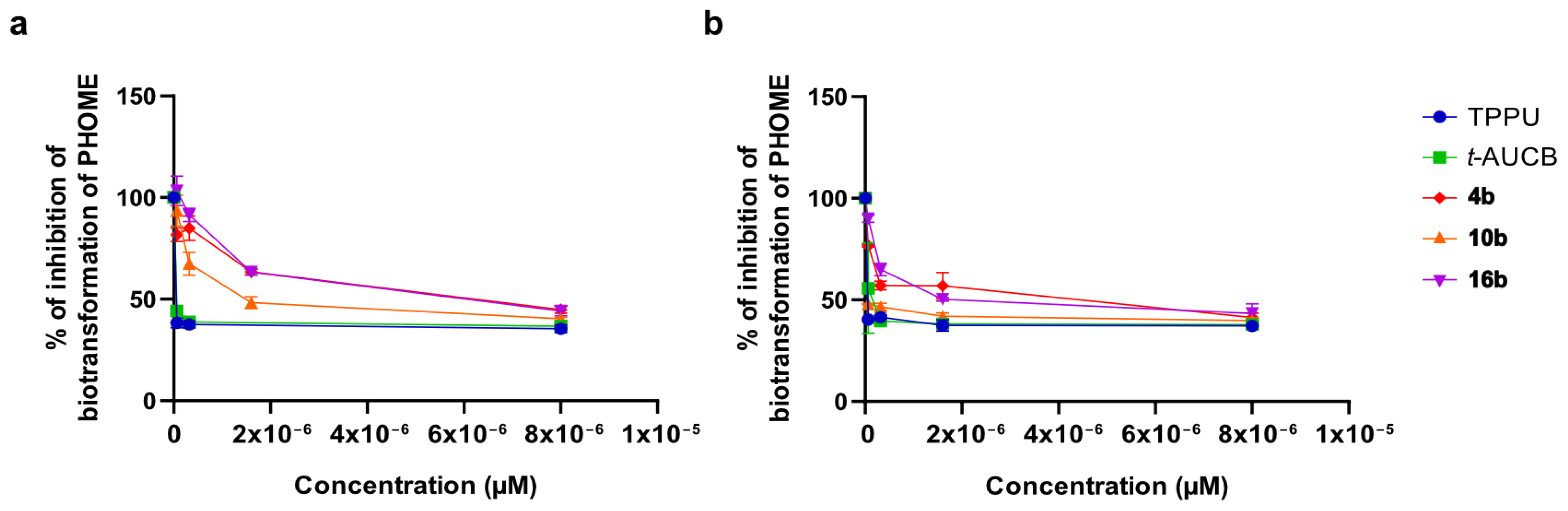
2.7. Evaluation of sEH Inhibition
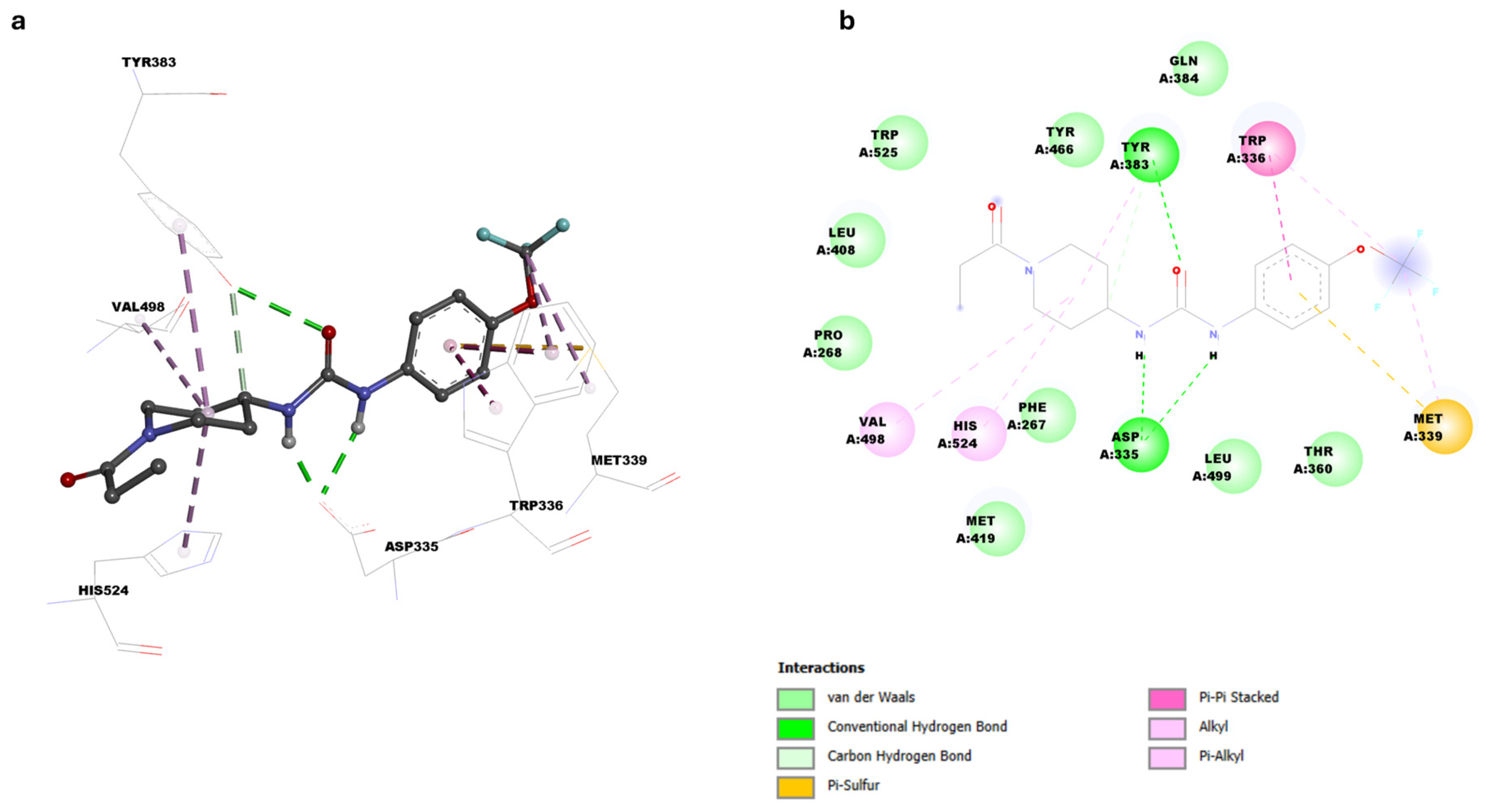
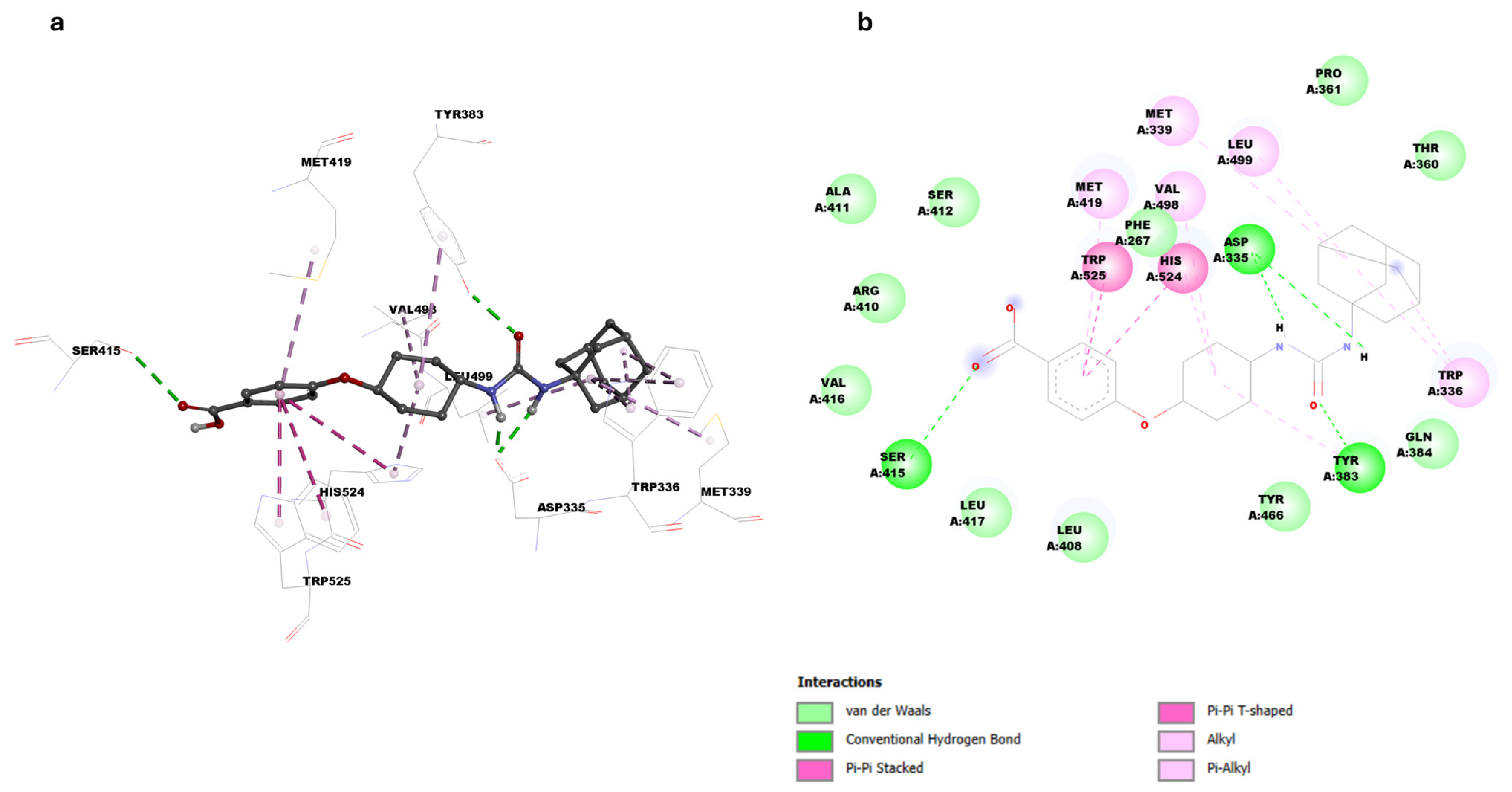
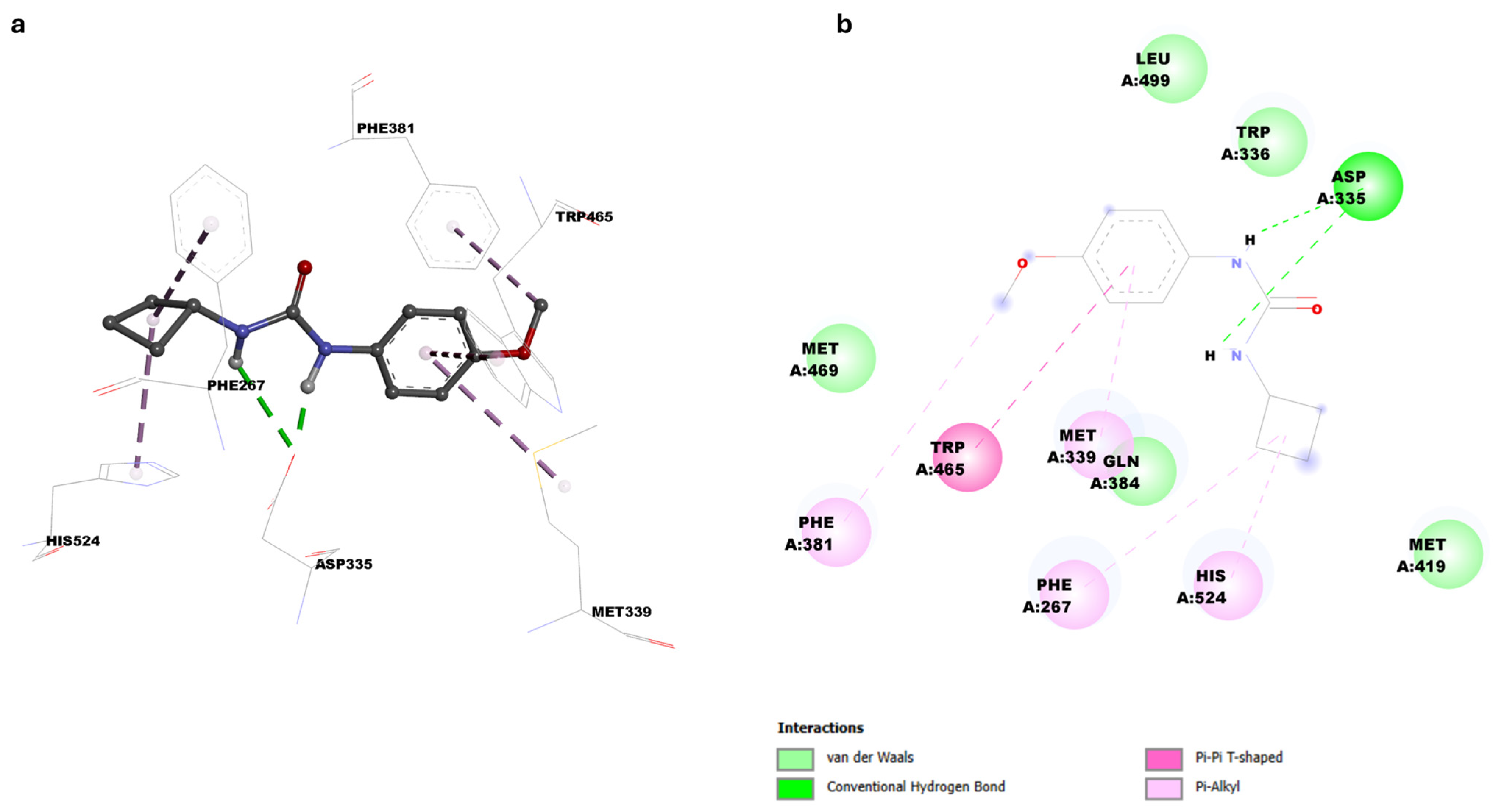
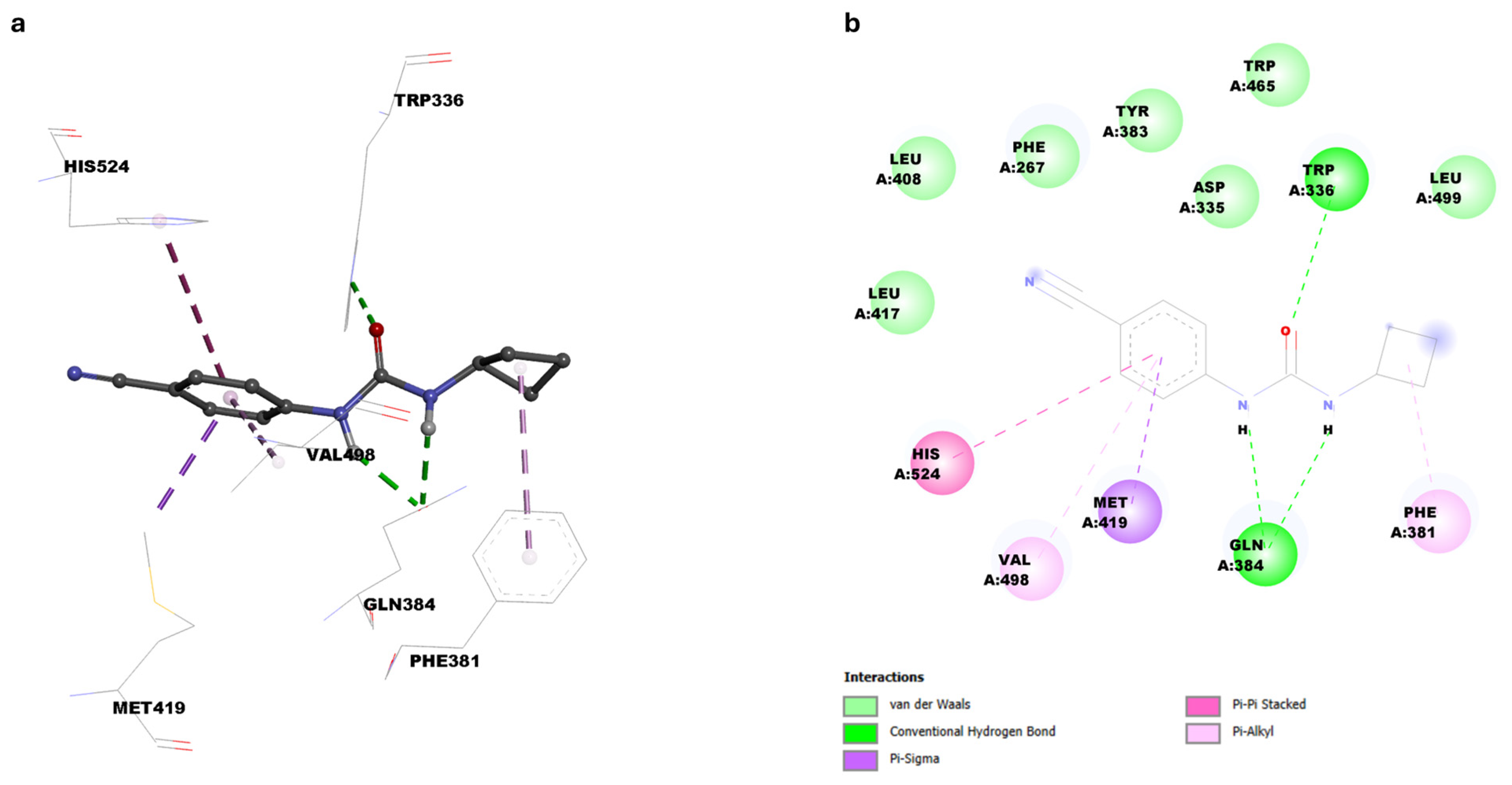
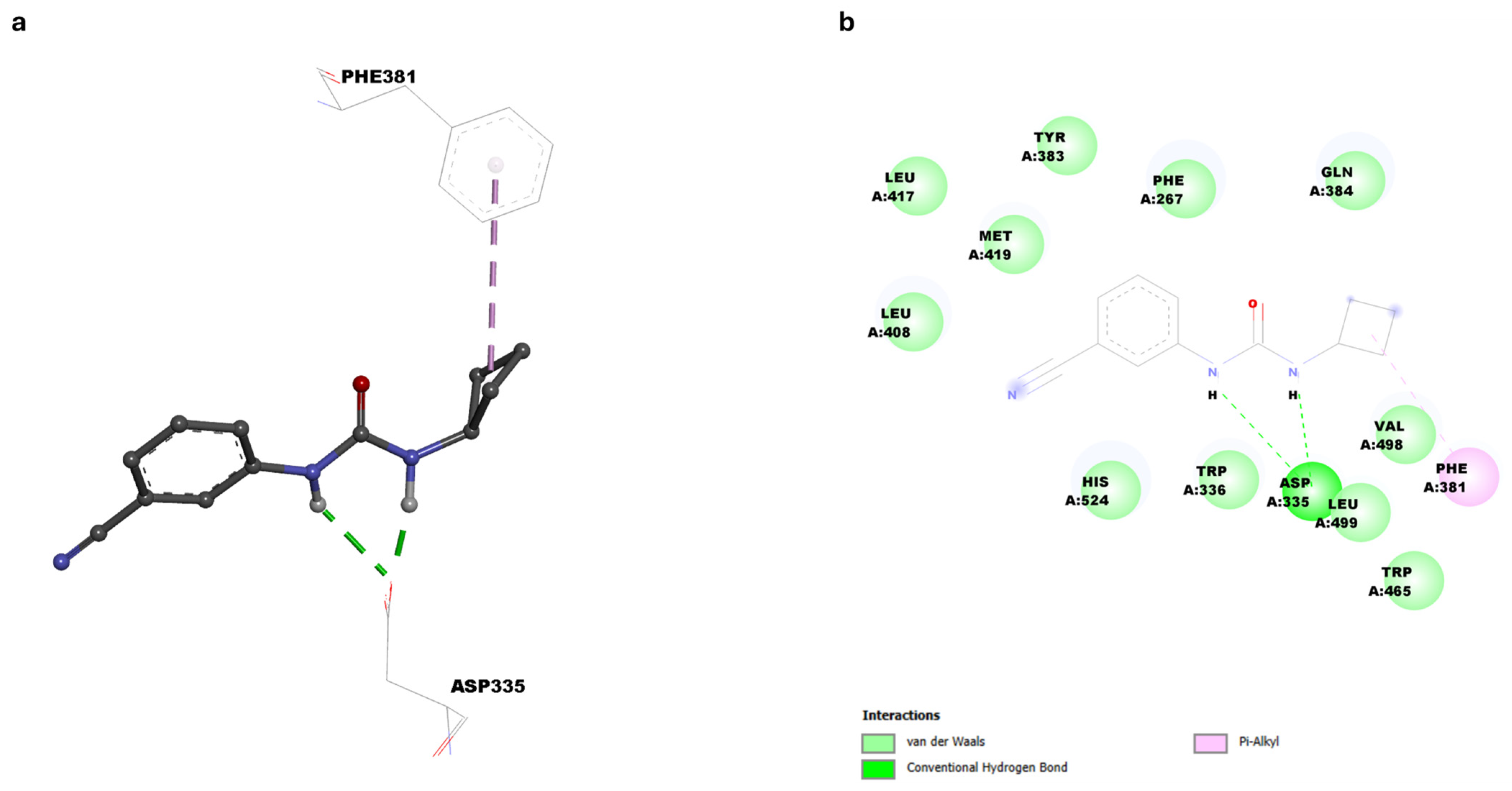
2.8. Docking Results and Binding Preference
2.9. Evaluation of Key Inflammatory Genes Expression IL-6 and IL-23
2.10. Evaluation of the Biotransformation of ACBUs by Microsomes
3. Materials and Methods
3.1. Chemistry
3.1.1. Material and Instrumentation
3.1.2. General Synthesis of ACBUs
1-Cyclobutyl-3-(4-fluorophenyl)urea (2b)
1-(4-Bromophenyl)-3-cyclobutylurea (3b)
1-Cyclobutyl-3-(4-methoxyphenyl)urea (4b)
1-Cyclobutyl-3-(4-ethoxyphenyl)urea (5b)
1-Cyclobutyl-3-(4-(trifluoromethoxy)phenyl)urea (6b)
1-Cyclobutyl-3-(4-(difluoromethoxy)phenyl)urea (7b)
1-Cyclobutyl-3-(4-(trifluoromethyl)phenyl)urea (8b)
1-Cyclobutyl-3-(4-cyclohexylphenyl)urea (9b)
1-(4-Cyanophenyl)-3-cyclobutylurea (10b)
1-Cyclobutyl-3-(3-fluorophenyl)urea (11b)
1-(3-Bromophenyl)-3-cyclobutylurea (12b)
1-Cyclobutyl-3-(3-(trifluoromethoxy)phenyl)urea (13b)
1-Cyclobutyl-3-(3-(difluoromethoxy)phenyl)urea (14b)
1-Cyclobutyl-3-(3-(trifluoromethyl)phenyl)urea (15b)
1-(3-Cyanophenyl)-3-cyclobutylurea (16b)
1-Cyclobutyl-3-(3,4-dimethoxyphenyl)urea (17b)
1-Cyclobutyl-3-(3,4,5-trimethoxyphenyl)urea (18b)
1-Cyclobutyl-3-(3-fluoro-4-methoxyphenyl)urea (19b)
1-Cyclobutyl-3-(4-fluoro-3-methoxyphenyl)urea (20b)
1-Cyclobutyl-3-(4-fluoro-3-methylphenyl)urea (21b)
1-Cyclobutyl-3-(3-fluoro-4-methylphenyl)urea (22b)
1-(3-Bromo-4-methoxyphenyl)-3-cyclobutylurea (23b)
1-(3-Bromo-5-methoxyphenyl)-3-cyclobutylurea (24b)
3.2. Biology Methods
3.2.1. Cell Culture
3.2.2. Antiproliferative Activity
3.2.3. Evaluation of the Inhibition of IL-6 Production
3.2.4. Annexin v/Propidium Iodide (PI) Assay
3.2.5. sEH Inhibition
3.2.6. Flow Cytometry Evaluation of iNOS, CD86, CD163, and LAP in a THP1-Polarized Macrophage Inflammatory Model
3.2.7. qPCR
3.2.8. Evaluation of ACBUs Biotransformation
3.3. Docking Studies
3.3.1. Molecular Docking
3.3.2. ΔΔG and Fold-Preference Calculations
4. Conclusions
Supplementary Materials
Author Contributions
Funding
Institutional Review Board Statement
Informed Consent Statement
Data Availability Statement
Conflicts of Interest
Abbreviations
| ACBU | Arylcyclobutylurea |
| Asp | Aspartic acid |
| t-AUCB | trans-4-[4-(3-adamantan-1-yl-ureido)-cyclohexyloxy]-benzoic acid |
| CA-4 | Combretastatin A-4 |
| CD86 | Cluster of Differentiation 86 |
| CD163 | Cluster of Differentiation 163 |
| Dex | Dexamethasone |
| DHETs | Dihydroxyeicosatrienoic acids |
| DMSO | Dimethylsulfoxide |
| EETs | Epoxyeicosatrienoic acids |
| HaCaT | Human Adult low Calcium, immortalized keratinocytes |
| HDFn | Human Dermal Fibroblasts, normal |
| HRMS-(ESI) | High-Resolution Mass Spectrometry with Electrospray Ionization |
| IC50 | Inhibitory Concentration 50% |
| IL-6 | Interleukine 6 |
| IL-17 | Interleukine 17 |
| IL-23 | interleukine 23 |
| IFNγ | Interferon γ |
| IMIDs | Immune-mediated inflammatory diseases |
| iNOS | Inducible Nitric Oxide Synthase |
| IR | Infrared |
| JAK | Janus Kinase |
| LPS | Lipopolysaccharide |
| Met | Methionine |
| m.p | Melting point |
| MTT | 3-(4,5-diméthylthiazol-2-yl)-2,5-diphényltétrazolium bromide |
| mRNA | Messenger ribonucleic acid |
| NF-κB | Nuclear Factor kappa-light-chain-enhancer of activated B cells |
| NMR | Nuclear Magnetic Resonance |
| NSAIDs | Non-steroidal anti-inflammatory drugs |
| Phe | Phenylalanine |
| PHOME | 6-(Phenyl)O-methyl-7-hydroxycoumarinyl ester |
| PMA | Phorbol 12-myristate 13-acetate |
| qPCR | Quantitative Polymerase Chain Reaction, also called real-time PCR |
| sEH | Soluble hydrolyse enzyme |
| sEHi | Soluble hydrolyse enzyme inhibitor |
| STAT1 | Signal Transducer and Activator of Transcription 1 |
| STAT3 | Signal Transducer and Activator of Transcription 3 |
| Stau | Staurosporine |
| THP-1 | Tissue Human Promonocyte (human monocytic leukemia cell line) |
| TNFα | Tumor necrosis factor |
| TPPU- | Trifluoromethoxyphenyl-3-(1-propionylpiperidin-4-yl) urea. |
| Trp | Tryptophane |
| Tyr | Tyrosine |
| UHPLC-UV | Ultra-High Performance Liquid Chromatography coupled with Ultraviolet detection |
| Val | valine |
| ΔG | Gibbs free energy change in a process (e.g., protein folding, ligand binding) |
| ΔΔG | Difference between two ΔG values |
References
- Monteleone, G.; Moscardelli, A.; Colella, A.; Marafini, I.; Salvatori, S. Immune-Mediated Inflammatory Diseases: Common and Different Pathogenic and Clinical Features. Autoimmun. Rev. 2023, 22, 103410. [Google Scholar] [CrossRef]
- McInnes, I.B.; Gravallese, E.M. Immune-Mediated Inflammatory Disease Therapeutics: Past, Present and Future. Nat. Rev. Immunol. 2021, 21, 680–686. [Google Scholar] [CrossRef]
- Huang, M.; Ma, Z.; Luo, X.; Ren, Q. Epidemiological Assessment of Six Major Immune-Mediated Inflammatory Diseases Based on the Global Burden of Disease Study 2021: Analyses of Age-Standardized Incidence, Prevalence, Mortality, and Disability-Adjusted Life Years. J. Transl. Autoimmun. 2025, 11, 100330. [Google Scholar] [CrossRef]
- Law, C.C.Y.; Tkachuk, B.; Lieto, S.; Narula, N.; Walsh, S.; Colombel, J.-F.; Ungaro, R.C. Early Biologic Treatment Decreases Risk of Surgery in Crohn’s Disease but Not in Ulcerative Colitis: Systematic Review and Meta-Analysis. Inflamm. Bowel Dis. 2024, 30, 1080–1086. [Google Scholar] [CrossRef]
- Rahman, P.; Inman, R.D.; El-Gabalawy, H.; Krause, D.O. Pathophysiology and Pathogenesis of Immune-Mediated Inflammatory Diseases: Commonalities and Differences. J. Rheumatol. Suppl. 2010, 85, 11–26. [Google Scholar] [CrossRef] [PubMed]
- Gelabert-Mora, A.; Chiang, B.; Lee, A.; Sinha, M.; Abuabara, K. Global Trends in Immune Mediated Inflammatory Diseases: Psoriasis, Atopic Dermatitis, Multiple Sclerosis, Inflammatory Bowel Disease, and Rheumatoid Arthritis. JAAD Int. 2025, 18, 177–179. [Google Scholar] [CrossRef] [PubMed]
- Selvaratnam, S.; Gullino, S.; Shim, L.; Lee, E.; Lee, A.; Paramsothy, S.; Leong, R.W. Epidemiology of Inflammatory Bowel Disease in South America: A Systematic Review. World J. Gastroenterol. 2019, 25, 6866–6875. [Google Scholar] [CrossRef] [PubMed]
- GBD 2019 IMID Collaborators. Global, Regional, and National Incidence of Six Major Immune-Mediated Inflammatory Diseases: Findings from the Global Burden of Disease Study 2019. EClinicalMedicine 2023, 64, 102193. [Google Scholar] [CrossRef]
- Hjuler, K.F.; Møller, L.F.; Elgaard, C.D.B.; Gaïni, L.; Iversen, L.; Hjuler, T.F. On the Interdisciplinary Treatment and Management of Patients with Immune-Mediated Inflammatory Diseases. A Study on Patients’ Personal Experiences and Perspectives. J. Multidiscip. Healthc. 2024, 17, 2635–2646. [Google Scholar] [CrossRef]
- Liang, Z.; Xie, H.; Wu, D. Immune Mediated Inflammatory Diseases: Moving from Targeted Biologic Therapy, Stem Cell Therapy to Targeted Cell Therapy. Front. Immunol. 2025, 16, 1520063. [Google Scholar] [CrossRef]
- Veerasubramanian, P.K.; Wynn, T.A.; Quan, J.; Karlsson, F.J. Targeting TNF/TNFR Superfamilies in Immune-Mediated Inflammatory Diseases. J. Exp. Med. 2024, 221, e20240806. [Google Scholar] [CrossRef]
- Solitano, V.; Ahuja, D.; Lee, H.H.; Gaikwad, R.; Yeh, K.-H.; Facciorusso, A.; Singh, A.G.; Ma, C.; Ananthakrishnan, A.N.; Yuan, Y.; et al. Comparative Safety of JAK Inhibitors vs TNF Antagonists in Immune-Mediated Inflammatory Diseases. JAMA Netw. Open 2025, 8, e2531204. [Google Scholar] [CrossRef]
- Konzett, V.; Smolen, J.S.; Nash, P.; Aletaha, D.; Winthrop, K.; Dörner, T.; Fleischmann, R.; Tanaka, Y.; Primdahl, J.; Baraliakos, X.; et al. Efficacy of Janus Kinase Inhibitors in Immune-Mediated Inflammatory Diseases a Systematic Literature Review Informing the 2024 Update of an International Consensus Statement. Ann. Rheum. Dis. 2025, 84, 680–696. [Google Scholar] [CrossRef] [PubMed]
- Turnbull, J.; Chapman, V. Targeting the Soluble Epoxide Hydrolase Pathway as a Novel Therapeutic Approach for the Treatment of Pain. Curr. Opin. Pharmacol. 2024, 78, 102477. [Google Scholar] [CrossRef]
- Sun, C.-P.; Zhang, X.-Y.; Morisseau, C.; Hwang, S.H.; Zhang, Z.-J.; Hammock, B.D.; Ma, X.-C. Discovery of Soluble Epoxide Hydrolase Inhibitors from Chemical Synthesis and Natural Products. J. Med. Chem. 2021, 64, 184–215. [Google Scholar] [CrossRef]
- Chen, Y.; Chen, L.; Xu, H.; Cao, R.; Morisseau, C.; Zhang, M.; Shi, Y.; Hammock, B.D.; Wang, J.; Zhuang, J.; et al. Structure-Directed Discovery of Potent Soluble Epoxide Hydrolase Inhibitors for the Treatment of Inflammatory Diseases. J. Med. Chem. 2023, 66, 2979–3009. [Google Scholar] [CrossRef]
- Tian, Y.; Li, S.; Dong, K.; Su, X.; Fu, S.; Lv, X.; Duan, M.; Yang, T.; Han, Y.; Hu, G.; et al. Discovery of Benzamide Derivatives Containing Urea Moiety as Soluble Epoxide Hydrolase Inhibitors. Bioorganic Chem. 2022, 127, 105898. [Google Scholar] [CrossRef] [PubMed]
- Lazaar, A.L.; Yang, L.; Boardley, R.L.; Goyal, N.S.; Robertson, J.; Baldwin, S.J.; Newby, D.E.; Wilkinson, I.B.; Tal-Singer, R.; Mayer, R.J.; et al. Pharmacokinetics, Pharmacodynamics and Adverse Event Profile of GSK2256294, a Novel Soluble Epoxide Hydrolase Inhibitor. Br. J. Clin. Pharmacol. 2016, 81, 971–979. [Google Scholar] [CrossRef] [PubMed]
- Hammock, B.D.; McReynolds, C.B.; Wagner, K.; Buckpitt, A.; Cortes-Puch, I.; Croston, G.; Lee, K.S.S.; Yang, J.; Schmidt, W.K.; Hwang, S.H. Movement to the Clinic of Soluble Epoxide Hydrolase Inhibitor EC5026 as an Analgesic for Neuropathic Pain and for Use as a Nonaddictive Opioid Alternative. J. Med. Chem. 2021, 64, 1856–1872. [Google Scholar] [CrossRef]
- Hejazi, L.; Ebadi, A.; Fakhar, Z.; Nazari, M.; Rezaee, E.; Abbas Tabatabai, S. Synthesis, Docking Study and Biological Evaluation of Amide-Based Soluble Epoxide Hydrolase Inhibitors with Novel Secondary Pharmacophore of Pyrimidin-2-Ol. Chem. Biodivers. 2022, 19, e202200231. [Google Scholar] [CrossRef]
- Mahlooji, I.; Shokri, M.; Manoochehri, R.; Mahboubi-Rabbani, M.; Rezaee, E.; Tabatabai, S.A. Discovery of Phthalimide Derivatives as Novel Inhibitors of a Soluble Epoxide Hydrolase. Arch. Pharm. 2020, 353, e2000052. [Google Scholar] [CrossRef]
- Du, F.; Cao, R.; Chen, L.; Sun, J.; Shi, Y.; Fu, Y.; Hammock, B.D.; Zheng, Z.; Liu, Z.; Chen, G. Structure-Guided Discovery of Potent and Oral Soluble Epoxide Hydrolase Inhibitors for the Treatment of Neuropathic Pain. Acta Pharm. Sin. B 2022, 12, 1377–1389. [Google Scholar] [CrossRef]
- Naeem, Z.; Zukunft, S.; Huard, A.; Hu, J.; Hammock, B.D.; Weigert, A.; Frömel, T.; Fleming, I. Role of the Soluble Epoxide Hydrolase in Keratinocyte Proliferation and Sensitivity of Skin to Inflammatory Stimuli. Biomed. Pharmacother. 2024, 171, 116127. [Google Scholar] [CrossRef]
- Simard, M.; Morin, S.; Ridha, Z.; Pouliot, R. Current Knowledge of the Implication of Lipid Mediators in Psoriasis. Front. Immunol. 2022, 13, 961107. [Google Scholar] [CrossRef] [PubMed]
- Andersen, Y.M.F.; Wu, J.J.; Thyssen, J.P.; Egeberg, A. Chronologic Order of Appearance of Immune-Mediated Inflammatory Diseases Relative to Diagnosis of Psoriasis. J. Am. Acad. Dermatol. 2019, 81, 1283–1291. [Google Scholar] [CrossRef] [PubMed]
- Bauer, M.R.; Di Fruscia, P.; Lucas, S.C.C.; Michaelides, I.N.; Nelson, J.E.; Storer, R.I.; Whitehurst, B.C. Put a Ring on It: Application of Small Aliphatic Rings in Medicinal Chemistry. RSC Med. Chem. 2021, 12, 448–471. [Google Scholar] [CrossRef]
- Morisseau, C.; Hammock, B.D. Impact of Soluble Epoxide Hydrolase and Epoxyeicosanoids on Human Health. Annu. Rev. Pharmacol. Toxicol. 2013, 53, 37–58. [Google Scholar] [CrossRef]
- Ford, C.H.; Richardson, V.J.; Tsaltas, G. Comparison of Tetrazolium Colorimetric and [3H]-Uridine Assays for in Vitro Chemosensitivity Testing. Cancer Chemother. Pharmacol. 1989, 24, 295–301. [Google Scholar] [CrossRef] [PubMed]
- Chiricozzi, A.; Guttman-Yassky, E.; Suárez-Fariñas, M.; Nograles, K.E.; Tian, S.; Cardinale, I.; Chimenti, S.; Krueger, J.G. Integrative Responses to IL-17 and TNF-α in Human Keratinocytes Account for Key Inflammatory Pathogenic Circuits in Psoriasis. J. Investig. Dermatol. 2011, 131, 677–687. [Google Scholar] [CrossRef]
- Ozaki, T.; Habara, K.; Matsui, K.; Kaibori, M.; Kwon, A.-H.; Ito, S.; Nishizawa, M.; Okumura, T. Dexamethasone Inhibits the Induction of INOS Gene Expression through Destabilization of Its mRNA in Proinflammatory Cytokine-Stimulated Hepatocytes. Shock 2010, 33, 64–69. [Google Scholar] [CrossRef]
- Pan, J.; Ju, D.; Wang, Q.; Zhang, M.; Xia, D.; Zhang, L.; Yu, H.; Cao, X. Dexamethasone Inhibits the Antigen Presentation of Dendritic Cells in MHC Class II Pathway. Immunol. Lett. 2001, 76, 153–161. [Google Scholar] [CrossRef] [PubMed]
- Takenouchi, T.; Morozumi, T.; Wada, E.; Suzuki, S.; Nishiyama, Y.; Sukegawa, S.; Uenishi, H. Dexamethasone Enhances CD163 Expression in Porcine IPKM Immortalized Macrophages. In Vitro Cell. Dev. Biol.-Animal 2021, 57, 10–16. [Google Scholar] [CrossRef] [PubMed]
- Hu, X.; Chen, J.; Wang, L.; Ivashkiv, L.B. Crosstalk among Jak-STAT, Toll-like Receptor, and ITAM-Dependent Pathways in Macrophage Activation. J. Leukoc. Biol. 2007, 82, 237–243. [Google Scholar] [CrossRef]
- Wolf, N.M.; Morisseau, C.; Jones, P.D.; Hock, B.; Hammock, B.D. Development of a High-Throughput Screen for Soluble Epoxide Hydrolase Inhibition. Anal. Biochem. 2006, 355, 71–80. [Google Scholar] [CrossRef] [PubMed]
- Ulu, A.; Appt, S.; Morisseau, C.; Hwang, S.H.; Jones, P.D.; Rose, T.E.; Dong, H.; Lango, J.; Yang, J.; Tsai, H.J.; et al. Pharmacokinetics and in Vivo Potency of Soluble Epoxide Hydrolase Inhibitors in Cynomolgus Monkeys. Br. J. Pharmacol. 2012, 165, 1401–1412. [Google Scholar] [CrossRef]
- Imig, J.D.; Hammock, B.D. Soluble Epoxide Hydrolase as a Therapeutic Target for Cardiovascular Diseases. Nat. Rev. Drug Discov. 2009, 8, 794–805. [Google Scholar] [CrossRef]
- Eldrup, A.B.; Soleymanzadeh, F.; Taylor, S.J.; Muegge, I.; Farrow, N.A.; Joseph, D.; McKellop, K.; Man, C.C.; Kukulka, A.; De Lombaert, S. Structure-Based Optimization of Arylamides as Inhibitors of Soluble Epoxide Hydrolase. J. Med. Chem. 2009, 52, 5880–5895. [Google Scholar] [CrossRef]
- Gomez, G.A.; Morisseau, C.; Hammock, B.D.; Christianson, D.W. Structure of Human Epoxide Hydrolase Reveals Mechanistic Inferences on Bifunctional Catalysis in Epoxide and Phosphate Ester Hydrolysis. Biochemistry 2004, 43, 4716–4723. [Google Scholar] [CrossRef]
- Morisseau, C.; Goodrow, M.H.; Dowdy, D.; Zheng, J.; Greene, J.F.; Sanborn, J.R.; Hammock, B.D. Potent Urea and Carbamate Inhibitors of Soluble Epoxide Hydrolases. Proc. Natl. Acad. Sci. USA 1999, 96, 8849–8854. [Google Scholar] [CrossRef]
- Pantsar, T.; Poso, A. Binding Affinity via Docking: Fact and Fiction. Molecules 2018, 23, 1899. [Google Scholar] [CrossRef]
- Tremblay, S.; Boutin, J.; Perreault, M.; Côté, M.-F.; Gobeil, S.; C.-Gaudreault, R. Synthesis and Evaluation of Substituted Phenyl Cycloalkylureas and Bioisosteres as IL-6 Expression Inhibitors. Med. Chem. Res. 2020, 29, 142 1437. [Google Scholar] [CrossRef]
- Stresser, D.; Crespi, C.L.; Patten, C. Cytochrome P450 Enzyme Mapping in Drug Discovery Using Corning® SupersomesTM Enzymes. Available online: https://www.corning.com/catalog/cls/documents/application-notes/an_DL_GT_048_Cytochrome_P450_Enzyme_Mapping_in_DD_using_Corning__Supersomes_Enzymes.pdf (accessed on 1 January 2013).
- Cronin, A.; Mowbray, S.; Dürk, H.; Homburg, S.; Fleming, I.; Fisslthaler, B.; Oesch, F.; Arand, M. The N-Terminal Domain of Mammalian Soluble Epoxide Hydrolase Is a Phosphatase. Proc. Natl. Acad. Sci. USA 2003, 100, 1552–1557. [Google Scholar] [CrossRef] [PubMed]
- Newman, J.W.; Morisseau, C.; Harris, T.R.; Hammock, B.D. The Soluble Epoxide Hydrolase Encoded by EPXH2 Is a Bifunctional Enzyme with Novel Lipid Phosphate Phosphatase Activity. Proc. Natl. Acad. Sci. USA 2003, 100, 1558–1563. [Google Scholar] [CrossRef] [PubMed]
- Trott, O.; Olson, A.J. AutoDock Vina: Improving the Speed and Accuracy of Docking with a New Scoring Function, Efficient Optimization, and Multithreading. J. Comput. Chem. 2010, 31, 455–461. [Google Scholar] [CrossRef] [PubMed]
- BIOVIA, Dassault Systèmes. Discovery Studio Visualizer, V25.1.0; Dassault Systèmes: San Diego, CA, USA, 2025. [Google Scholar]




| Compound | Antiproliferative Activity (IC50, µM) 1 | Compound | Antiproliferative Activity (IC50, µM) 1 |
|---|---|---|---|
| 2b | >10 | 14b | 12 ± 4 |
| 3b | >10 | 15b | >100 |
| 4b | >100 | 16b | >100 |
| 5b | 15 ± 7 | 17b | >100 |
| 6b | >100 | 18b | 12 ± 4 |
| 7b | >100 | 19b | >100 |
| 8b | 15 ± 7 | 20b | >100 |
| 9b | >100 | 21b | >100 |
| 10b | >100 | 22b | >10 |
| 11b | >100 | 23b | >100 |
| 12b | >10 | 24b | >100 |
| 13b | >100 | CA-4 | 0.04 ± 0.01 |
| Compound | Antiproliferative Activity (IC50, µM) 1 | Compound | Antiproliferative Activity (IC50, µM) 1 |
|---|---|---|---|
| 4b | >100 | 15b | >100 |
| 5b | 62 ± 4 | 16b | >100 |
| 6b | >100 | 17b | >100 |
| 7b | >100 | 18b | 44 ± 9 |
| 8b | 62 ± 4 | 19b | >100 |
| 9b | 71 ± 2 | 20b | >100 |
| 10b | >100 | 21b | >100 |
| 11b | >100 | 23b | >100 |
| 13b | >100 | 24b | >100 |
| 14b | 44 ± 9 |
| Compound | sEH Hydrolase Activity Inhibition (IC50, nM) | |
|---|---|---|
| Human | Mouse | |
| TPPU 1 | 0.014 ± 0.006 | 0.2 ± 0.1 |
| t-AUCB 2 | 0.4 ± 0.2 | 0.05 ± 0.02 |
| 4b | 5600 ± 400 | 2400 ± 600 |
| 10b | 2200 ± 400 | 90 ± 50 |
| 16b | 4900 ± 500 | 2700 ± 700 |
| Compound | IL-6 Expression Inhibition (%) 1 | IL-23 Expression Inhibition (%) 1 |
|---|---|---|
| Dexamethasone | 70 ± 10 | 65 ± 9 |
| 4b | 24 ± 5 | 40 ± 10 |
| 10b | 27 ± 9 | 50 ± 10 |
| 16b | 19 ± 5 | 21 ± 5 |
| Compound | Human Liver Microsomes (t1/2, min) | Human Skin Microsomes (t1/2, min) | Mouse Skin Microsomes (t1/2, min) |
|---|---|---|---|
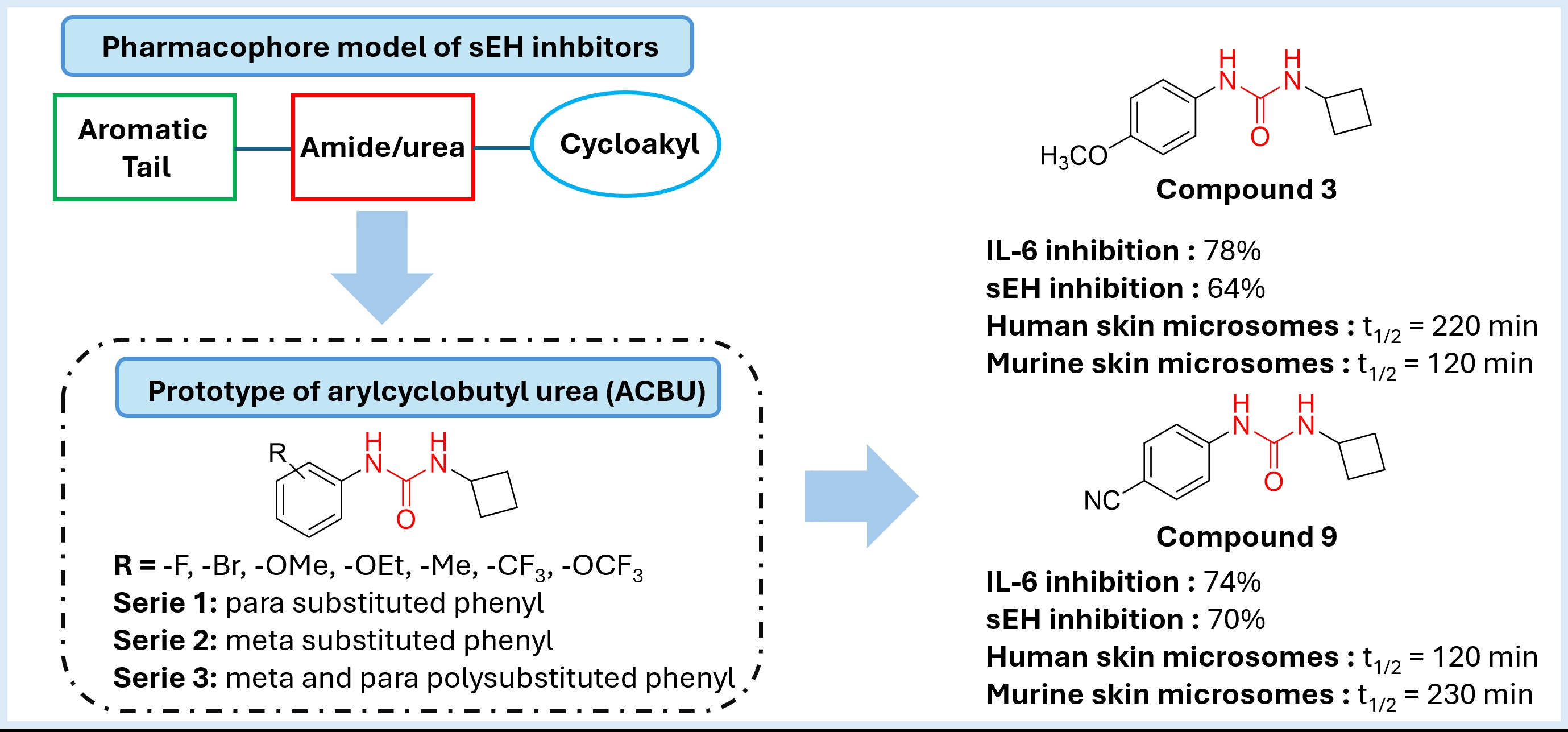
| 4b | 180 ± 20 | 220 ± 40 | 120 ± 40 |
| 10b | 420 ± 120 | 260 ± 10 | 230 ± 70 |
Disclaimer/Publisher’s Note: The statements, opinions and data contained in all publications are solely those of the individual author(s) and contributor(s) and not of MDPI and/or the editor(s). MDPI and/or the editor(s) disclaim responsibility for any injury to people or property resulting from any ideas, methods, instructions or products referred to in the content. |
© 2026 by the authors. Licensee MDPI, Basel, Switzerland. This article is an open access article distributed under the terms and conditions of the Creative Commons Attribution (CC BY) license.
Share and Cite
Chavez Alvarez, A.C.; Carpentier, A.; Sahli, A.; Perreault, M.; Ngon, A.D.; Moreau, E. Design, Synthesis, and Structure–Activity Relationships of Substituted Phenyl Cyclobutylureas as Potential Modulators of Inflammatory Responses. Pharmaceuticals 2026, 19, 355. https://doi.org/10.3390/ph19030355
Chavez Alvarez AC, Carpentier A, Sahli A, Perreault M, Ngon AD, Moreau E. Design, Synthesis, and Structure–Activity Relationships of Substituted Phenyl Cyclobutylureas as Potential Modulators of Inflammatory Responses. Pharmaceuticals. 2026; 19(3):355. https://doi.org/10.3390/ph19030355
Chicago/Turabian StyleChavez Alvarez, Atziri Corin, Antoine Carpentier, Ahmed Sahli, Martin Perreault, Aichatou Diallo Ngon, and Emmanuel Moreau. 2026. "Design, Synthesis, and Structure–Activity Relationships of Substituted Phenyl Cyclobutylureas as Potential Modulators of Inflammatory Responses" Pharmaceuticals 19, no. 3: 355. https://doi.org/10.3390/ph19030355
APA StyleChavez Alvarez, A. C., Carpentier, A., Sahli, A., Perreault, M., Ngon, A. D., & Moreau, E. (2026). Design, Synthesis, and Structure–Activity Relationships of Substituted Phenyl Cyclobutylureas as Potential Modulators of Inflammatory Responses. Pharmaceuticals, 19(3), 355. https://doi.org/10.3390/ph19030355