Article

Anti-Inflammatory Effects of GPR55 Agonists and Antagonists in LPS-Treated BV2 Microglial Cells

1
Neuroimmunology and Neurochemistry Research Group, Department of Psychiatry and Psychotherapy, Medical Center-University of Freiburg, Faculty of Medicine, University of Freiburg, D-79104 Freiburg, Germany
2
Department of Psychiatry and Psychotherapy, Medical Center-University of Freiburg, Faculty of Medicine, University of Freiburg, D-79104 Freiburg, Germany
3
Institute of Biological and Chemical Systems-Functional Molecular Systems (IBCS-FMS), Karlsruhe Institute of Technology (KIT), Kaiserstrasse 12, D-76131 Karlsruhe, Germany
4
Institute of Organic Chemistry, Karlsruhe Institute of Technology (KIT), Kaiserstrasse 12, D-76131 Karlsruhe, Germany
*
Author to whom correspondence should be addressed.
These authors contributed equally to this work.
Pharmaceuticals 2024, 17(6), 674; https://doi.org/10.3390/ph17060674
Submission received: 18 April 2024 / Revised: 19 May 2024 / Accepted: 20 May 2024 / Published: 24 May 2024

Abstract

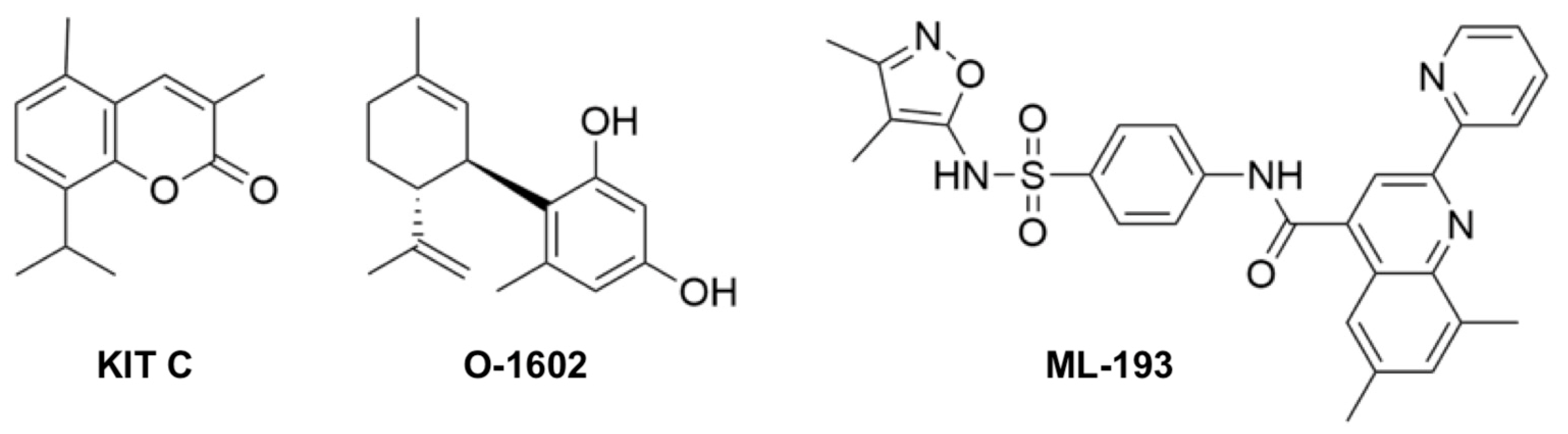
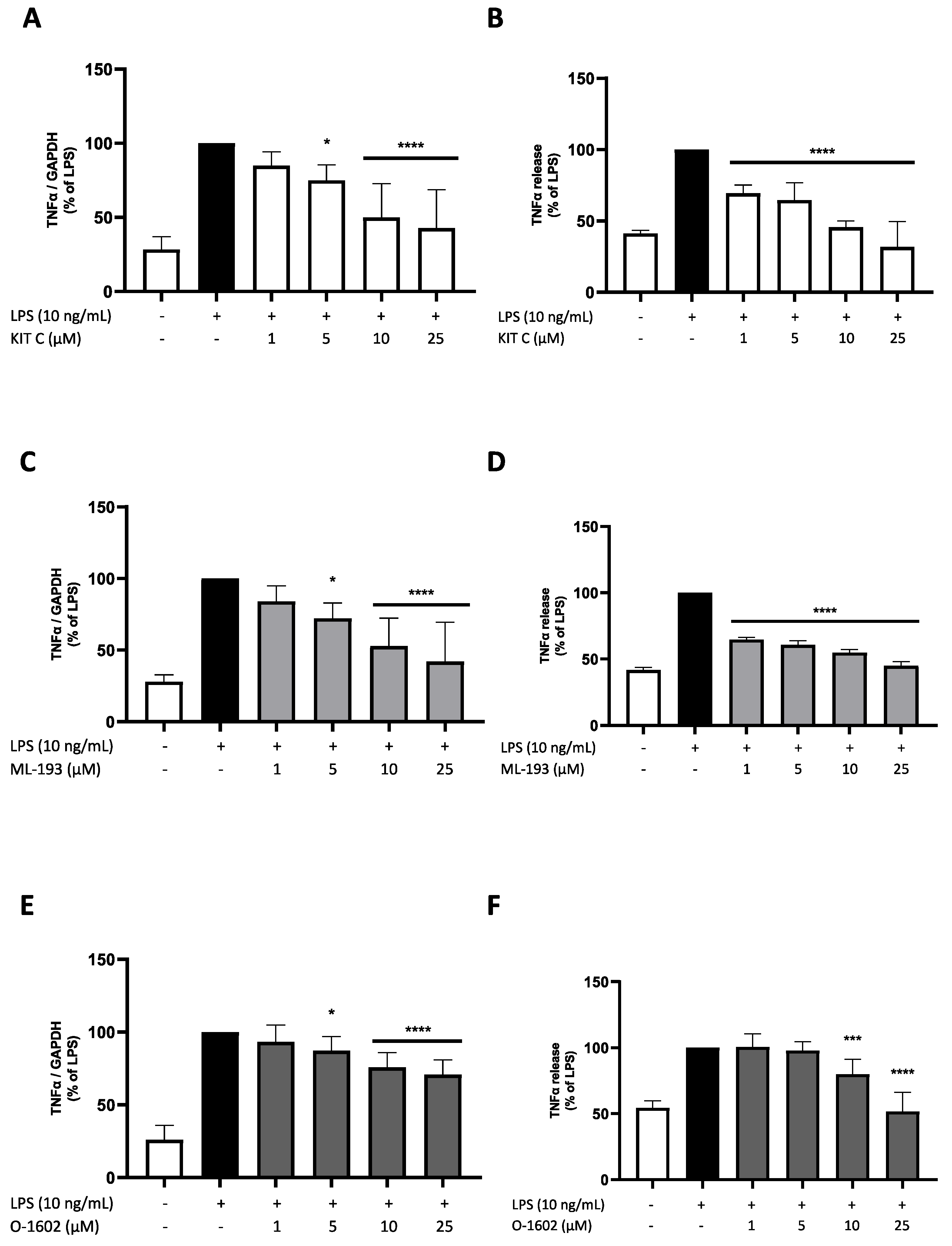
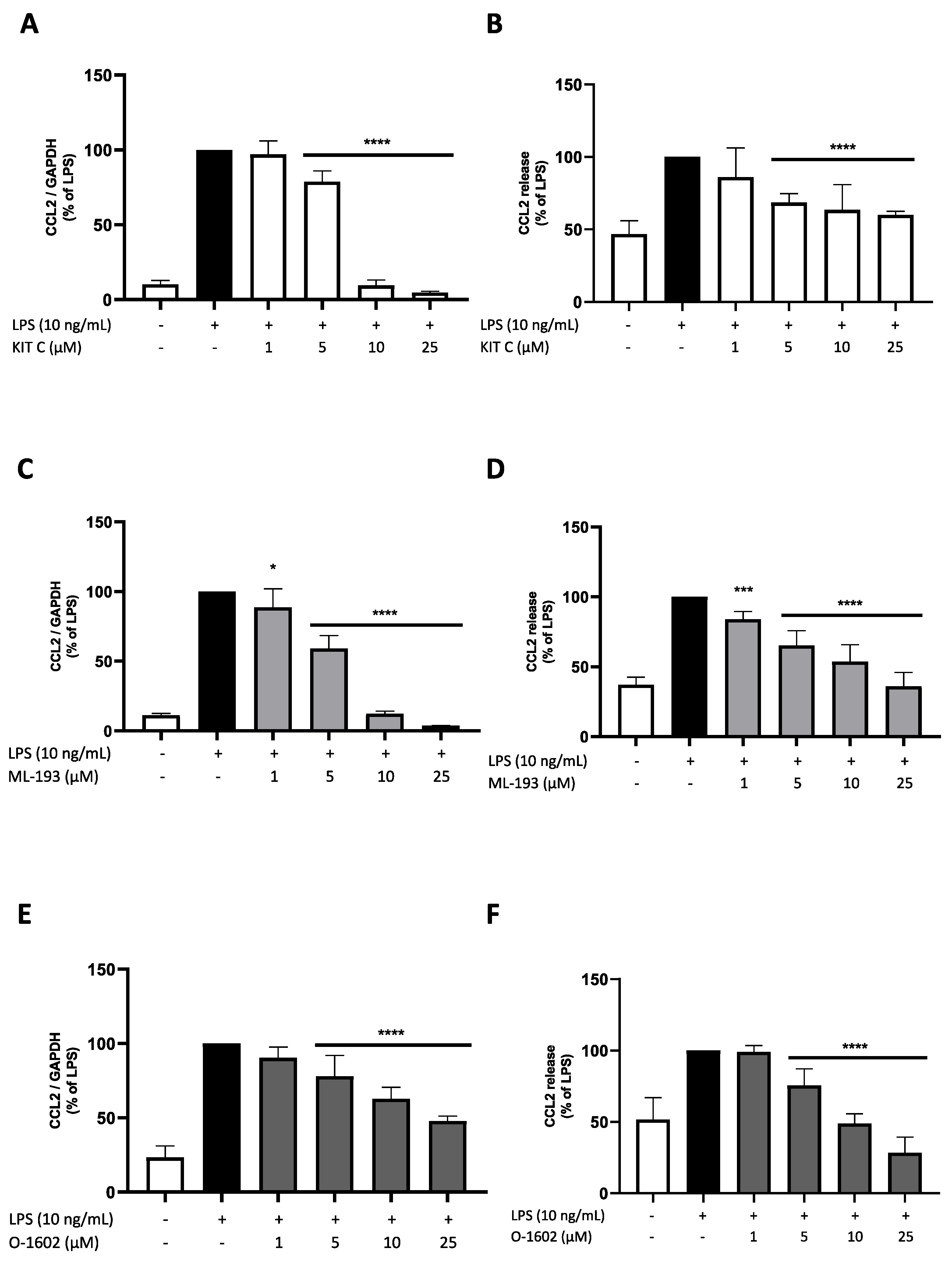
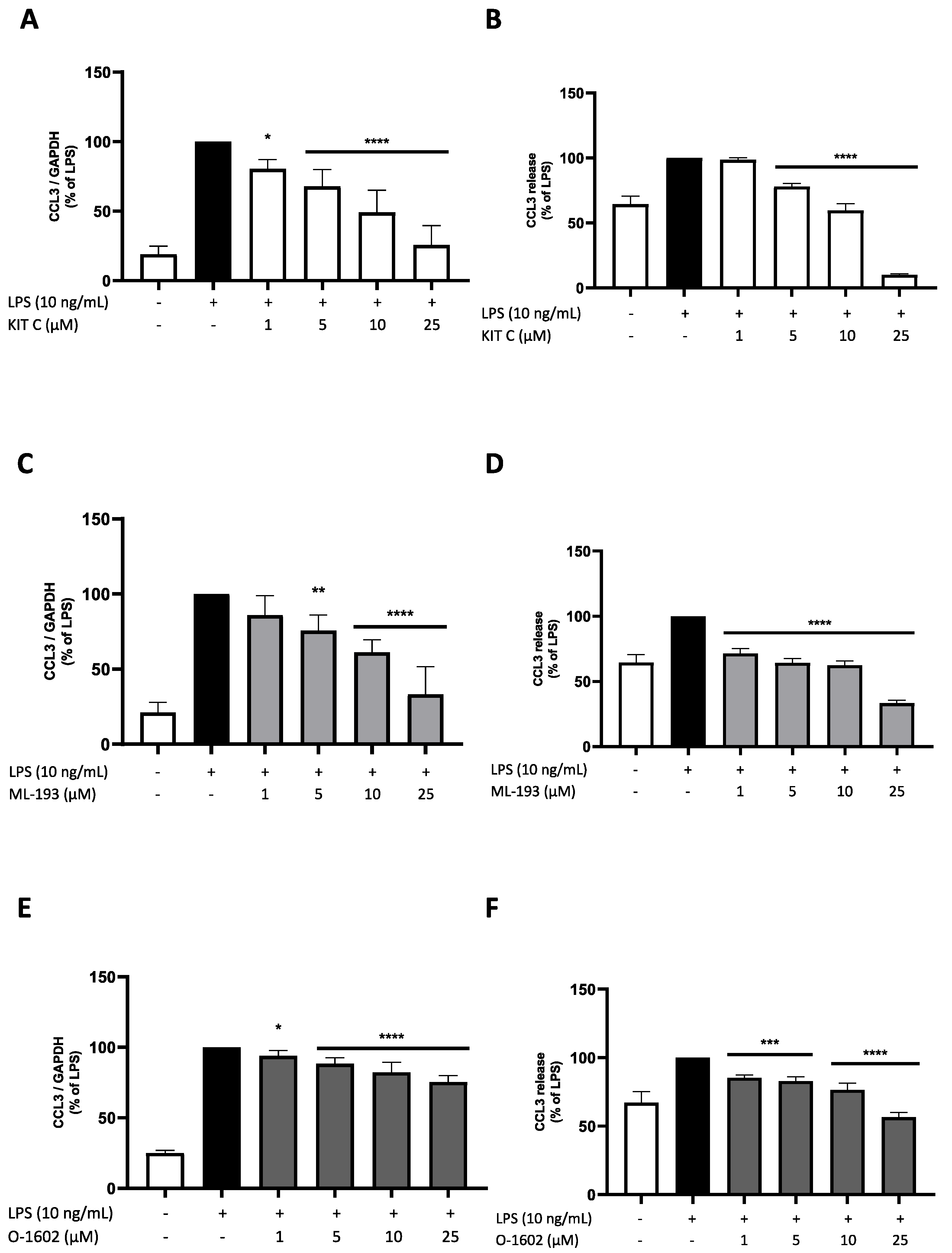
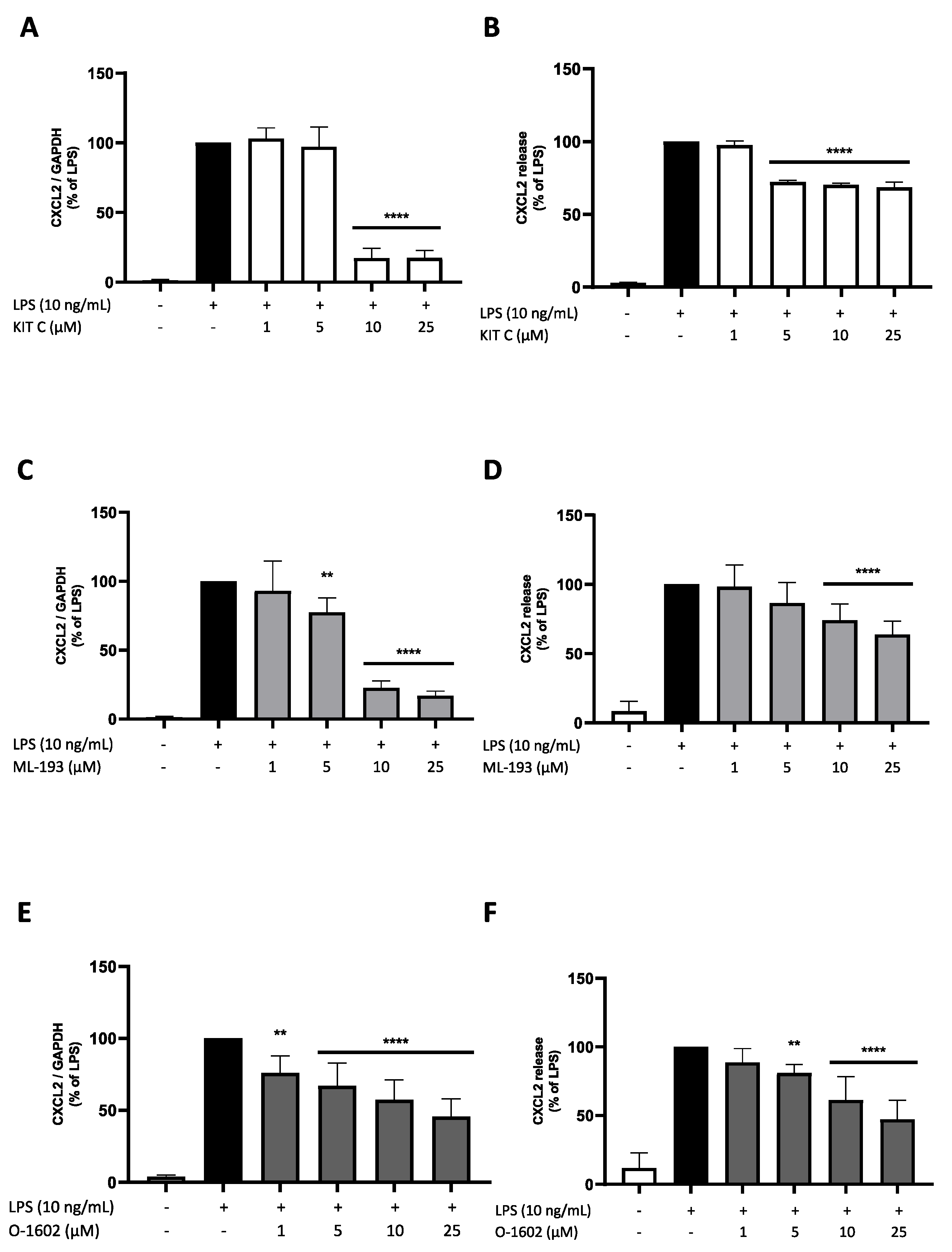
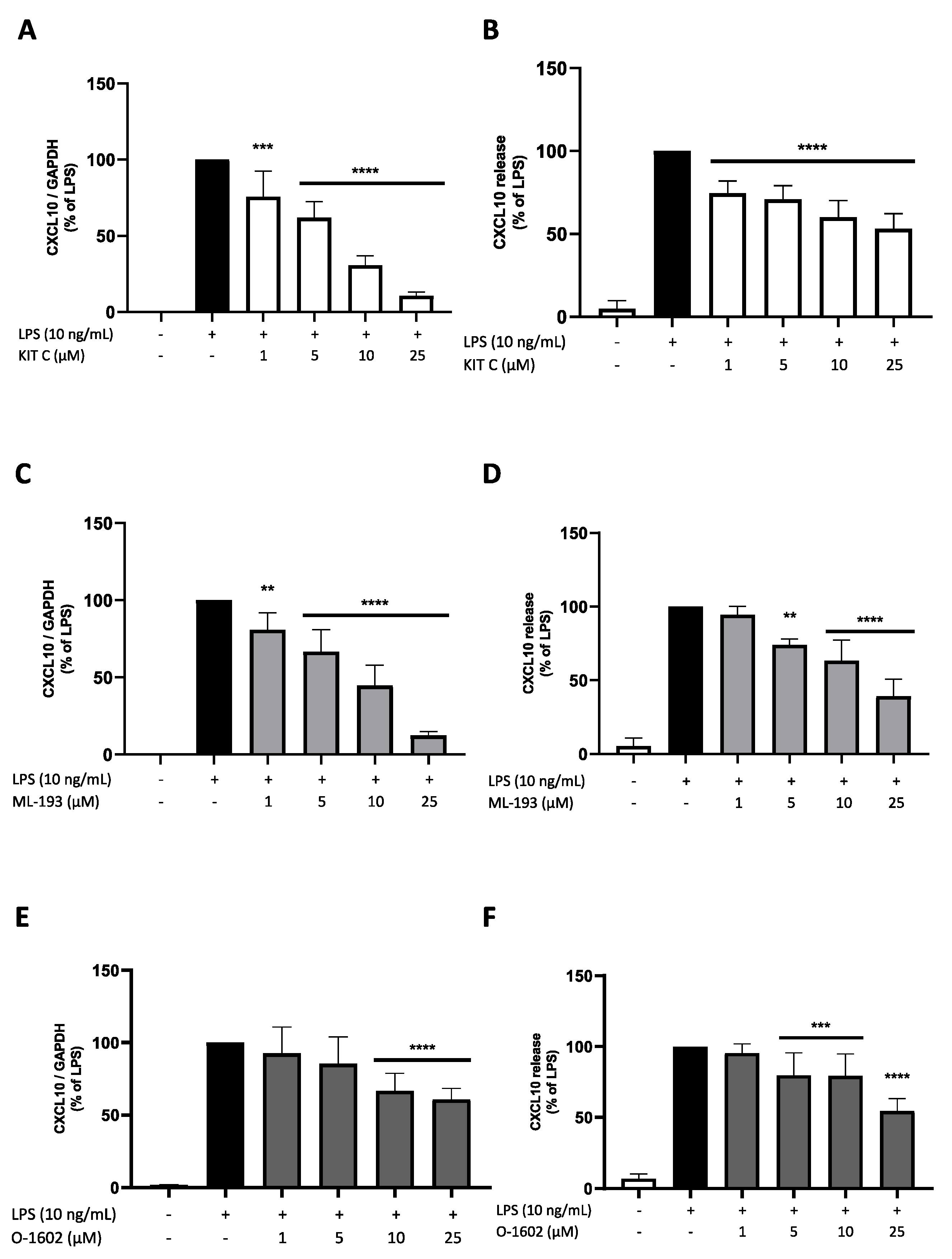
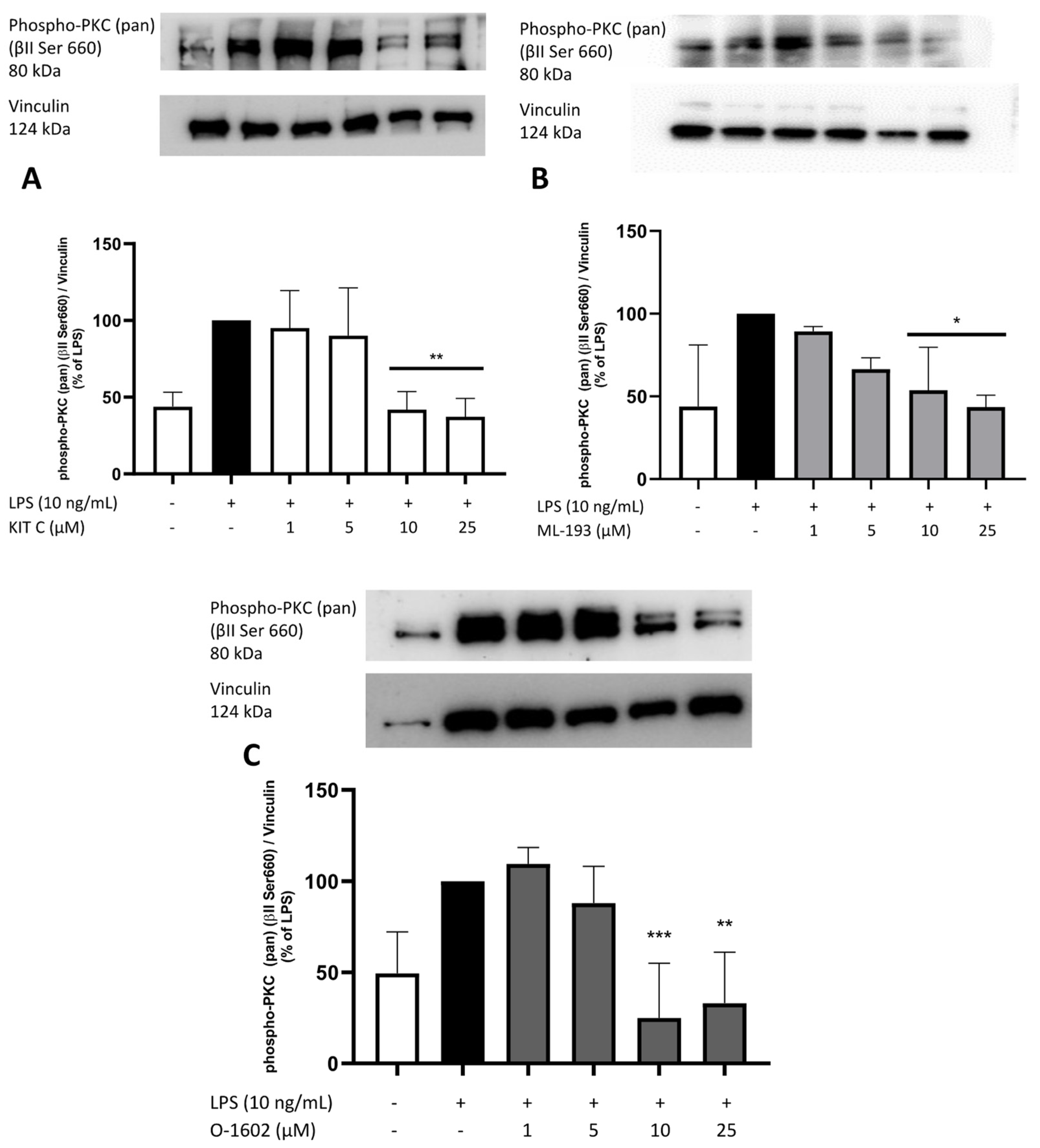
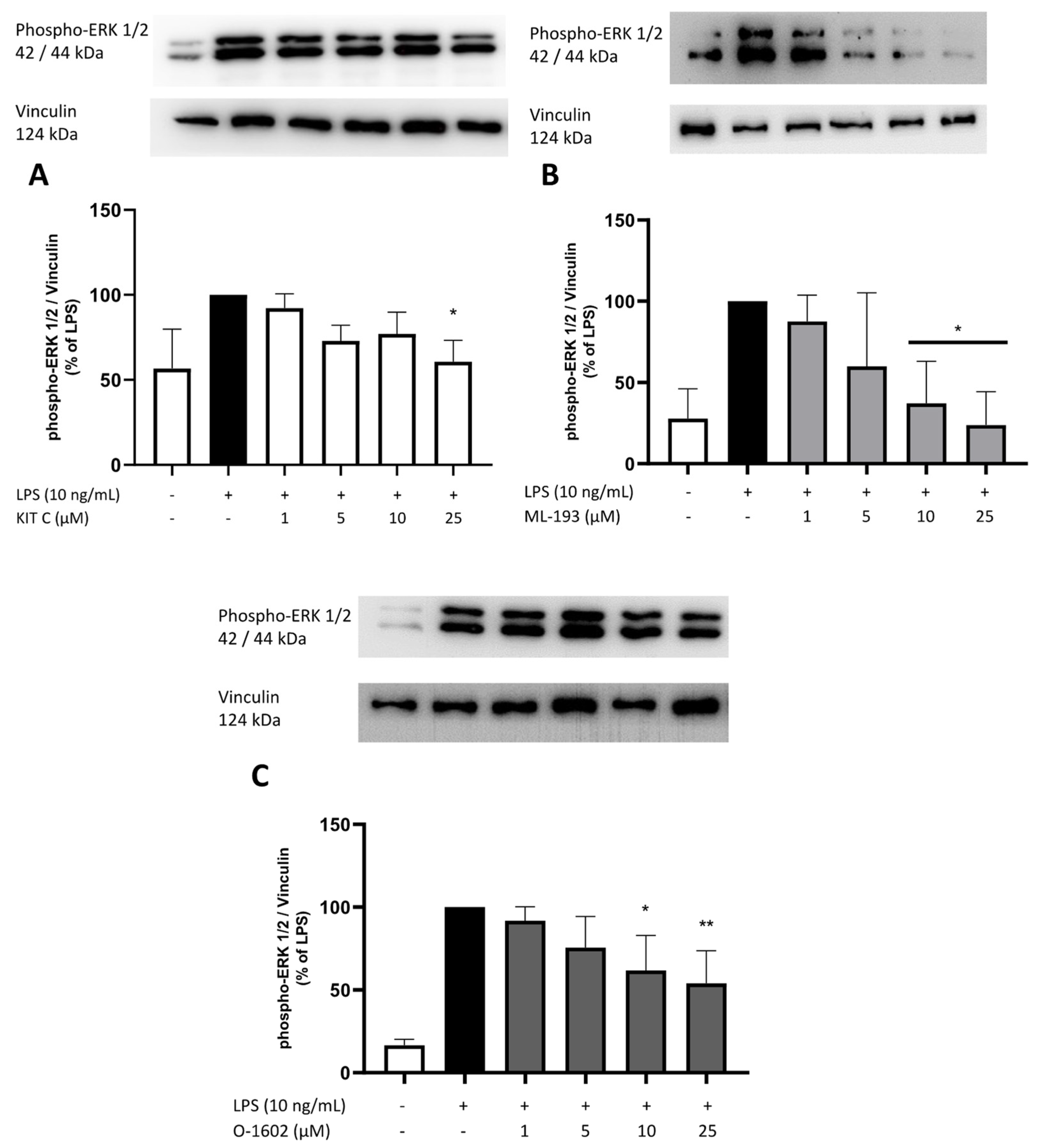
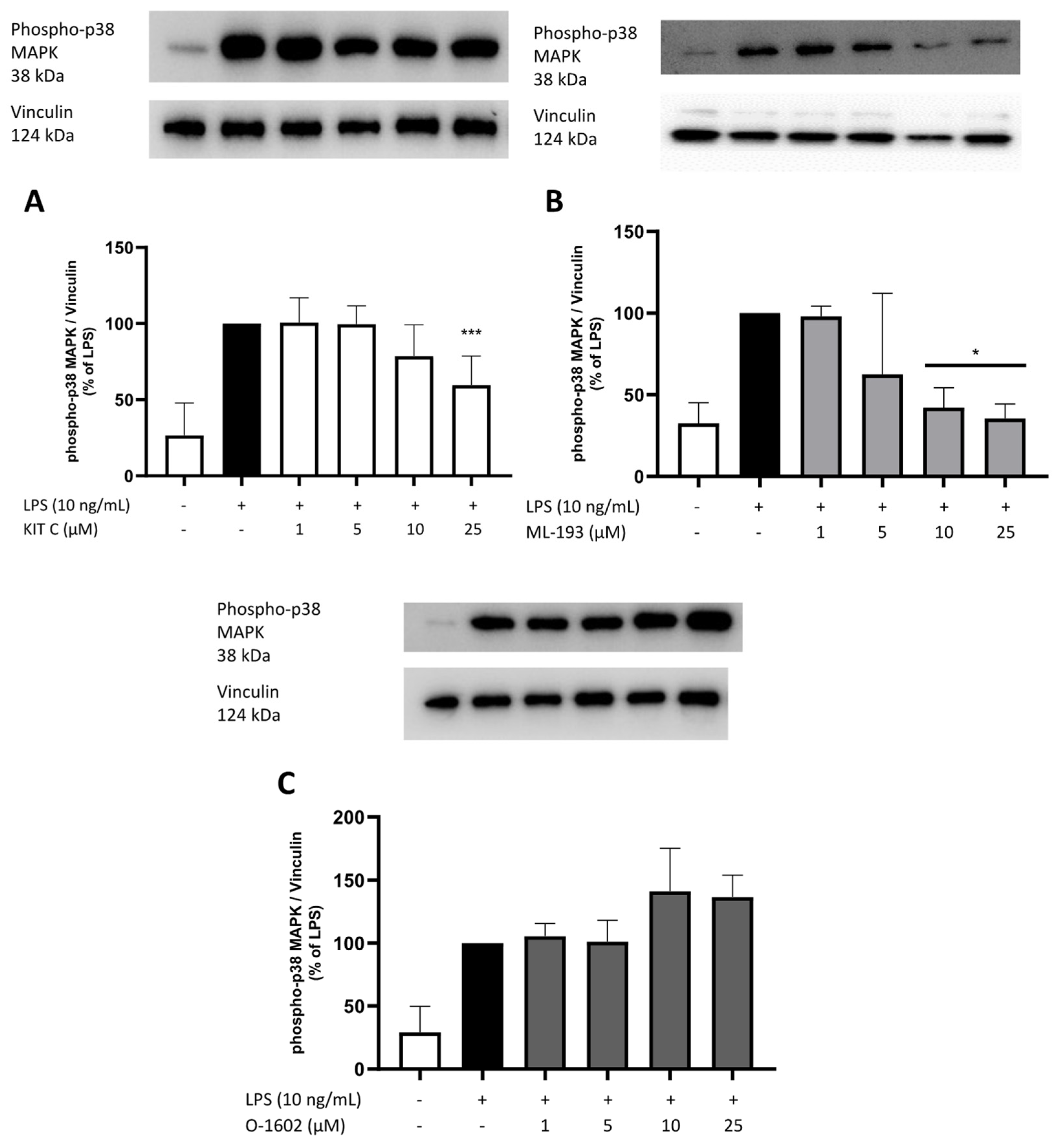
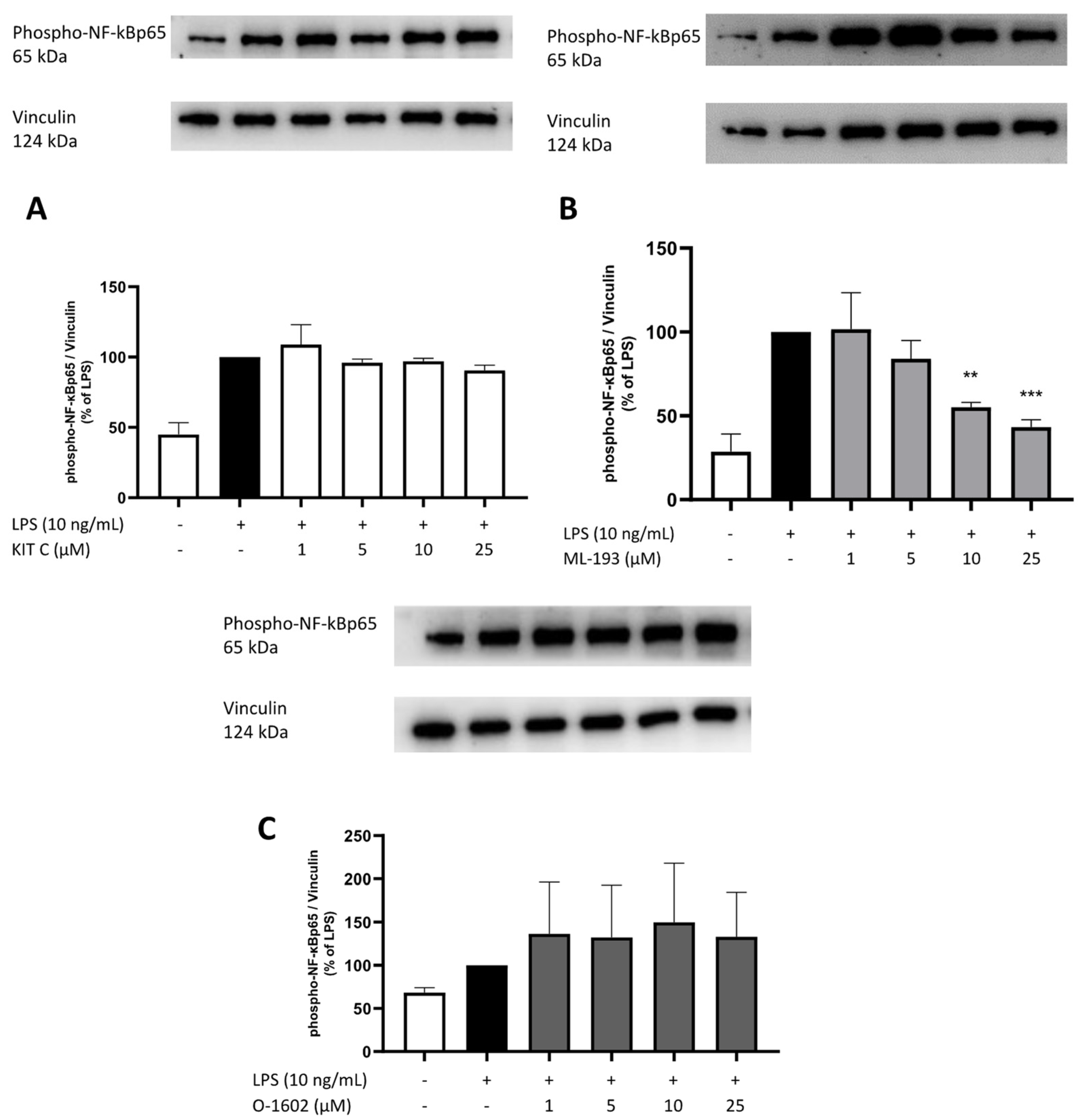
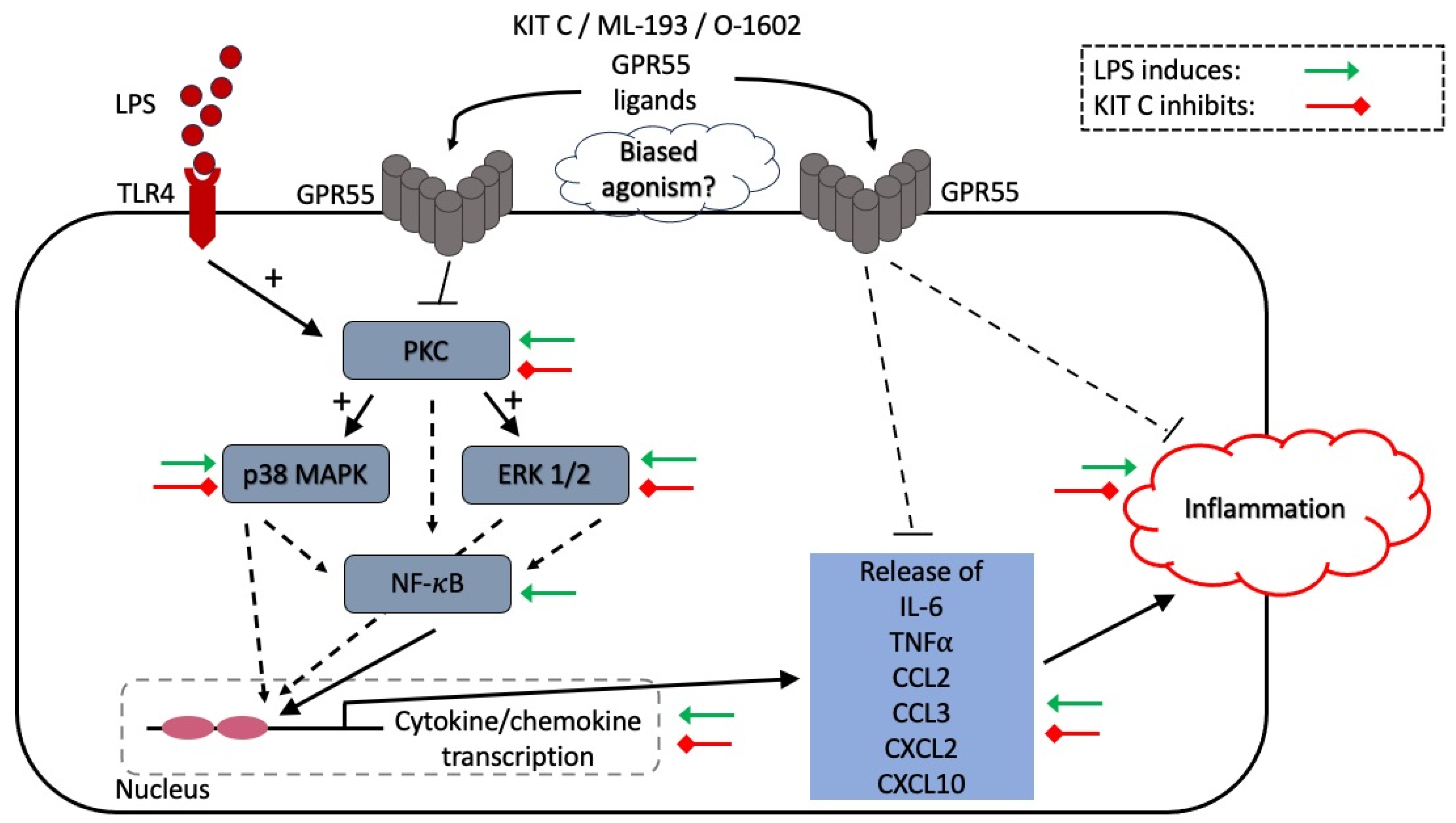
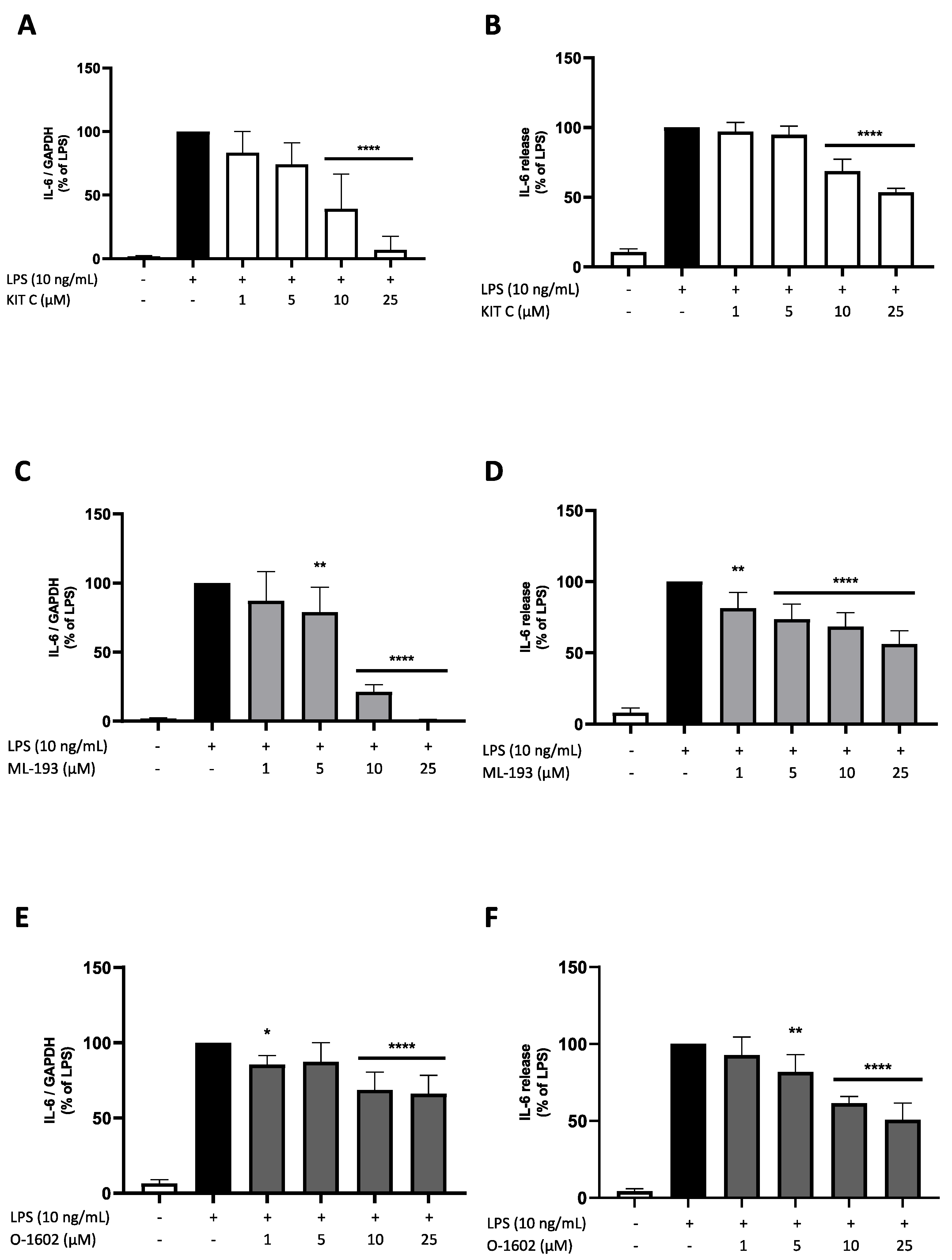
Chronic inflammation is driven by proinflammatory cytokines such as interleukin 6 (IL-6), tumor necrosis factor-α (TNF-α), and chemokines, such as c-c motif chemokine ligand 2 (CCL2), CCL3, C-X-C motif chemokine ligand 2 (CXCL2), and CXCL10. Inflammatory processes of the central nervous system (CNS) play an important role in the pathogenesis of various neurological and psychiatric disorders like Alzheimer’s disease, Parkinson’s disease, and depression. Therefore, identifying novel anti-inflammatory drugs may be beneficial for treating disorders with a neuroinflammatory background. The G-protein-coupled receptor 55 (GPR55) gained interest due to its role in inflammatory processes and possible involvement in different disorders. This study aims to identify the anti-inflammatory effects of the coumarin-based compound KIT C, acting as an antagonist with inverse agonistic activity at GPR55, in lipopolysaccharide (LPS)-stimulated BV2 microglial cells in comparison to the commercial GPR55 agonist O-1602 and antagonist ML-193. All compounds significantly suppressed IL-6, TNF-α, CCL2, CCL3, CXCL2, and CXCL10 expression and release in LPS-treated BV2 microglial cells. The anti-inflammatory effects of the compounds are partially explained by modulation of the phosphorylation of p38 mitogen-activated protein kinase (MAPK), p42/44 MAPK (ERK 1/2), protein kinase C (PKC) pathways, and the transcription factor nuclear factor (NF)-κB, respectively. Due to its potent anti-inflammatory properties, KIT C is a promising compound for further research and potential use in inflammatory-related disorders.
Keywords: neuroinflammation; coumarin derivative; GPR55; O-1602; ML-193; cytokines; chemokines neuroinflammation; coumarin derivative; GPR55; O-1602; ML-193; cytokines; chemokines