Article

Consumption of Policosanol (Raydel®) Improves Hepatic, Renal, and Reproductive Functions in Zebrafish: In Vivo Comparison Study among Cuban, Chinese, and American Policosanol


Raydel Research Institute, Medical Innovation Complex, Dong-gu, Daegu 41061, Republic of Korea
*
Author to whom correspondence should be addressed.
Pharmaceuticals 2024, 17(1), 66; https://doi.org/10.3390/ph17010066
Submission received: 23 November 2023 / Revised: 19 December 2023 / Accepted: 28 December 2023 / Published: 30 December 2023
(This article belongs to the Special Issue Bioactive Substances, Oxidative Stress, and Inflammation)

Abstract

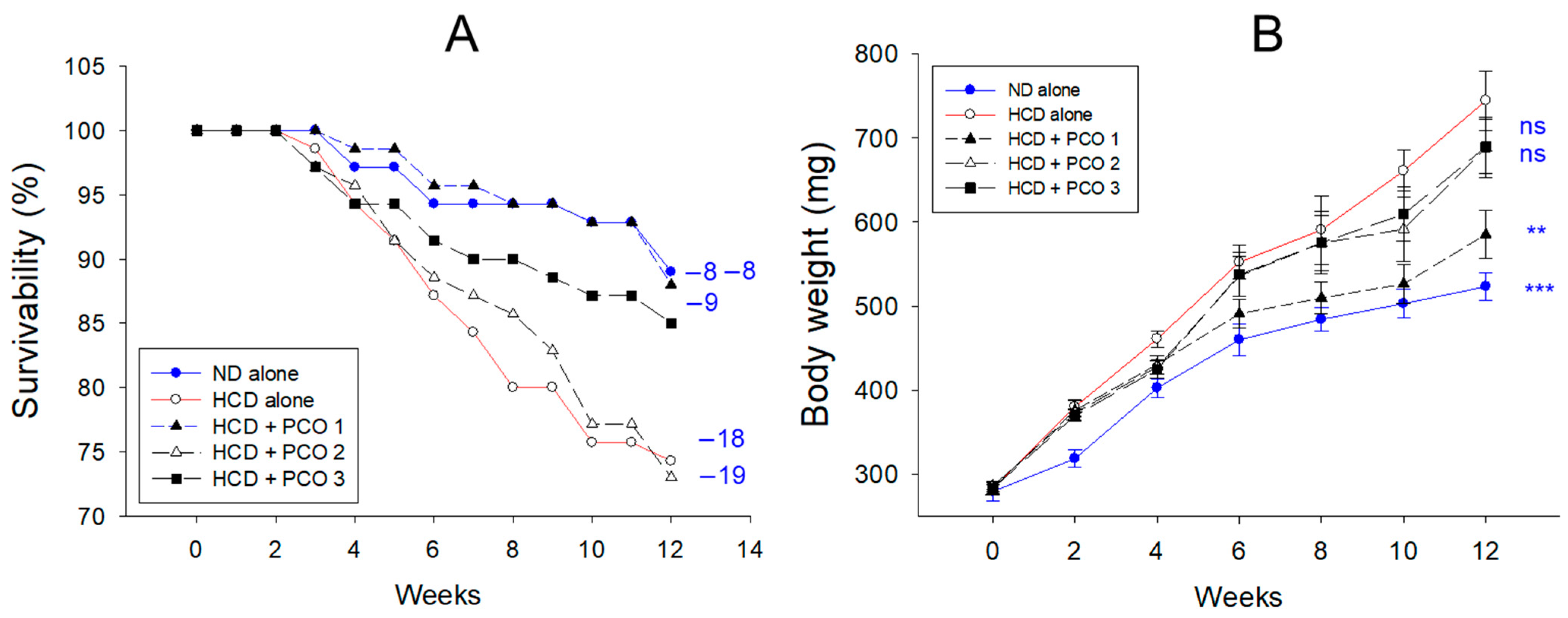
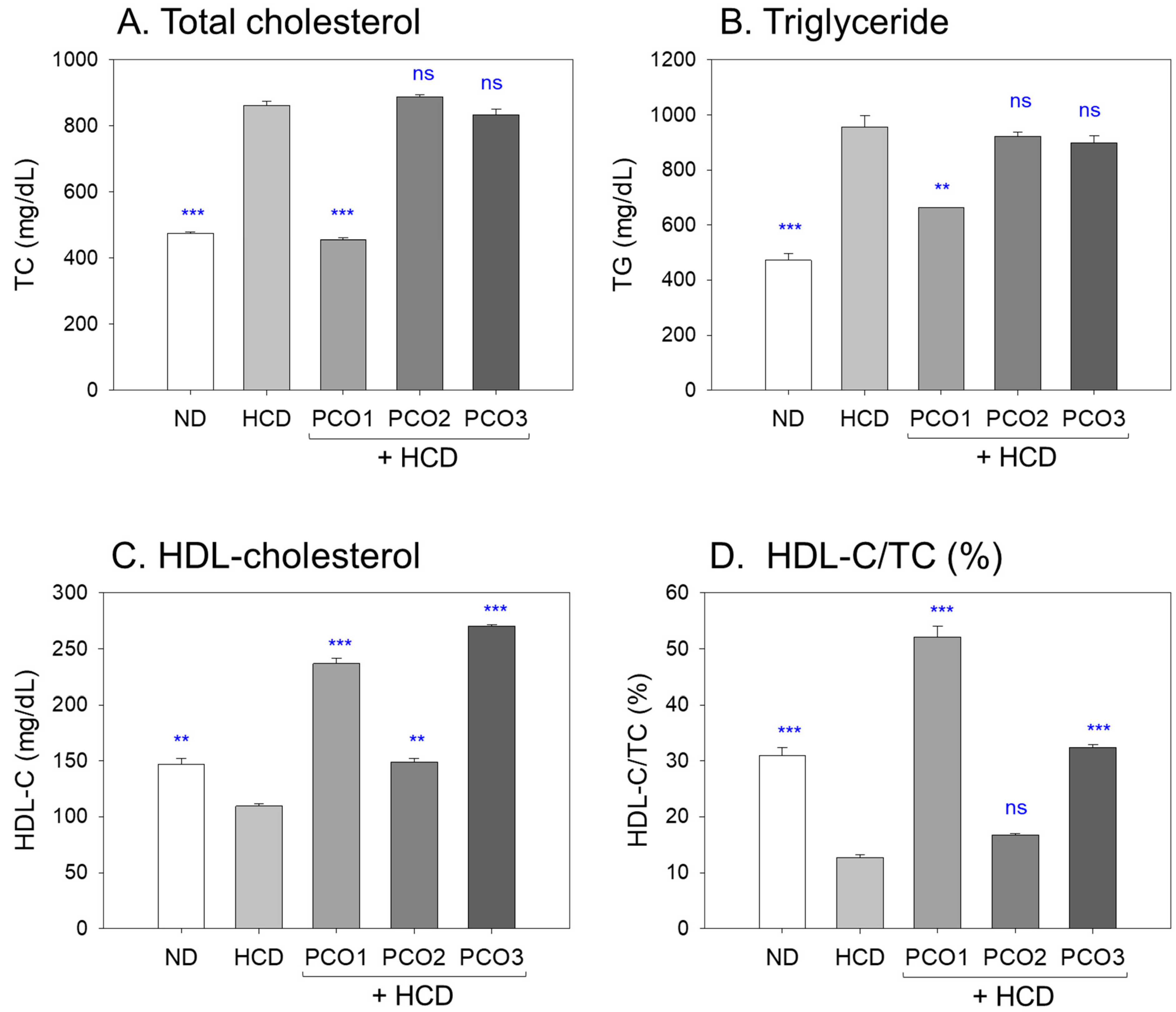
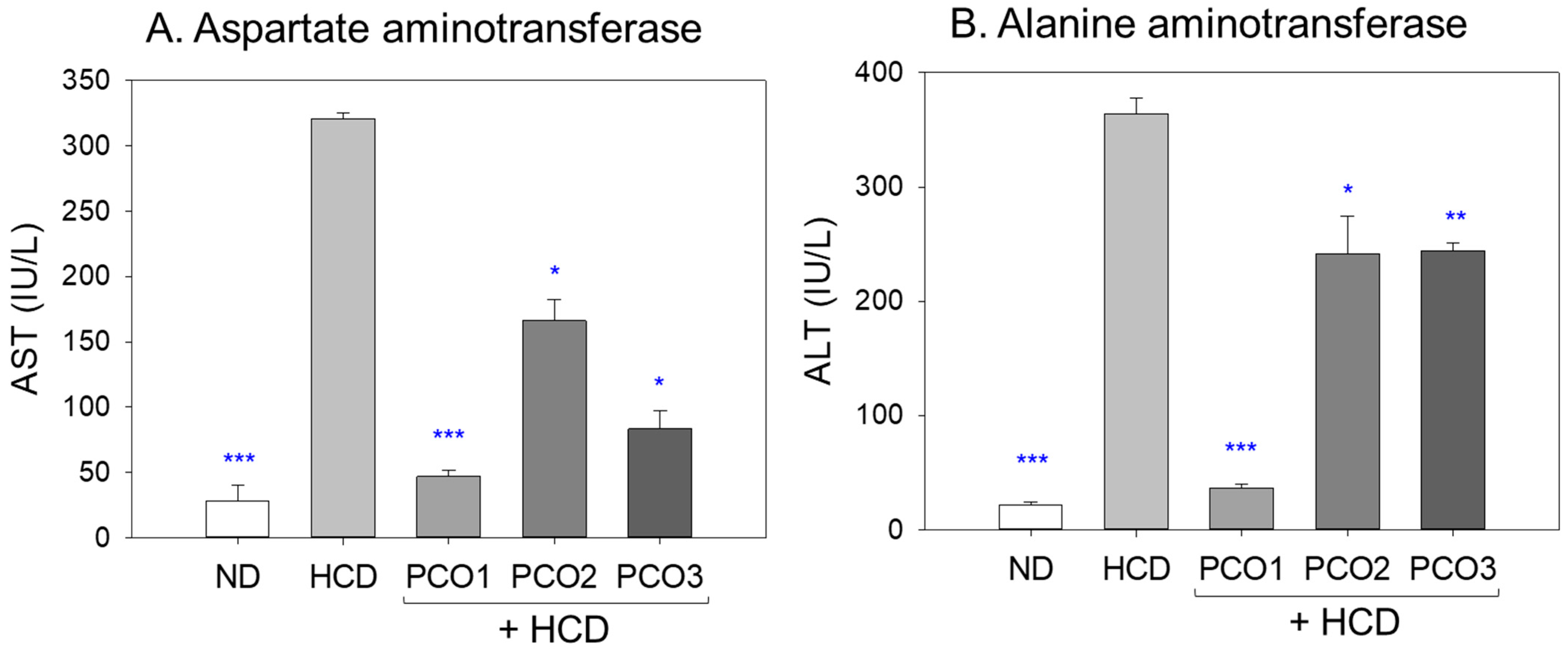
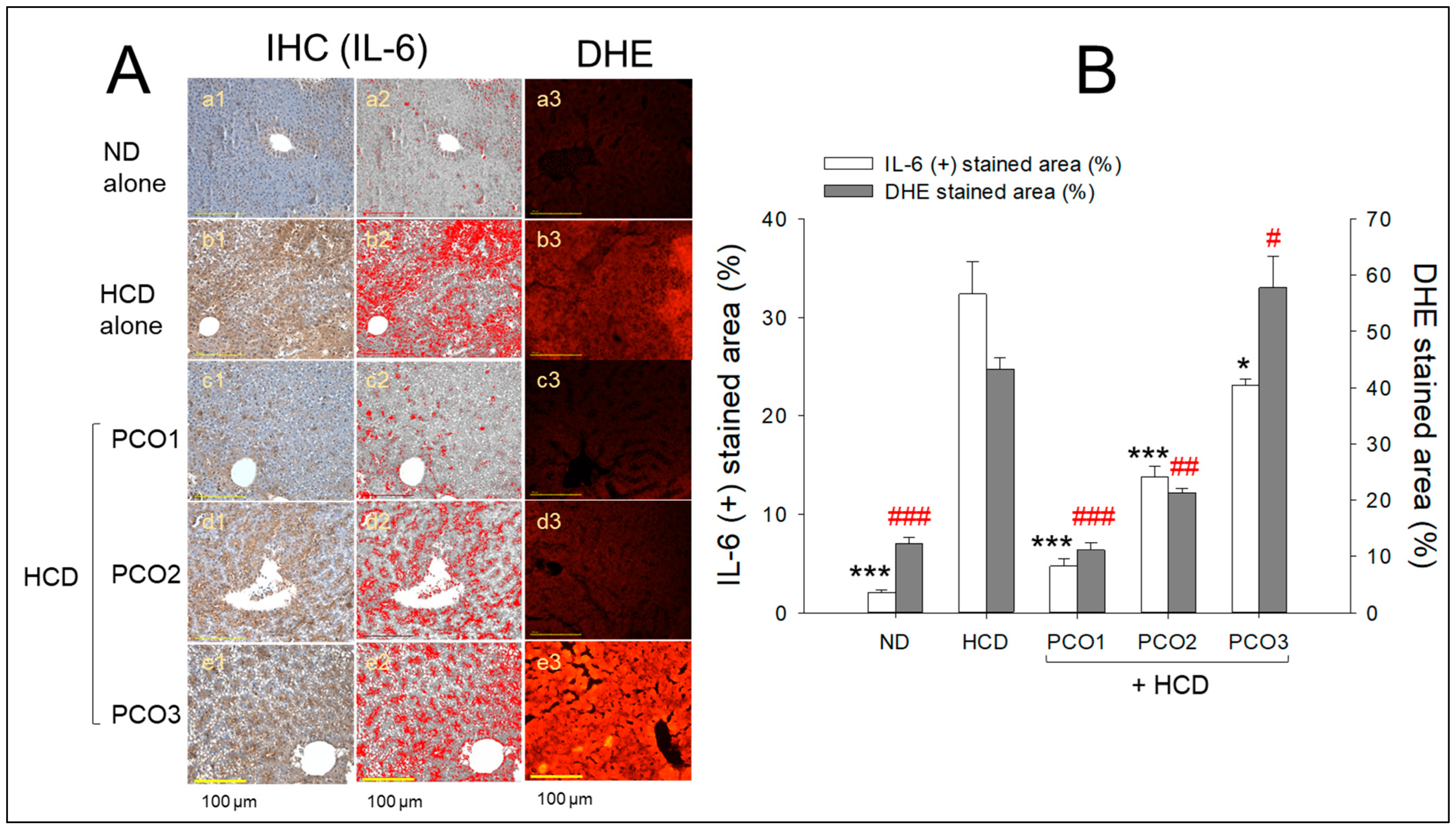
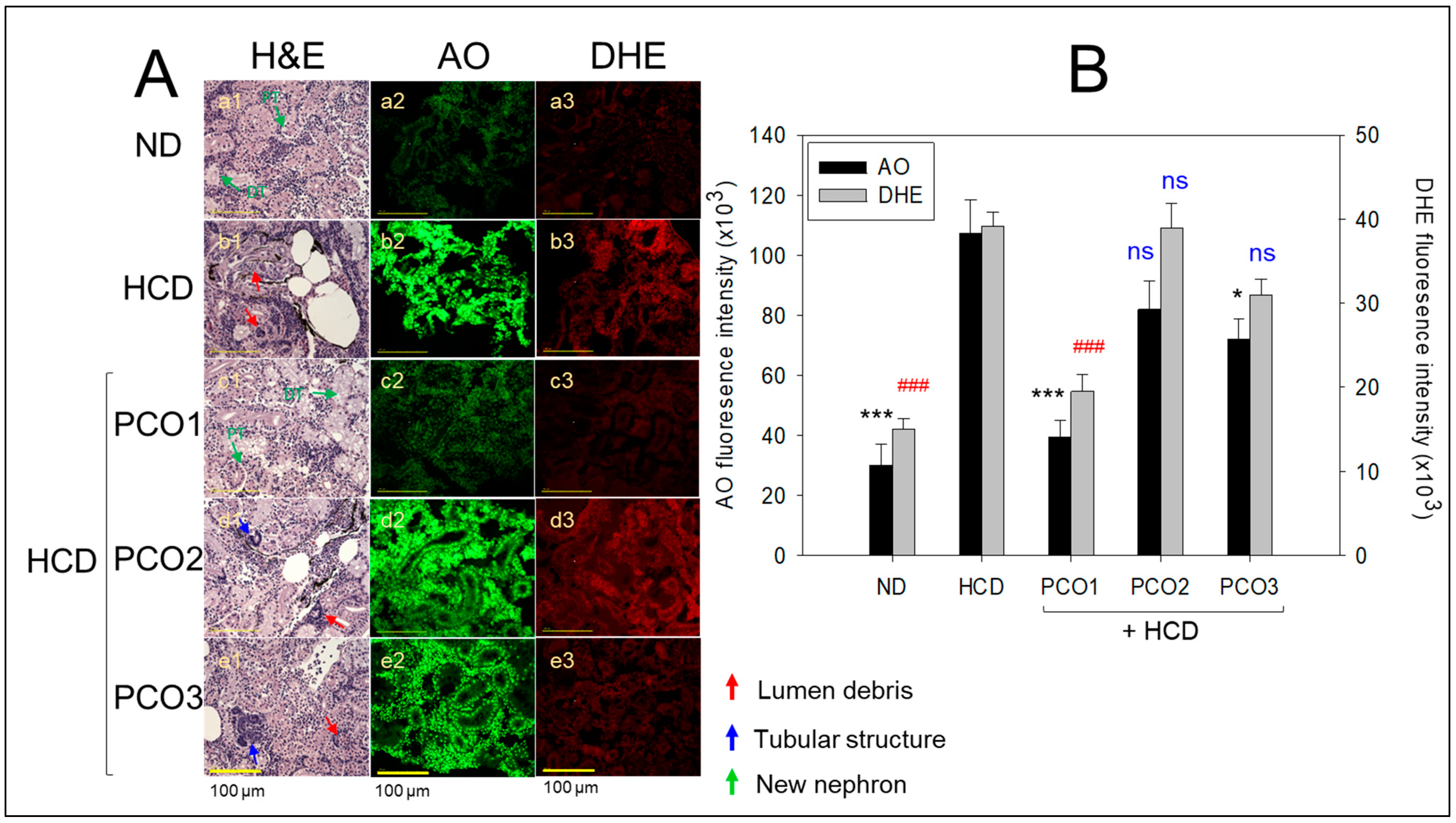
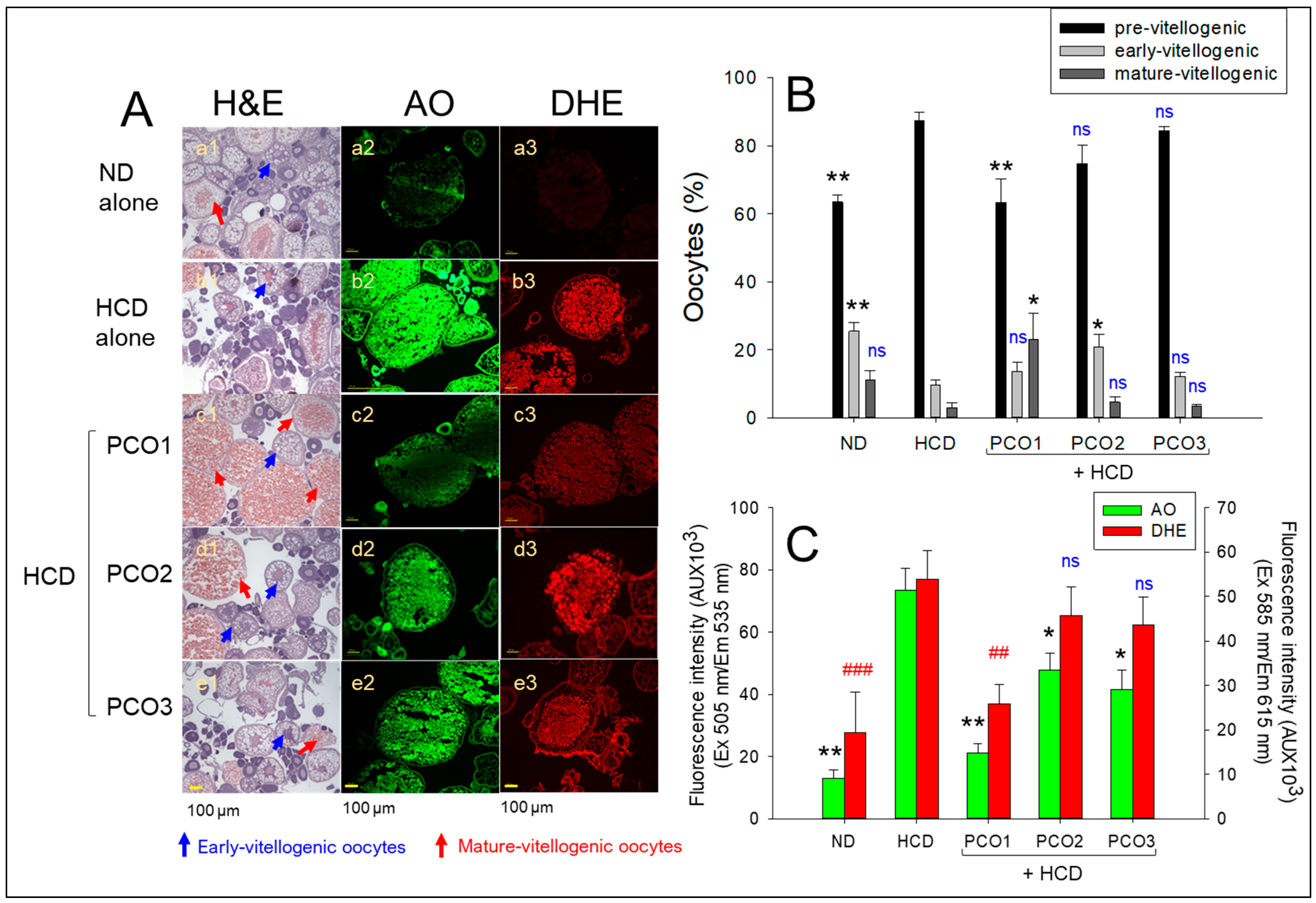
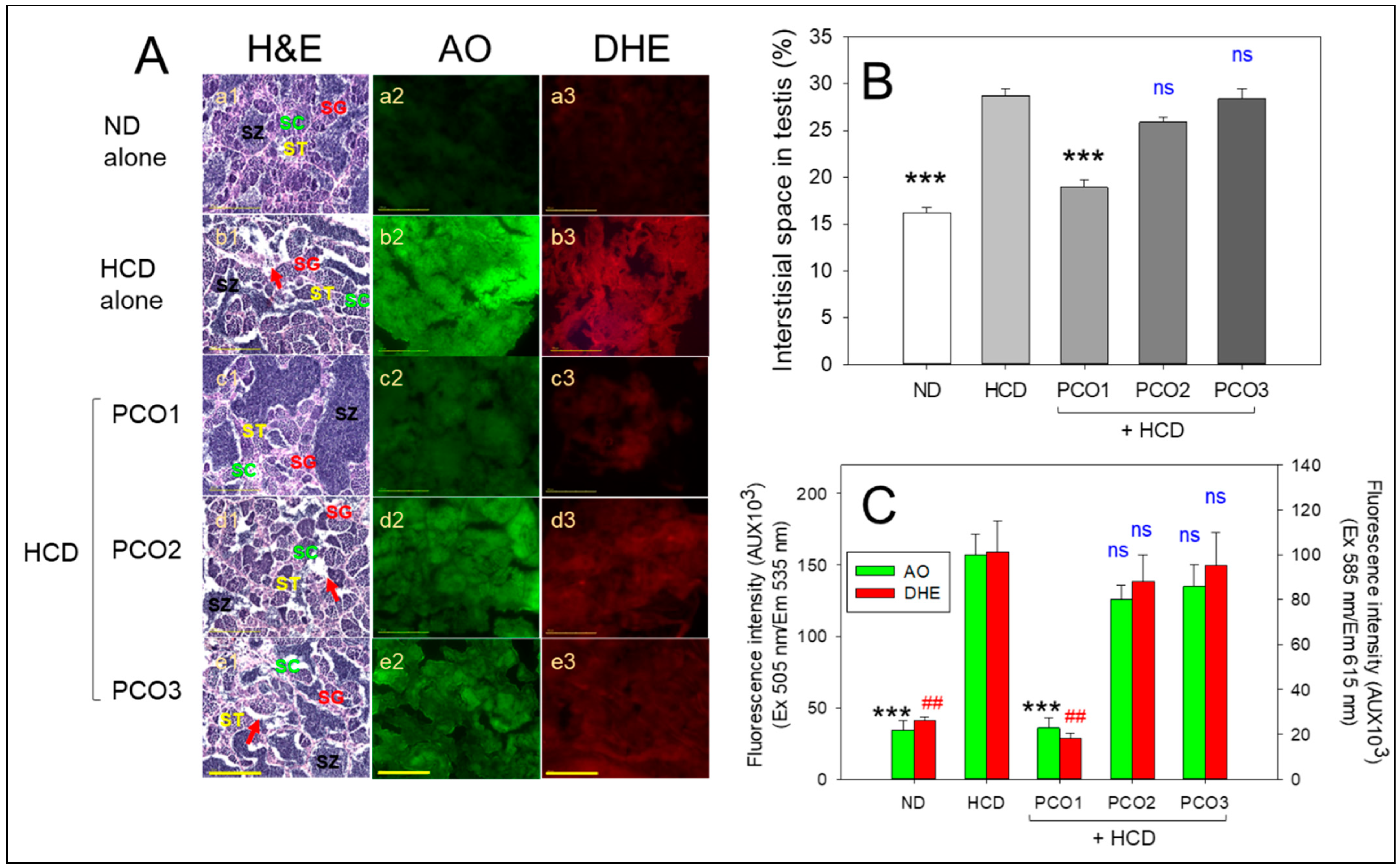
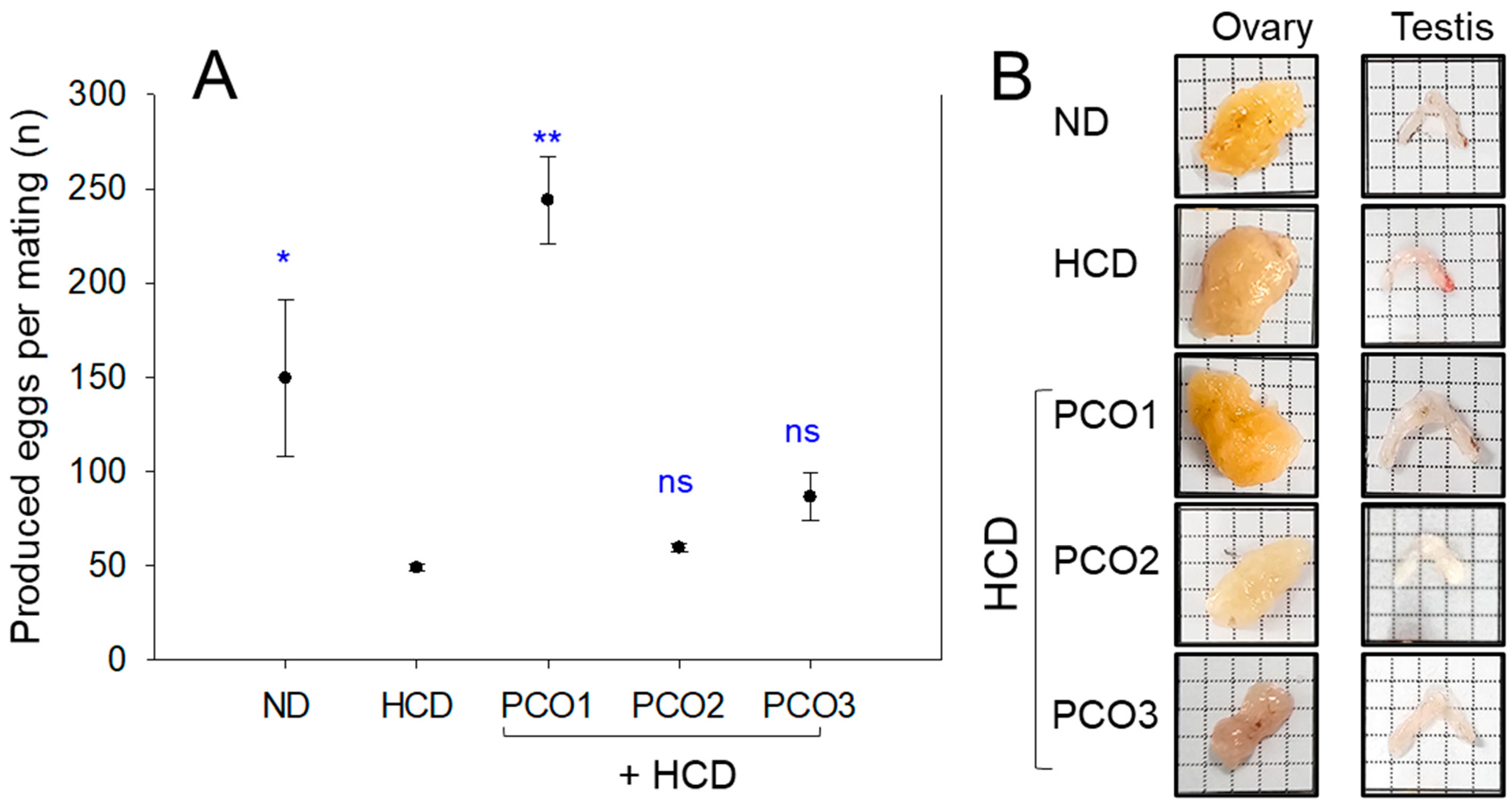
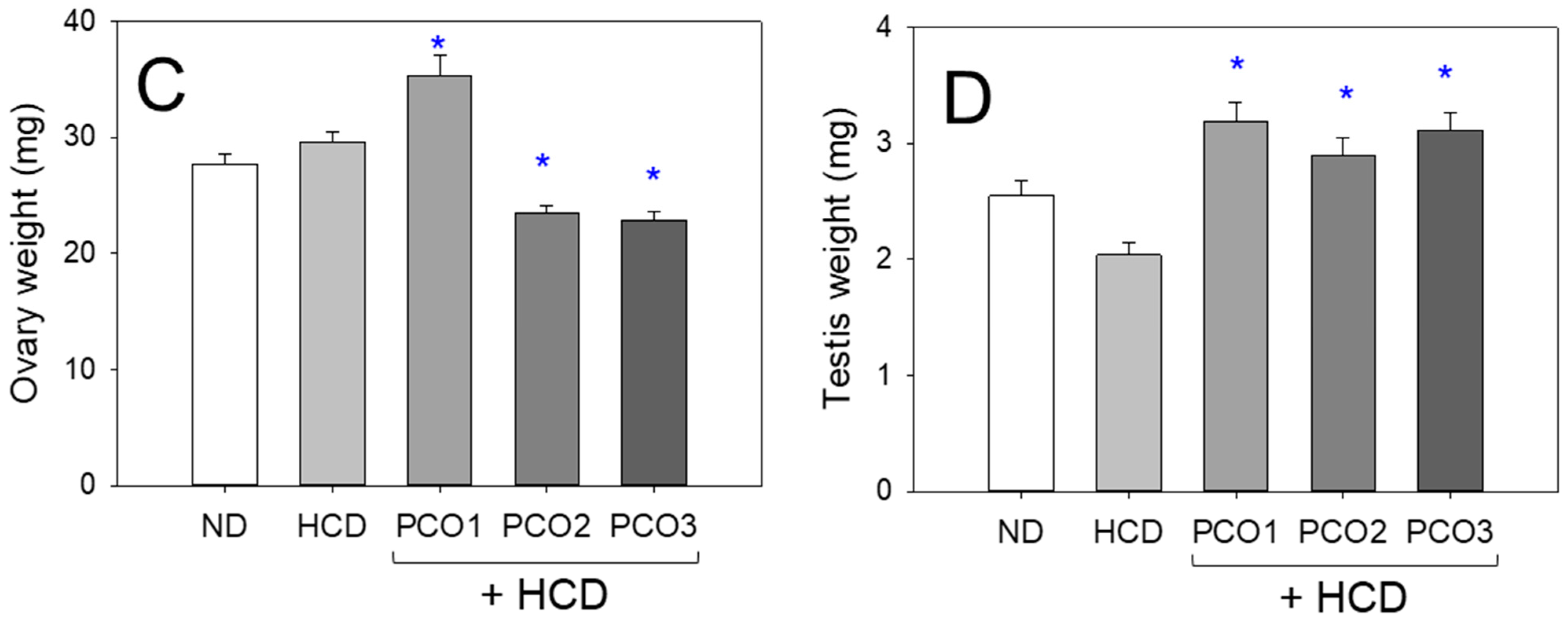
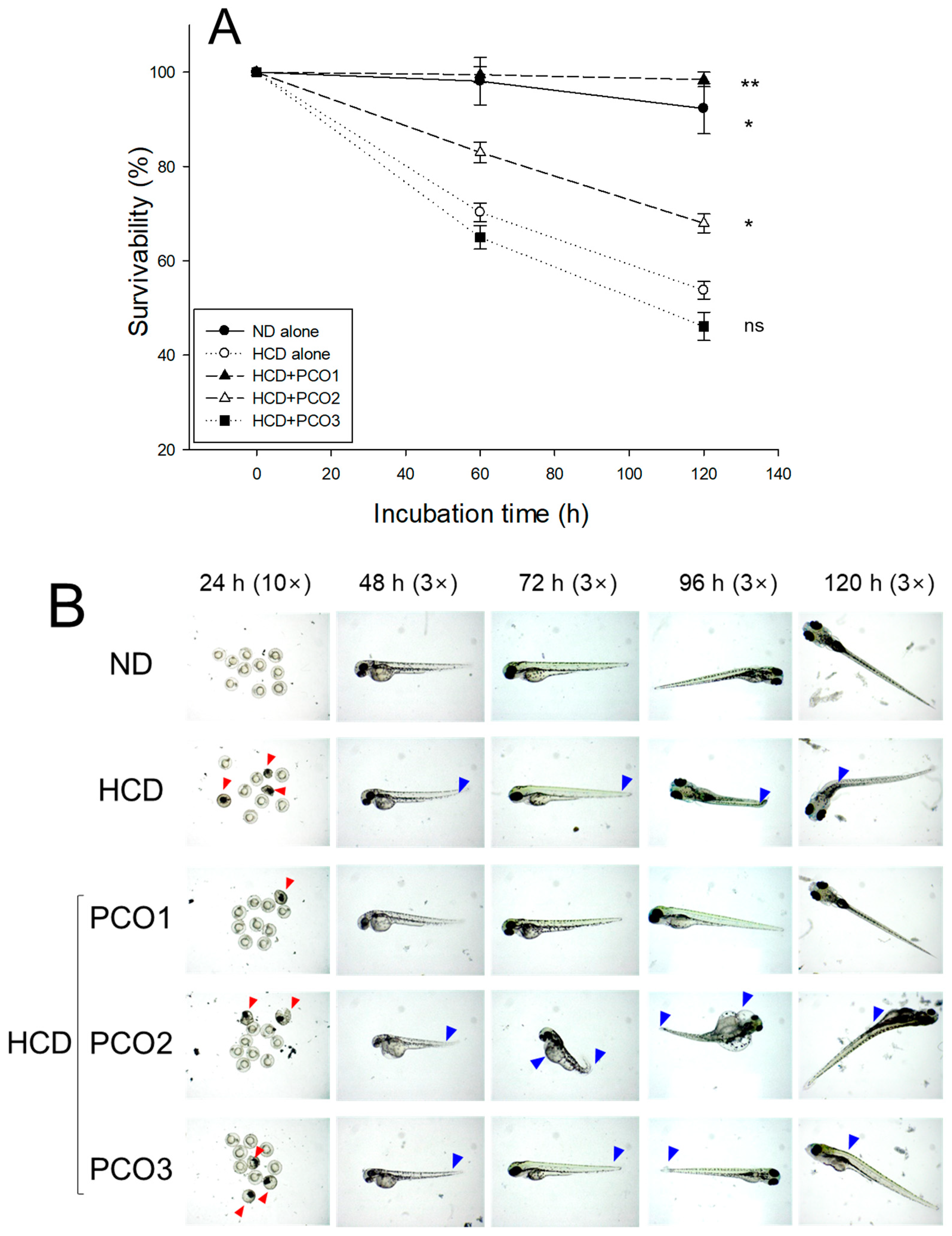
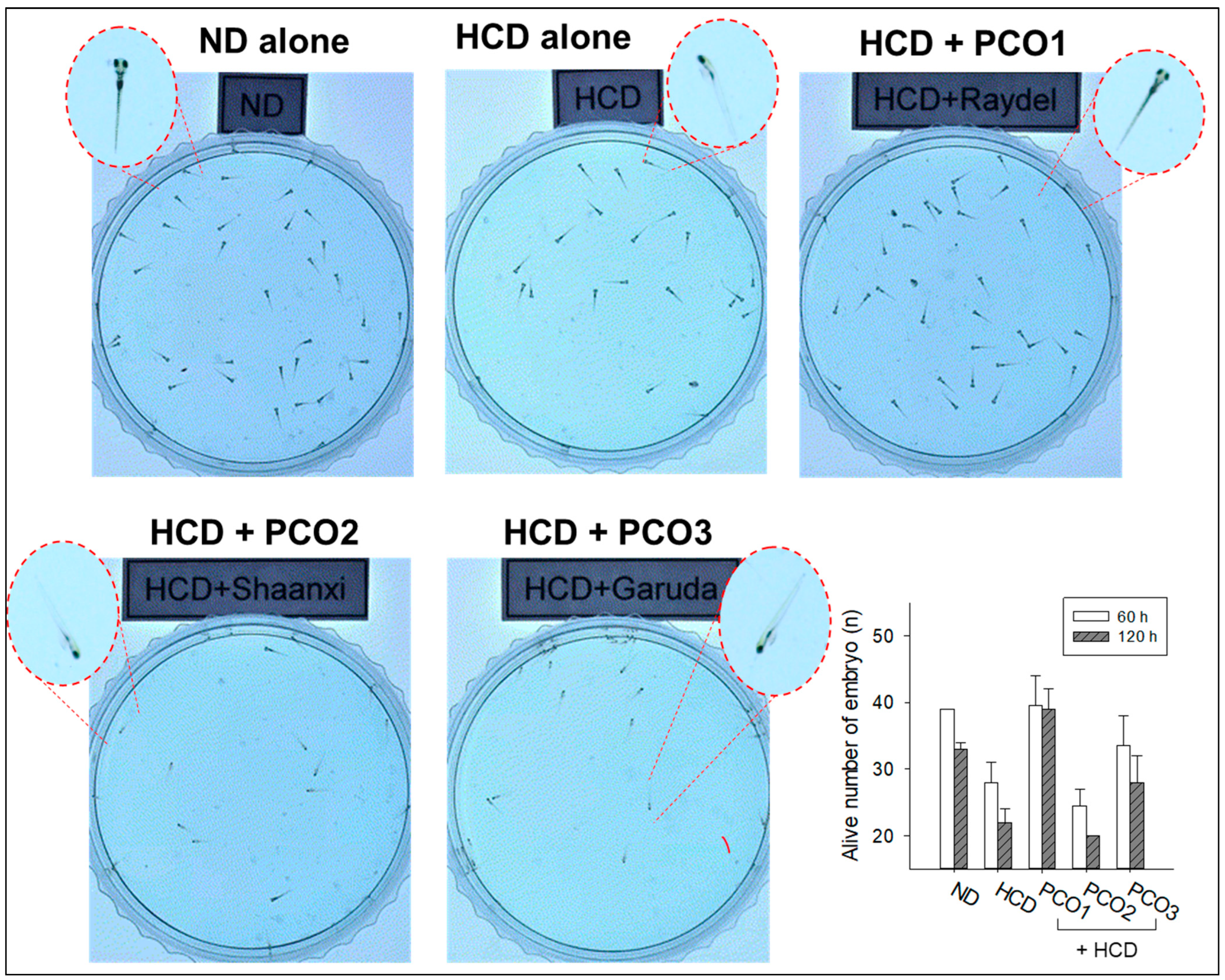
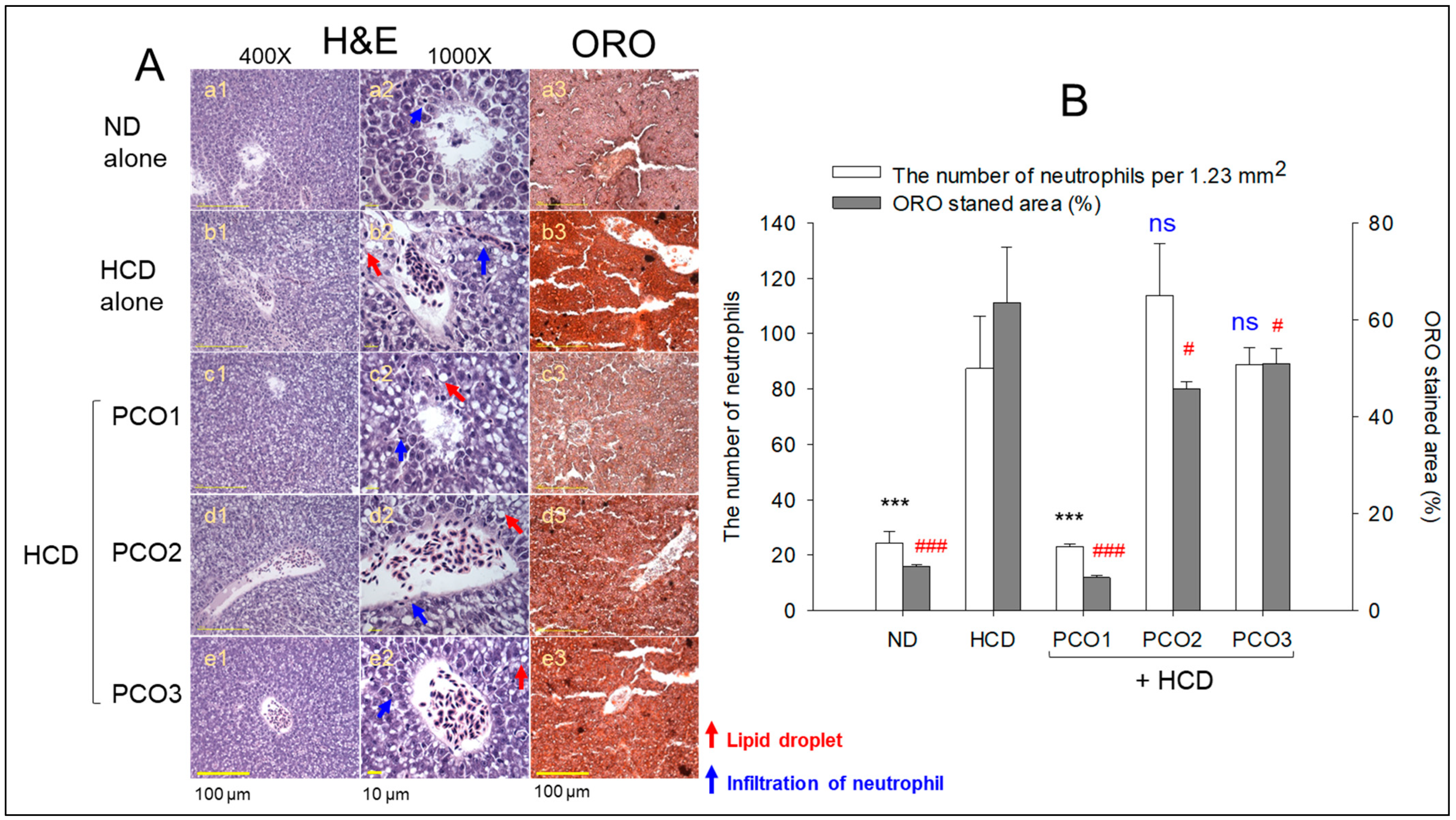
The current study compared three policosanols from Cuba (sugarcane, Raydel®, policosanol (1), China (rice bran, Shaanxi, policosanol (2), and the USA (sugarcane, Lesstanol®, policosanol (3) in the treatment of dyslipidemia and protection of the liver, ovary, and testis in hypercholesterolemic zebrafish. After twelve weeks of supplementation of each policosanol (PCO, final 0.1% in diet, w/w) with a high cholesterol diet (HCD, final 4%, w/w), the Raydel policosanol (PCO1) group showed the highest survivability, approximately 89%. In contrast, Shaanxi policosanol (PCO2) and Lesstanol policosanol (PCO3) produced 73% and 87% survivability, respectively, while the HCD alone group showed 75% survivability. In the 12th week, the PCO1 group demonstrated the most modest increase in body weight along with significantly lower levels of total cholesterol (TC) and triglycerides (TG) in comparison to the HCD control group. Additionally, the PCO1 group exhibited the highest proportion of high-density lipoprotein (HDL)-cholesterol within TC. Notably, the PCO1 group displayed the lowest level of aspartate aminotransferase and alanine aminotransferase, minimal infiltration of inflammatory cells, reduced interleukin (IL)-6 production in the liver, a notable decline in reactive oxygen species (ROS) generation and mitigated fatty liver changes. HCD supplementation induced impairment of kidney morphology with the greatest extent of ROS production and apoptosis. On the other hand, the PCO 1 group showed a remarkably improved morphology with the least ROS generation and apoptosis. Within the ovarian context, the PCO1 group exhibited the most substantial presence of mature vitellogenic oocytes, accompanied by minimal levels of ROS and apoptosis. Similarly, in the testicular domain, the PCO1 group showcased optimal morphology for spermatogenesis, characterized by the least interstitial area and diminished production of ROS in testicular cells. At week 8, the PCO1 group showed the highest egg-laying ability, with around 244 eggs produced per mating. In contrast, the HCD alone, PCO2, and PCO3 groups showed significantly lower egg-laying ability (49, 59, and 86 eggs, respectively). The embryos from the PCO1 group exhibited the highest survivability with the fastest swimming ability and developmental speed. These results suggest that PCO1 consumption significantly enhanced the reproduction system, egg-laying ability, and embryo survivability. In conclusion, among the three policosanols, Cuban (Raydel®) policosanol had the strongest effect on survivability, improving dyslipidemia, liver protection, kidney, ovary, and testis with a restoration of the cell morphology, and the least ROS production and apoptosis-induced by HCD supplementation.
Keywords: policosanol; high-cholesterol diet (HCD); high-density lipoproteins (HDL); apolipoproteinA-I (apoA-I); inflammation; interleukin-6; liver; kidney; ovary; testis policosanol; high-cholesterol diet (HCD); high-density lipoproteins (HDL); apolipoproteinA-I (apoA-I); inflammation; interleukin-6; liver; kidney; ovary; testis