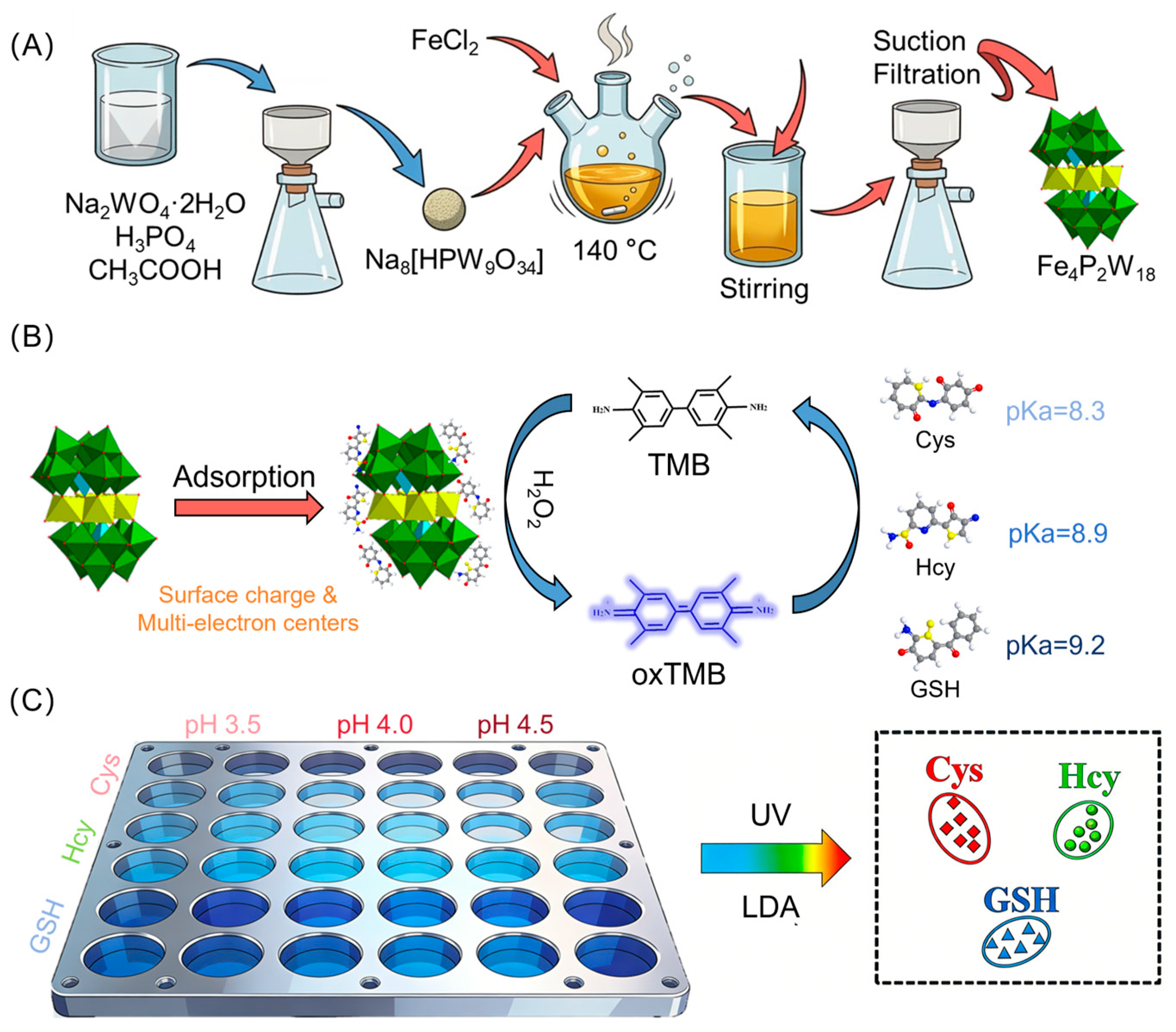
3.1. Synthesis and Characterization of Fe4P2W18 Nanozyme
The Fe
4P
2W
18 polyoxometalate nanozyme was synthesized via a mild one-step method using Na
8[HPW
9O
34]·24H
2O and FeCl
2 as precursors. To obtain a nanozyme with high catalytic activity, the molar ratio of FeCl
2 to Na
8[HPW
9O
34] was first optimized. As shown in
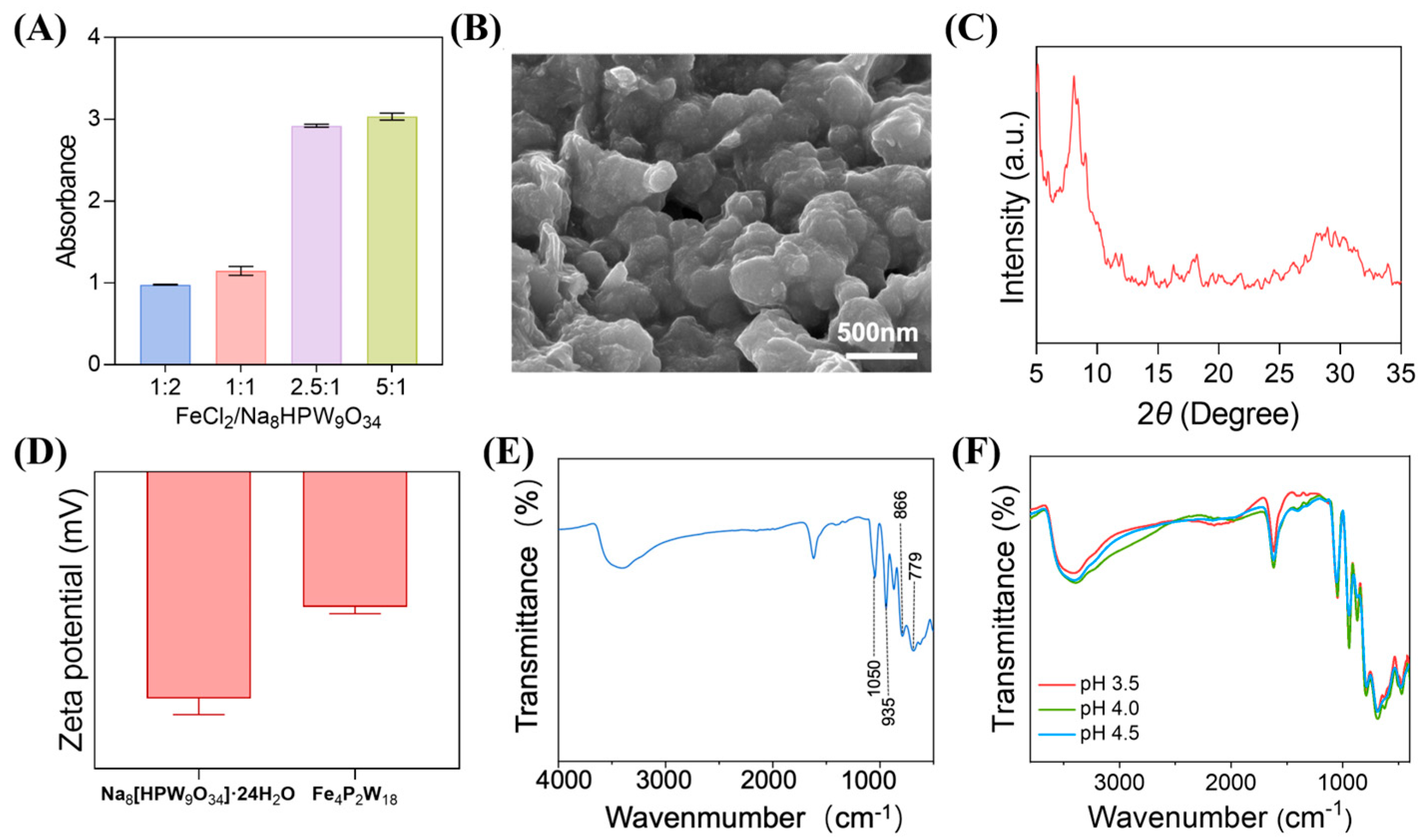
Figure 1A, when the ratio reached 2.5:1, the absorbance at 652 nm increased rapidly, while further increasing the FeCl
2 content resulted in negligible improvement. Considering both catalytic efficiency and economic cost, a ratio of 2.5:1 was selected for subsequent experiments. The morphology and composition of Fe
4P
2W
18 were characterized by SEM, XRD, Zeta potential analysis, and FT-IR spectroscopy. The SEM image (
Figure 1B) reveals that the Fe
4P
2W
18 is composed of numerous small nanocrystals with particle sizes in the range of several hundred nanometers. The XRD pattern of Fe
4P
2W
18 (
Figure 1C) exhibits a distinct sharp peak at approximately 2
θ = 8°, indicative of a well-defined periodic arrangement of the polyoxometalate clusters, which is consistent with its atomically precise structure [
26]. Meanwhile, a broad hump in the 2
θ range of 20–35° is observed, suggesting the nanocrystalline nature of the material [
27]. This combined feature is typical for nanoscale polyoxometalate aggregates, where the primary clusters maintain long-range order along specific crystallographic directions. Meanwhile, the overall particle size and surface disorder lead to peak broadening at higher diffraction angles [
28]. This unique structural characteristic provides both high catalytic activity due to the exposed active sites and structural stability from the cluster framework. The precursor Na
8[HPW
9O
34] exhibits a highly negative Zeta potential (approximately −30 mV), confirming the strong electrostatic driving force that is retained in the final Fe
4P
2W
18 nanozyme (
Figure 1D, −18 mV). This negatively charged surface enhances the affinity toward positively charged substrates, thereby improving its peroxidase-like catalytic performance. FT-IR spectroscopy (
Figure 1E) further verified the chemical composition, with characteristic peaks at 779, 866, 935, and 1050 cm
−1 corresponding to W–O
c–W, W–O
b–W, W
1/4O
d, and P–O
a bonds, respectively [
25]. The presence of these characteristic peaks, together with the negatively charged surface revealed by Zeta potential, confirms the structural integrity of Fe
4P
2W
18 and provides the necessary chemical basis for its enrichment of biothiols. The hydrolytic stability of the Fe
4P
2W
18 framework across the working pH range was confirmed by FT-IR spectra recorded after incubation at pH 3.5, 4.0, and 4.5, which showed no changes in the characteristic POM vibrational bands (
Figure 1F).
XPS analysis was employed to precisely determine the elemental composition and valence states of Fe
4P
2W
18 (
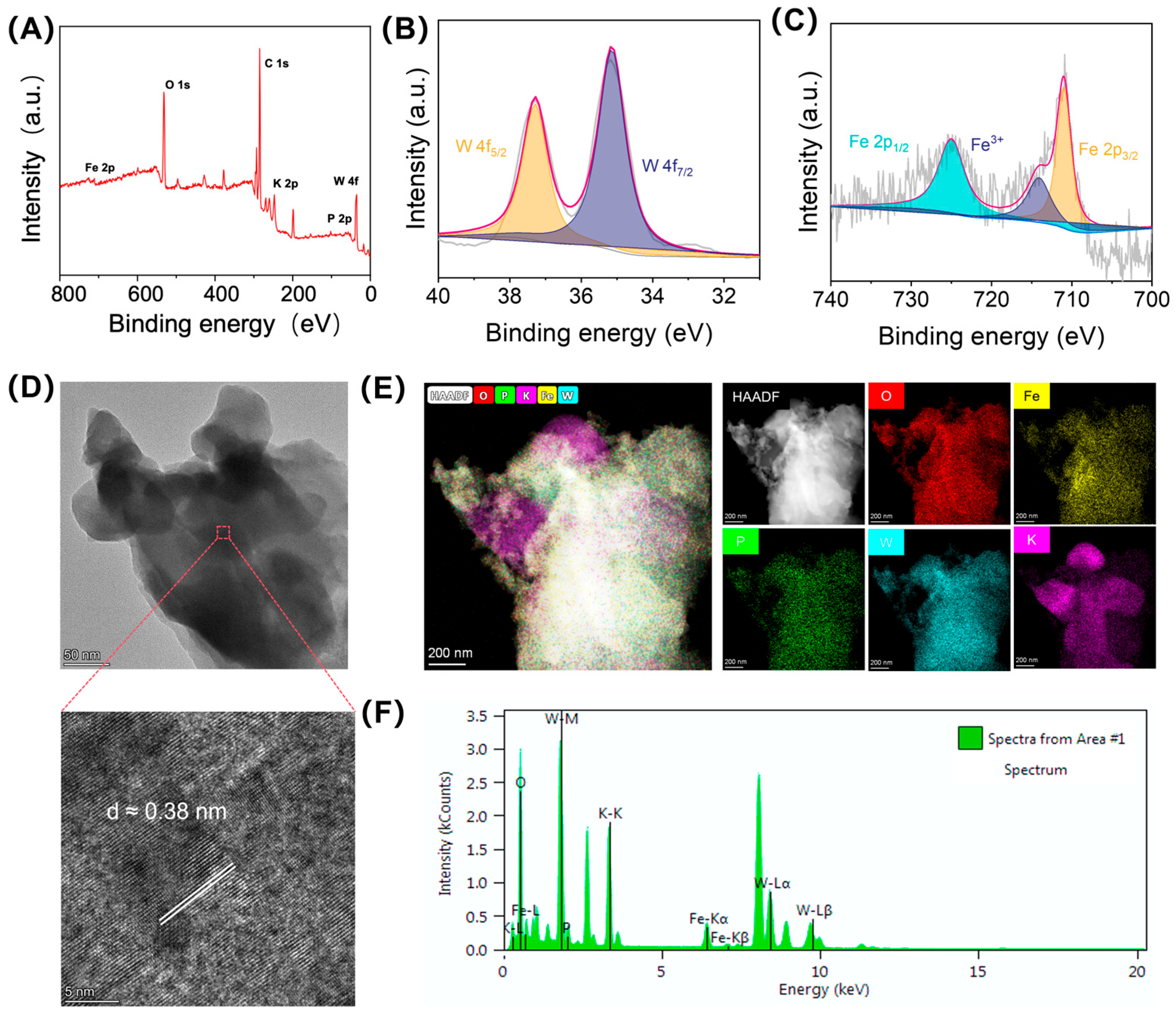
Figure 2A). The survey spectrum revealed characteristic peaks corresponding to P 2p, W 4f, Fe 2p, K 2p, and O 1s, which are in good agreement with the theoretical composition of the target compound. Quantitative atomic percentages were derived from the high-resolution narrow-scan analyses (
Table 1). High-resolution XPS spectra were further acquired to elucidate the chemical states of tungsten and iron. The W 4f spectrum (
Figure 2B) exhibits two distinct peaks at binding energies of approximately 35.6 eV and 37.7 eV, assigned to W 4f
7/2 and W 4f
5/2, respectively, with a spin–orbit splitting of 2.1 eV. These values are characteristic of W
6+ in a typical polyoxometalate framework, confirming the fully oxidized state of tungsten. The Fe 2p spectrum (
Figure 2C) shows two main peaks at approximately 711.2 eV and 724.8 eV, corresponding to Fe 2p
3/2 and Fe 2p
1/2, respectively, with a spin–orbit splitting of 13.6 eV (
Figure 2C). Notably, the presence of a satellite peak at approximately 718.5 eV is a fingerprint of high-spin Fe
3+ species, confirming that iron exists in the +3 oxidation state. These binding energy assignments are essential for the peroxidase-like catalytic activity of Fe
4P
2W
18, as they confirm the retention of redox-active centers within the polyoxometalate structure [
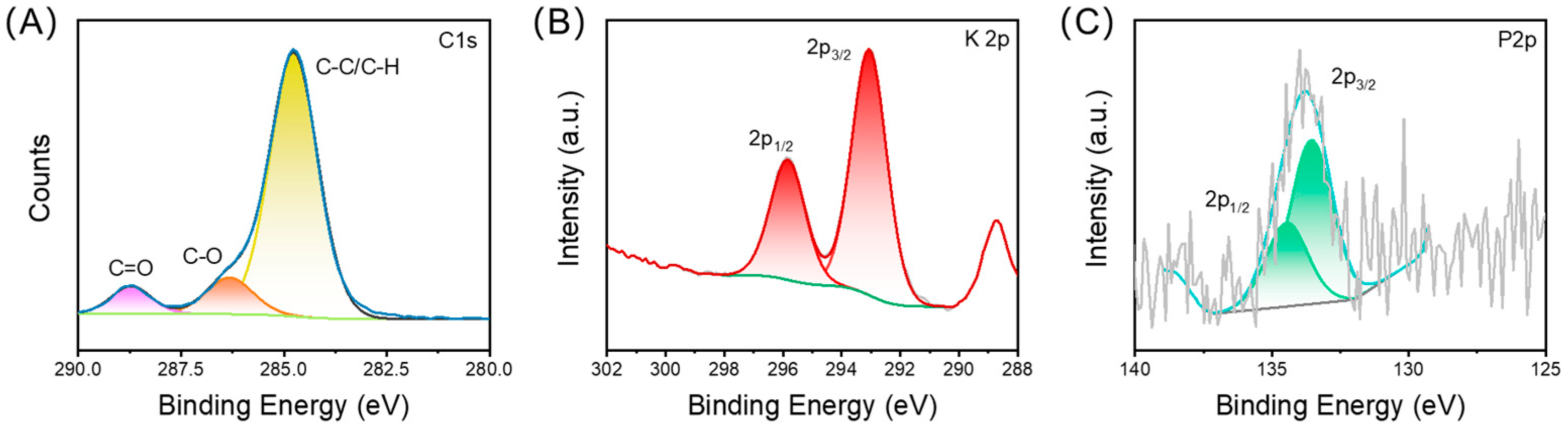
29]. The C 1s signal primarily serves as a binding energy reference for charge correction (
Figure 3A). The K 2p doublet exhibits a characteristic spin–orbit splitting of approximately 2.8 eV, confirming the presence of K
+ as the charge-balancing counterion within the polyoxometalate structure (
Figure 3B). The P 2p signal, typically appearing as a single peak at around 133.5 eV for P
5+, verifies the incorporation of phosphorus into the framework without the presence of reduced phosphorus species (
Figure 3C). These features provide key evidence for the stability and structural integrity of the heteropoly Fe
4P
2W
18 compound. The oxygen bonding environments, which would ideally be resolved by deconvolution of the O 1s XPS spectrum, were instead characterized by FT-IR spectroscopy (
Figure 1E), where the distinct W–O
c–W, W–O
b–W, W=O
d, and P–O
a vibrations provide unambiguous bond-level structural information complementary to the XPS data.
High-resolution transmission electron microscopy (HRTEM) was performed to further investigate the detailed microstructure of Fe
4P
2W
18. As shown in
Figure 2D, the nanozyme exhibits a distinct nanosheet-like morphology with lateral dimensions ranging from several hundred nanometers to approximately one micrometer. The nanosheets are composed of densely packed nanocrystalline domains with sizes of approximately 5–10 nm, consistent with the broad diffraction features observed in the XRD pattern. Notably, HRTEM imaging (
Figure 2D) reveals well-resolved lattice fringes within these nanocrystalline regions, with an interplanar spacing of approximately 0.38 nm, corresponding to the characteristic spacing of the polyoxometalate framework. The coexistence of ordered lattice fringes and amorphous-like regions reflects the partially crystalline nature of the material, which is typical for nanoscale polyoxometalate aggregates. EDS mapping analysis (
Figure 2E) further corroborated the structural homogeneity at the nanoscale, revealing the uniform distribution of W, O, Fe, and P elements, thereby demonstrating the successful construction of the W–O–Fe–P network within the polyoxometalate framework [
30]. The corresponding energy-dispersive X-ray spectroscopy (EDS) spectrum exhibited characteristic X-ray peaks for W, O, Fe, and P, further confirming the elemental composition of the nanozyme (
Figure 2F). Collectively, these characterizations confirm the successful synthesis of Fe
4P
2W
18, with an atomically precise, well-defined structure.
3.2. POD-like Activity of Fe4P2W18 Nanozyme
The peroxidase-like activity of Fe
4P
2W
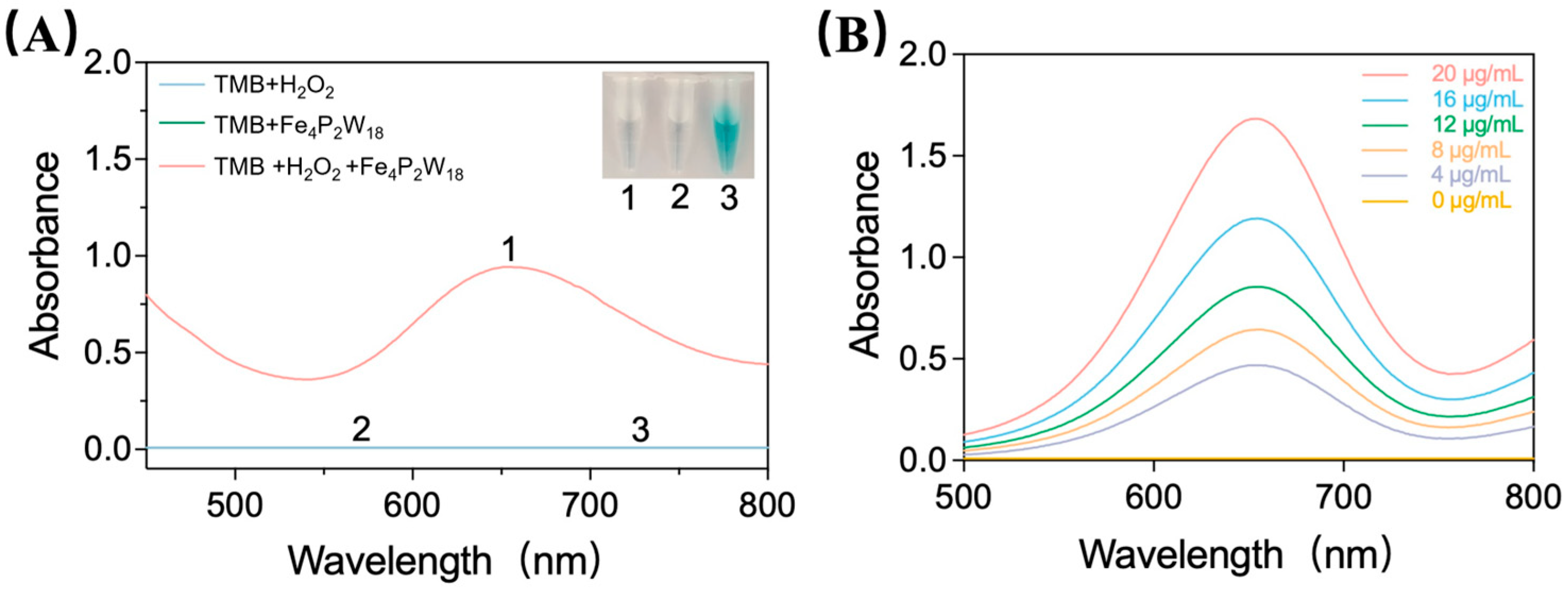
18 was evaluated using the classic TMB chromogenic reaction. As shown in
Figure 4A, when Fe
4P
2W
18, TMB, and H
2O
2 were all present, a distinct absorption peak at 652 nm emerged, corresponding to the π–π* transition of oxidized TMB (oxTMB) [
31]. In contrast, control experiments lacking any one of the three components (Fe
4P
2W
18, TMB, or H
2O
2) exhibited negligible absorbance at 652 nm, confirming that the catalytic oxidation of TMB requires the simultaneous presence of the nanozyme and H
2O
2. Concurrently, the reaction solution turned from colorless to deep blue, providing a clear visual indication that Fe
4P
2W
18 can utilize H
2O
2 as a substrate to generate highly reactive hydroxyl radicals (·OH) that oxidize TMB [
32]. The effect of Fe
4P
2W
18 concentration on catalytic activity was subsequently investigated. As illustrated in
Figure 4B, the absorbance at 652 nm increased progressively with increasing nanozyme concentration in the range of 0–20 μg/mL, indicating a concentration-dependent catalytic response. A concentration of 12 μg/mL was selected as the optimal dosage for subsequent experiments, providing a suitable balance between high catalytic activity and economic efficiency.
To clearly understand the catalytic process of H
2O
2 by the Fe
4P
2W
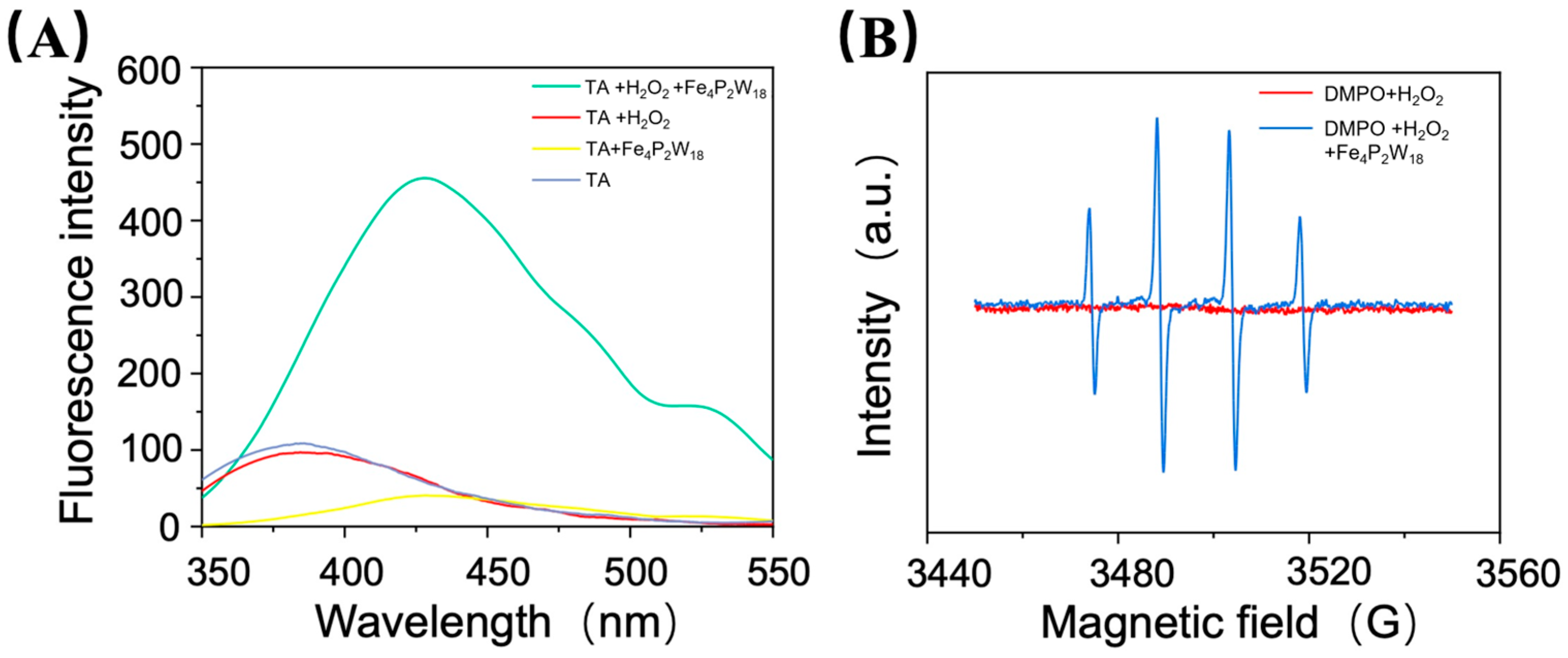
18 nanomaterial, we conducted a series of experiments. First, we selected terephthalic acid (TA), a fluorescent probe with high specificity for hydroxyl radicals (·OH). As shown in
Figure 5A, significant fluorescence emission was observed only when Fe
4P
2W
18, TA, and H
2O
2 were present simultaneously. In contrast, no obvious fluorescence was detected in the control groups (including Fe
4P
2W
18 alone, TA alone, and H
2O
2 alone). This phenomenon strongly demonstrates that Fe
4P
2W
18 effectively catalyzes the decomposition of H
2O
2 to generate highly reactive ·OH [
33]. These ·OH subsequently react with TA to produce 2-hydroxyterephthalic acid (TAOH), which exhibits strong fluorescence characteristics. To further confirm this result, we performed electron paramagnetic resonance (EPR) measurements on the reaction system. As shown in
Figure 5B, a distinct quartet signal was observed in the EPR spectrum, which is consistent with the standard spectrum of ·OH. These experimental results not only confirm that Fe
4P
2W
18 generates ·OH during the catalytic decomposition of H
2O
2 but also provide an important experimental foundation for further in-depth investigation of the reaction mechanism of this catalytic system.
3.3. Optimization of Conditions
The influence of various parameters on the peroxidase-like activity of Fe
4P
2W
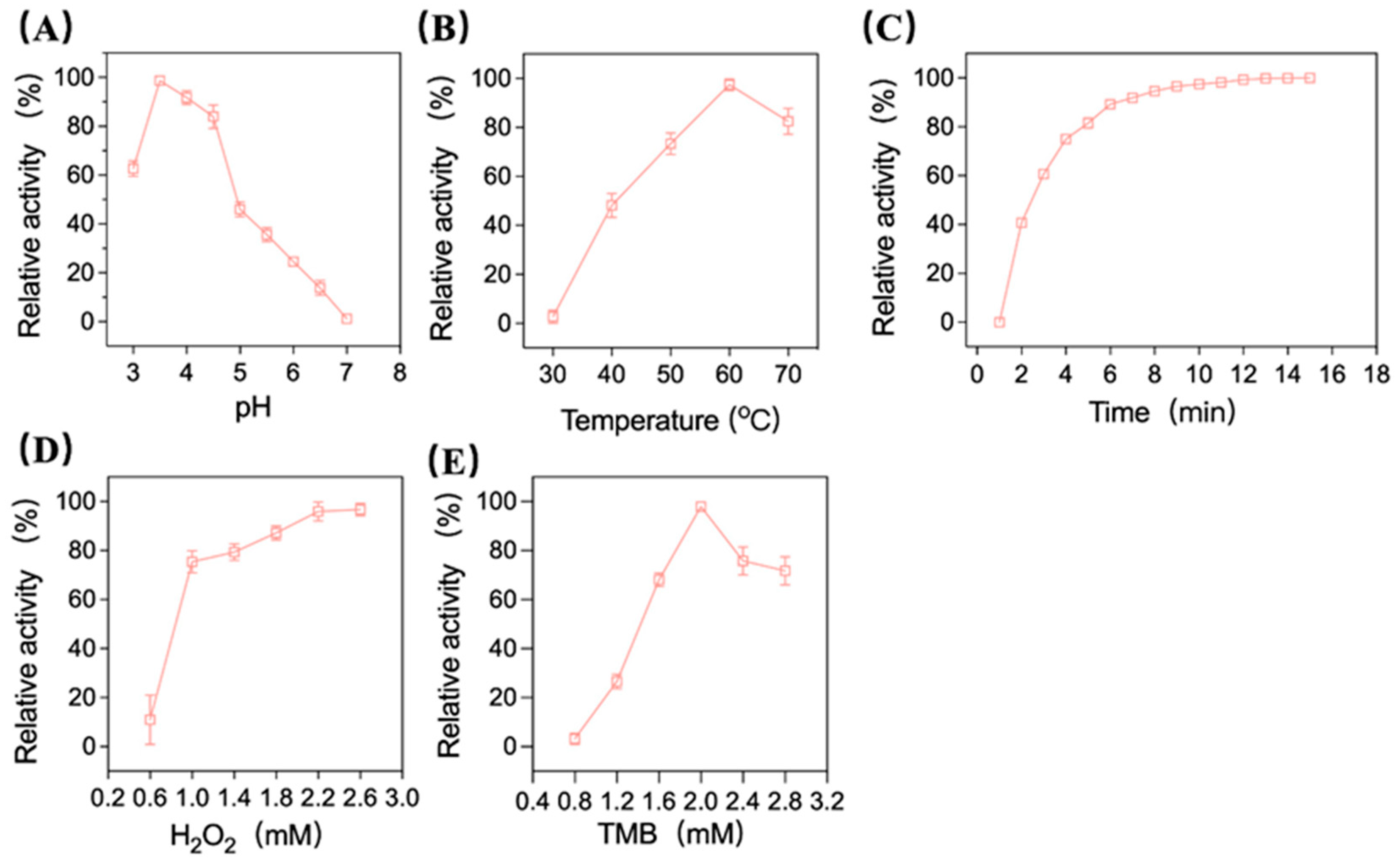
18 was systematically investigated to determine the optimal reaction conditions. As shown in
Figure 6A, the absorbance increased with pH from 3.0 to 3.5, reaching a maximum at pH 3.5, and then decreased at higher pH values. This indicates that Fe
4P
2W
18 exhibits optimal catalytic activity at pH 3.5, likely due to pH-induced changes in the structure and active sites of the nanozyme, which subsequently affect its interaction with substrates. The catalytic activity increased with temperature from 30 to 60 °C, peaking at 60 °C, followed by a slight decrease at higher temperatures (
Figure 6B). Notably, Fe
4P
2W
18 maintained high catalytic efficiency across the entire temperature range of 30–70 °C, demonstrating broad temperature adaptability. To ensure the stability of the analytes, a reaction temperature of 45 °C was selected for subsequent experiments. As depicted in
Figure 6C, the catalytic reaction proceeded rapidly, reaching a plateau within 5 min. This fast catalytic kinetics meets the requirements for rapid detection. Optimization of TMB and H
2O
2 concentrations (
Figure 6D,E) revealed that the optimal concentrations were 2 mM for TMB and 1 mM for H
2O
2, beyond which no significant increase in activity was observed. Collectively, the optimal reaction conditions were determined as follows: pH 3.5, temperature 45 °C, reaction time 5 min, TMB concentration 2 mM, and H
2O
2 concentration 1 mM. All optimization experiments were performed in triplicate to ensure data reliability.
3.4. Kinetic Analysis of Fe4P2W18 Nanozyme
Steady-state kinetic experiments were conducted to evaluate the catalytic performance of Fe
4P
2W
18. The absorbance at 652 nm increased progressively with increasing concentrations of H
2O
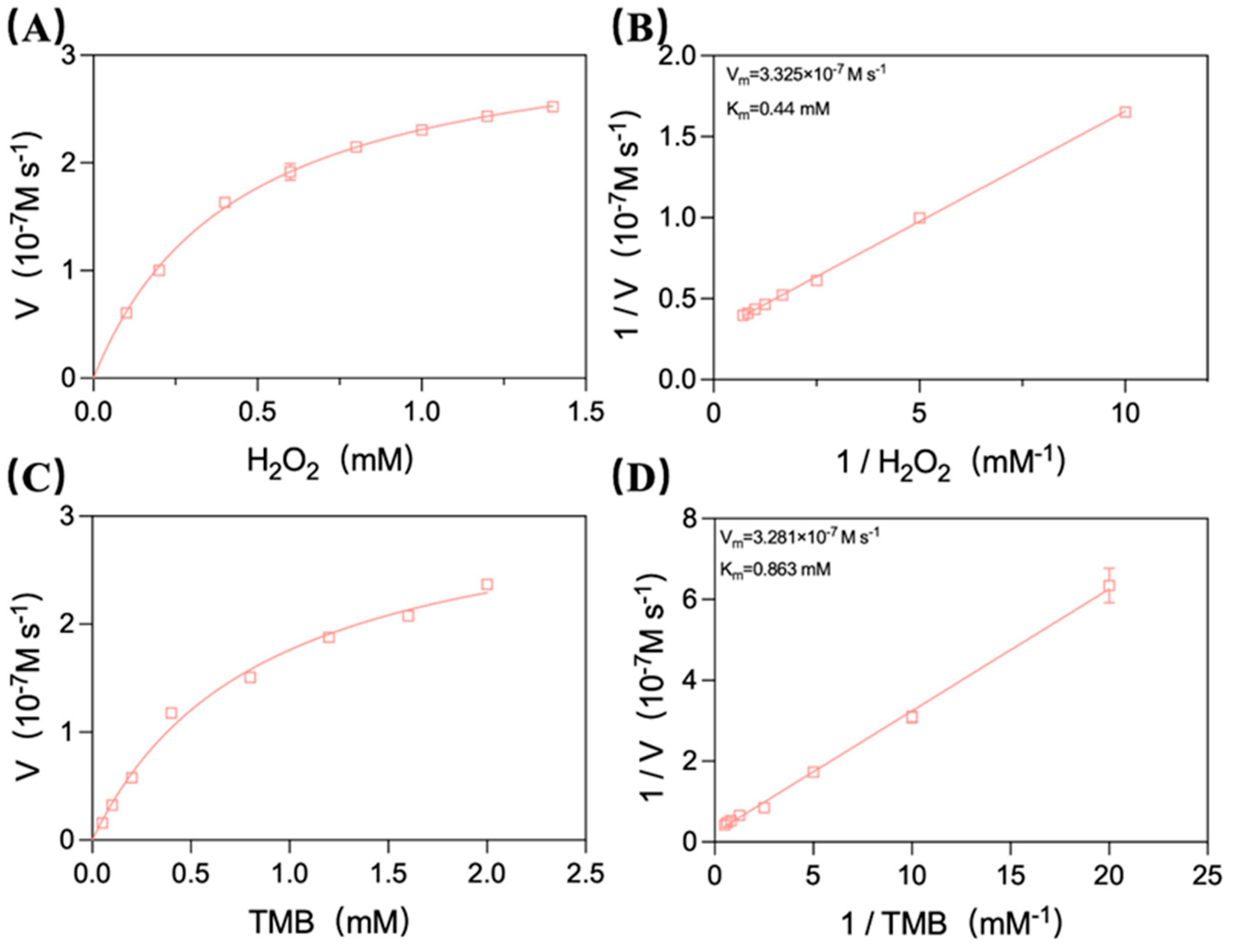
2 and TMB, demonstrating the dependence of the catalytic reaction on substrate concentration. To quantitatively assess the catalytic efficiency, kinetic parameters were calculated by fitting the experimental data to the Michaelis–Menten model. The corresponding Lineweaver–Burk double-reciprocal plots (
Figure 7A–D) yielded excellent linear fits, confirming that the catalytic behavior follows classical Michaelis–Menten kinetics [
34]. For H
2O
2 as the substrate, the Michaelis constant (K
m) and maximum reaction velocity (V
max) were determined to be 0.44 mM and 3.325 × 10
−7 M s
−1, respectively. The relatively low K
m value indicates a high affinity of Fe
4P
2W
18 toward H
2O
2. For TMB as the substrate, the K
m and V
max values were 0.863 mM and 3.281 × 10
−7 M s
−1, respectively. These results demonstrate that Fe
4P
2W
18 exhibits favorable affinity and catalytic efficiency toward both substrates. When compared with natural horseradish peroxidase (HRP) (
Table 2), the catalytic efficiency of Fe
4P
2W
18 is comparable, further validating its potential as an effective peroxidase mimic for practical applications.
3.5. pKa-Driven and Enrichment-Synergistic Strategy for Biothiol Determination
A colorimetric sensor array was constructed based on the pH-dependent peroxidase-like activity of Fe
4P
2W
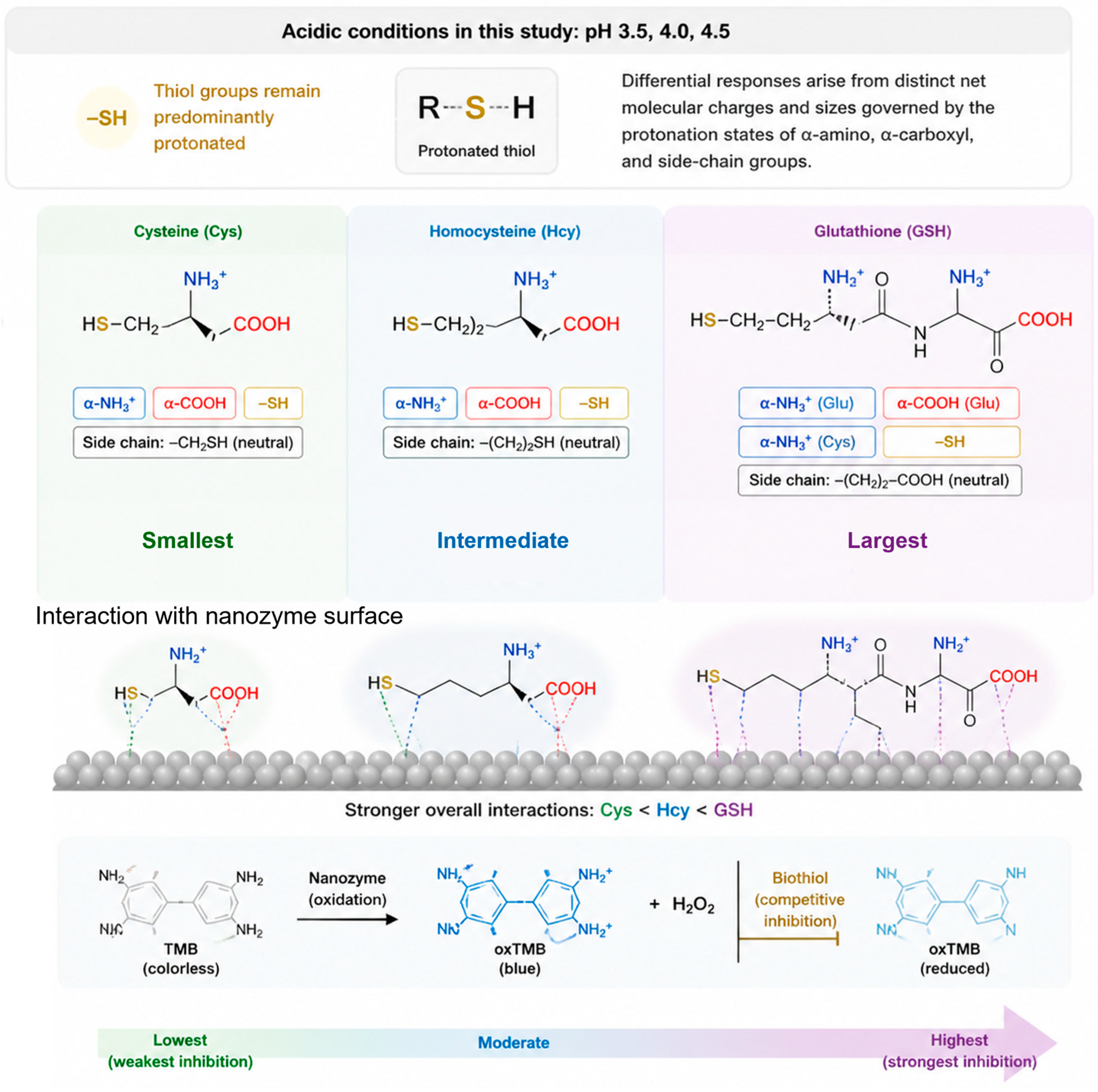
18, leveraging a pKa-driven and enrichment-synergistic strategy for biothiol discrimination. The polyoxometalate framework contains anionic clusters and multi-electron reduction centers, enabling the nanozyme to enrich biothiols via both surface-negative-charge-mediated electrostatic interactions and electron-transfer processes [
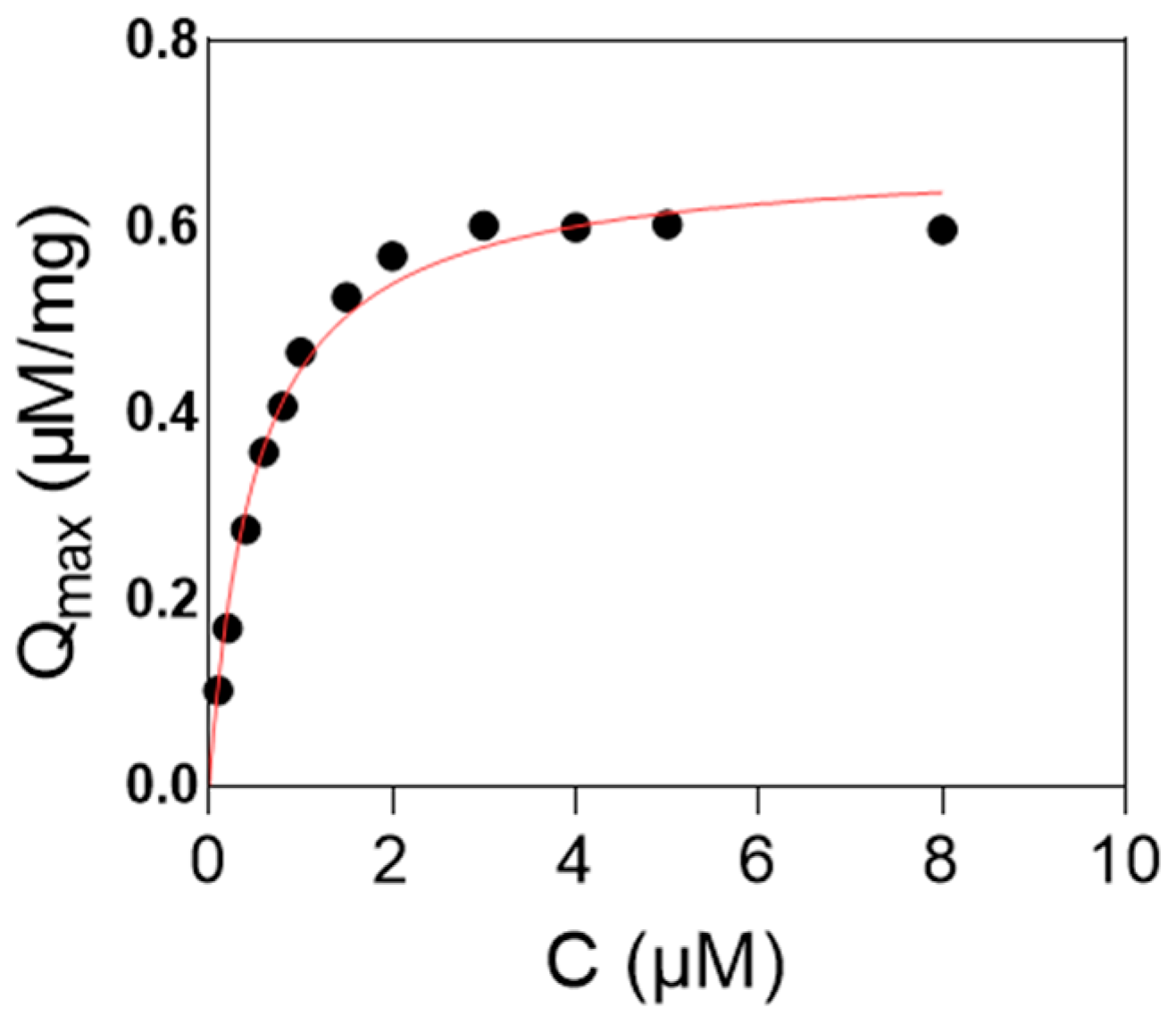
35]. The maximum adsorption capacity (Q
max) of Fe
4P
2W
18 toward biothiols was determined to be approximately 0.68 μmol/mg, reflecting its efficient enrichment capability (
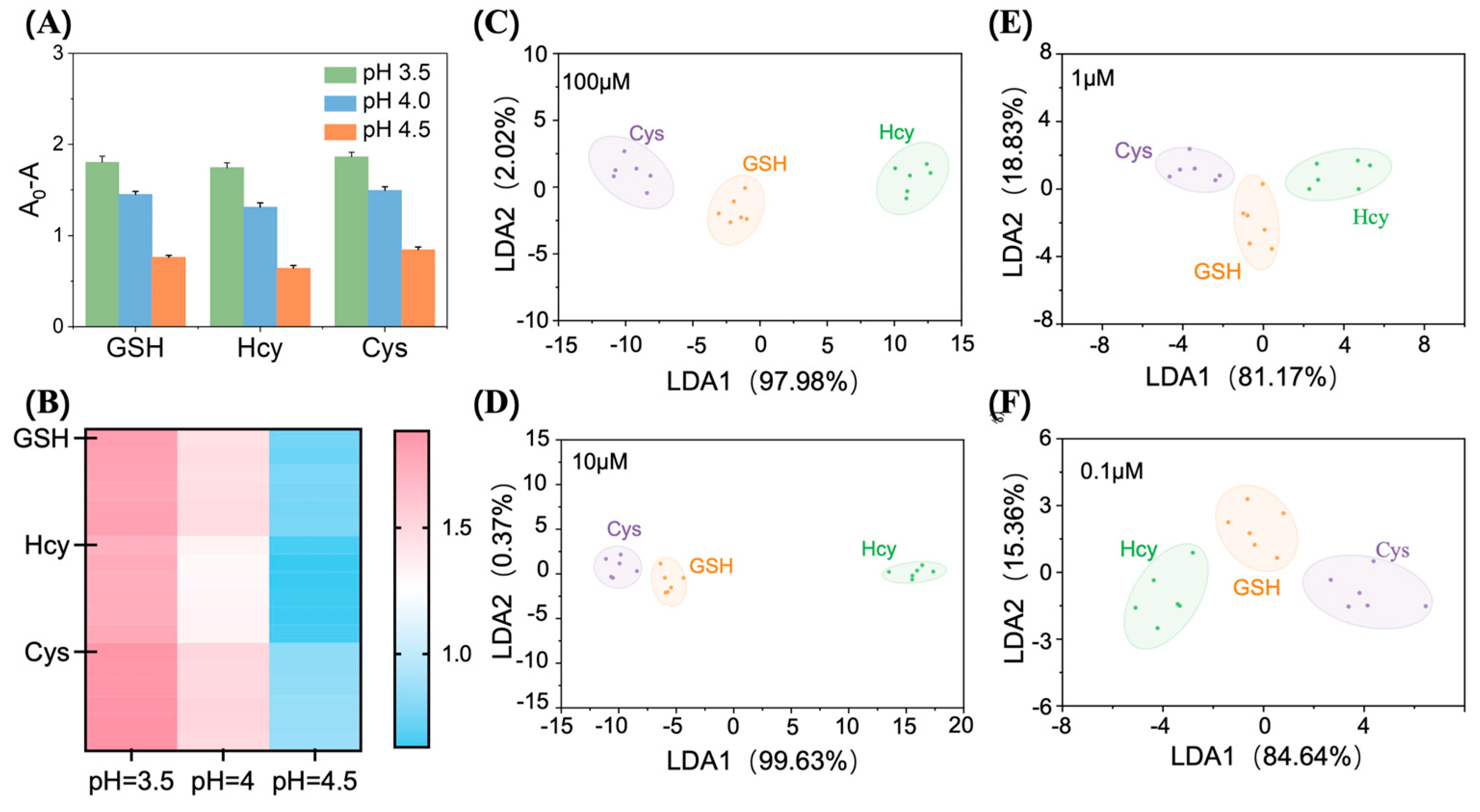
Figure 8). Meanwhile, the thiol groups of GSH, Cys, and Hcy are weakly acidic and exhibit distinct pKa values (approximately 8.3 for Cys, 8.9 for Hcy, and 9.2 for GSH). Under the acidic pH conditions employed in this study (3.5, 4.0, and 4.5), these three biothiols exist predominantly in their protonated forms but with systematically varying protonation states due to their pKa differences. At these acidic pH values, the thiol groups remain predominantly protonated; the differential responses arise instead from the distinct net molecular charges and sizes governed by the protonation states of the α-amino, α-carboxyl, and side-chain groups. This variation leads to differential interactions with the nanozyme surface and distinct inhibition efficiencies toward the catalytic oxidation of TMB. By combining the enrichment capability of Fe
4P
2W
18 with the pKa-driven differential responses of the three thiols across three finely tuned pH channels, the sensor array generates highly distinctive cross-reactive fingerprints (
Scheme 2). The detection was performed at three different pH values (3.5, 4.0, and 4.5) to generate three sensing channels. Biothiols (GSH, Cys, and Hcy) inhibit the nanozyme-catalyzed TMB oxidation by scavenging reactive oxygen species (ROS), leading to a decrease in absorbance at 652 nm. The signal response (ΔA) was calculated as ΔA = A
0 − A, where A
0 and A represent the absorbance in the absence and presence of biothiols, respectively [
36]. As shown in
Figure 9A,B, the three biothiols exhibited distinct response patterns (bar chart and heat map) across the three pH channels, confirming the effectiveness of the sensor array for biothiol identification. Notably, at concentrations of 100, 10, 1, and 0.1 μM, all three biothiols were accurately discriminated without any misclassification (
Figure 9C–F). The limit of detection (LOD) was calculated using the 3σ/slope method, where σ is the standard deviation of the blank signal (
n = 3), and the slope was derived from the linear portion of the response–concentration curve. Even at an ultralow concentration of 0.1 μM, the sensor successfully distinguished GSH, Cys, and Hcy. This detection limit is significantly lower than the physiological concentrations of biothiols in serum, demonstrating the applicability of this array for real sample analysis. To rigorously validate the claimed 100% discrimination accuracy and exclude potential model overfitting, the LDA classification results were examined using confusion matrices and leave-one-out cross-validation (LOOCV). As shown in
Table 3, at all four tested concentrations (100, 10, 1, and 0.1 μM), each of the three biothiols was correctly classified in all replicates, yielding a standard LDA accuracy of 100% (36/36). LOOCV was further performed by iteratively holding out one sample as the test set while training the model on the remaining 35 samples. The LOOCV-confirmed accuracy was also 100% at every concentration (
Table 4), demonstrating that the perfect classification reflects genuine inter-class separability rather than overfitting to the training data.
3.7. Quantitative Determination of GSH, Cys, and Hcy
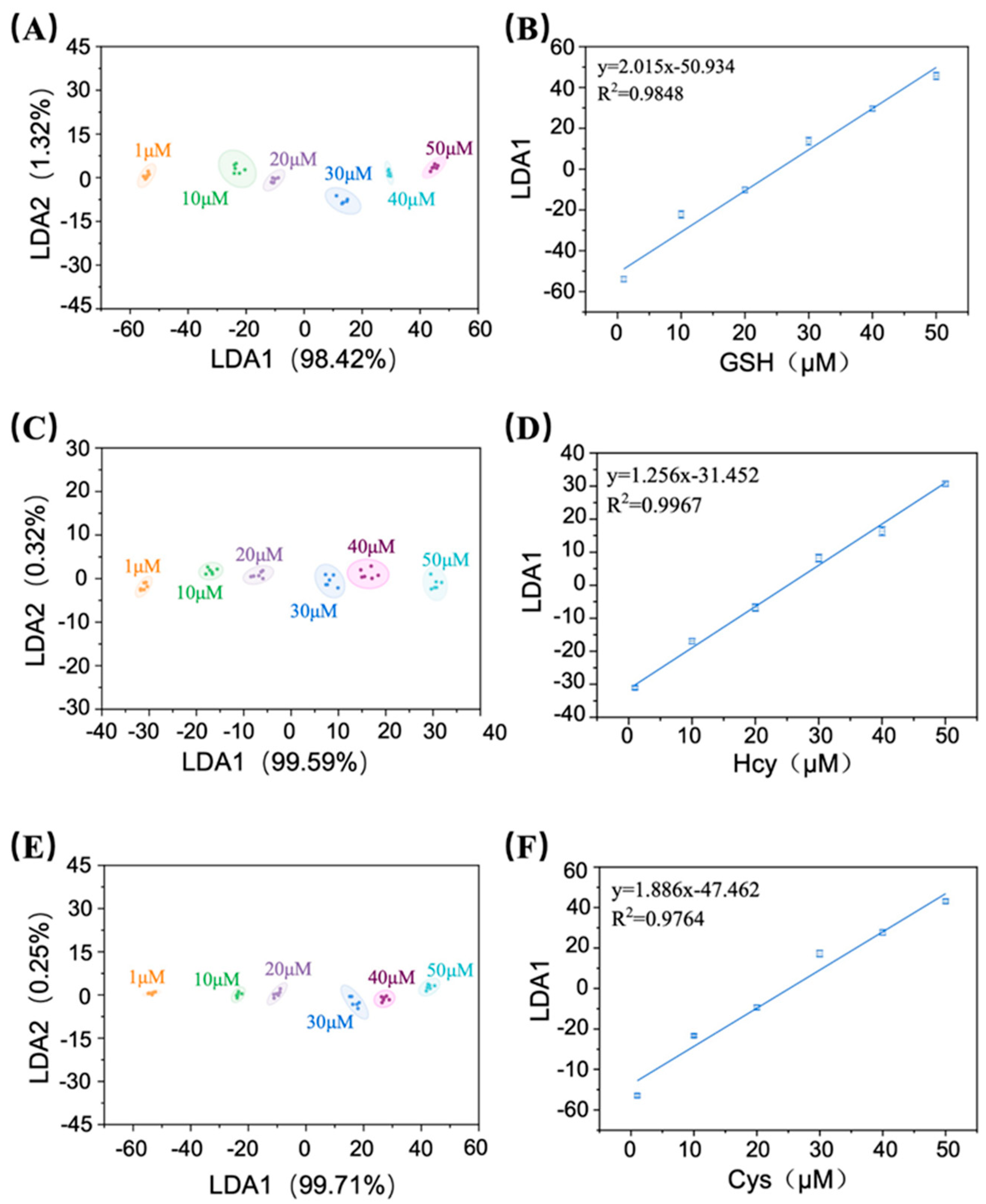
To evaluate the quantitative performance of the sensor array, biothiol samples at varying concentrations (1, 10, 20, 30, 40, and 50 μM) were systematically analyzed. As shown in
Figure 10A, different concentrations of GSH were well separated in the two-dimensional LDA plot, with the first discriminant function (LDA1) accounting for 98.42% of the total variance—a value substantially higher than the acceptable threshold of 60%, indicating that LDA1 effectively captures the concentration-dependent variation [
37]. A good linear relationship was established between LDA1 scores and GSH concentrations in the range of 1–50 μM (
Figure 10B), with a regression equation of y = 0.032x − 0.518 (R
2 = 0.994). This excellent linearity confirms the reliable quantitative detection of GSH using the sensor array. Similarly, quantitative discrimination and linear relationships were also achieved for Hcy (
Figure 10C,D) and Cys (
Figure 10E,F). For Hcy, the LDA1 contribution was 97.63% with a regression equation of y = 0.028x − 0.447 (R
2 = 0.991); for Cys, the LDA1 contribution was 96.89% with a regression equation of y = 0.030x − 0.492 (R
2 = 0.992). These results collectively demonstrate that the sensor array not only enables qualitative discrimination but also provides excellent quantitative capability for biothiol detection across a broad concentration range, making it suitable for practical applications where precise concentration determination is required. The predictive accuracy of the calibration models was further validated by leave-one-out cross-validation. The RMSEP values were determined to be 1.6, 1.8, and 2.0 μM for GSH, Cys, and Hcy, respectively, corresponding to 3.3%, 3.7%, and 4.1% of the calibration range (1–50 μM) (
Table 6), confirming that the models are not overfitted and possess reliable quantitative predictive power.
3.9. Real Sample Analysis
The practical applicability of the sensor was validated by analyzing real biological samples, representing a critical step toward translation of this single-material array strategy from proof-of-concept to real-world diagnostic applications. Cancer cells often exhibit elevated intracellular GSH levels compared to normal cells due to altered glutathione metabolism [
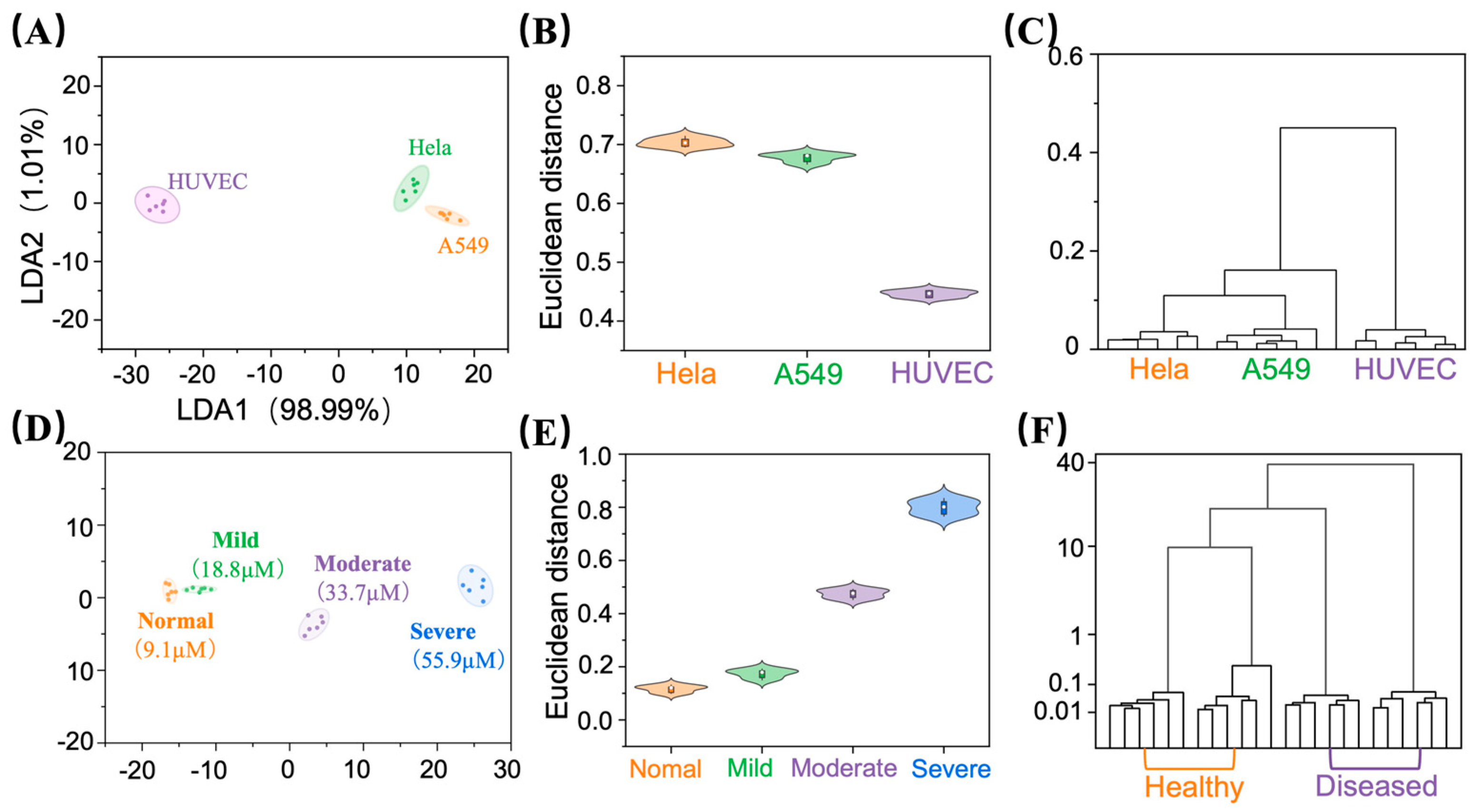
42]. Based on this established correlation, the sensor was employed to distinguish three cell types: HUVEC (normal), HeLa (cervical cancer), and A549 (lung cancer). As shown in
Figure 12A, the three cell types were clearly separated in the LDA plot, with normal cells concentrated on the left and cancer cells on the right, demonstrating that the sensor array can effectively translate intracellular GSH level differences into distinct fingerprint responses. The violin plot (
Figure 12B) further revealed significant differences between normal and cancer cells, as well as between the two cancer cell lines, highlighting the high sensitivity of the sensor to subtle variations in GSH levels. Hierarchical cluster analysis (HCA) confirmed that all cell samples were accurately classified without any misclassification (
Figure 12C), achieving 100% accuracy. This successful cell typing underscores the key innovation of our strategy: by leveraging the pKa-driven differential responses of biothiols across three pH gradients, a single structurally well-defined Fe
4P
2W
18 nanozyme can generate sufficiently orthogonal fingerprints to resolve complex biological samples, eliminating the need for multiple sensing materials.
The sensor was further applied to analyze Hcy levels in human serum samples, a clinically relevant application given the established link between elevated Hcy and cardiovascular disease [
43]. Normal serum Hcy concentrations typically range from 5 to 15 μM, while patients with cardiovascular disease often exhibit significantly higher levels [
44]. Four serum samples with different Hcy concentrations (9.1, 18.8, 33.7, and 55.9 μM) were analyzed. LDA revealed a clear distribution along the negative-to-positive axes, with low-concentration samples on the left and high-concentration samples on the right, without any overlap (
Figure 12D). The violin plot (
Figure 12E) showed increasing Euclidean distance with increasing Hcy concentration, clearly distinguishing normal from abnormal samples. HCA results further confirmed that the four serum samples were classified into four distinct groups, with normal and mild cases grouped as healthy (
Figure 12F). These results validate the potential of the sensor for early diagnosis of cardiovascular disease. Importantly, the successful discrimination of serum samples with varying Hcy concentrations in a complex matrix such as human serum demonstrates the robustness of the sensor array against potential interferences, a direct benefit of the cross-reactive fingerprinting mechanism enabled by the single-material pH-gradient design. Although POMs may adsorb serum proteins, the cross-reactive fingerprinting strategy inherently tolerates such systematic background signals, as LDA extracts only the analyte-dependent differential responses across the three pH channels. Collectively, these real-sample validations highlight that our pKa-driven and enrichment-synergistic strategy not only simplifies sensor fabrication but also delivers reliable diagnostic information in clinically relevant contexts. To further validate the accuracy of the sensor array for quantitative analysis in complex biological matrices, spike-recovery experiments were performed. Human serum and HeLa cell lysate were spiked with GSH, Cys, and Hcy at a concentration of 10 μM. As shown in
Table 8, the recoveries ranged from 91.0% to 108.0%, with RSD values between 2.9% and 4.8%, confirming the reliability of the sensor for accurate biothiol determination in real samples.