Article

Precision Soil Moisture Monitoring Through Drone-Based Hyperspectral Imaging and PCA-Driven Machine Learning

School of Plant and Environmental Sciences, Virginia Polytechnic Institute and State University, Blacksburg, VA 24061, USA
*
Author to whom correspondence should be addressed.
Sensors 2025, 25(3), 782; https://doi.org/10.3390/s25030782
Submission received: 21 November 2024 / Revised: 8 January 2025 / Accepted: 22 January 2025 / Published: 28 January 2025
(This article belongs to the Special Issue Smart Sensors for Sustainable Agriculture)

Abstract

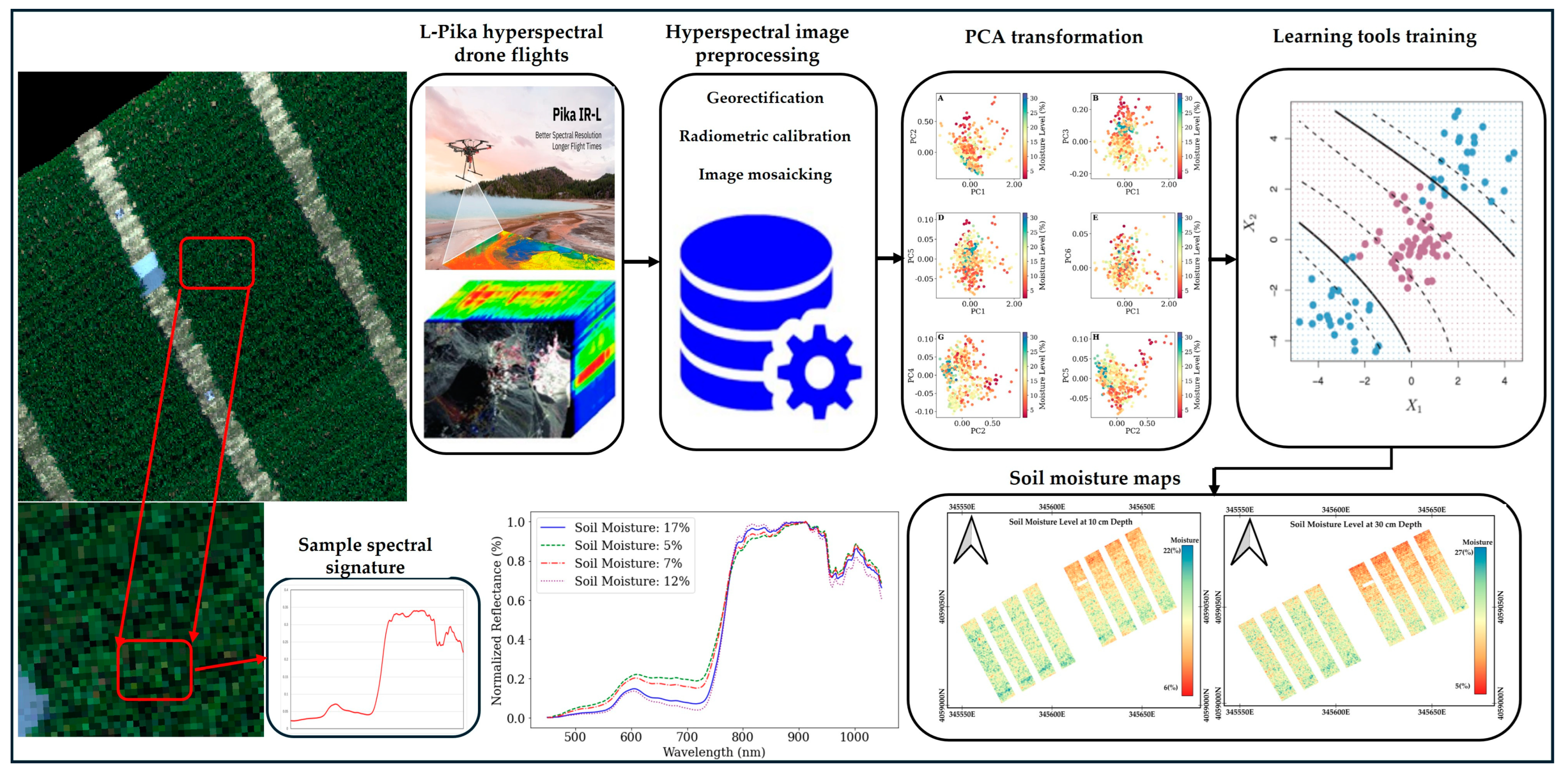
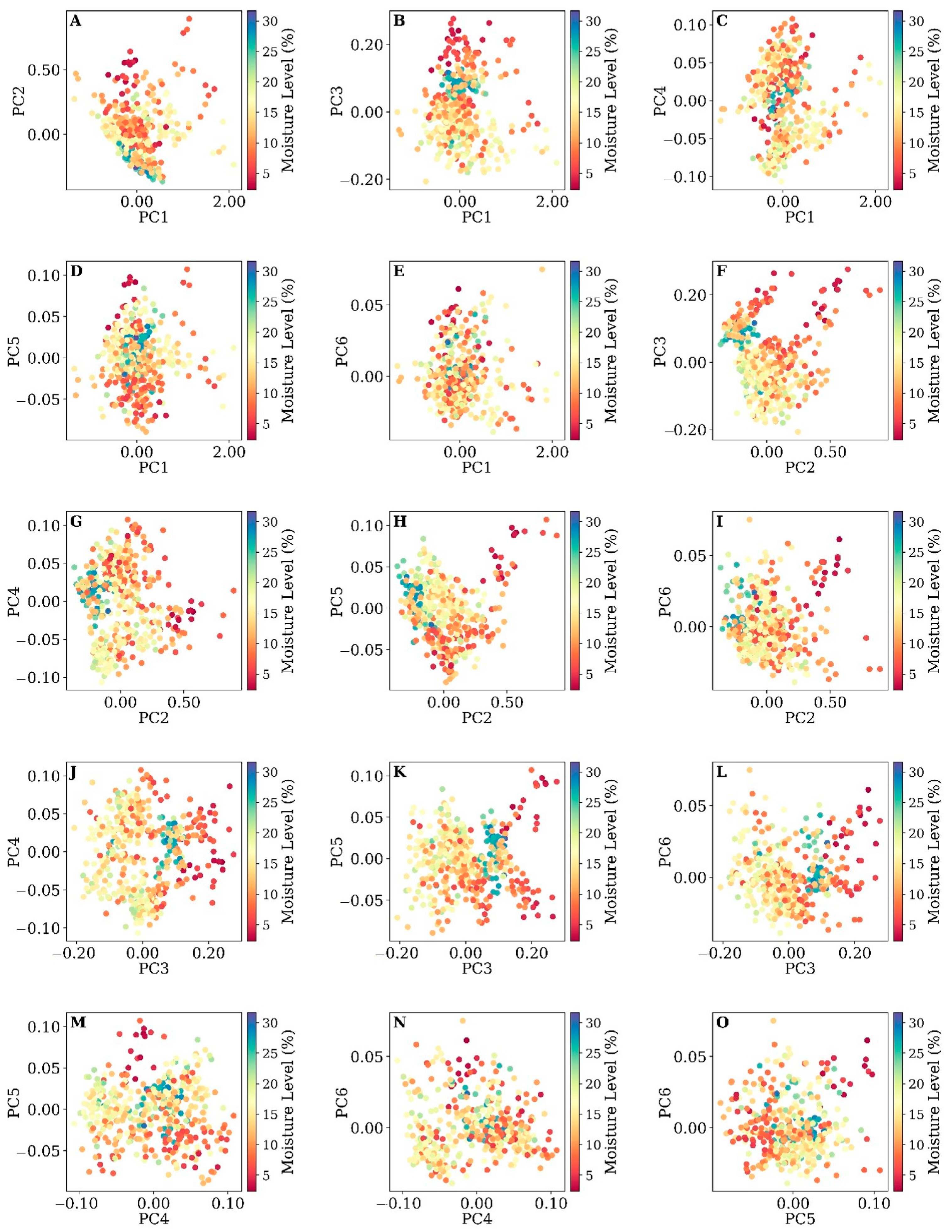
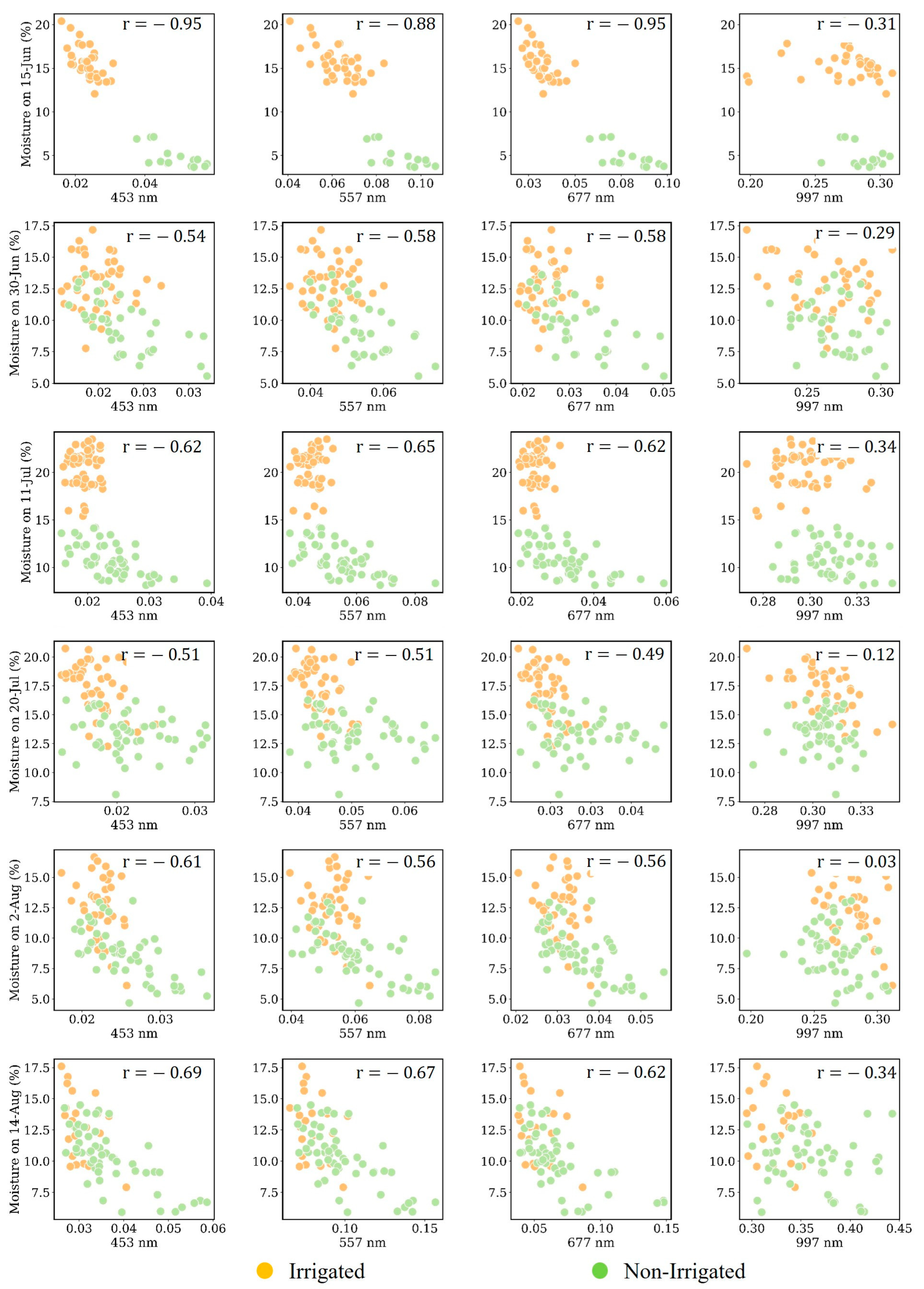
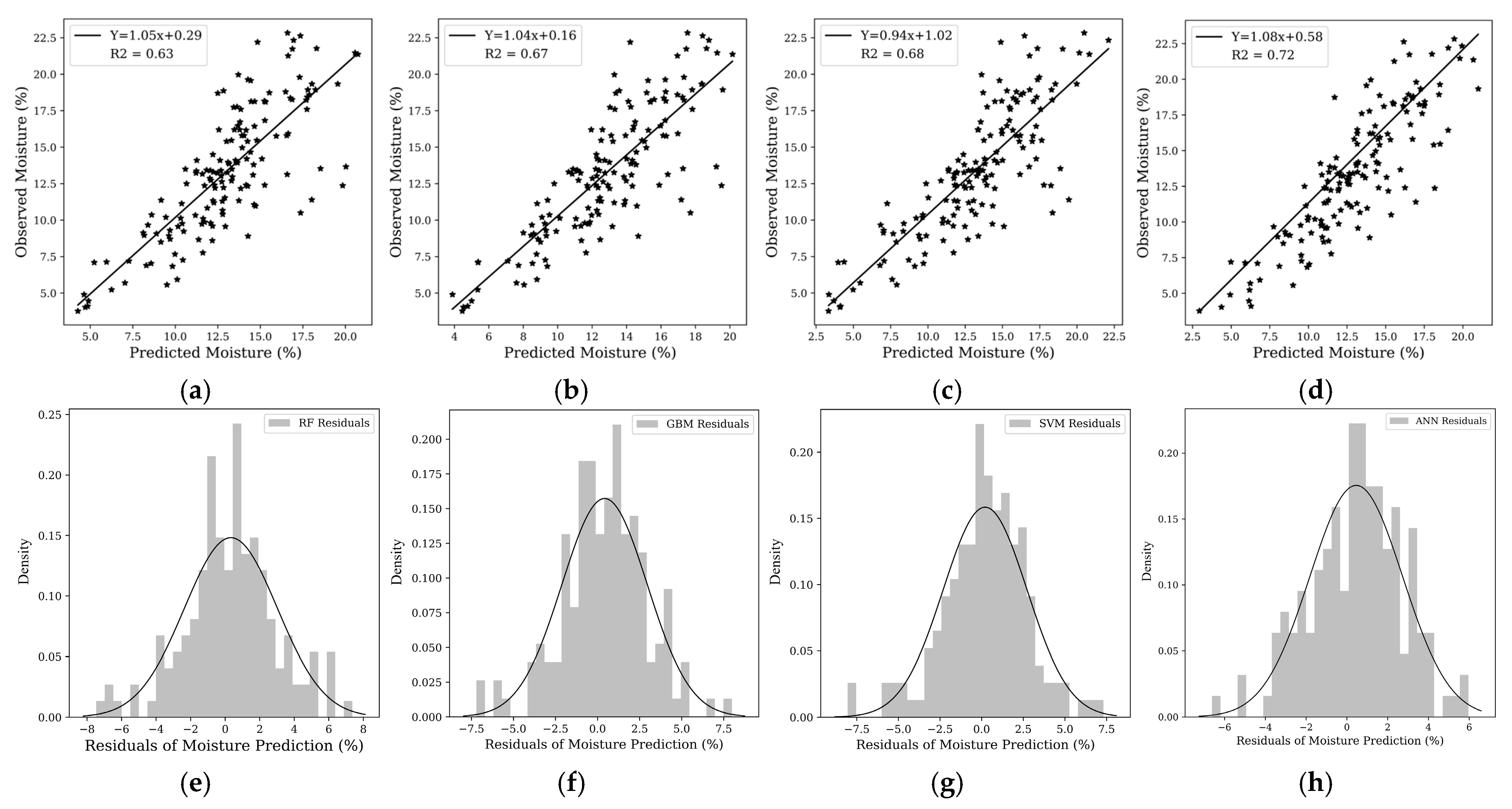
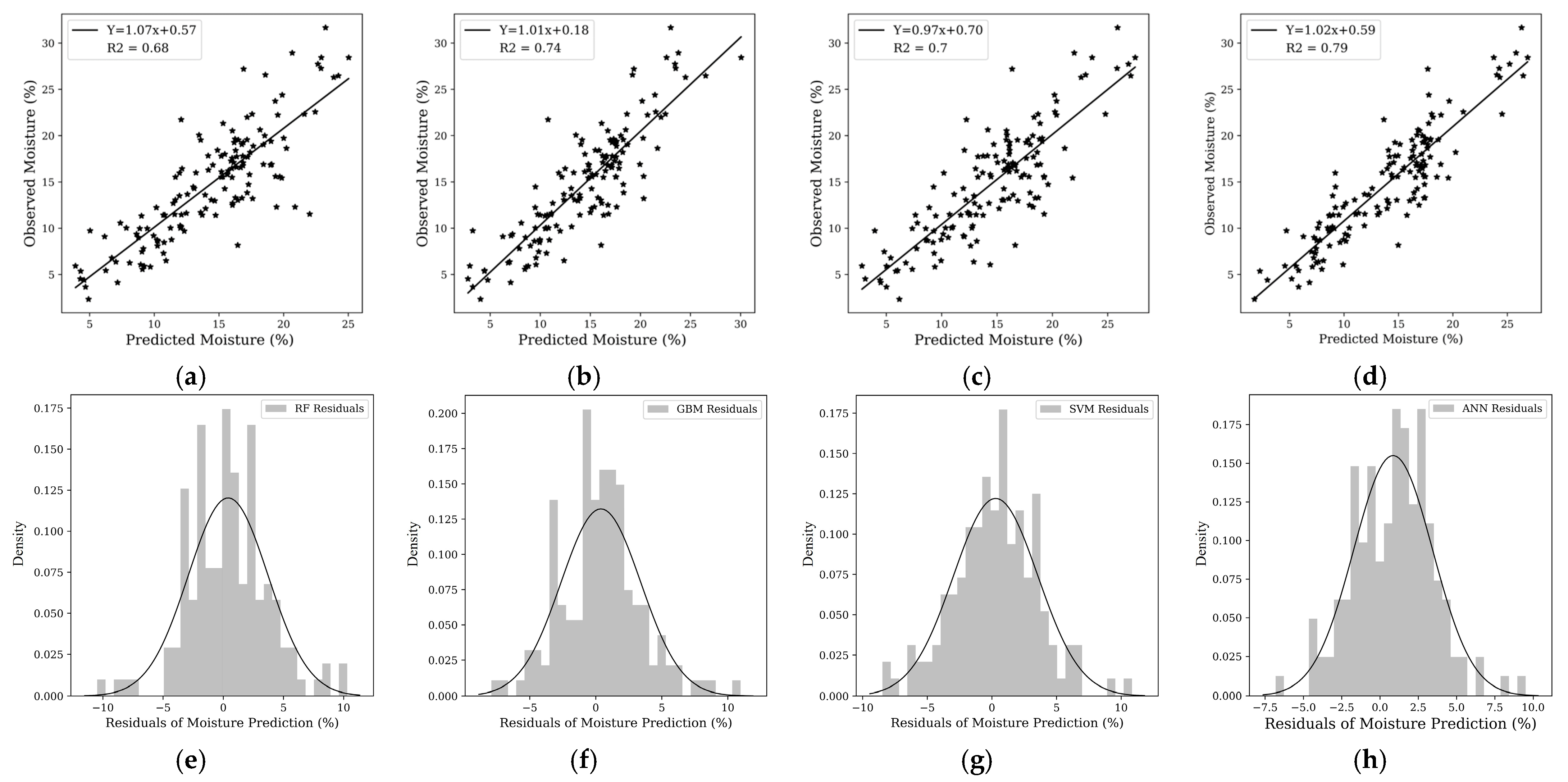
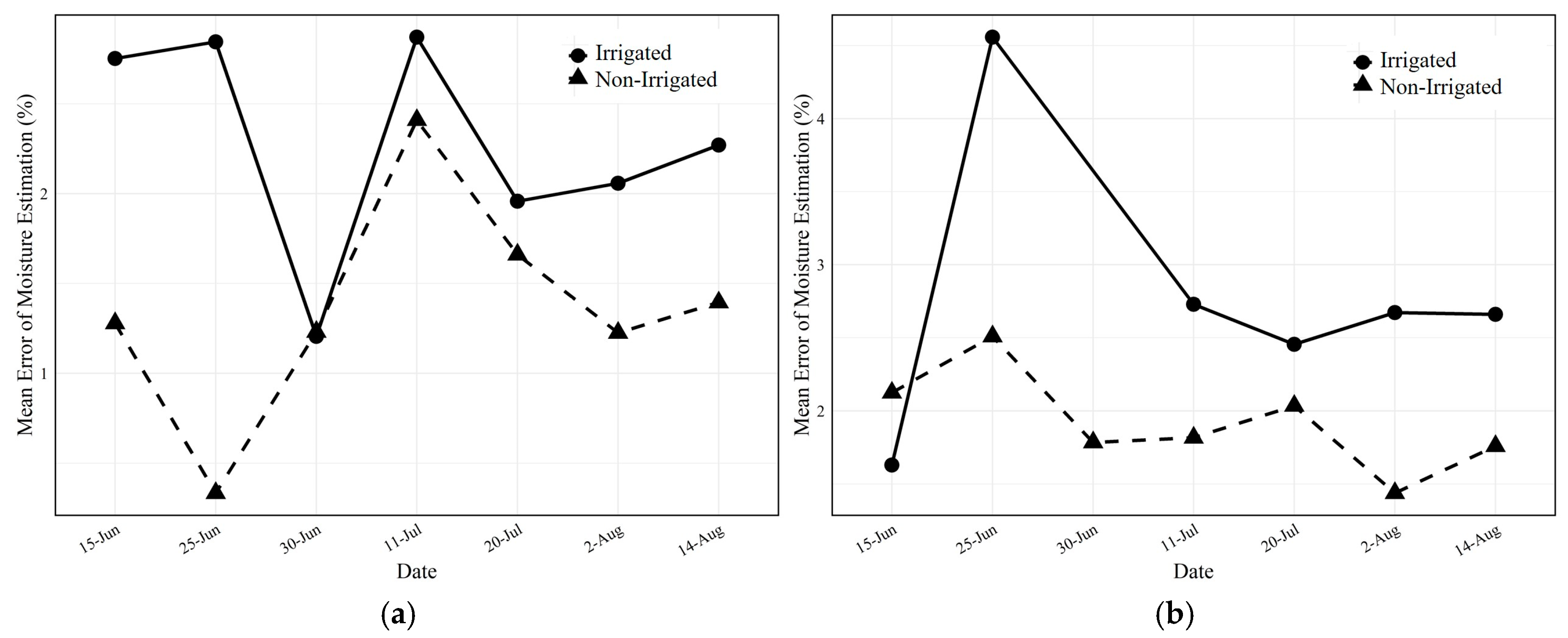
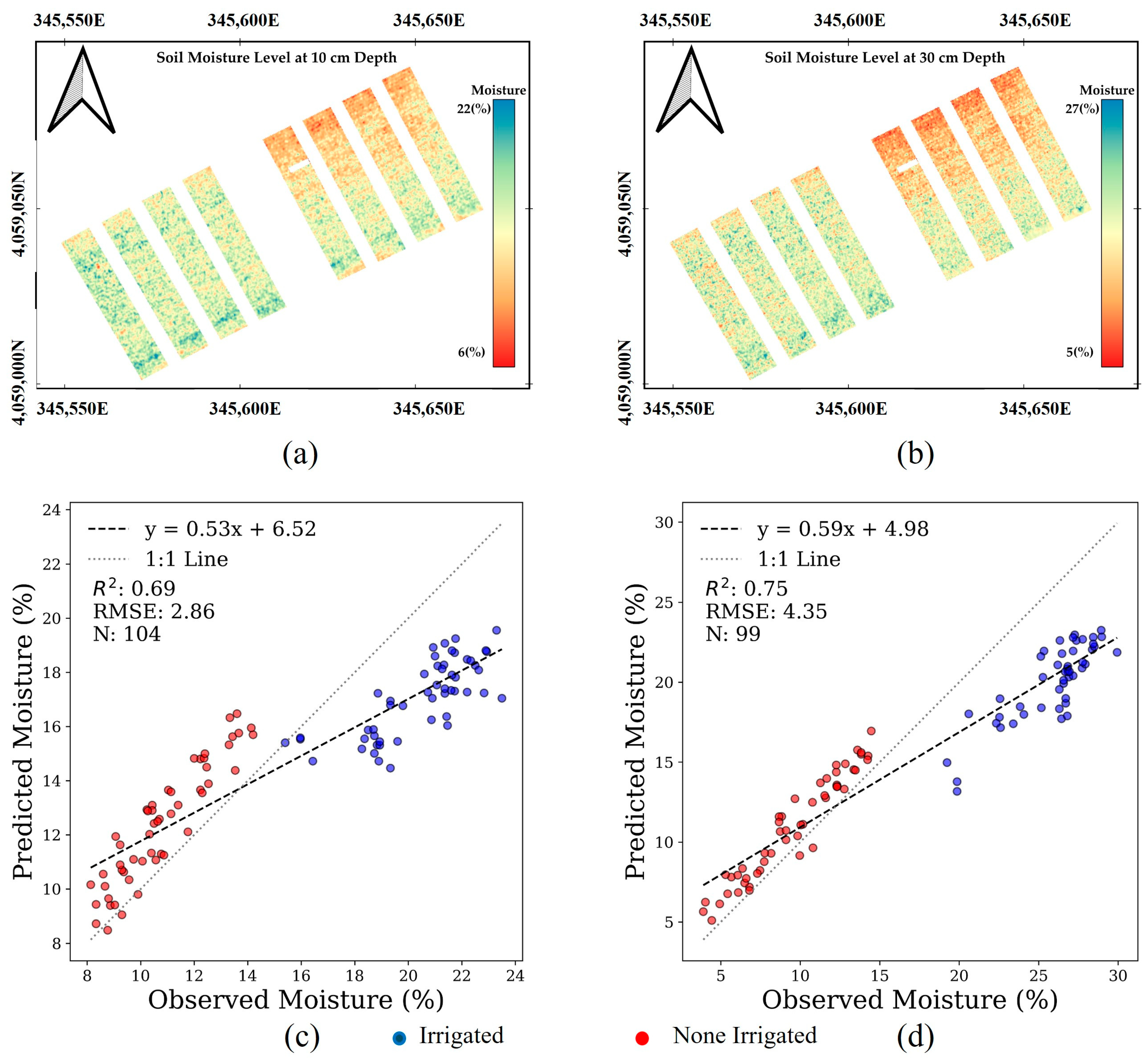
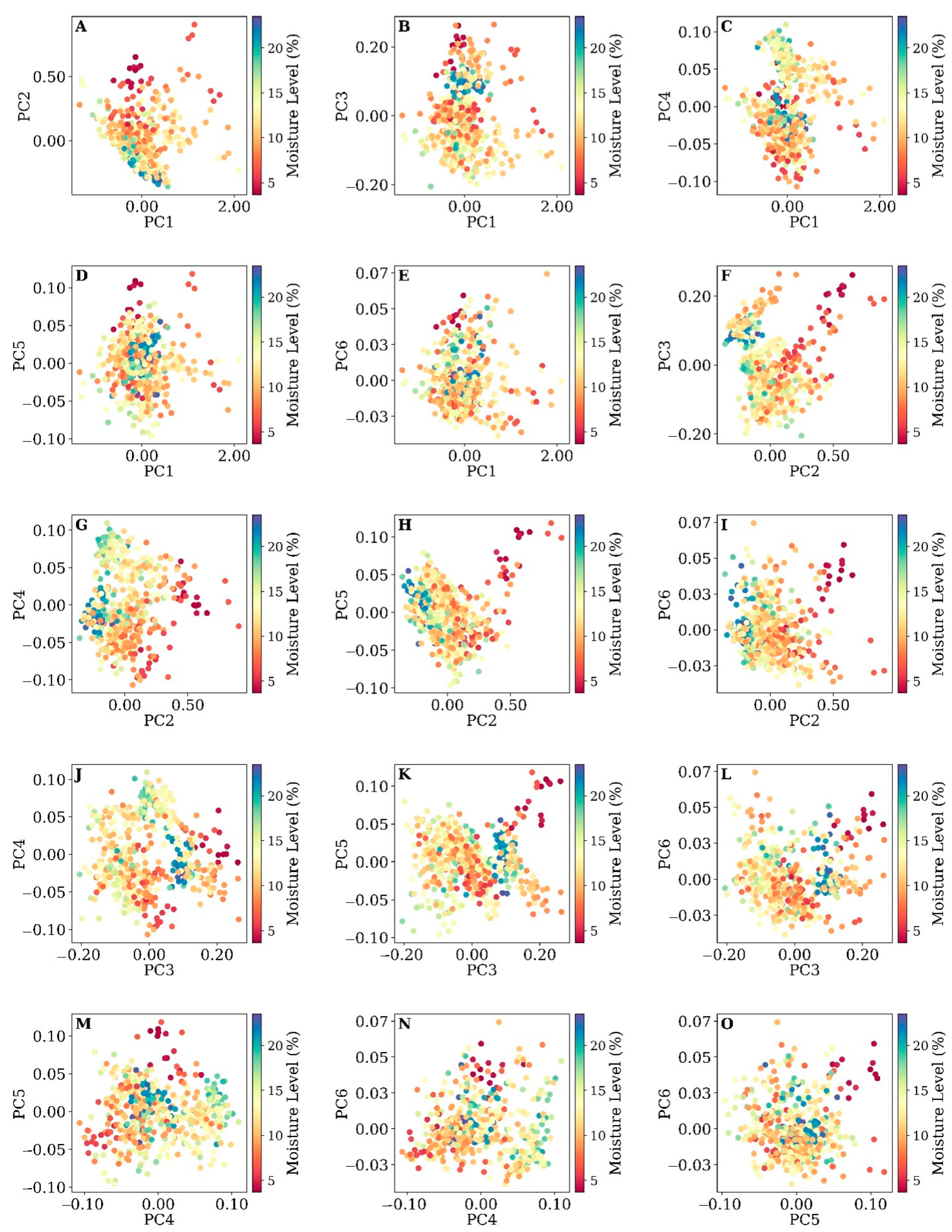
Accurately estimating soil moisture at multiple depths is essential for sustainable farming practices, as it supports efficient irrigation management, optimizes crop yields, and conserves water resources. This study integrates a drone-mounted hyperspectral sensor with machine learning techniques to enhance soil moisture estimation at 10 cm and 30 cm depths in a cornfield. The primary aim was to understand the relationship between root zone water content and canopy reflectance, pinpoint the depths where this relationship is most significant, identify the most informative wavelengths, and train a machine learning model using those wavelengths to estimate soil moisture. Our results demonstrate that PCA effectively detected critical variables for soil moisture estimation, with the ANN model outperforming other machine learning algorithms, including Random Forest (RF), Support Vector Regression (SVR), and Gradient Boosting (XGBoost). Model comparisons between irrigated and non-irrigated treatments showed that soil moisture in non-irrigated plots could be estimated with greater accuracy across various dates. This finding indicates that plants experiencing high water stress exhibit more significant spectral variability in their canopy, enhancing the correlation with soil moisture in the root zone. Moreover, over the growing season, when corn exhibits high chlorophyll content and increased resilience to environmental stressors, the correlation between canopy spectrum and root zone soil moisture weakens. Error analysis revealed the lowest relative estimation errors in non-irrigated plots at a 30 cm depth, aligning with periods of elevated water stress at shallower levels, which drove deeper root growth and strengthened the canopy reflectance relationship. This correlation corresponded to lower RMSE values, highlighting improved model accuracy.
Keywords: root zone soil water content; drone-based imaging; PCA-driven data analysis; monitoring models root zone soil water content; drone-based imaging; PCA-driven data analysis; monitoring models