Article

Lightweight Transformer Model for Mobile Application Classification

1
Department of Computer Engineering, Changwon National University, Changwon 51140, Republic of Korea
2
Network Research Department, Electronics and Telecommunications Research Institute, Daejeon 34129, Republic of Korea
3
Department of Computer Engineering, College of IT Convergence, Gachon University, Seongnam-si 13120, Republic of Korea
*
Authors to whom correspondence should be addressed.
Sensors 2024, 24(2), 564; https://doi.org/10.3390/s24020564
Submission received: 4 December 2023 / Revised: 4 January 2024 / Accepted: 15 January 2024 / Published: 16 January 2024

Abstract

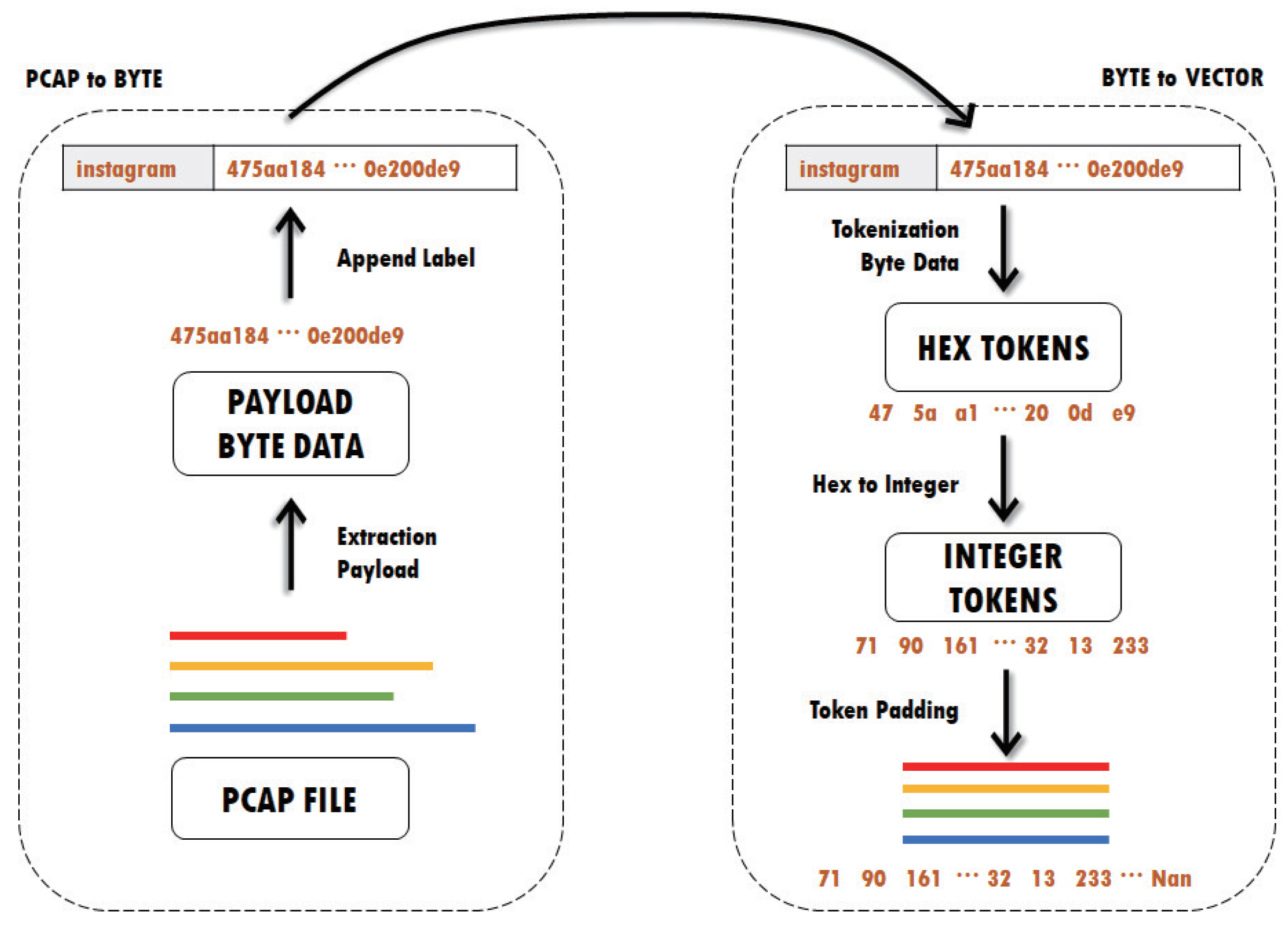
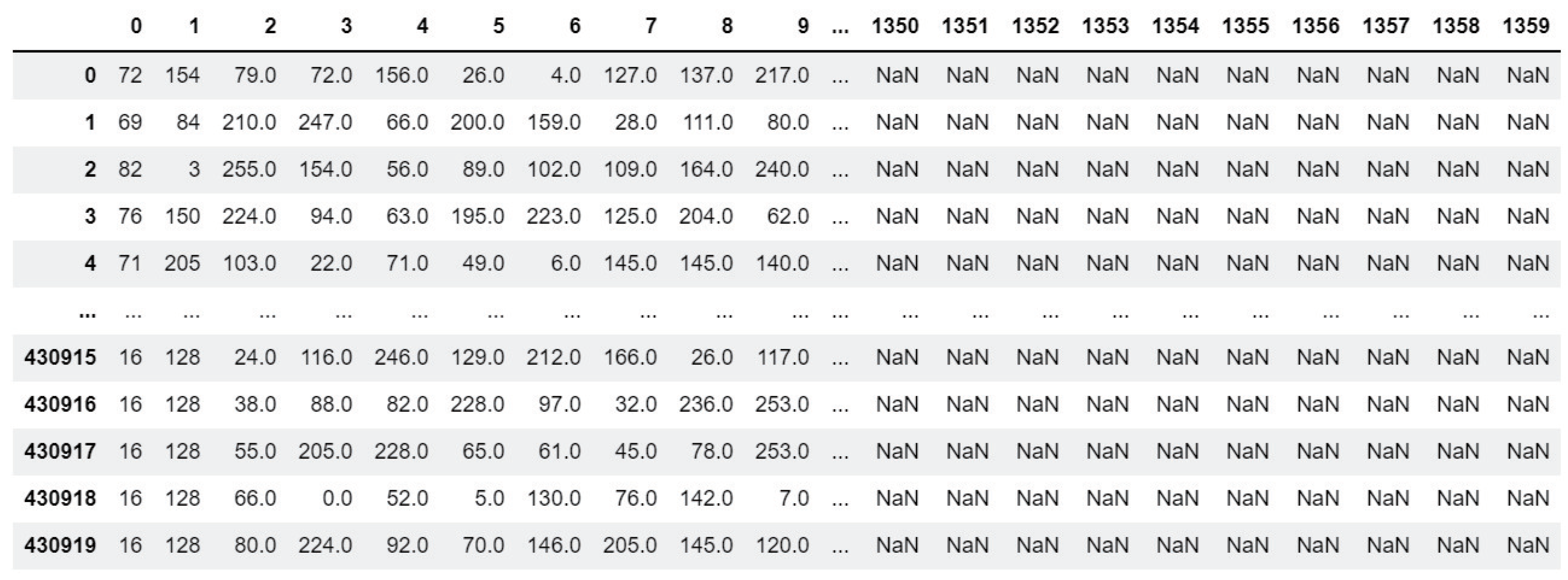
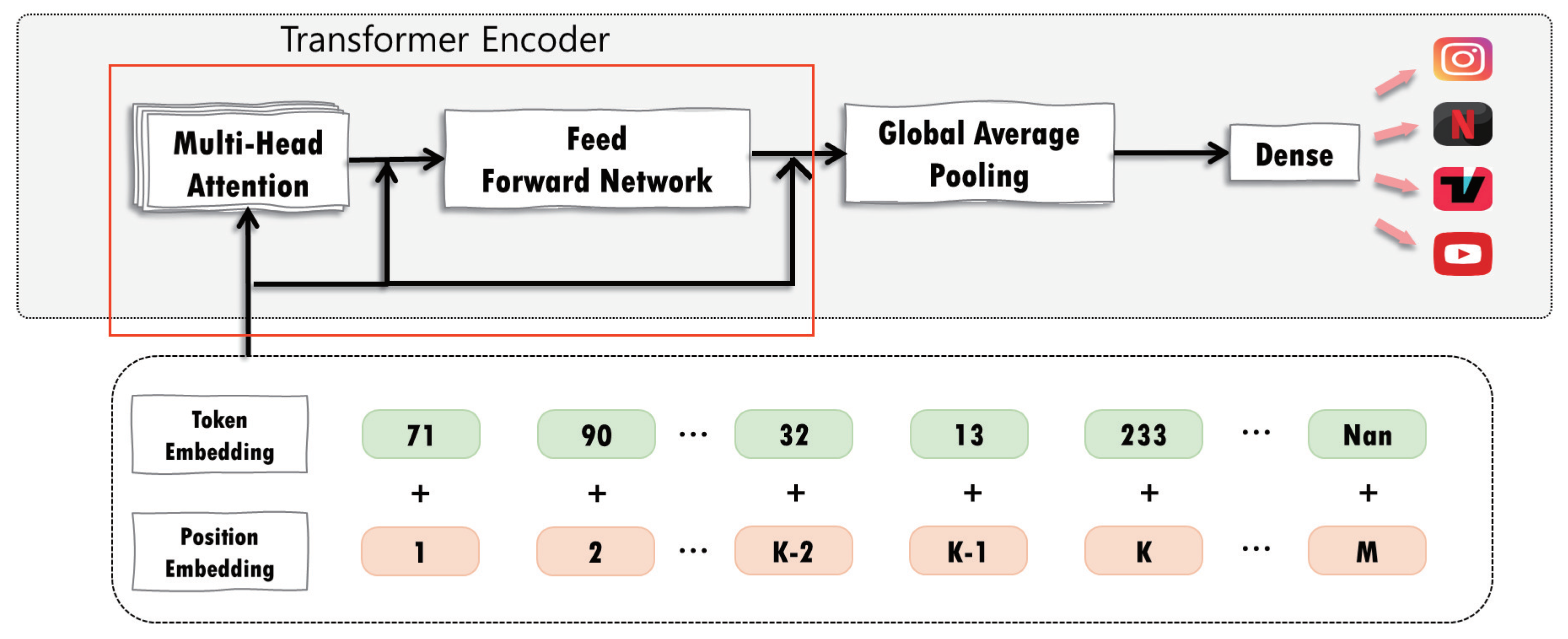
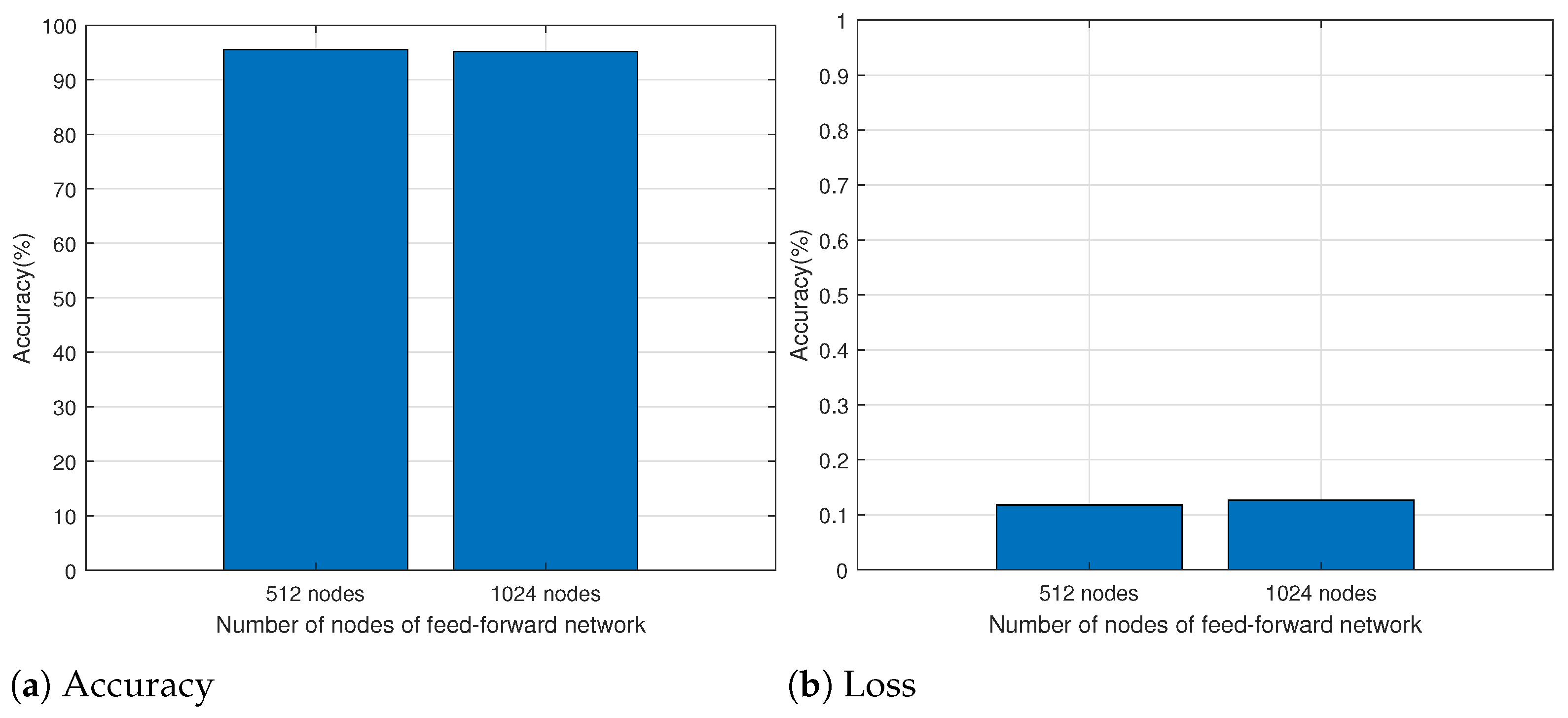
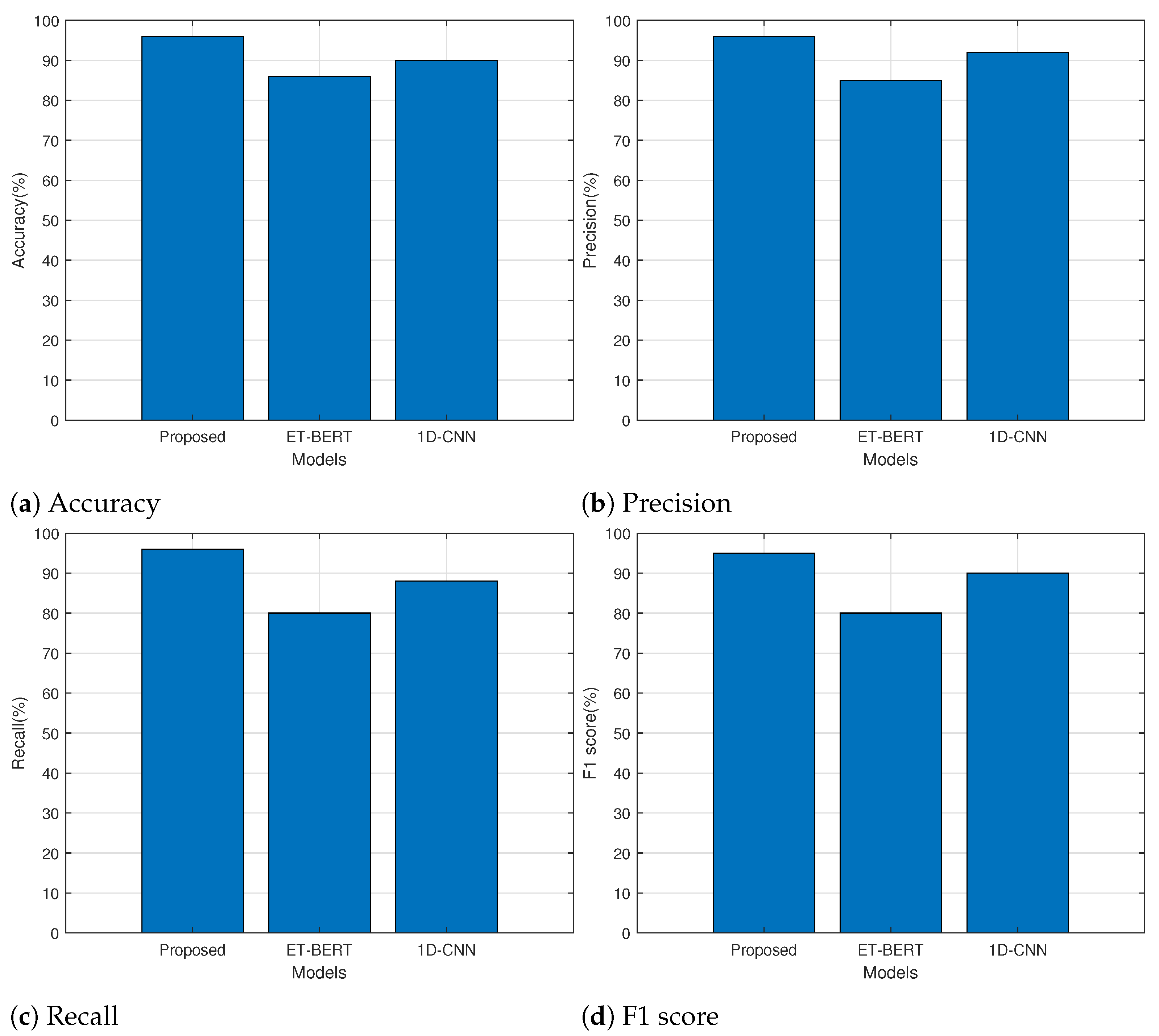
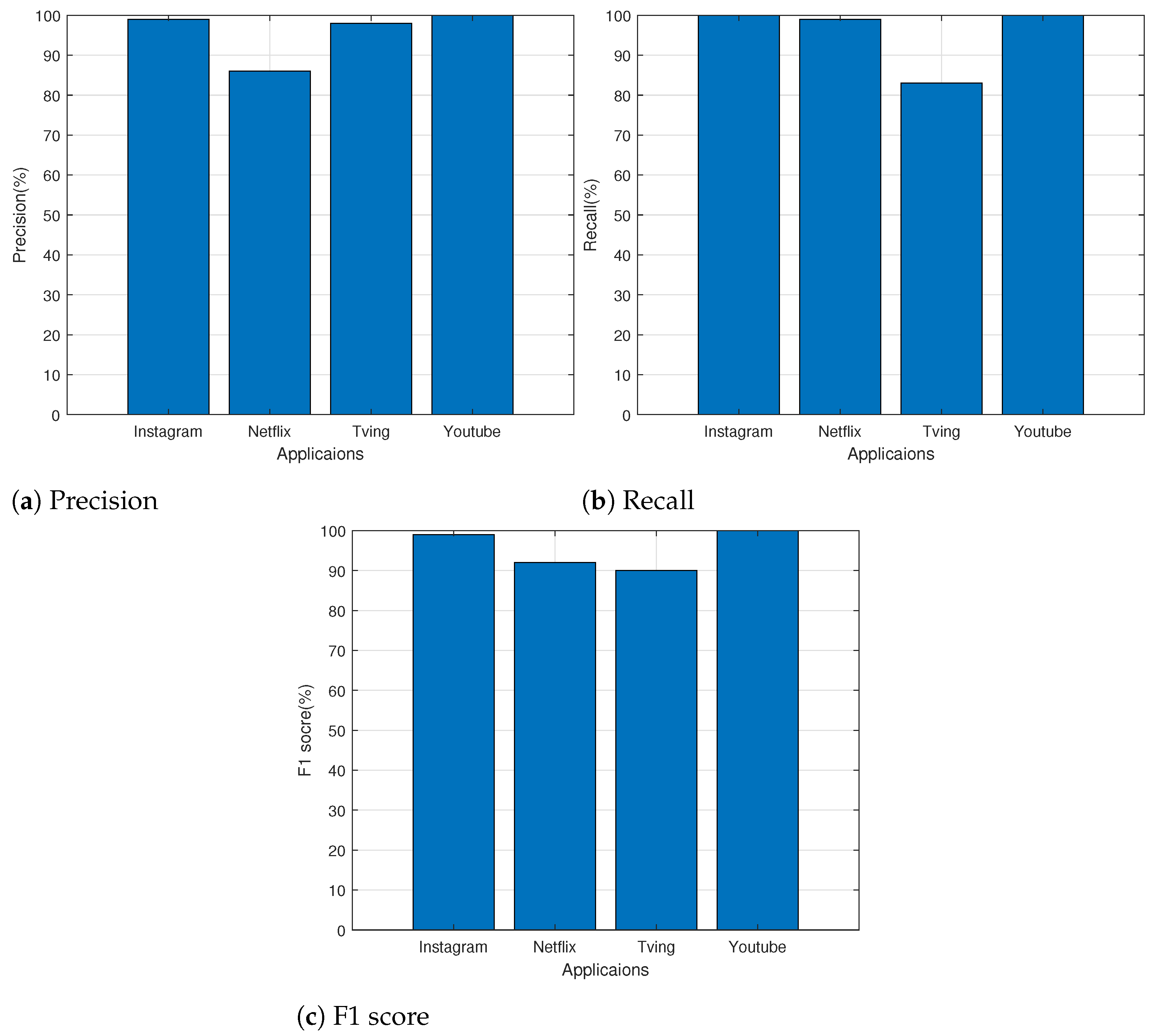
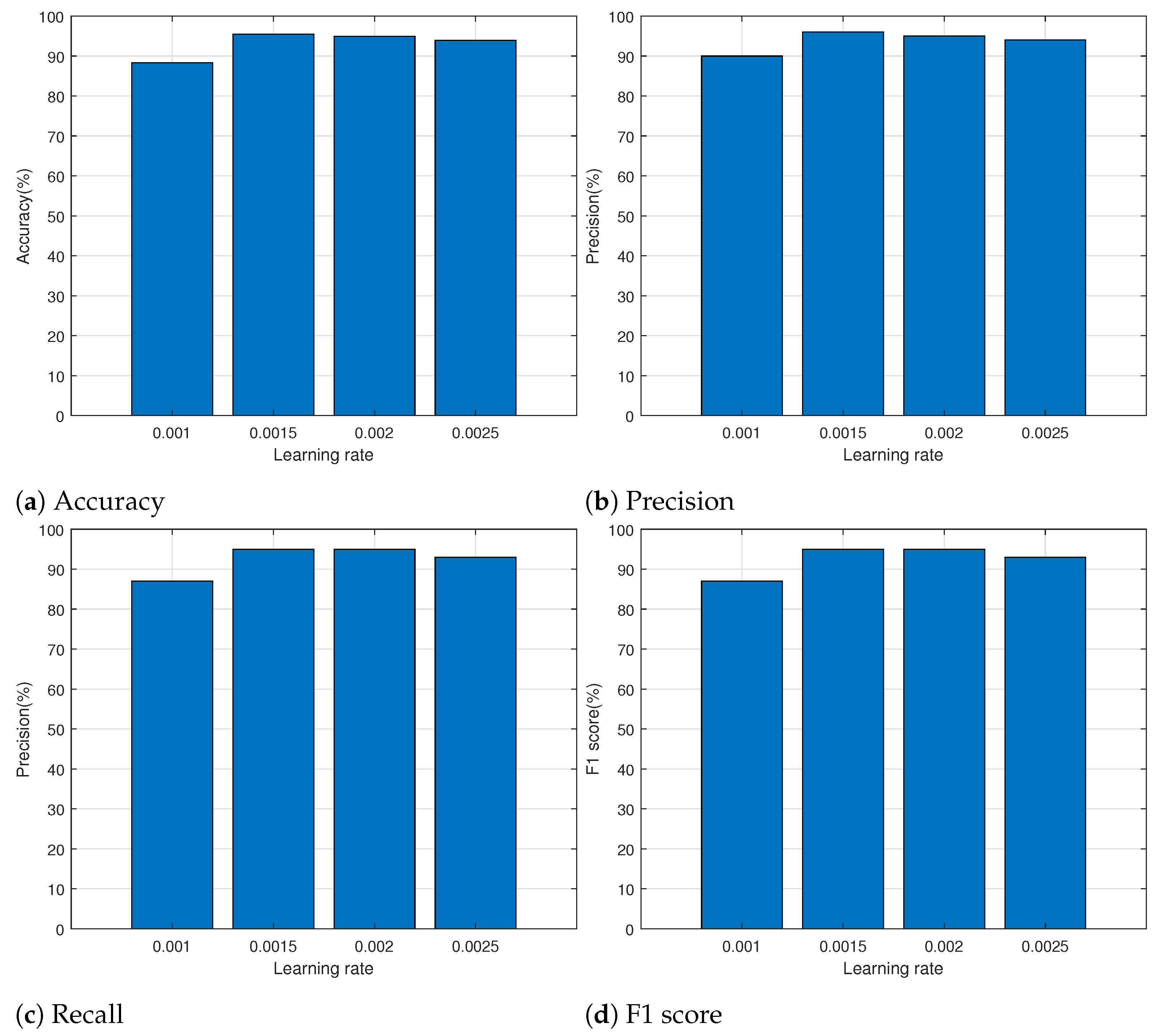
Recently, realistic services like virtual reality and augmented reality have gained popularity. These realistic services require deterministic transmission with end-to-end low latency and high reliability for practical applications. However, for these real-time services to be deterministic, the network core should provide the requisite level of network. To deliver differentiated services to each real-time service, network service providers can classify applications based on traffic. However, due to the presence of personal information in headers, application classification based on encrypted application data is necessary. Initially, we collected application traffic from four well-known applications and preprocessed this data to extract encrypted application data and convert it into model input. We proposed a lightweight transformer model consisting of an encoder, a global average pooling layer, and a dense layer to categorize applications based on the encrypted payload in a packet. To enhance the performance of the proposed model, we determined hyperparameters using several performance evaluations. We evaluated performance with 1D-CNN and ET-BERT. The proposed transformer model demonstrated good performance in the performance evaluation, with a classification accuracy and F1 score of 96% and 95%, respectively. The time complexity of the proposed transformer model was higher than that of 1D-CNN but performed better in application classification. The proposed transformer model had lower time complexity and higher classification performance than ET-BERT.
Keywords: transformer model; application classification; wireless LAN; deep learning transformer model; application classification; wireless LAN; deep learning