Article

Influence of Pitch on Surface Dose Distribution and Image Noise of Computed Tomography Scans


1
Division of Clinical Technology, Tokushima University Hospital, Tokushima 7708503, Japan
2
Institute of Post-LED Photonics, Tokushima University, Tokushima 7708506, Japan
3
Department of Diagnostic Radiology, Graduate School of Biomedical Sciences, Tokushima University, Tokushima 7708503, Japan
4
Department of Therapeutic Radiology, Graduate School of Biomedical Sciences, Tokushima University, Tokushima 7708503, Japan
5
Department of Radiological Technology, Ehime University Hospital, Toon 7910295, Japan
6
Department of Radiology and Radiation Oncology, Tokushima University, Tokushima 7708503, Japan
7
Faculty of Science and Technology, Tokushima University, Tokushima 7708506, Japan
*
Author to whom correspondence should be addressed.
Sensors 2023, 23(7), 3472; https://doi.org/10.3390/s23073472
Submission received: 9 February 2023 / Revised: 17 March 2023 / Accepted: 22 March 2023 / Published: 26 March 2023
(This article belongs to the Section Sensing and Imaging)

Abstract

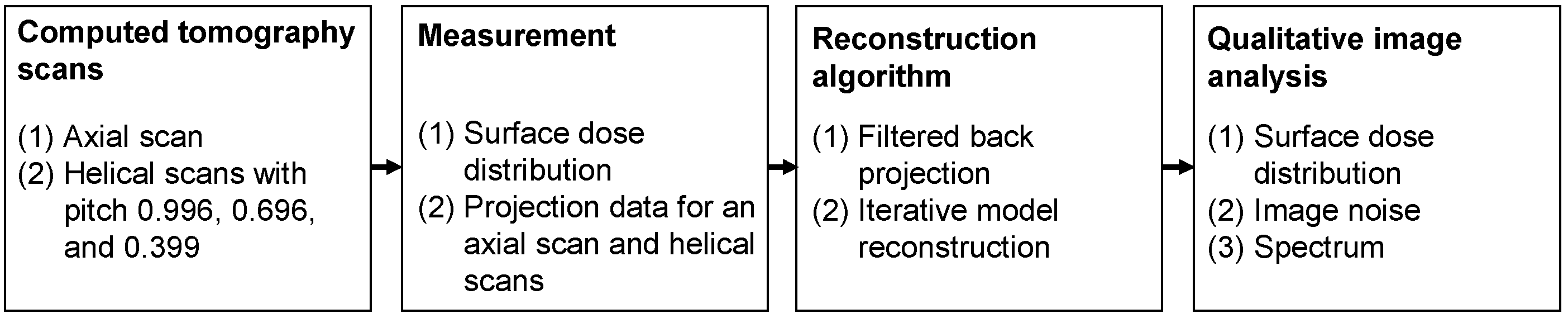
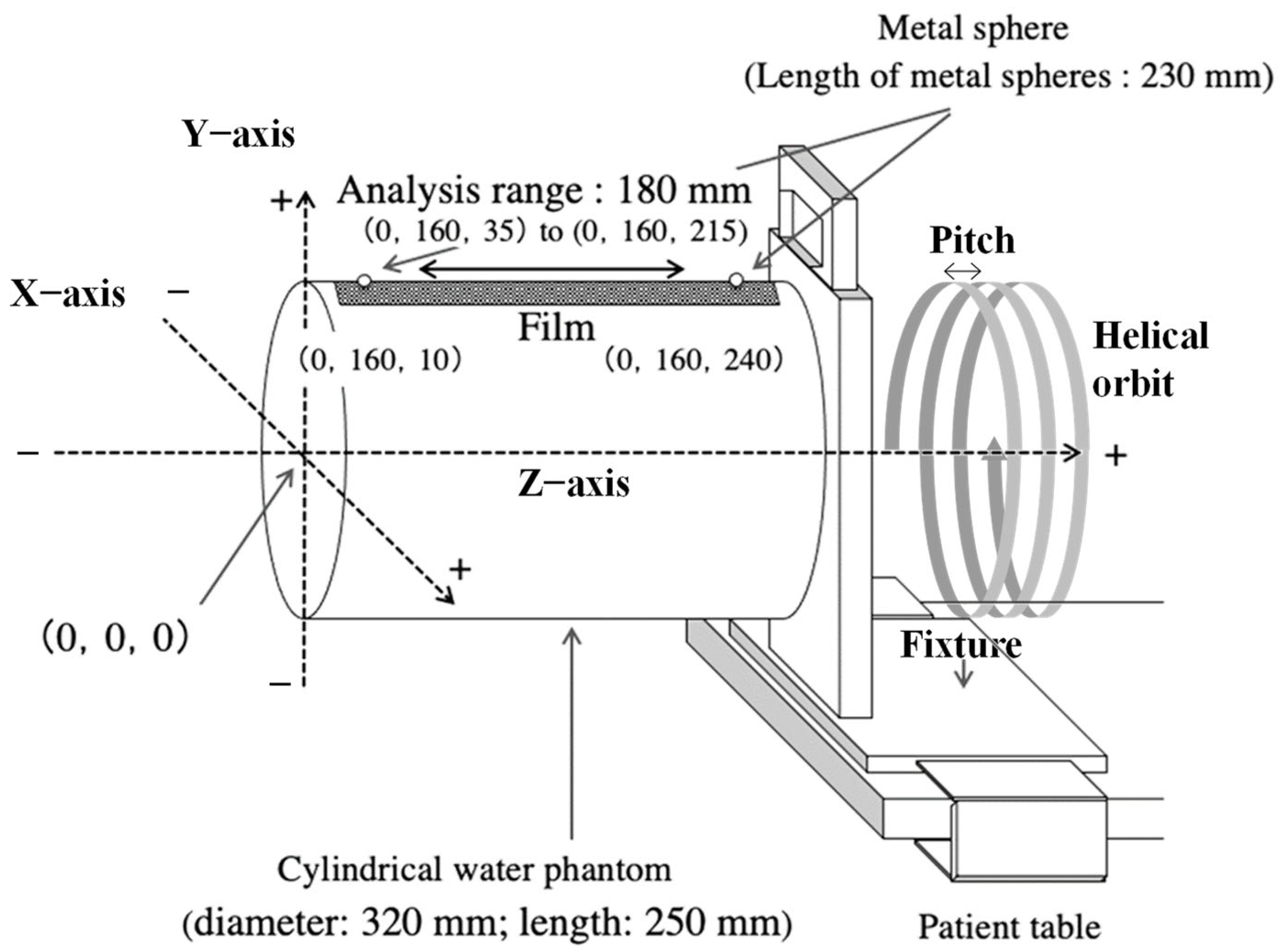
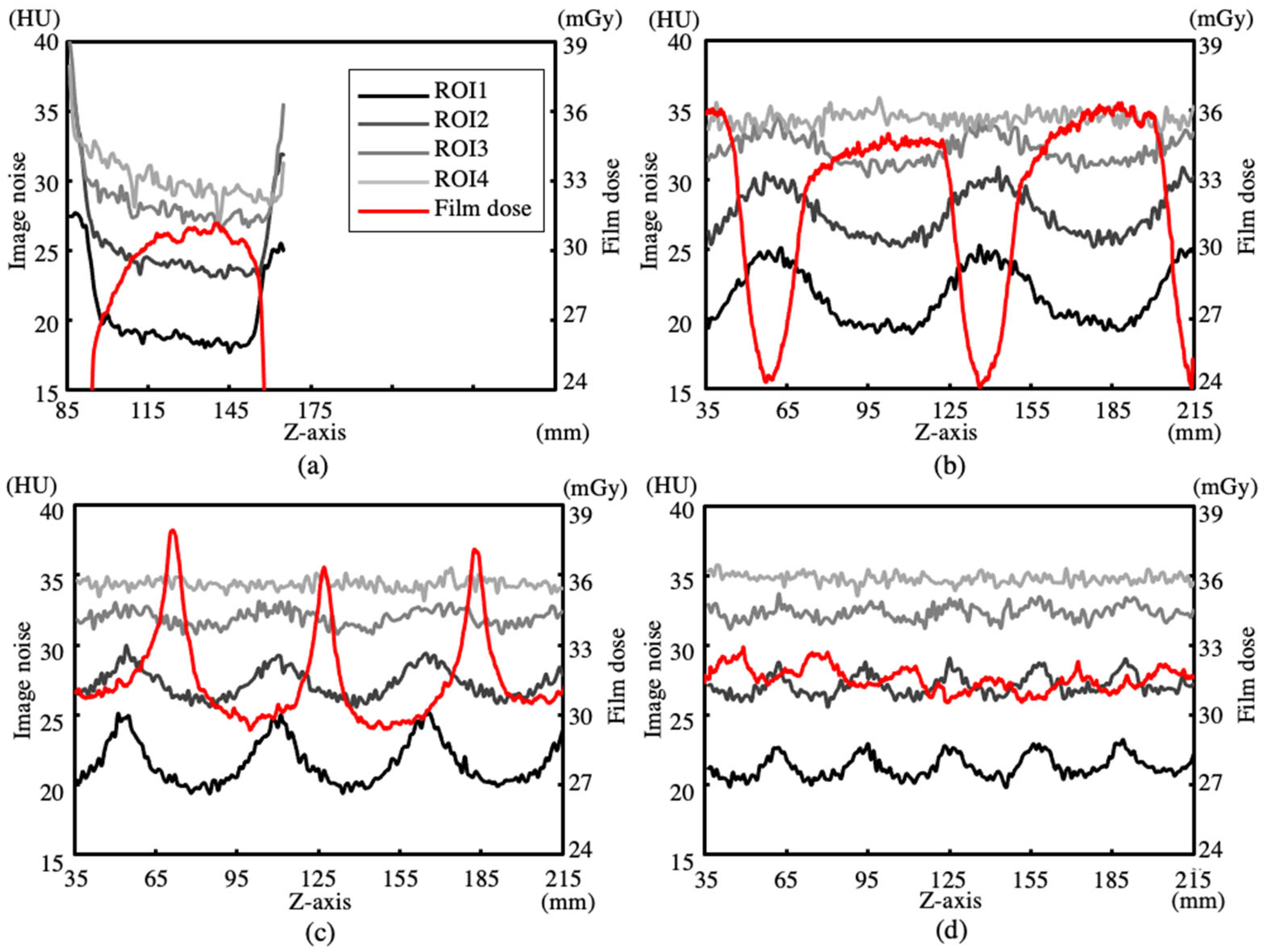
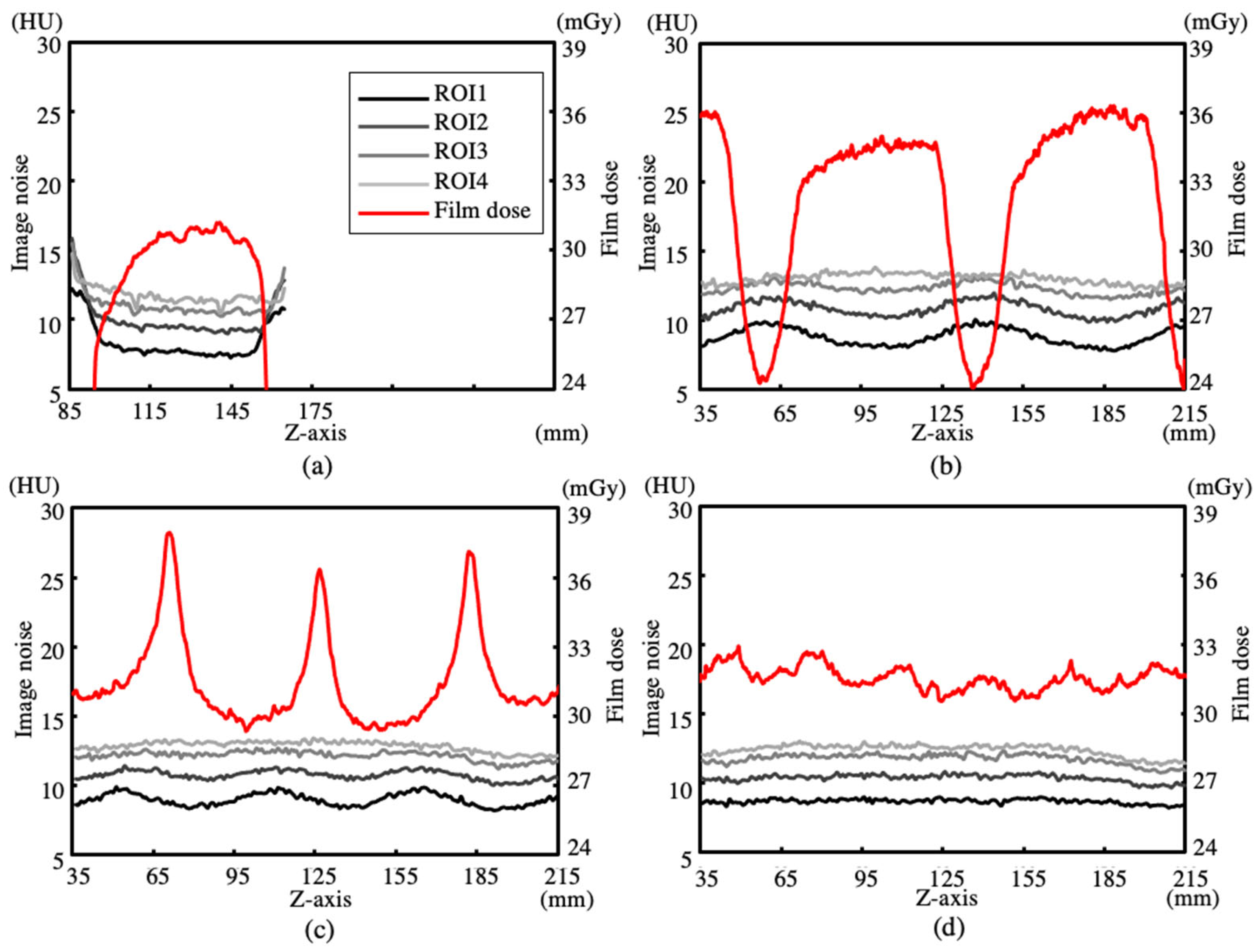
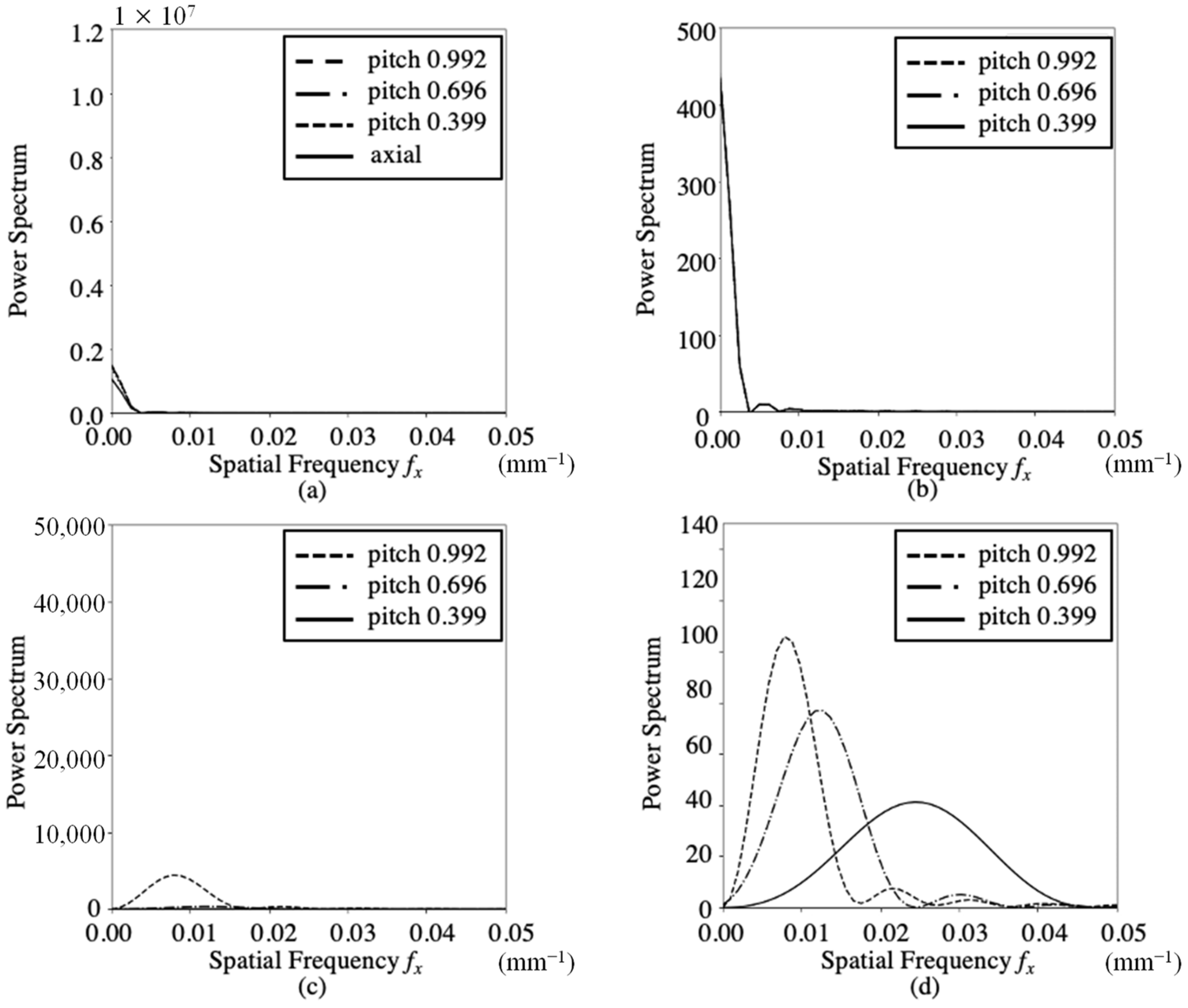
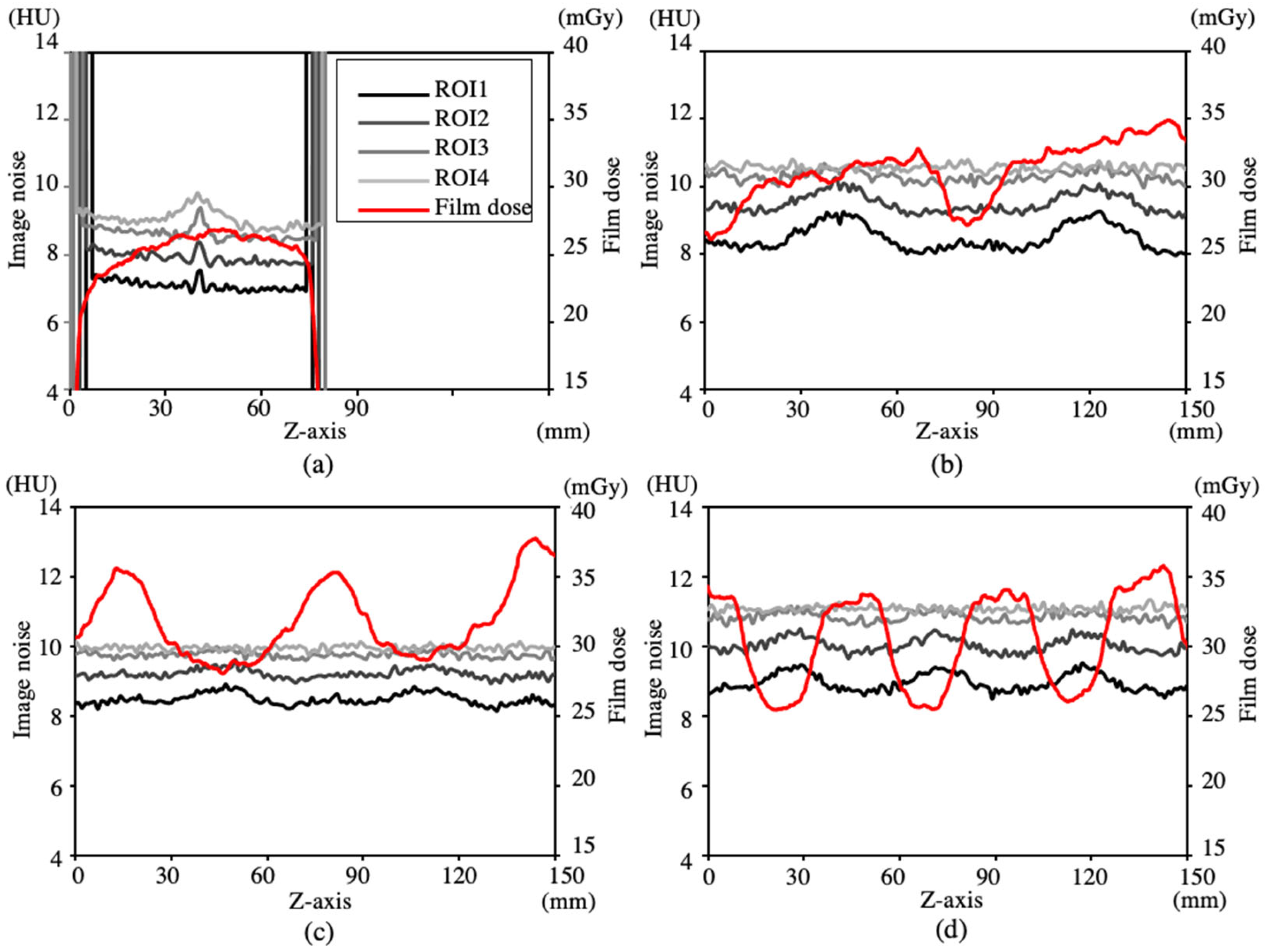
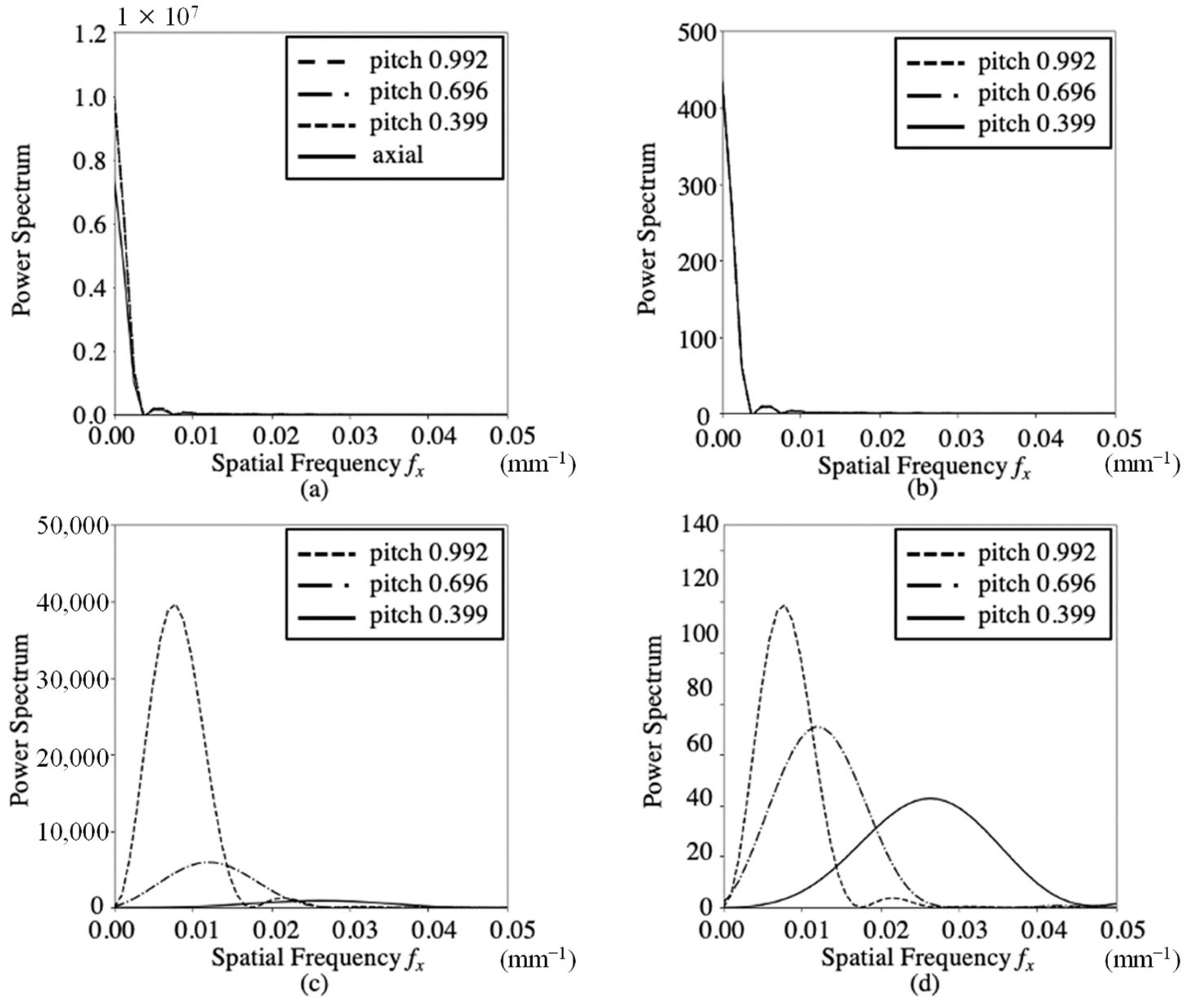
This study evaluated the effect of pitch on 256-slice helical computed tomography (CT) scans. Cylindrical water phantoms (CWP) were measured using axial and helical scans with various pitch values. The surface dose distributions of CWP were measured, and reconstructed images were obtained using filtered back-projection (FBP) and iterative model reconstruction (IMR). The image noise in each reconstructed image was decomposed into a baseline component and another component that varied along the z-axis. The baseline component of the image noise was highest at the center of the reconstructed image and decreased toward the edges. The normalized 2D power spectra for each pitch were almost identically distributed. Furthermore, the ratios of the 2D power spectra for IMR and FBP at different pitch values were obtained. The magnitudes of the components varying along the z-axis were smallest at the center of the reconstructed image and increased toward the edge. The ratios of the 3D power spectra on the fx axis for IMR and FBP at different pitch values were obtained. The results showed that the effect of the pitch was related to the component that varied along the z-axis. Furthermore, the pitch had a smaller effect on IMR than on FBP.
Keywords: helical computed tomography; pitch; surface dose distribution; FBP; IMR; image noise; power spectrum helical computed tomography; pitch; surface dose distribution; FBP; IMR; image noise; power spectrum