Article

Passive Soil Arching Effect in Aeolian Sand Backfills for Grillage Foundation

1
State Key Laboratory of Geomechanics and Geotechnical Engineering, Institute of Rock and Soil Mechanics, Chinese Academy of Sciences, Wuhan 430071, China
2
Guangxi Key Laboratory of Rock and Soil Mechanics and Engineering, Guilin University of Technology, Guilin 541004, China
*
Author to whom correspondence should be addressed.
Sensors 2023, 23(19), 8098; https://doi.org/10.3390/s23198098
Submission received: 31 July 2023 / Revised: 14 September 2023 / Accepted: 19 September 2023 / Published: 27 September 2023
(This article belongs to the Section Environmental Sensing)

Abstract

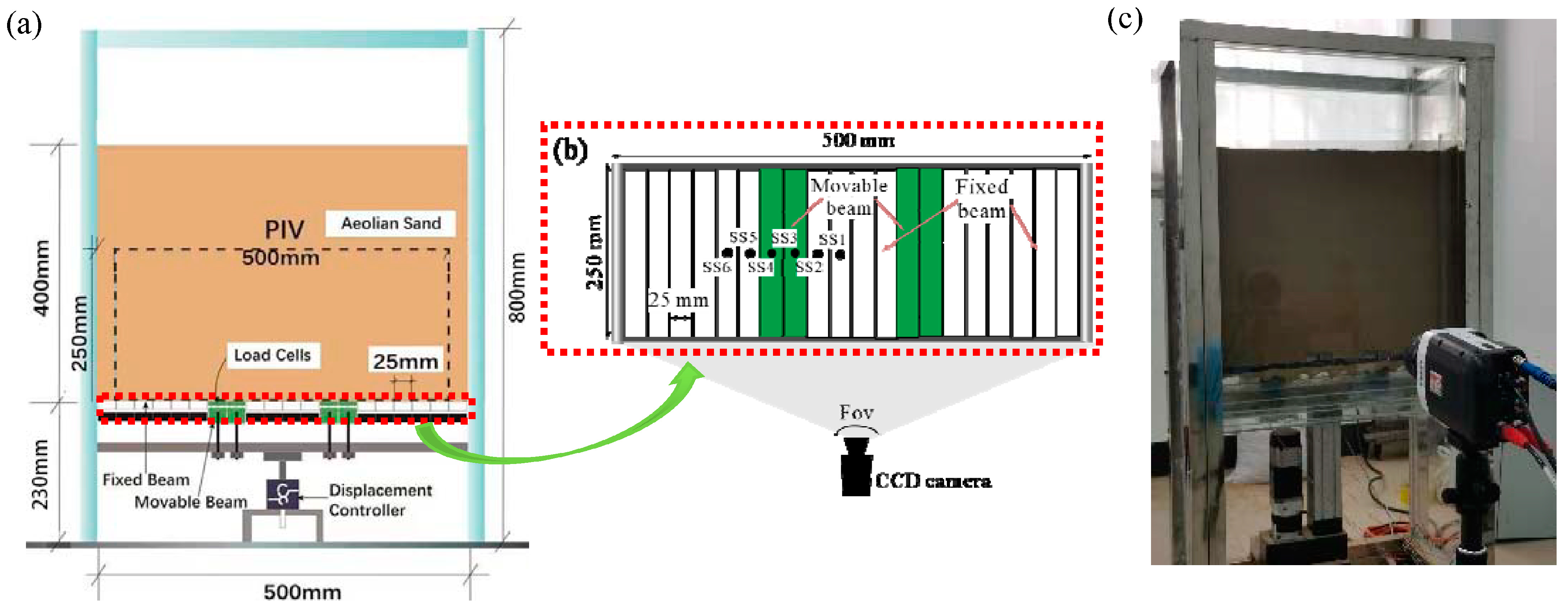
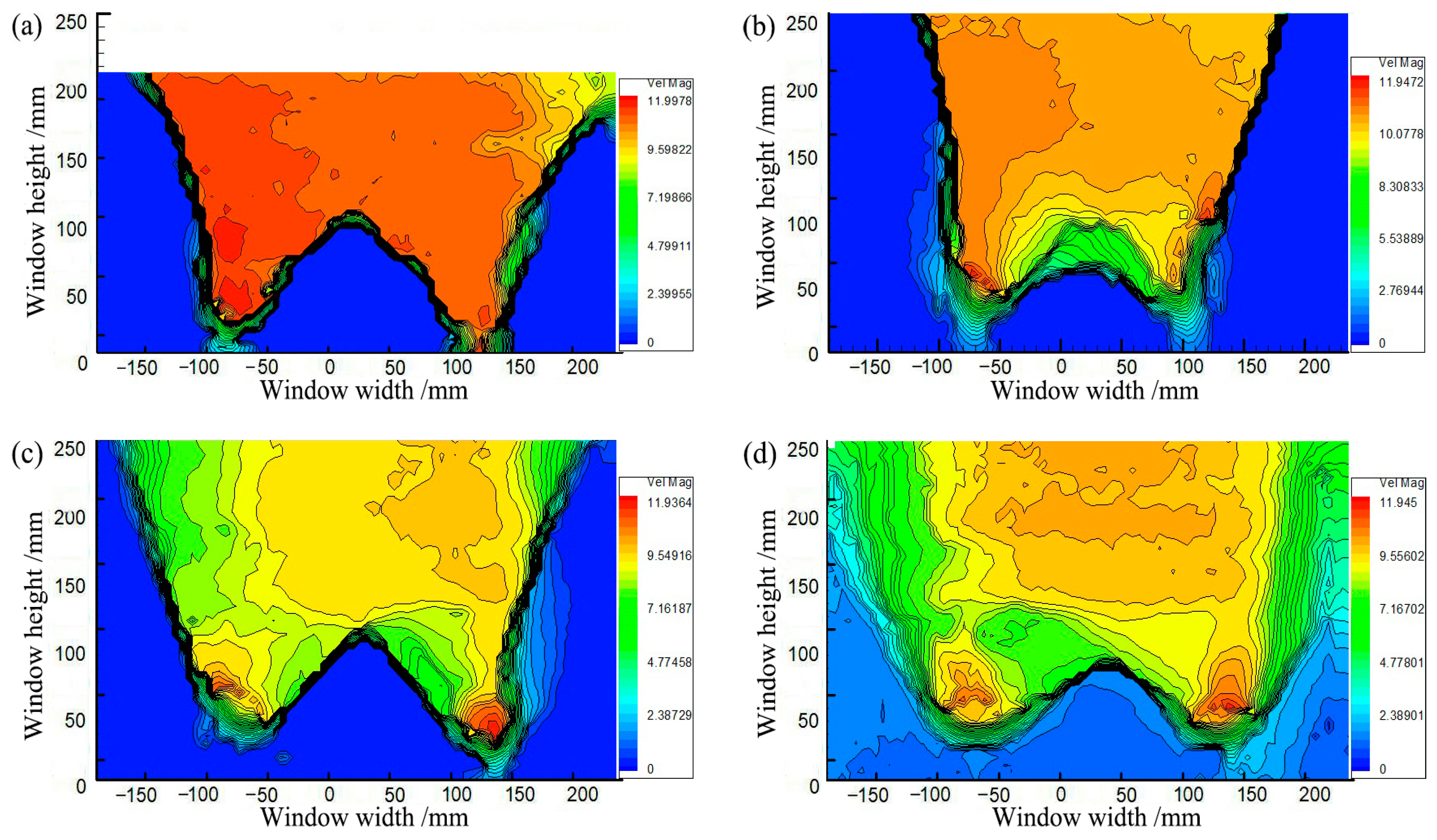
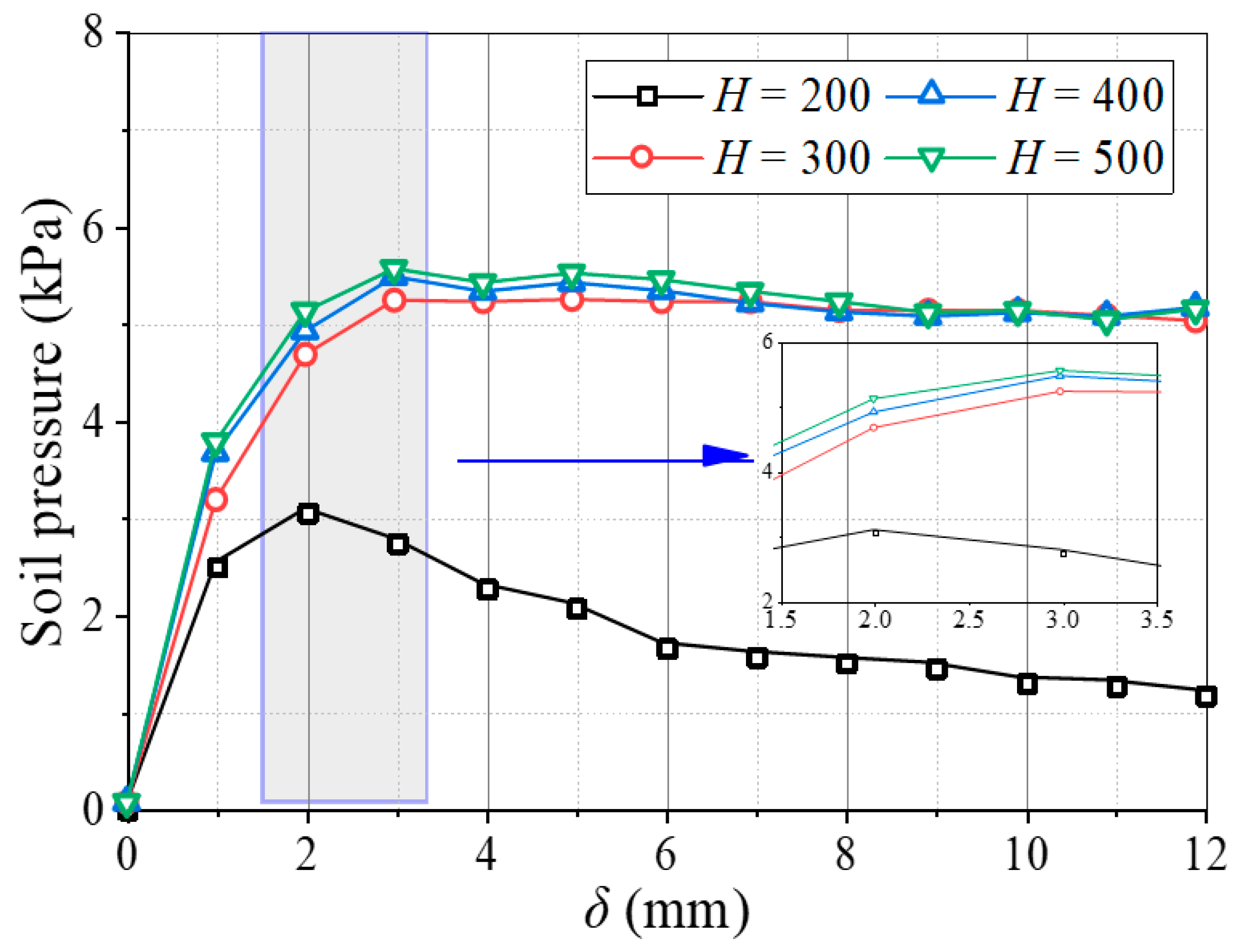
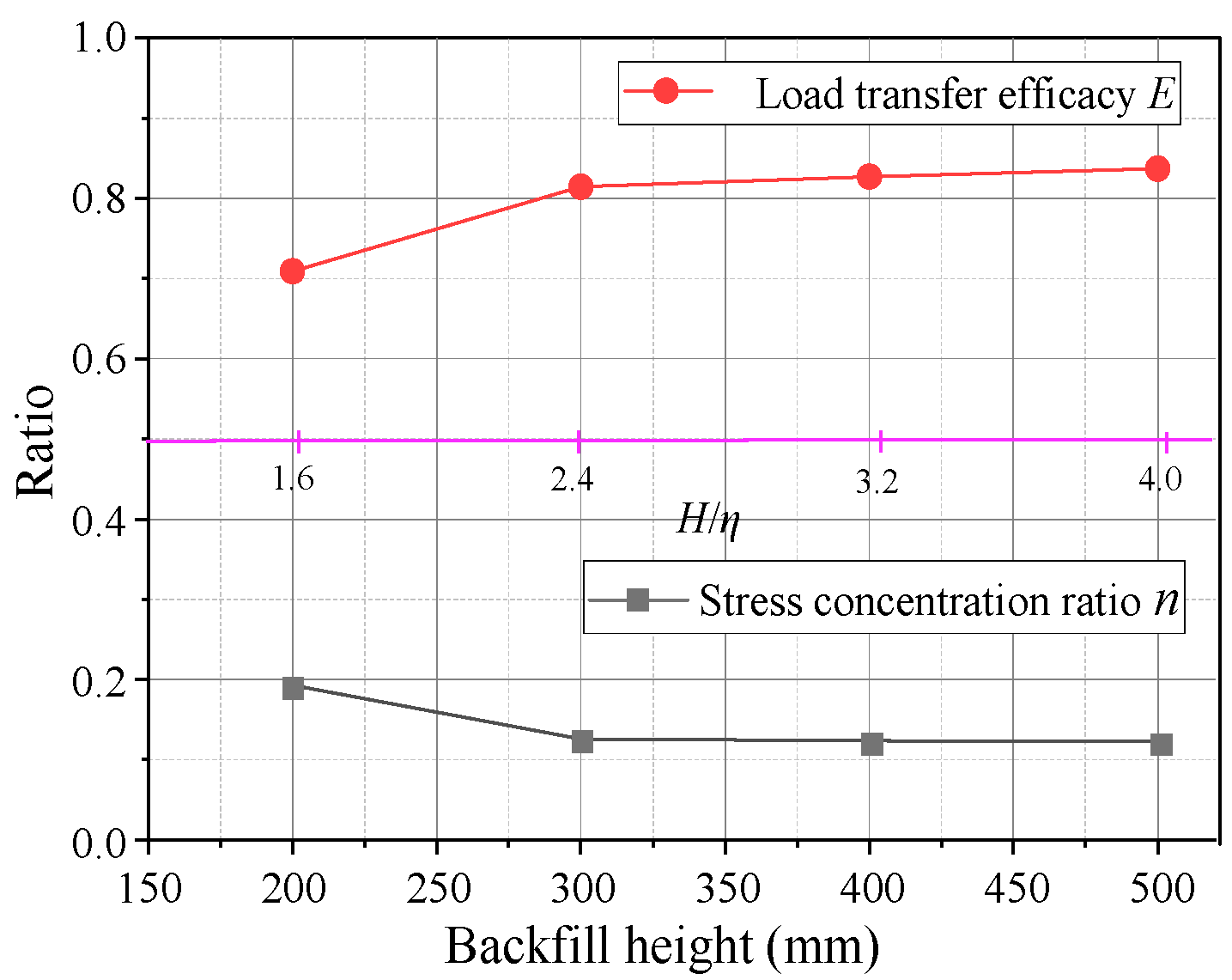
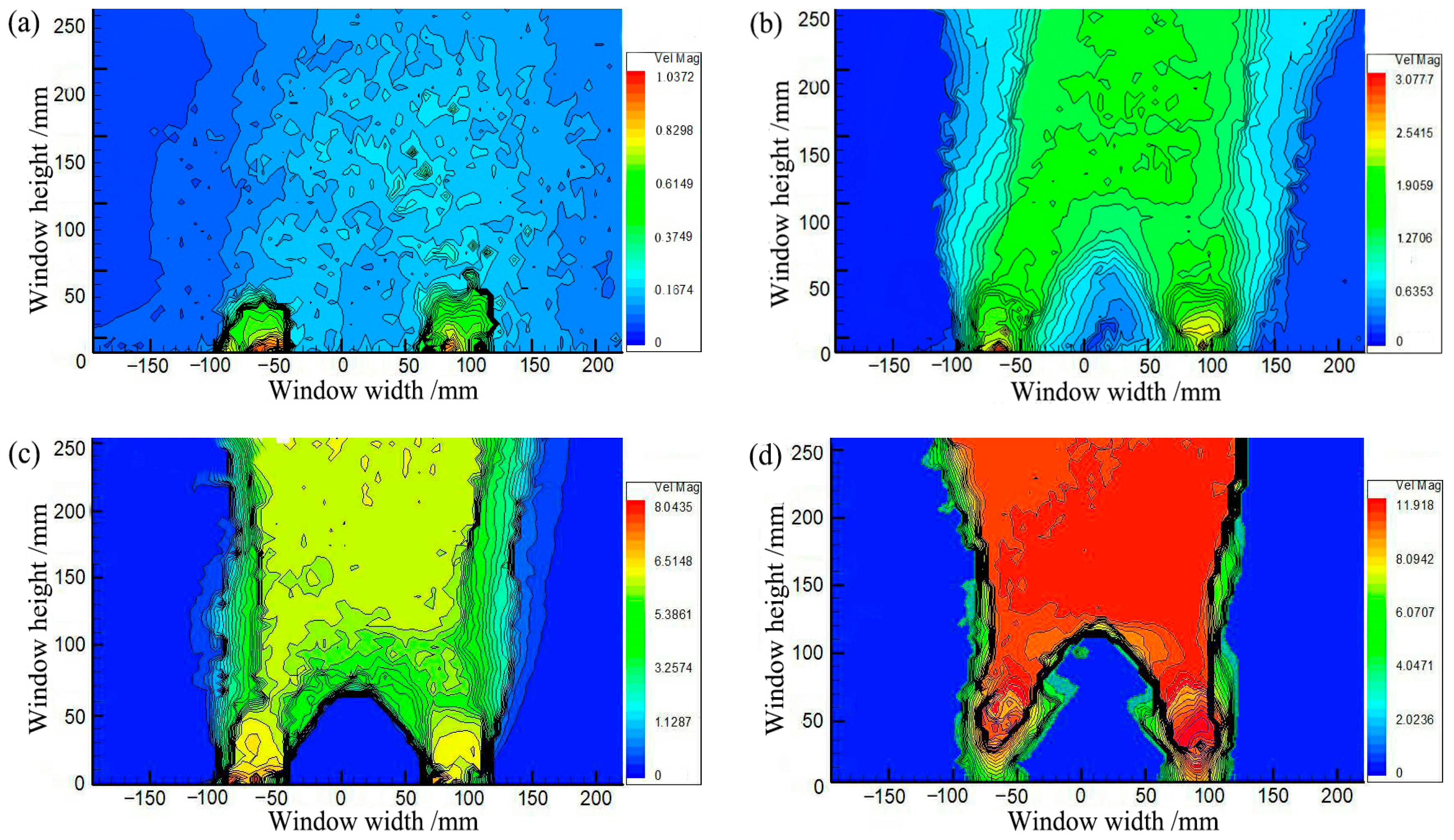
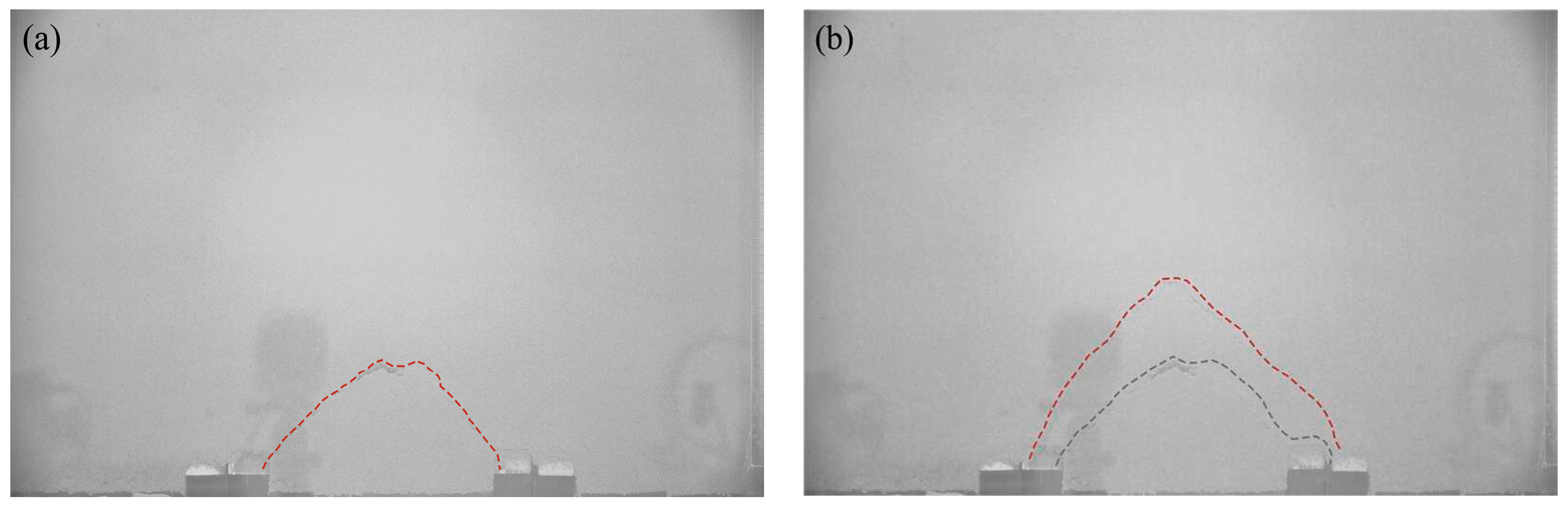
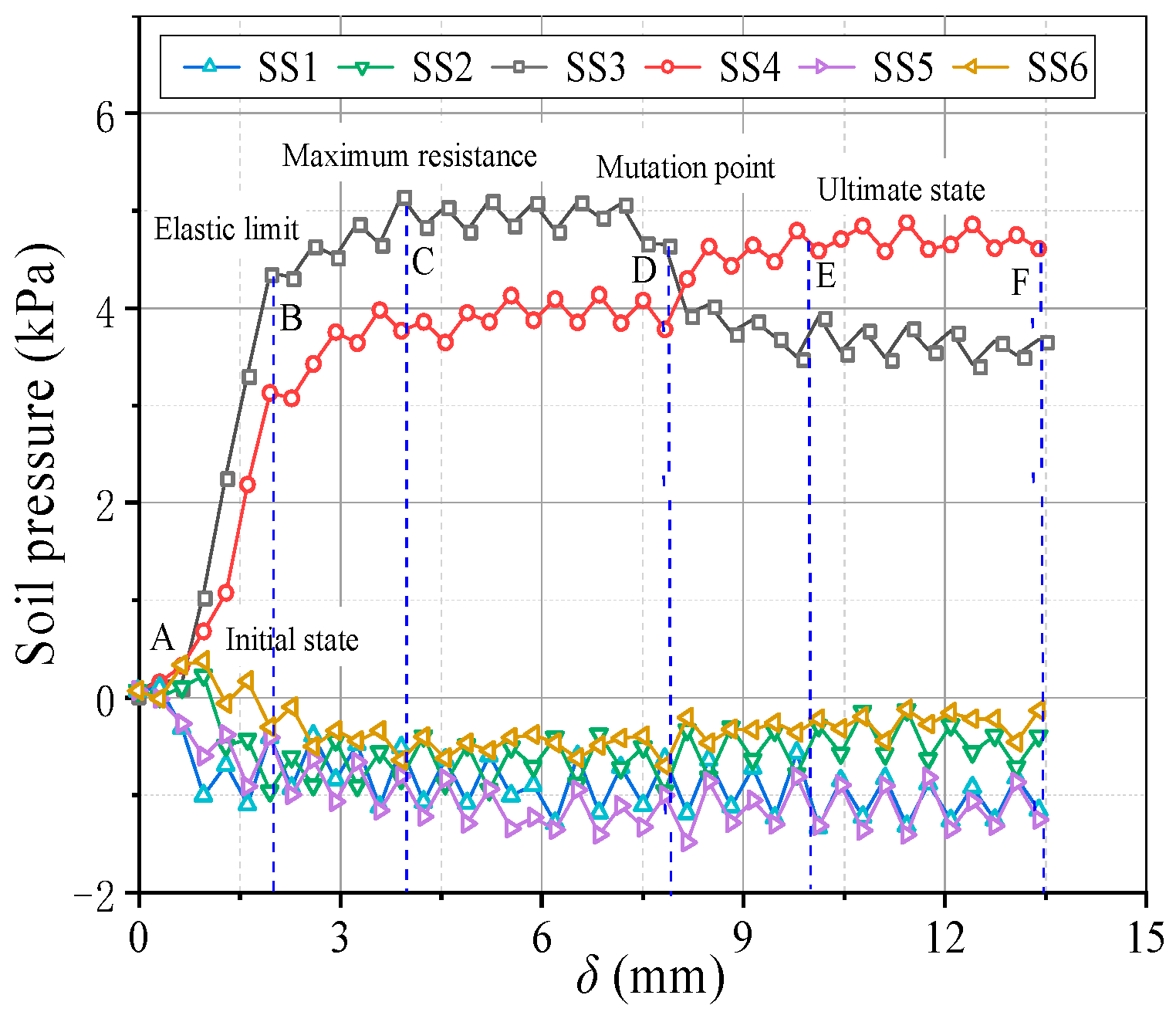
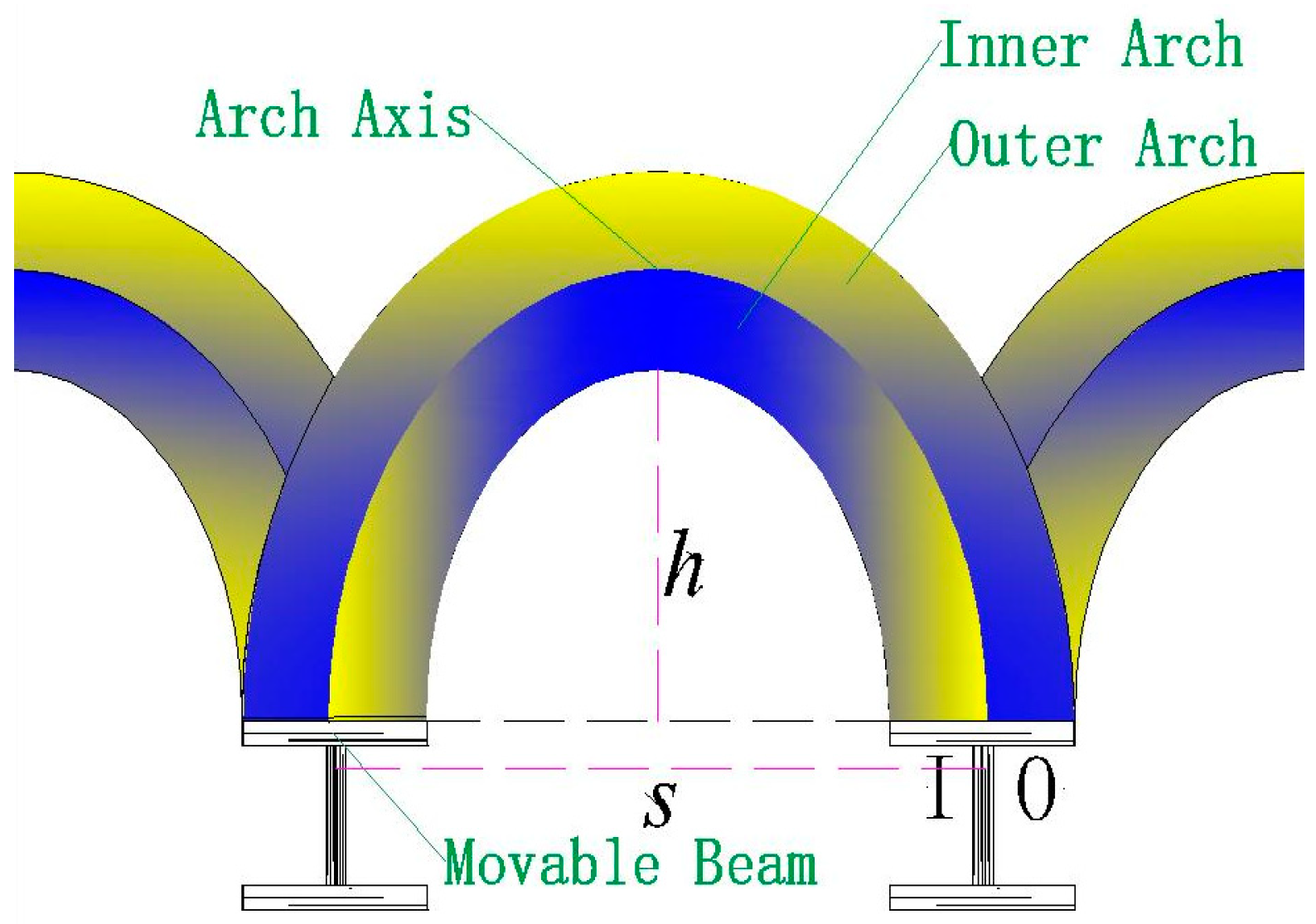
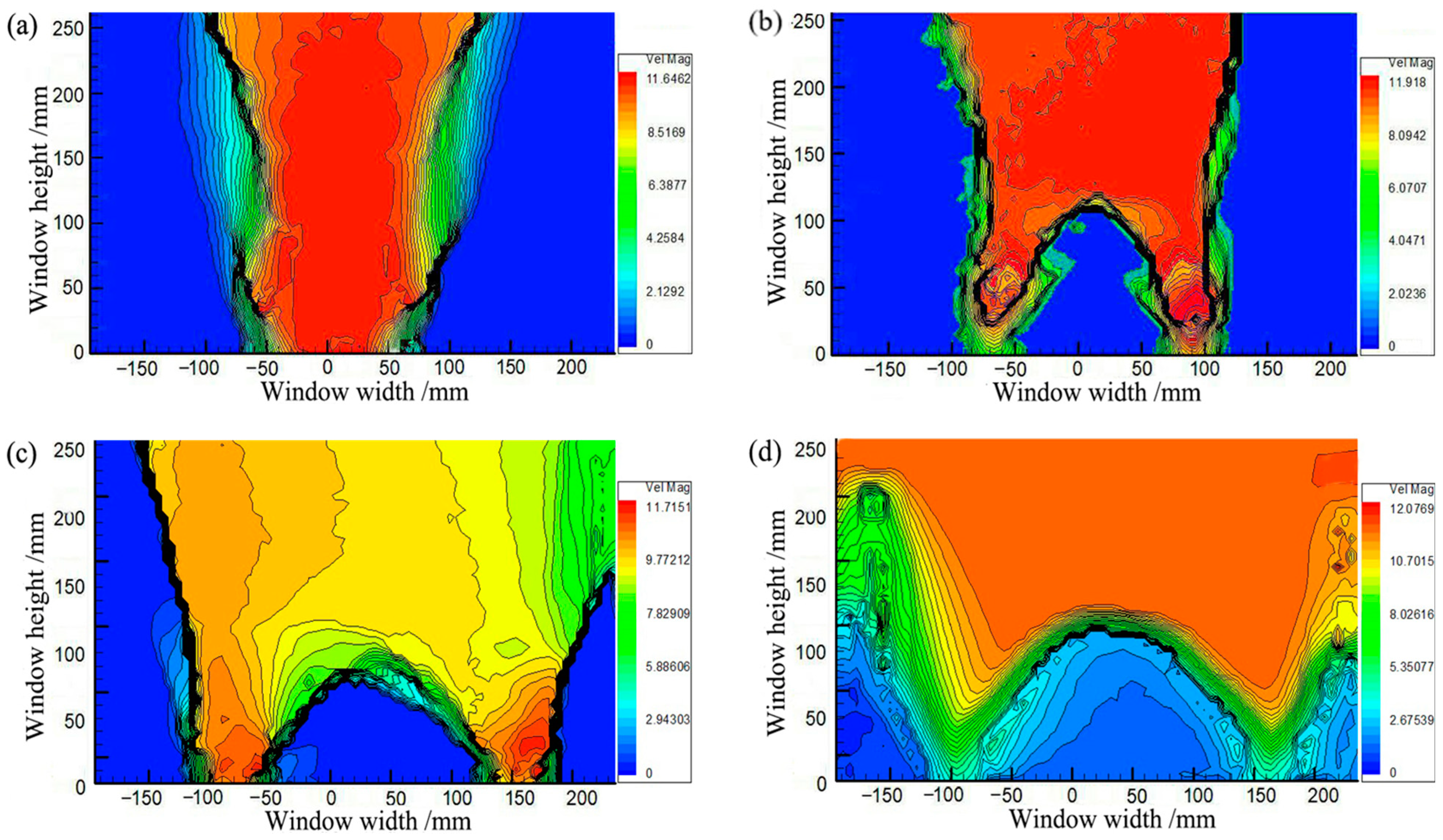
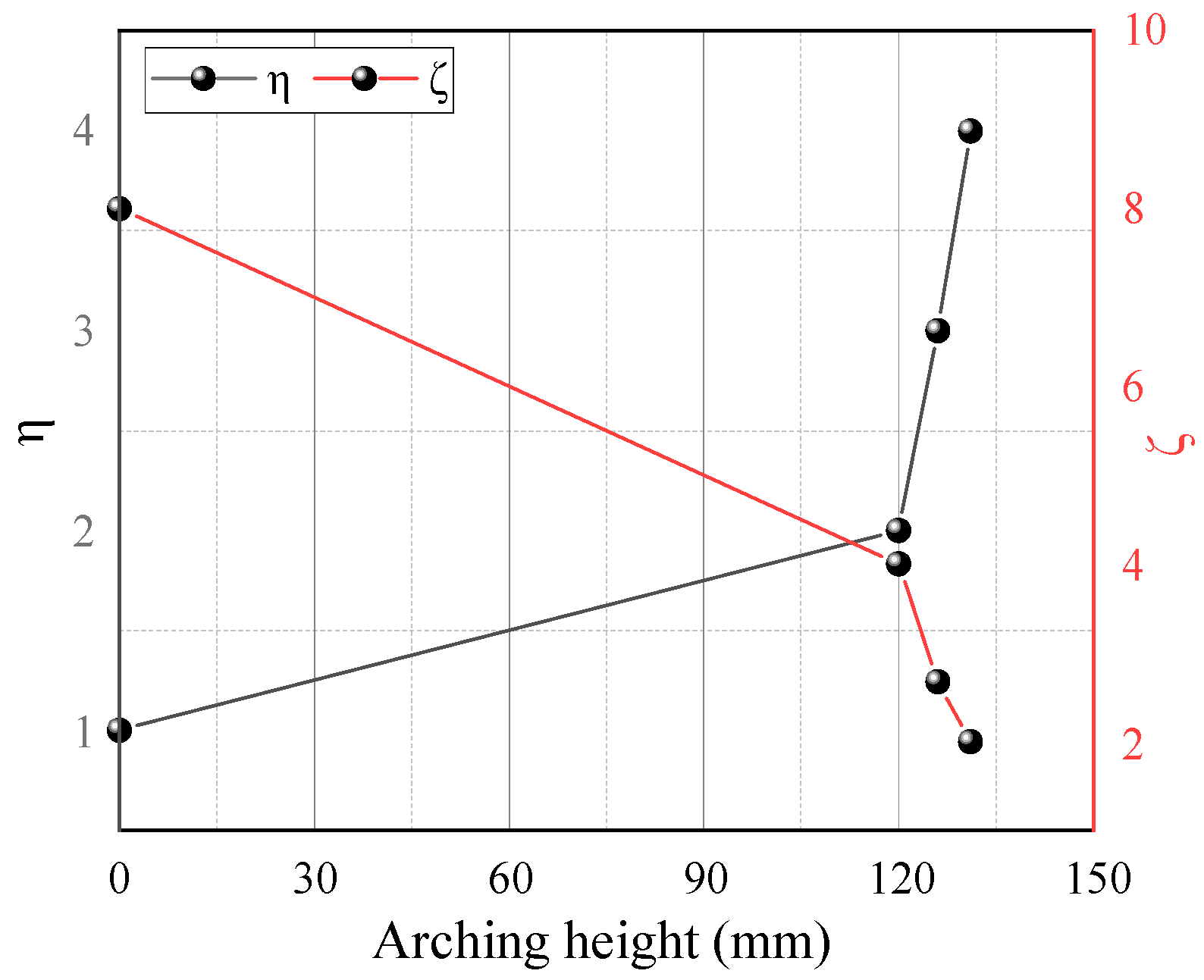
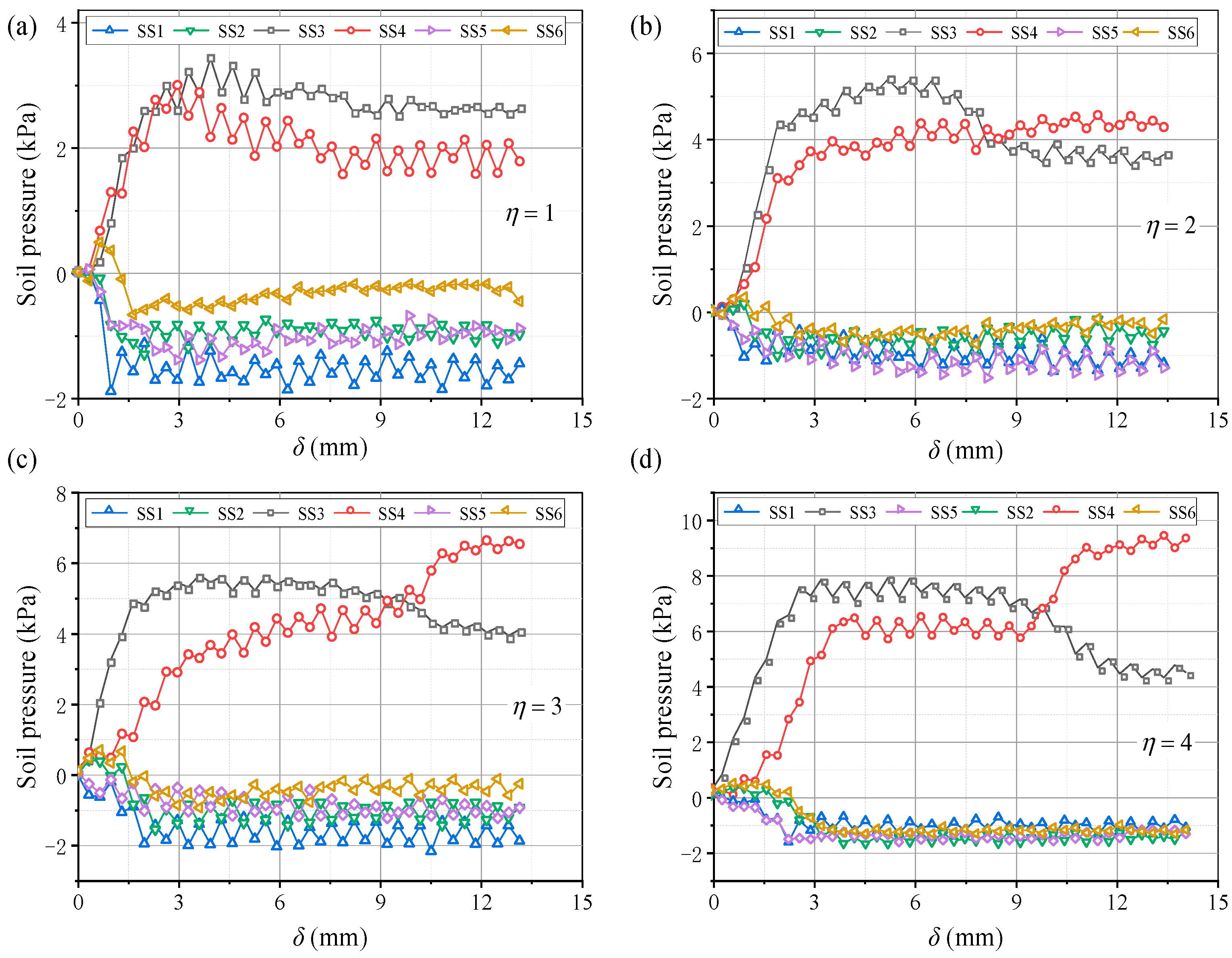
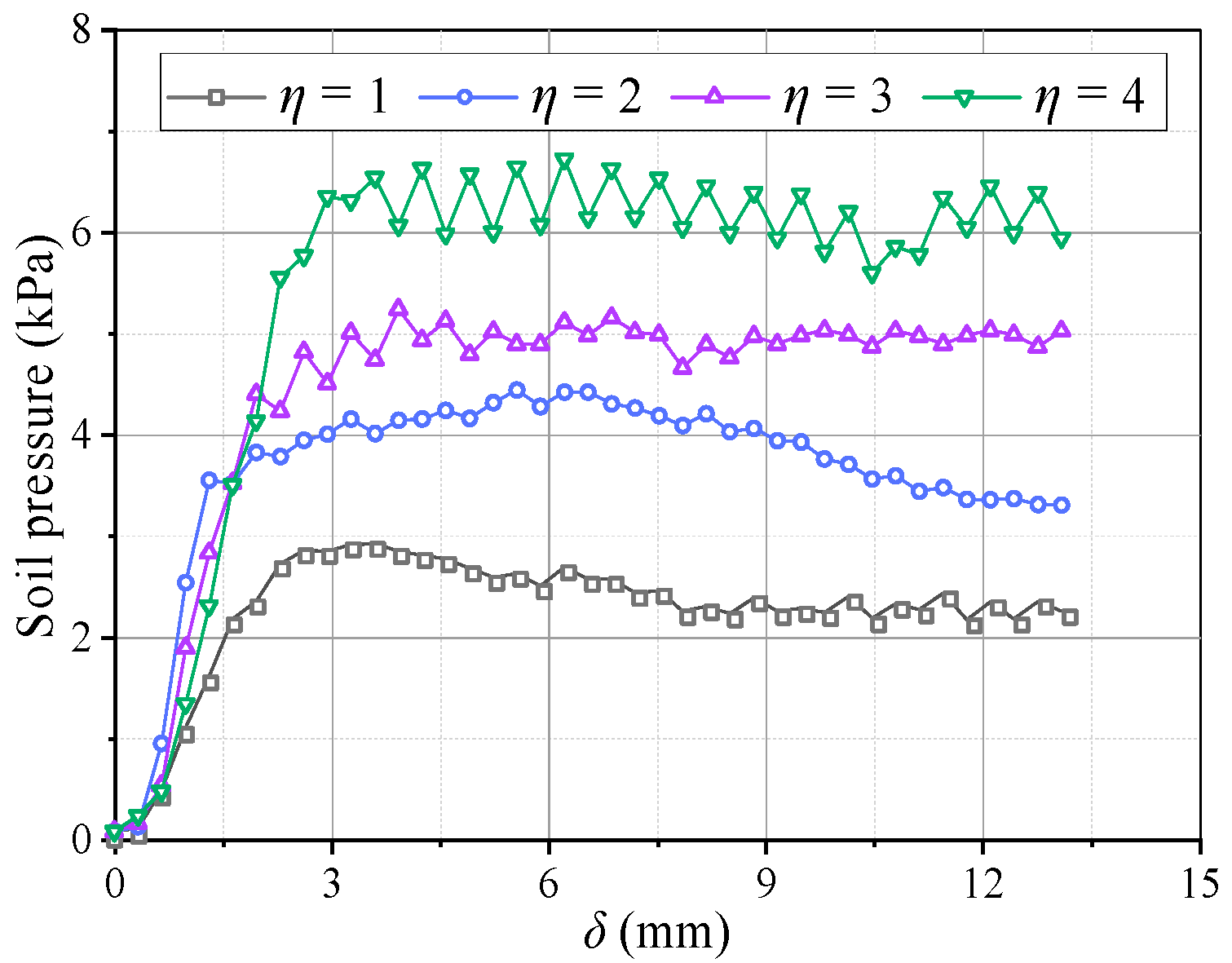
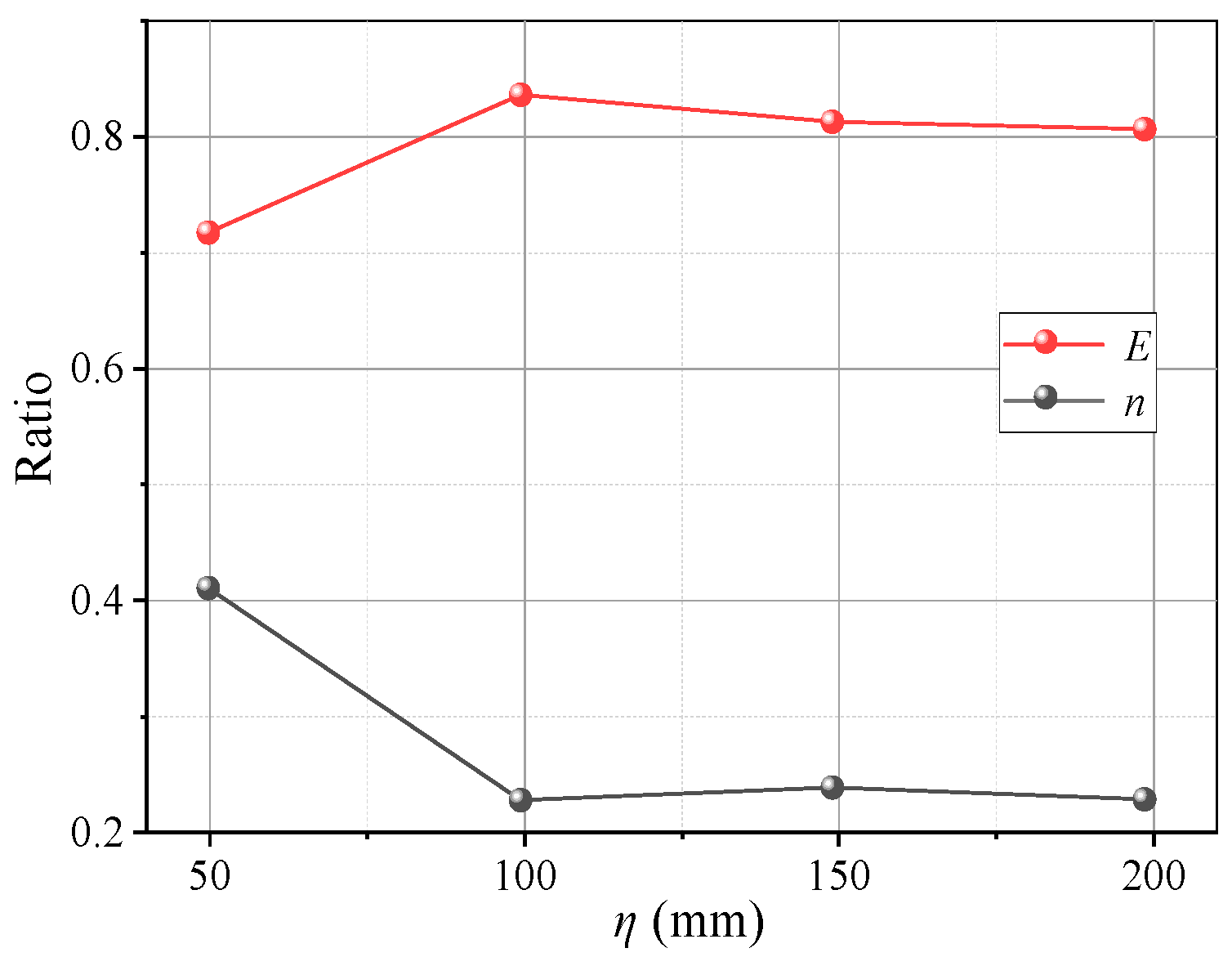
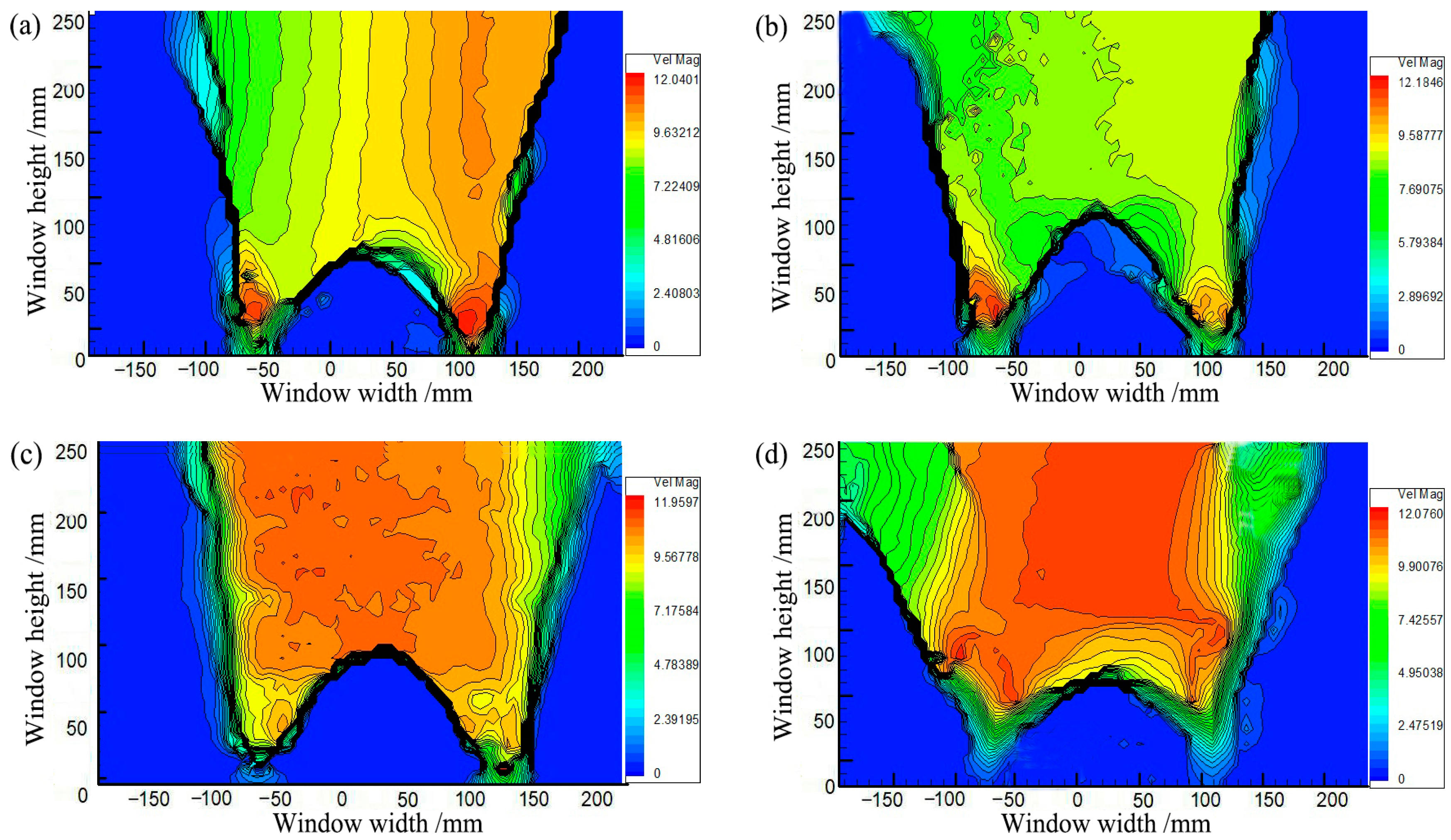
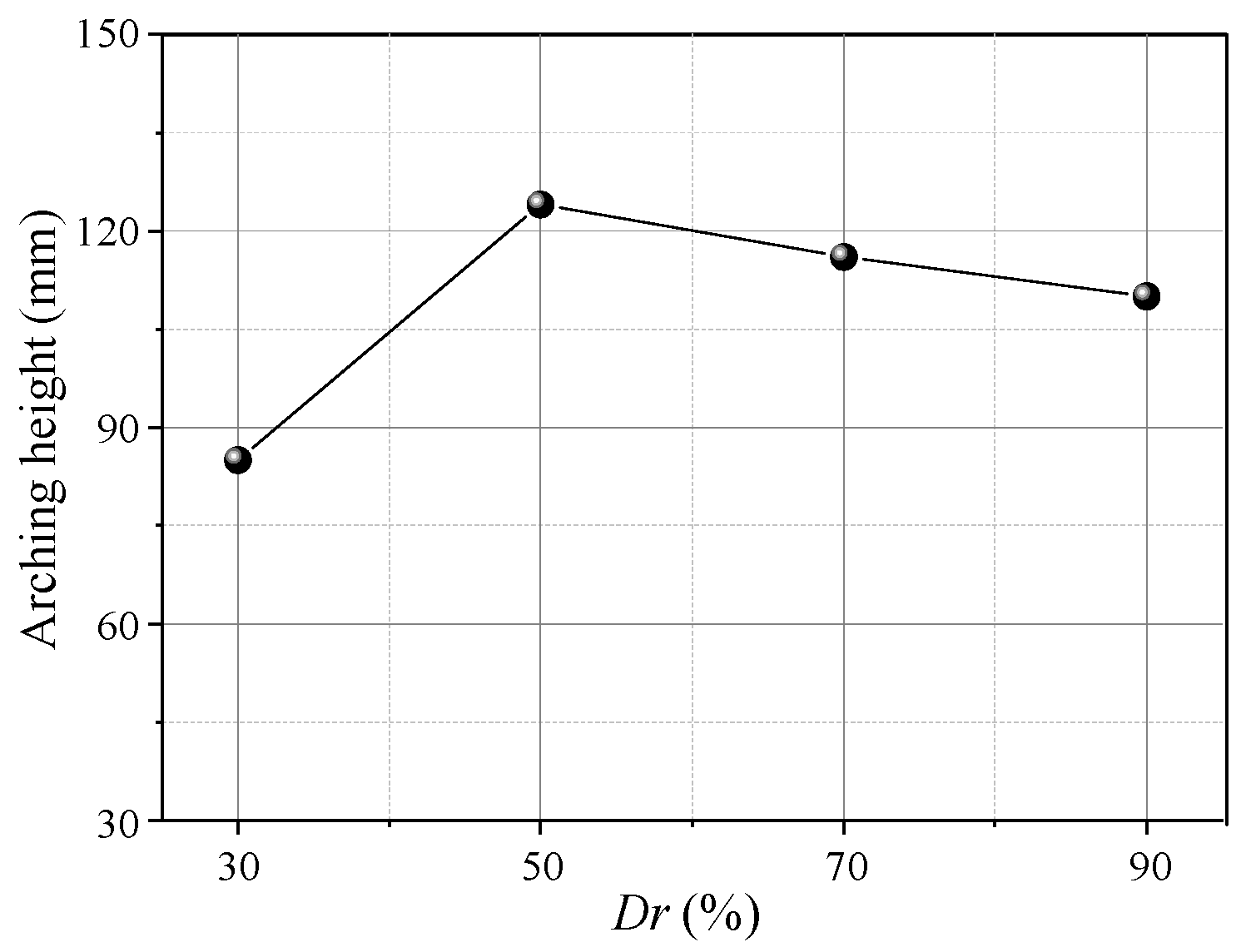
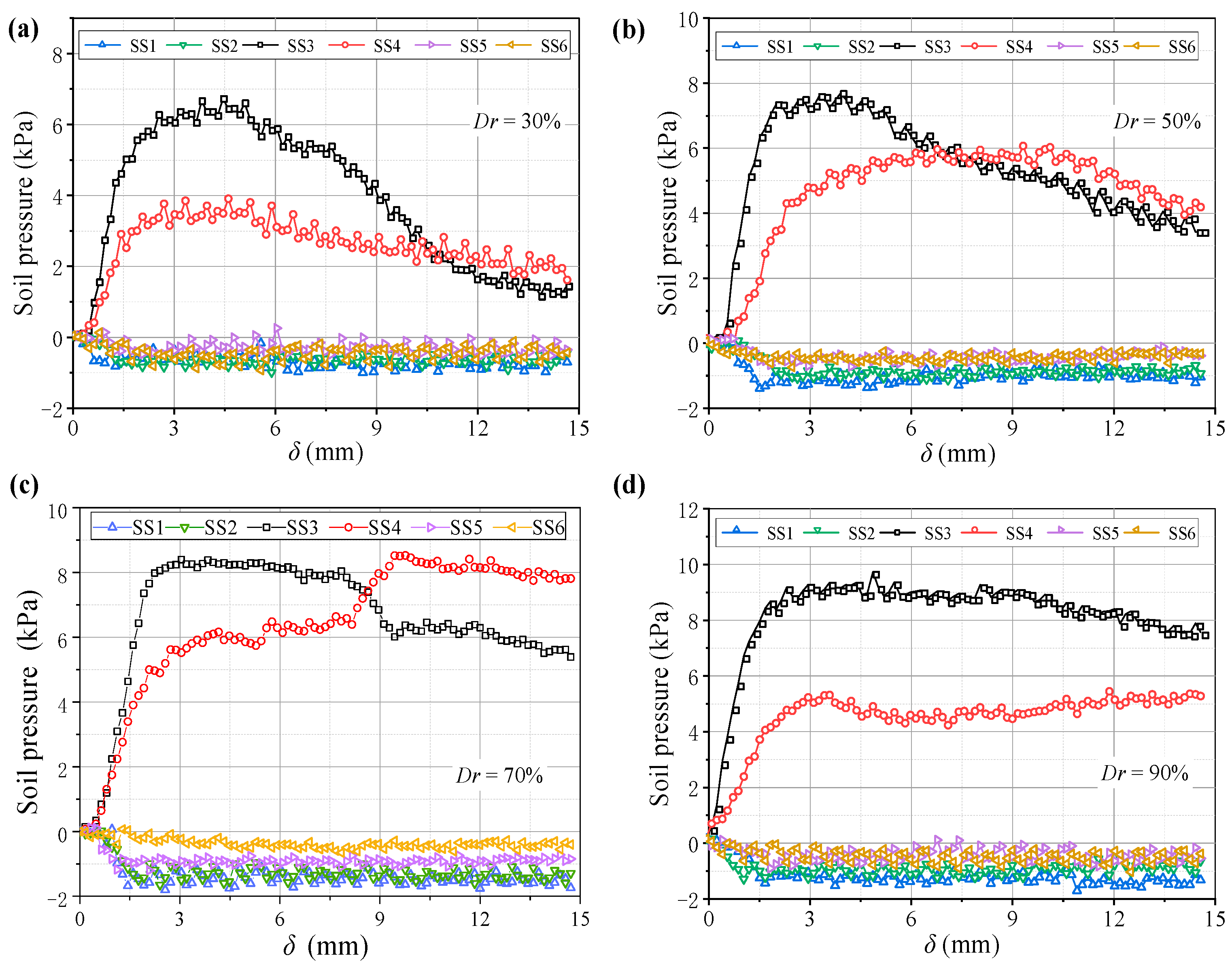
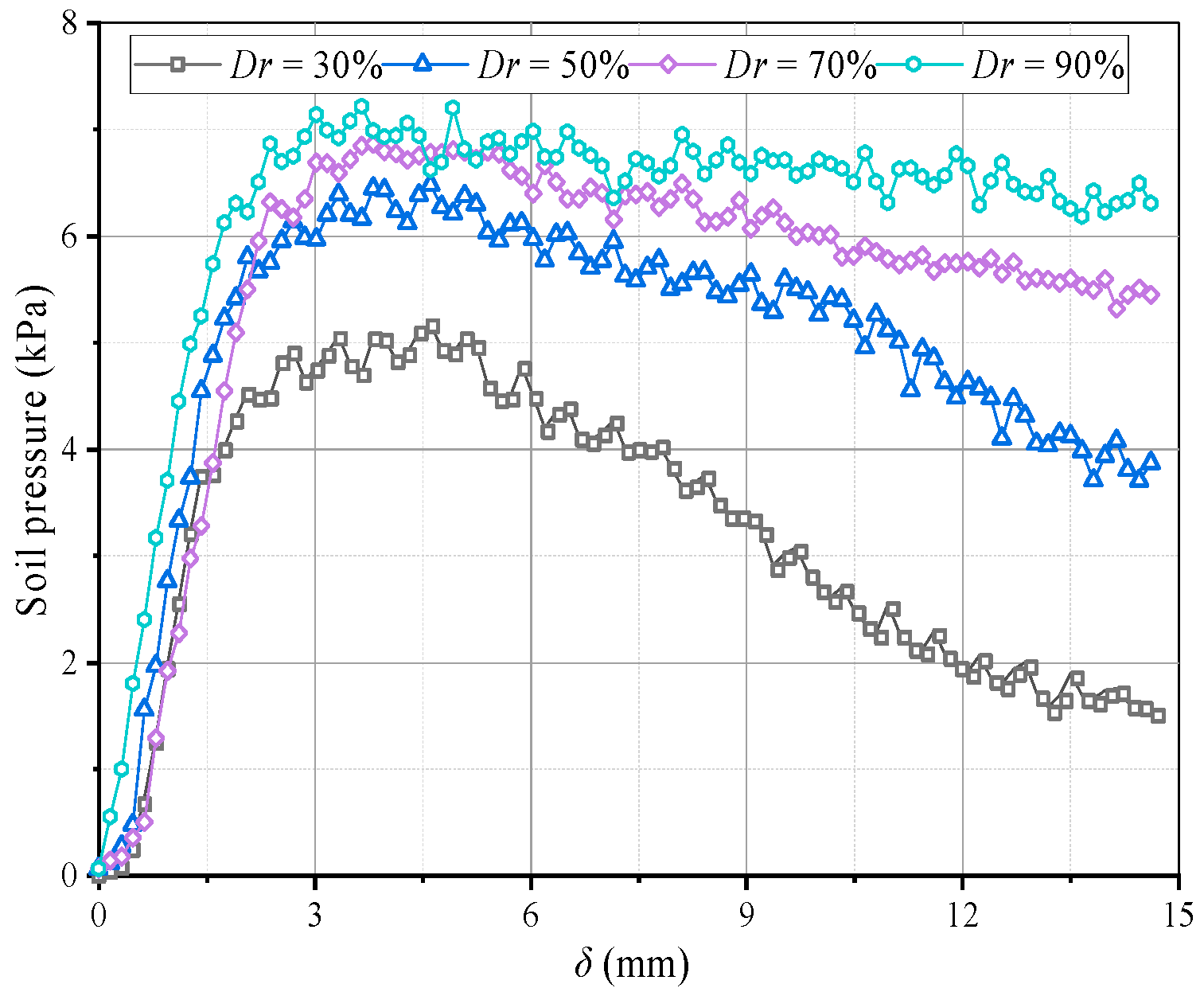
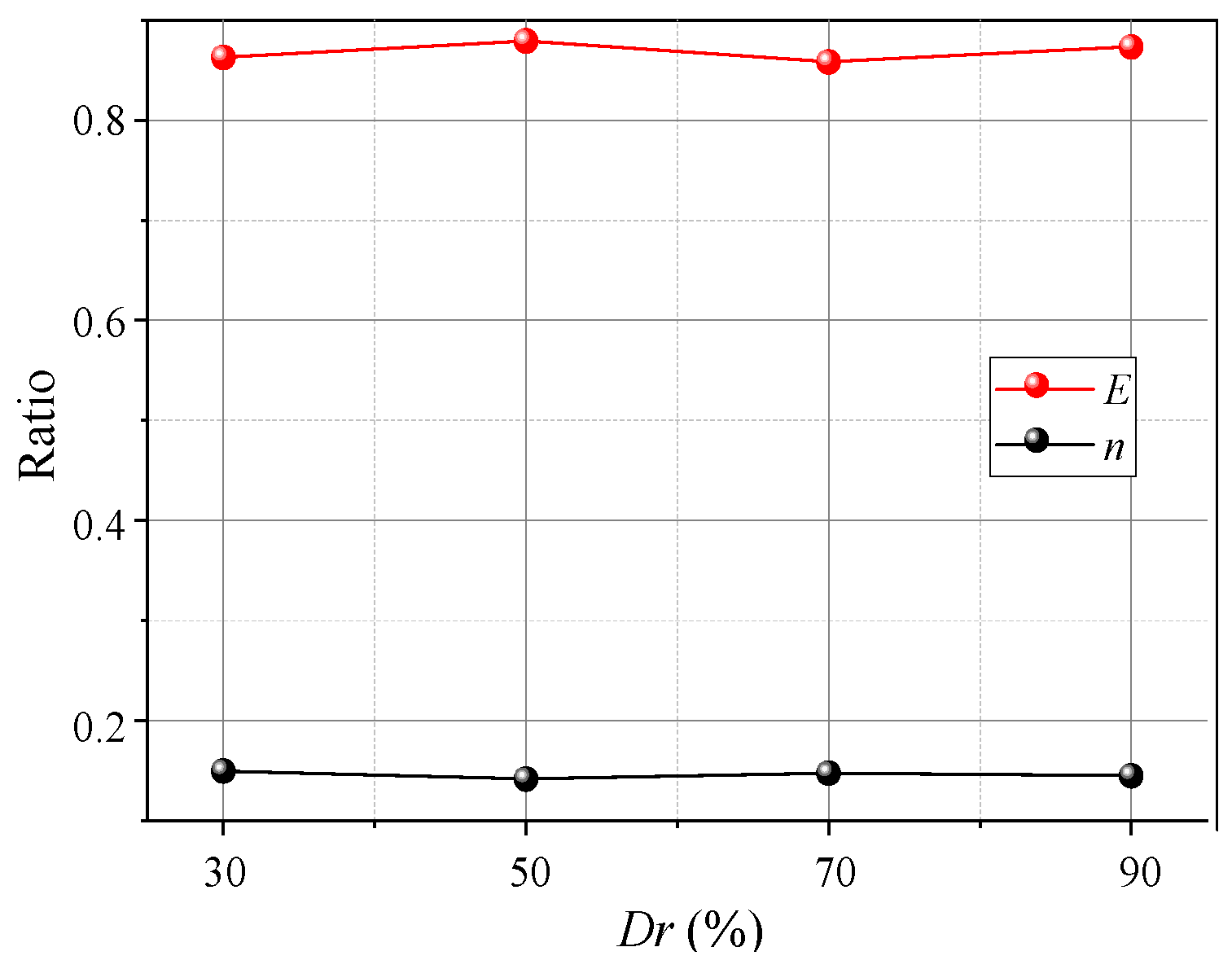
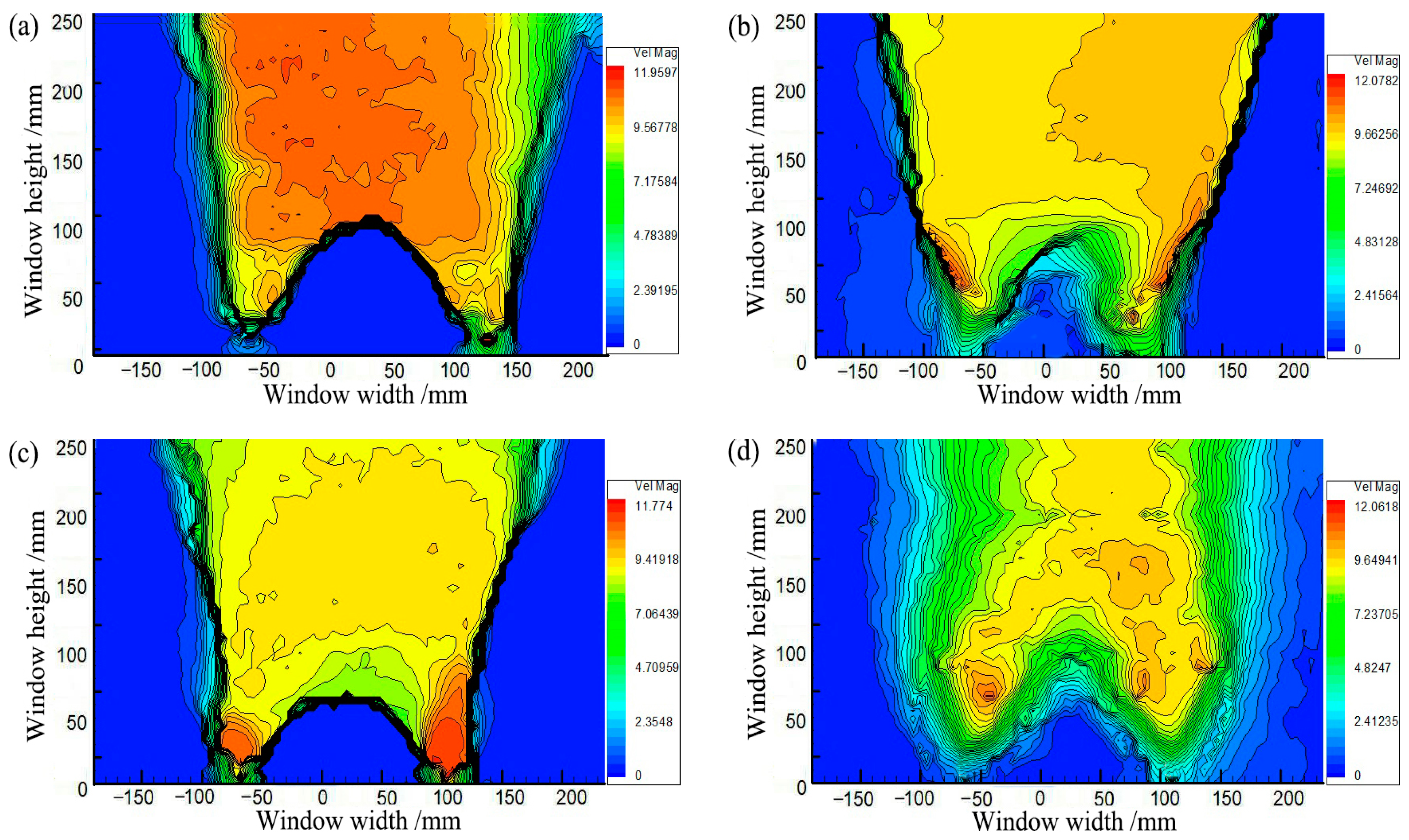
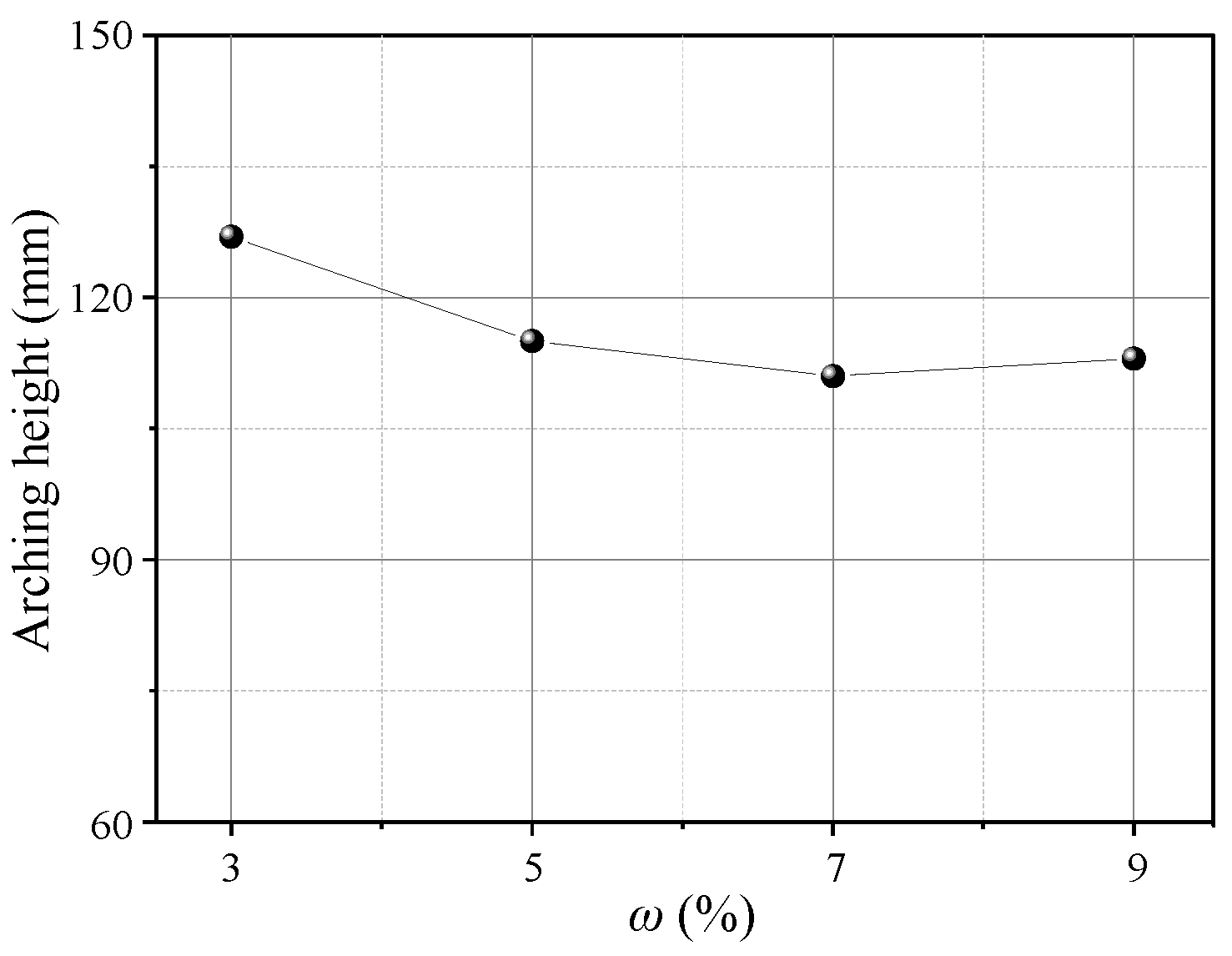
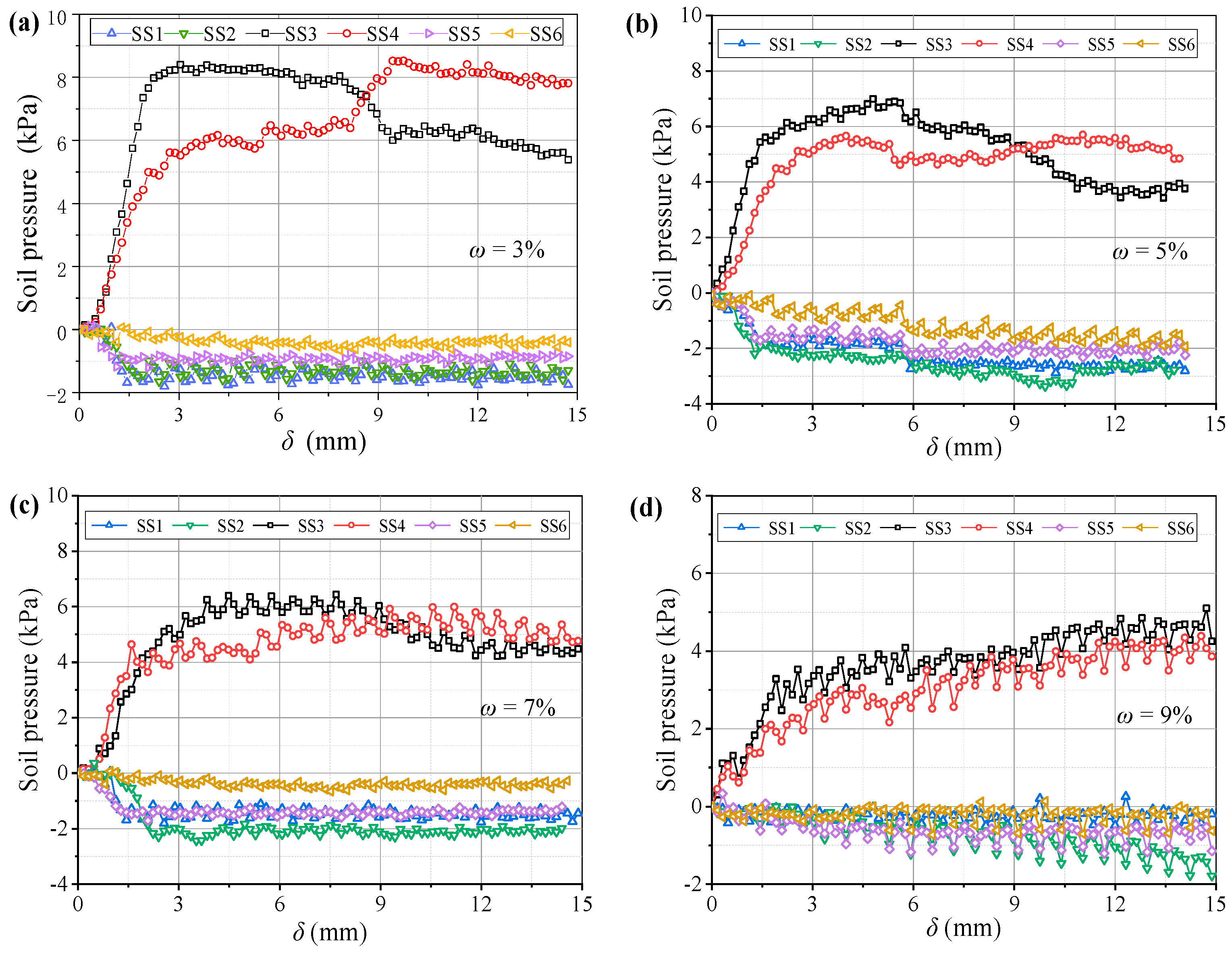
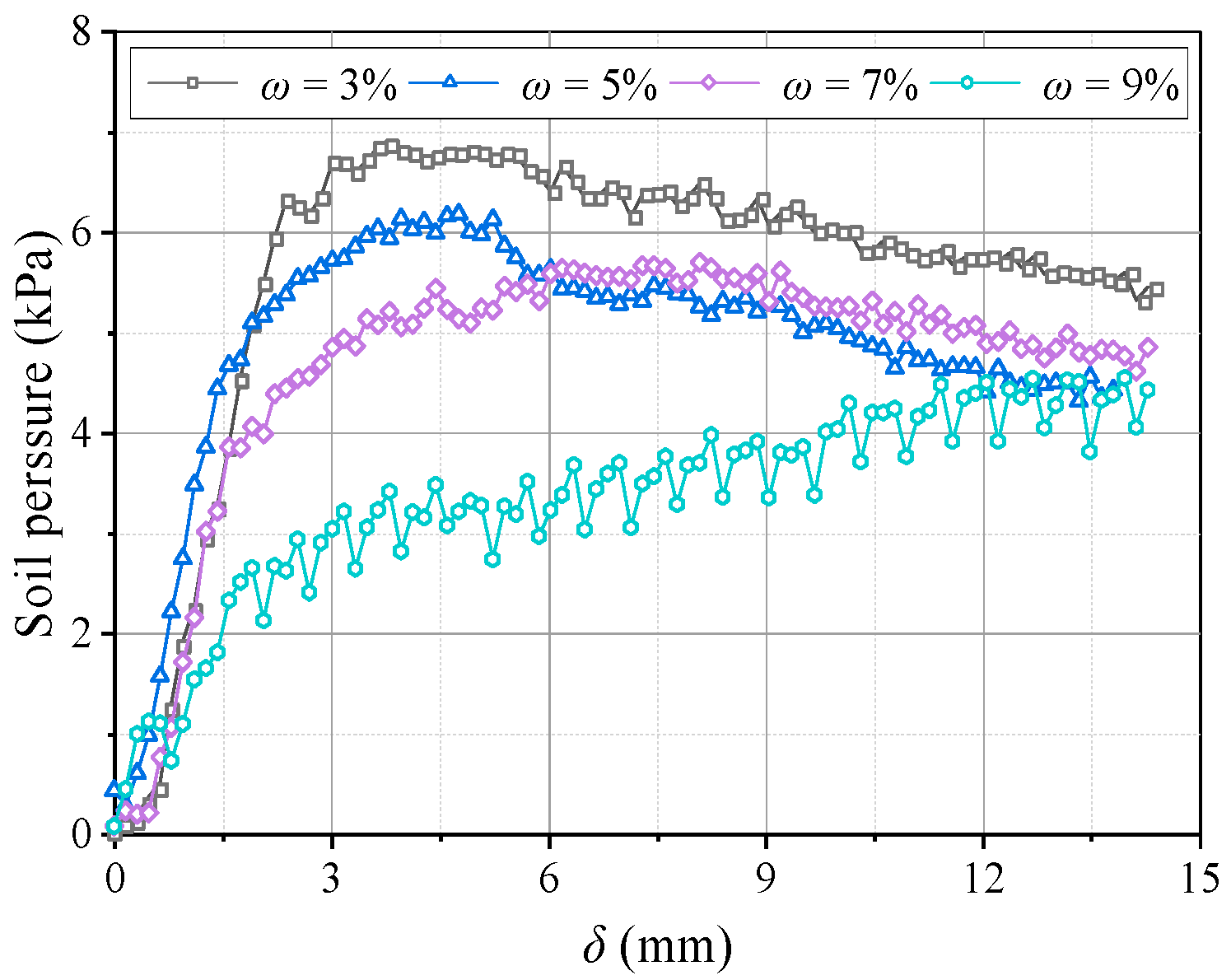
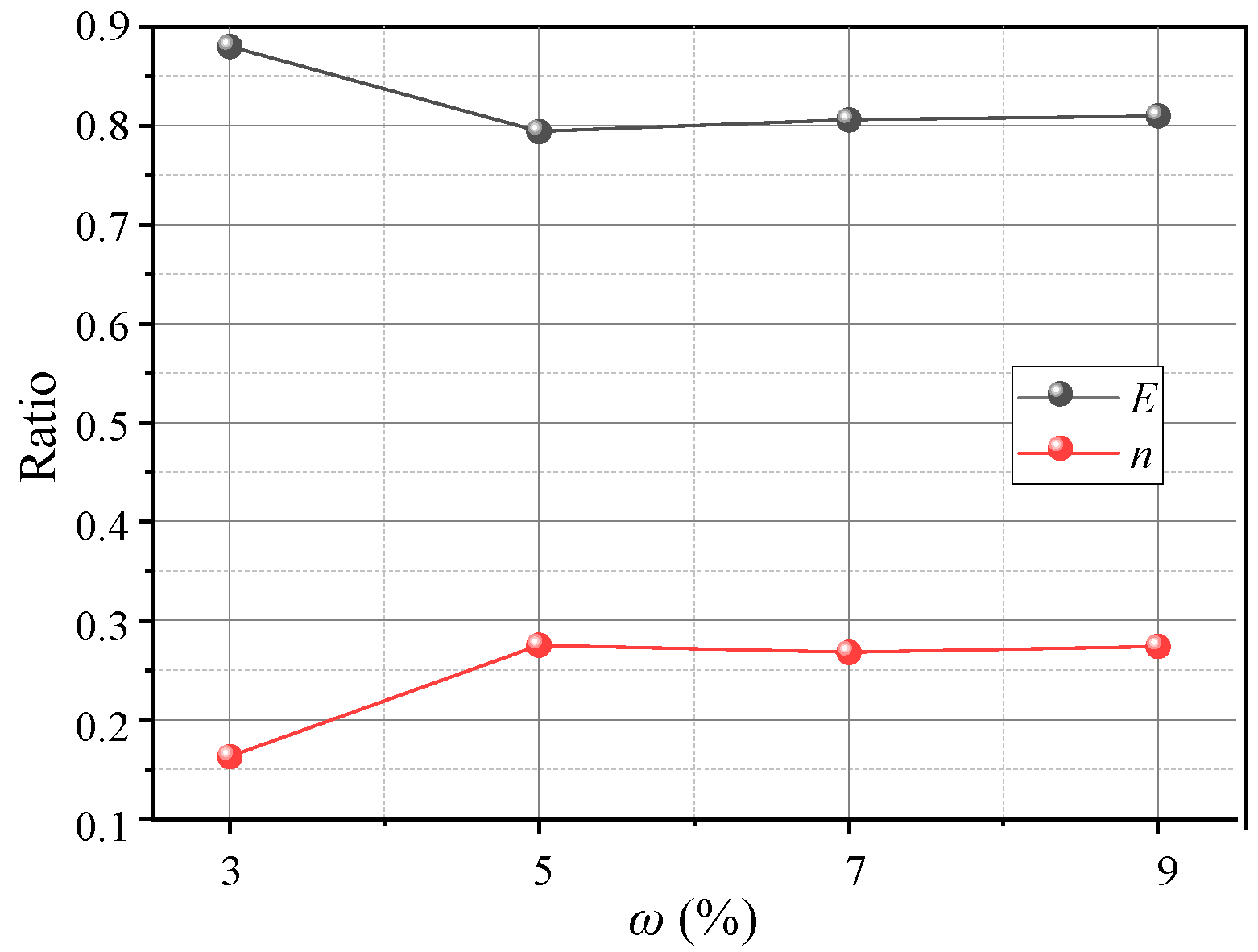
The passive soil arching effect exists in many soil–grille interaction systems. Increasing mental grillage foundations are used for transmission lines in aeolian sand areas; thus, exploring the evolution mechanism of passive soil arching is crucial. This study investigates the evolution and influencing factors of passive soil arching through a series of tests using a trapdoor device and particle image velocimetry (PIV). The test results show that the evolution of the arching structure causes the aeolian sand deformation to gradually extend to the backfill surface and stationary zone, generating two triangular arching surfaces between the movable beams and sliding surface at the junction of the active and stationary zones. Cracks in the arching and sliding surfaces were connected to form a W-shaped shear band. The development of the soil pressure was divided into four arching structure stages. The different stages of the inner and outer arches of the bearing characteristics had strong differences. Taking the appearance of the first arch surface as the time point, the soil pressure changes abruptly and the inner and outer arches alternate to bear the as a major role. The beam spacing significantly affected the arching evolution. A smaller beam spacing formed an initial bending configuration with an inconspicuous arching structure and incomplete shear band. As the beam spacing increased, the arching shape changed from triangular to parabolic, sudden changes in the soil pressure were more pronounced, and the arch height increased. The relative density and water content had little impact on the arch shape and shear zone but significantly affected the arching strength, soil pressure transfer, and arching height. The medium and high relative densities and low water contents resulted in a stronger arching structure and greater arching height, while low relative densities and high water contents weakened the soil pressure transfer. The range values for the optimum beam spacing, relative density, and water contents are given based on the variation characteristics of the evaluated parameters (E, n) under different conditions.
Keywords: passive soil arching effect; trapdoor tests; influencing factors; grillage foundation; aeolian sand passive soil arching effect; trapdoor tests; influencing factors; grillage foundation; aeolian sand