Article

Efficient Super-Resolution Method for Targets Observed by Satellite SAR

Korea Aerospace Research Institute, 169-84, Gwahak-ro, Daejeon 34133, Republic of Korea
*
Author to whom correspondence should be addressed.
Sensors 2023, 23(13), 5893; https://doi.org/10.3390/s23135893
Submission received: 19 May 2023 / Revised: 21 June 2023 / Accepted: 21 June 2023 / Published: 25 June 2023
(This article belongs to the Section Sensing and Imaging)

Abstract

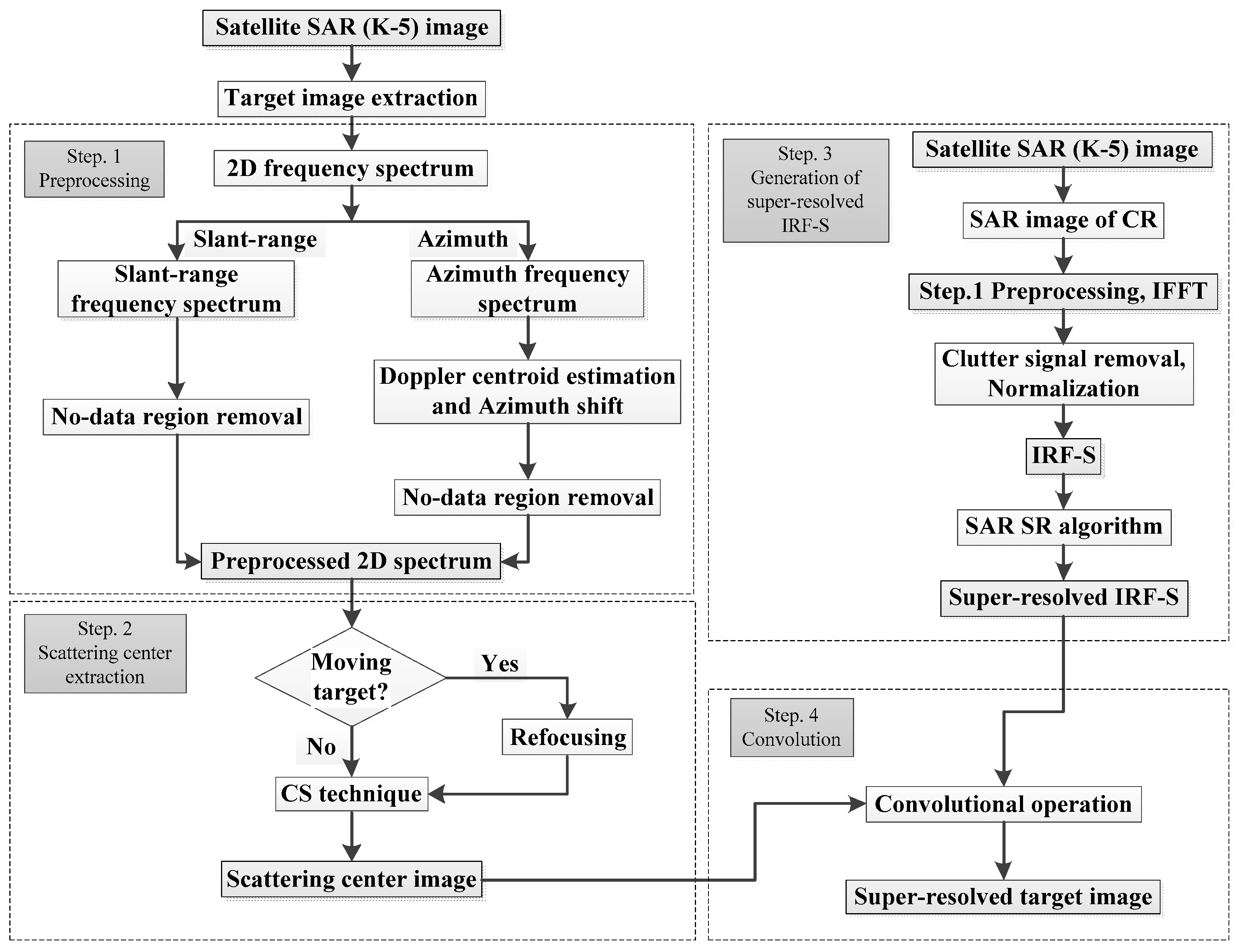
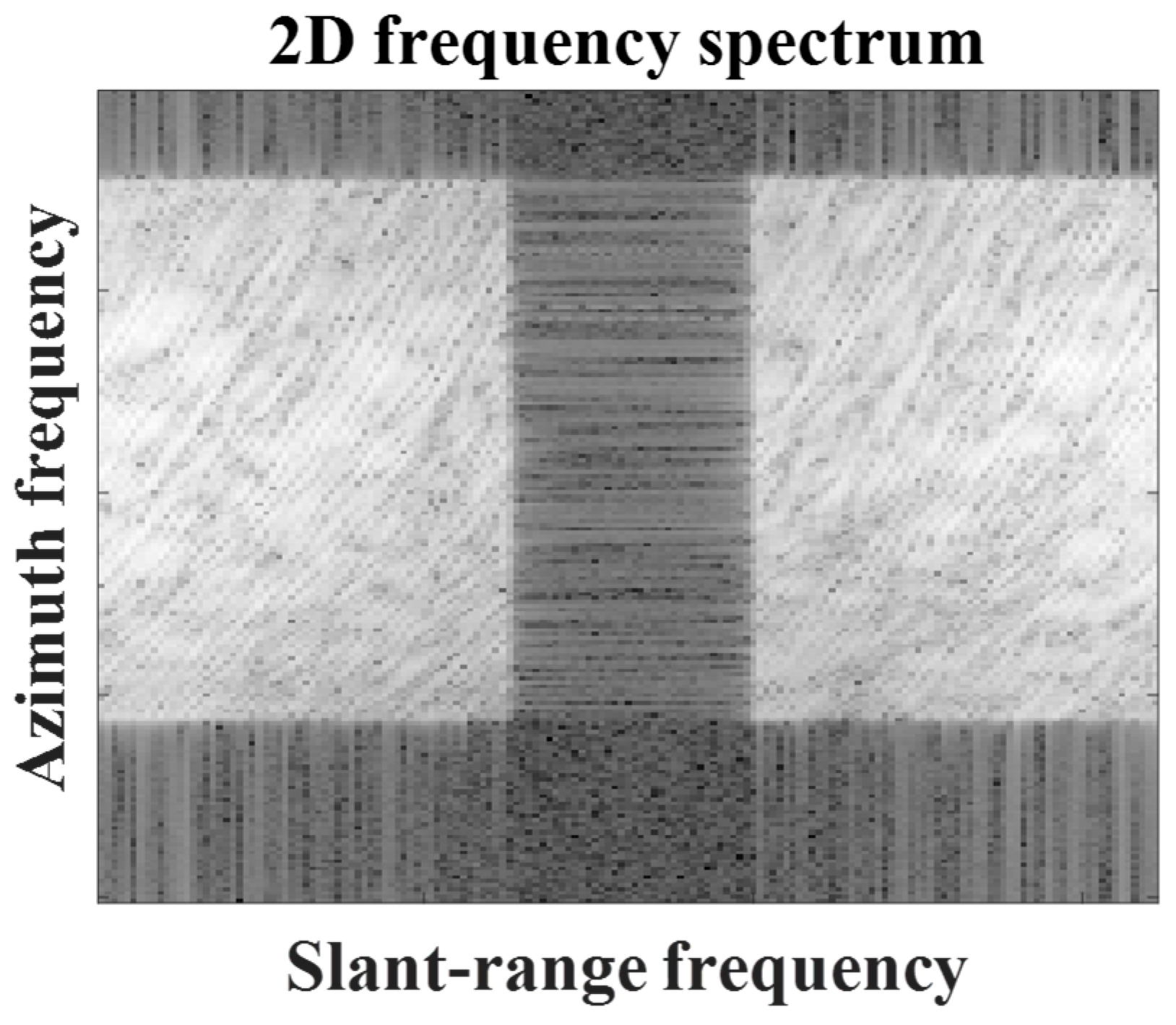
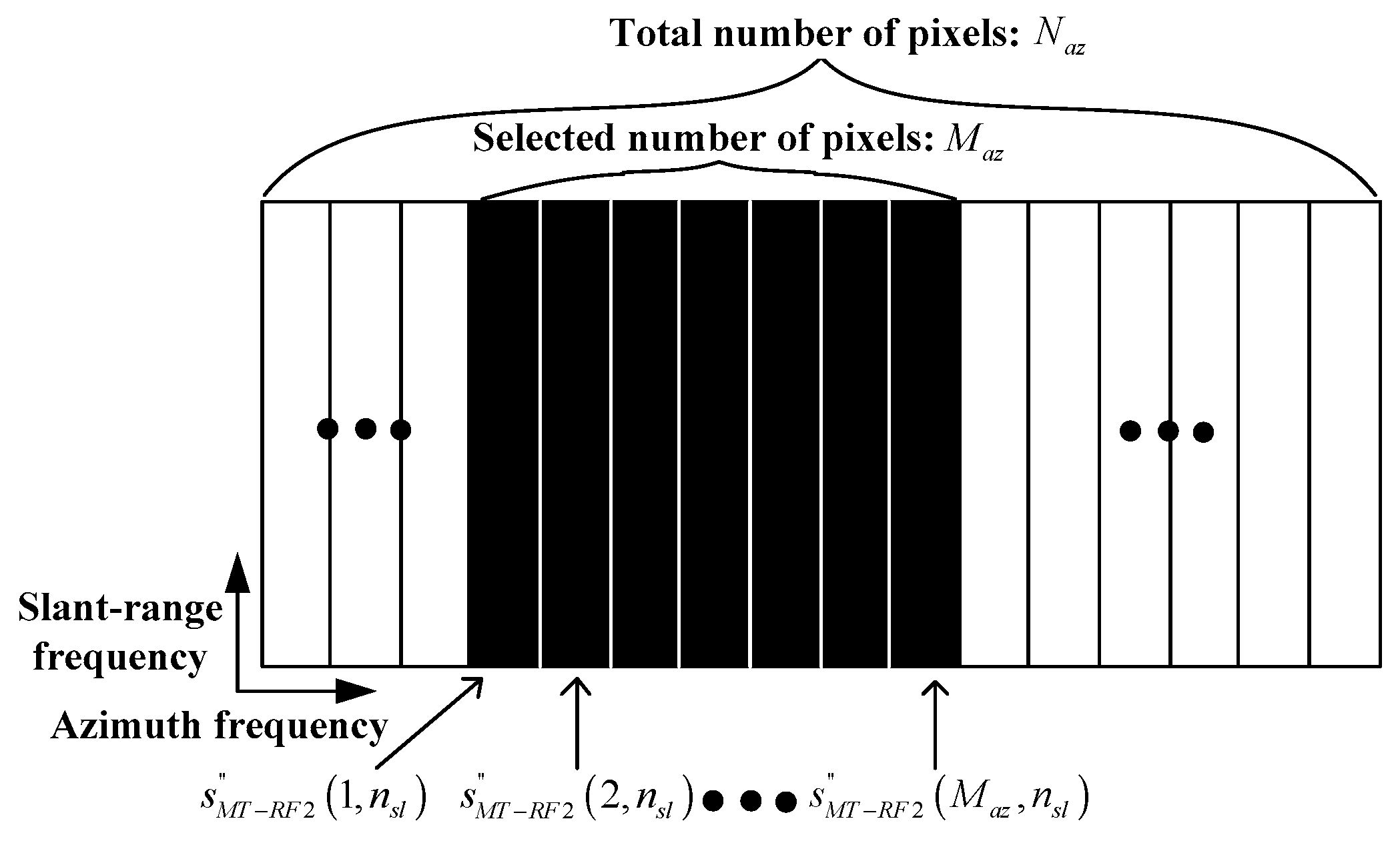
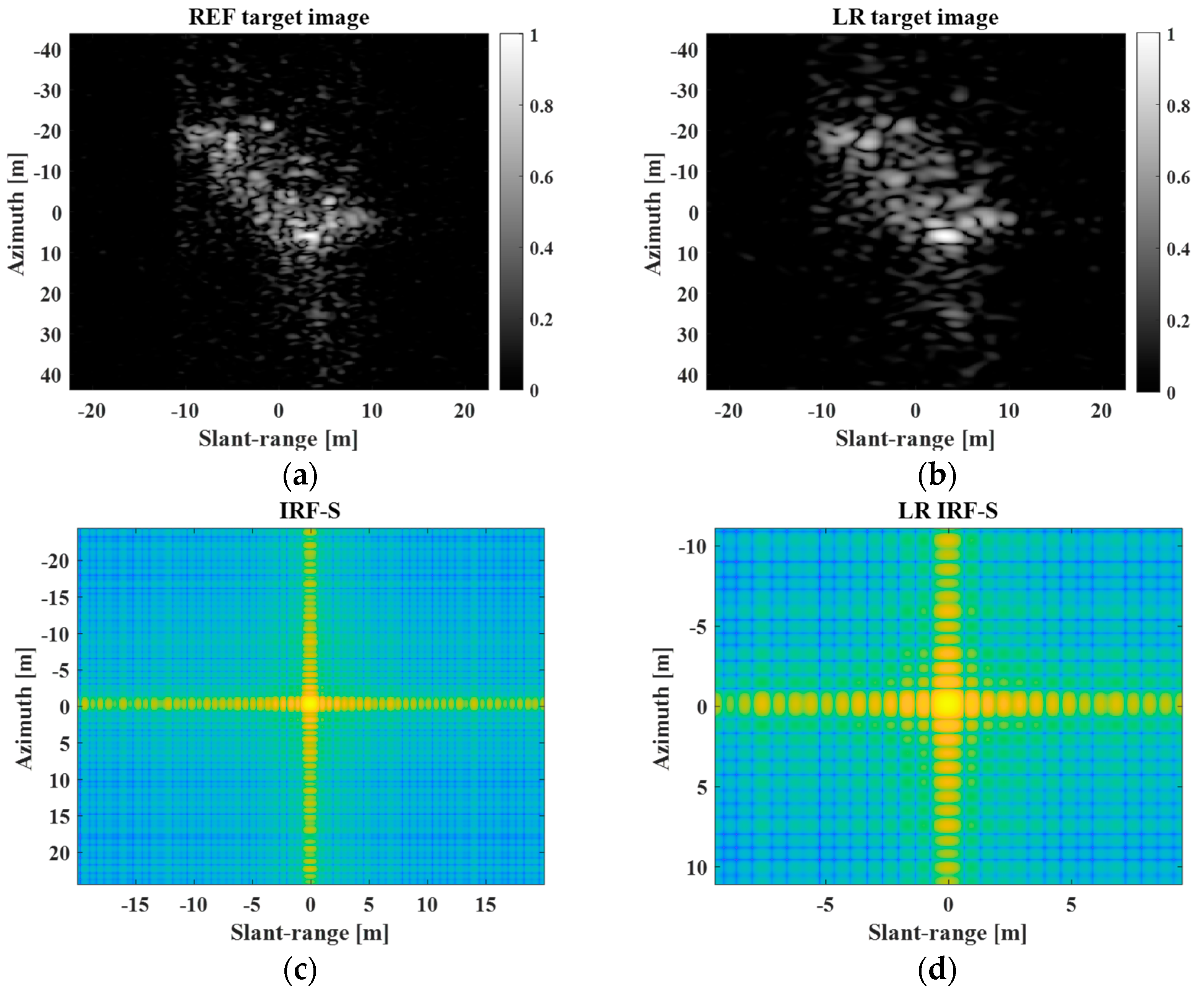
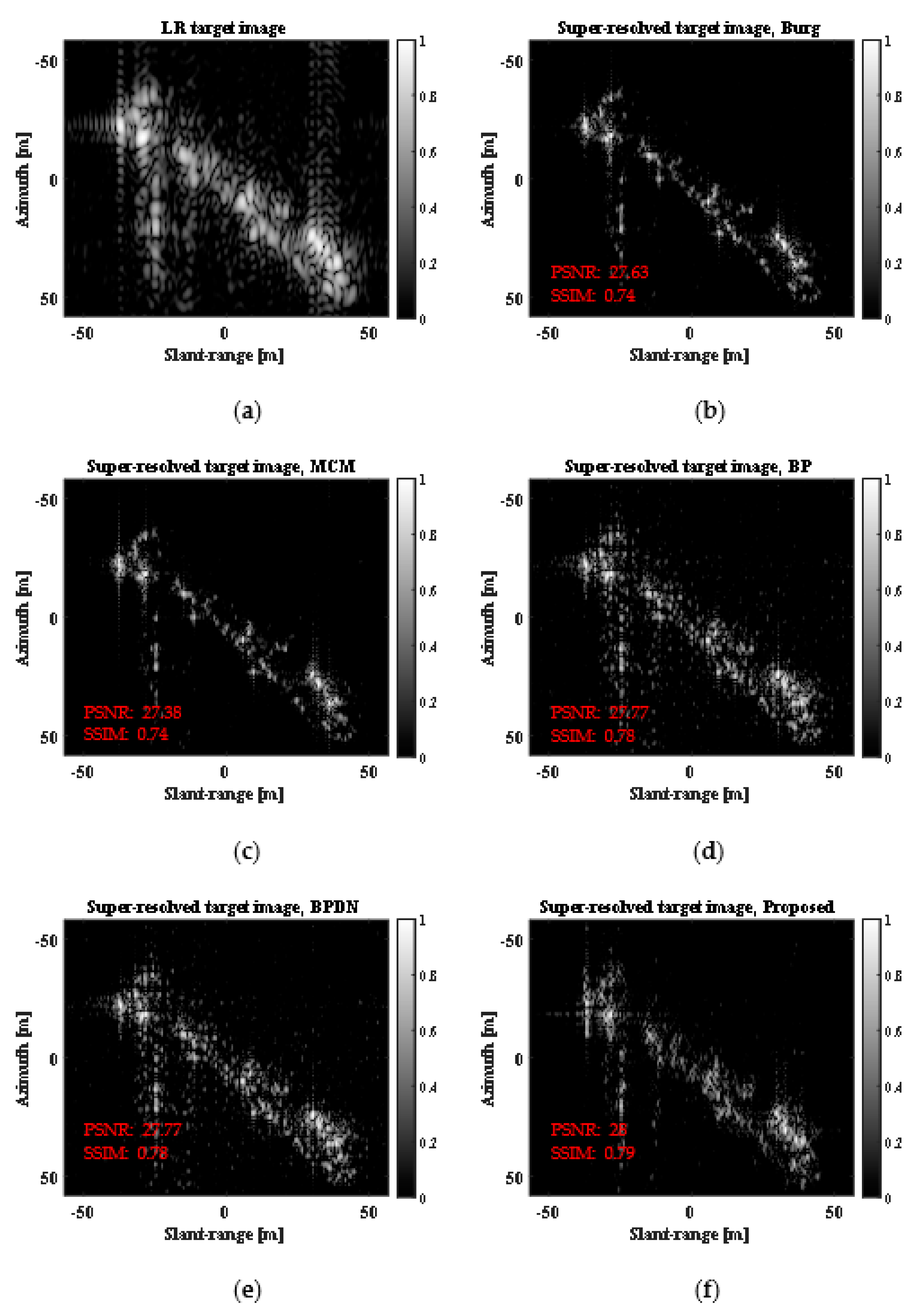
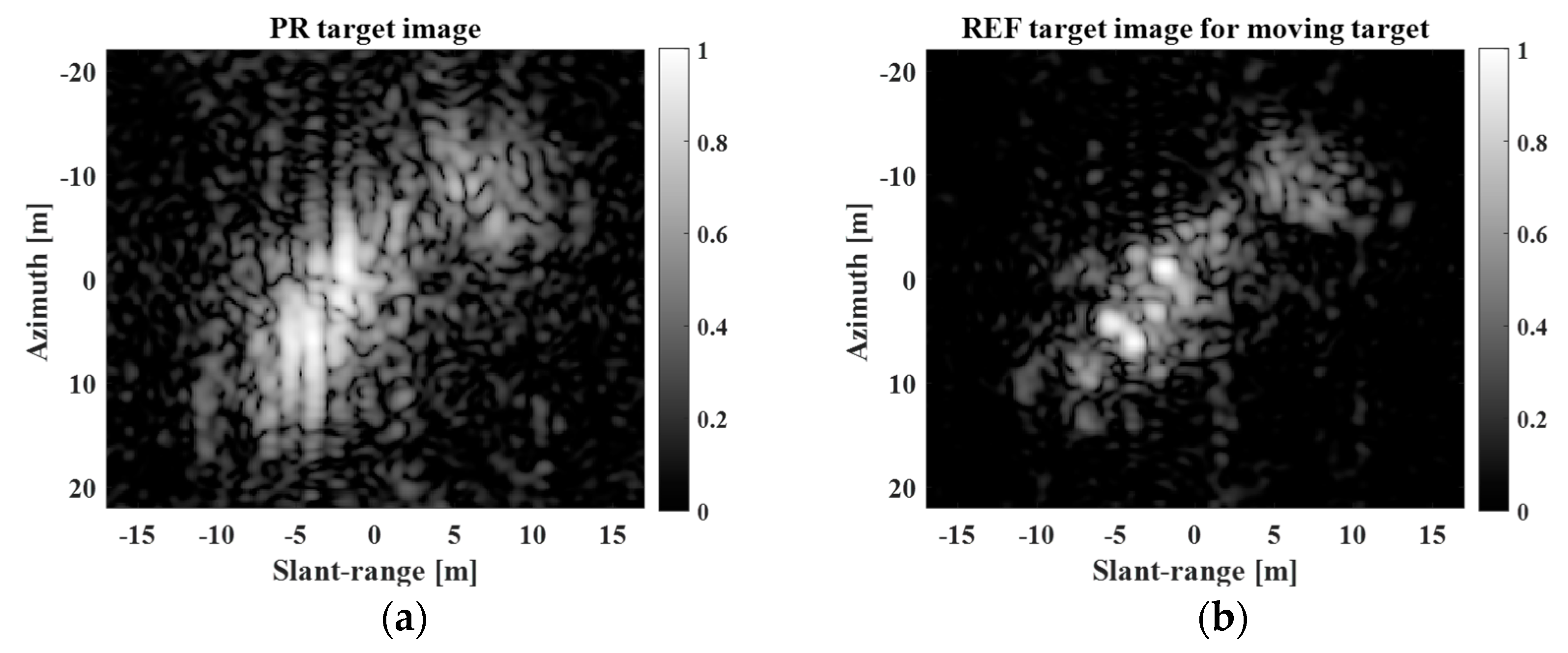
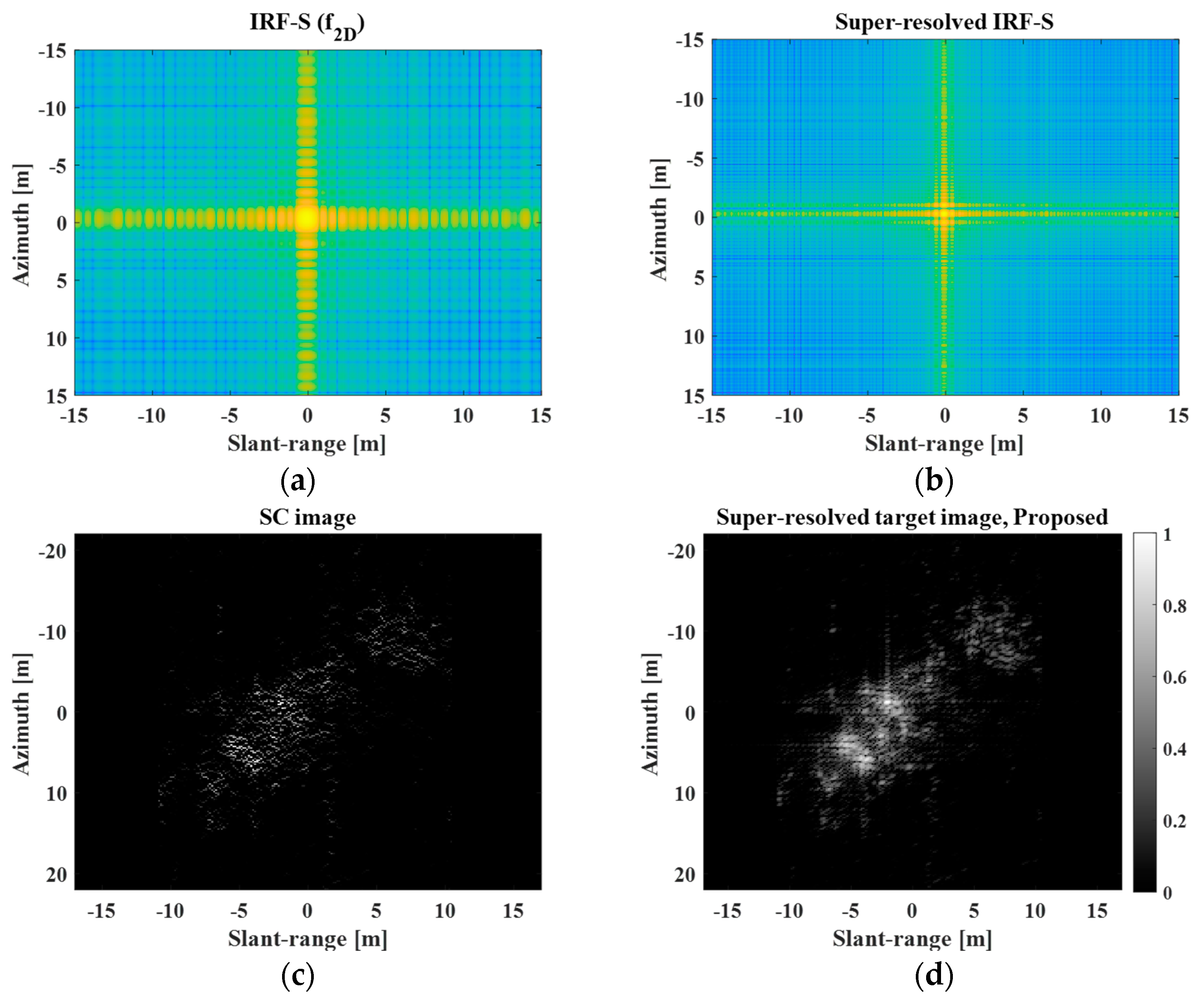
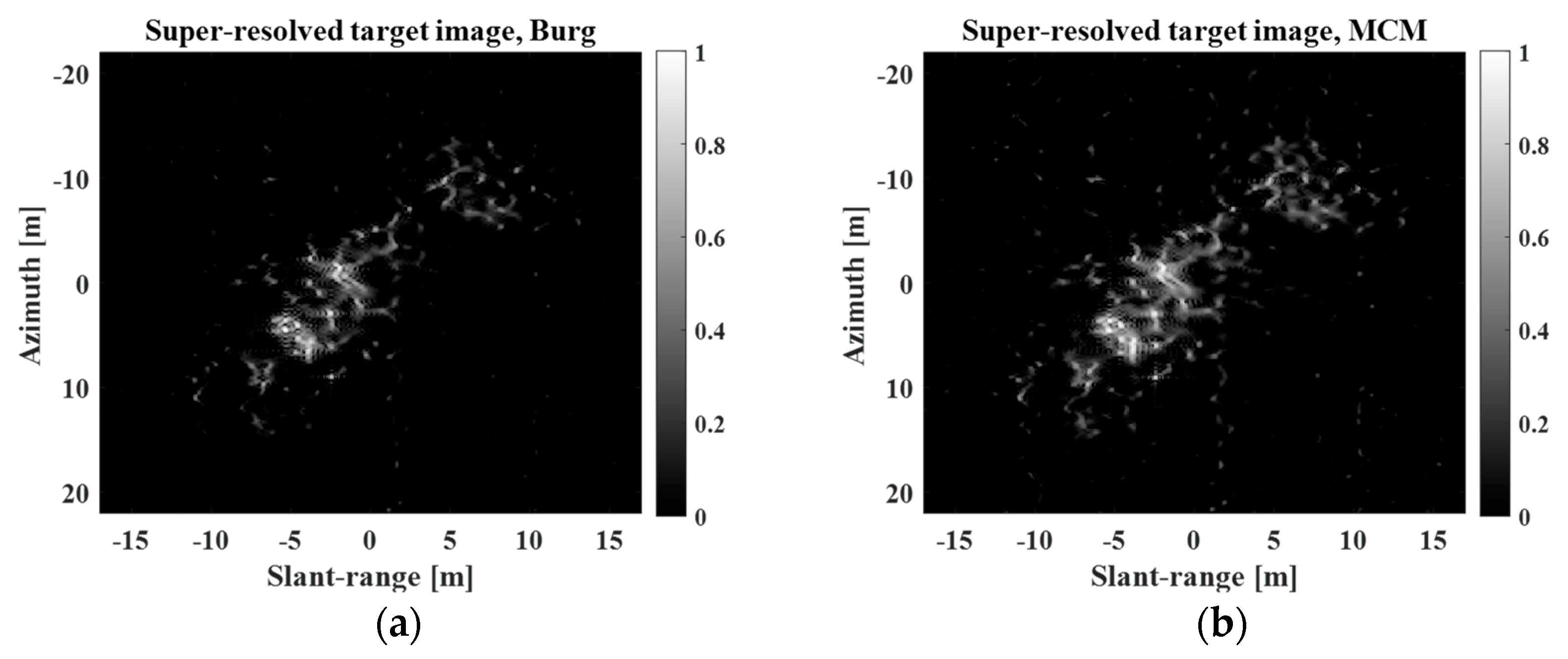
This study presents an efficient super-resolution (SR) method for targets observed by satellite synthetic aperture radar (SAR). First, a small target image is extracted from a large-scale SAR image and undergoes proper preprocessing. The preprocessing step is adaptively designed depending on the types of movements of targets. Next, the principal scattering centers of targets are extracted using the compressive sensing technique. Subsequently, an impulse response function (IRF) of the satellite SAR system (IRF-S) is generated using a SAR image of a corner reflector located at the calibration site. Then, the spatial resolution of the IRF-S is improved by the spectral estimation technique. Finally, according to the SAR signal model, the super-resolved IRF-S is combined with the extracted scattering centers to generate a super-resolved target image. In our experiments, the SR capabilities for various targets were investigated using quantitative and qualitative analysis. Compared with conventional SAR SR methods, the proposed scheme exhibits greater robustness towards improvement of the spatial resolution of the target image when the degrees of SR are high. Additionally, the proposed scheme has faster computation time (CT) than other SR algorithms, irrespective of the degree of SR. The novelties of this study can be summarized as follows: (1) the practical design of an efficient SAR SR scheme that has robustness at a high SR degree; (2) the application of proper preprocessing considering the types of movements of targets (i.e., stationary, moderate motion, and complex motion) in SAR SR processing; (3) the effective evaluation of SAR SR capability using various metrics such as peak signal-to-noise ratio (PSNR), structural similarity index (SSIM), focus quality parameters, and CT, as well as qualitative analysis.
Keywords: KOMPSAT-5; SAR remote sensing; satellite SAR; super-resolution; target response KOMPSAT-5; SAR remote sensing; satellite SAR; super-resolution; target response