Article

Automatic Real-Time Pose Estimation of Machinery from Images
Institute of Photogrammetry and Remote Sensing (IPF), Karlsruhe Institute of Technology, 76128 Karlsruhe, Germany
*
Author to whom correspondence should be addressed.
Sensors 2022, 22(7), 2627; https://doi.org/10.3390/s22072627
Submission received: 10 February 2022 / Revised: 18 March 2022 / Accepted: 27 March 2022 / Published: 29 March 2022
(This article belongs to the Special Issue Sensors for Construction Automation and Management)

Abstract

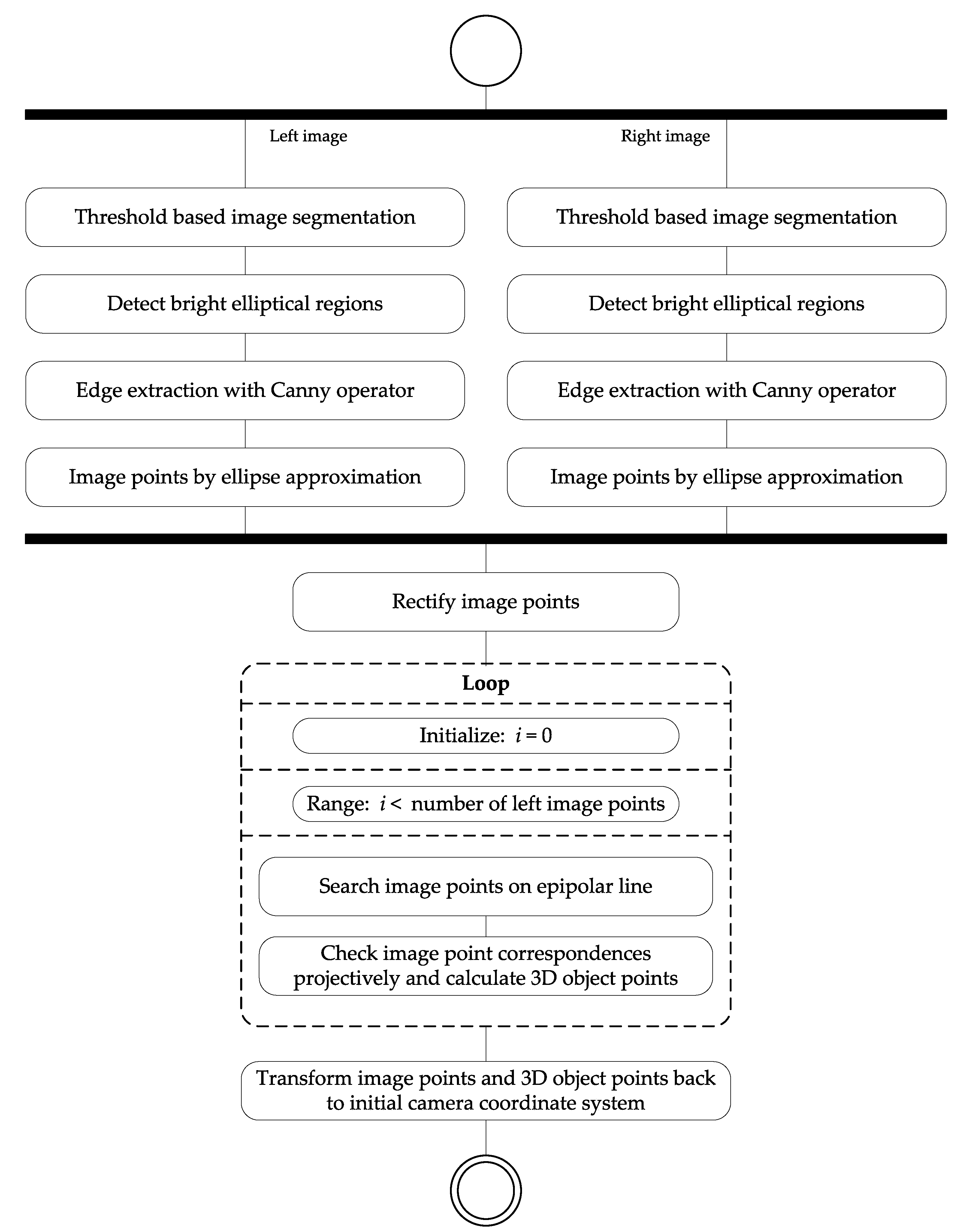
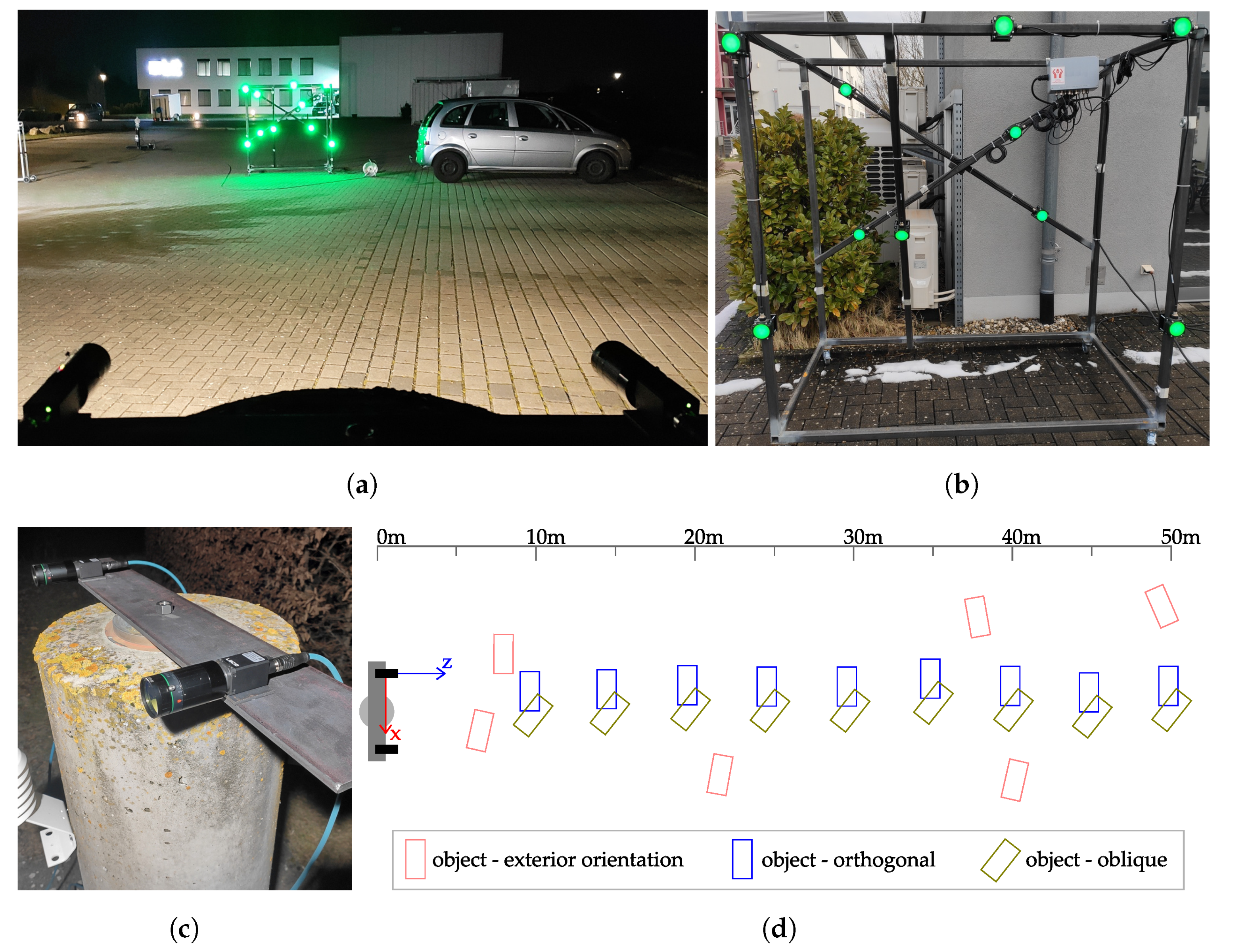
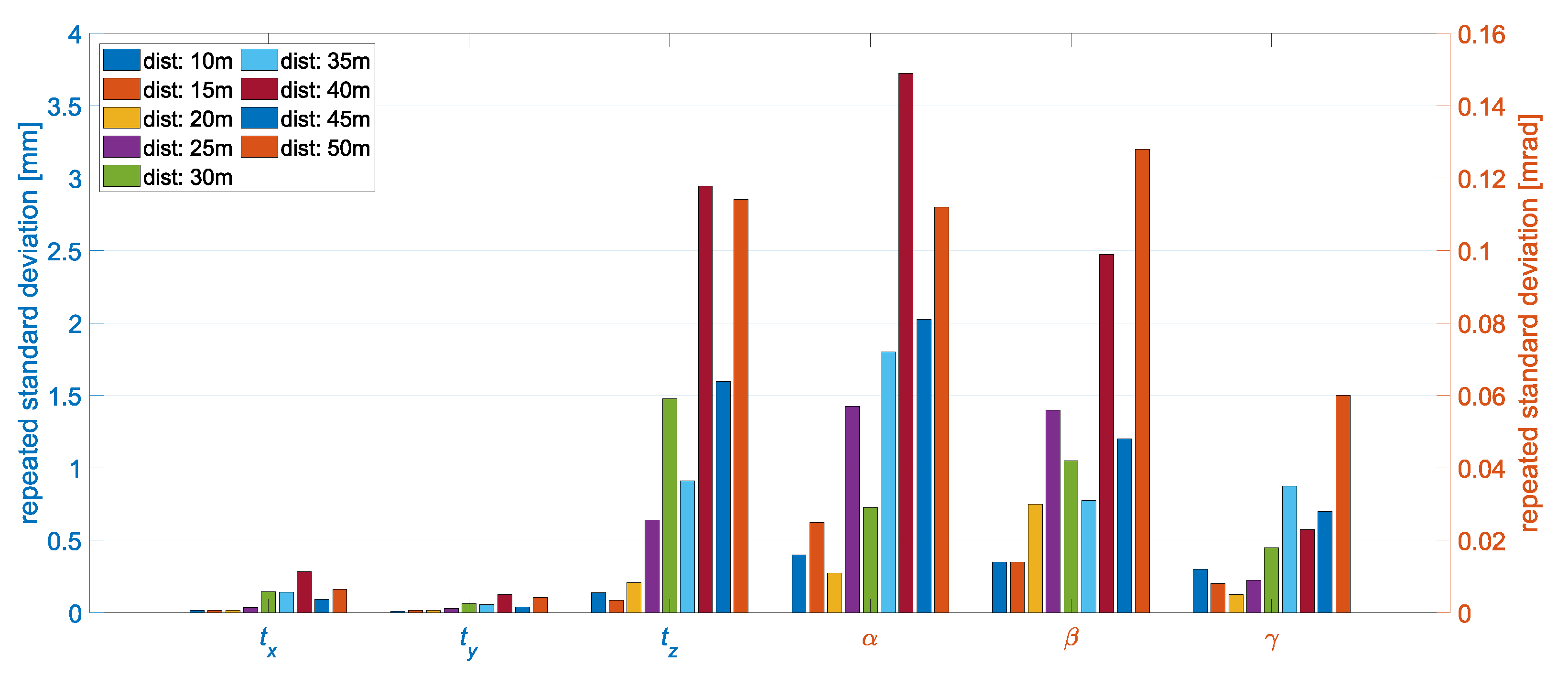
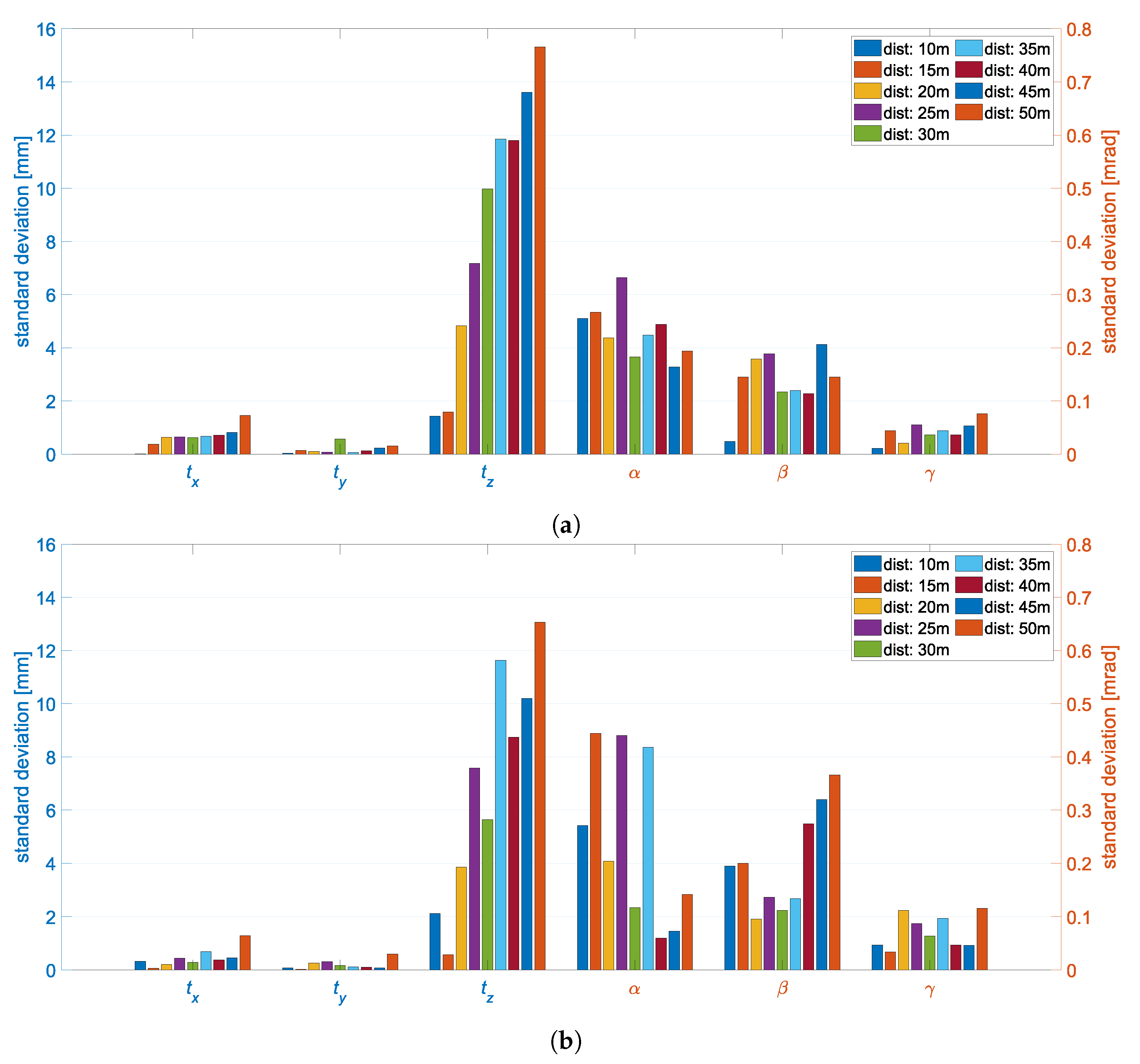
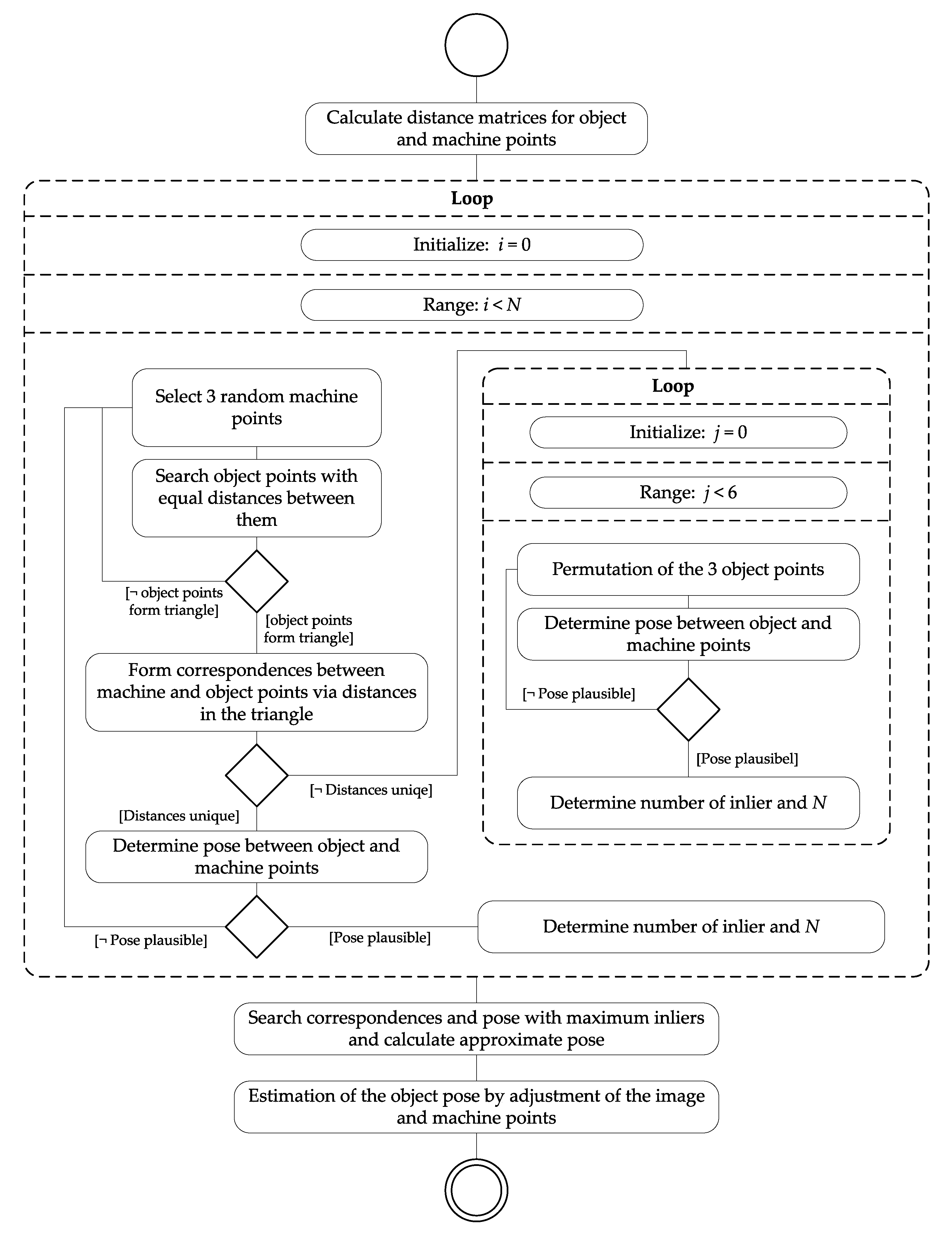
The automatic positioning of machines in a large number of application areas is an important aspect of automation. Today, this is often done using classic geodetic sensors such as Global Navigation Satellite Systems (GNSS) and robotic total stations. In this work, a stereo camera system was developed that localizes a machine at high frequency and serves as an alternative to the previously mentioned sensors. For this purpose, algorithms were developed that detect active markers on the machine in a stereo image pair, find stereo point correspondences, and estimate the pose of the machine from these. Theoretical influences and accuracies for different systems were estimated with a Monte Carlo simulation, on the basis of which the stereo camera system was designed. Field measurements were used to evaluate the actual achievable accuracies and the robustness of the prototype system. The comparison is present with reference measurements with a laser tracker. The estimated object pose achieved accuracies higher than 16 mm with the translation components and accuracies higher than 3 mrad with the rotation components. As a result, 3D point accuracies higher than 16 mm were achieved by the machine. For the first time, a prototype could be developed that represents an alternative, powerful image-based localization method for machines to the classical geodetic sensors.
Keywords: machine vision; stereo camera system; localization; real-time; pose estimation; marker detection machine vision; stereo camera system; localization; real-time; pose estimation; marker detection