Article

Computational Study on Thermal Motion Sensors That Can Measure Acceleration and Rotation Simultaneously


Department of Mechanical Engineering, College of Science and Engineering, Ritsumeikan University, 1-1-1 Noji-Higashi, Kusatsu 525-8577, Shiga, Japan
*
Authors to whom correspondence should be addressed.
Sensors 2022, 22(18), 6744; https://doi.org/10.3390/s22186744
Submission received: 8 July 2022 / Revised: 31 August 2022 / Accepted: 1 September 2022 / Published: 7 September 2022
(This article belongs to the Section Physical Sensors)

Abstract

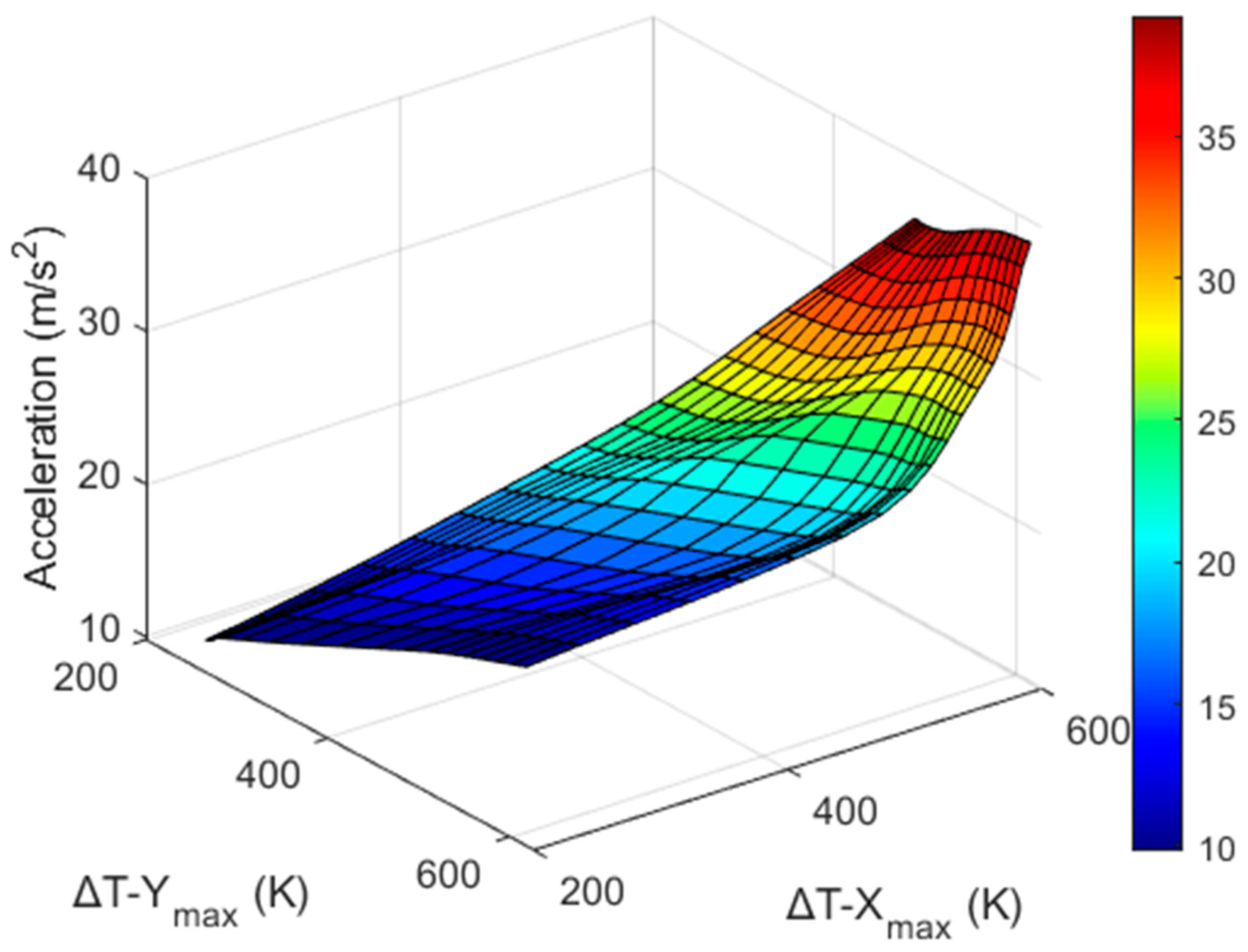
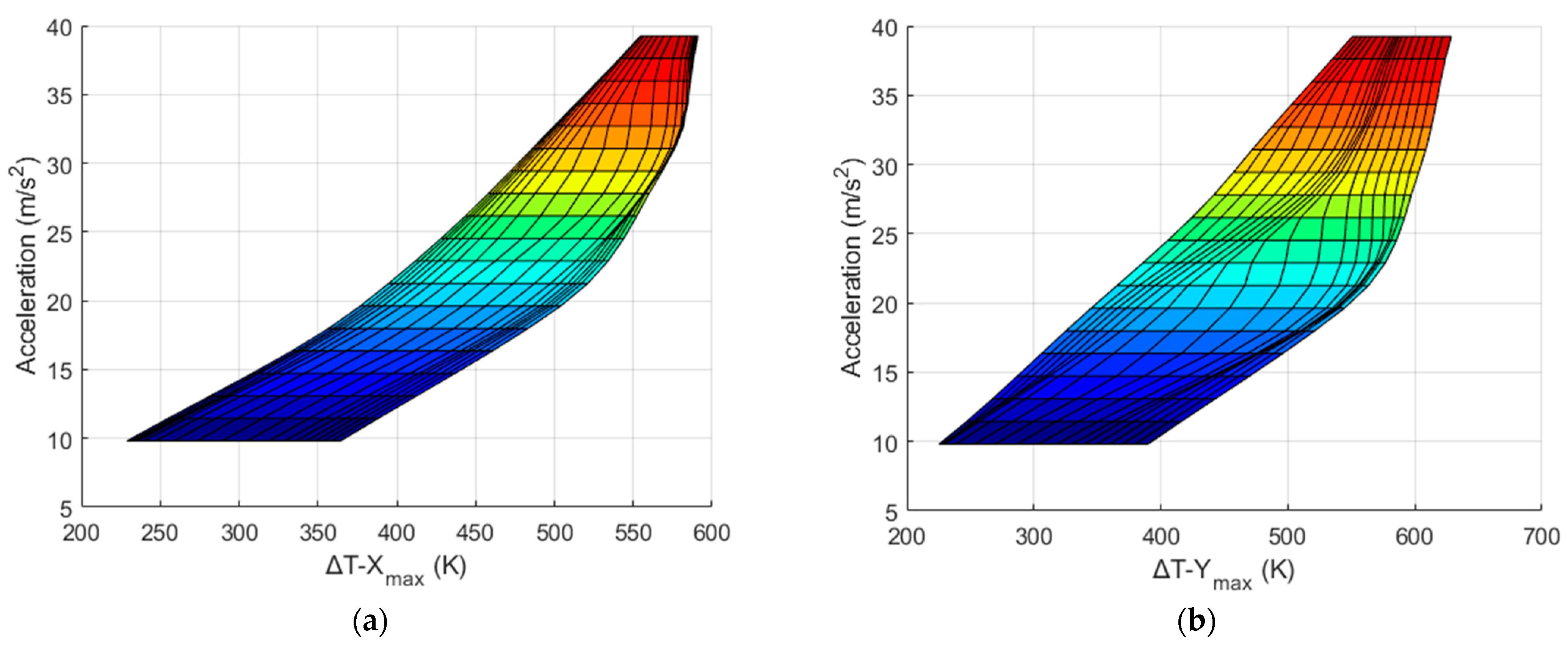
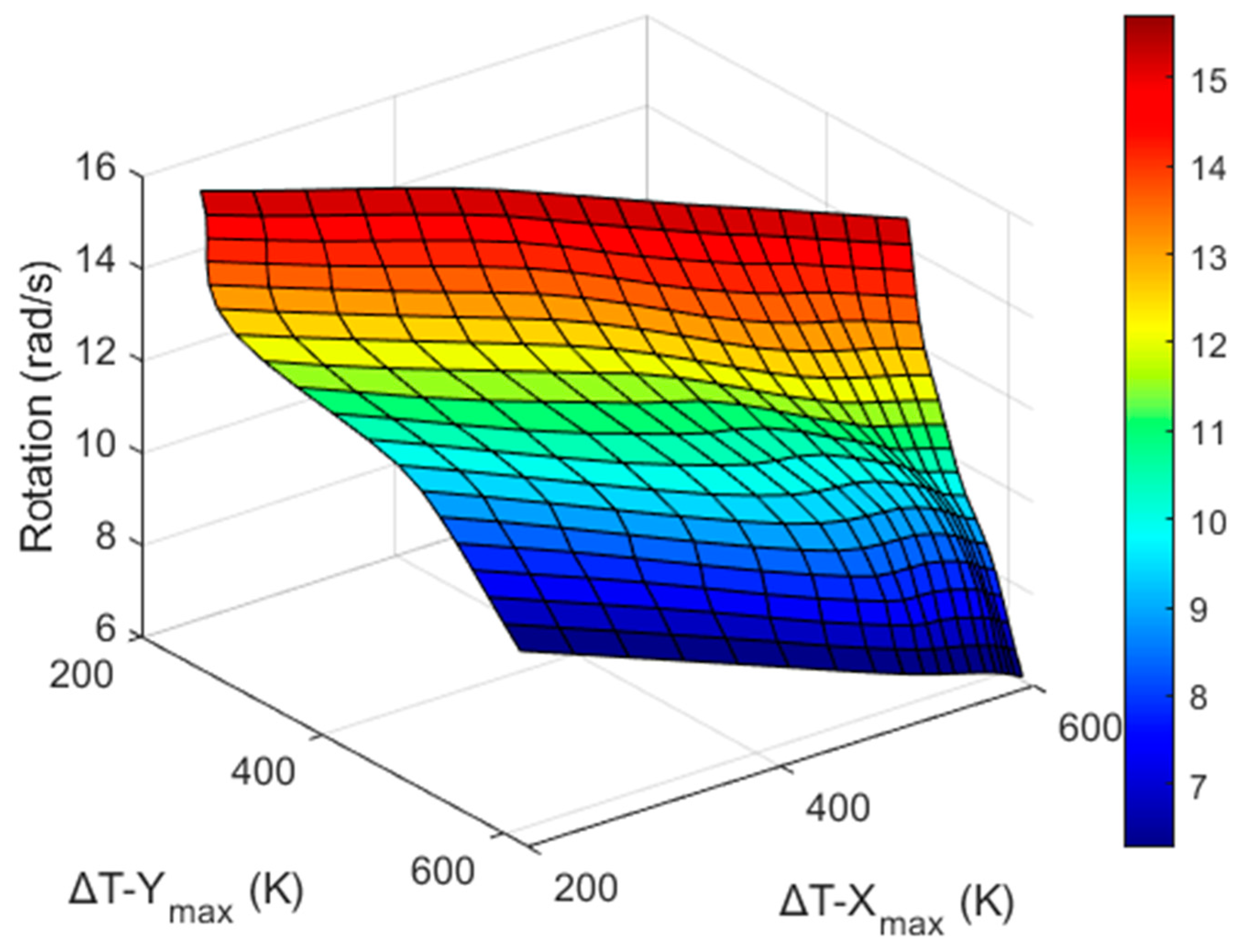
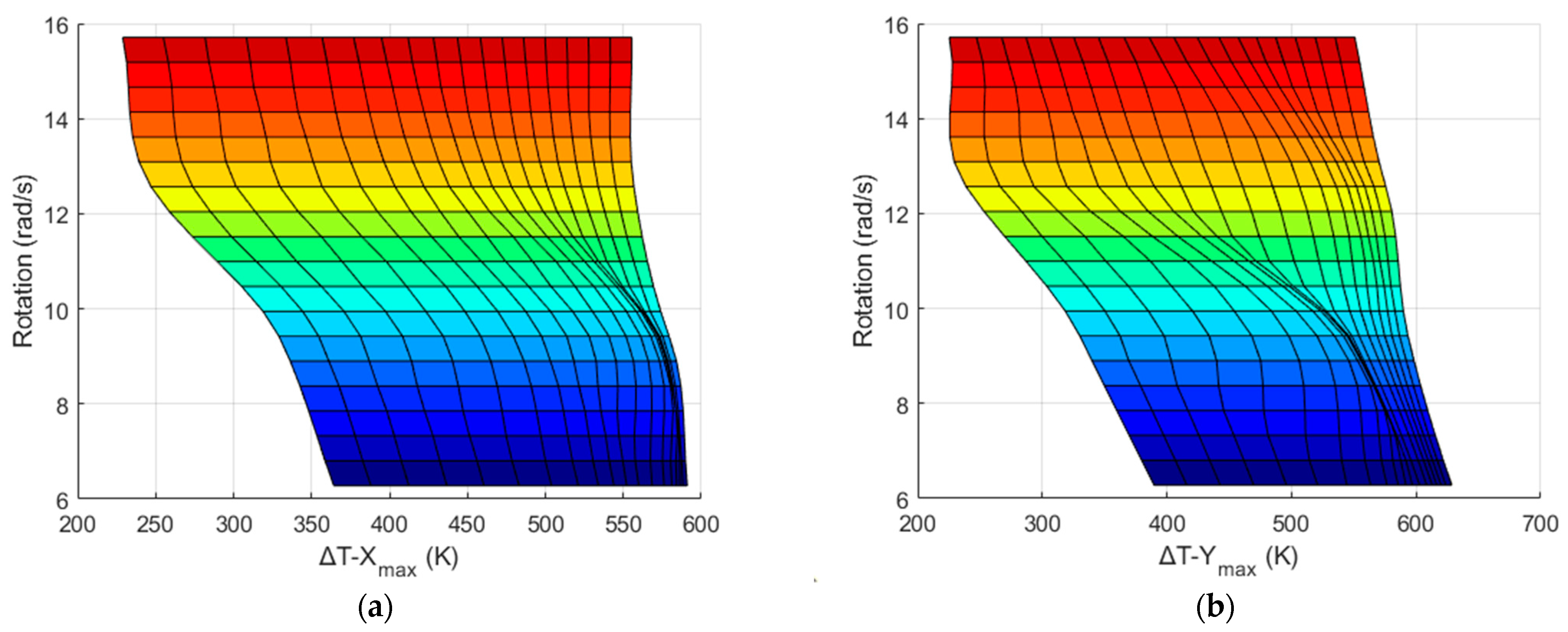
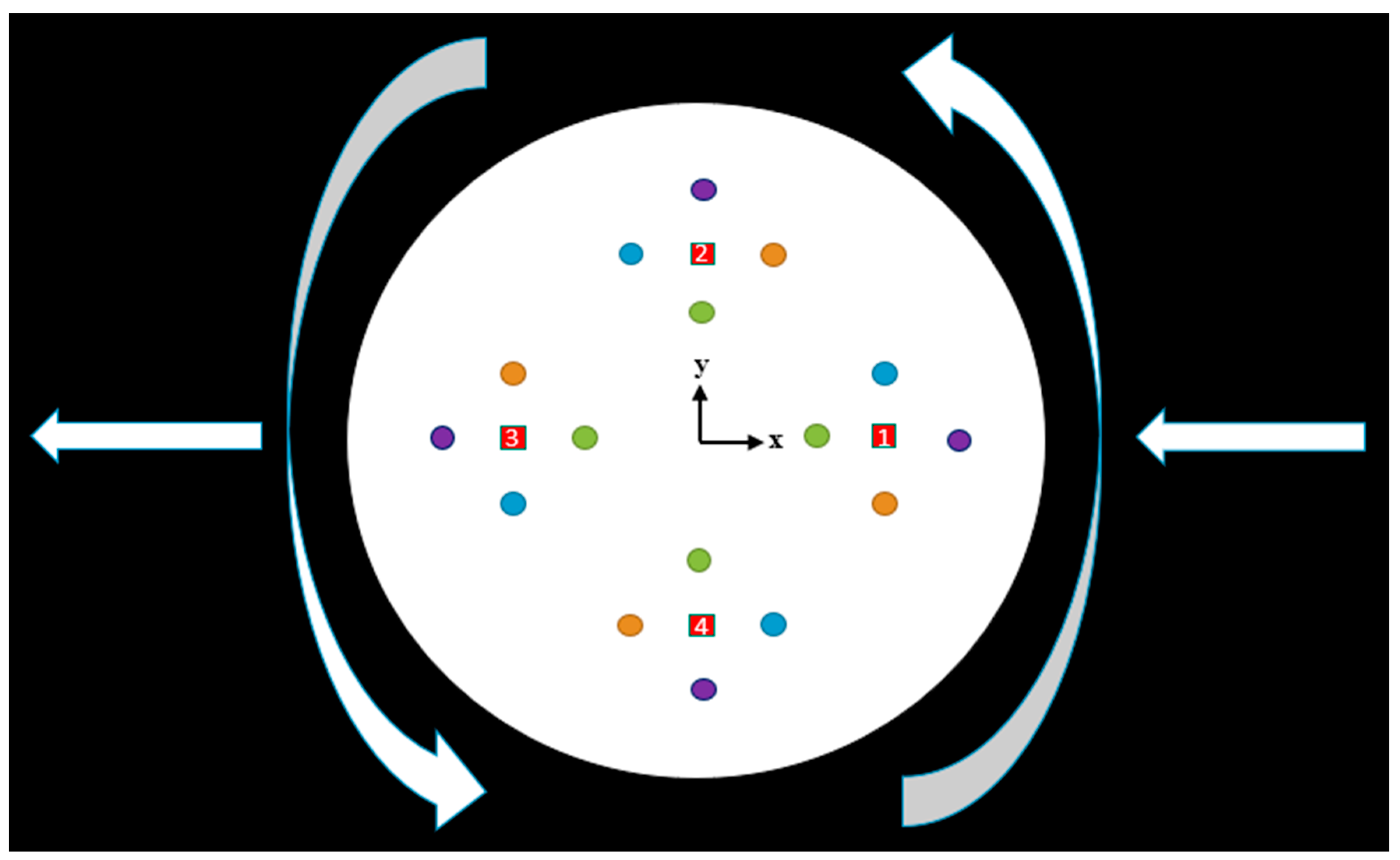
In this study, a new technique has been proposed by numerical simulations by which multiple physical quantities can be simultaneously measured. The sensor is a modification of existing physical sensors such as a thermal motion sensor. Simultaneous measurement of acceleration and rotation is presented herein. Cross-axis sensitivity is employed such that output sensitivities observed at two perpendicular axes, X and Y sensor data, are related to the input physical quantities. The physics involved in measurement is similar to that of a conventional thermal accelerometer, hence the governing equations predicting the sensor response are based on the conservation of mass, momentum, and energy, and are discretized by using a commercially available software FLUENT. A series of computational studies are conducted and using these studies a novel idea is proposed in which the maximum temperature values are obtained at various positions around a heating source and are correlated with the applied acceleration and rotational speed. A parametric study is also presented to find the optimum distance between the heater and sensors. The influence of changing gas medium on the temperature curves has also been examined and it has been concluded that CO2 generates the maximum performance due to its higher density and lower viscosity.
Keywords: fluid dynamics; unmanned aerial vehicles; microelectromechanical systems (mems); cross-axis sensitivity; frequency bandwidth fluid dynamics; unmanned aerial vehicles; microelectromechanical systems (mems); cross-axis sensitivity; frequency bandwidth