Article

Path Loss Investigation in Hall Environment at Centimeter and Millimeter-Wave Bands

1
Department of Information and Communication Engineering, Yeungnam University, Gyeongsan-si 38541, Korea
2
Department of Electronics and Telecommunication Engineering, International Islamic University Chittagong, Chittagong 4318, Bangladesh
3
Department of Information and Communication Engineering, Chosun University, Gwangju 61452, Korea
*
Author to whom correspondence should be addressed.
Sensors 2022, 22(17), 6593; https://doi.org/10.3390/s22176593
Submission received: 23 July 2022 / Revised: 25 August 2022 / Accepted: 26 August 2022 / Published: 31 August 2022
(This article belongs to the Section Communications)

Abstract

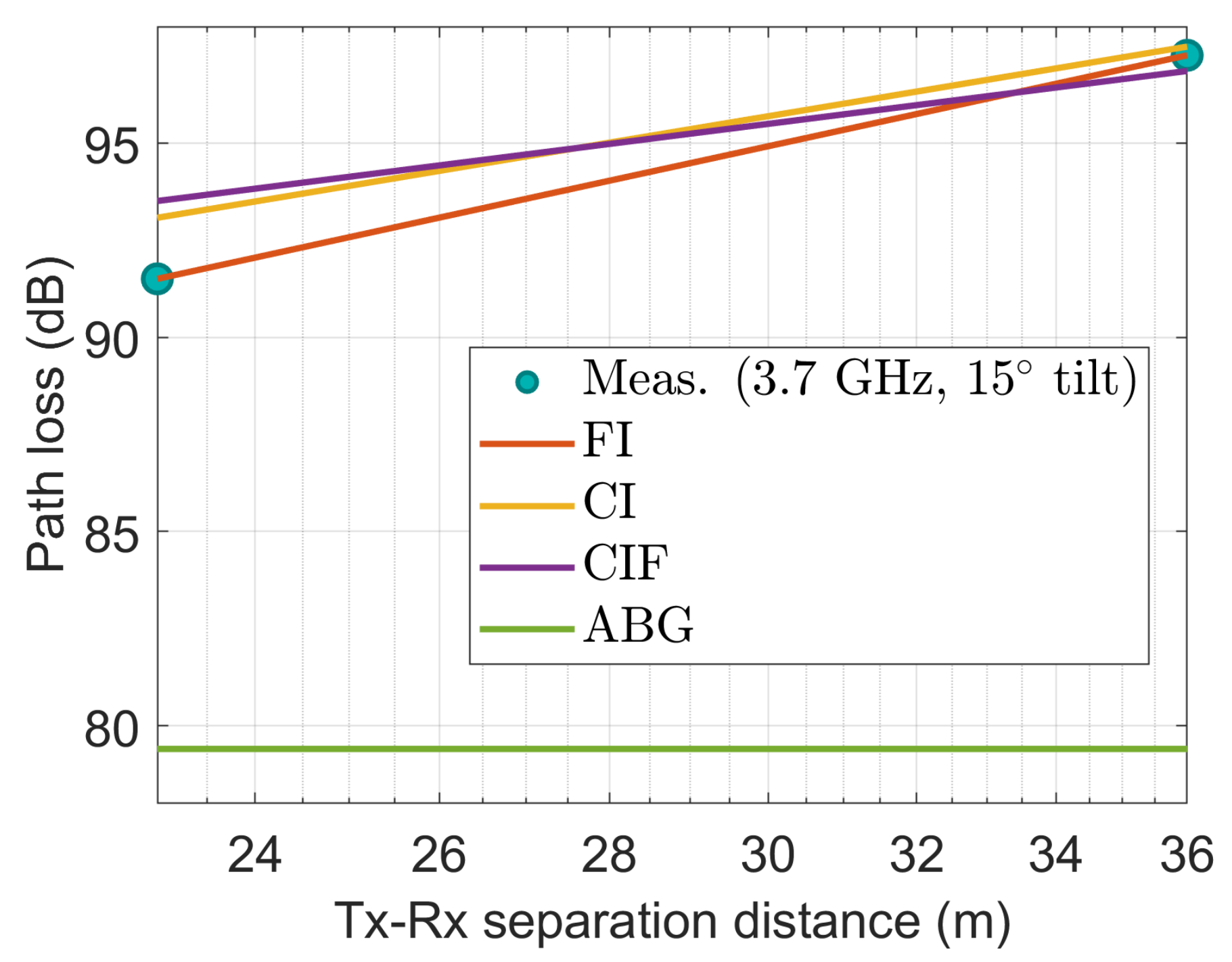
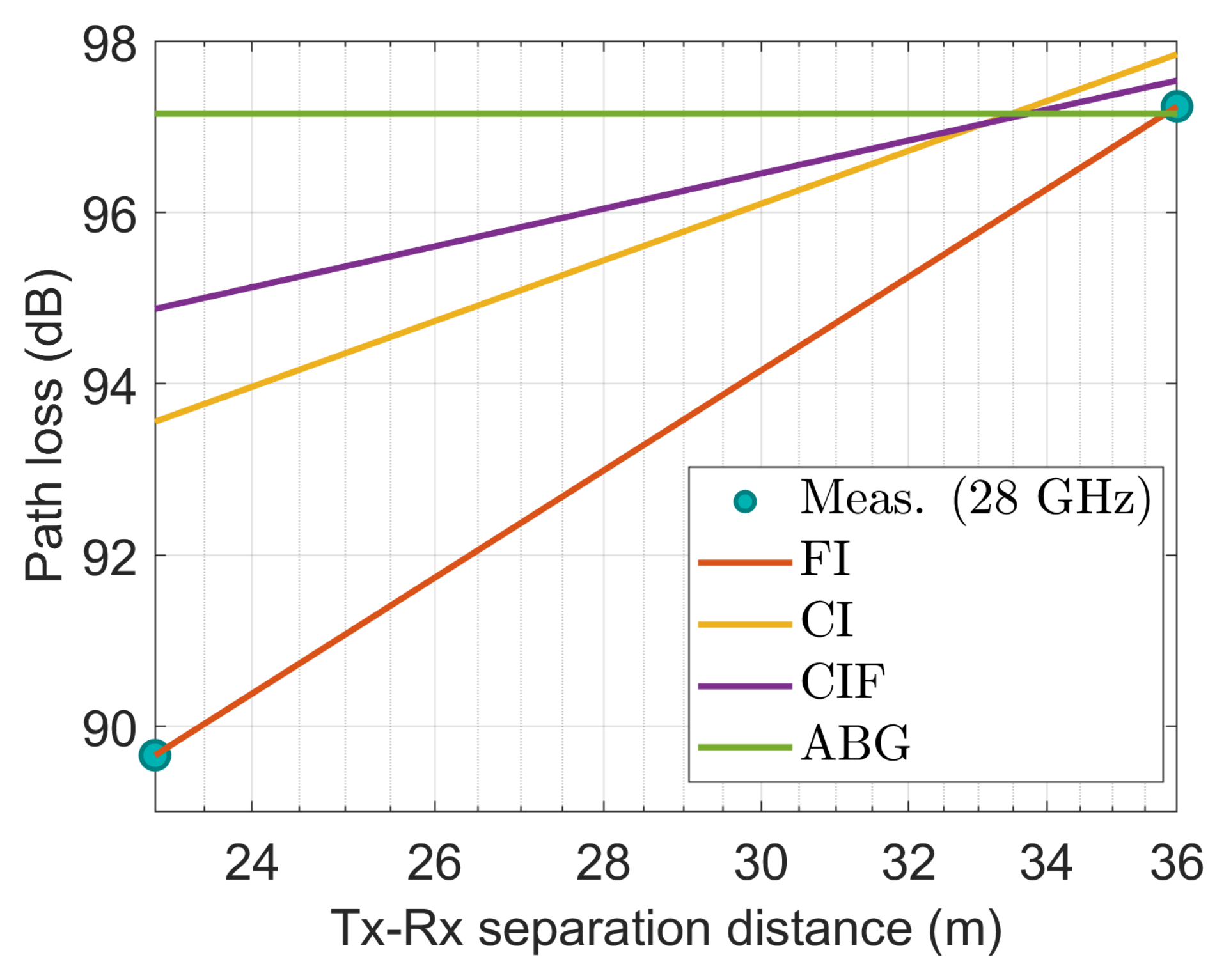
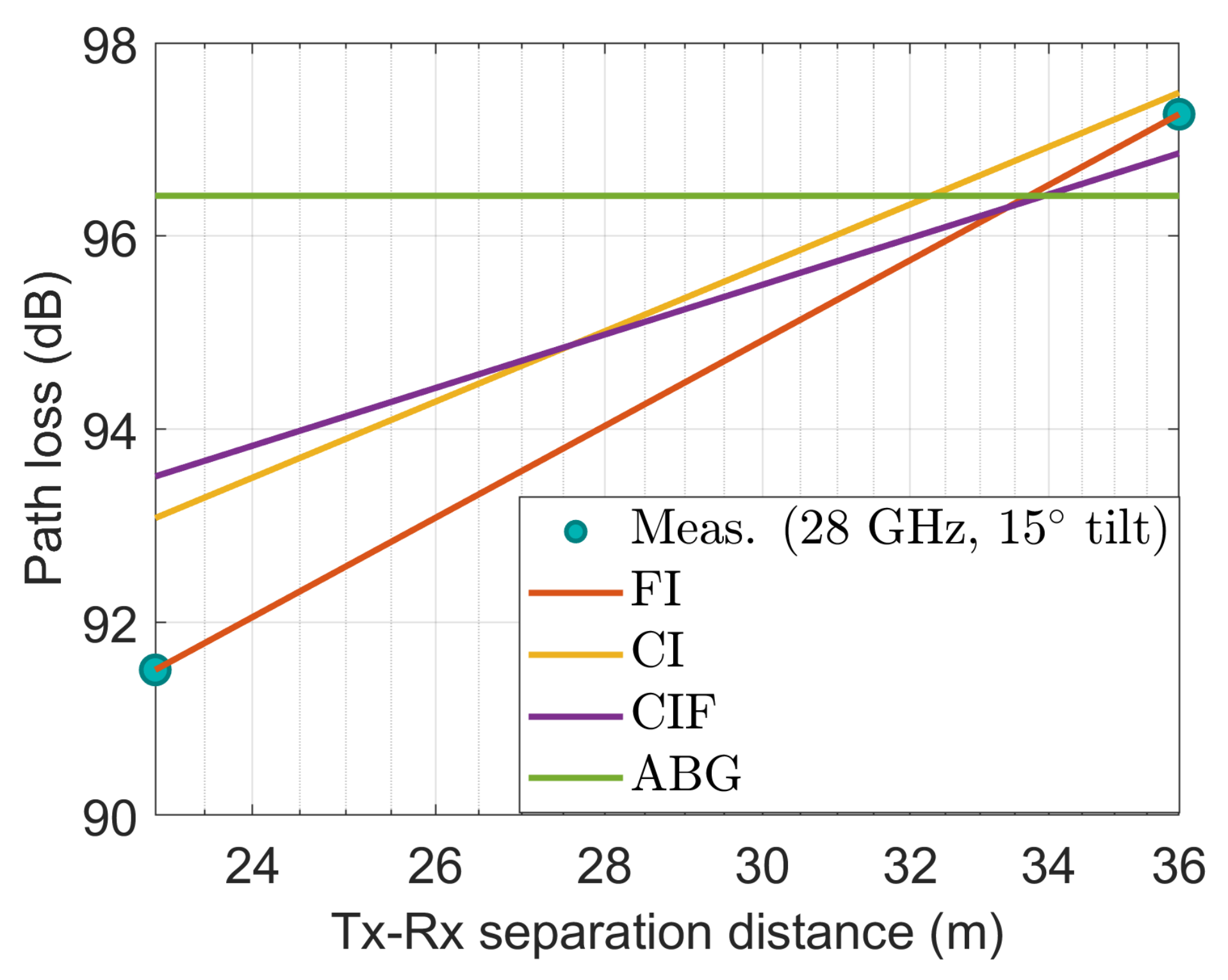
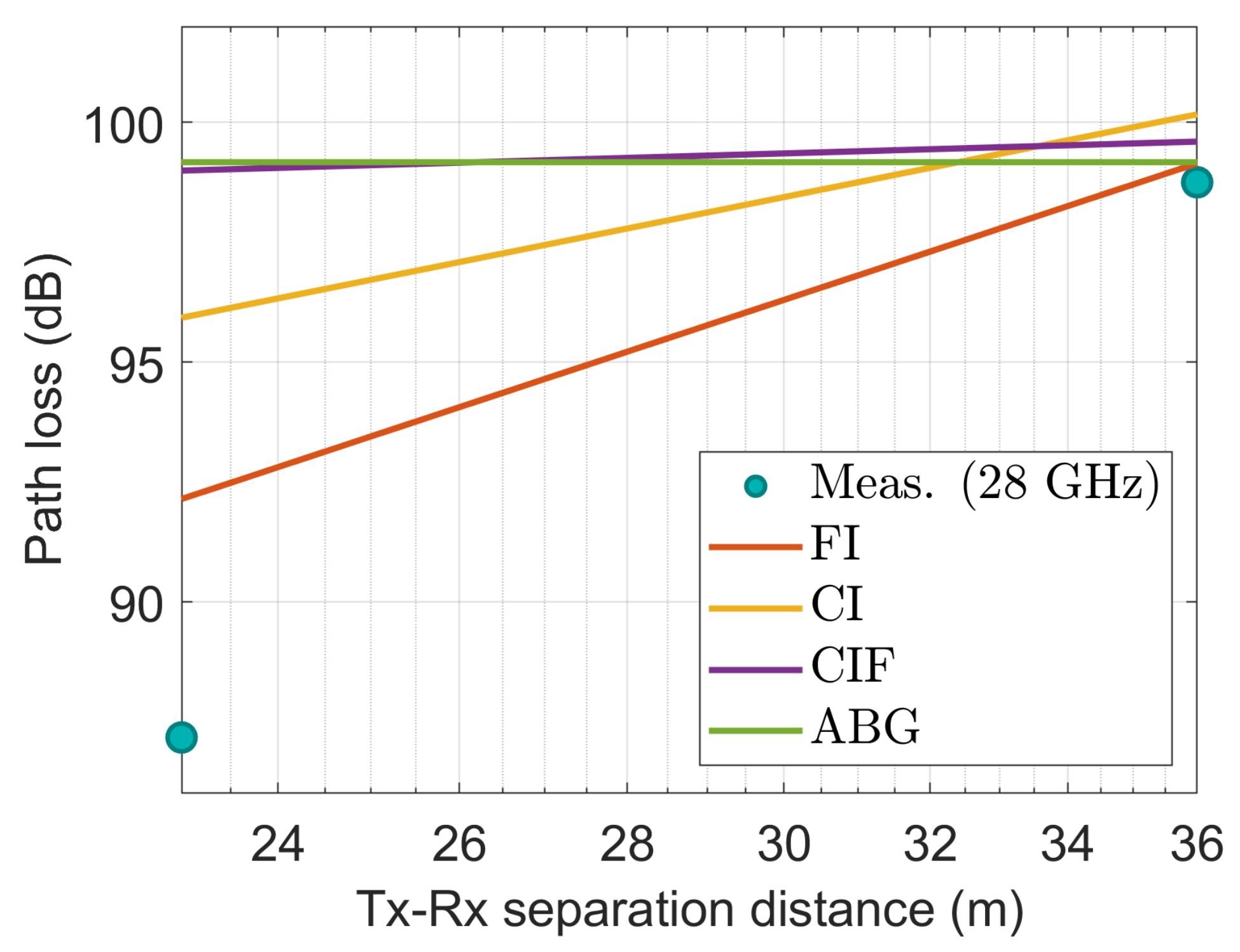
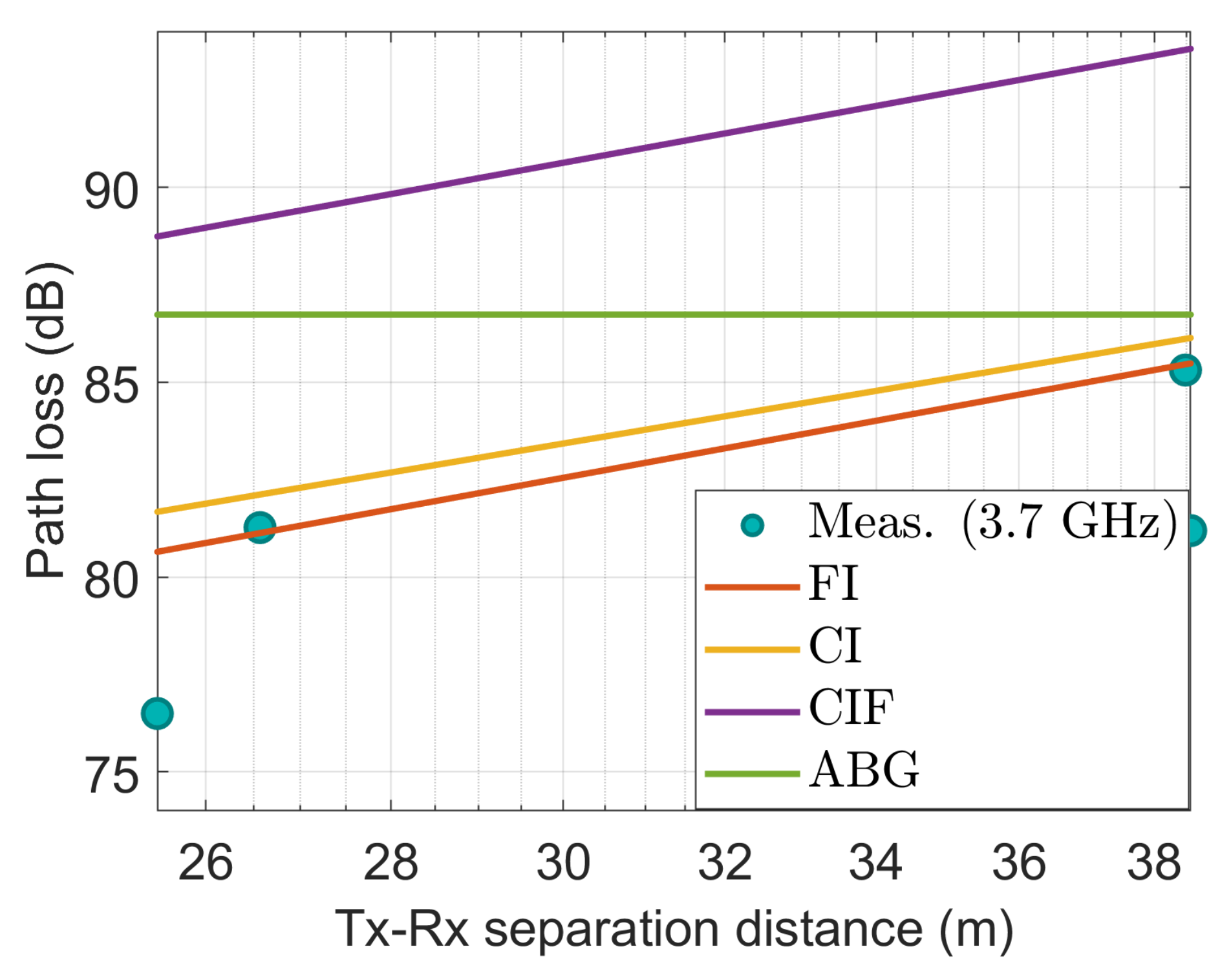
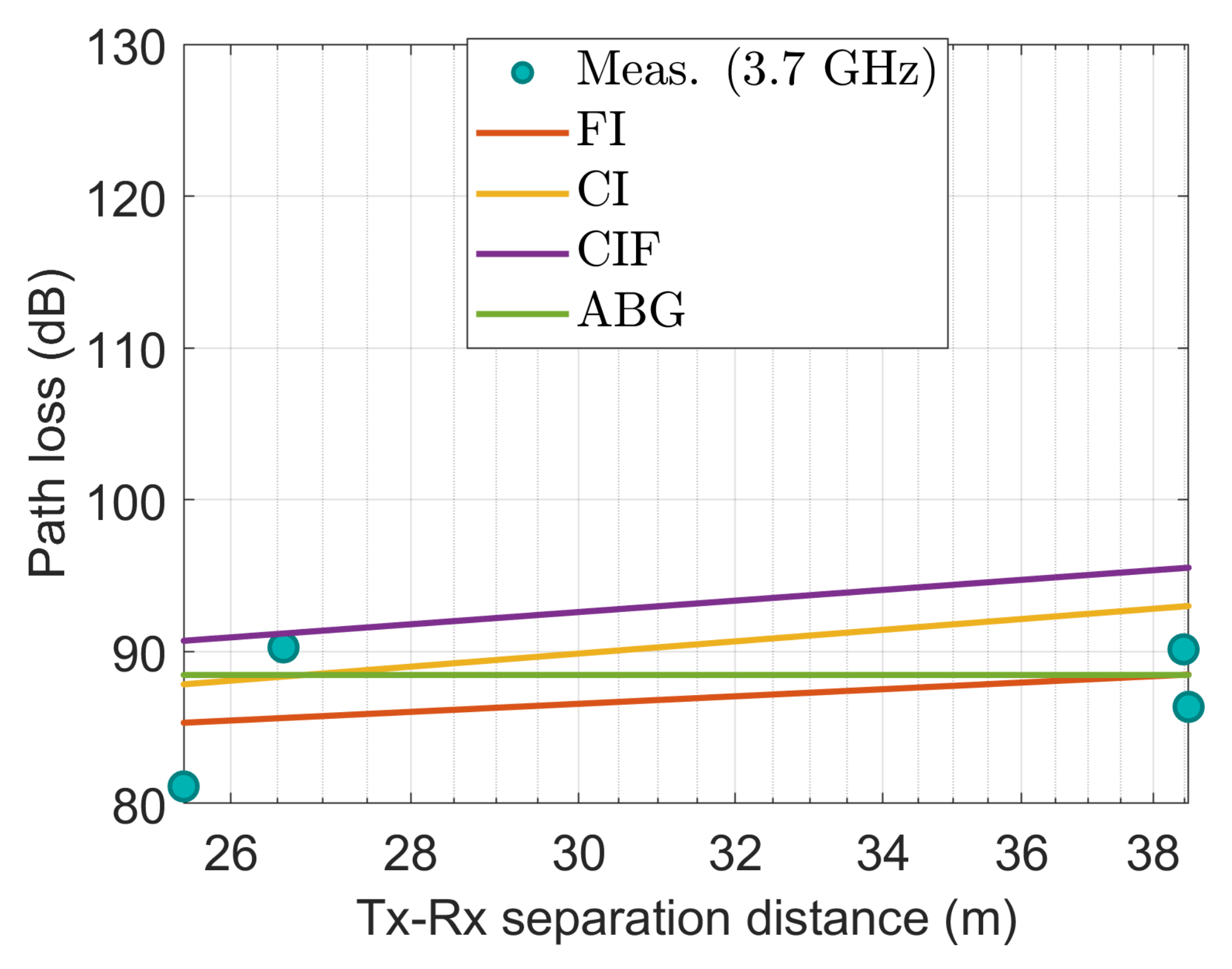
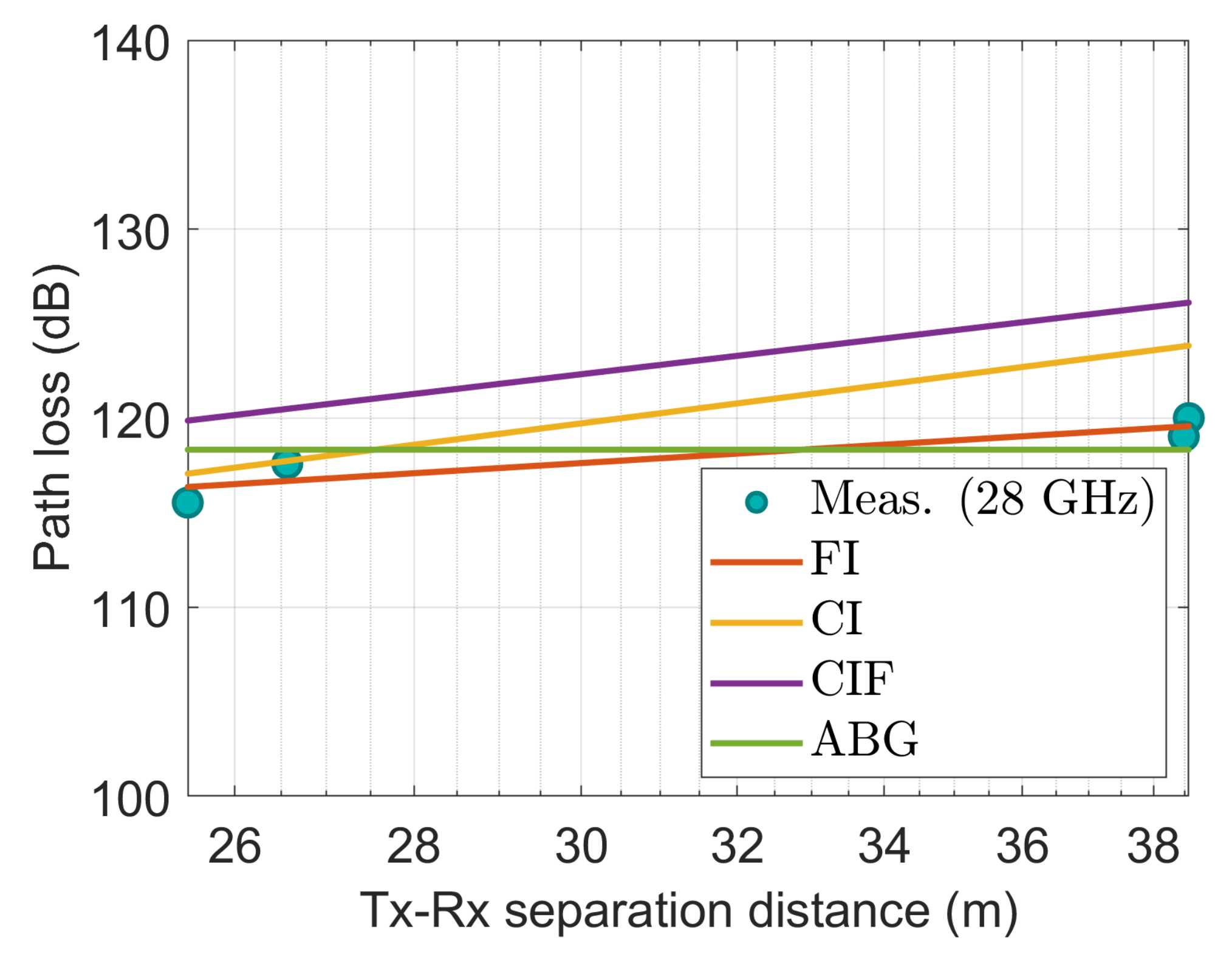
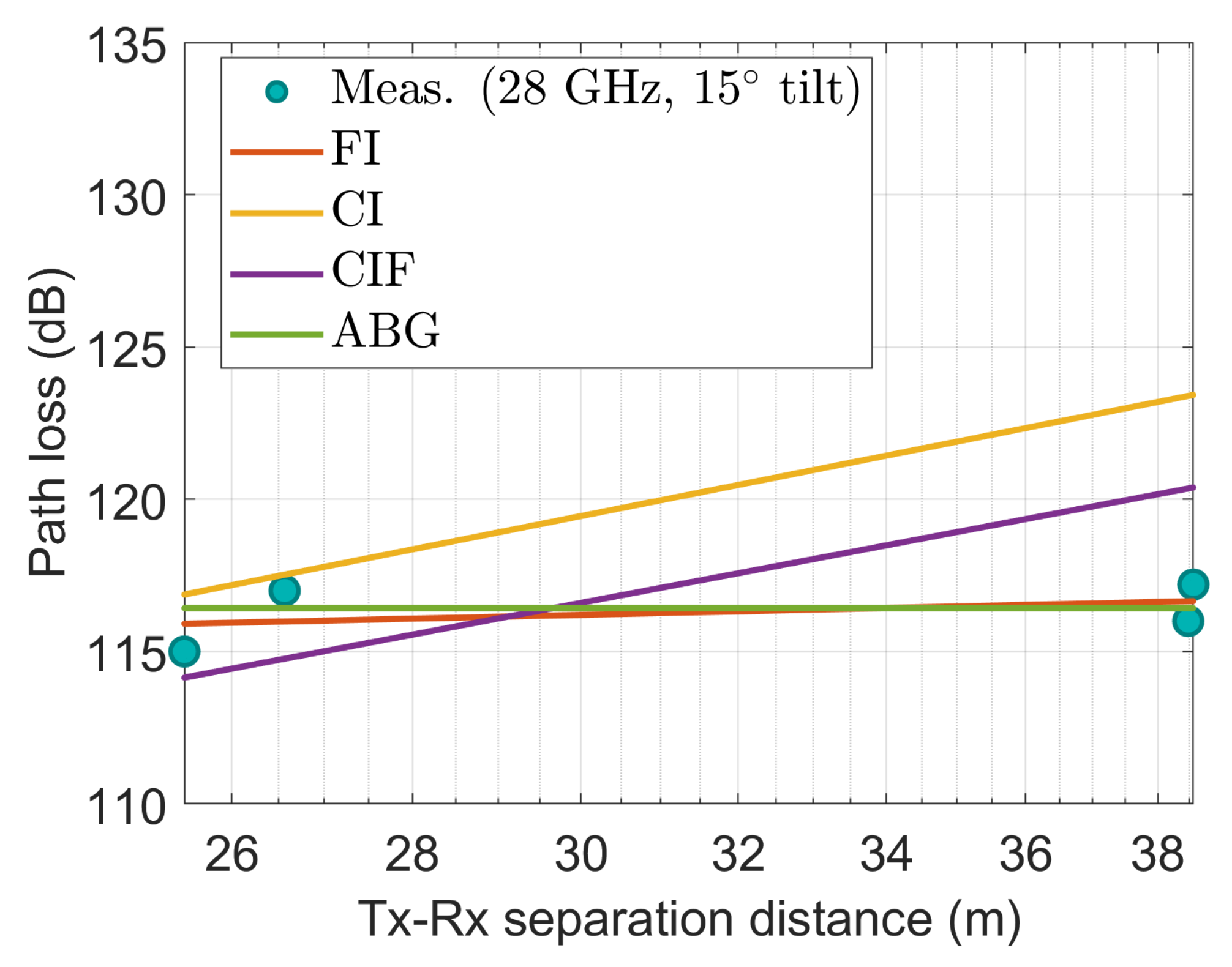
The millimeter-wave (mmWave) frequency is considered a viable radio wave band for fifth-generation (5G) mobile networks, owing to its ability to access a vast spectrum of resources. However, mmWave suffers from undesirable characteristics such as increased attenuation during transmission. Therefore, a well-fitted path loss model to a specific environment can help manage optimal power delivery in the receiver and optimal transmitter power in the transmitter in the mmWave band. This study investigates large-scale path loss models in a university hall environment with a real-measured path loss dataset using directional horn antennas in co-polarization (H–H) and tracking antenna systems (TAS) in line-of-sight (LOS) circumstances between the transmitter and receptor at mmWave and centimeter-level bands. Although the centimeter-level band is used in certain industrialized nations, path loss characteristics in a university hall environment have not been well-examined. Consequently, this study aims to bridge this research gap. The results of this study indicate that, in general, the large-scale floating-intercept (FI) model gives a satisfactory performance in fitting the path loss both in the center and wall side links.
Keywords: 5G; hall; indoor; interference; path loss; wave propagation; wireless communication 5G; hall; indoor; interference; path loss; wave propagation; wireless communication