Article

Hydrogel Microparticles for Fluorescence Detection of miRNA in Mix-Read Bioassay
by
Alessia Mazzarotta
1,†,
Tania Mariastella Caputo
1,†,
Edmondo Battista
2,*,
Paolo Antonio Netti
1,2,3 and
Filippo Causa
1,2,3
1
Center for Advanced Biomaterials for Healthcare, Istituto Italiano di Tecnologia, L.go Barsanti e Matteucci, 53, 80125 Naples, Italy
2
Interdisciplinary Research Centre on Biomaterials (CRIB), Università degli Studi di Napoli “Federico II”, P.le Tecchio 80, 80125 Naples, Italy
3
Dipartimento di Ingegneria Chimica del Materiali e della Produzione Industriale, Università degli Studi di Napoli “Federico II”, P.le Tecchio 80, 80125 Naples, Italy
*
Author to whom correspondence should be addressed.
All the authors equally contributed to this work.
Sensors 2021, 21(22), 7671; https://doi.org/10.3390/s21227671
Submission received: 13 October 2021 / Revised: 12 November 2021 / Accepted: 16 November 2021 / Published: 18 November 2021
(This article belongs to the Special Issue Optical Biosensing for Emerging Healthcare Applications)

Abstract

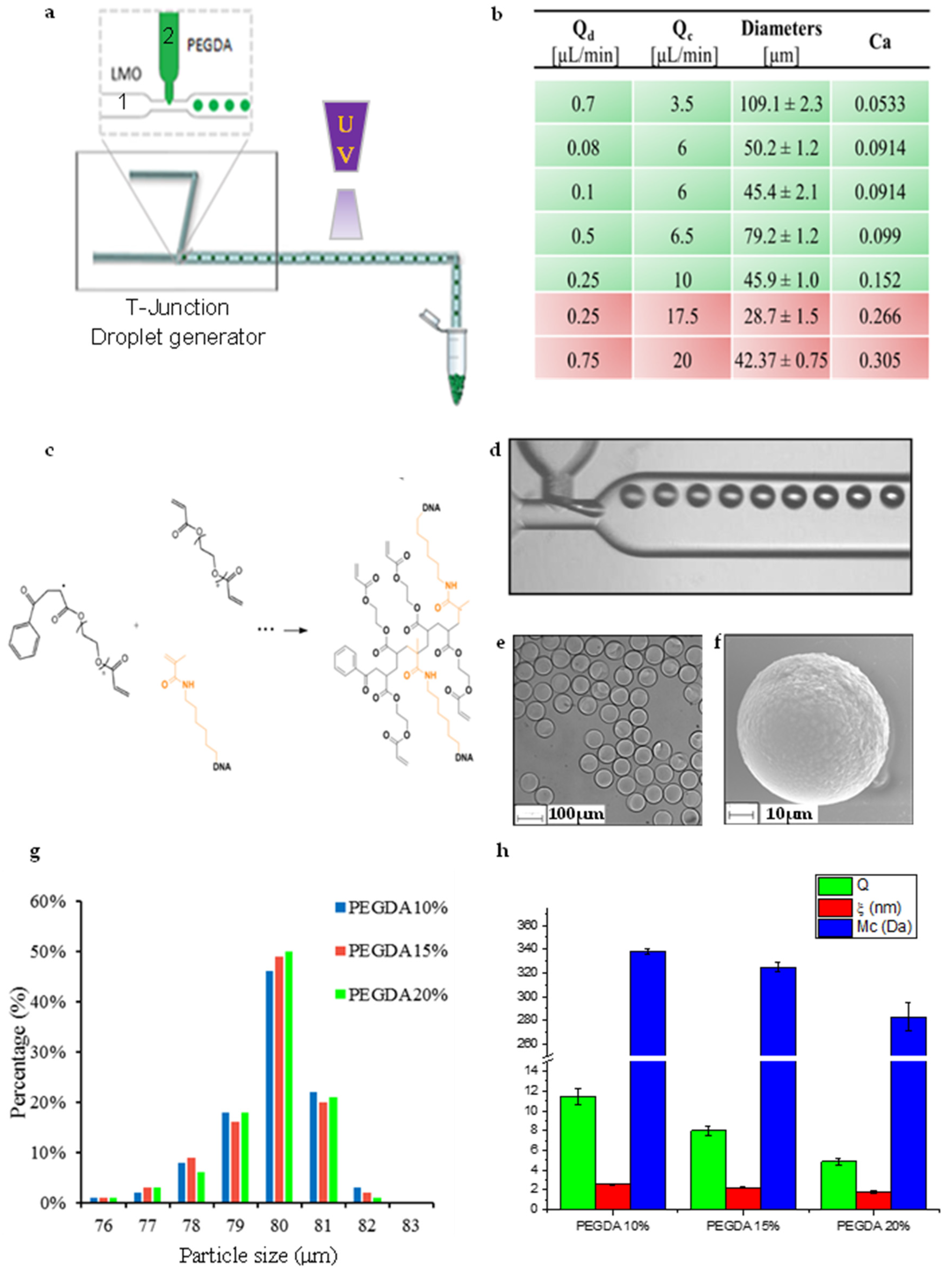
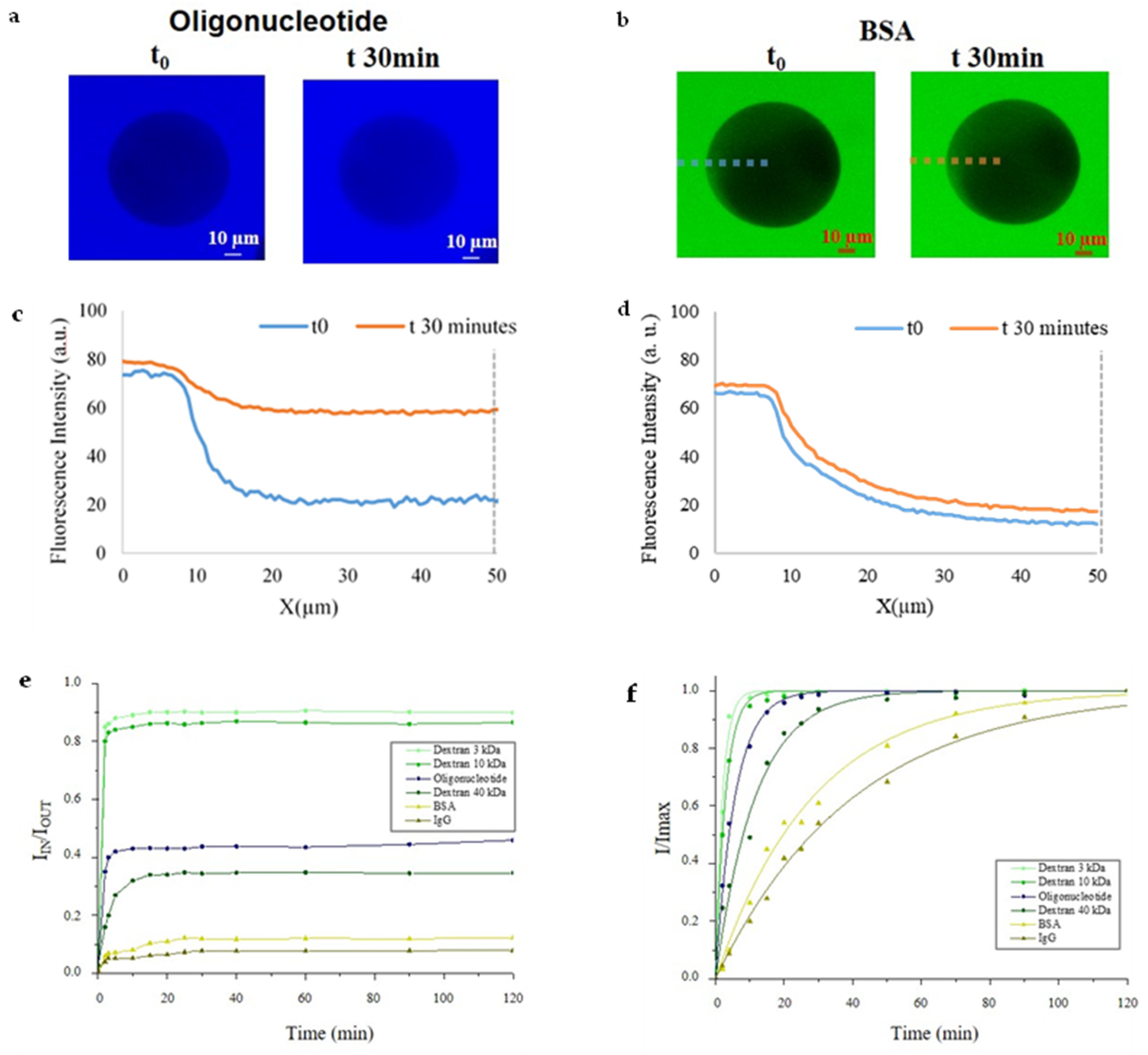
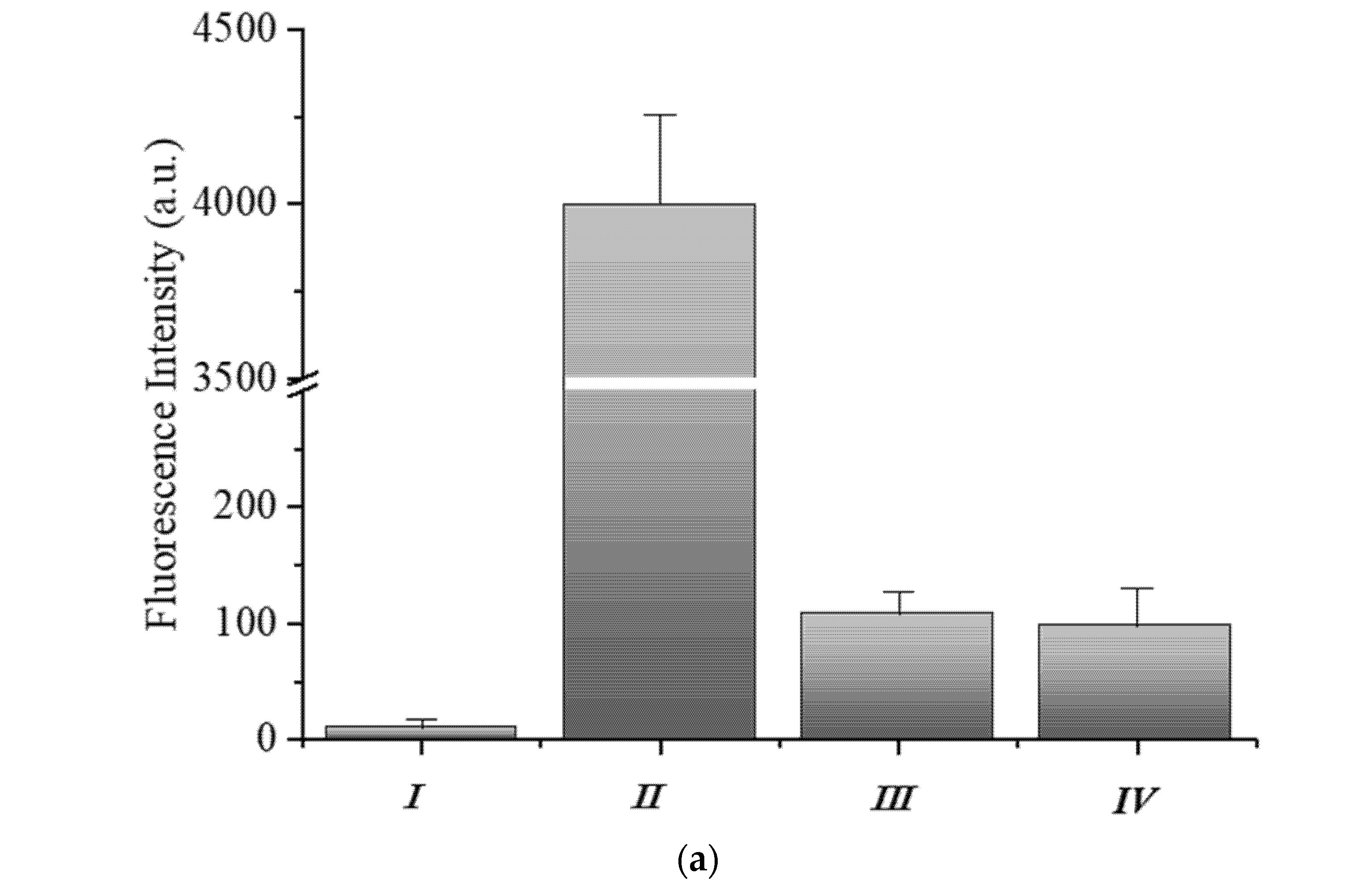
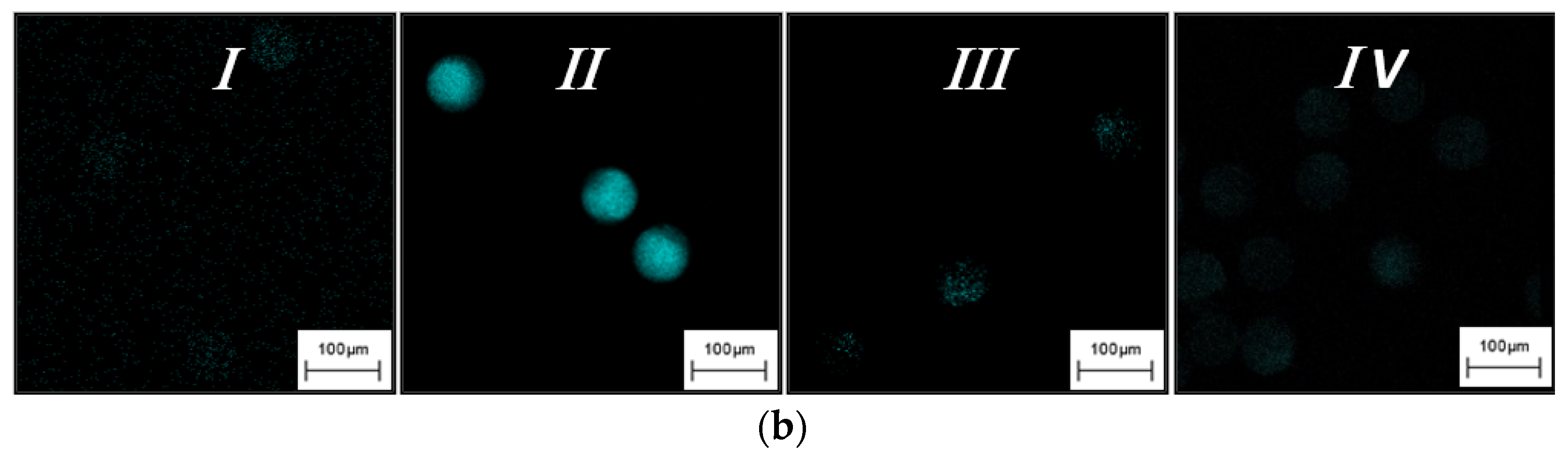
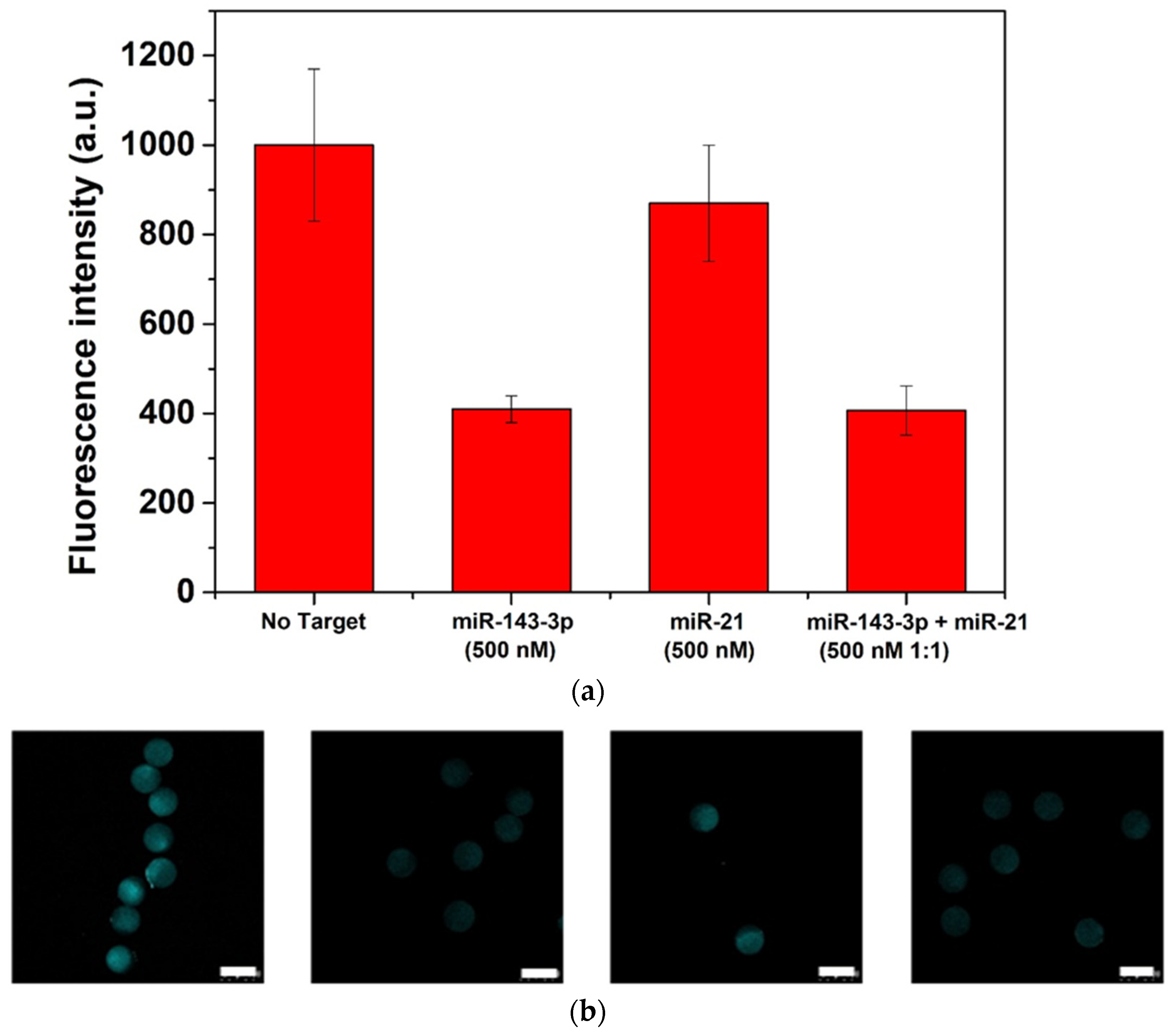
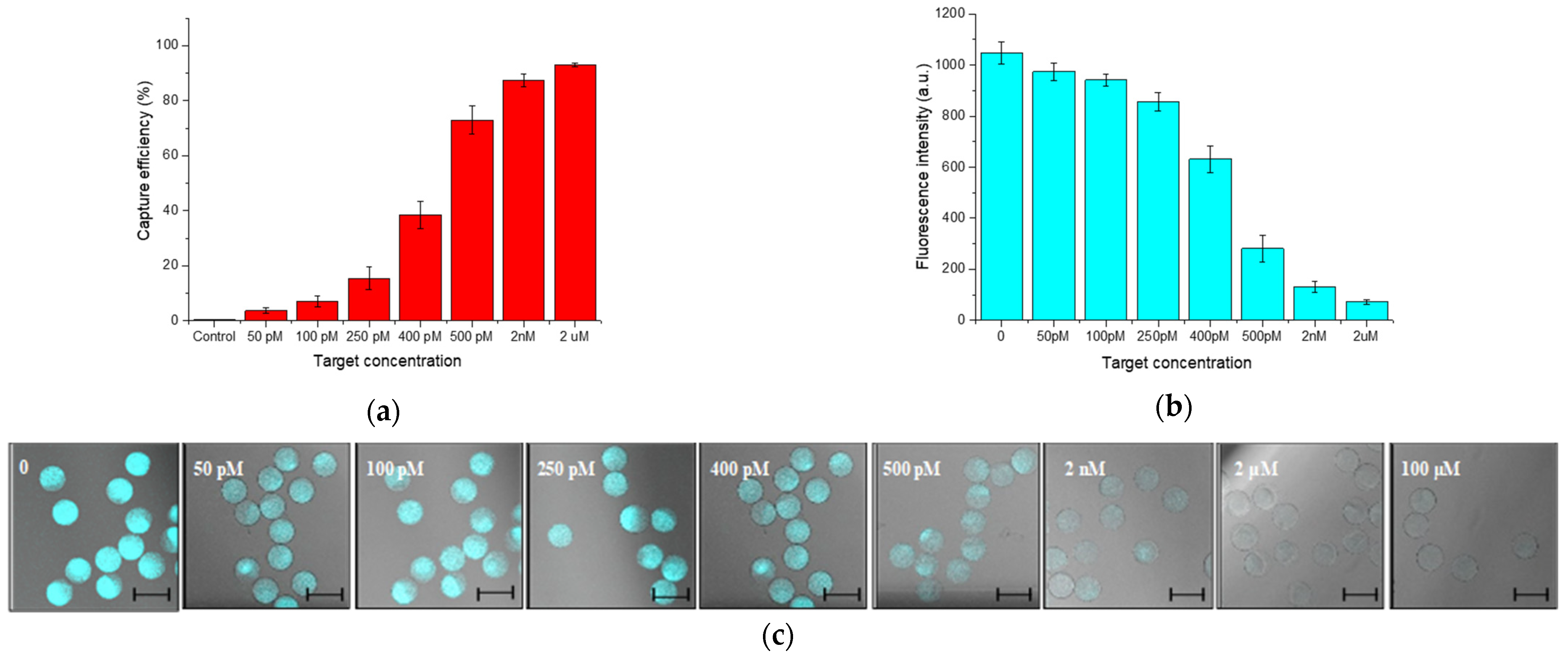
Herein we describe the development of a mix-read bioassay based on a three-dimensional (3D) poly ethylene glycol—(PEG)-hydrogel microparticles for the detection of oligonucleotides in complex media. The key steps of hydrogels synthesis and molecular recognition in a 3D polymer network are elucidated. The design of the DNA probes and their density in polymer network were opportunely optimized. Furthermore, the diffusion into the polymer was tuned adjusting the polymer concentration and consequently the characteristic mesh size. Upon parameters optimization, 3D-PEG-hydrogels were synthetized in a microfluidic system and provided with fluorescent probe. Target detection occurred by double strand displacement assay associated to fluorescence depletion within the hydrogel microparticle. Proposed 3D-PEG-hydrogel microparticles were designed for miR-143-3p detection. Results showed 3D-hydrogel microparticles with working range comprise between 10−6–10−12 M, had limit of detection of 30 pM and good specificity. Moreover, due to the anti-fouling properties of PEG-hydrogel, the target detection occurred in human serum with performance comparable to that in buffer. Due to the approach versatility, such design could be easily adapted to other short oligonucleotides detection.
Keywords: hydrogel microparticles; 3D recognition; miRNA detection; mix-read bioassay hydrogel microparticles; 3D recognition; miRNA detection; mix-read bioassay