Communication

Isolating Specific vs. Non-Specific Binding Responses in Conducting Polymer Biosensors for Bio-Fingerprinting

1
Department of Mechanical Engineering, Carnegie Mellon University, Pittsburgh, PA 15213, USA
2
Department of Materials Science & Engineering & Biomedical Engineering, Carnegie Mellon University, Pittsburgh, PA 15213, USA
*
Author to whom correspondence should be addressed.
Sensors 2021, 21(19), 6335; https://doi.org/10.3390/s21196335
Submission received: 7 July 2021 / Revised: 14 September 2021 / Accepted: 14 September 2021 / Published: 22 September 2021
(This article belongs to the Section Biosensors)

Abstract

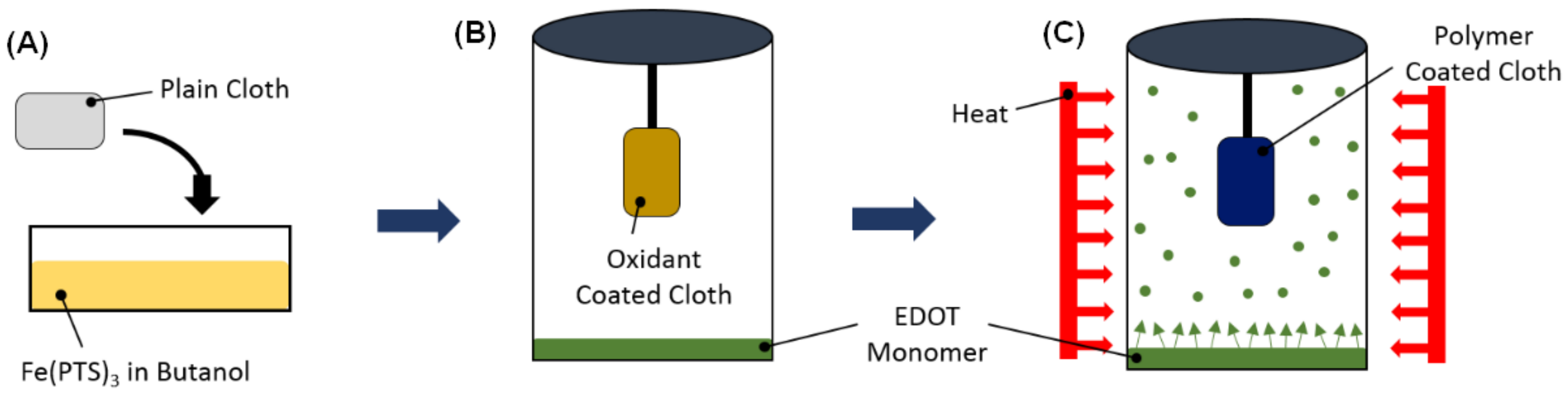
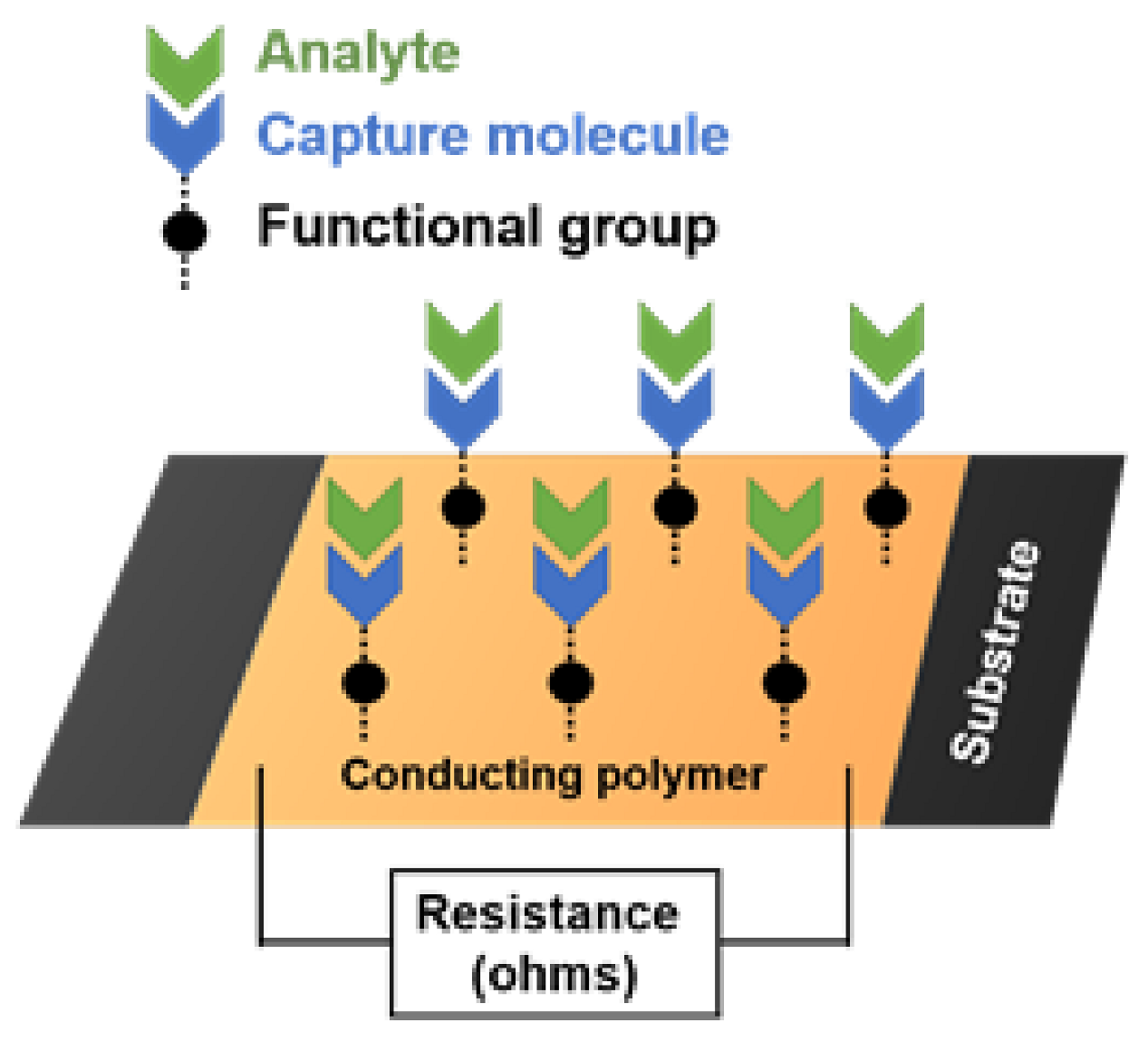
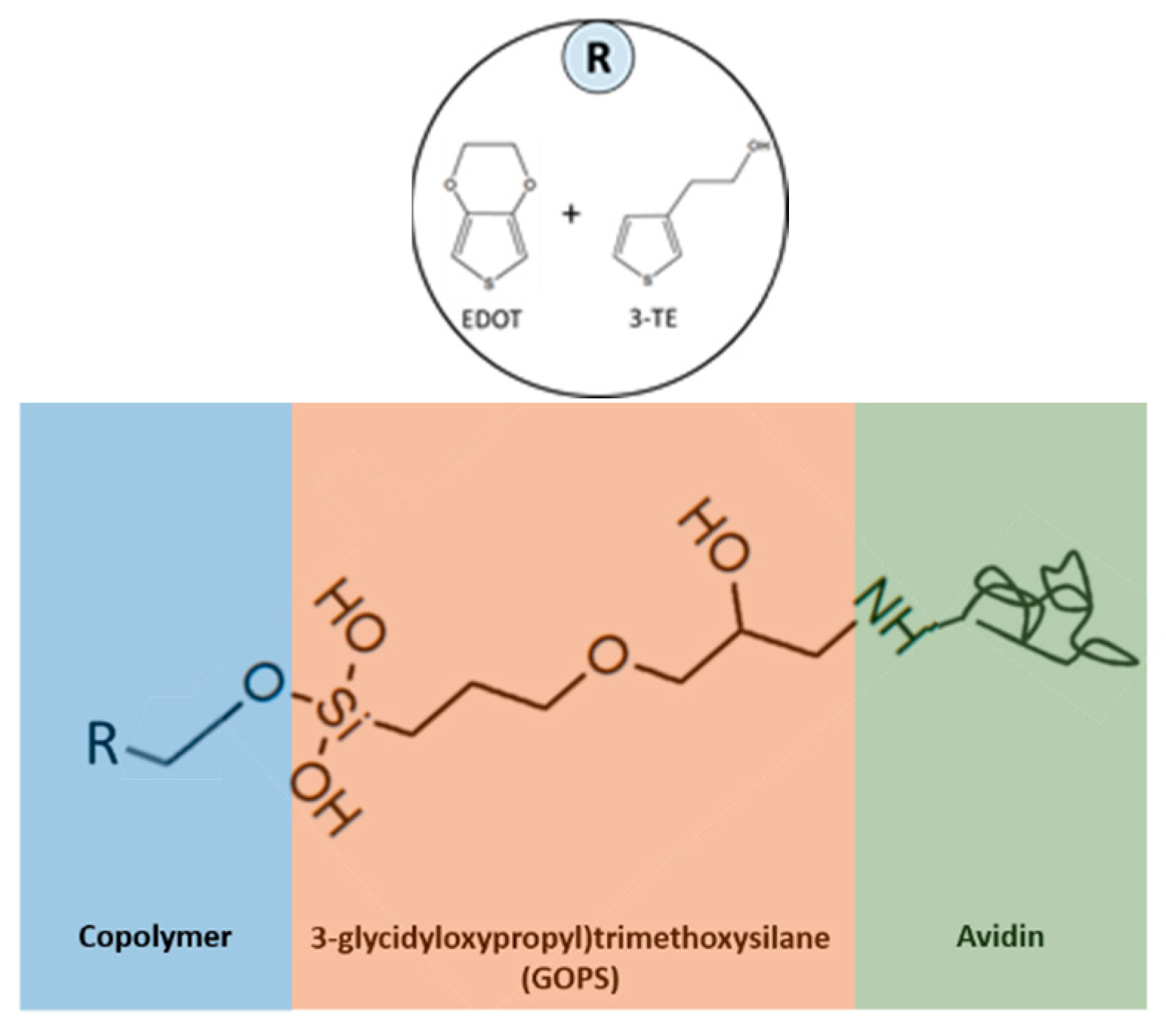
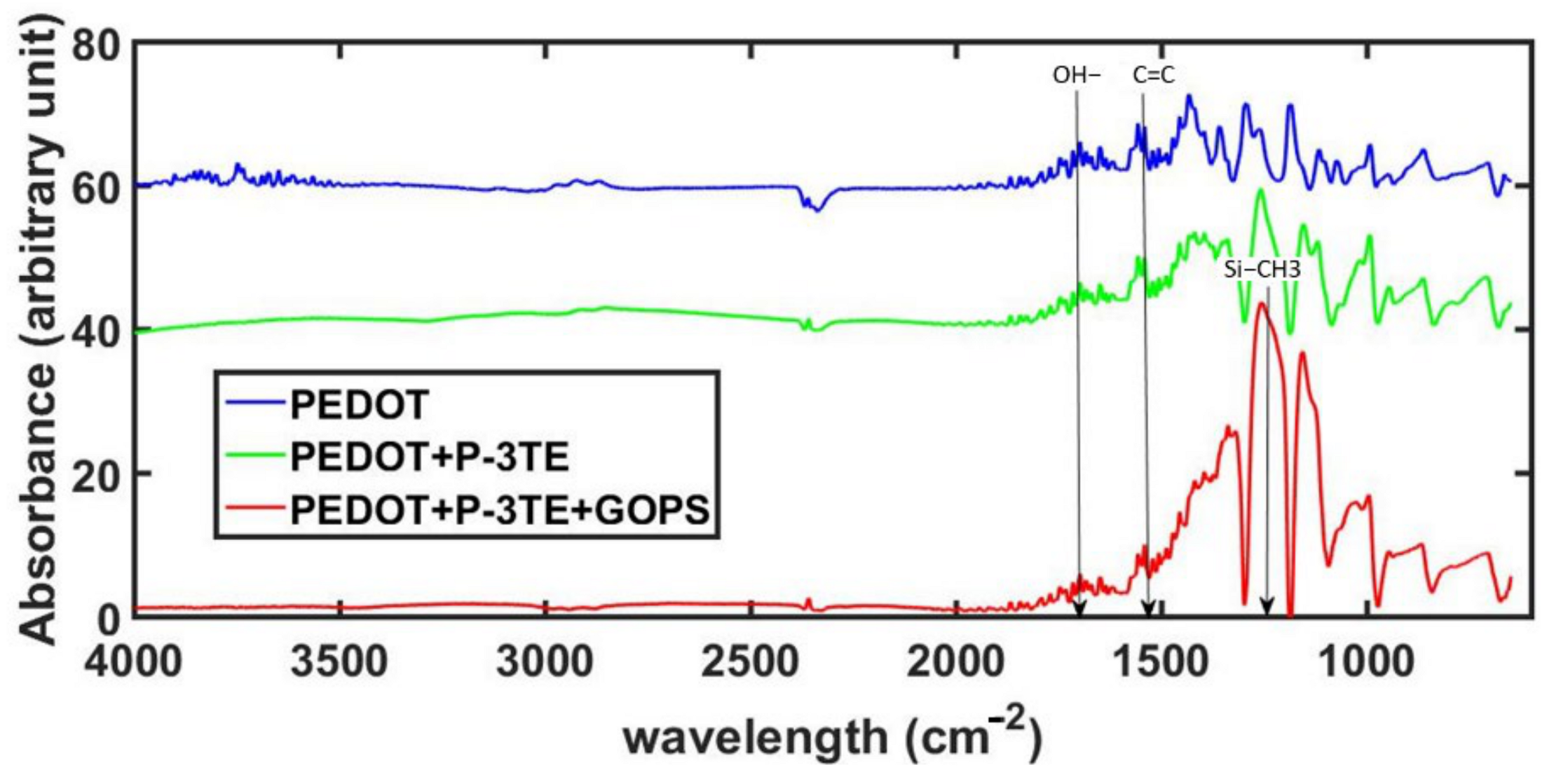
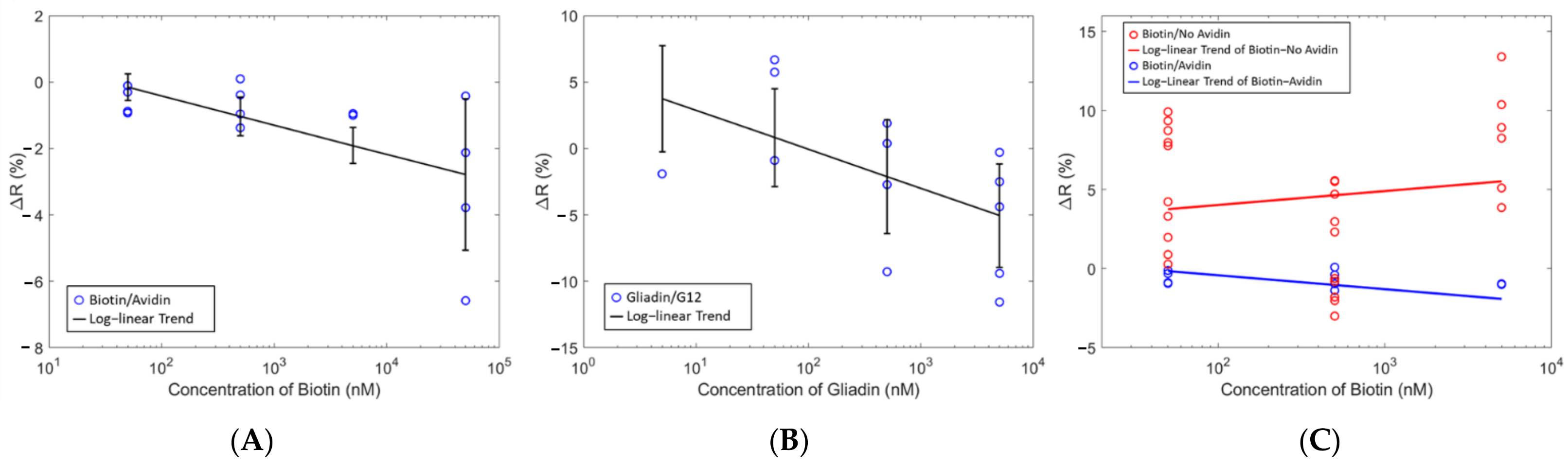
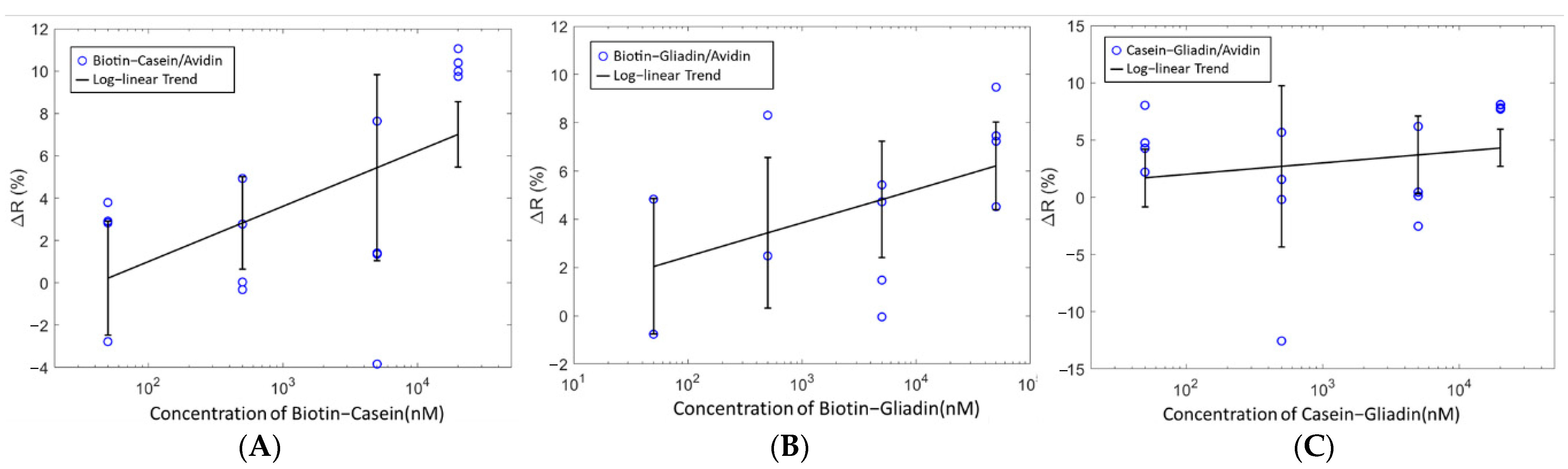
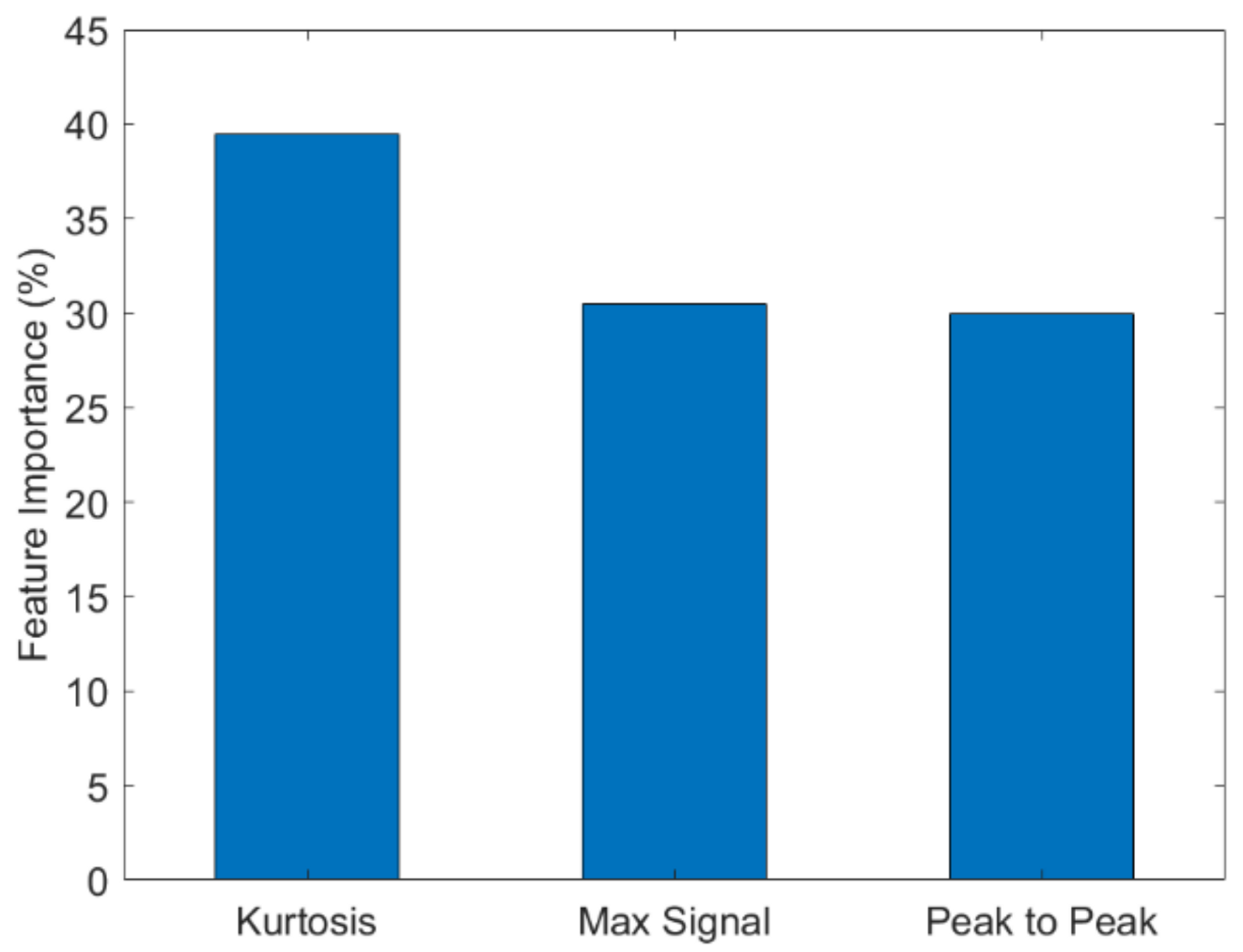
A longstanding challenge for accurate sensing of biomolecules such as proteins concerns specifically detecting a target analyte in a complex sample (e.g., food) without suffering from nonspecific binding or interactions from the target itself or other analytes present in the sample. Every sensor suffers from this fundamental drawback, which limits its sensitivity, specificity, and longevity. Existing efforts to improve signal-to-noise ratio involve introducing additional steps to reduce nonspecific binding, which increases the cost of the sensor. Conducting polymer-based chemiresistive biosensors can be mechanically flexible, are inexpensive, label-free, and capable of detecting specific biomolecules in complex samples without purification steps, making them very versatile. In this paper, a poly (3,4-ethylenedioxyphene) (PEDOT) and poly (3-thiopheneethanol) (3TE) interpenetrating network on polypropylene–cellulose fabric is used as a platform for a chemiresistive biosensor, and the specific and nonspecific binding events are studied using the Biotin/Avidin and Gliadin/G12-specific complementary binding pairs. We observed that specific binding between these pairs results in a negative ΔR with the addition of the analyte and this response increases with increasing analyte concentration. Nonspecific binding was found to have the opposite response, a positive ΔR upon the addition of analyte was seen in nonspecific binding cases. We further demonstrate the ability of the sensor to detect a targeted protein in a dual-protein analyte solution. The machine-learning classifier, random forest, predicted the presence of Biotin with 75% accuracy in dual-analyte solutions. This capability of distinguishing between specific and nonspecific binding can be a step towards solving the problem of false positives or false negatives to which all biosensors are susceptible.
Keywords: vapor-phase polymerization (VPP); conducting polymers; chemiresistive biosensors; machine learning vapor-phase polymerization (VPP); conducting polymers; chemiresistive biosensors; machine learning