Article

Ideal Oscillation of a Hydrogenated Deformable Rotor in a Gigahertz Rotation–Translation Nanoconverter at Low Temperatures


1
College of Water Resources and Architectural Engineering, Northwest A&F University, Yangling 712100, China
2
State Key Laboratory of Structural Analysis for Industrial Equipment, Dalian University of Technology, Dalian 116024, China
3
School of Port and Transportation Engineering, Zhejiang Ocean University, Zhoushan 316022, China
4
Centre for Innovative Structures and Materials, School of Engineering, RMIT University, Melbourne, VIC 3001, Australia
*
Author to whom correspondence should be addressed.
Sensors 2020, 20(7), 1969; https://doi.org/10.3390/s20071969
Submission received: 18 January 2020 / Revised: 22 March 2020 / Accepted: 23 March 2020 / Published: 1 April 2020
(This article belongs to the Section Physical Sensors)

Abstract

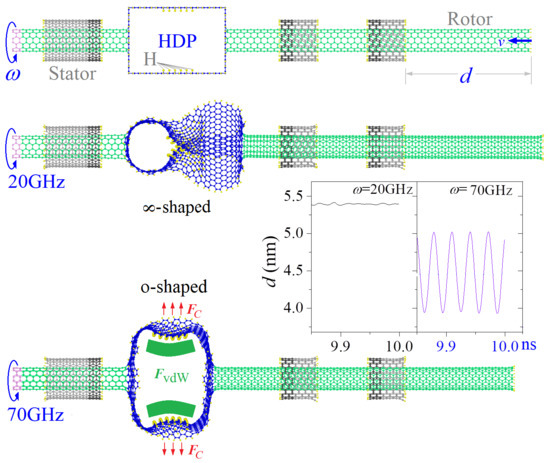
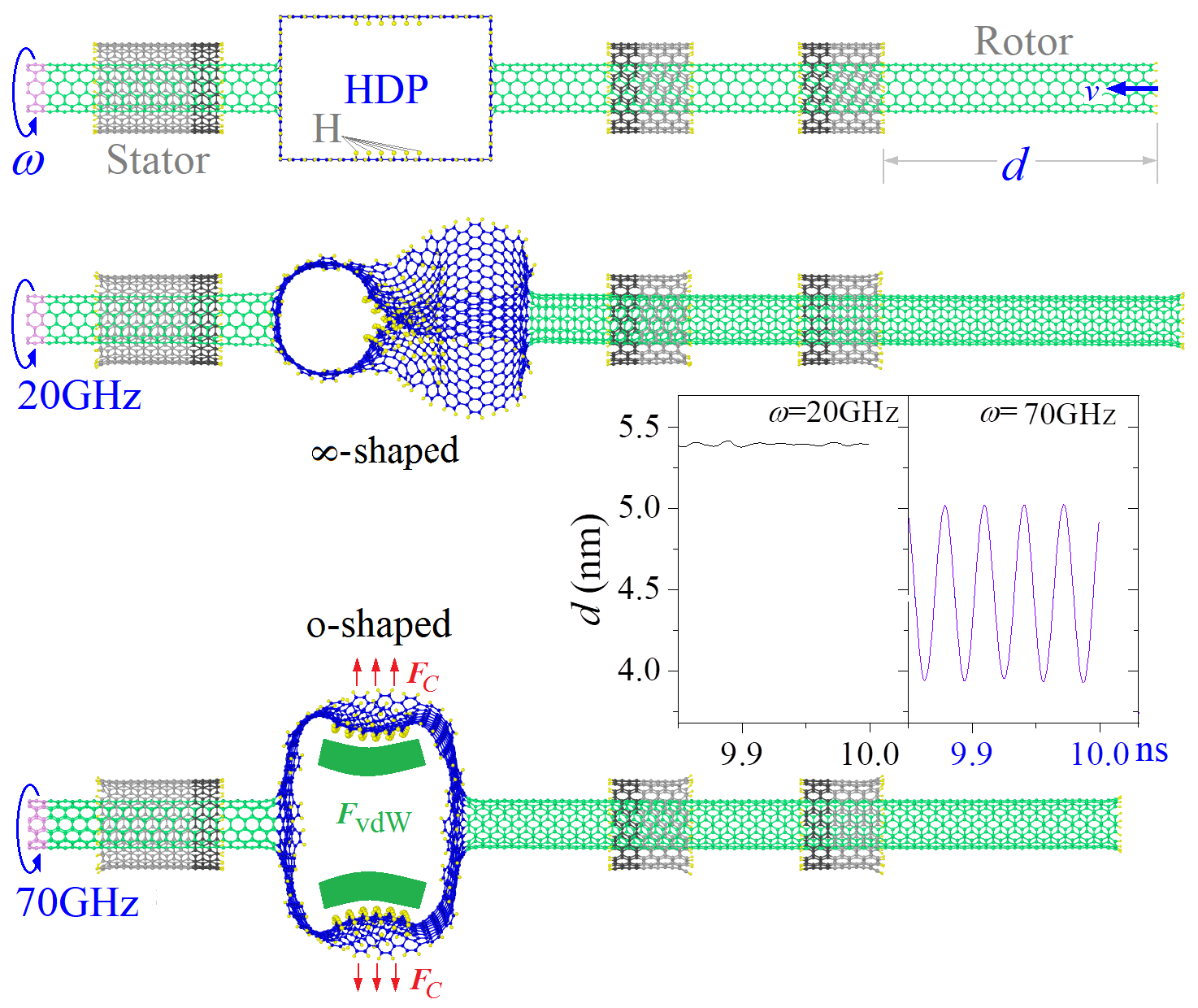
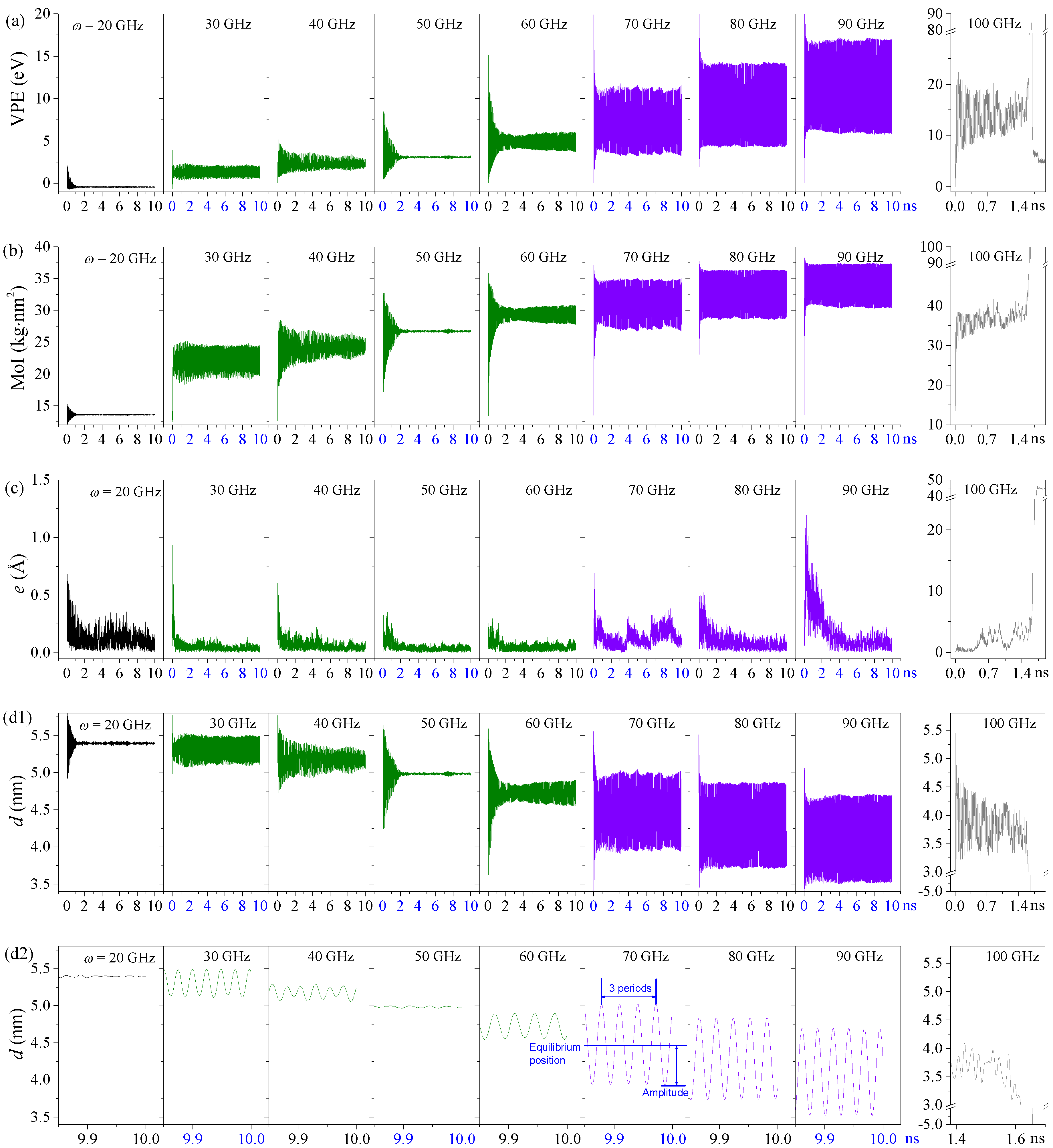
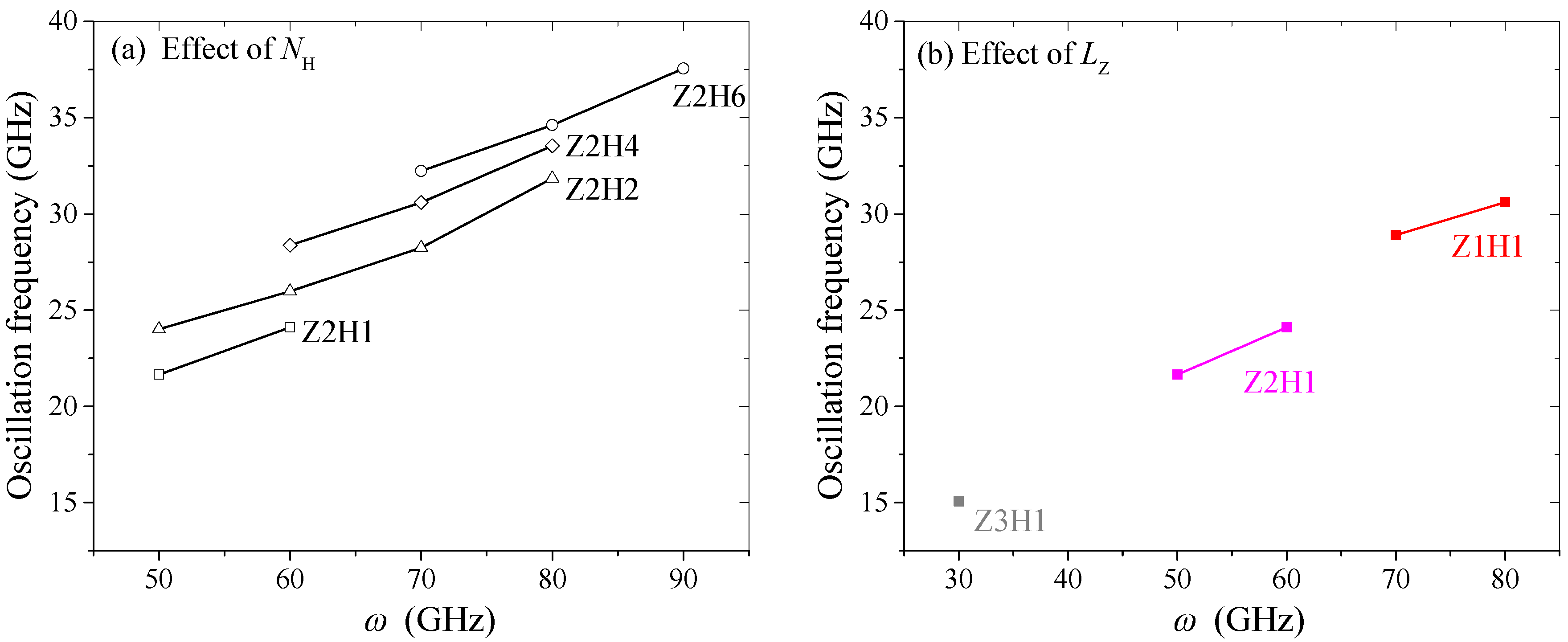
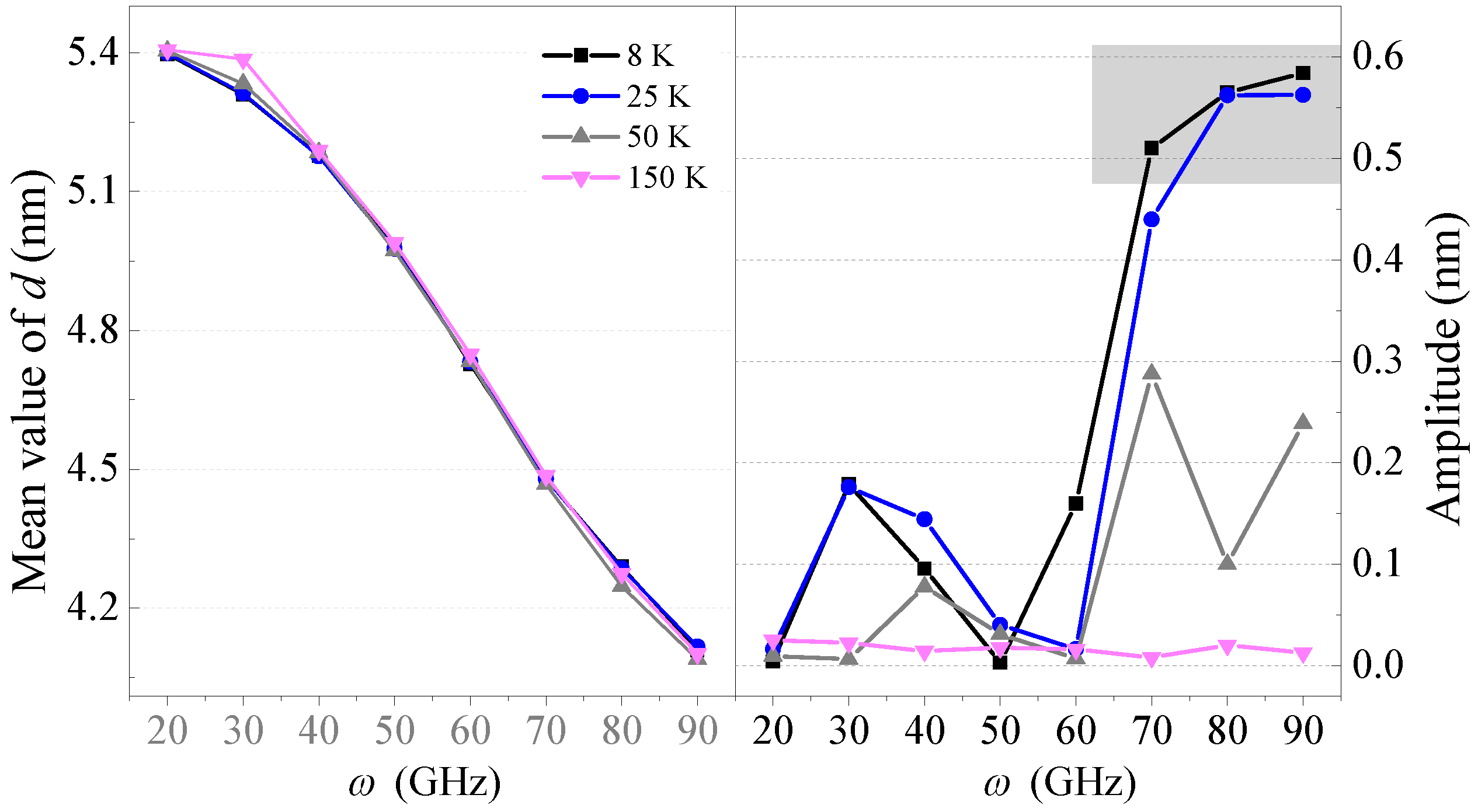
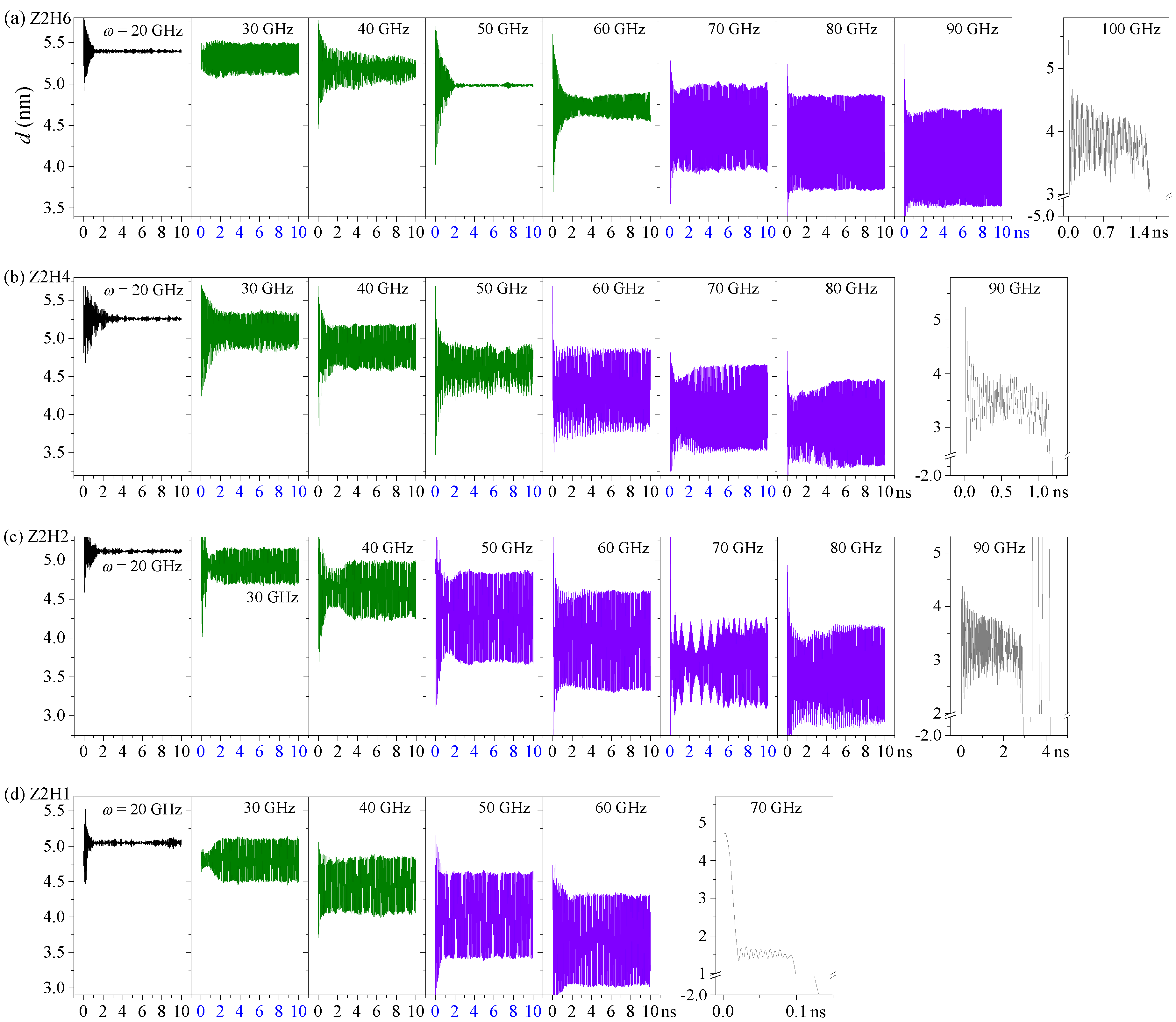
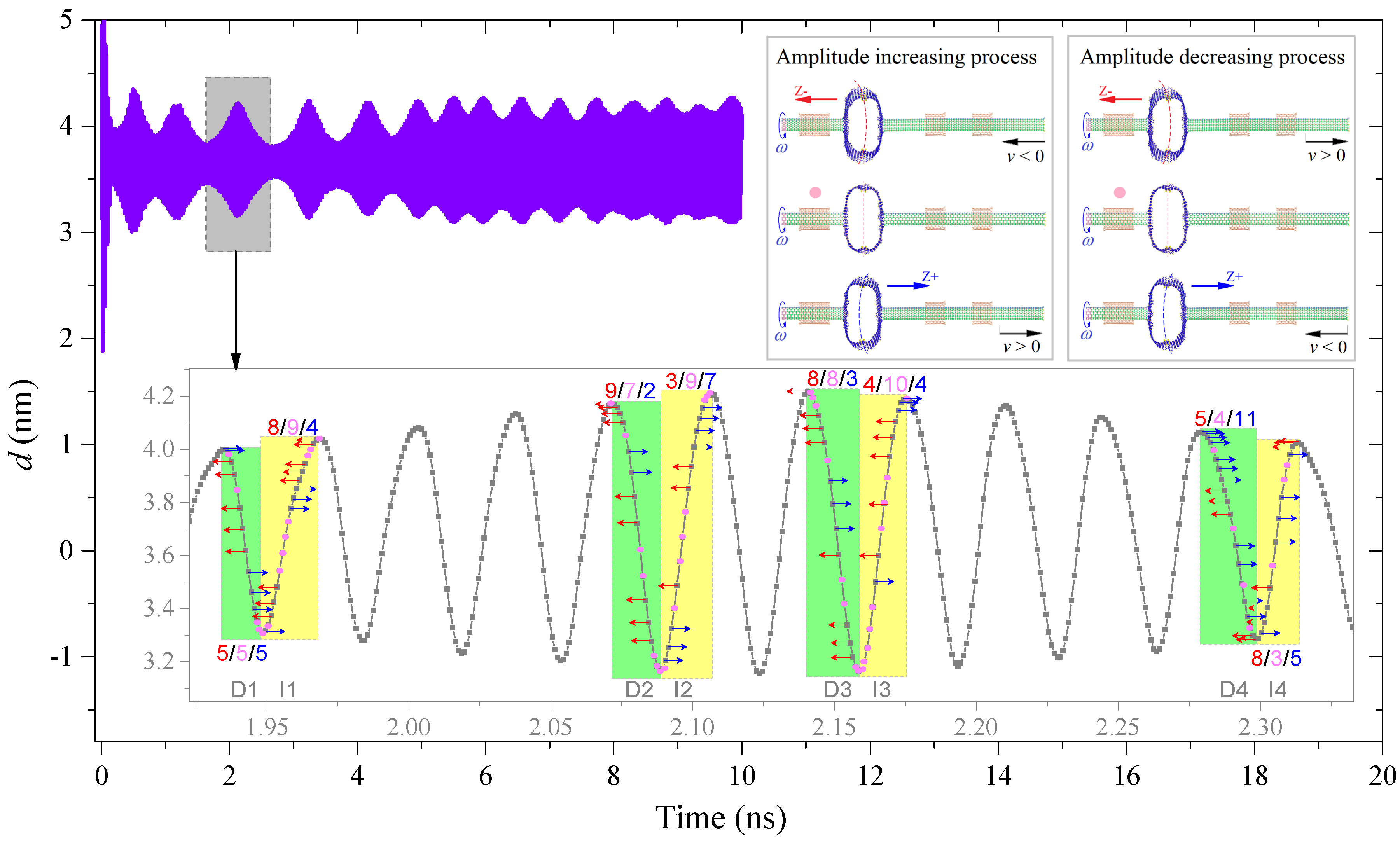
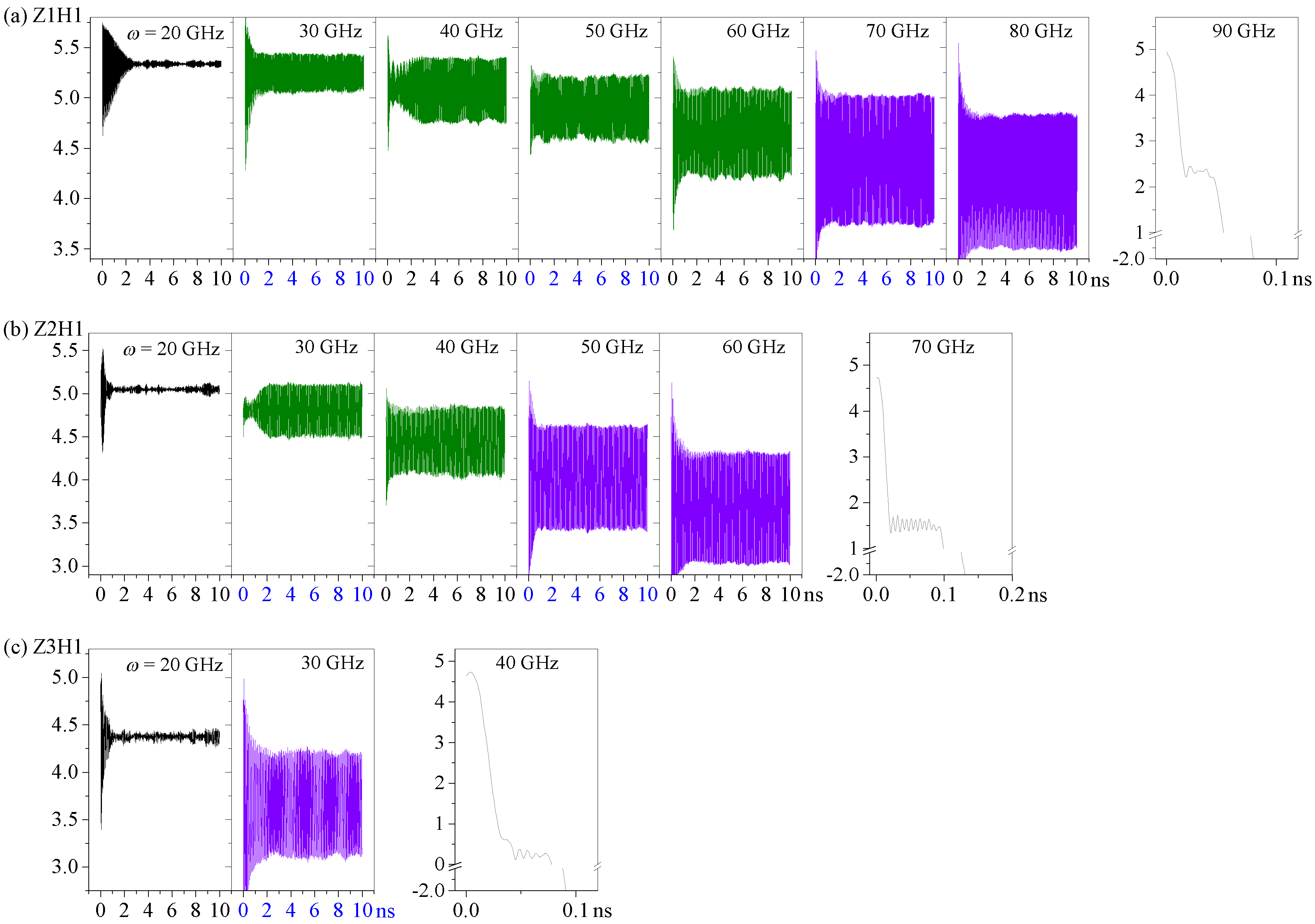
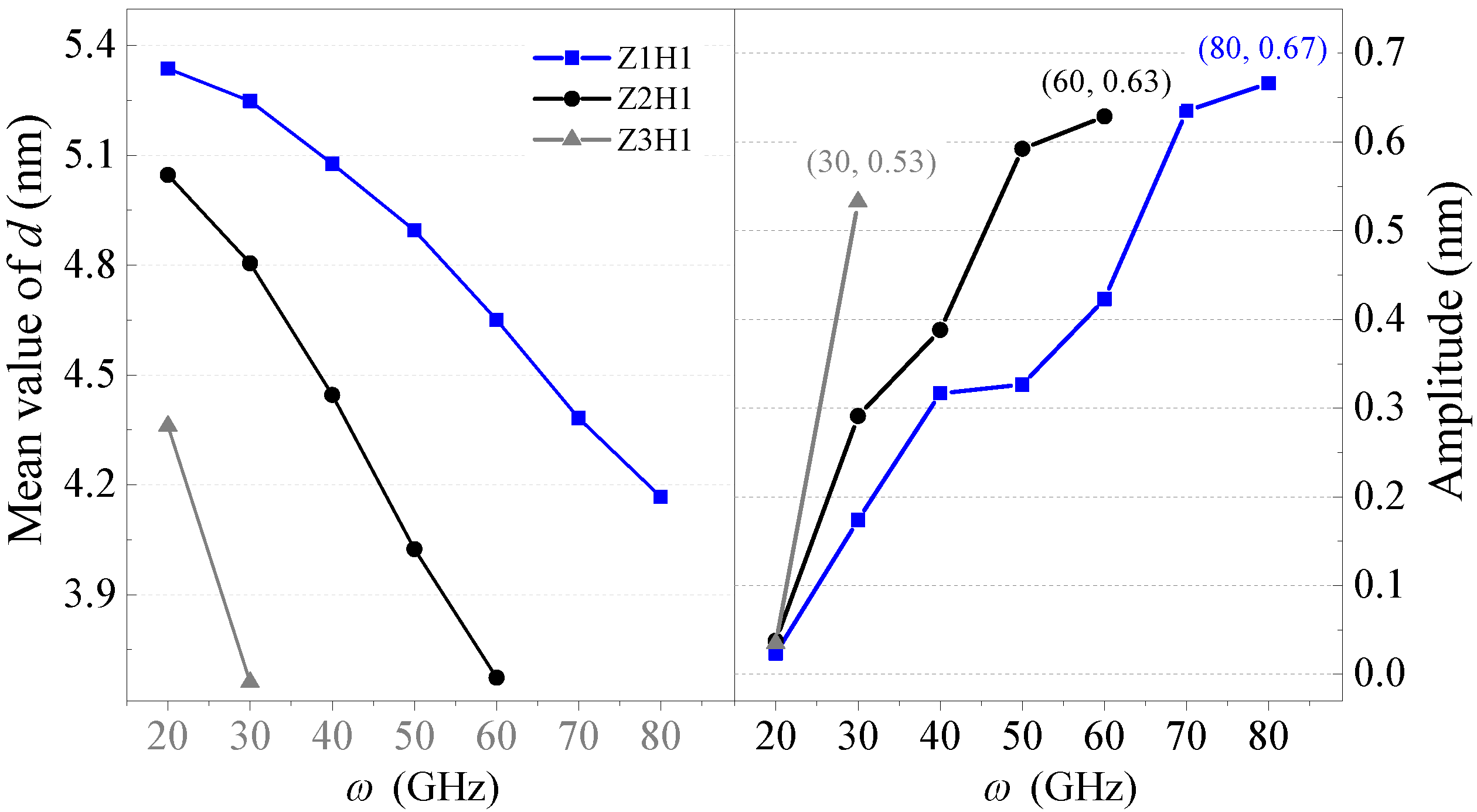
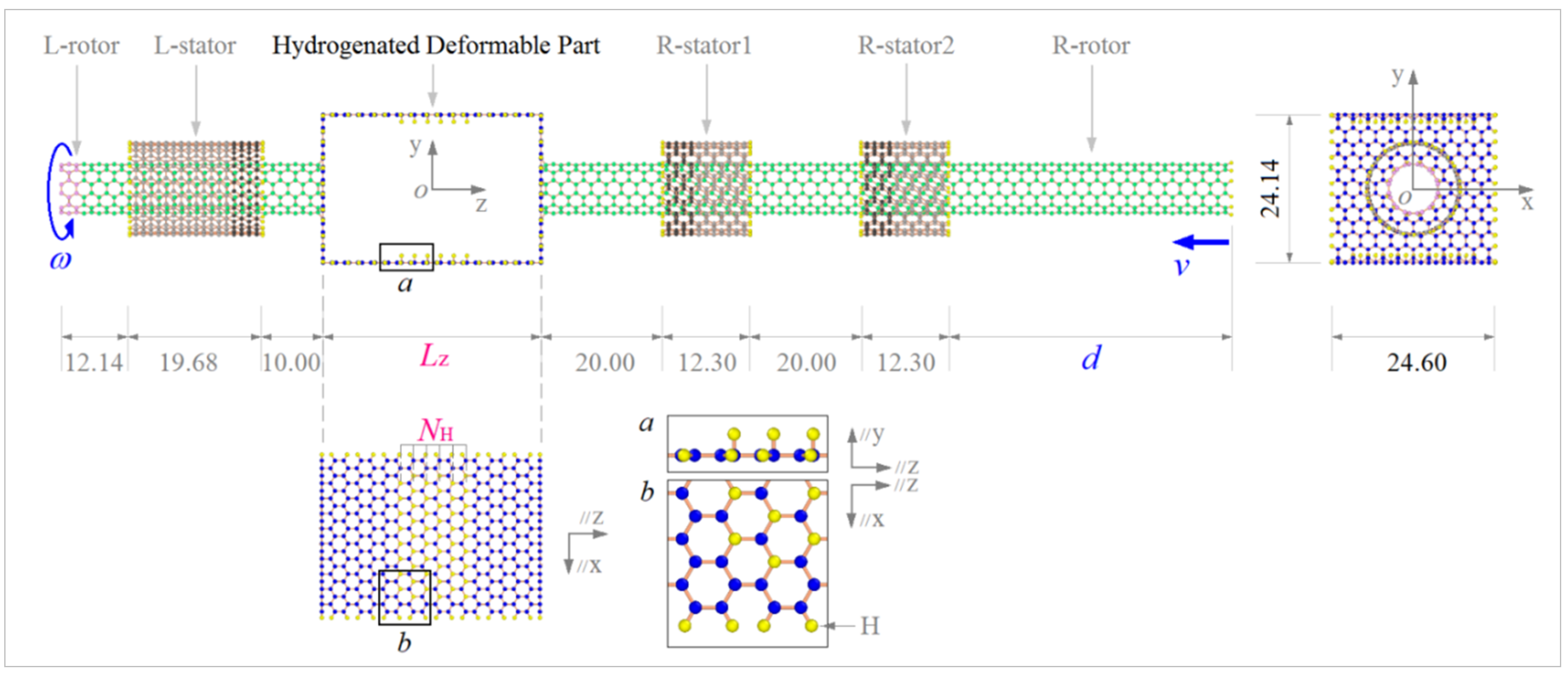
It was discovered that large-amplitude axial oscillation can occur on a rotor with an internally hydrogenated deformable part (HDP) in a rotation–translation nanoconverter. The dynamic outputs of the system were investigated using molecular dynamics simulations. When an input rotational frequency (100 GHz > ω > 20 GHz) was applied at one end of the rotor, the HDP deformed under the centrifugal and van der Waals forces, which simultaneously led to the axial translation of the other end of the rotor. Except at too high an input rotational frequency (e.g., >100 GHz), which led to eccentric rotation and even collapse of the system, the present system could generate a periodic axial oscillation with an amplitude above 0.5 nm at a temperature below 50 K. In other ranges of temperature and amplitude, the oscillation dampened quickly due to the drastic thermal vibrations of the atoms. Furthermore, the effects of the hydrogenation scheme and the length of HDP on the equilibrium position, amplitude, and frequency of oscillation were investigated. The conclusions can be applied to the design of an ideal nano-oscillator based on the present rotation–translation converter model.
Keywords: nano-oscillator; rotation–translation converter; nanodevice; molecular dynamics; hydrogenation nano-oscillator; rotation–translation converter; nanodevice; molecular dynamics; hydrogenation
Graphical Abstract