Article

The First Observation of Turbulence in Northwestern China by a Near-Space High-Resolution Balloon Sensor


1
College of Meteorology and Oceanography, National University of Defense Technology, Changsha 410073, China
2
Collaborative Innovation Center on Forecast and Evaluation of Meteorological Disasters, Nanjing University of Information Science and Technology, Nanjing 210094, China
*
Author to whom correspondence should be addressed.
Sensors 2020, 20(3), 677; https://doi.org/10.3390/s20030677
Submission received: 22 December 2019 / Revised: 23 January 2020 / Accepted: 23 January 2020 / Published: 26 January 2020
(This article belongs to the Section Physical Sensors)

Abstract

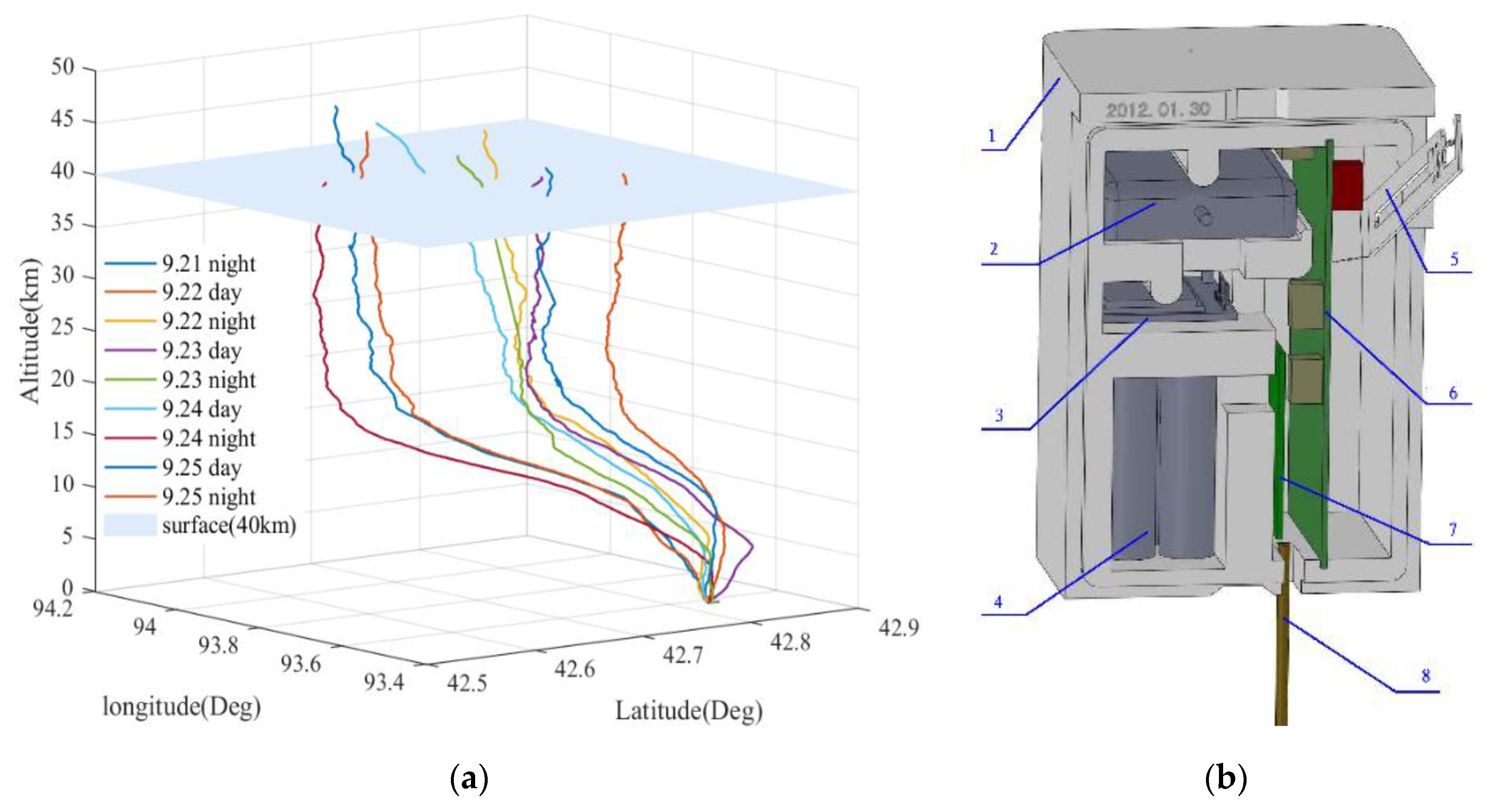
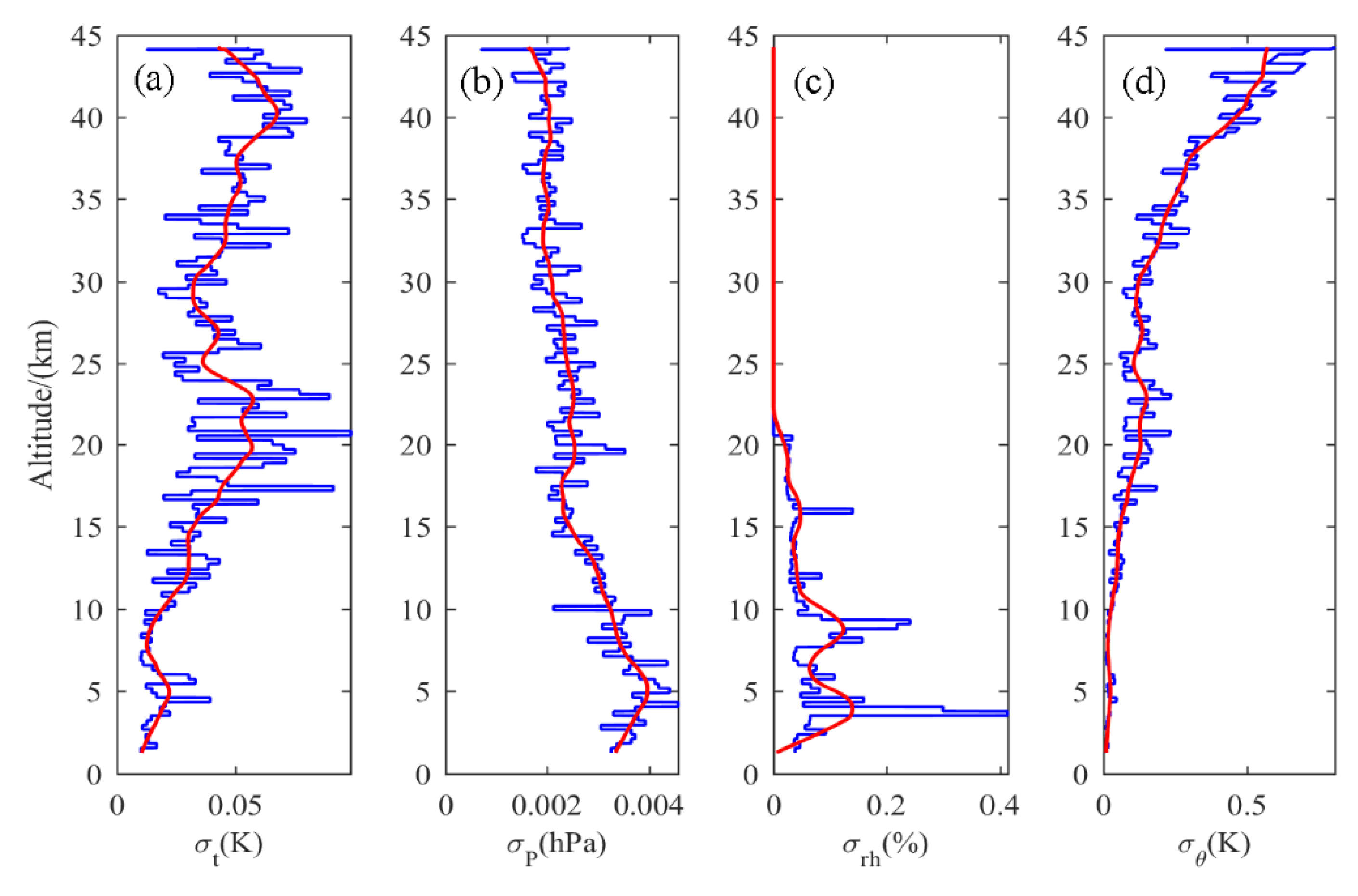
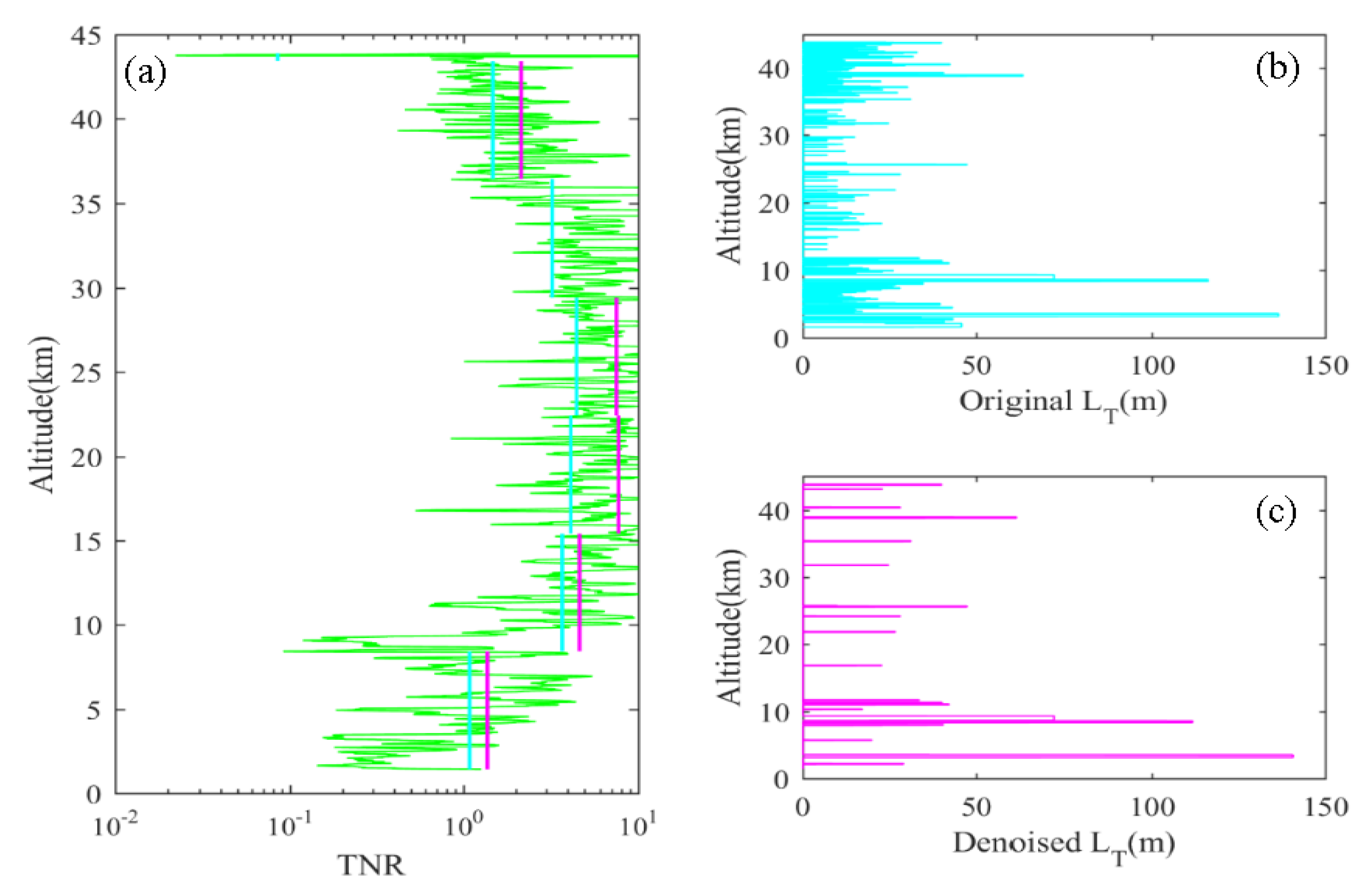
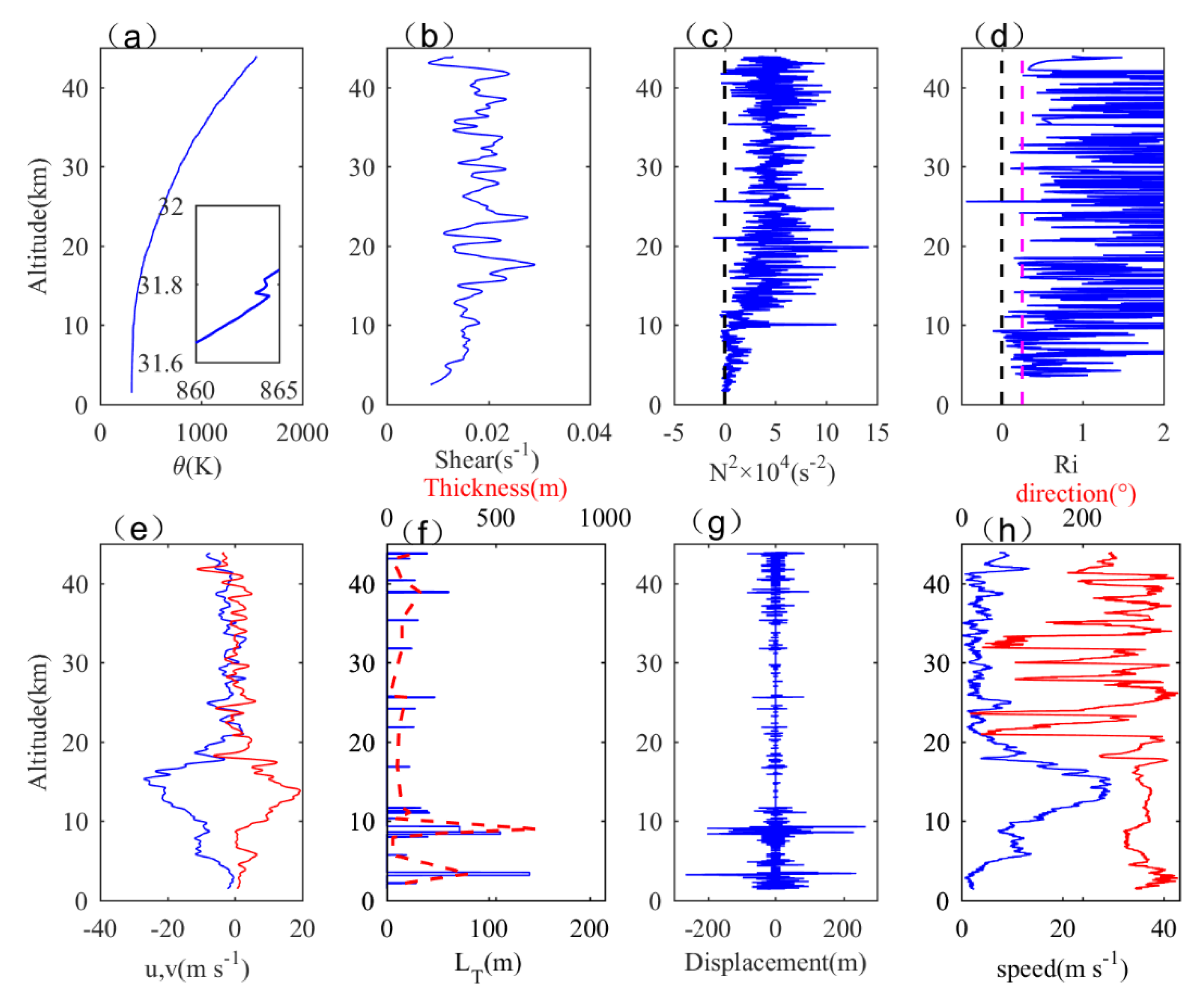
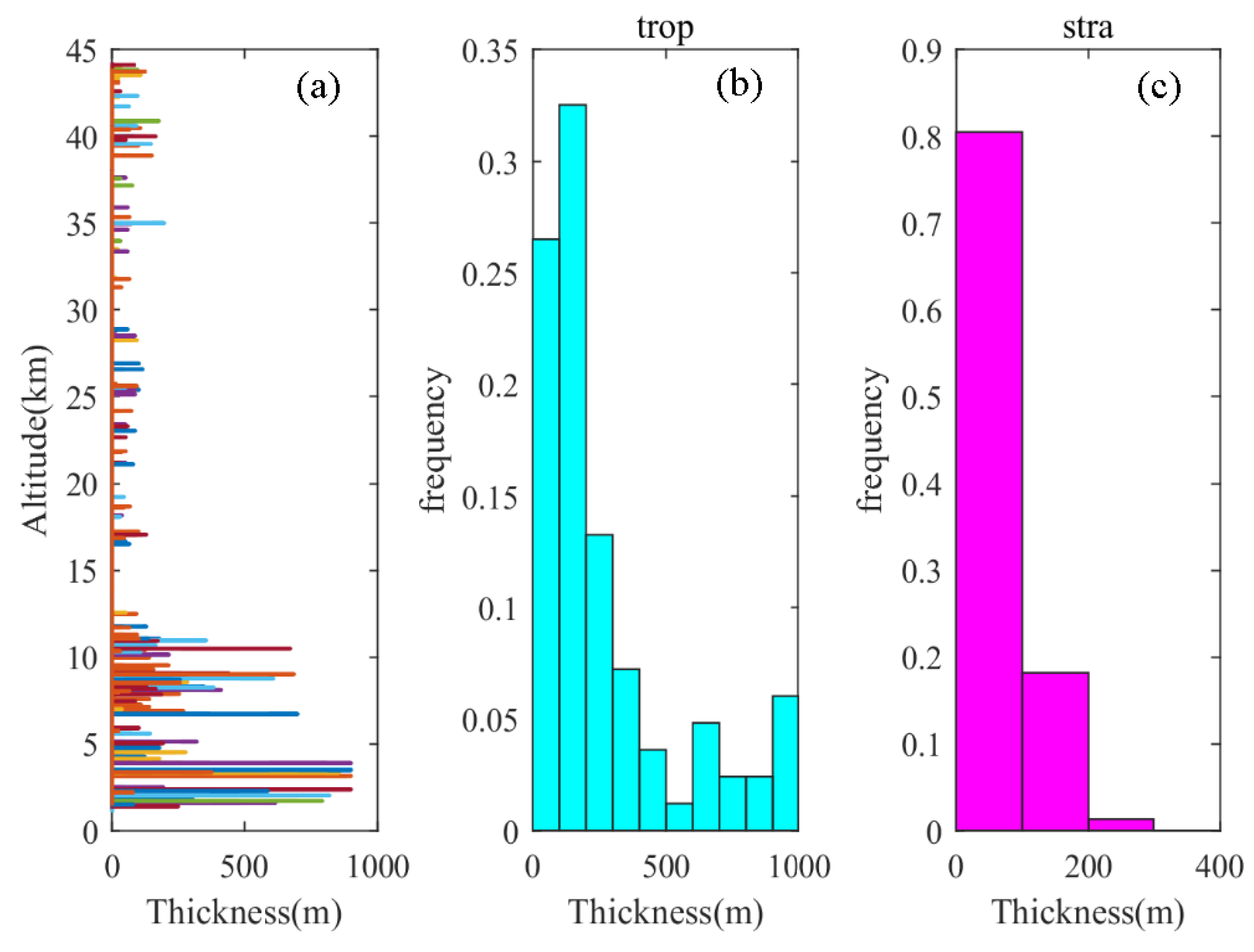
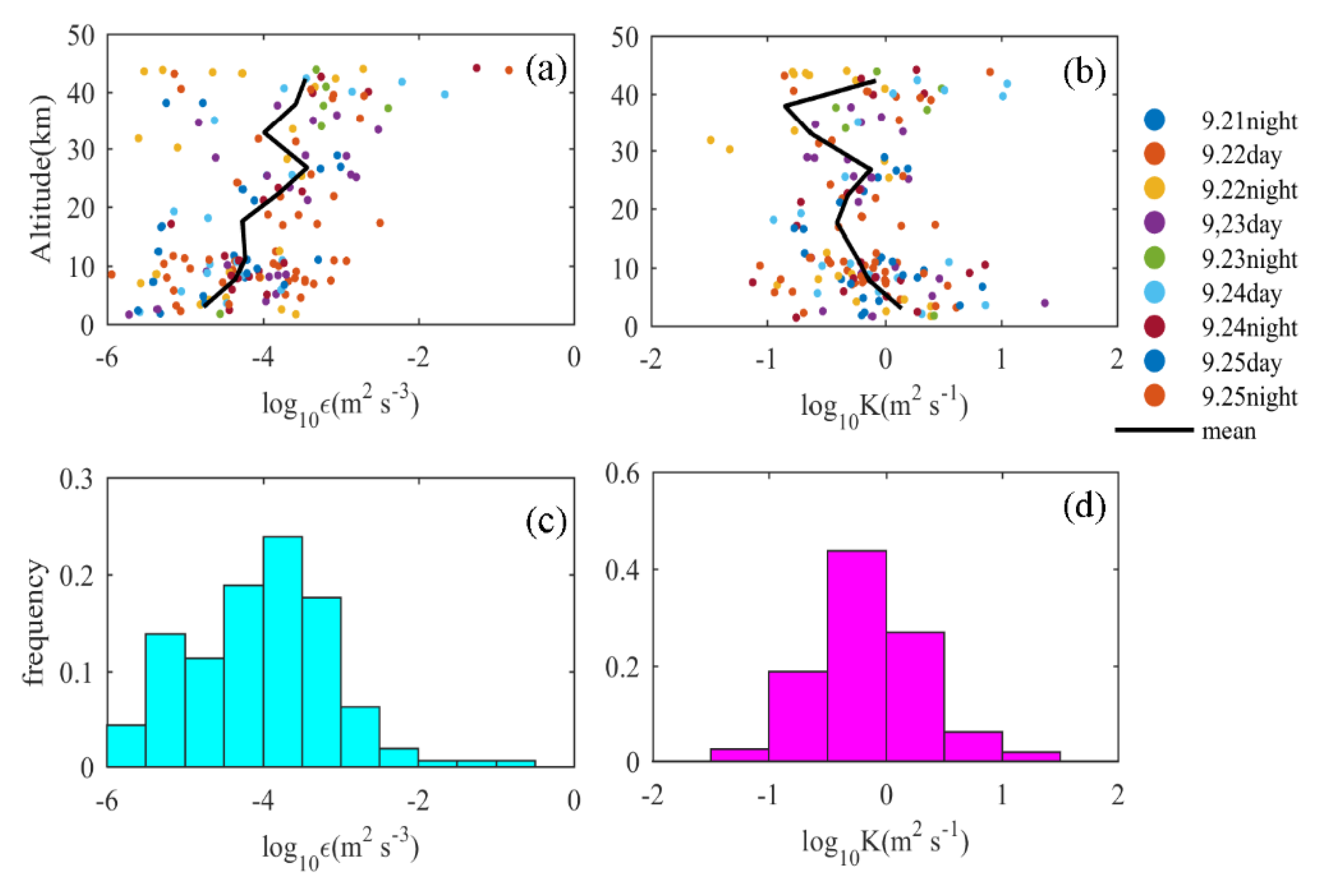
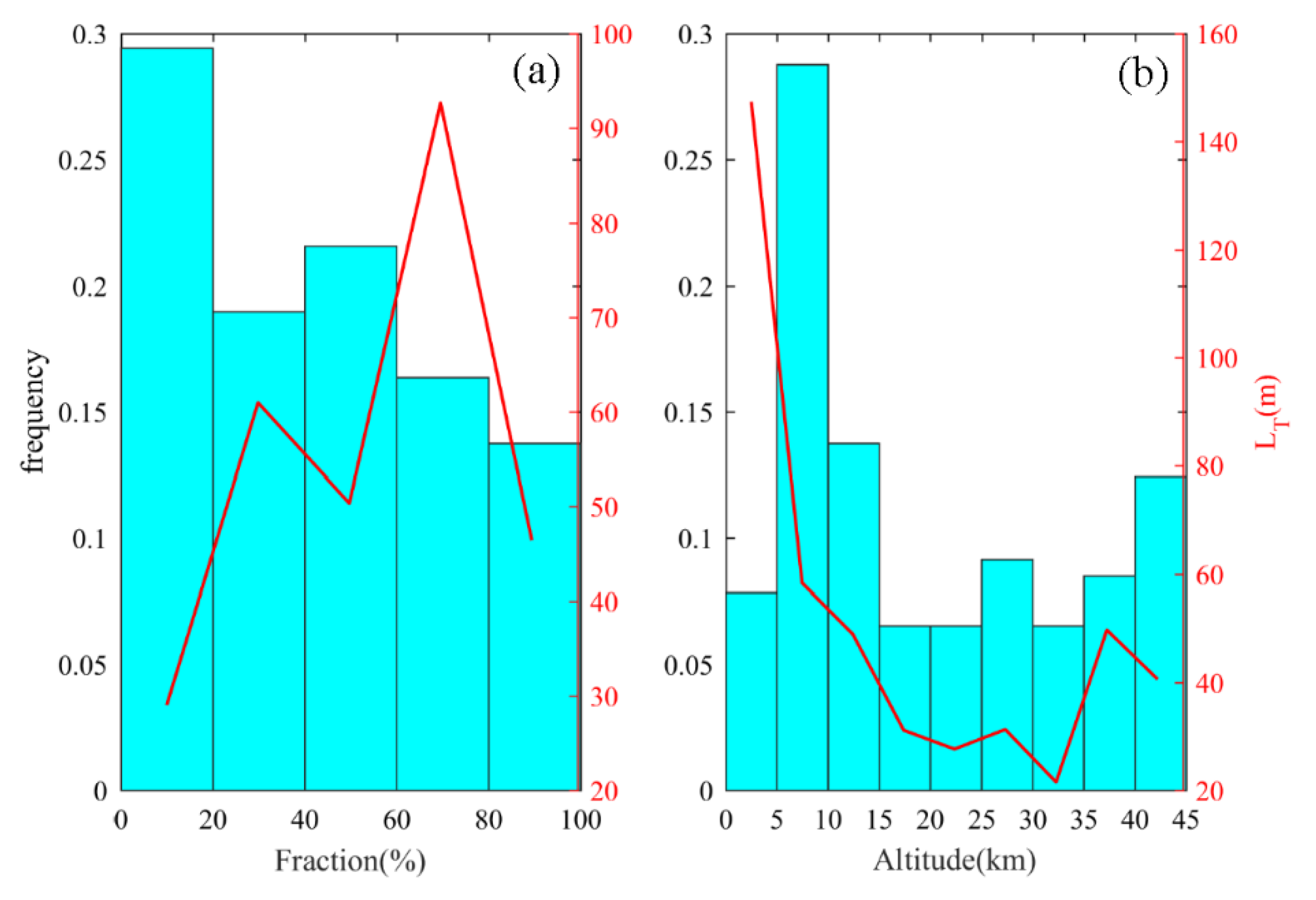
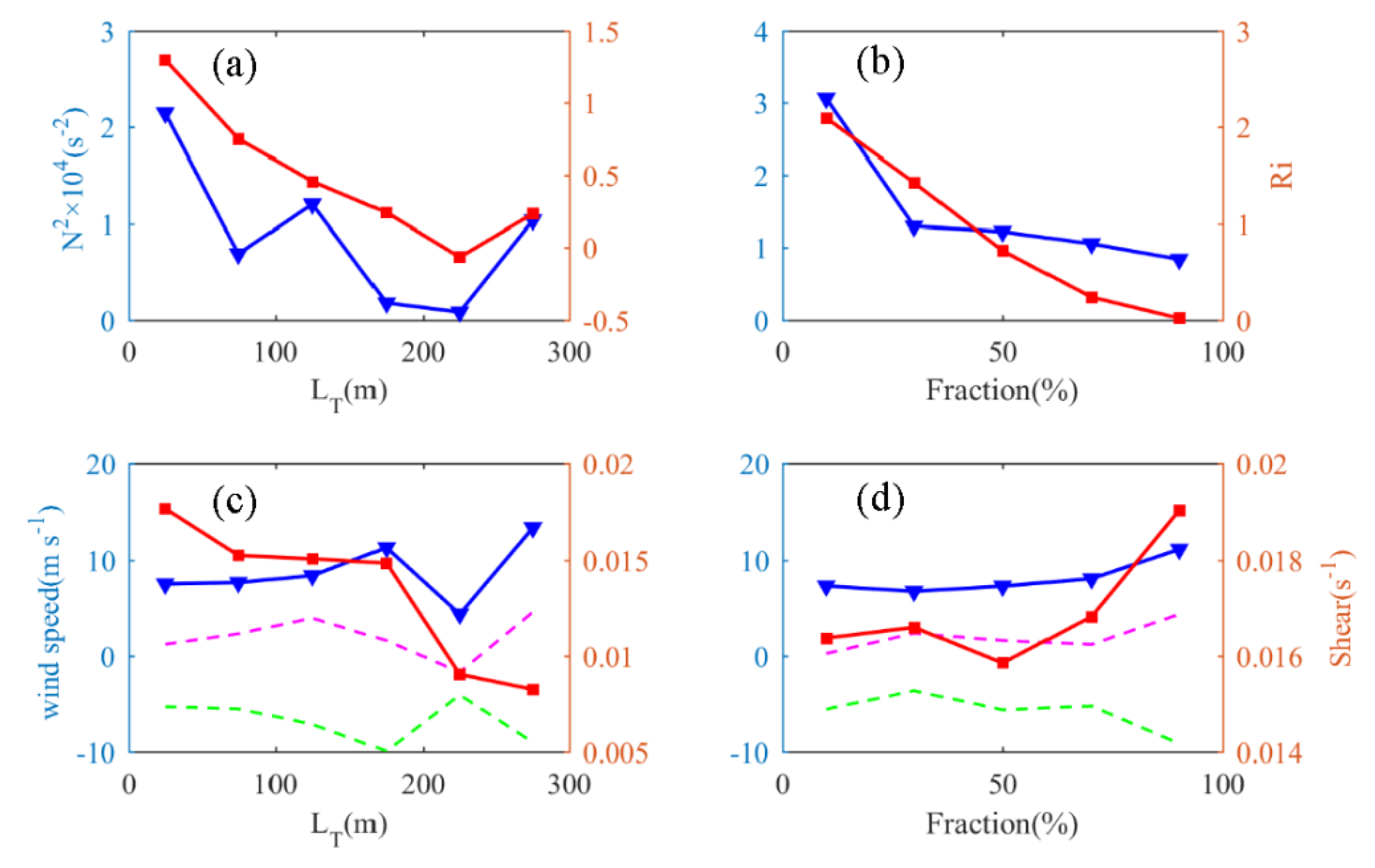
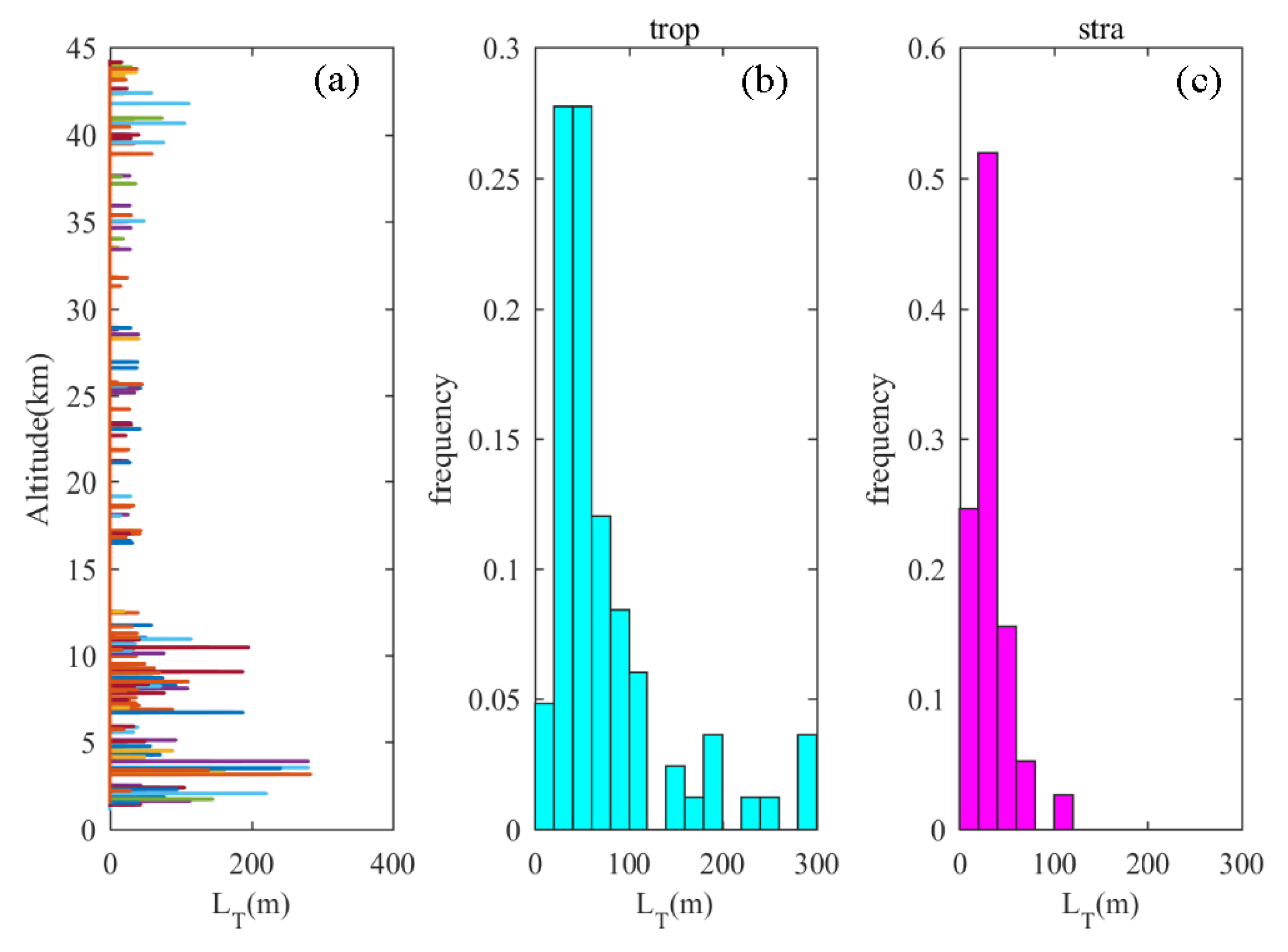
Based on a new type of sensor mounted on a near-space balloon released in Hami, Xinjiang, the Thorpe method was used to analyze turbulence. The method was applied for the first time to northwest China (the mid-latitude region), and almost no radiosonde data above 40 km have been used to study turbulence hitherto. The feasibility of analyzing turbulence characteristics using radiosonde data based on the Beidou positioning system by the Thorpe method was thus verified. The distribution characteristics of turbulence scale, turbulence intensity, and turbulence kinetic energy dissipation rate, and the turbulence diffusion coefficient, were analyzed and discussed. The relationship between turbulence fraction, turbulence intensity, and stratified instability was also investigated. The results show that over 35 km, the influence of instrument noise on turbulence detection is significantly enhanced, which lead to an overestimation of turbulence in that region. The turbulence fraction was defined to reflect the degree of turbulence internal mixing, which is closely related to atmospheric instability. It was found that when the turbulence fraction reached 60%–80%, the turbulence reached its strongest intensity, and when the turbulence fraction exceeded 80%, the turbulence could not be maintained and began to decay.
Keywords: instrument noise; turbulence; Thorpe analysis; high-resolution balloon sensor instrument noise; turbulence; Thorpe analysis; high-resolution balloon sensor