Article

Remote Monitoring of Human Vital Signs Based on 77-GHz mm-Wave FMCW Radar


School of Communication and Information Engineering, Chongqing University of Posts and Telecommunications, Chongqing 400065, China
*
Author to whom correspondence should be addressed.
Sensors 2020, 20(10), 2999; https://doi.org/10.3390/s20102999
Submission received: 18 January 2020 / Revised: 12 May 2020 / Accepted: 18 May 2020 / Published: 25 May 2020
(This article belongs to the Section Remote Sensors)

Abstract

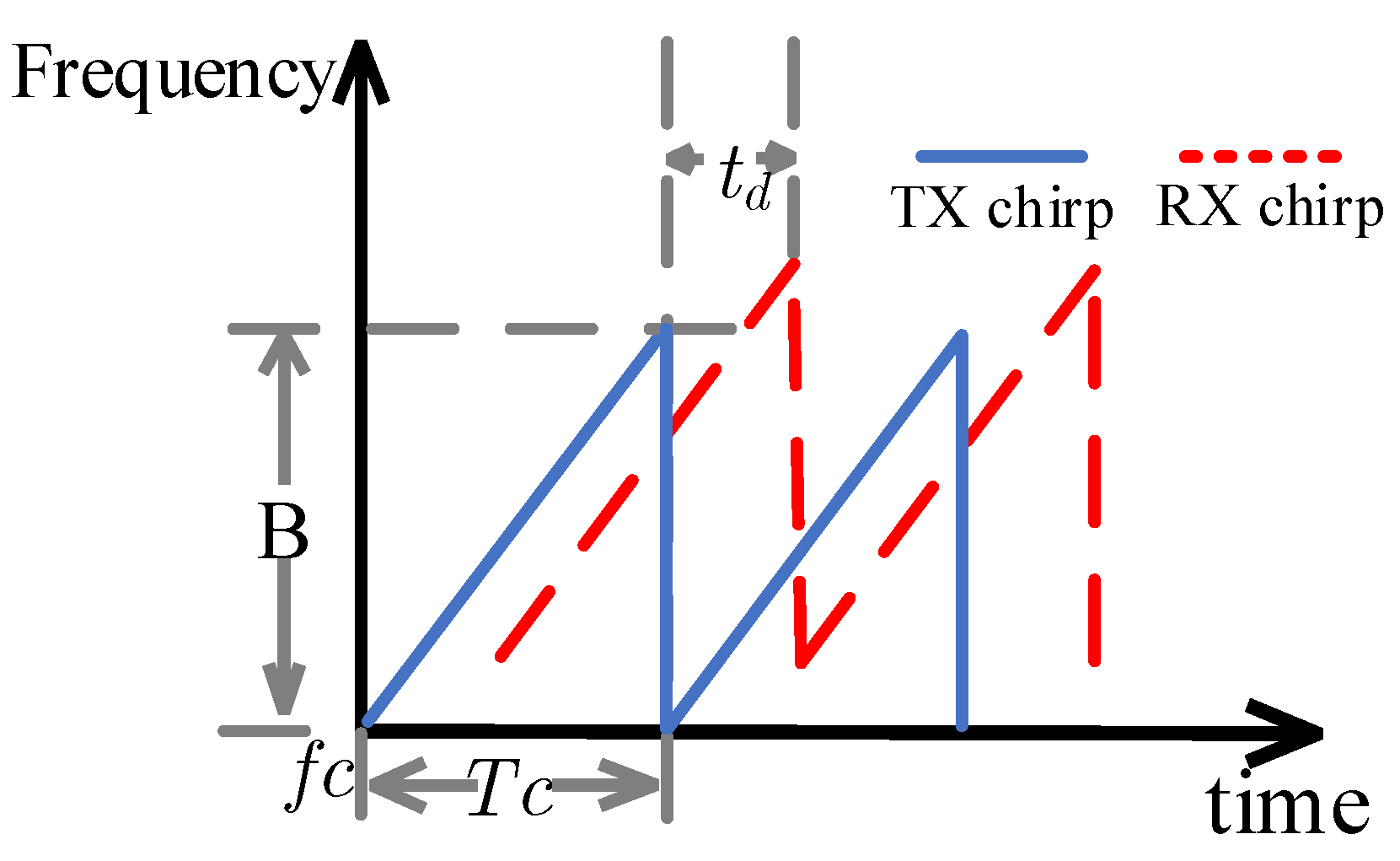
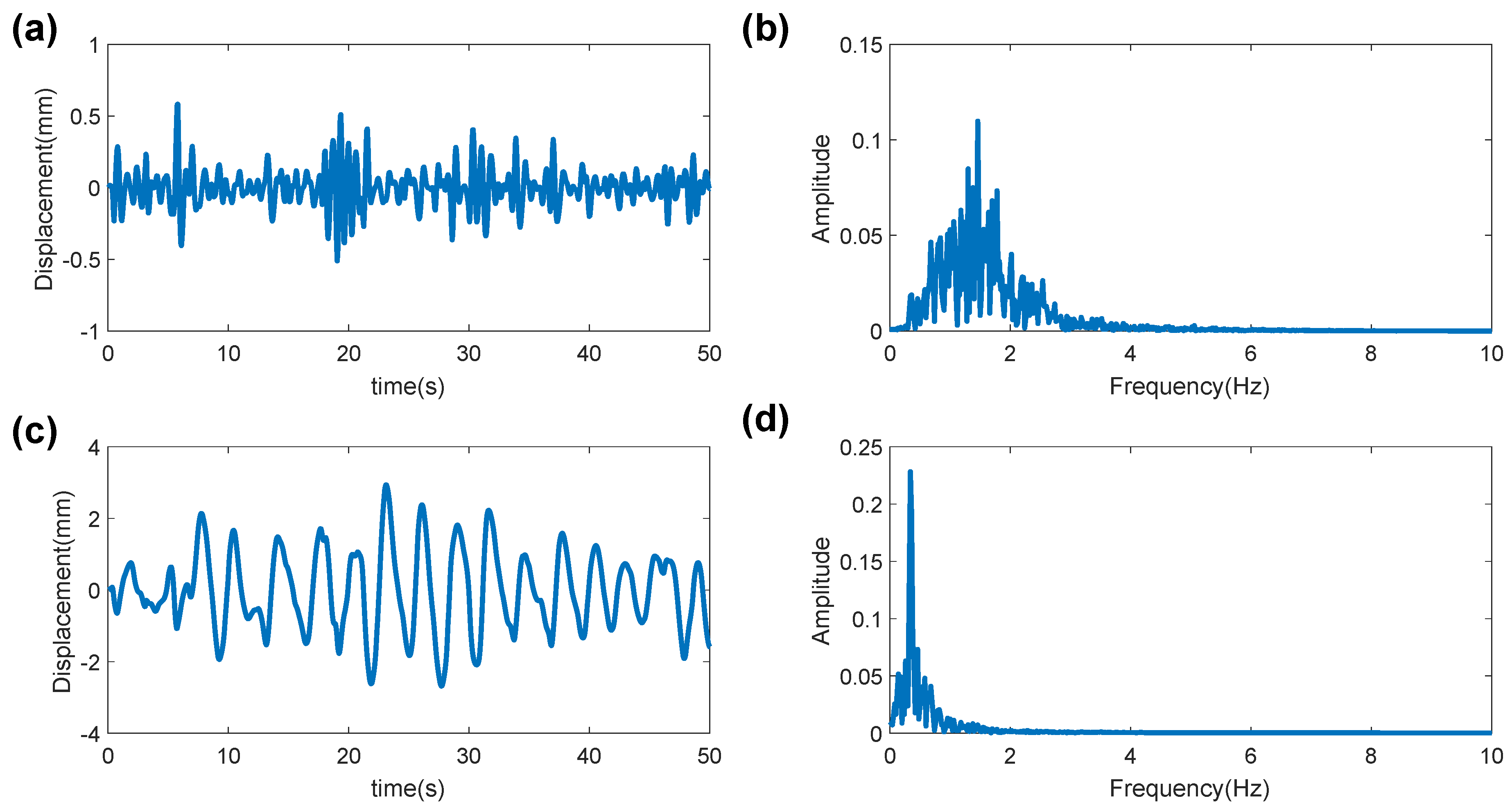
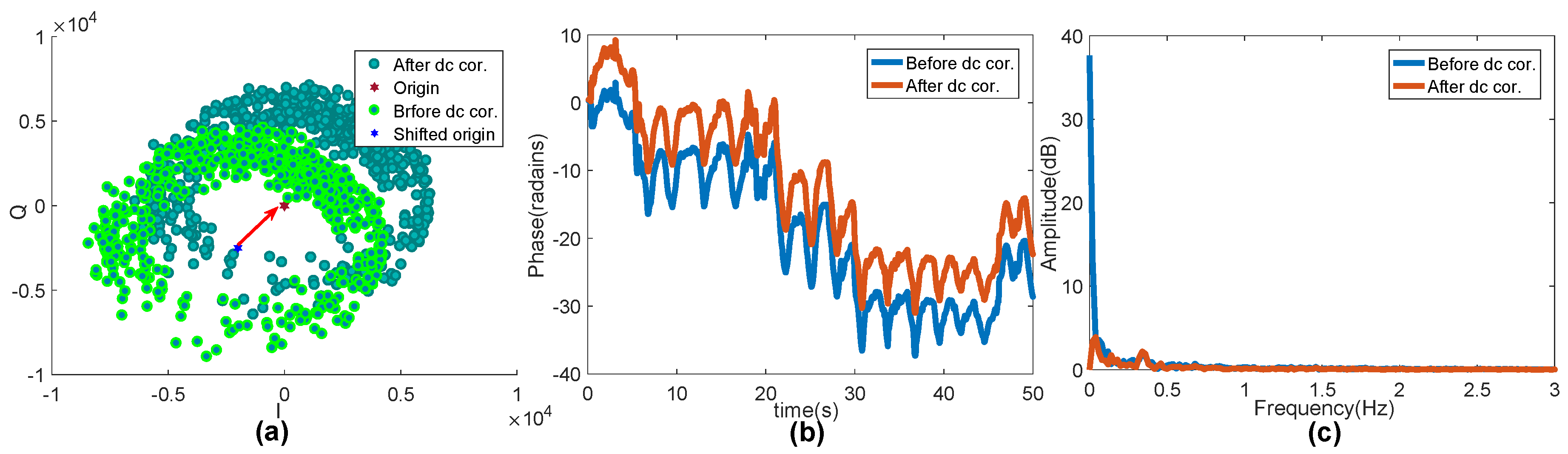
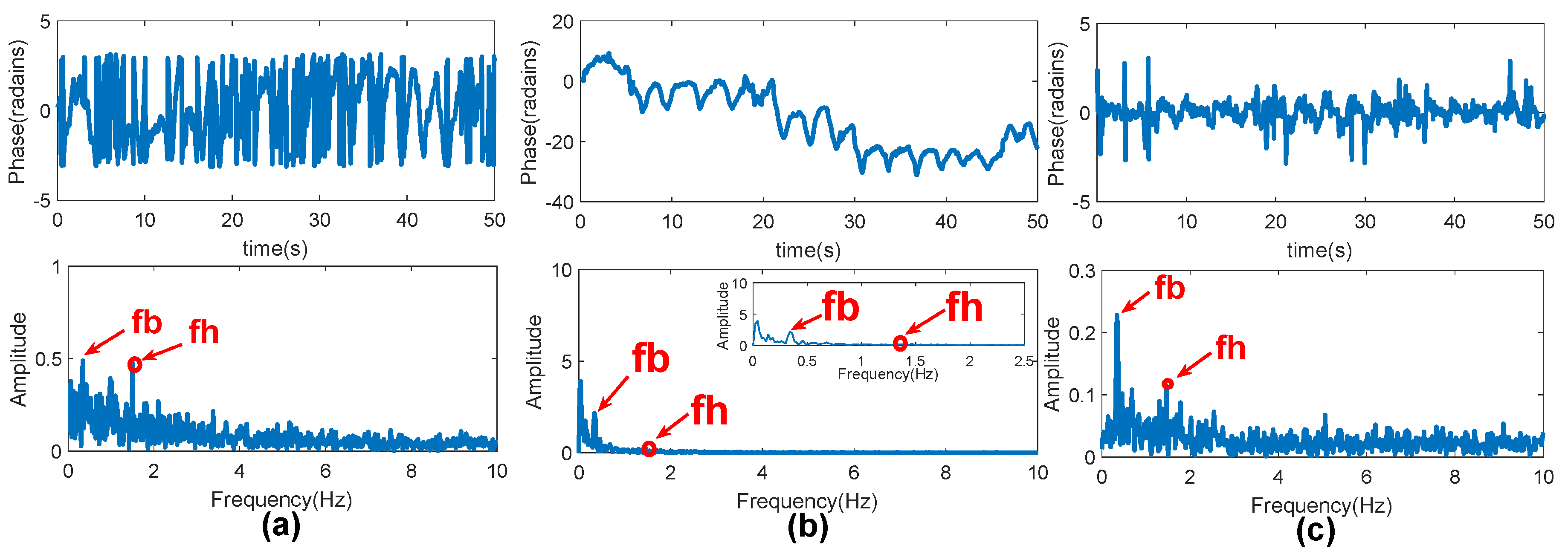
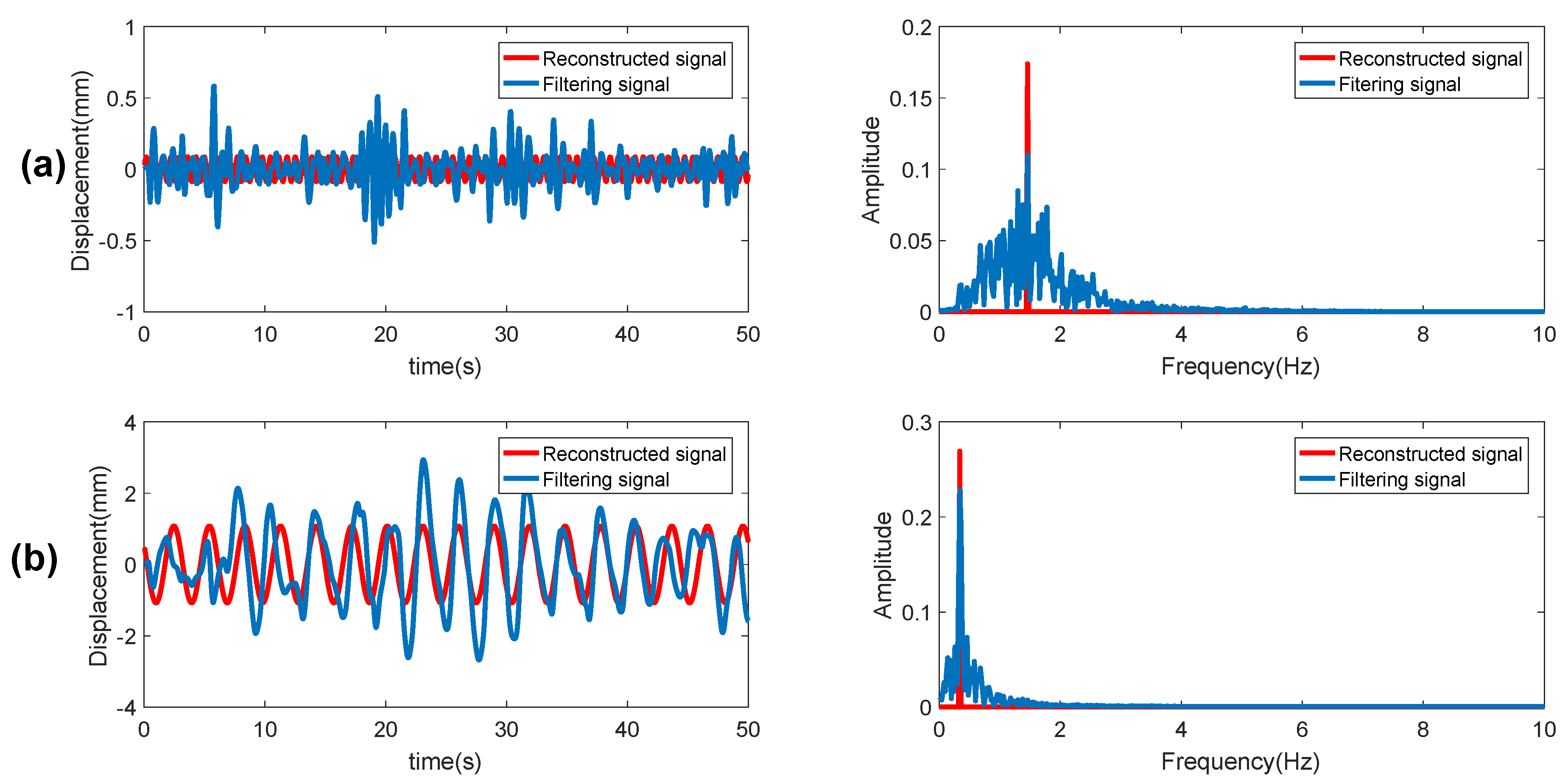
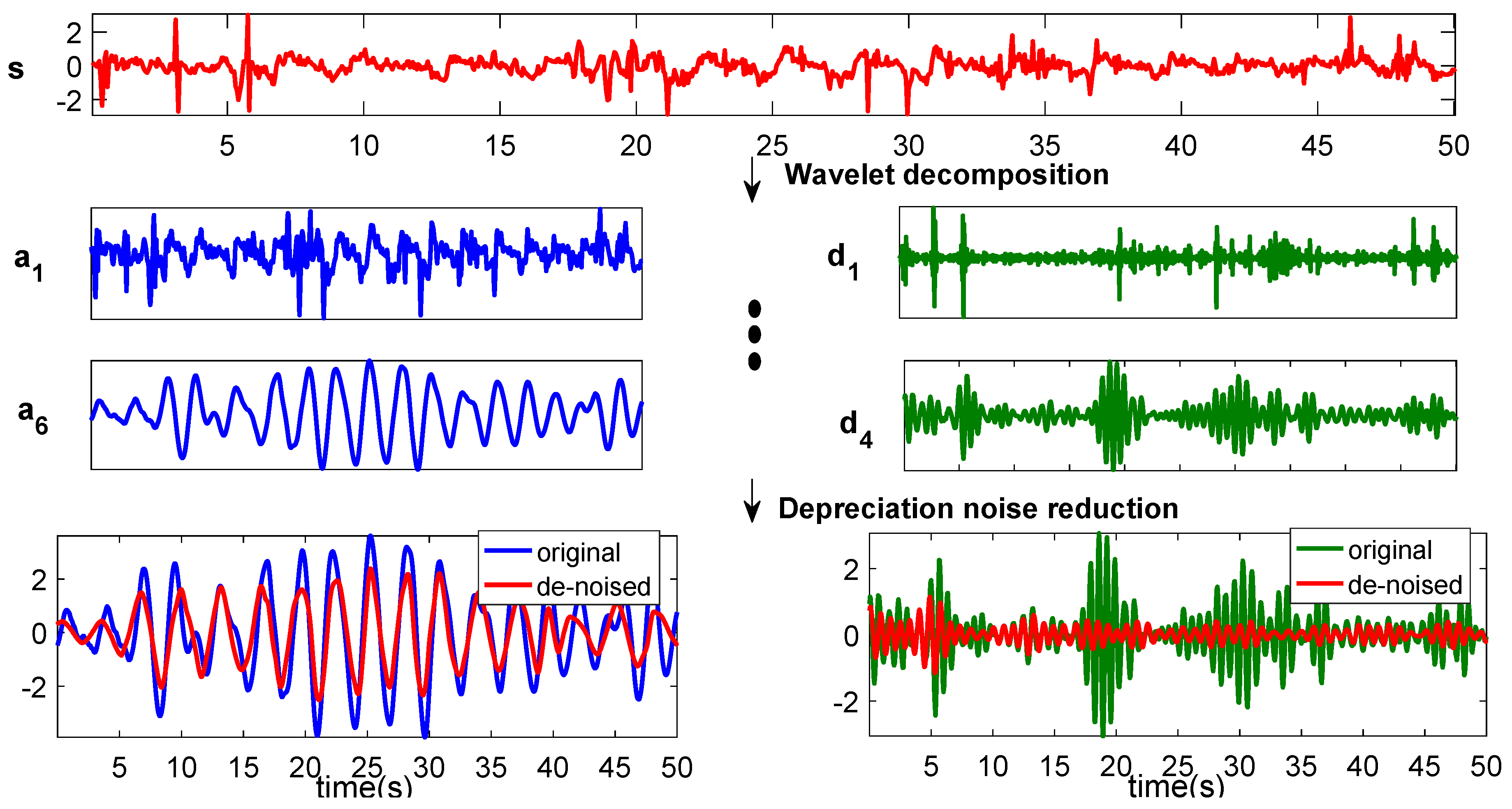
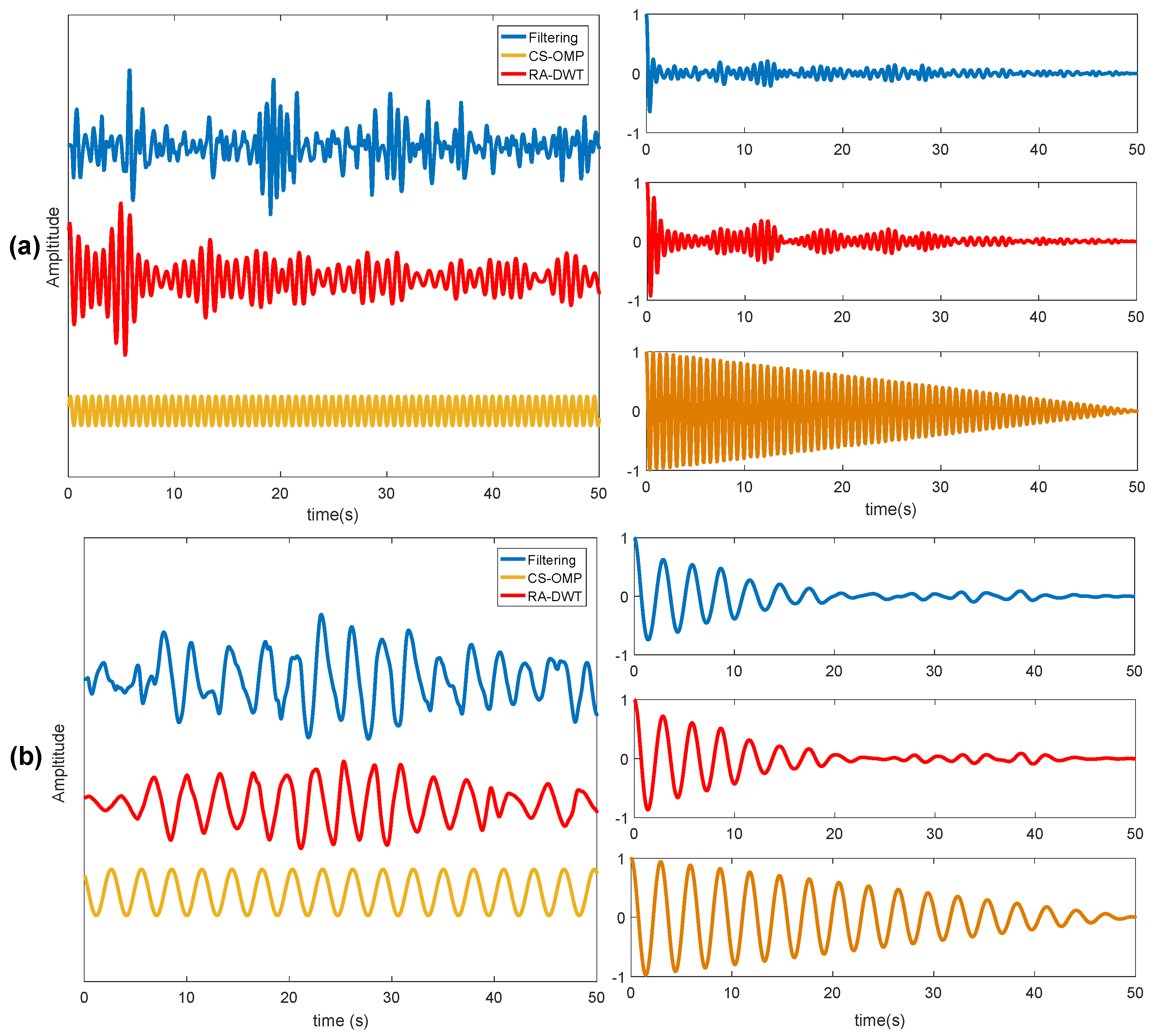
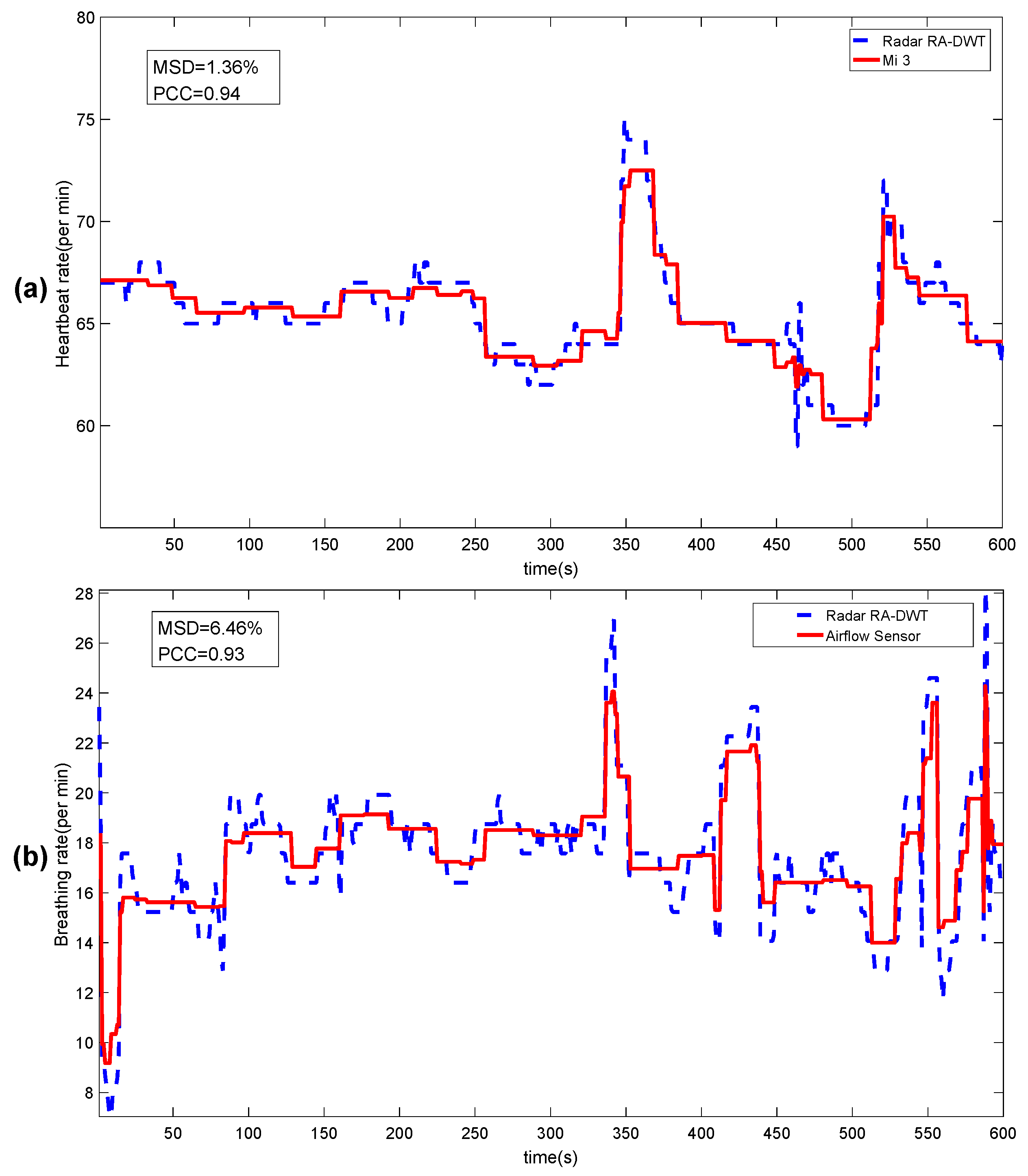
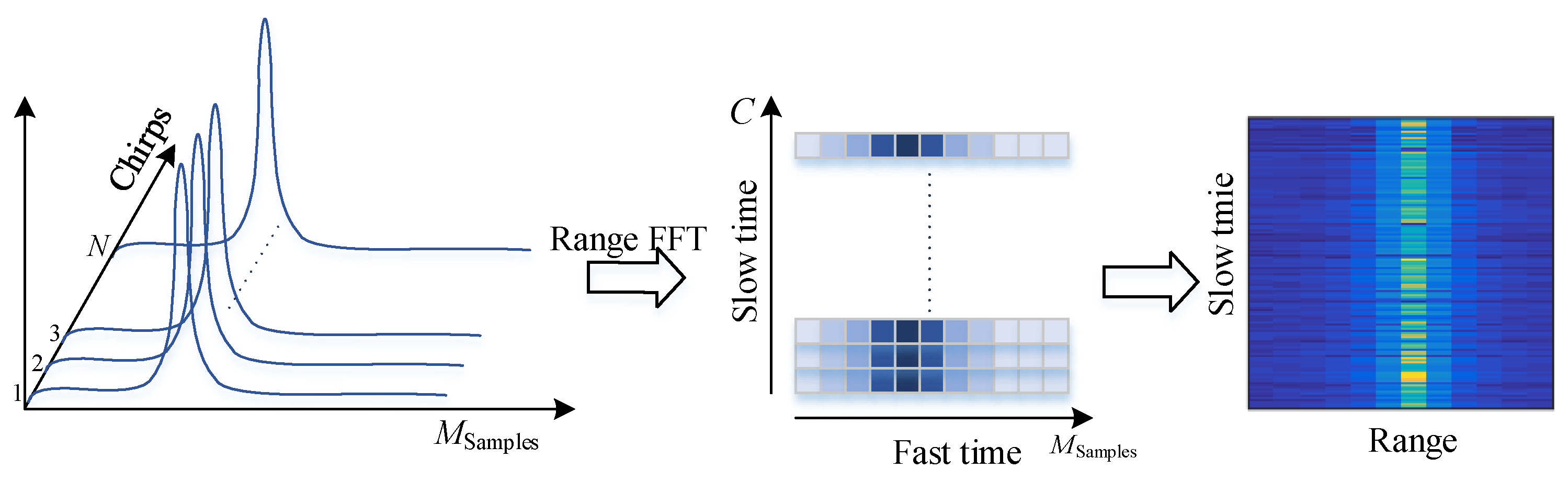
In recent years, non-contact radar detection technology has been able to achieve long-term and long-range detection for the breathing and heartbeat signals. Compared with contact-based detection methods, it brings a more comfortable and a faster experience to the human body, and it has gradually received attention in the field of radar sensing. Therefore, this paper extends the application of millimeter-wave radar to the field of health care. The millimeter-wave radar first transmits the frequency-modulated continuous wave (FMCW) and collects the echo signals of the human body. Then, the phase information of the intermediate frequency (IF) signals including the breathing and heartbeat signals are extracted, and the Direct Current (DC) offset of the phase information is corrected using the circle center dynamic tracking algorithm. The extended differential and cross-multiply (DACM) is further applied for phase unwrapping. We propose two algorithms, namely the compressive sensing based on orthogonal matching pursuit (CS-OMP) algorithm and rigrsure adaptive soft threshold noise reduction based on discrete wavelet transform (RA-DWT) algorithm, to separate and reconstruct the breathing and heartbeat signals. Then, a frequency-domain fast Fourier transform and a time-domain autocorrelation estimation algorithm are proposed to calculate the respiratory and heartbeat rates. The proposed algorithms are compared with the contact-based detection ones. The results demonstrate that the proposed algorithms effectively suppress the noise and harmonic interference, and the accuracies of the proposed algorithms for both respiratory rate and heartbeat rate reach about 93%.
Keywords: non-contact; frequency-modulated continuous waveform; orthogonal matching pursuit; discrete wavelet transform non-contact; frequency-modulated continuous waveform; orthogonal matching pursuit; discrete wavelet transform