Article

A Novel Carrier Loop Algorithm Based on Maximum Likelihood Estimation (MLE) and Kalman Filter (KF) for Weak TC-OFDM Signals


School of Electronic Engineering, Beijing University of Posts & Telecommunications, No. 10 Xitucheng Road, Haidian District, Beijing 100876, China
*
Author to whom correspondence should be addressed.
Sensors 2018, 18(7), 2256; https://doi.org/10.3390/s18072256
Submission received: 16 May 2018 / Revised: 25 June 2018 / Accepted: 9 July 2018 / Published: 13 July 2018
(This article belongs to the Special Issue Selected Papers from UPINLBS 2018)

Abstract

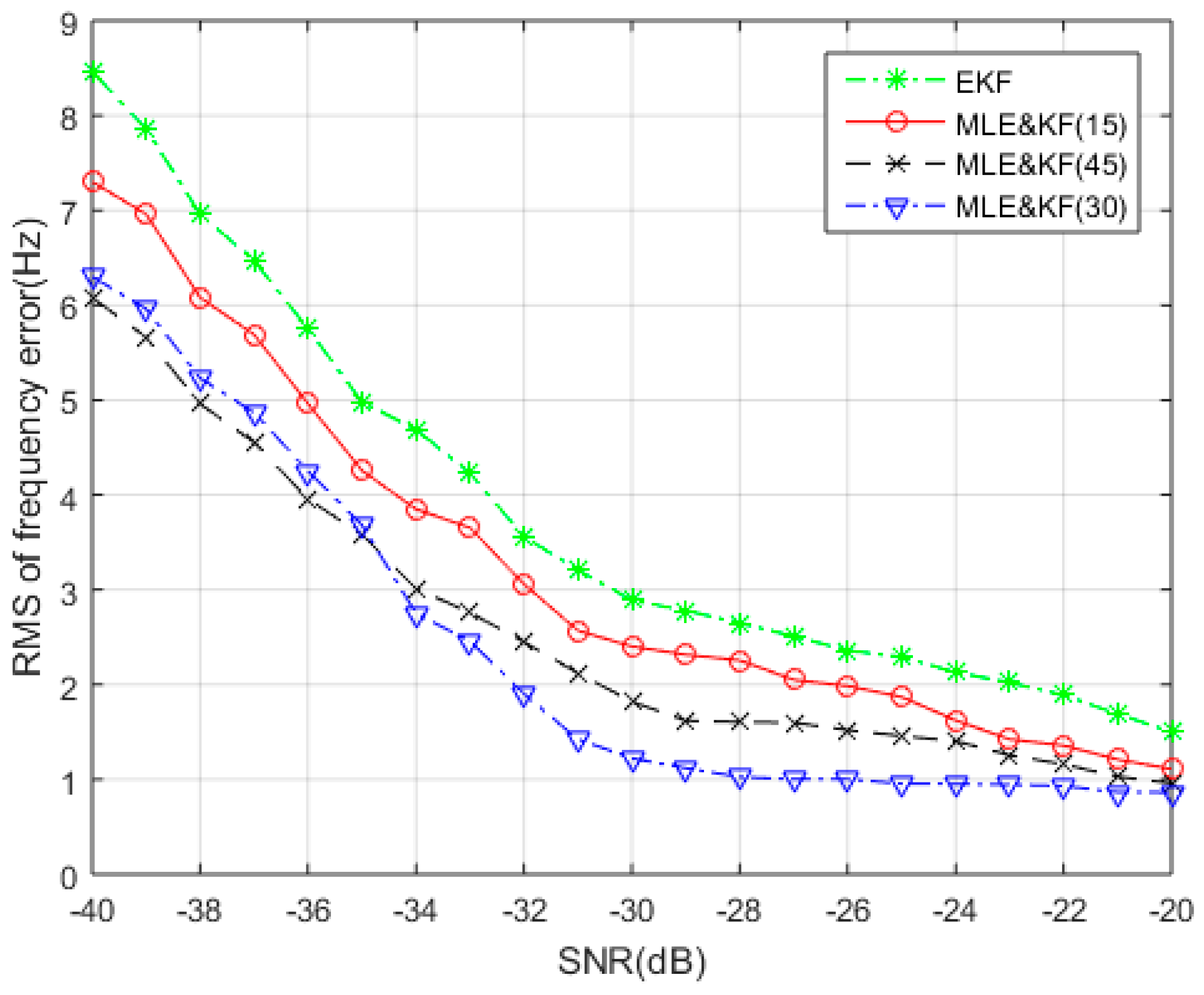
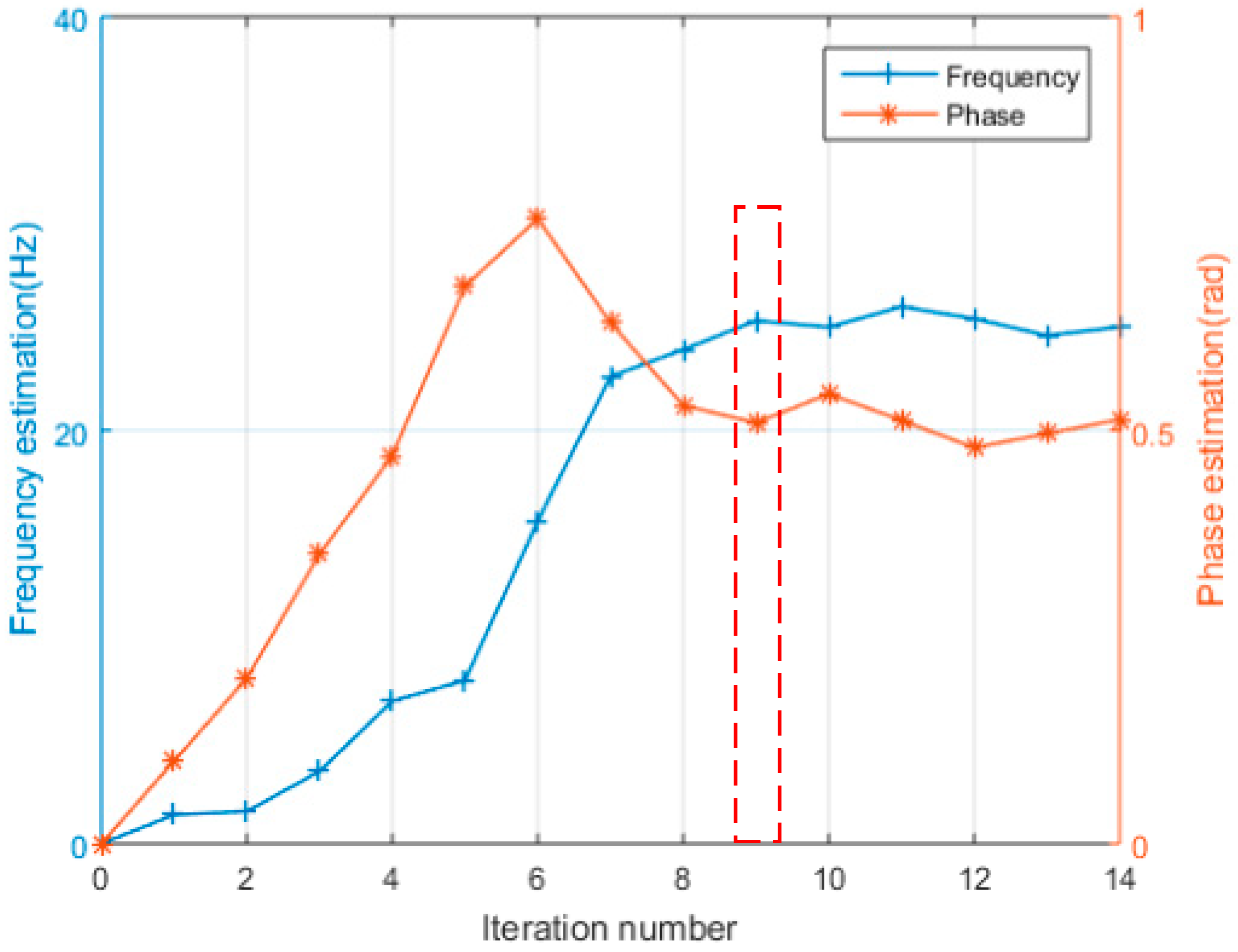
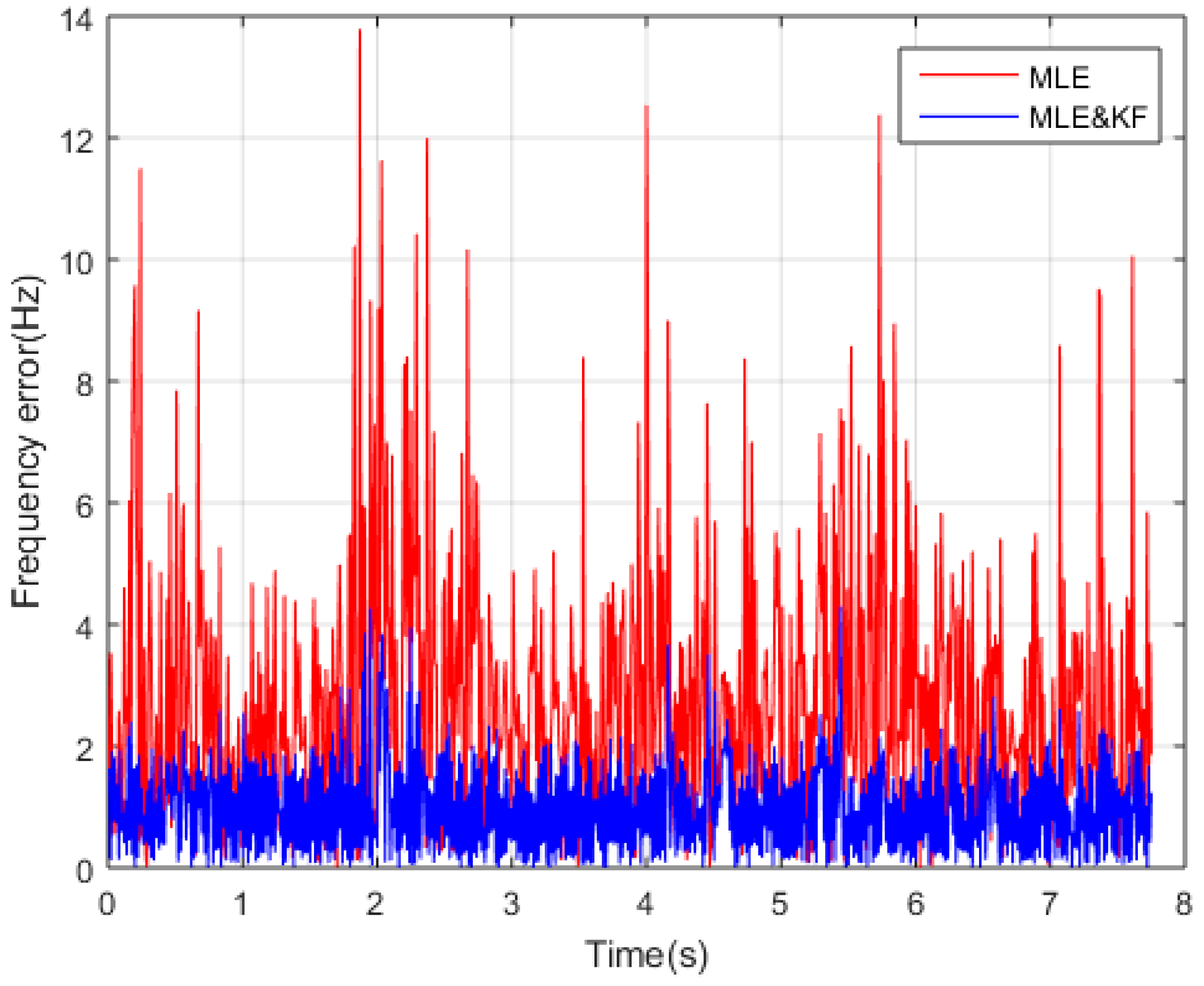
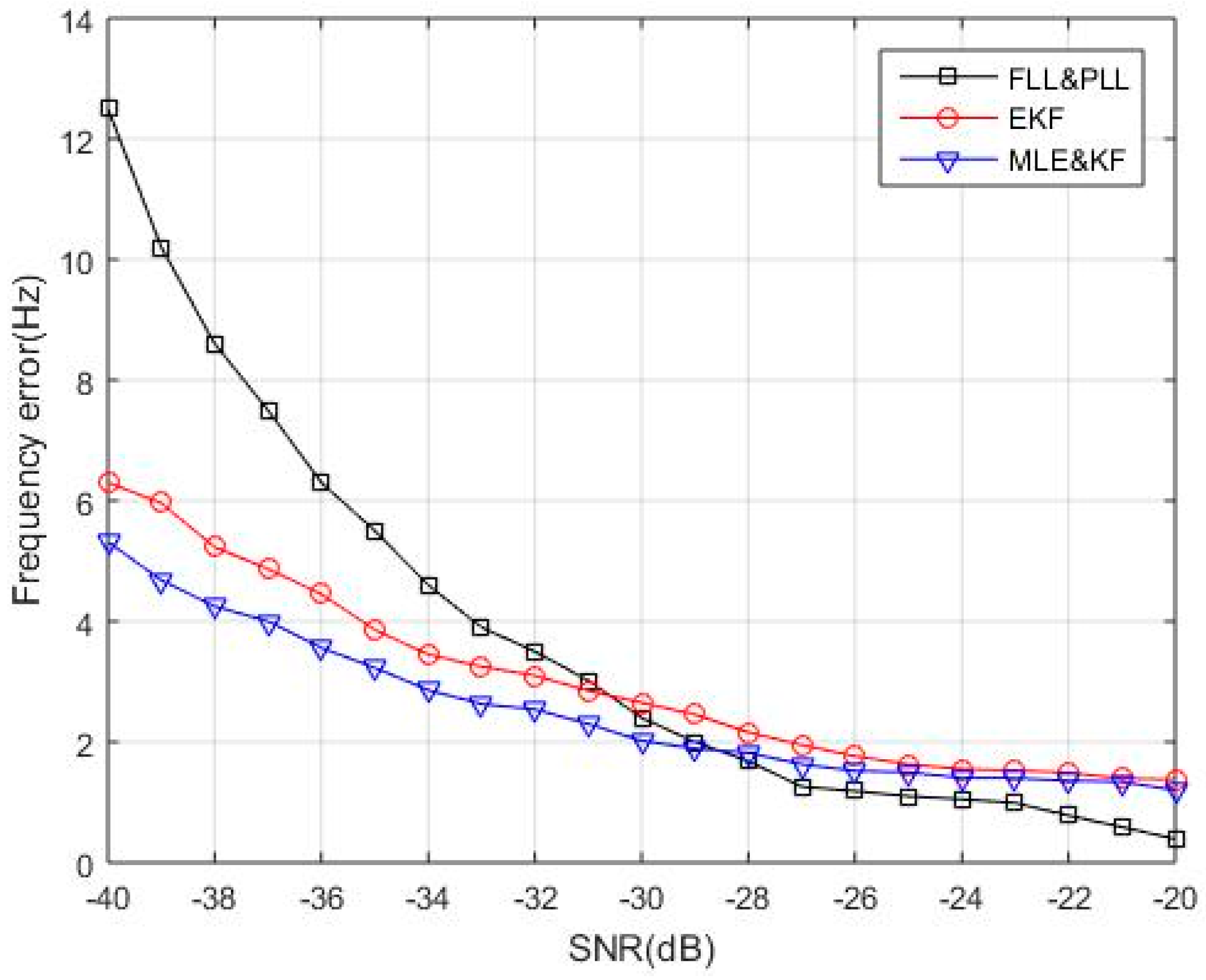
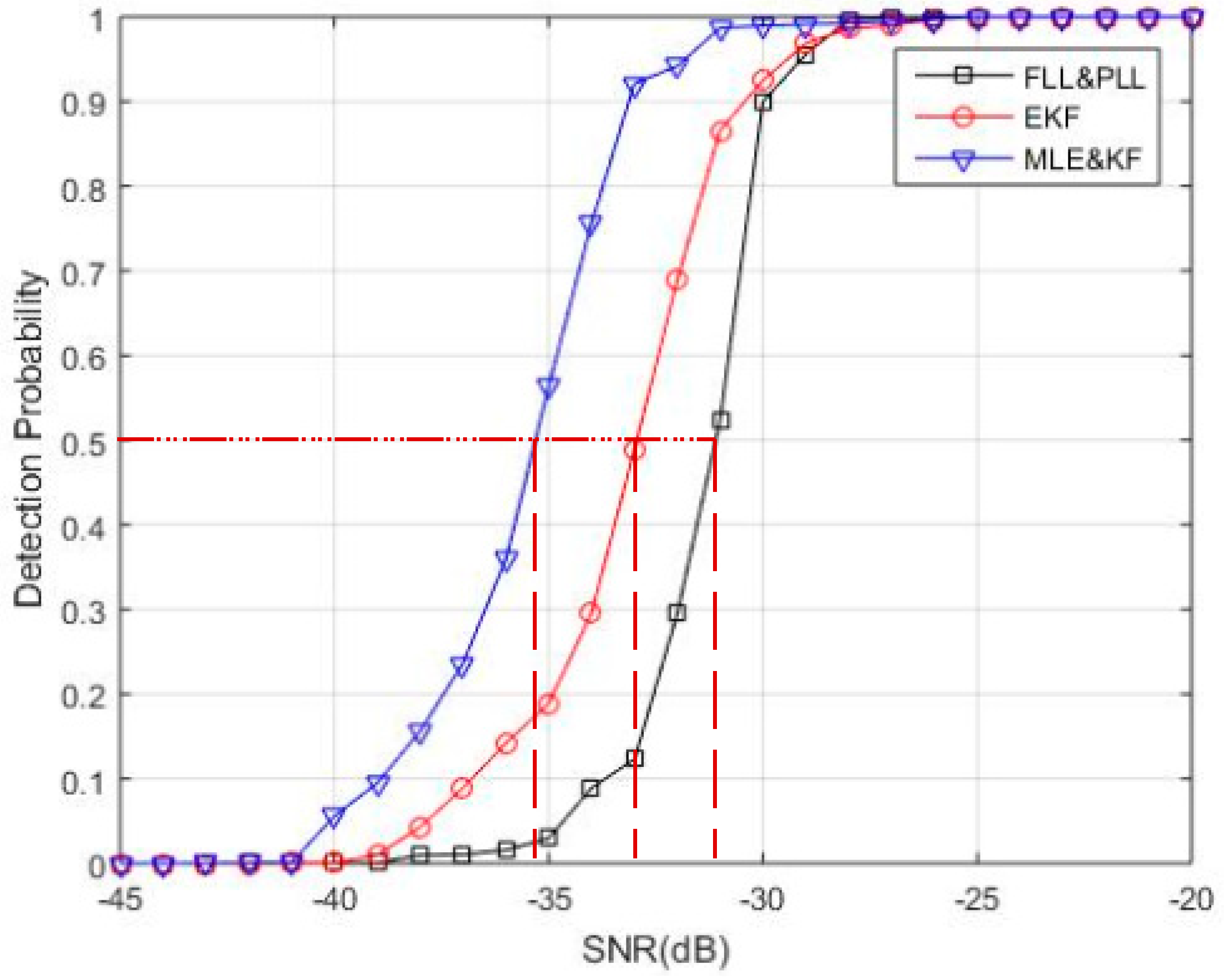
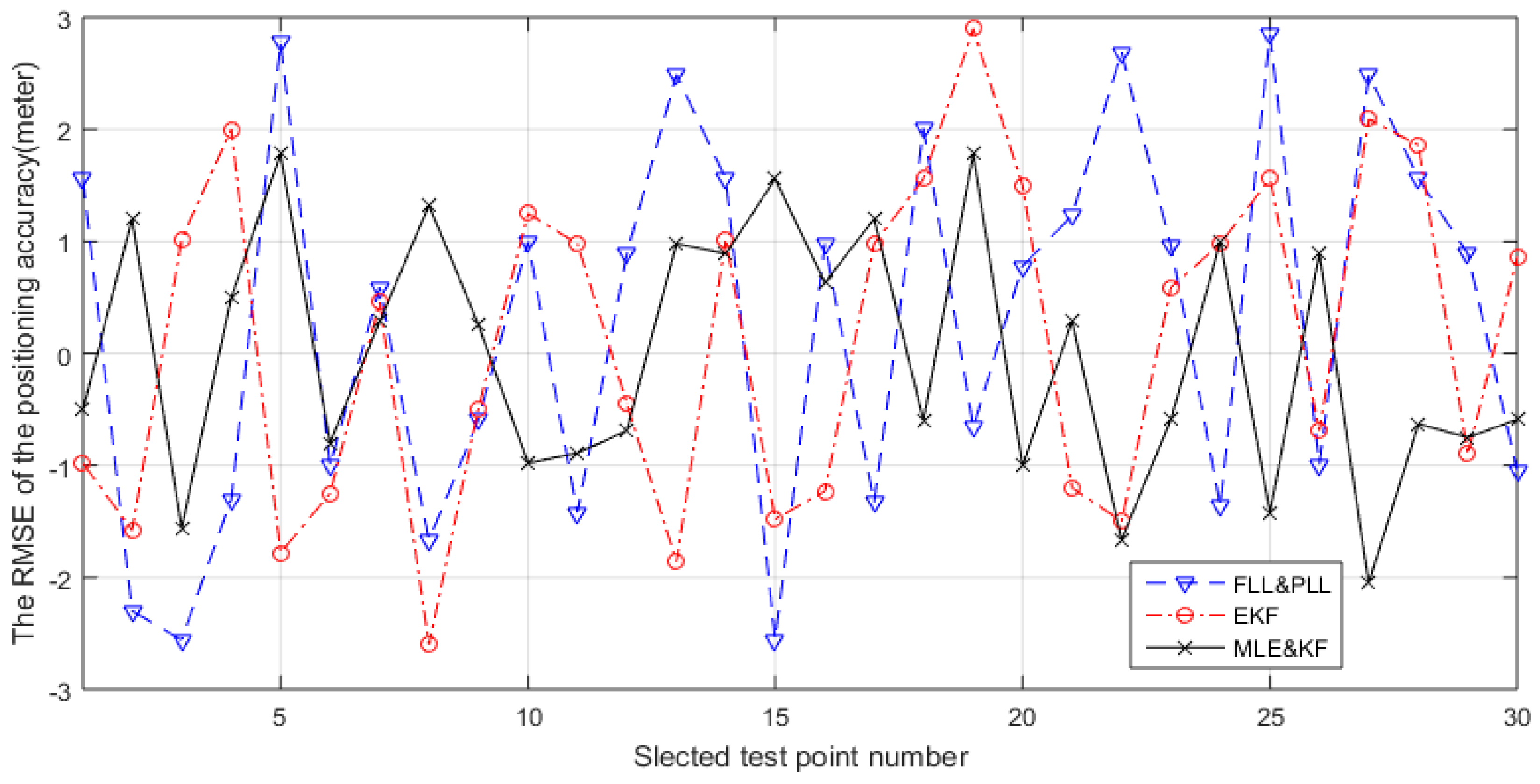
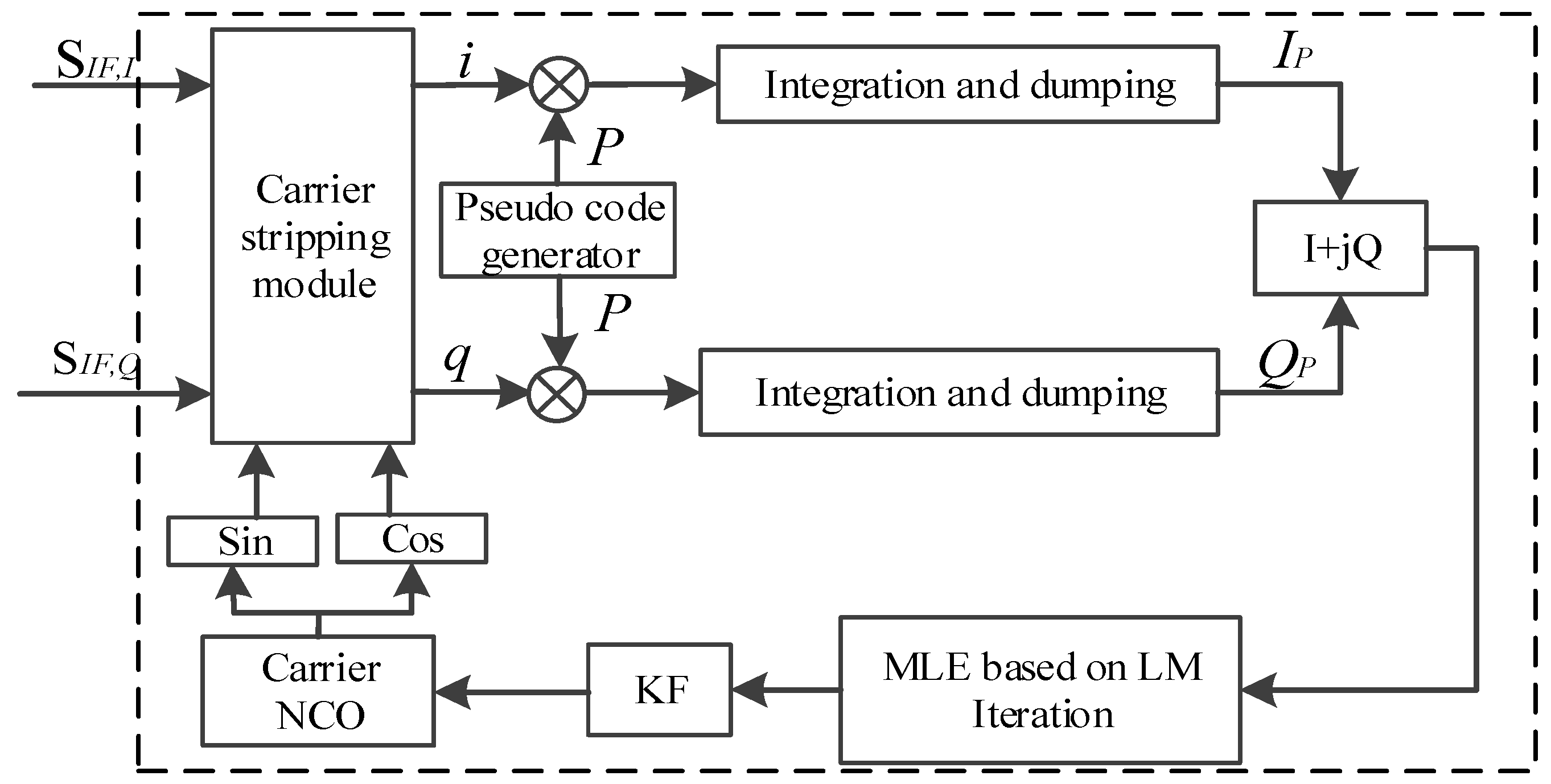
Digital broadcasting signals represent a promising positioning signal for indoors applications. A novel positioning technology named Time & Code Division-Orthogonal Frequency Division Multiplexing (TC-OFDM) is mainly discussed in this paper, which is based on China mobile multimedia broadcasting (CMMB). Signal strength is an important factor that affects the carrier loop performance of the TC-OFDM receiver. In the case of weak TC-OFDM signals, the current carrier loop algorithm has large residual carrier errors, which limit the tracking sensitivity of the existing carrier loop in complex indoor environments. This paper proposes a novel carrier loop algorithm based on Maximum Likelihood Estimation (MLE) and Kalman Filter (KF) to solve the above problem. The discriminator of the current carrier loop is replaced by the MLE discriminator function in the proposed algorithm. The Levenberg-Marquardt (LM) algorithm is utilized to obtain the MLE cost function consisting of signal amplitude, residual carrier frequency and carrier phase, and the MLE discriminator function is derived from the corresponding MLE cost function. The KF is used to smooth the MLE discriminator function results, which takes the carrier phase estimation, the angular frequency estimation and the angular frequency rate as the state vector. Theoretical analysis and simulation results show that the proposed algorithm can improve the tracking sensitivity of the TC-OFDM receiver by taking full advantage of the characteristics of the carrier loop parameters. Compared with the current carrier loop algorithms, the tracking sensitivity is effectively improved by 2–4 dB, and the better performance of the proposed algorithm is verified in the real environment.
Keywords: carrier loop; MLE; LM; KF; TC-OFDM carrier loop; MLE; LM; KF; TC-OFDM