Article

An Indoor Positioning-Based Mobile Payment System Using Bluetooth Low Energy Technology


Department of Information Management, National Taiwan University of Science and Technology, Taipei 10607, Taiwan
*
Author to whom correspondence should be addressed.
Sensors 2018, 18(4), 974; https://doi.org/10.3390/s18040974
Submission received: 24 February 2018 / Revised: 13 March 2018 / Accepted: 22 March 2018 / Published: 25 March 2018
(This article belongs to the Special Issue Mobile Sensing Applications)

Abstract

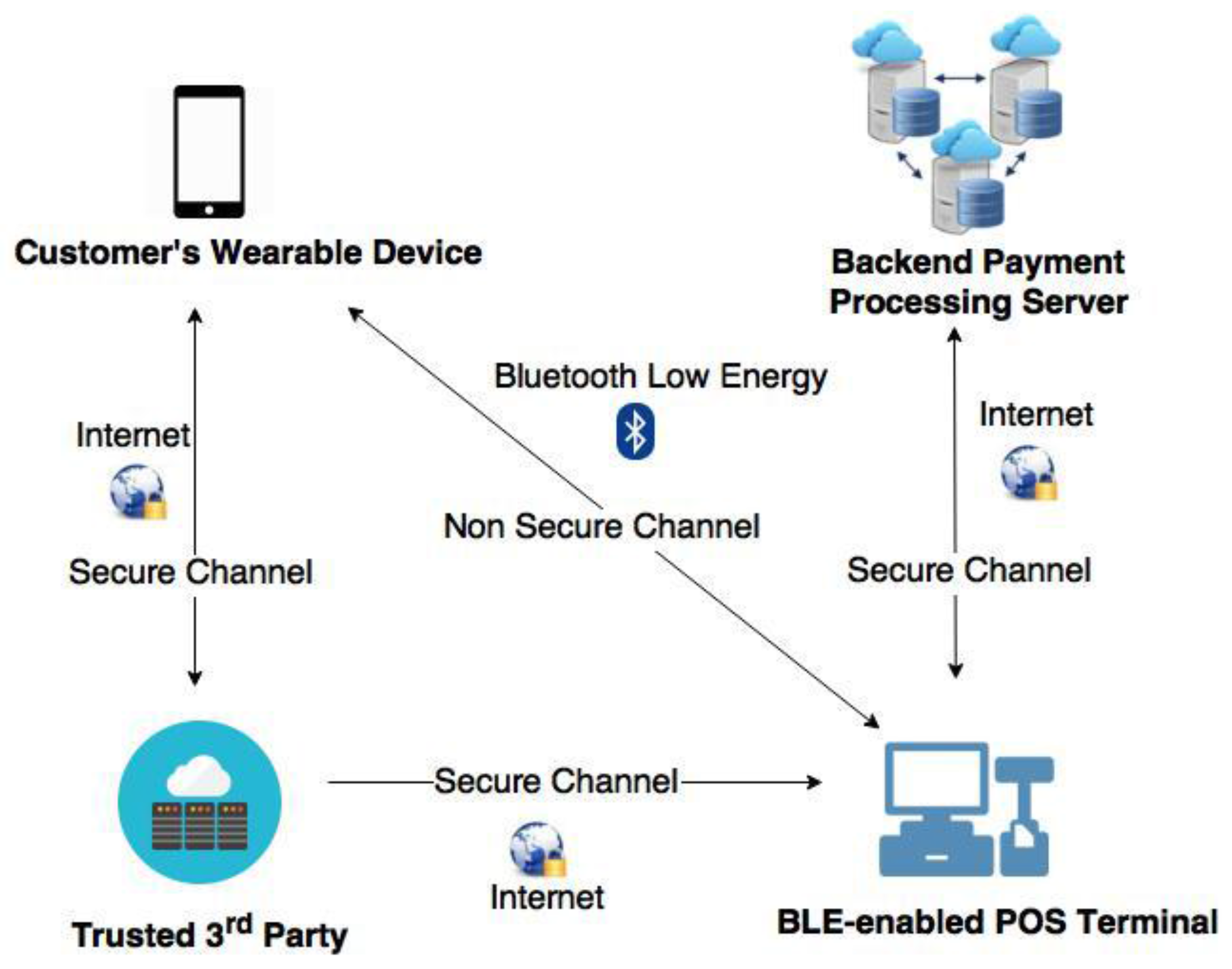
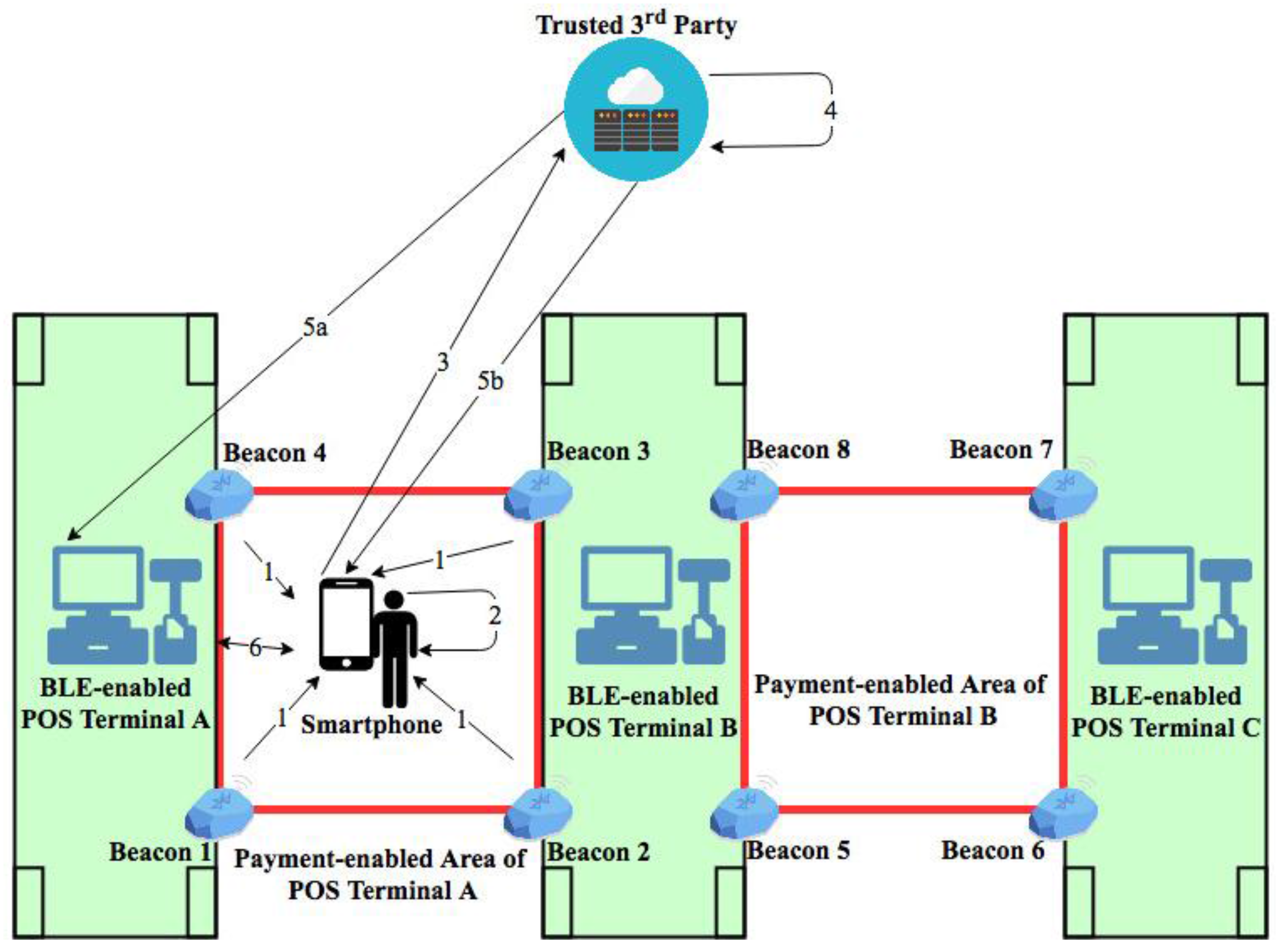
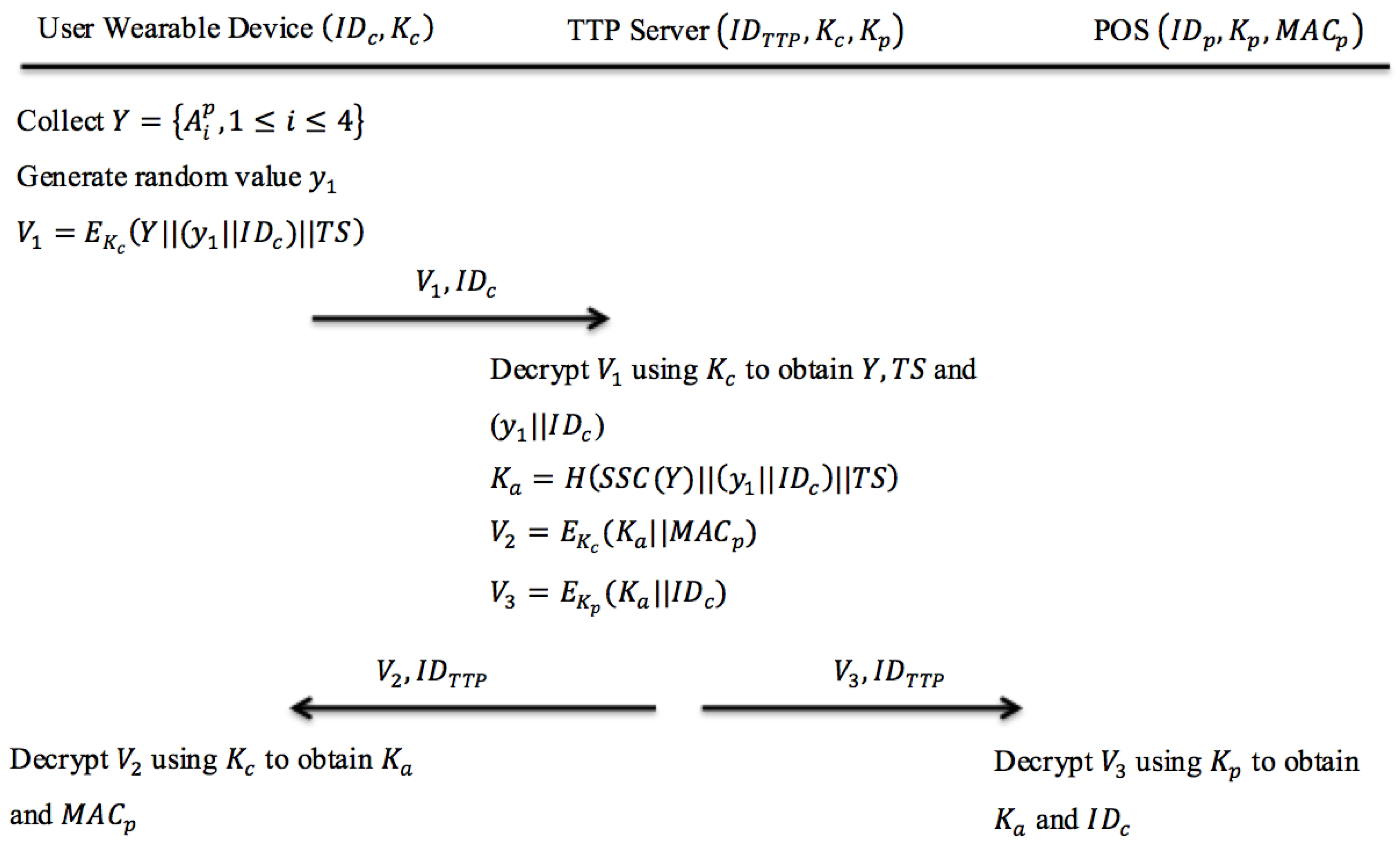
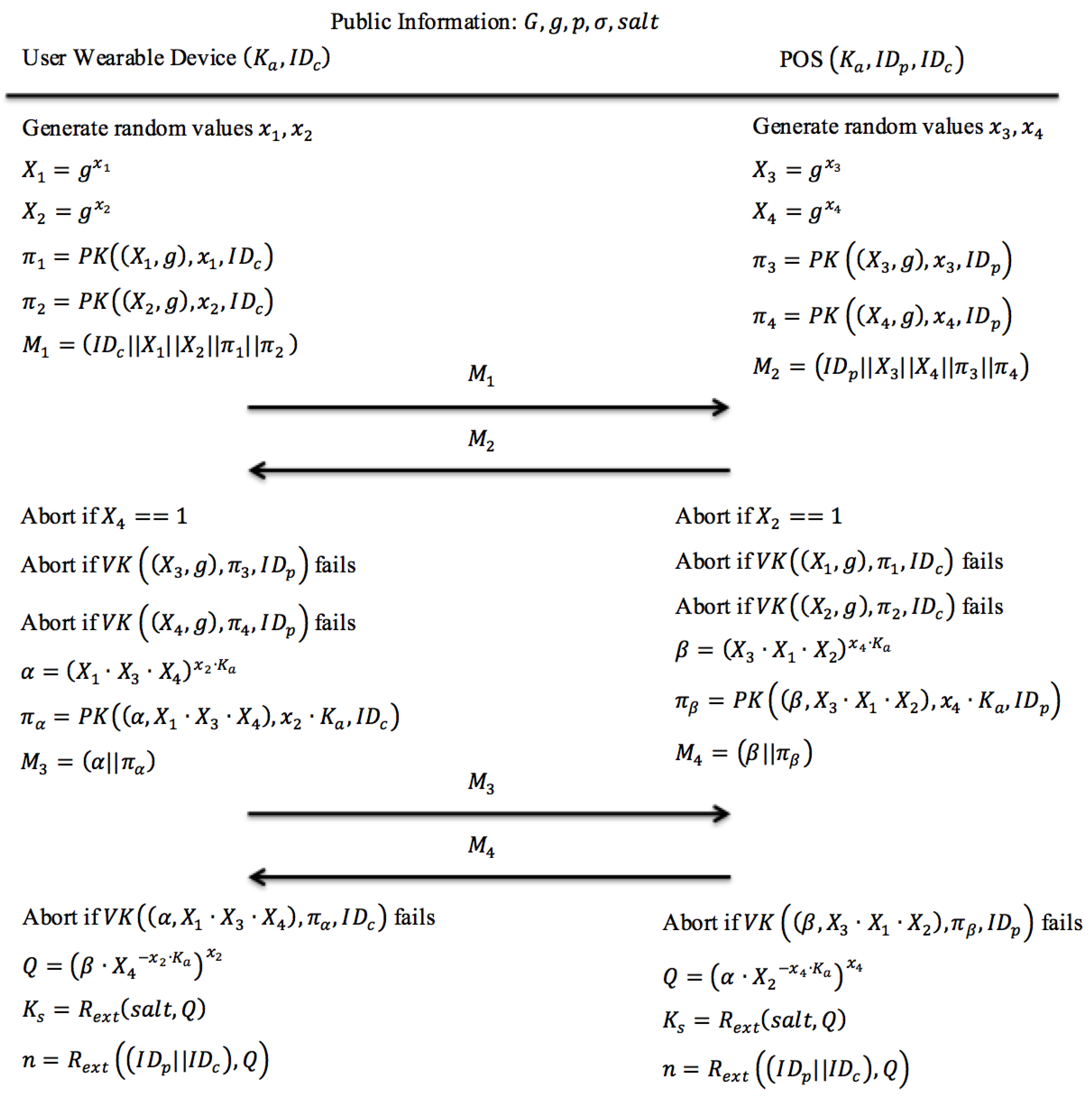
The development of information technology has paved the way for faster and more convenient payment process flows and new methodology for the design and implementation of next generation payment systems. The growth of smartphone usage nowadays has fostered a new and popular mobile payment environment. Most of the current generation smartphones support Bluetooth Low Energy (BLE) technology to communicate with nearby BLE-enabled devices. It is plausible to construct an Over-the-Air BLE-based mobile payment system as one of the payment methods for people living in modern societies. In this paper, a secure indoor positioning-based mobile payment authentication protocol with BLE technology and the corresponding mobile payment system design are proposed. The proposed protocol consists of three phases: initialization phase, session key construction phase, and authentication phase. When a customer moves toward the POS counter area, the proposed mobile payment system will automatically detect the position of the customer to confirm whether the customer is ready for the checkout process. Once the system has identified the customer is standing within the payment-enabled area, the payment system will invoke authentication process between POS and the customer’s smartphone through BLE communication channel to generate a secure session key and establish an authenticated communication session to perform the payment transaction accordingly. A prototype is implemented to assess the performance of the proposed design for mobile payment system. In addition, security analysis is conducted to evaluate the security strength of the proposed protocol.
Keywords: mutual authentication; Bluetooth beacon; Bluetooth Low Energy; indoor positioning service; mobile payment mutual authentication; Bluetooth beacon; Bluetooth Low Energy; indoor positioning service; mobile payment