Article

Enhance the Pyroelectricity of Polyvinylidene Fluoride by Graphene-Oxide Doping


1
Department of Mechanical and Electromechanical Engineering, National ILan University, No. 1, Sec. 1, Shenlung Road, ILan 26041, Taiwan
2
School and Graduate Institute of Physical Therapy, National Taiwan University, No. 1, Sec. 4, Roosevelt Road, Taipei 10617, Taiwan
3
Institute of Applied Mechanics, National Taiwan University, No. 1, Sec. 4, Roosevelt Road, Taipei 10617, Taiwan
*
Author to whom correspondence should be addressed.
Sensors 2014, 14(4), 6877-6890; https://doi.org/10.3390/s140406877
Submission received: 13 January 2014 / Revised: 2 April 2014 / Accepted: 4 April 2014 / Published: 16 April 2014
(This article belongs to the Section Physical Sensors)

Abstract

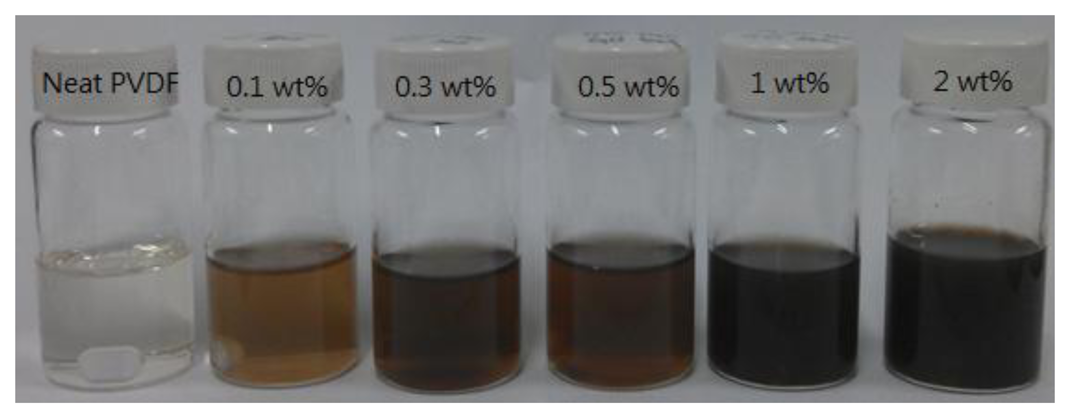
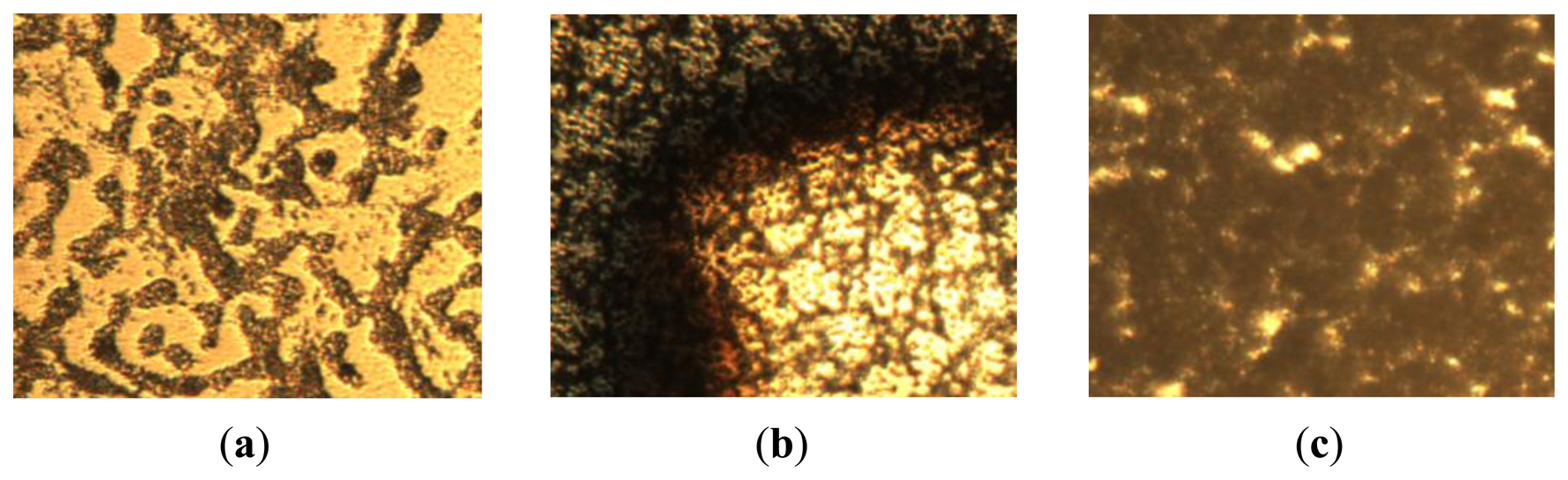
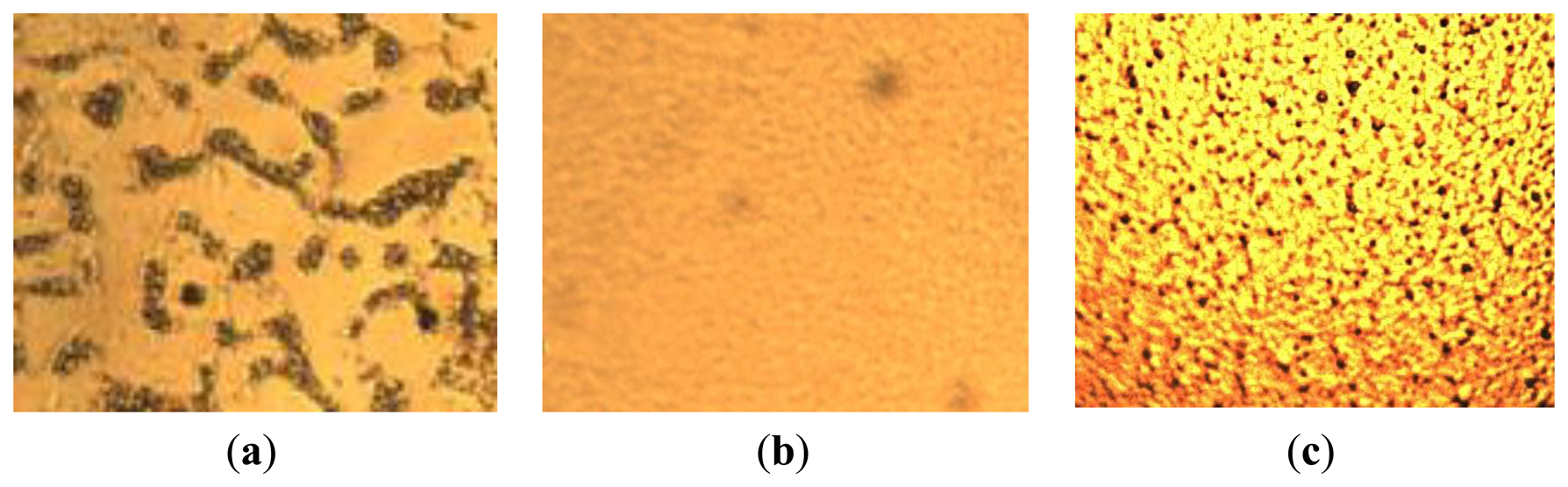
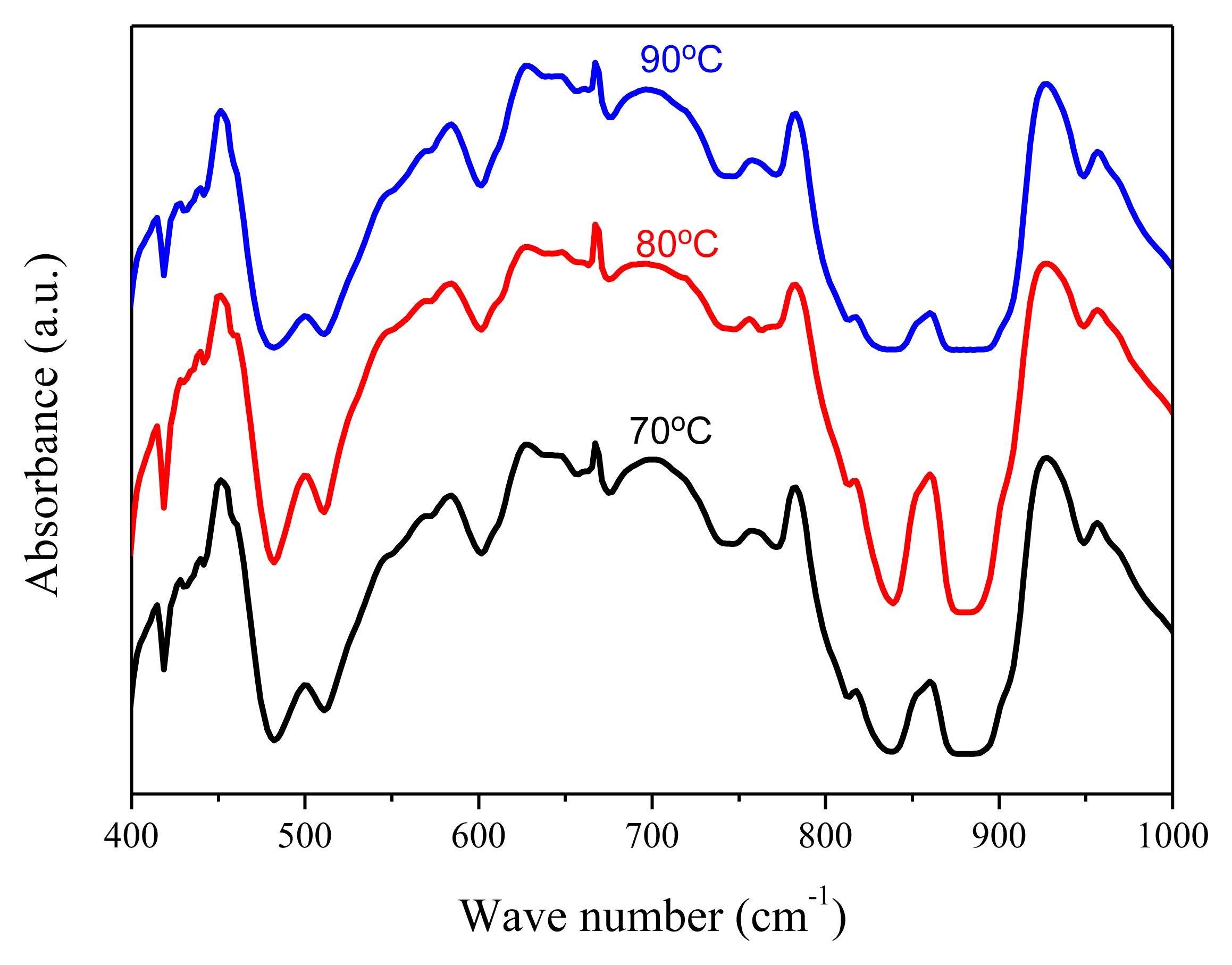
The high quality properties and benefits of graphene-oxide have generated an active area of research where many investigations have shown potential applications in various technological fields. This paper proposes a methodology for enhancing the pyro-electricity of PVDF by graphene-oxide doping. The PVDF film with graphene-oxide is prepared by the sol-gel method. Firstly, PVDF and graphene-oxide powders are dispersed into dimethylformamide as solvent to form a sol solution. Secondly, the sol solution is deposited on a flexible ITO/PET substrate by spin-coating. Thirdly, the particles in the sol solution are polymerized through baking off the solvent to produce a gel in a state of a continuous network of PVDF and graphene-oxide. The final annealing process pyrolyzes the gel and form a β-phase PVDF film with graphene-oxide doping. A complete study on the process of the graphene oxide doping of PVDF is accomplished. Some key points about the process are addressed based on experiments. The solutions to some key issues are found in this work, such as the porosity of film, the annealing temperature limitation by the use of flexible PET substrate, and the concentrations of PVDF and graphene-oxide.
Keywords: flexible electronics; graphene-oxide; PVDF; pyroelectric; sol-gel flexible electronics; graphene-oxide; PVDF; pyroelectric; sol-gel