
Article

Alpine Grasslands Harbor Greater Soil Microbial Diversity and More Stable Microbial Co-Occurrence Networks than Alpine Deserts on the Tibetan Plateau

1
Xining Center of Natural Resources Comprehensive Survey, China Geological Survey, Xining 810021, China
2
Observation Station of Subalpine Ecology Systems in the Middle Qilian Mountains, Zhangye 734000, China
*
Authors to whom correspondence should be addressed.
These authors contributed equally to this work.
Diversity 2026, 18(6), 357; https://doi.org/10.3390/d18060357
Submission received: 8 May 2026 / Revised: 9 June 2026 / Accepted: 10 June 2026 / Published: 11 June 2026
(This article belongs to the Special Issue Microbial Community Dynamics in Soil Ecosystems)

Abstract

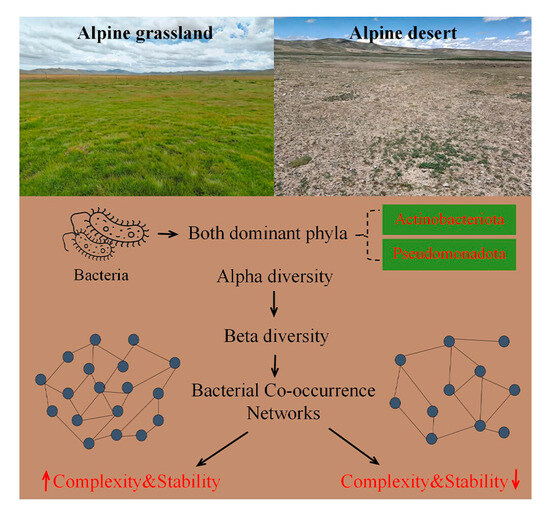
Alpine grasslands and alpine deserts represent two major ecosystems on the Tibetan Plateau. However, whether the two ecosystems differ in soil microbial community diversity and co-occurrence network structure remains poorly understood. This study assessed the composition and diversity of soil bacterial communities across alpine grasslands and alpine deserts on the Tibetan Plateau via 16S high-throughput sequencing, analysis of variance (ANOVA), mantel test, and other methods. Our results revealed that soil alkaline-hydrolyzable nitrogen (SAN), soil total nitrogen (STN), soil total phosphorus (STP), soil available phosphorus (SAP), and soil organic carbon (SOC) were significantly higher in grassland than in desert (p < 0.05). The microbial community composition and diversity differed significantly between alpine grasslands and alpine deserts. Analysis of microbial co-occurrence networks revealed that grassland systems possessed significantly more nodes, edges, and a higher average degree than desert systems, along with greater network robustness—indicating a more complex and stable microbial community structure. Correlation analysis further revealed that SOC and STN were positively correlated with microbial diversity, while electrical conductivity (EC), SOC, STN, and SAN showed positive associations with microbial community composition. In conclusion, alpine grasslands harbor greater soil microbial diversity and more stable microbial co-occurrence networks than alpine deserts, suggesting that alpine grasslands may hold greater ecological value than alpine deserts in maintaining soil biodiversity and ecosystem functioning. This study not only elucidates the distribution patterns and diversity of soil microbial communities across Tibetan grasslands, but also offers critical insights into the mechanisms governing ecosystem functioning, thereby informing ecological conservation and sustainable management strategies on the plateau.

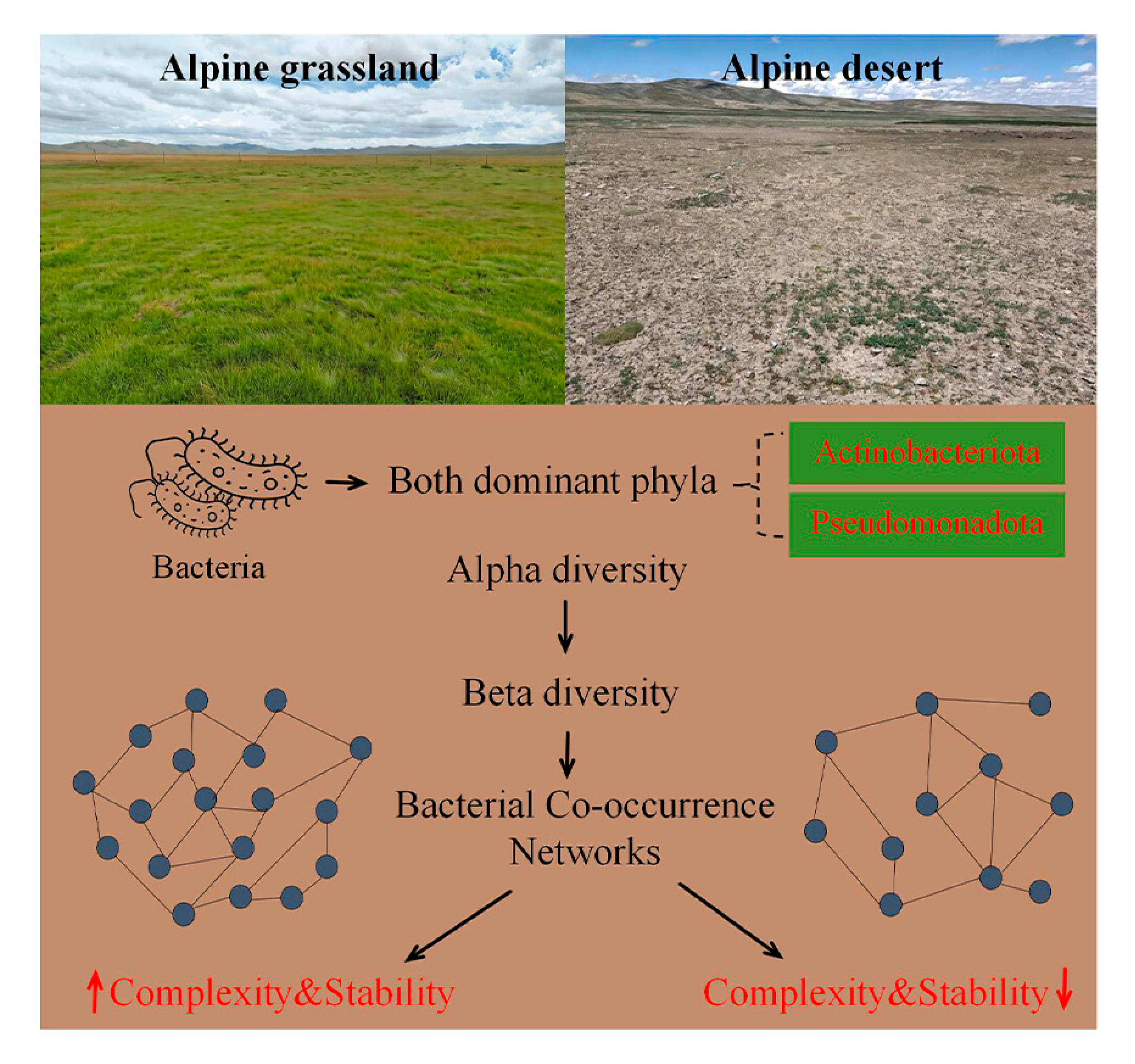
Graphical Abstract

1. Introduction

Grassland and desert ecosystems, as integral components of terrestrial biomes, are characterized by distinct structural and functional properties. They deliver essential ecosystem services—including carbon fixation, nutrient cycling, and water retention—that arise from complex interactions between biotic and abiotic factors [1,2]. Soil microorganisms are central to these ecosystem functions, underpinning both stability and service provision by mediating fundamental processes—including organic matter decomposition, nutrient cycling, and energy flow [3,4]. Across different ecosystems, variations in habitat conditions often lead to significant differences in the composition and diversity of soil microbial communities, thereby influencing overall ecosystem functioning. Previous research across various regions has established a foundation for understanding grassland microbial ecology. For instance, Xiang et al. [5] demonstrated that shifts in soil microbial community structure directly affect carbon sequestration efficiency in alpine meadows of the Tibet Plateau. However, this study focused solely on grassland systems without comparing them to desert ecosystems, leaving a knowledge gap regarding how microbial community properties differ between these two major habitat types. Dong et al. [6] revealed that grazing promotes microbial functional genes for carbon and nitrogen cycling in Qinghai–Tibetan alpine meadows, the extent to which these regulatory patterns and associated microbial diversity converge with or differ from those in alpine desert systems remains an open question. Wei [7] highlighted that changes in grazing intensity can restructure microbial communities in Inner Mongolia grasslands, with overgrazing reducing diversity and impairing ecological functions. While these findings are valuable for managed grasslands, they overlook fundamental disparities in soil microbial diversity and network stability across alpine grasslands and alpine deserts on the Tibetan Plateau—knowledge that is essential for assessing the distinct ecological values of these ecosystems.
The advent of molecular biology has propelled soil microbial research into a new era. High-throughput sequencing technologies, such as Illumina MiSeq, now enable high-resolution profiling of microbial communities [8]. In particular, microbial co-occurrence network analysis provides a powerful lens for deciphering community assembly and elucidating their functional significance [9,10]. This approach quantifies interactions among microbial taxa and helps identify keystone groups, thereby explaining their environmental adaptation strategies [11]. Previous studies have provided important insights. For example, Wang et al. showed that degradation disrupts microbial network integrity by removing keystone species in alpine meadows [12], Another study by Wang et al. demonstrated how precipitation gradients drive microbial succession from deserts to grasslands [13]. However, a critical knowledge gap remains. Specifically, it is unclear whether similar network stability thresholds or successional rules apply when comparing adjacent grassland and desert ecosystems at the same elevation. Nevertheless, whether similar successional rules apply when shifting between grassland and desert biomes at the same elevation remains unexplored. Currently, this methodology is widely applied in microbial studies of terrestrial, aquatic, and host-associated ecosystems [14,15,16]. It is well established that the assembly of soil microbial communities is governed by a complex interplay of environmental factors operating across multiple scales [17]. At the macro scale, vegetation structure and climatic patterns serve as primary drivers of microbial biogeography [18]. For example, Chu et al. [19] elucidated the horizontal and vertical distribution patterns of soil bacteria in northwestern Tibetan Plateau grasslands, identifying significant taxonomic turnover across soil layers that correlated strongly with soil total carbon and C:N stoichiometry. At the micro scale, soil physicochemical properties—such as organic carbon dynamics, nitrogen transformation processes, and ionic balance—directly influence microbial niche differentiation [20]. Naz et al. [21] explored the impacts of soil pH on microbial communities and enzymatic activities, highlighting how environmental changes alter microbial dynamics and biogeochemical processes. Nevertheless, it remains unclear how multiple soil properties jointly shape microbial diversity and network structure across grassland versus desert systems. Notably, distinct grassland types often harbor characteristic microbial communities: deserts are dominated by drought-tolerant and oligotrophic taxa [22], whereas meadow steppes generally support higher microbial diversity and more complex interspecies interaction networks [23]. While these general patterns are recognized, a direct quantitative comparison of microbial diversity and co-occurrence network properties between alpine grasslands and alpine deserts on the Tibetan Plateau is still lacking. For instance, Kang et al. [24] revealed that while Actinobacteriota prevailed in both alpine meadow and desert grasslands, their relative abundance was significantly greater in the desert. This finding is consistent with observations by Ye et al. [25] in the Zoige wetlands. However, neither study examined whether such high abundance of Actinobacteriota in deserts corresponds to lower overall diversity and reduced network complexity relative to grasslands. Therefore, systematically elucidating the structural patterns and diversity of microbial communities across different ecosystem types holds important theoretical value for understanding the functional maintenance mechanisms of alpine grassland ecosystems.
As the highest large-scale geomorphic unit on Earth, the Tibetan Plateau harbors diverse ecosystems shaped by its unique geographical and climatic conditions [26,27,28]. These ecosystem types differ markedly in vegetation composition and soil properties, providing an ideal natural experimental platform for investigating the relationships between soil microorganisms and ecosystem functioning. Nevertheless, systematic studies remain limited regarding the composition, diversity, and underlying drivers of soil microbial communities across different types in this region, particularly concerning how soil physicochemical properties regulate microbial community assembly. To address this knowledge gap, the present study focuses on alpine desert and grassland ecosystems on the Tibetan Plateau. By integrating Illumina MiSeq high-throughput sequencing with soil physicochemical analyses, we systematically examined the composition and diversity of soil microbial communities and their associations with key environmental factors. This research aims to answer the following questions: (1) How do soil microbial community composition and diversity differ between the two ecosystems? (2) What do microbial co-occurrence network patterns reveal regarding ecosystem stability? (3) Which key soil factors drive the assembly of microbial communities? The findings are expected to provide a scientific basis for the conservation and restoration of ecosystems on the Tibet Plateau.

2. Materials and Methods

2.1. Study Region

The study area is located in north-central Qinghai Province, on the northeastern margin of the Tibetan Plateau, encompassing the prefectures of Hainan, Haibei, and Haixi prefectures. It occupies a climatic and topographic transition zone between the Tibetan Plateau and the Loess Plateau, exhibiting complex terrain with elevations from 2000 m to 4500 m. Geomorphologically, Haixi Prefecture is characterized by the Qaidam Basin, featuring low-lying and relatively flat terrain, whereas Hainan and Haibei are adjacent to Qinghai Lake and are dominated by alpine meadows and mountain steppes.
The regional climate is a typical plateau continental type, marked by low temperatures, intense solar radiation, low precipitation, and high evaporation. The annual mean temperature ranges from −5.0 °C to 4.0 °C. Precipitation exhibits a strong gradient, with Haixi being the driest (20–200 mm yr−1), contrasting with 300–500 mm in Hainan and Haibei due to the moisture-modifying influence of Qinghai Lake. Over 70% of precipitation occurs between June and September, while annual evaporation commonly exceeds 1500 mm. Vegetation displays distinct zonation: Haixi is primarily covered by desert steppe and alpine desert, supporting drought-tolerant shrubs and herbs, whereas Hainan and Haibei are characterized by alpine meadow, temperate steppe, and marsh wetlands, constituting important pastoral areas and biodiversity hotspots. Dominant soil types comprise chestnut soil, chernozem, gray-brown desert soil, and alpine meadow soil. Collectively, the region functions as a vital ecological security barrier for China and a key water conservation area for the upper Yellow River and Qinghai Lake basin, rendering it exceptionally sensitive to climate change and anthropogenic disturbance.

2.2. Plot Design and Sample Collection

This study was conducted across two representative ecosystems: alpine grassland and alpine desert. Sampling plots were established in homogeneous areas characterized by distinct dominant species, uniform vegetation cover, and anthropogenic disturbance. A total of 36 sampling sites were established. At each site, soil samples were collected for both physicochemical analysis and microbial sequencing, following the procedure detailed below: For each ecosystem type, six plots were selected; within each plot, three standard 1 m × 1 m quadrats were randomly deployed. For physicochemical analysis, soil was sampled using a 7 cm diameter auger. Within each quadrat, three soil cores (0–20 cm depth) were randomly extracted, pooled, passed through a 2 mm sieve to remove coarse debris and stored in labeled sealed bags for subsequent analysis. For microbial analysis, soil was collected using a corer with a 3 cm inner diameter. Similarly, three replicate cores (0–20 cm) were taken per quadrat. Following homogenization, the composite sample was sieved (2 mm) to exclude plant residues, roots, and stones. A subsample was immediately transferred into a sterile tube, flash-frozen, and stored at −20 °C pending DNA extraction and microbial community profiling.

2.3. Soil Chemical Properties Analysis

To investigate soil chemical properties and identify the key environmental drivers of microbial community composition, we quantified a suite of physicochemical parameters including pH, SOC, STN, STP, SAN, SAP and EC. Soil pH was determined in a 1:2.5 (w/v) soil–water suspension using a digital pH meter (PHS-3E; INESA Scientific Instrument Co., Ltd., Shanghai, China) [29]. SOC content was quantified with a high-frequency infrared carbon–sulfur analyzer (COREY-205, Kerui Instrument Co., Ltd., Deyang, China) [30]. STN was analyzed using the Kjeldahl method [31], while SAN was measured via the alkali-hydrolysis diffusion technique. STP was determined colorimetrically using the molybdenum–antimony method. SAP was extracted according to soil PH: HCl-NH4F was applied to acidic soils (pH < 7), whereas NaHCO3 was used for alkaline soils (pH > 7), following the protocol outlined by Liu et al. [32]. Finally, EC was assessed using the electrode method in accordance with the Chinese national standard HJ 802-2016.

2.4. DNA Extraction, PCR Amplification and Illumina Sequencing

Total genomic DNA was extracted from soil samples using cetyltrimethylammonium bromide (CTAB) method. DNA concentration and purity was assessed using 1% agarose gel electrophoresis [33]. Based on the quantification results, DNA was diluted to 1 ng µL−1 using sterile water. The V3–V4 hypervariable regions of the bacterial 16S rRNA were amplified using specific primers, (341F (5′-CCTACGGGNGGCWGCAG-3′)) and 806R (5′-GGACTACHVGGGTATCTAAT-3′), each incorporating a unique barcode sequence. PCR amplification was performed in a 15 µL reaction system containing Phusion® High-Fidelity PCR Master Mix (New England Biolabs Inc., Ipswich, MA, USA), 2 µM of each primer, and approximately 10 ng of template DNA. The thermal cycling protocol comprised an initial denaturation at 98 °C for 1 min, followed by 30 cycles of denaturation at 98 °C for 10 s, annealing at 50 °C for 30 s, and extension at 72 °C for 30 s, with a final extension at 72 °C for 5 min. Amplicons were visualized on 2% agarose gels using 1 × TAE buffer system. PCR products were pooled in equal molar ratios and purified using the TIANquick NGS DNA Selection Kit (Tiangen Biotech, Beijing, China). Sequencing libraries were constructed using the NEB Next® Ultra DNA Library Prep Kit for Illumina according to the manufacturer’s instructions. Library quality was evaluated on an Agilent Bioanalyzer 5400 (Agilent Technologies Co., Ltd., Santa Clara, CA, USA). Finally, the libraries were sequenced on an Illumina platform to generate 250 bp paired-end reads.

2.5. Data Analysis

The analysis followed the “Atacama soil microbiome tutorial” and custom program scripts (https://docs.qiime2.org/2019.1/) (accessed on 2 May 2026) Briefly, raw data FASTQ files were imported into the format using qiime tools import program. Demultiplexed sequences from each sample were quality filtered and trimmed, de-noised, merged, and then the chimeric sequences were identified and removed using the QIIME2 dada2 plugin to obtain the feature table of amplicon sequence variant (ASV). The QIIME2 feature-classifier plugin was then used to align ASV sequences to a pre-trained GREENGENES 99% database to generate the taxonomy table [34]. Any contaminating mitochondrial and chloroplast sequences were filtered using the QIIME2 feature-table plugin.
Microbial diversity within the two types was assessed using alpha and beta metrics. Alpha diversity was quantified by the Shannon–Wiener and Pielou indices calculated in QIIME2. Beta diversity (quantifying species composition dissimilarity between habitats) was analyzed by first computing a Bray–Curtis distance matrix, followed by NMDS analysis and PERMANOVA statistical tests to compare differences among the two types. One-way ANOVA and independent-sample t-tests were used to examine differences in soil chemical properties and alpha diversity indices between the two types. The significance level was set at p < 0.05. For each soil fraction, soil physicochemical property data were standardized and a Mantel test (using the “linkET” R package, Version 0.0.7.4) was performed to reveal relationships between the different types and chemical properties and soil fractions.
For alpine grassland and alpine desert, cross-kingdom co-occurrence networks of bacterial taxa were constructed to assess the inter-taxa associations. ASVs with relative abundance <0.01% and occurrence frequency <1/6 were removed. Spearman correlations among the remaining ASVs were calculated using the “corAndvalue” function from the “WGCNA” R package, with p values adjusted by the “BH” method. Only correlations with |r| ≥ 0.6 and adjusted p ≤ 0.001 were retained. Topological features (nodes, number of edges, average degree, average path length, modularity) were extracted using the “igraph” R package (Version 2.0.3) [35], and networks were visualized with Gephi (Version 0.10.1). The networks stability was quantified by weighted and unweighted robustness after randomly removing 50% of the taxa [36]. For each soil fraction, a two-sided t-test was used to compare network robustness between the two types. All the statistical analyses were performed in R version 4.4.1.

3. Results

3.1. Soil Physicochemical Properties of Different Ecosystems

As shown in Table 1, alpine desert soil exhibited slightly higher pH than alpine grassland soil, with both remaining within the alkaline range. The minor difference suggests that vegetation type had no significant effect on soil pH in the study area. In contrast, alpine desert soil showed higher EC with greater variability, indicating elevated salt content and uneven spatial distribution. Furthermore, grassland soil contained significantly higher levels of SAN, STN, STP, SAP, and SOC compared to desert soil (p < 0.05), reflecting greater nutrient accumulation.

3.2. Diversity of Soil Microbial Communities in Different Ecosystems

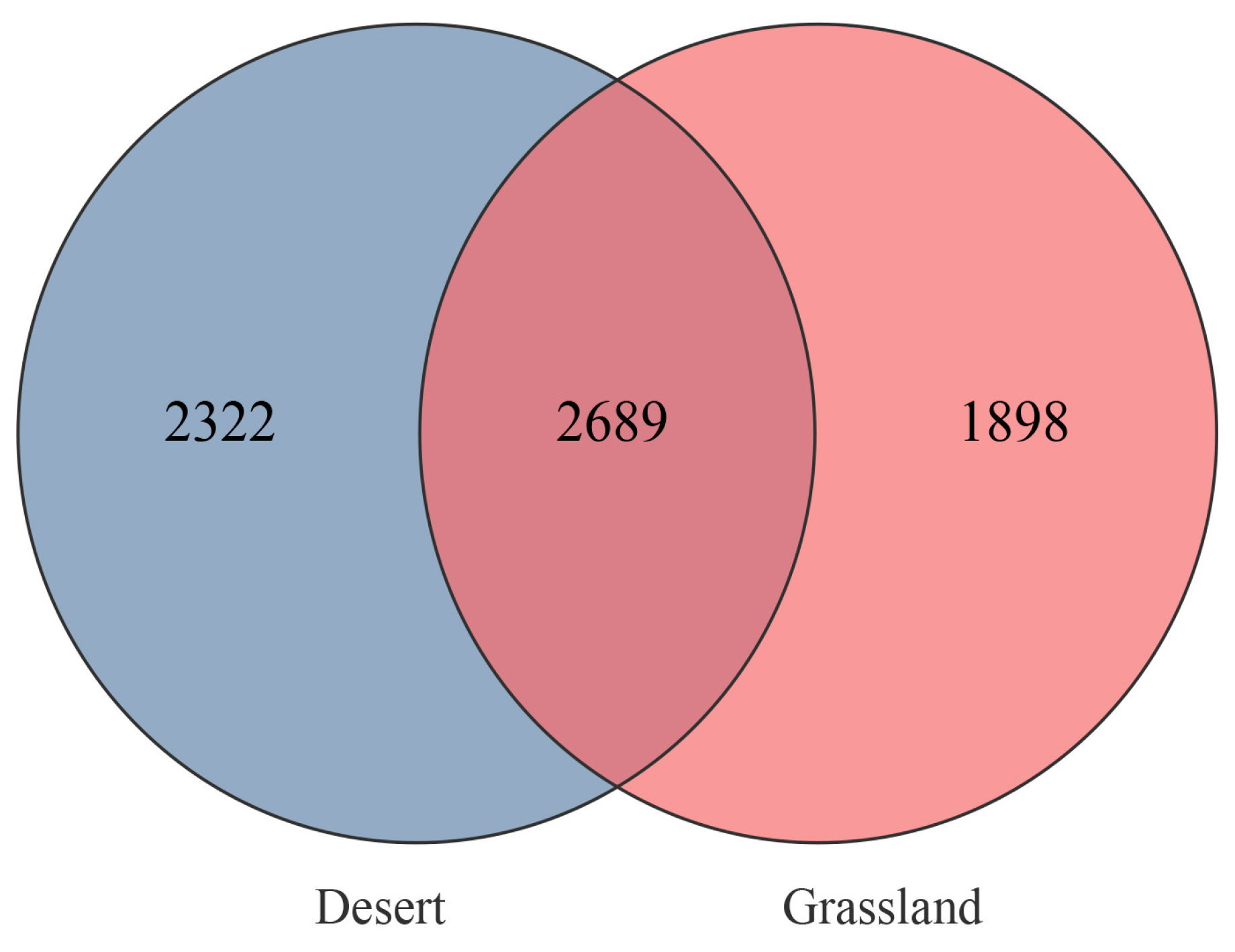
Following sequencing, a total of 13,977,587 raw reads were obtained across all samples. After paired-end assembly, quality filtering, and chimera removal 12,427,347 effective tags were retained for downstream analysis. Of these, the number of reads per ecosystem was as follows: Ecosystem desert—6,183,913 reads and ecosystem grassland—6,243,434 reads (Supplementary Materials). Rarefaction curves based on Shannon diversity index showed that all samples approached a plateau with increasing sequencing depth, indicating that the sequencing effort was sufficient to capture the majority of bacterial diversity in the samples (Figure 1). All valid sequences were clustered into operational taxonomic units (OTUs) based on 97% similarity. A Venn diagram (Figure 2) illustrated the distribution of OTUs across the two soil habitats. The results showed that, although 2689 OTUs were shared between the desert and alpine grassland, the desert habitat contained more unique OTUs (2322) than the grassland (1898), resulting in a greater total OTU count in the desert soil.

3.3. Soil Microbial Community Composition in Different Ecosystems

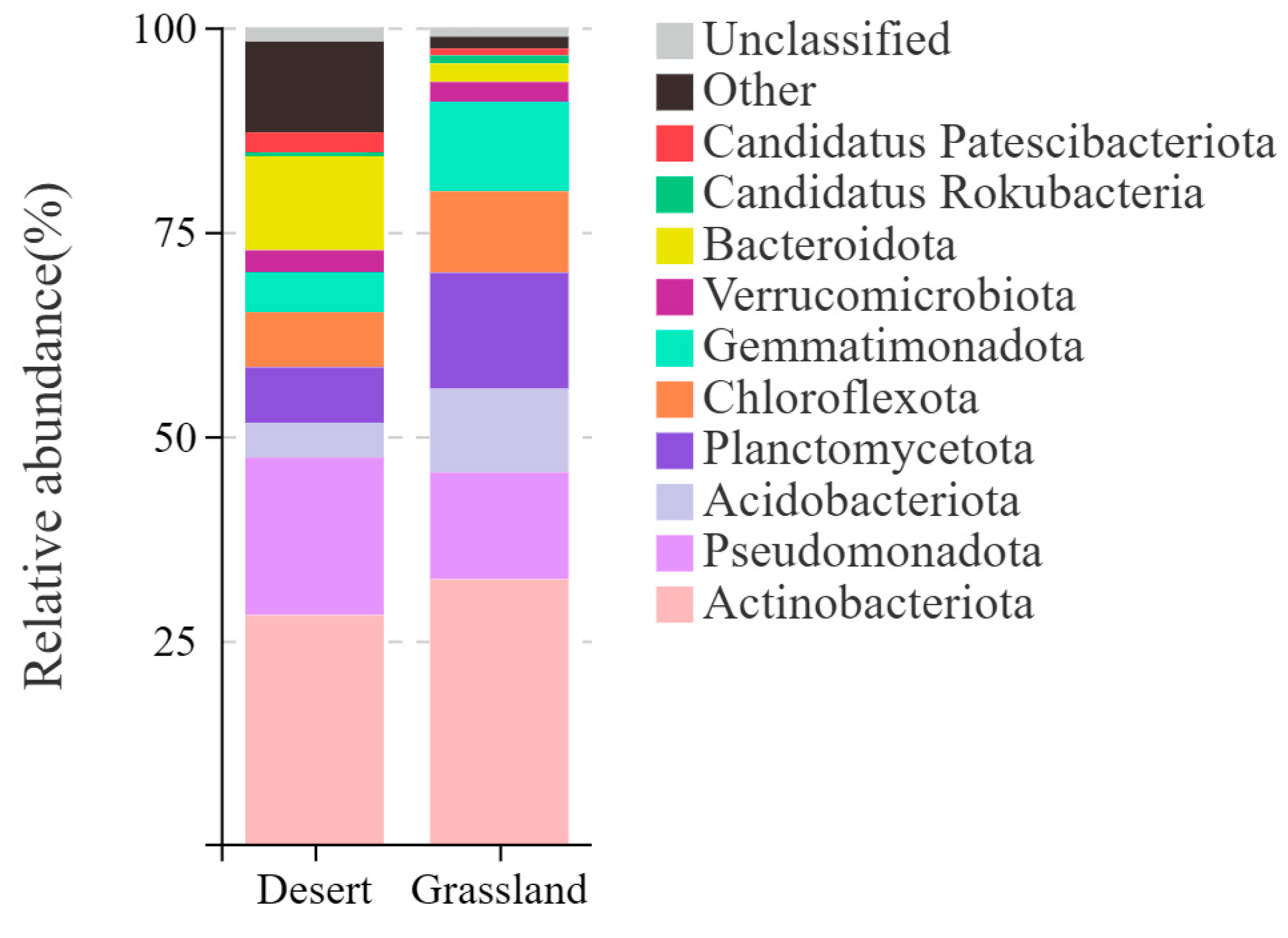
Regarding microbial community analysis, ASV data were rarefied to the minimum sample sequence count, and ASVs aligned to chloroplast and mitochondrial sequences were removed. Then, taxa with relative abundances ranking in the top 10% were retained. This stacked bar chart illustrates the compositional differences in soil bacterial communities between desert and grassland environments. The analysis reveals that Actinobacteriota and Pseudomonadota are the predominant phyla across both habitats(Figure 3), collectively accounting for the majority of the relative abundance. Notably, the desert soil is characterized by a significantly higher proportion of Actinobacteriota, whereas the grassland soil exhibits a greater abundance of Pseudomonadota. Other phyla, including Chloroflexota, Gemmatimonadota, and Acidobacteriota, also display distinct distribution patterns, highlighting the environmental filtering of bacterial taxa.
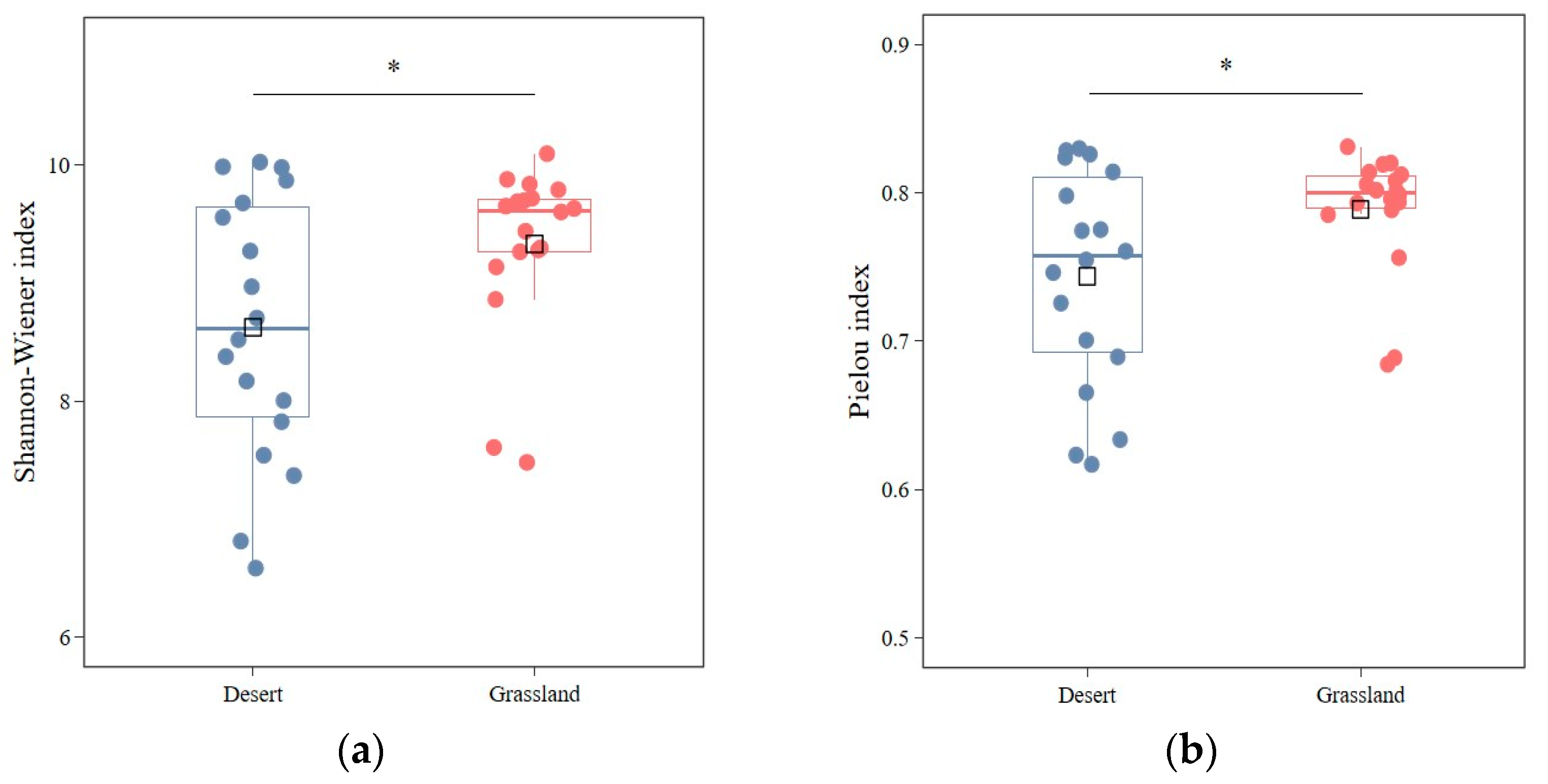
Based on the Shannon–Wiener and Pielou indices (Figure 4), microbial communities in the alpine desert exhibited greater dispersion, with wider interquartile ranges signifying higher heterogeneity in both diversity and evenness. In contrast, alpine grassland samples displayed more tightly clustered values, indicative of lower variability. Statistical analysis confirmed that both indices were significantly elevated in the alpine grassland relative to the desert (p < 0.05), suggesting enhanced diversity and community equitability. This heightened variability in the desert likely reflects the pronounced fluctuations in environmental conditions characteristic of arid ecosystems.
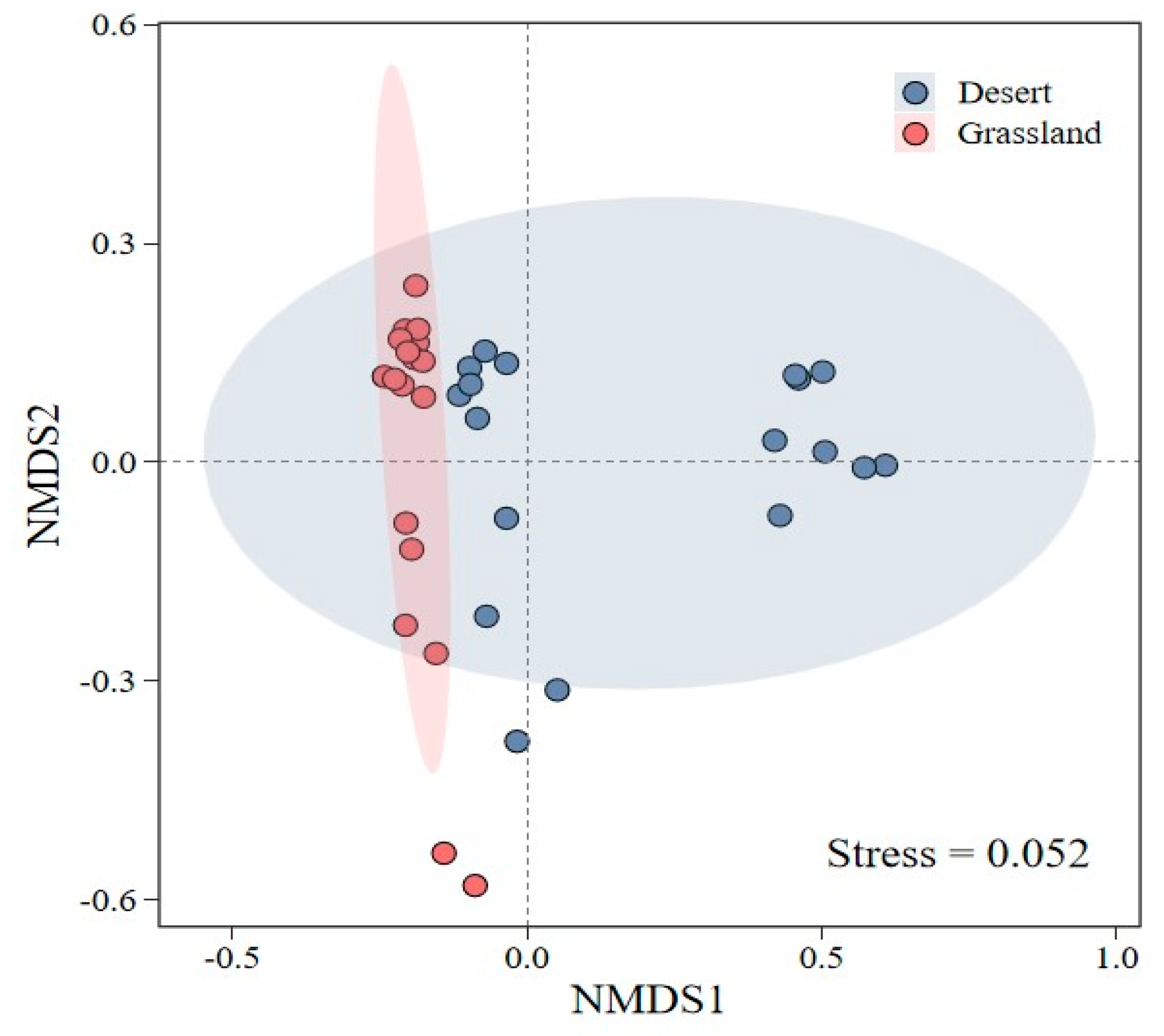
Non-metric multidimensional scaling (NMDS) based on Bray−Curtis dissimilarities further elucidated distinct community structure between the two habitats (Figure 5). Samples from the alpine grassland formed a tight, cohesive cluster in the ordination space, reflecting high compositional similarity among replicates. Conversely, desert samples were widely dispersed, indicative of beta-diversity and internal variation. Although the two ecosystems were largely separated in the NMDS ordination, some partial overlap was observed. This implies that while desert and grassland microbiomes are structurally divergent, they retain a degree of shared taxonomic composition.

3.4. Characteristics of Bacterial Co−Occurrence Networks in Different Ecosystems

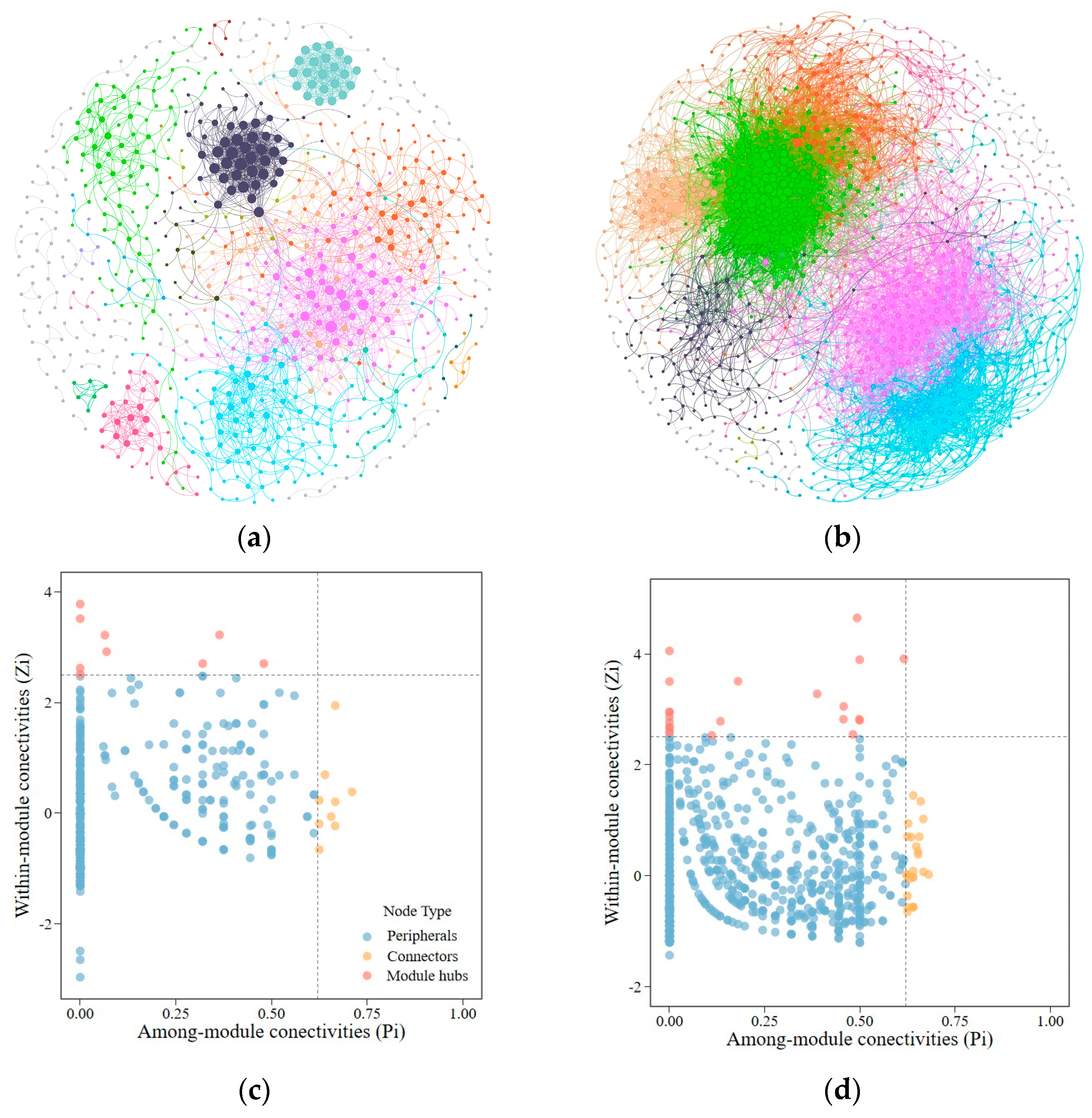
Analysis of bacterial co-occurrence networks (Figure 6) based on ASV data and their topological properties (Table 2) revealed distinct association patterns between the two ecosystems. The alpine desert network comprised 748 nodes and 2206 edges, whereas the alpine grassland ecosystem harbored a larger network with 1149 nodes and 8630 edges. In both ecosystems, associations were dominated by positive correlations. However, the number of positive edges in the alpine grassland network (6788) was substantially higher than in the alpine desert (2132), indicating a tendency for more positive associations among soil bacterial ASVs in the grassland soils. It should be noted that differences in node and edge numbers partly reflect the higher microbial richness in grassland soils.
The structural differences between the networks were also evident. The alpine grassland network exhibited a greater diameter and higher edge density, indicating broader connectivity and tighter integration among microbial taxa in terms of co-occurrence patterns. In contrast, the alpine desert network was characterized by a higher average path length and a greater clustering coefficient, indicating more efficient local connectivity and stronger regional aggregation within the network. Notably, the modularity of the alpine desert network exceeded 0.7, revealing a well-defined modular structure. This architectural feature suggests that bacterial ASVs in the alpine desert ecosystem are organized into several relatively independent modules, which could reflect adaptations to a more heterogeneous or resource-limited environment.
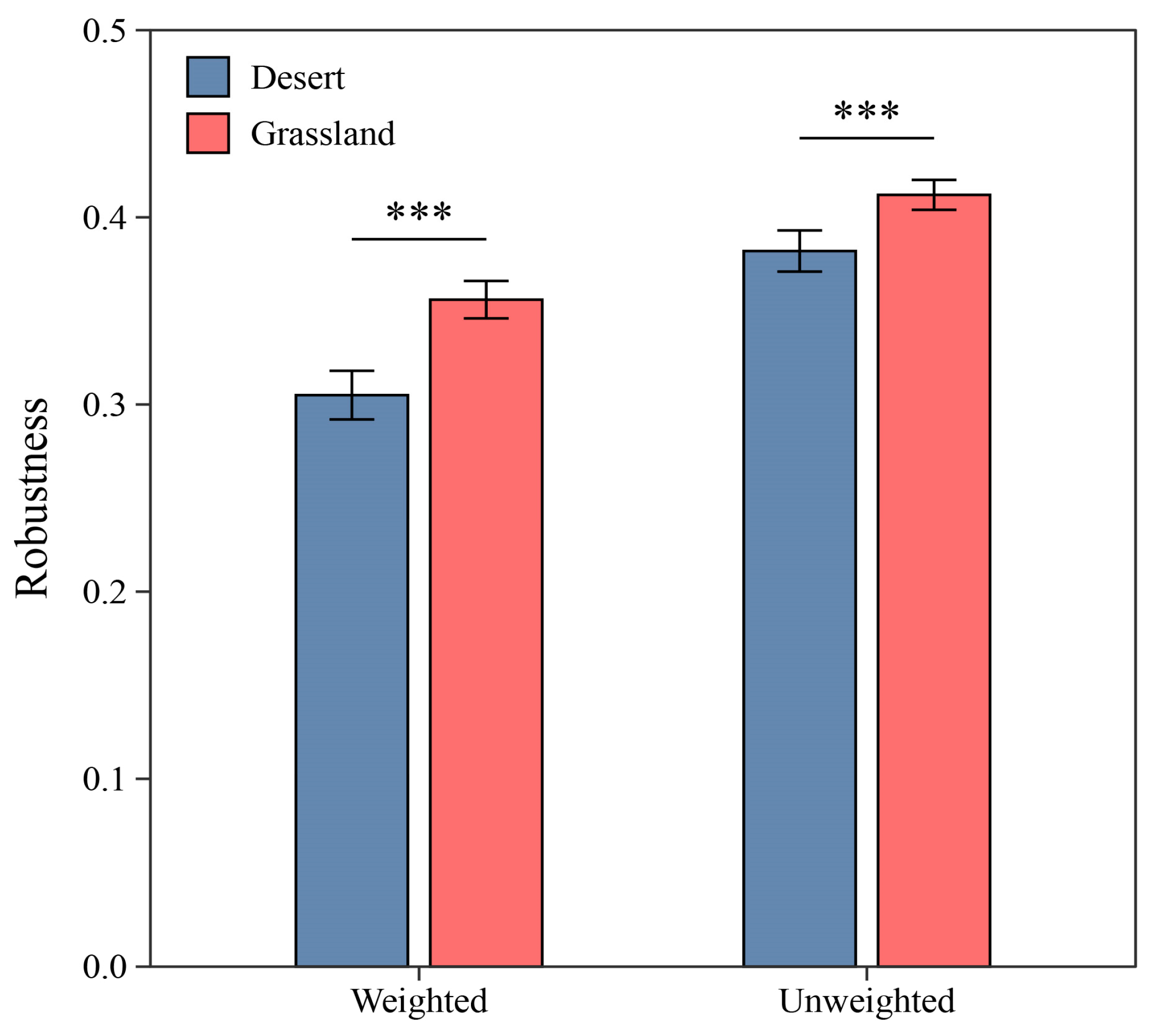
To assess the stability of bacterial co-occurrence networks, we randomly removed 50% of the taxonomic groups and calculated both weighted and unweighted robustness. The weighted robustness of the microbial networks varied between 0.305 and 0.356 (Figure 7), which was generally lower than the unweighted robustness (0.382 to 0.412). Notably, regardless of the robustness metric applied, the alpine grassland network exhibited significantly higher robustness than the alpine desert network (p < 0.001).

3.5. Factors Influencing the Microbial Community in Different Ecosystems

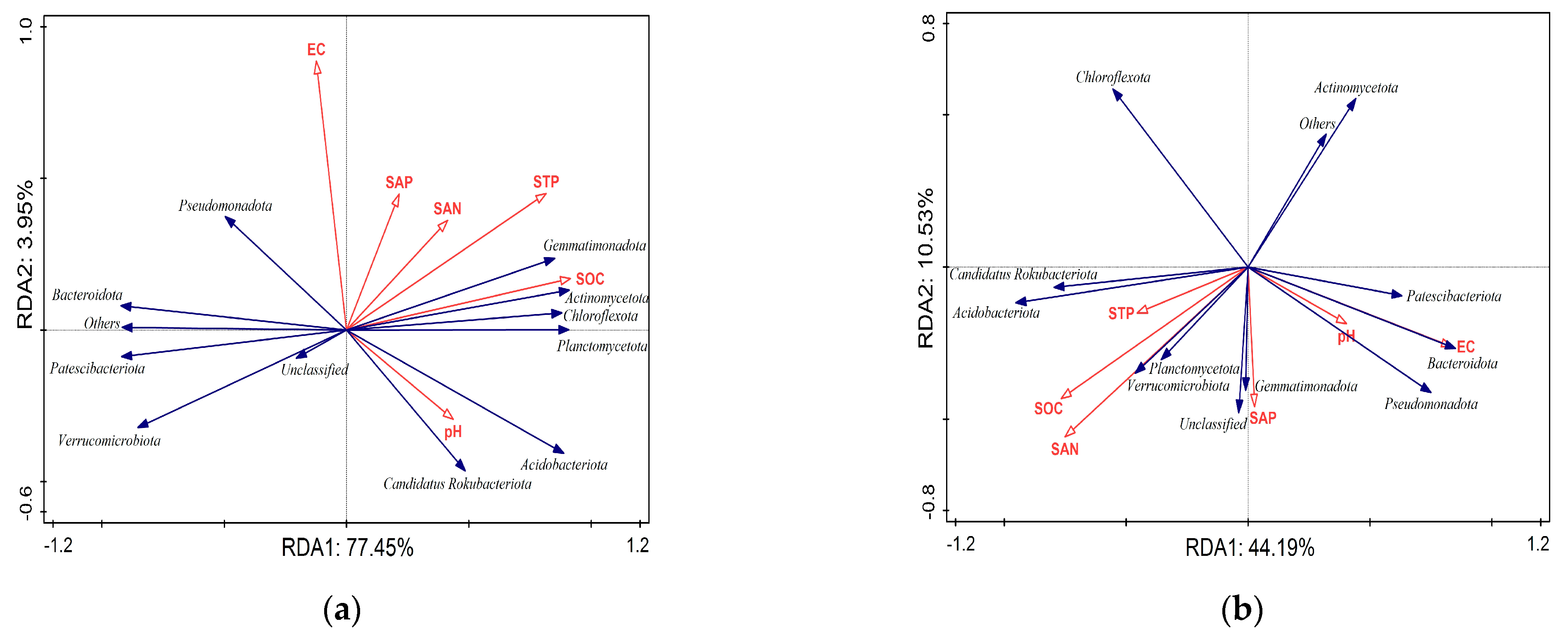
Redundancy analysis (RDA) revealed distinct mechanisms driving soil microbial communities in desert and grassland ecosystems (Figure 8). In the desert ecosystem, RDA1 explained 77.45% of the total variation, with soil EC exhibiting high collinearity with nutrients—including SAP, SAN, SOC—and dominating the positive gradient. In contrast, the explanatory power of RDA1 decreased to 44.19% in the grassland ecosystem, indicating a restructuring of environmental drivers. Here, EC clustered with pH along the negative gradient, while STP, SAP, and SOC with the positive gradient. This shift altered the microbial distribution patterns: Pseudomonadota and Patescibacteriota were associated with the high-nitrogen positive gradient, whereas Chloroflexota correlated positively with high EC and acidic conditions.
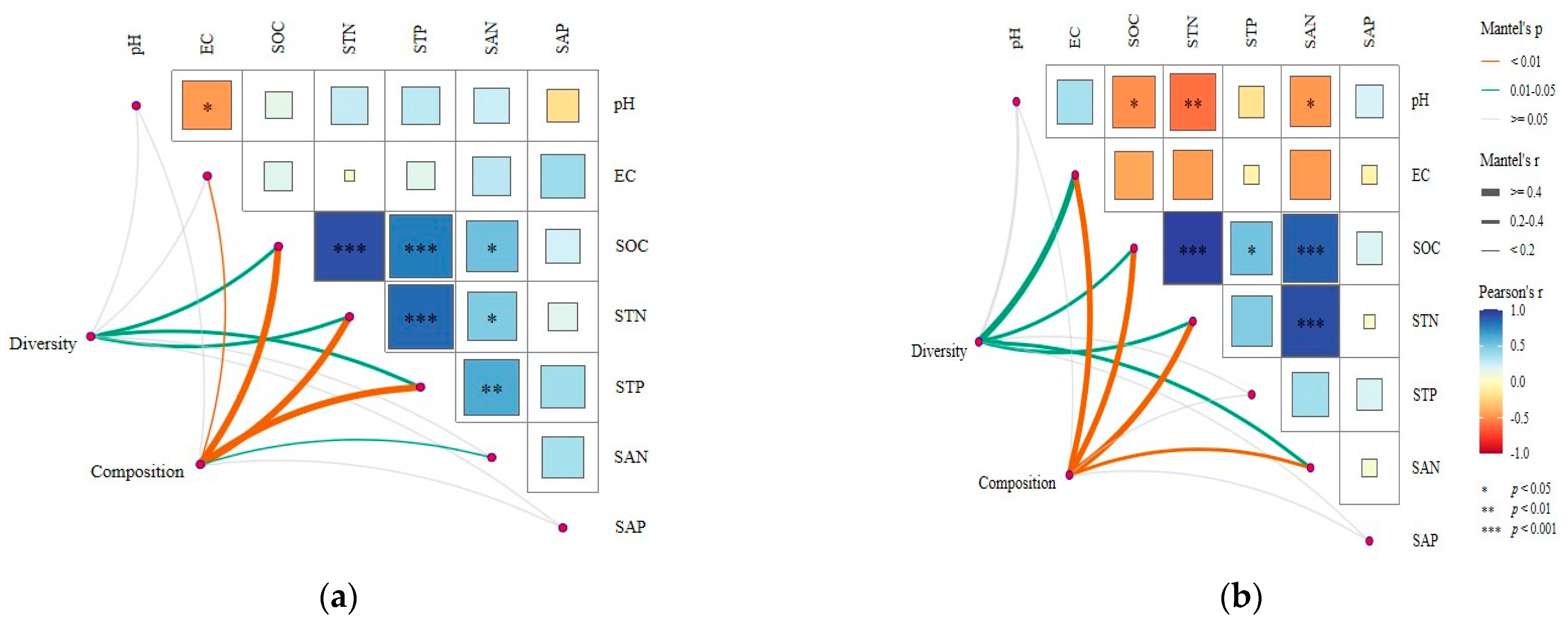
Mantel test results revealed significant positive correlations between microbial community diversity and both SOC and STN contents across alpine desert and alpine grassland environments (p < 0.05) (Figure 9). While diversity in the alpine desert was predominantly influenced by STP content, it was significantly correlated with EC and SAN in alpine grasslands. Regarding community composition, EC, SOC, STN, and SAN were all significantly and positively associated with compositional variation in both ecosystems. Notably, STP also exerted a significant influence on microbial community composition within the alpine desert.

4. Discussion

4.1. Effects of Different Ecosystems on the Spatial Heterogeneity of Soil Physicochemical Properties

Our results indicate that soils across both alpine desert and grassland sites are alkaline, with comparable pH values likely reflecting a common climatic regime and shared parent material [37]. However, desert soils were characterized by significantly higher and more variable EC, consistent with reports from arid regions [38]. This underscores the dual nature of desert salinity: it may have elevated mean levels coupled with pronounced spatial heterogeneity, driven by extreme evaporation, limited vegetation cover, and stochastic water dynamics.
Conversely, alpine grasslands exhibited significantly higher concentrations of SAN, STN, STP, SAP, and SOC than their desert counterparts. This finding is congruent with Zhang et al. [39], who demonstrated that meadow degradation leads to substantial nutrient depletion. The enhanced nutrient status in grasslands can be attributed to denser biomass, substantial litter accrual, and efficient biogeochemical cycling [40]. These fundamental differences in edaphic factors provide the necessary framework for understanding microbial distribution patterns. Nevertheless, we acknowledge that these correlations do not imply causation, and mechanistic experiments are warranted to verify these relationships.

4.2. Effects of Different Ecosystems on Soil Microbial Community Composition and Diversity

Consistent with Duan et al. [41], Actinobacteriota and Pseudomonadota emerged as the predominant phyla across both alpine desert and grassland ecosystems, underscoring their broad niche breadth and resilience to regional arid conditions. The desert microbiome was further distinguished by enrichments in Bacteroidota, Chloroflexota, and Planctomycetota. The prevalence of Bacteroidota likely signals an accumulation of recalcitrant organic matter, given their role in polymer degradation [42]. While Planctomycetota presence correlates with biocrust development and nitrogen fixation potential [43]. Conversely, grasslands were characterized by higher abundances of Planctomycetota, Acidobacteriota, Gemmatimonadota, and Chloroflexota. The persistence of Acidobacteriota in these alkaline soils suggests adaptive ecotypic variation beyond their typical acidophilic classification [44]. Concurrently, the prominence of Planctomycetota points to sophisticated nitrogen cycling via anammox processes within grassland soils [45].
Alpha diversity metrics largely mirrored these distinctions; grassland generally exhibited significantly higher Shannon–Wiener index and Pielou indices, suggesting enhanced diversity and evenness. This is consistent with the hypothesis that resource availability and environmental stability may facilitate niche partitioning and taxon coexistence [46,47]. Conversely, desert displayed high beta-dispersion and alpha-variability, presumably driven by the patchy distribution of water and salts, which could potentially create microbial hot and cold spots [48].
NMDS ordination largely confirmed these patterns: grassland formed a cohesive consistent with environmental homogeneity, whereas desert samples were widely dispersed, implying habitat heterogeneity [49]. Despite clear ecosystem segregation, the partial overlap in the ordination space may suggest a conserved core microbiome potentially shaped by regional environmental filters [44].

4.3. Effects of Different Ecosystems on the Complexity and Stability of Microbial Co-Occurrence Networks

To elucidate potential differences in microbial interaction patterns, soil bacterial co-occurrence networks were constructed for alpine grassland and alpine desert ecosystems. The resulting topologies revealed apparent disparities between the two systems. Alpine grassland ecosystems generally supported more complex network architectures, characterized by a greater number of nodes and edges, which appears consistent with their higher species richness and resource heterogeneity. In ecological network theory, such structural complexity is often interpreted as indicative of enhanced ecosystem stability and resilience [49]. The predominance of positive correlations within the grassland network suggests the possibility of widespread synergistic relationships or niche complementarity among taxa. These putative cooperative interactions may underpin key ecological processes, such as organic matter decomposition and nutrient cycling, which could plausibly contribute to sustaining higher primary productivity [50]. Supporting this premise, Duan et al. [41] observed that bacterial networks in Tibetan alpine meadows were relatively more complex than those in deserts, exhibiting a unimodal pattern along an elevational gradient. This observation aligns with the prevailing view that resource-rich environments tend to favor the development of more intricate microbial interaction webs.
In contrast, the bacterial co-occurrence network in alpine desert was structurally simpler yet more modular. The elevated modularity observed in the alpine desert network suggests that microbial communities may be organized into multiple semi-independent modules, a pattern that could reflect adaptations to chronic environmental stress [44]. Such an organization might help confine perturbations to individual modules, potentially contributing to local stability. Moreover, the higher average path length reported in the results and the higher clustering coefficient found in the alpine desert network suggest that microbial taxa may exhibit more clustered local connectivity, which could represent an ecological strategy associated with coping with extreme conditions such as drought and nutrient scarcity [51]. For instance, Li et al. [52] reported that bacterial communities in soils co-contaminated with arsenic and antibiotics formed stable networks centered around resistant taxa, suggesting a potential mechanism for thereby improving overall community tolerance.
A particularly noteworthy finding of this study is that the microbial network in alpine grassland displayed significantly greater robustness in silico, which may indicate a stronger capacity to maintain structural integrity and ecological function under scenarios of random species loss [53]. This resilience could be attributed to the densely connected architecture and extensive potential functional redundancy within the alpine grassland network, which might allow for compensatory mechanisms or species substitution when particular taxa are removed. By contrast, the simplified and modular network of desert soils, while well-suited to stable but harsh conditions, may have limited buffering capacity when faced with novel disturbances [54]. These contrasting network properties offer potential important insights into ecosystem responses under global change scenarios: as aridification intensifies, grassland microbial networks—by virtue of their greater inherent robustness—might exhibit higher resistance to random perturbations compared to their desert counterparts.

4.4. Limitations and Implications for Future Study

While the microbial co-occurrence networks presented herein offer valuable insights into potential interactions and community organization, several limitations warrant consideration. Firstly, the inference of ecological stability via in silico perturbation (e.g., random removal of 50% of taxa) reflects theoretical resilience rather than constituting a definitive measure of real-world ecosystem stability. This modeling approach assumes an indiscriminate removal of taxa, a simplification that fails to capture the complexity of natural disturbances or targeted environmental filtering. Furthermore, the robustness metrics derived here are contingent upon the specific thresholds and algorithms employed to define network edges; consequently, the observed “stability” should be interpreted strictly as a structural property under simulated conditions, rather than an indication of absolute biological immunity to all forms of external stress.
To address these gaps, future research should prioritize validating these in silico predictions through manipulative experiments, such as controlled warming or drought treatments, to evaluate network responses to actual environmental perturbations. Long-term, multi-season monitoring would further help disentangle temporal stability patterns. Additionally, integrating metagenomic or metatranscriptomic data can transcend correlation-based inferences, providing mechanistic insights into the functional underpinnings of community resilience across the Tibetan Plateau.

5. Conclusions

Across alpine desert and grassland ecosystems, Actinobacteriota and Pseudomonadota consistently emerged as the dominant bacterial phyla. While significant disparities in bacterial α-diversity were observed between the two systems, β-diversity remained largely similar. Co-occurrence network analysis revealed that alpine grassland networks were structurally more complex, characterized by a significantly higher number of nodes and edges alongside greater average degrees, suggesting more intricate interspecific interactions within the grassland microbiome. Furthermore, the markedly higher network robustness in grasslands implies enhanced structural stability and potentially greater resilience to external perturbations. Variations in community diversity and composition were closely linked to key edaphic factors, specifically electrical conductivity and carbon and nitrogen content, indicating that these physicochemical properties are critical drivers of microbial community structure and functional dynamics. Collectively, these findings demonstrate that alpine grasslands harbor more robust and resilient microbial networks compared to their desert counterparts. This provides micro-scale evidence supporting the preservation of grassland integrity as a strategy for the sustainable management of alpine ecosystems amidst ongoing climate change and aridification.

Supplementary Materials

The following supporting information can be downloaded at: https://www.mdpi.com/article/10.3390/d18060357/s1.

Author Contributions

Conceptualization, L.B. and C.L.; methodology, L.X.; software, M.Z. and Q.G.; validation, H.Z. and Y.Z.; formal analysis, D.Z.; investigation, S.W.; data curation, C.L.; writing—original draft preparation, L.B.; writing—review and editing, M.Z. and M.Y.; project administration, M.Y.; funding acquisition, Q.G. and L.X. All authors have read and agreed to the published version of the manuscript.

Funding

This research was funded by Science and Technology Innovation Foundation of Comprehensive Survey&Command Center for Natural Resources (KC20240012) and the Natural Ecological Survey of the Sanjiangyuan Key Area (Xining Center), China Geological Survey Project (DD202607102301).

Data Availability Statement

The data presented in this study are available on request from the corresponding author.

Conflicts of Interest

The authors declare no conflicts of interest.

Abbreviations

The following abbreviations are used in this manuscript:
SANsoil alkaline-hydrolyzable nitrogen
STNsoil total nitrogen
STPsoil total phosphorus
SAPsoil available phosphorus
SOCsoil organic carbon
ECelectrical conductivity
NMDSnon-metric multidimensional scaling
OTUsoperational taxonomic units

References

  1. Naylor, D.; Sadler, N.; Bhattacharjee, A.; Graham, E.B.; Anderton, C.R.; McClure, R.; Lipton, M.; Hofmockel, K.S.; Jansson, J.K. Soil microbiomes under climate change and implications for carbon cycling. Annu. Rev. Environ. Resour. 2020, 45, 29–59. [Google Scholar] [CrossRef] [Scilit]
  2. Bardgett, R.D.; Van der Putten, W.H. Belowground biodiversity and ecosystem functioning. Nature 2014, 515, 505–511. [Google Scholar] [CrossRef] [Scilit]
  3. Harris, R.B. Rangeland degradation on the Qinghai-Tibetan plateau: A review of the evidence of its magnitude and causes. J. Arid Environ. 2010, 74, 1–12. [Google Scholar] [CrossRef] [Scilit]
  4. Delgado-Baquerizo, M.; Maestre, F.T.; Reich, P.B.; Jeffries, T.C.; Gaitan, J.J. Microbial diversity drives multifunctionality in terrestrial ecosystems. Nat. Commun. 2016, 7, 10541. [Google Scholar] [CrossRef] [Scilit]
  5. Xiang, X.; De, K.; Lin, W.; Feng, T.; Li, F.; Wei, X. Indirect influence of soil enzymes and their stoichiometry on soil organic carbon response to warming and nitrogen deposition in the Tibetan Plateau alpine meadow. Front. Microbiol. 2024, 15, 1381891. [Google Scholar] [CrossRef] [Scilit]
  6. Dong, S.; Li, Y.; Ganjurjav, H.; Gao, Q.; Gao, X.; Zhang, J.; Yan, Y.; Zhang, Y.; Liu, S.; Hu, G.; et al. Grazing promoted soil microbial functional genes for regulating C and N cycling in alpine meadow of the Qinghai-Tibetan Plateau. Agric. Ecosyst. Environ. 2022, 303, 107111. [Google Scholar] [CrossRef] [Scilit]
  7. Wei, P. Study on the Relationship Between Plant and Soil Microbial Diversity and Grassland Function in Typical Desert Plant Formation of Junggar Basin. Ph.D. Thesis, Xinjiang Agricultural University, Xinjiang, China, 2020. (In Chinese) [Google Scholar] [CrossRef]
  8. Thompson, L.R.; Sanders, J.G.; McDonald, D.; Amir, A.; Ladau, J.; Locey, K.J.; Prill, R.J.; Tripathi, A.; Gibbons, S.M.; Ackermann, G.; et al. A communal catalogue reveals Earth’s multiscale microbial diversity. Nature 2017, 551, 457–463. [Google Scholar] [CrossRef] [Scilit]
  9. Deng, Y.; Jiang, Y.; Yang, Y.; He, Z.; Luo, F.; Zhou, J. Molecular ecological network analyses. BMC Bioinform. 2012, 13, 113. [Google Scholar] [CrossRef] [Scilit]
  10. Chen, W.; Wang, J.; Chen, X.; Meng, Z.; Xu, R.; Duoji, D.; Zhang, J.; He, J.; Wang, Z.; Chen, J.; et al. Soil microbial network complexity predicts ecosystem function along elevation gradients on the Tibetan Plateau. Soil Biol. Biochem. 2022, 172, 108766. [Google Scholar] [CrossRef] [Scilit]
  11. Jiao, S.; Peng, Z.; Qi, J.; Gao, J.; Wei, G. Linking bacterial-fungal relationships to microbial diversity and soil nutrient cycling. mSystems 2021, 6, e01052. [Google Scholar] [CrossRef] [Scilit]
  12. Wang, H.; Zhang, K.; Zhang, X.; Yan, Z.; Yan, L.; Niu, Y.; Zhuang, W.; Yang, A.; Yu, X.; An, M.; et al. Changes in keystone species attenuate the complexity and stability of soil microbial networks during alpine meadow degradation. Ecol. Indic. 2025, 179, 114292. [Google Scholar] [CrossRef] [Scilit]
  13. Wang, S.; Wang, X.; Han, X.; Deng, Y. Higher precipitation strengthens the microbial interactions in semi-arid grassland soils. Glob. Ecol. Biogeogr. 2018, 27, 570–580. [Google Scholar] [CrossRef] [Scilit]
  14. Gu, S.; Hu, Q.; Cheng, Y.; Bai, L.; Liu, Z.; Xiao, W.; Gong, Z.; Wu, Y.; Feng, K.; Deng, Y.; et al. Application of organic fertilizer improves microbial community diversity and alters microbial network structure in tea (Camellia sinensis) plantation soils. Soil Tillage Res. 2019, 195, 104356. [Google Scholar] [CrossRef] [Scilit]
  15. Yan, H.; Gu, S.; Li, S.; Shen, W.; Zhou, X.; Yu, H.; Ma, K.; Zhao, Y.; Wang, Y.; Zheng, H.; et al. Grass-legume mixtures enhance forage production via the bacterial community. Agric. Ecosyst. Environ. 2022, 338, 108087. [Google Scholar] [CrossRef] [Scilit]
  16. Zhang, Z.; Li, H.; Shen, W.; Feng, K.; Li, S.; Gu, S.; Zhou, Y.; Peng, X.; Du, X.; He, Q.; et al. The stability of phyto-zooplanktonic networks varied with zooplanktonic sizes in Chinese coastal ecosystem. mSystems 2022, 7, e00821. [Google Scholar] [CrossRef] [Scilit]
  17. Bahram, M.; Hildebrand, F.; Forslund, S.K.; Anderson, J.L.; Soudzilovskaia, N.A.; Bodegom, P.M.; Bork, P. Structure and function of the global topsoil microbiome. Nature 2018, 560, 233–237. [Google Scholar] [CrossRef] [Scilit] [PubMed]
  18. Zhou, J.; Deng, Y.; Shen, L.; Wen, C.; Yan, Q.; Ning, D.; He, Z. Temperature mediates continental-scale diversity of microbes in forest soils. Nat. Commun. 2020, 11, 12083. [Google Scholar] [CrossRef] [Scilit] [PubMed]
  19. Chu, H.Y.; Feng, M.M.; Liu, X.; Shi, Y.; Yang, T.; Gao, G.F. Soil Microbial Biogeography: Recent Advances in China and Research Frontiers in the World. Acta Pedol. Sin. 2020, 57, 515–529. (In Chinese) [Google Scholar] [CrossRef]
  20. Philippot, L.; Chenu, C.; Kappler, A.; Rillig, M.C.; Fierer, N. The interplay between microbial communities and soil properties. Nat. Rev. Microbiol. 2024, 22, 226–239. [Google Scholar] [CrossRef] [Scilit] [PubMed]
  21. Naz, M.; Dai, Z.; Hussain, S.; Tariq, M.; Danish, S.; Khan, I.U.; Qi, S.; Du, D. The soil pH and heavy metals revealed their impact on soil microbial community. J. Environ. Manag. 2022, 321, 115770. [Google Scholar] [CrossRef] [Scilit]
  22. Li, S.; Yang, S.; Wei, X.; Jiao, S.; Luo, W.; Chen, W.; Wei, G. Reduced trace gas oxidizers as a response to organic carbon availability linked to oligotrophs in desert fertile islands. ISME J. 2023, 17, 1257–1266. [Google Scholar] [CrossRef] [Scilit] [PubMed]
  23. Sokol, N.W.; Slessarev, E.; Marschmann, G.L.; Nicolas, A.; Blazewicz, S.J.; Brodie, E.L.; Pett-Ridge, J. Life and death in the soil microbiome: How ecological processes influence biogeochemistry. Nat. Rev. Microbiol. 2022, 20, 415–430. [Google Scholar] [CrossRef] [Scilit]
  24. Kang, B.; Bowatte, S.; Hou, F. Soil microbial communities and their relationships to soil properties at different depths in an alpine meadow and desert grassland in the Qilian mountain range of China. J. Arid Environ. 2021, 184, 104316. [Google Scholar] [CrossRef] [Scilit]
  25. Ye, D.; Wang, R.; Wang, J.; Yan, P.; Zhuo, M.J.; Liu, D.; Lin, Y.H. Response of soil bacterial communities and ecological networks to grazing enclosure and re-grazing in Zoige Alpine wetland. Acta Ecol. Sin. 2024, 44, 11229–11240. [Google Scholar] [CrossRef]
  26. Chen, D.; Pan, Q.; Bai, Y.; Hu, S.; Huang, J.; Wang, Q.; Han, X. Effects of plant functional group loss on soil biota and net ecosystem exchange: A plant removal experiment in the Mongolian grassland. J. Ecol. 2016, 104, 734–743. [Google Scholar] [CrossRef] [Scilit]
  27. Dong, S.; Shang, Z.; Gao, J.; Boone, R.B. Enhancing sustainability of grassland ecosystems through ecological restoration and grazing management in an era of climate change on Qinghai-Tibetan Plateau. Agric. Ecosyst. Environ. 2020, 287, 106684. [Google Scholar] [CrossRef] [Scilit]
  28. Liu, S.; Kuzyakov, Y. Degradation of Tibetan grasslands: Consequences for carbon and nutrient cycles. Agric. Ecosyst. Environ. 2018, 252, 29–43. [Google Scholar] [CrossRef] [Scilit]
  29. Faria, M.; Bertocco, T.; Barroso, A.; Carvalho, M.; Fonseca, F.; Matos, C.D.; Figueiredo, T.; Braga, A.S.; Valente, T.; Jiménez-Ballesta, R. A comparison of analytical methods for the determination of soil pH: Case study on burned soils in northern Portugal. Fire 2023, 6, 227. [Google Scholar] [CrossRef] [Scilit]
  30. Chen, L.; Flynn, D.F.B.; Jing, X.; Kühn, P.; Scholten, T.; He, J.-S. A comparison of two methods for quantifying soil organic carbon of alpine grasslands on the Tibetan Plateau. PLoS ONE 2015, 10, e0126372. [Google Scholar] [CrossRef] [Scilit] [PubMed]
  31. Dong, R.; Wang, X.; Wang, Y.; Ma, Y.; Yang, S.; Zhang, L.; Zhao, X.; Liu, B.; He, X. Differences in soil microbial communities with successional stage depend on vegetation coverage and soil substrates in alpine desert shrublands. Plant Soil 2023, 485, 549–568. [Google Scholar] [CrossRef] [Scilit]
  32. Liu, X.; Ma, J.; Ma, Z.W.; Li, L.H. Soil nutrient contents and stoichiometry as affected by land-use in an agro-pastoral region of northwest China. Catena 2017, 150, 146–153. [Google Scholar] [CrossRef] [Scilit]
  33. Zhang, D.; Bai, L.; Wang, W.; Wang, Y.; Chen, T.; Yang, Q.; Chen, H.; Kang, S.; Zhu, Y.; Liu, X. Aggregate size mediated the changes in soil microbial communities after the afforestation of a former dryland in northwestern China. Diversity 2024, 16, 696. [Google Scholar] [CrossRef] [Scilit]
  34. Bokulich, N.A.; Kaehler, B.D.; Rideout, J.R.; Dillon, M.; Bolyen, E.; Knight, R.; Huttley, G.A.; Gregory Caporaso, J. Optimizing taxonomic classification of marker-gene amplicon sequences with QIIME 2′s q2-feature-classifier plugin. Microbiome 2018, 6, 90. [Google Scholar] [CrossRef] [Scilit]
  35. Li, X.W.; Li, X.L.; Shi, Y.; Zhao, S.J.; Liu, J.L.; Lin, Y.Y.; Li, C.L.; Zhang, C.H. Effects of microtopography on soil microbial communities in alpine meadows on the Qinghai-Tibetan Plateau. Catena 2024, 239, 107945. [Google Scholar] [CrossRef] [Scilit]
  36. Yuan, M.M.; Guo, X.; Wu, L.; Zhang, Y.; Xiao, N.; Ning, D.; Shi, Z.; Zhou, X.; Wu, L.; Yang, Y.; et al. Climate warming enhances microbial network complexity and stability. Nat. Clim. Change 2021, 11, 343–348. [Google Scholar] [CrossRef] [Scilit]
  37. Zhang, J.J.; Liu, Z.C.; Yan, C. Effects of soil pH on soil carbon, nitrogen, and phosphorus ecological stoichiometry in three types of steppe. Acta Prataculturae Sin. 2021, 30, 69–81. (In Chinese) [Google Scholar] [CrossRef]
  38. Rath, K.M.; Maheshwari, A.; Rousk, J. The impact of salinity on the microbial response to drying and rewetting in soil. Soil Biol. Biochem. 2017, 108, 17–26. [Google Scholar] [CrossRef] [Scilit]
  39. Zhang, W.; Xue, X.; Peng, F.; You, Q.; Hao, A. Meta-analysis of the effects of grassland degradation on plant and soil properties in the alpine meadows of the Qinghai-Tibetan Plateau. Glob. Ecol. Conserv. 2019, 20, e00774. [Google Scholar] [CrossRef] [Scilit]
  40. Semenov, M.; Li, H.; Luo, Y.; Deng, Y.; Kuzyakov, Y. Editorial: Microbial regulation of soil carbon cycling in terrestrial ecosystems. Front. Microbiol. 2023, 14, 1295624. [Google Scholar] [CrossRef] [Scilit]
  41. Duan, Y.; Zhao, J.; Zhang, J.; Wang, L.; Chen, Y.; Wang, X.; Wu, F.; Li, Y. Contrasting patterns and drivers of soil microbial communities in high-elevation montane grasslands and deserts of the Qinghai-Tibetan plateau in China. Catena 2025, 258, 109321. [Google Scholar] [CrossRef] [Scilit]
  42. Mitra, D.; Mondal, R.; Khoshru, B.; Senapati, A.; Radha, T.; Mahakur, B.; Uniyal, N.; Myo, E.M.; Boutaj, H.; Sierra, B.E.G.; et al. Actinobacteria-enhanced plant growth, nutrient acquisition, and crop protection: Advances in soil, plant, and microbial multifactorial interactions. Pedosphere 2022, 32, 149–170. [Google Scholar] [CrossRef] [Scilit]
  43. Bull, A.T. Actinobacteria of the Extremobiosphere; Springer Nature: Singapore, 2011; pp. 1203–1240. [Google Scholar] [CrossRef] [Scilit]
  44. Delgado-Baquerizo, M.; Oliverio, A.M.; Brewer, T.E.; Benavent-González, A.; Eldridge, D.J.; Bardgett, R.D.; Maestre, F.T.; Singh, B.K.; Fierer, N. A global atlas of the dominant bacteria found in soil. Science 2018, 359, 320–325. [Google Scholar] [CrossRef] [Scilit]
  45. Xu, H.; Chen, C.; Chen, W.; Pang, Z.; Zhang, G.; Zhang, W.; Kan, H. Metagenomics reveals soil nitrogen cycling after vegetation restoration: Influence of different vegetation restoration strategies. Appl. Soil Ecol. 2024, 204, 105695. [Google Scholar] [CrossRef] [Scilit]
  46. Wang, Y.; Dang, N.; Feng, K.; Wang, J.; Jin, X.; Yao, S.; Wang, L.; Gu, S.; Zheng, H.; Lu, G.; et al. Grass-microbial inter-domain ecological networks associated with alpine grassland productivity. Front. Microbiol. 2023, 14, 1109128. [Google Scholar] [CrossRef] [Scilit]
  47. Prober, S.M.; Leff, J.W.; Bates, S.T.; Borer, E.T.; Firn, J.; Harpole, W.S.; Lind, E.M.; Seabloom, E.W.; Adler, P.B.; Bakker, J.D.; et al. Plant diversity predicts beta but not alpha diversity of soil microbes across grasslands worldwide. Ecol. Lett. 2015, 18, 85–95. [Google Scholar] [CrossRef] [Scilit] [PubMed]
  48. Yan, W.; Yuan, M.M.; Wang, S.; Sorensen, P.O.; Wen, T.; Xu, Y.; Wang, H.; Jiao, S.; Chen, J.; Shangguan, Z.; et al. Microbial community dynamics in the soil-root continuum are linked with plant species turnover during secondary succession. ISME Commun. 2025, 5, ycaf012. [Google Scholar] [CrossRef] [Scilit] [PubMed]
  49. Wagg, C.; Schlaeppi, K.; Banerjee, S.; Kuramae, E.E.; Van Der Heijden, M.G.A. Fungal-bacterial diversity and microbiome complexity predict ecosystem functioning. Nat. Commun. 2019, 10, 4841. [Google Scholar] [CrossRef] [Scilit]
  50. Banerjee, S.; Schlaeppi, K.; van der Heijden, M.G.A. Keystone taxa as drivers of microbiome structure and functioning. Nat. Rev. Microbiol. 2018, 16, 567–576. [Google Scholar] [CrossRef] [Scilit] [PubMed]
  51. Wang, Y.; Lu, Y.; Chen, X.; Zhao, X.; Xi, B. Distinct temporal succession patterns of soil microbial communities under multi-source compost and chemical fertilizer application. Environ. Res. 2026, 297, 124163. [Google Scholar] [CrossRef] [Scilit]
  52. Li, Z.; Wang, X.; Lei, M. Changes in microbial communities and their metabolic limitation after sulfamethoxazole input to arsenic-contaminated soils. Appl. Soil Ecol. 2025, 214, 106384. [Google Scholar] [CrossRef] [Scilit]
  53. Hernandez, D.J.; David, A.S.; Menges, E.S.; Searcy, C.A.; Afkhami, M.E. Environmental stress destabilizes microbial networks. ISME J. 2021, 15, 1722–1734. [Google Scholar] [CrossRef] [Scilit]
  54. Gong, H.; Wang, H.; Wang, Y.; Zhang, S.; Liu, X.; Che, J.; Wu, S.; Wu, J.; Sun, X.; Zhang, S.; et al. Topological change of soil microbiota networks for forest resilience under global warming. Phys. Life Rev. 2024, 50, 228–251. [Google Scholar] [CrossRef] [Scilit]
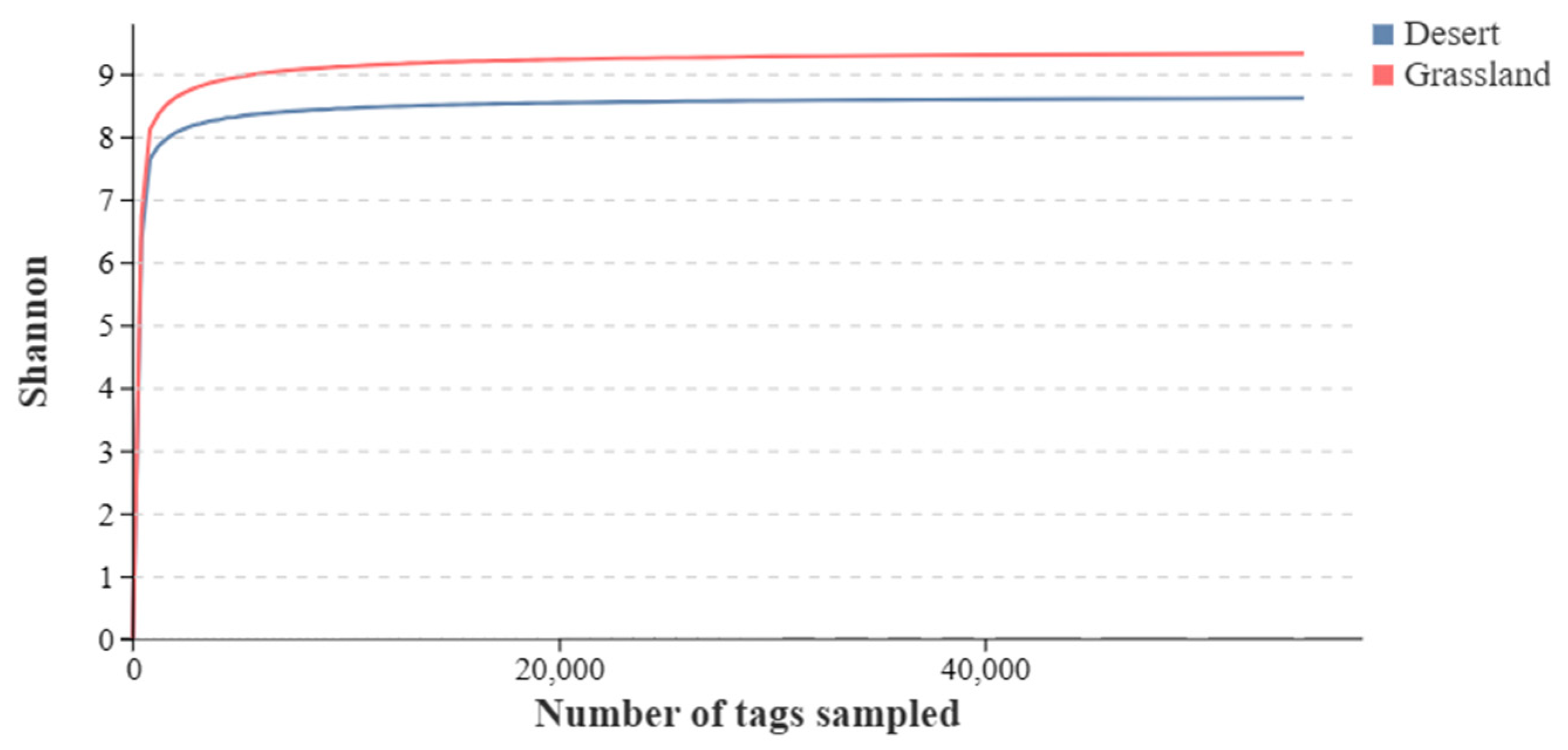
Figure 1. Shannon diversity rarefaction curves of soil bacteria in desert and grassland.
Diversity 18 00357 g001
Figure 2. Venn analysis of soil microbial OTU levels under different ecosystems.
Diversity 18 00357 g002
Figure 3. Characteristics of soil bacterial microbial community composition at the phylum level under different ecosystems.
Diversity 18 00357 g003
Figure 4. Shannon−Wiener index (a) and Pielou index (b) of bacterial communities in different ecosystems. Blue dots represent Desert, red dots represent Grassland, the asterisks indicate significant differences between vegetation types. * p < 0.05.
Diversity 18 00357 g004
Figure 5. Beta diversity of bacterial communities in different ecosystems as revealed by Bray−Curtis dissimilarity.
Diversity 18 00357 g005
Figure 6. Co−occurrence network of bacterial communities in different ecosystems ((a,c): alpine desert; (b,d): alpine grassland)). Different colors represent different modules, and modules with <5 nodes are represented in gray.
Diversity 18 00357 g006
Figure 7. Weighted and unweighted robustness of microbial co-occurrence networks in different ecosystems. Error bars represent the standard deviations of the mean. The asterisks indicating significant differences between grassland types (*** p < 0.001).
Diversity 18 00357 g007
Figure 8. Redundancy analysis of bacterial communities at the phylum level in desert (a) and grassland (b) ecosystems.
Diversity 18 00357 g008
Figure 9. Factors that influenced the compositions of the alpine desert (a) and alpine grassland (b) by the Mantel test. EC, electrical conductivity; SOC, soil organic carbon; STN, soil total nitrogen; STP, soil total phosphorus; SAN, soil available nitrogen; SAP, soil available phosphorus. * p < 0.05; ** p < 0.01; *** p < 0.001.
Diversity 18 00357 g009
Table 1. Soil physicochemical properties under different ecosystems (Mean ± SE).
IndicesDesertGrassland
pH8.38 ± 0.13 a8.16 ± 0.11 a
EC (μs cm−1)659.81 ± 201.94 a567.02 ± 107.97 a
SOC (g kg−1)3.56 ± 0.69 b19.12 ± 2.74 a
STN (g kg−1)0.21 ± 0.06 b1.91 ± 0.32 a
STP (g kg−1)0.34 ± 0.06 b0.54 ± 0.03 a
SAP (mg kg−1)0.91 ± 0.27 b2.04 ± 0.31 a
SAN (mg kg−1)10.4 ± 1.86 b82.55 ± 17.97 a
Different lowercase letters indicate significant differences among grassland types for the same indicator (p < 0.05). EC, SOC, STN, STP, SAP and SAN represent electrical conductivity, soil organic carbon, soil total nitrogen, soil total phosphorus, soil available phosphorus and soil available nitrogen respectively.
Table 2. Network topological features of bacteria in different ecosystems.
FeaturesDesertGrassland
Node7481149
Edge22068630
Positive edge21326788
Negative edge741842
Average degree5.89815.022
Average path length4.3383.937
Network diameter11.59713.933
Network density0.0080.013
Clustering coefficient0.5910.402
Modularity0.7840.491
Disclaimer/Publisher’s Note: The statements, opinions and data contained in all publications are solely those of the individual author(s) and contributor(s) and not of MDPI and/or the editor(s). MDPI and/or the editor(s) disclaim responsibility for any injury to people or property resulting from any ideas, methods, instructions or products referred to in the content.