Article

The Quantitative Classification, Ordination and Diversity Characteristics of Plant Communities in Southwestern Tibet

1
Institute of Plateau Ecology, Xizang Agricultural and Animal Husbandry University, Nyingchi 860000, China
2
Key Laboratory of Alpine Vegetation Ecological Security of Husbandry University, Nyingchi 860000, China
3
Key Laboratory of Tibet Plateau Forest Ecology of Ministry of Education & National, Nyingchi 860000, China
*
Author to whom correspondence should be addressed.
These authors contributed equally to this work.
Diversity 2026, 18(6), 343; https://doi.org/10.3390/d18060343
Submission received: 2 December 2025 / Revised: 8 May 2026 / Accepted: 18 May 2026 / Published: 5 June 2026
(This article belongs to the Section Plant Diversity)

Abstract

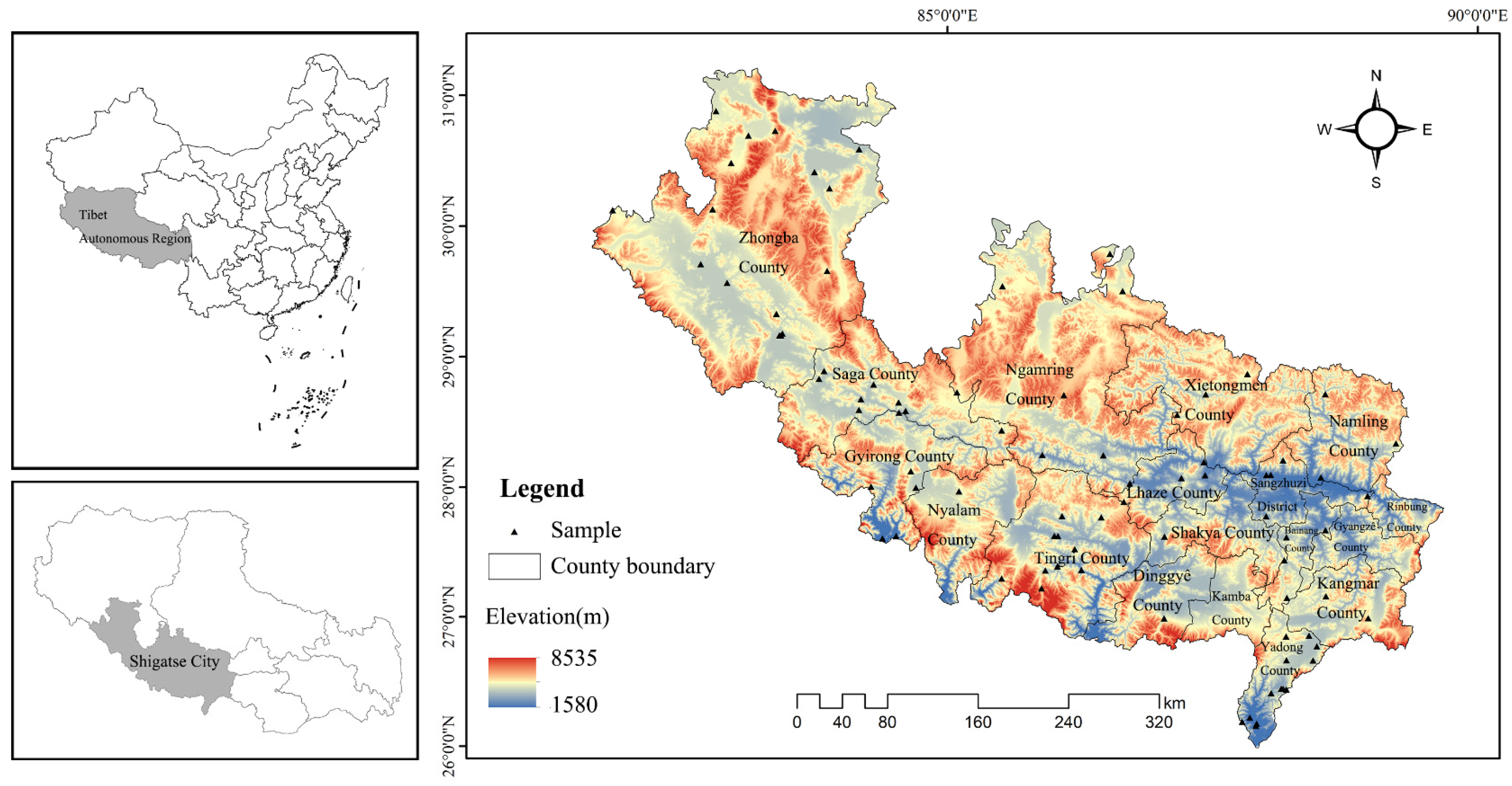
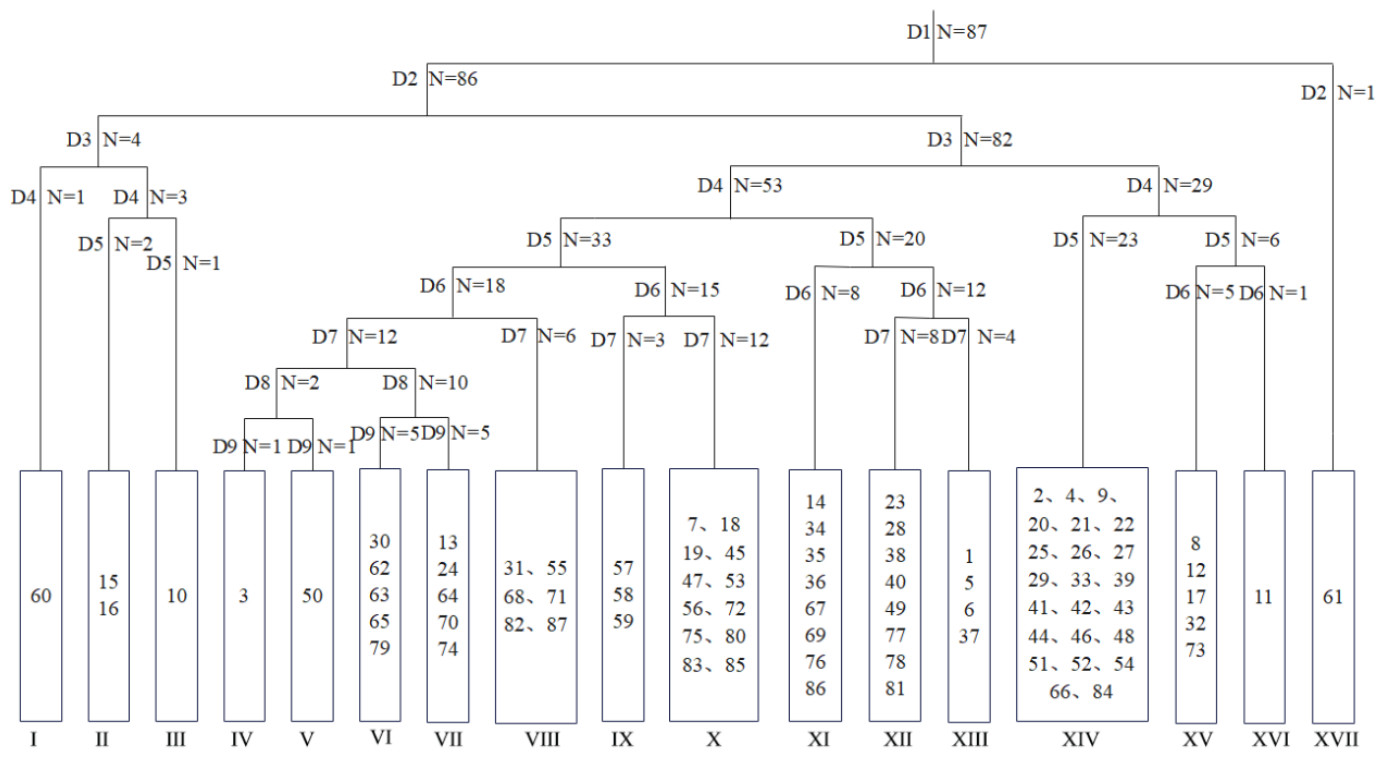
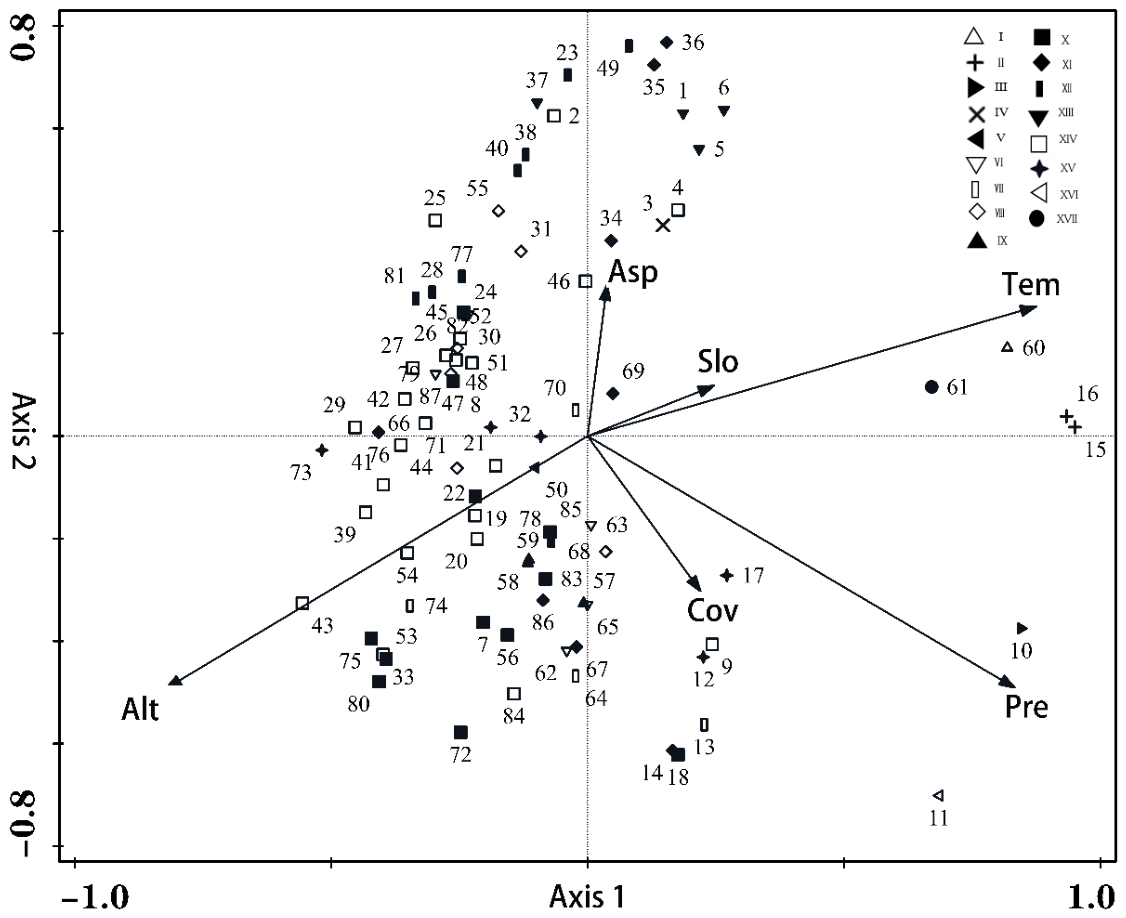
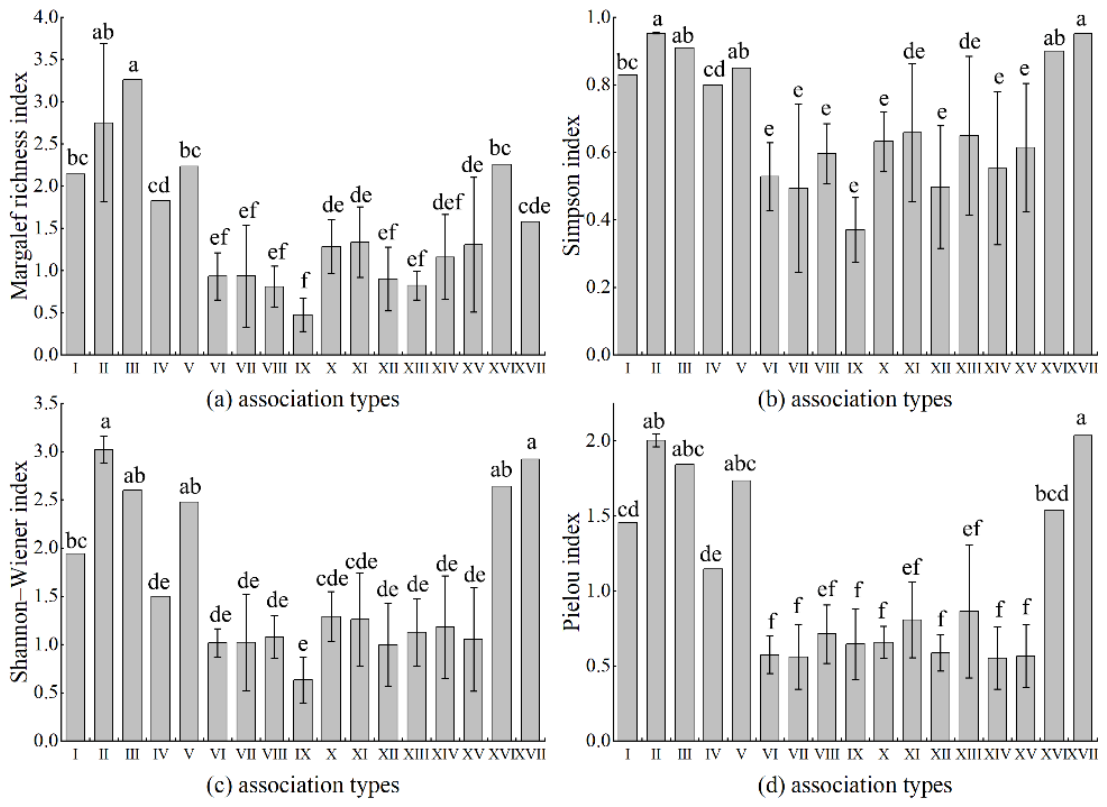
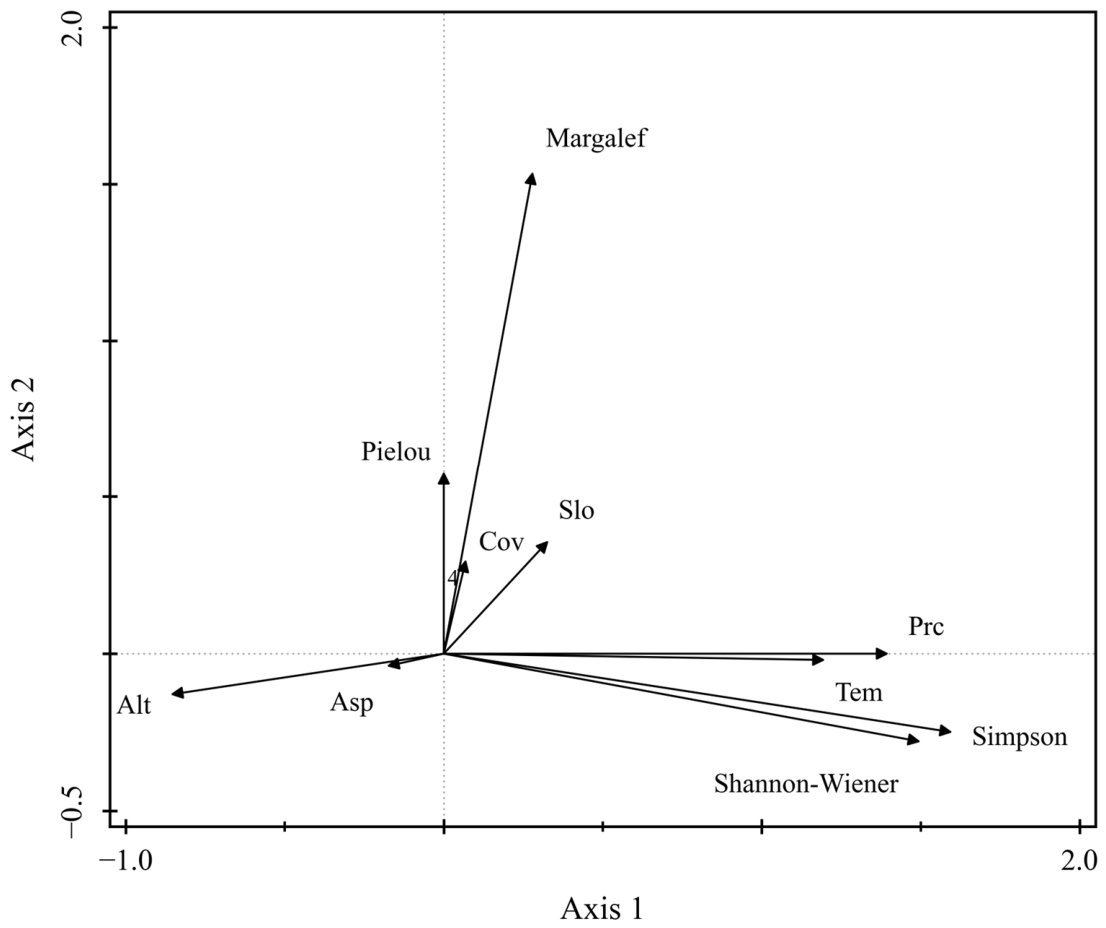
To explore the distribution patterns of plant communities in southwestern Xizang and their relationships to environmental factors, this study focused on providing a theoretical basis for the conservation of biodiversity and ecological restoration of plant communities in the study area. Based on survey data from 87 sample plots in southwestern Xizang, in this study, two-way indicator species analysis (TWINSPAN) and canonical correspondence analysis (CCA) were employed for quantitative classification and ordination purposes, respectively. Additionally, the diversity of the classified community types obtained was analyzed, along with the factors influencing them. The results indicated that: a total of 295 species of vascular plants belonging to 171 genera and 61 families were recorded in the 87 sample plots; according to TWINSPAN classification, the plants in southwestern Xizang were divided into 17 associations, with the vegetation types being dominated by tussock-forming grass alpine steppes and tussock-forming Kobresia alpine meadows; CCA ordination revealed that the annual average temperature, annual precipitation, and altitude exhibited significant explanatory power; both the α- and β-diversity indices of the coniferous forest community type were the highest, indicating notable community stability; and annual average temperature and annual precipitation significantly affected plant diversity, while the altitude was negatively correlated with the above diversity indices. In summary, the temperature and precipitation were the main environmental factors influencing the composition and distribution of plant communities in southwestern Xizang. The research results could provide a theoretical basis for further investigation and conservation of plant diversity as well as ecological restoration in southwestern Xizang.
Keywords: southwestern Xizang; community classification; ordination; plant diversity southwestern Xizang; community classification; ordination; plant diversity