Article

Microhabitat Primarily Structures Bacterial Communities, While Management History Shapes Functional Potential in Tomato-Associated Soils


by
Santiago Adolfo Vio
1,
Joaquín Rilling
2,
Manuel Fernandez-Lopez
3,
Milko Alberto Jorquera
4,
Mariano Pistorio
5 and
María Flavia Luna
1,6,*
1
Centro de Investigación y Desarrollo en Fermentaciones Industriales, CINDEFI (CONICET/UNLP), Calle 50 227, La Plata 1900, Argentina
2
Instituto Iberoamericano de Desarrollo Sostenible (IIDS), Universidad Autónoma de Chile, Las Delicias 428, Temuco 4780000, Chile
3
Microbiology of Agroforestry Ecosystems Group, Department Soil and Plant Microbiology, Estación Experimental del Zaidin (CSIC), Calle Profesor Albareda 1, 18008 Granada, Spain
4
Laboratorio de Ecología Microbiana Aplicada, Departamento de Ciencias Químicas y Recursos Naturales, Universidad de La Frontera, Temuco 4780000, Chile
5
Instituto de Biotecnología y Biología Molecular, IBBM (CONICET/UNLP), Calle 50 y 115, La Plata 1900, Argentina
6
Comisión de Investigaciones Científicas de la Provincia de Buenos Aires (CIC-PBA), Calle 526 e/Calles 10 y 11, La Plata 1900, Argentina
*
Author to whom correspondence should be addressed.
Diversity 2026, 18(5), 256; https://doi.org/10.3390/d18050256
Submission received: 25 March 2026 / Revised: 21 April 2026 / Accepted: 23 April 2026 / Published: 26 April 2026
(This article belongs to the Special Issue Rhizosphere Microbial Community Diversity)

Abstract

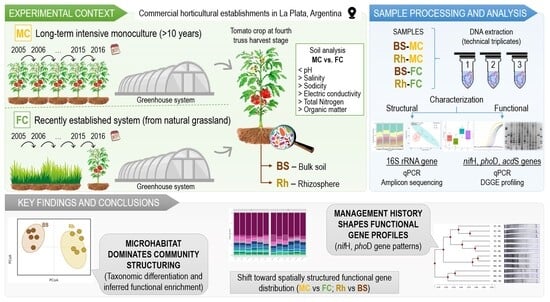
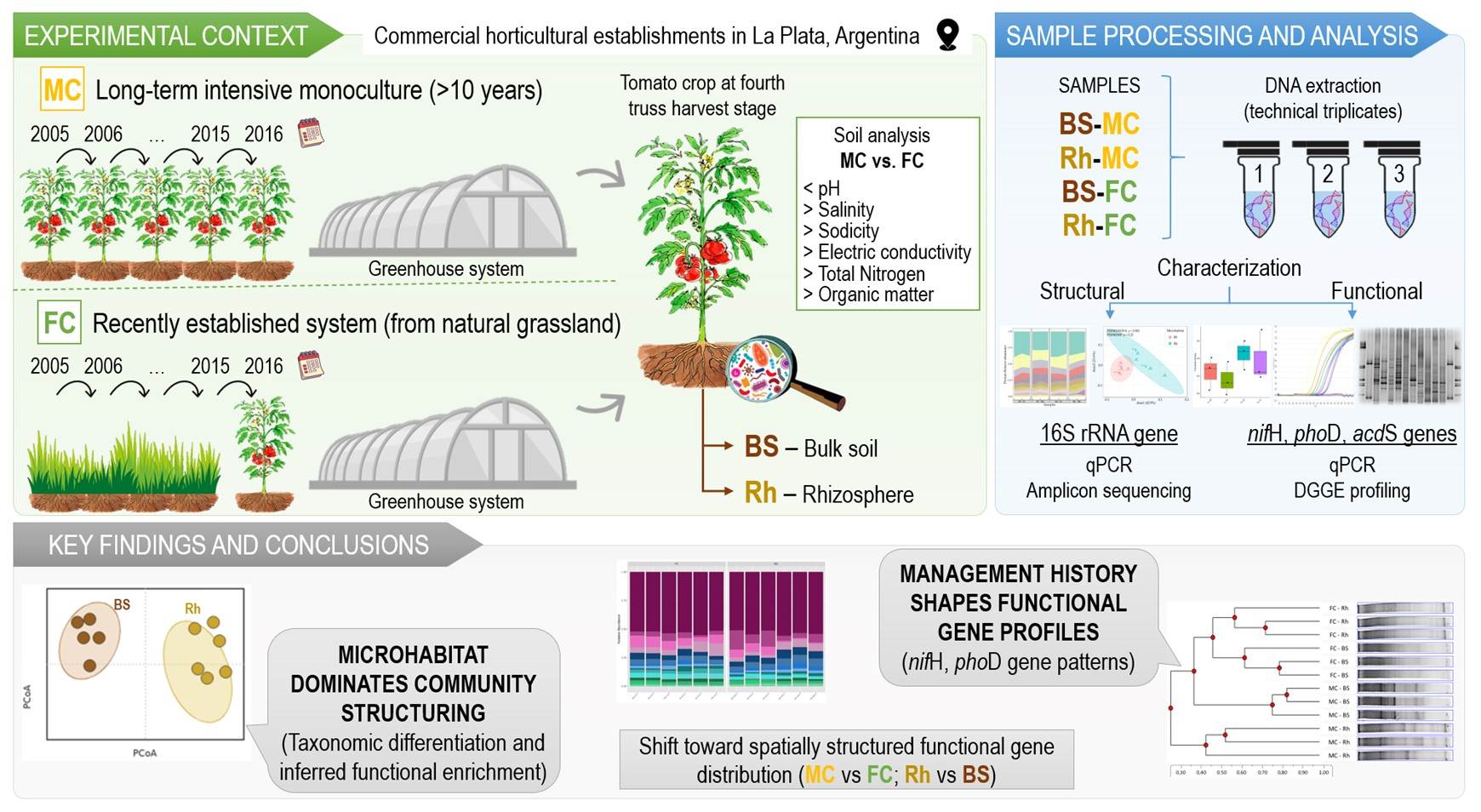
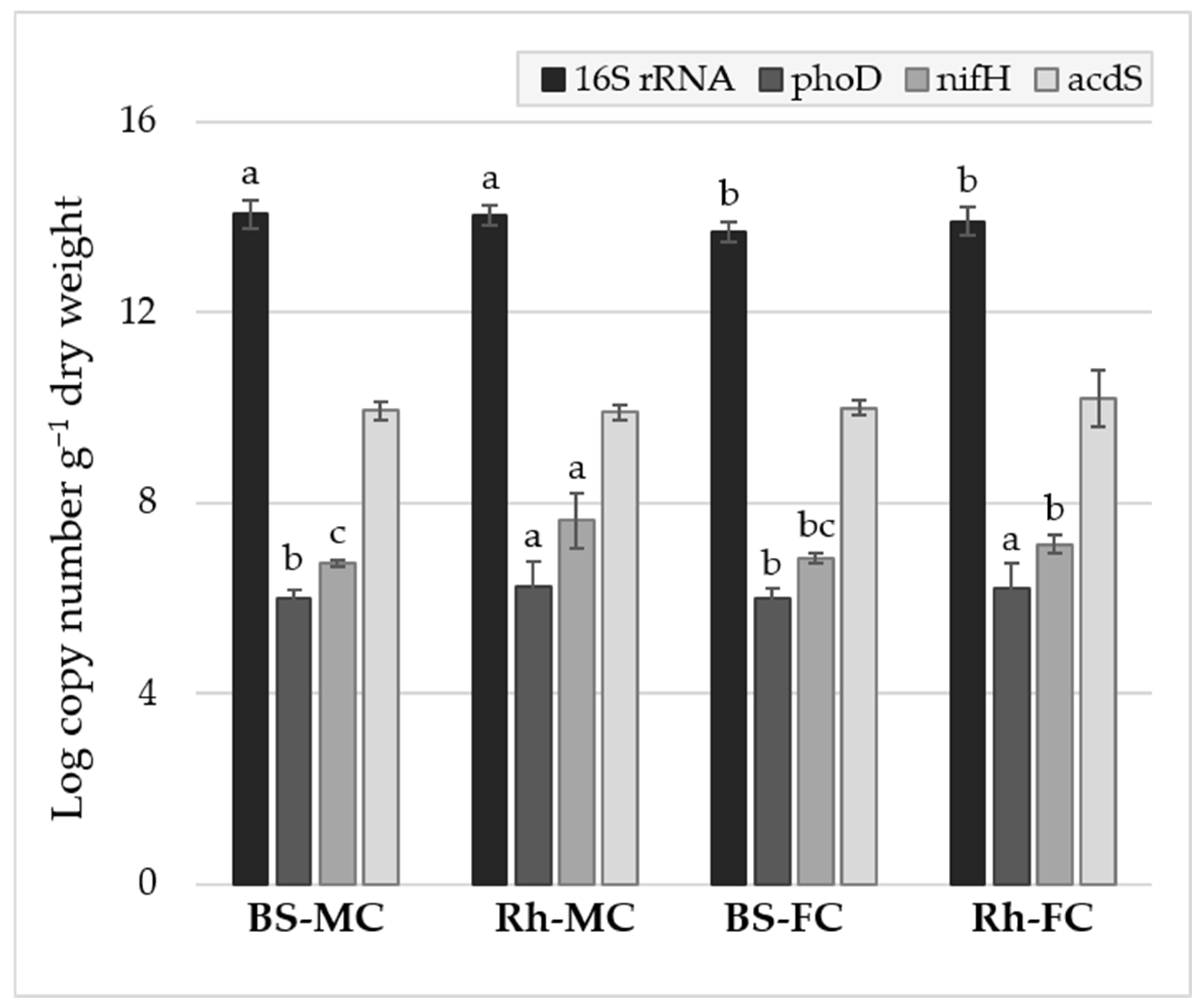
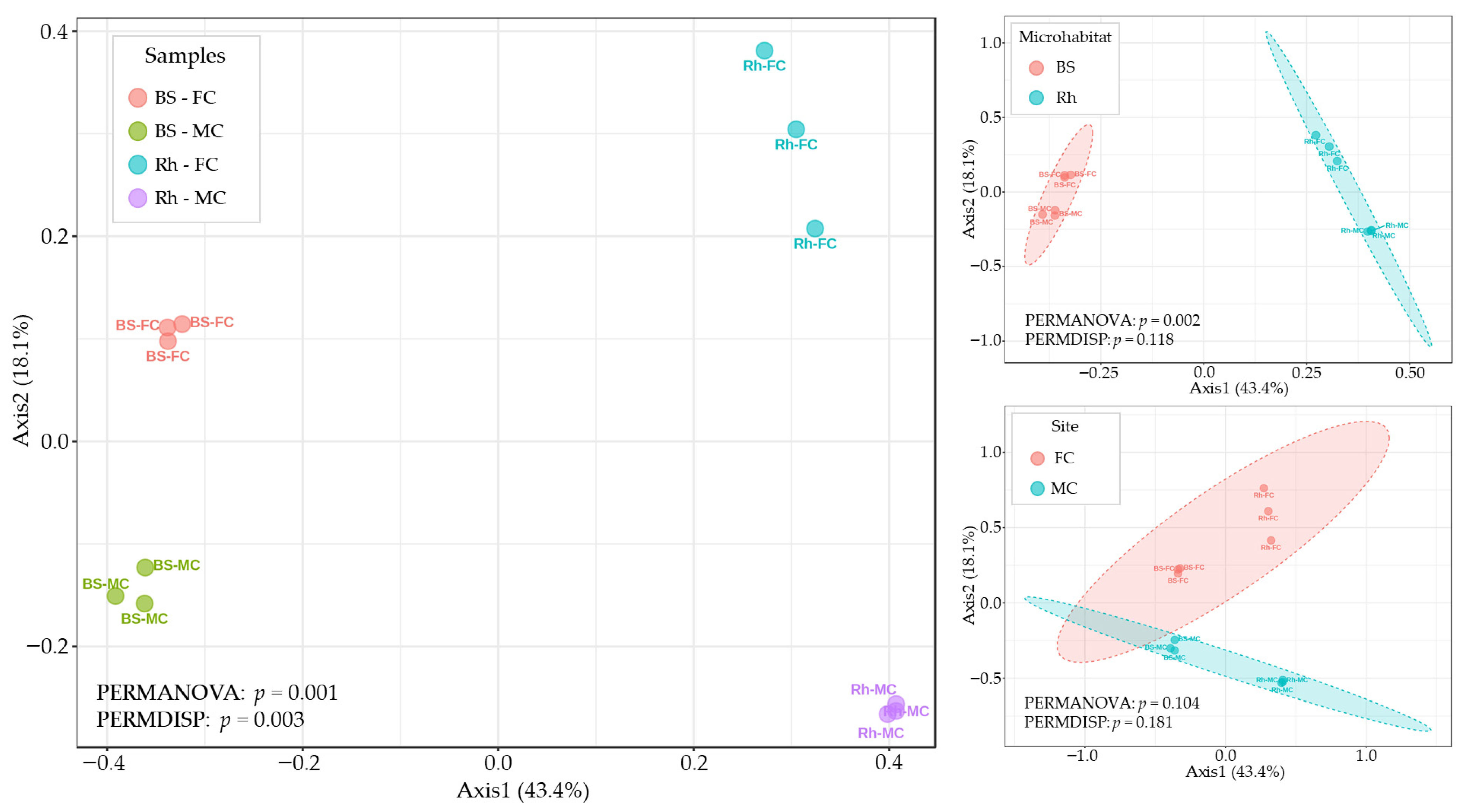
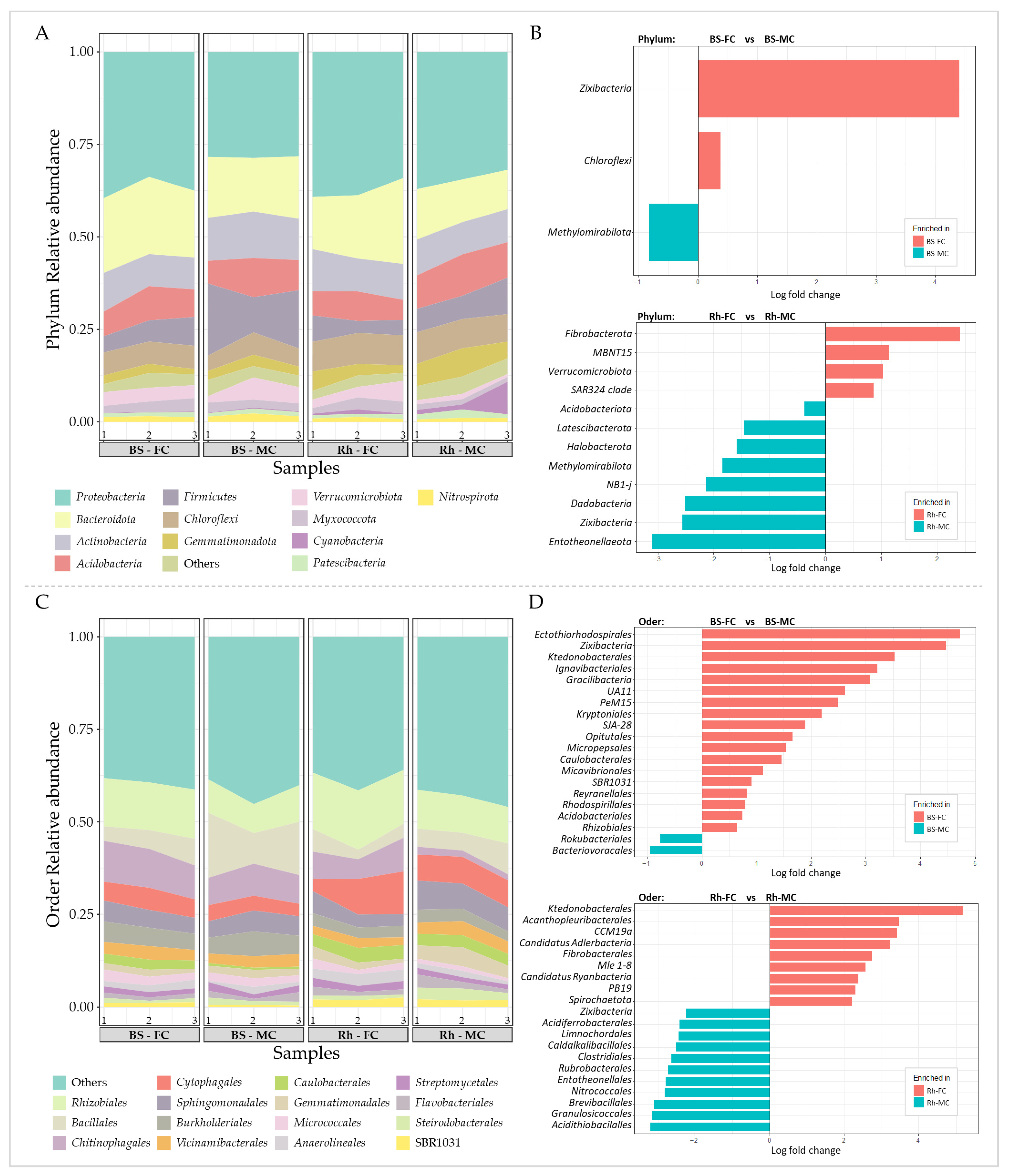
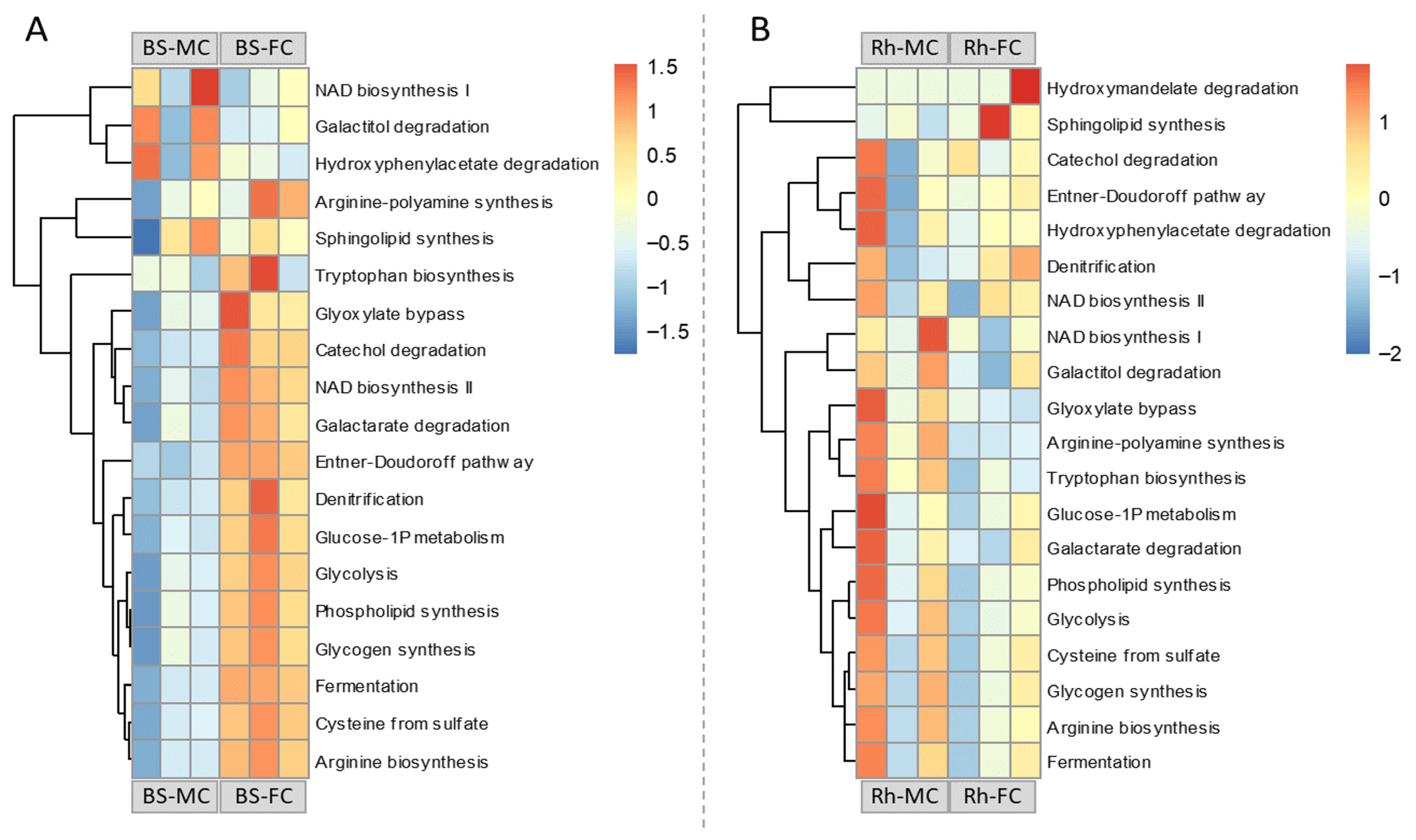
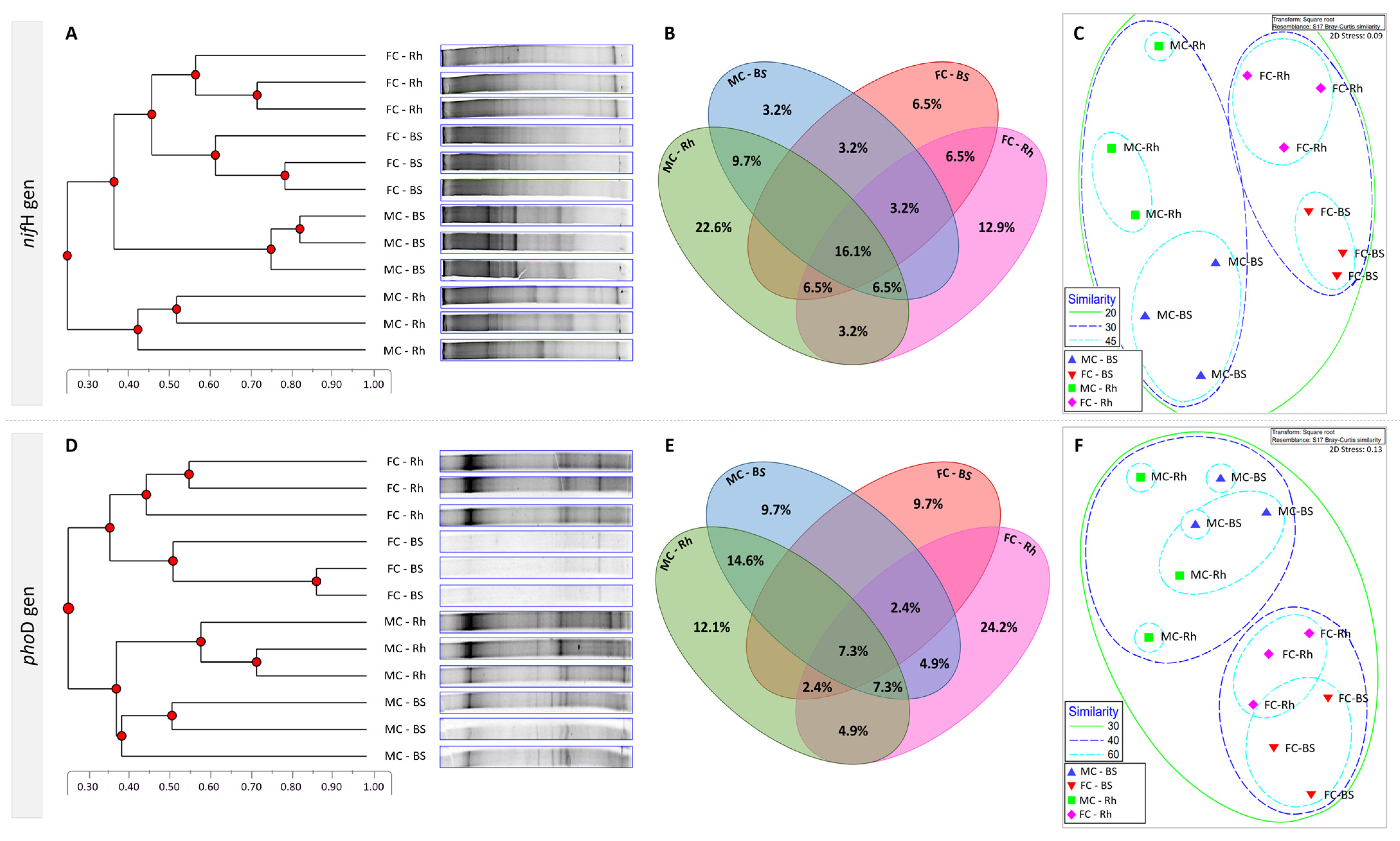
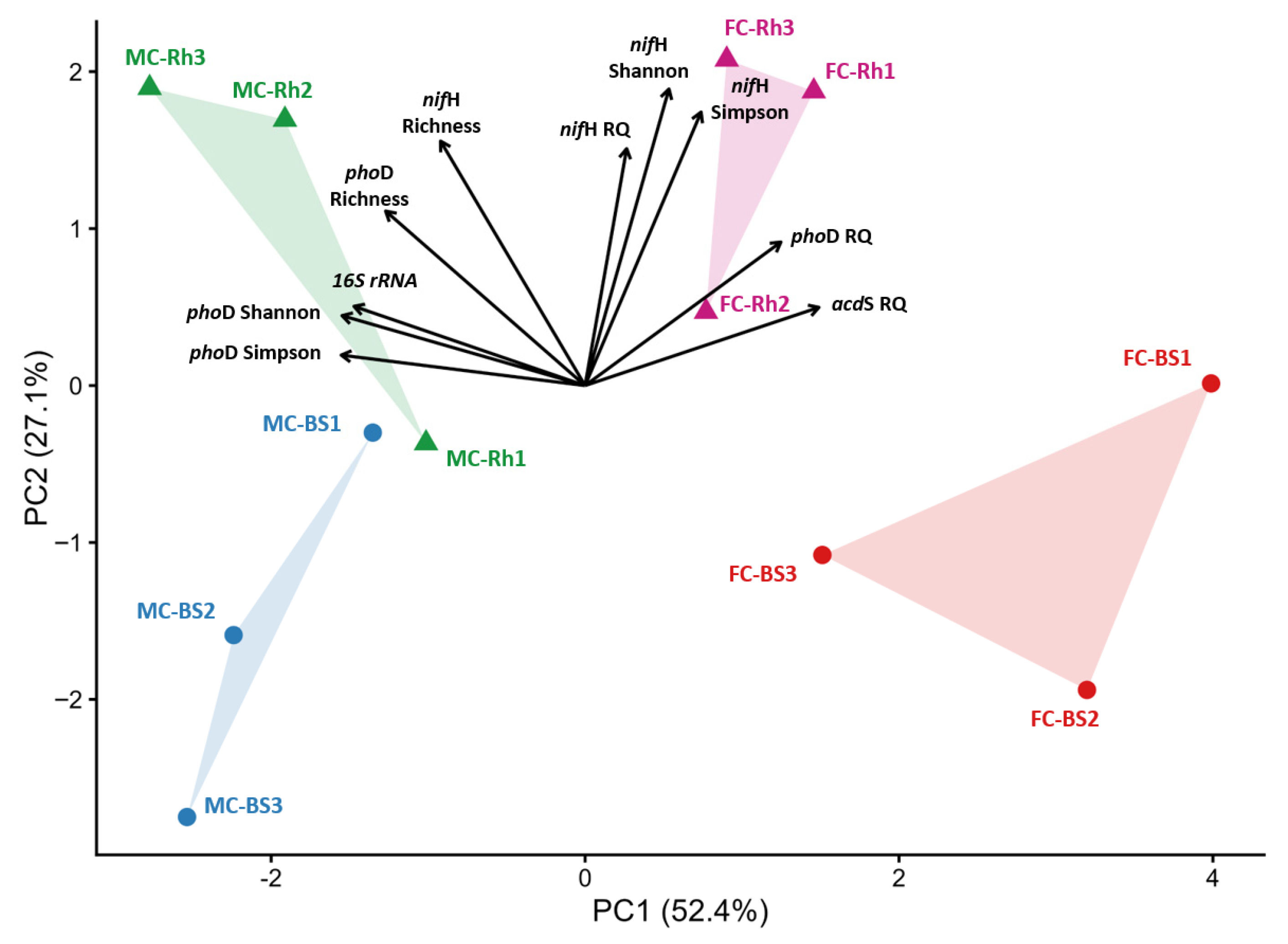
Intensive horticultural management modifies soil physicochemical conditions, yet its effects on microbial community assembly and functional organization remain poorly resolved. This study examined bulk soil (BS) and rhizosphere soil (Rh) bacterial communities associated with tomato plants grown in two contrasting commercial horticultural establishments: a long-term intensive monoculture (>10 years; MC) and a recently established system (FC). Total bacterial abundance and community structure were characterized using qPCR and 16S rRNA gene amplicon sequencing, respectively; the abundance and diversity of functional plant-growth-promoting (PGP) genes—nifH, phoD, and acdS—were assessed by qPCR and DGGE profiling. The MC system, associated with increased salinity, nutrient accumulation, and organic matter content, supported higher bacterial abundance, whereas the FC system showed a higher relative abundance of PGP genes. Amplicon sequencing revealed significant differentiation between BS and Rh, identifying microhabitat in tomato-associated soil as the primary driver of taxonomic structure, while site effects were weaker. In contrast, DGGE profiling supported differences in functional gene composition between management systems, whereas predicted pathway profiles inferred from 16S data were comparatively similar across samples. Overall, these results indicate that horticultural intensification is associated with shifts in predicted functional potential that are not paralleled by major changes in taxonomic structure.
Keywords: soil microbiome; rhizosphere; microbial community assembly; plant-growth-promoting bacteria; agricultural intensification; functional potential; tomato soil microbiome; rhizosphere; microbial community assembly; plant-growth-promoting bacteria; agricultural intensification; functional potential; tomato
Graphical Abstract