Article

Web-Based Photography Documents the Evening Grosbeak’s (Hesperiphona vespertina) Highly Diverse Diet


by
William M. Kirsch
1,*,
Caleb T. Centanni
1,2,
Matthew A. Young
3,
Jack Hobe
1,
Colton R. Veltkamp
1 and
W. Douglas Robinson
1
1
Department of Fisheries, Wildlife and Conservation Sciences, Oregon State University, Corvallis, OR 97330, USA
2
K. Lisa Yang Center for Conservation Bioacoustics, Cornell Lab of Ornithology, Cornell University, Ithaca, NY 14850, USA
3
Finch Research Network, 3762 State Route 41, Cincinnatus, NY 13040, USA
*
Author to whom correspondence should be addressed.
Diversity 2025, 17(12), 837; https://doi.org/10.3390/d17120837
Submission received: 3 November 2025 / Revised: 27 November 2025 / Accepted: 29 November 2025 / Published: 4 December 2025
(This article belongs to the Special Issue 2025 Feature Papers by Diversity’s Editorial Board Members)

Abstract

Community-sourced biodiversity imagery has expanded rapidly in the past decade, facilitating analyses of ecology on unprecedented spatial scales. Proliferation of these databases has also helped to reveal understudied or previously overlooked aspects of many species’ basic biology. The Evening Grosbeak (Hesperiphona vespertina) is considered to be a species of conservation concern, and many aspects of its diet have yet to be investigated, including how its diet varies seasonally and across its large North American range. The Evening Grosbeak’s striking plumage, frequent occurrences at bird feeders, and nomadic behavior all make them popular targets of bird photographers and a prime species for study using large community-sourced archives. We reviewed more than 50,000 photographs of Evening Grosbeaks archived in the Macaulay Library, a large public database, to gain a more detailed understanding of the diet of this species. While most Evening Grosbeak images found in the Macaulay Library depicted birds foraging at bird feeders, 1075 images were found to be of birds consuming natural (non-feeder) food items. We mapped the location of these natural dietary items to four distinct regions within the Evening Grosbeak’s geographical range and found a diet consisting of at least 96 species of plants from 25 families, 1 species of insect, and 2 species of lichen from 1 family. Despite the high diversity of dietary items we identified, richness estimators suggest even greater diversity of dietary foods exists, especially in the Pacific Northwest. Using these data and published literature on the Evening Grosbeak’s diet, we discuss the characteristics of preferred Evening Grosbeak dietary items, as well as the advantages and limitations of using community-science data for such analyses. To our knowledge, this is the first range-wide, descriptive study of a songbird species’ diet using photographs made publicly available in a community-sourced archive.

Graphical Abstract

1. Introduction

An understanding of a species’ diet is fundamental for interpreting its past and present biogeographical distributions, infraspecific variation across time and space, and competition with other species [1,2,3]. Patterns of dietary specialization, resource partitioning, and seasonal movement patterns in search of key food items or resource pulses can provide valuable insights into characteristics of ecological niches including the selective pressures that shape annual cycles [4,5]. The timing and periodicity of resource availability are also critical, as cyclical fluctuations can drive boom–bust population cycles, influence irruptive movements and social behavior, and even affect molecular evolution [1,6,7]. Moreover, basic natural history knowledge [8]—including detailed information on diets—forms the foundation of effective conservation strategies [9]. Identifying essential resources, recognizing potential vulnerabilities, and predicting responses to environmental change are all central to managing species of concern, particularly where regional differences in resource availability and consumption occur.
The Evening Grosbeak (Hesperiphona vespertina) is a North American Fringillid finch that has been recognized as a species of conservation concern [10] due to hypothesized range-wide declines [11,12]. Despite the Evening Grosbeak’s broad distribution, its diet has not been recently or comprehensively quantified across its range [8]. Evening Grosbeaks are further divided into as many as six distinct populations, or “call types,” identified by differences in flight calls [13,14]. These call types are analogous to those described in Red Crossbills (Loxia curvirostra), but unlike crossbills, Evening Grosbeak call types breed in largely non-overlapping regions of North America [14]. They typically occur together only outside the breeding season, when they may wander nomadically in search of food resources. The particular ecological factors, such as degrees of food specialization, that drive the maintenance of these call type populations are currently unknown [14,15]. Thus, greater knowledge of dietary requirements or resource use among the different call type populations could shed light on potential ecological features that distinguish them, if such features exist.
Most information on the diet of Evening Grosbeaks comes from historical field notes and a laboratory study of their crop and stomach contents by Gabrielson [16]. These natural history observations were reviewed by Speirs [17] (Supplemental Table S1), documenting a diet comprising seeds and fruits from at least 28 plant families, along with arthropods from at least seven families. Given the nature of the data summarized by Speirs [17] (i.e., brief observations and field notes) relatively few individuals have been studied. Moreover, Gabrielson’s [16] laboratory study of Evening Grosbeak stomach contents involved a total of 127 stomachs collected from “14 States and Canada” ([16], p. 3) with no specific location information preserved. Of the 127 specimens examined, 88 were collected during winter months (October to March, inclusive), while 39 were taken during the summer months. Because the number of individuals observed and the variety of locations sampled were not specific, it is uncertain how well these historical data represent the species’ full dietary composition or capture variation across geography and season.
Recently, availability of web-based imagery has provided opportunities for identification and quantification of dietary items for a variety of species, including raptors [18,19,20] and other non-passerines [21]. However, to our knowledge, notwithstanding a note describing an observation of a Straight-billed Earthcreeper (Ochetorhynchus ruficaudus) foraging [22], no study has systematically inventoried the diet of a passerine across its range using web-based, community-sourced data. A likely explanation for the paucity of such studies is the difficulty of obtaining images of birds foraging on small soft-bodied insects, often the primary food source for many passerines. However, for granivores like finches and sparrows, food items may be larger and/or require longer handling times, improving chances of obtaining photos with identifiable foods.
Evening Grosbeaks often visit feeders and nearby fruiting or seeding plants, giving birders frequent opportunities to photograph them. Their popularity is evident in the large number of images archived in the Macaulay Library, which is linked to the eBird database where birders can submit checklists with supporting media [23]. Using this resource, we reviewed 57,172 images to characterize the diversity of food items consumed by Evening Grosbeaks. We analyzed the diversity of foods in photos to estimate the degree to which that diversity was fully characterized across four regions in North America. We connected the patterns we observed across geography and seasons with remaining knowledge gaps and with current understanding of Evening Grosbeak irruptive behavior and call-type distributions.

2. Materials and Methods

2.1. Image Review

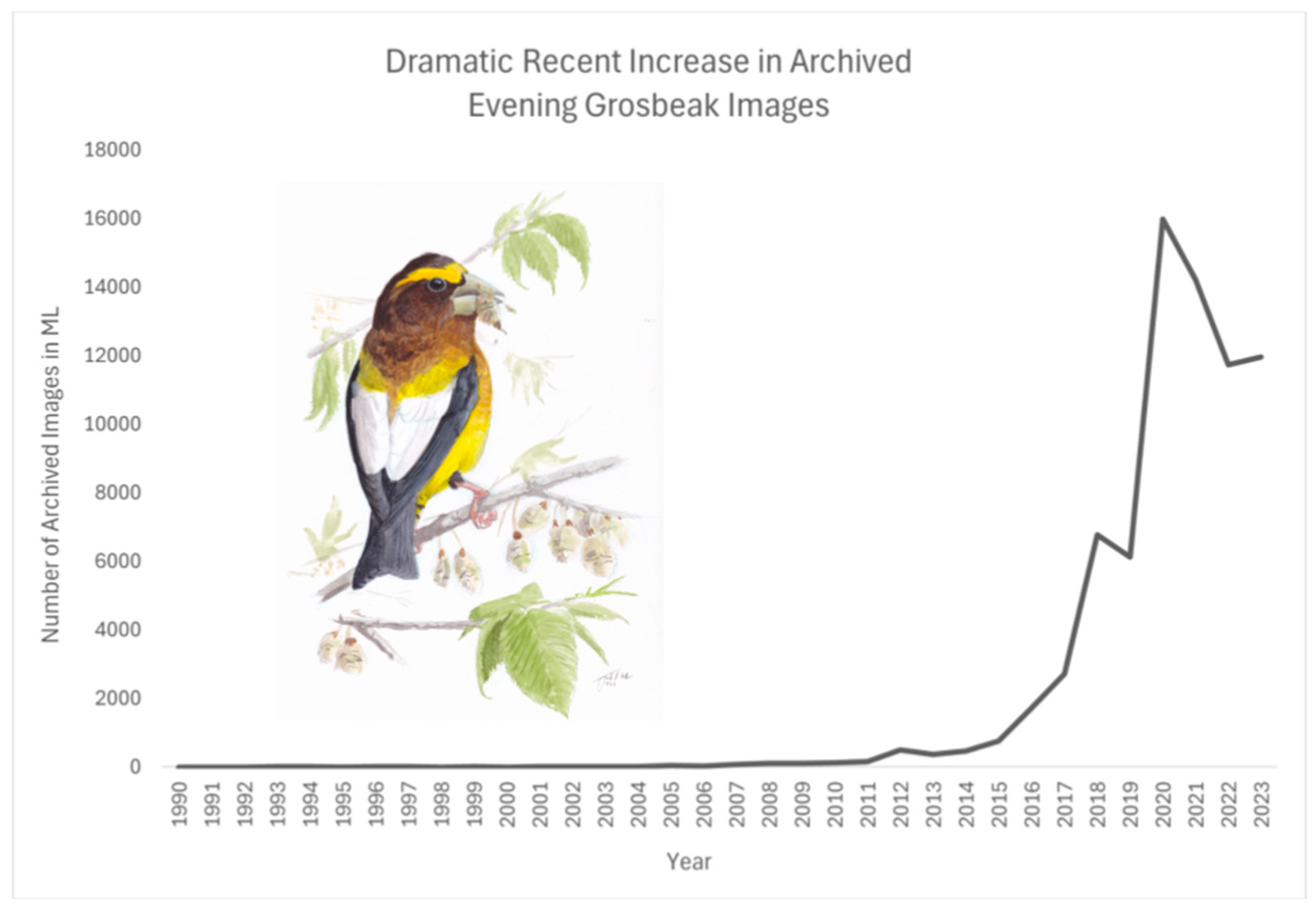
We manually inspected 57,172 images of Evening Grosbeaks archived in the Macaulay Library (ML). Images were dated from November 1990 through December 2023 (Figure 1 and Figure 2). First, we determined which images contained foraging Evening Grosbeaks. We then closely inspected only those images with identifiable food items found in the bill of an Evening Grosbeak. Many checklists contained multiple images of presumably the same birds feeding at the same locations, often taken by different observers. We removed those duplicated entries to include only one image per specific location per day. To facilitate comparisons across months, we included up to one image per month for the same site. Furthermore, the exponential increase in availability of images (Figure 1), especially after 2018, and the domination of imagery with birds foraging on sunflower seeds at feeders, influenced our sampling design. We selected images to review slightly differently in three distinct time frames to balance thoroughness with feasibility of finding birds foraging on natural food items:
  • January 1990 to September 2018: We reviewed all archived Evening Grosbeak images and recorded any identifiable food item visible in the bird’s bill. This included birds at feeders.
  • October 2018 to October 2020: We used a subsampling protocol where we randomly selected one image for every 30 archived images for review. If the randomly selected image did not depict an Evening Grosbeak consuming a food item, we repeated the random selection process without replacement until a suitable image was found. This sampling includes feeders.
  • November 2020 to December 2023: We reviewed every archived image but only recorded instances where natural food items were visible. Birds at feeders were excluded.

2.2. Characterizing Geographic and Seasonal Variation in Diet

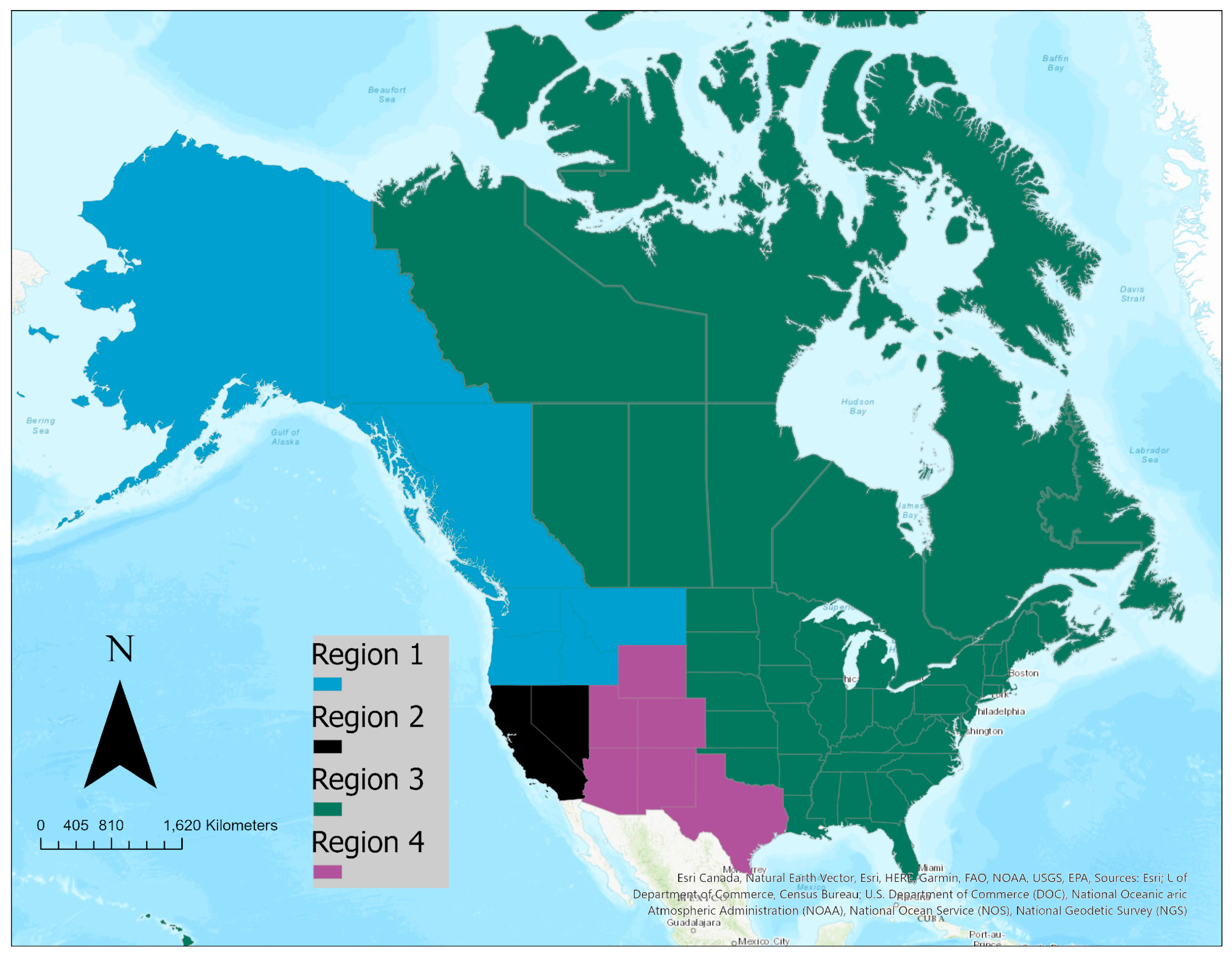
We divided observations into four different regions (Figure 3) within North America, loosely aligned with four of the main call-type populations (i.e., types 1–4). Region 1 loosely aligns with the primary range of type 1 Evening Grosbeak in the Pacific Northwest; Region 2 loosely aligns with the occurrence of type 2 Evening Grosbeak in California and Nevada; Region 3 loosely aligns with the range of type 3 Evening Grosbeak in eastern North America, and Region 4 loosely aligns with type 4 Evening Grosbeak in the Interior West and Southwest United States. We did not include a separate region for type 6 Evening Grosbeak, as the extent of this population’s geographic range is currently unknown. Moreover, we found 0 images of Evening Grosbeaks foraging on food items in Mexico, where at least one more call type population resides [14]. Our regions do not align precisely with known breeding ranges of the call types because many images were taken outside the breeding season when birds of different call types may intermingle in flocks. Identity of call types are rarely known for birds photographed because a sound recording is required to identify call types and a very small percentage (less than 1%) of checklists contained both photographs and sound recordings of Evening Grosbeaks. Each image was reviewed by at least two of the authors to identify foods to the most precise taxonomic level possible, typically genus or species but sometimes family, given the quality of the imagery. Throughout the paper we refer to the diversity of plants, animals, and lichen consumed as species diversity to simplify expression even though in several cases identification to species per se was not possible.
To document seasonal dietary trends across the Evening Grosbeak’s annual cycle, we categorized observations into four seasons: November through March (winter), April through May (spring), June through July (summer), and August through October (fall). Time periods were selected to reflect the Evening Grosbeak’s timing of breeding (summer), migratory movements (spring and fall) and wintering periods (winter). We divided the data into geographic regions because of the known geographic differences in grosbeak call-type populations and the likelihood that plant distributions varied geographically and could influence foods consumed by different call types. While the regions we identified corresponded generally with the currently recognized call types of Evening Grosbeaks, they do not align exactly with known breeding ranges because most images are not from the breeding seasons but from migration and winter periods when the different call-type populations may mix together. No photographs of foraging grosbeaks were available from Mexico (type 5).

2.3. Completeness of Dietary Richness

To assess the degree to which the available sample of imagery fully characterized the dietary diversity of Evening Grosbeaks, we used Chao’s estimator of species richness for each of the four geographic regions [24]. We used Chao2, the incidence-based estimator where S-hat is estimated richness, Sobs is the observed species richness, Q1 is the number of taxonomic units observed exactly once and Q2 is the number of taxonomic units observed exactly twice.
Ŝ = Sobs + Q21/2Q2
To be conservative, we used identifications to plant species as our taxonomic units unless no other species in a particular genus was identified within a given region’s sample. We then estimated completeness of the plant richness data by dividing the number of taxonomic units observed by the estimated richness, S-hat. Values closer to 1 indicate more complete assessments while those closer to zero indicate true diversity of dietary items is likely to be much greater than that observed in the available imagery analyzed to date. We provide our sample sizes in Table 1.

3. Results

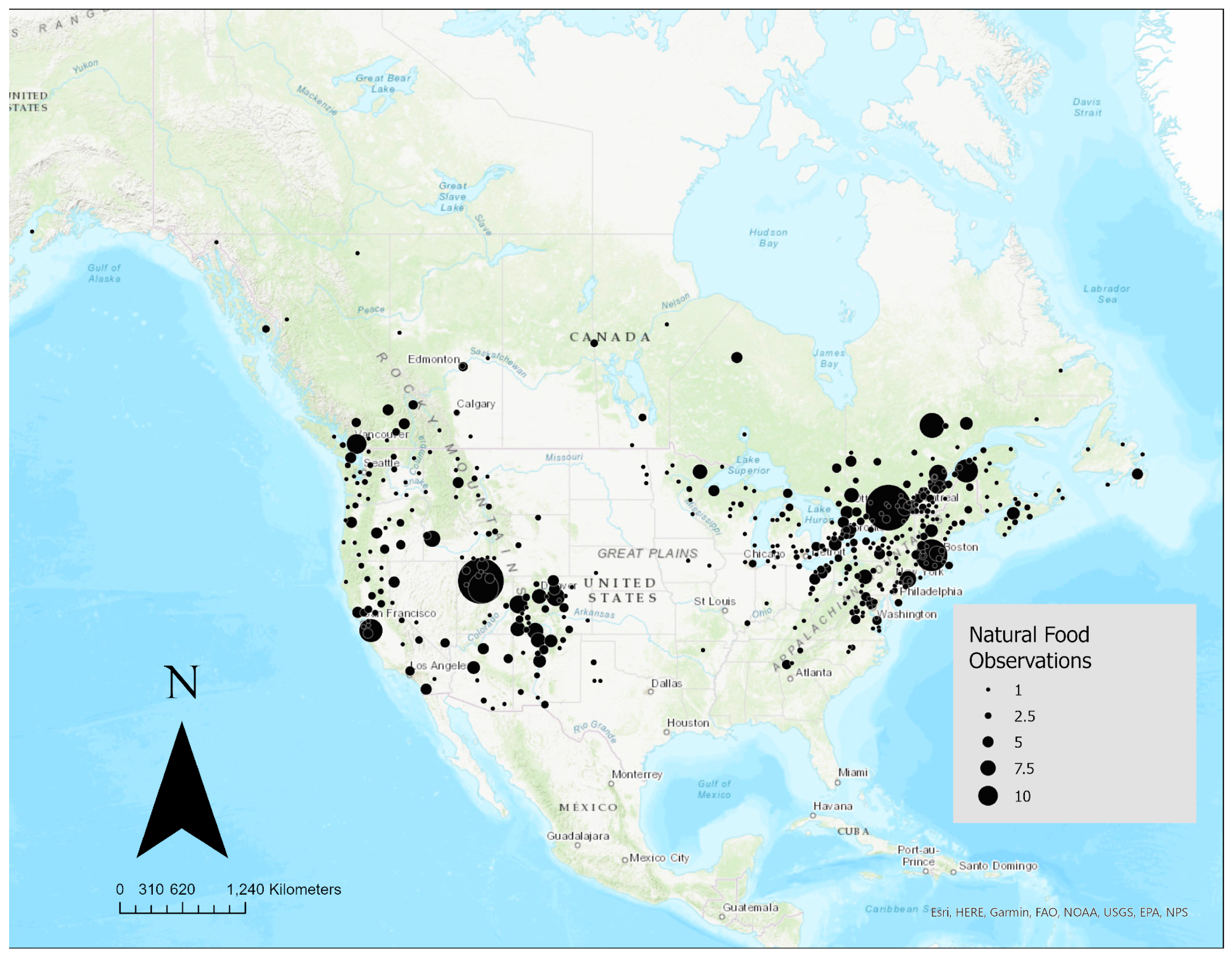
We examined 1075 images of Evening Grosbeaks foraging on identifiable natural food items (Figure 4) and 2122 images of birds foraging at feeders (Figure 5). Natural foods were composed of 98.98% plant material (n = 1064), 0.84% animal material (n = 9), and 0.19% lichens (n = 2) (Supplemental Table S2). In total, we identified at least 96 plant species from 25 families, one arthropod species, and two lichen species from one family (Supplemental Table S2).
Of the plants, the genera recorded most often included Acer, Malus, Prunus, Elaeagnus, Rhus, and Ulmus which comprised over 66% of all plants that we identified at least to genus (n = 1059; Table 2). Of the nine animal food images, seven were Choristoneura sp. and two were Lepidoptera sp. Of the two lichen food images, one was Letharia vulpina and the other was Usnea sp.

3.1. Regional Patterns

Preferred dietary items of Evening Grosbeaks varied regionally (Table 3). The observed number of plant species varied three-fold across the four regions, with the lowest diversity in Region 2 (California and Nevada, the range of call type 2) and the highest in Region 3 (eastern and central North America, the range of call types 3 and 6; Table 3).
In Region 1, diets were dominated by Acer, Prunus, and Ulmus species. In Region 2, consumption was dominated by Pistacia chinensis. In Region 3, primary foods were Acer, Malus, and Rhus species. In Region 4, diets were dominated by Elaeagnus angustifolia.

3.2. Seasonal Patterns

Sampling varied seasonally (Table 4). Fall and winter produced more images of foraging grosbeaks than spring and summer. The primary plant foods photographed during summer were Prunus sp., common in other seasons as well, and serviceberry (Amelanchier sp.), which was not in the top 5 during other seasons. Across the entire dataset, photographs indicated that Evening Grosbeaks tended to consume elm (Ulmus sp.) and maple/box elder (Acer sp.) during spring as their primary dietary items. In fall and winter, major dietary items were similar, with the continuing importance of Acer sp and Prunus sp, plus additional frequent occurrence during winter of crab apples (Malus sp.), Russian/autumn olive (Eleagnus sp.) and sumac (Rhus sp.). The latter three genera produce fruits that persist late into winter.

3.3. Completeness of Dietary Richness Assessments

Despite having the lowest observed diversity of plant dietary items, the sample from imagery in Region 2 produced a higher estimate of completeness than the samples from other regions (Table 5). Region 1 (the Pacific Northwest, where call type 1 primarily resides) was the most incompletely sampled, indicating a much greater diversity of dietary items probably exists despite the available imagery revealing the second highest number of species observed (Table 5). Overall, the diversity of dietary items consumed by Evening Grosbeaks is very high. Even with a total sample size of more than 1000 images across the 4 regions, the diversity remains incompletely characterized.

4. Discussion

Our review of more than 50,000 photographs contributed by community scientists produced 1075 images of Evening Grosbeaks consuming identifiable natural food items. More than twice as many photos, however, were of birds at feeders, primarily consuming sunflower seeds. Among the photographs depicting Evening Grosbeaks foraging on natural food items, at least 96 species of a wide variety of seeds and fruits were identified (Supplemental Table S2). Of these, 78 plant species and two lichen species had not been previously reported in the literature (Supplemental Table S2). Conversely, 19 plant species and 5 animal species reported in earlier studies were not detected here. Taken together, our findings increase the documented Evening Grosbeak diet to at least 121 distinct food items, including 113 plant species, 6 animal species, and 2 lichen species.
Yet, even with such a large sample size of photographs, richness estimators indicated that natural plant foods of Evening Grosbeaks are even more diverse (Table 5). Region 3, which includes most of eastern North America, was sampled best from its 644 available photographs but even in this region the characterization of dietary diversity did not even reach 60% of its predicted value (Table 5). Region 1, the Pacific Northwest, was the least well-characterized. Its sample of 142 images produced observations of 35 food species, but richness estimators predicted the characterization was less than 20% complete (Table 5). In contrast, despite only 74 images being found of grosbeaks in region 2 (California and Nevada) eating natural plant products, estimators suggest that sample represented approximately 79% of the dietary diversity (Table 5). Thus, the diversity of plants consumed by Evening Grosbeaks across North America is quite large. Nevertheless, two-thirds of the food items occurred in just 6 genera, all of which produce either samaras (winged soft seeds of Acer and Ulmus) or small to medium seeds surrounded by thin, sometimes hard, layers of fruit (Prunus, Rhus, Eleagnus and Malus) (Table 2).
Of the nine animal food items identified, seven consisted of larvae of Choristoneura sp., while two were Lepidoptera sp. larvae (Supplemental Table S2). The identification and importance of non-plant food items remains difficult to assess for two primary reasons. First, during the breeding season, grosbeaks occupy forests and often breed and forage high in the canopy, limiting opportunities for photography. Furthermore, small insects are difficult to photograph because of their size, the limited handling time required relative to that needed for processing large seeds and the habit shared with other Fringillid finches of not carrying food items back to nests. Instead, grosbeaks consume the food then regurgitate it to feed nestlings. Determining the variety and importance of animal matter in Evening Grosbeak diets will be advanced better by analyses of stomach contents.
We obtained a relatively large sample of grosbeaks foraging on fall and winter food items compared with the spring and summer months. This was likely due to their greater presence in urban and suburban areas during the colder seasons (where birders are more likely to encounter and photograph them), as opposed to spring and summer, when they are primarily in coniferous forests. In spring and summer, grosbeak diets were dominated by Acer, Malus, and Rhus species, which are all common in residential areas and notable for producing fruits that persist into winter. During spring, many images depicted Evening Grosbeaks feeding on elm seeds (Ulmus spp.) across their range, consistent with past and present observations of large numbers of grosbeaks regularly using sites rich with elm tree plantings [12,17]. For example, hundreds to thousands of grosbeaks pass through the Oregon State University campus in Corvallis, Oregon, from April to May and eat elm seeds [12]. While our study provides further evidence of widespread use of elm seeds at this time of year, the locations of other key stopover sites remain unknown and would be interesting to document going forward. Furthermore, a clearer understanding of summertime foods could help reveal ecological differences among Evening Grosbeak call-type populations, as summer is when types are most geographically separated [14]. However, given documented widespread overlap in the breeding habitats, locations, and diets within these call-type contact zones, preliminary evidence suggests that Evening Grosbeak diets are generally similar among types in the contact zone with no apparent clear-cut differences [15].

4.1. What Does Such a Diverse Diet Tell Us About Irruptive and Annual Movement Behavior?

Evening Grosbeaks are well known for their irruptive fall and winter movements where, in some years, few to no individuals move south of their breeding range, while in others most of a population may wander away from that range [25,26,27]. These irruptions are hypothesized to result from a large seed crop in one year, building up the population, followed by a poor crop in subsequent years, forcing the large population to search for food elsewhere [25,26]. However, additional factors influencing patterns of irruptive behavior unrelated to food are poorly understood, as evidenced by synchrony in irruptions between boreal species which differ greatly in their diets [27]. Furthermore, given the Evening Grosbeak’s highly diverse diet of tree and shrub seeds and fruits, which are not typically plant species with enormous annual fluctuations in seed availability as occurs in some plant species, it is unclear exactly which key factors beyond diet are responsible for driving irruptive behavior in the Evening Grosbeak. However, it is certainly possible that some key food resources were overlooked such as conifer seeds which do have masting cycles as do boom bust cycles of spruce budworm; future studies should aim to address these knowledge gaps.
In addition to better understanding the proximate drivers of irruptive behavior in the Evening Grosbeak, future studies should also address factors driving the variation in irruptive/movement behavior of different Evening Grosbeak call-type populations across North America. For instance, the type 3 population, which breeds from central to eastern Canada and into the northeastern United States, is best known for massive irruptions, often documented at feeders far south of the breeding range. In contrast, type 2, which breeds primarily in California’s Sierra Nevada, rarely irrupts outside its breeding range. Type 1, the Pacific Northwest breeder, typically exhibits more regular spring migration but occasionally irrupts south into California or east to the Rocky Mountains and desert Southwest during fall and winter. Type 6, found in Alberta and Saskatchewan, has only recently been described, and its movement patterns remain poorly known. Given that Evening Grosbeak diets are broadly similar across North America, we hypothesize that population-level differences in irruptive and vocal behavior are driven more by geographic variation in resource availability than by dietary specialization. For example, a hypothesis that may be testable if data on the spatial distribution of plant species could be obtained to link directly with grosbeak dietary choices, is that the spatial proximity of geographic diversity of plants influences likelihood of grosbeaks to irrupt or wander across large ranges. More specifically, species density is higher in mountainous areas as the influences of elevation, slope and aspect create high habitat heterogeneity and support higher plant species diversity than in less topographically complex landscapes [28]. Thus, Evening Grosbeaks of call types 2 and 4, which inhabit the Sierra Nevada and Rocky Mountains, respectively, may encounter higher diversity of foods within their mountainous habitats and require less movements to find suitable foods than, for example, type 3 grosbeaks.
Consequently, a question becomes, are key resources more diverse and/or stable in the Sierra Nevada and Interior West (Utah and Colorado) than in the Pacific Northwest or northern boreal forests? To test this, one approach would be to quantify the availability of preferred food crops in each region. This would involve comparing the year-to-year availability of key crops such as Acer, Prunus, and Ulmus in Region 1 and Acer, Malus, and Rhus in Region 3 with Pistachia, Pinus, Ulmus, Elaeagnus, and Juniperus in Regions 2 and 4. It could be that grosbeak populations are most stable and least irruptive when there are multiple abundant food crops that have mismatched masting/maturation cycles, buffering against complete crop failure, as is the case with populations of Acorn Woodpeckers [1]. However, this comparison presents two primary limitations: we lack solid data on summertime foods and how the abundance of such food items (e.g., budworm) regulates regional population dynamics and influences irruptive behavior of Evening Grosbeak populations. Furthermore, it remains unclear whether regional differences in resource pulses or food availability shape the migratory behavior of Evening Grosbeak call-type populations.

4.2. Limitations

Community-sourced imagery provided a rich and geographically broad set of observations, but the opportunistic nature of these data introduced several limitations. For example, we faced two primary limitations: photographs are more likely to be taken at close range near eye-level, potentially underrepresenting canopy foraging; and geographic sampling favors accessible locations easily reached by birdwatchers and photographers, and heavily human-populated areas over more remote areas, such as Evening Grosbeak breeding grounds in coniferous forests.
Photographic biases likely led to a disproportionate number of images captured in smaller trees, shrubs, or from lower-hanging fruit on taller trees. Consequently, our results may under-represent the dietary habits of Evening Grosbeaks foraging in higher canopy levels or other less accessible habitats (such as coniferous forests, where they are most typically found).
Similarly, the birders who contribute photos to the Macaulay Library are not equally distributed in space or number across the Evening Grosbeak’s range. This geographic bias may present a challenge to data interpretation, as many of the most frequently observed food items (e.g., Acer negundo, Elaeagnus angustifolia, Ulmus spp., and Rhus spp.) may be overrepresented due to their abundance in lowland, riparian, and agricultural landscapes. Such areas often coincide with higher human population densities, resulting in more observations from those habitats than from more remote or less populated areas.
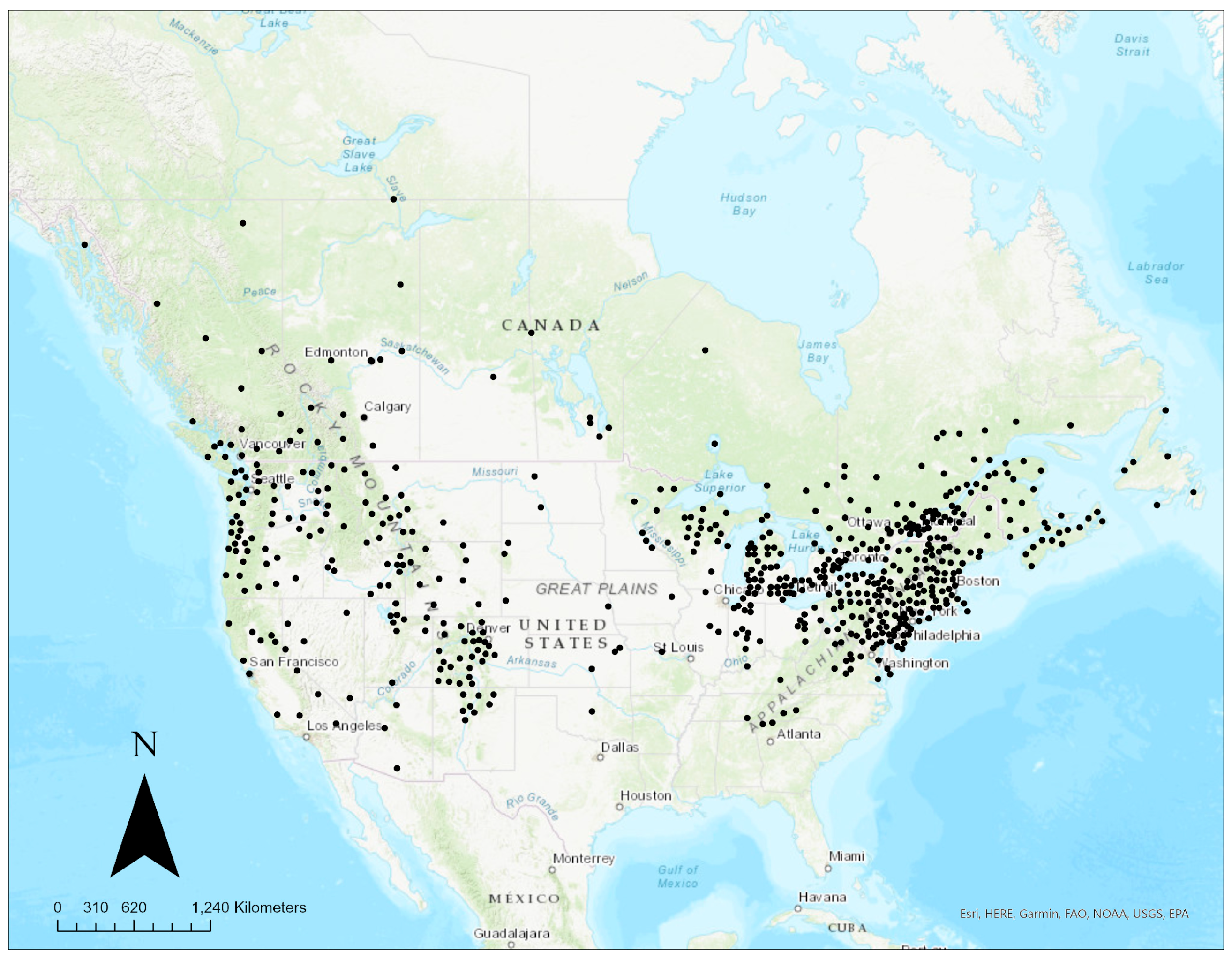
When viewed from a macro-scale, the set of natural food images (Figure 4) we viewed is well distributed across North America as is the set of images that included sunflower food items (Figure 5). Consequently, the overall conclusions of our analyses are probably robust to spatial sampling biases, but bias is expected to increase with a narrowing of the spatial scale at which data are inspected. Ultimately, these factors may collectively skew the apparent importance of some food items, particularly species common in suburban and agricultural landscapes. Furthermore, these sampling biases directly contribute to our temporal biases: few photographs were available from the breeding or early post-breeding season (when birds are in remote forests) and no natural foraging images exist from Mexico.

5. Conclusions

In our review of Evening Grosbeak images archived in the Macaulay Library from 1990 through 2023, we report 78 plant species and 2 lichen species not previously documented in the literature and reveal a highly diverse diet across the Evening Grosbeak’s range in the United States and Canada. Evening Grosbeak diets likely exceed 50 species in Regions 2 and 4 and 100 species in Regions 1 and 3. Future work should investigate the following: (1) potential regional variations in resource availability (e.g., are Evening Grosbeak food items generally more stable in Regions 2 and 4 compared with Regions 1 and 3); (2) associations of plant species distributions and densities across different geographic settings and how those are associated with differences in movement behaviors of the grosbeak call types; (3) Evening Grosbeak dietary diversity during their primary breeding season in June and July; and (4) the diet of birds in Mexico. In summary, the use of community-sourced imagery offers a viable approach to describe the range-wide dietary ecology of birds. For Evening Grosbeaks specifically, although substantial progress has been made in documenting their dietary diversity, more images are needed to fully characterize the variety of foods consumed so that a better understanding of the drivers of ecological and behavioral differences across regions and call-type populations can be obtained.

Supplementary Materials

The following supporting information can be downloaded at: https://www.mdpi.com/article/10.3390/d17120837/s1, Table S1: Summary of previously published information on the diet of Evening Grosbeaks in North America, including identification of animal and plant items to Family and Genus or Species; Table S2: All Evening Grosbeak natural food observations (n = 1075) recorded from our review of 74,626 images archived in the Macaulay Library taken from November 1990 through December 2023; Table S3: All identified Evening Grosbeak food items reported throughout the literature.

Author Contributions

Conceptualization, W.D.R.; methodology, W.D.R. and W.M.K.; validation, W.M.K., C.T.C., M.A.Y., J.H., C.R.V. and W.D.R.; formal analysis, W.M.K. and W.D.R.; investigation, W.M.K. and W.D.R.; resources, W.D.R. and M.A.Y.; data curation, W.M.K., W.D.R., C.T.C., M.A.Y., J.H. and C.R.V.; writing—original draft preparation, W.M.K. and W.D.R.; writing—review and editing, W.M.K., W.D.R., C.T.C., M.A.Y., J.H. and C.R.V. All authors have read and agreed to the published version of the manuscript.

Funding

This research was funded by the Mace endowed professorship to W.D.R. This research is also supported, in part, by the Oregon Agricultural Experiment Station with funding from the Hatch Act capacity funding program, award numbers NI25HFPXXXXXG022 and/or NI25HMFPXXXXG029, from the USDA National Institute of Food and Agriculture.

Institutional Review Board Statement

Not applicable.

Data Availability Statement

Raw data are reported in our Supplementary Files.

Acknowledgments

Help with reviewing photos was provided by E. Bury, A. Cerny, and C. Oliverson. We thank the many hundreds of birders who archived photos online via eBird and the Macaulay Library as well as the dozens of staff who created and maintain the publicly available archives at the Cornell Lab of Ornithology.

Conflicts of Interest

The authors declare no conflicts of interest.

References

  1. Koenig, W.D.; Haydock, J. Oaks, Acorns, and the Geographical Ecology of Acorn Woodpeckers. J. Biogeogr. 1999, 26, 159–165. [Google Scholar] [CrossRef]
  2. Sherry, T.W.; Kent, C.M. Extensions and Limitations of MacArthur (1958): A Review of Ecological and Evolutionary Approaches to Competition and Diet in the New World Wood Warblers (Parulidae). Ornithology 2022, 139, ukac010. [Google Scholar] [CrossRef]
  3. Centanni, C.; Robinson, W.D.; Young, M.A. Is Resource Specialization the Key?: Some, but Not All Red Crossbill Call Types Associate with Their Key Conifers in a Diverse North American Landscape. Front. Bird Sci. 2024, 3, 1321583. [Google Scholar] [CrossRef]
  4. Kissling, W.D.; Sekercioglu, C.H.; Jetz, W. Bird Dietary Guild Richness across Latitudes, Environments and Biogeographic Regions. Glob. Ecol. Biogeogr. 2012, 21, 328–340. [Google Scholar] [CrossRef]
  5. Burin, G.; Kissling, W.D.; Guimarães, P.R.; Şekercioğlu, Ç.H.; Quental, T.B. Omnivory in Birds Is a Macroevolutionary Sink. Nat. Commun. 2016, 7, 11250. [Google Scholar] [CrossRef]
  6. Swetnam, T.W.; Lynch, A.M. Multicentury, Regional-Scale Patterns of Western Spruce Budworm Outbreaks. Ecol. Monogr. 1993, 63, 399–424. [Google Scholar] [CrossRef]
  7. Stringer, E.J.; Gruber, B.; Sarre, S.D.; Wardle, G.M.; Edwards, S.V.; Dickman, C.R.; Greenville, A.C.; Duncan, R.P. Boom-Bust Population Dynamics Drive Rapid Genetic Change. Proc. Natl. Acad. Sci. USA 2024, 121, e2320590121. [Google Scholar] [CrossRef]
  8. Gillihan, S.W.; Byers, B.E. Evening Grosbeak (Hesperiphona vespertina), Version 1.1. In Birds of the World; Cornell Lab of Ornithology: Ithaca, NY, USA, 2025. [Google Scholar] [CrossRef]
  9. Hoenig, B.D.; Snider, A.M.; Forsman, A.M.; Hobson, K.A.; Latta, S.C.; Miller, E.T.; Polito, M.J.; Powell, L.L.; Rogers, S.L.; Sherry, T.W.; et al. Current Methods and Future Directions in Avian Diet Analysis. Ornithology 2022, 139, ukab077. [Google Scholar] [CrossRef]
  10. Evening Grosbeak—Road to Recovery. Available online: https://r2rbirds.org/tipping-point-species/evening-grosbeak/ (accessed on 29 December 2024).
  11. Bonter, D.N.; Harvey, M.G. Winter Survey Data Reveal Rangewide Decline in Evening Grosbeak Populations. Condor 2008, 110, 376–381. [Google Scholar] [CrossRef]
  12. Robinson, W.D.; Greer, J.; Masseloux, J.; Hallman, T.A.; Curtis, J.R. Dramatic Declines of Evening Grosbeak Numbers at a Spring Migration Stop-Over Site. Diversity 2022, 14, 496. [Google Scholar] [CrossRef]
  13. Sewall, K.; Kelsey, R.; Hahn, T.P. Discrete Variants of Evening Grosbeak Flight Calls. Condor 2004, 106, 161–165. [Google Scholar] [CrossRef]
  14. Kirsch, W.M.; Centanni, C.T.; Ngo, S.H.; Young, M.A.; Hahn, T.P.; Robinson, W.D. Quantitative Analysis of the Flight Calls and Trills of Evening Grosbeaks (Coccothraustes Vespertinus). Front. Bird Sci. 2025, 4, 1613273. [Google Scholar] [CrossRef]
  15. Duman, K.W.; Hahn, T.P. Sympatric Breeding Occurrence of Two Call Types of Evening Grosbeak in Western Wyoming. Front. Bird Sci. 2024, 3, 1371155. [Google Scholar] [CrossRef]
  16. Gabrielson, I.N. Food Habits of Some Winter Bird Visitants; U.S. Department of Agriculture Bulletin: Washington, DC, USA, 1924; No. 1249; pp. 1–32. [Google Scholar]
  17. Speirs, D.H. Hesperiphona vespertina vespertina (Cooper): Eastern Evening Grosbeak; Hesperiphona vespertina brooksi (Grinnell): Western Evening Grosbeak; Hesperiphona vespertina montana (Ridgway): Mexican Evening Grosbeak. In Life Histories of North American Cardinals, Grosbeaks, Buntings, Towhees, Finches, Sparrows, and Their Allies; Austin, O.L., Ed.; Dover Publications Inc.: Mineola, NY, USA, 1968; pp. 206–256, U.S. National Museum Bulletin No. 237; Pt. 1. [Google Scholar]
  18. Naude, V.N.; Smyth, L.K.; Weideman, E.A.; Krochuk, B.A.; Amar, A. Using Web-Sourced Photography to Explore the Diet of a Declining African Raptor, the Martial Eagle (Polemaetus Bellicosus). Condor 2019, 121, duy015. [Google Scholar] [CrossRef]
  19. Berryman, A.J.; Kirwan, G.M. Is the Tiny Hawk (Accipiter superciliosus) Really a Specialized Predator on Hummingbirds? Using Citizen Science Data to Elucidate Dietary Preferences of a Little-Known Neotropical Raptor. J. Raptor Res. 2021, 55, 276–280. [Google Scholar] [CrossRef]
  20. Panter, C.T.; Naude, V.N.; Barbar, F.; Amar, A. Continental Scale Dietary Patterns in a New World Raptor Using Web-Sourced Photographs. PLoS ONE 2024, 19, e0304740. [Google Scholar] [CrossRef]
  21. Nupen, L.; Gardner, M.; Morin, J.; Ndou, T.; Dugmore, E.K. Web-Sourced Photographic Methods Reveal Dietary Composition and Shifts in Resident and Migrant Coracias Rollers in Southern Africa. Biodivers. Obs. 2023, 13, 61–94. [Google Scholar] [CrossRef]
  22. Sandvig, E.M.; Cerpa, P. Notes on the Diet of the Straight-billed Earthcreeper (Ochetorhynchus ruficaudus) and the Use of Citizen Science Image Repositories. Ornitol. Neotrop. 2022, 33, 154–157. [Google Scholar] [CrossRef]
  23. Sullivan, B.L.; Wood, C.L.; Iliff, M.J.; Bonney, R.E.; Fink, D.; Kelling, S. eBird: A Citizen-Based Bird Observation Network in the Biological Sciences. Biol. Conserv. 2009, 142, 2282–2292. [Google Scholar] [CrossRef]
  24. Colwell, R.K.; Coddington, J.A. Estimating Terrestrial Biodiversity through Extrapolation. Philos. Trans. Biol. Sci. 1994, 345, 101–118. [Google Scholar] [CrossRef]
  25. Koenig, W.D.; Knops, J.M.H. Seed-Crop Size and Eruptions of North American Boreal Seed-Eating Birds. J. Anim. Ecol. 2001, 70, 609–620. [Google Scholar] [CrossRef]
  26. Widick, I.V.; Strong, C.; LaMontagne, J.M.; Young, M.A.; Zuckerberg, B. Continent-Wide Patterns of Climate and Mast Seeding Entrain Boreal Bird Irruptions. Glob. Change Biol. 2025, 31, e70076. [Google Scholar] [CrossRef] [PubMed]
  27. Koenig, W.D. Synchrony and Periodicity of Eruptions by Boreal Birds. Condor 2001, 103, 725–735. [Google Scholar] [CrossRef]
  28. Körner, C. Mountain Biodiversity, Its Causes and Function. AMBIO J. Hum. Environ. 2004, 33, 11–17. [Google Scholar] [CrossRef]
Figure 1. Evening Grosbeak images uploaded to the Macaulay Library have increased significantly in the past decade. Improvement in the quality and costs of digital cameras as well as an easier eBird/ML user interface (drag and drop files) are likely responsible for this pattern. Evening Grosbeak illustration by Jack Hobe.
Diversity 17 00837 g001
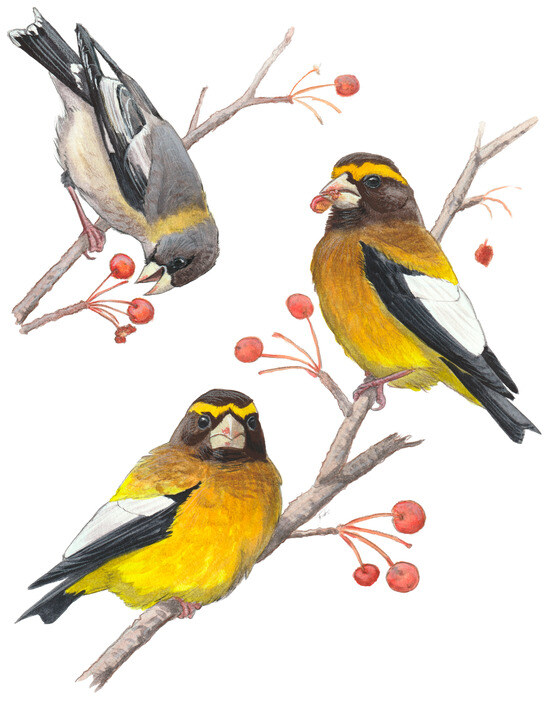
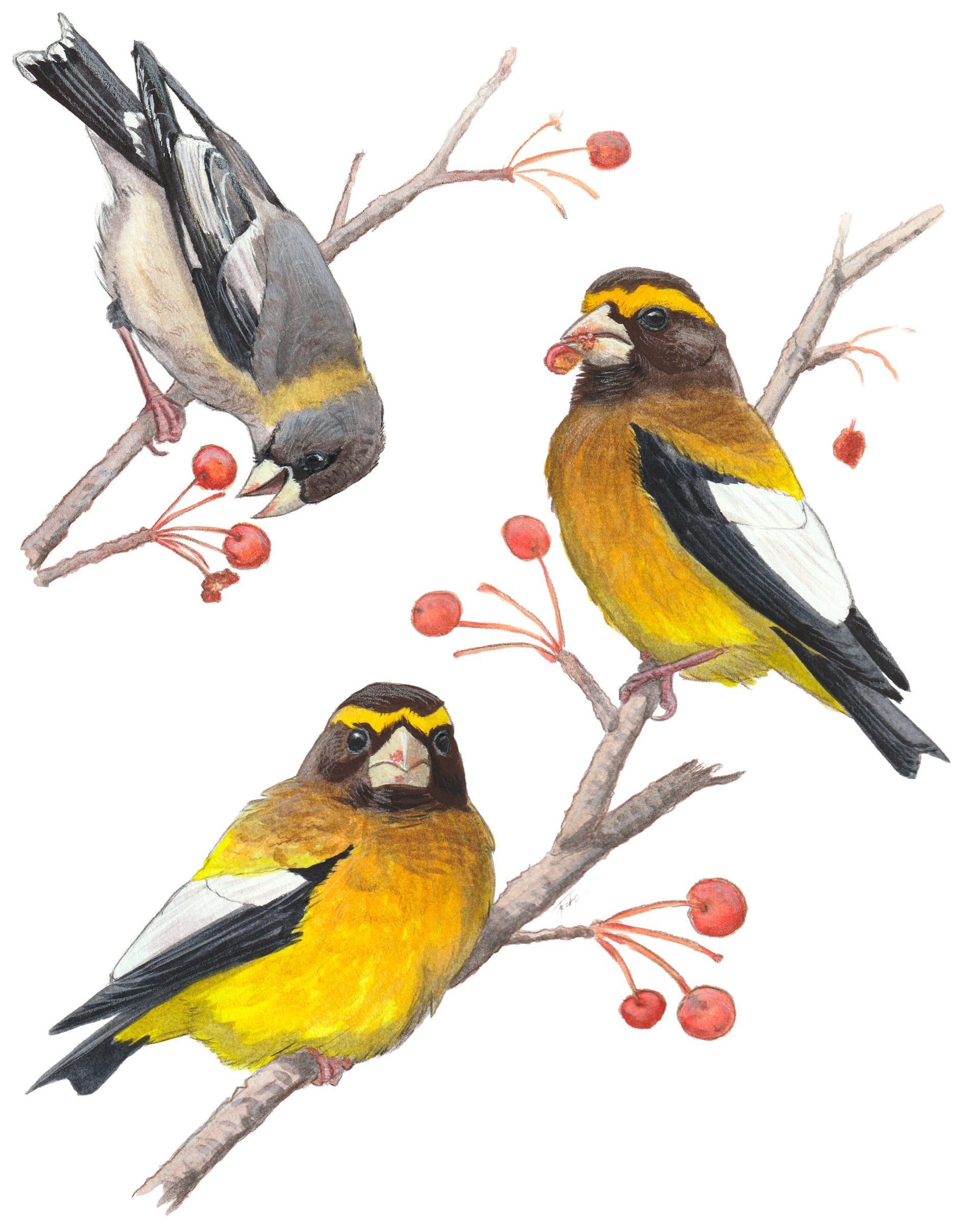
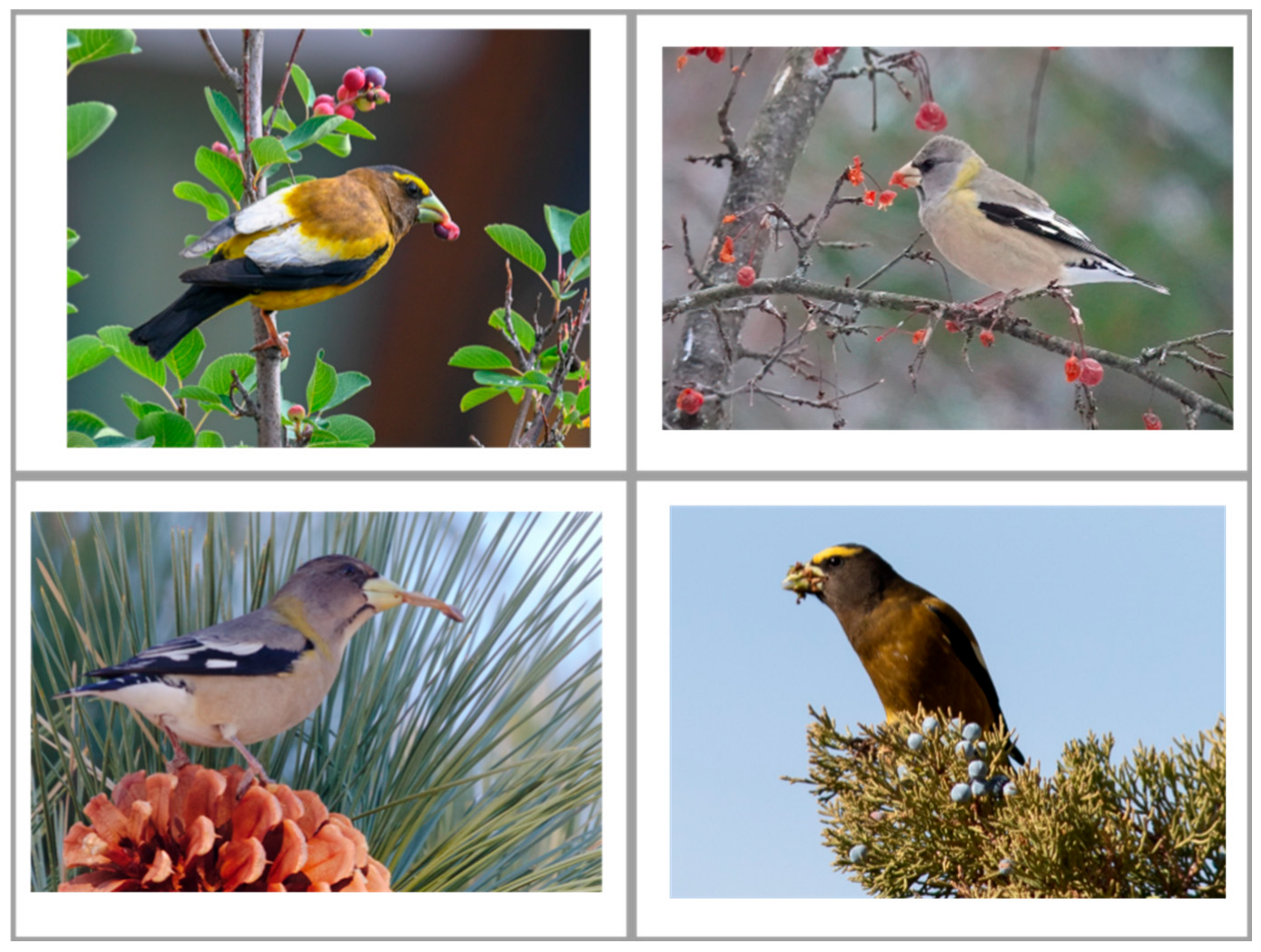
Figure 2. Examples of Evening Grosbeaks foraging on natural food items from images archived in the Macaulay Library. Top left: Male Evening Grosbeak foraging on Amelanchier sp. in San Juan, CO, USA (18 August 2021) photo by Lori Nixon https://macaulaylibrary.org/asset/362412511 (accessed on 20 October 2025). Top right: Female foraging on Malus sp. in Muskoka, ON, Canada (29 November 2022) photo by Carol Speck https://macaulaylibrary.org/asset/508507781 (accessed on 20 October 2025). Bottom left: Female Evening Grosbeak foraging on Pinus ponderosa in Los Angeles, CA, USA (25 January 2020) photo by Mark Scheel https://macaulaylibrary.org/asset/202885091 (accessed on 20 October 2025). Bottom right: Male foraging on Juniperus occidentalis in Lake County, OR, USA (22 October 2020) photo by John C Sullivan https://macaulaylibrary.org/asset/278433061 (accessed on 20 October 2025).
Diversity 17 00837 g002
Figure 3. Map of four regions used in analyses of Evening Grosbeak diets. The four regions correspond loosely to the regions where four to five call types breed and sometimes spend the winter (i.e., their core zones of occurrence). Region 3 contains the breeding areas of types 3 and the recently described type 6. Region 1 contains the breeding area of type 1. Region 2 contains most of the breeding range of type 2 and Region 4 contains most of the breeding area of type 4. Type 5 birds occur rarely in the desert southwest US but mostly in Mexico, where we found no photographs of foraging birds. Most photographs, however, were taken during times of year when grosbeaks were not breeding and the call types may mix together with other call types so directly linking call types with specific dietary items is currently unreliable.
Diversity 17 00837 g003
Figure 4. Natural food observations (n = 1075) mapped to centroid of county of observation. Symbol size is proportional to the number of observations.
Diversity 17 00837 g004
Figure 5. Sunflower food observations (n = 2122) mapped to centroid of county of observation.
Diversity 17 00837 g005
Table 1. Sample sizes of images (N = 1075) of Evening Grosbeaks consuming natural plant items per region per season.
RegionSeasonN
1
Winter44
Spring45
Summer18
Fall35
2
Winter56
Spring13
Summer1
Fall4
3
Winter444
Spring52
Summer5
Fall143
4
Winter114
Spring32
Summer14
Fall55
Table 2. Main plant genera in the natural diet of Evening Grosbeaks across North America (1990–2023). Note: derived from 1059 images identified to genus level in the Macaulay Library. Only genera with >10 records are shown; 34 additional genera were observed fewer than 10 times.
RankPlant GenusNumber of Records% of Total
1Acer25023.6%
2Malus10810.2%
3Prunus1009.44%
4Elaeagnus938.78%
5Rhus908.50%
6Ulmus696.52%
7Juniperus423.97%
8Pistachia403.78%
9Sorbus343.21%
10Fraxinus302.83%
11Amelanchier191.79%
12Populus161.51%
12Frangula161.51%
14Pinus151.42%
14Rosa151.42%
16Crataegus141.32%
17Abies131.23%
17Celtis131.23%
19Robinia111.04%
Table 3. Regional dietary preferences of the Evening Grosbeak. The top five plant genera reported for each of the four regions is included [Region 1 (n = 141); Region 2 (n = 73); Region 3 (n = 637); Region 4 (n = 208)].
RankPlant GenusNumber of Records% of Total
Region 1
1Acer2417.0%
2Prunus2215.6%
3Ulmus1913.5%
4Elaeagnus107.09%
4Frangula107.09%
Region 2
1Pistacia3142.5%
2Pinus1013.7%
3Ulmus79.59%
4Frangula56.85%
5Abies34.11%
Region 3
1Acer21333.4%
2Malus9715.2%
3Rhus8914.0%
4Prunus609.42%
5Sorbus314.87%
Region 4
1Elaeagnus7938.0%
2Juniperus3215.4%
3Ulmus2512.0%
4Prunus188.65%
5Amelanchier115.30%
Table 4. Seasonal feeding preferences of the Evening Grosbeak. Top five plant genera consumed during this period are included [Winter: (November–March, n = 653); Spring: (April–May, n = 142); Summer: (June–July, n = 30); Fall: (August–October, n = 234)].
RankPlant GenusNumber of Records% of Total
Winter
1Acer14922.8% (149)
2Malus8713.3% (87)
3Rhus8212.6% (82)
4Elaeagnus7711.8% (77)
5Prunus426.43% (42)
Spring
1Ulmus6646.5% (66)
2Acer1913.4% (19)
3Populus139.15% (13)
4Malus96.34% (9)
5Quercus53.52% (5)
Summer
1Prunus930.0% (9)
2Amelanchier723.3% (7)
3Frangula620.0% (6)
4Abies310.0% (3)
5Pseudotsuga26.66% (2)
Fall
1Acer8235.0% (82)
2Prunus4519.2% (45)
3Elaeagnus156.41% (15)
4Malus125.13% (12)
4Fraxinus125.13% (12)
Table 5. Estimates of dietary plant diversity within the 4 geographic regions and the predicted completeness of diversity estimates from the available imagery. Sobs (number of species observed); Q1 (number of singletons); Q2 (number of doubletons).
RegionSobsQ1Q2ChaoCompleteness
1351811970.18
21875230.79
353247940.56
426133540.48
Note: Richness estimates based on Chao2 incidence estimator. Completeness = Sobs/Chao2. High completeness values indicate better sampling coverage. Regions correspond to the major call-type populations (see Figure 3).
Disclaimer/Publisher’s Note: The statements, opinions and data contained in all publications are solely those of the individual author(s) and contributor(s) and not of MDPI and/or the editor(s). MDPI and/or the editor(s) disclaim responsibility for any injury to people or property resulting from any ideas, methods, instructions or products referred to in the content.