Article

Syntaxonomic Diversity of Rocky Dry Grasslands of the Chrysopogono grylli-Koelerion splendentis Along the East Adriatic


1
Institute of Bioscience and Bioresources (IBBR), National Research Council (CNR), Via Amendola 165/A, IT-70126 Bari, Italy
2
Institute for Marine and Coastal Research, University of Dubrovnik, Kneza Damjana Jude 12, HR-20000 Dubrovnik, Croatia
3
Department of Agricultural, Food, and Environmental Sciences, D3A, Polytechnic University of Marche, Via Brecce Bianche 12, IT-60131 Ancona, Italy
*
Author to whom correspondence should be addressed.
Diversity 2024, 16(12), 718; https://doi.org/10.3390/d16120718
Submission received: 1 October 2024 / Revised: 13 November 2024 / Accepted: 20 November 2024 / Published: 24 November 2024

Abstract

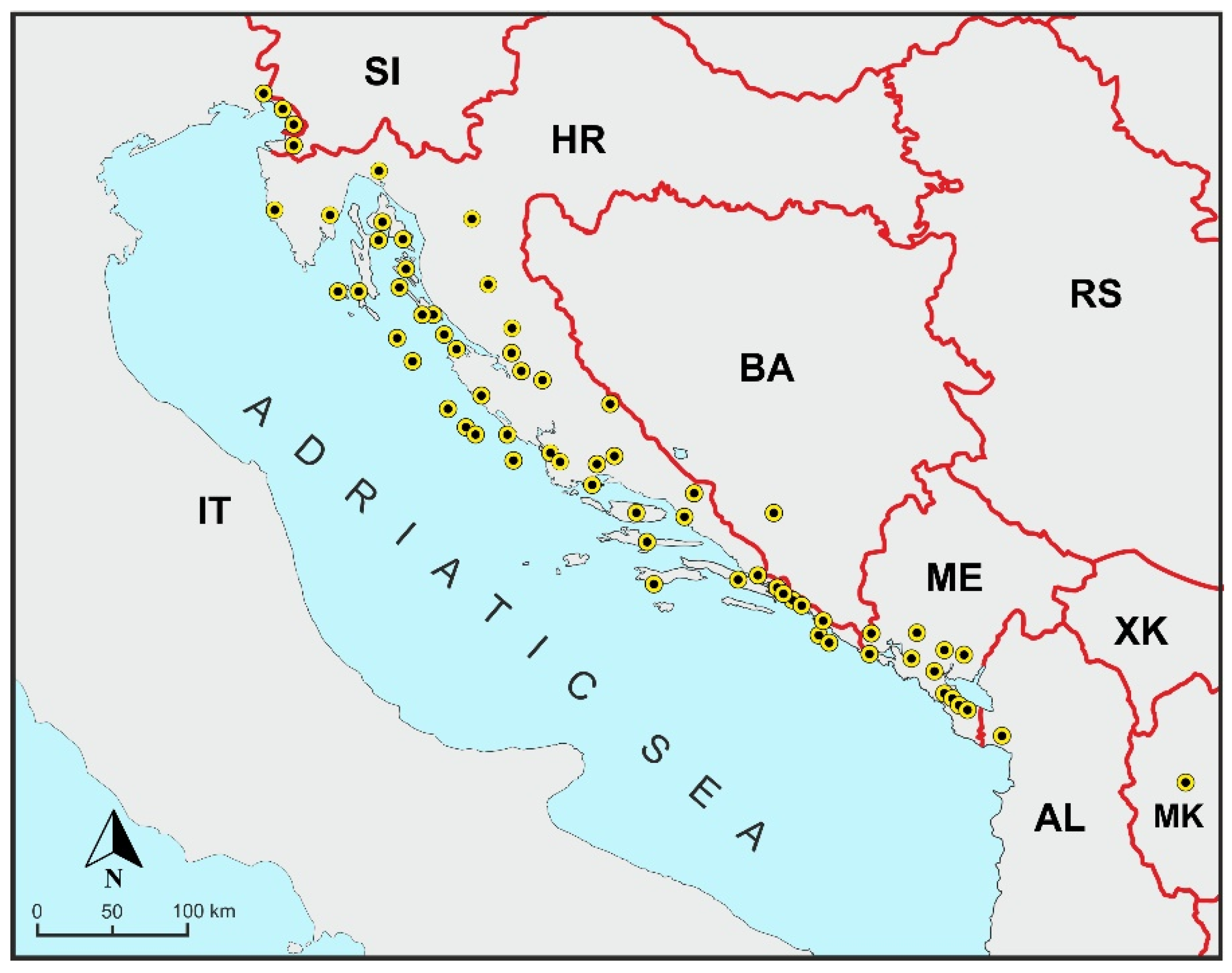
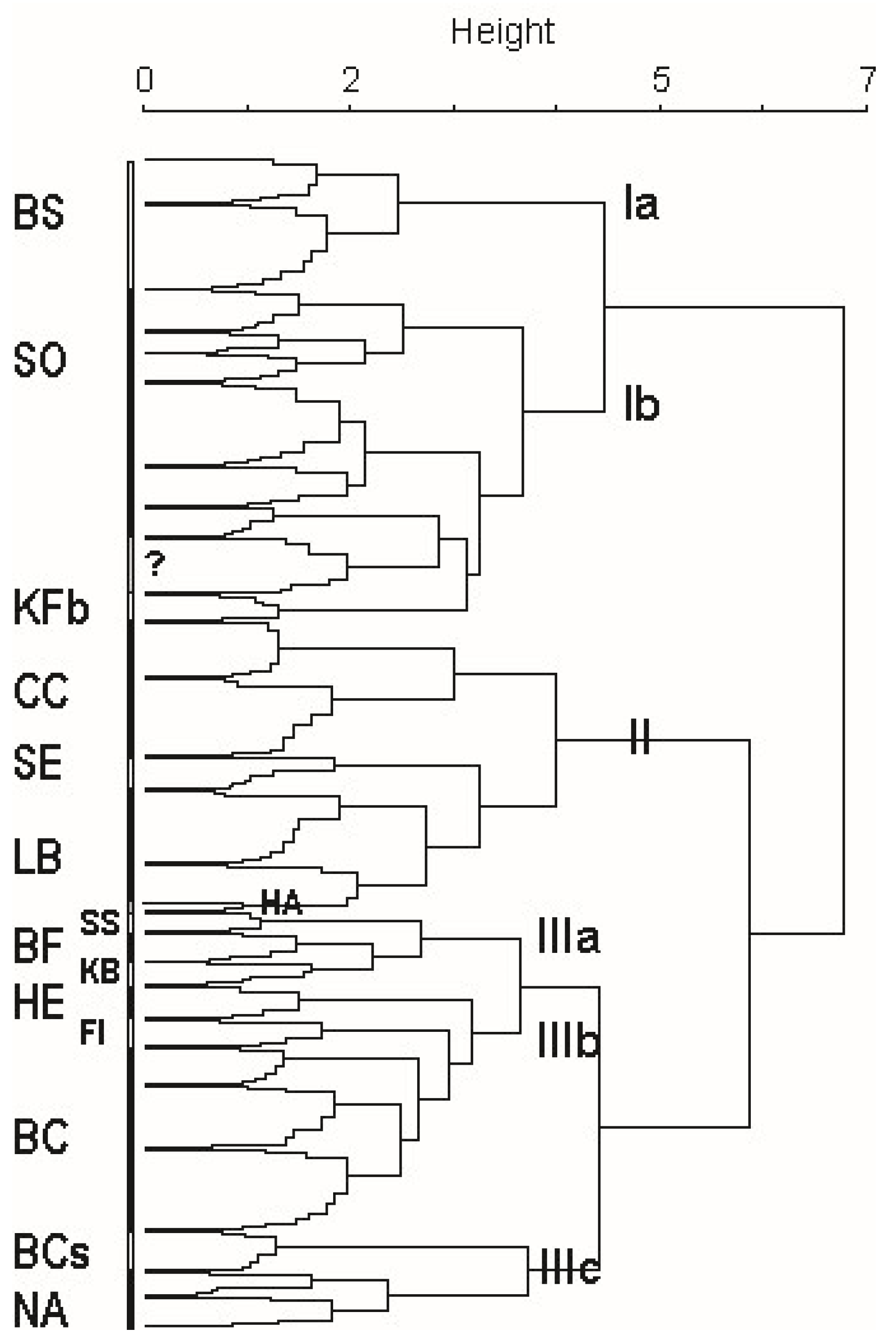
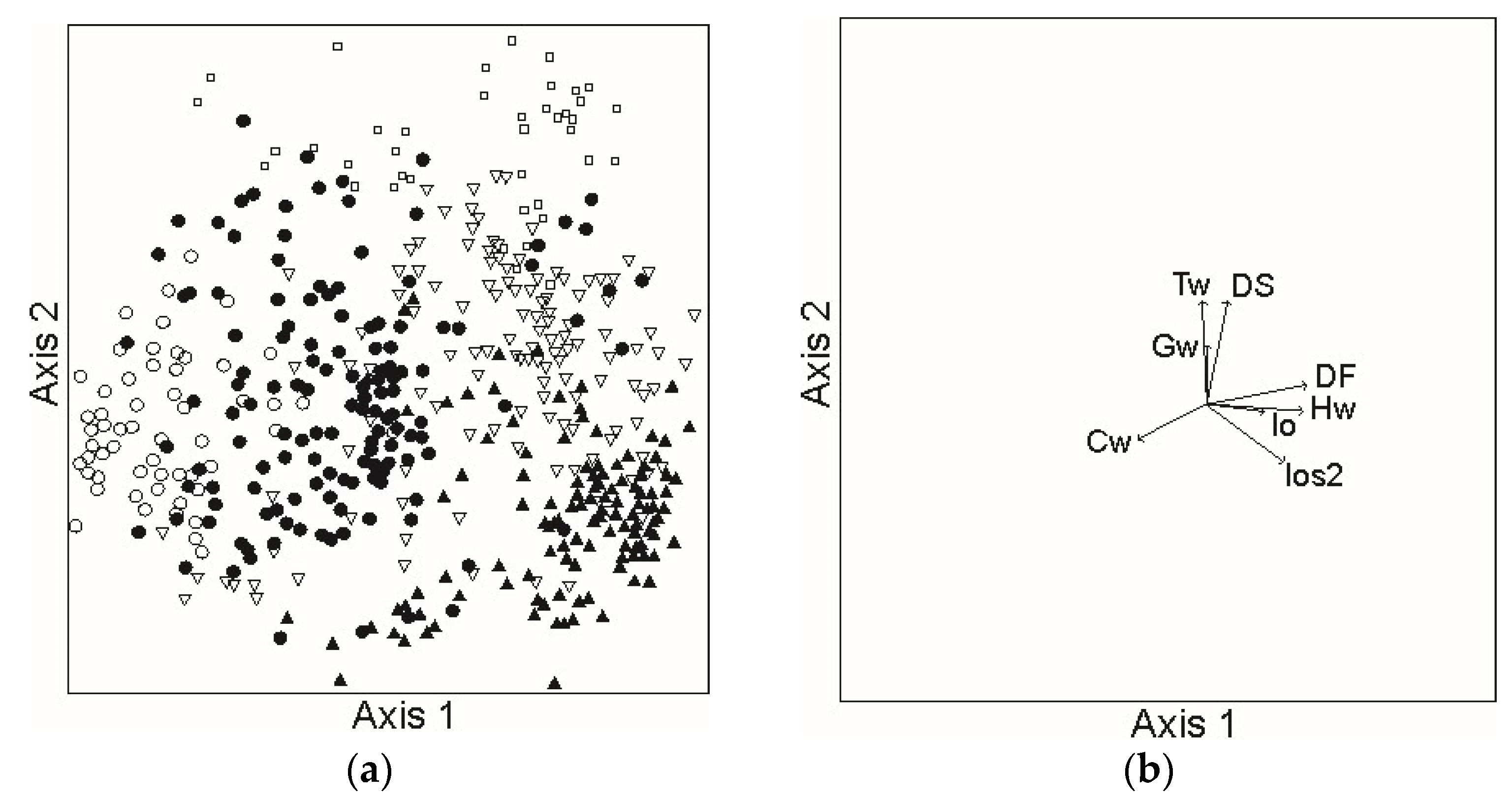
This paper presents a comprehensive revision of the dry grasslands, specifically the alliance Chrysopogono grylli-Koelerion splendentis within the order Scorzoneretalia villosae along the eastern Adriatic, aimed at developing a formalized classification of this vegetation type. The revision is based on 490 relevés, including 44 newly sampled from the loci classici of previously identified associations, alongside additional relevés from the phytosociological literature. Both hierarchical and non-hierarchical cluster analysis, as well as NMS ordination, were employed to delineate the main vegetation types. Although numerous associations have been described to date, several were found to be floristically similar and were subsequently merged. Ultimately, 15 associations and one plant community were identified, including the description of a new association, Sideritido purpureae-Asphodeletum ramosi, from Montenegro, along with four new subassociations. The associations of the Chrysopogono grylli-Koelerion splendentis predominantly occur in the sub-Mediterranean variant of the temperate bioclimate. While this study provides a comprehensive framework for the syntaxonomic diversity of this alliance, it also underscores the need for additional phytosociological data from poorly known areas within its distribution range, particularly in the southernmost regions and inland areas (e.g., Albania, Bosnia and Herzegovina).
Keywords: Balkans; Chrysopogono grylli-Koelerion splendentis; dry grasslands; EuroVegChecklist (EVC); International Code of Phytosociological Nomenclature (ICPN); Scorzoneretalia villosae; syntaxonomy; vegetation Balkans; Chrysopogono grylli-Koelerion splendentis; dry grasslands; EuroVegChecklist (EVC); International Code of Phytosociological Nomenclature (ICPN); Scorzoneretalia villosae; syntaxonomy; vegetation