Article

Conservation Biogeography of Tenebrionid Beetles: Insights from Italian Reserves


Department of Life, Health and Environmental Sciences, University of L’Aquila, Via Vetoio, 67100 L’Aquila, Italy
Diversity 2020, 12(9), 348; https://doi.org/10.3390/d12090348
Submission received: 23 August 2020 / Revised: 5 September 2020 / Accepted: 7 September 2020 / Published: 10 September 2020
(This article belongs to the Section Biogeography and Macroecology)

Abstract

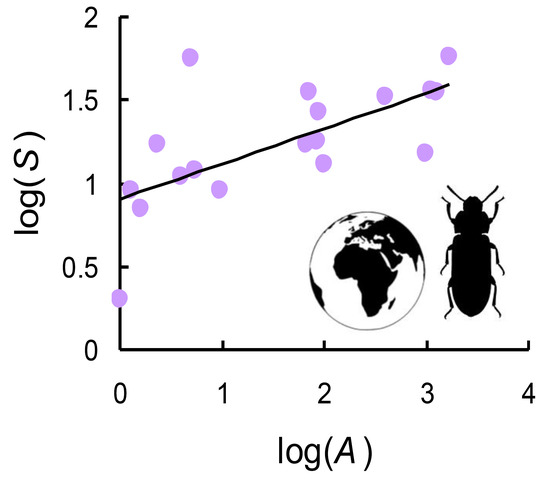
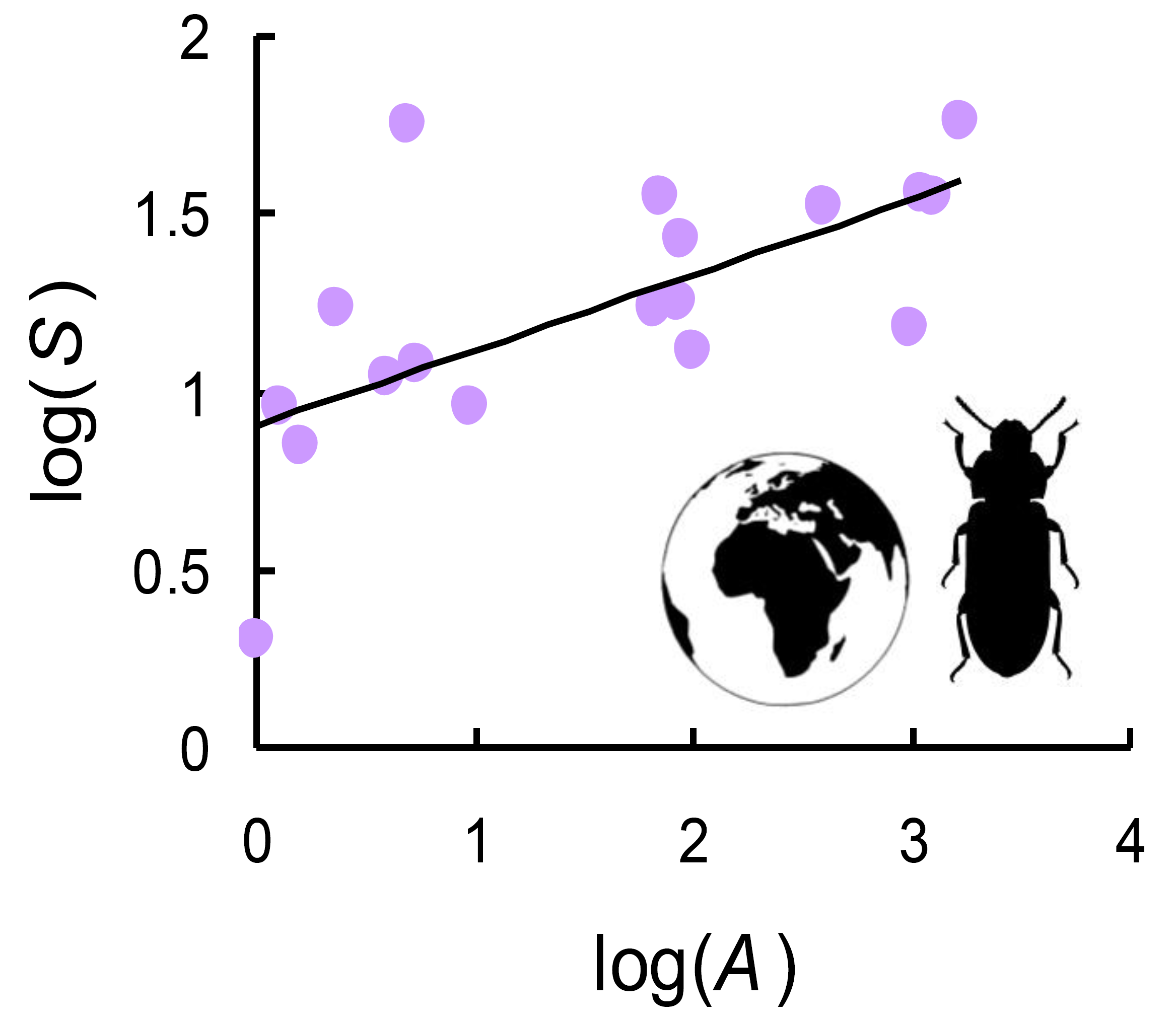
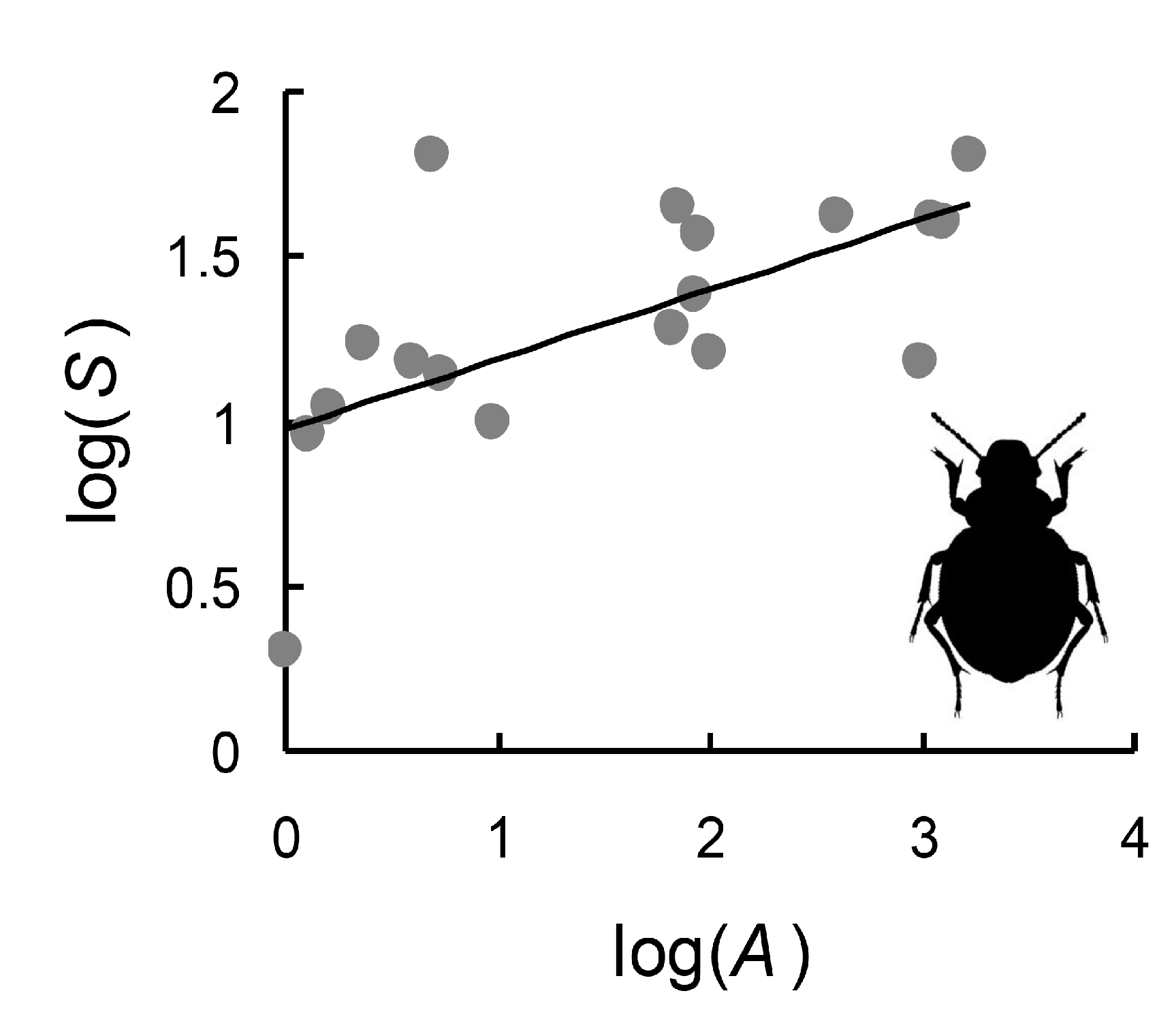
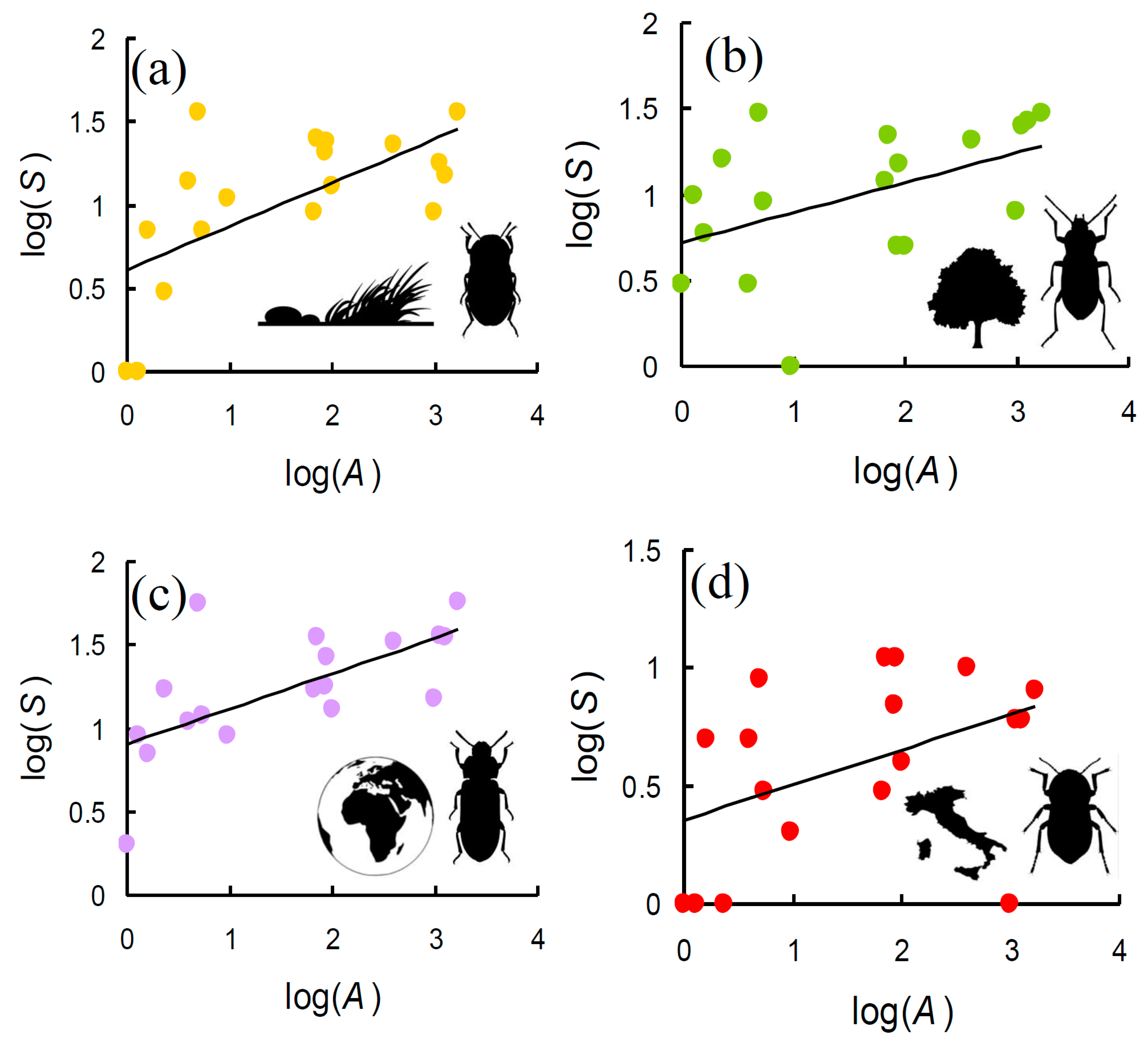
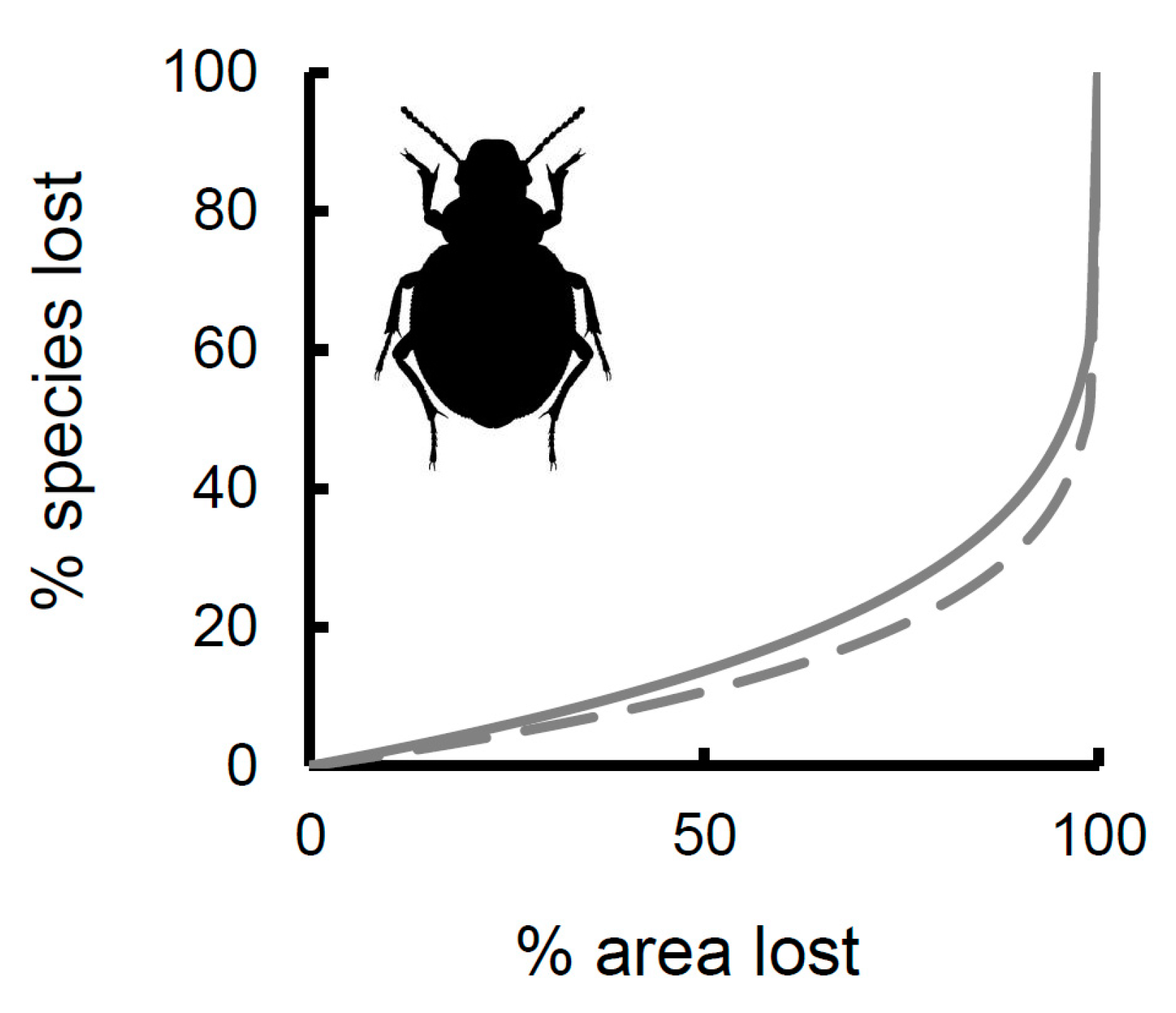
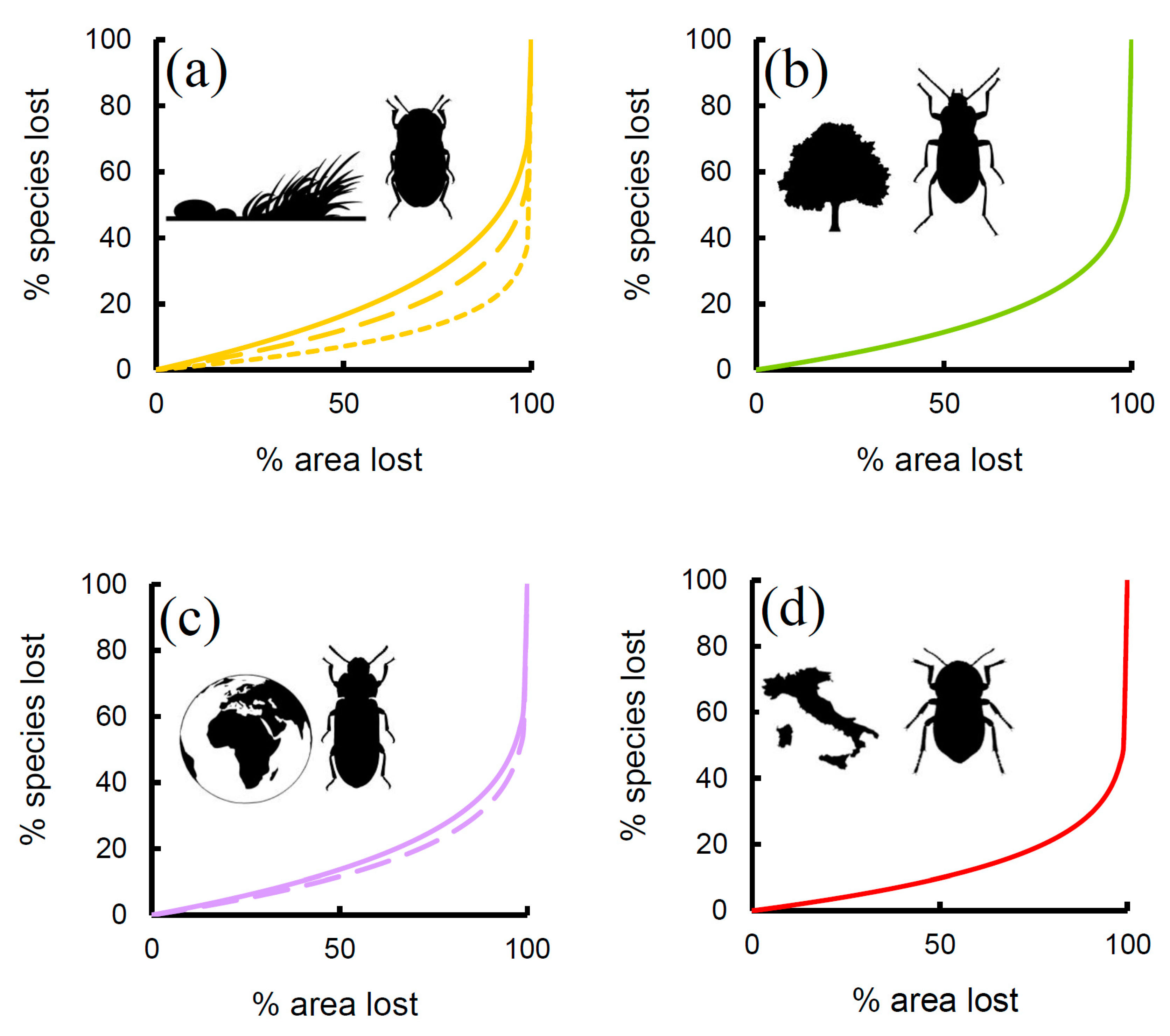
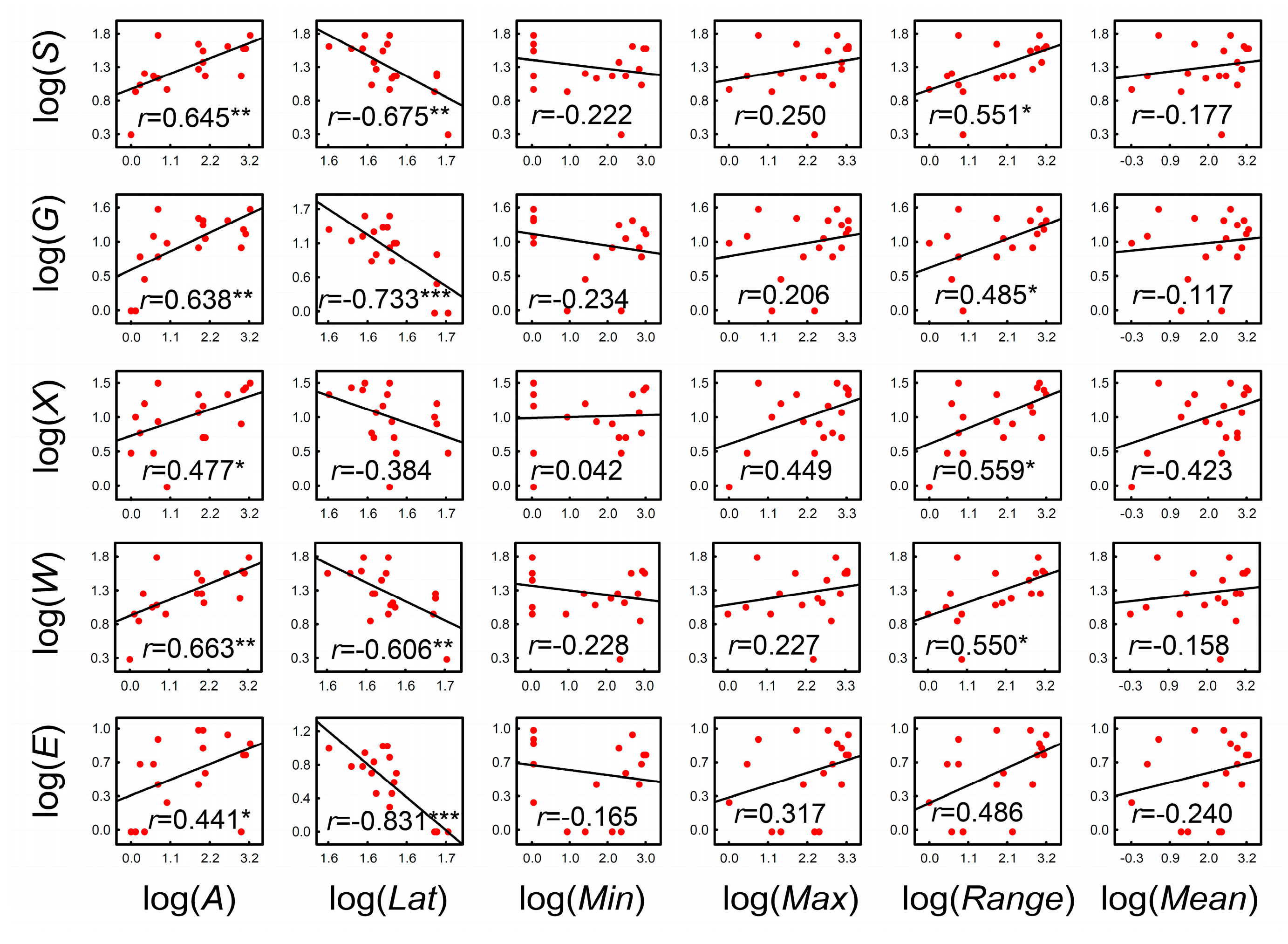
The species-area relationship (SAR), the latitudinal gradient, the peninsula effect, and the elevational gradient are widespread biogeographical patterns. Using data from Italian reserves, these patterns were tested for tenebrionids and used as a framework to calculate expected extinction rates following area loss. Area was an important determinant of overall tenebrionid species richness, but not for xylophilous and endemic species. Thus, focusing on reserve areas is not the best approach for conserving insects with specialised ecology and restricted distribution. In general, species richness declined northwards, which contrasts with the peninsula effect, but conforms to the European latitudinal pattern observed in most taxa because of current and past biogeographical factors. Minimum elevation had an overall negative influence, as most tenebrionids are thermophilic. However, xylophilous tenebrionids, which are mainly associated with mesophilic forests, did not decline northwards, and were positively influenced by higher elevational ranges that allow more forms of vegetation. SAR-based extinction rates reflect species dispersal capabilities, being highest for geophilous species (which are mainly flightless), and lower for the xylophilous species. Extinction rates based on multiple models indicate that the use of area alone may overestimate extinction rates, when other factors exert an important role in determining species richness.
Keywords: species-area relationship; latitudinal gradient; peninsula effect; elevational gradient; extinction rates; mediterranean; tenebrionidae; Italy species-area relationship; latitudinal gradient; peninsula effect; elevational gradient; extinction rates; mediterranean; tenebrionidae; Italy
Graphical Abstract