1. Introduction
Tendinopathy is a prevalent musculoskeletal disorder affecting both equine athletes and humans [
1,
2,
3,
4]. It is characterized by extracellular matrix (ECM) disorganization, altered tenocyte phenotype, and a persistent dysregulated inflammatory microenvironment [
5,
6]. In horses, superficial digital flexor tendon (SDFT) injury represents a naturally occurring overuse tendinopathy with clinical, biomechanical, and histopathological features closely resembling human Achilles tendinopathy [
1,
2,
3,
4]. Because of its comparable size, hierarchical collagen organization, mechanical loading patterns, and spontaneous degenerative lesions, the equine tendon is increasingly recognized as a valuable translational model for investigating tendon biology and regenerative strategies relevant to human medicine [
1,
2,
3,
4].
The current understanding of tendinopathy has evolved from a purely degenerative paradigm toward a model in which inflammation and innate immune activation play central roles in tendon pathology. Early concepts emphasized the apparent absence of classical inflammatory infiltrates and therefore characterized tendinopathy primarily as a degenerative condition (“tendinosis”). However, advances in molecular and cellular biology have demonstrated the presence of immune cells, inflammatory mediators, and cytokine signaling pathways within diseased tendon tissue, supporting the concept that inflammatory mechanisms actively contribute to tendon degeneration and failed tissue repair [
7,
8].
Tenocytes express pattern recognition receptors, including toll-like receptor 4 (TLR4), enabling them to detect endogenous damage-associated molecular patterns and exogenous pathogen-associated signals [
9]. Activation of TLR4 signaling promotes nuclear factor kappa B (NF-κB)–dependent transcription of pro-inflammatory mediators such as interleukin-1β (IL-1β) and tumor necrosis factor-α (TNF-α), which contribute to extracellular matrix degradation and disruption of tendon homeostasis. Conversely, regulatory cytokines including interleukin-4 (IL-4) and interleukin-1 receptor antagonist (IL-1ra) counterbalance IL-1β–driven inflammatory signaling and promote resolution of inflammation and restoration of tissue equilibrium [
7,
8,
10].
In experimental systems, lipopolysaccharide (LPS), a well-characterized TLR4 agonist, is widely used to model innate immune activation and inflammatory responses in tendon tissue [
11]. Accordingly, the present study focuses on early inflammatory responses occurring within the acute phase of tendon injury, as represented by the 48 h experimental time frame, consistent with previous evidence in tendon and musculoskeletal inflammation [
11,
12].
Growth factors (GF) are equally critical in tendon repair and remodeling. Platelet-derived growth factor-BB (PDGF-BB) stimulates tenocyte proliferation and ECM synthesis, while transforming growth factor beta-1 (TGF-β1) regulates collagen production, cellular differentiation, and ECM organization [
13,
14]. Hyaluronic acid (HA), beyond its structural function, participates in inflammatory signaling and ECM homeostasis [
15,
16]. Therefore, the simultaneous assessment of pro-inflammatory cytokines, regulatory cytokines, and anabolic GF is essential. This approach allows us to determine whether a therapeutic intervention suppresses isolated mediators or reprograms the tendon microenvironment toward a reparative phenotype.
Platelet-rich plasma (PRP)–related hemocomponents have gained considerable interest in regenerative medicine for tendinopathy [
17,
18,
19]. PRP is a plasma-based formulation containing platelets with variable concentrations of blood cells (WBCs), depending on the preparation protocol. In addition to platelet-derived mediators, PRP includes soluble plasma proteins and coagulation components that contribute to its biological activity [
20,
21].
Upon activation, PRP polymerizes into platelet-rich gel (PRG), a three-dimensional fibrin matrix that entraps platelets and residual cells. This fibrin scaffold functions not only as structural support but also as a dynamic regulator of mediator release, enabling the gradual liberation of GF and cytokines. Furthermore, the fibrin network acts as a provisional ECM that may facilitate cell trafficking, adhesion, proliferation, and differentiation, thereby contributing to tissue repair beyond soluble signaling alone [
22,
23]. During clot retraction, PRG releases a soluble supernatant enriched in bioactive mediators derived from platelets, WBC, and plasma. Platelet-rich gel supernatant (PRGS) therefore represents the cell-free soluble fraction generated from activated PRP and reflects the signaling component of this regenerative strategy [
24,
25].
In a previous mechanistic in vitro study using normal equine tendon explants, we demonstrated that PRGS modulated inflammatory and anabolic mediator release in a concentration-dependent manner, with a 25% concentration inducing a more favorable profile characterized by reduced IL-1β and increased IL-4 and IL-1ra [
26]. However, that system evaluated healthy tendon tissue without an inflammatory stimulus, limiting its translational relevance to active tendinitis.
Beyond isolated mediator quantification, tendinopathy can be viewed as a dynamic network disorder [
7,
27]. In this system, cytokines, GF, and ECM components interact in a temporally regulated and highly interconnected manner. Traditional univariate approaches may fail to capture these interdependencies. From a systems biology perspective, biological responses to regenerative therapies should be interpreted as coordinated network shifts rather than independent molecular changes [
28,
29].
Accordingly, the objective of this study was to evaluate the effects of PRGS, compared with platelet-poor gel supernatant (PPGS), on the cytokine and GF microenvironment of an equine in vitro tendinitis system induced by LPS challenge. We first characterized the temporal behavior of individual mediators using mixed-model univariate analyses to assess concentration- and time-dependent effects on IL-1β, TNF-α, IL-4, IL-1ra, PDGF-BB, TGF-β1, and HA. Subsequently, we applied multivariate analytical approaches to determine whether PRGS induced coordinated shifts in the inflammatory–anabolic mediator network.
We hypothesized that PRGS would not merely attenuate individual pro-inflammatory cytokines but would reprogram the cytokine and GF network, shifting the tendon microenvironment from a defined LPS-induced pro-inflammatory state toward a regulatory and reparative phenotype.
3. Discussion
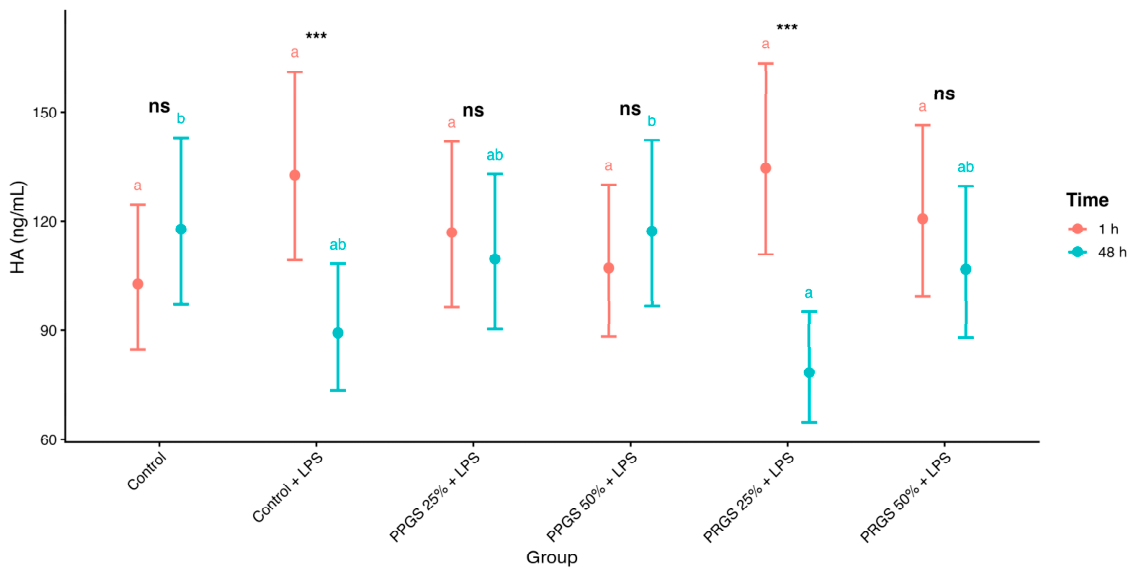
The present study evaluated the effects of PRGS on the cytokine and GF microenvironment of an equine tendon explant system subjected to LPS-induced inflammatory stimulation. The results showed that PRGS was associated with differential patterns of variation across mediators rather than uniform effects. Specifically, PDGF-BB and IL-1ra concentrations differed consistently across treatment groups, whereas IL-1β and HA exhibited time-dependent changes between 1 h and 48 h. Multivariate analysis further indicated variation in mediator profiles across groups and time points, as reflected by differences in principal component scores. Overall, PRGS-treated explants exhibited distinct mediator profiles relative to both conditions [
27,
28,
29]. indicating that PRGS reprograms the mediator network rather than simply suppressing inflammation.
The inclusion of both non-stimulated and LPS-stimulated control conditions allowed differentiation between baseline mediator concentrations and the inflammatory reference state. Across mediators, treatment-related differences were observed relative to one or both reference conditions, depending on the variable and time point.
The LPS-stimulated explant system reproduced several key features of innate immune activation described in tendon inflammation [
7,
8,
10]. LPS acts as a TLR4 agonist that activates NF-κB–dependent transcription of pro-inflammatory cytokines such as IL-1β and TNF-α and promotes ECM remodeling responses in tendon tissue [
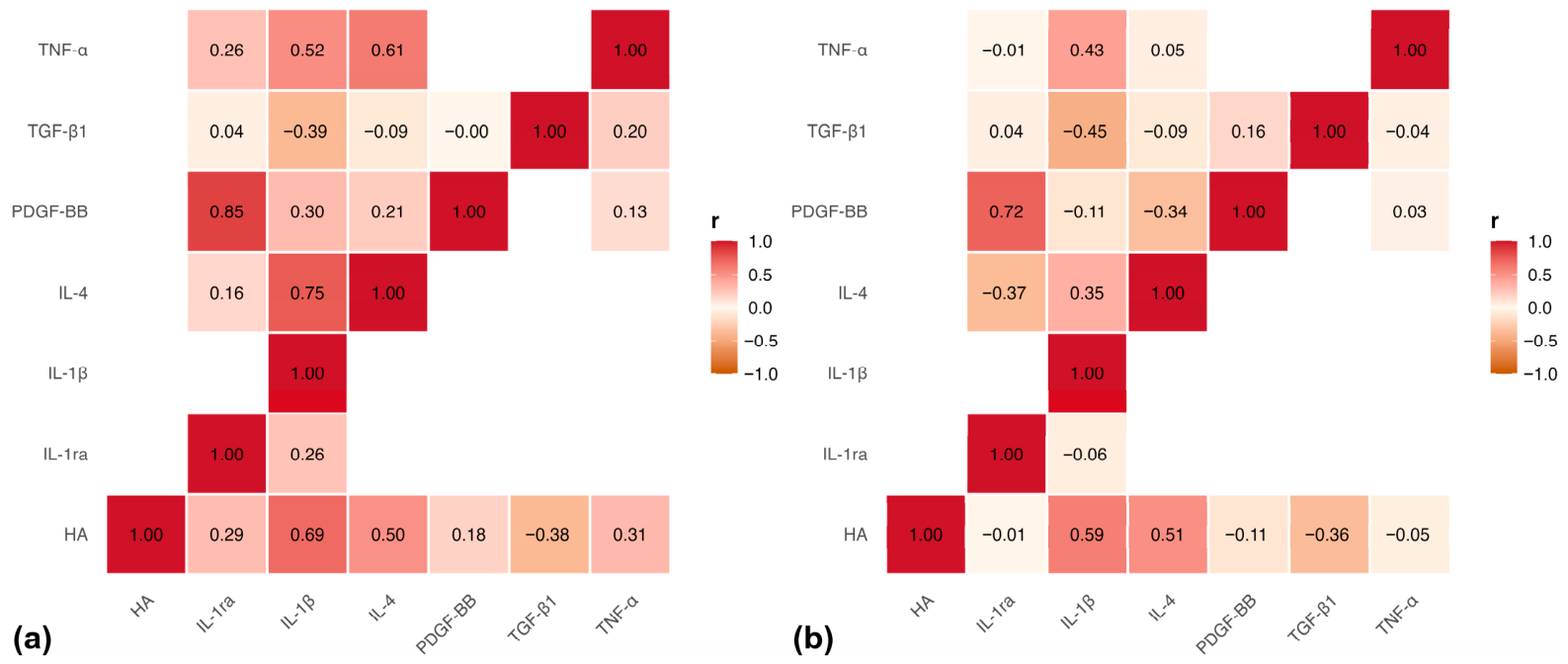
9]. In the present study, early correlations among IL-1β, TNF-α, IL-4, and HA at 1 h indicated coordinated interactions between inflammatory mediators and ECM components, supporting dynamic interactions during early stages of tissue injury. The strong association between cytokines and HA further suggests that HA may function as a regulatory element linking inflammatory signaling and ECM dynamics within the tendon microenvironment [
15,
16]. The absence of differences in HA concentrations between PRGS and PPGS suggests that HA levels in the activated supernatants were not determined exclusively by platelet-related mechanisms. Accordingly, HA did not clearly discriminate between both hemoderivatives in this system. Together, these findings indicate that PRGS effects followed two main patterns: (1) consistent differences across treatment groups for selected mediators and (2) time-dependent variation for others, with additional structure revealed by multivariate analysis. This distinction provides a framework for interpreting the biological effects of PRGS within the inflammatory microenvironment.
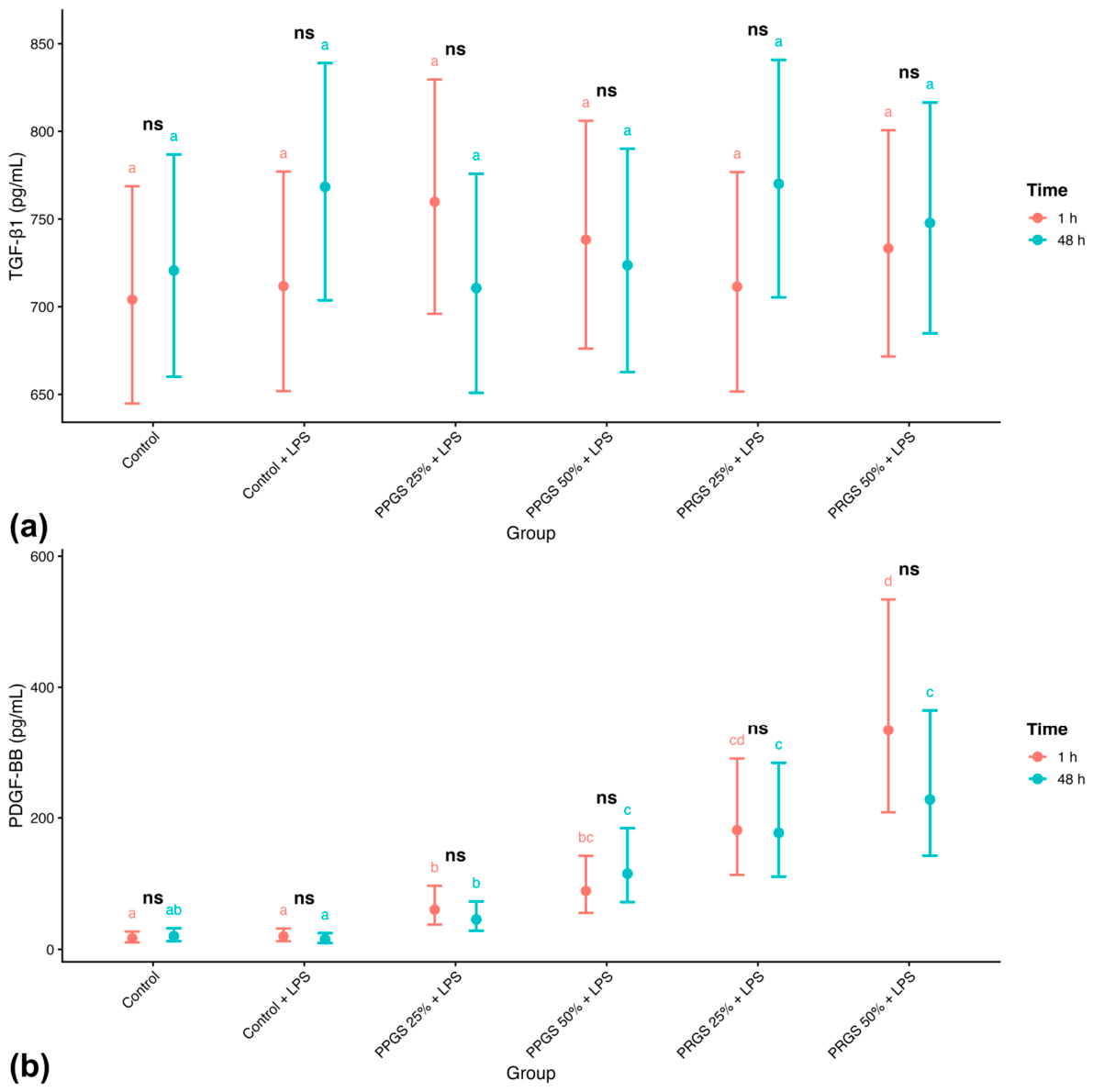
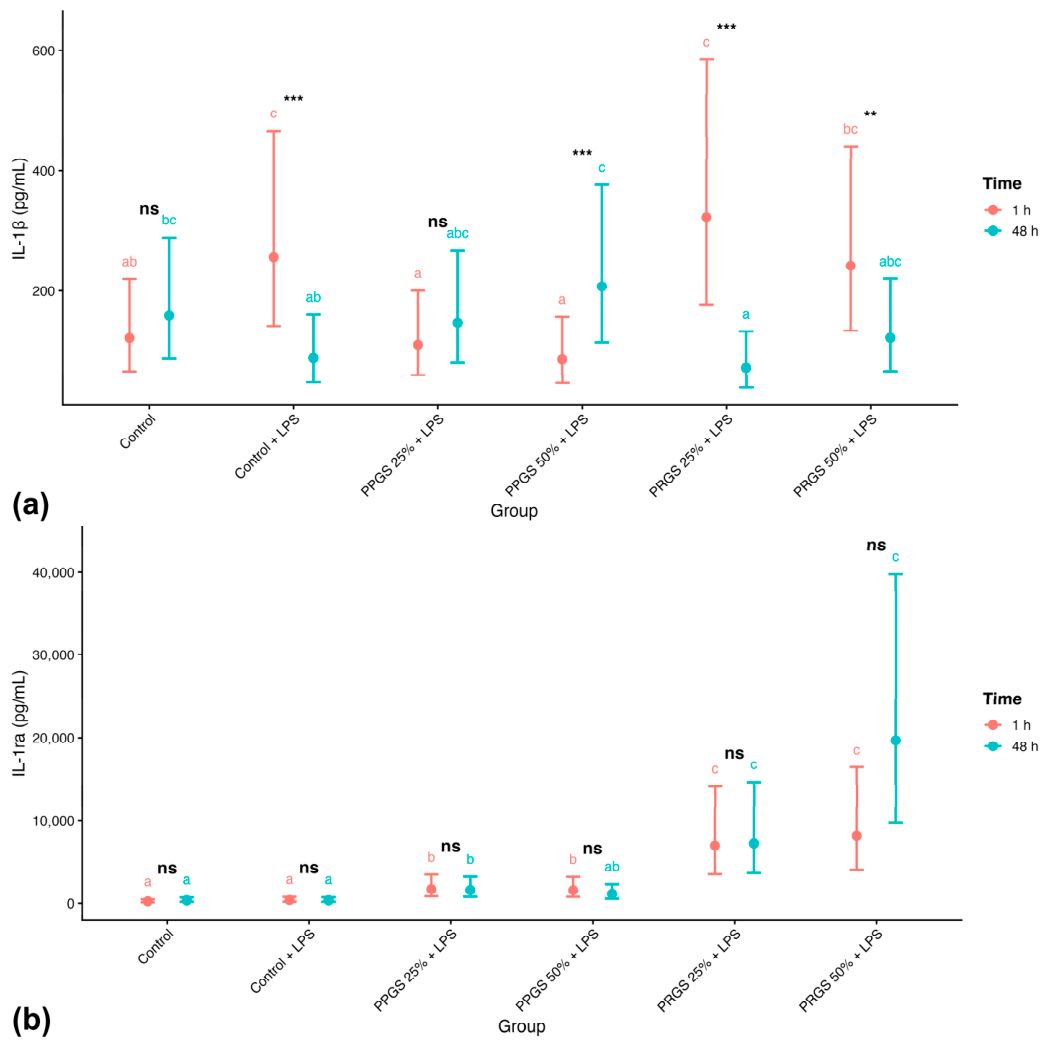
PRGS treatment resulted in markedly higher concentrations of IL-1ra and PDGF-BB compared with PPGS and control conditions. IL-1ra is a natural competitive antagonist of IL-1 signaling and plays a critical role in limiting IL-1β–mediated inflammatory cascades [
30,
31]. This is consistent with the higher IL-1ra concentrations observed in PRGS-treated explants. Increased IL-1ra availability may therefore attenuate IL-1β biological activity without completely abolishing inflammatory signaling, thereby preserving physiological inflammatory processes necessary for tissue repair. At the same time, elevated PDGF-BB concentrations indicate strong trophic signaling, as PDGF-BB stimulates tenocyte proliferation, ECM synthesis, and early phases of tendon healing [
14,
32]. Together, these findings suggest that PRGS introduces both regulatory cytokines and anabolic GF that shift the inflammatory balance toward a reparative microenvironment [
21]. These observations are consistent with the primary patterns described above, in which PRGS effects differed across mediators rather than producing uniform responses.
Interestingly, PRGS-treated explants exhibited relatively elevated IL-1β concentrations during the early incubation phase, followed by a reduction at 48 h. Rather than representing a detrimental effect, this transient increase may reflect physiological inflammatory priming. Controlled early inflammatory signaling is increasingly recognized as an essential component of regenerative responses, facilitating immune activation and ECM remodeling before the onset of resolution mechanisms [
33,
34]. In this context, the simultaneous increase in IL-1ra observed in PRGS-treated explants may represent an intrinsic regulatory mechanism that limits excessive IL-1 signaling while allowing a transient inflammatory phase compatible with tissue repair. This temporal behavior is consistent with the time-dependent variation identified for selected mediators.
In addition, IL-4 warrants specific consideration because it represents an important regulatory cytokine within musculoskeletal inflammatory environments [
35,
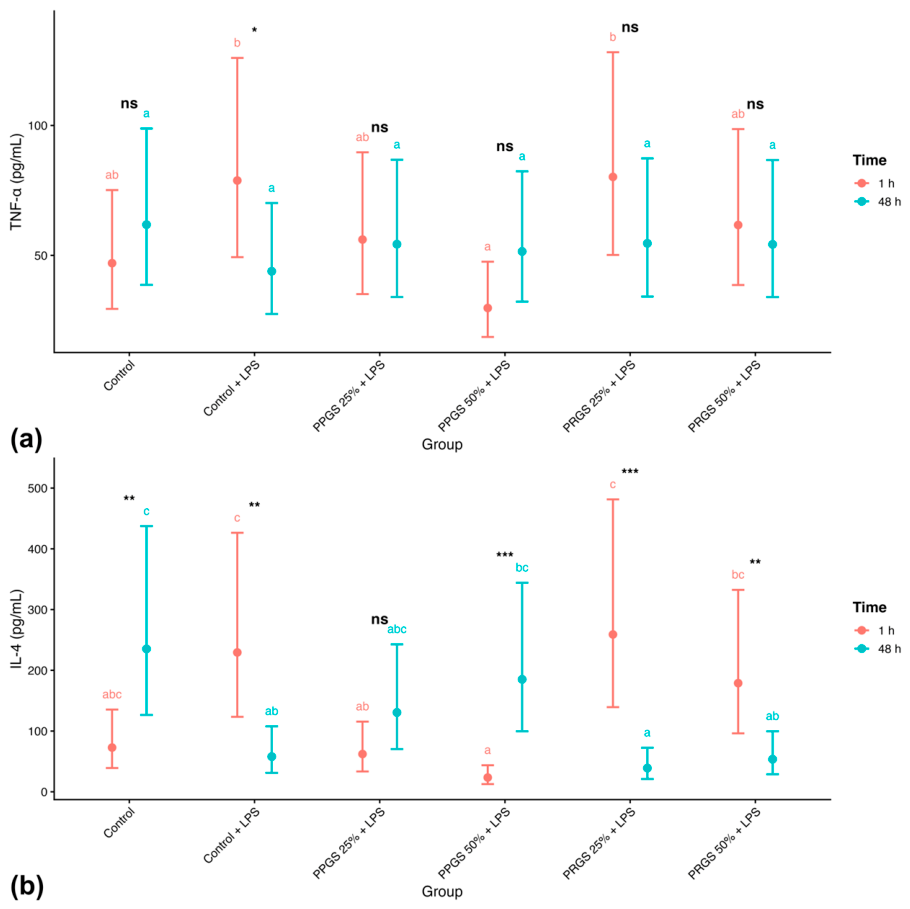
36]. In the present explant system, IL-4 exhibited a significant group × time interaction, indicating that PRGS influenced the temporal dynamics of this cytokine rather than producing a simple uniform increase. Interestingly, IL-4 concentrations did not differ significantly between PRGS and PPGS supernatants, suggesting that the IL-4 patterns observed in the explant cultures primarily reflect tissue-level regulatory responses to inflammatory stimulation rather than passive transfer from the hemocomponent itself. This finding further supports that PRGS effects were not homogeneous across mediators. However, the absence of a direct PRGS-derived source of IL-4 indicates that this cytokine is part of the tissue’s endogenous regulatory response rather than a primary driver of PRGS-mediated reprogramming.
From a mechanistic perspective, IL-4 may contribute to the resolution phase of tendon inflammation by counterbalancing pro-inflammatory signaling pathways and promoting regulatory cellular programs within the tendon microenvironment [
37]. This interpretation is consistent with the concept that PRP-related hemocomponents may induce a controlled inflammatory reprogramming in which early inflammatory signals are followed by activation of endogenous regulatory pathways.
Although two PRGS concentrations were evaluated in the present study, the experimental design was not specifically intended to establish a full dose–response relationship. Nevertheless, the mediator patterns observed here are consistent with previous studies suggesting a non-linear response to PRP-related hemocomponents. Interestingly, our findings may also support the concept of a non-linear dose–response relationship for PRP-related hemocomponents. Previous in vitro studies from our group demonstrated that PRGS exerts concentration-dependent effects on joint tissues, where a 25% concentration produced a more favorable anti-inflammatory and anabolic profile than a 50% concentration, whereas higher concentrations were associated with downregulation of ECM anabolic genes and less favorable histological parameters [
38]. Mechanistic analyses from that work further showed that PRGS significantly reduced NF-κB gene expression in cartilage explants challenged with LPS, suggesting that platelet-derived mediators may interfere with central inflammatory signaling pathways rather than simply neutralizing individual cytokines. Because NF-κB represents a master regulator of inflammatory gene transcription (including catabolic mediators such as MMP-13 and ADAMTS-4), modulation of this pathway may help explain the coordinated anti-catabolic effects observed in PRG-treated tissues [
39].
Similar regulatory patterns have also been described in equine suspensory ligament explant models, where PRGS treatments consistently reduced NF-κB gene expression in LPS-stimulated tissues. [
40]. In this context, the markedly elevated IL-1ra concentrations observed in the present study may reflect a compensatory regulatory response triggered by strong inflammatory signaling under higher mediator exposure. Collectively, these observations challenge the traditional assumption that increasing platelet concentrations necessarily produce superior biological effects and instead support the concept of an optimal therapeutic window for PRP-derived signaling molecules [
41]. These dose-related considerations align with the heterogeneous patterns observed across mediators in the present study.
Thus, unlike complete cytokine blockade, PRGS appears to modulate inflammatory signaling in a more physiological manner, preserving an early inflammatory phase while providing regulatory mediators that favor resolution [
42,
43,
44]. Overall, these findings are consistent with a non-uniform and context-dependent modulation of the inflammatory microenvironment [
45,
46].
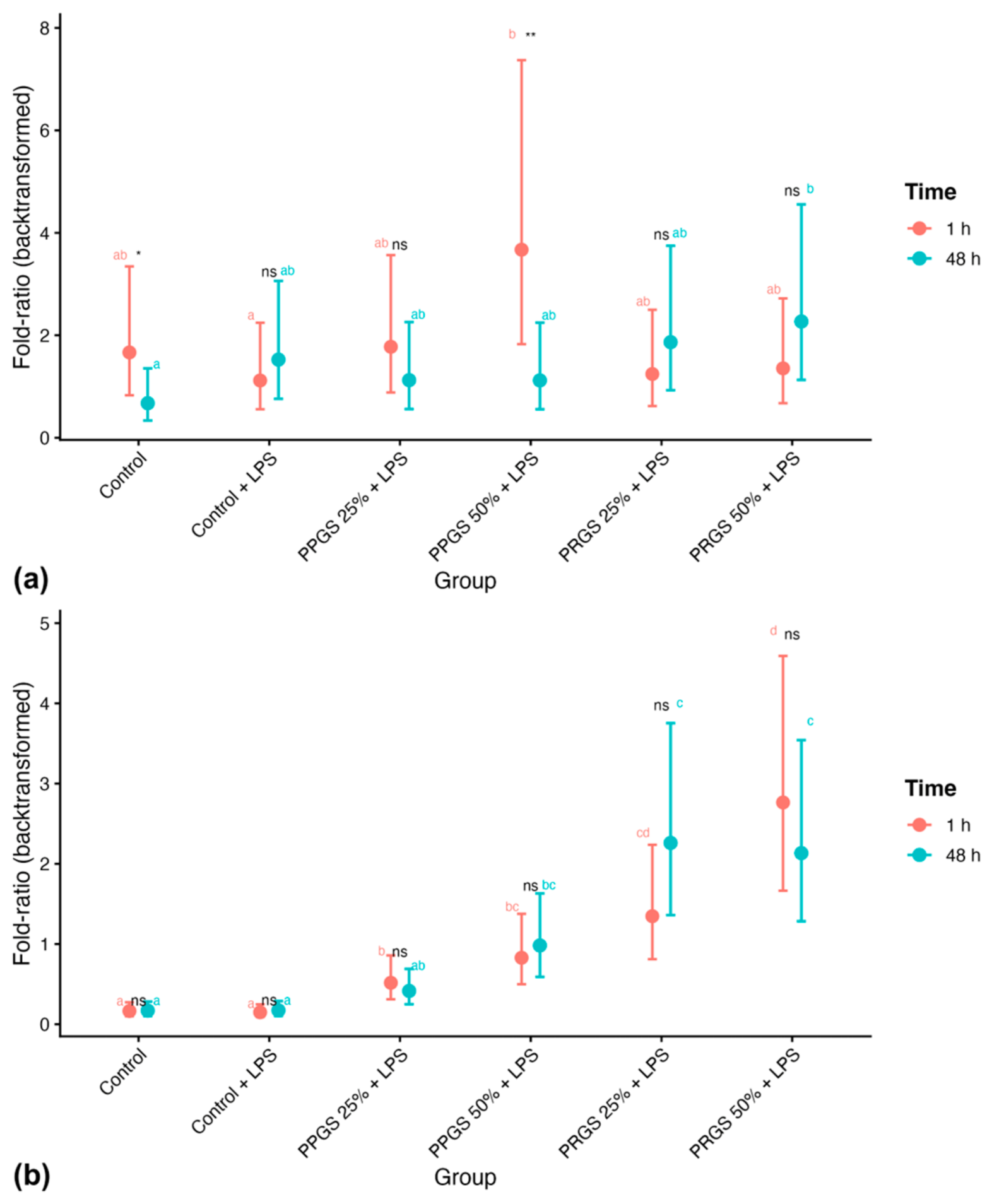
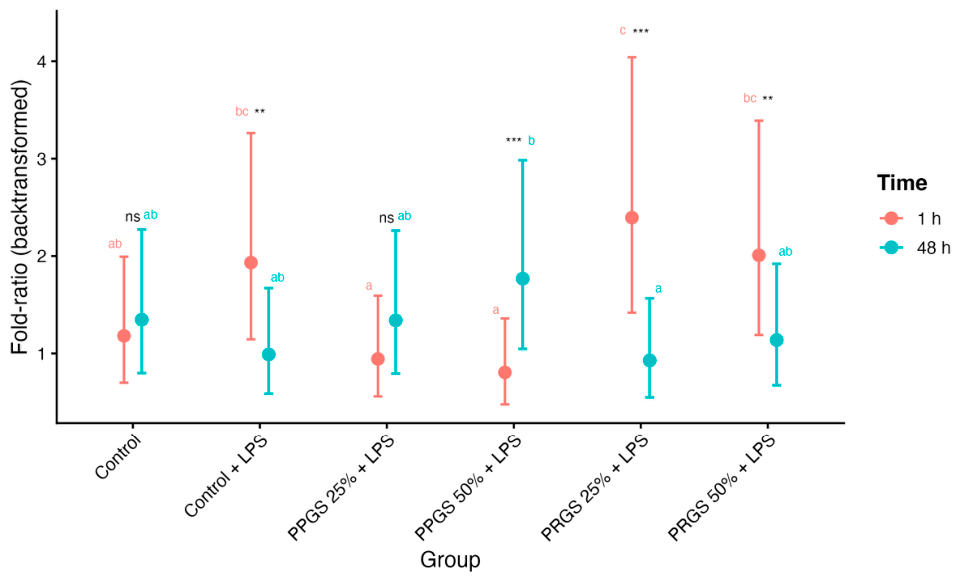
Analysis of mediator ratios provided additional insight into the inflammatory–anabolic balance of the tendon microenvironment. Ratios such as IL-1β:HA and IL-1β:IL-4 exhibited significant temporal and treatment-dependent variations, reflecting shifts in the relative dominance of inflammatory versus regulatory pathways [
47,
48]. In contrast, the PDGF-BB:HA ratio remained consistently higher in PRGS-treated groups, suggesting a sustained trophic influence on ECM-related processes. These composite indices may therefore provide integrative indicators of tissue microenvironmental balance, capturing functional relationships between mediators that cannot be readily inferred from individual biomarker concentrations [
27,
28,
29]. The sustained elevation of the PDGF-BB:HA ratio identifies this parameter as a stable signature of PRGS treatment.
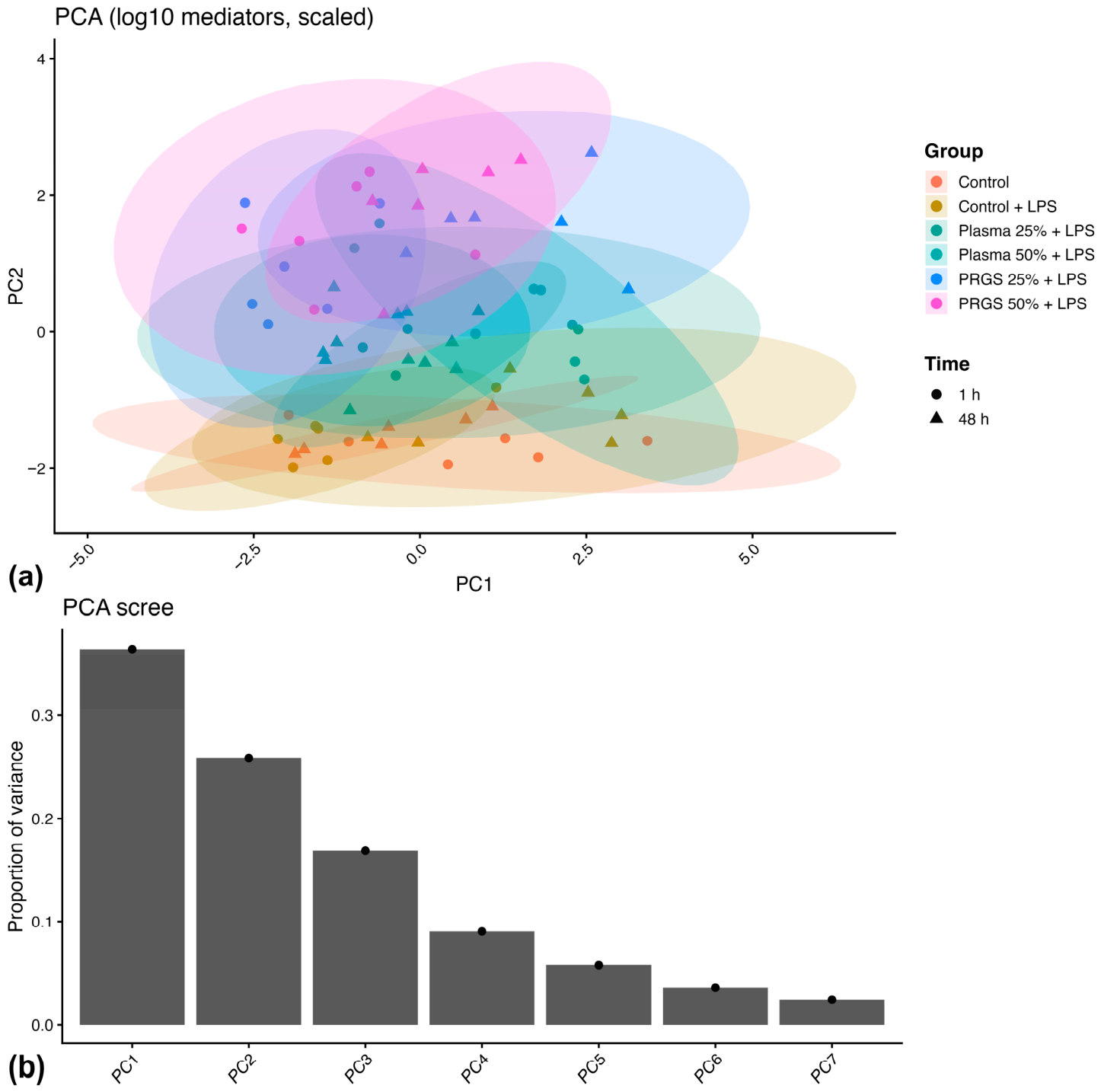
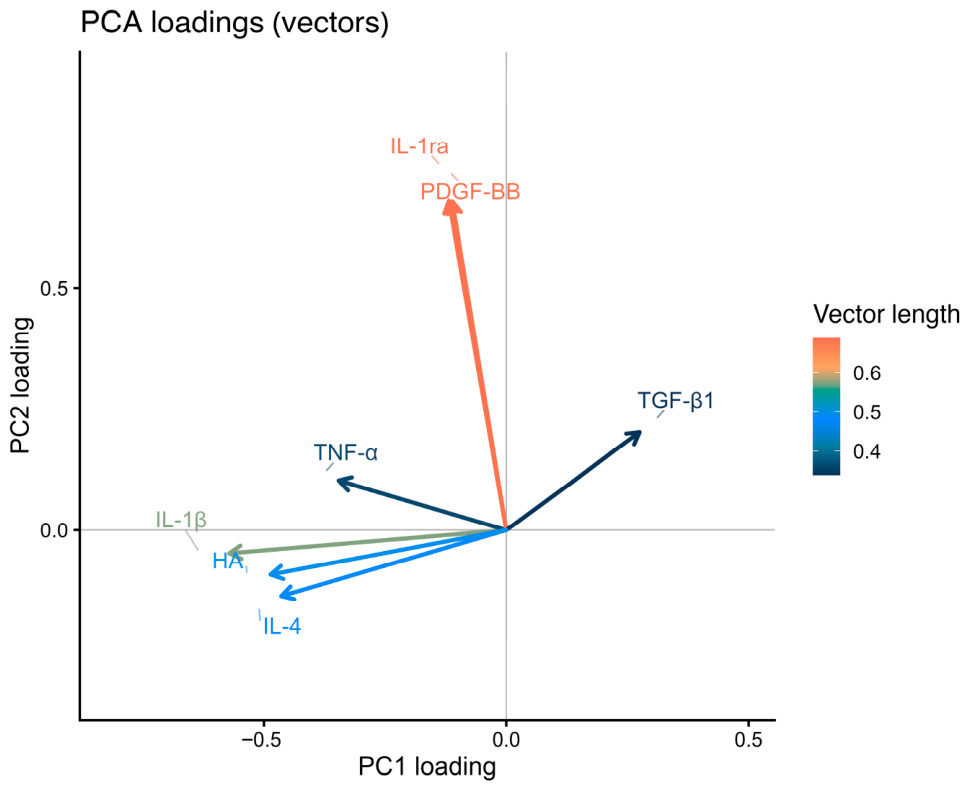
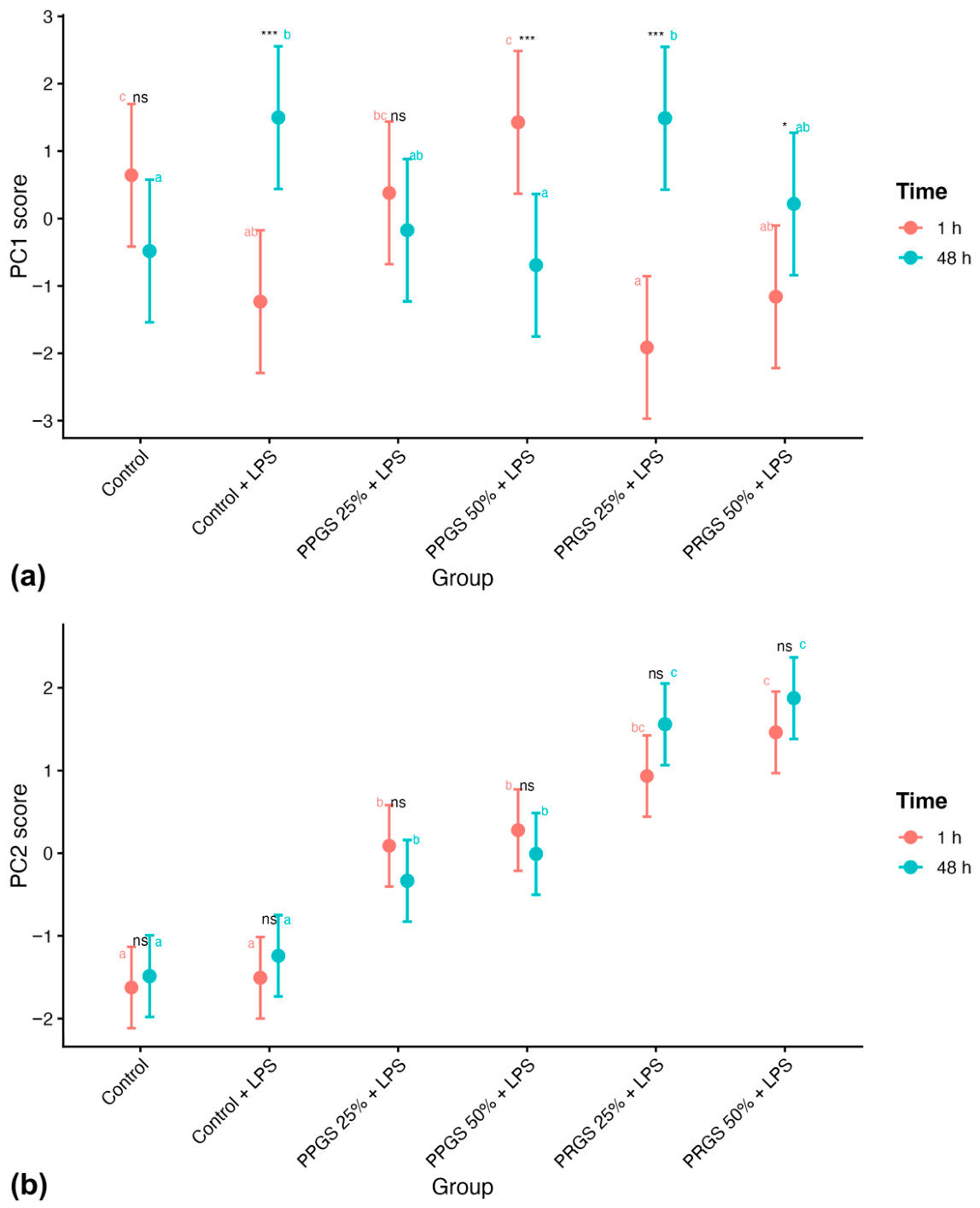
Multivariate analyses further supported the concept of coordinated mediator reorganization. PCA revealed two major axes describing the mediator network. The first component was primarily associated with inflammatory and ECM-related mediators, whereas the second component was mainly driven by IL-1ra and PDGF-BB. The strong treatment effect observed for the second component indicates that PRGS predominantly influences regulatory and trophic signaling pathways. Importantly, bootstrap resampling confirmed the stability of this multivariate structure, suggesting that the observed mediator organization was robust and not driven by individual donors [
49,
50]. This structure indicates that PRGS effects are distributed across multiple mediator pathways rather than concentrated in a single response.
From a biological perspective, the first principal component (PC1) appeared to capture the inflammatory–matrix axis of the tendon microenvironment. The negative loadings of IL-1β, TNF-α, IL-4, and HA suggest that this component reflects coordinated variation among inflammatory cytokines and ECM-associated mediators, which together characterize early inflammatory activation and matrix turnover. In contrast, the second principal component (PC2) was primarily driven by IL-1ra and PDGF-BB, indicating that this axis may represent regulatory and trophic signaling pathways associated with inflammatory resolution and tissue repair. Thus, the separation of these two components supports the interpretation that PRGS influences the balance between inflammatory–matrix responses and regulatory–anabolic signaling within the tendon microenvironment. The significant Group × Time interaction for PC1 combined with the stable Group effect for PC2 demonstrates that PRGS simultaneously engages two independent biological programs: one that evolves over time (inflammation resolution) and another that provides sustained trophic support.
Temporal analysis of the mediator correlation network revealed progressive reorganization of mediator interactions between 1 h and 48 h. Although these correlations do not establish causal relationships, they provide insight into coordinated mediator behavior and highlight potential regulatory modules within the inflammatory microenvironment. The early network displayed high connectivity among cytokines and ECM-associated mediators, whereas the later network exhibited reduced inflammatory coupling and greater modularization. This shift may reflect a transition from an early inflammatory state toward a more regulated microenvironment dominated by trophic and ECM-related signaling. Notably, the persistent association between PDGF-BB and HA at 48 h suggests that trophic signaling becomes increasingly integrated with ECM remodeling during later phases of the response. HA detected in the culture medium may originate from both ECM turnover and de novo synthesis by tendon cells. However, the association between HA and PDGF-BB observed in PRGS-treated explants suggests that HA release may also reflect active-matrix remodeling and fibroblast-related anabolic responses rather than solely matrix degradation. This interpretation is consistent with previous explant studies in equine connective tissues, in which PRG-derived biomaterials modulated HA production and gene expression patterns indicative of anabolic responses in LPS-stimulated synovial membrane and ligament tissues, supporting the concept that platelet-derived mediators can promote ECM remodeling and tissue-repair signaling in inflamed musculoskeletal environments [
40,
51]. Overall, these observations support a progressive reorganization of mediator interactions over time, consistent with PRGS-mediated modulation of the tendon microenvironment.
Beyond these mechanistic insights, an additional aspect of translational relevance concerns the identification of the most biologically favorable hemoderivative and concentration. In the present study, PRGS-derived treatments consistently promoted a mediator profile characterized by coordinated increases in regulatory cytokines and trophic factors, suggesting that PRGS exert a balanced modulatory effect on the inflammatory microenvironment. Previous work evaluating PRGS effects in equine tendon explants cultured under non-inflammatory conditions demonstrated that this hemoderivative modulates cytokine and GF release in healthy tendon tissue, indicating intrinsic immunomodulatory properties of PRGS [
26].
The present study extends those observations by demonstrating that similar modulatory effects occur even in the presence of an LPS-driven inflammatory stimulus, which more closely resembles the innate immune activation observed in diseased tendon tissue. Despite this more challenging inflammatory context, PRGS-based treatments continued to promote a regulatory cytokine environment and coordinated mediator interactions. Together with previous explant studies in equine tendon and suspensory ligament tissues showing that 25% leukocyte-reduced PRGS induces a favorable anti-inflammatory and anabolic mediator profile [
26,
40], these findings suggest that moderate concentrations of PRGS may provide a biologically balanced stimulus capable of supporting early inflammatory regulation while preserving trophic signaling relevant for ECM remodeling.
Several limitations should be considered. First, the study used an in vitro explant system that cannot fully reproduce the complex cellular, vascular, and mechanical environment of living tendon tissue [
52,
53]. Second, the inflammatory model relied on LPS stimulation, which represents an acute innate immune stimulus and may not fully recapitulate the multifactorial and chronic processes underlying clinical tendinopathy [
1,
5]. Although this model effectively reproduces innate immune activation, chronic tendinopathy involves additional mechanisms including mechanical overloading, ECM degeneration, and cellular senescence [
5]. Third, the number of donor animals was limited, which may restrict the generalizability of the findings despite the use of mixed-effects models to account for inter-donor variability. Fourth, the mediator panel was restricted to selected cytokines, GF, and HA, focusing on key components of the inflammatory–regulatory–anabolic balance. However, other relevant mediators such as IL-6, IL-8, and IGF-1 were not included due to resource constraints, and future studies incorporating a broader range of analytes may provide a more comprehensive characterization of the tendon microenvironment and further elucidate the network-level dynamics underlying PRGS-mediated effects. Finally, although correlation and multivariate analyses provided insight into the organization of mediator interactions, these approaches are inherently exploratory and do not establish causal relationships among mediators. Nevertheless, the integration of mixed-effects modeling, mediator ratios, correlation network analysis, and PCA provides a comprehensive framework for examining coordinated mediator behavior in tendon inflammation and offers a systems-level perspective on the biological effects of PRG [
54].
Taken together, the present findings highlight that PRGS influences the inflammatory microenvironment through coordinated and time-dependent modulation of mediator interactions. The integration of univariate, ratio-based, and multivariate analyses indicates that these effects involve simultaneous regulation of inflammatory and trophic signaling pathways, rather than isolated changes in individual mediators.
4. Materials and Methods
All experimental procedures were conducted in accordance with institutional and national guidelines for the care and use of animals. The study protocol was reviewed and approved by the Institutional Animal Ethics Committee on 5 September 2015 (Project Code: 0425915). Written informed consent was obtained from the owners of all donor animals prior to sample collection.
The present experiment forms part of a broader experimental program designed to investigate the biological effects of PRP-derived products in equine musculoskeletal explant systems [
38,
40,
51,
55,
56]. A previous publication evaluated these biomaterials in tendon explants under non-inflammatory conditions [
26]. The current study extends this work by examining tendon explants subjected to LPS-induced inflammatory stimulation.
4.1. Preparation and Characterization of Hemocomponents
Peripheral blood was obtained from six clinically healthy adult horses (6–10 years old; three females and three males). Whole blood was collected into 4.5 mL sodium citrate tubes (BD Vacutainer
®, Becton Drive, Franklin Lakes, NJ, USA) and processed within an hour at room temperature using a standardized double-centrifugation tube method previously validated for equine blood [
57].
Briefly, blood samples were centrifuged at 120× g for 5 min. Approximately 50% of the upper plasma fraction adjacent to the buffy coat was carefully aspirated under aseptic conditions and transferred to sterile tubes. This fraction underwent a second centrifugation at 240× g for 5 min. After this step, the lower plasma fraction was collected and designated platelet-rich plasma (PRP), while the upper fraction was considered platelet-poor plasma (PPP).
Platelet and WBC counts were determined in whole blood, PRP, and PPP using an automated hematology analyzer (Celltac-α MEK 6450, Nihon Kohden, Japan). Enrichment factors and WBC recovery were calculated to characterize the cellular profile of the hemocomponents.
To obtain supernatant fractions, both PRP and PPP were activated with calcium gluconate (1:10 v/v; Ropsohn Therapeutics Ltd.a®, Bogotá, Colombia) and incubated at 37 °C until clot formation and retraction occurred. The supernatant derived from activated PRP was designated PRGS, while the supernatant derived from activated PPP was designated PPGS. These fractions were used fresh for explant treatments.
PRGS and PPGS represent the soluble fractions derived from activated platelet-rich and platelet-poor plasma, respectively, and therefore differ primarily in their platelet-derived mediator content, allowing isolation of platelet-driven effects within the experimental system.
4.2. Tendon Procurement and Explant Preparation
SDFT samples were aseptically harvested from horses euthanized for reasons unrelated to musculoskeletal disease. Prior to tissue collection, limbs underwent clinical and ultrasonographic examination to exclude macroscopic or imaging evidence of tendinopathy.
Tendon specimens were dissected from the mid-metacarpal region and sectioned into standardized rectangular explants (approximately 5 × 3 × 3 mm; 70 ± 5 mg) under sterile conditions. Explants were rinsed in phosphate-buffered saline and stabilized for 24 h in Dulbecco’s Modified Eagle Medium (high glucose, L-glutamine supplemented) (Lonza, Basel, Switzerland) containing penicillin (100 μg/mL) and streptomycin (100 μg/mL), under serum-free conditions. Cultures were maintained at 37 °C in a humidified atmosphere with 5% CO2 before inflammatory stimulation.
4.3. Establishment of the Inflammatory Tendon Model
To generate a controlled inflammatory microenvironment, explants were stimulated with lipopolysaccharide (LPS; Sigma-Aldrich, St. Louis, MO, USA) at a final concentration of 100 ng/mL, applied as a single exposure to induce an inflammatory response. LPS was not re-added following media changes, and samples were collected at 1 h and 48 h. This concentration was selected based on prior validation studies demonstrating reproducible induction of inflammatory mediator production in equine musculoskeletal explants [
38,
40,
51,
55,
56].
4.4. Experimental Groups and Treatment Conditions
Tendon explants were randomly allocated into six experimental conditions: non-stimulated control, LPS-stimulated control, LPS + 25% PRGS, LPS + 50% PRGS, LPS + 25% PPGS, and LPS + 50% PPGS. Supernatant fractions were added to the culture medium to achieve the indicated final concentrations. Explants were maintained under these conditions for 48 h, and culture media were collected at predefined time points for subsequent mediator quantification. The 25% concentration was selected based on previous mechanistic observations in non-inflamed tendon explants, whereas the 50% concentration was included to evaluate potential concentration-dependent effects under inflammatory challenge.
4.5. Quantification of Cytokines, Growth Factors, and Hyaluronic Acid
Concentrations of PDGF-BB, TGF-β1, TNF-α, IL-4, IL-1ra, IL-1β, and hyaluronic acid (HA) were determined in PRGS and PPGS immediately after preparation, as well as in explant culture supernatants collected at 1 h and 48 h following treatment.
All analytes were quantified by ELISA in duplicate using commercial development kits, according to the manufacturer’s instructions. PDGF-BB (Human PDGF-BB DuoSet, DY220, R&D Systems, Minneapolis, MN, USA) and TGF-β1 (Human TGF-β1 DuoSet, DY240E, R&D Systems, Minneapolis, MN, USA) were measured using human-specific antibodies due to the high amino acid sequence homology between human and equine proteins and documented cross-reactivity in equine biological samples [
58,
59]. These kits have been widely applied in equine PRP studies [
60,
61].
TNF-α (Equine TNF-α DuoSet, DY1814, R&D Systems, Minneapolis, MN, USA), IL-4 (Equine IL-4 DuoSet, DY1809, R&D Systems, Minneapolis, MN, USA), IL-1ra (Equine IL-1ra/IL-1F3 DuoSet, DY1814, R&D Systems, Minneapolis, MN, USA), and IL-1β (Equine IL-1β DuoSet, DY1816, R&D Systems, Minneapolis, MN, USA) were quantified using equine-specific antibodies. Hyaluronic acid was determined using a multispecies ELISA kit (Hyaluronan DuoSet, DY3614, R&D Systems, Minneapolis, MN, USA).
Standard curves were generated for each assay plate using recombinant standards supplied with the respective kits. Absorbance was measured at 450 nm with wavelength correction at 540–570 nm using a microplate reader (Multiskan MK3, Thermo Scientific, Thermo Fisher Scientific Inc., Waltham, MA, USA). Concentrations were calculated using four-parameter logistic regression.
All samples were assayed in duplicate. Intra-assay variability was monitored by calculating the coefficient of variation (CV) between replicates, and samples with CV > 10% were reanalyzed.
4.6. Statistical and Multivariate Analysis
All statistical analyses were performed in R (v4.5.2; R Foundation for Statistical Computing, Vienna, Austria) within a fully scripted and reproducible workflow using tidyverse (v2.0.0) for data management and visualization, lme4 (v1.1.38) and lmerTest (v3.2.1) for mixed-effects modeling, and emmeans (v2.0.1) for estimation of marginal means and post hoc contrasts [
62].
Platelet and WBC counts were compared among whole blood, PRP, and PPP using linear mixed-effects models with hemocomponent as a fixed effect and horse as a random intercept to account for repeated measurements within animals [
63]. Mediator concentrations measured directly in PRGS and PPGS were analyzed using paired linear models including hemocomponent as a fixed effect and horse as a blocking factor. For explant supernatant data, linear mixed-effects models were fitted for each mediator including treatment group, time, and their interaction as fixed effects, with horse identity included as a random intercept to account for clustering of multiple explants derived from the same donor. Models were estimated using restricted maximum likelihood (REML), and assumptions were assessed through inspection of residual-versus-fitted and Q–Q plots. Variance components, marginal and conditional R
2 values, and intraclass correlation coefficients were calculated to characterize inter-horse variability and clustering effects [
64].
When necessary, mediator concentrations were log10-transformed to improve normality and variance homogeneity. Estimated marginal means were obtained for all fixed-effect combinations, and pairwise contrasts were performed using Holm adjustment to control the family-wise error rate. Results were back-transformed to the original scale for interpretation. Derived mediator ratios were constructed on the log scale as differences between log-transformed variables, corresponding to log10-transformed ratios, and were expressed as fold-change ratios after back-transformation.
Pearson correlation analyses were performed at each time point using log10-transformed mediator concentrations, with false discovery rate (FDR) adjustment applied for multiple testing. Interpretation focused on moderate-to-strong associations (|r| ≥ 0.60) that remained statistically significant after FDR correction. Correlation patterns were used to identify biologically meaningful mediator modules and to guide the construction of derived ratios. Because correlation analyses describe statistical associations rather than mechanistic interactions, these results were interpreted as exploratory.
Principal component analysis (PCA) was applied to centered and scaled log-transformed mediator data, including cytokines, growth factors, hyaluronic acid, and selected derived ratios supported by the correlation structure. Stability of component loadings was assessed through bootstrap resampling at the horse level (B = 2000), and hierarchical clustering based on Euclidean distance was used to visualize mediator organization across conditions [
54].
A two-sided significance threshold of p < 0.05 was adopted for univariate analyses. However, interpretation emphasized biological coherence, consistency of directionality, and stability of multivariate organization rather than reliance on isolated p-values.